









![[ New Arrival ] Porto Max Electric Scooter For Commute & Grocery Shopping - HOVSCO](http://www.hovsco.com/cdn/shop/files/PotroMax-3.jpg?v=1706927007&width=1200)
- by SteveJames
How to Store an E-Bike in a Dorm or Apartment
- by SteveJames
E-Bikes
Accessories
 Free Shipping
 15-Day Returns
 2-Year Warranty
Free Shipping
15-Day Returns
2-Year Warranty
2-Year Warranty
Free Shipping
15-Day Returns
2-Year Warranty
Storage is the first decision a student makes about an e-bike, before range or speed. The questions that matter are physical: can the bike fit through the doors, fit in the approved spot, and be charged where housing allows? Measure the path, not just the room, and choose the model against those numbers. Charging permission is covered separately in our charging an e-bike in college housing guide, and the campus models are ranked in our best electric bikes for college students shortlist.
A bike that rides beautifully but cannot be stored is not a campus bike — it is a storage problem with wheels. Students routinely discover this after ordering, when the elevator turns out to be restricted or the bike room is full for the semester.
The reverse order works better: measure where the bike will live, confirm what housing allows, and only then compare models against those constraints. Storage is the filter; everything else is a preference.
The same principle applies to the bike's accessories: a wall hook, a cover, and a charging shelf are part of the storage plan. If housing approves a spot, plan the hooks and the battery shelf at the same time, so the bike has a home the day it arrives rather than a corner it does not fit.
The storage spot is only the endpoint. The path matters: the door to the building, the hallway width, the elevator door and interior, the stair turns, and the bike room entrance. A folding bike that fits the room but not the elevator is still the wrong bike.
Write the numbers down and compare them with the model's folded or full dimensions before ordering. Ten minutes with a tape measure prevents a semester of carrying a bike you cannot move comfortably.
Housing formats decide which models are realistic. The table below maps common campus situations to a starting direction.
| Housing type | Storage approach | Model direction |
|---|---|---|
| Shared dorm room | Folded in a corner or locker | Sync Max, lightest folding option |
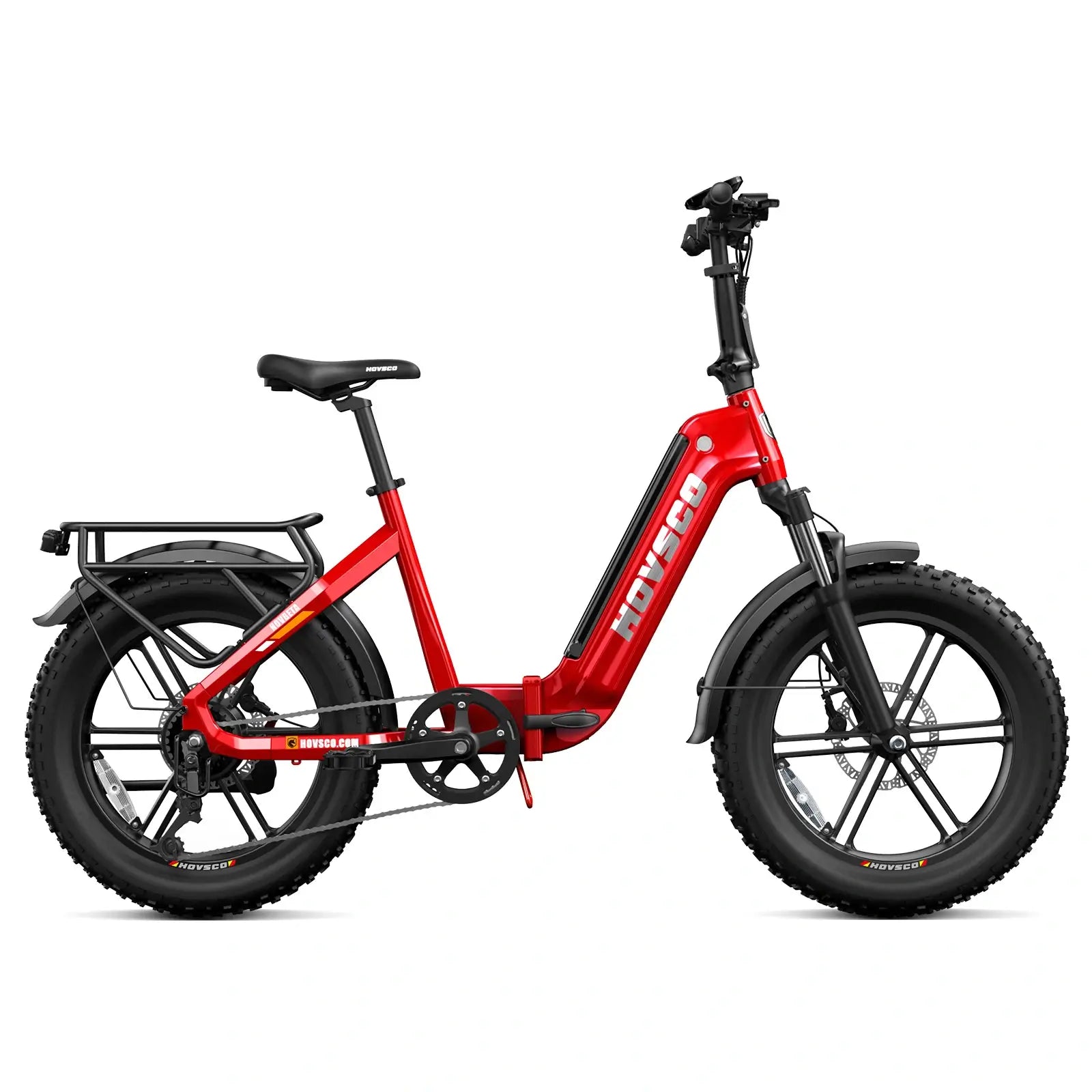
| Single room with elevator | Folded against a wall or in a bike room | HovBeta if storage space allows |
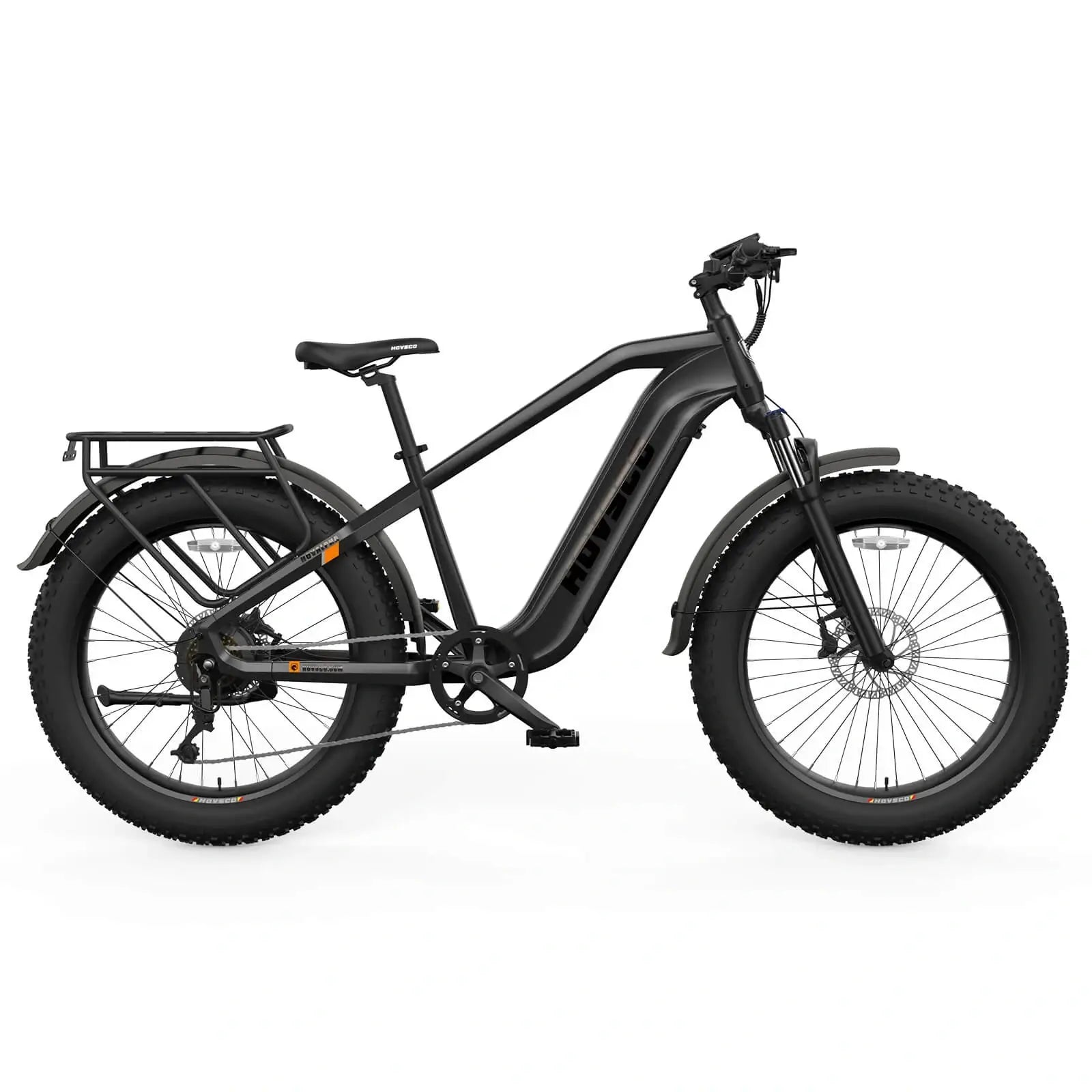
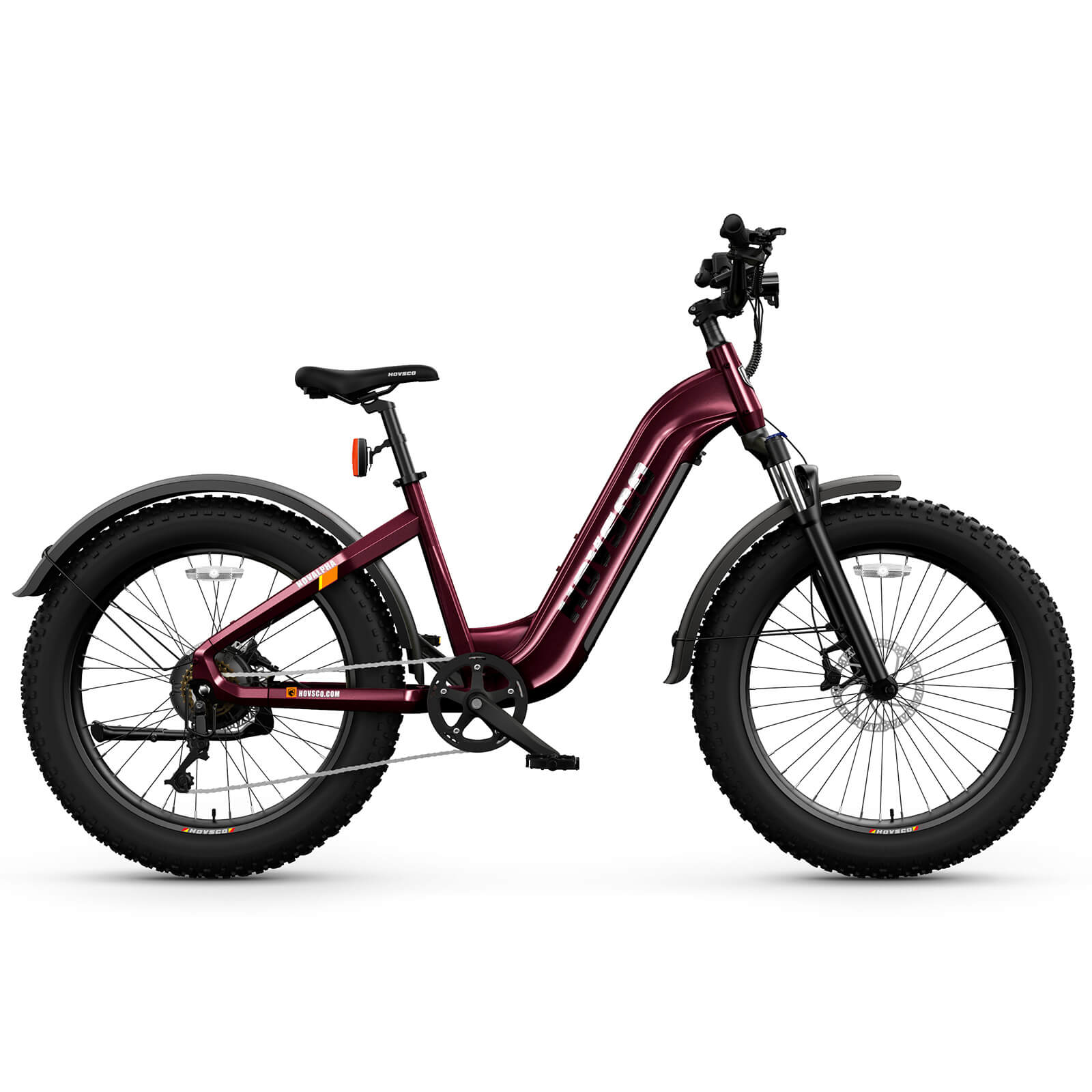
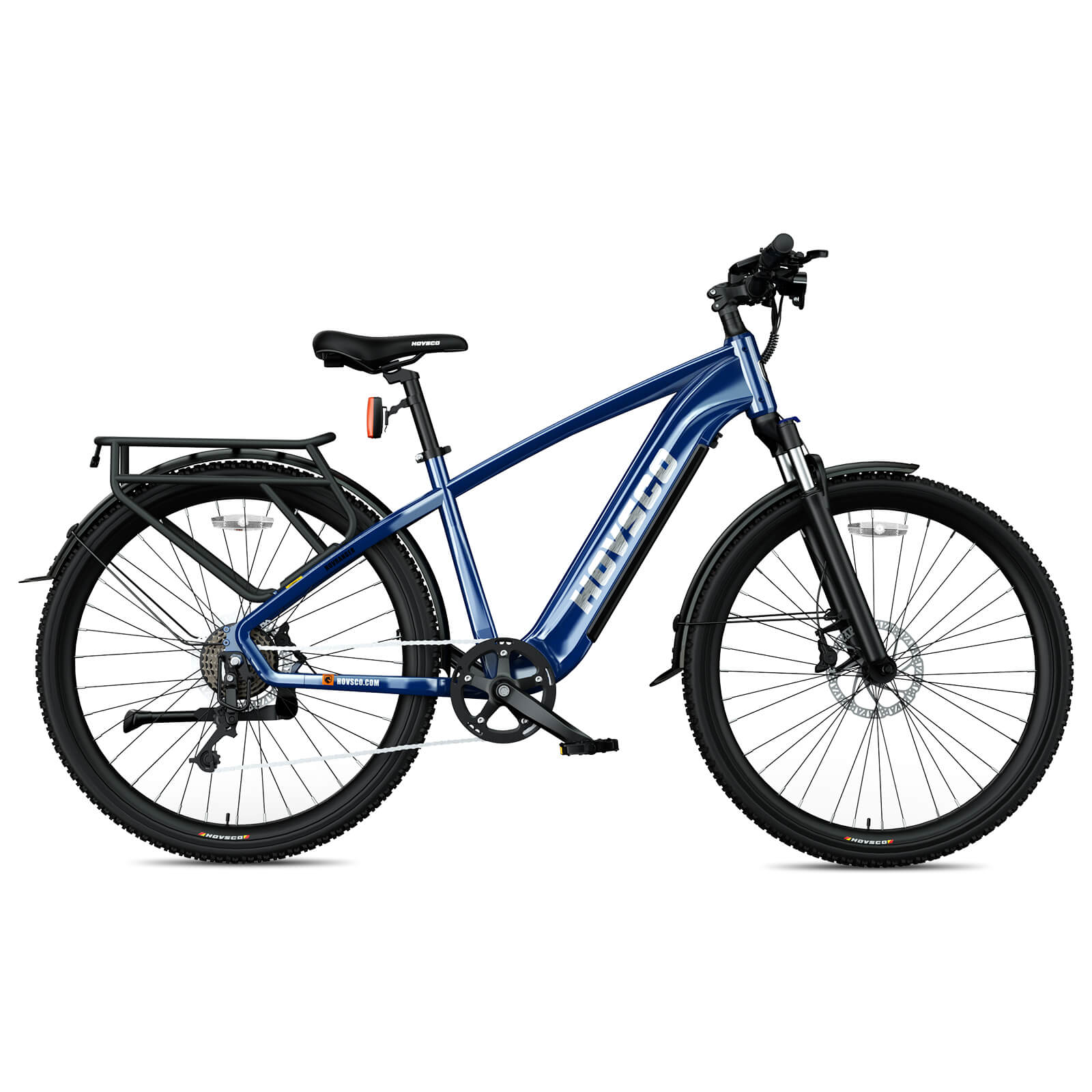
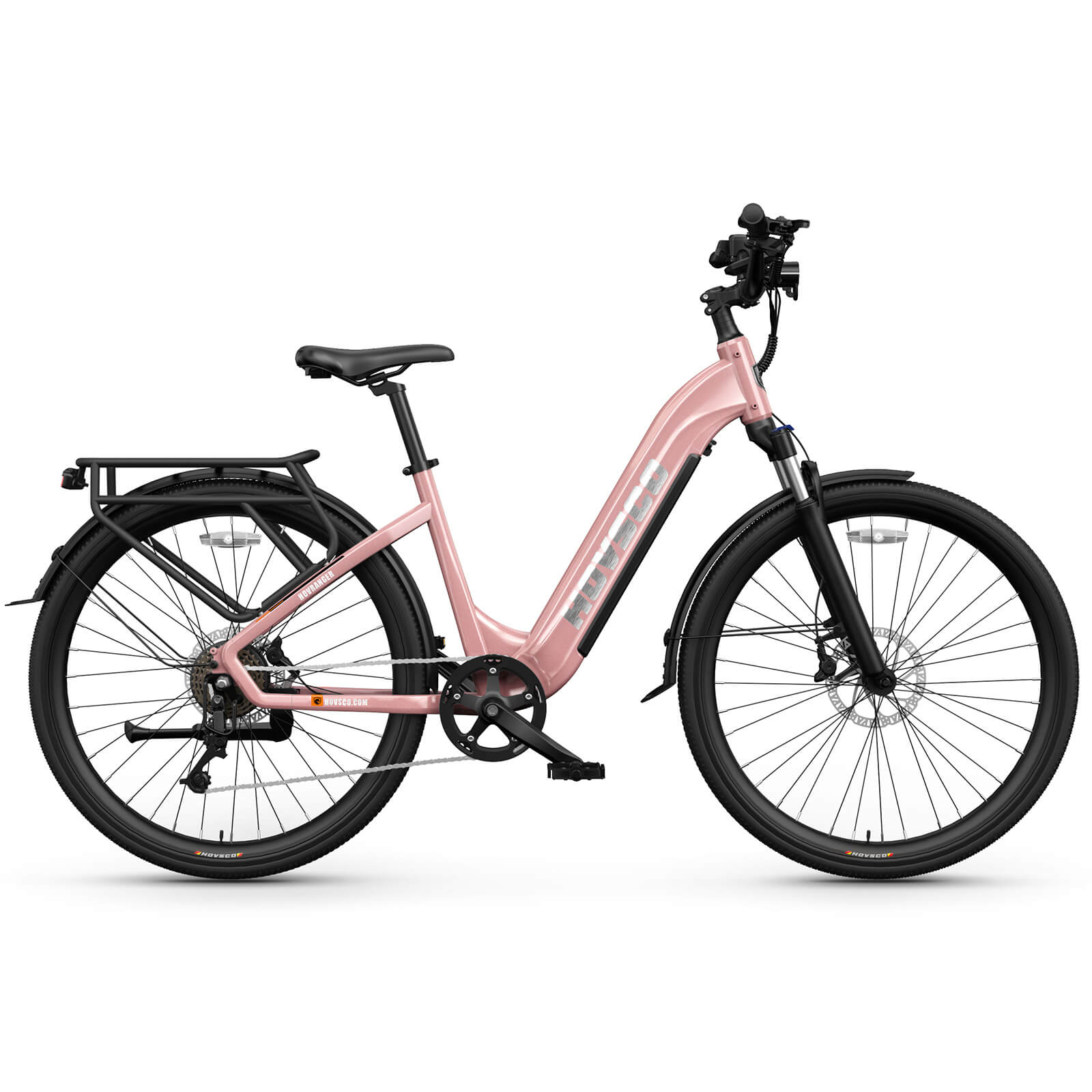
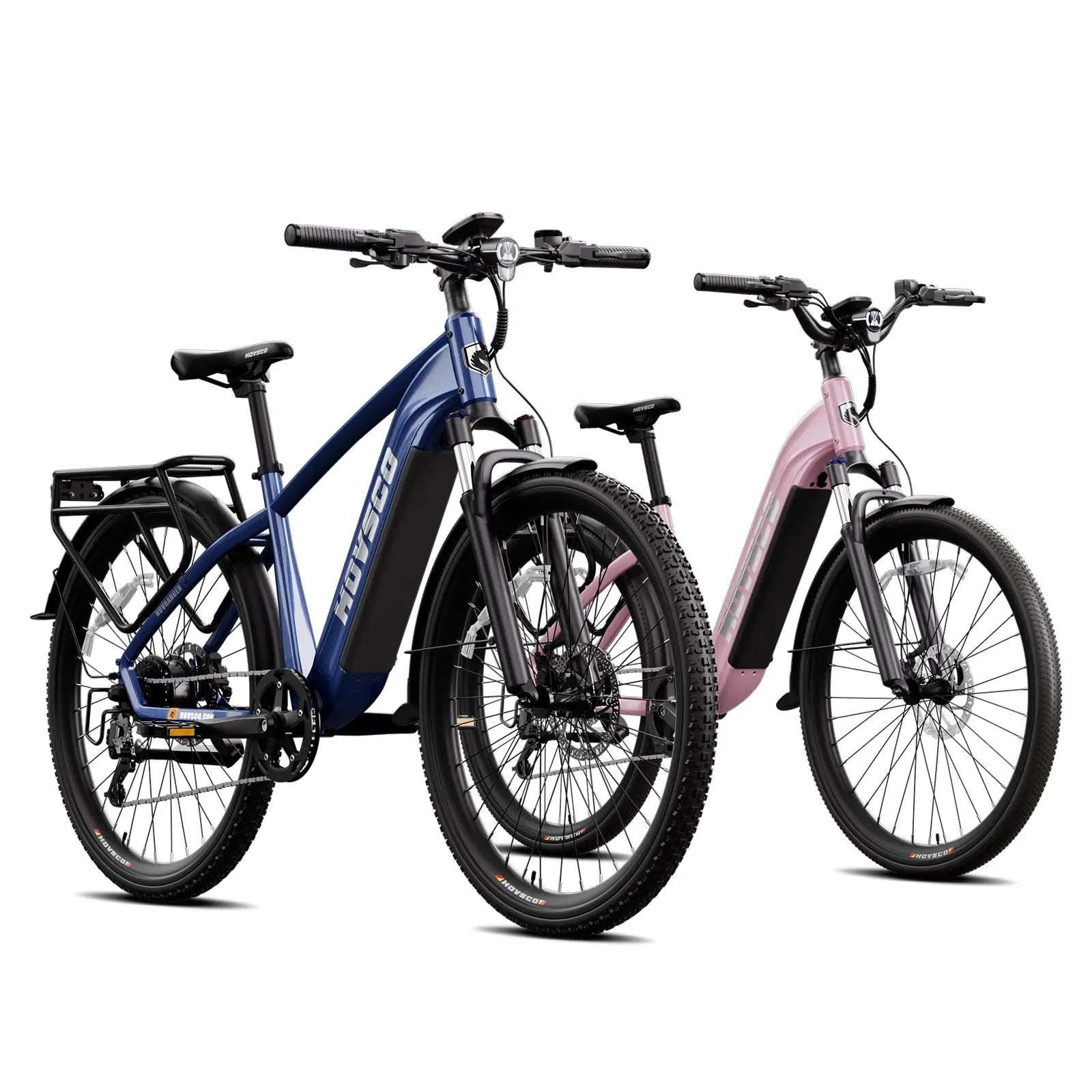
| Apartment with secure bike room | Rack or wall hook in a common space | HovRanger Step-Thru or Step-Over |
| House or ground floor | Indoor spot with a clear path | Any model that fits the route |
Notice the pattern: the housing type decides the model direction, not the other way around. A student who falls in love with a full-size bike before checking the dorm has the decision backwards; the dorm is the fixed constraint and the bike is the variable.
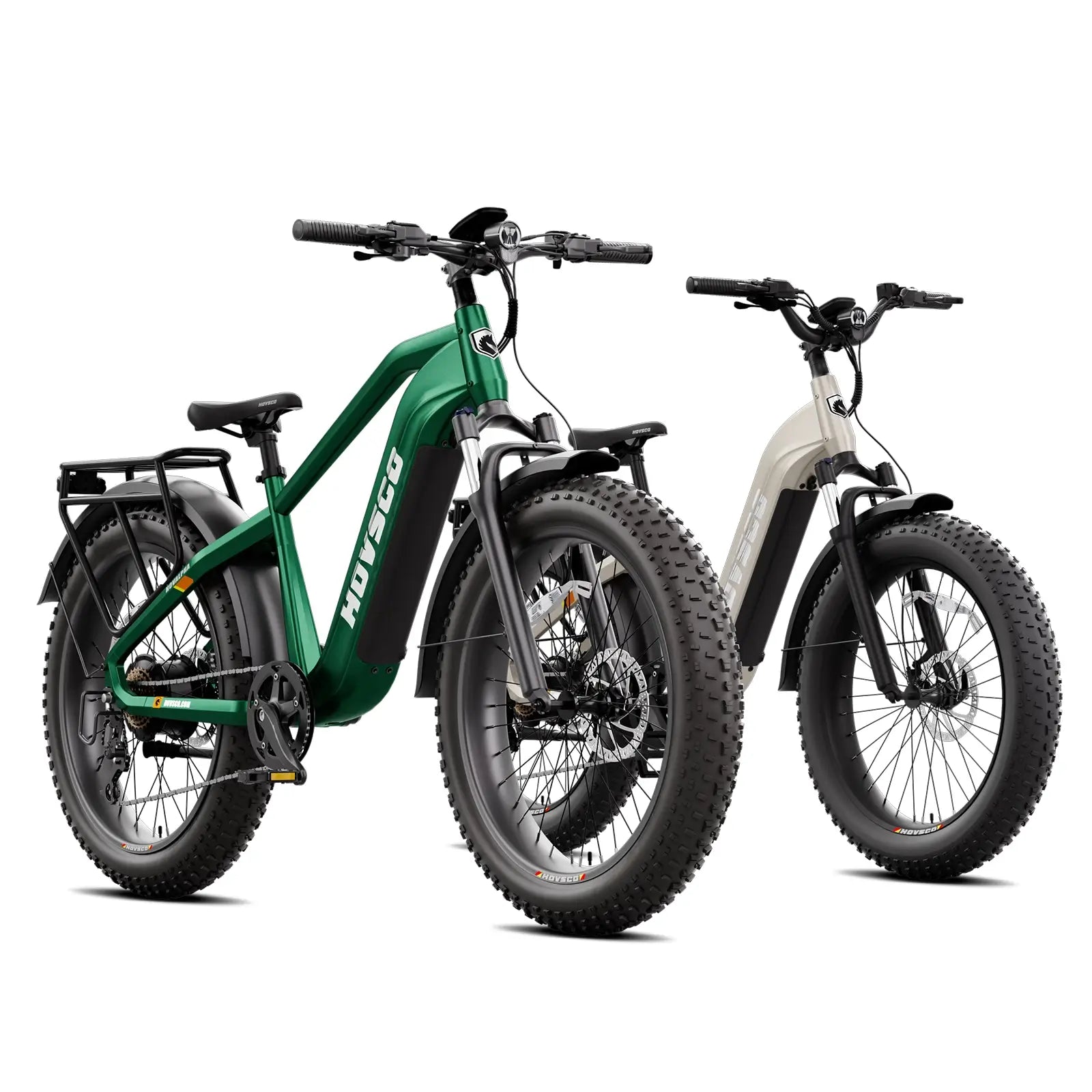
The table is a starting direction, not a verdict: a single room with a large closet may comfortably hold a full-size bike, and a bike room with elevator access may make a 73 lb HovAlpha practical. Apply the table to your measured numbers rather than to the label of your housing type.
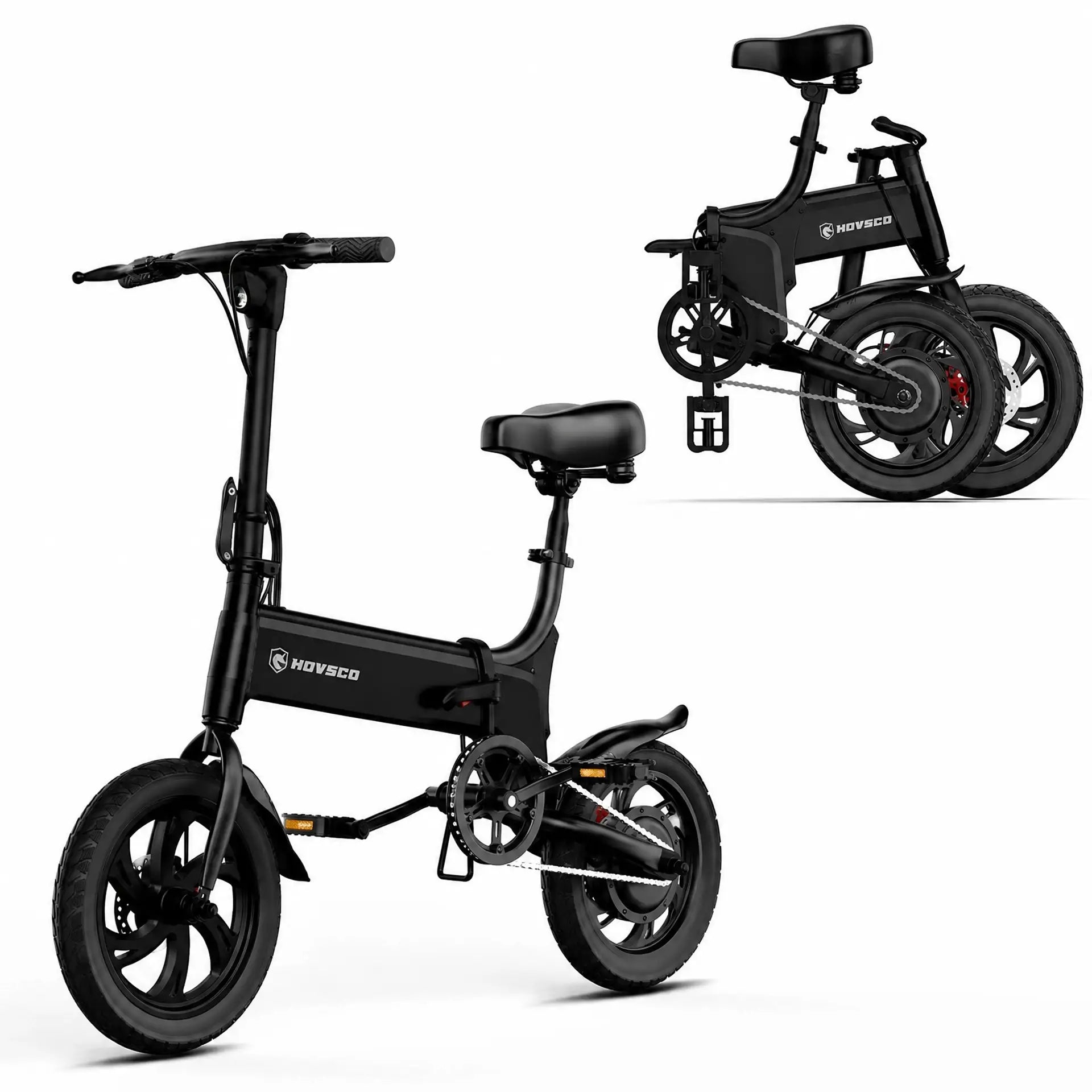
Folding solves space, not weight. The Sync Max folds into a compact 14-inch format at 42.3 lb net — light enough to carry through a lobby. The HovBeta folds into a 20-inch format at 66.4 lb complete, which is a different lifting experience on stairs.
Run the stair test before buying: carry a bag weighing the model's complete weight up your actual route once. If that feels fine, the bike will feel similar; if it does not, choose the lighter model or confirm elevator access in writing.
Do the stair test with the backpack you will actually carry, because the total is what matters: a 42 lb bike plus a 15 lb backpack is a 57 lb carry at the top of the stairs. Students who test with the empty bike underestimate the daily routine by exactly the weight of their class load.
Housing policies that restrict bike storage are usually about egress: exits, hallways, and fire routes must stay clear at all times. The approved storage position is the one that keeps the bike out of the path of anyone leaving the building.
This is also where the complete weight matters again — a bike stored above a doorway or on a high hook must be manageable to retrieve quickly, and a 66–73 lb bike on a wall hook is a different object than a 42 lb one. Store where housing says, and store so the bike can be moved fast if needed.
It is worth treating the fire-route rule as a hard line rather than a suggestion. A bike leaning in a hallway may be fine for a week and then block the one moment it matters; the approved position exists precisely so the building stays safe without anyone having to make a judgment call under pressure.
Battery storage follows the same permission rules as the bike itself. On models with removable batteries — the Sync Max, HovBeta, HovRanger, and HovAlpha all publish removable packs — the battery can often be stored and charged separately from the bike, which helps when the bike itself must live in a bike room.
Confirm the charging position with housing before you need it, and keep the battery at a partial charge for longer breaks. The routine details for charging and battery care are in our charging guide.
Give the battery a consistent home — a shelf or a drawer near the approved outlet — so it is not left leaning against the bike or on a windowsill. Lithium-ion packs prefer stable room temperature and dry conditions, and a fixed spot makes the daily remove-and-charge routine automatic rather than improvised.
Winter break and summer move-out change the storage math: bike rooms may close, elevators may be restricted, and outdoor racks are a poor long-term home for any e-bike. Plan where the bike will go before the last week of classes.
For breaks longer than two weeks, remove the battery, store it at a partial charge indoors, and protect the bike from moisture in its approved spot. A bike abandoned outside for a month comes back to corrosion and a flat battery; a bike stored deliberately comes back ready for the next semester.
Ask the housing office about break access early — some bike rooms stay open, others lock for the holiday. If the approved spot is not available during the break, the plan needs a second home: a friend's apartment, a storage unit, or a parent's garage, arranged before move-out week rather than discovered on the last day.
Run this list before ordering and again on move-in day.
| Check | Pass condition |
|---|---|
| Full path measured | Doors, elevators, halls, and stairs fit the model |
| Approved position confirmed | Housing says where the bike may live |
| Stair test completed | Complete weight is manageable on your route |
| Charging spot approved | Housing confirms where the battery may charge |
| Break plan exists | Bike and battery have a home during breaks |
Move-in day is the wrong time to learn the measurements. Run the checklist with a tape measure and a housing email before you order, and the first week of classes will be spent riding the bike instead of rearranging the room around it.
" The storage question is answered with a tape measure and a housing email, not a spec sheet. Measure the path, confirm the approved position, and the right model becomes obvious." — HOVSCO Engineering & Content Team
Storing an e-bike in a dorm or apartment comes down to three confirmed facts: the full path fits, housing approves the position, and the complete weight is manageable on that path. Match the model to those numbers and storage stops being a semester-long problem.
Can I keep an e-bike in a dorm room?
It depends on the housing policy. Some halls allow complete bikes indoors, others require a bike room or outdoor rack. Confirm the rule for your building in writing.
Which folding e-bike fits a dorm room best?
The Sync Max at 42.3 lb net and a 14-inch fold fits the smallest footprints. The HovBeta at 66.4 lb complete folds too, but it needs an elevator or a short, manageable path.
How much space does a folding e-bike need?
Folded, a 14-inch folder like the Sync Max fits a closet or a corner; a 20-inch folder like the HovBeta needs more floor space. Measure your spot and compare the folded dimensions on the product page.
Can I store my e-bike outside during the semester?
Only with approved rack parking and a good lock, and it is hard on the bike over time. Indoor storage is gentler on the battery, drivetrain, and wiring, and is often required by housing.
What should I do with my e-bike over winter break?
Remove the battery and store it partially charged indoors, protect the bike from moisture in its approved spot, and confirm the bike room or storage position stays available during the break.
Share:
What Should Beginners Learn Before Their First E-Bike Ride?
What Should You Check Before Stop-and-Go Commuting?