

Sync Max
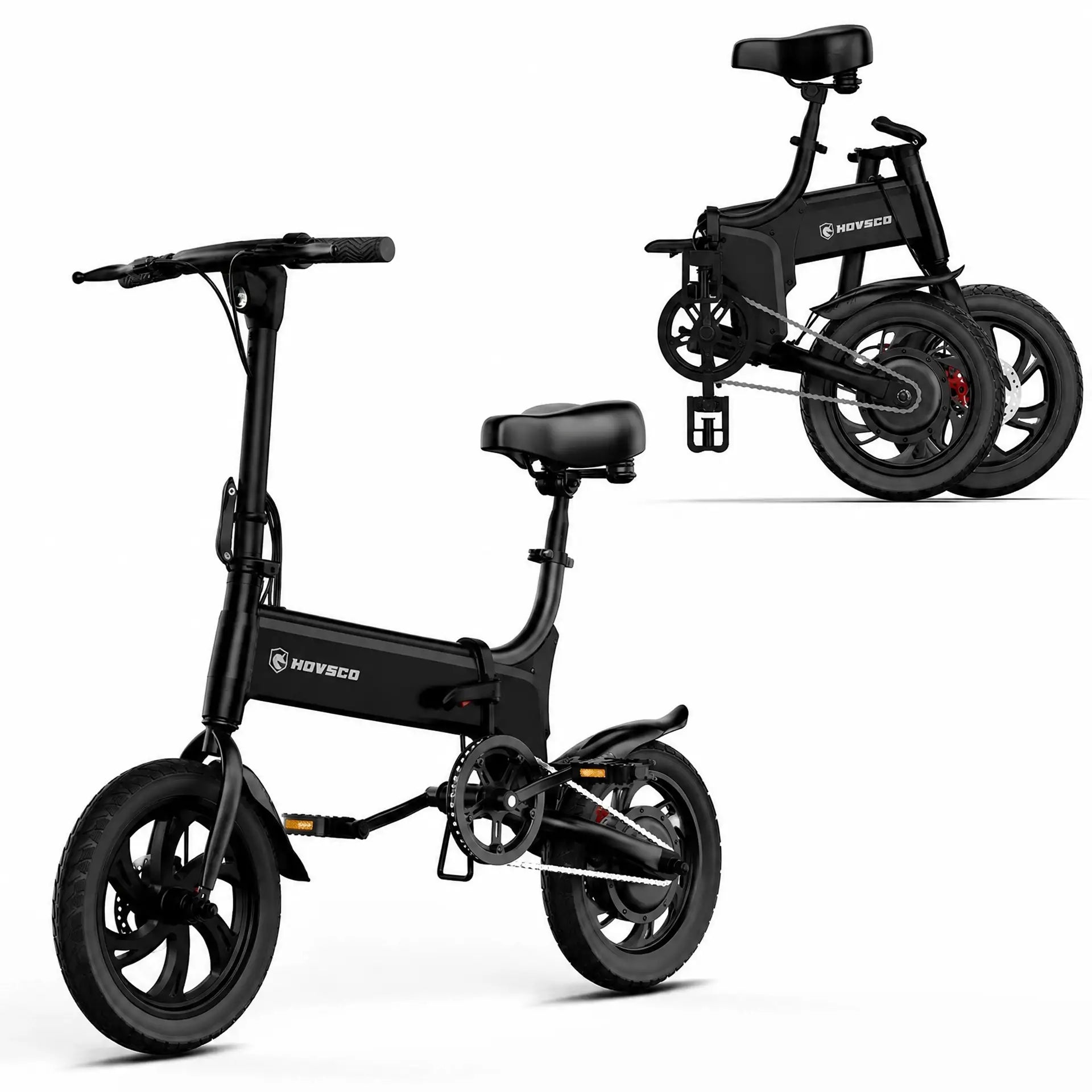
Compact 14-inch folding format. Confirm fit, 42.3 lb published weight, folded space and whether housing permits indoor storage and charging.
View Sync Max →E-Bikes
Accessories
 Free Shipping
 15-Day Returns
 2-Year Warranty
Free Shipping
15-Day Returns
2-Year Warranty
Classes · housing · storage · campus rules
 Start with the housing constraintSync Max · compact 14-inch folding format · confirm rider fit
HOVSCO HovBeta Foldable E-Bike

Motor Power

Top Speed

Payload Capacity

Range
MOTOR POWER
Top Speed
Payload Capacity
Range
MOTOR POWER
Top Speed
Payload Capacity
Range
HOVSCO HovAlpha Long-Range E-Bike
1300W Peak
Top Speed
Payload Capacity
Range
HOVSCO HovAlpha Long-Range E-Bike
1300W Peak
Top Speed
Payload Capacity
Range
【New Arrival】HOVSCO™ Sync Max 14" Folding Electric Bike
Motor Power
Max Speed
Range
Payload Capacity
Four campus ownership formats
Compact 14-inch folding format. Confirm fit, 42.3 lb published weight, folded space and whether housing permits indoor storage and charging.
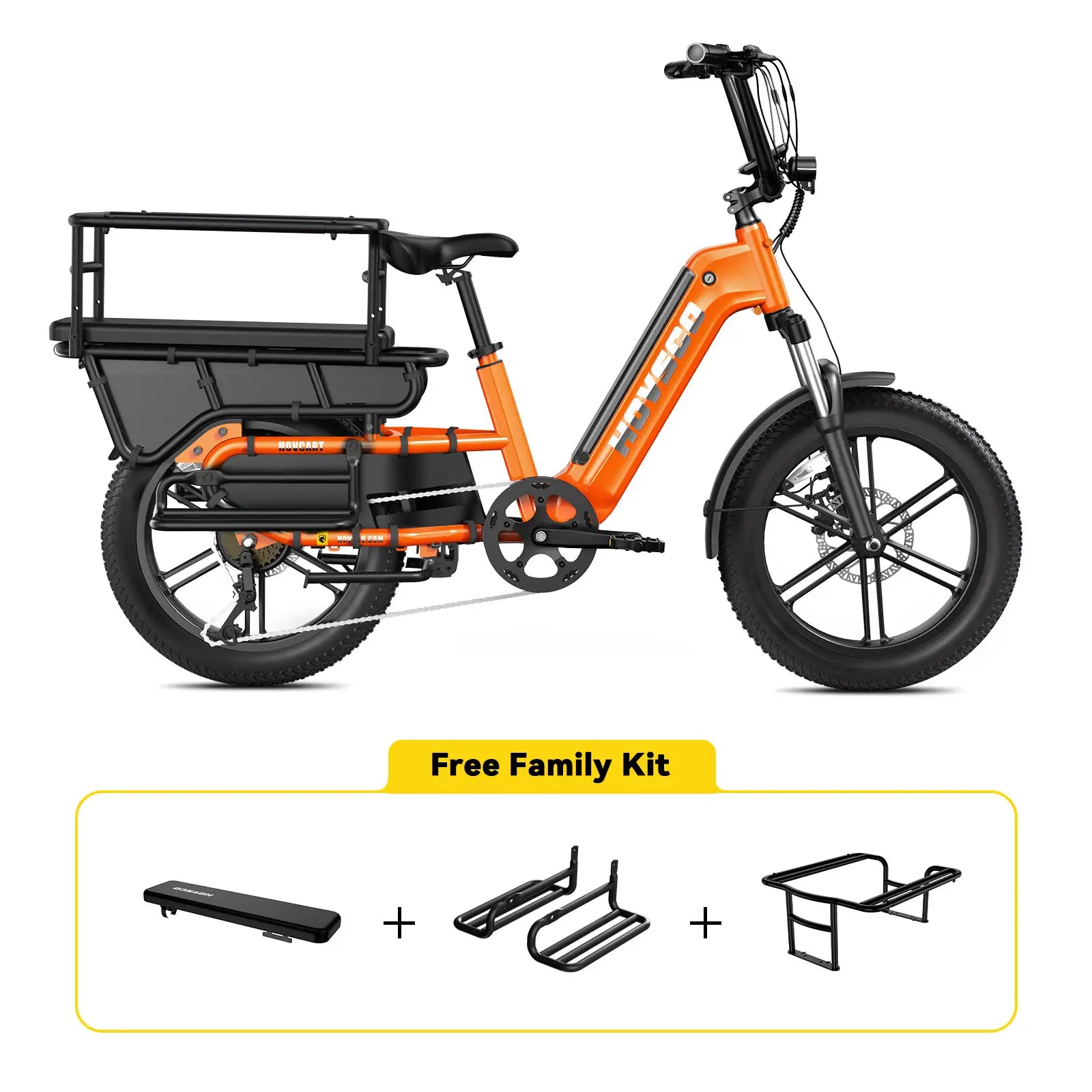
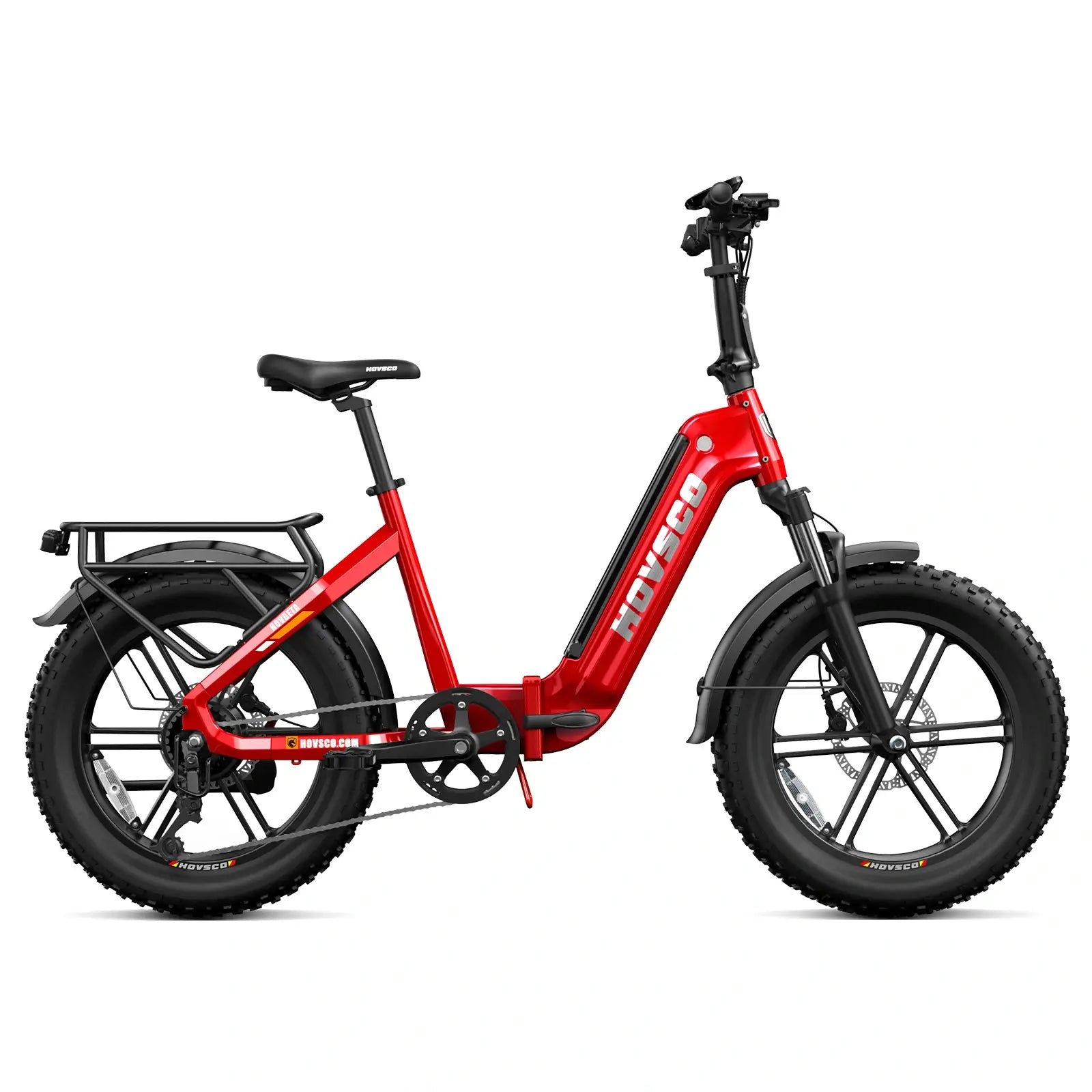
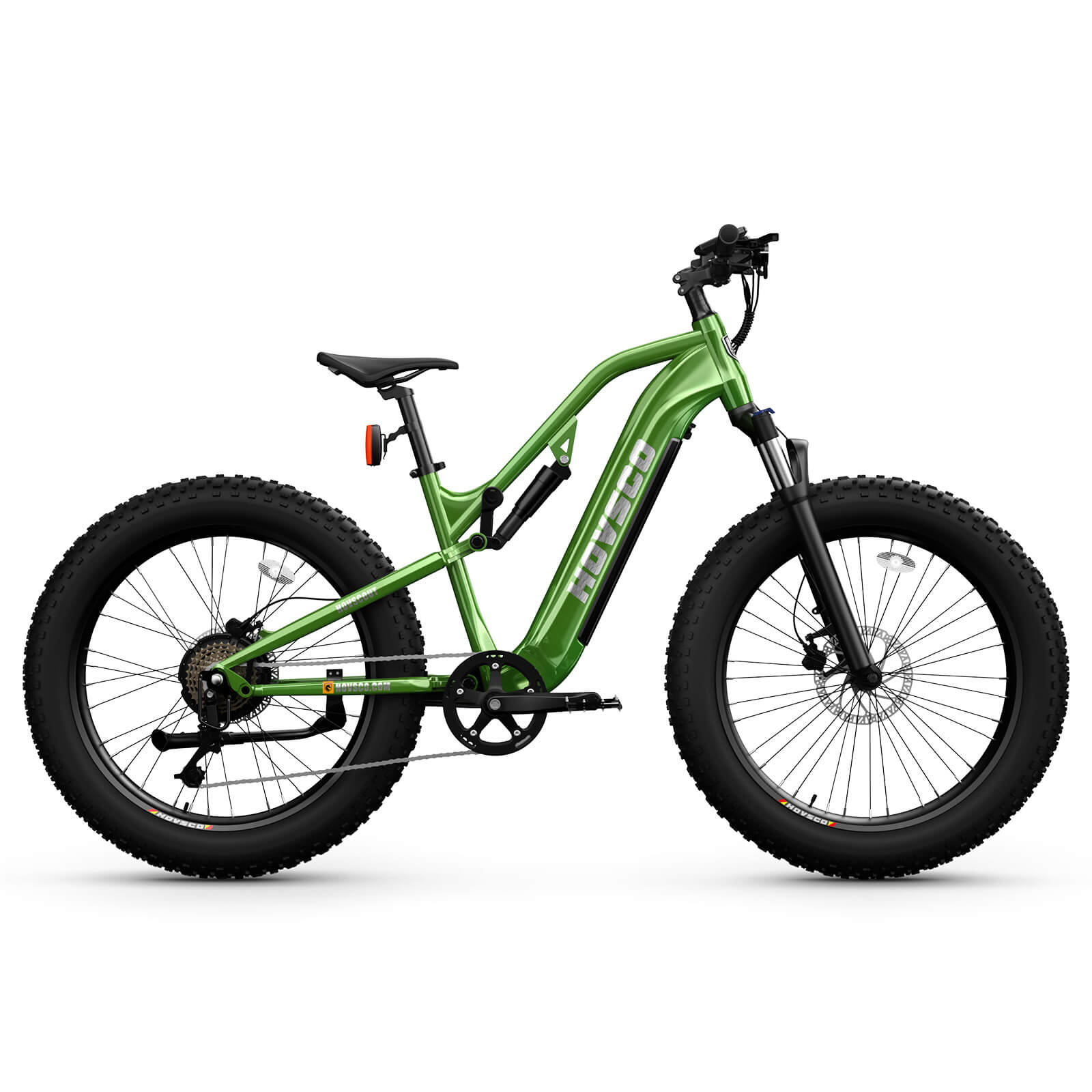
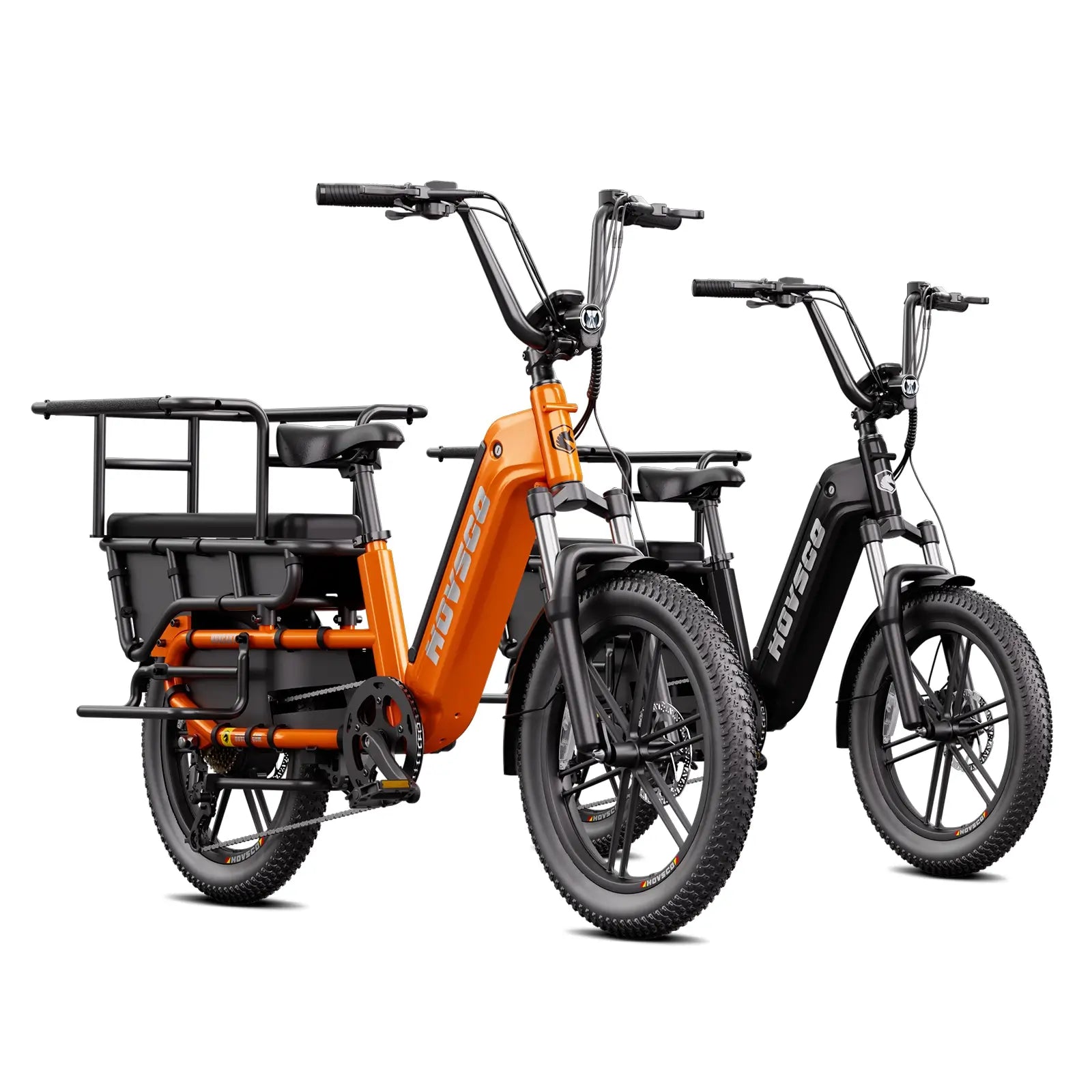
View Sync Max →A 20-inch fat-tire folding option. Its 66.4 lb published complete weight means folding should not be confused with easy stair carrying.
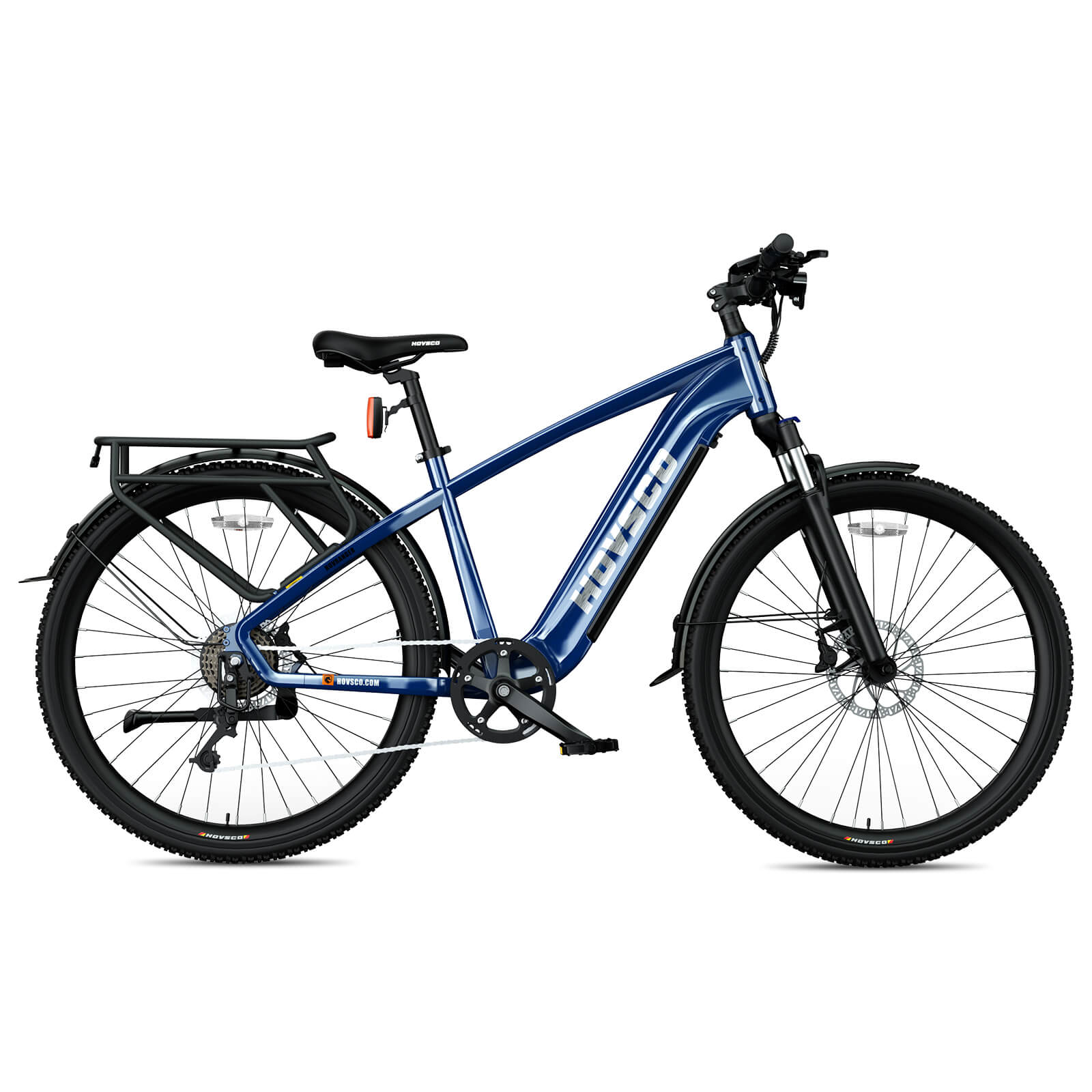
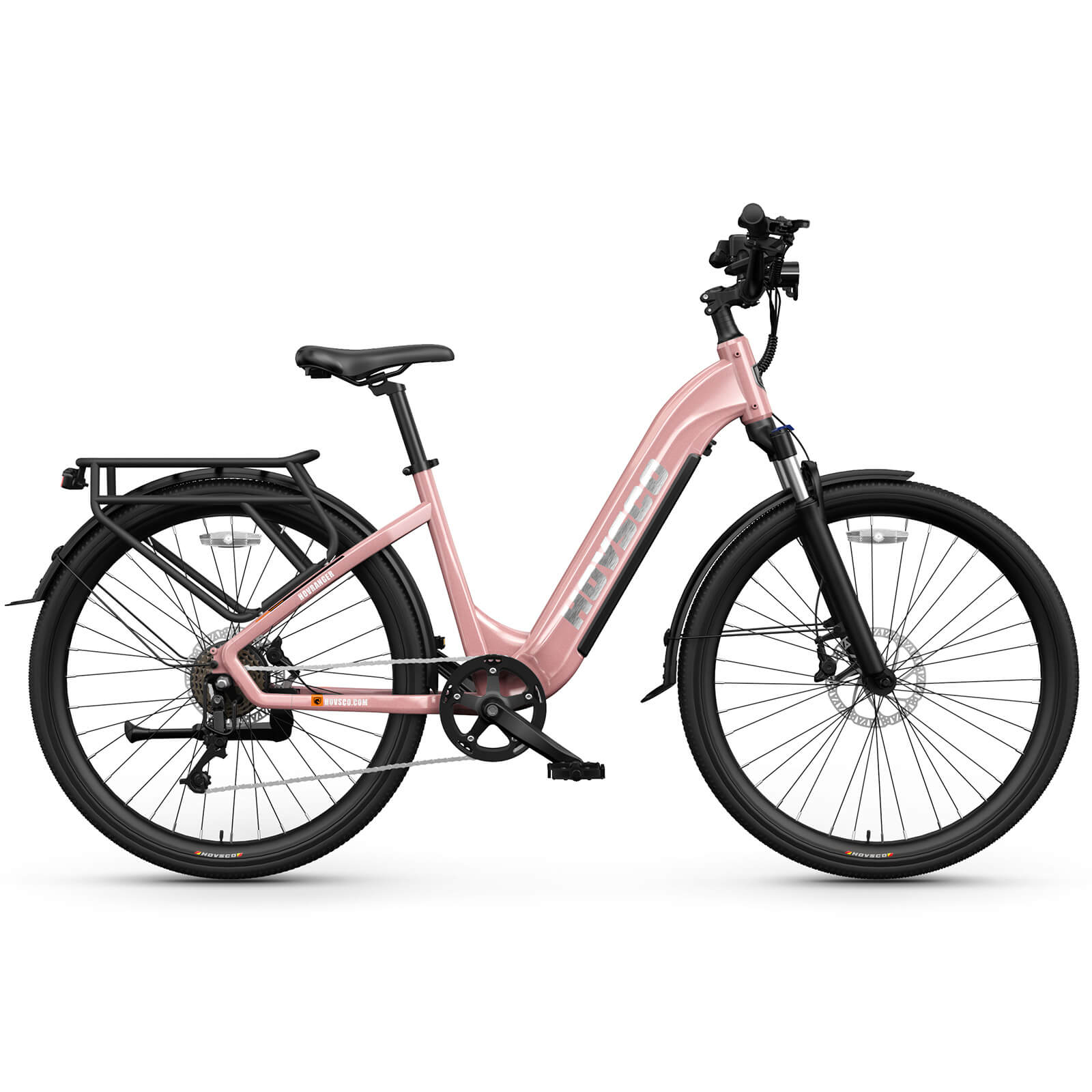
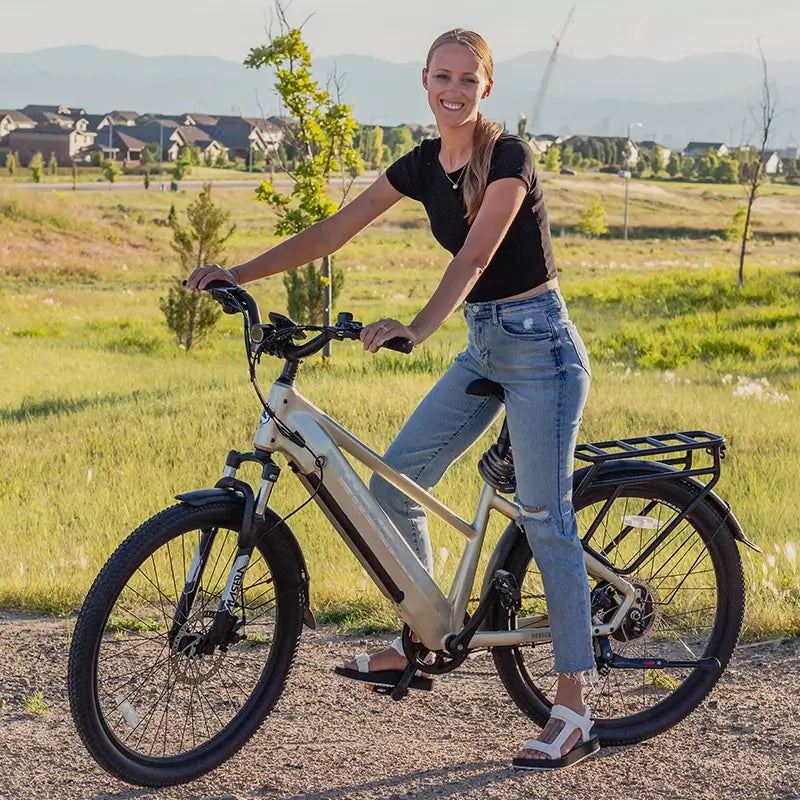
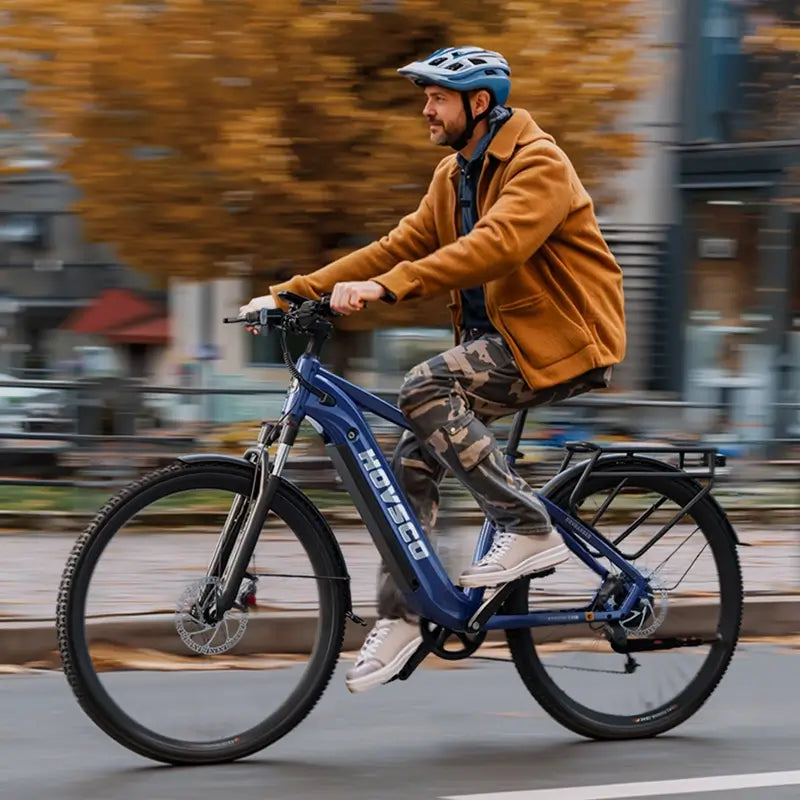
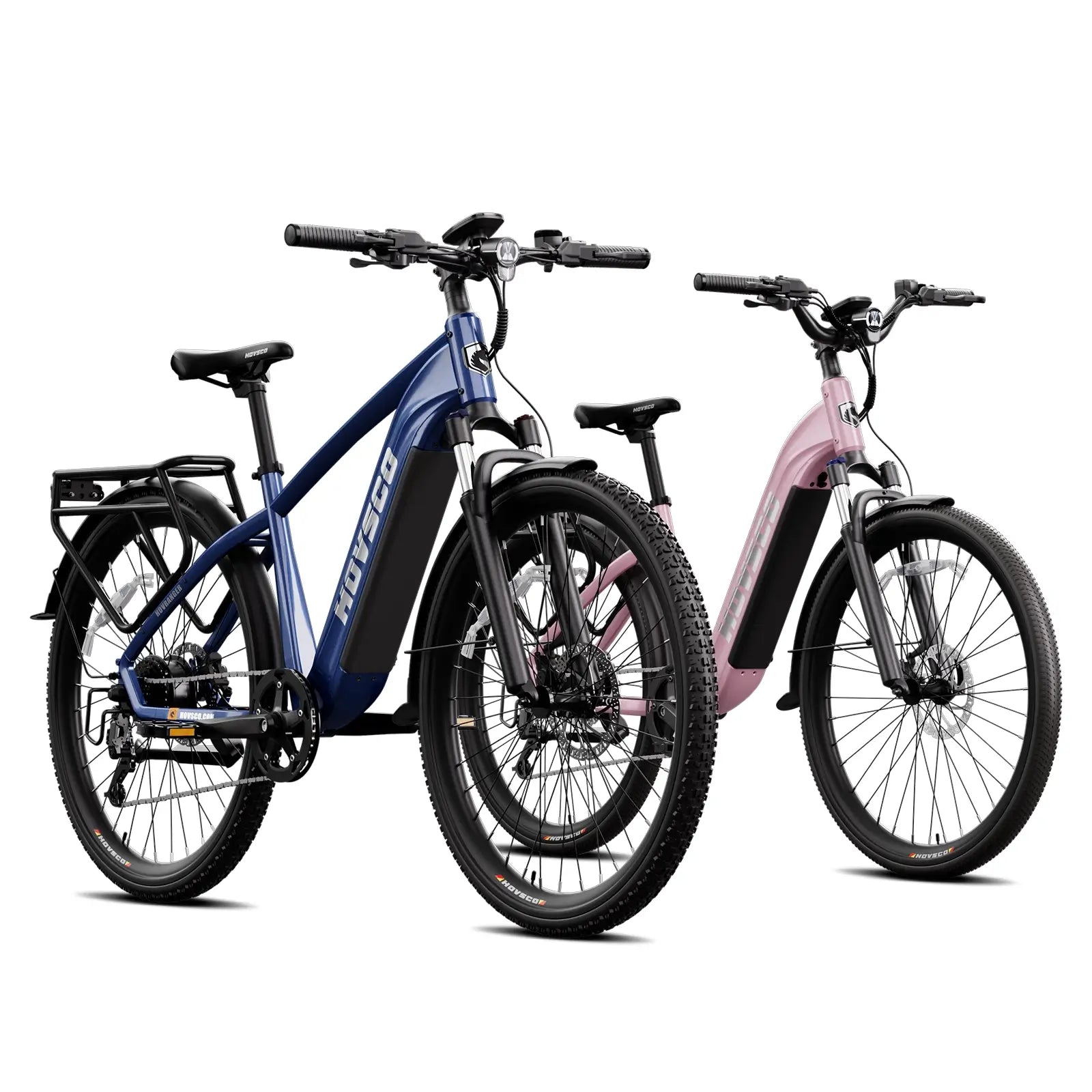
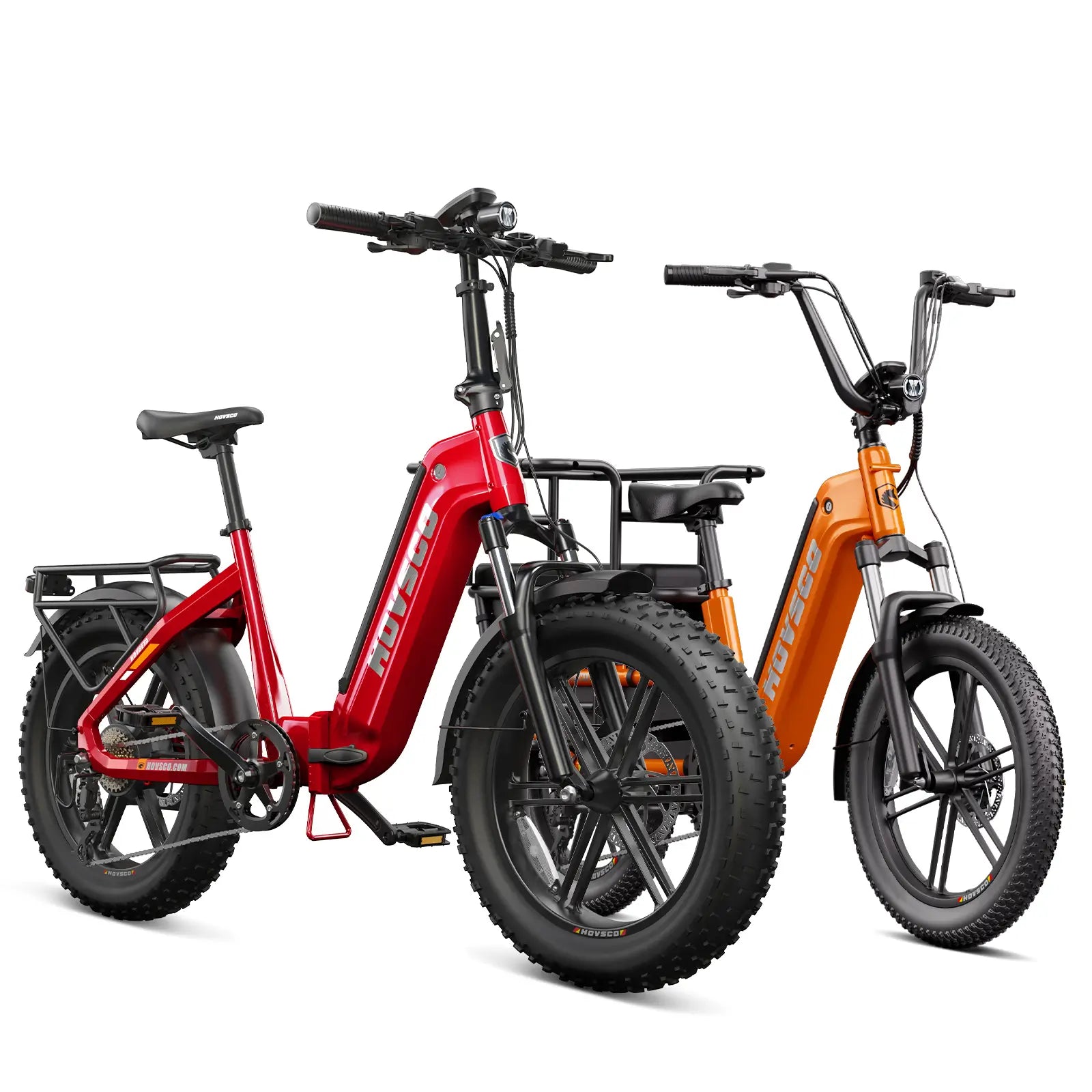
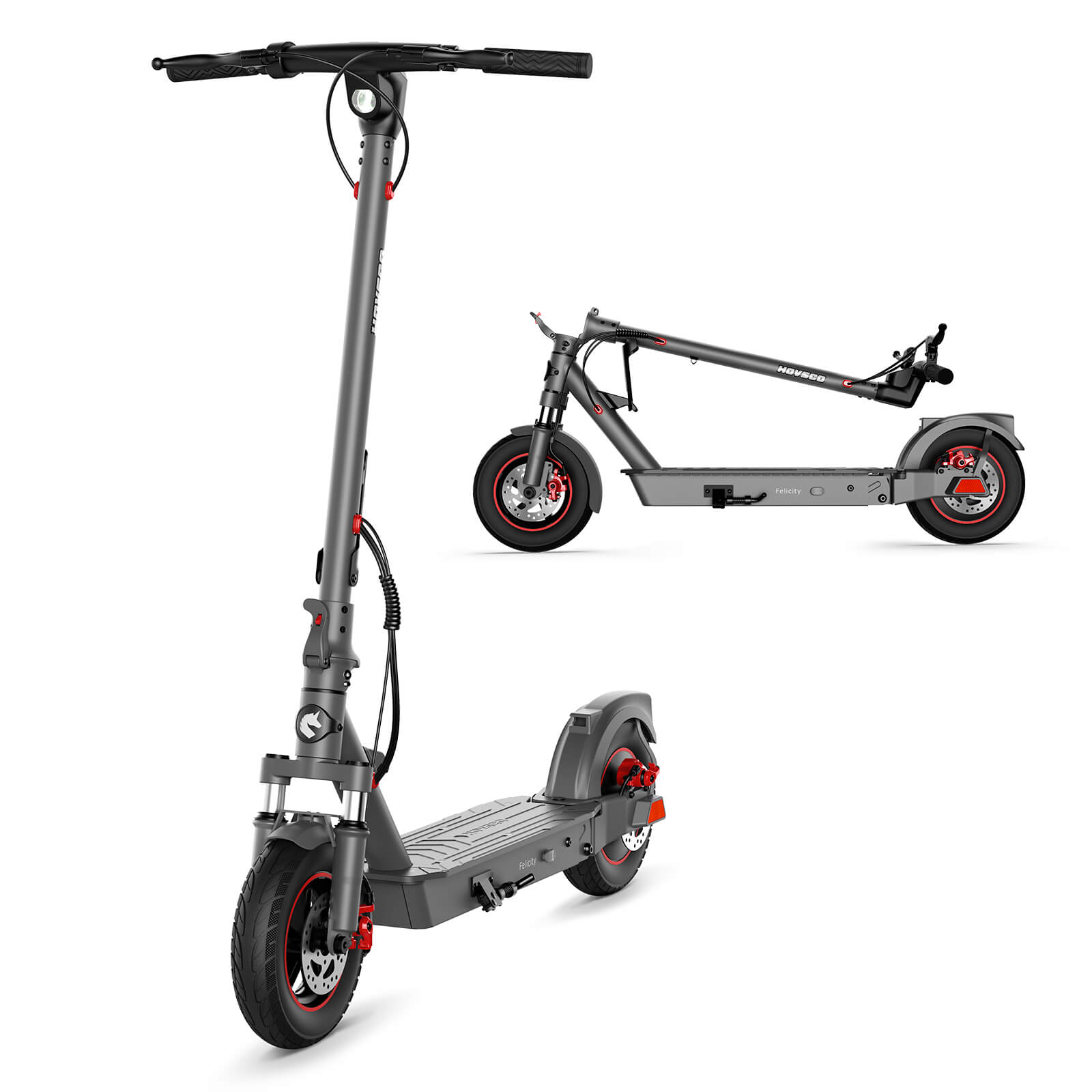
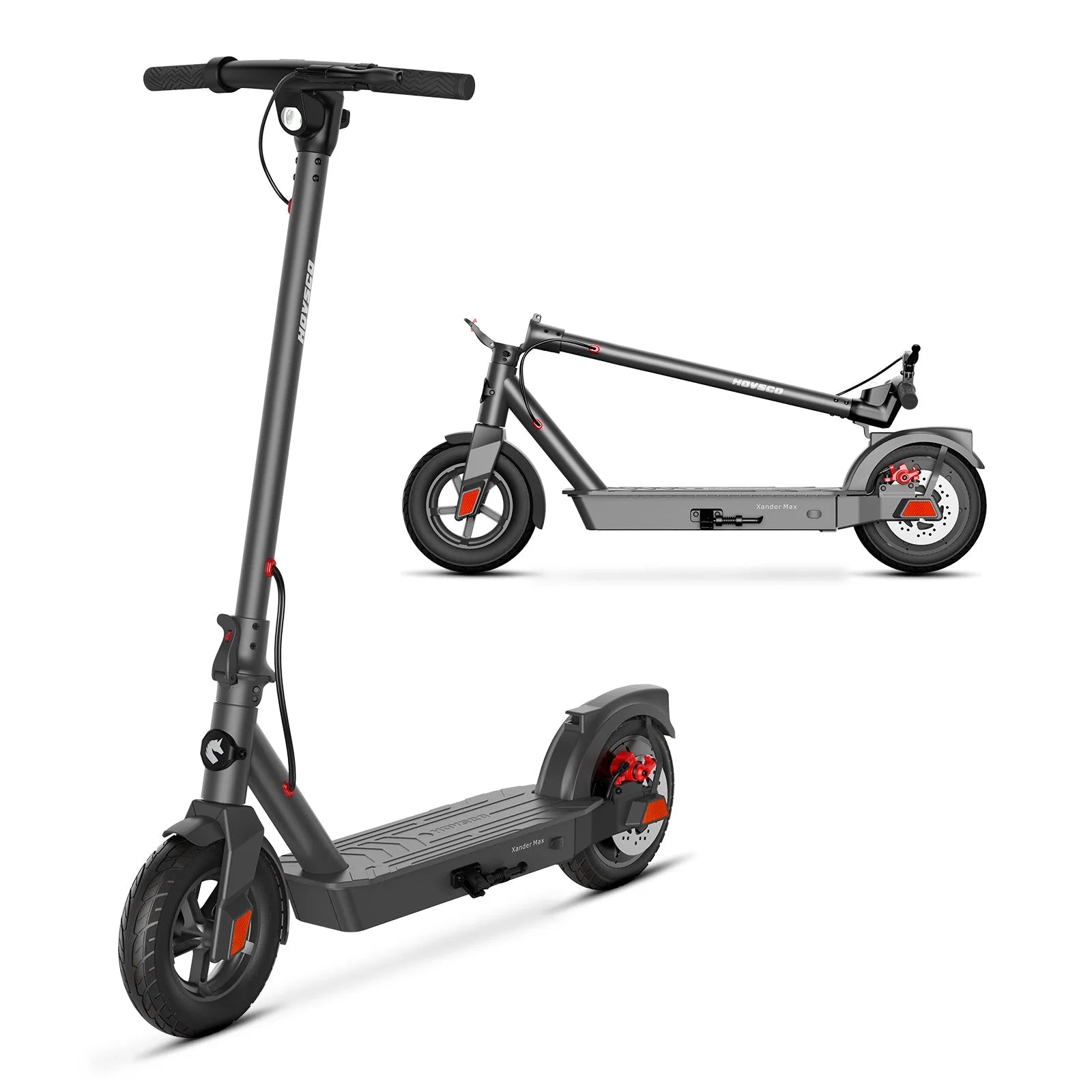
View HovBeta →Step-through and step-over listings for full-size riding. Compare body fit, destination locking and the campus path network.
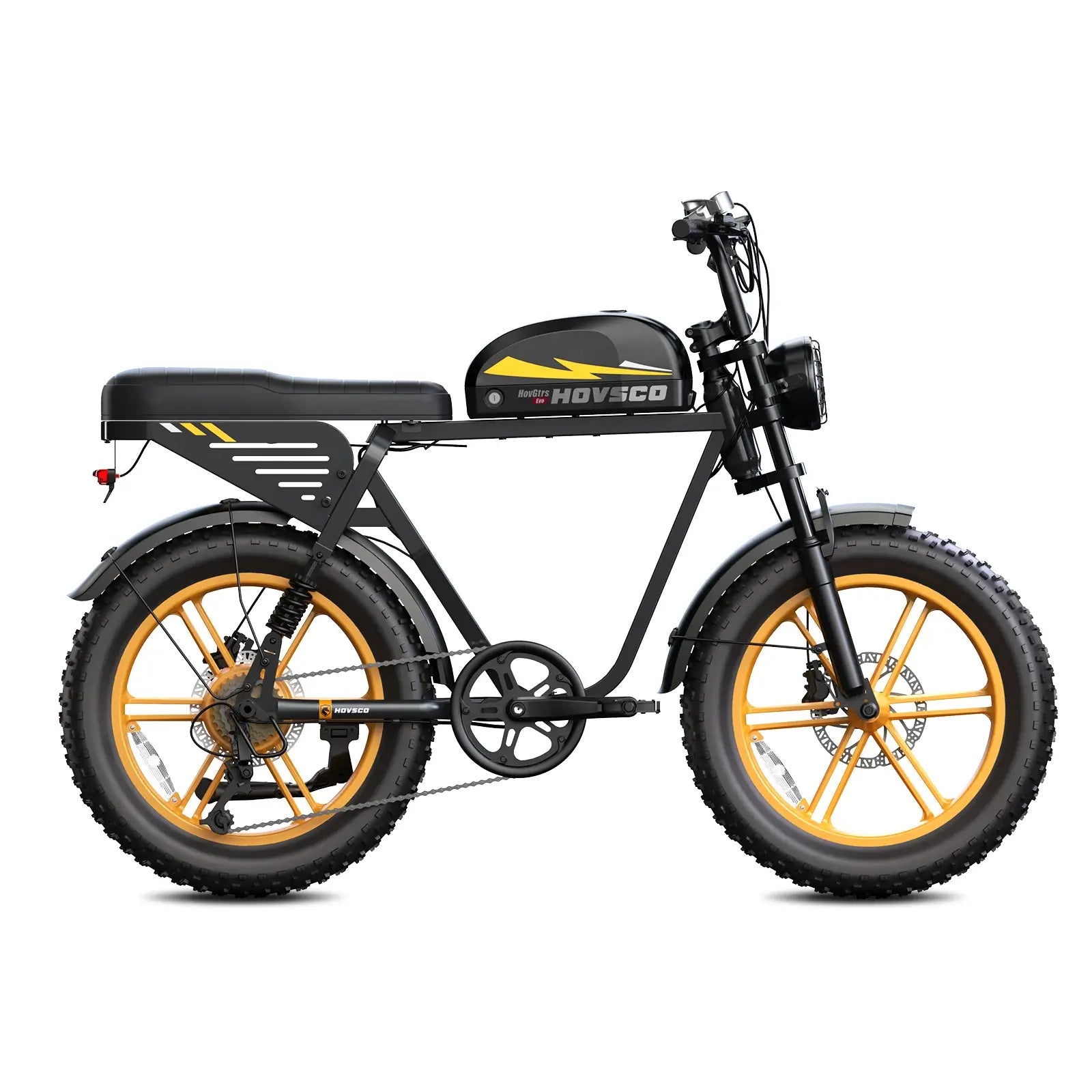
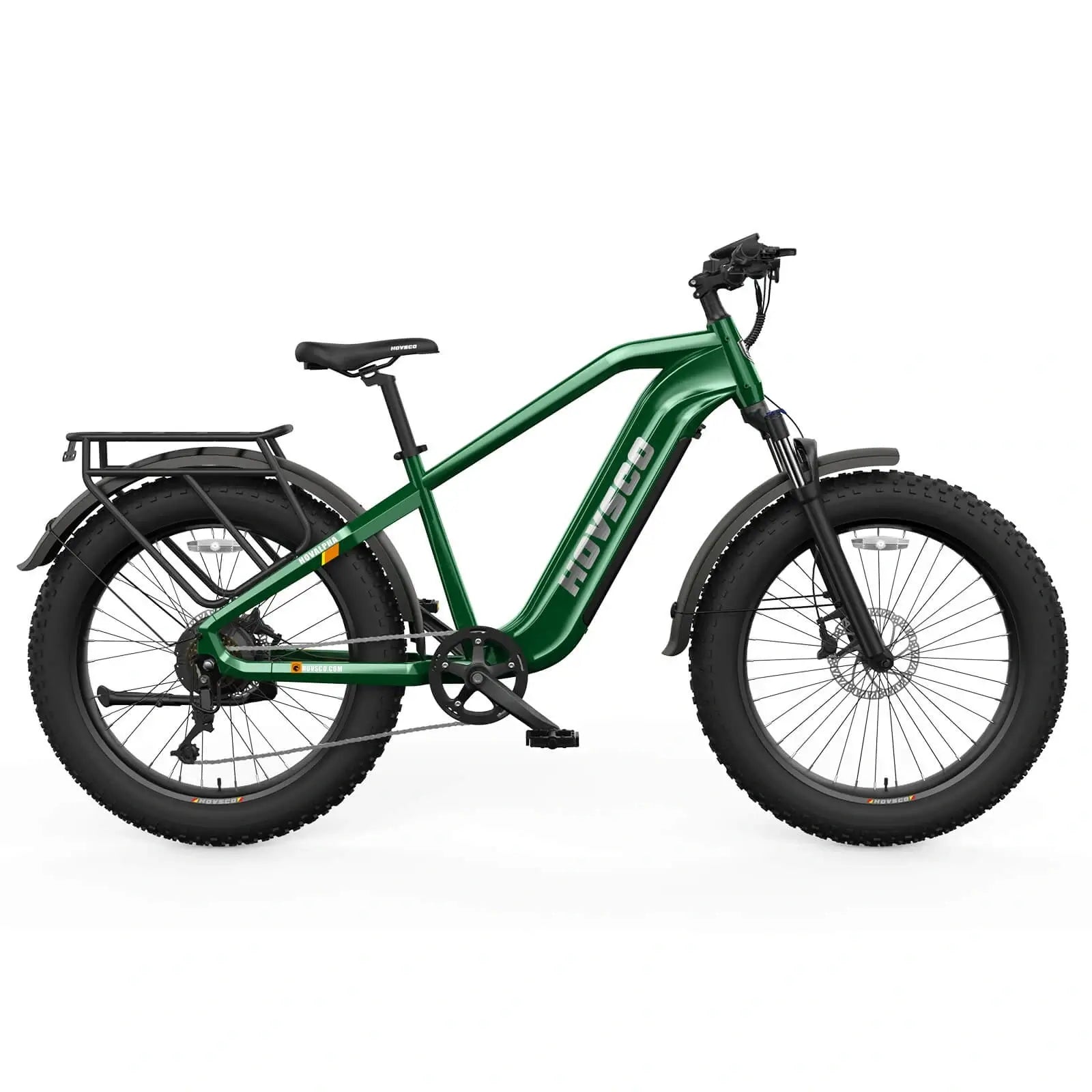
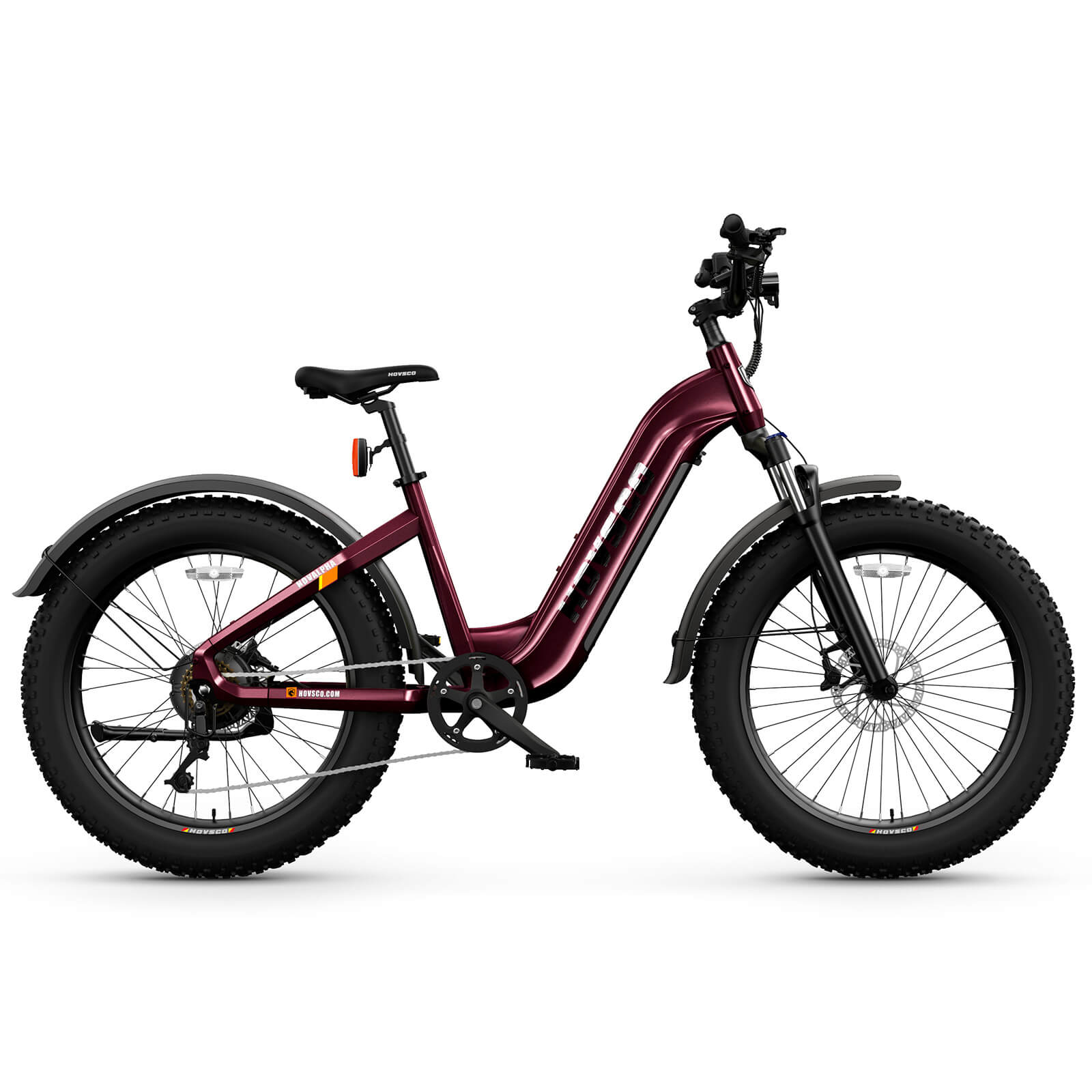
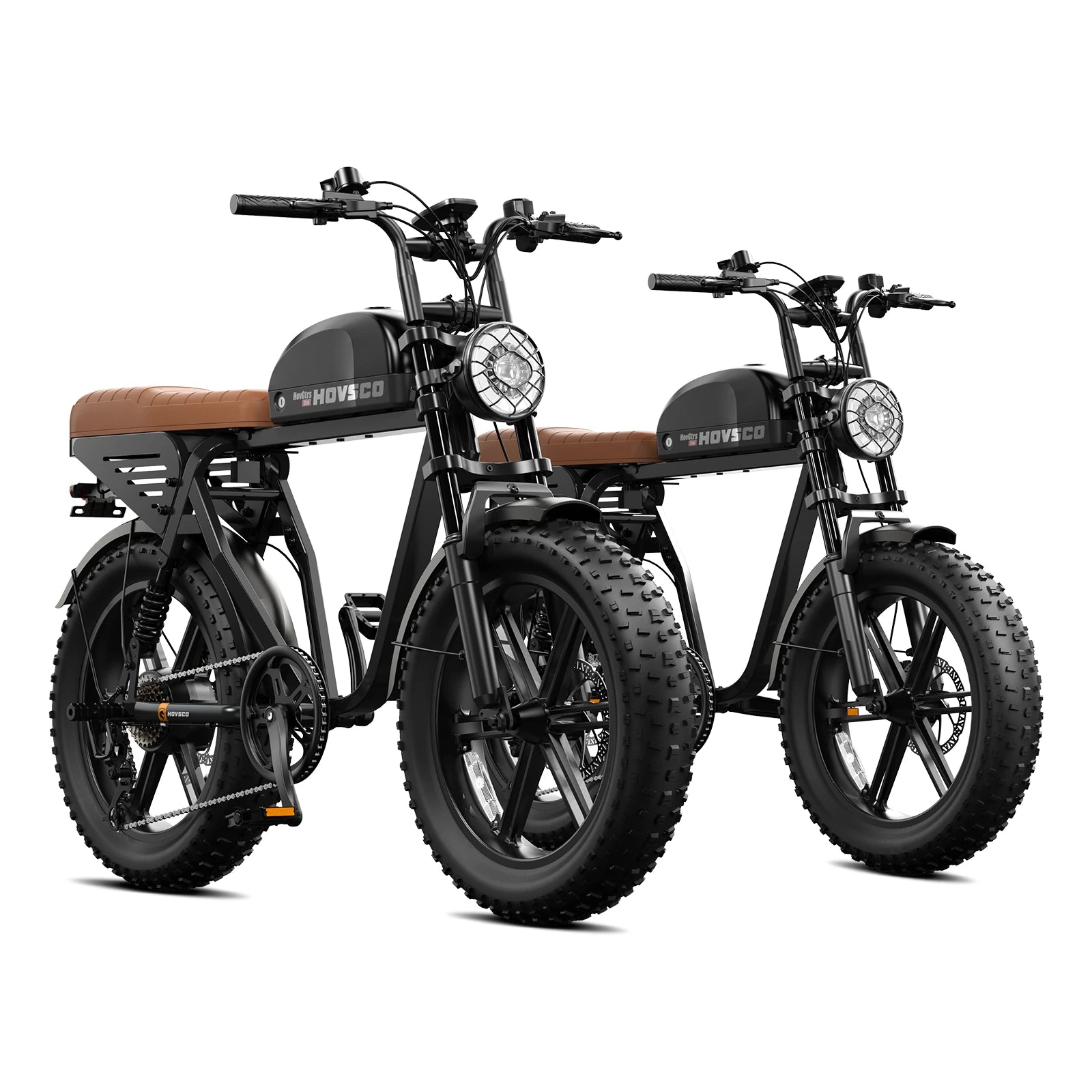
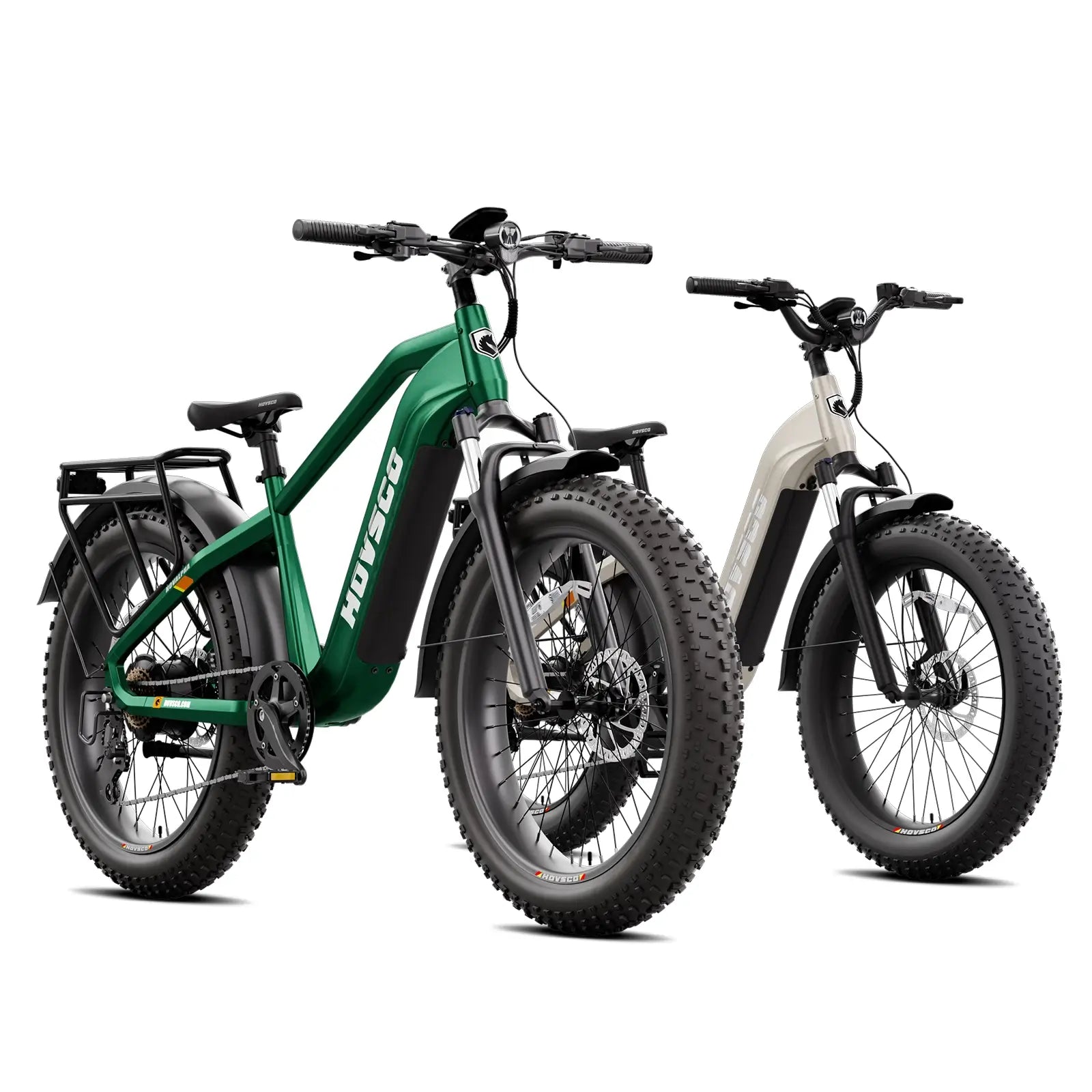
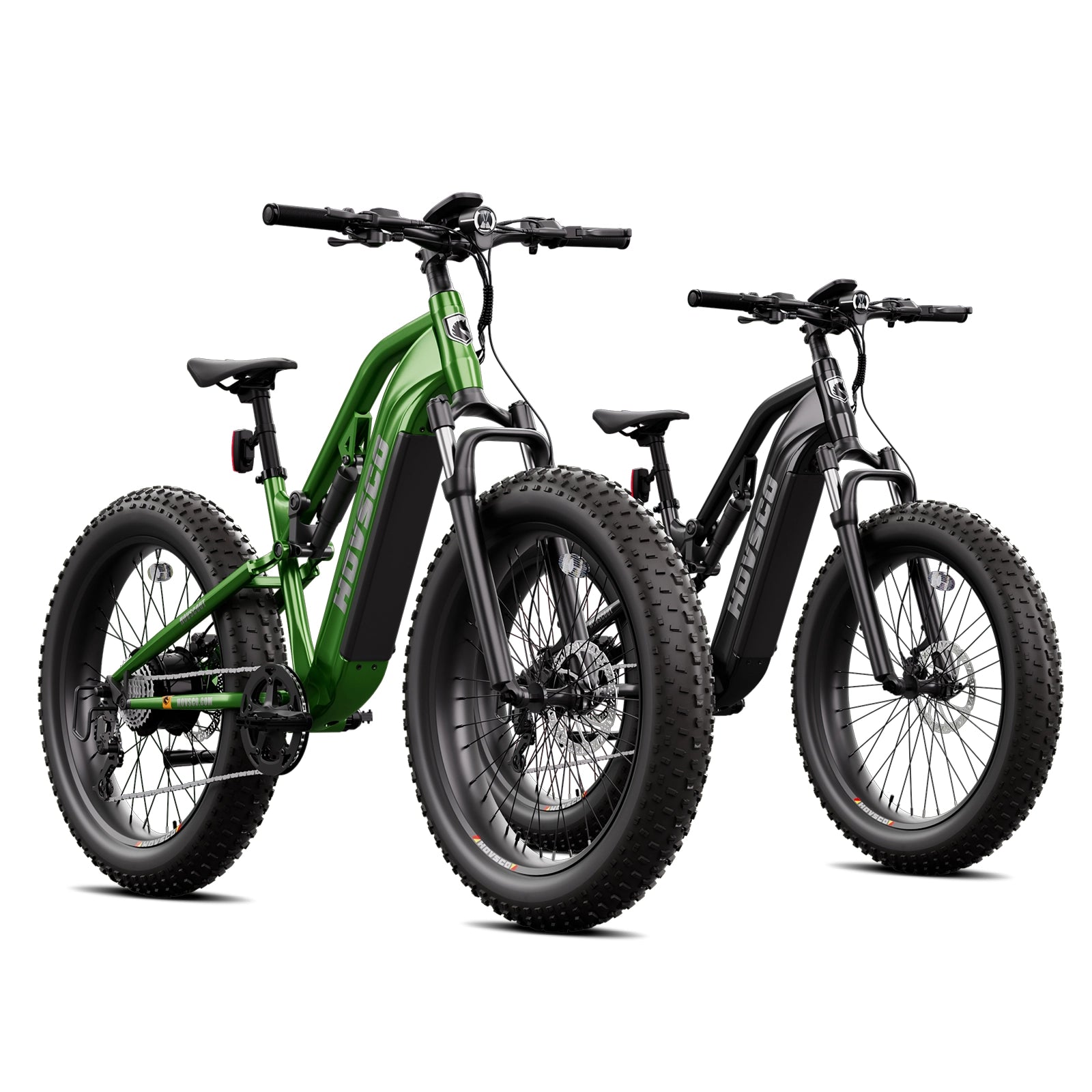
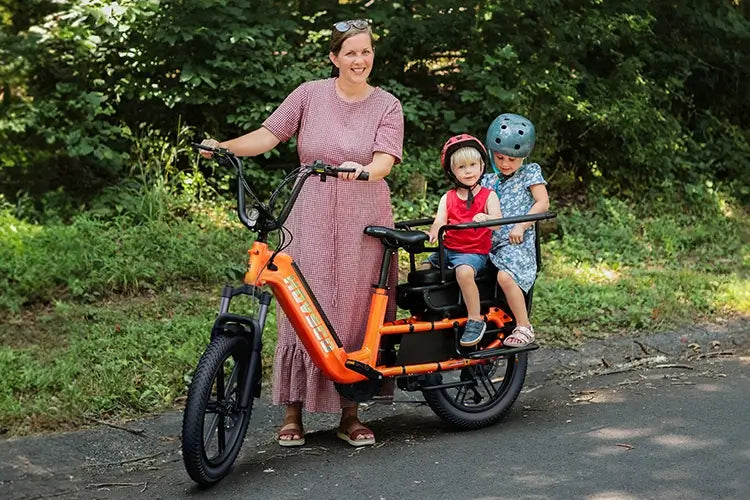
View HovRanger →Two fat-tire frame listings. Consider only when route surface and range needs justify the added size, weight and storage demand.
View HovAlpha →Choose around campus rules, storage, security, charging and the complete academic week.
An electric bike for college students should work across classes, housing, errands and the campus transportation system. The best match is not automatically the smallest or fastest bike; it is the one the student can legally ride, securely park, safely charge and consistently manage.
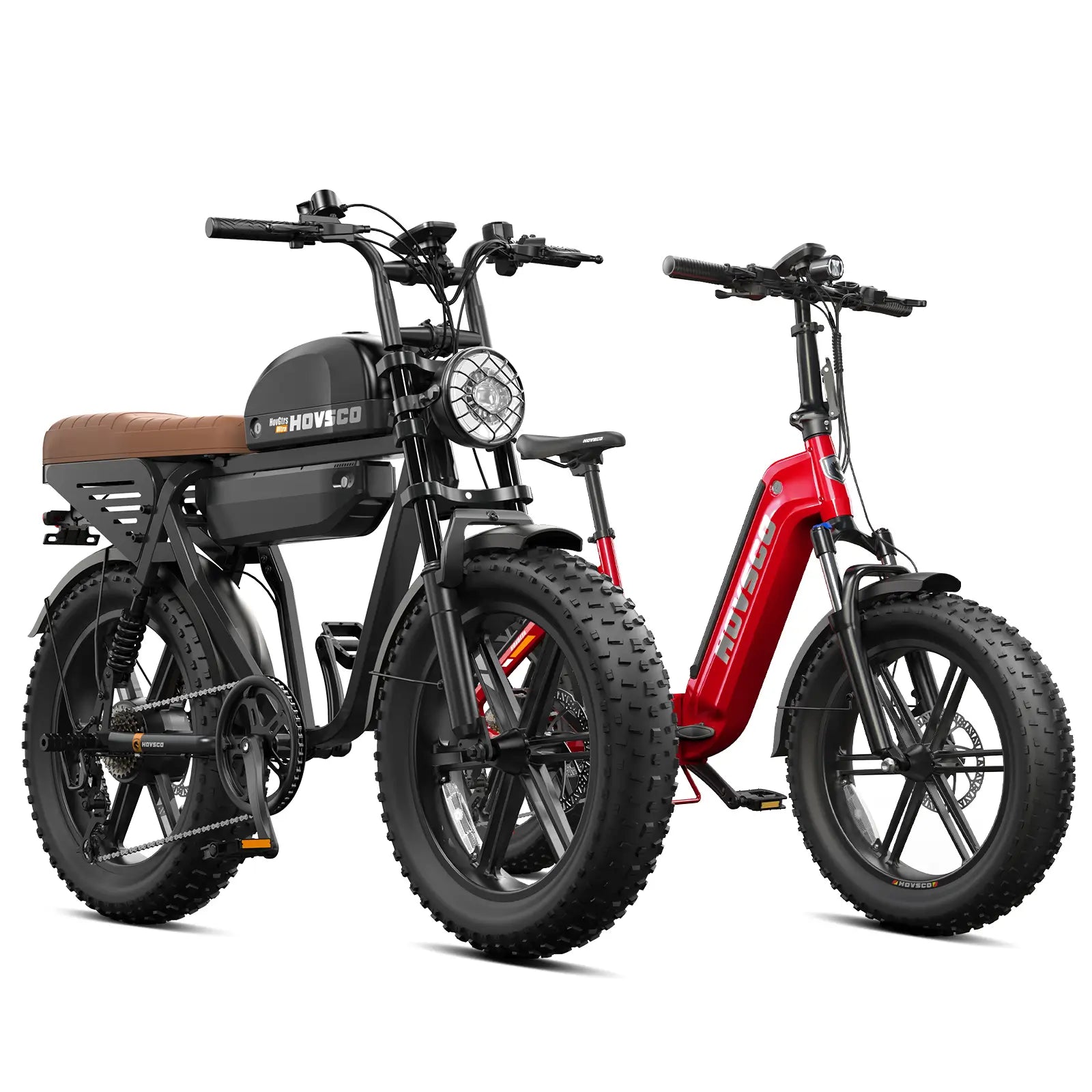
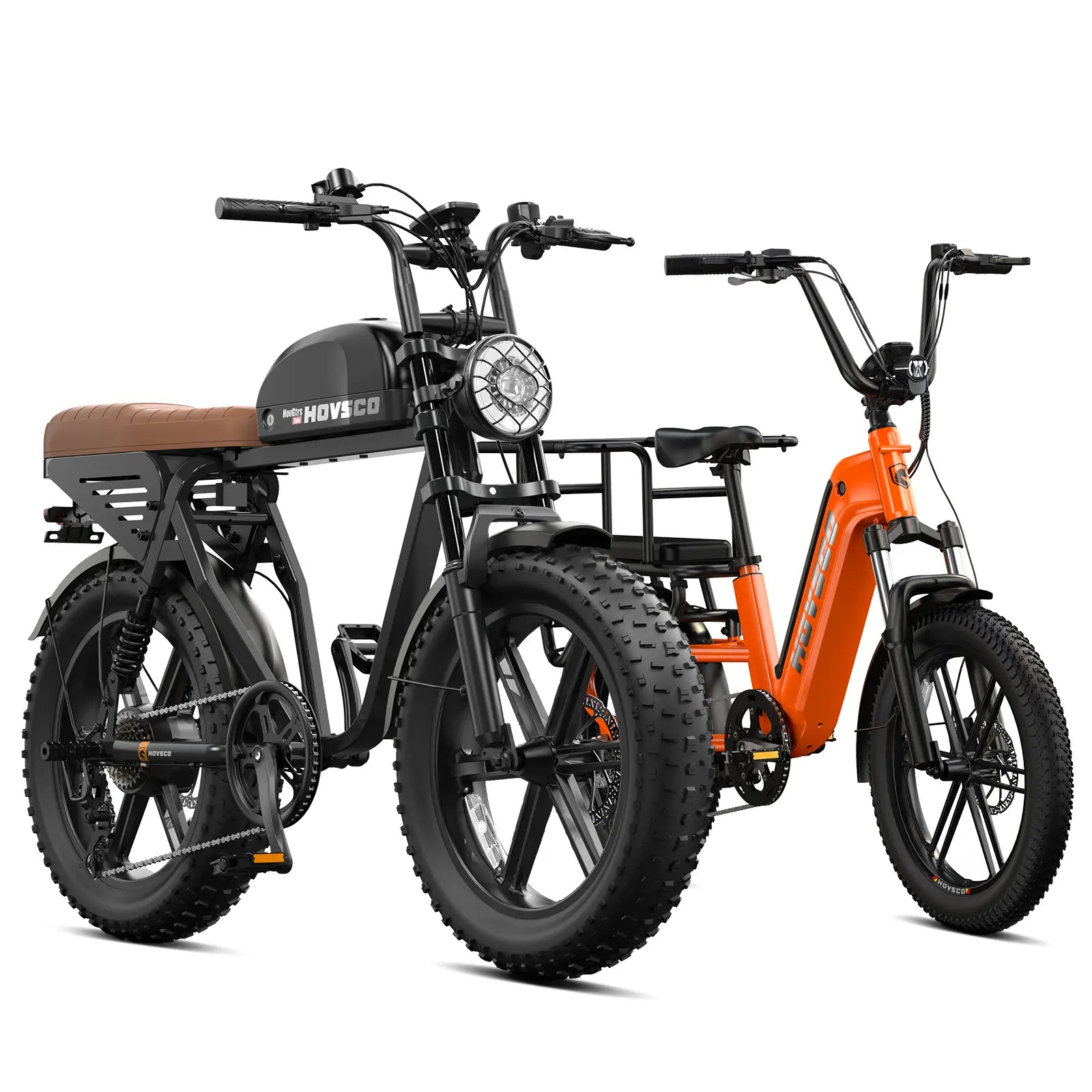
The current collection includes Sync Max, HovBeta, two HovRanger frames and two HovAlpha frames. Each solves a different combination of storage, full-size ride and surface needs.
Universities can set registration, speed, throttle, helmet, path, sidewalk, parking, indoor storage and battery-charging rules that are more specific than local law. Check the current transportation and housing policies for every campus building used.
Do not assume a bike is allowed in a dorm room, classroom or residence elevator. Obtain written clarification when a rule is unclear.
List housing-to-class routes, back-to-back buildings, library trips, work shifts, groceries and weekend travel. Add the return distance and a reserve. Compare the busiest day rather than an easy single trip.
Class schedules create time pressure, so identify safe alternate paths and places where the bike can be parked without rushing.
Confirm body fit, current specifications and the actual campus route before ordering.
Measure doors, elevators, hall turns, bike rooms and the approved storage position. Keep exits and fire routes clear. A folding hinge can reduce one dimension, but the complete weight still governs lifting.
For dedicated small-space intent, use folding e-bikes for small spaces. This page focuses on the complete student ownership context.
Housing policies may restrict where batteries or complete e-bikes can be charged. Confirm the approved location, supervision requirement and permitted equipment. Use only the manufacturer-approved charger and follow the exact manual.
Charge in a clear, dry area while present. Never block an exit, use damaged equipment or charge while sleeping or when nobody is home.
Identify approved racks near each building and use compatible locks through the appropriate frame structure. Remove valuable accessories and record the bike's identification information. Follow registration or permit rules.
Quick class transitions should not lead to unsafe locking shortcuts. Include locking and walking time when comparing door-to-door travel.
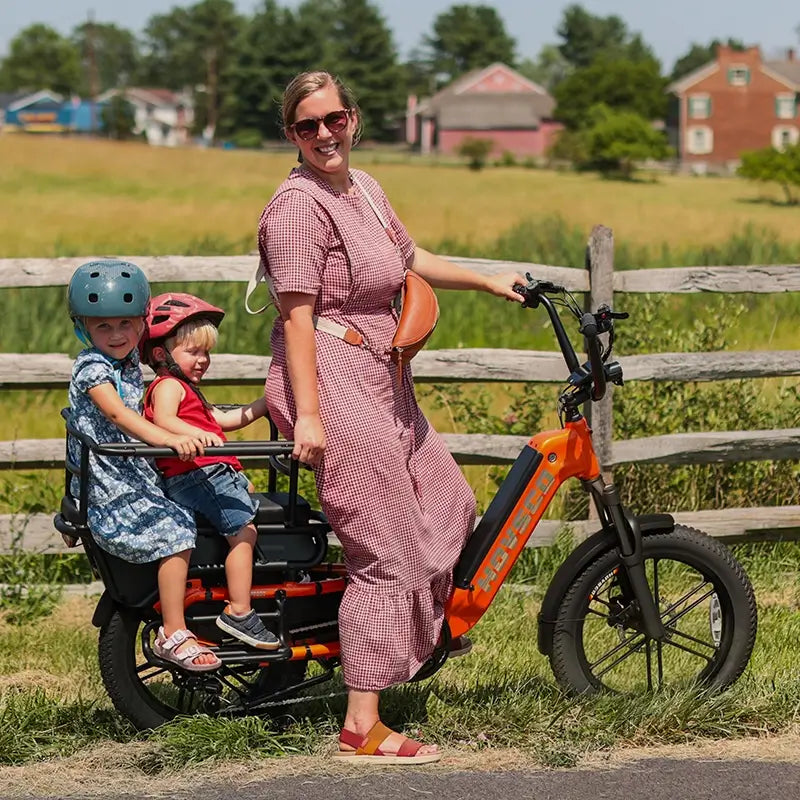
Secure laptops, books and clothing in a compatible bag or rack system. Do not hang loose straps from handlebars or allow cargo to interfere with steering, brakes or wheels. Include the rider and all carried items in the total load.
For grocery-specific setup, use electric bikes for grocery shopping. This page should not repeat household shopping guidance.
Include locks, helmet, lights, compatible cargo equipment, maintenance, wear items and potential indoor storage fees. Compare these with transit, parking and other alternatives over the same semester without promising fixed savings.
Keep funds and time for tire, brake and drivetrain service. A bike needed for class travel requires a backup plan during maintenance.
Learn controls, assistance levels, braking, shoulder checks, signaling, low-speed turns and parking in a low-traffic area. Add the normal backpack only after basic control is consistent.
If the main question is first-time learning rather than campus ownership, use electric bikes for beginners. If the route is specifically short, use e-bikes for short commutes.
Identify alternatives for heavy rain, snow, heat or poor air quality. Follow tire, brake and visibility guidance for the actual conditions. Do not treat fat tires as permission for unsafe weather.
For long breaks, follow battery charge-level and temperature guidance, protect the bike from moisture and arrange approved storage rather than abandoning it outside.
Before bringing an e-bike to campus
Start from housing and route needs: Sync Max for compact storage, HovBeta for a larger folding format, HovRanger for city routes, and HovAlpha only when longer or mixed-surface needs justify its larger footprint.
Do not assume so. Check current university and housing rules for complete bikes, batteries, elevators and charging locations. Use only approved equipment in an authorized, clear and attended area.
Not necessarily. Sync Max is currently listed at 42.3 lb and HovBeta at 66.4 lb. Confirm folded dimensions, latch instructions and the complete stair or elevator path before choosing.
Use approved campus racks and compatible locks through the appropriate frame structure, remove valuable accessories and follow any registration or permit process. Include locking time in the schedule.
Add every route on the busiest day, including housing, classes, work and errands, then keep a reserve. Published range varies with load, hills, speed, weather and battery condition.
Review HOVSCO's shipping policy, exact product manual, limited warranty and return and refund policy. Confirm eligibility, battery coverage, deadlines, fees and condition requirements.