

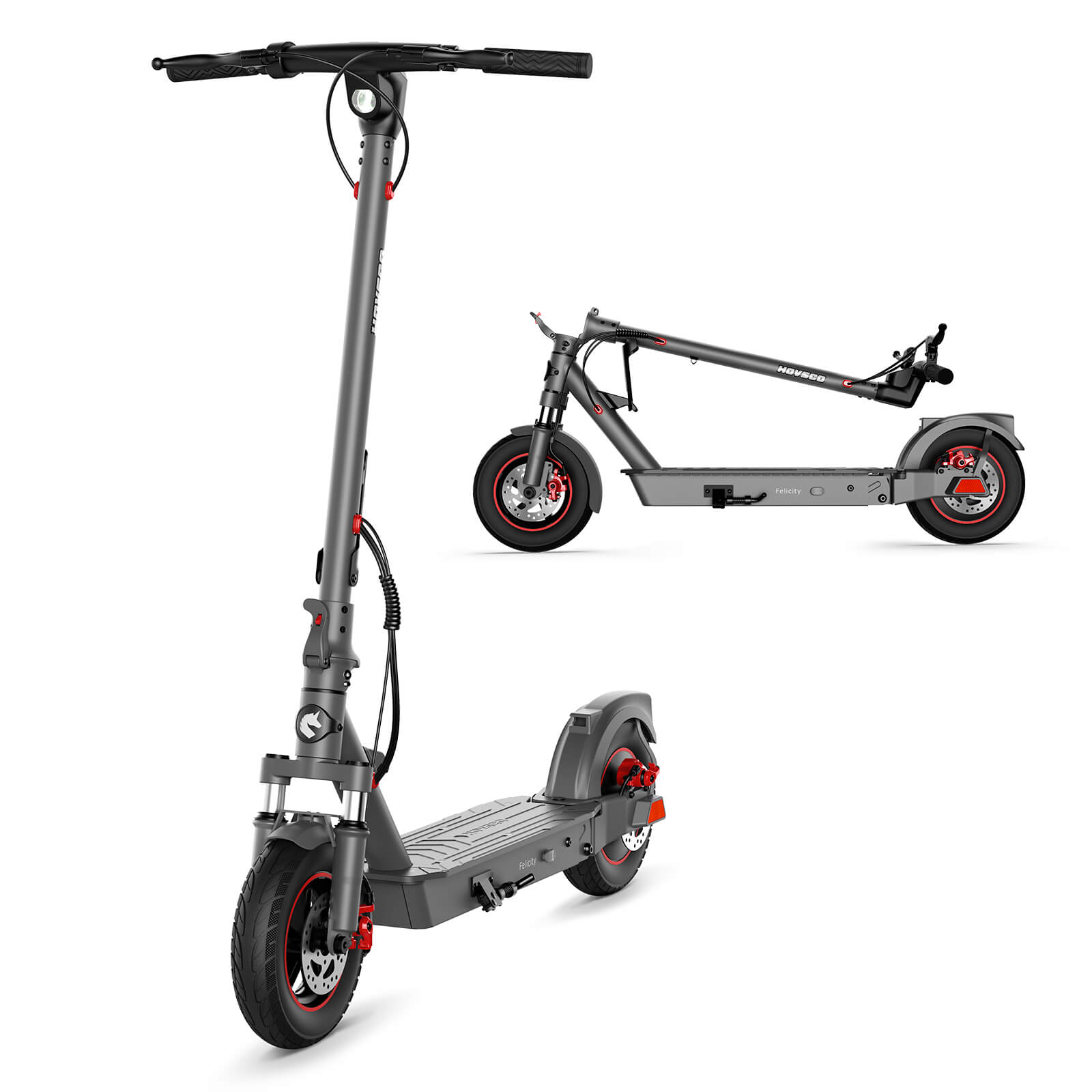
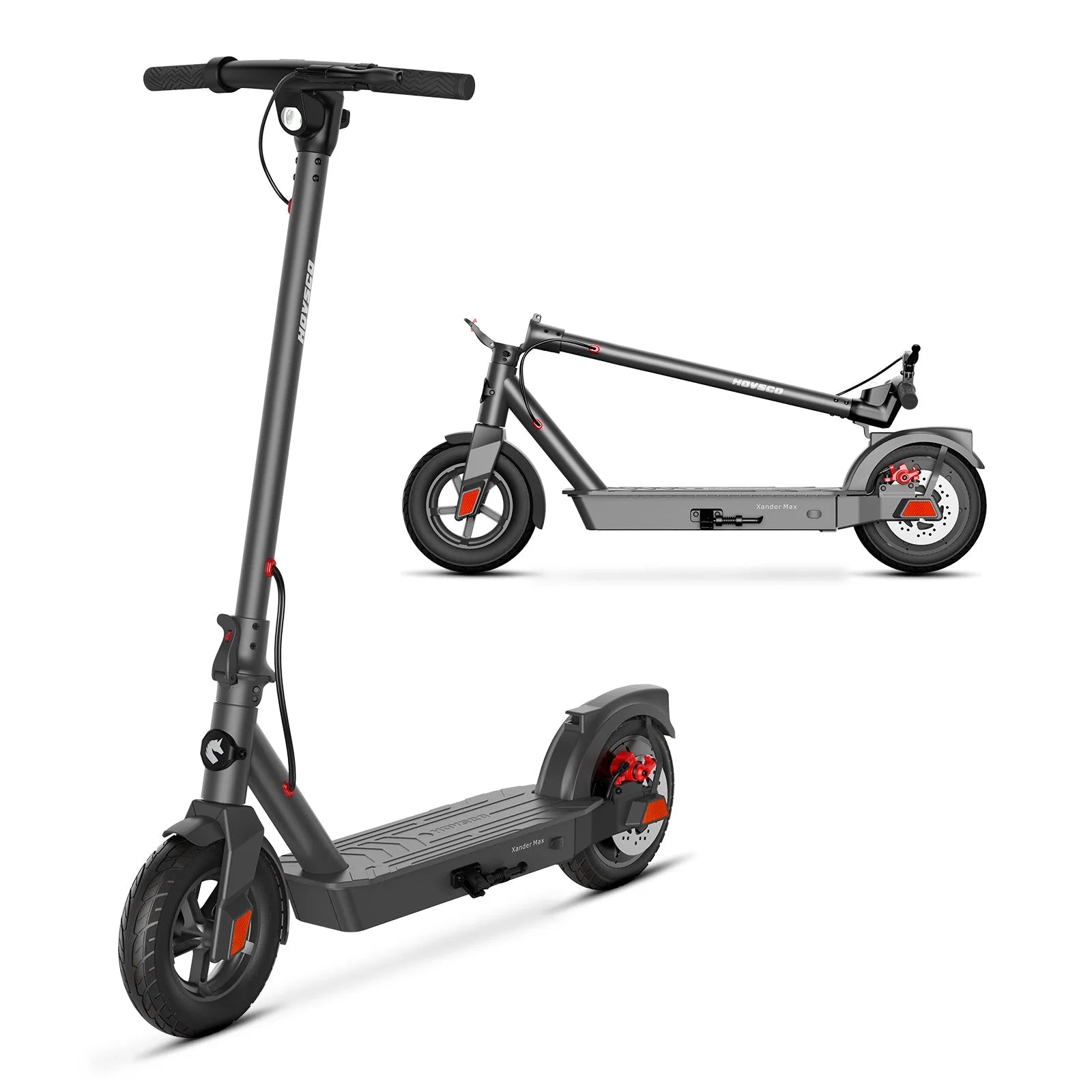

Sync Max
14-inch folding formatFor a short route where indoor footprint or vehicle storage matters. Confirm rider fit, folded dimensions and the published 42.3 lb net weight.
View Sync Max →E-Bikes
Accessories
 Free Shipping
 15-Day Returns
 2-Year Warranty
Free Shipping
15-Day Returns
2-Year Warranty
Optimize the whole short trip
 Compact short-trip optionSync Max · 14-inch folding format · published up to 30 miles

MOTOR POWER

Top Speed

Payload Capacity

Range
MOTOR POWER
Top Speed
Payload Capacity
Range
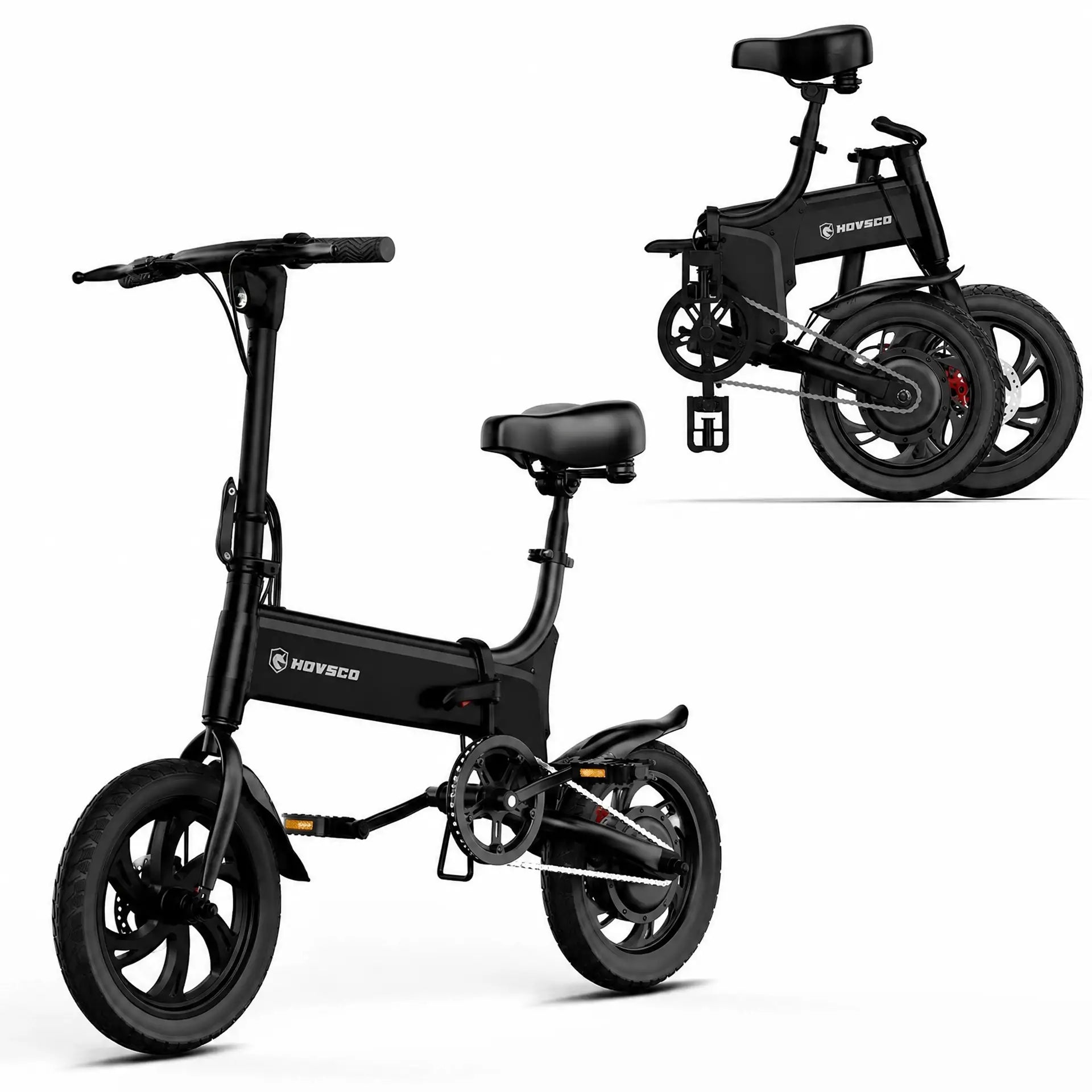
【New Arrival】HOVSCO™ Sync Max 14" Folding Electric Bike
Motor Power
Max Speed
Range
Payload Capacity
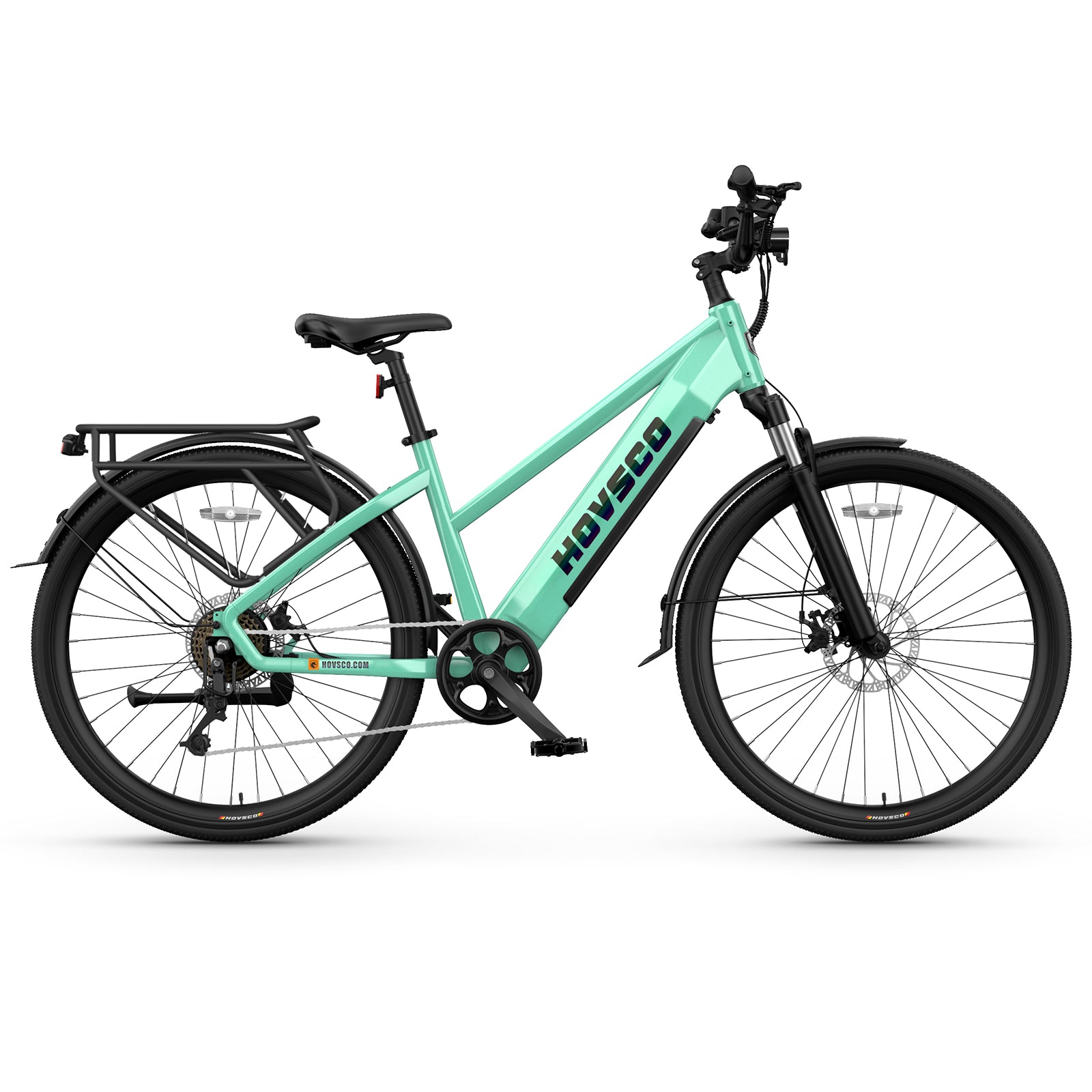
HOVSCO™ HovCity 27.5" Step-Thru Cruiser Electric Bike For Adults
Motor Power
Top Speed
Payload Capacity
Range
Three short-trip ownership formats
For a short route where indoor footprint or vehicle storage matters. Confirm rider fit, folded dimensions and the published 42.3 lb net weight.
View Sync Max →For repeated mounting, dismounting and ordinary city routes. Compare fit, parking location and the need for compatible racks or bags.
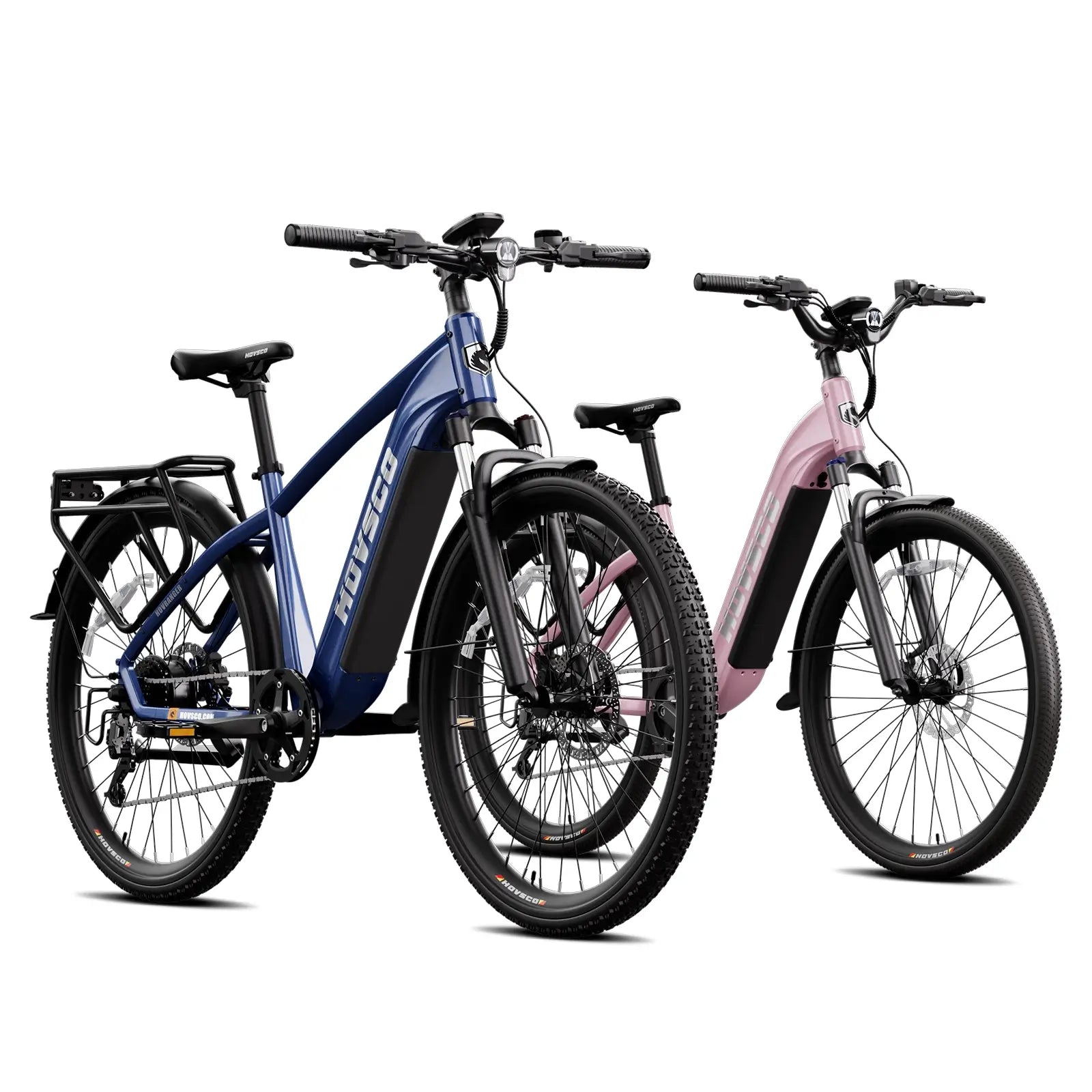
View HovCity →Step-through and step-over options for short urban or suburban trips. Choose the frame from body fit and control, not appearance alone.
View HovRanger →Compare storage, stop-start handling, route safety and charging frequency.
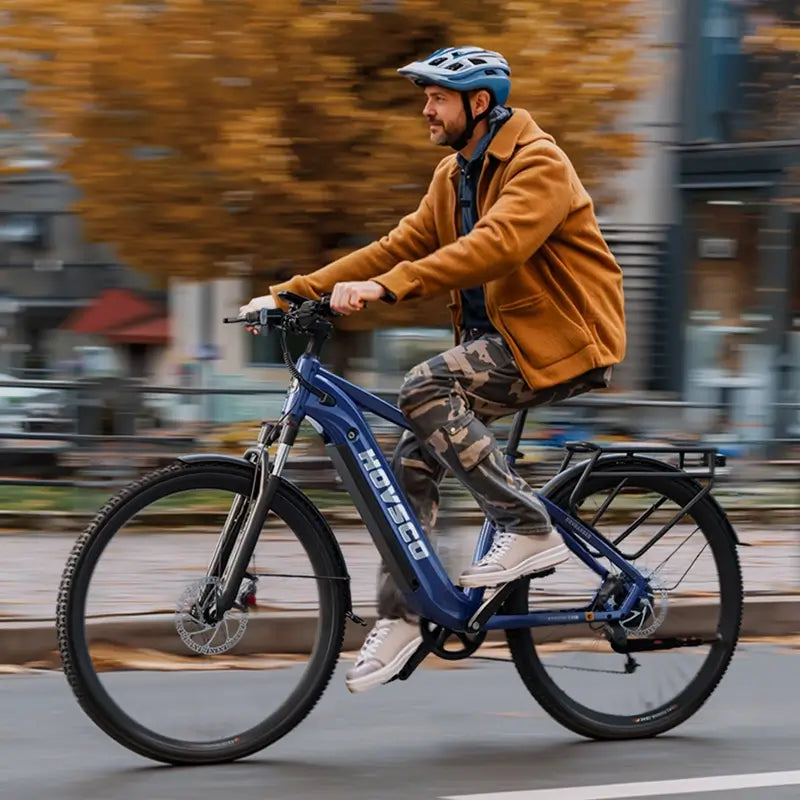
An electric bike for a short commute should make a repeated local trip simpler from door to door. The most important questions are often where the bike is stored, how easily the rider starts and stops, where it is locked and how much setup time surrounds a relatively short ride.
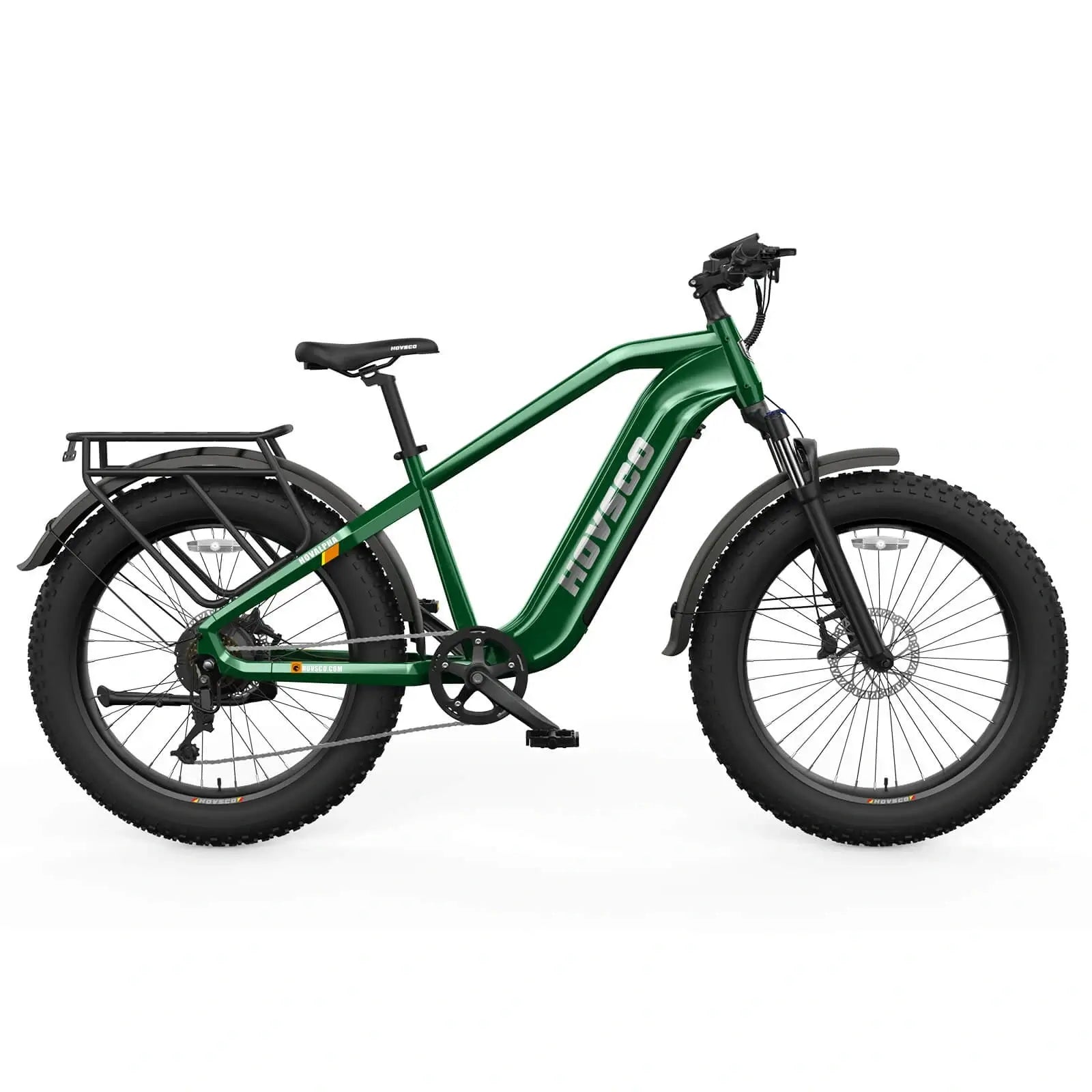
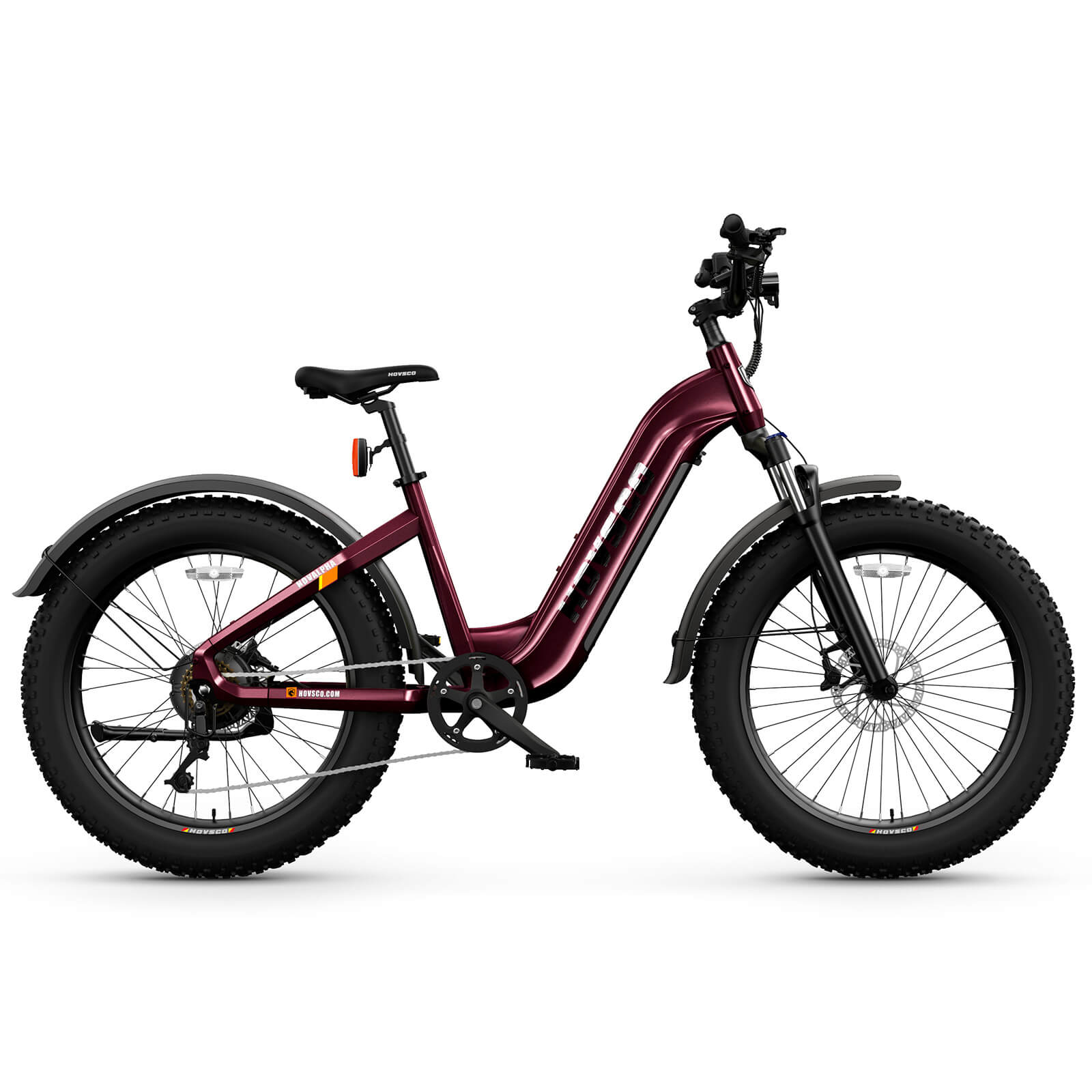
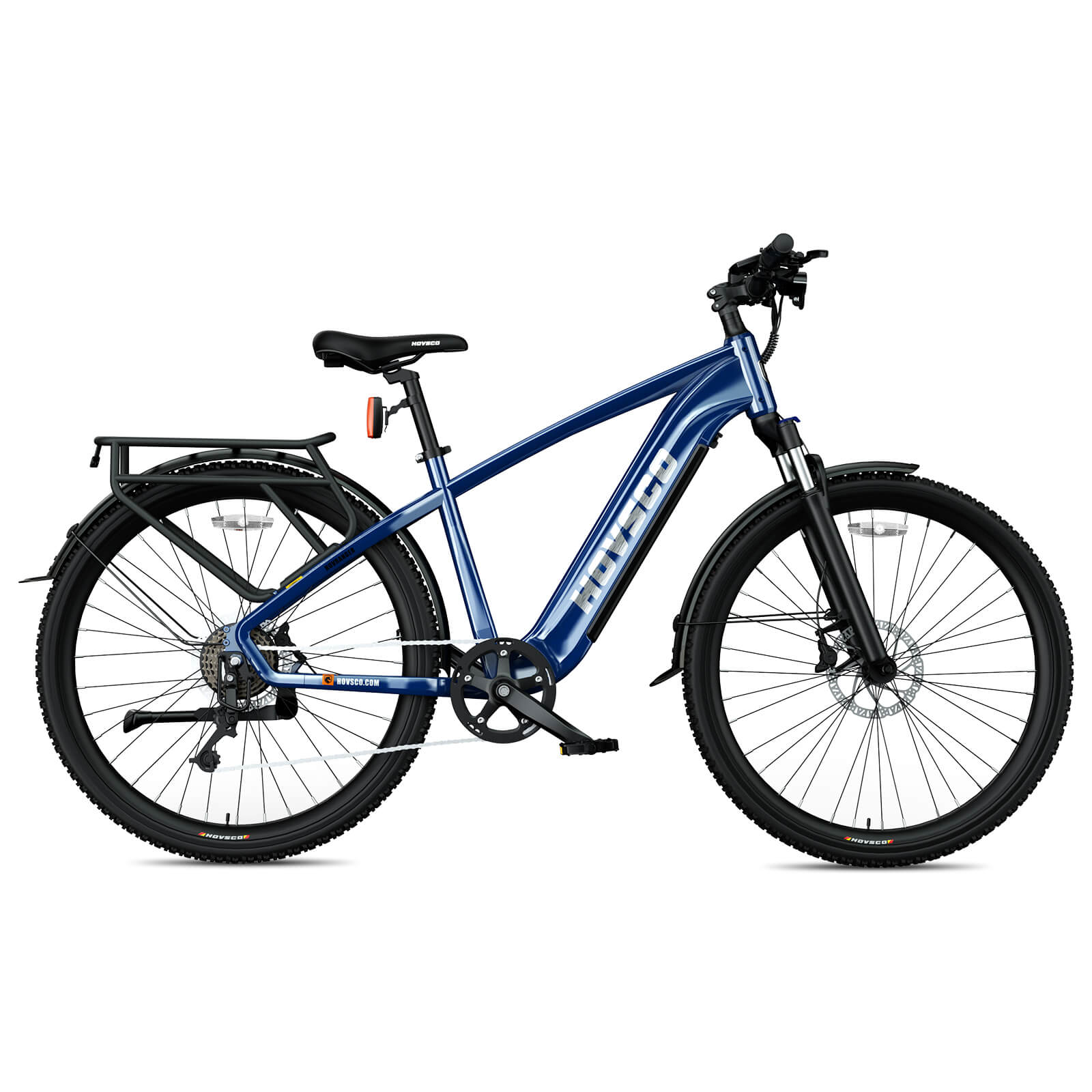
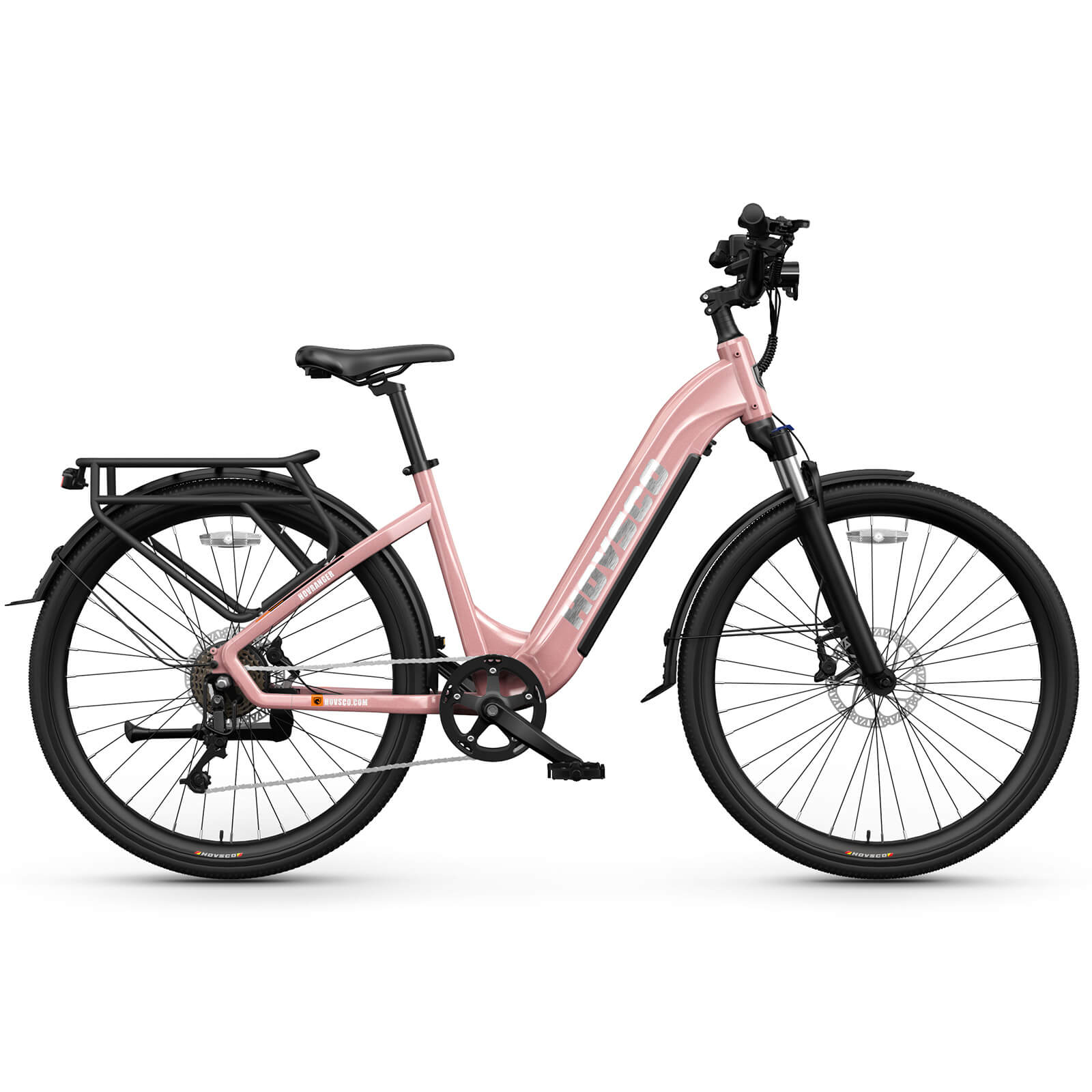
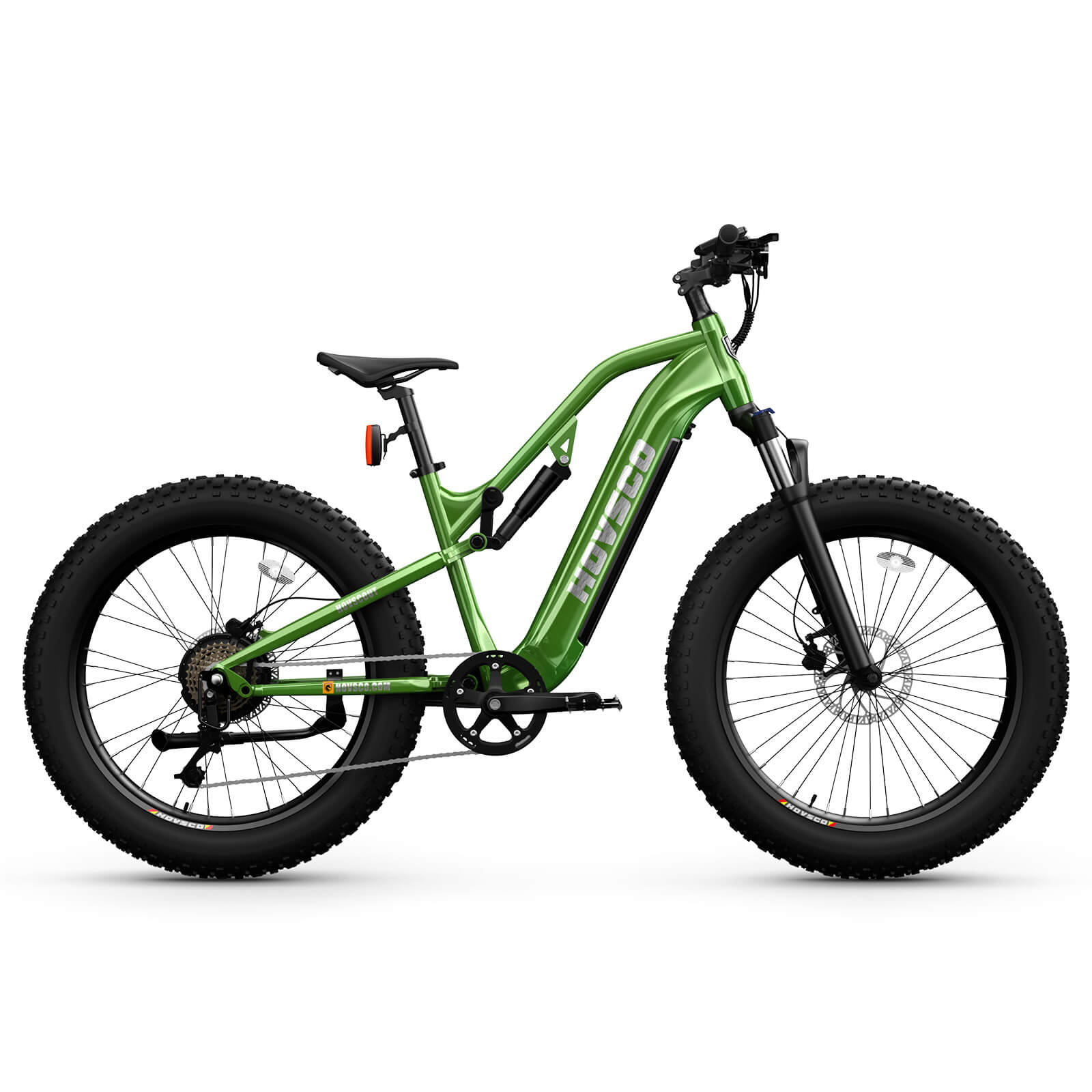
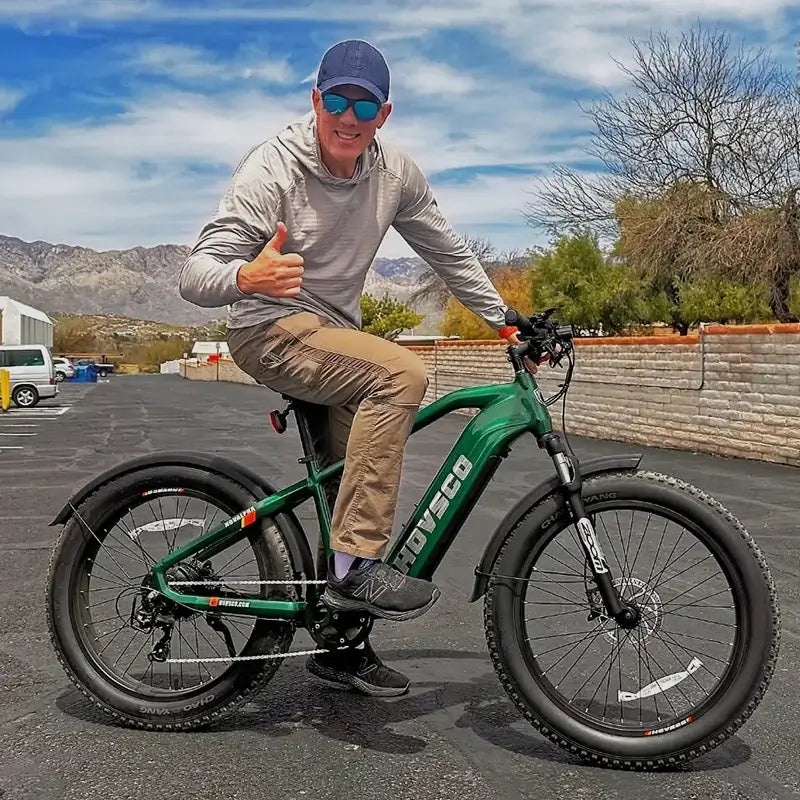
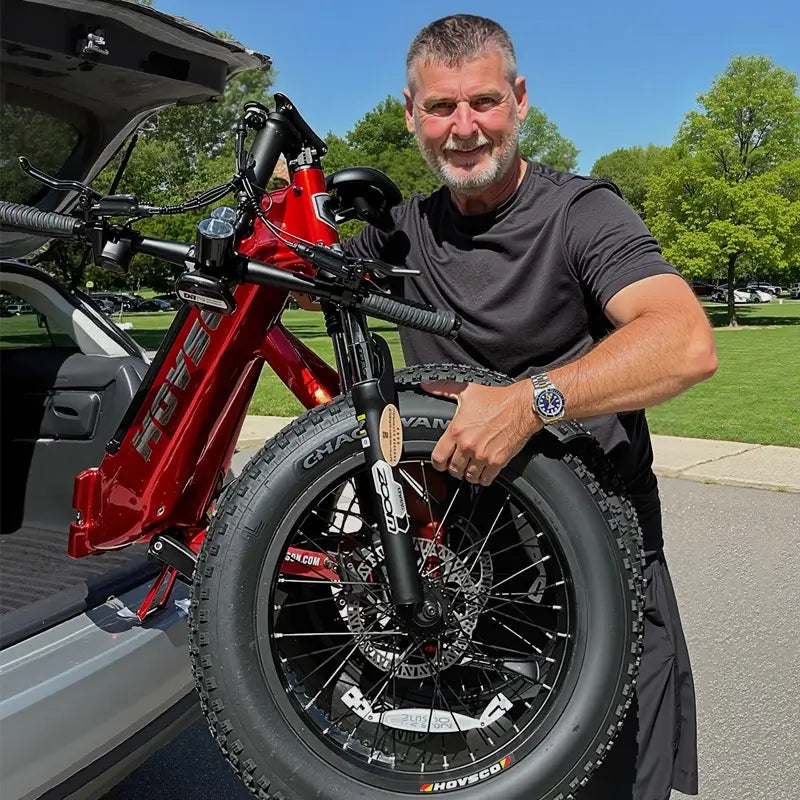
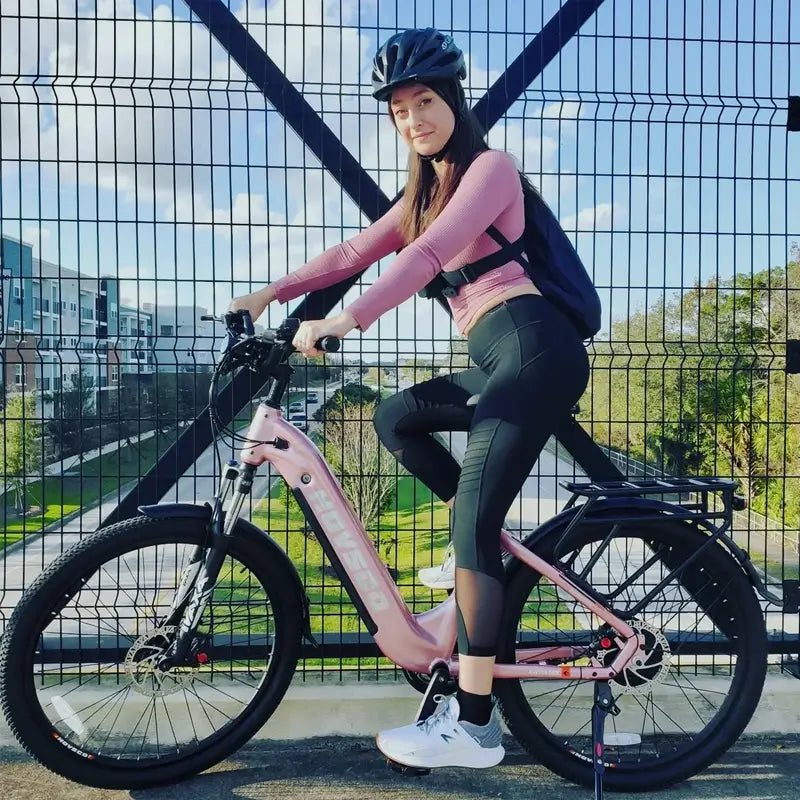
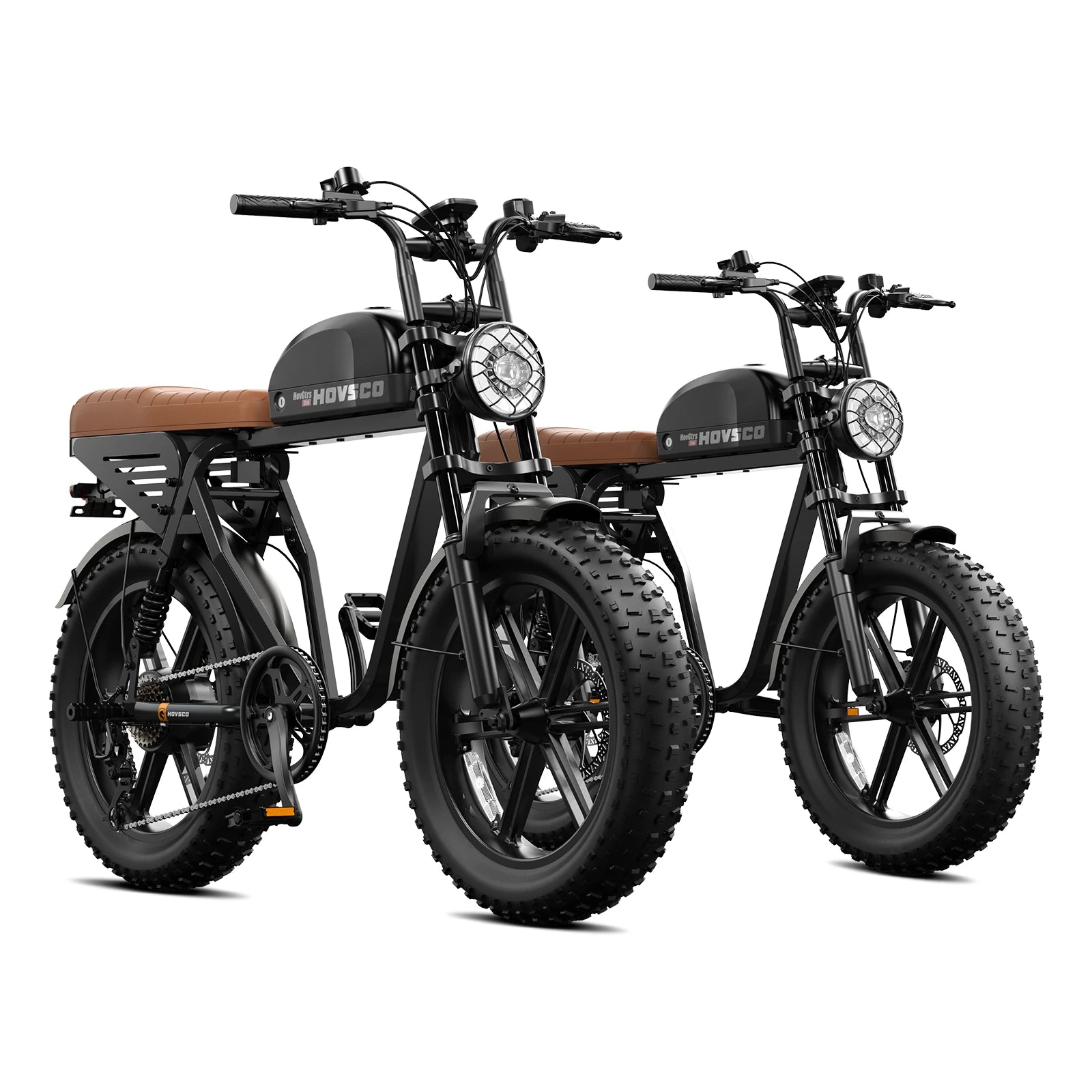
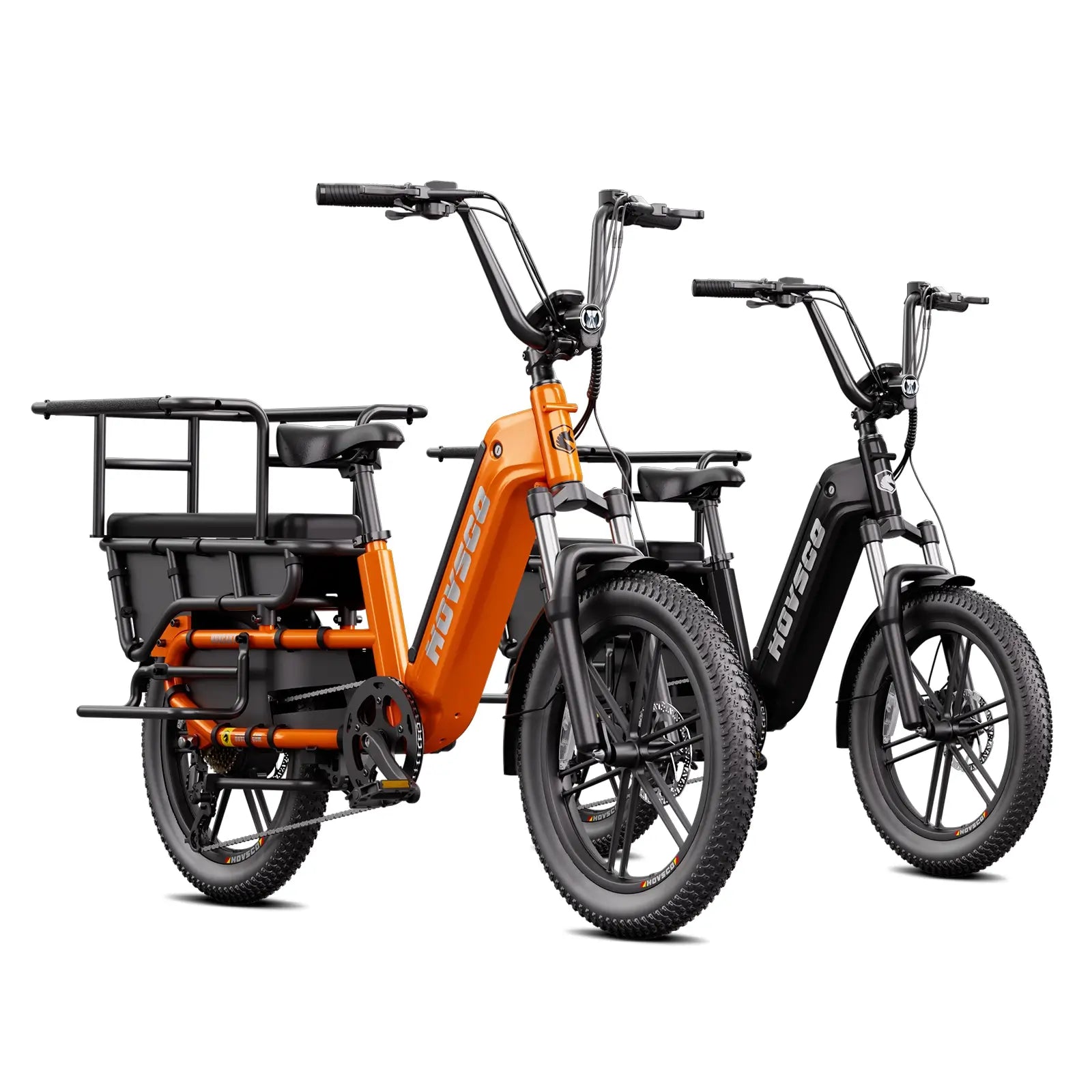
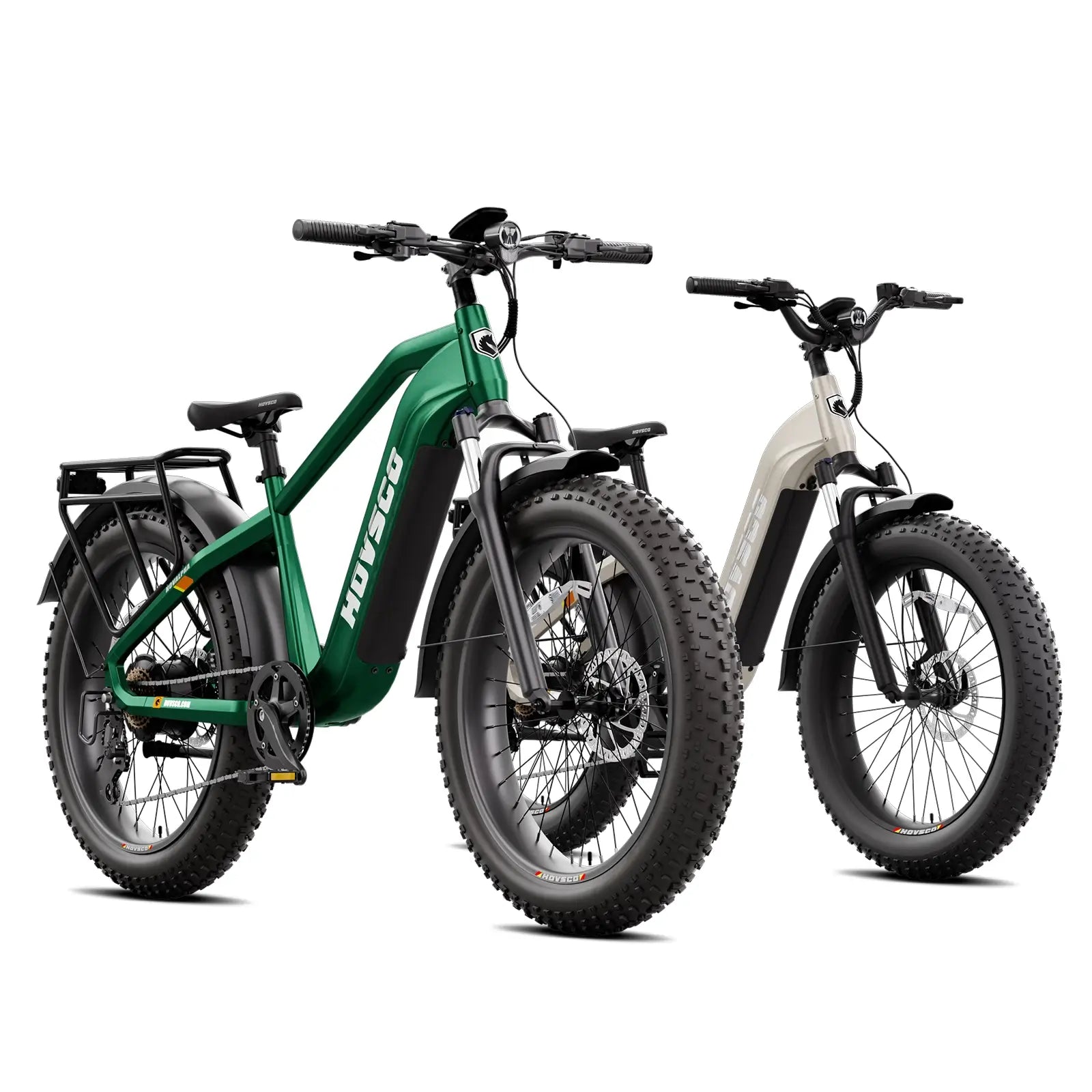
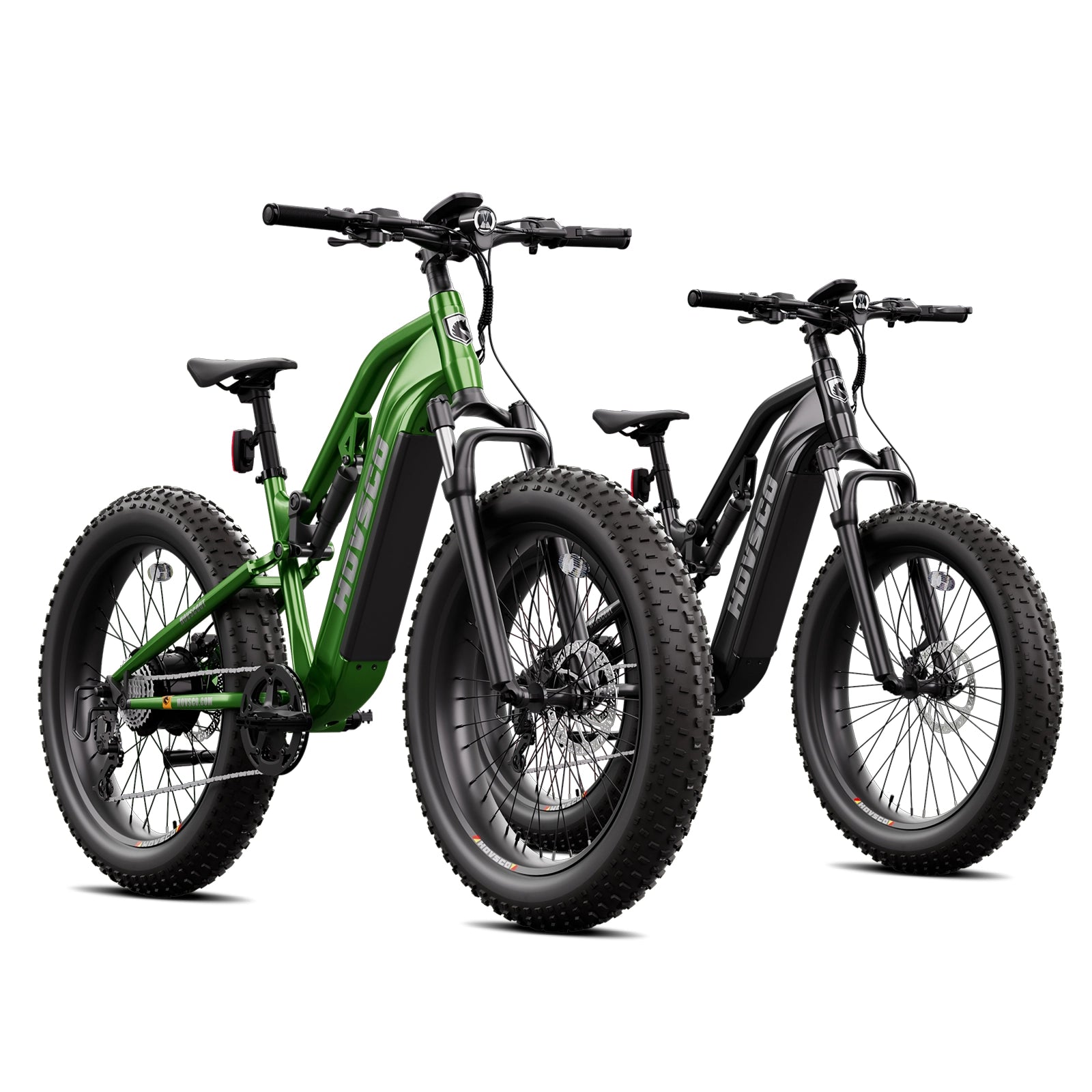
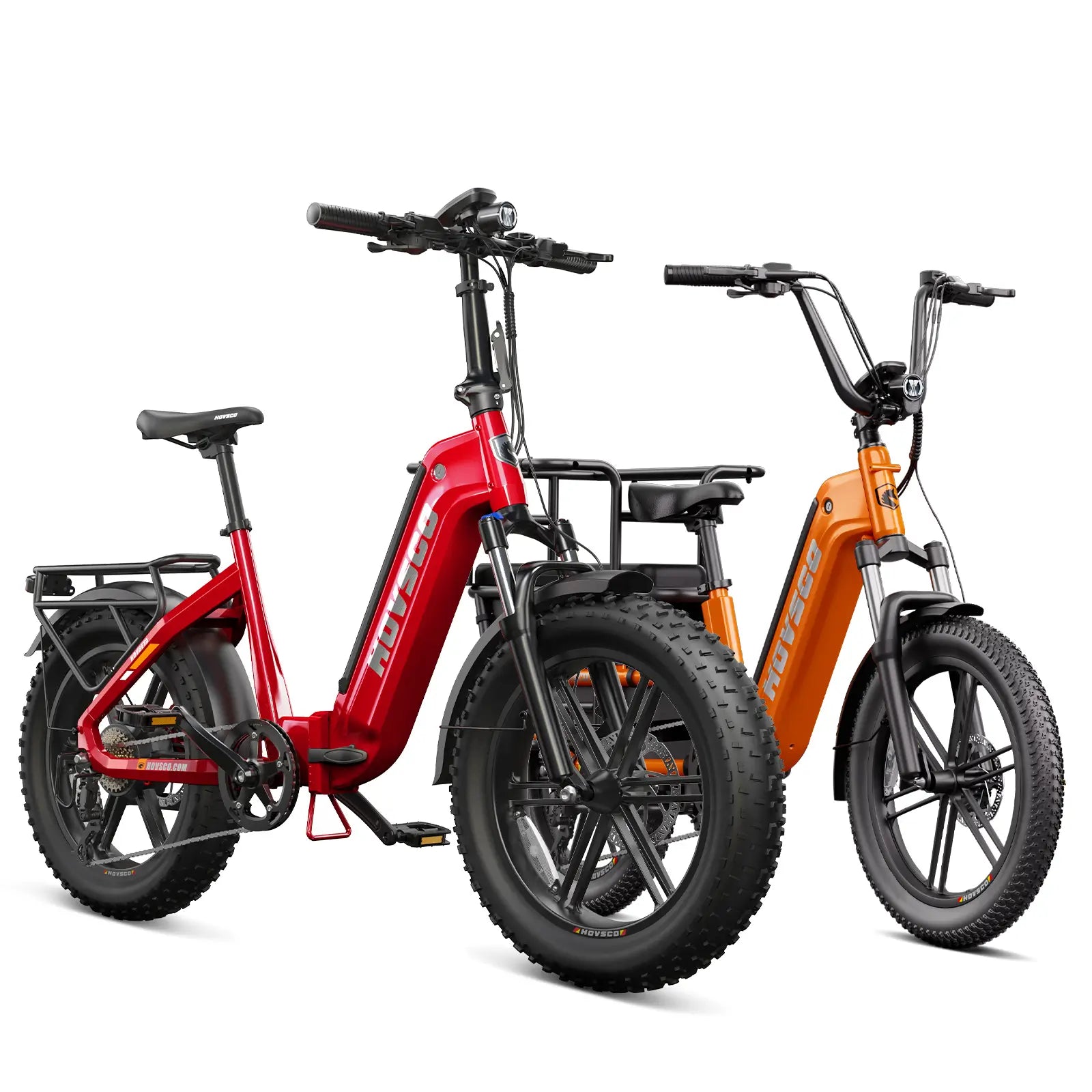
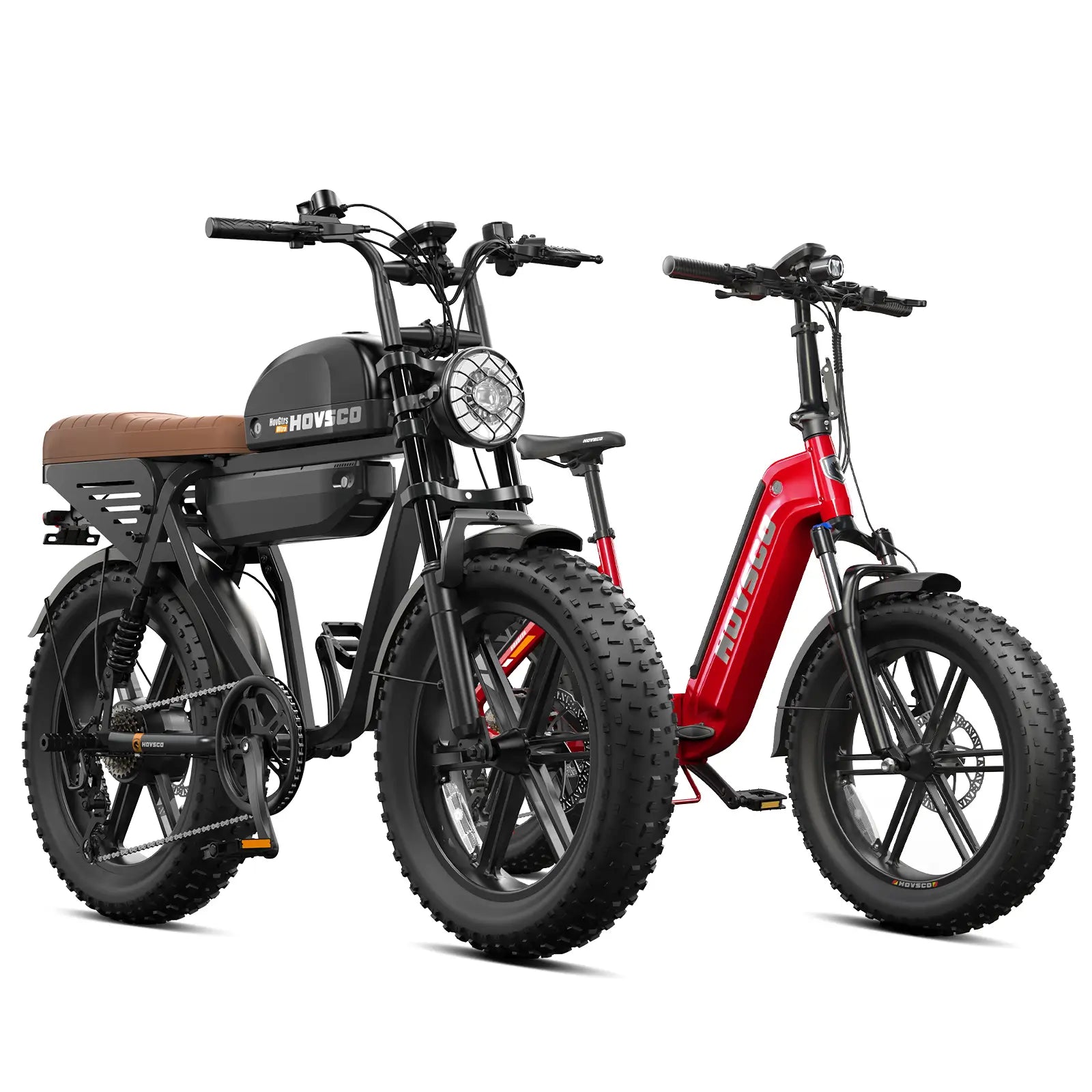
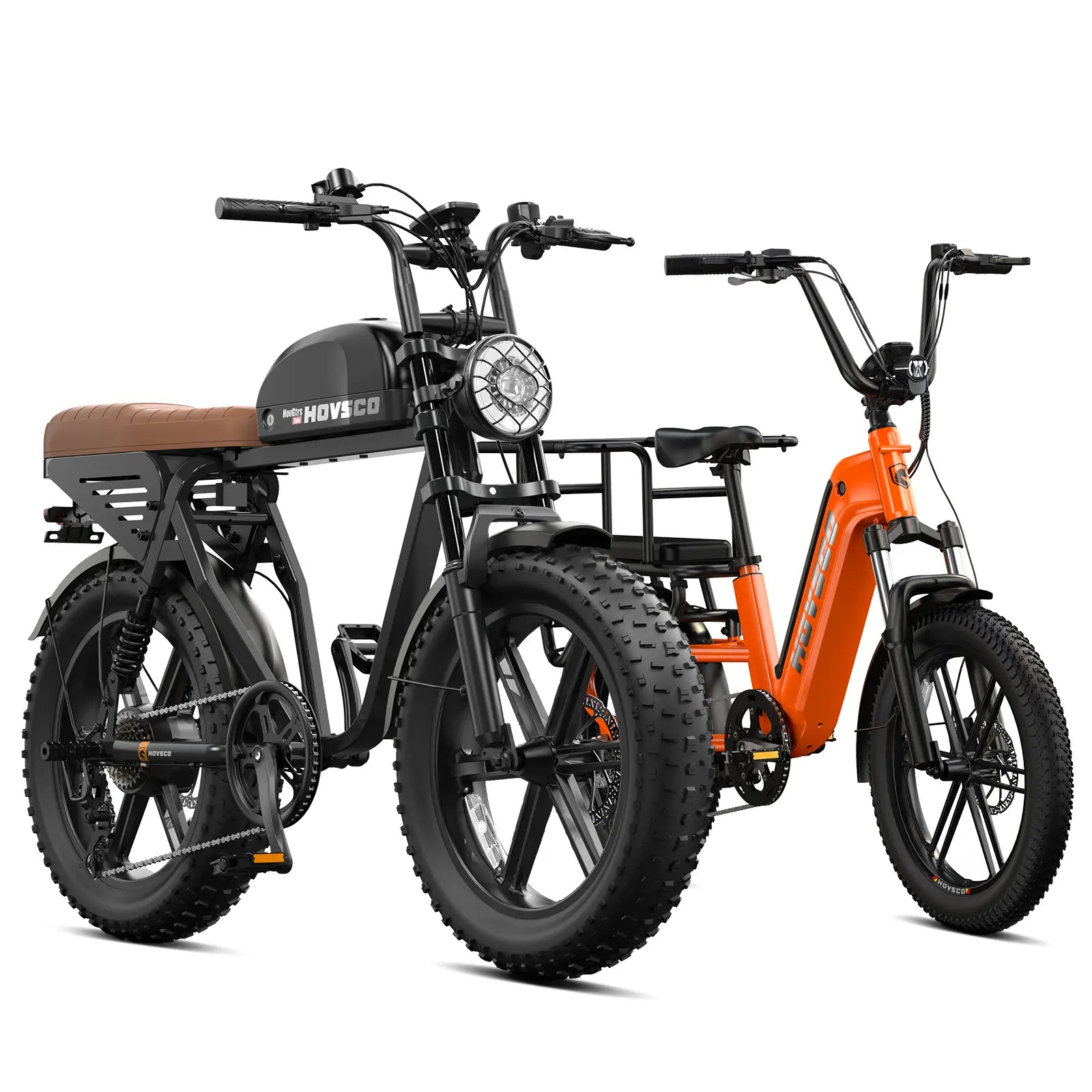
The current collection includes Sync Max, HovCity and two HovRanger frames. Their compactness, frame layout and full-size ride formats create different short-trip routines.
Record the path from indoor storage to the destination entrance. Include stairs, elevators, gates, intersections, parking search, locking and the walk from the bike to the final room. Compare this complete time with the alternatives.
A fast riding segment can lose its advantage if the bike is difficult to move or has no secure destination parking.
Even when the trip is well below a published maximum, add the outbound and return legs, lunch trips, errands and detours. Hills, wind, temperature, tire pressure, rider load, speed and assistance level affect energy use.
A short route usually does not require buying the maximum available battery, but it still needs a reserve and a repeatable charging routine.
Confirm the exact current model, body fit, complete weight and included equipment before ordering.
Short commutes can contain frequent intersections, driveways and parking transitions. Confirm that the rider can reach the brakes, stabilize the bike, look behind and restart smoothly. Begin with a lower assist level and practice away from traffic.
Maximum product speed is not a target for crowded routes. Follow local class, speed, throttle, bike-lane and path rules.
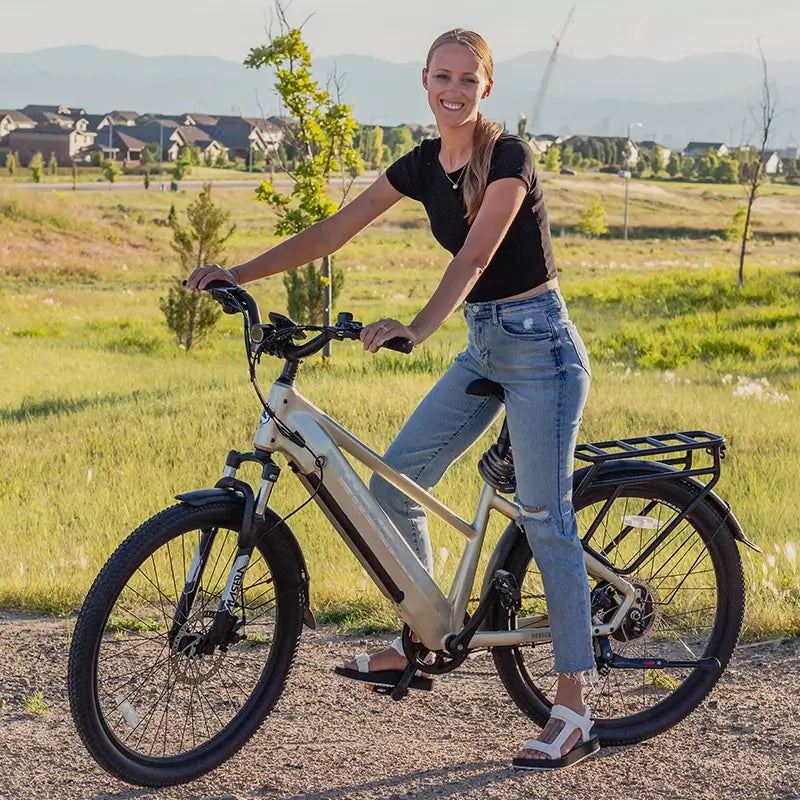
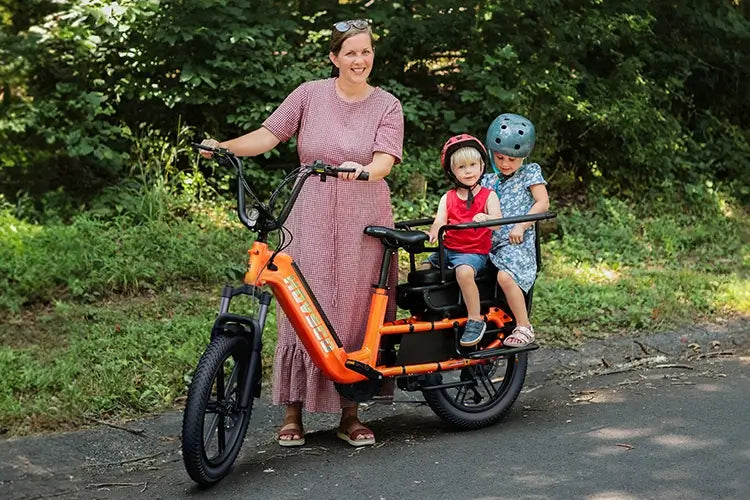
A step-through frame may simplify the entry path during frequent stops, but it does not guarantee fit. Saddle height, reach, brake access, bike weight and foot-down control still matter. Step-over geometry may suit riders who prefer a traditional frame relationship.
For height, inseam and minimum-saddle intent, use electric bikes for short riders. This page owns trip length and routine.
Confirm a dry, stable home location and an approved destination lock point. Measure doors and elevators. If the bike must be lifted, compare complete weight with the actual path rather than assuming a folding or compact bike is easy to carry.
Use compatible locks and remove valuable accessories. Do not block exits or charge in a shared space without permission.
A short route may allow several trips between charges, but do not wait for the battery to become critically low before a time-sensitive ride. Record ordinary weekly use and create a routine that leaves a reserve.
Use only the approved charger in a dry, clear area while present. Follow the current manual for charging and battery storage.
A two-mile ride can still be unpleasant or unsafe in heavy rain, ice, extreme heat or poor visibility. Plan clothing, fenders, lights and an alternative trip method. Built-in equipment may not satisfy every local requirement.
Slow down on wet paint, metal, leaves, loose gravel and unfamiliar surfaces. Inspect tires and brakes before the trip.
For extended daily mileage and workplace charging, use long-range commuter e-bikes. For folding plus daily commuting as the primary combination, use foldable commuter electric bikes.
For broader replacement of car trips, use car-replacement electric bikes. This page remains focused on shorter repeated travel.
Before repeating the trip every day
Compare Sync Max when compact folding storage matters, HovCity for a step-through city format, and HovRanger for step-through or step-over full-size city options. Final choice depends on fit, route and storage.
Add every outbound and return segment, errands and possible detours, then keep a reserve. Do not buy from one-way distance or assume a published maximum is guaranteed.
No. Folding helps only when the mechanism and folded size solve a real storage or transport constraint. Confirm rider fit, complete weight and carrying path as well as route comfort.
Fit, brake reach, low-speed control, stable stopping, visibility and smooth restarting matter more than maximum speed. Practice controls in a low-traffic area before commuting.
Build the schedule from actual weekly distance and remaining charge while preserving a reserve. Follow the exact manual and use only the approved charger in a clear, attended location.
Review HOVSCO's shipping policy, product manual, limited warranty and return and refund policy. Confirm eligibility, deadlines, fees and condition requirements.