

![[ New Arrival ] Porto Max Electric Scooter For Commute & Grocery Shopping - HOVSCO](http://www.hovsco.com/cdn/shop/files/PotroMax-3.jpg?v=1706927007&width=1200)

Plan for the longest repeat routes
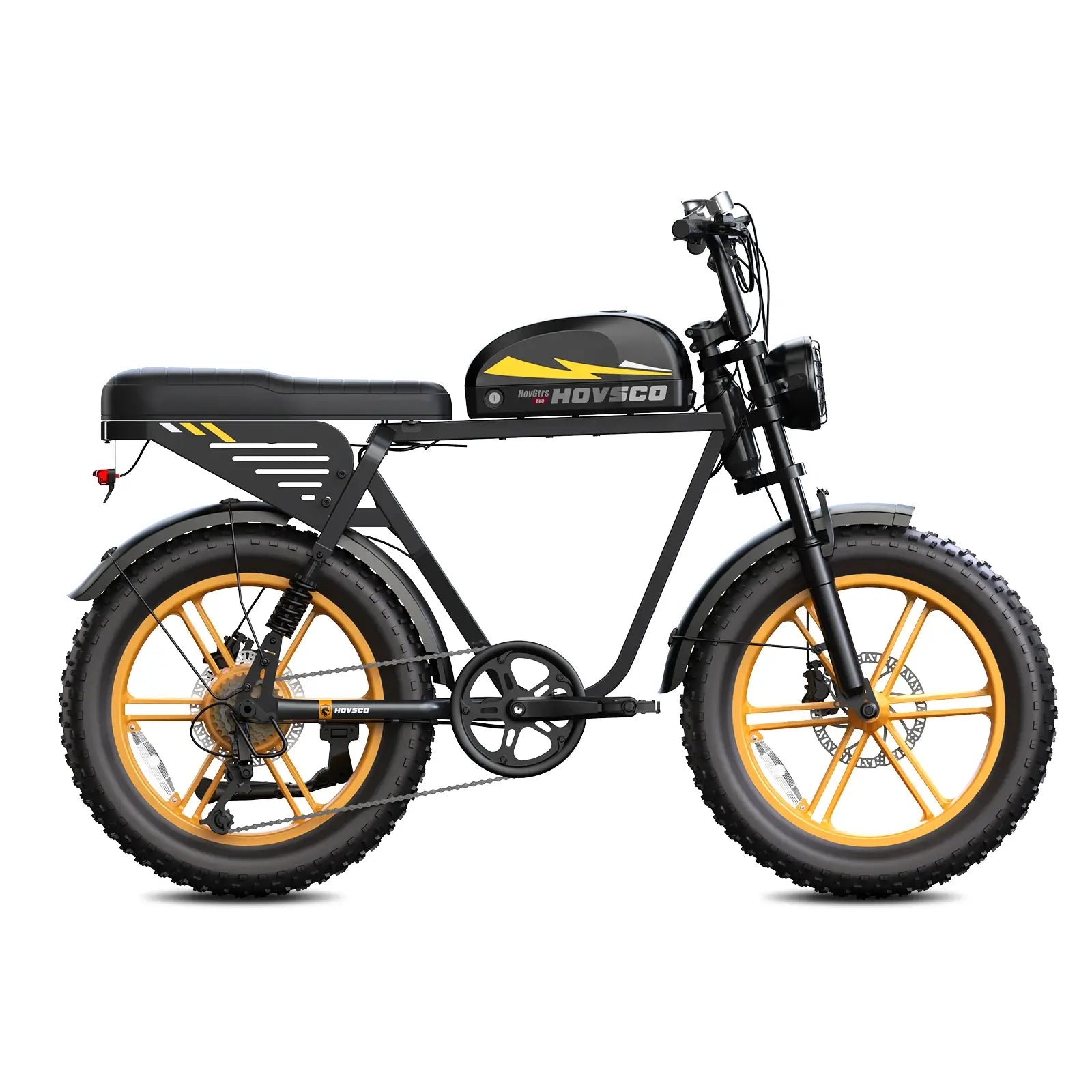
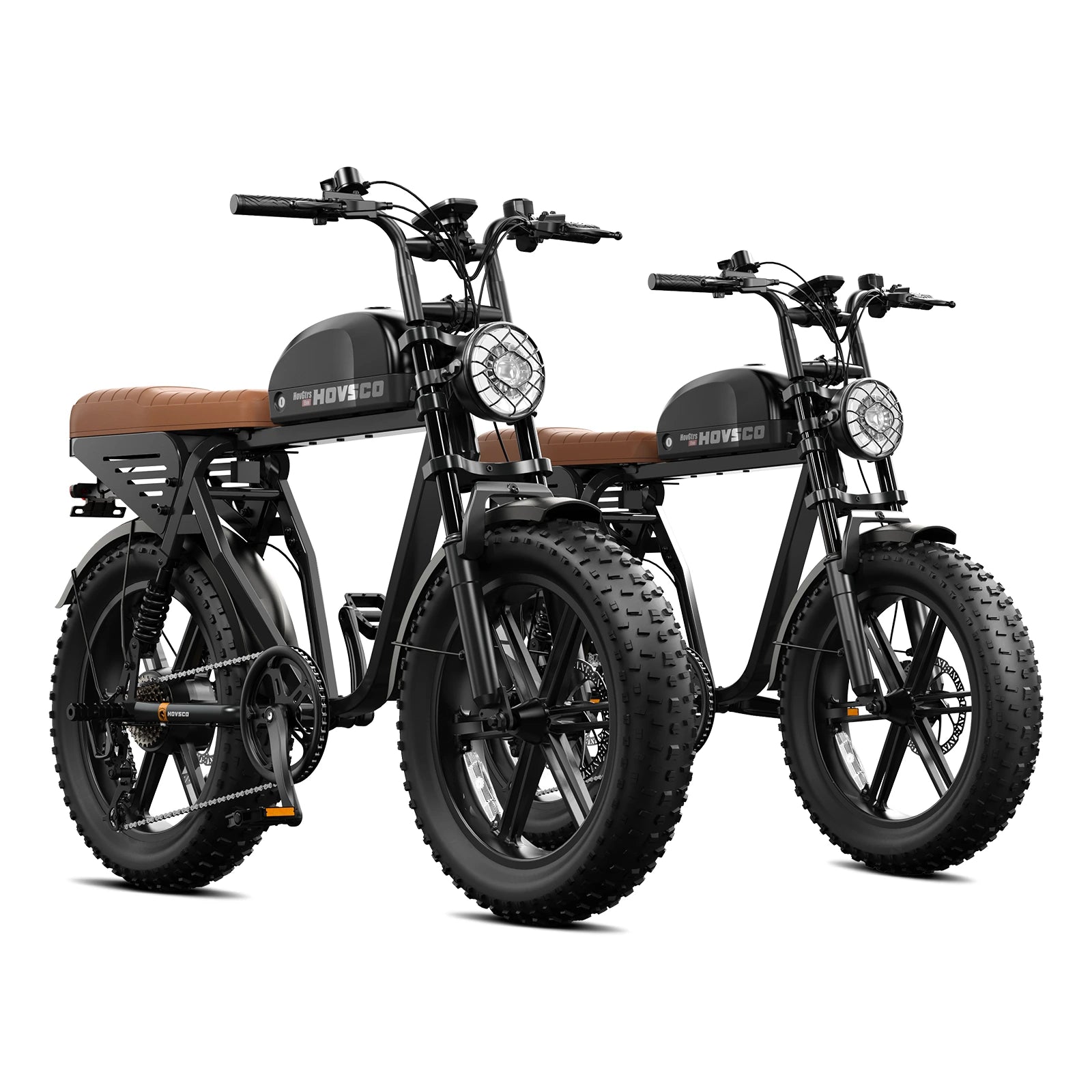
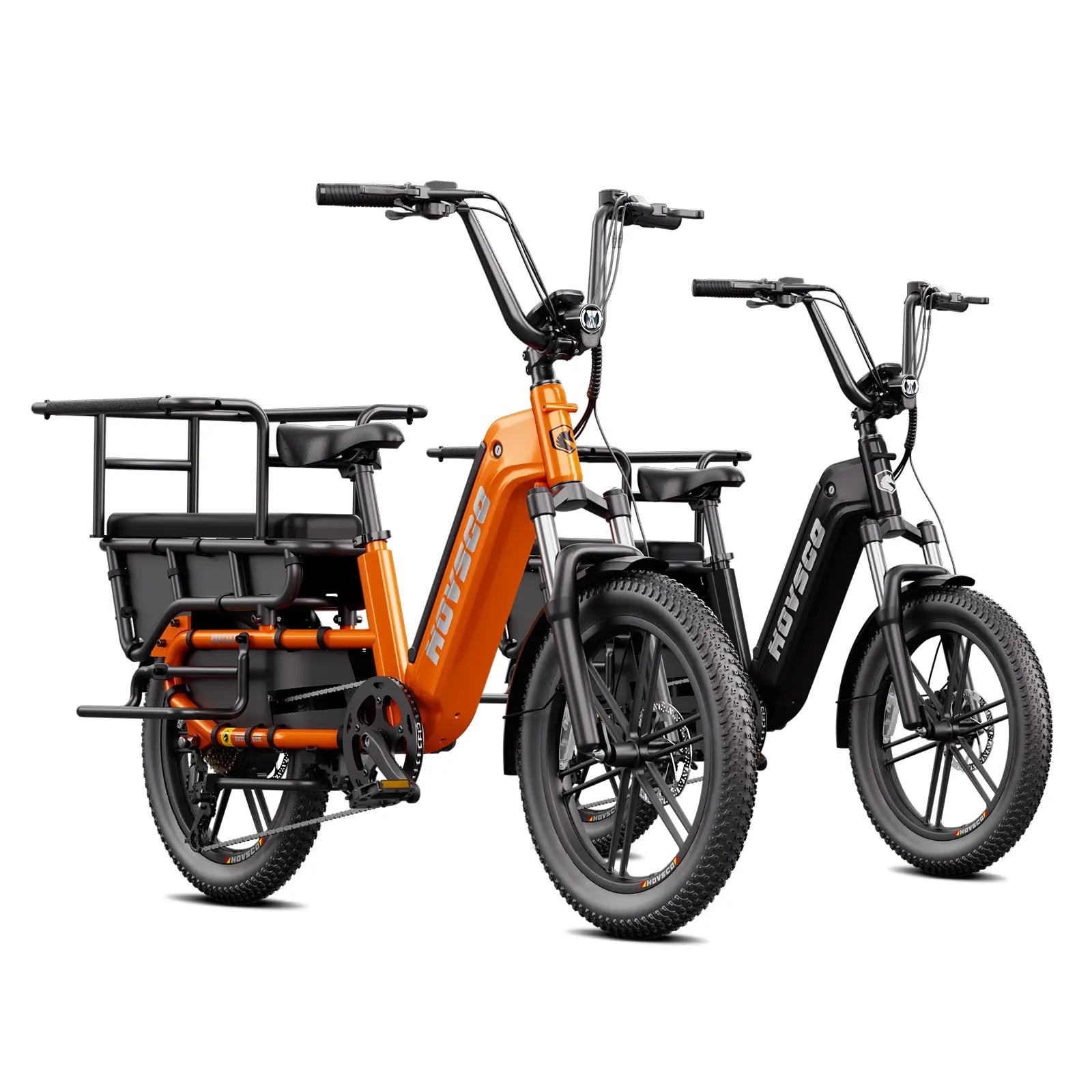
HovGtrs is the starting point when maximum published distance is the priority. Confirm the selected battery configuration, current speed setup and local riding rules before ordering.
View HOVSCO HovGtrsE-Bikes
Accessories
 Free Shipping
 15-Day Returns
 2-Year Warranty
Free Shipping
15-Day Returns
2-Year Warranty
2-Year Warranty
Free Shipping
15-Day Returns
2-Year Warranty
Built for repeat round trips
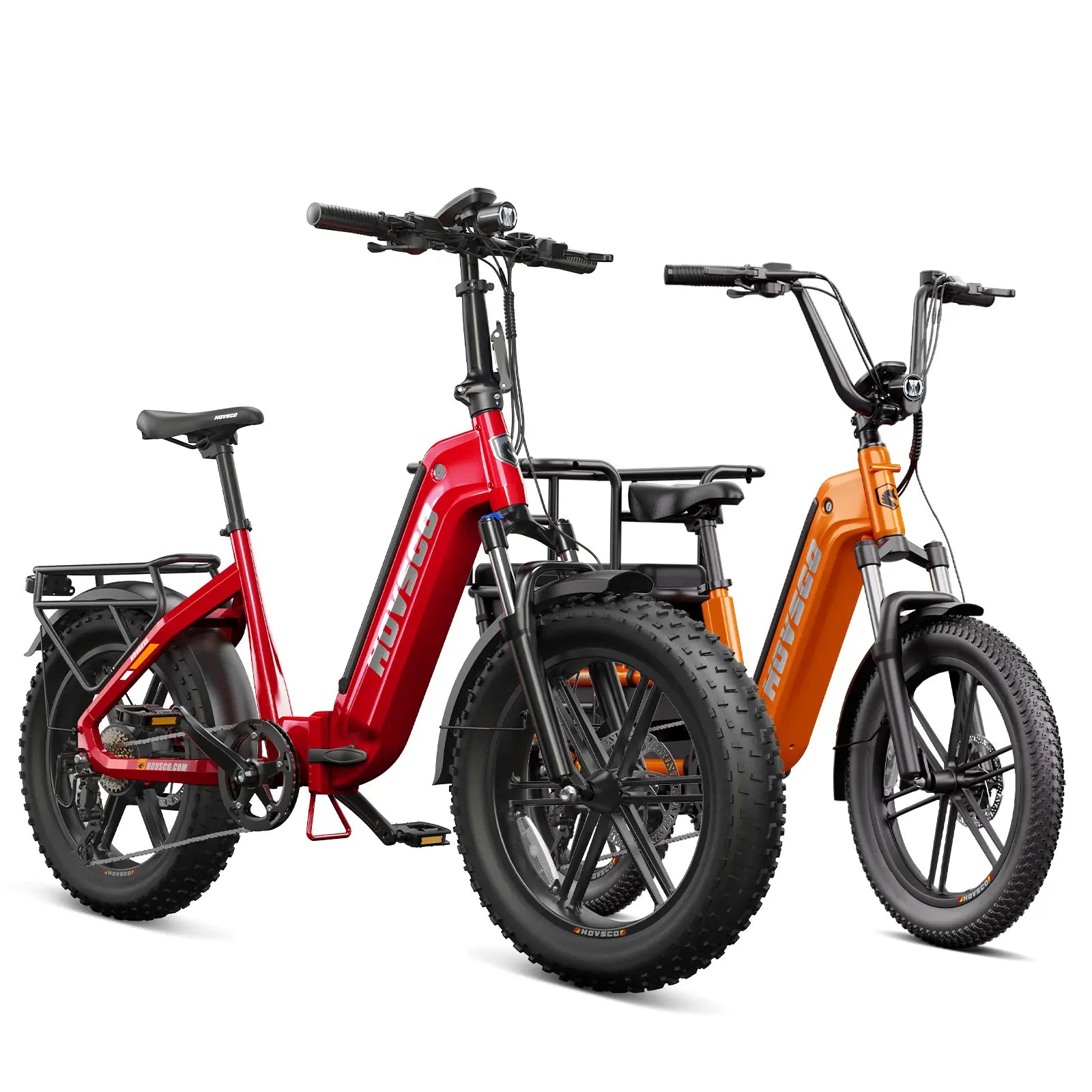
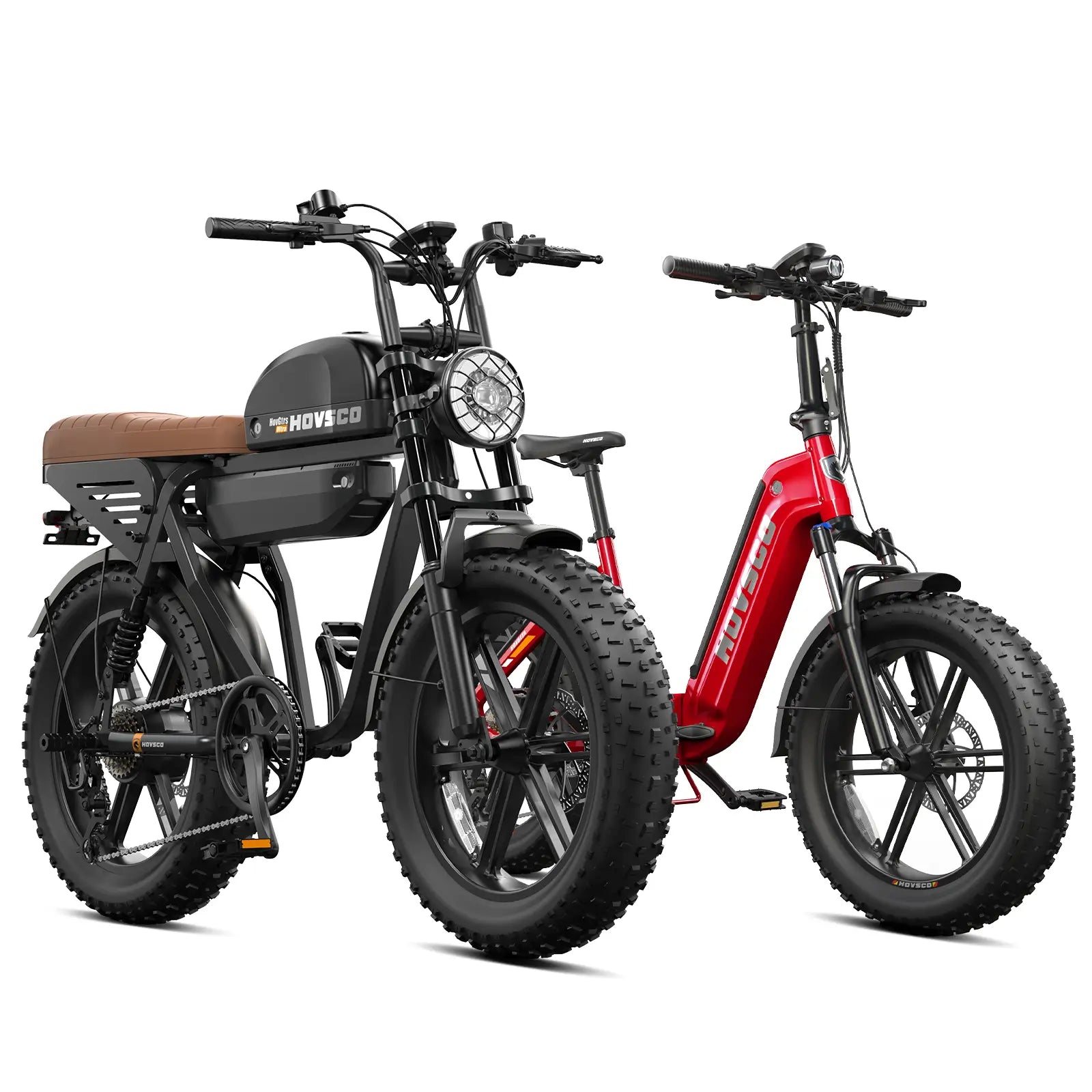
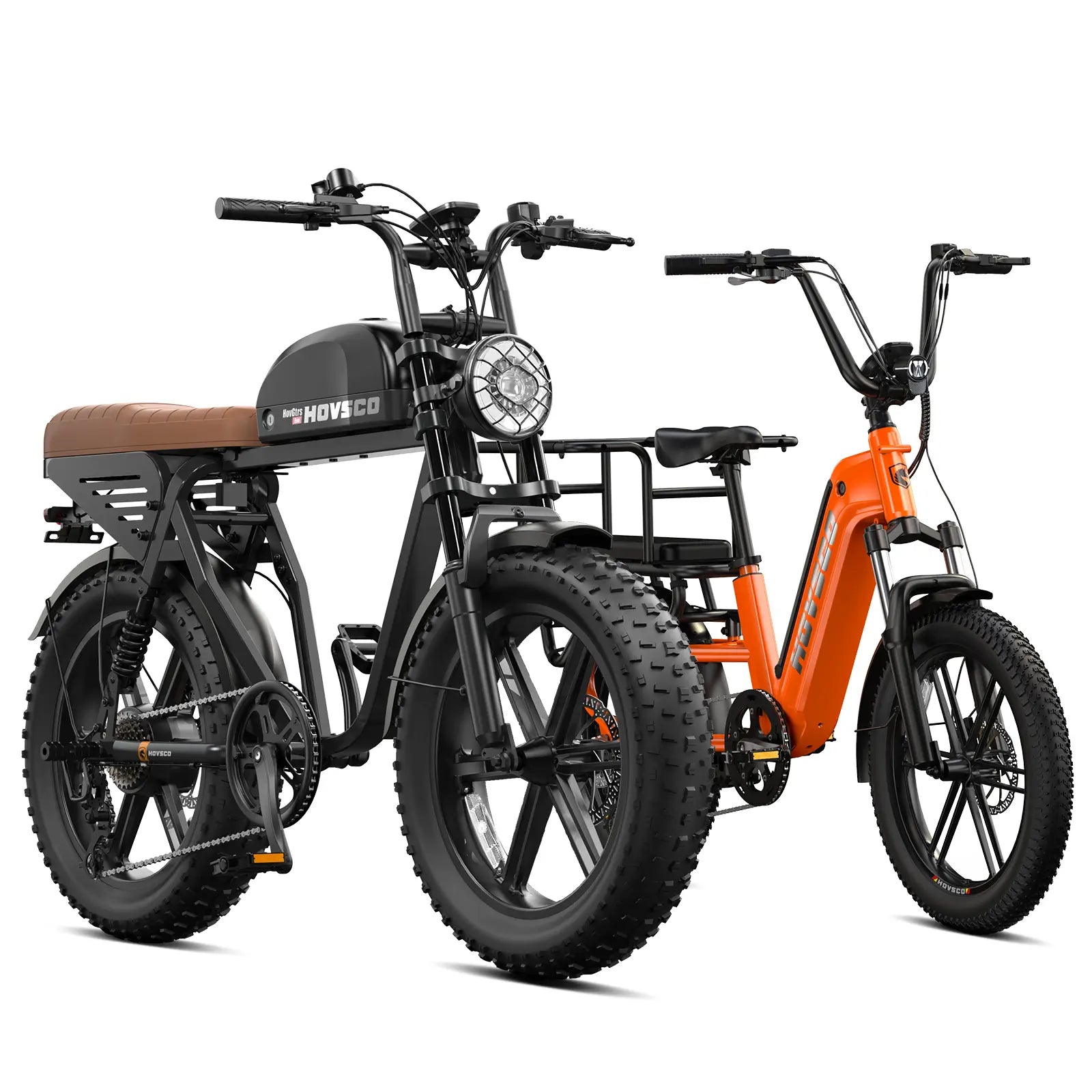
Compare HOVSCO commuter options with published ranges from 60 miles to as much as 150 miles on select HovGtrs configurations. Choose by daily distance, terrain, rider fit, storage and charging access.
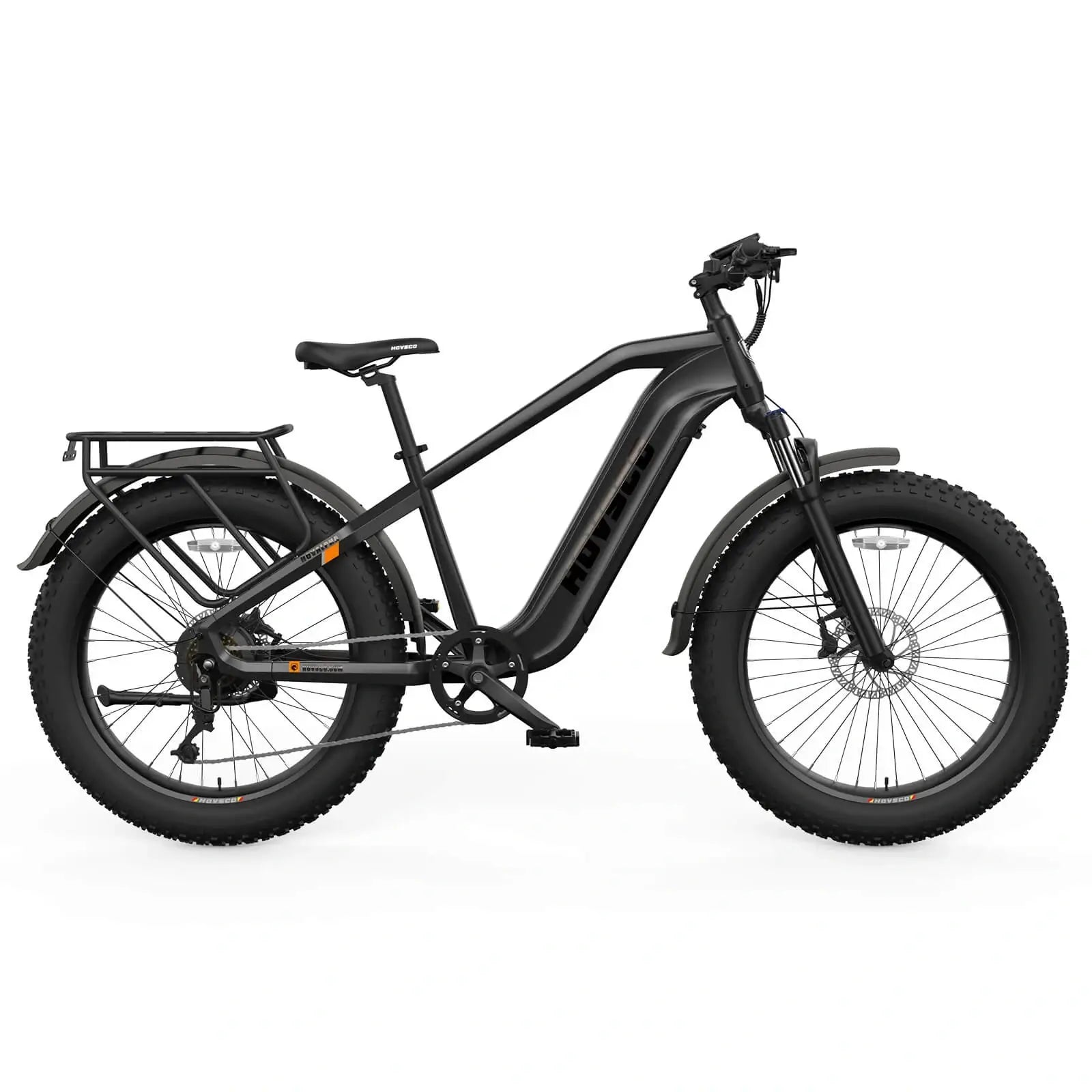
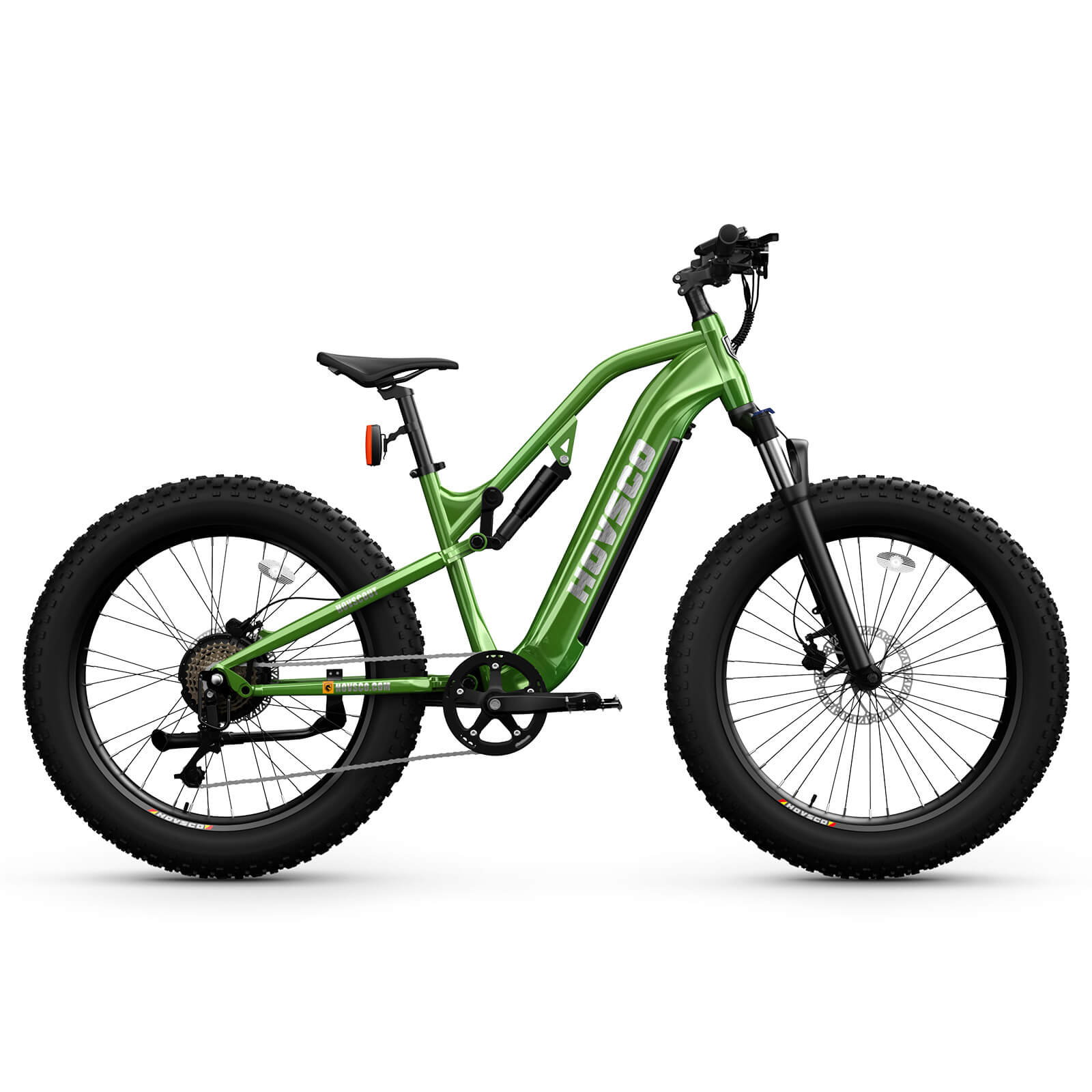
HOVSCO HovGtrs Moped-style E-Bike

MOTOR POWER

TOP SPEED

Payload Capacity

Range
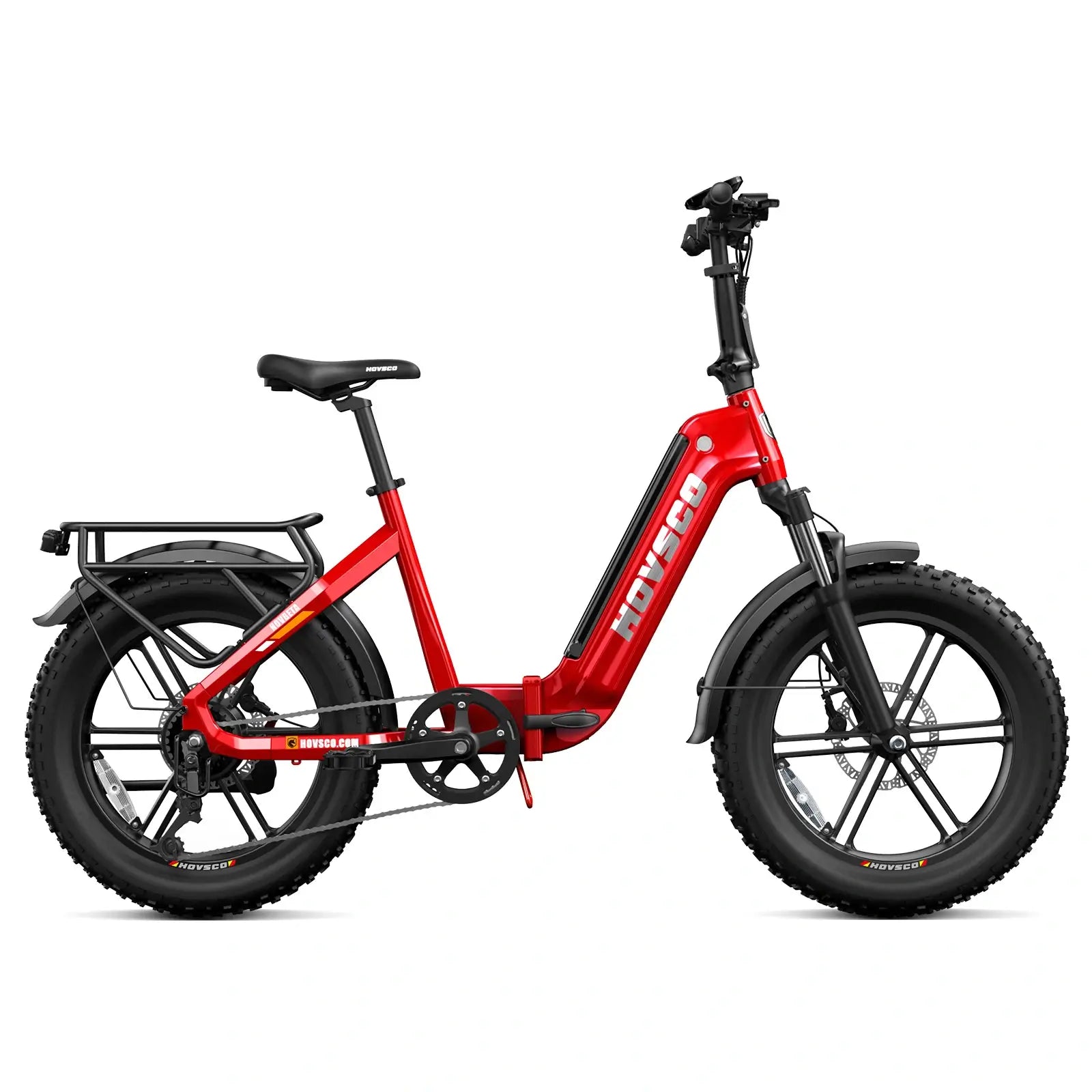
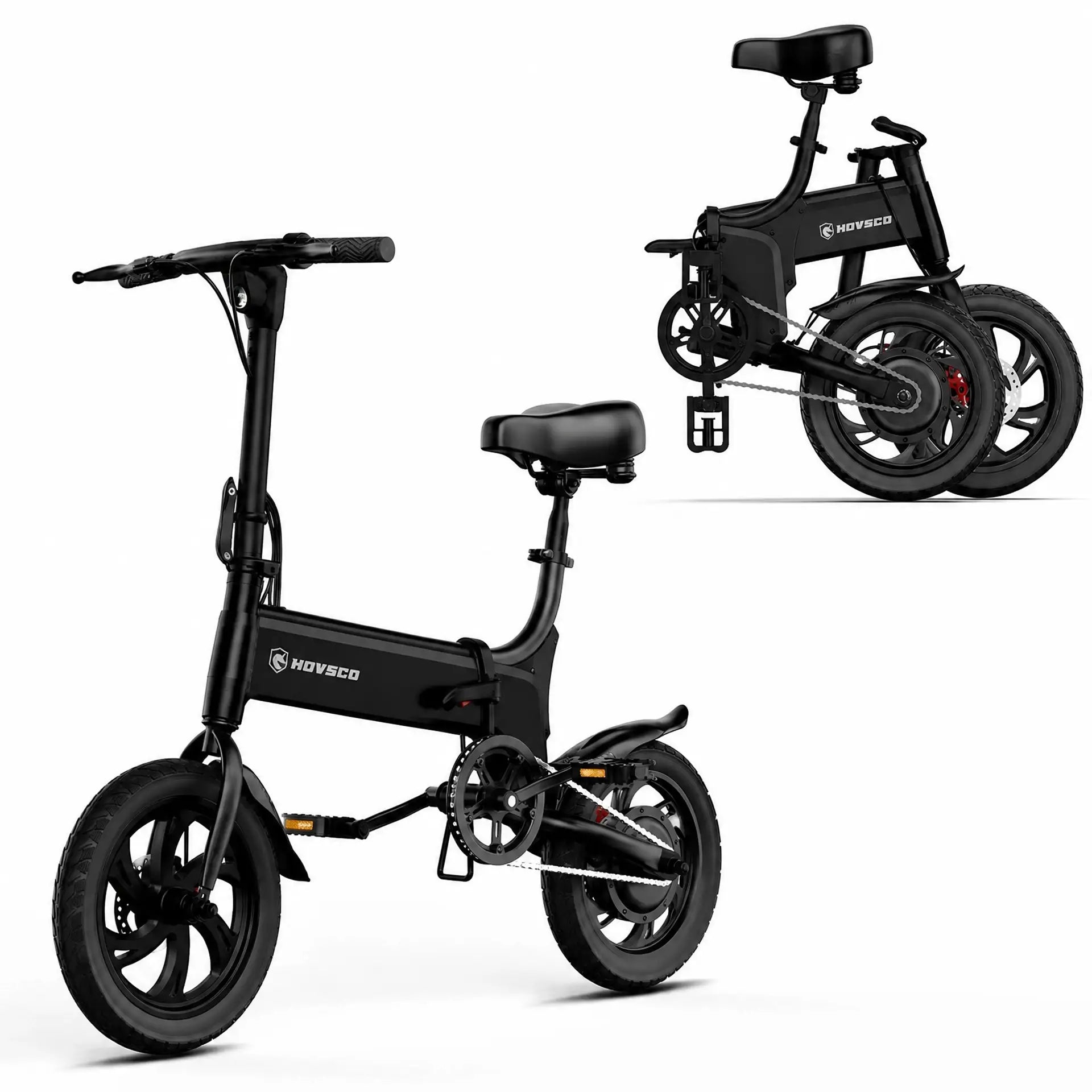
HOVSCO HovBeta Foldable E-Bike
Motor Power
Top Speed
Payload Capacity
Range
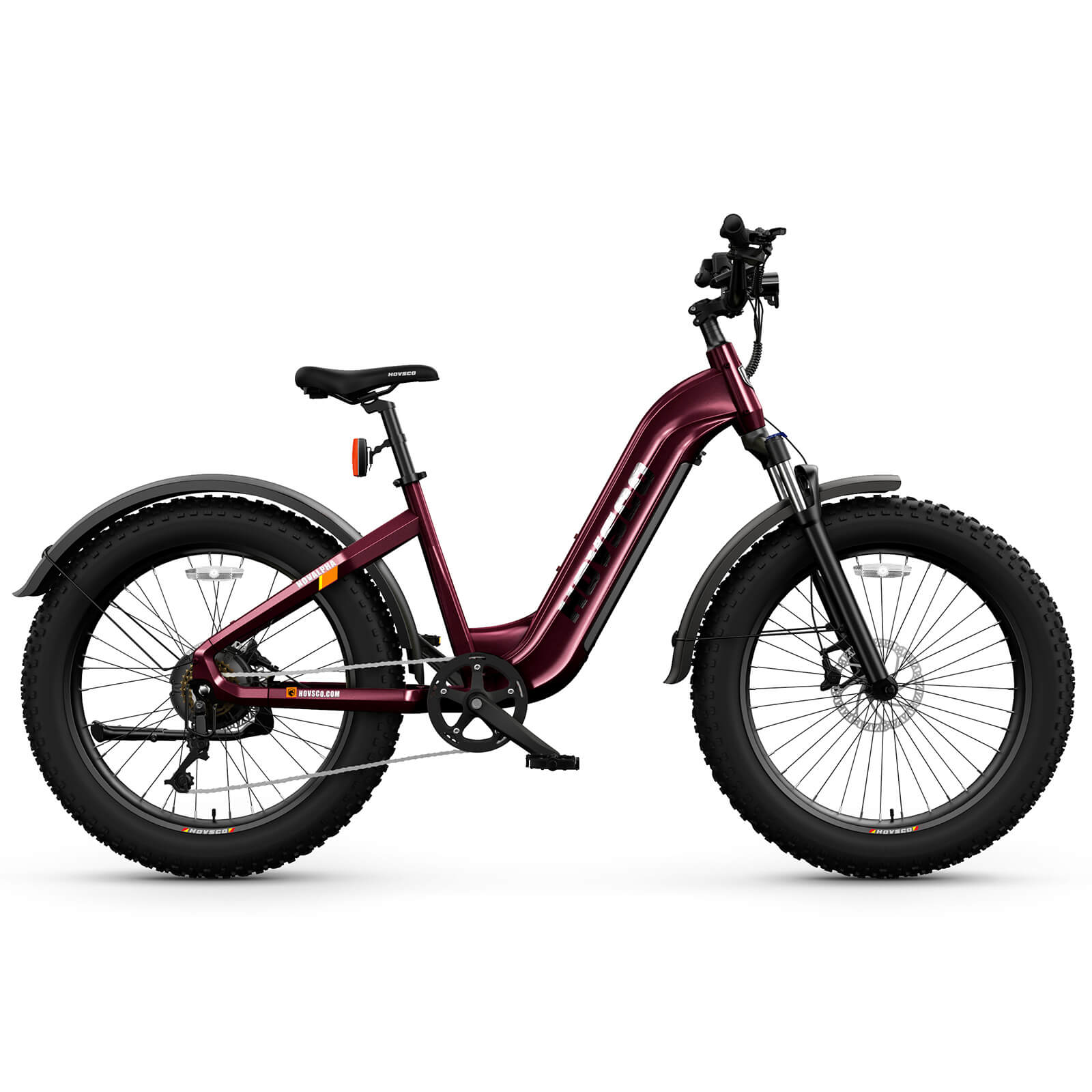
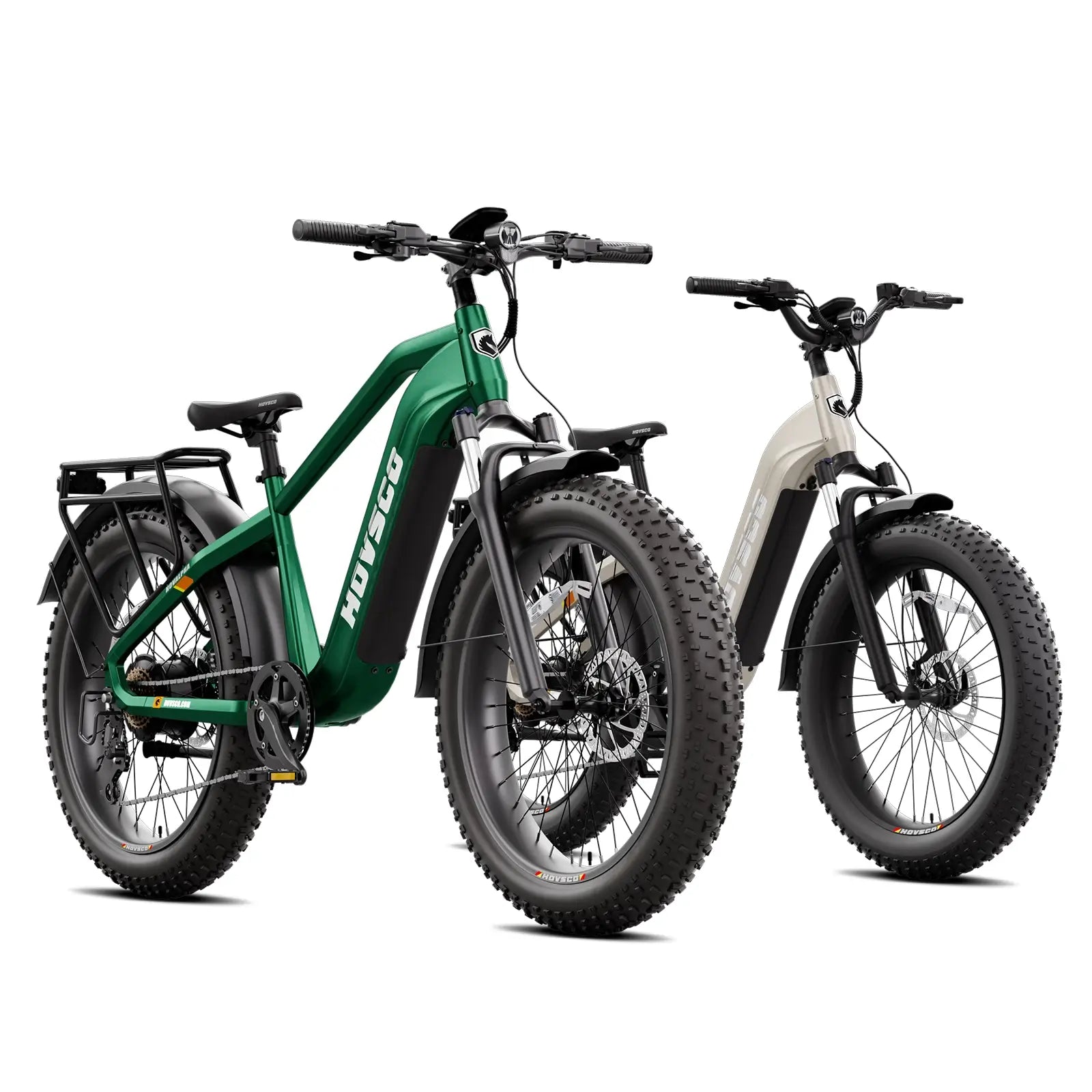
HOVSCO HovAlpha Long-Range E-Bike
Motor Power
Top Speed
Payload Capacity
Range
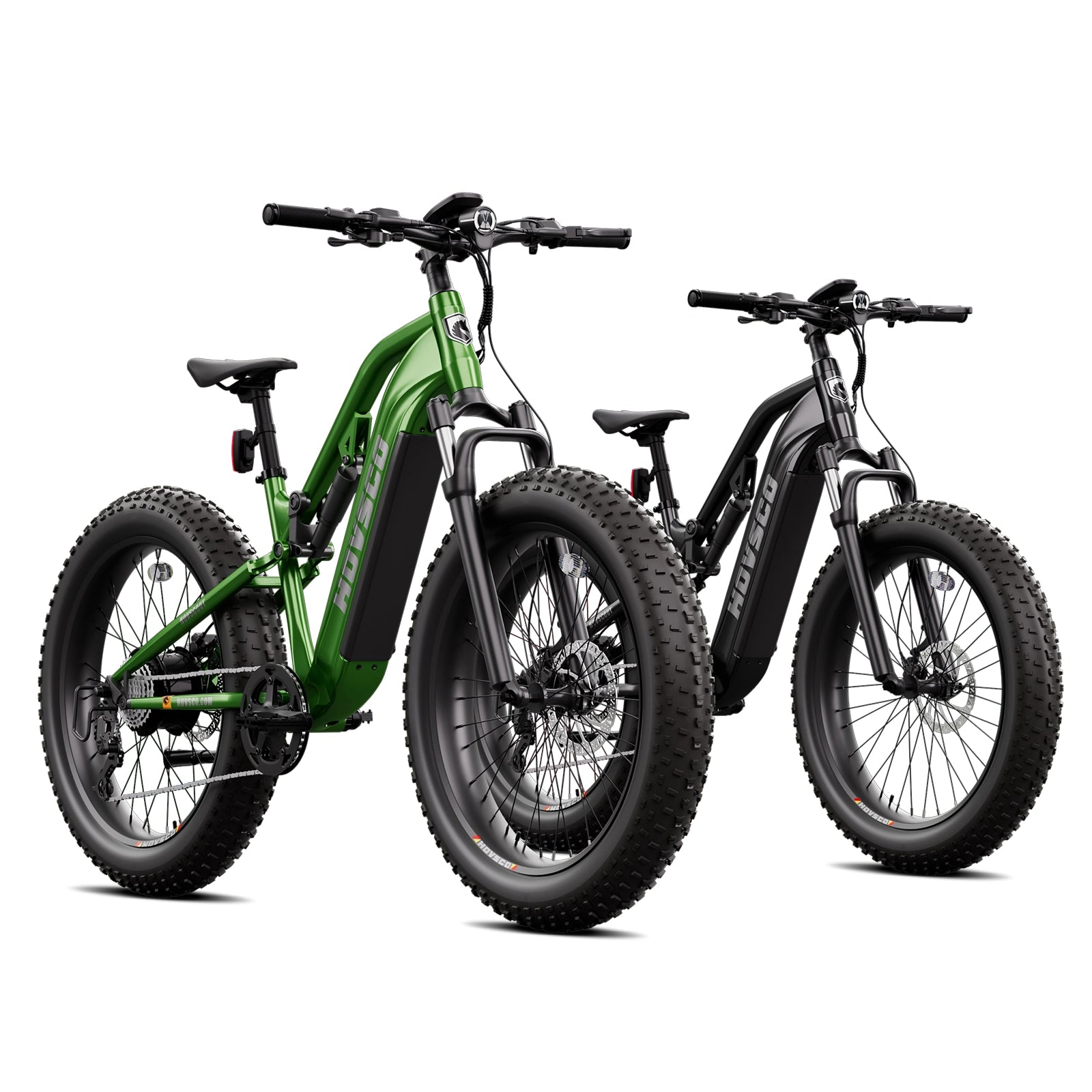
HOVSCO HovAlpha Long-Range E-Bike
Motor Power
Top Speed
Payload Capacity
Range
MOTOR POWER
Top Speed
Payload Capacity
Range
MOTOR POWER
Top Speed
Payload Capacity
Range
MOTOR POWER
TOP SPEED
Payload Capacity
Range
Motor Power
Top Speed
Payload Capacity
Range
MOTOR POWER
Top Speed
Payload Capacity
Range
Choose by distance and route
Compare long-range commuter e-bikes for repeat round trips, longer suburban routes and fewer charging stops. Start with your complete daily mileage, then allow for hills, weather, carried weight and the assist level you expect to use.
Compare current commuter optionsHovGtrs is the starting point when maximum published distance is the priority. Confirm the selected battery configuration, current speed setup and local riding rules before ordering.
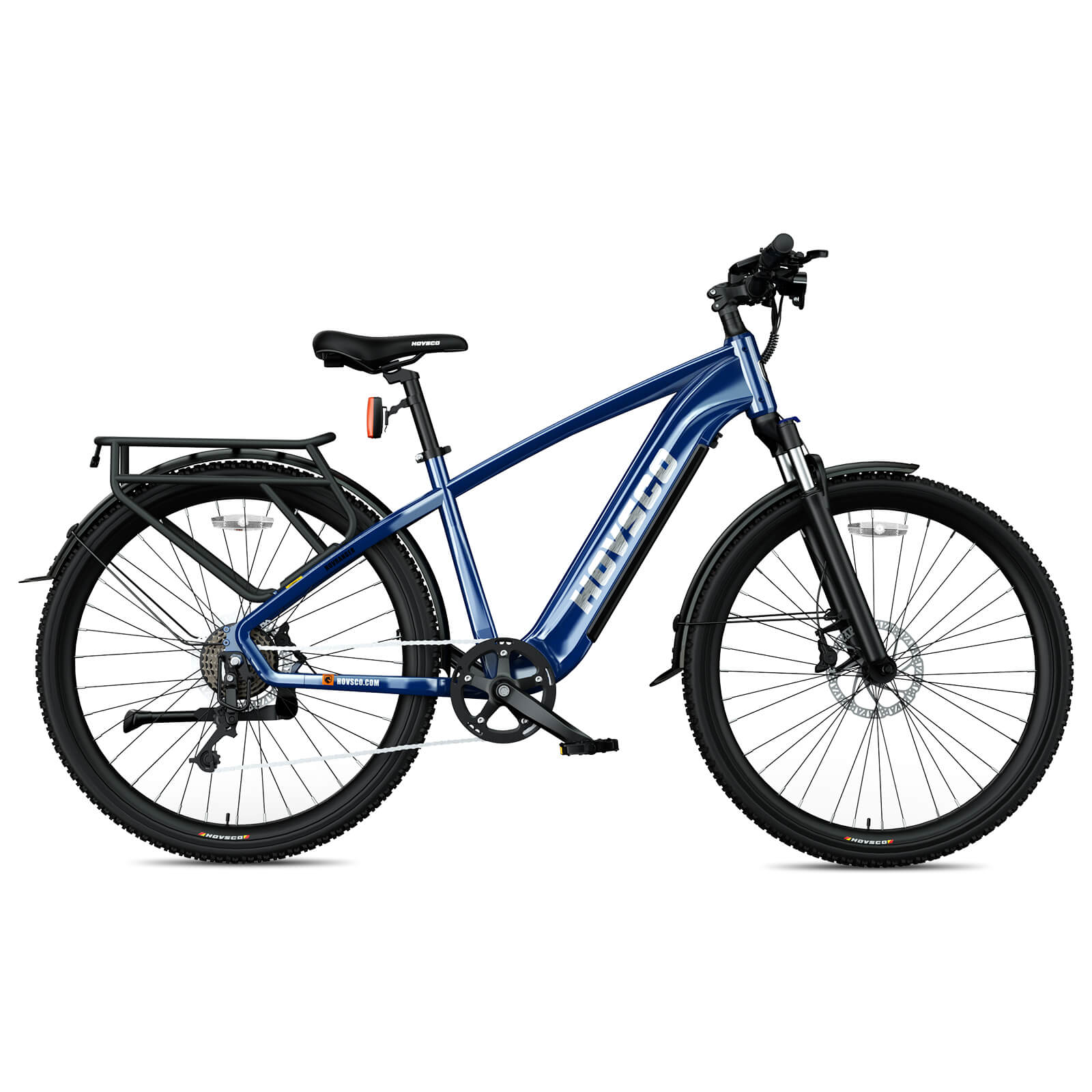
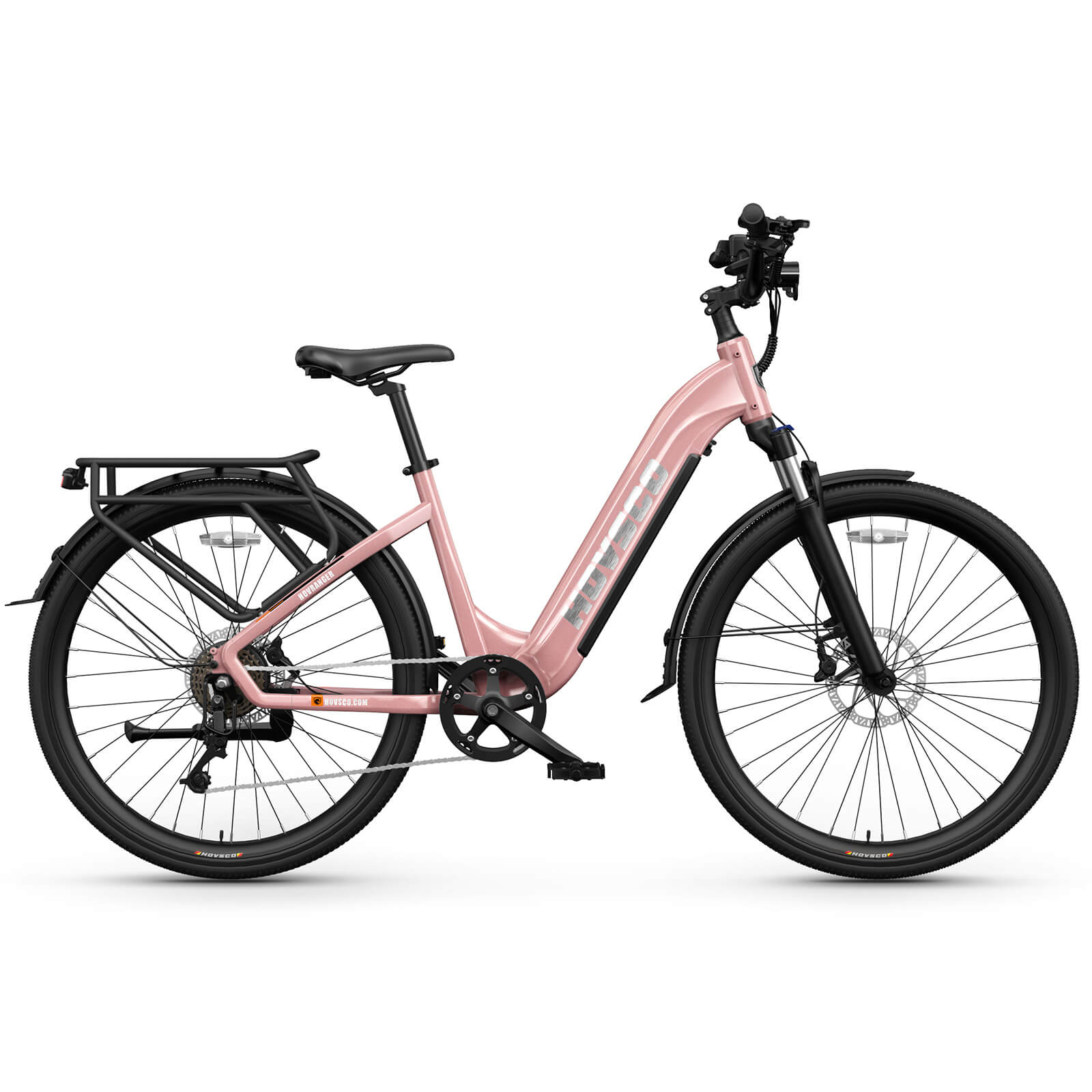
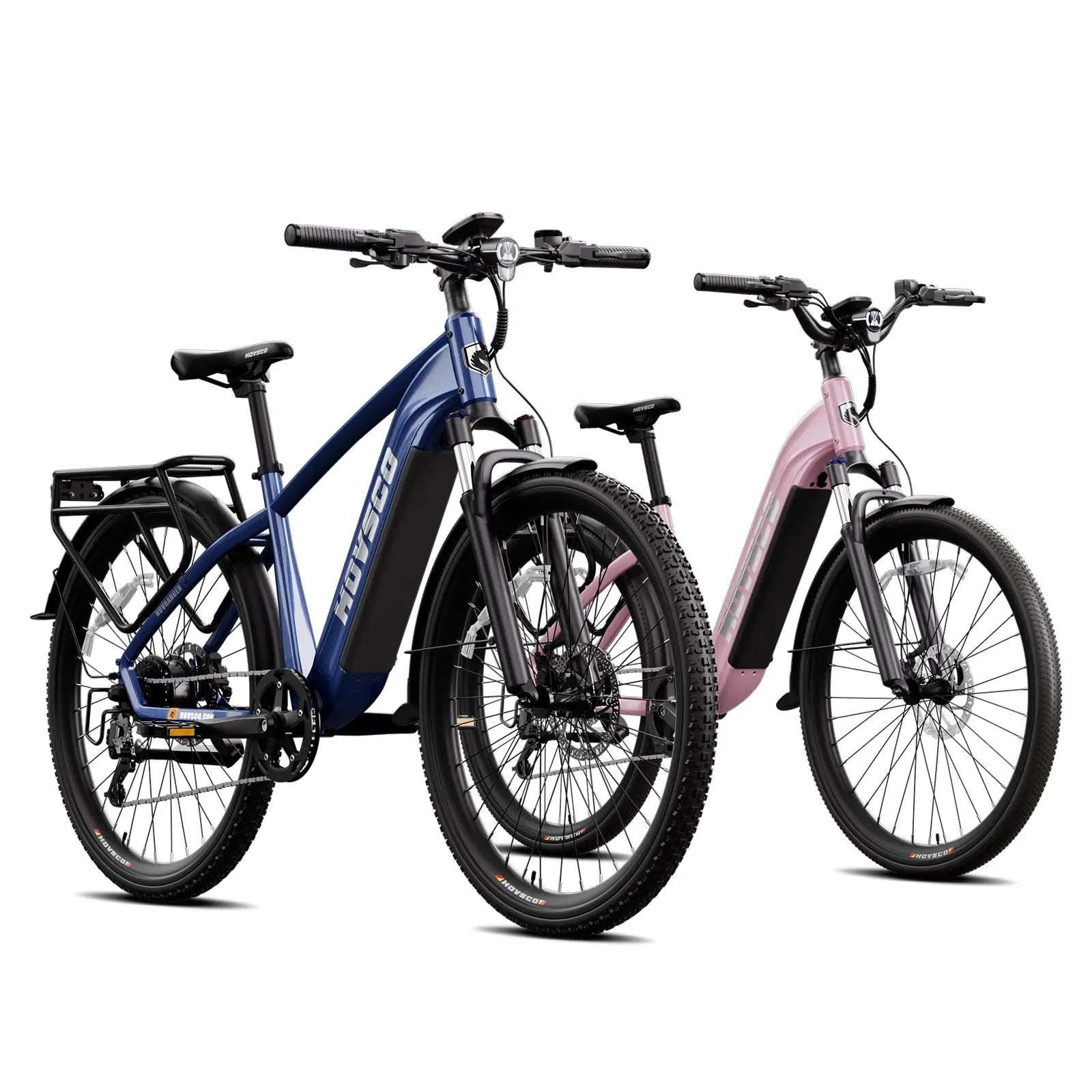
View HOVSCO HovGtrsHovRanger offers two frame formats with a published range of up to 60 miles. Compare mounting access, rider fit and the road conditions on your normal route.
Compare HovAlpha for an 80-mile published range and all-terrain format, or HovBeta when a 60-mile published range and folding storage better match the commute.
Published range is not a guaranteed commute distance. Model configuration, rider and cargo weight, hills, wind, temperature, speed, tire pressure and assist use affect real-world results. Bundle contents and specifications can change, so verify the exact listing before purchase.
Long-range commuter e-bikes are meant to make repeat travel more practical when an ordinary short-range setup would require frequent charging or leave too little reserve. The correct choice depends on the entire workday: the outbound ride, return ride, detours, hills, carried equipment and whether charging is available at the destination.
A published mileage figure is useful for comparing models, but it is not a promise of what every rider will achieve. The best e-bike for a long commute is the one that completes the realistic route comfortably and consistently with energy remaining, rather than the model with the largest number under ideal test conditions.
Measure from the starting point to the destination and back. Add regular stops, lunch trips, errands and a margin for route changes. If a commute is 15 miles each way, the planning distance is at least 30 miles before any detour or reserve is added. Do not compare a one-way route with a full-charge range claim.
Consider how often the trip repeats. A route completed five days a week places different demands on charging access, comfort and maintenance than an occasional long ride. Riders whose main need is shorter urban travel can compare the broader electric commuter bike collection instead of buying unnecessary range.
Rider weight, cargo, hills, headwinds, temperature, stop-and-go traffic, tire pressure, speed and assist level all affect battery use. Repeated acceleration and higher assistance generally require more energy. Smooth pedaling, correct gearing and properly inflated tires can help the system work more efficiently.
Compare the test conditions stated for the exact model when available. An electric bike for a long commute should be evaluated around the route you will actually ride, not a flat-road result from a lighter load or lower assistance setting.
Battery capacity is commonly listed in watt-hours, which can help compare stored energy. However, two bicycles with similar battery capacity can return different mileage because motors, controllers, tires, weight, speed and riding conditions differ. Battery size should be read together with the complete bike.
Check whether the battery specification changes by product variant or bundle. This is particularly important when a product page shows a range band across more than one configuration. Confirm the selected option in the cart rather than assuming that the highest published range applies to every version.
Identify a dry, permitted charging location and use the charger supplied or approved for the exact battery. Confirm whether the battery is removable if the bicycle must remain in a garage or shared bike area. Workplace and apartment policies may limit where batteries can be charged or stored.
Charging at the destination can increase flexibility, but the commute should not depend on an outlet you do not control. Keep enough reserve to reach a safe alternative if the normal charging location is not available. Follow the model manual for charging temperature, storage and long periods without use.
A long-distance commuter electric bike must fit the rider for sustained time in the saddle. Check recommended rider height, stand-over clearance, reach, handlebar position and saddle adjustment. Small fit problems that seem harmless on a short test ride can become distracting during a longer daily route.
Frame access also matters when the commute includes frequent stops. Riders who prioritize easier mounting can compare step-through e-bikes. If home or workplace storage is limited, review folding electric bikes and check folded dimensions as well as the weight that must be lifted.
Paved streets, rough shoulders, gravel connectors and potholes place different demands on tires and suspension. Wider tires may add grip and comfort on mixed surfaces, while a more city-focused setup may feel easier to maneuver and store. Select for the route that occurs most often rather than an occasional weekend surface.
Brakes should feel predictable in the conditions you expect to encounter. Allow more stopping distance with higher total weight or wet roads, and follow the service schedule for pads, rotors, tires and wheel hardware.
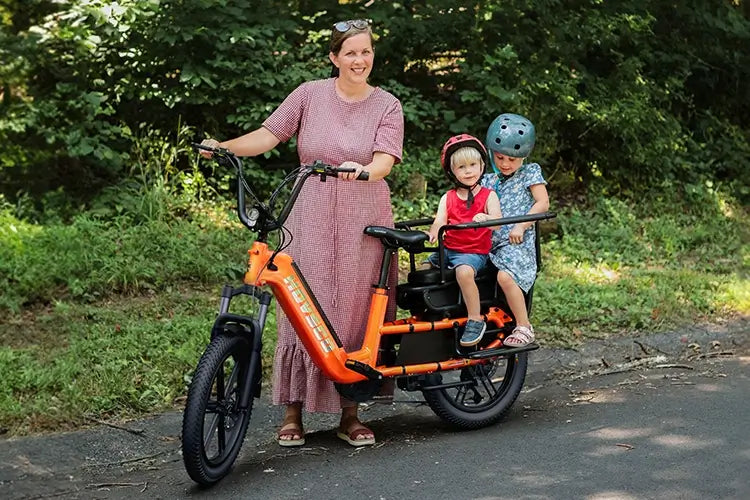
A laptop, clothing, lock, rack, panniers and other daily equipment count toward the bicycle's total payload. They also influence handling and energy use. Pack dense items low and securely, then verify the separate limit and compatibility of every rack, bag or basket.
If combined rider and cargo weight is the main buying concern, use the dedicated high-payload electric bike collection. This page remains focused on commuting distance and repeat-route range rather than maximum carrying capacity.
Frequent commuting accumulates miles quickly. Check tire pressure, brake response, wheel condition and visible fasteners regularly. Clean and lubricate the drivetrain according to the manual and riding conditions. Arrange professional service when required rather than waiting for a small issue to interrupt the workday.
Track changes in battery behavior over time. If usable distance changes unexpectedly, review temperature, tire pressure, load and assist settings before assuming a component has failed, then contact support when the model guidance does not resolve the issue.
Questions before you order
Get concise answers about listed models, range configurations, bundle contents, test rides, delivery, assembly, warranty and returns.
Start with HovGtrs when maximum published range is the priority, HovRanger for a city-focused commuter format, HovAlpha for an 80-mile published range and mixed terrain, or HovBeta when folding storage matters. Confirm the exact configuration in the product grid before ordering.
Do not assume that the highest displayed range applies to every variant. Open the HovGtrs product page, select the battery and bike configuration you intend to buy, and confirm the corresponding specifications, included equipment, price and availability before checkout.
Bundle contents, quantities, battery options, colors and promotional availability can change. Open the exact bundle product page from the collection grid and review its current included-items and variant information instead of assuming every bundle contains the same equipment.
Find a participating location through HOVSCO's test-ride page and confirm the model before visiting. Use the ride to evaluate commuter posture, repeated starts, braking and comfort; a short demonstration cannot prove the range of your complete round trip.
Delivery timing and setup steps vary by model and destination. Review the current shipping policy and matching assembly video before delivery, and complete every final safety check in the model instructions before the first commute.
Read the warranty policy for battery and bike coverage and the return and refund policy for current deadlines, fees and condition rules. Keep packaging and documentation until the commuter setup has been assembled and inspected.