



Make the daily route comfortable
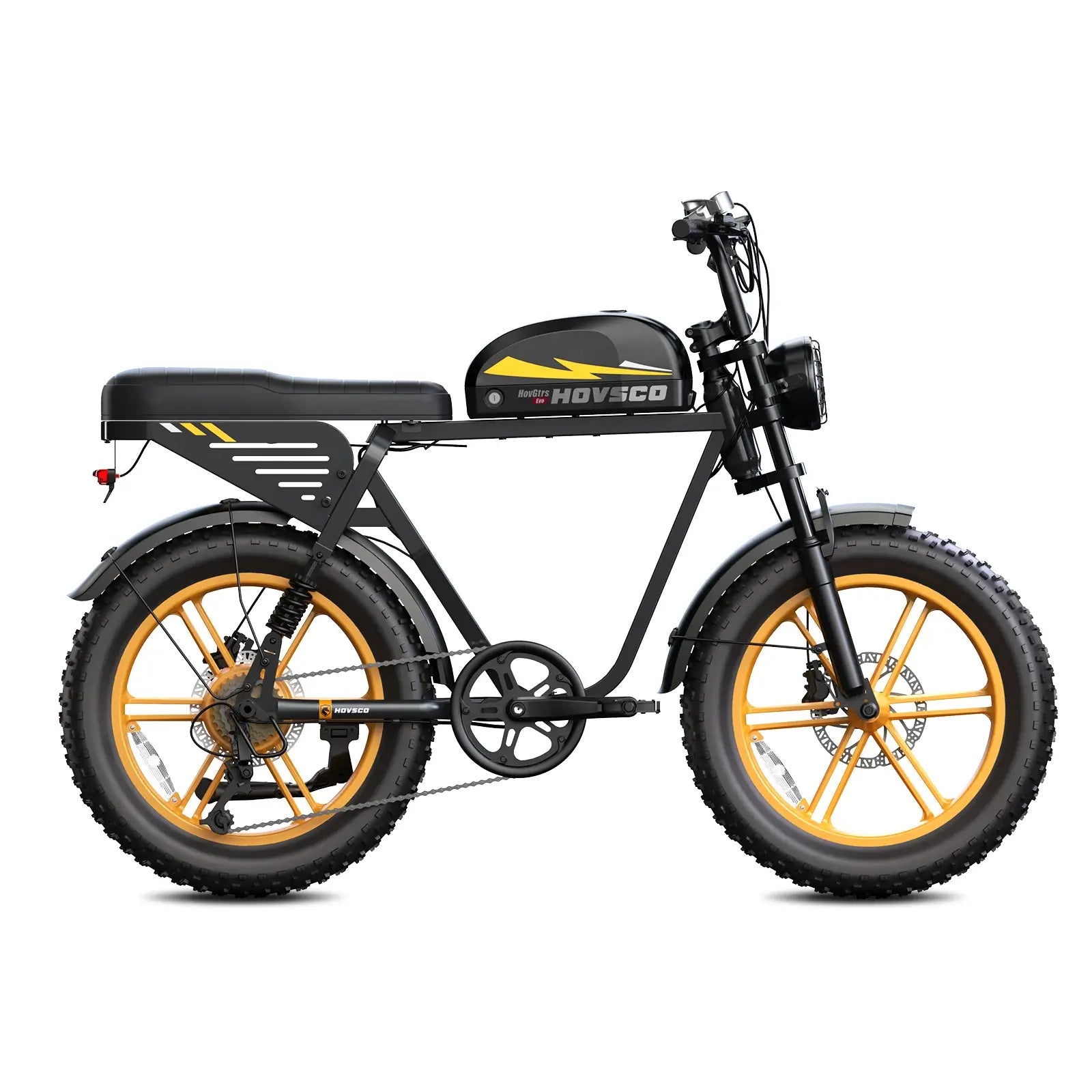
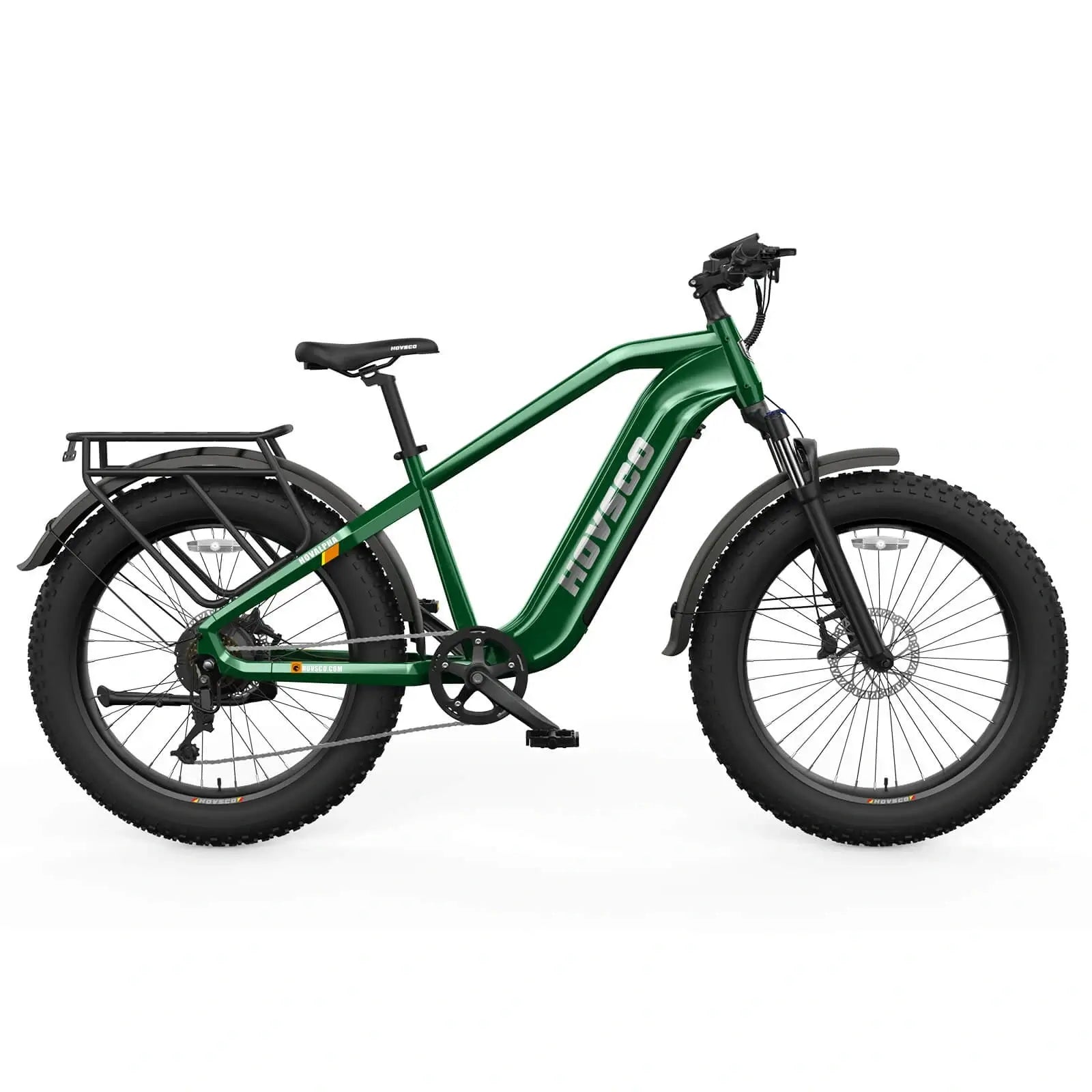
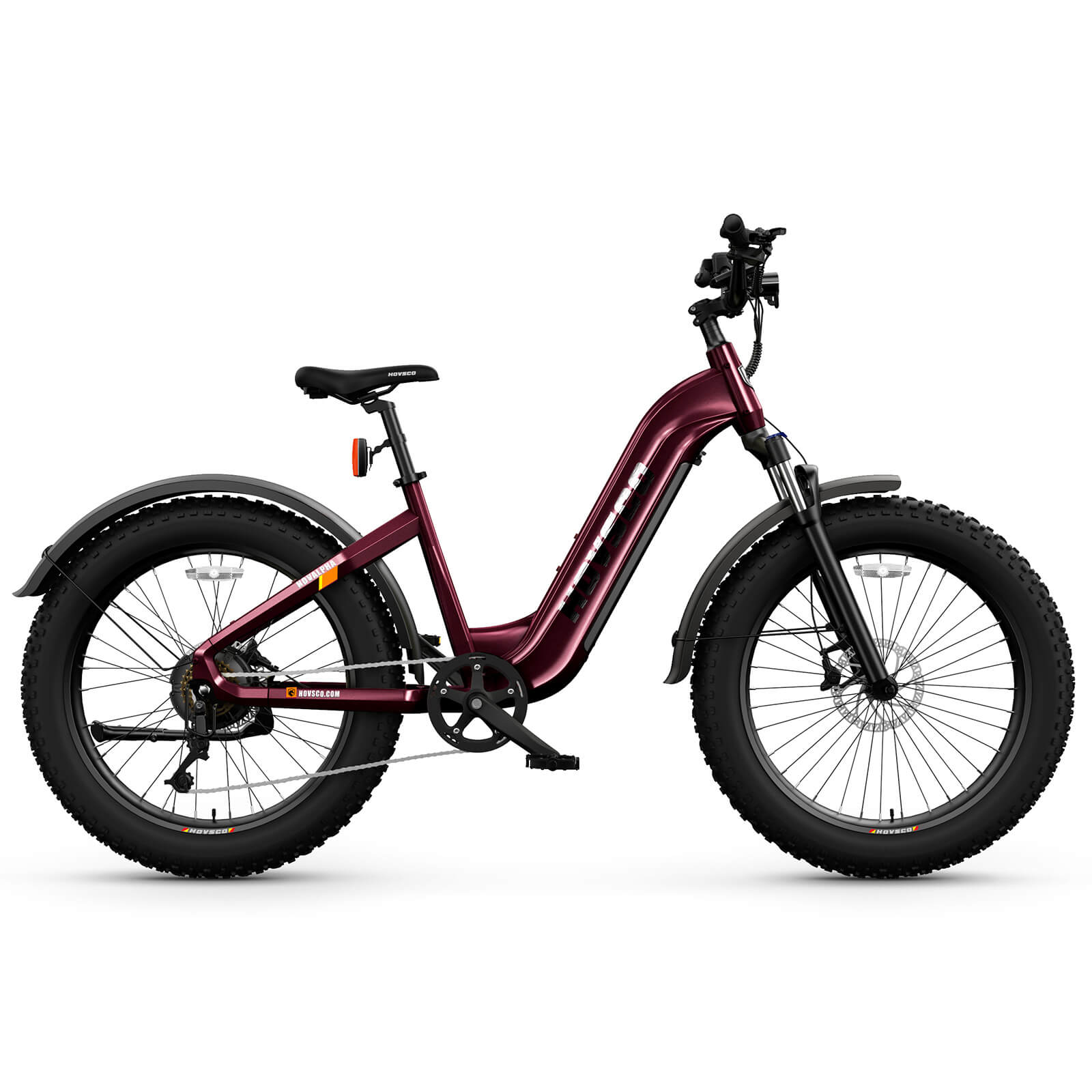
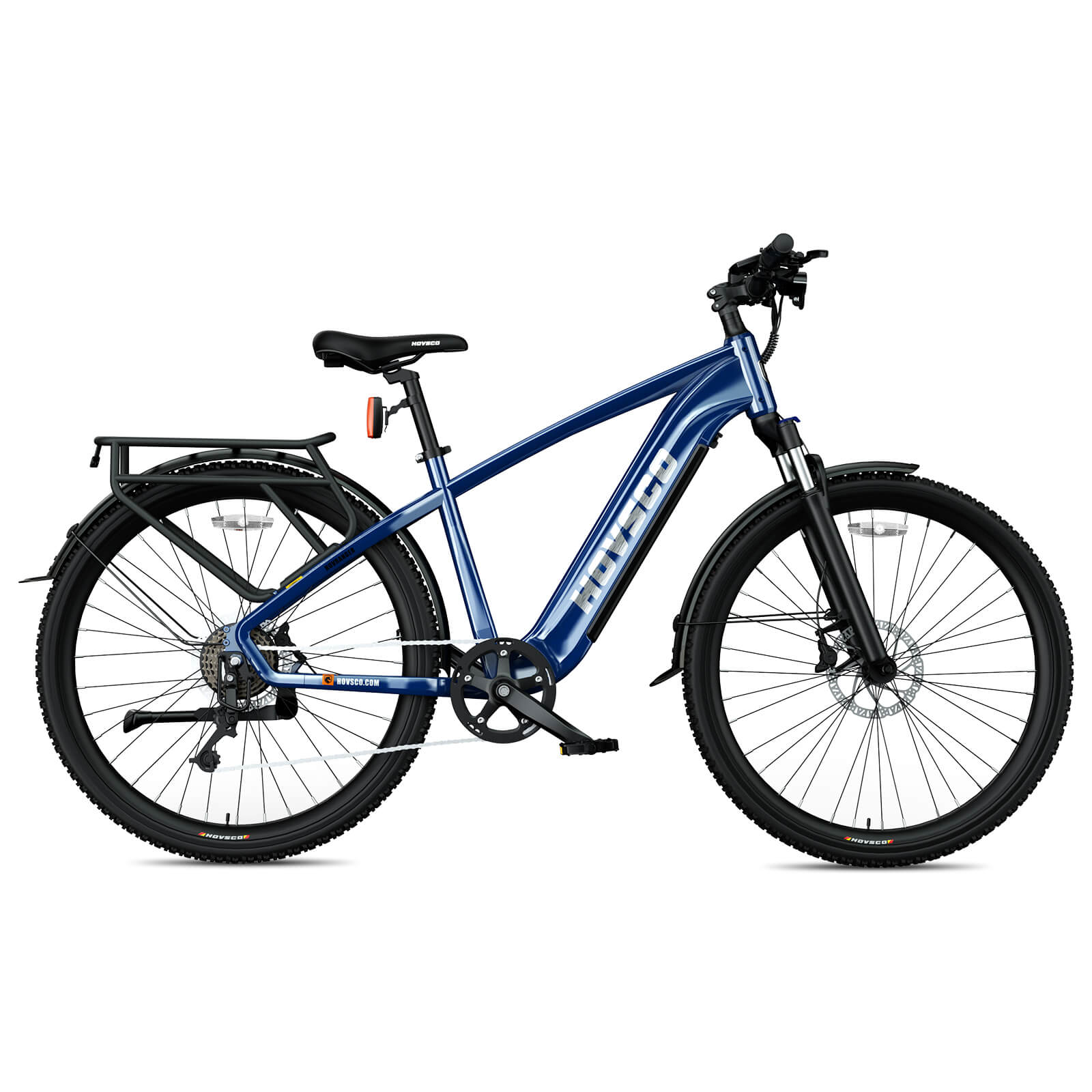
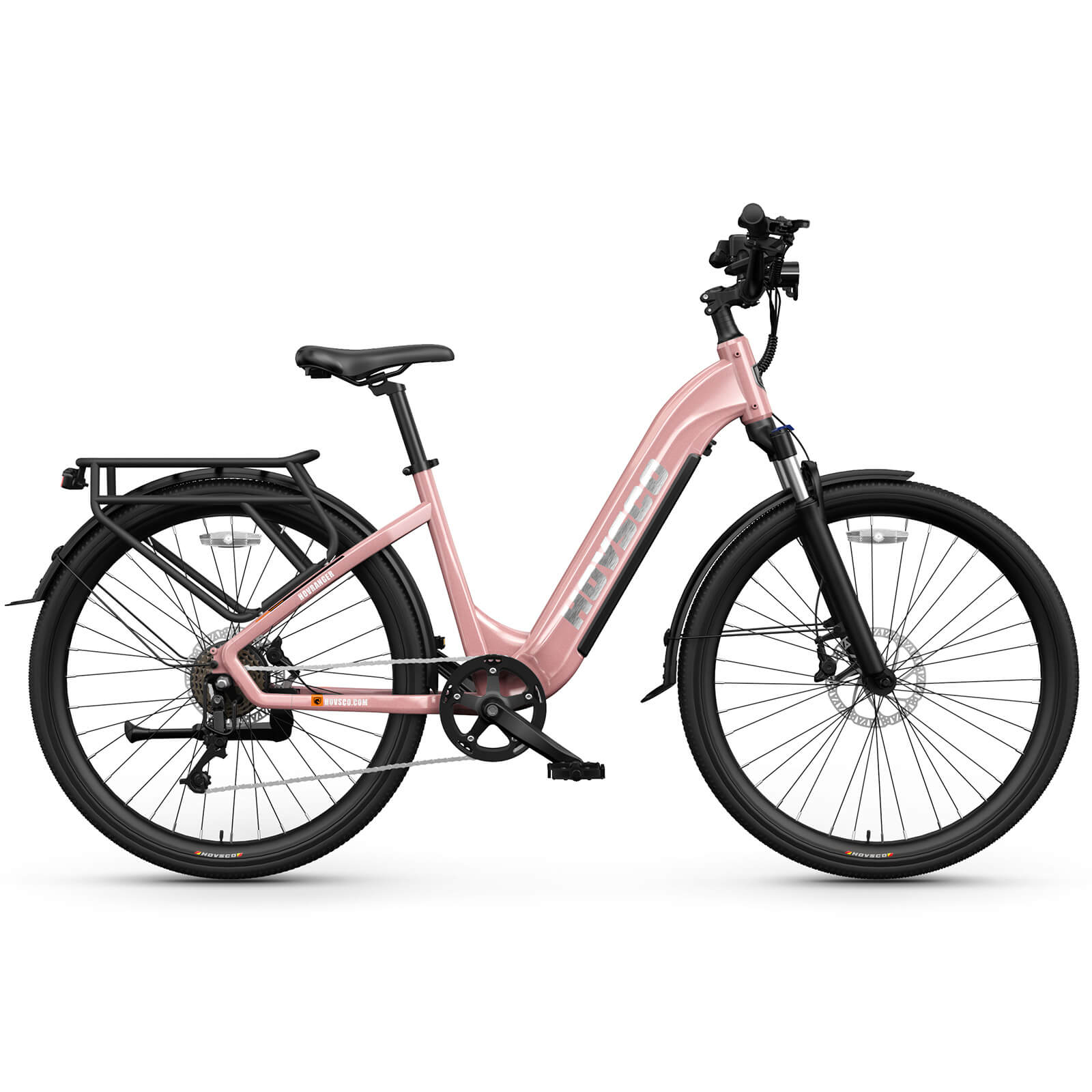
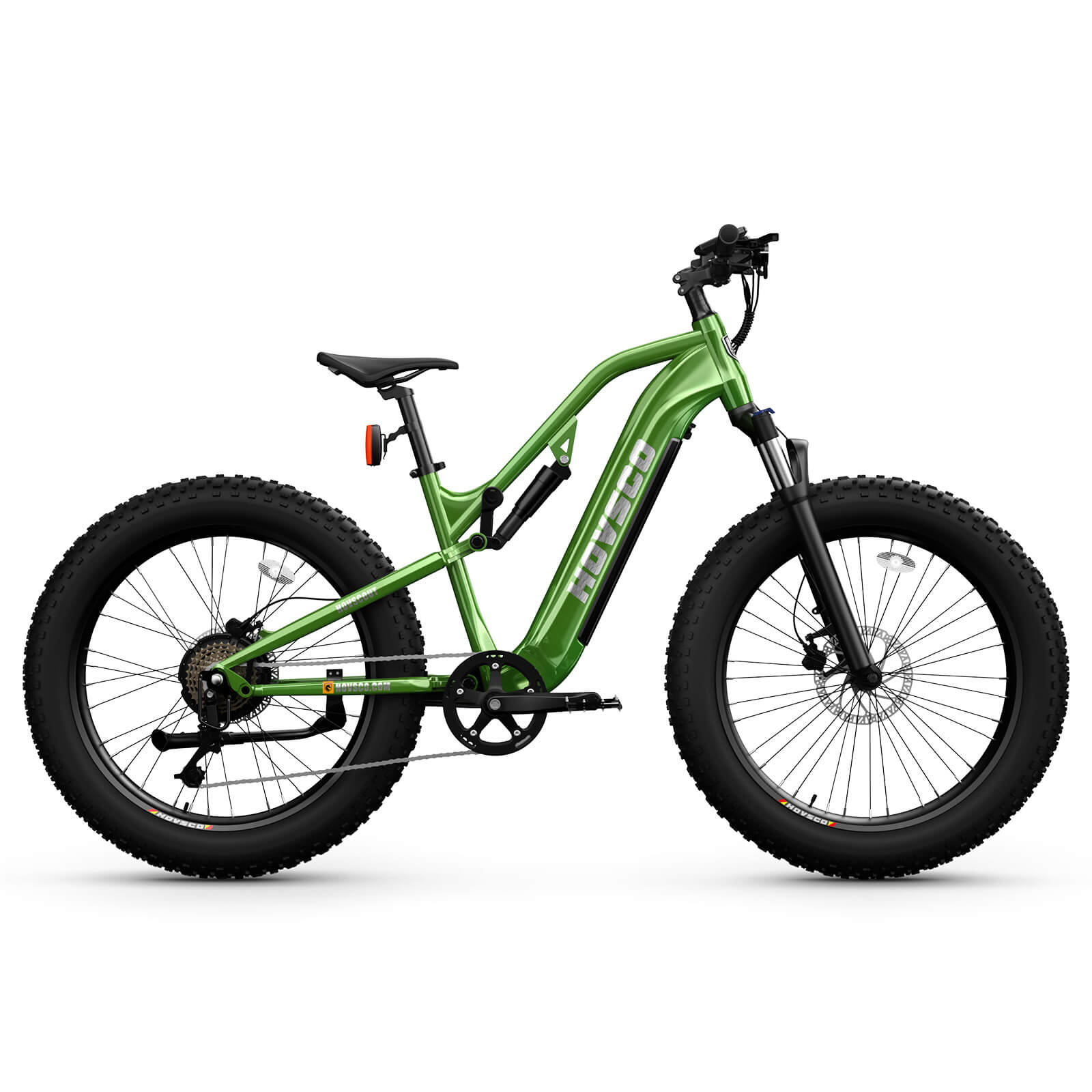
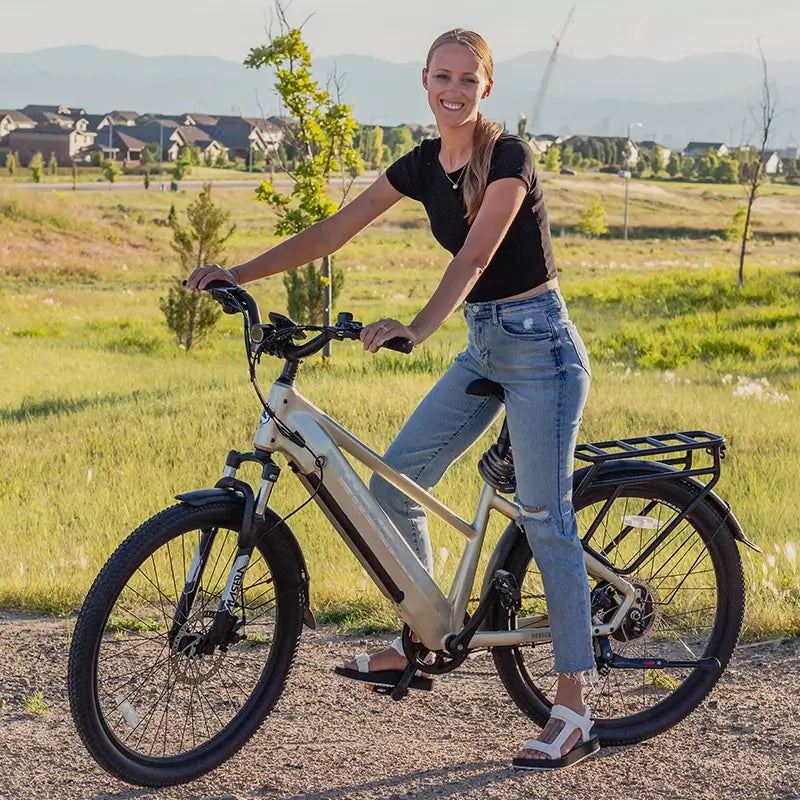
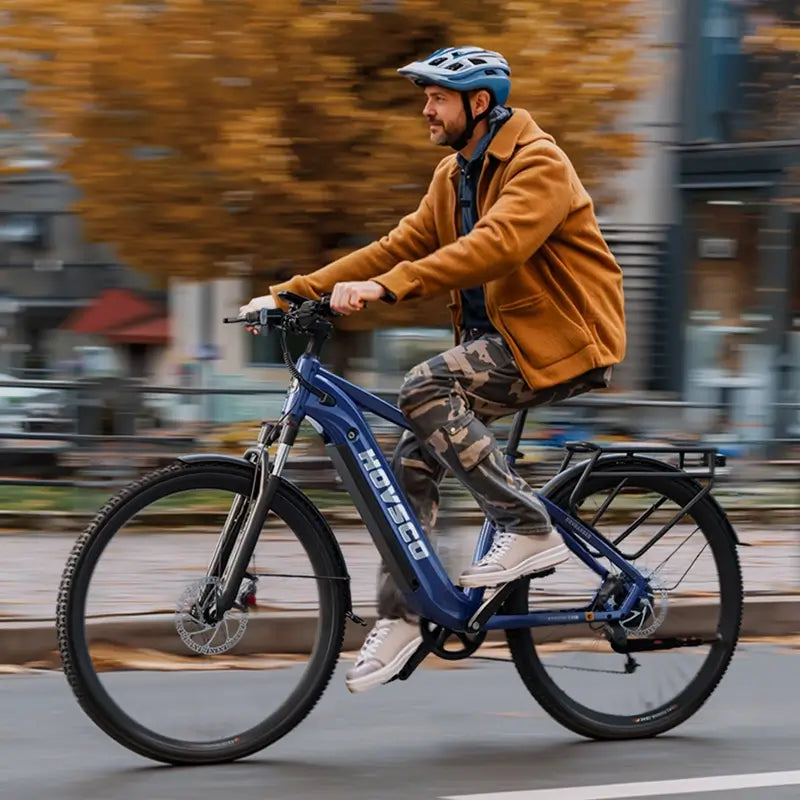
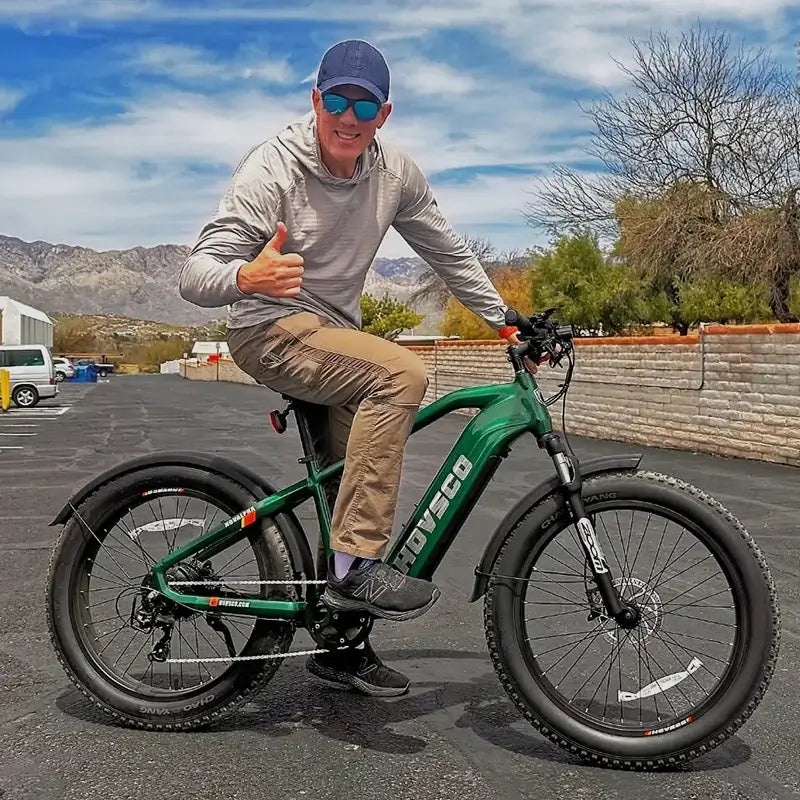
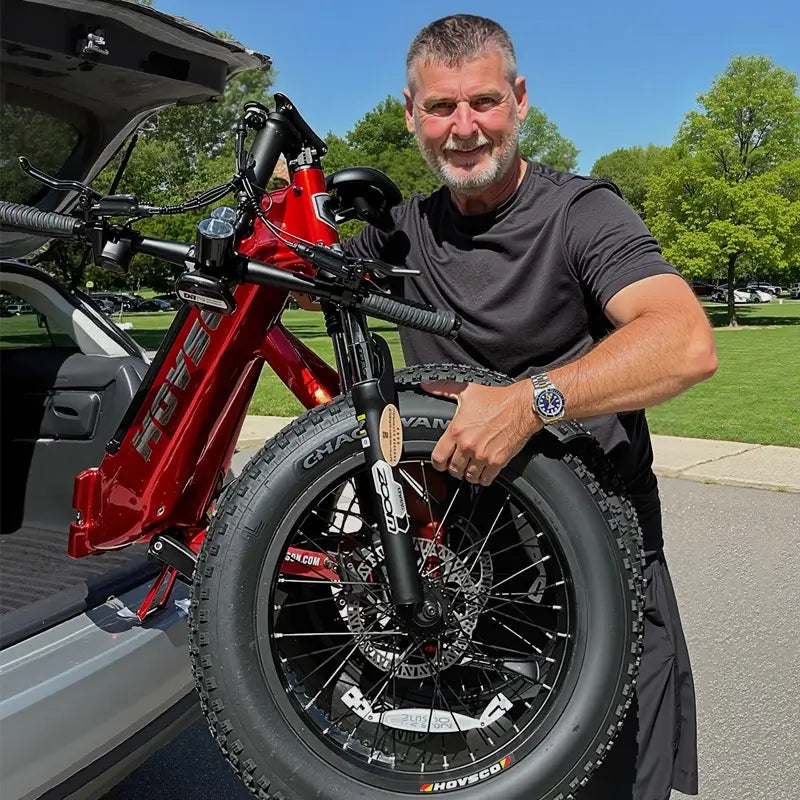
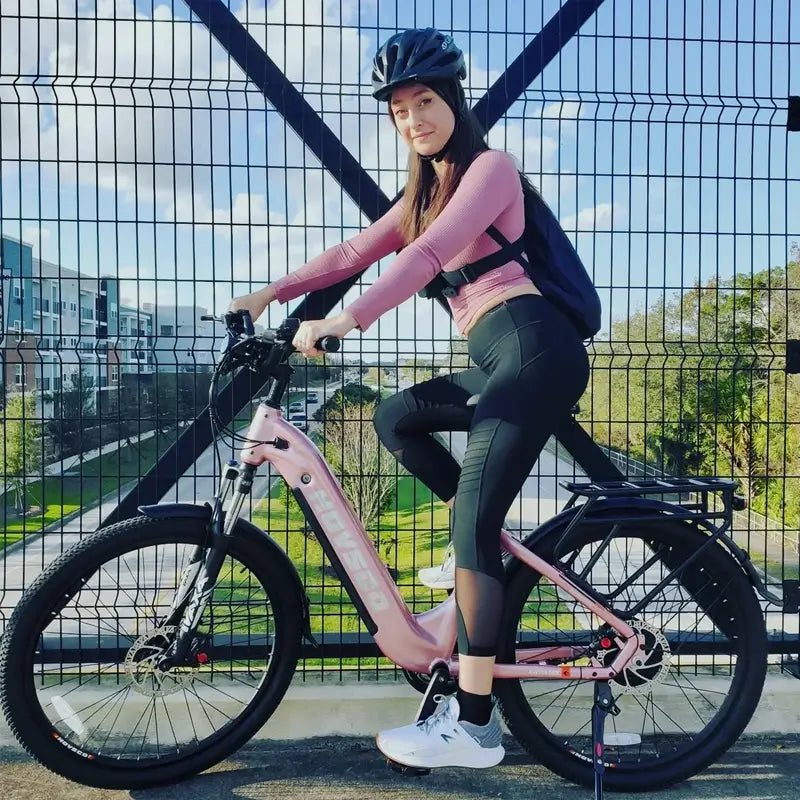
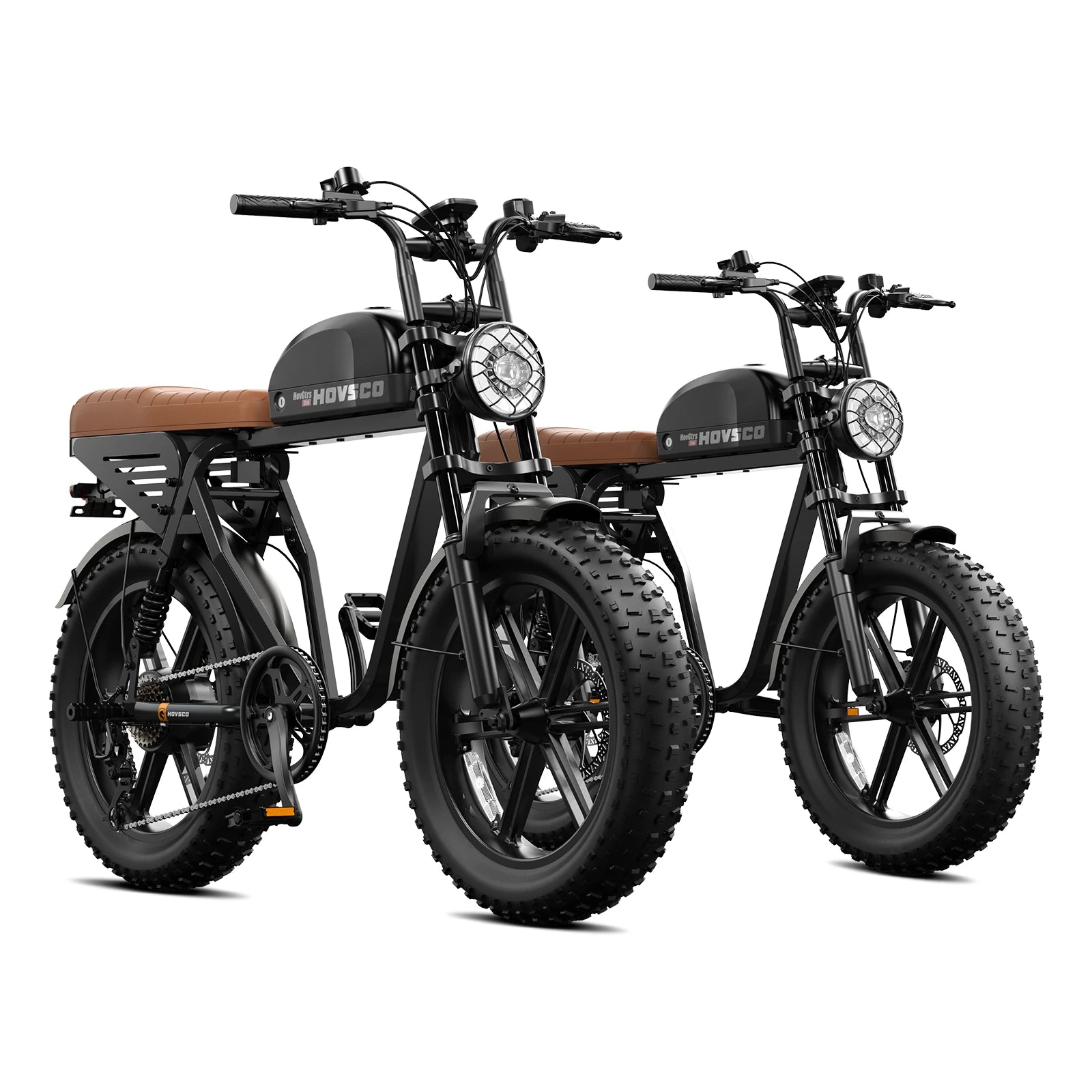
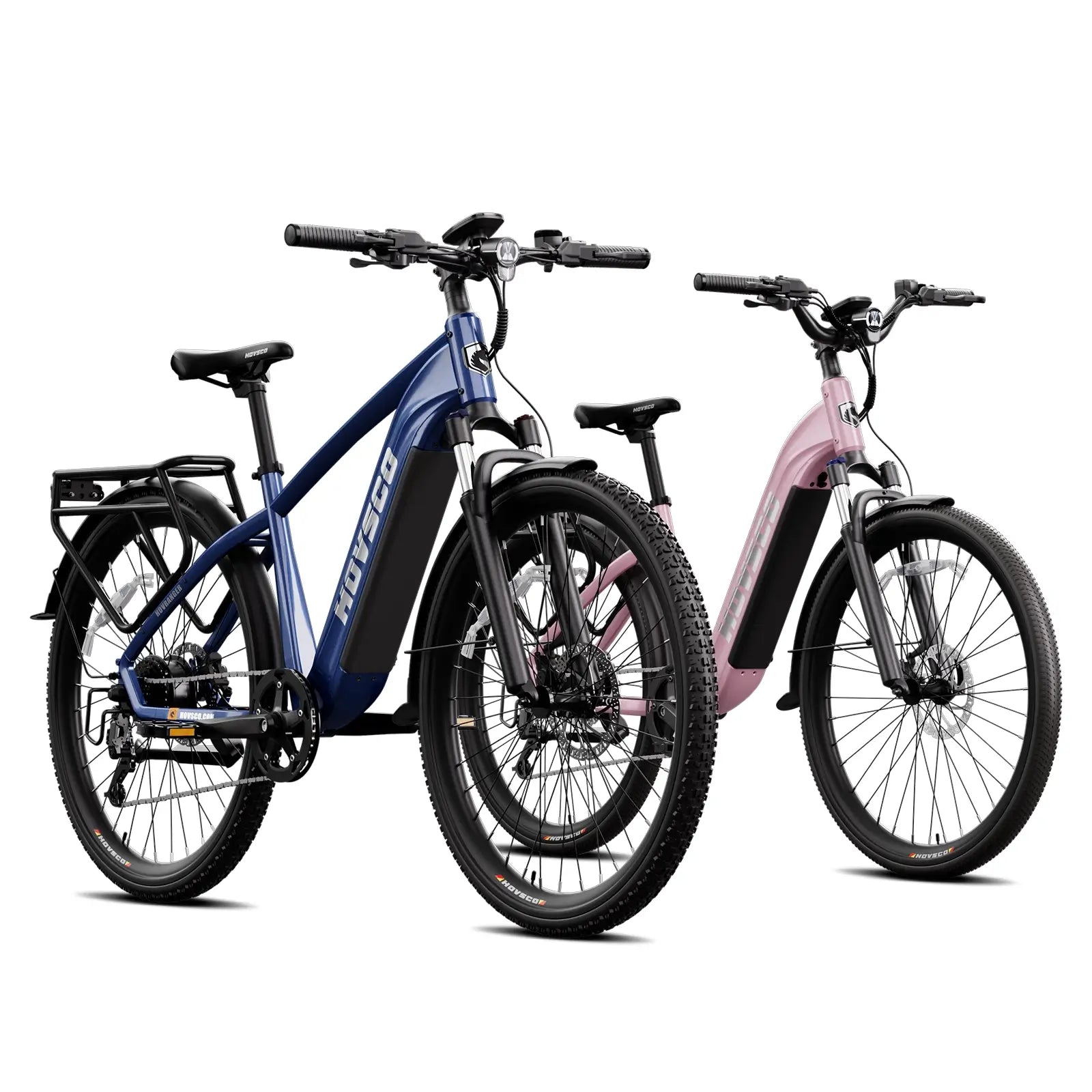
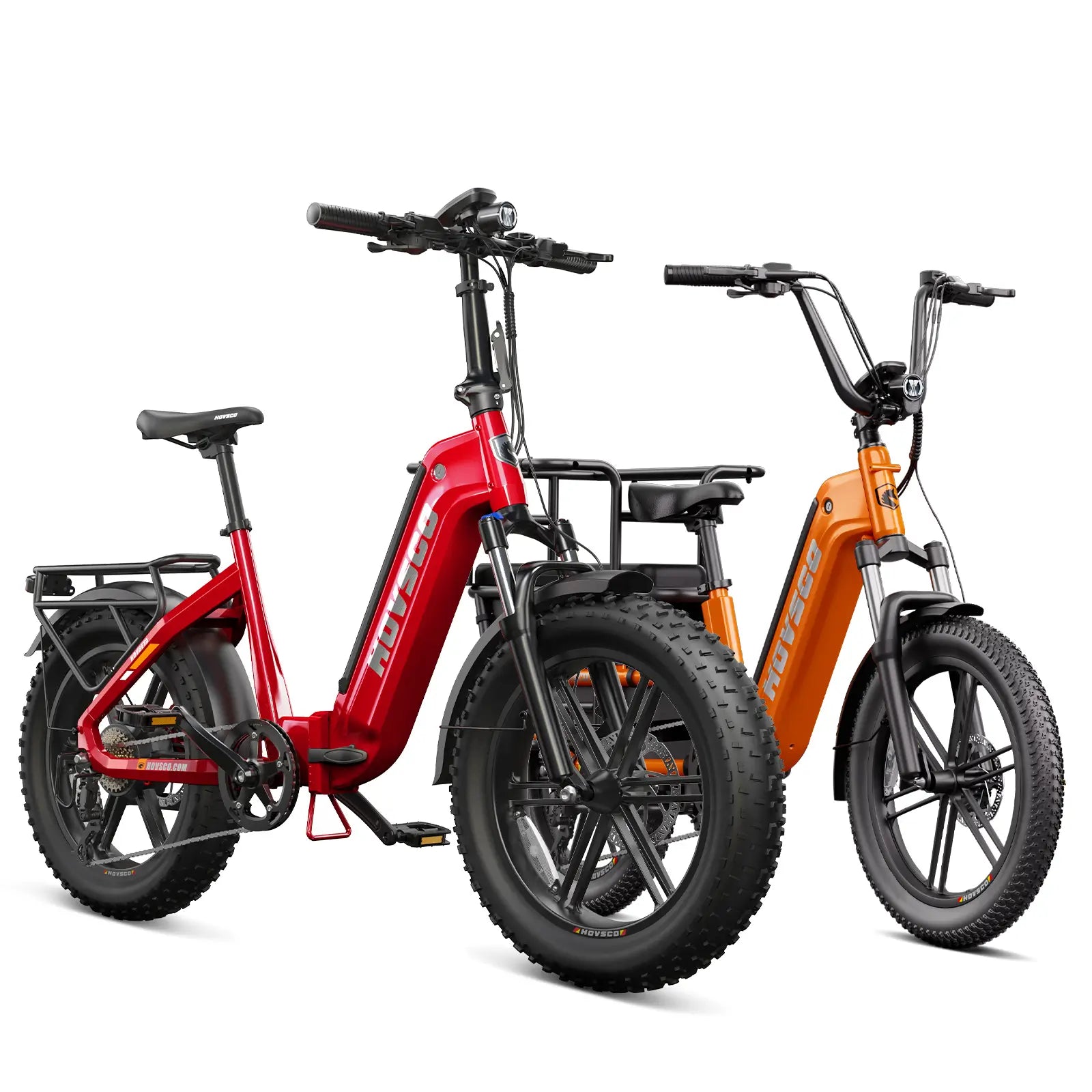
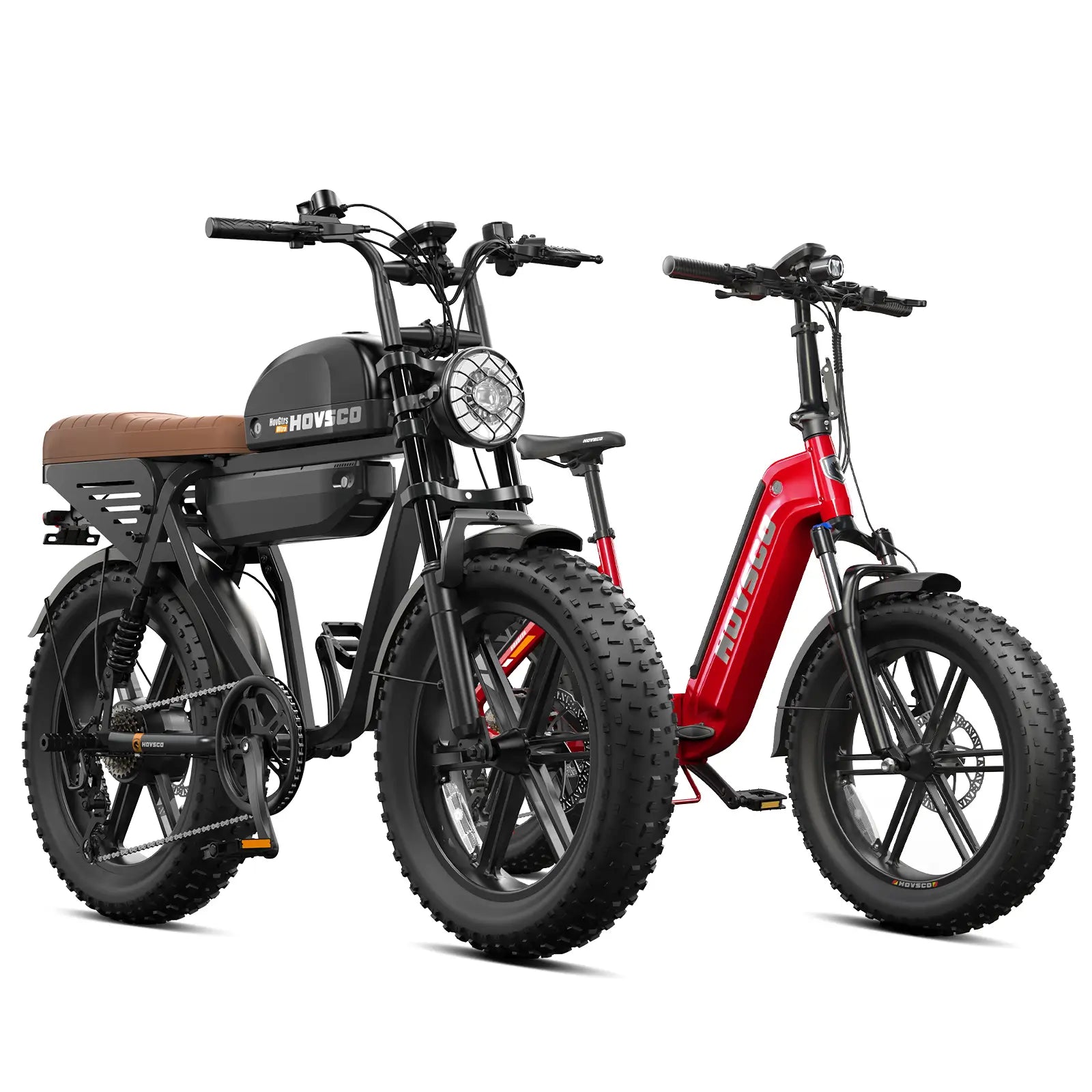
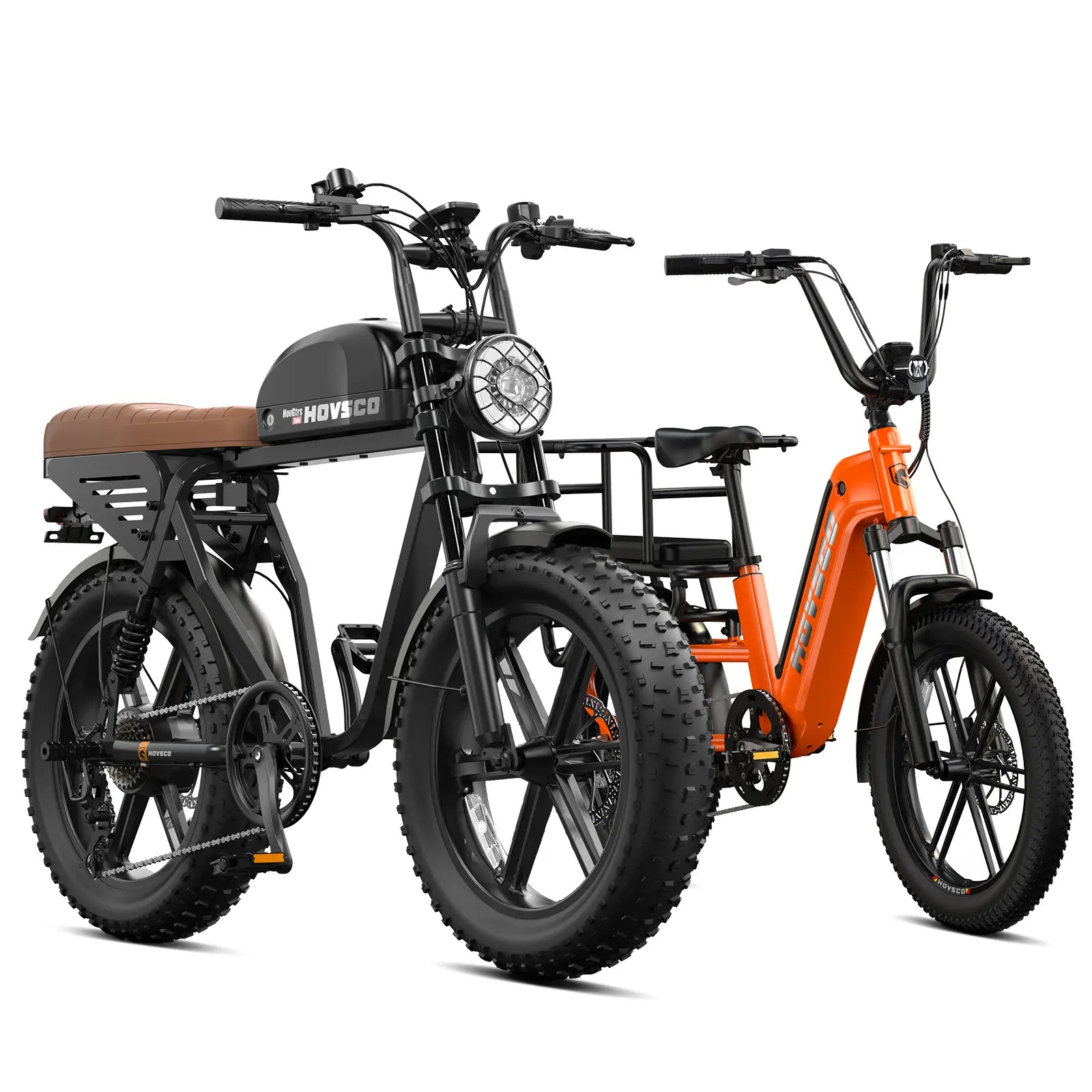
For regular solo trips, compare HovCity and the two HovRanger frame formats by rider fit, mounting access, route surface and the equipment you carry to work.
E-Bikes
Accessories
 Free Shipping
 15-Day Returns
 2-Year Warranty
Free Shipping
15-Day Returns
2-Year Warranty
Practical e-bikes for everyday trips
Replace more routine car trips with an e-bike chosen around your commute, errands, carrying needs, route range, secure parking and home storage—not around one headline specification.
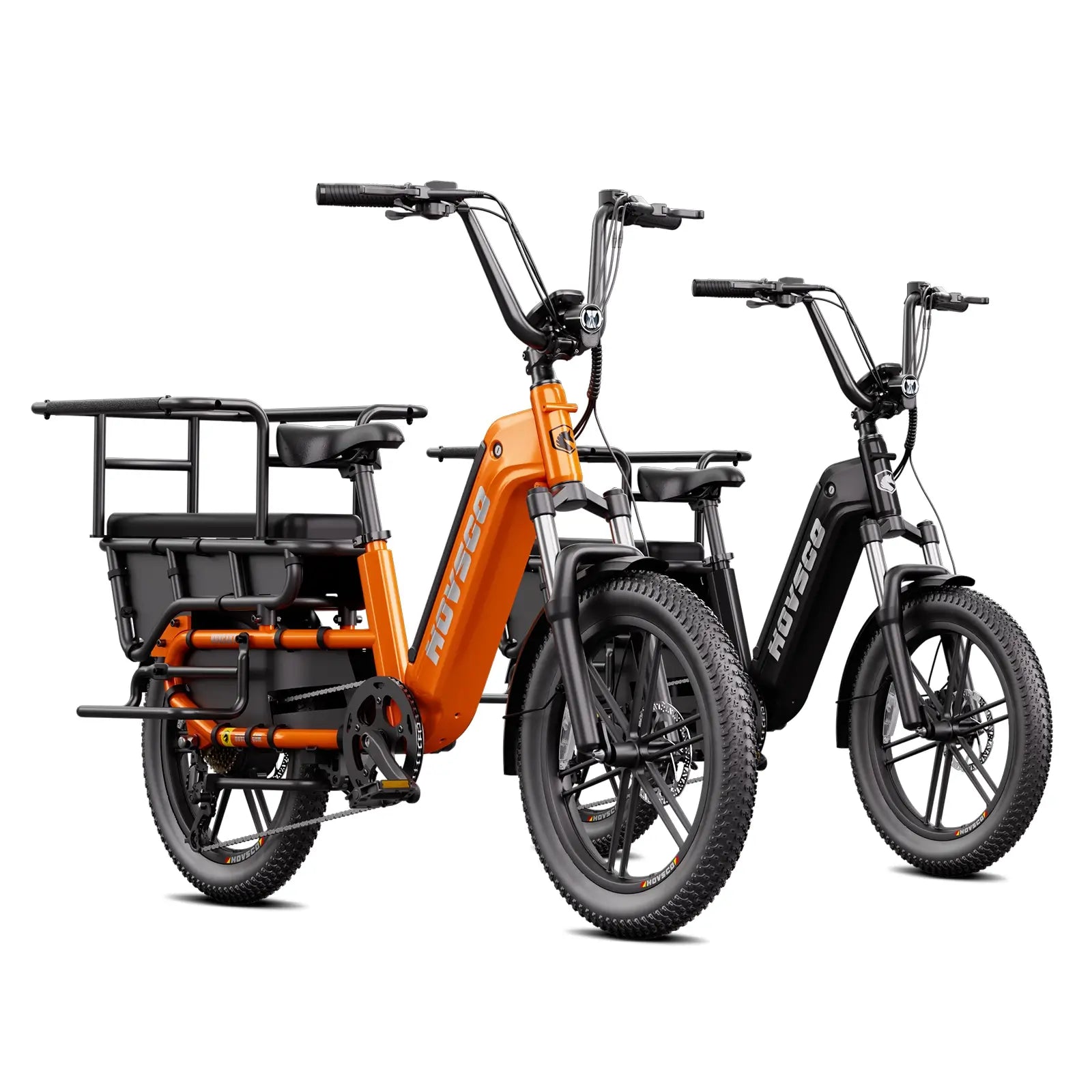
HOVSCO HovCart Cargo fat tire E-Bike

Motor Power

Top Speed

Payload Capacity

Range
HOVSCO HovBeta Foldable E-Bike
Motor Power
Top Speed
Payload Capacity
Range
MOTOR POWER
Top Speed
Payload Capacity
Range
1300W Peak
Top Speed
Payload Capacity
Range
MOTOR POWER
Top Speed
Payload Capacity
Range
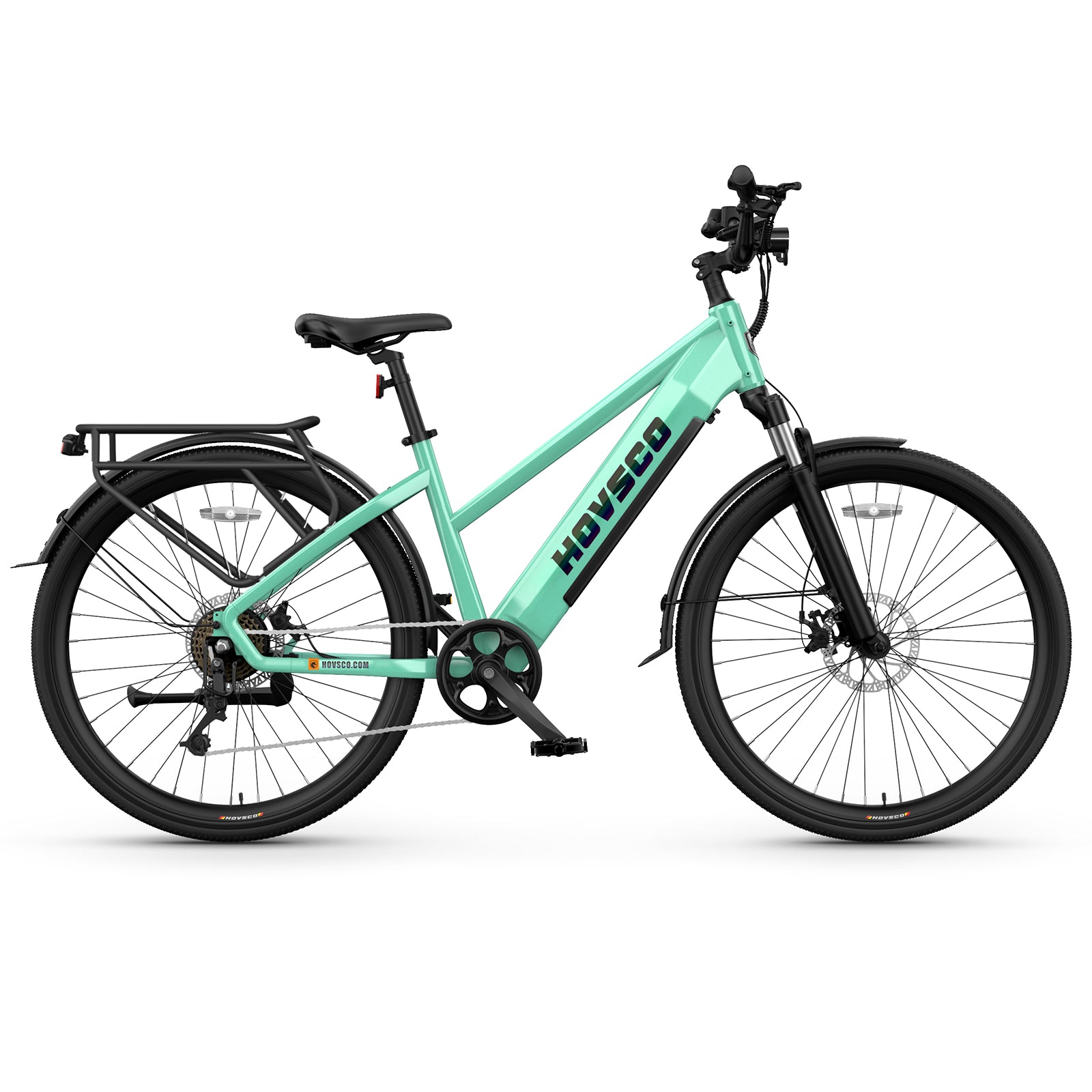
HOVSCO™ HovCity 27.5" Step-Thru Cruiser Electric Bike For Adults
Motor Power
Top Speed
Payload Capacity
Range
Build a practical car-light routine
Compare car-replacement electric bikes by the trips you make most often. Start with work travel, everyday errands or compact storage, then check route distance, carrying requirements and secure parking before you choose.
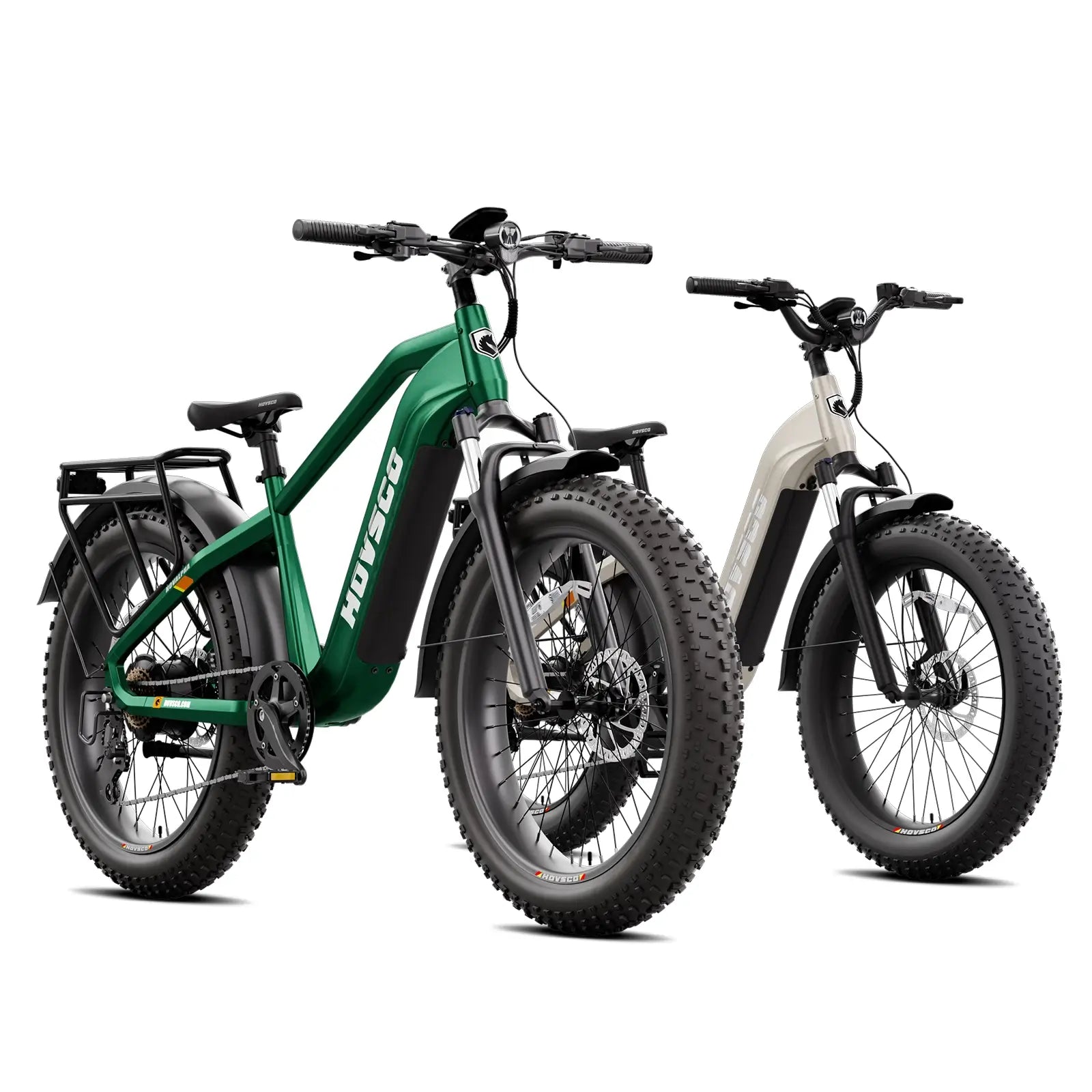
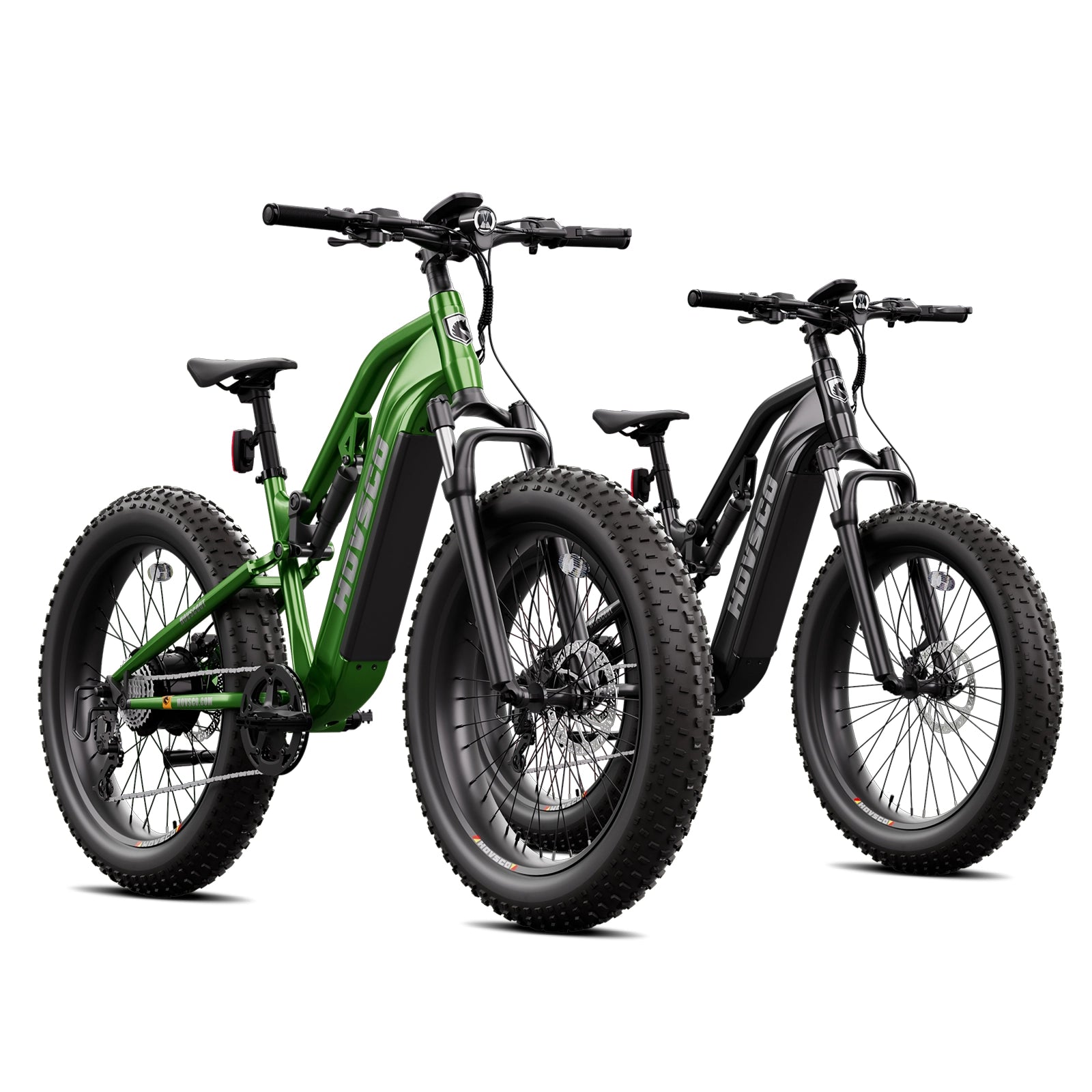
Compare available modelsFor regular solo trips, compare HovCity and the two HovRanger frame formats by rider fit, mounting access, route surface and the equipment you carry to work.
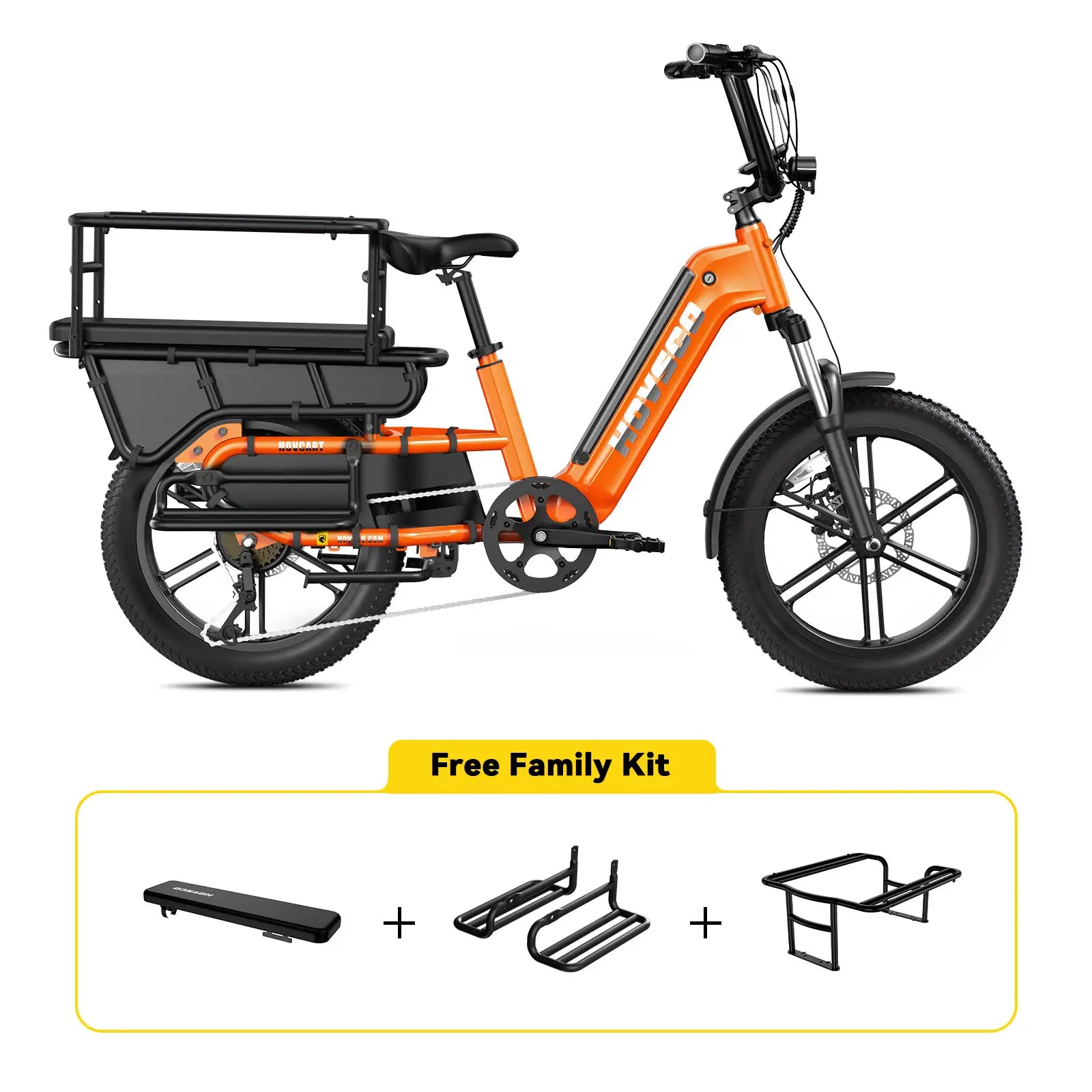
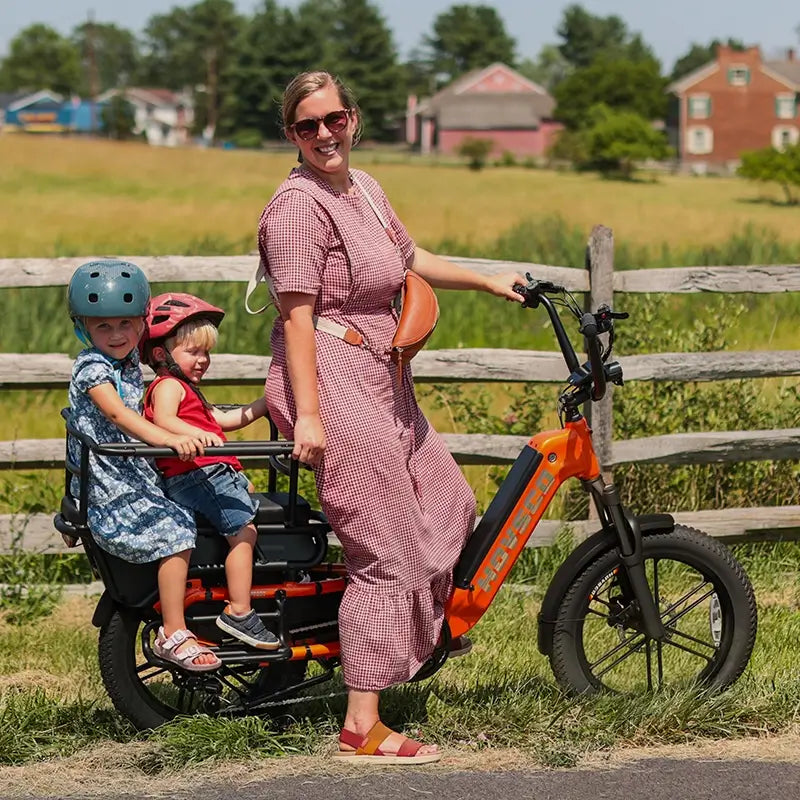
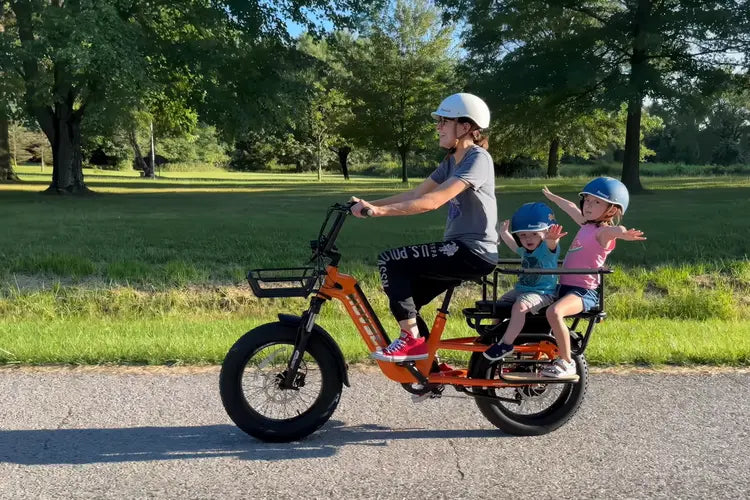
Choose HovCart when grocery bags, family logistics or work gear make carrying capacity central to replacing short car trips. Confirm approved accessories and their individual limits.
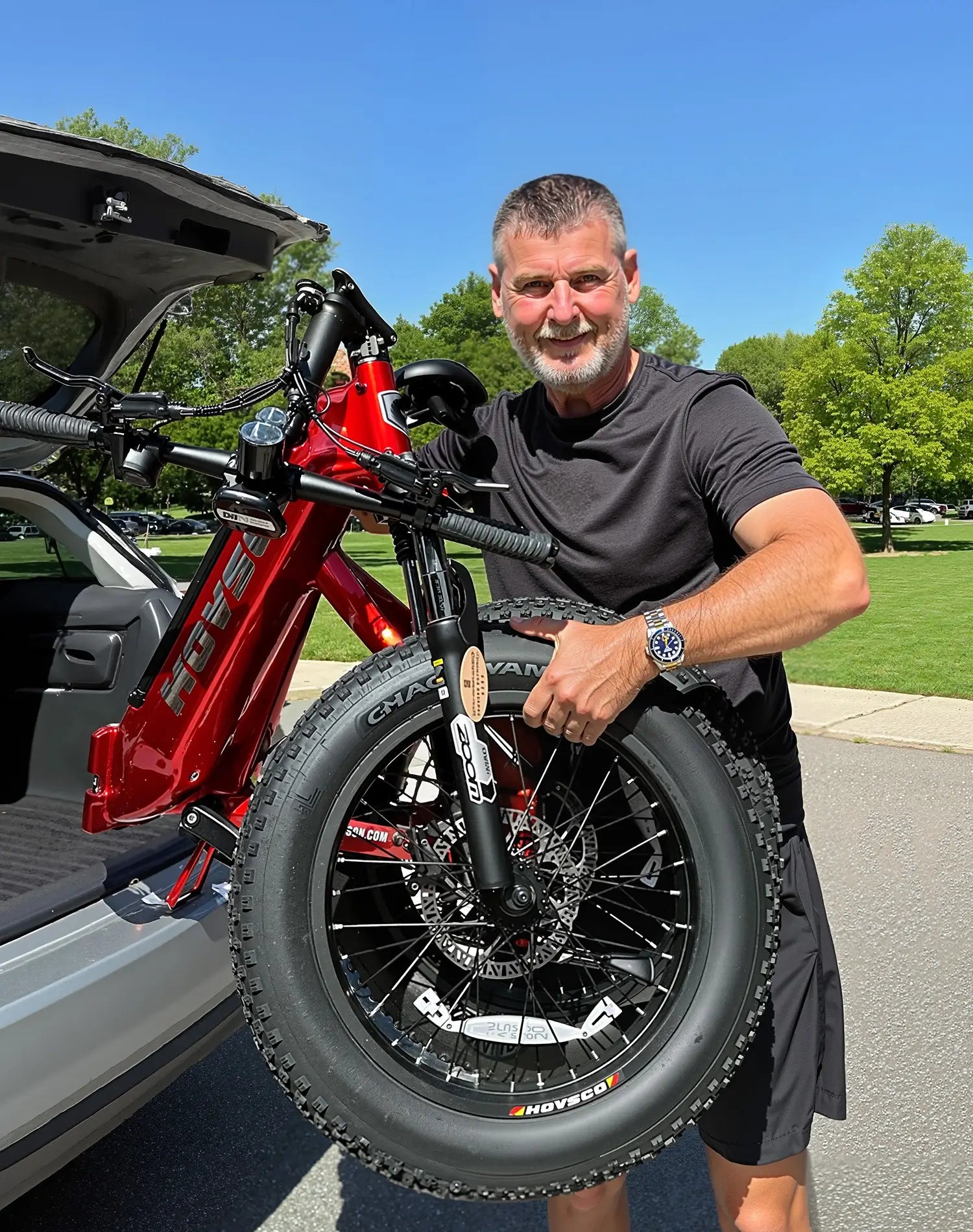
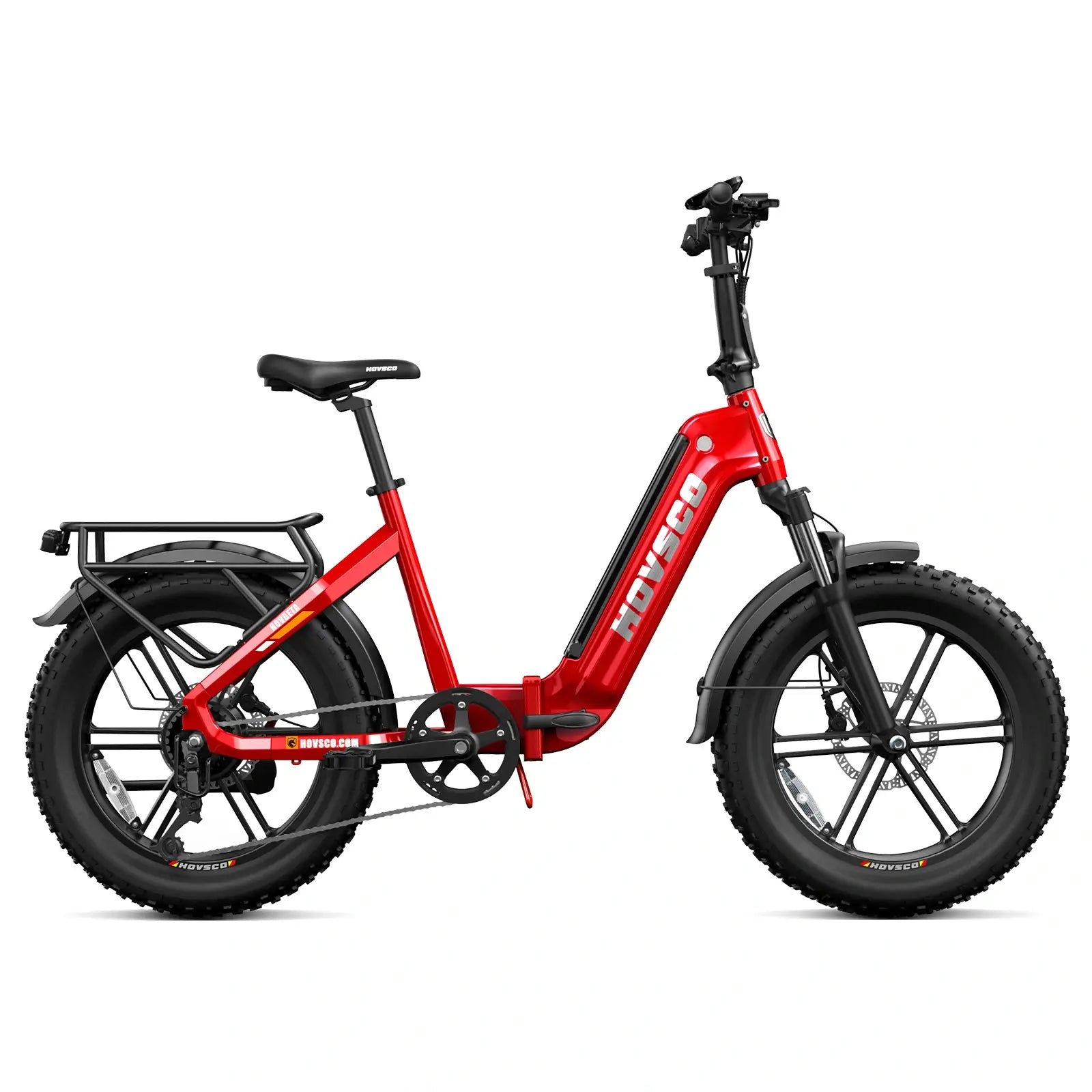
View HOVSCO HovCartHovBeta can suit an e-bike car alternative when folding storage matters. Check folded dimensions, bike weight, stair access and where charging will happen before ordering.
View HOVSCO HovBetaPlan for partial replacement first. Weather, local riding rules, route infrastructure, passenger needs and secure parking affect which car trips an e-bike can realistically replace. Product and bundle contents can change, so confirm the current listing before purchase.
Car-replacement electric bikes are selected around useful transportation rather than recreation alone. The goal may be to ride to work, combine errands, carry shopping or reduce the number of times a household needs to start a car. The right model is the one that fits those repeat trips in ordinary conditions—not necessarily the bike with the largest motor or longest advertised range.
An electric bike to replace a car does not have to cover every journey. Many riders get more practical value by replacing predictable short and medium trips first, while keeping another transportation option for severe weather, inaccessible routes or loads the bicycle is not designed to carry.
List one week of driving and group the trips by purpose: work, school, shopping, appointments and social visits. Record the round-trip distance, hills, road surface, expected load, available bike routes and destination parking. Trips that repeat often and have reliable routes are usually the best first candidates for a car-light routine.
Decide whether you will ride directly, combine the bike with public transit or transport it in another vehicle. A compact model may make storage easier, while a larger utility platform may replace more errands. This tradeoff is more important than choosing one bicycle for every possible scenario.
Regular solo work travel usually favors predictable handling, comfortable fit and useful everyday equipment. If commuting is the dominant need, compare HOVSCO's electric commuter bikes. When the routine includes larger goods or approved passenger equipment, a purpose-built platform from the electric cargo bike collection may be more appropriate.
For frequent store trips, the dedicated grocery-shopping e-bike collection explains basket, pannier and packing considerations. Riders with limited home storage can compare folding electric bikes. These links define the boundaries between collections; this page remains focused on replacing a mix of everyday car trips.
Use the full distance from departure to return, including work-to-store detours and unplanned stops. Published maximum range is a comparison reference, not a guarantee. Rider and cargo weight, hills, wind, temperature, tire pressure, speed, stops and assist level can all change real-world battery use.
A practical car replacement e-bike should complete the intended day with a reserve. Identify where charging is allowed, how long the normal charging window lasts and whether the battery can be removed for indoor charging. Do not plan every ride around reaching the published maximum.
Count the rider, installed accessories and carried items when checking total payload. Then verify the separate limits of racks, baskets, bags, child seats and mounting hardware. If total capacity is the deciding factor, compare the dedicated high-payload electric bikes page rather than assuming that a larger-looking frame has a higher rating.
Carry dense items low and secure loose equipment so it cannot shift toward a wheel. Passenger use requires model-approved equipment and must follow applicable local rules. Total payload alone does not make a bicycle or accessory passenger-ready.
A route that is easy by car may not be suitable by e-bike. Review bike-lane continuity, intersections, bridges, steep grades, surface conditions, construction and places where riding is restricted. Know the e-bike class and assisted-speed rules that apply where you live and on the paths you plan to use.
Build an alternative route for days when the preferred path is closed. Consistency matters: an electric bike instead of a car becomes genuinely useful when the route feels manageable during normal traffic, not only on an ideal weekend test ride.
Check whether the chosen model includes lights, fenders and other everyday equipment; included items vary by listing and promotion. Add high-visibility clothing and route-appropriate gear where needed. Follow the model instructions for rain exposure, battery care and cleaning rather than assuming every component can handle the same conditions.
Decide in advance which weather conditions require a different transportation plan. A realistic threshold makes an e-bike car alternative easier to use consistently and avoids turning partial replacement into an all-or-nothing decision.
Confirm where the bicycle will be stored at home and locked at each frequent destination. Measure doors, elevators, stairways and rack spaces, and account for bike length, handlebar width and weight. A folding frame helps only if the folded bicycle fits the available space and can be lifted safely.
Plan suitable locks and understand whether the battery and display can be removed. Check workplace, apartment and transit policies before buying. Reliable parking can matter more to daily use than a small difference in motor output.
Include the bicycle, compatible accessories, locks, helmet, replacement wear items and professional service where needed. Electricity is only one operating cost. Tires, brake pads, chain components and batteries require inspection and eventual replacement, especially when the bicycle is used frequently.
Compare those costs with only the car trips you realistically expect to replace. Avoid assuming a fixed savings figure, because parking, insurance, fuel, maintenance and local transportation costs differ by household and location.
Questions before you order
Get concise answers about choosing a listed model, included equipment, test rides, financing, delivery, assembly, warranty and returns.
Start with HovCity or HovRanger for repeat solo city trips, HovCart when utility carrying is central, or HovBeta when folding storage matters. Use the product grid to compare the current price, rider fit, specifications and availability for the exact model and frame format.
Included lights, fenders, racks, baskets and mounting hardware vary by model, variant, bundle and promotion. Review the exact product page and included-items information, then verify compatibility and individual weight limits before ordering additional equipment.
Use HOVSCO's test-ride location page to find a participating location, then ask whether the exact model is available. For a car-replacement decision, test low-speed control, loaded starts, parking, mounting and the type of stop-and-go route you expect to ride.
Available providers, eligibility and payment terms can change and require approval. Review the current financing information and the terms shown during checkout; compare the total repayment amount rather than only the estimated periodic payment.
Delivery timing and setup steps vary by model and destination. Review the current shipping policy and matching assembly video before delivery, and complete every final safety check in the model instructions before the first ride.
A car-replacement purchase may receive frequent daily use, so read the warranty policy for coverage and exclusions and the return and refund policy for deadlines, condition and packaging requirements before relying on the bike for essential trips.