A foldable commuter electric bike is most useful when folding solves a real
part of the weekday trip: taking the bike inside, connecting with public transit, fitting it
into approved workplace storage or reducing the space it occupies at home. The right model is
not determined by motor power alone. Map the complete trip, decide when the bike will be ridden,
folded, rolled, lifted and stored, and then compare the two bikes on this page.
Map the commute from door to door
Write down every segment: home to station, station entrance to platform, transit ride,
destination station to work and the return trip. Include hills, rough pavement, crossings,
elevators, stairs, narrow doors and the distance between transfers. A route that looks short
on a map can involve several difficult lifting points when a station elevator is closed or a
building requires the bike to use a service entrance.
This page is designed for a folding electric bike for commuting, especially
when riding and storage or transit are combined. If most of the day is spent riding and range
matters more than folding, compare the
long-range commuter e-bikes. If the search
is broadly about foldable models for several uses, return to the
foldable electric bikes collection.
Decide whether you need to carry or only store the bike
Folding reduces the occupied footprint, but carrying depends on complete-bike weight, balance,
handholds and how far the bike must remain off the ground. HOVSCO currently publishes a 42.3 lb
net weight for Sync Max and a 66.4 lb weight including battery for HovBeta. Recheck the product
pages before ordering because specifications can change, and add any rack, bag, lock or accessory
that stays on the bike during the commute.
A rider who folds once beside a ground-floor office has a different need from someone who climbs
station stairs twice a day. Test the movement with an equivalent object if possible: stop, switch
the bike off, fold it, control the wheels and carry it without blocking others. Never assume that
the word portable commuter e-bike means every rider can safely lift it. Use an
elevator or another accessible route when the planned lift is not controlled.
Measure every storage point, not only the folded dimensions
Measure the clear opening and usable interior at home and work. Include door closers, desk legs,
lockers, shelving, pedals, handlebars and accessories. Allow space to turn the folded bike into
position and to keep it away from exits, fire equipment, electrical panels and busy walkways.
Confirm workplace permission instead of assuming a folded bike may sit beside a desk.
Indoor storage can reduce theft and weather exposure, but it must still be stable and secure. A
folded bike should not open, roll or fall into people or equipment. When apartment, closet or
elevator fit is the main question rather than the commute itself, use the dedicated
folding e-bikes for small spaces page.
Check train, subway and bus rules for the exact trip
Transit policies can vary by operator, vehicle, station, time of day and service disruption.
Some systems distinguish folded and unfolded bikes; others apply size, bag, battery, peak-hour
or designated-car rules. Confirm the current official policy for every operator on the route and
check whether elevators, gates and platforms provide enough space to move without creating a hazard.
Fold before entering a restricted area when the operator requires it, keep the bike under control
and do not block doors, aisles, priority areas or emergency access. A folding e-bike for a
train commute is only useful when the rider can handle it and the operator allows it. The
collection page should help with product selection, but it cannot replace local transit rules.
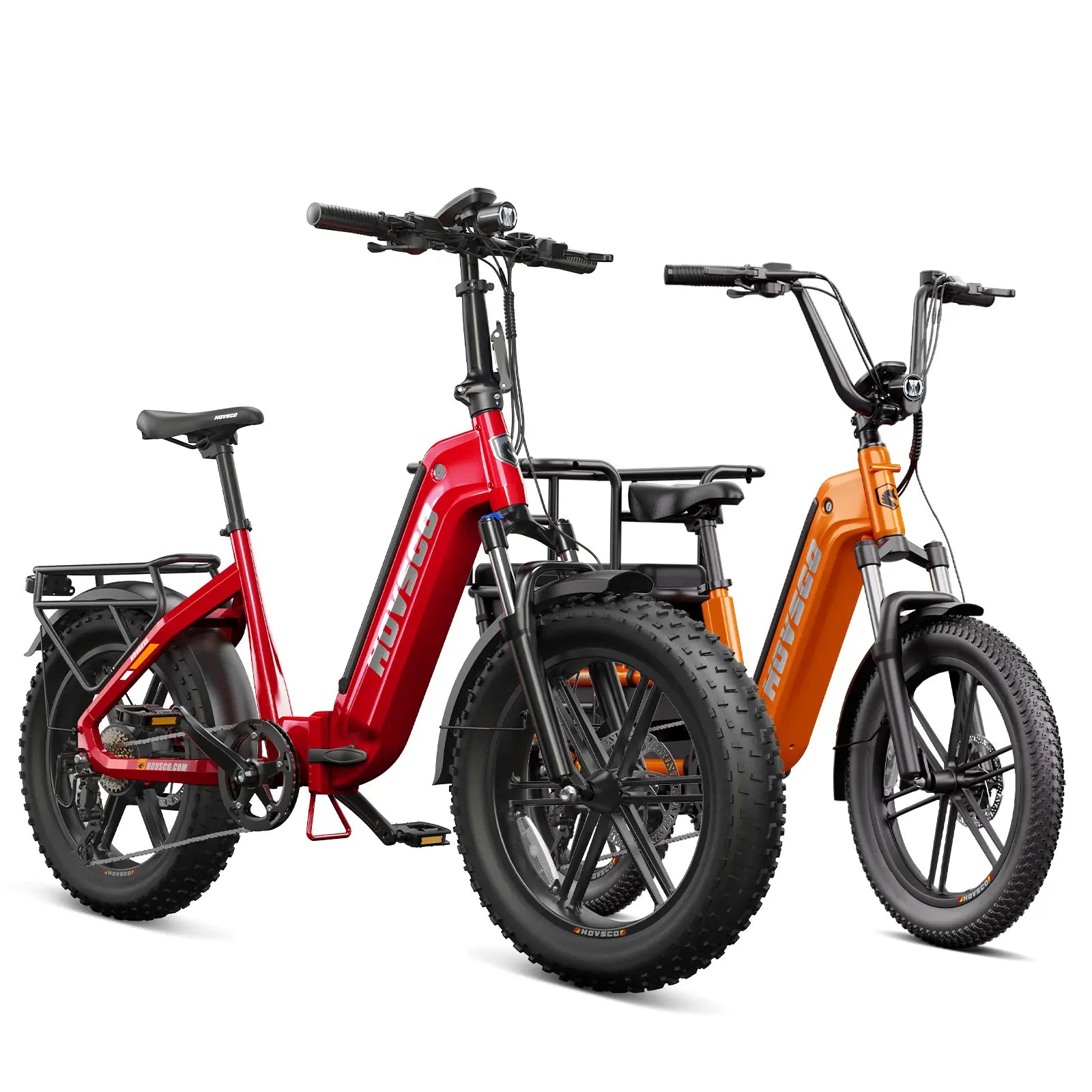
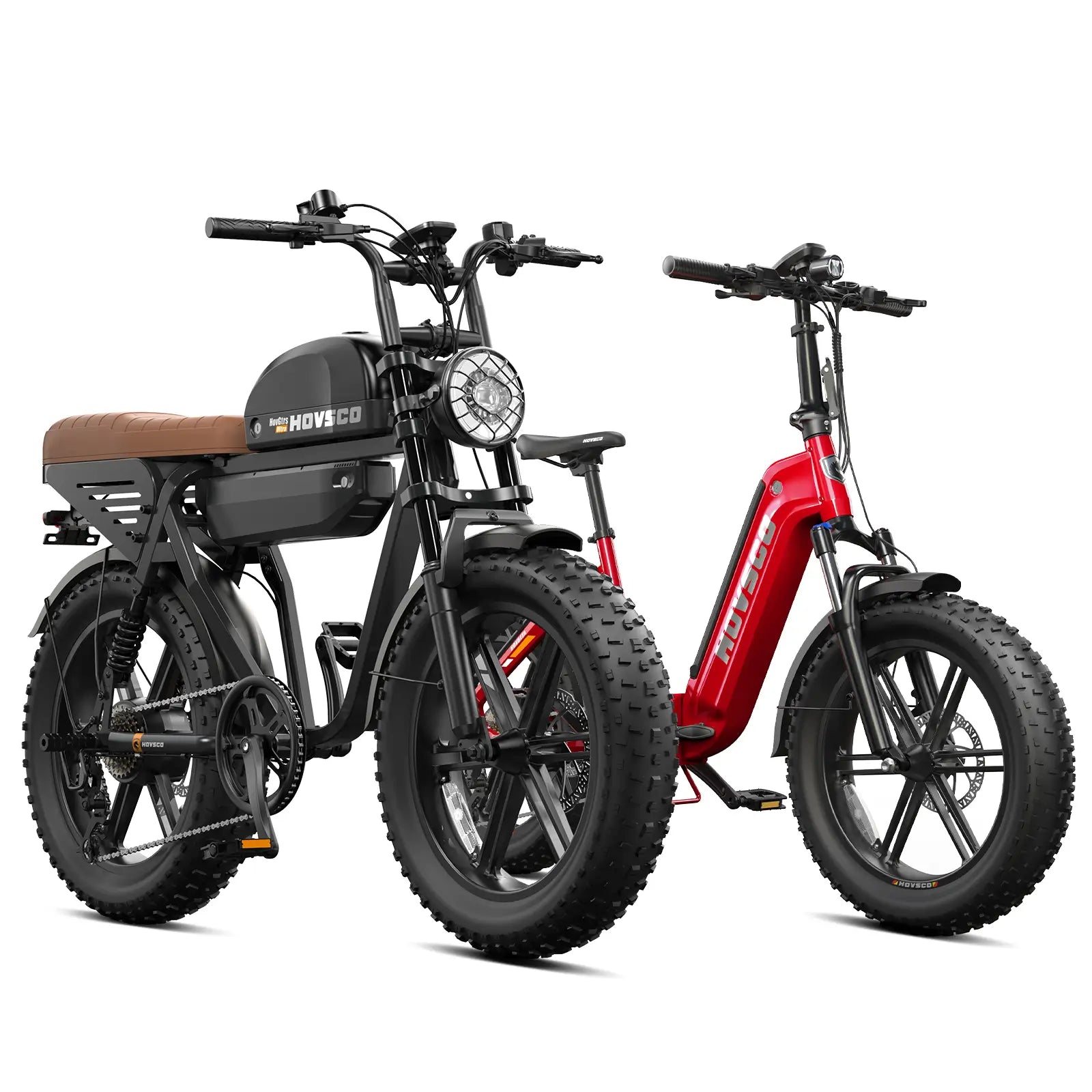
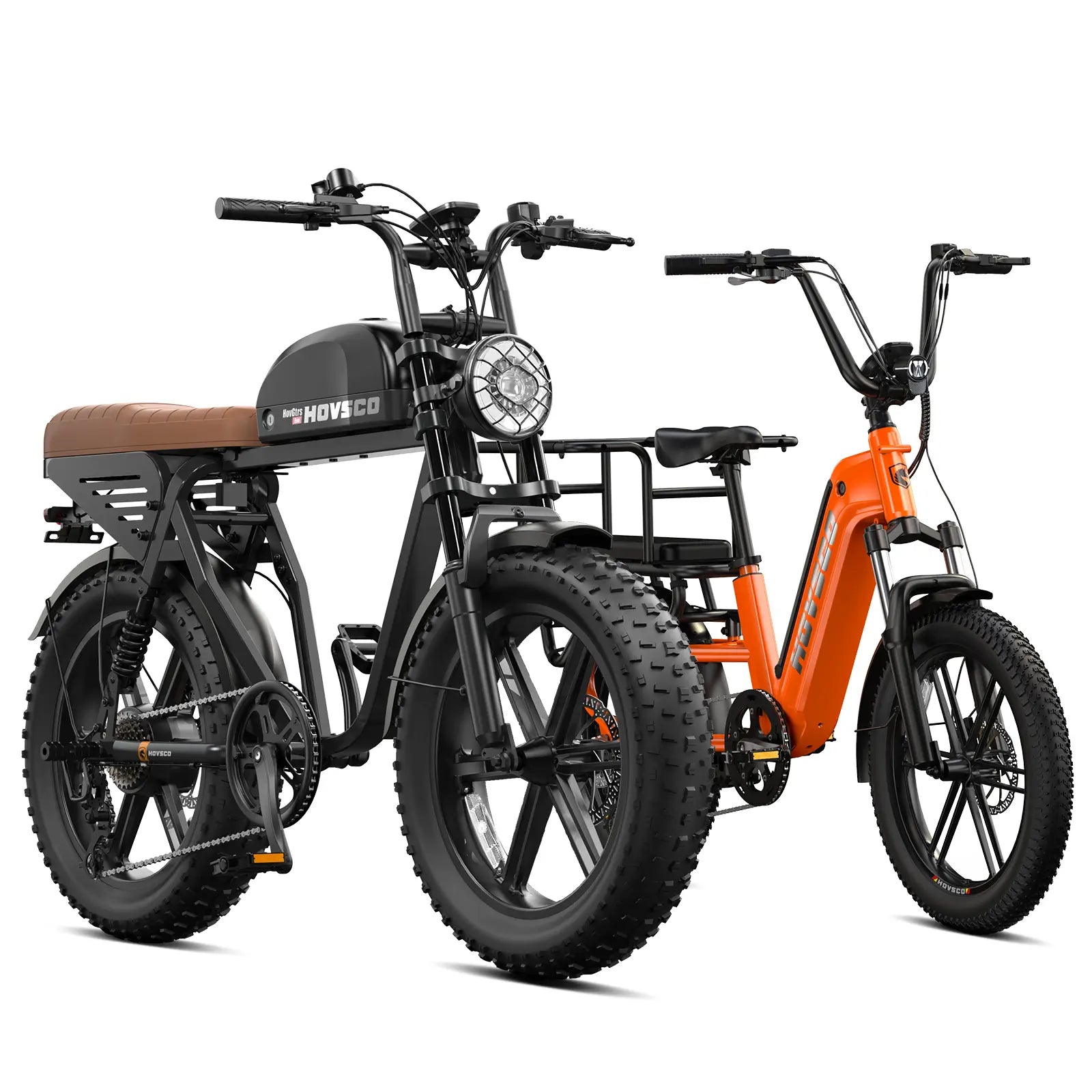
Compare Sync Max and HovBeta by commute pattern
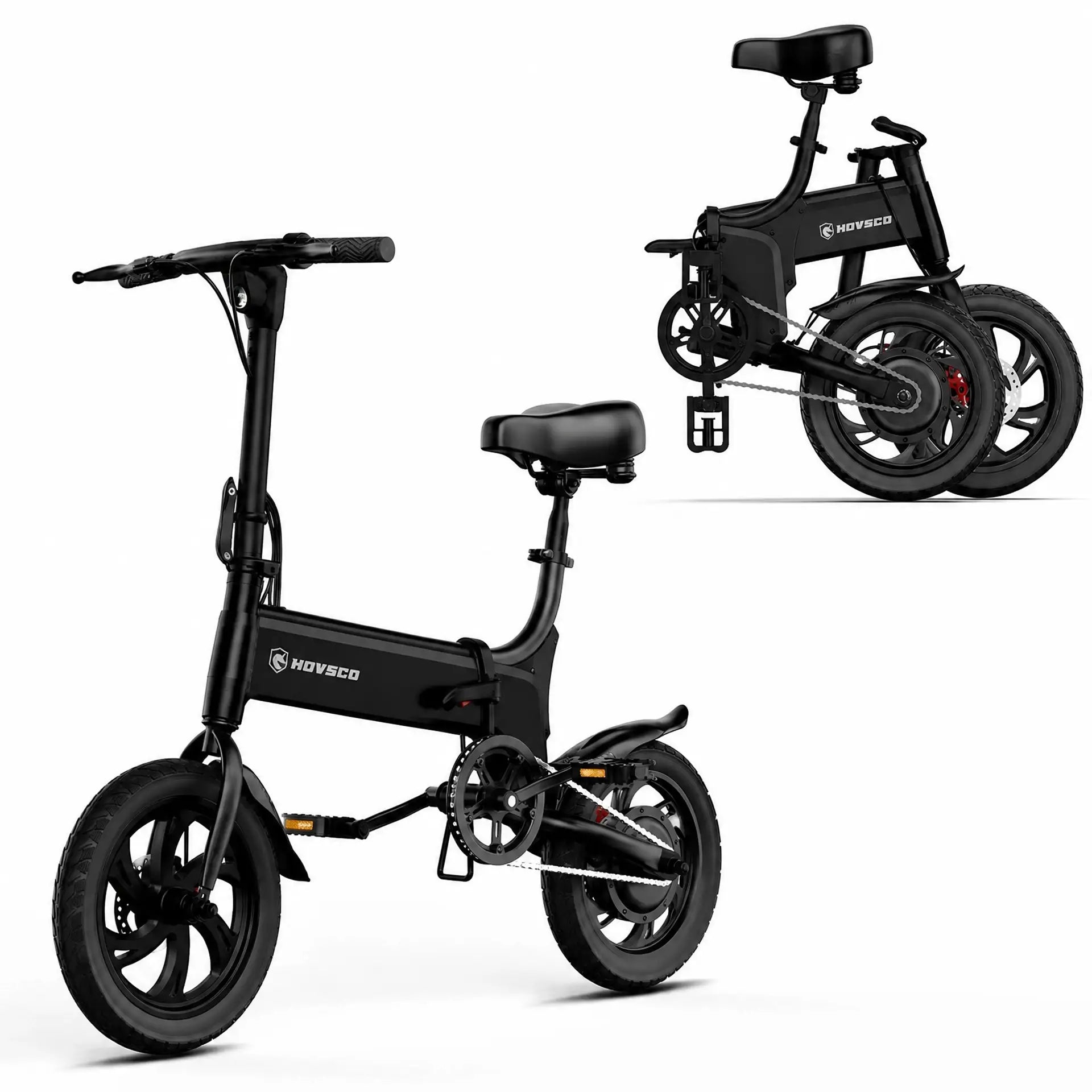
Sync Max uses a 14-inch format, is listed at 42.3 lb and has an up-to-30-mile published range. It
is the first model to evaluate for shorter urban rides, repeated storage and situations where the
lower published weight matters. Confirm rider fit, folded dimensions, current availability and the
route surface before deciding.
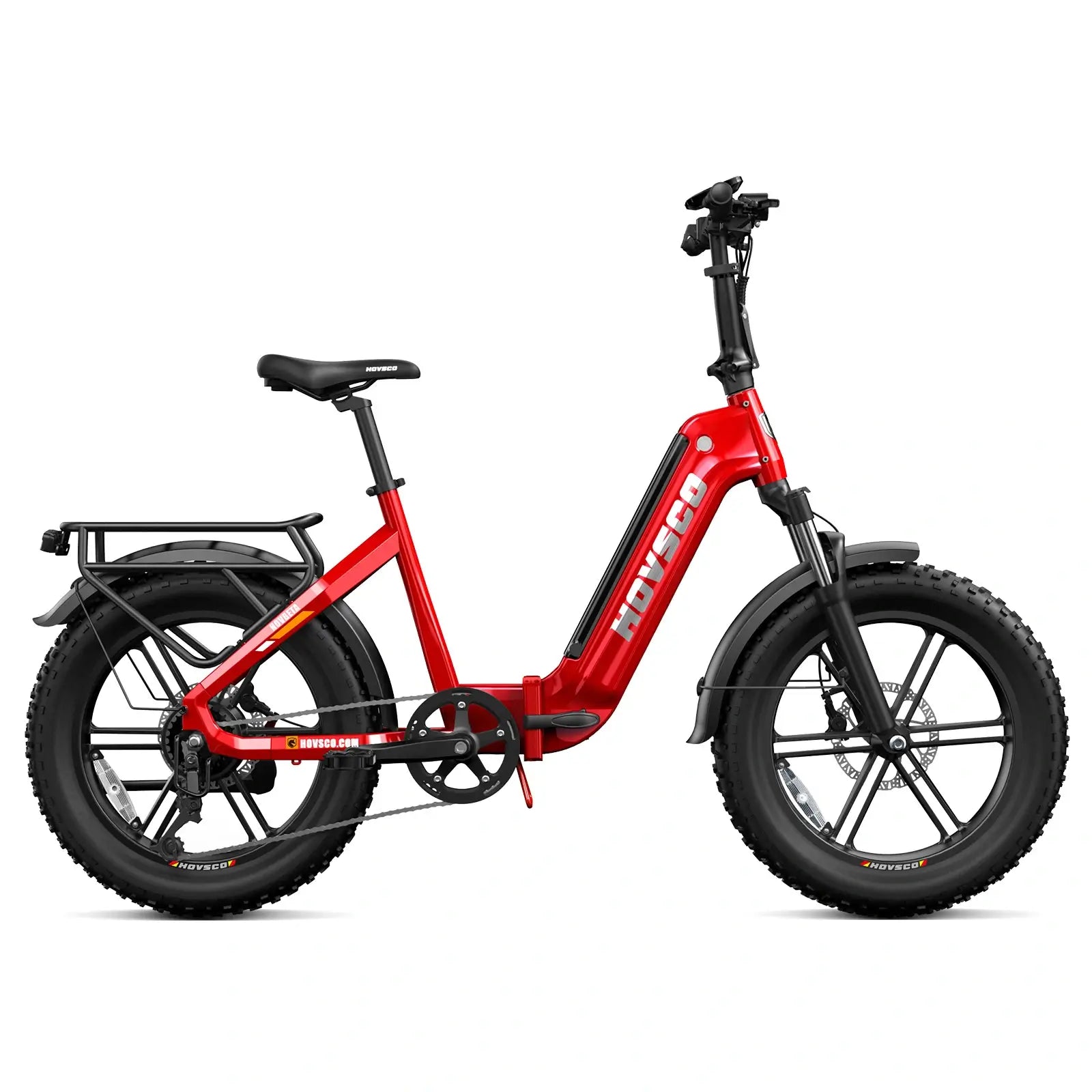
HovBeta uses 20 x 4-inch tires, is listed at 66.4 lb with battery and has a 40-60 mile average
published range. It is the first model to evaluate for a commute with more riding between folds,
but the higher complete weight may be unsuitable for repeated stairs or crowded transfers. Tire
size and published range do not remove the need to measure storage or check access. For RV loading
and travel-day storage, use the separate
folding electric bikes for RV travel page.
Plan realistic range and workplace charging
Calculate the full daily distance and keep a reserve for detours, hills, wind, temperature, cargo,
stop-and-go riding and higher assistance. Published maximum or average range is a comparison
reference, not a guaranteed commute. Do not plan to arrive with an empty battery, especially when
the return route has more climbing or there is no confirmed charging option.
Ask before charging at work. Use only the charger supplied or approved for the exact battery and a
permitted, dry, stable and ventilated location. Keep the charger and cable away from exits and
walkways. Do not charge a battery that is damaged, swollen, leaking, unusually hot or otherwise
abnormal; stop using it and contact HOVSCO support. Do not rely on an
unconfirmed office outlet as the only way home.
Prepare for weather, work clothes and daily cargo
A commuter route can change with rain, darkness, heat and seasonal debris. Check tire condition,
pressure, brakes, lights and visibility before leaving. Increase following and stopping distance
when conditions reduce traction. Follow local riding rules and avoid assuming that a higher
available speed is legal or appropriate on every street, path or workplace approach.
Account for a laptop, lock, lunch, change of clothes and any installed rack or bag when checking
bike payload and handling. Keep straps and loose fabric away from wheels, brakes and the drivetrain.
Heavy items should be stable and compatible with the bike and accessory limits. If cargo becomes the
main job, this foldable commuter collection should not replace a purpose-built cargo-bike decision.
Practice the fold and inspect it every workday
Practice in a clear space before the first rush-hour trip. Turn the bike off, remove loose items,
follow the model-specific folding sequence and keep fingers away from pinch points. Secure the
folded package so the frame, handlebar, pedal or wheel cannot swing while it is moved or stored.
Before riding again, confirm that the frame hinge and latch are fully closed, the handlebar and
seatpost are secure, the battery is seated, the tires are ready and both brakes work. Never ride
when a folding latch is not fully secured according to the manual. Use the
HOVSCO assembly videos as an additional reference and request
support if the mechanism does not look or feel correct.
Complete the commuter purchase checklist
- Map every ride, transfer, stair, door and storage point in both directions.
- Measure home, transit and workplace access with the bike and accessories included.
- Confirm complete weight and whether the repeated lifting movement is controlled.
- Read current train, subway or bus rules for the exact operator and travel time.
- Plan round-trip range with reserve and do not depend on unconfirmed workplace charging.
- Check rider fit, route surface, cargo, lights, lock and weather preparation.
- Review current availability, specifications, shipping, assembly, warranty and returns.
Use the unchanged product grid above for current availability. Compare each product page, then use
the HOVSCO comparison tool if a non-folding commuter bike may suit the
route better. Before checkout, read the current shipping policy,
warranty policy and
return and refund policy because service terms can change.
Return to the two foldable commuter e-bikes
Recheck current specifications, availability, rider fit and weekday access.




![[ New Arrival ] Porto Max Electric Scooter For Commute & Grocery Shopping - HOVSCO](http://www.hovsco.com/cdn/shop/files/PotroMax-3.jpg?v=1706927007&width=1200)