








![[ New Arrival ] Porto Max Electric Scooter For Commute & Grocery Shopping - HOVSCO](http://www.hovsco.com/cdn/shop/files/PotroMax-3.jpg?v=1706927007&width=1200)
- by SteveJames
Can You Charge an E-Bike in College Housing?
- by SteveJames
E-Bikes
Accessories
 Free Shipping
 15-Day Returns
 2-Year Warranty
Free Shipping
15-Day Returns
2-Year Warranty
2-Year Warranty
Free Shipping
15-Day Returns
2-Year Warranty
Charging permission is separate from storage permission, and neither is automatic. Housing policies may restrict where complete e-bikes or batteries can be charged, so the first step is asking — in writing — and the second is using only approved equipment in the approved place. The battery-care routine itself is explained in our e-bike battery charging guide; this article covers the campus-specific part: permission, shared spaces, and the semester rhythm.
A housing policy that allows a bike in the room does not automatically allow charging it there. Charging draws power, creates heat, and involves a lithium-ion battery in a building full of people — so housing offices often treat it as a separate question with a separate answer.
Ask directly: may the battery charge in the room, and may the complete bike charge indoors? Write down the answers, and if the policy refers to approved equipment, ask what that means for your model and charger.
The question is worth asking even when the answer seems obvious. Policies change, building rules vary, and a roommate or RA may have different information than the housing office — the written answer from the office is the version that counts, and it protects everyone involved.
Before the first charge, get clear answers on the points below.
| Question | Why it matters |
|---|---|
| Where may the battery charge? | Room, common area, or designated spot only |
| May the complete bike charge indoors? | Some halls restrict charging to the battery alone |
| What equipment is approved? | Use the charger that shipped with the bike |
| Are there hours or supervision rules? | Some policies expect charging while someone is present |
Ask for the current policy document rather than a verbal answer, and keep the reply with your housing paperwork. If the answer differs from what an RA or a forum says, the written policy wins — and having it saves an awkward conversation later.
Charge in a dry place at normal room temperature, away from direct sunlight and anything flammable — and within whatever spot housing approves. In shared spaces, that usually means a designated corner or outlet, not the hallway floor.
Use the charger that shipped with the bike or an exact manufacturer replacement. A charger with the wrong voltage can overcharge the pack, and a borrowed universal charger is not worth the risk in any building, least of all a residence hall.
If the approved spot is a shared outlet, make the routine visible and predictable: the charger labeled with your name, the battery on a shelf or mat rather than the floor, and the cable routed so nobody trips over it. A tidy charging corner is easier to keep approved than a tangle of cables in a common area.
If housing requires charging in a designated area rather than the room, visit that area before the first charge: check the outlet, the lighting, and whether the spot is dry and reachable. A designated spot that is inconvenient will quietly get skipped, and a skipped rule is a rule that gets noticed.
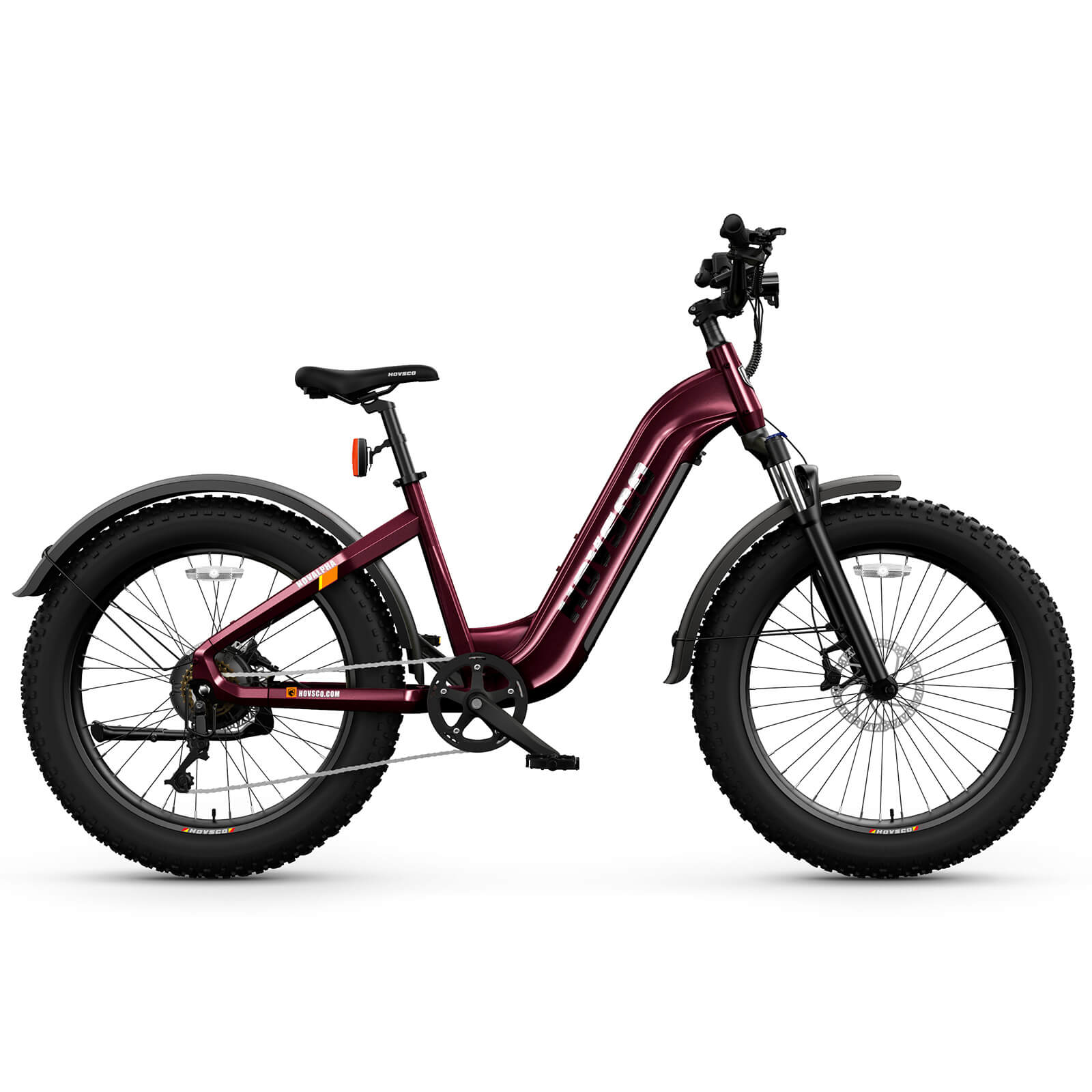
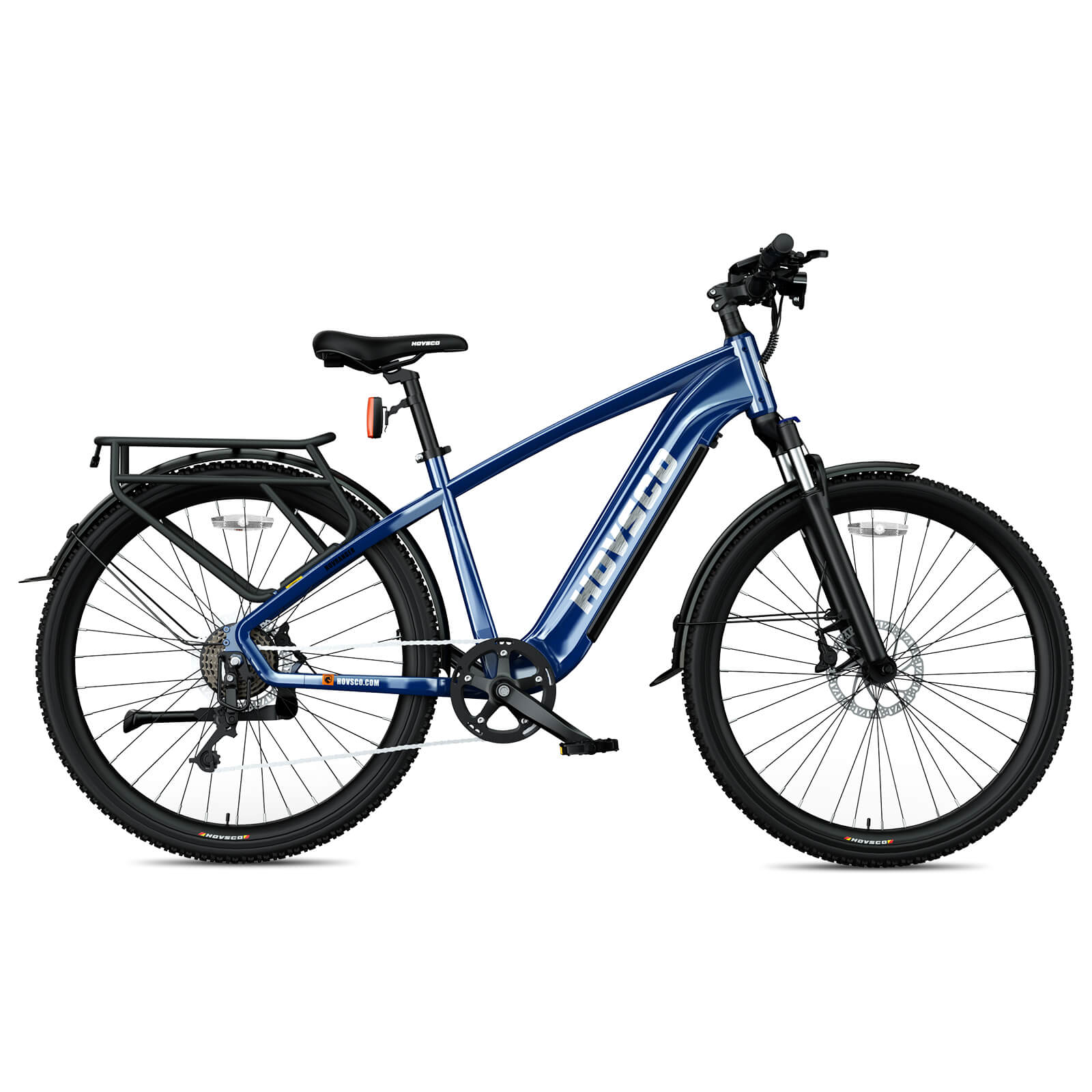
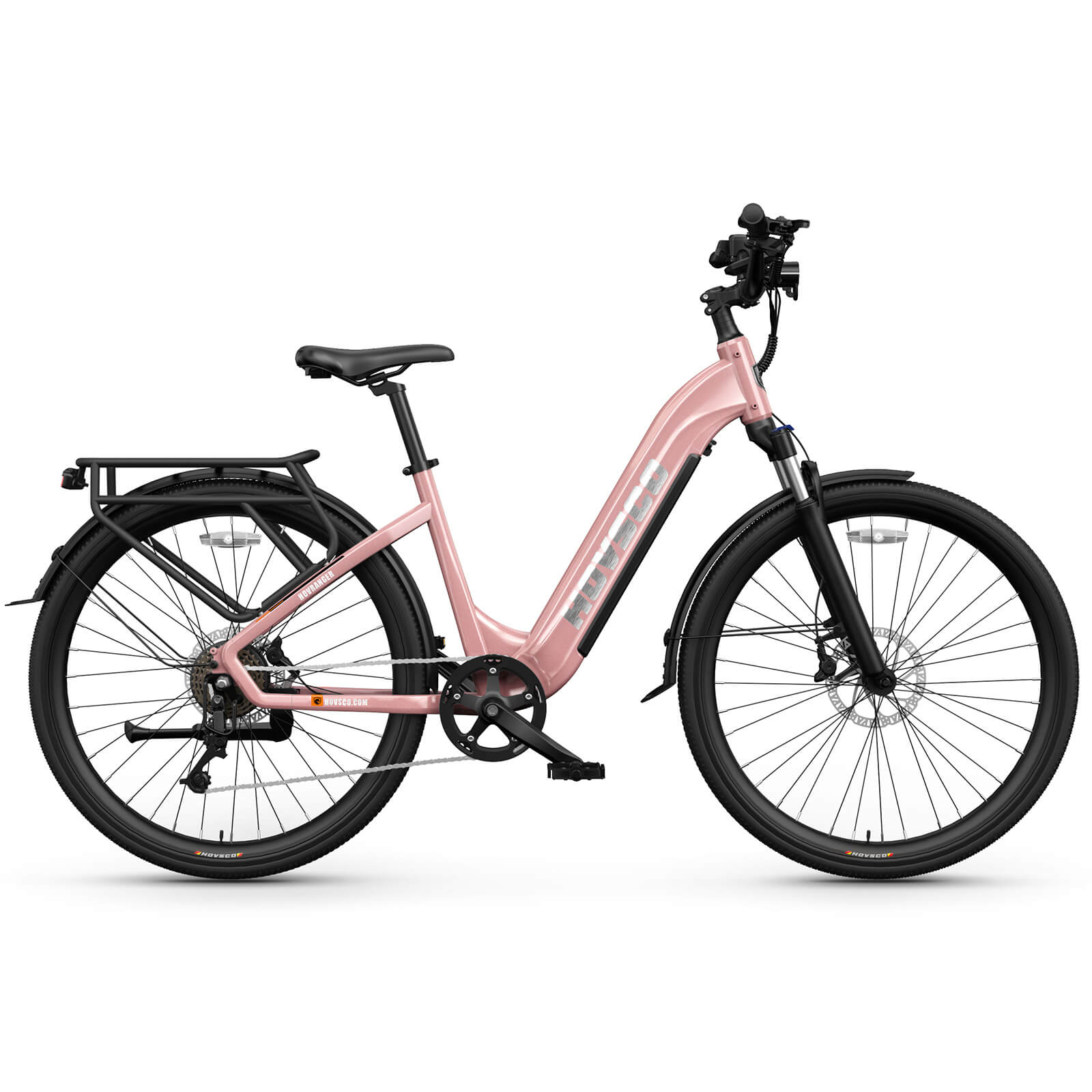
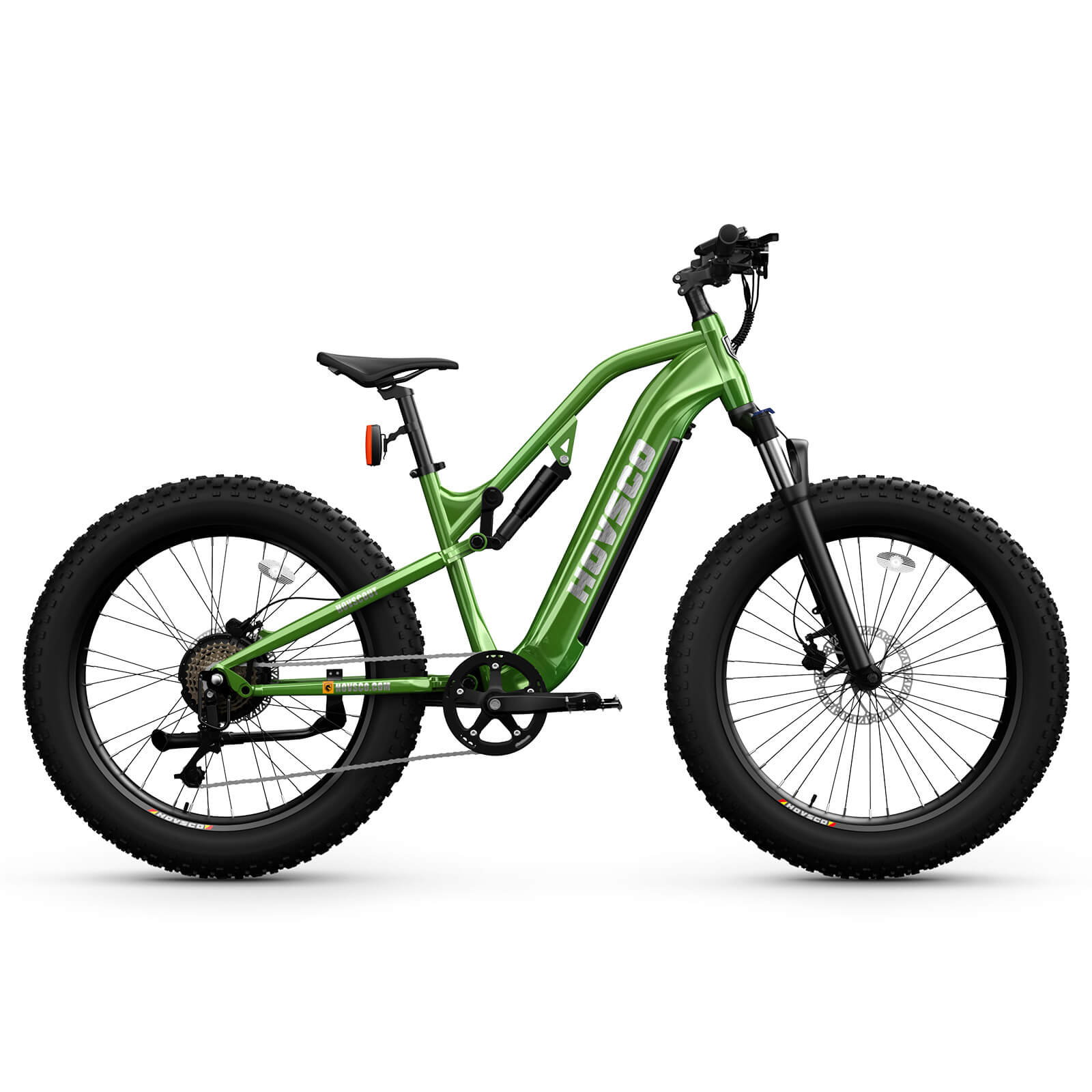
All six campus formats publish removable battery designs, and that is the key to most dorm routines: the bike stays in its approved storage position while the battery comes to the room for charging. This works whether the bike lives in a room, a bike room, or a rack.
The daily pattern is simple: after the last ride, remove the battery, charge it in the approved spot, and unplug when full. If the battery or charger feels hot to the touch, stop charging and check the manual — the warning signs and care details are in our battery guide.
Removing the battery also supports the security routine from the campus locking guide: a bike without its battery is a less attractive target, and the pack is the most valuable single component to keep indoors. The removal becomes a two-for-one habit — charging permission and theft deterrence in the same motion.
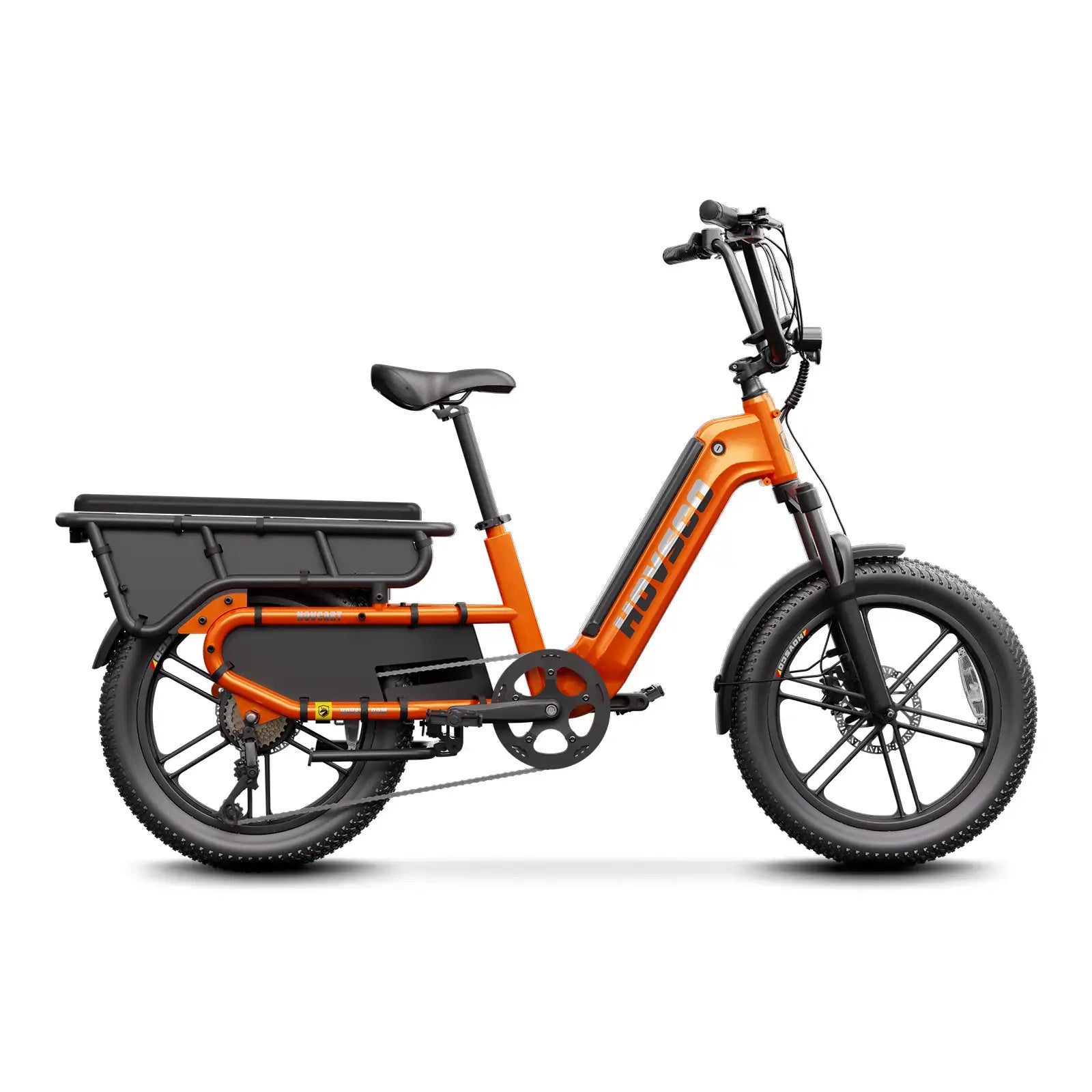
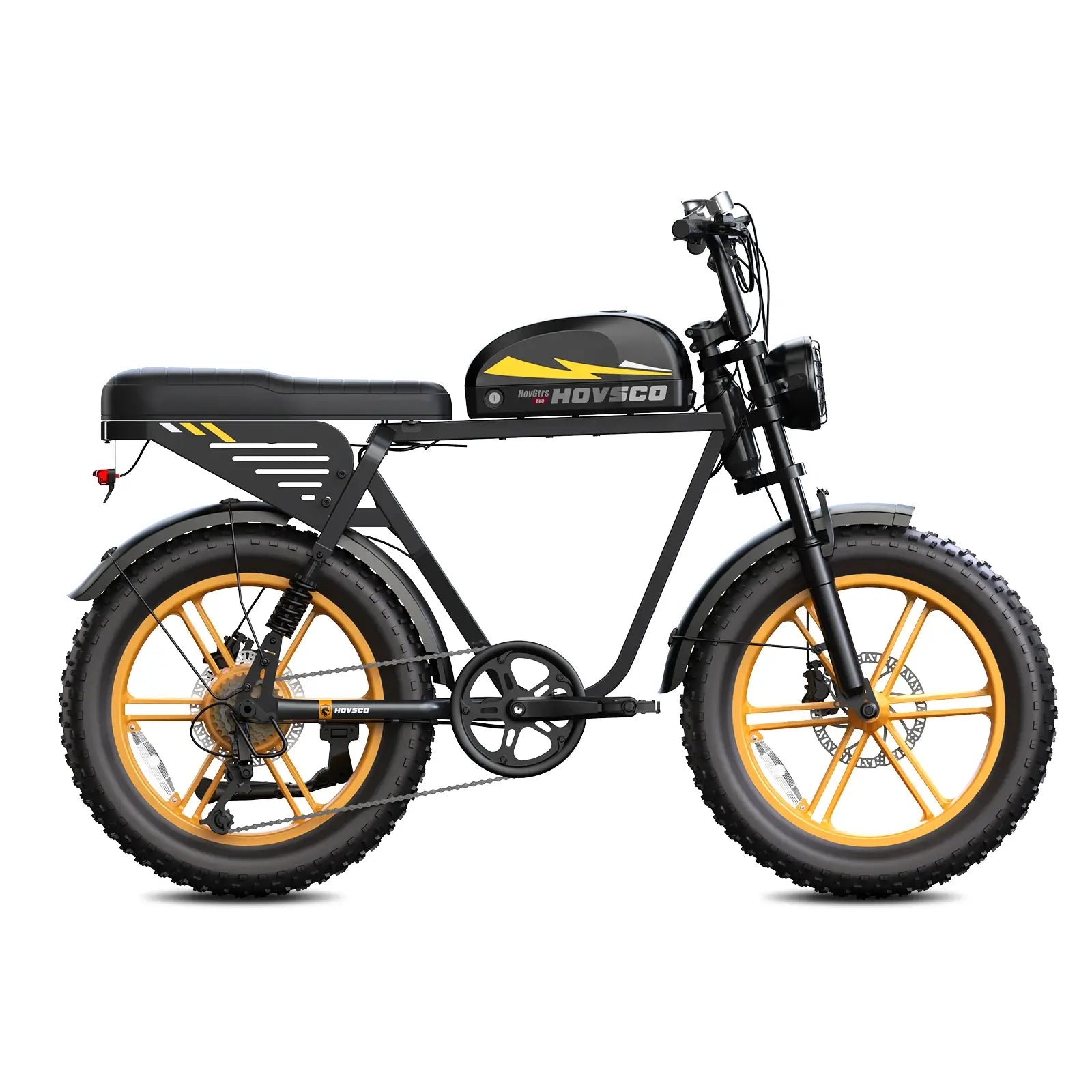
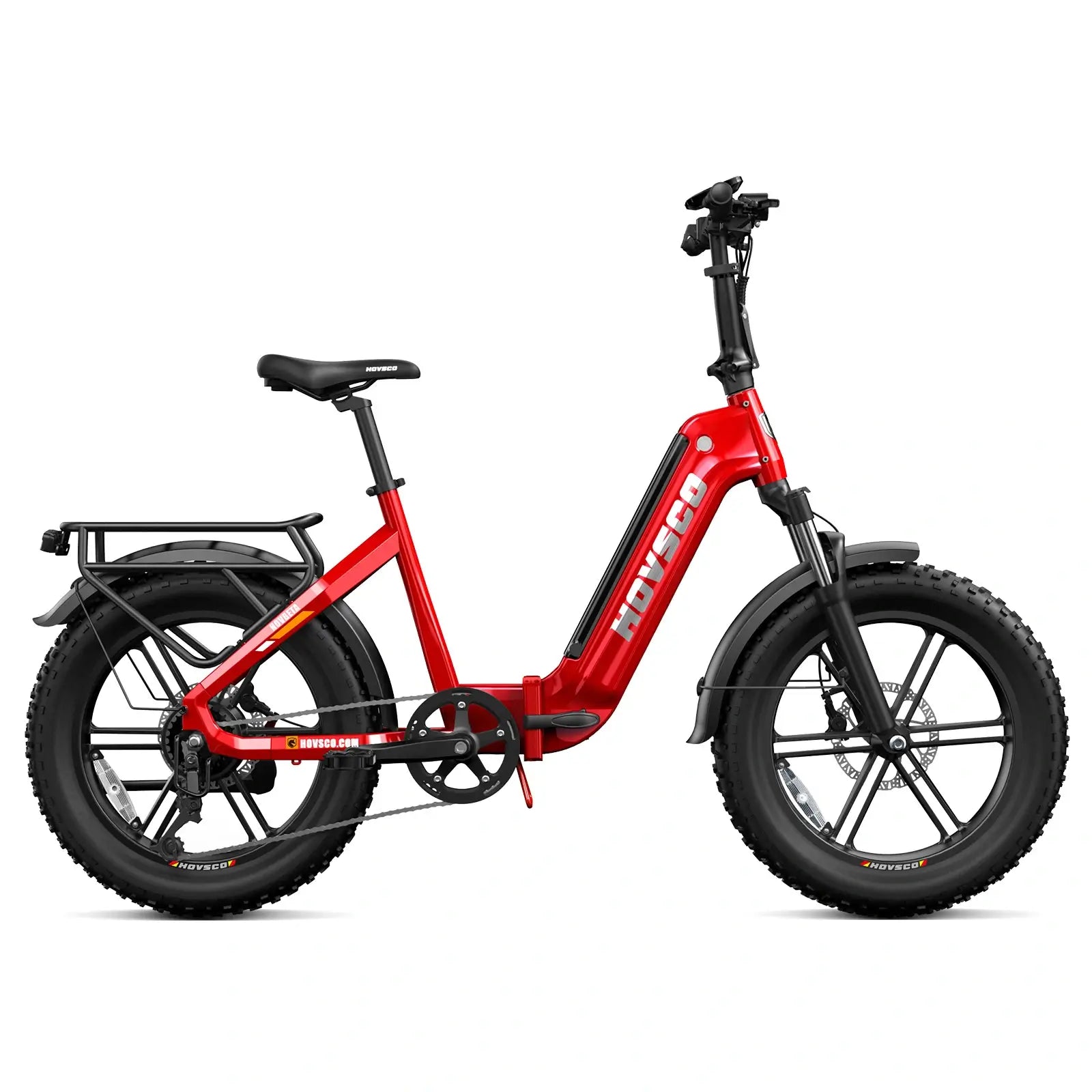
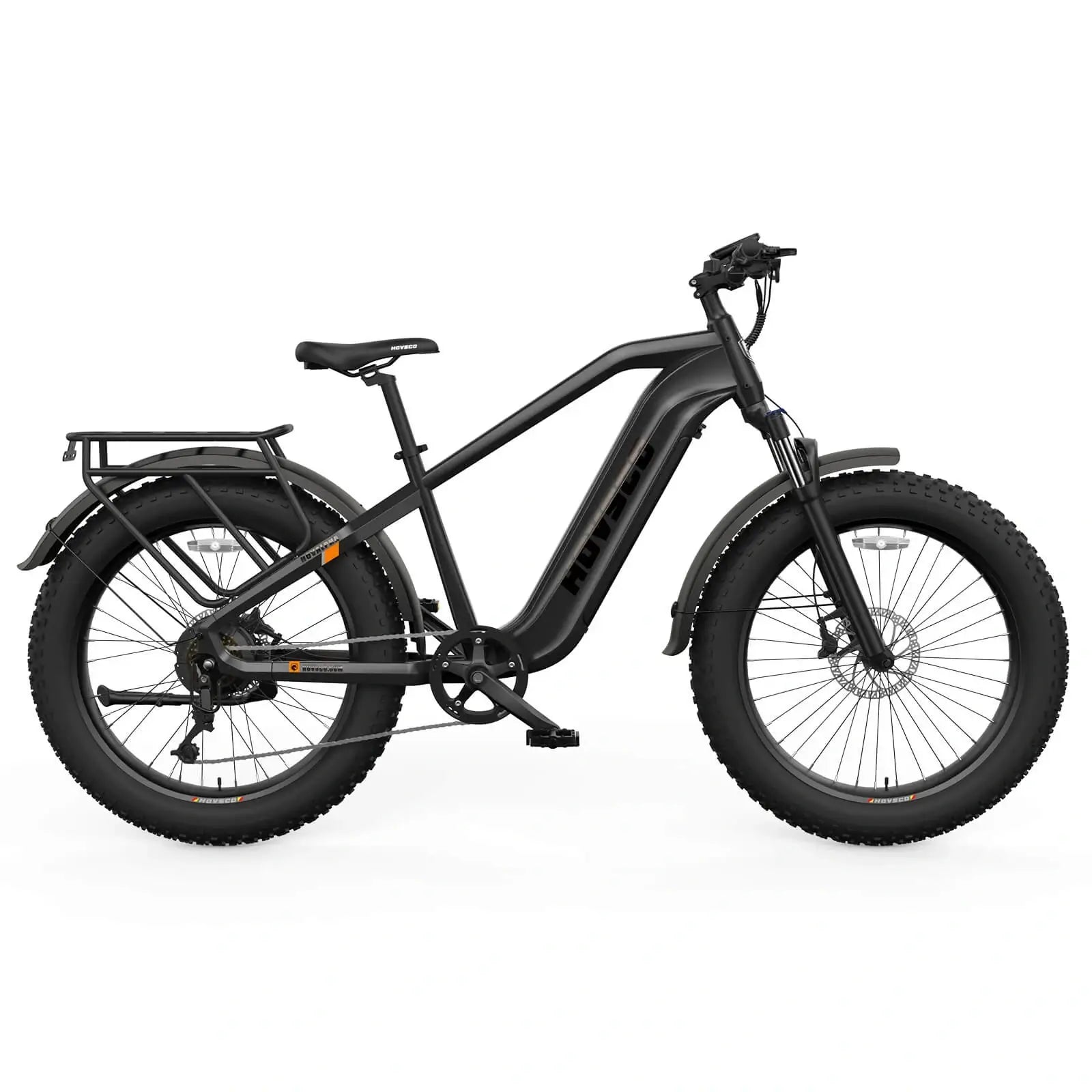
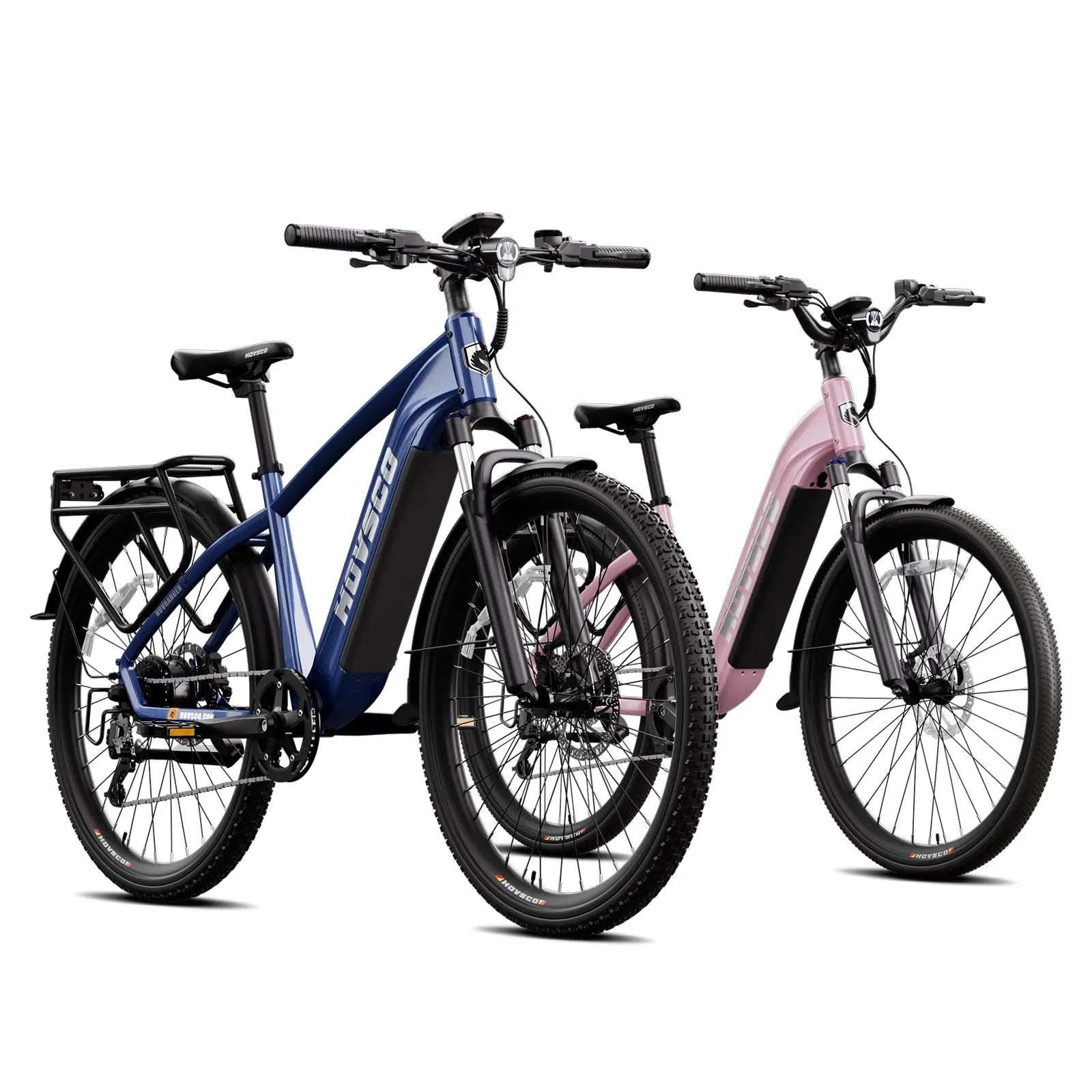
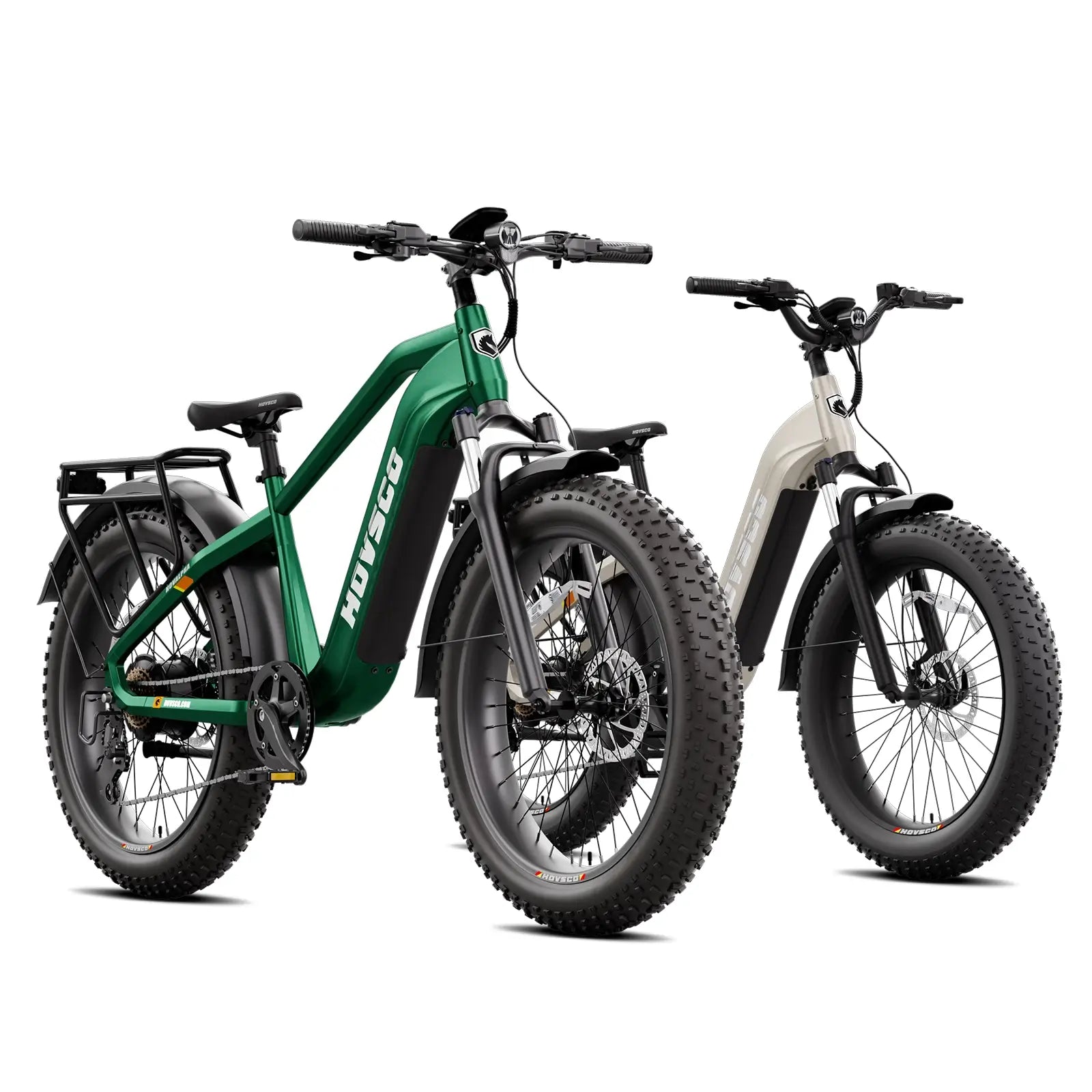
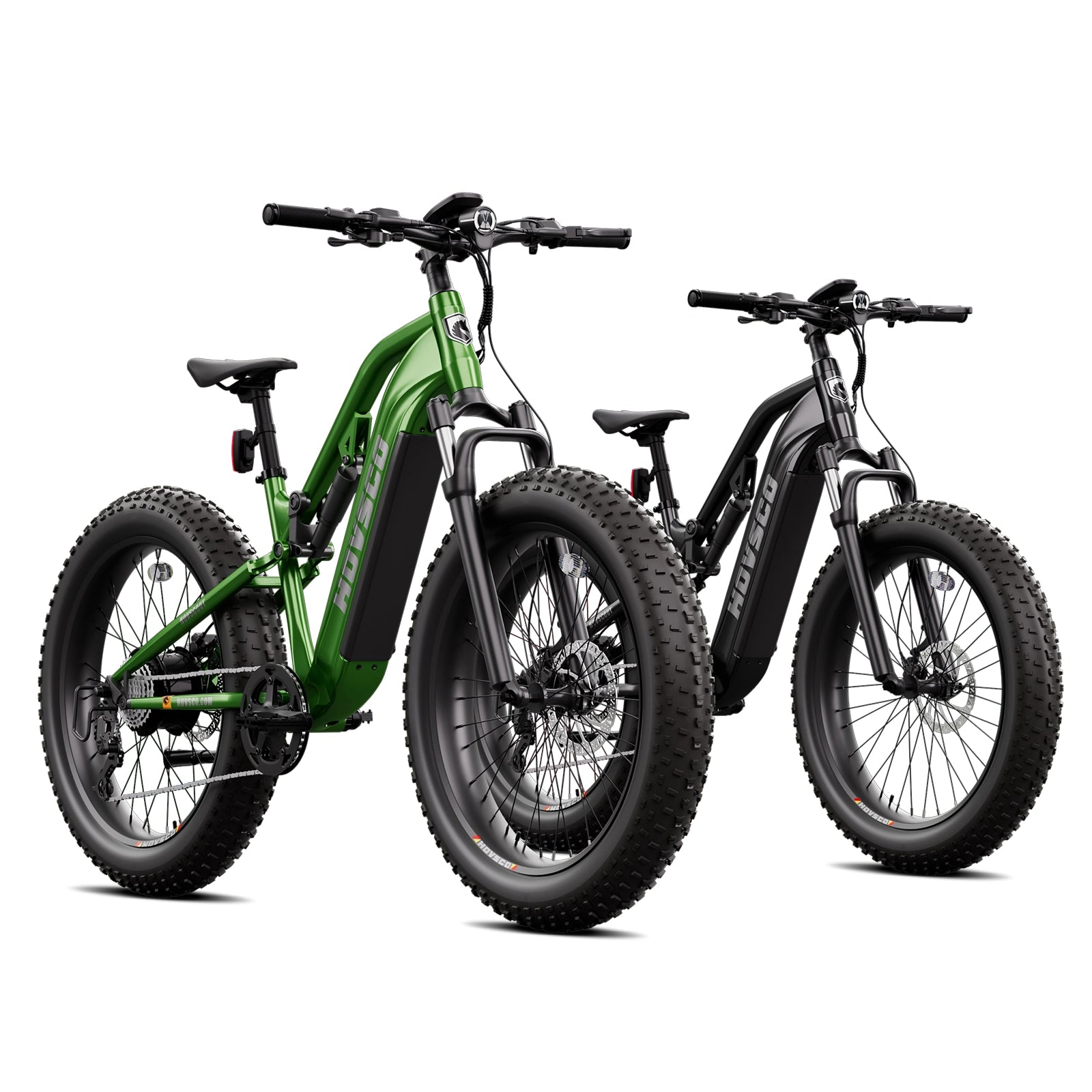
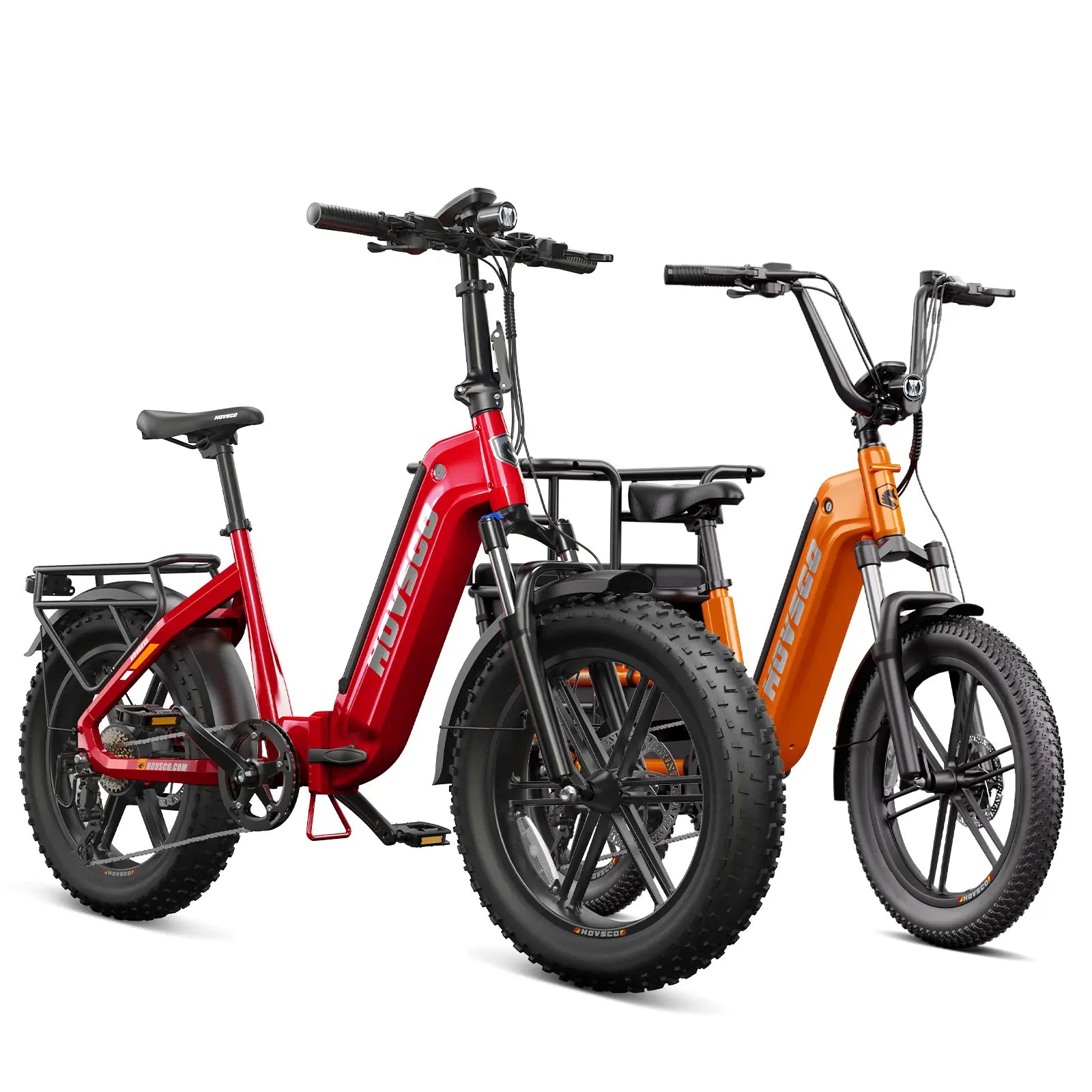
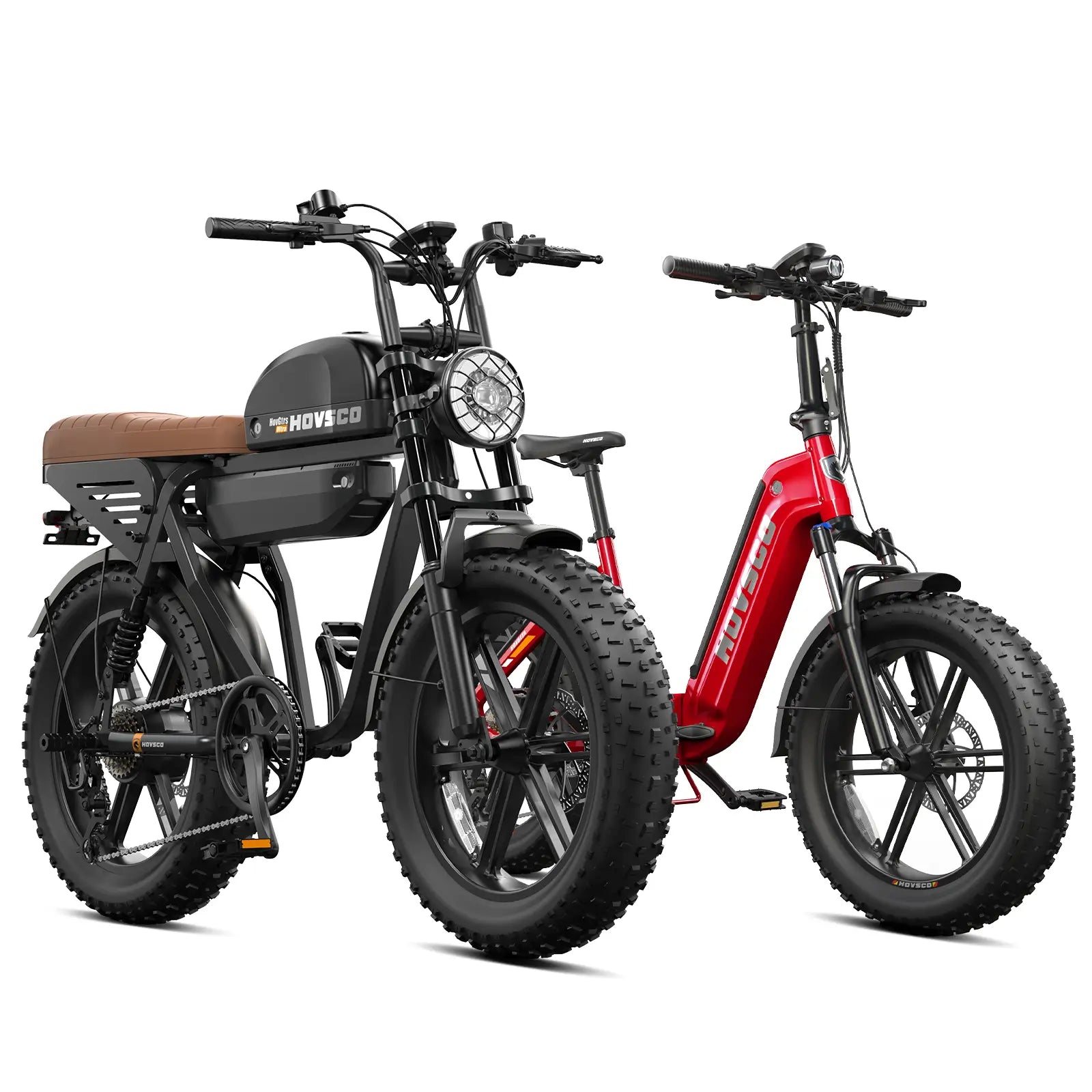
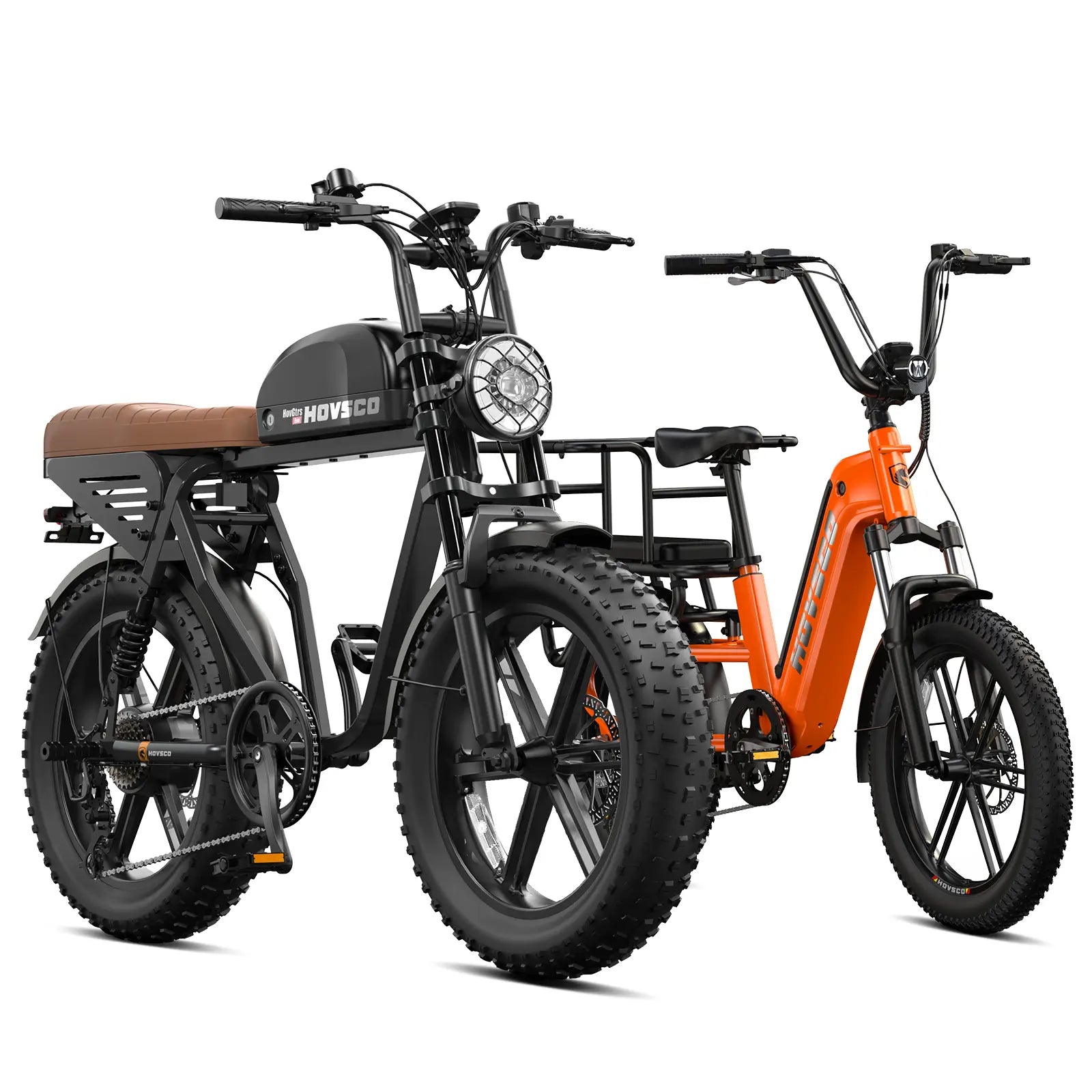
Match the charger to the battery on the product page before ordering, so there is no surprise about which charger belongs to which model. The Sync Max, HovBeta, HovRanger, and HovAlpha each publish their own battery and charger specifications, and using the matching set is the whole equipment rule in practice.
Charging between classes sounds convenient and rarely is. It requires permission, a place to leave the bike and charger, and enough time for the charge to matter — usually several hours for a meaningful top-up on most packs.
The realistic alternative is planning: charge after the last ride, start the busiest day full, and keep the 20% reserve from the range worksheet. A full daily charge plus a reserve makes between-class charging unnecessary for most campus weeks.
If a schedule genuinely needs a midday top-up — for example, an afternoon shift after a long morning — set it up deliberately: confirm the approved location, bring the charger, and check the pack before leaving. Planned top-ups are fine; improvised ones are where permission and equipment rules get missed.
Treat the midday top-up like the daily charge in one respect: it needs enough time to matter. A thirty-minute charge on most packs adds only a few miles, so the planning should still assume a full start rather than a partial recharge.
Breaks change the routine: no daily rides, different building access, and batteries that would rather sit at a partial charge than full or empty. Before a break longer than two weeks, remove the battery and store it partially charged indoors at room temperature, then top it up every four to six weeks.
Confirm the bike's storage position for the break separately — bike rooms may close and racks may be less secure when campus empties out. The battery and the bike each need a deliberate home, and neither should be left to the last day of the semester.
Write the break plan on the semester calendar: battery storage date, top-up reminders, and the bike's location. A plan written in week eight is followed; a plan improvised at move-out is a battery left at whatever charge it happened to have and a bike parked wherever there was space.
Run this list before the first charge and again after any policy change.
| Check | Pass condition |
|---|---|
| Permission confirmed | Housing allows battery or bike charging in writing |
| Approved spot | Dry, room temperature, away from flammables |
| Approved charger | The charger that shipped with the bike |
| Present-while-charging habit | Charging happens while you are home |
| Break plan | Battery partially charged and stored indoors |
The checklist fits on the same page as the range worksheet and the campus rules list — three planning sheets that take an evening to complete and save a semester of friction.
Keep the checklist with the housing paperwork for the semester. When a policy email arrives or a roommate asks, the list shows what was approved and what was planned — no memory required.
" Charging in college housing comes down to permission and equipment. The pattern that works everywhere: ask housing in writing, use the charger that came with the bike, and charge while present." — HOVSCO Customer Service Team
Charging in college housing works when three things are true: housing approved the spot in writing, the charger is the one that shipped with the bike, and the battery charges in a dry room-temperature place while someone is present. Confirm those and the daily routine is simple.
1. Can I charge my e-bike in my dorm room?
Only if housing policy allows it. Ask in writing where the battery or complete bike may charge, and use the charger that shipped with the bike.
2. Should I charge the battery or the whole bike indoors?
On models with removable batteries, charging the battery indoors is usually the approved pattern. Confirm with housing, since some policies treat complete bikes differently from batteries.
3. Is it safe to leave an e-bike charging overnight in a dorm?
Most modern chargers stop when full, but the safer habit in shared housing is to charge while you are home and unplug when the indicator shows complete.
4. What should I do with my battery over winter break?
Remove it, charge it to a partial level rather than full, and store it indoors at room temperature, topping it up every four to six weeks so it never sits at zero.
5. Can I use any charger for my campus e-bike?
No. Use the charger that shipped with the bike or an exact manufacturer replacement. A charger with the wrong voltage can overcharge the pack and damage the battery.
Share:
How Light Can an E-Bike Be and What Do You Give Up?
What's a Good Weekly Charging Routine for a Short Commute?