




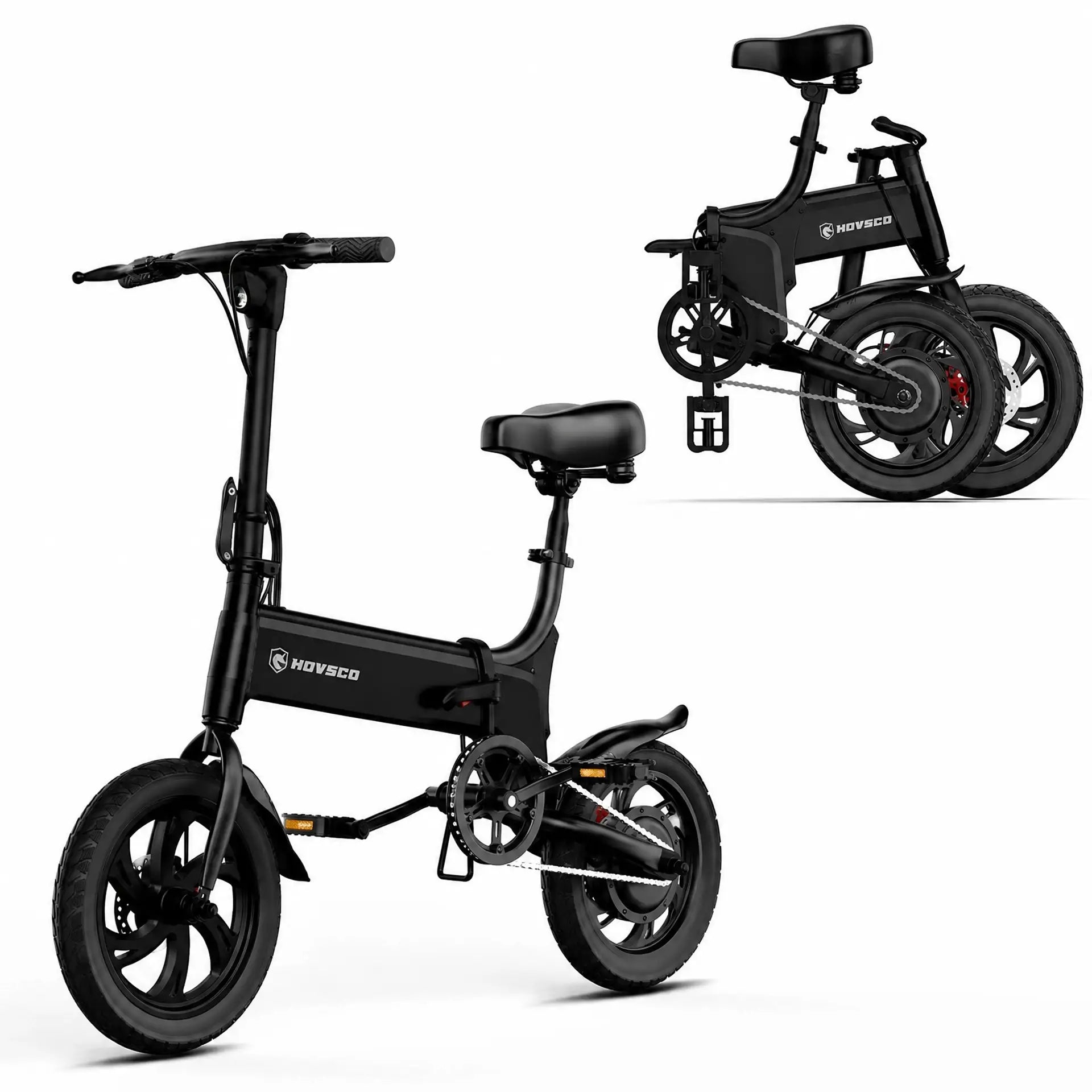
![[ New Arrival ] Porto Max Electric Scooter For Commute & Grocery Shopping - HOVSCO](http://www.hovsco.com/cdn/shop/files/PotroMax-3.jpg?v=1706927007&width=1200)
- by SteveJames
How to Charge an E-Bike Battery (and Battery Care for Beginners)
- by SteveJames
E-Bikes
Accessories
 Free Shipping
 15-Day Returns
 2-Year Warranty
Free Shipping
15-Day Returns
2-Year Warranty
2-Year Warranty
Free Shipping
15-Day Returns
2-Year Warranty
An e-bike battery is a lithium-ion pack with a simple protection routine: use the charger that came with the bike, charge in a dry place at normal room temperature, and unplug once charging is complete. Below we cover realistic charge times, the daily charging habit, storage between rides and over winter, warning signs, and how published range claims translate into real rides. The models these numbers apply to are compared in our best electric bikes for beginners shortlist.
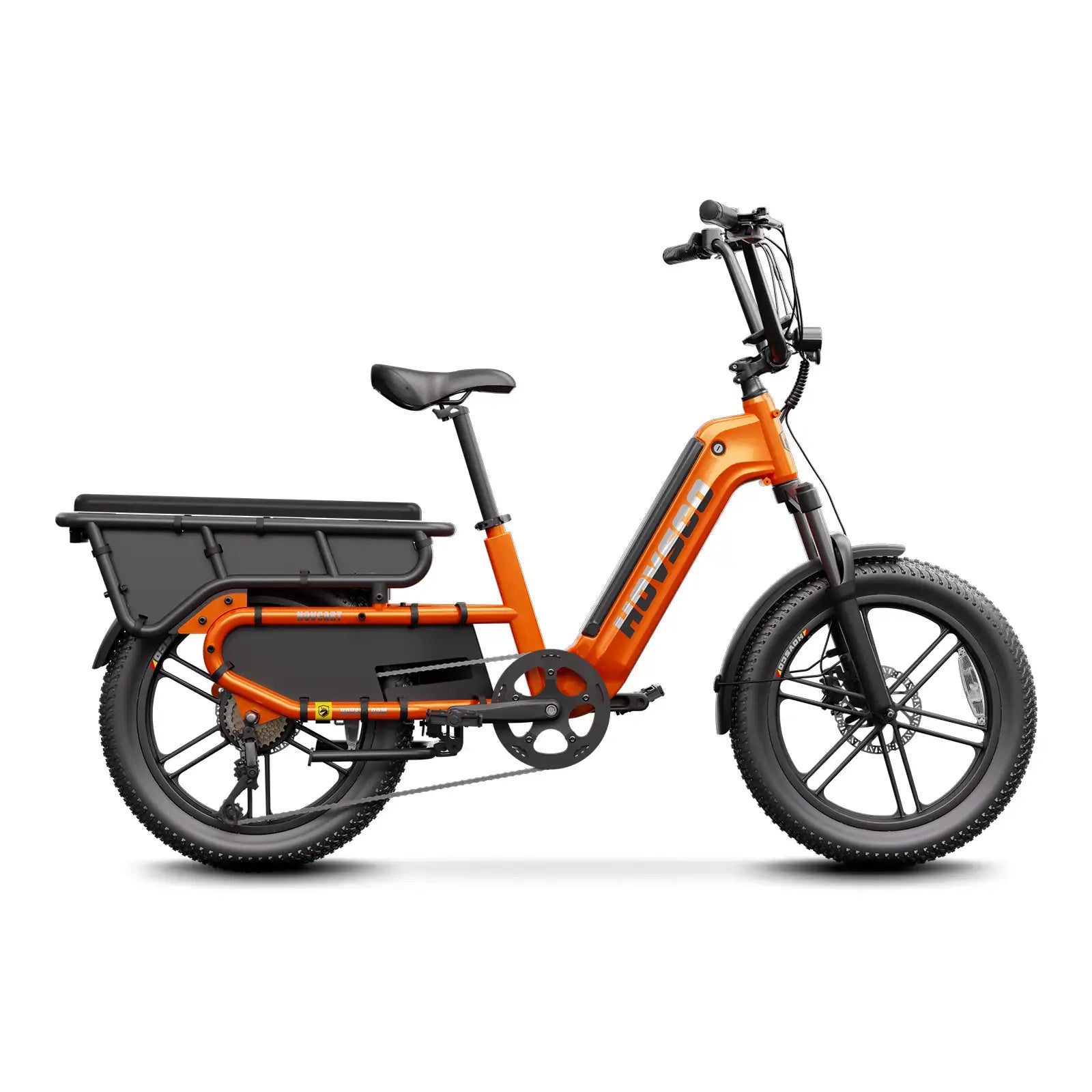
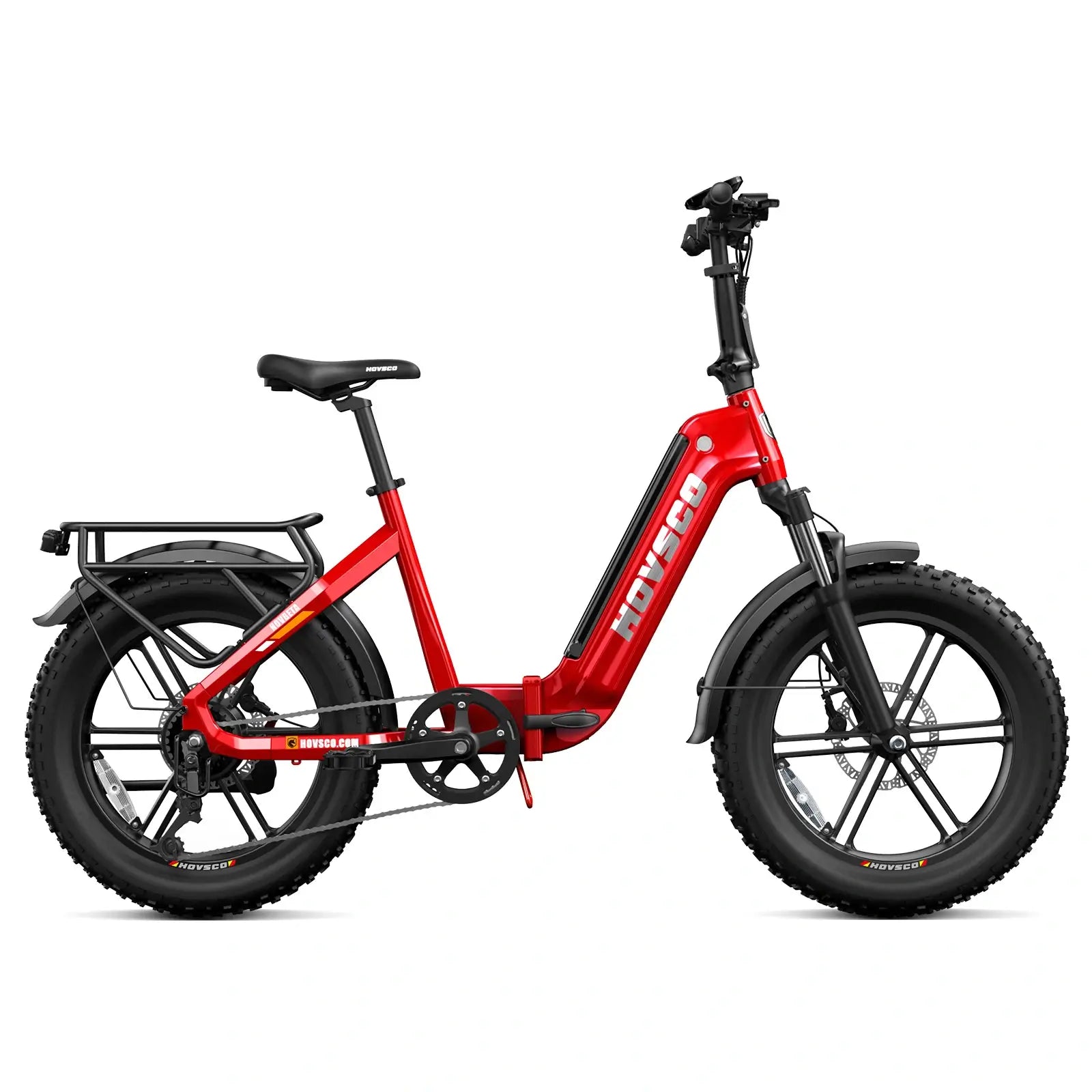
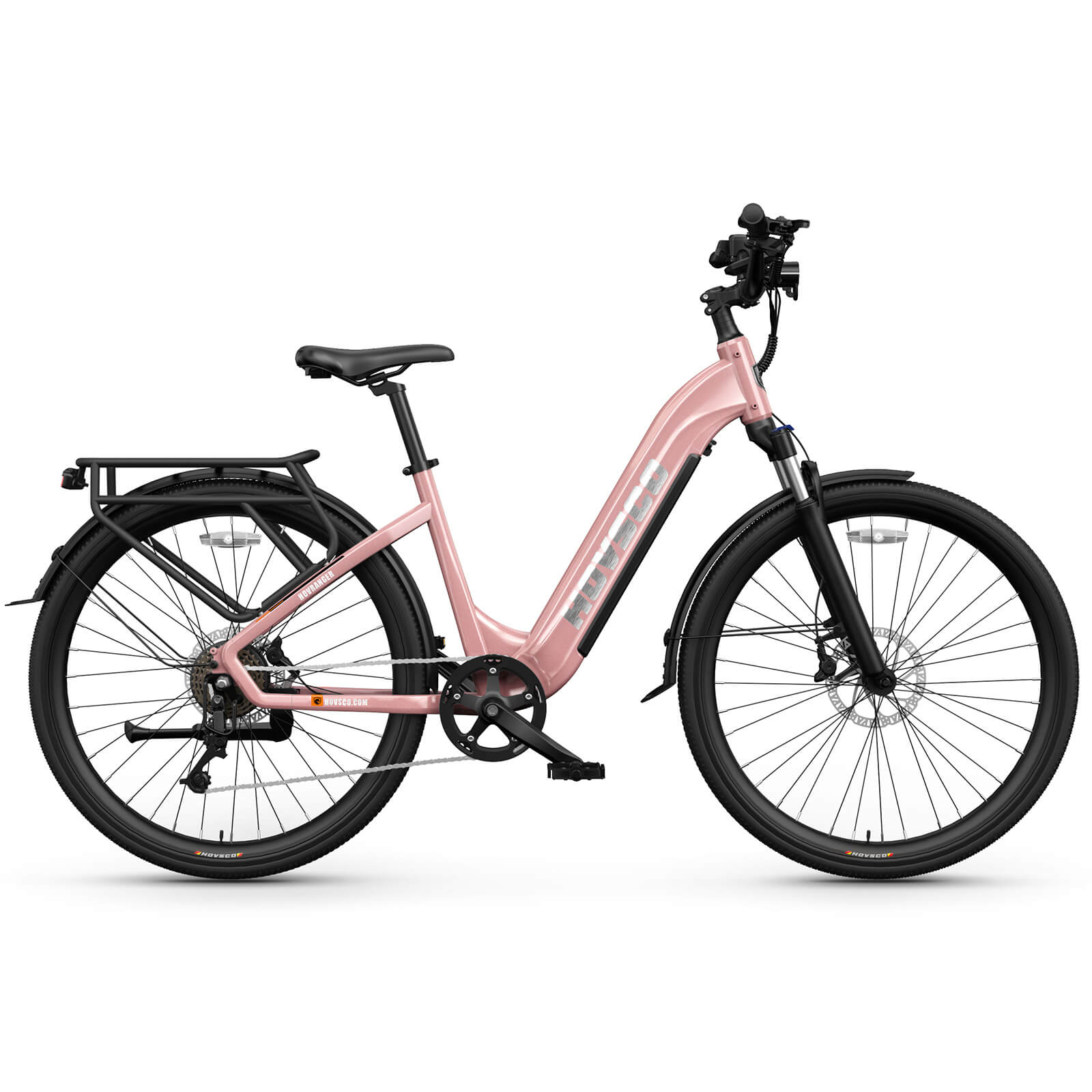
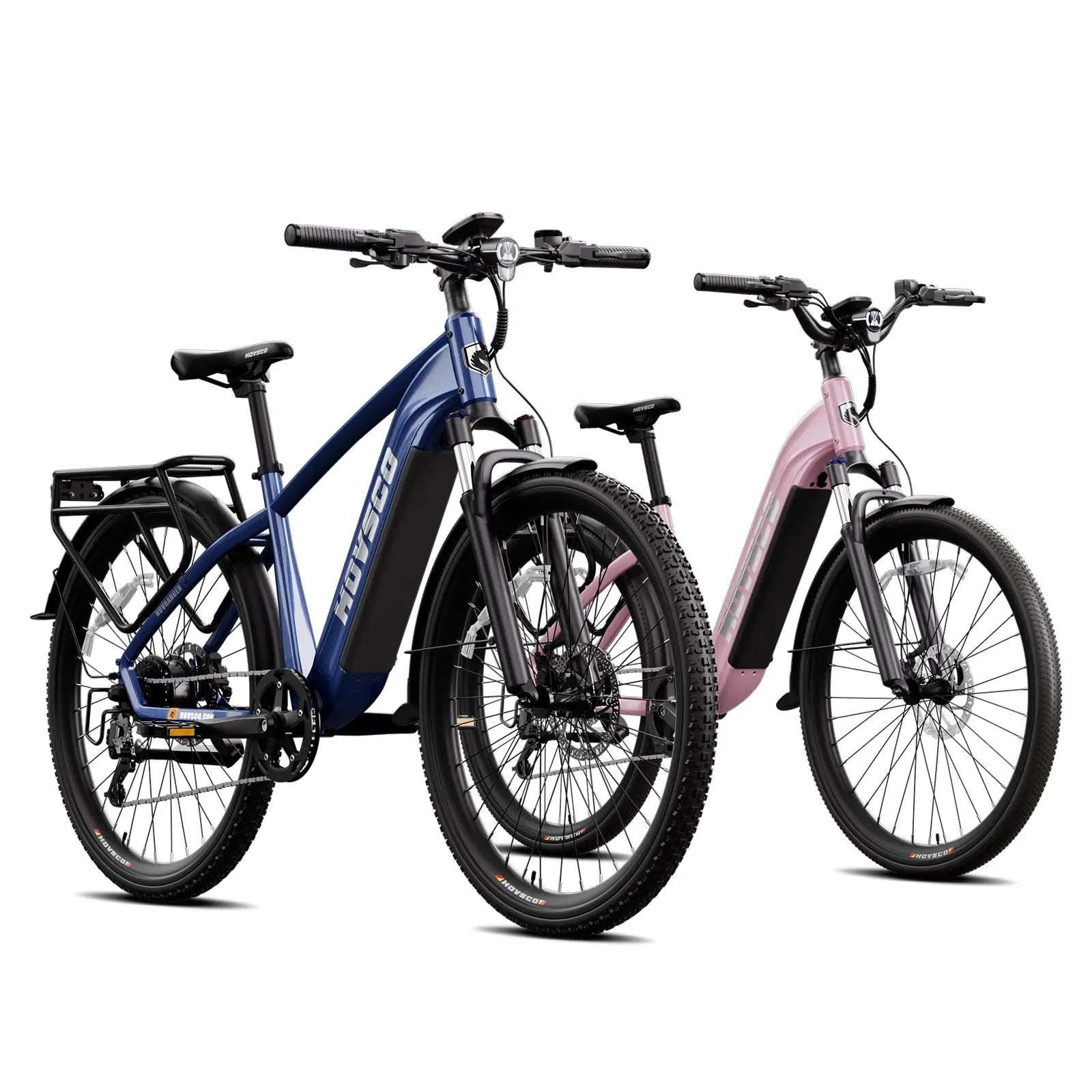
Every e-bike battery stores energy measured in watt-hours — the product of voltage and amp-hours. HOVSCO models use 48V packs such as the 15Ah (720Wh) battery found on the HovRanger Step-Thru, HovBeta, and HovCart, while the compact Sync Max uses a 36V 7.8Ah pack. You do not need to memorize these numbers; you need to know that they set how far a charge can go.
A charge cycle is one full use of the battery's capacity, not one plug-in. Charging from half to full uses part of a cycle, so partial top-ups do not wear the battery faster — and they are often the most convenient habit. The real enemies are long storage at extreme charge levels, heat, and letting the battery sit empty for weeks.
The removable design of HOVSCO batteries matters here: you can take the pack inside, charge it at room temperature, and leave the bike parked outside or in a garage. That single habit avoids most of the heat and moisture problems that shorten battery life. If your model's battery is removable, treat it like a laptop battery — valuable, replaceable, and happier indoors.
Use the charger that shipped with the bike or an exact replacement from the manufacturer. A charger with the wrong voltage can overcharge the pack, and a universal unit is not worth the risk. Charge in a dry, indoor location at normal room temperature, away from direct sunlight and anything flammable.
Stay nearby while charging, especially the first few times. Many riders charge overnight and it is usually fine, but the safer habit is to charge while you are home and unplug when the indicator shows full. If the charger or the battery feels hot to the touch, stop charging and check the manual.
A warm charger is normal; a hot one is not. If the charger case feels too warm to hold, or the battery case feels warm near the connector, unplug it and let the battery cool before trying again. Charging a battery that was just ridden in summer heat, or charging in direct sunlight, pushes the pack outside its comfort range for no benefit.
Charge time depends on battery capacity and the charger's output. HOVSCO publishes the following figures for its beginner collection, and the exact time on your bike varies slightly with the starting charge level.
| Model | Battery | Published charging time |
|---|---|---|
| HovRanger Step-Thru | 48V 15Ah (720Wh) | About 7 hours (fast charger) |
| HovBeta | 48V 15Ah (720Wh) | Confirm on the product page |
| HovCart | 48V 15Ah (720Wh) | About 4 hours (fast charger) |
| Sync Max | 36V 7.8Ah | About 6 hours |
A partially charged battery reaches full faster than an empty one, and the last part of a charge is slower than the first. If you need a full pack for tomorrow, start the charge after today's ride rather than waiting until the morning.
The best routine is unremarkable: charge when convenient, avoid leaving the battery at zero for days, and do not store it fully charged for weeks. If the bike will sit unused for a month, a partial charge is kinder to the pack than a full one.
Heat is the battery's bigger enemy than cycling. Park the bike out of direct summer sun, charge indoors at room temperature, and let a hot bike cool before plugging it in. The battery is removable on HOVSCO models, which makes this easy: bring the battery inside, charge it there, and leave the bike parked.
For a daily commute, the routine is even simpler: plug in when you get home, unplug when the indicator is full, and ride. You do not need to wait for the battery to hit a specific level before charging. The chemistry rewards regular, gentle use far more than dramatic full-discharge cycles, which is the opposite of how many people treat phone batteries.
Between regular rides, leave the battery on the bike if it holds enough charge for the next ride, or store it at a partial charge in a dry place. If you commute daily, the simplest pattern is to charge after the last ride and unplug when full.
For winter or any break longer than two weeks, remove the battery, charge it to a partial level rather than full, and top it up every four to six weeks so it never sits at zero. Store it indoors at normal room temperature — never in an unheated garage, a shed, or outside. Check the product manual for the exact storage guidance for your model.
Cold weather does not damage the battery the way heat does, but it does reduce usable capacity while riding: a pack that delivers full range in summer can feel noticeably shorter in freezing temperatures. That is a temperature effect, not a fault. Store the battery warm before a winter ride and the range returns when the pack warms up.
A lithium-ion battery does not fail silently. Stop using it and contact support if the pack is swollen, cracked, or leaking; if the charger heats up abnormally; if range drops sharply after a normal charge; or if the battery will not charge at all.
A slow, gradual range decline over years is normal aging; a sudden drop is not. If the battery was dropped, exposed to water, or visibly damaged, do not charge it — charging is when a damaged cell is most likely to fail. The product manual and the support team are the right place for the next step, not a forum.
Equally important is what not to do with a damaged pack: do not open it, do not pierce it, do not continue cycling on it, and do not leave it in the sun. A swollen pack needs professional handling, and the safest place for it is out of the bike, out of the house, and in the hands of the manufacturer's support process.
A published range such as 30 miles or 60 miles is measured under ideal conditions: light rider, flat ground, low assist, moderate speed. Your real range depends on your weight, cargo, hills, wind, assist level, tire pressure, and how much you use the throttle.
| Factor | Effect on range |
|---|---|
| Assist level | Higher assist uses more battery per mile |
| Hills and headwinds | Cut range noticeably on the same route |
| Throttle use | Uses battery faster than pedaling |
| Cargo and rider weight | Every extra pound costs range |
| Cold weather | Battery capacity dips in freezing temperatures |
| Tire pressure | Soft tires add rolling resistance |
For the first month, treat the published range as a ceiling and plan routes with a generous return reserve. The HovRanger Step-Thru publishes 40–60 miles; a realistic first-week commute on medium assist with hills might sit closer to the lower end. Track your own numbers for two weeks and you will know your real range better than any spec sheet.
The checklist below turns these habits into a simple pre-ride and post-ride routine. Most items take seconds once they are part of the day.
| Habit | What it protects |
|---|---|
| Use the approved charger only | Prevents overcharging and damage |
| Charge in a dry room-temperature spot | Avoids heat and moisture stress |
| Unplug when full | Avoids long sits at full charge |
| Avoid running the pack to zero | Reduces strain on the cells |
| Store partially charged over winter | Slows capacity loss |
| Inspect for swelling before charging | Catches damage at the safe stage |
Print the list or keep it on your phone for the first month. By the time the habits feel automatic, the checklist can live in your head — the point is that the routine exists at all, not that it takes any real time.
" Most battery care comes down to one habit: use the approved charger, charge while present, and stop at the first sign of abnormal heat or swelling. Everything else follows from that." — HOVSCO Customer Service Team
The pattern is simple and it works: use the right charger, charge in a dry spot at room temperature, avoid the extremes of empty and full, and stop at the first warning sign. Riders who keep that pattern consistently rarely need to think about battery care again.
How long does an e-bike battery take to charge?
It depends on the battery size and charger. HOVSCO publishes about 7 hours for the HovRanger Step-Thru with its fast charger, about 4 hours for the HovCart, and about 6 hours for the Sync Max; exact times vary with the starting charge level.
Can I charge an e-bike battery overnight?
Most owners do, and modern chargers stop when full. The safer habit is to charge while you are home, in a dry room-temperature spot, and unplug when the indicator shows complete.
How should I store an e-bike battery?
Indoors, at normal room temperature, away from heat sources and moisture. For breaks longer than two weeks, store it partially charged rather than full or empty, and top it up every four to six weeks.
How do I know if my e-bike battery is healthy?
A healthy battery holds a predictable charge and delivers roughly the same range on the same route. Stop charging and contact support if the pack is swollen, cracked, leaking, overheats while charging, or loses range suddenly.
Can I use any charger with my e-bike?
No. Use the charger that shipped with the bike or an exact manufacturer replacement. A charger with the wrong voltage can overcharge the pack and damage the battery.
Share:
What Are the Best Lightweight Electric Bikes?
What Campus E-Bike Rules Should You Check First?