
























![[ New Arrival ] Porto Max Electric Scooter For Commute & Grocery Shopping - HOVSCO](http://www.hovsco.com/cdn/shop/files/PotroMax-3.jpg?v=1706927007&width=1200)
- by SteveJames
E-Bike Range for a Campus Week: How Much Do You Really Need?
- by SteveJames
E-Bikes
Accessories
 Free Shipping
 15-Day Returns
 2-Year Warranty
Free Shipping
15-Day Returns
2-Year Warranty
2-Year Warranty
Free Shipping
15-Day Returns
2-Year Warranty
A campus range estimate starts with the busiest day, not the average day: every route between housing, classes, work, and errands, plus a reserve. Published range figures are measured under ideal conditions, so the planning number a student should use is lower and safer. The models and their published ranges are compared in our campus shortlist, and charging routines are covered in our charging guide.
Range planning fails when it uses an average. The Tuesday with back-to-back classes, a work shift, and a grocery stop is the day the bike must survive — and it is the day a too-small estimate shows up as a drained bike at the farthest point.
Build the estimate from that day: list every segment, count the trips, add the return legs, and then add a reserve. If the busiest day fits comfortably, every other day fits automatically.
The busiest day is rarely the longest ride; it is usually the day with the most stops. Short segments add up quickly — a loop of four 1-mile trips still totals 4 miles with four mounts, four locks, and four battery draws from a cold start. Count the trips, not just the distance.
The busiest day also varies by season: a winter day with cold starts and lights uses more battery than the same route in September. Re-run the worksheet when the season changes rather than assuming the number holds all year.
Write the week as a list of segments rather than a single commute number. A sample busiest day might look like this:
| Segment | One-way miles | Trips that day |
|---|---|---|
| Dorm to first class | 1.2 | 1 |
| Class to library | 0.8 | 1 |
| Library to dining hall | 0.9 | 1 |
| Dining hall to work | 2.1 | 1 |
| Work to dorm | 2.1 | 1 |
The total is about 7.1 miles, which any campus model covers — but the point is the method. A student who maps the real week knows the number; a student who guesses does not.
Keep the map for the semester and update it when the schedule changes. The week with a part-time job or a lab section on the other side of campus is the week the original estimate stops being true, and the worksheet is the fastest way to see it before the battery does.
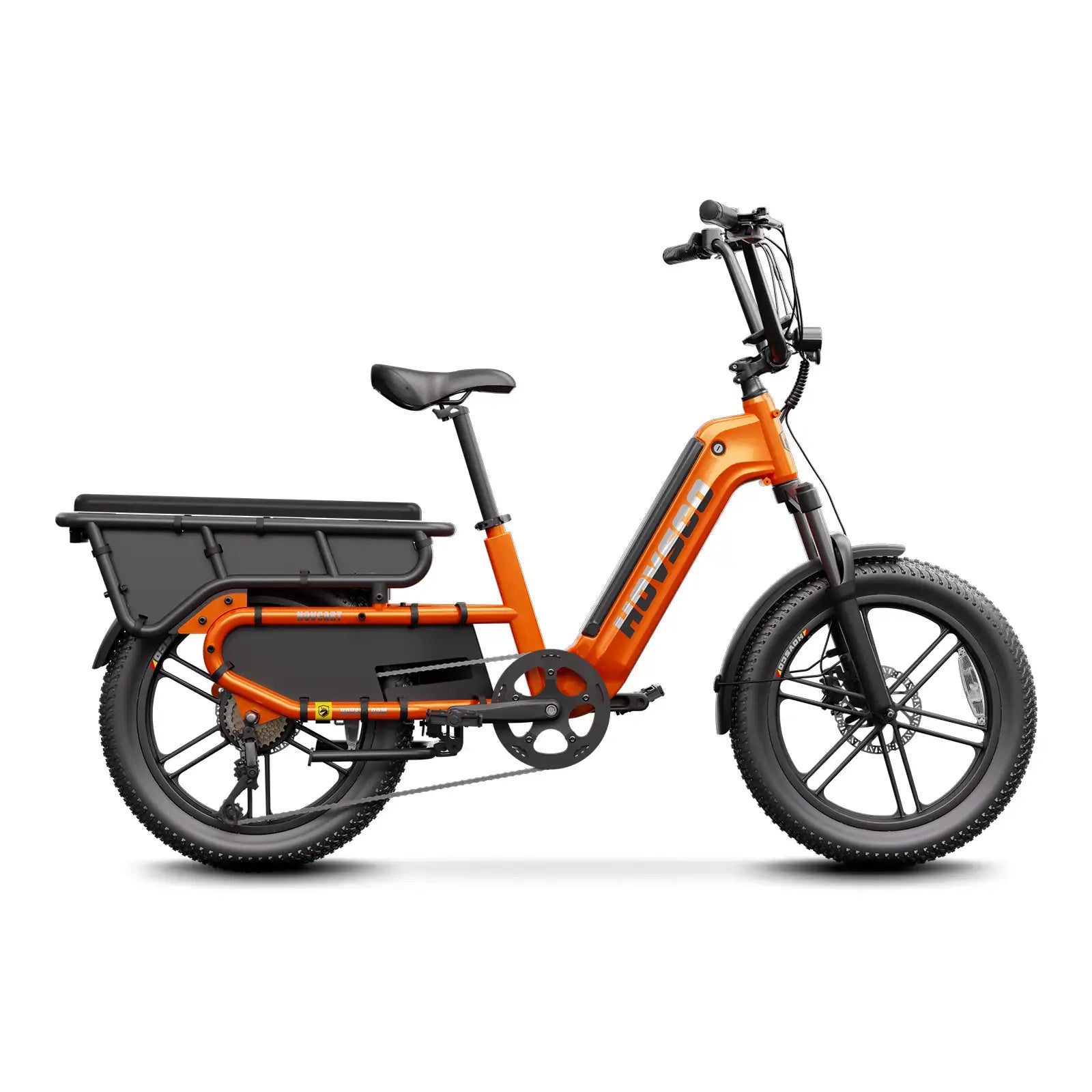
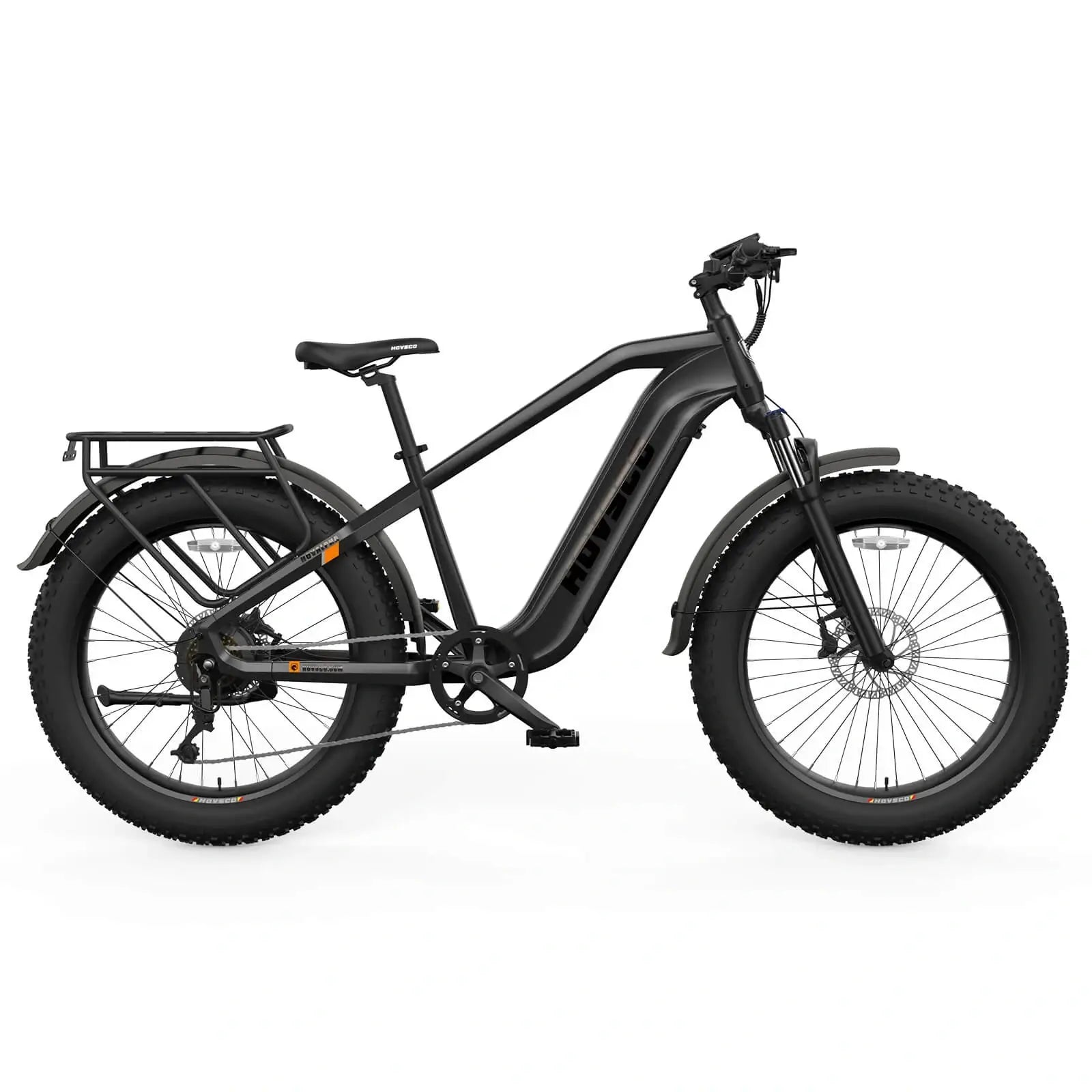
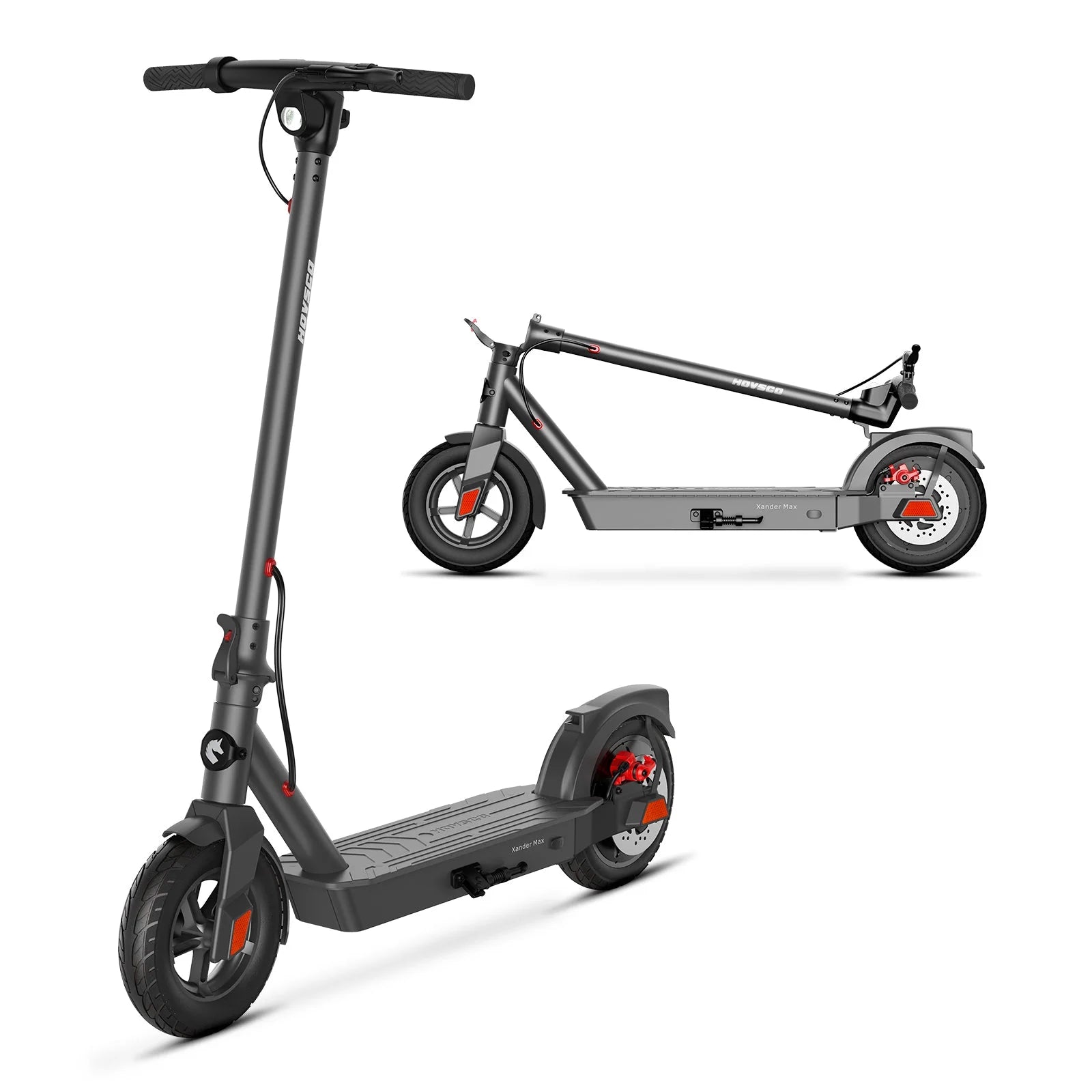
Published figures such as 30 miles (Sync Max), 40–60 miles (HovRanger), or 60–80 miles (HovAlpha) assume a light rider, flat ground, low assist, moderate speed, and a fresh battery. A loaded backpack, hills, headwinds, higher assist, and cold weather each reduce the real number.
The practical rule: use the lower end of the published range for planning, and treat the upper end as a best-case figure. A student whose busiest day totals 8–10 miles has comfortable margin on any model; a student planning 25 miles needs the larger packs.
Assist level is the variable students control most. The same 5-mile campus loop can use noticeably more battery on a high assist level than on a low one, and throttle-heavy riding drains faster still. Riding on the lowest assist that feels comfortable is a range strategy as much as a preference.
Battery age matters too. A pack in its second or third year holds less than it did new, so the planning figure should shrink as the battery ages. If the same route starts needing noticeably more charge than it did in the first semester, the battery is telling you its capacity has changed.
Keep a reserve large enough to cover the return plus one detour. A drained battery at the farthest point of a class day is not an inconvenience — it is a logistics problem with a schedule attached.
As a planning habit, add at least 20% to the busiest-day total before comparing models. If the busiest day is 10 miles, plan for 12; that margin covers the cold morning, the headwind, and the unexpected library run without changing the routine.
The reserve also covers the difference between the display and reality. Battery indicators estimate remaining range, and the estimate gets less precise at the edges of the pack — a 10% reading on the display can mean less than it says on a cold day. Planning with a reserve means never trusting that last bar.
Most campus schedules work best with a simple charging habit: charge after the last ride of the day, unplug when full, and start the busiest day at 100%. Removable batteries make this easier when the bike lives in a bike room.
Charging between classes is rarely the right plan — it depends on charging permission, a place to leave the bike, and time. Plan around a full daily charge instead, and confirm the approved charging spot with housing. The permission details are in our charging in college housing guide.
A weekly rhythm helps when the schedule varies: charge after the last ride on the heaviest day, and top up the night before any day that starts with an early class. Students who tie charging to a visible habit — the backpack goes on the charger shelf, the battery goes in — rarely end a week on an empty pack.
The display's range estimate is a guide, not a fuel gauge. Learn how the estimate behaves on your route during the first two weeks — how fast it drops on the hill, how it recovers on the flat — so a reading you have seen before never surprises you mid-week.
The HovAlpha's 48V 20Ah (960Wh) battery buys 60–80 miles at the cost of a 72.8–73.6 lb complete bike. That trade makes sense only when routes genuinely exceed what a 720Wh pack covers in a week, or when the campus sits in a cold region where winter range drops noticeably.
For most campus weeks — 5 to 15 miles on the busiest day — a 720Wh model like the HovBeta or HovRanger covers everything with margin. Buy the bigger battery for the route you actually have, not for the range you might someday use.
If the deciding factor is a single long weekly trip, check the math before upgrading: a 25-mile round trip that fits within the lower end of a 720Wh pack does not need a 960Wh bike. The bigger pack earns its weight when the regular route — not the occasional one — exceeds the smaller pack's planning range.
Fill this in with your own numbers before comparing models.
| Line | Your number |
|---|---|
| Busiest-day total miles | Sum of every segment |
| Reserve (add 20%) | Total × 1.2 |
| Published range (lower end) | From the product page |
| Match | Published lower end ≥ planned total |
If the last line is a clear yes, the battery is not the constraint; storage and rules are. If it is close, the larger packs are worth the weight.
Keep the worksheet somewhere you will see it: a photo on the phone, a note on the desk. The number only helps if it is used, and the day it saves is the day the schedule changes and the estimate gets checked before the battery runs out.
" Range claims describe ideal conditions; campus weeks describe real ones. Students who plan around the busiest day and keep a 20% reserve never learn what the edge of the range feels like." — HOVSCO Engineering & Content Team
The range a campus rider needs is the busiest day plus a reserve, compared against the lower end of the published figure. Most campus weeks fit comfortably on a 720Wh pack; the 960Wh HovAlpha earns its weight only when the route truly demands it.
1. How much range does a campus e-bike need?
Add every route on the busiest day — housing, classes, work, errands — then keep a reserve. Most campus weeks total 5–15 miles, which any model in the college collection covers with margin.
2. Is the published range accurate?
Published range assumes ideal conditions: light load, flat ground, low assist, moderate speed. Real range is lower, so plan with the lower end of the figure and add a 20% reserve.
3. Can I charge my e-bike between classes?
Usually it is easier to plan around a full daily charge. Charging between classes depends on housing permission, an approved spot, and the time to do it — confirm before relying on it.
4. Does cold weather reduce e-bike range?
Yes. Battery capacity dips in freezing temperatures, so winter range is shorter. Add extra reserve in cold months, especially on the HovAlpha's longer routes.
5. Which campus model has the longest range?
The HovAlpha frames publish 60–80 miles on a 960Wh battery. The HovBeta and HovRanger publish up to 60 miles on 720Wh, and the Sync Max up to 30 miles on its smaller pack.
Share:
Are Electric Bikes Easy to Ride?
How Much Range Does a Short Commute Need?