





![[ New Arrival ] Porto Max Electric Scooter For Commute & Grocery Shopping - HOVSCO](http://www.hovsco.com/cdn/shop/files/PotroMax-3.jpg?v=1706927007&width=1200)
- by SteveJames
How Much Range Does a Short Commute Need?
- by SteveJames
E-Bikes
Accessories
 Free Shipping
 15-Day Returns
 2-Year Warranty
Free Shipping
15-Day Returns
2-Year Warranty
2-Year Warranty
Free Shipping
15-Day Returns
2-Year Warranty
A short commute still needs route math, because the daily total is never just the one-way distance: it is the outbound trip, the return, the lunch run, the errand, and the detour, plus a reserve. On a short route the answer is usually a modest battery — not the largest one — but the planning method matters more than the number. The charging rhythm that follows is covered in our weekly charging guide.
A two-mile commute sounds trivial until it becomes four miles round trip, plus a lunch ride, plus an errand on the way home, plus a detour around construction. The daily total is the number that matters, and it is always larger than the one-way distance.
Range math starts with the full day: the outbound and return legs, lunch trips, errands, and detours. Do not buy from one-way distance, and do not assume a published maximum is guaranteed.
The one-way figure also flatters the route: a 2-mile commute looks trivial, but the return leg, the detour, and the errand turn it into a 6–8 mile day before any reserve. Planning with the daily total prevents the surprise of a bike that runs out mid-week.
The worksheet habit is worth building in the first month, because it catches the week the commute changes: a new job location, a longer detour, or a second errand day. Riders who plan by the worksheet adjust in days; riders who guess adjust after the first drained battery.
Build the estimate from the real week, segment by segment, then add a reserve on top.
| Segment | Example miles |
|---|---|
| Home to work | 2.0 |
| Work to home | 2.0 |
| Lunch run | 1.2 |
| Errand on the way home | 1.5 |
| Daily total | 6.7 |
| With 20% reserve | 8.0 |
Every model in the short-commute collection covers an 8-mile planning total with margin. The worksheet's real job is to catch the week where the total climbs to 20 miles and the battery choice changes.
Use the busiest week of the month as the planning baseline, not the easiest one. If one week includes extra errands or a longer detour, that is the week the reserve exists for — and the worksheet should show it.
The example also shows why the reserve matters more than the base number: the 20% turns a 6.7-mile day into an 8-mile plan, which is the difference between a comfortable margin and a surprise at the farthest point.
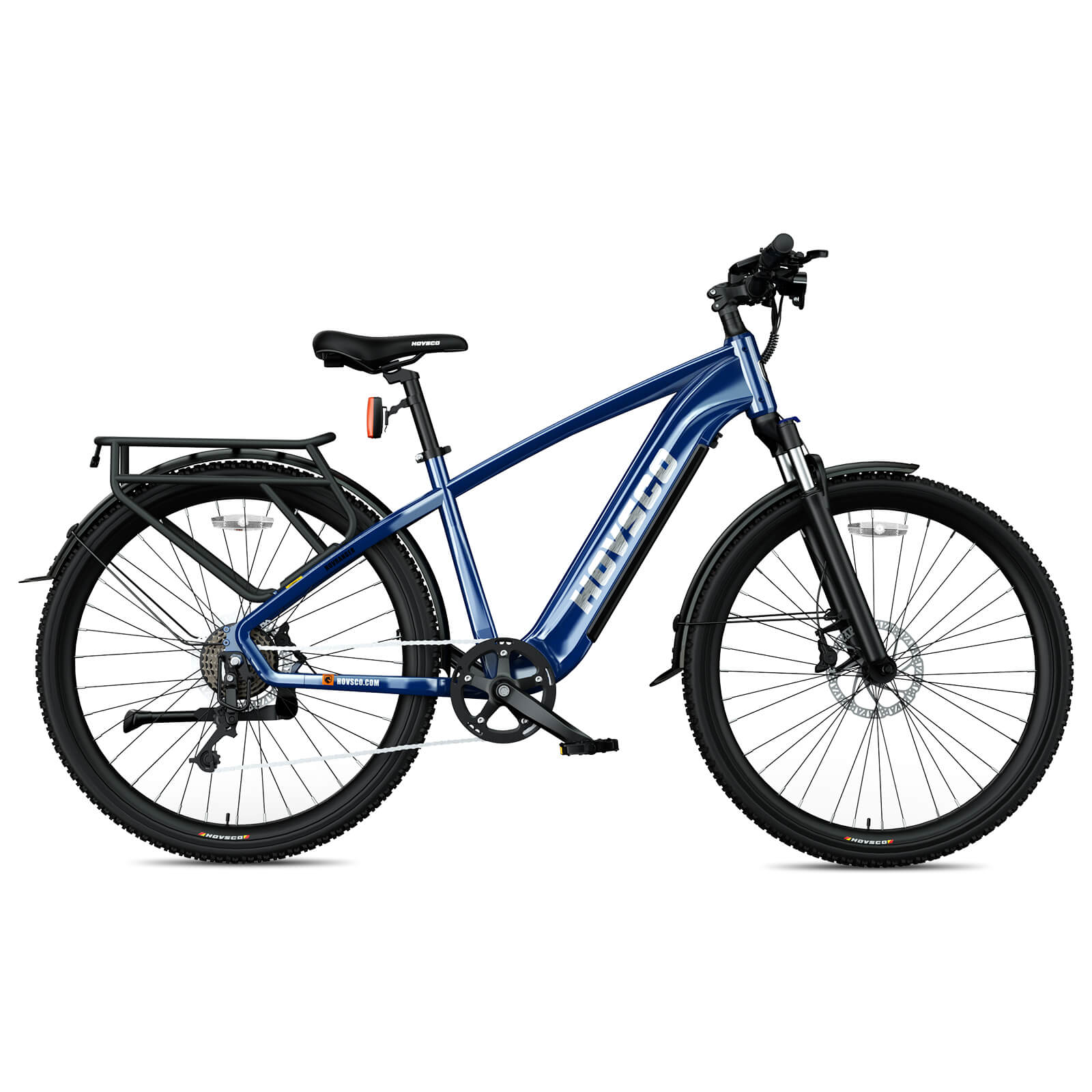
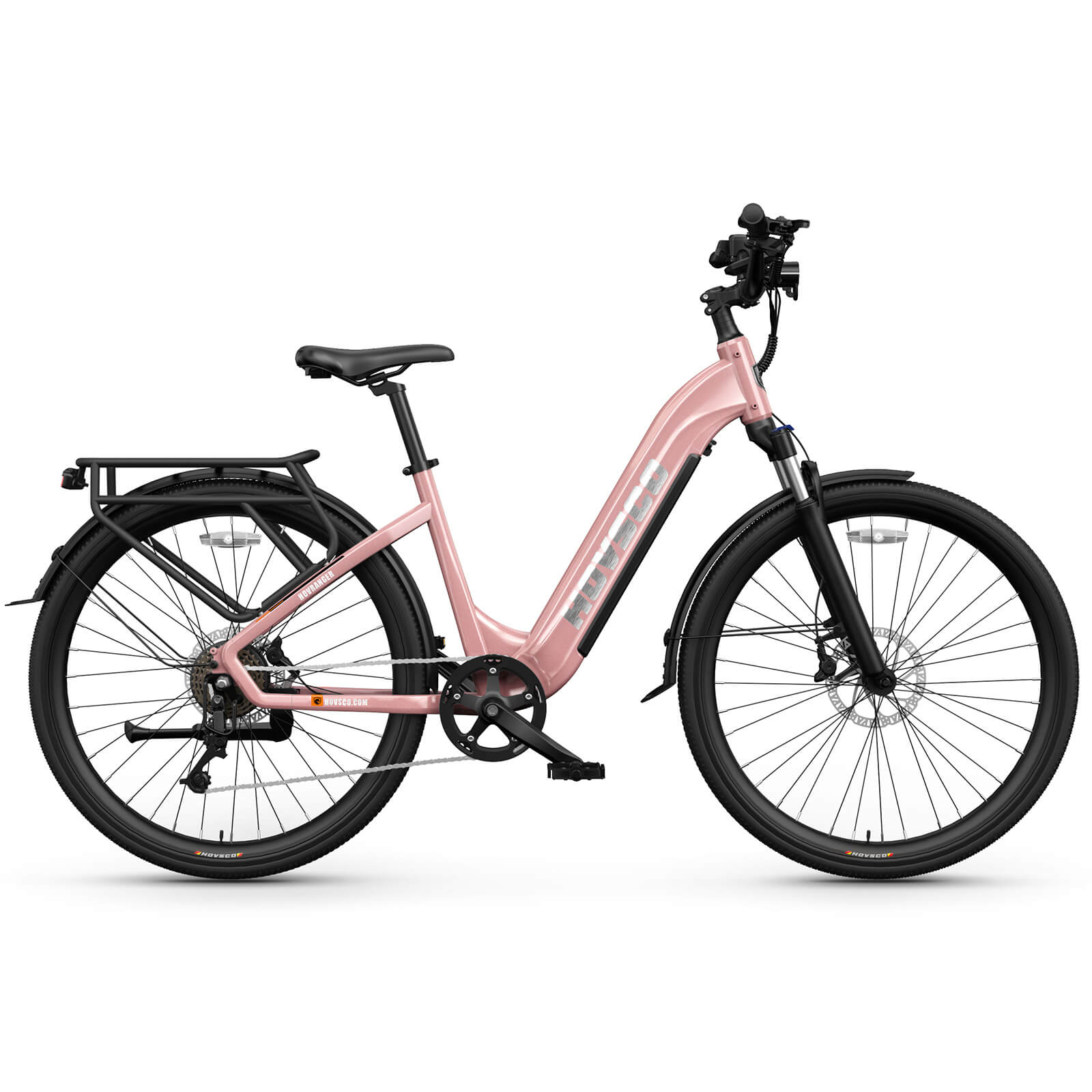
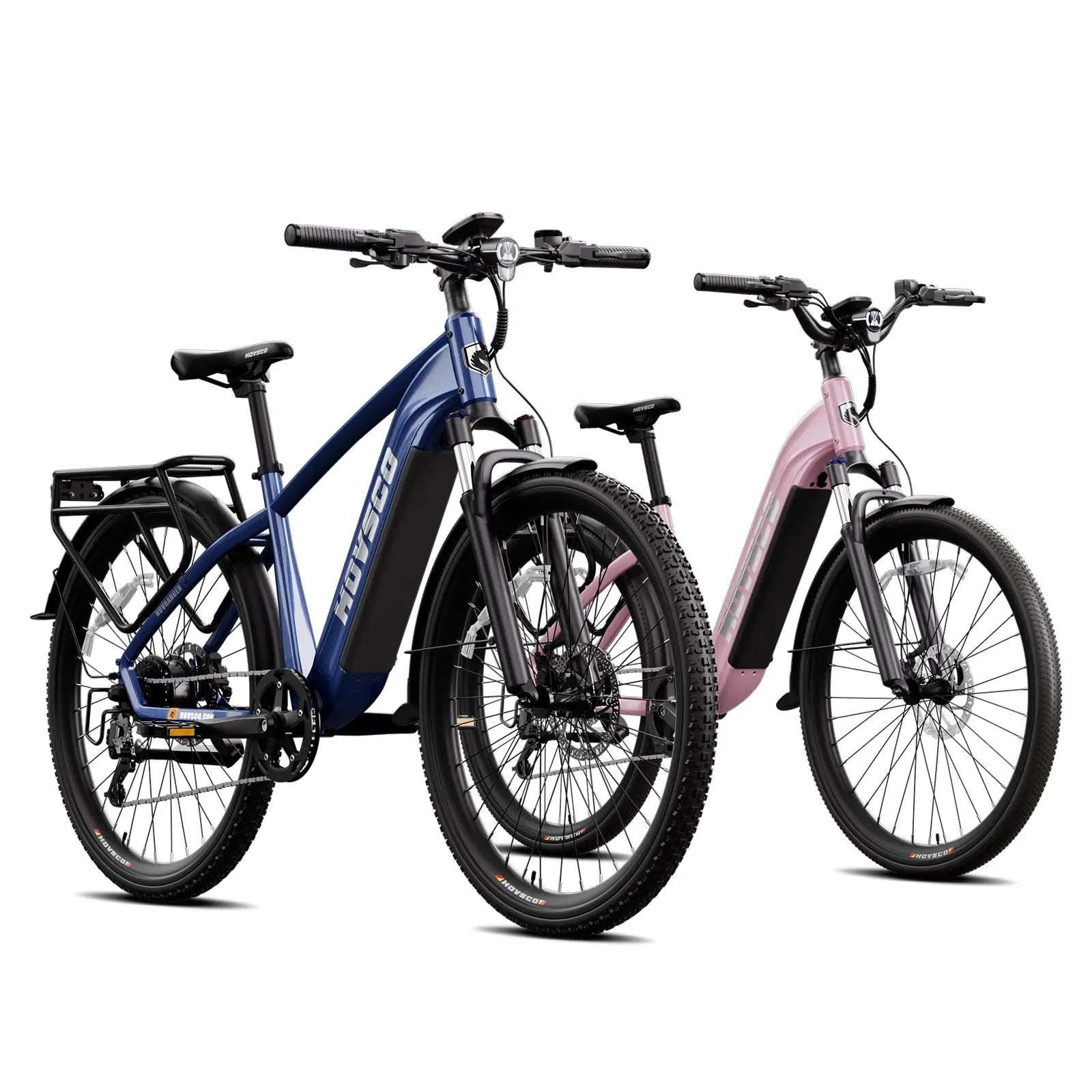
Published figures assume light loads, flat ground, low assist, moderate speed, and a fresh battery. The Sync Max publishes up to 30 miles, while the HovCity and HovRanger publish 40–60 miles. Hills, headwinds, a loaded backpack, higher assist, and cold weather each reduce the real number.
The practical rule is the same as in every cluster: plan with the lower end of the published range and treat the upper end as a best case. A short commuter whose real week totals 8–12 miles has comfortable margin on any of the three models.
The numbers also assume a fresh battery. A pack in its second year holds less than it did new, so the planning figure should shrink as the battery ages; riders who notice the same route taking more charge should adjust the worksheet rather than ignore it.
Real-world range is also affected by riding style: a rider who uses the throttle at every start draws more than one who pedals through the stops. The lower end of the published range already assumes moderation; aggressive riding sits below even that.
Charging between rides is not the plan for a short route; the plan is a full start plus a reserve, with the weekly rhythm built from the worksheet rather than from habit.
A larger battery adds weight, cost, and charging time — and on a short route, all three are paid every single day while the extra range is used rarely. The 720Wh packs of the HovRanger and the 540Wh pack of the HovCity both cover a typical short-commute week with reserve.
Buy the bigger battery only when the real weekly total approaches the smaller pack's planning range, or when winter range loss makes the reserve uncomfortably thin. For most short commutes, the largest battery is the answer to a problem the rider does not have.
The weight argument is the deciding one: a larger battery means a heavier bike carried and parked daily. On a short route, the rider pays for the extra range every single morning and uses it rarely — the smallest pack that clears the worksheet is the efficient choice.
The tradeoff shows up in the parking lot and the stairwell: the extra battery weight is carried and parked daily. A rider who buys the largest pack for a 6-mile route is paying for range that the routine never touches.
Range changes with the season and the load, even on a short route. Cold weather reduces battery capacity, so winter rides draw more from the same pack. A loaded backpack, higher assist, and headwinds add to the draw on the days you notice it most.
| Factor | Effect on a short route |
|---|---|
| Cold weather | Capacity dips; keep a larger reserve in winter |
| Loaded backpack | More draw per mile |
| Higher assist | More battery per mile on the same route |
| Headwinds | Longer effective distance into the wind |
Update the worksheet when the season changes: winter range is shorter, summer heat changes the pace, and a new job location changes the route. The planning number follows the real week, not the original estimate.
The same factors apply to tire pressure: soft tires add rolling resistance and cost range on every ride. A weekly pressure check is a range tool as much as a safety one.
Fill this in with your own numbers before choosing a model.
| Line | Your number |
|---|---|
| Outbound + return | Miles for the core commute |
| Errands and detours | Extra miles on a typical week |
| Daily total | Sum of all segments |
| Reserve (add 20%) | Total × 1.2 |
| Published range (lower end) | From the product page |
If the lower end of the published range clears the planned total, the battery is not the constraint — storage and stops are. If it is close, the 720Wh packs are worth considering.
Keep the worksheet with the weekly charging checklist so the two planning tools stay together: the range number feeds the charge schedule, and the charge schedule keeps the range number honest.
The worksheet also works in reverse: if the published lower end sits far above the weekly total, the smaller pack is the honest choice, and the money saved can go to a better lock or fenders — items a short commuter uses daily.
" Short-commute range planning is a worksheet, not a guess: every segment in both directions, a 20% reserve, and the lower end of the published figure. Do that and the smallest pack you need is the one to buy." — HOVSCO Engineering & Content Team
A short commute needs the total of every segment plus a reserve, compared against the lower end of published range. Most commuters find a 540–720Wh pack covers the week with margin — and the largest battery is usually more weight than it is worth.
1. How much range does a short commute require?
Add every outbound and return segment, errands, and possible detours, then keep a reserve. Most short commutes total 6–12 miles a day, which any model in the collection covers with margin.
2. Is a 30-mile range enough for a short commute?
Usually yes. The Sync Max publishes up to 30 miles, which clears a typical short-commute week. The real question is the daily total with reserve, not the one-way distance.
3. Do hills reduce range on a short route?
Yes. Hills, headwinds, higher assist, a loaded backpack, and cold weather all increase battery use per mile, so the planning number should use the lower end of the published range.
4. Should I buy the largest battery just in case?
Only if the real weekly total approaches the smaller pack's planning range. Otherwise the extra weight, cost, and charging time are paid daily for range that is rarely used.
5. How often should I check my range estimate?
Re-run the worksheet when the schedule, season, or route changes. The first week of a new commute is the calibration week, and the adjusted total is the number to plan with.
Share:
E-Bike Range for a Campus Week: How Much Do You Really Need?
How Do You Secure a Work E-Bike on Deliveries?