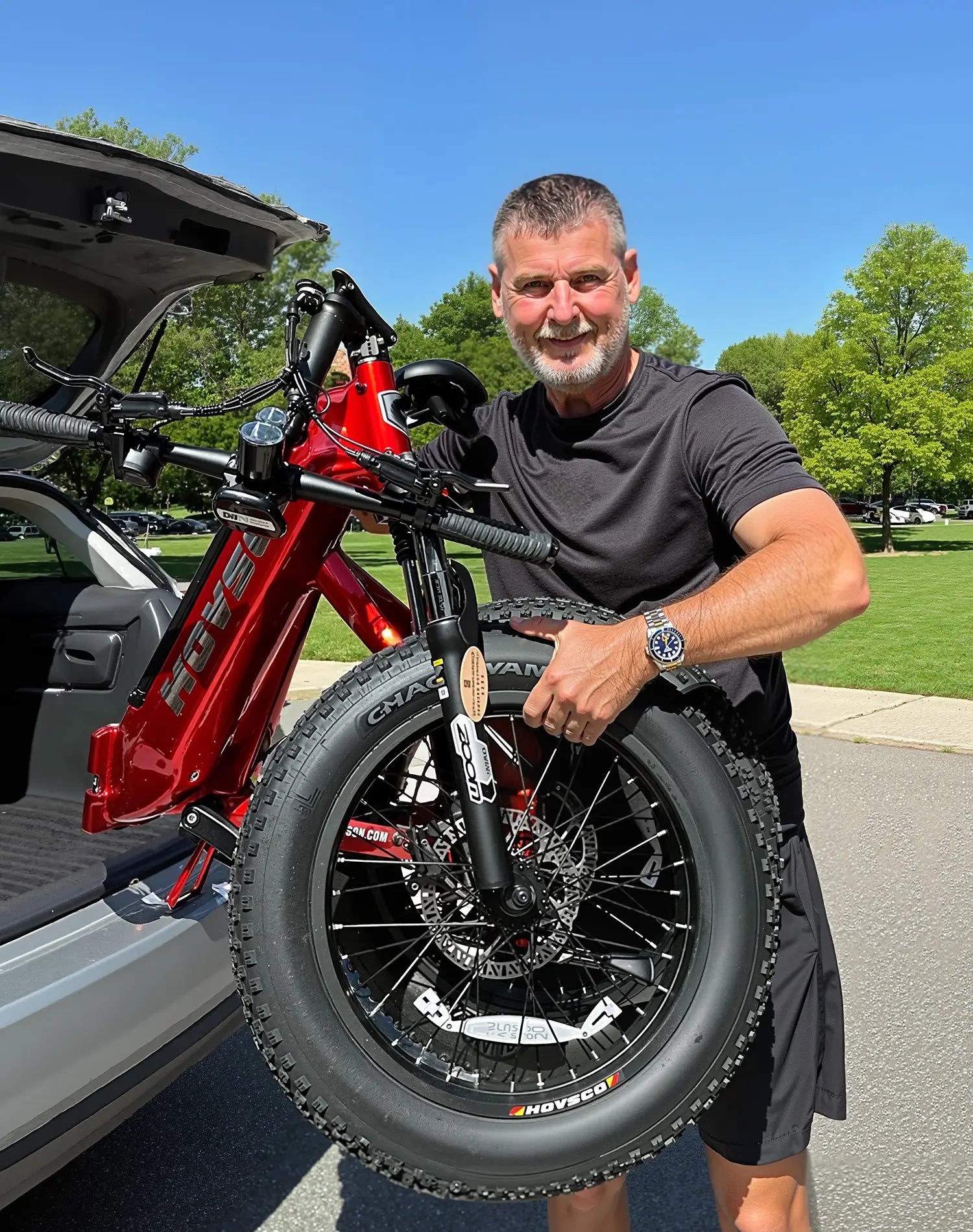
An electric bike with a removable battery lets the rider separate the pack from the frame for approved charging, storage or service. That convenience depends on the complete routine: the pack must unlock cleanly, travel through the access path safely, charge with the correct equipment and lock back into the bike. The eight listed HOVSCO models currently use removable internal lithium-ion batteries with different capacities and configurations.
What is a removable e-bike battery?
A removable pack is designed to be taken out of the bicycle according to the manufacturer’s procedure. “Internal” describes its installed position in or against the frame; it does not mean permanently fixed. The lock, rail, connector and retention system are model-specific, so removal should follow the current manual rather than force, improvised tools or a procedure copied from another bike.
A removable battery electric bike can make charging practical when the bicycle is stored away from an outlet. It can also let a rider bring the battery into a more controlled storage location. Removal does not make the pack light, interchangeable or immune to drops, water, heat and connector damage.
Plan the removal path before choosing the bike
Check which direction the battery leaves the frame and how much clearance the motion requires. A wall, rack, bag, child seat, folding hinge or parked vehicle can block removal even when the bike itself fits the space. Measure the installed area, the extraction path and the location where the pack will be placed immediately after removal.
Support the pack before turning the key or operating the release. Use two hands when the manual requires it, keep fingers clear of pinch points and never let the pack hang from a cable or connector. Place it on a dry, stable surface away from edges, exits, heat and combustible clutter. Keep the key and terminal covers organized.
Also test the complete routine you expect to repeat: park the bike, stabilize it, unlock the pack, carry it through doors or an elevator and return it without forcing the connector. Battery packs are substantial objects, so compare the listed pack weight with any stairs or walking distance involved. A removable system is most useful when the rider can handle that sequence comfortably and has a secure place for both the battery and its key.
Battery capacity: compare Wh, not Ah alone
Watt-hours combine voltage and amp-hours into a more useful energy-capacity figure. The listed 48V 15Ah packs are rated at 720Wh, the 48V 20Ah HovAlpha packs at 960Wh, and the 48V 25Ah HovGtrs option at 1200Wh. Amp-hours should not be compared across different voltages without this conversion.
A larger capacity can support more range under comparable conditions, but it can also add weight, cost and charging time. Battery capacity is not a guaranteed distance. Rider and cargo weight, assist level, throttle use, speed, hills, wind, temperature, surface, tire pressure and battery condition all affect the result.
Choose among the eight listed bikes by use
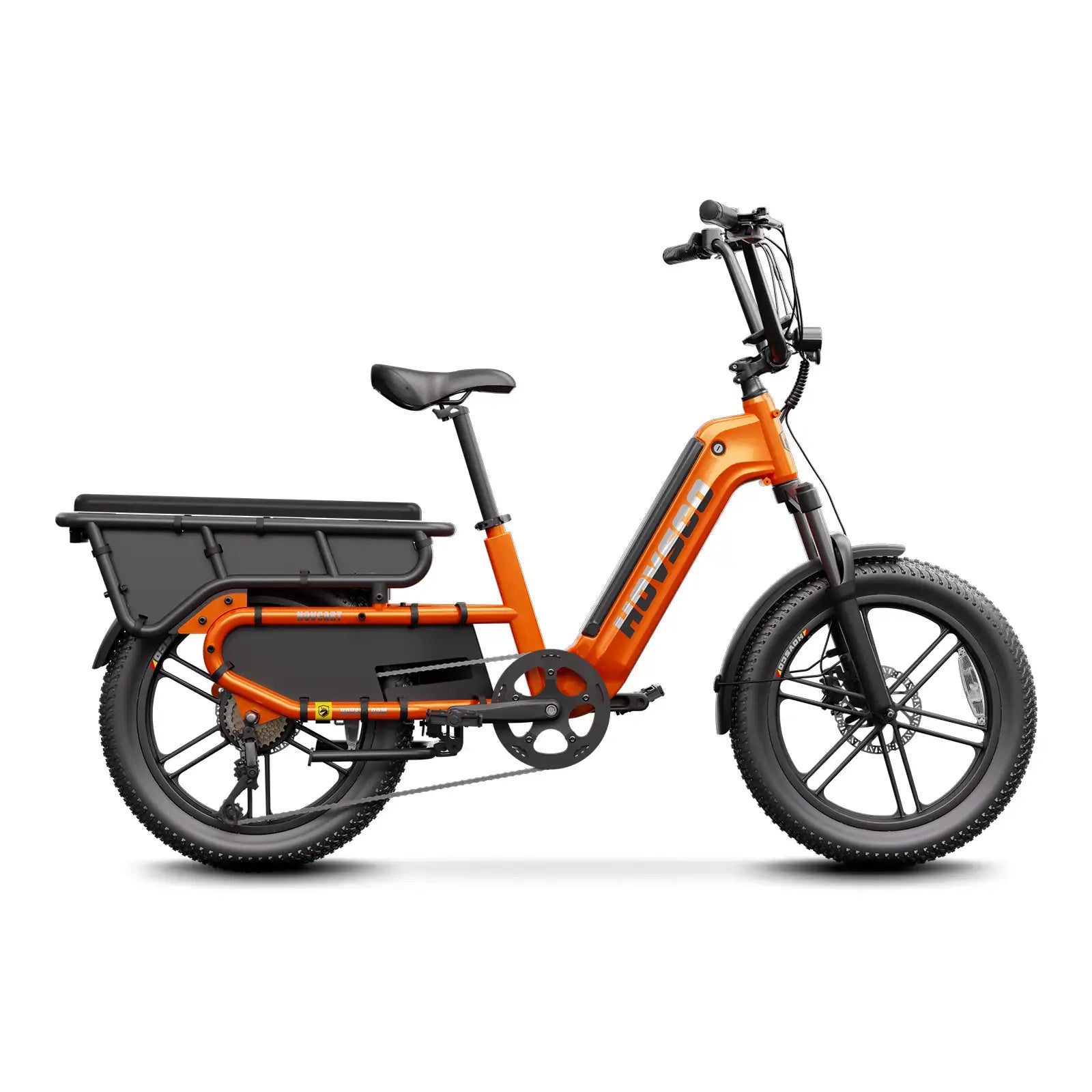
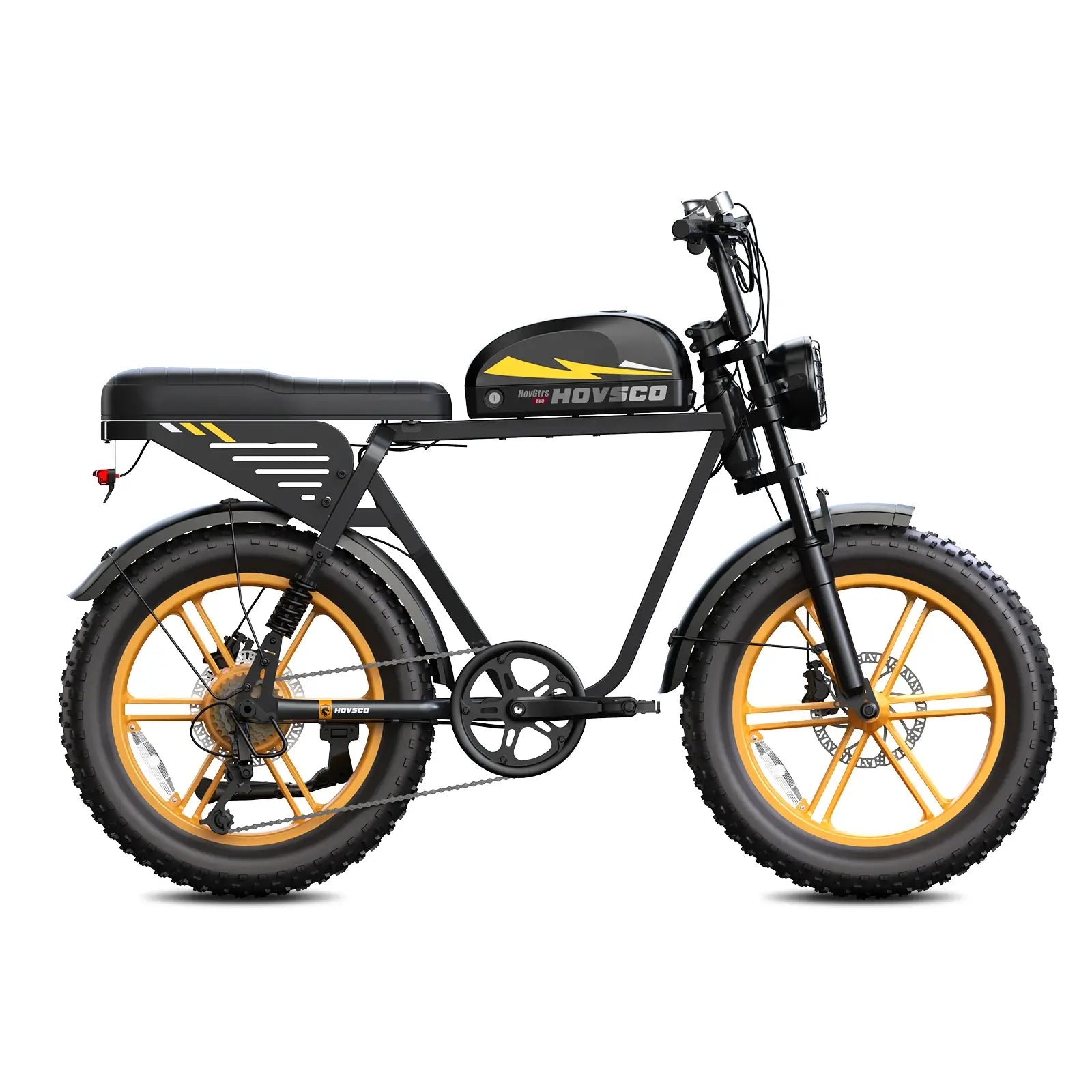
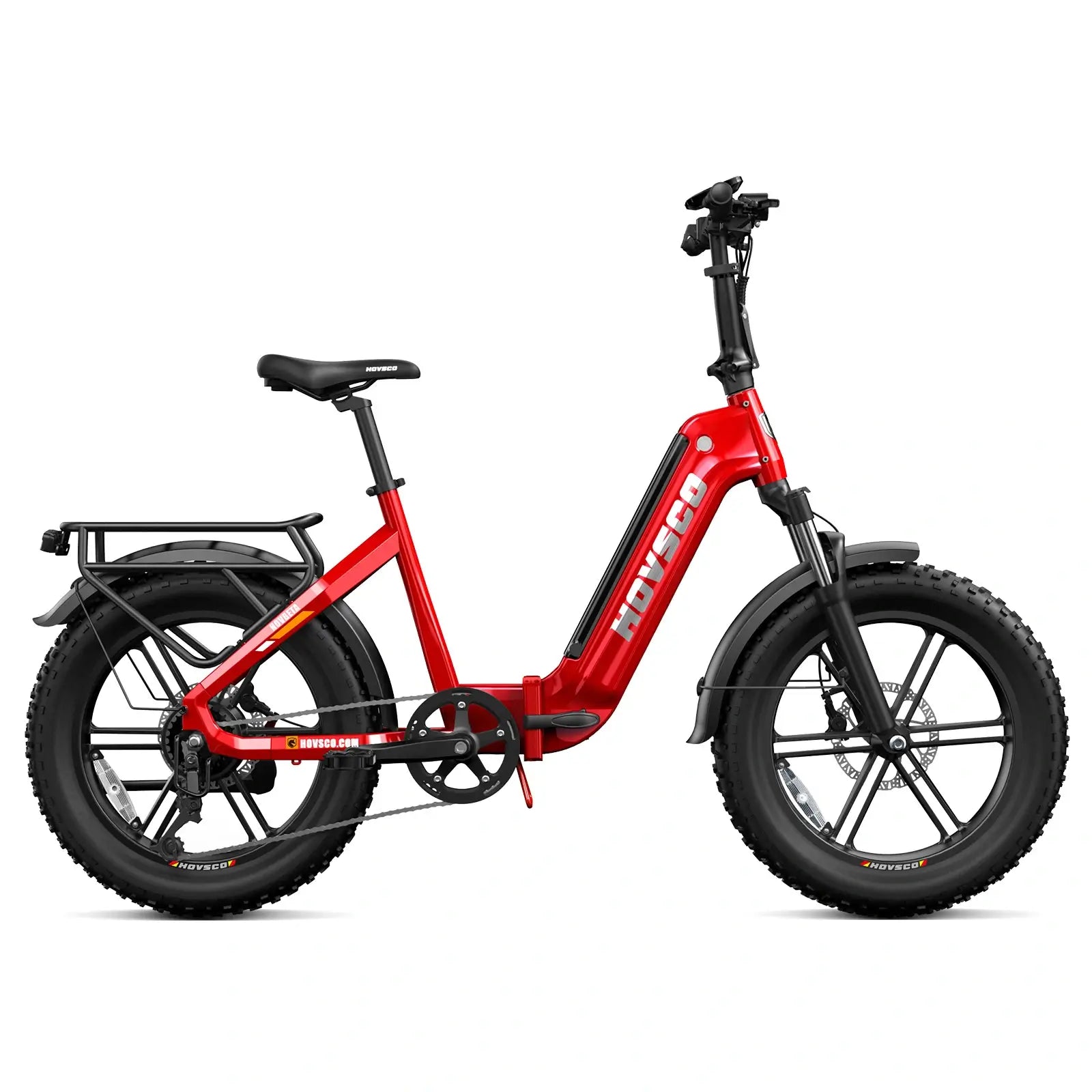
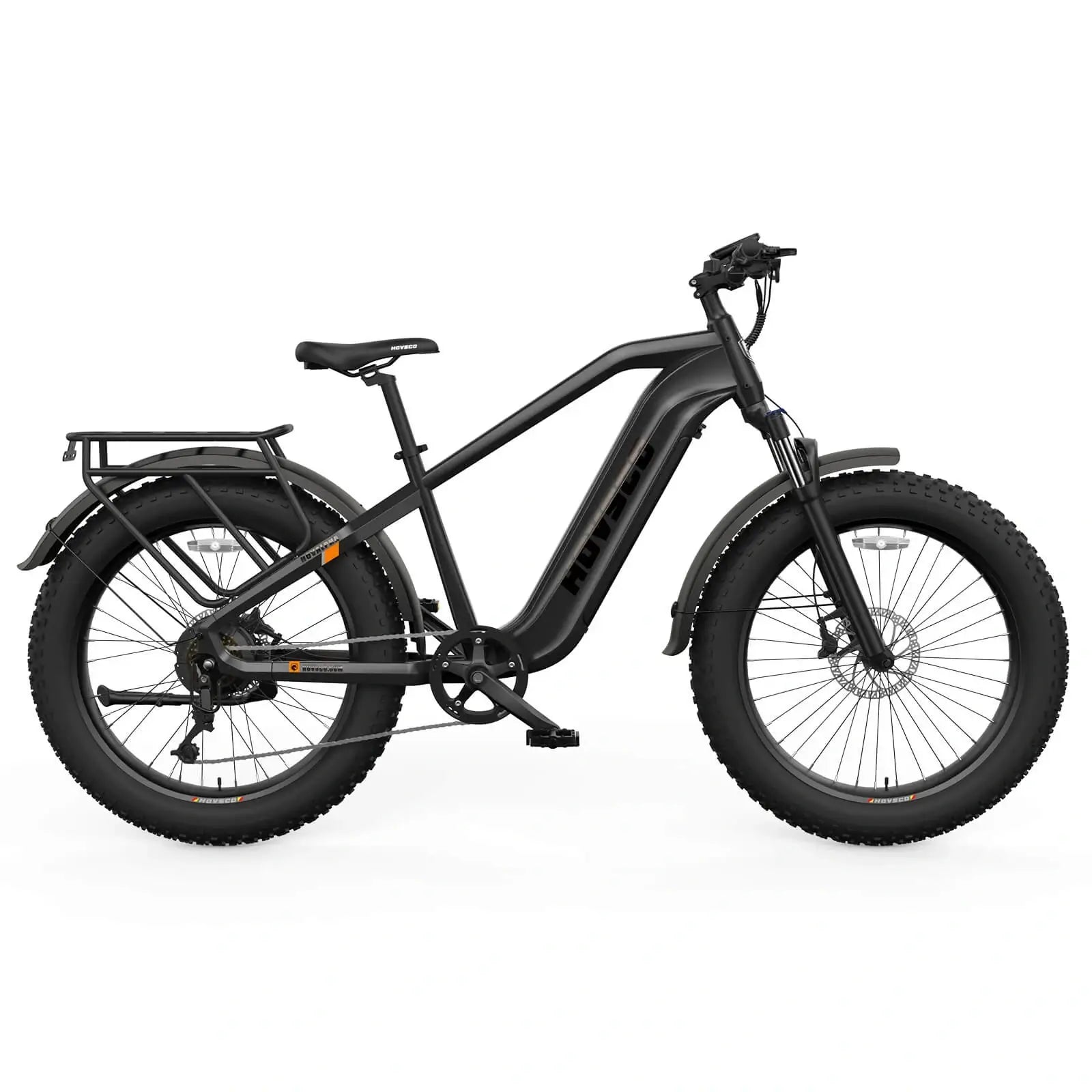
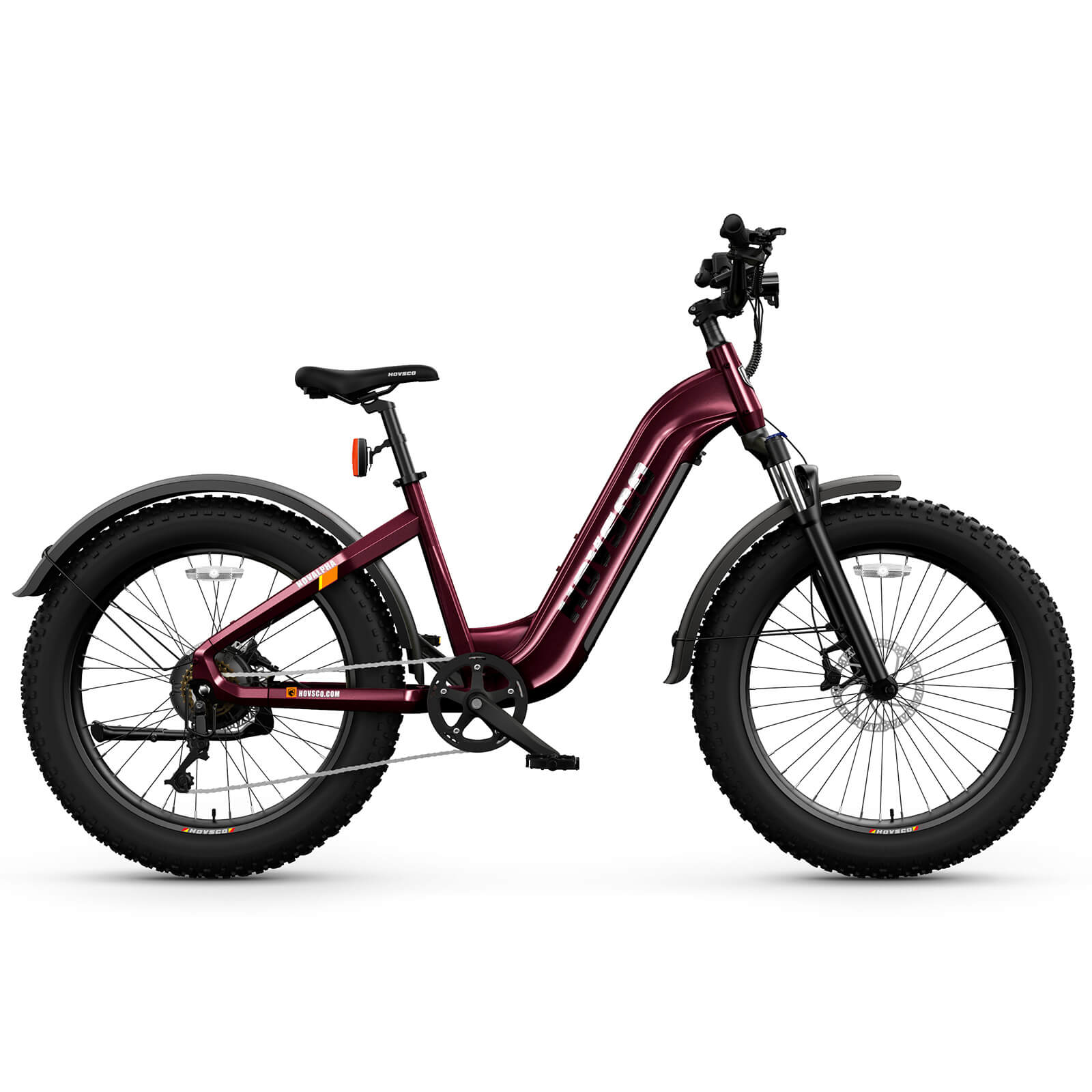
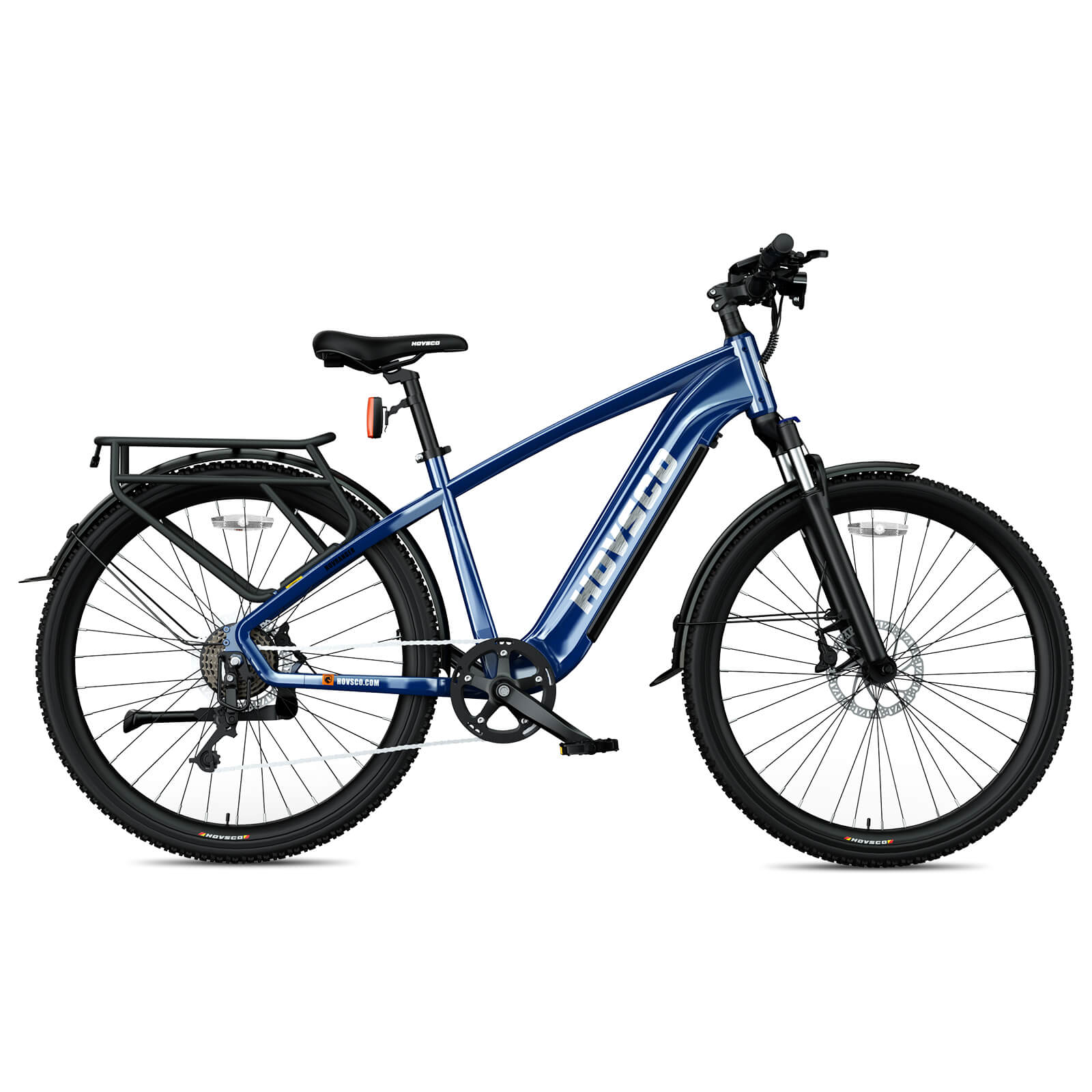
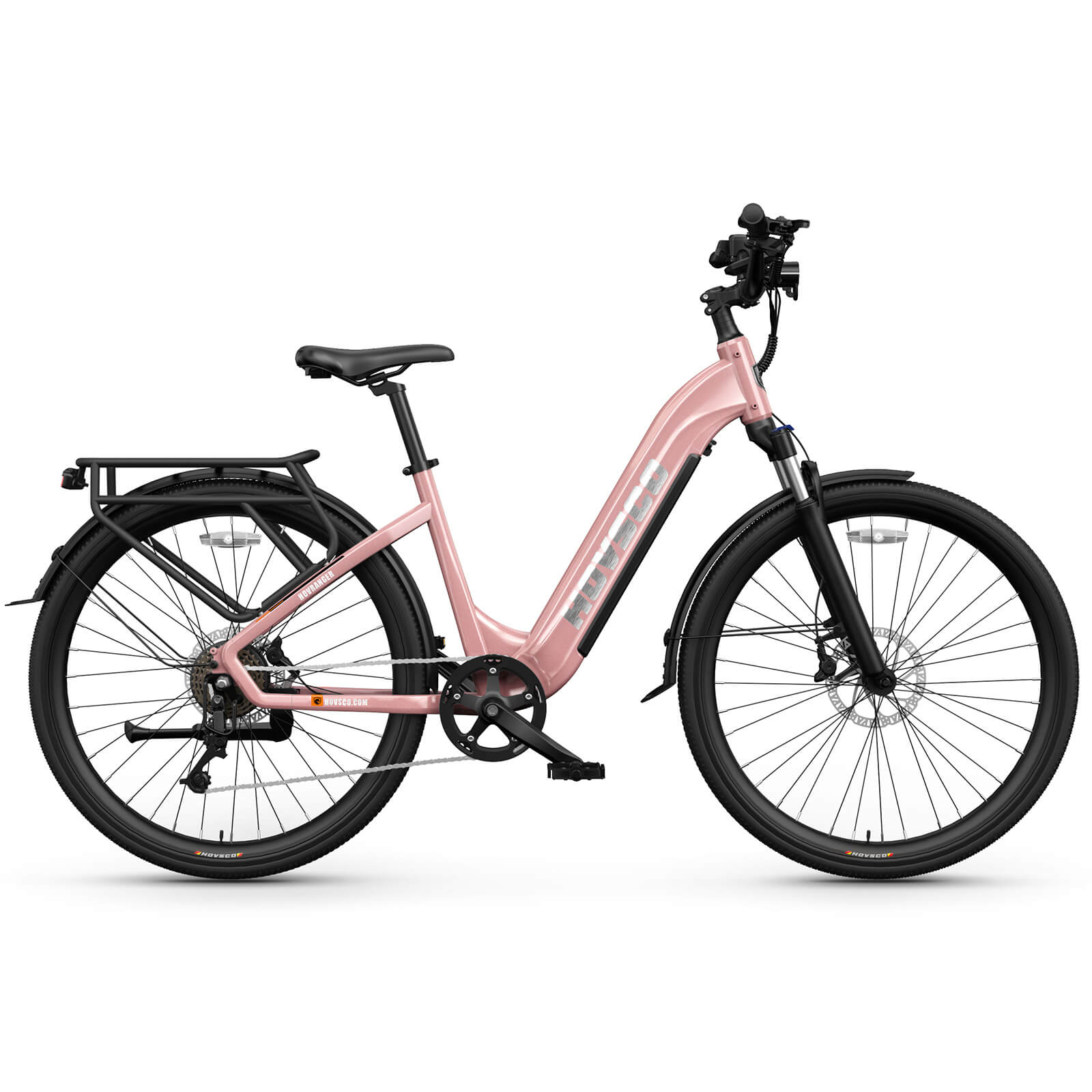
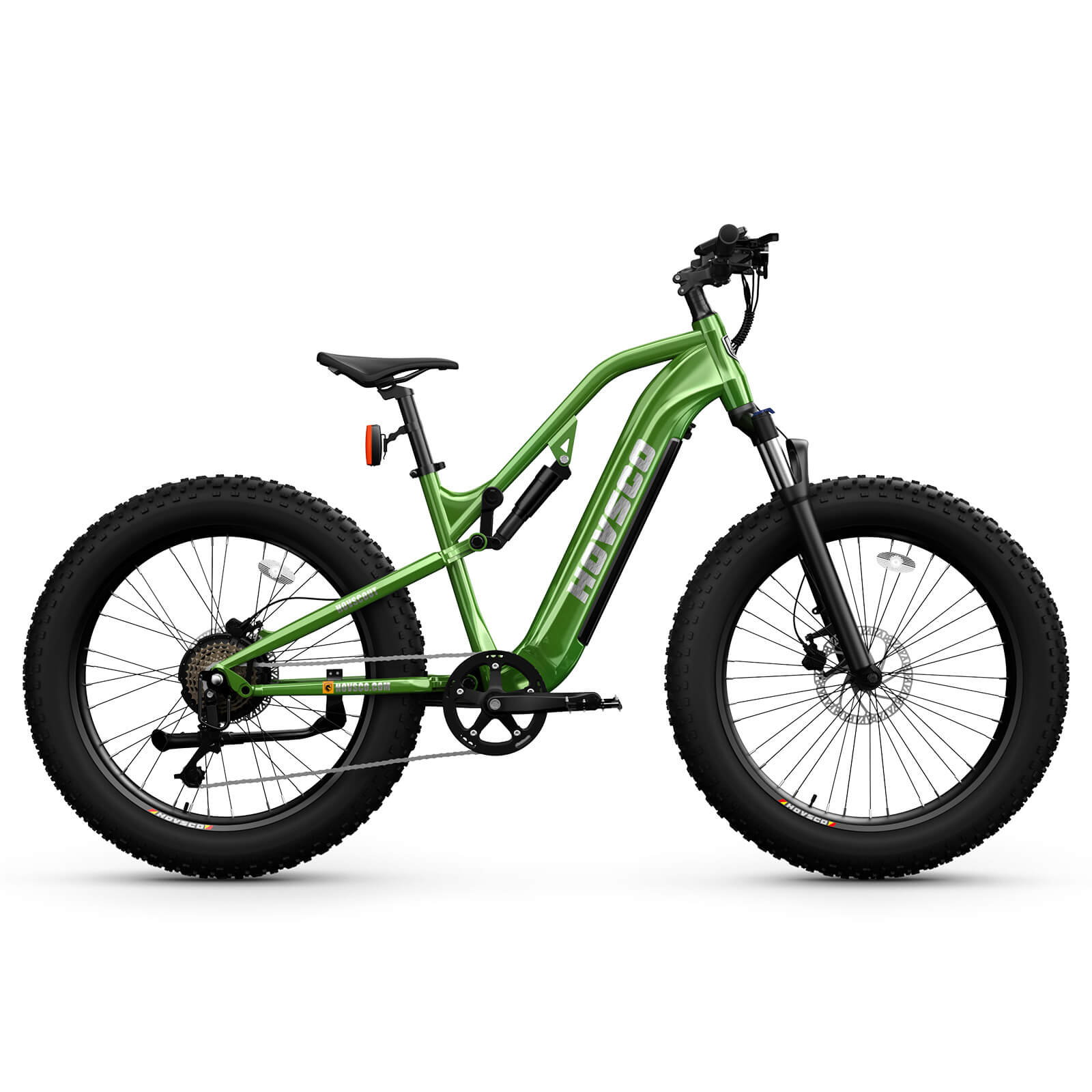
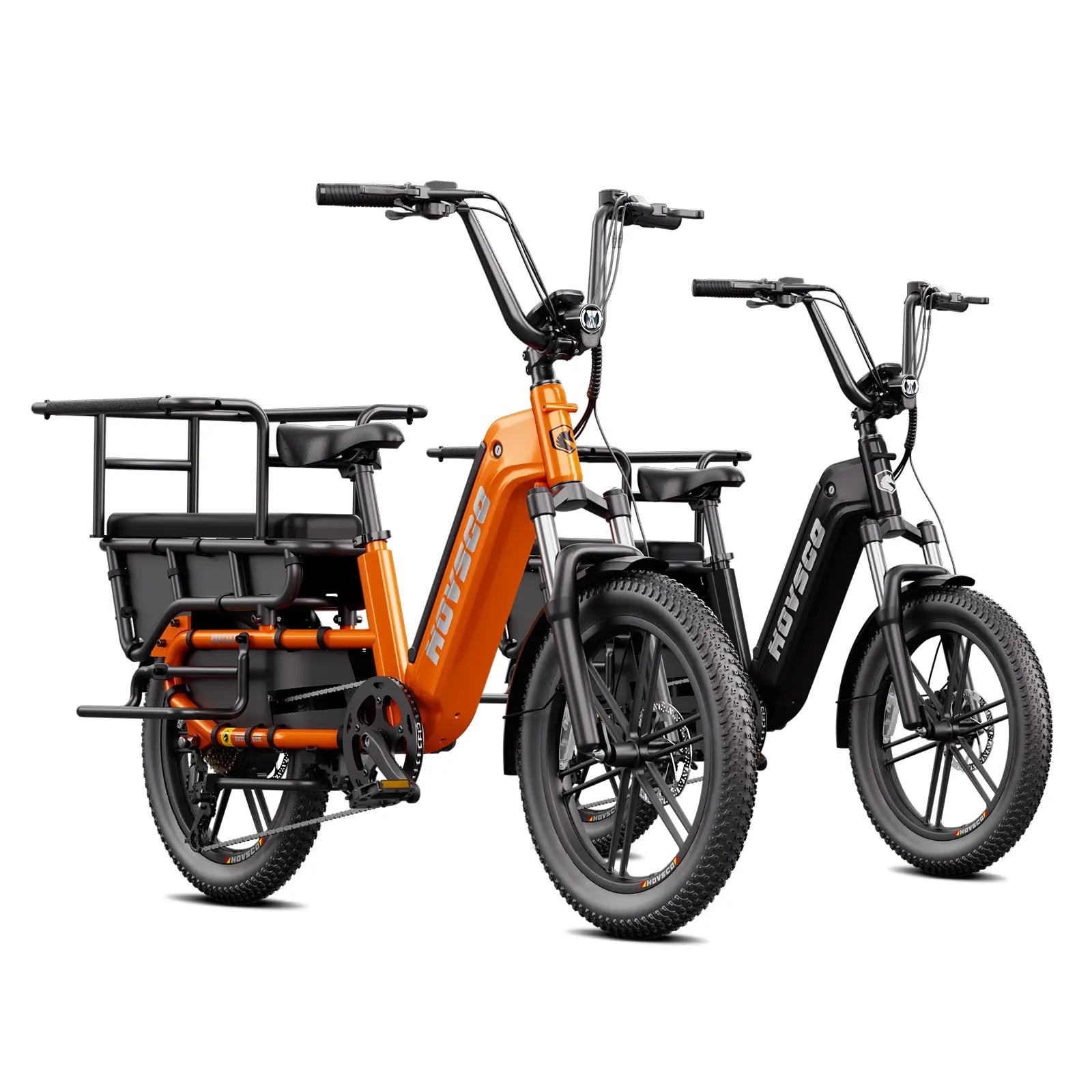
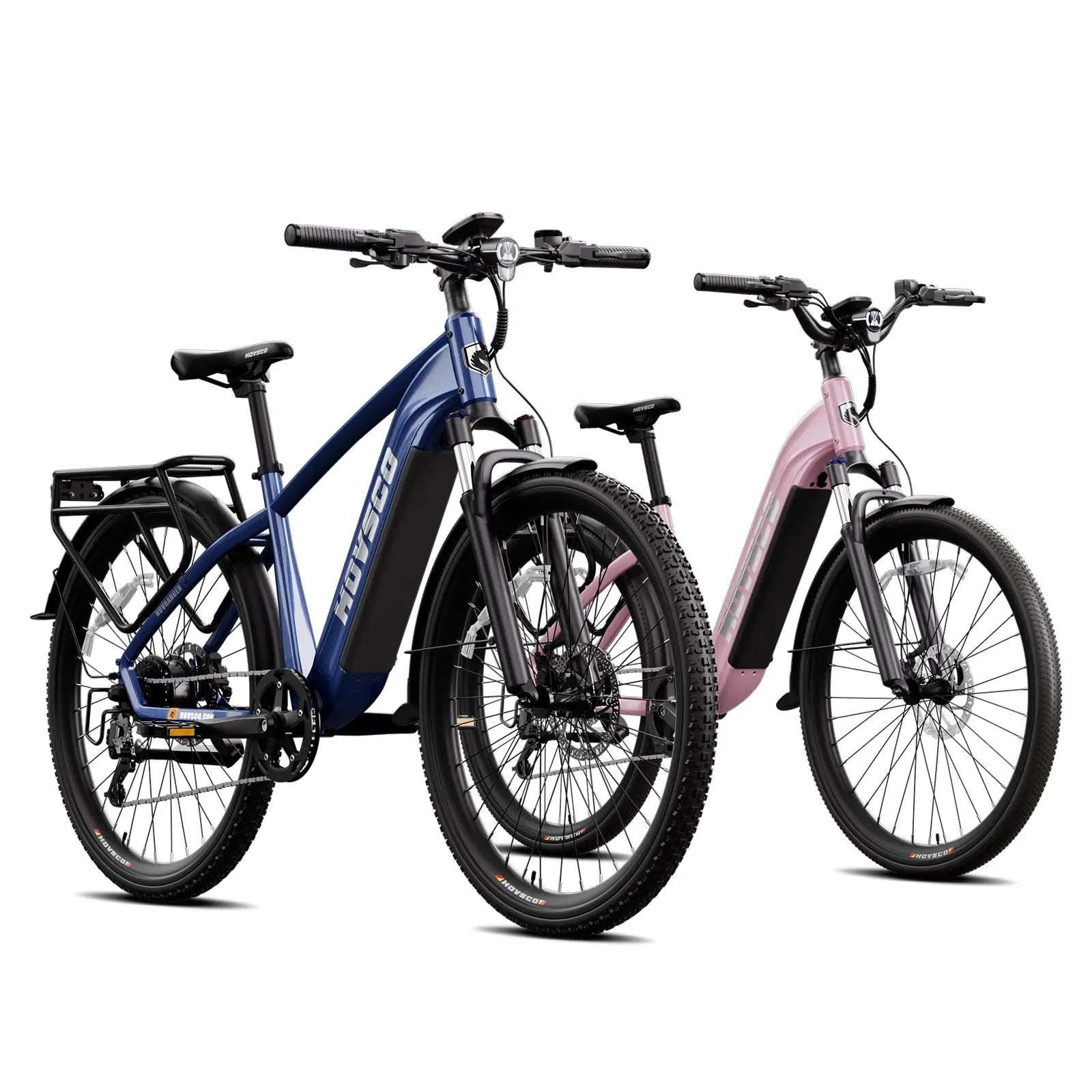
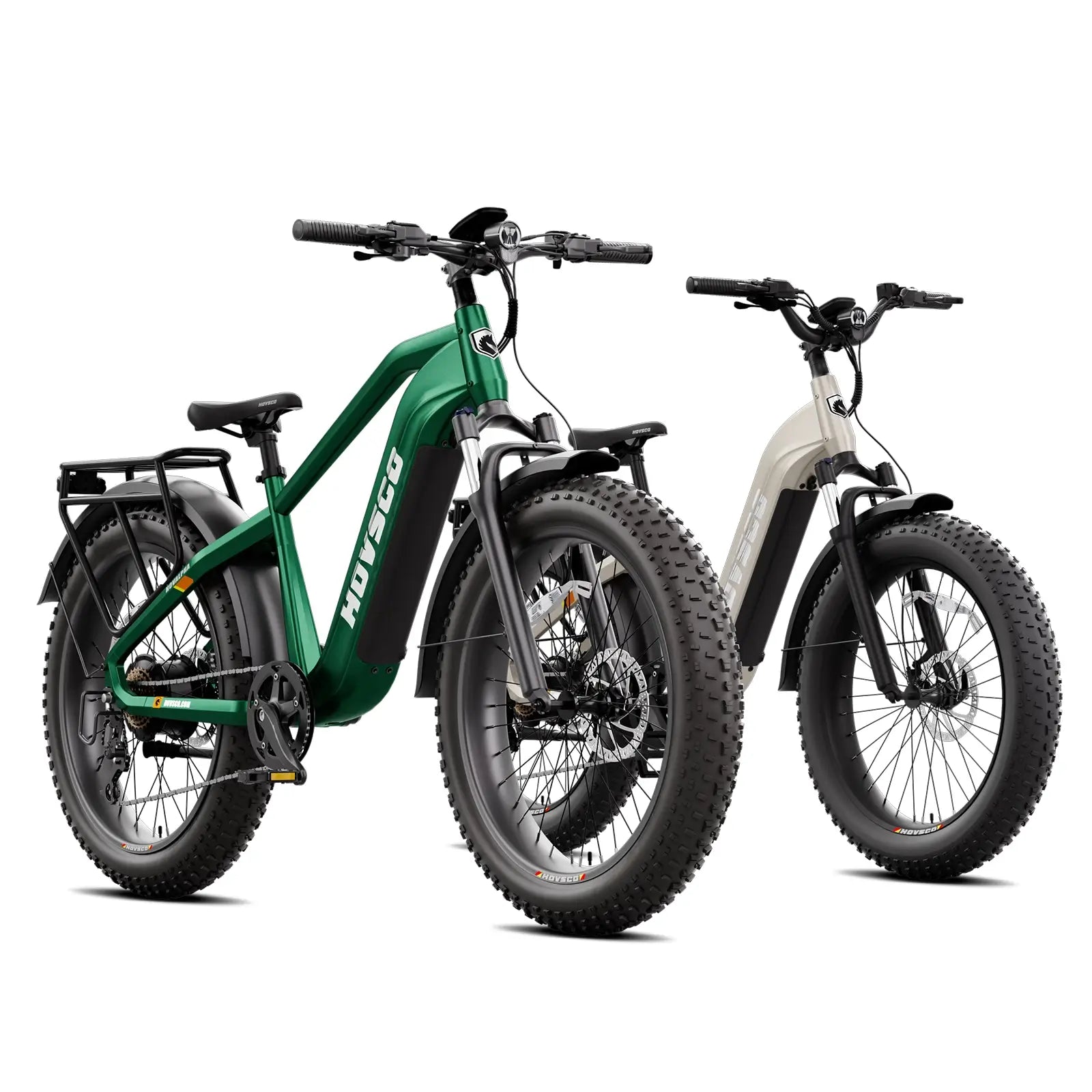
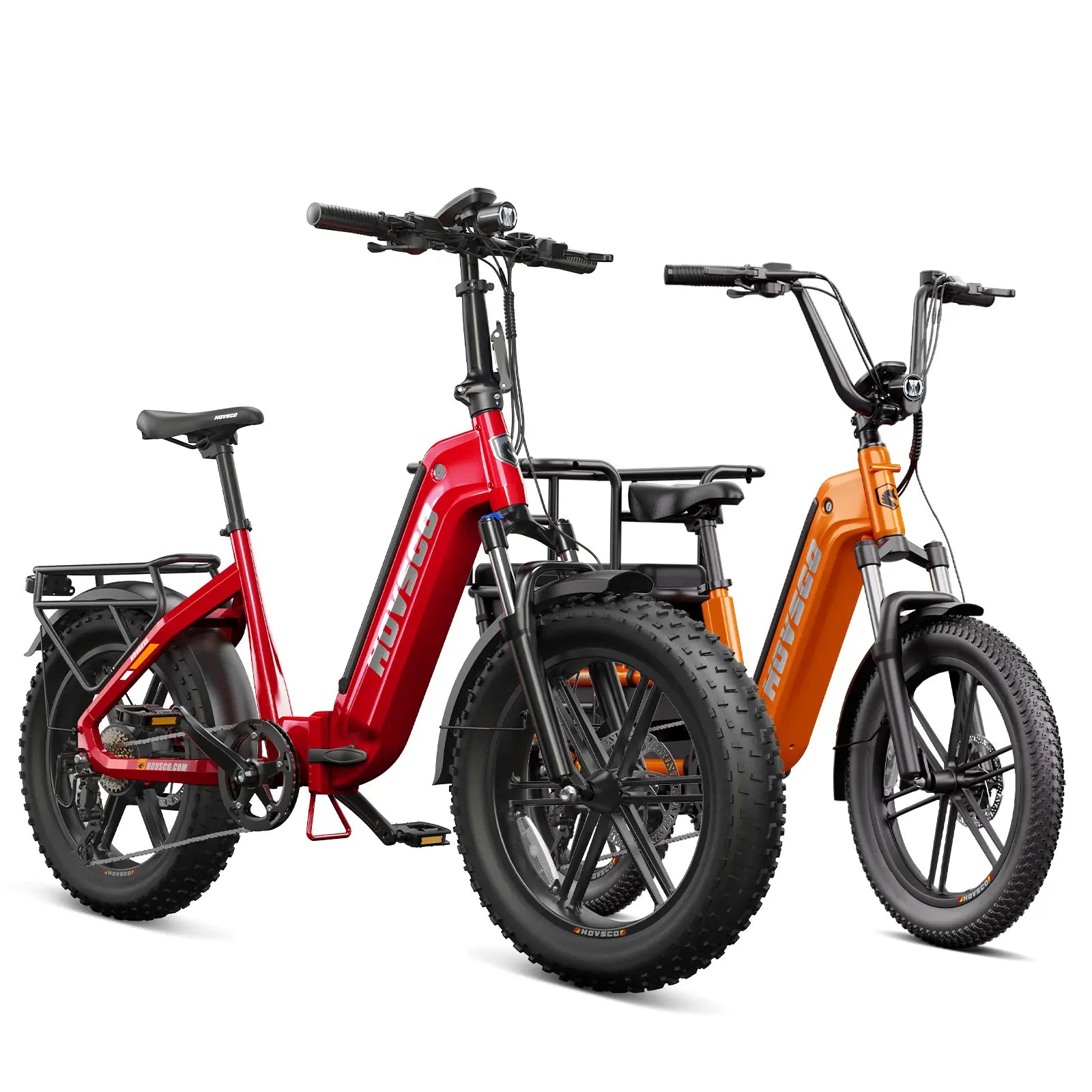
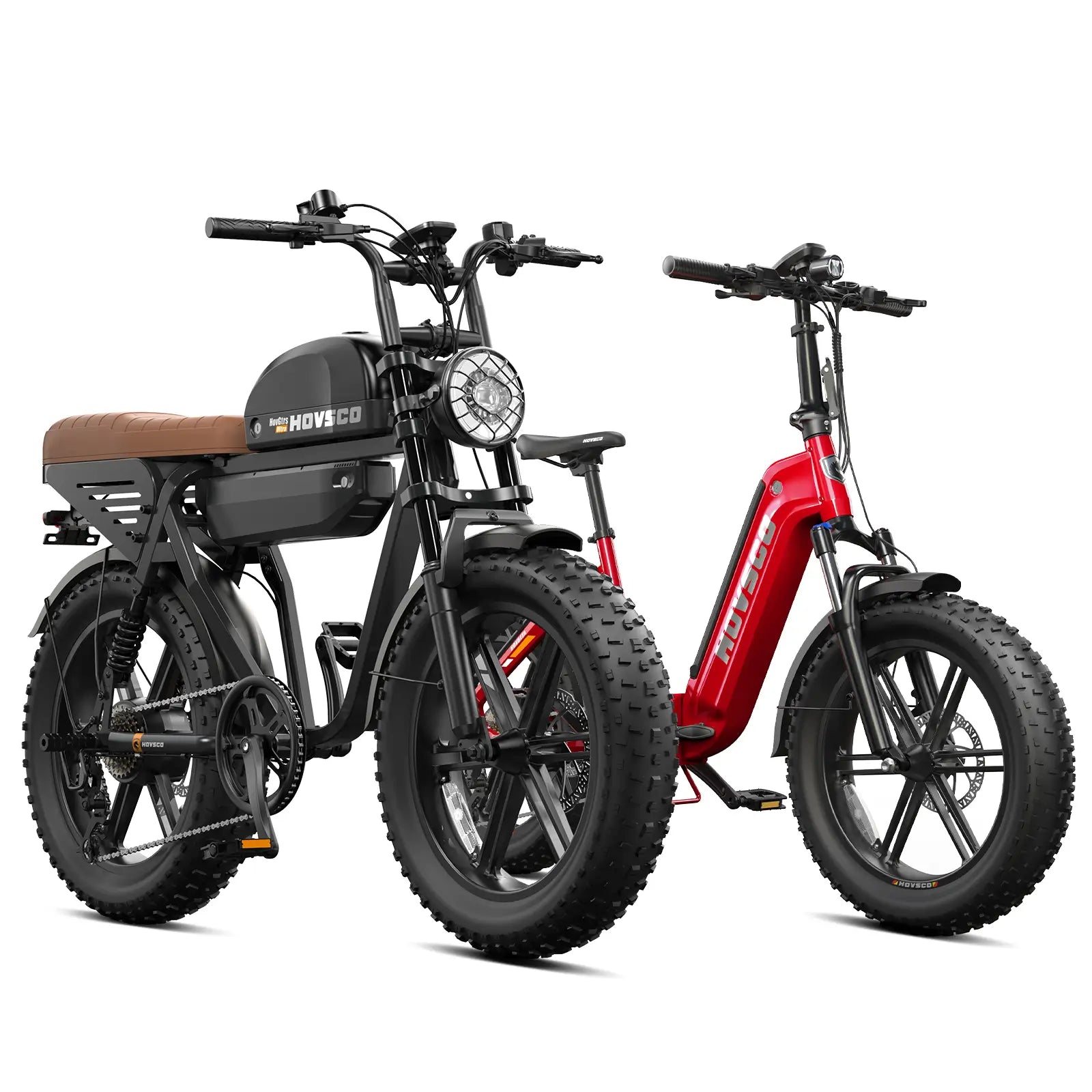
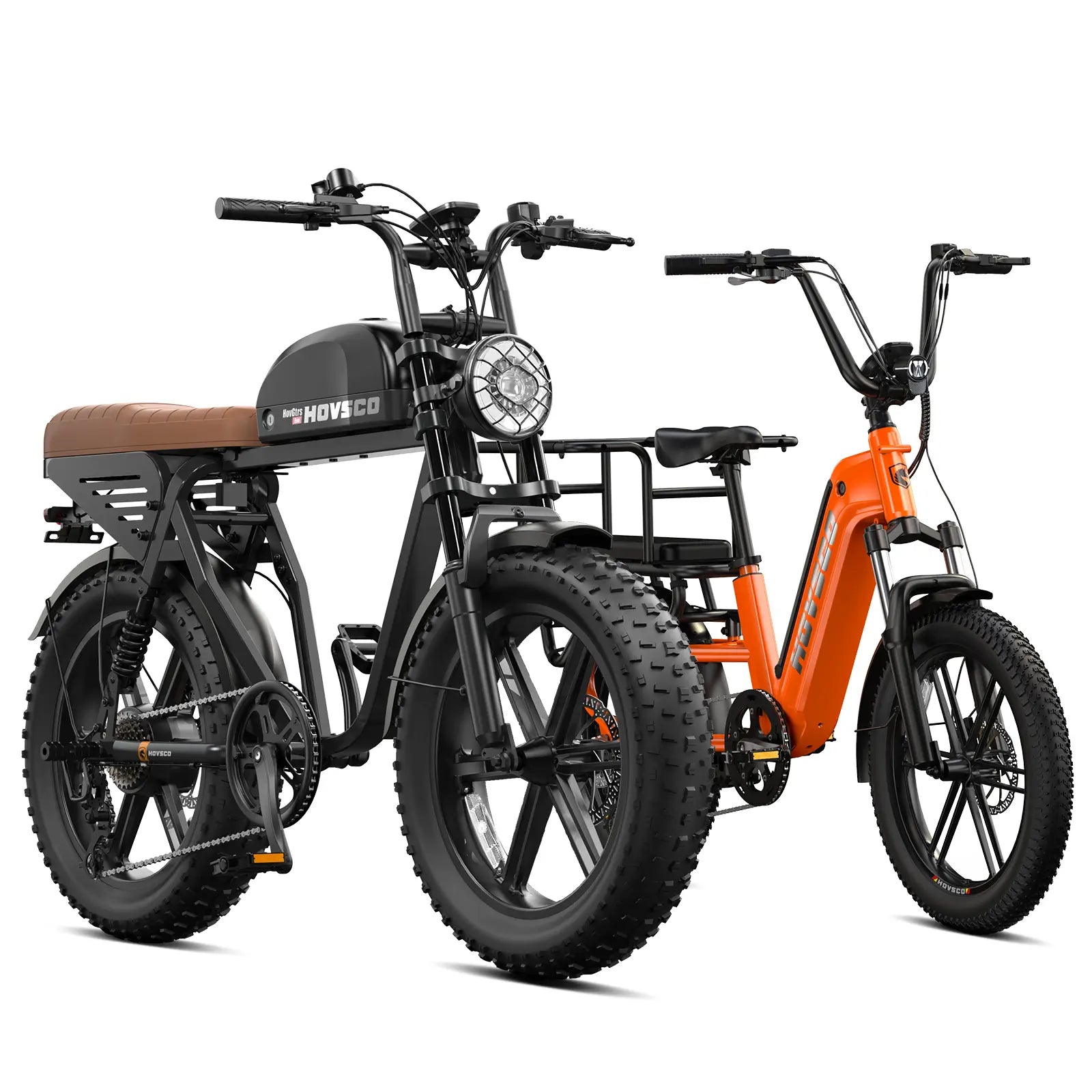
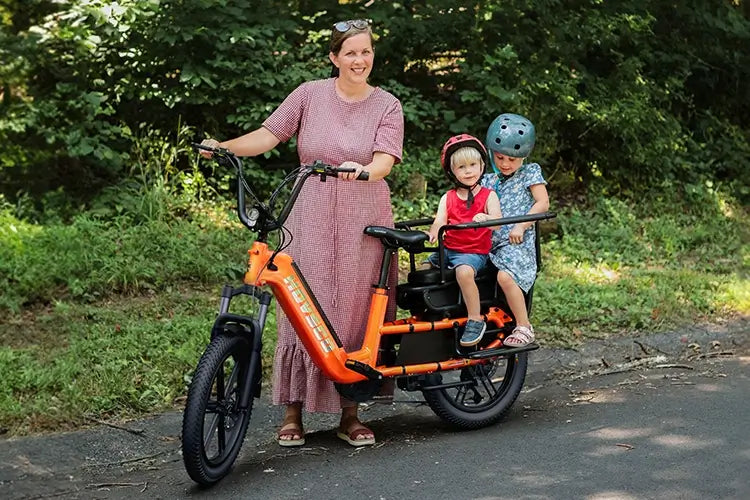
The collection contains HovCart, two HovGtrs listings, HovBeta, two HovAlpha frames and two HovRanger frames. HovRanger uses 720Wh packs for city-oriented riding. HovAlpha uses 960Wh packs and publishes the longer 60-80 mile average range. HovCart applies 720Wh to cargo utility, while HovBeta combines it with a folding frame.
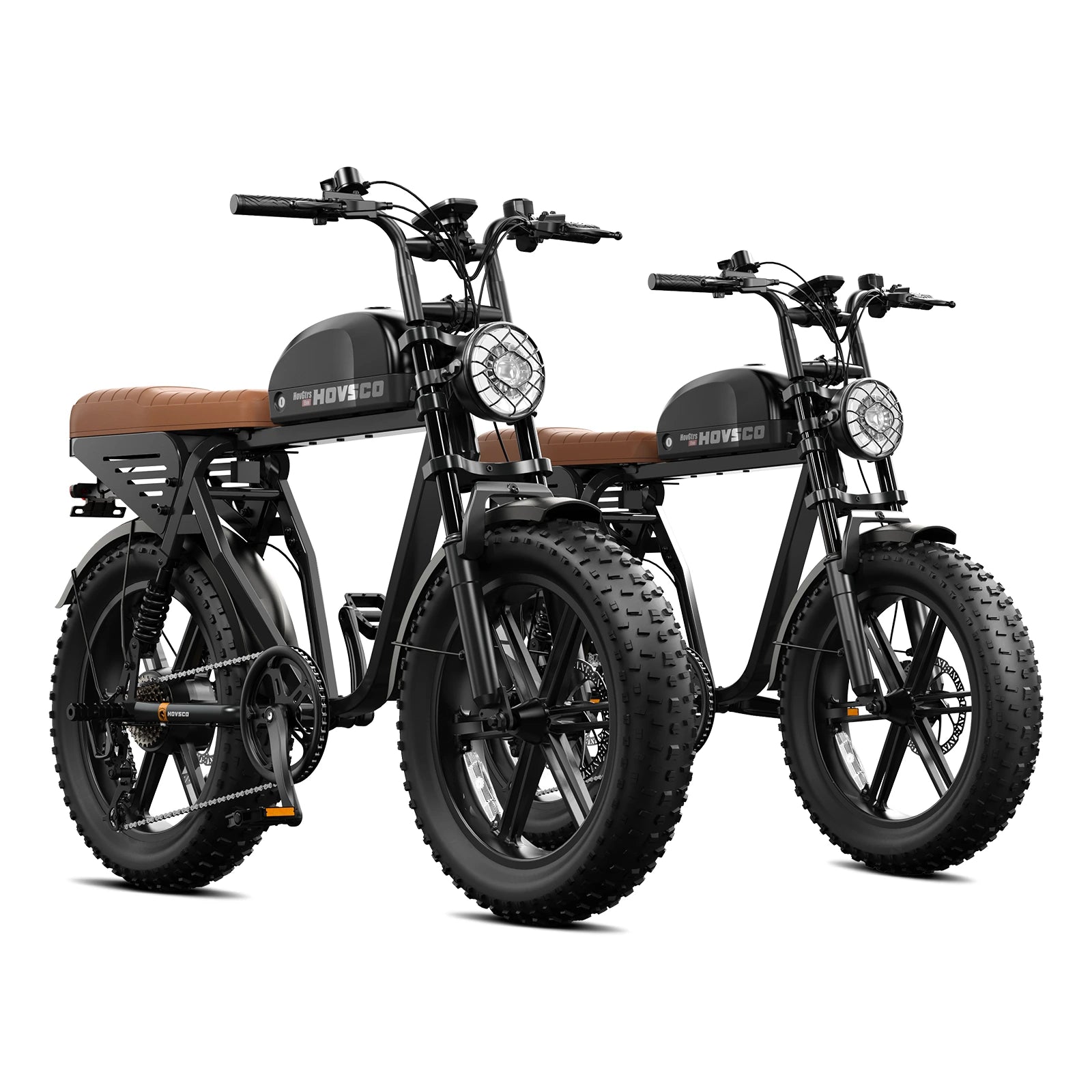
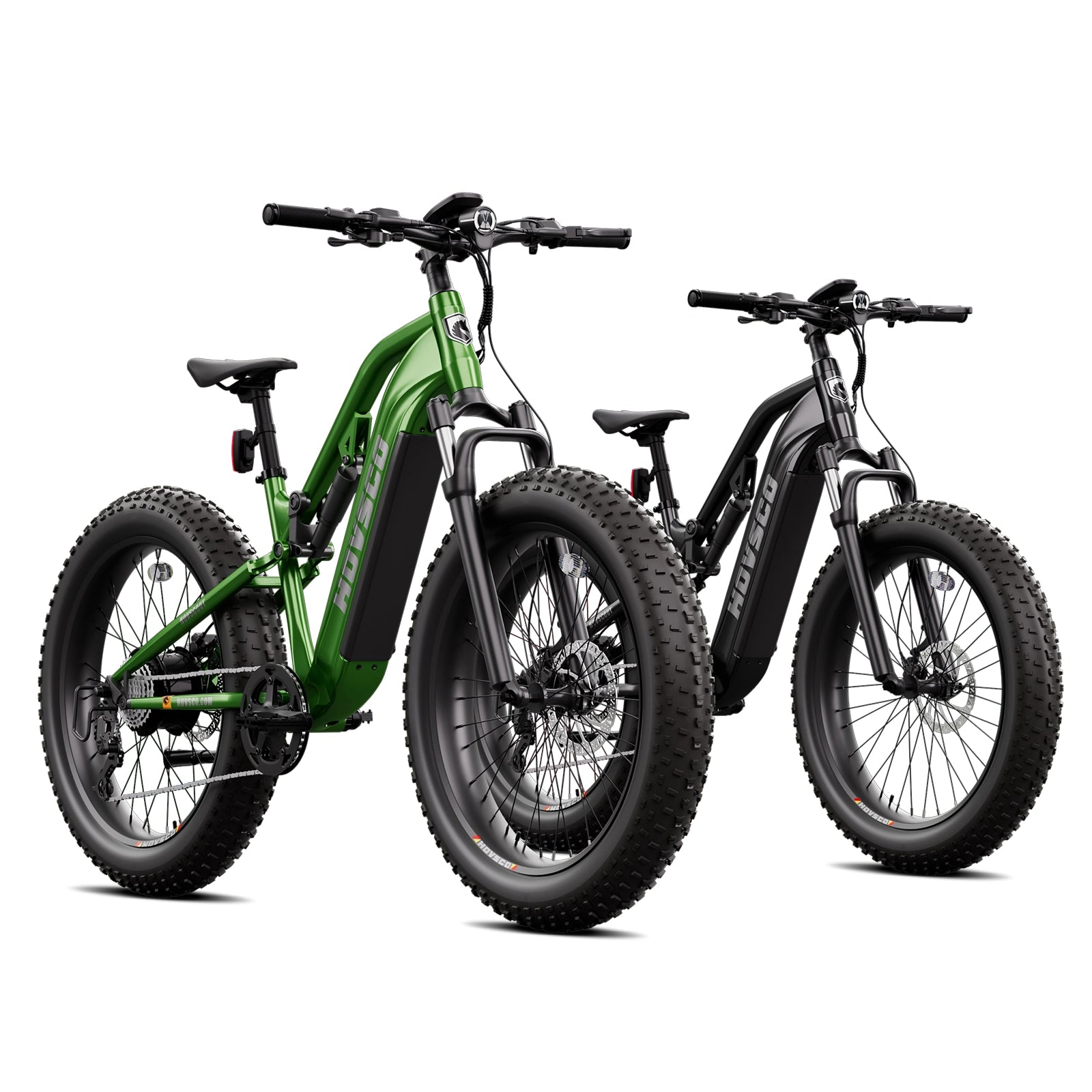
HovGtrs offers 720Wh and 1200Wh individual pack options, and the Ultra configuration combines two removable packs. Confirm the selected configuration before using capacity or range in a comparison. Use the HOVSCO comparison tool for current model specifications.
Indoor charging requires a safe location, not just removal
An e-bike with detachable battery can move charging away from the parked bicycle, but the new location must still follow the manufacturer’s instructions and building rules. Use only the supplied or manufacturer-approved charger, stay present while charging and unplug when the instructions say charging is complete. Do not charge while sleeping or when nobody is home.
Choose a dry, stable and ventilated location away from exits, stairs, direct heat, water and combustible clutter. Do not cover the charger or battery. Never use a damaged cable, loose outlet or unapproved “universal” charger merely because the connector fits. Electrical compatibility involves more than plug shape.
Inspect before every charge and installation
Stop using a pack that is swollen, cracked, leaking, unusually hot, producing odor or noise, showing damaged terminals or behaving differently from normal. Water exposure, impact or connector contamination also requires the response described in the manual. Do not open, rebuild or repair a lithium-ion pack unless the manufacturer directs qualified service.
Before installation, confirm that the rail and connector are clean, dry and undamaged. Align the pack without forcing it, seat it fully and lock it according to the manual. Pull gently only if the instructions use that check, then confirm the bike recognizes the battery normally before riding.
Storage is different from active charging
Follow the model instructions for storage charge level, temperature and inspection interval. Avoid locations with freezing conditions, extreme heat, direct sunlight, water, condensation or uncontrolled access by children. Do not place heavy objects on the battery or leave terminals exposed to metal items.
Apartment and limited-space intent belongs on the folding e-bikes for small spaces page; this page stays focused on battery removal and handling. A removable pack may simplify the charging plan, but the complete bicycle still needs a stable location that does not block a hallway, stair, doorway or emergency exit.
Removal does not make batteries universally interchangeable
Voltage, capacity, enclosure shape, rail, connector, communication system, battery-management system and firmware can all be model-specific. A pack that physically fits may still be unsafe or incompatible. Use only a replacement or secondary battery that the manufacturer has approved for the exact model and configuration.
The same rule applies to chargers. Contact HOVSCO support when a replacement part is needed. Do not buy used, rebuilt or repurposed cells based only on a capacity claim, and do not modify the pack, bike wiring or connector to make an incompatible product fit.
Range and travel intent belong on dedicated pages
Removability is a handling feature; it is not the same as long range. Send range-first searches to long-range fat-tire e-bikes, commute-first searches to commuter electric bikes, RV storage to folding electric bikes for RV travel, and general folding intent to foldable electric bikes.
Airline, train, bus and vehicle-carrier battery rules can be separate from bicycle storage rules and may change. Check the current carrier, property and destination requirements before travel; never assume that removing the pack automatically makes transport permitted.
Use a removable-battery buying checklist
- Confirm the exact battery is described as removable on the current product page.
- Record voltage, Ah, Wh, number of packs and included configuration.
- Measure the battery extraction path and secure charging location.
- Check pack weight, grip points, lock, connector and key routine.
- Use only the approved battery and charger; stay present while charging.
- Review assembly information and manuals.
- Plan storage, inspection, service and local hazardous-waste disposal.
Return to the unchanged product grid for current variants and availability. Recheck the live product page before ordering because battery configurations and included equipment can change.








![[ New Arrival ] Porto Max Electric Scooter For Commute & Grocery Shopping - HOVSCO](http://www.hovsco.com/cdn/shop/files/PotroMax-3.jpg?v=1706927007&width=1200)