How to Compare Range, Battery Use and Fat-Tire Efficiency
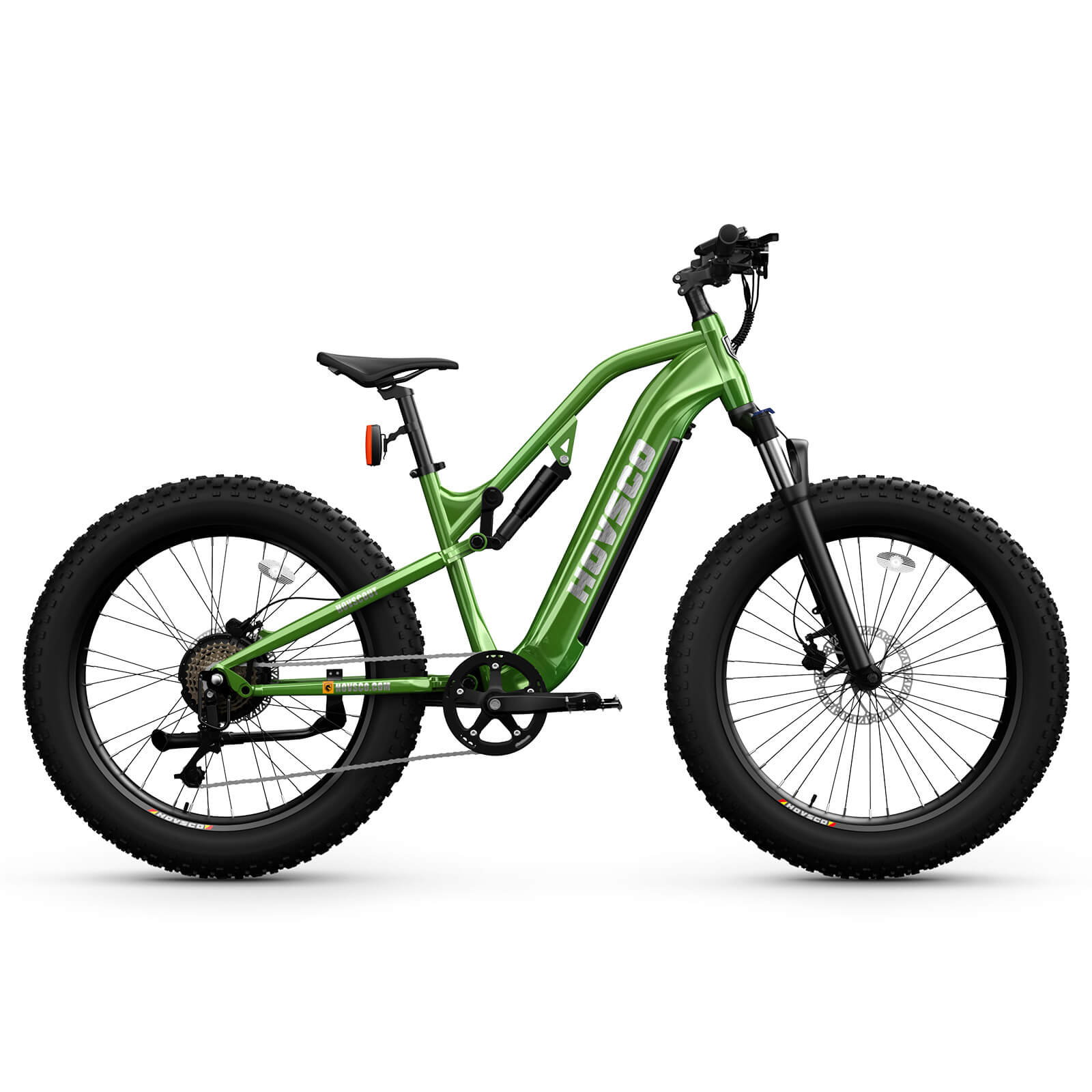
A long range fat tire ebike combines two useful but separate qualities: an electrical
system intended for extended riding and wide tires designed to add traction, stability and cushioning.
The best match is not automatically the bike with the largest advertised mileage. It is the model and
battery configuration that can cover your real route with a sensible reserve while fitting the surface,
rider, storage space and riding position.
Published range is valuable for comparison, but it is measured under particular conditions. Speed,
assist level, rider input, elevation, surface, temperature, headwind, tire pressure and combined load can
all change energy use. A long range fat tire electric bike should therefore be selected
from a route plan rather than from a mileage headline alone.
Start With the Complete Trip, Not the One-Way Distance
Map the entire ride: outbound distance, return distance and predictable detours. Add repeated hills,
loose sections, stops and any point where charging may be available. A 25-mile destination can become a
much longer battery requirement when the rider must return without charging or cover several errands on
the same day.
Build in reserve instead of planning to arrive at zero. Reserve gives the rider flexibility when a route
changes, temperatures fall or a headwind appears. It also reduces pressure to use an unsafe shortcut or
the highest possible speed just to finish the trip.
Practical route check:
Record total miles, elevation, surface, expected load, typical speed and whether charging is genuinely available at the destination.
Compare Battery Configuration Before Comparing Mileage
Battery energy is commonly expressed in watt-hours, calculated from voltage multiplied by amp-hours.
A higher watt-hour figure generally represents more stored energy, but it does not guarantee a fixed
distance. Bike weight, motor tuning, tire setup, rider input and route conditions determine how quickly
that energy is used.
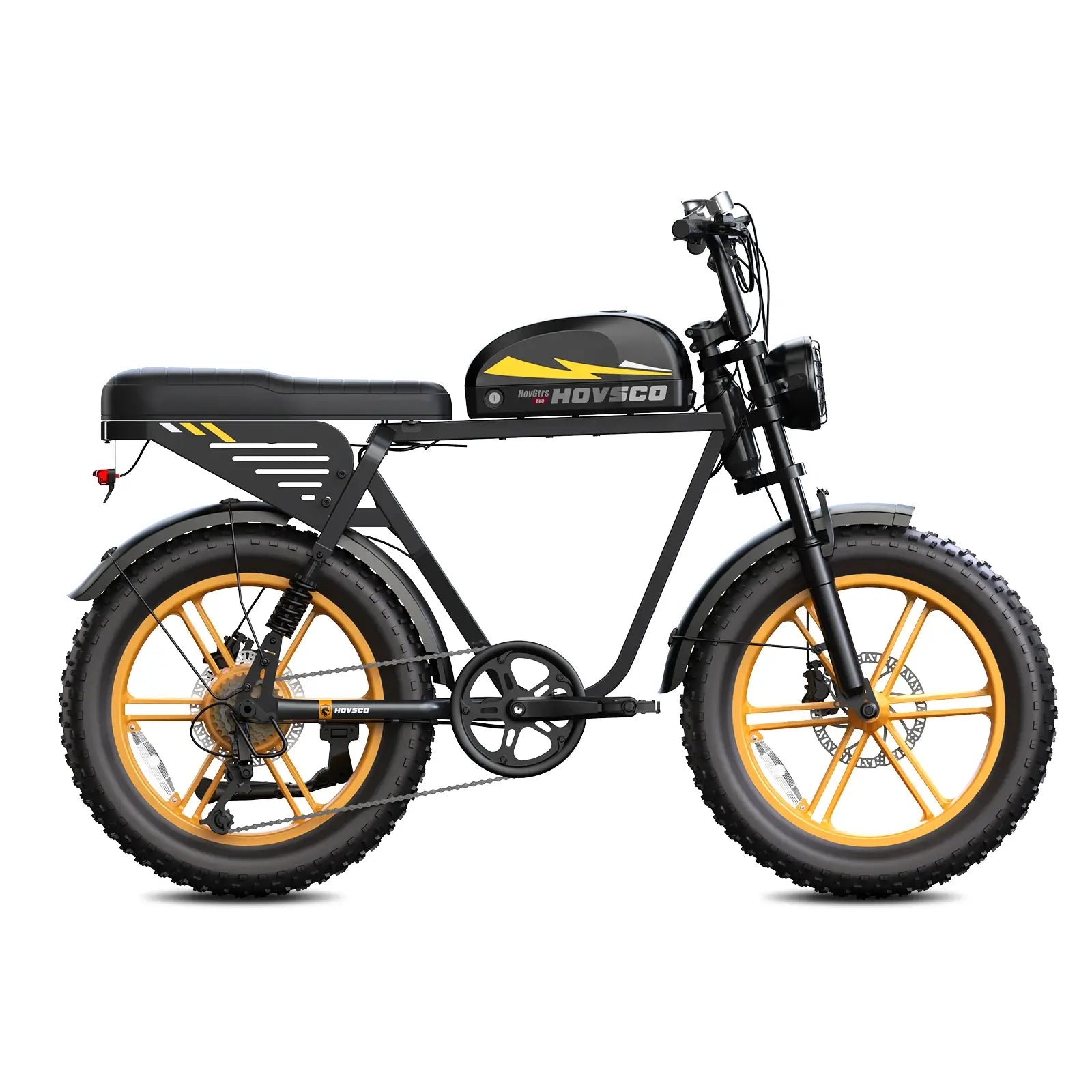
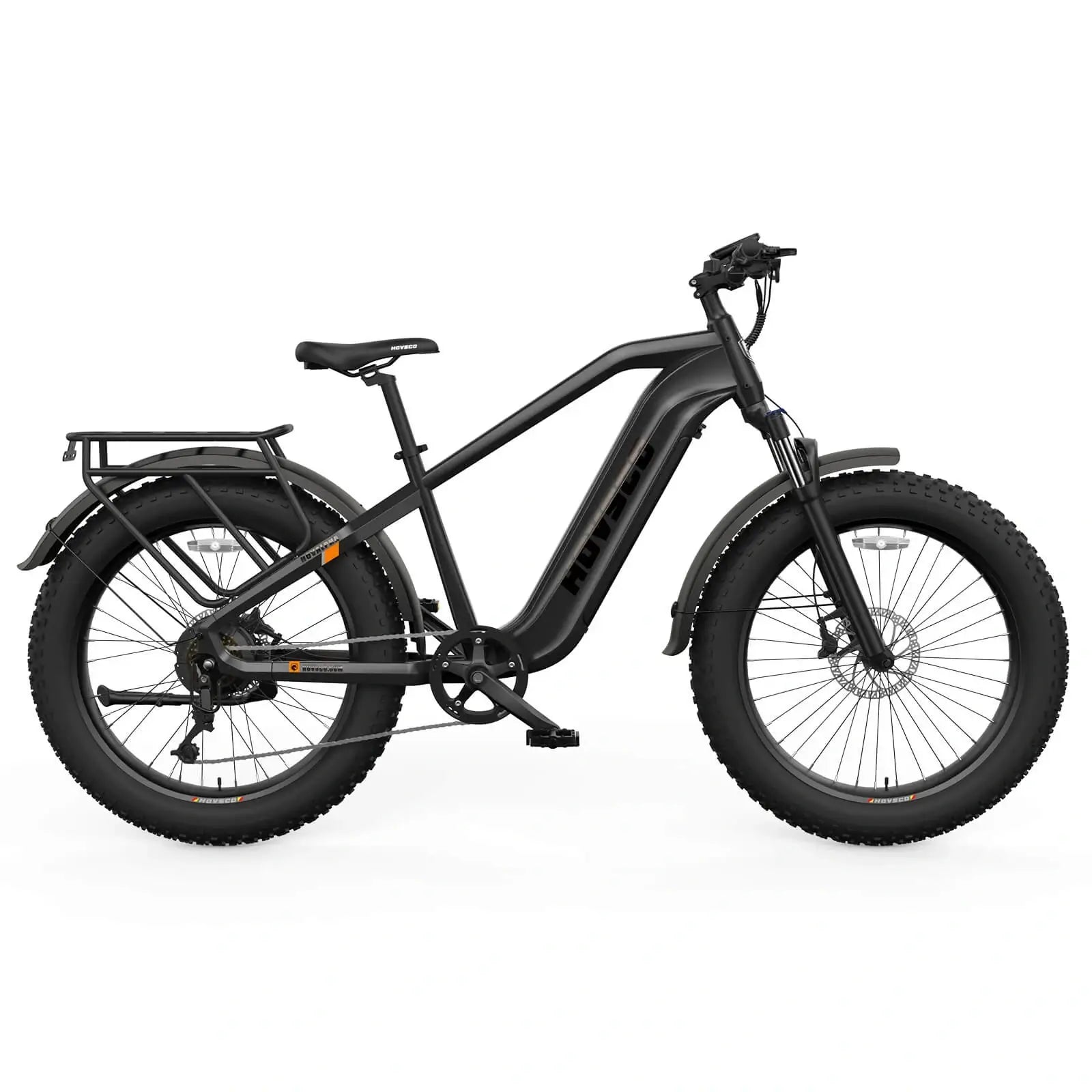
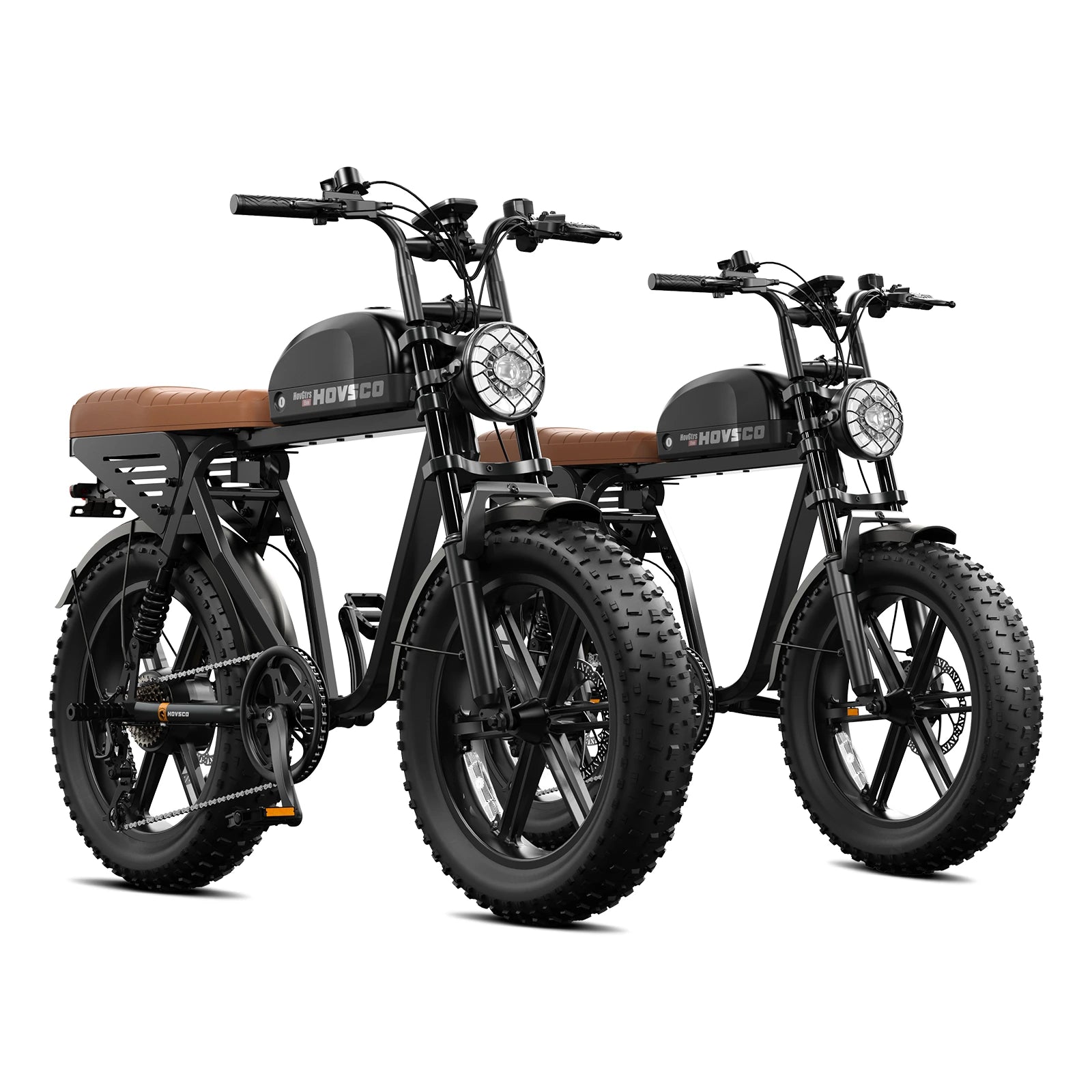
Some listings offer multiple battery configurations under one model name. The HovGtrs variants in this
collection have different published range figures, so confirm the selected style and included battery
arrangement on the product page before checkout. Do not apply the highest configuration's mileage to
every version of the bike.
Understand the Fat-Tire Range Tradeoff
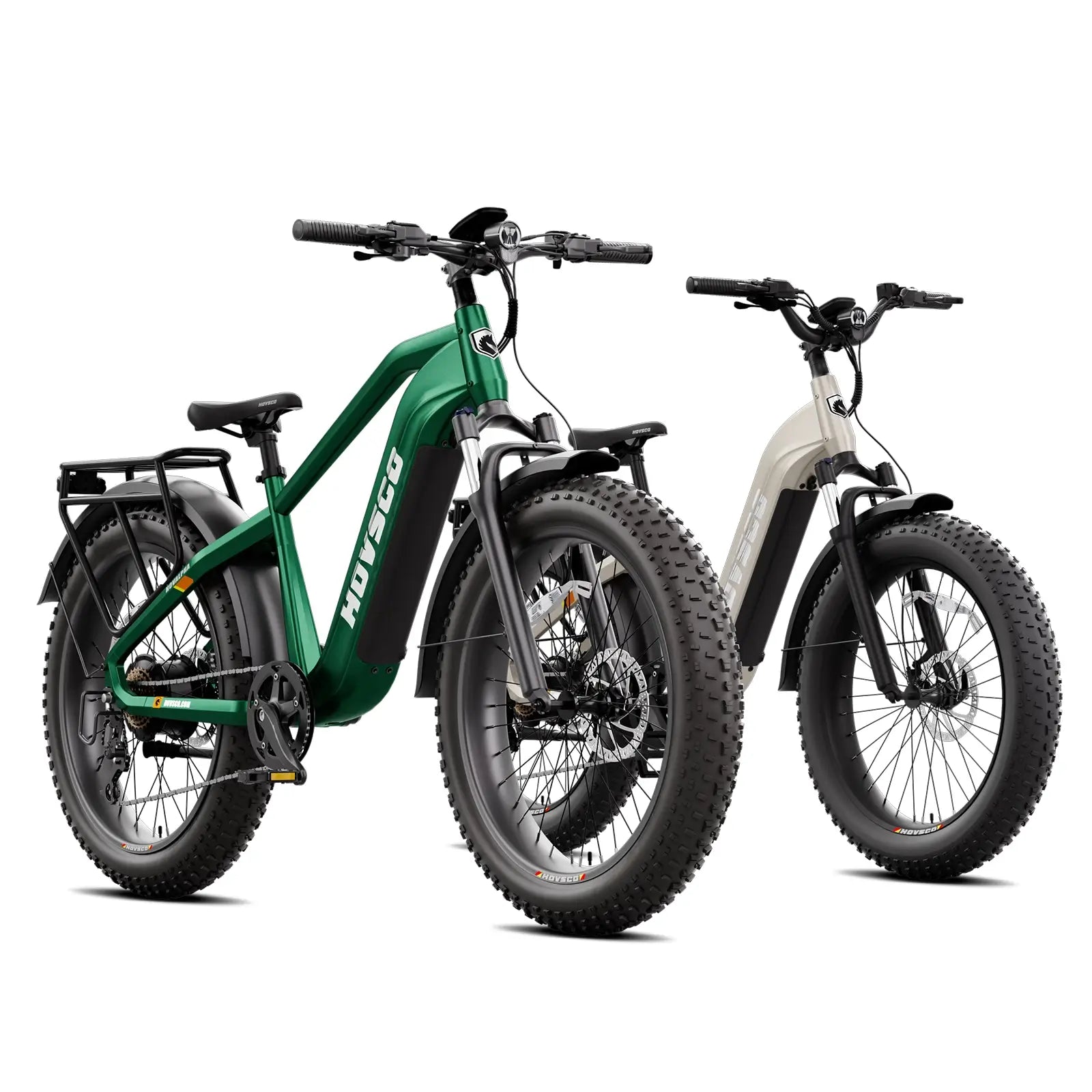
Wide tires can improve flotation and grip on gravel, packed dirt, sand, snow and broken pavement. Their
air volume can also soften small impacts. Those benefits do not create free range: tire pattern, pressure,
surface deformation and added rotating weight can increase resistance compared with a narrower road tire.
Keep tire pressure within the limits printed on the tire and specified by the manufacturer. Pressure that
is too low can increase drag, heat and handling risk; pressure that is too high for the surface can reduce
traction and comfort. Adjust only within the approved range and inspect both tires before an extended ride.
For broad terrain-first shopping, use the separate
fat tire e-bike collection; this page owns the combined range-and-fat-tire need.
Terrain, Hills and Stops Change Energy Use
Smooth, steady riding usually consumes energy differently from frequent starts, soft ground or repeated
climbs. Loose surfaces require the tires to displace more material, while hills ask the motor and rider to
overcome gravity. After a climb, descending does not automatically restore the energy that was used.
If the main purpose is repeated hill climbing rather than extended mixed-surface distance, compare the
dedicated electric bikes for hills page. If the route is
primarily paved work travel, the long-range commuter e-bike collection
owns that narrower commuter intent.
Rider Input, Speed and Assist Level Matter
Higher assist and sustained high speed generally demand more battery energy. Smooth pedaling at a suitable
cadence allows rider effort to share the work. Frequent hard acceleration, especially with a heavy total
load, can reduce the distance available from the same charge.
A rider searching for the best long range fat tire ebike should compare the controls and
riding position as carefully as the battery. The most efficient assist strategy is one the rider can use
comfortably and consistently for the whole route. Always follow local rules for e-bike class, throttle use
and assisted speed.
Count the Complete Load
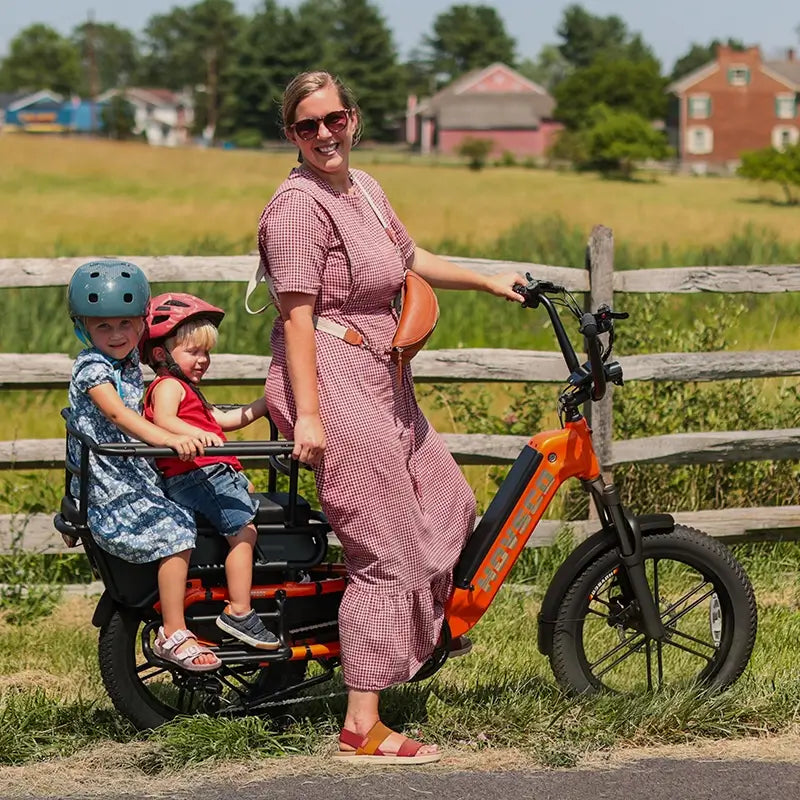
Total load includes the rider, locks, bags, tools, water, accessories and cargo. A heavier system requires
more energy to accelerate and climb. It also affects braking distance and handling. Check the exact bike's
payload and rack limits; a collection card cannot replace the specifications for the selected model and
accessory.
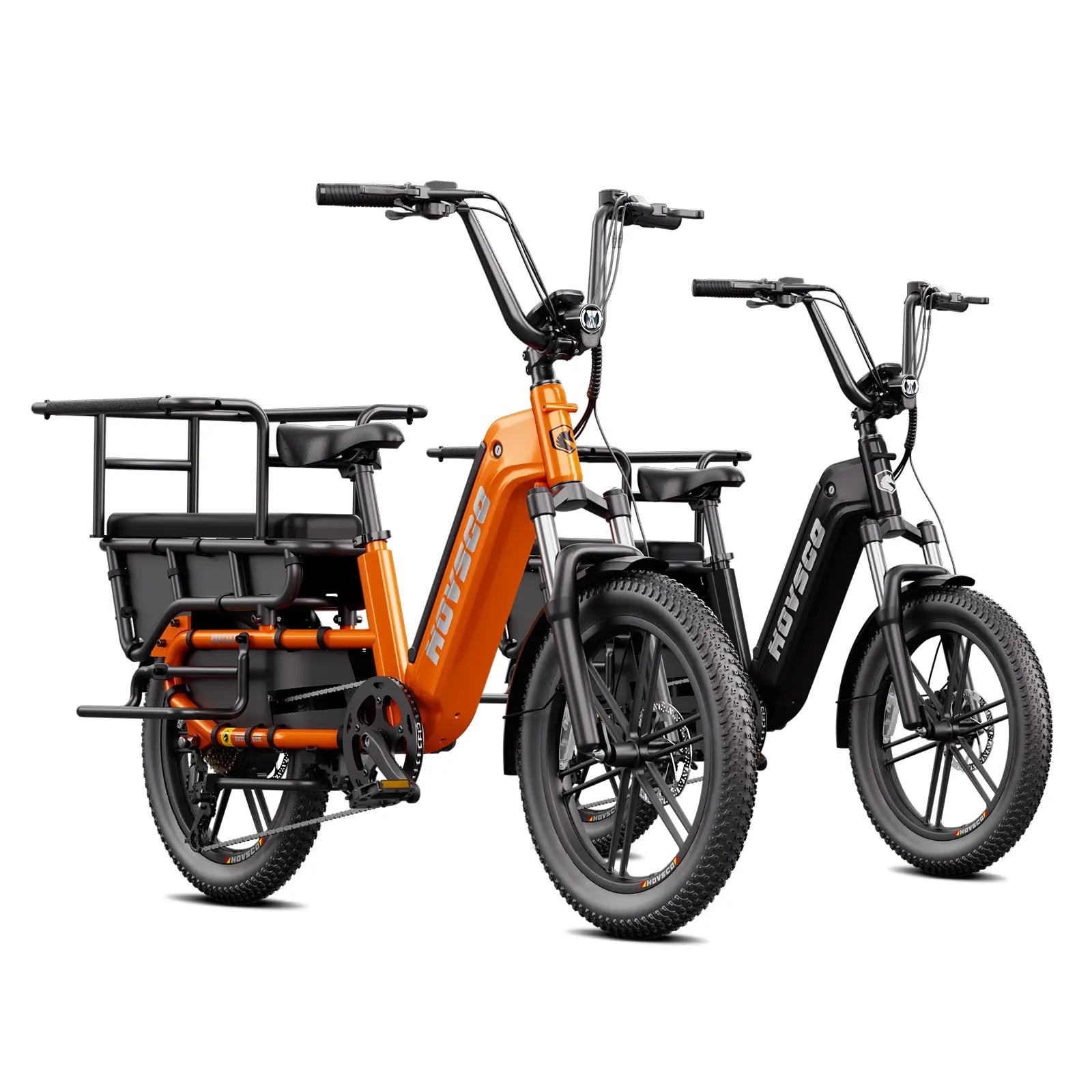
When carrying capacity is the dominant purchase reason, use the
high-payload electric bike collection. This page
remains focused on extended distance with fat-tire traction rather than claiming ownership of payload terms.
Choose the Platform That Fits the Ride
Full-size fat tires can feel stable on mixed terrain, while compact fat-tire formats may suit tighter
storage or a shorter overall package. Full suspension can improve comfort and control on rough surfaces,
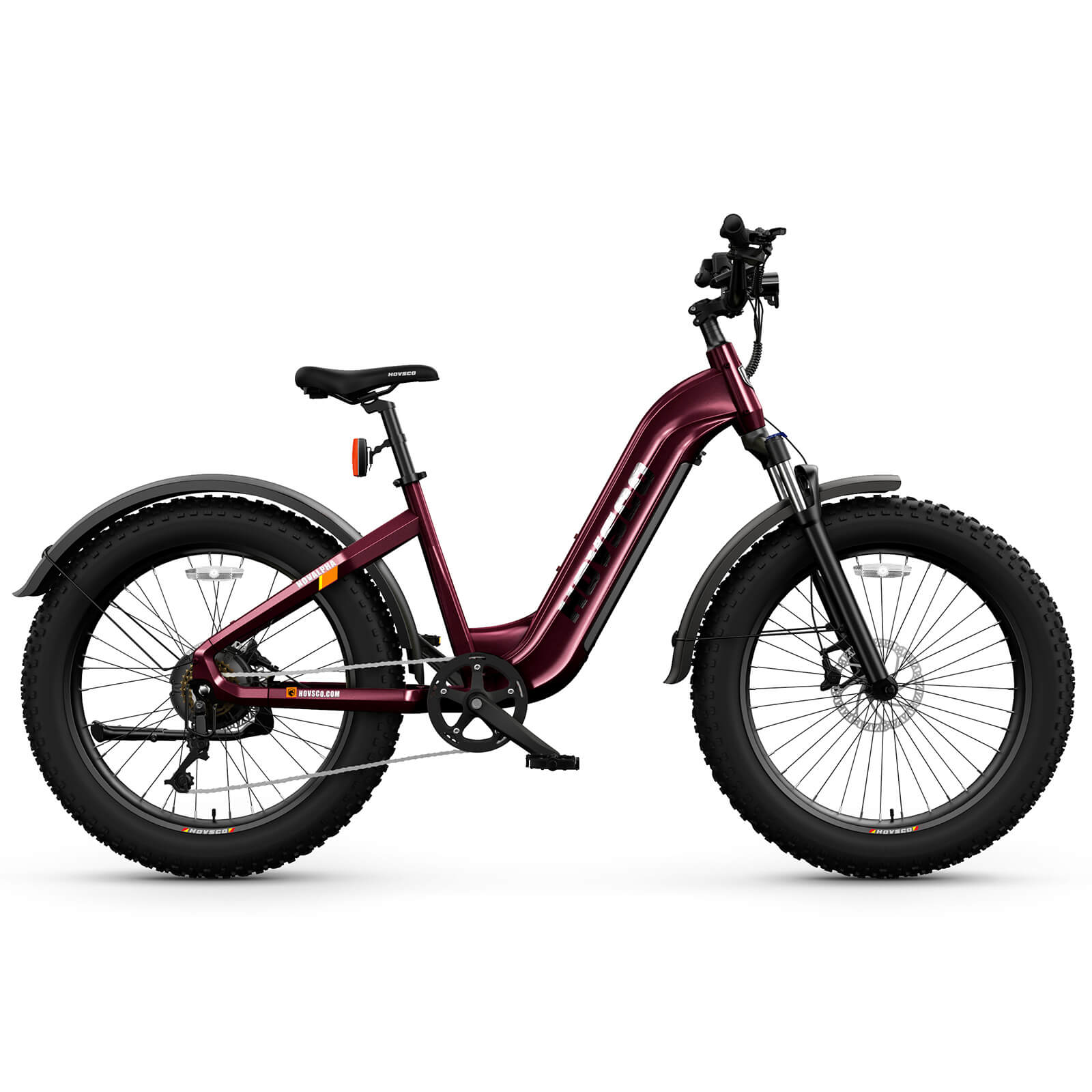
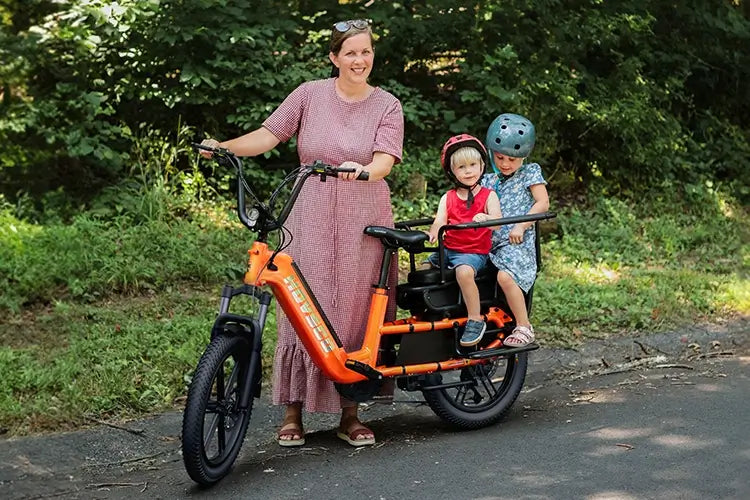
but the route, frame fit and maintenance expectations still matter. A moped-style platform changes the
seating position and battery options; it should be compared separately from a conventional adjustable
bicycle saddle.
Riders primarily choosing a moped silhouette should visit
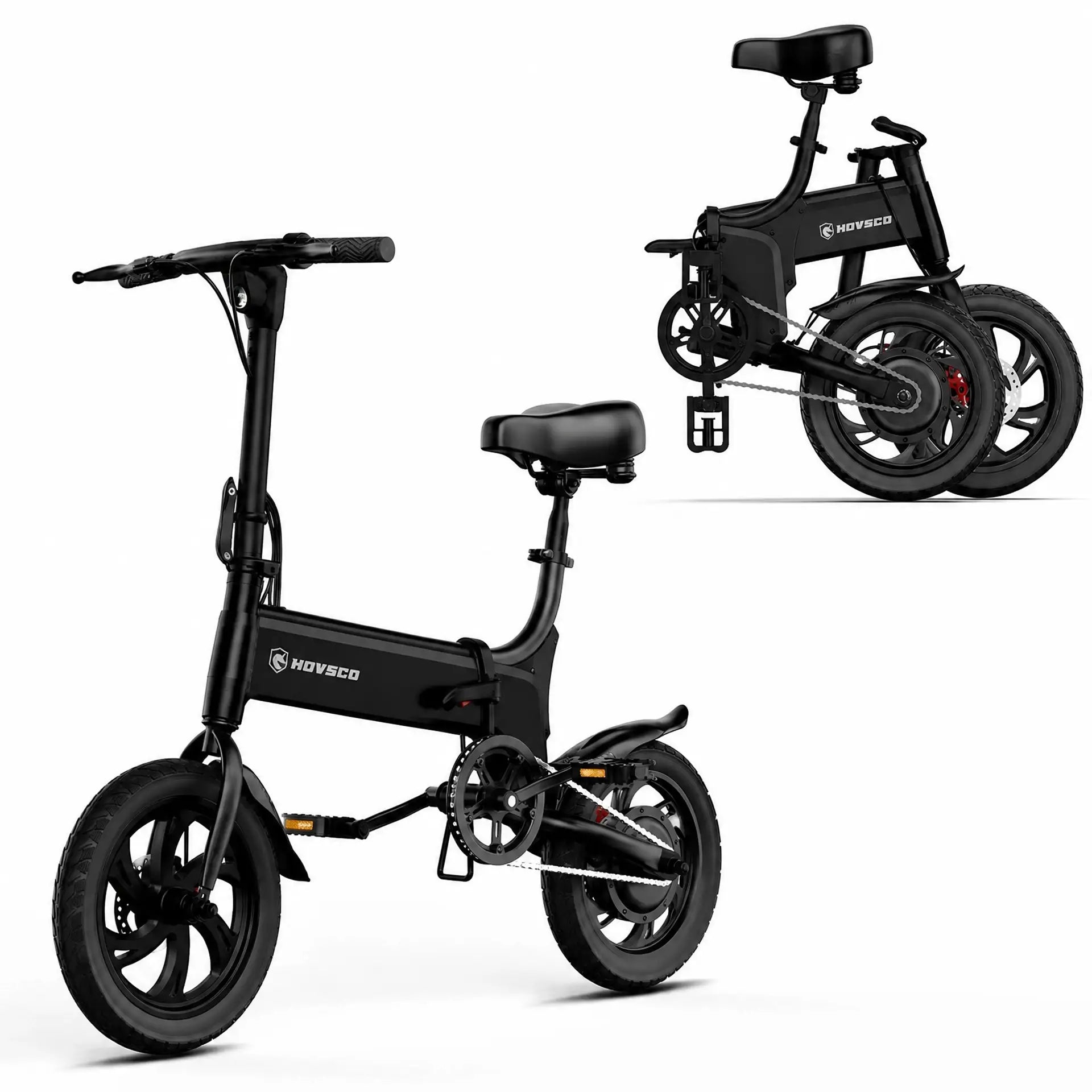
moped-style electric bikes. Riders who need folding as the
first requirement should use the foldable electric bike collection.
Those pages own the design and storage terms, while this collection owns the long-range fat-tire combination.
Plan Braking, Visibility and Repair Support
Longer routes increase exposure to changing traffic, light and weather. Check brake condition, tire wear,
lights, reflectors and fasteners before departure. Carry only tools and repair supplies you know how to use,
and plan a safe way home if a puncture or electrical problem cannot be repaired on the route.
Extra range should not be treated as permission to ride beyond the rider's skill, legal access or safe
stopping distance. Slow down for loose corners and unfamiliar surfaces. Confirm that the selected bike and
tires are appropriate for the intended route rather than assuming every fat-tire model is a technical trail bike.
Charge and Store the Battery According to Its Manual
Use the supplied or manufacturer-approved charger, keep the charging area dry and ventilated, and inspect
the battery and connectors for damage. Do not charge a battery that is swollen, cracked, unusually hot or
otherwise damaged. Follow the model manual for charging temperature, storage charge and long-term storage;
universal battery advice cannot replace the instructions for the exact pack.
For a multi-day route, verify outlets and charging permission in advance. Charging time and equipment may
differ between configurations. Never assume an outlet will be available, that another charger is compatible
or that the largest battery option is included with every variant.
Final Long-Range Fat-Tire Checklist
- Map the round trip, elevation, surface and realistic detours.
- Confirm the exact battery configuration and its published comparison range.
- Add a reserve for load, weather, hills and changes in assist use.
- Check tire pressure limits, tire condition and repair planning.
- Compare frame fit, riding position, suspension and storage requirements.
- Verify payload, braking, local e-bike rules, warranty and return terms.
Ready to compare the listed configurations?
Return to the unchanged product grid and verify the exact model, style and battery option.
Compare long-range options



![[ New Arrival ] Porto Max Electric Scooter For Commute & Grocery Shopping - HOVSCO](http://www.hovsco.com/cdn/shop/files/PotroMax-3.jpg?v=1706927007&width=1200)