




![[ New Arrival ] Porto Max Electric Scooter For Commute & Grocery Shopping - HOVSCO](http://www.hovsco.com/cdn/shop/files/PotroMax-3.jpg?v=1706927007&width=1200)
- by SteveJames
Which HOVSCO E-Bike Is Best for Beginners?
- by SteveJames
E-Bikes
Accessories
 Free Shipping
 15-Day Returns
 2-Year Warranty
Free Shipping
15-Day Returns
2-Year Warranty
2-Year Warranty
Free Shipping
15-Day Returns
2-Year Warranty
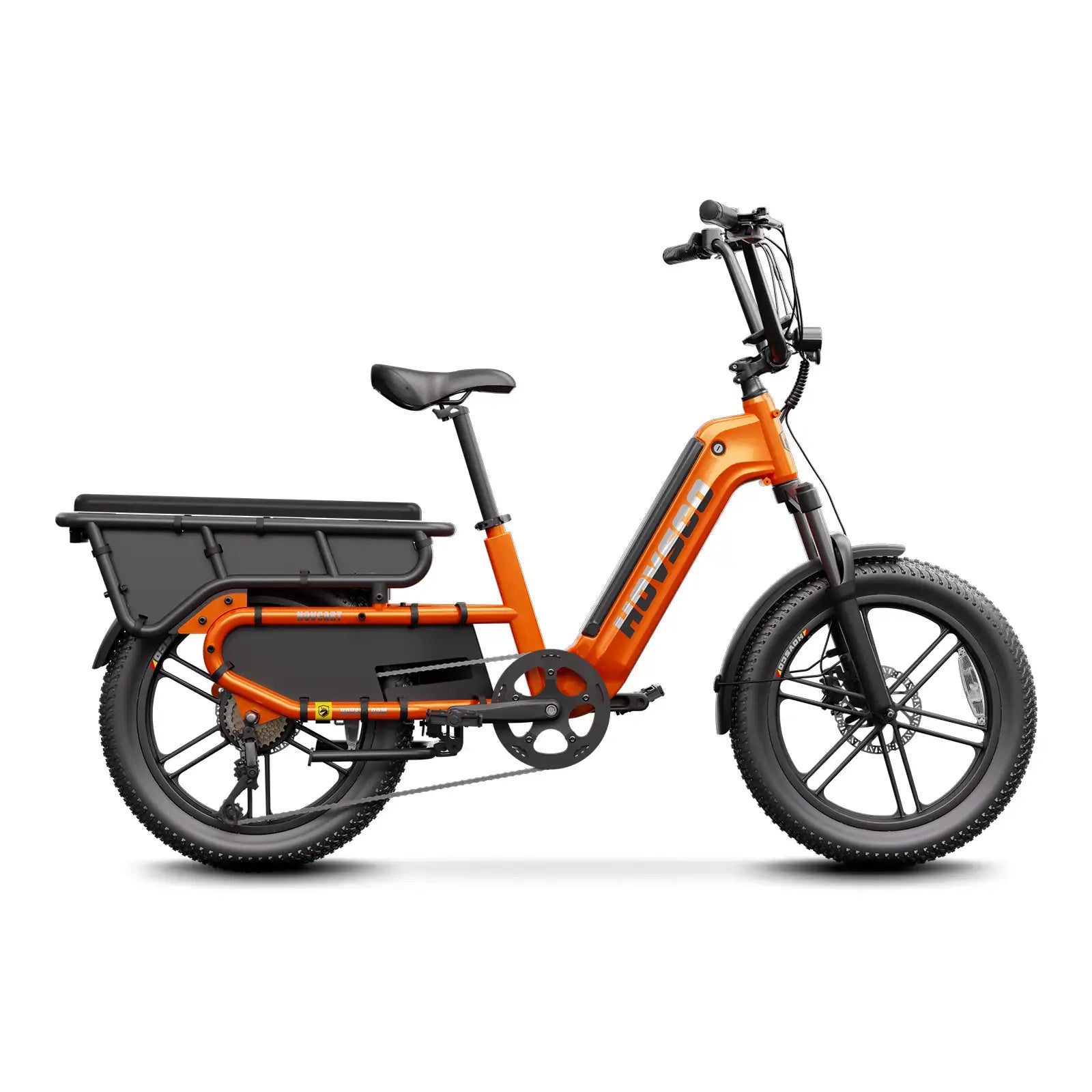
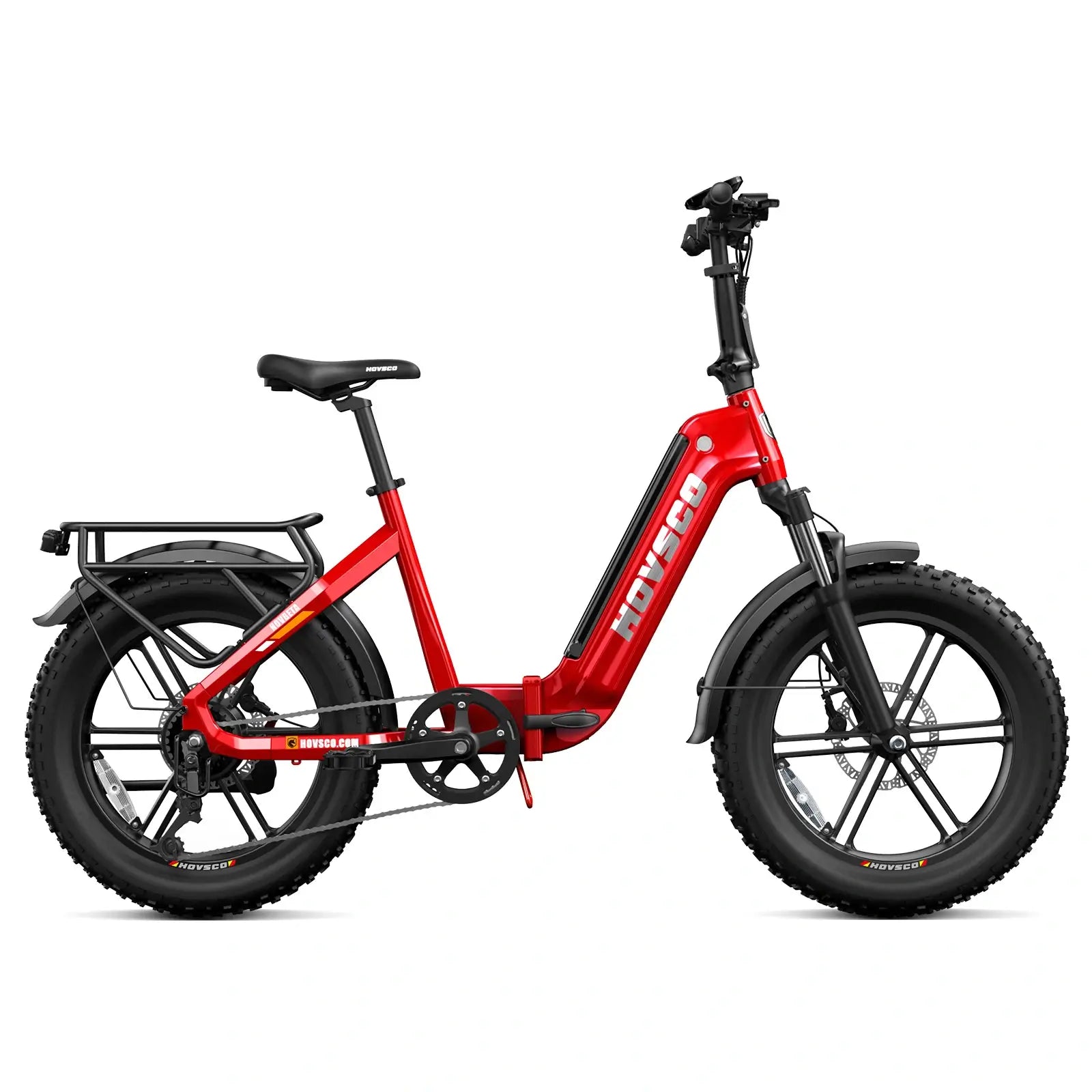
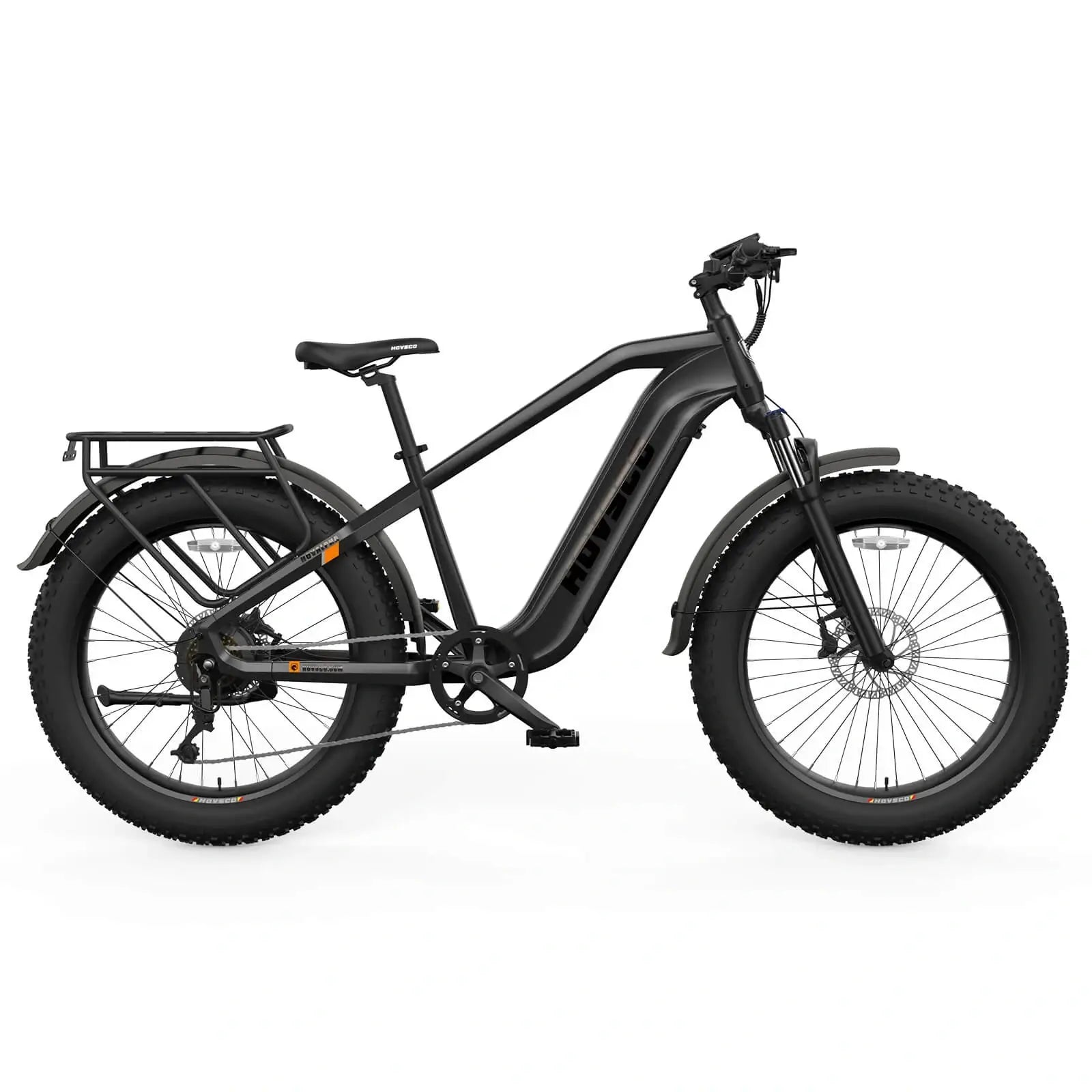
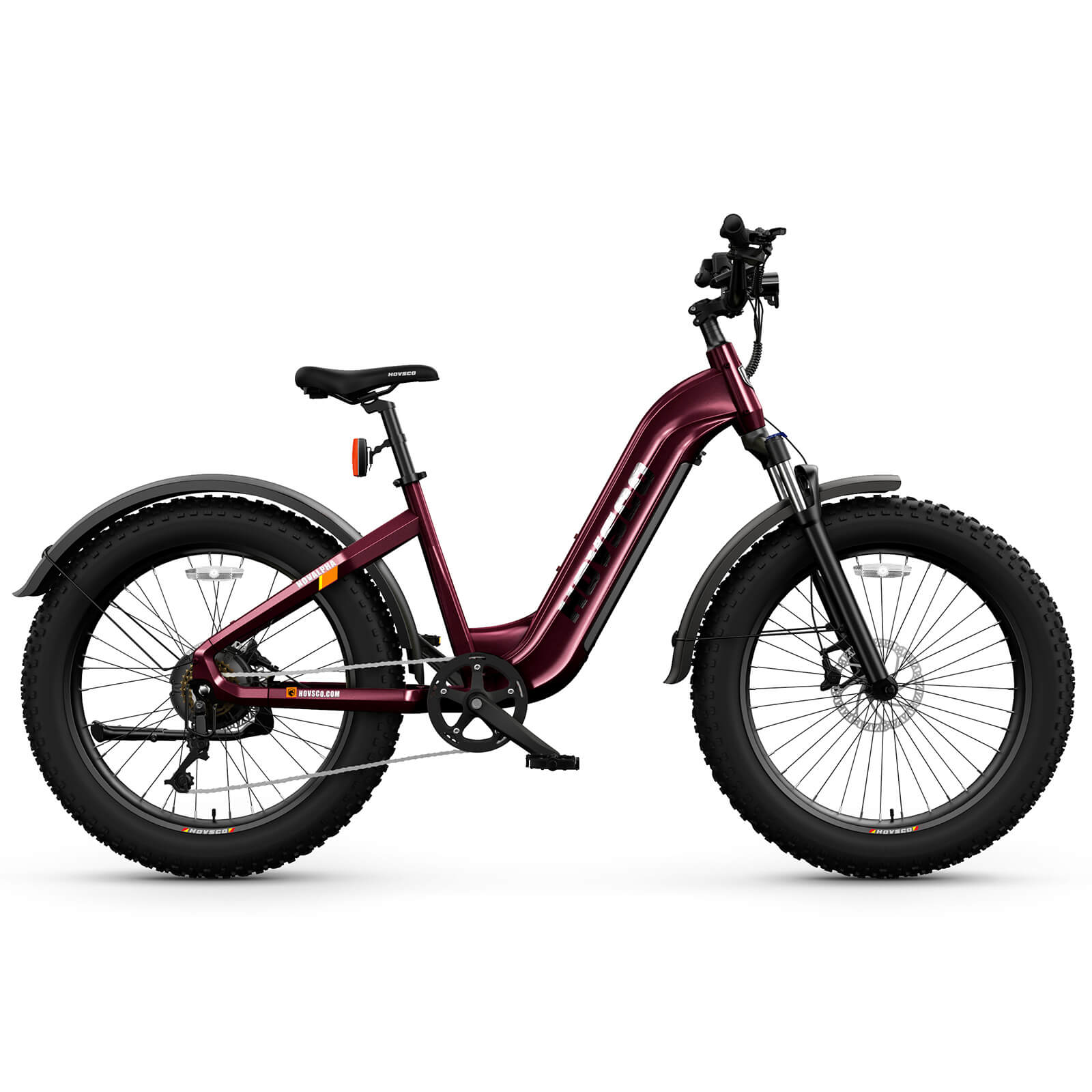
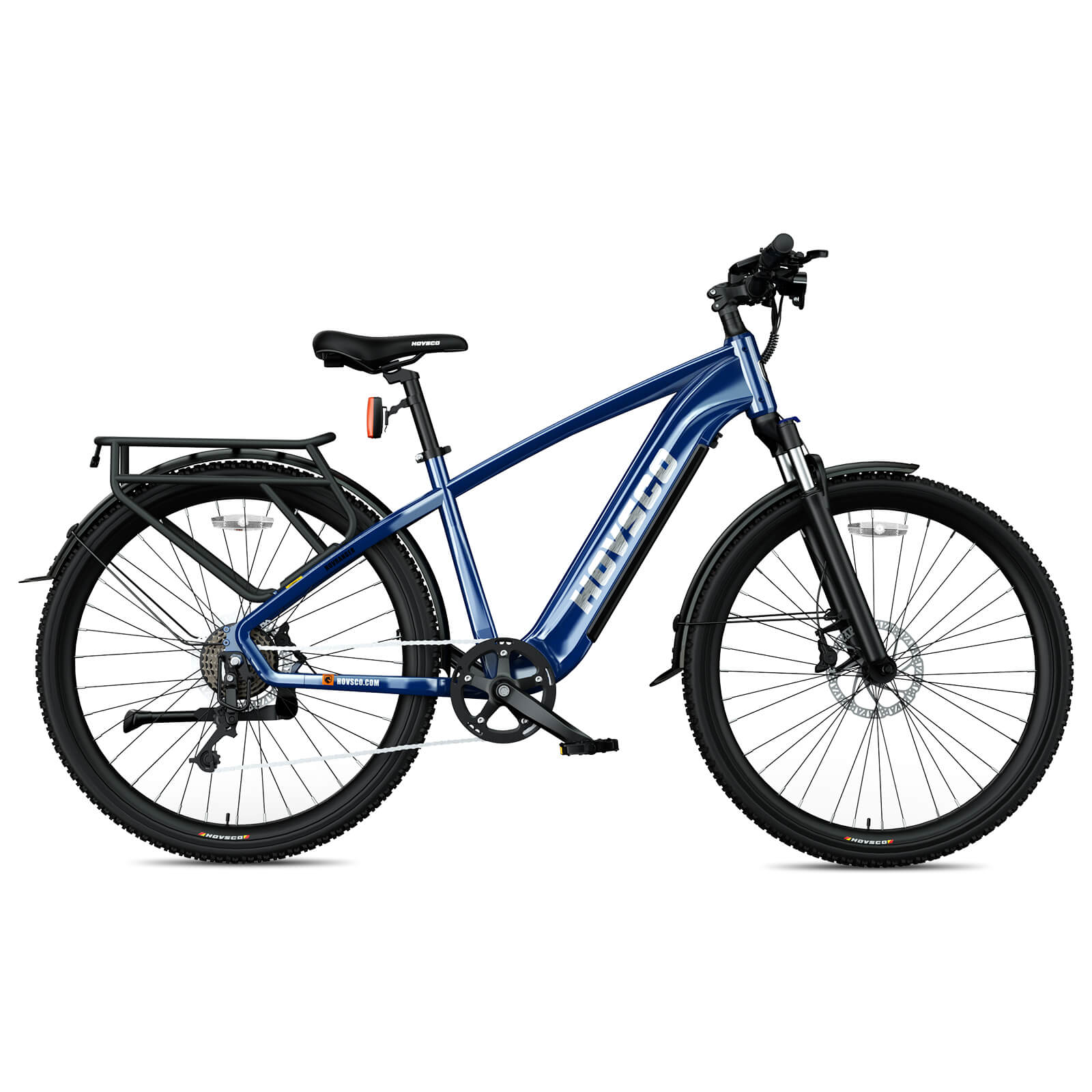
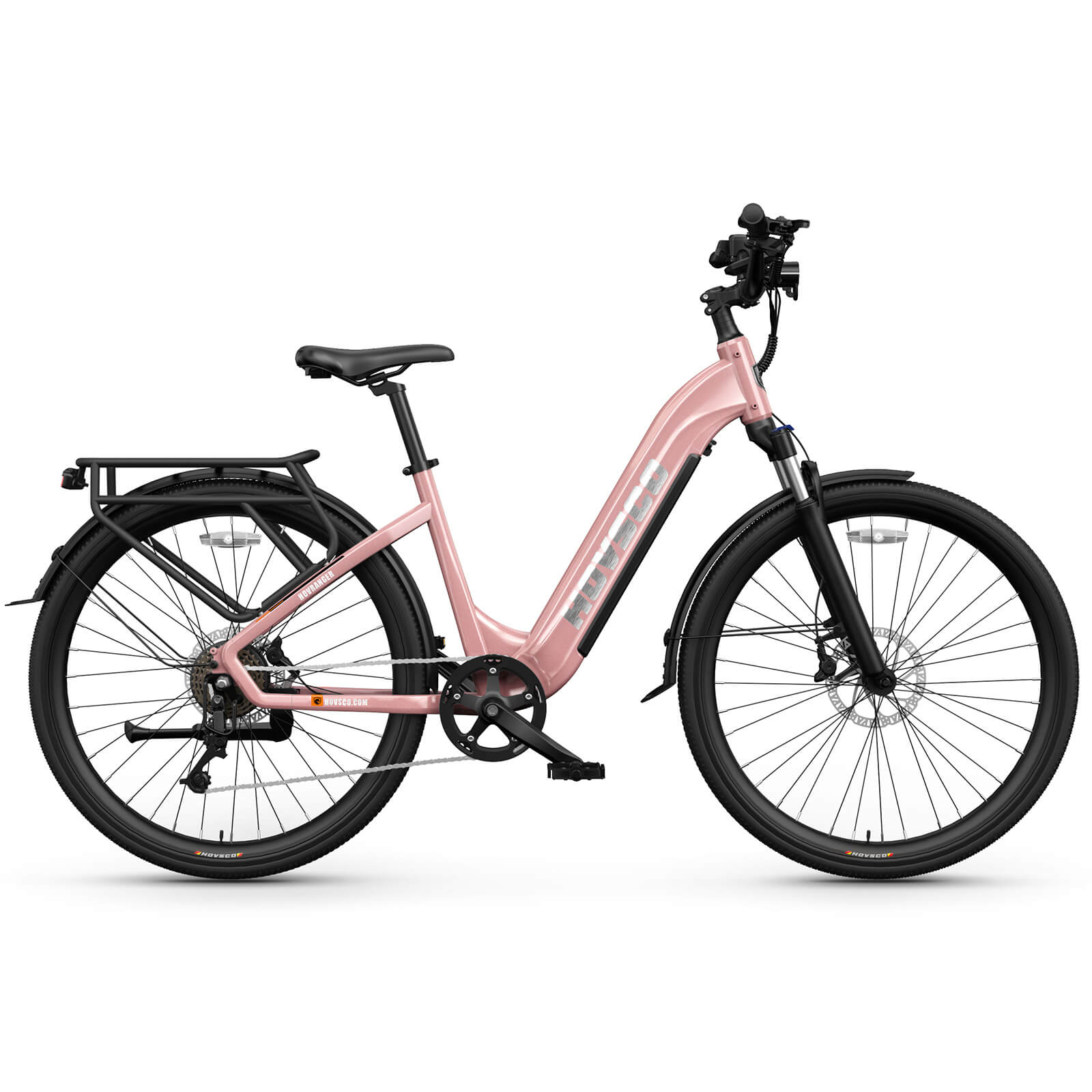
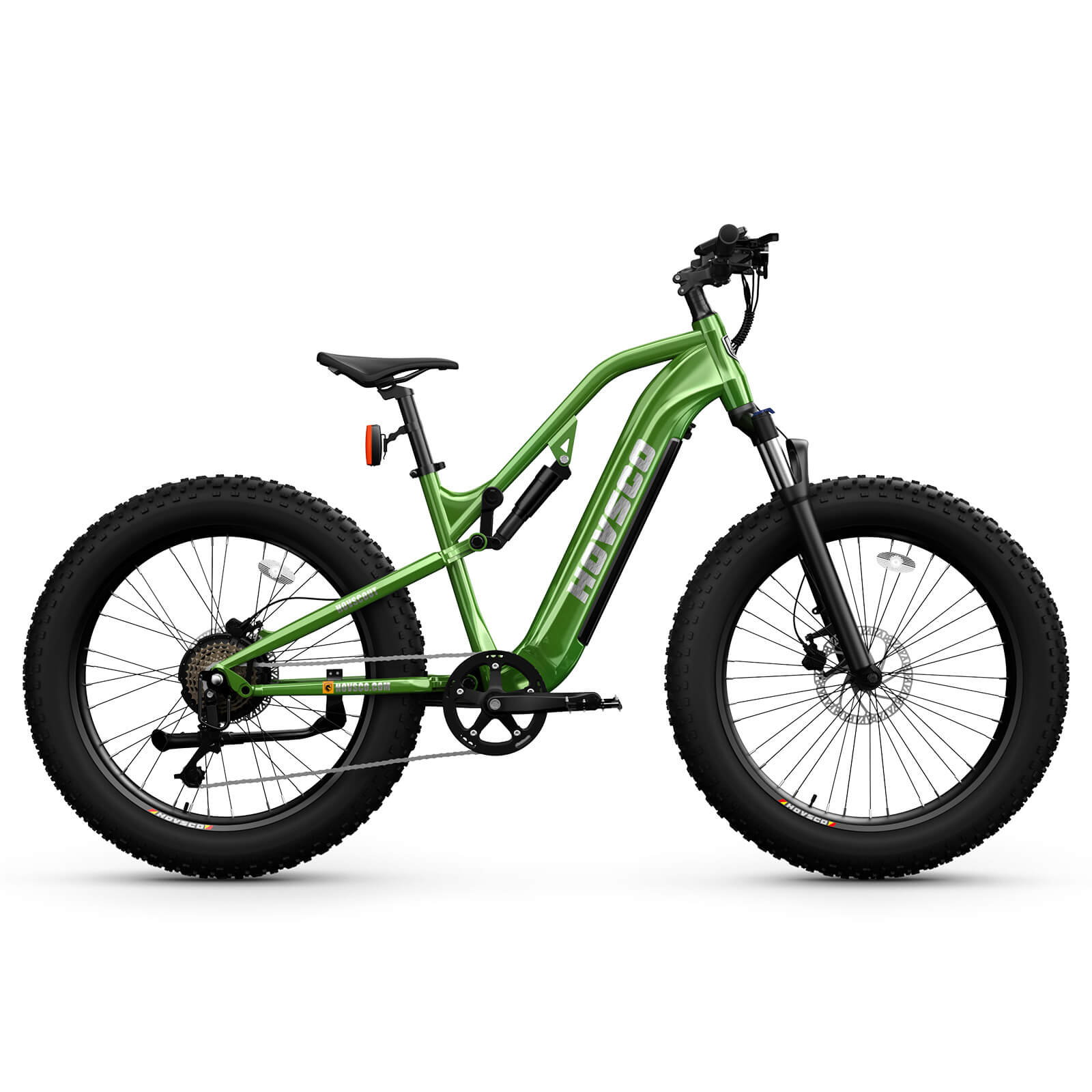
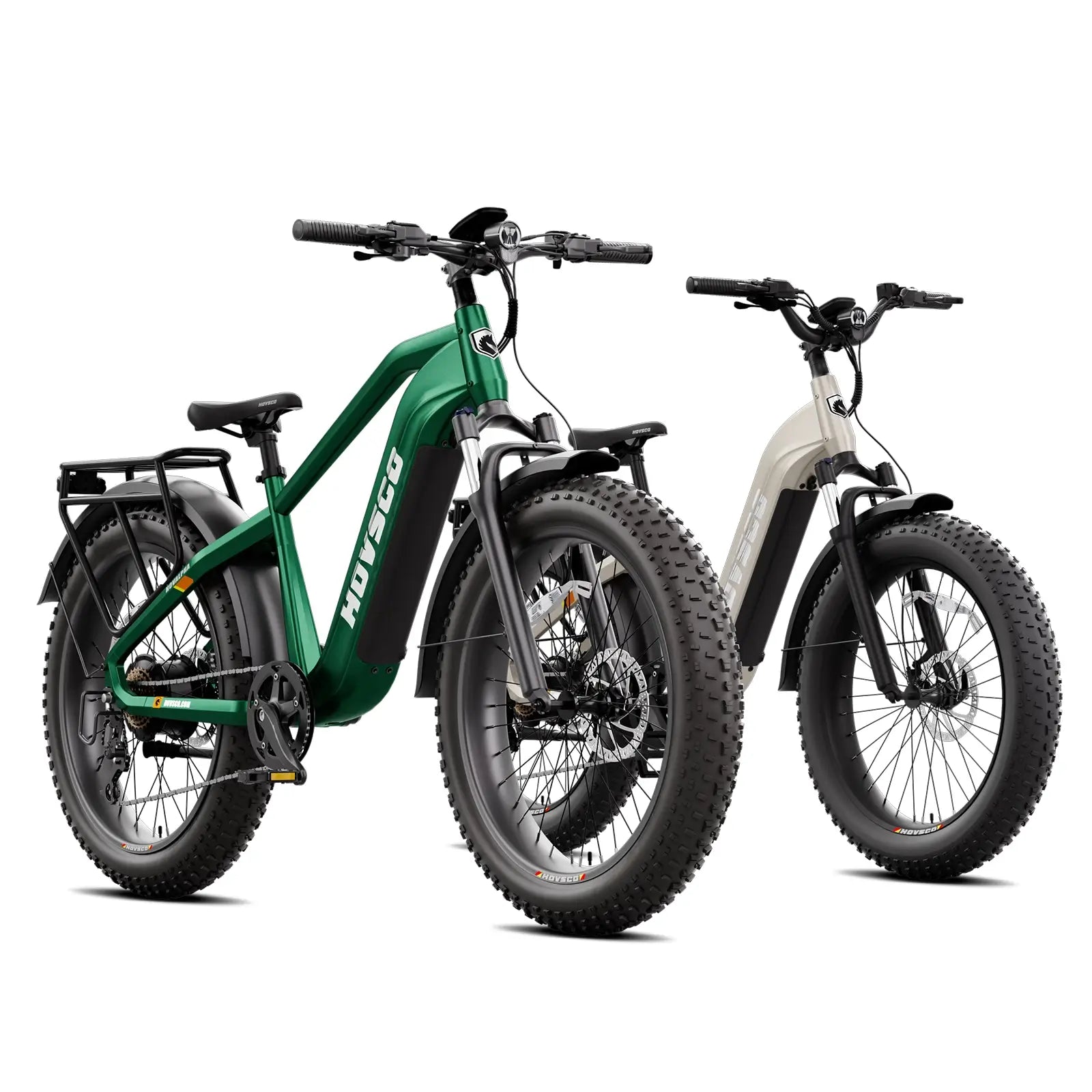
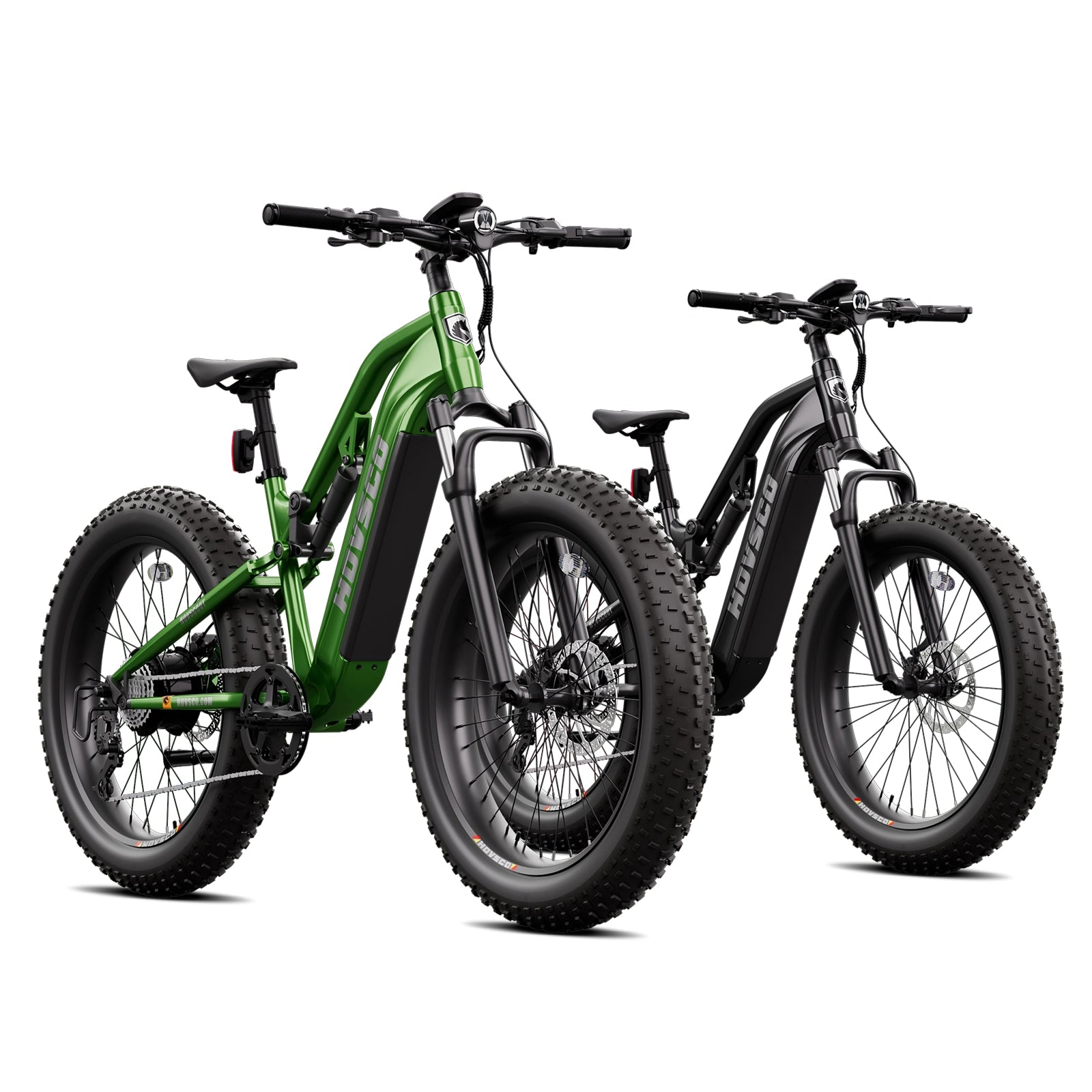
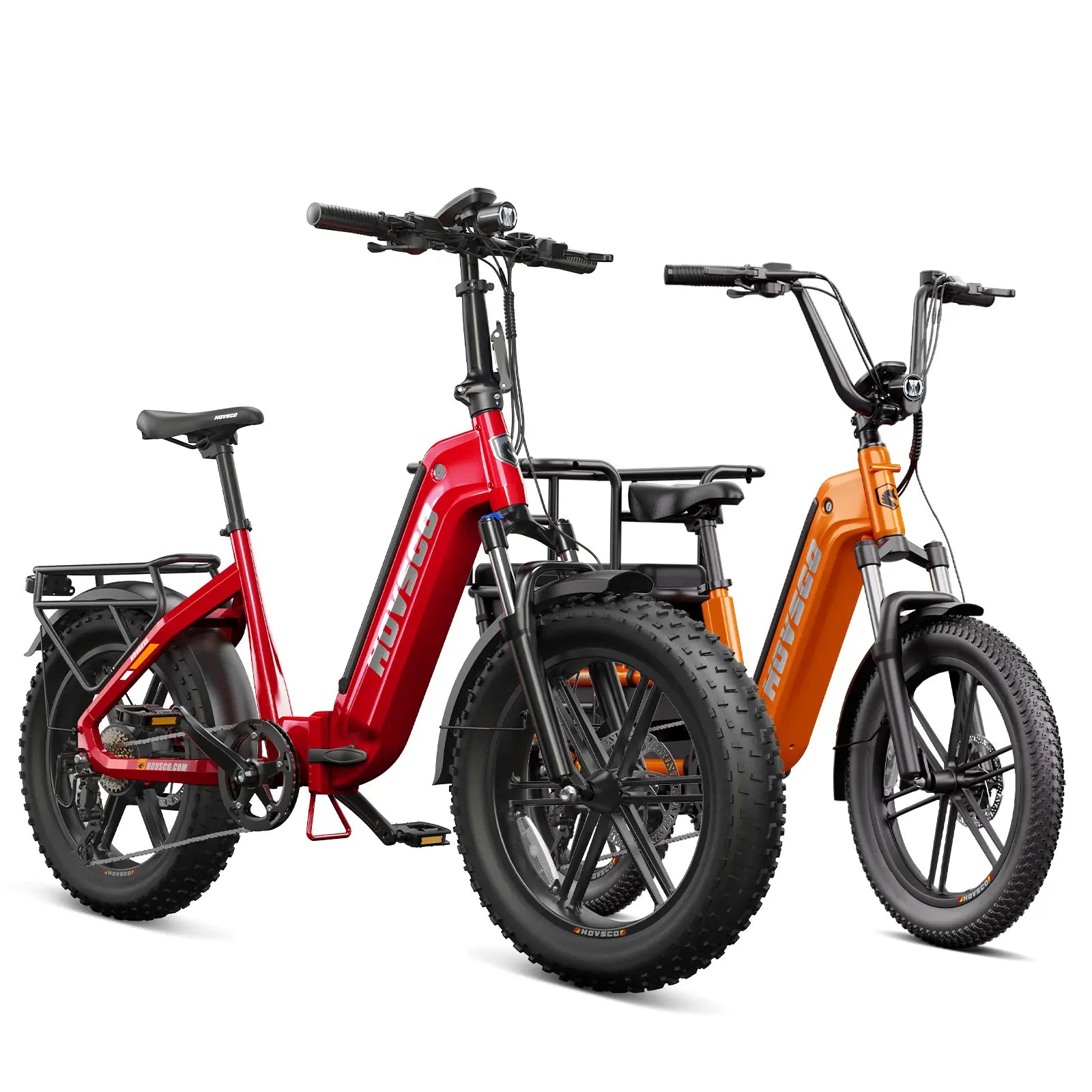
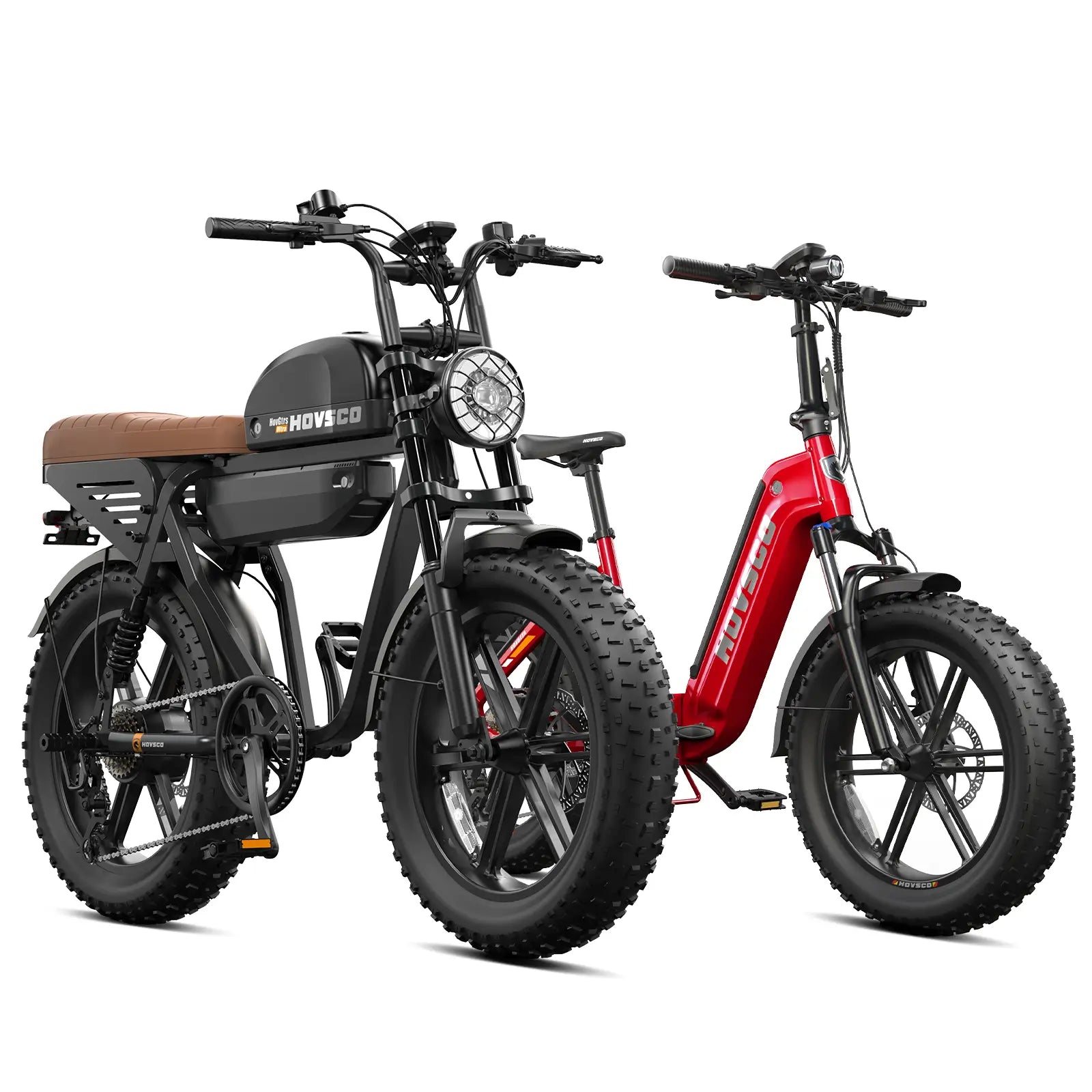
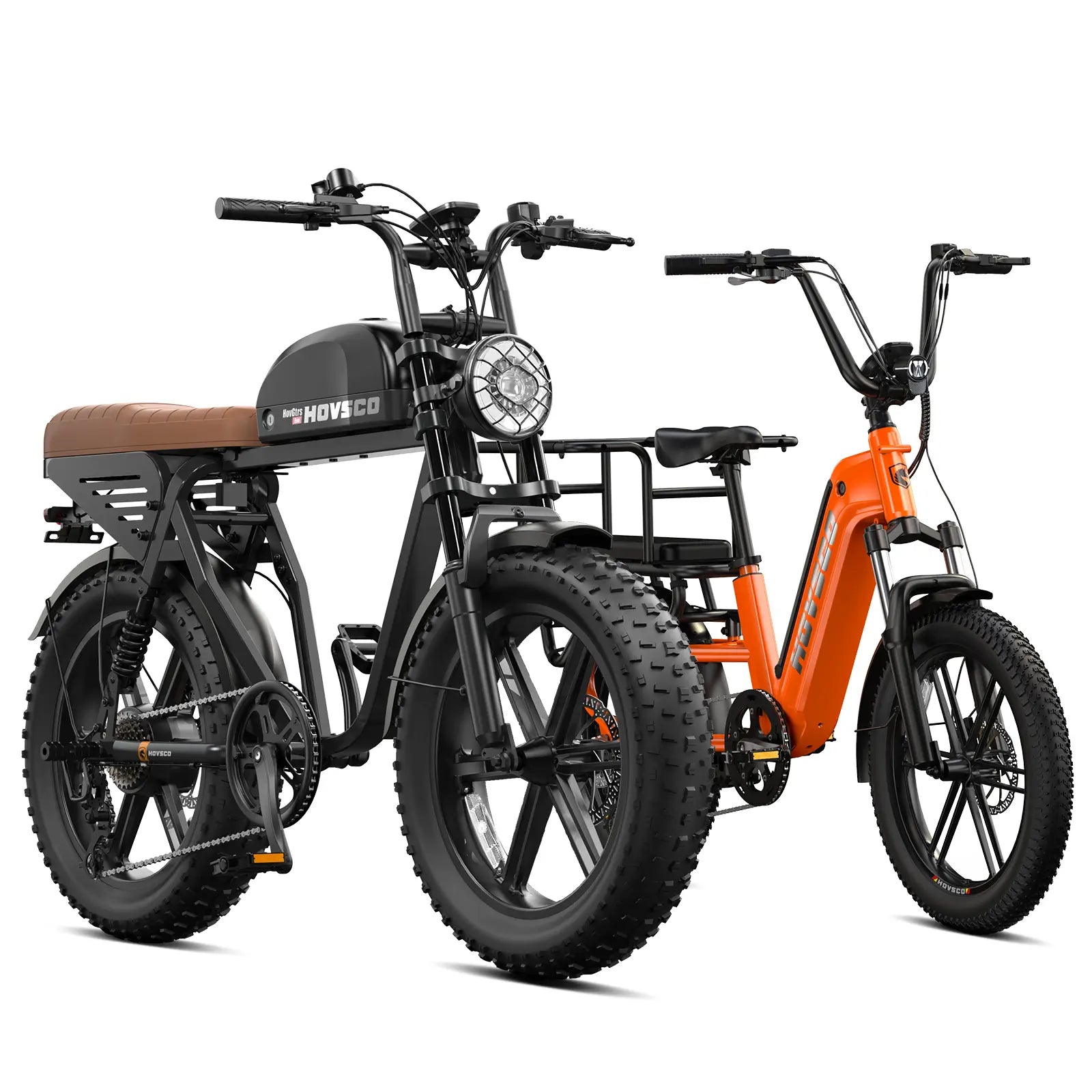
Four HOVSCO models serve four different beginner jobs: city practice, compact storage, fat-tire stability, and cargo. This comparison keeps the full spec table in one place, then translates the numbers into learning context — which bike to choose depends on where you will ride and how you will store it. The four-model shortlist is summarized in our best electric bikes for beginners article, and the first-ride progression is in our how to ride an electric bike guide.
The table below is the complete beginner spec comparison, based on HOVSCO's live product pages. Read it with one question in mind: which numbers change how you will learn? For a first bike, weight and frame format matter more than top speed.
| Spec | HovRanger Step-Thru | Sync Max | HovBeta | HovCart |
|---|---|---|---|---|
| Published weight | 55.4 lb incl. battery | 42.3 lb net | 66.4 lb complete | 66.4 lb incl. battery |
| Frame | Full-size step-through | 14" folding | 20" folding fat-tire | Cargo platform |
| Motor | 970W peak / 500W sustained | 450W | 1300W | 1300W peak / 750W sustained |
| Top speed / range | 28 mph / 40–60 mi | 19 mph / up to 30 mi | 28 mph / up to 60 mi | 28 mph / up to 60 mi |
| Payload | 300 lb | 260 lb | 450 lb | 450 lb |
| Best for | All-round city learning | Compact storage, light carry | Stable fat-tire feel | Cargo, learned unloaded |
Two cells deserve a second look before you compare anything else: published weight and frame format. Every other row is a capability you will grow into; those two rows are realities you live with from the first walk to the parked bike.
HOVSCO's own collection page describes the four models as four different learning contexts. City practice with repeated stops favors the full-size step-through; compact storage favors the folder; stable low-speed feel favors fat tires; cargo favors the platform — learned unloaded.
| If you... | Choose |
|---|---|
| Learn on city streets and want easy entry | HovRanger Step-Thru |
| Need compact storage or transit access | Sync Max |
| Want a stable fat-tire feel and can manage weight | HovBeta |
| Need cargo as your first job | HovCart — unloaded first |
The same bike can serve two contexts, but each model has one context where it is the obvious choice. Match the context first and the specification debate gets much simpler.
Published weight is the number beginners underestimate most. The HovRanger Step-Thru publishes 55.4 lb including battery, the Sync Max 42.3 lb net, and both the HovBeta and HovCart publish 66.4 lb complete. A 66 lb bike does not feel heavy until you walk it backward up a ramp or park it on a grade.
Handling follows weight and wheels. Full-size 27.5-inch wheels track predictably; the 14-inch folder steers quickly; fat tires feel planted at low speed but add rolling weight. None of these are bad — each is a learning context, and the first rides should happen in an empty space on the model you will actually keep.
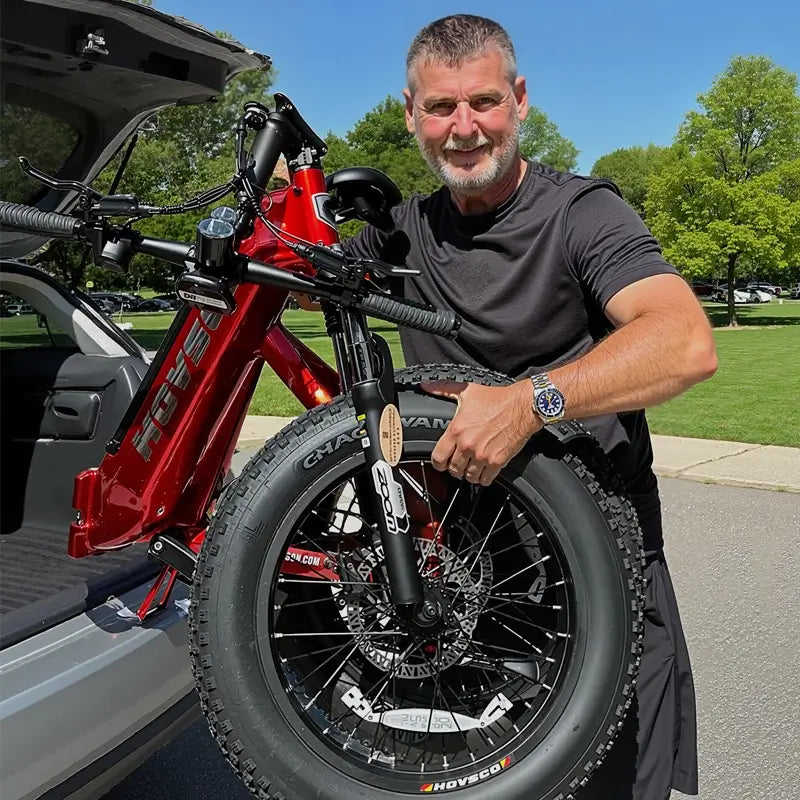
HOVSCO's own collection page makes the same point in a single line: a folding frame does not make a heavy bike light. The 66.4 lb HovBeta and HovCart fold for storage, but they still need walking, parking, and lifting practice with the power off — plan for that before the first powered ride, not after.
Every model in the collection exceeds what a new rider should use in week one. The HovRanger Step-Thru pairs a 970W peak / 500W sustained motor with 28 mph and 40–60 miles; the Sync Max's 450W motor tops at 19 mph with up to 30 miles; the HovBeta and HovCart both publish 28 mph and up to 60 miles, with a 1300W motor (the HovCart at 1300W peak / 750W sustained).
For learning, the important number is not the maximum — it is the lowest assist level. Start below the bike's maximum, keep assistance moderate, and add power only after starts, turns, and braking are consistent. HOVSCO's beginner guidance puts the order as: fit first, controls second, power last.
Range follows the same logic. A 60-mile figure assumes light loads, flat ground, low assist, and moderate speed; a loaded commuter on medium assist will see less. For the first month, treat the range column as a planning ceiling and keep a return reserve, and the battery will never be the reason a ride ends badly.
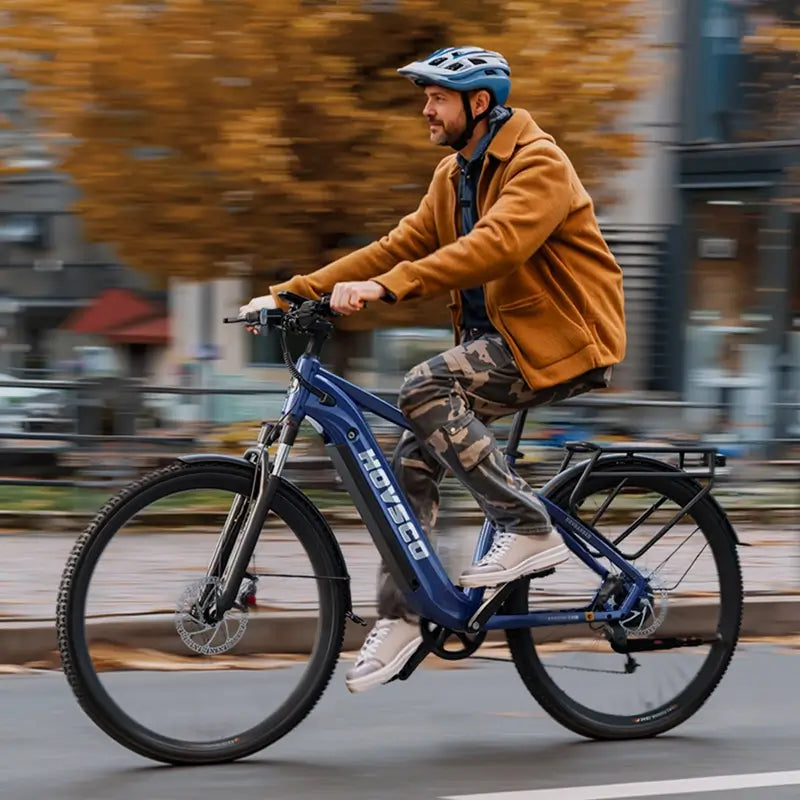
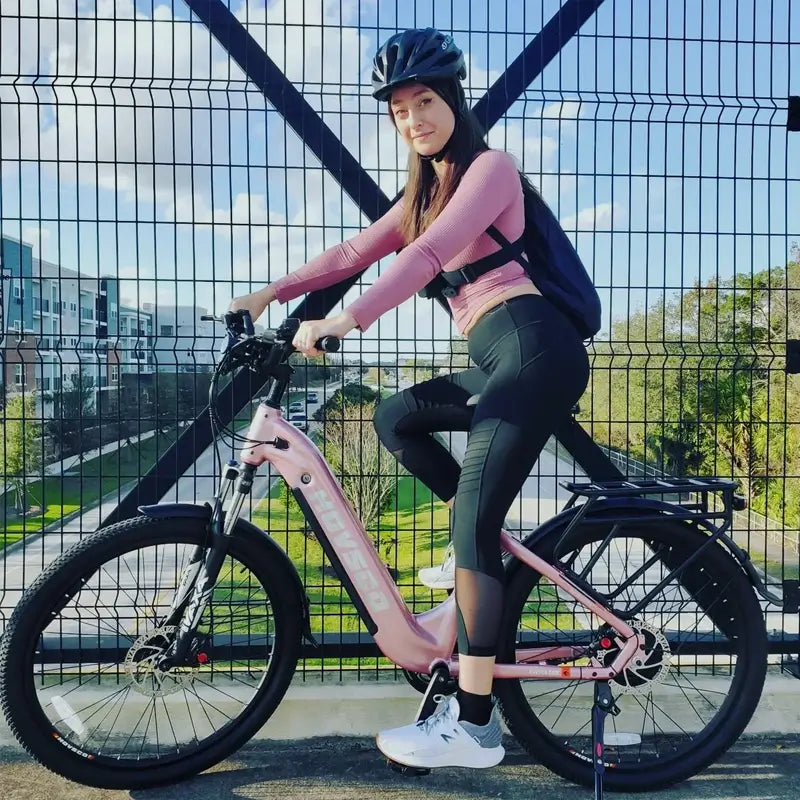
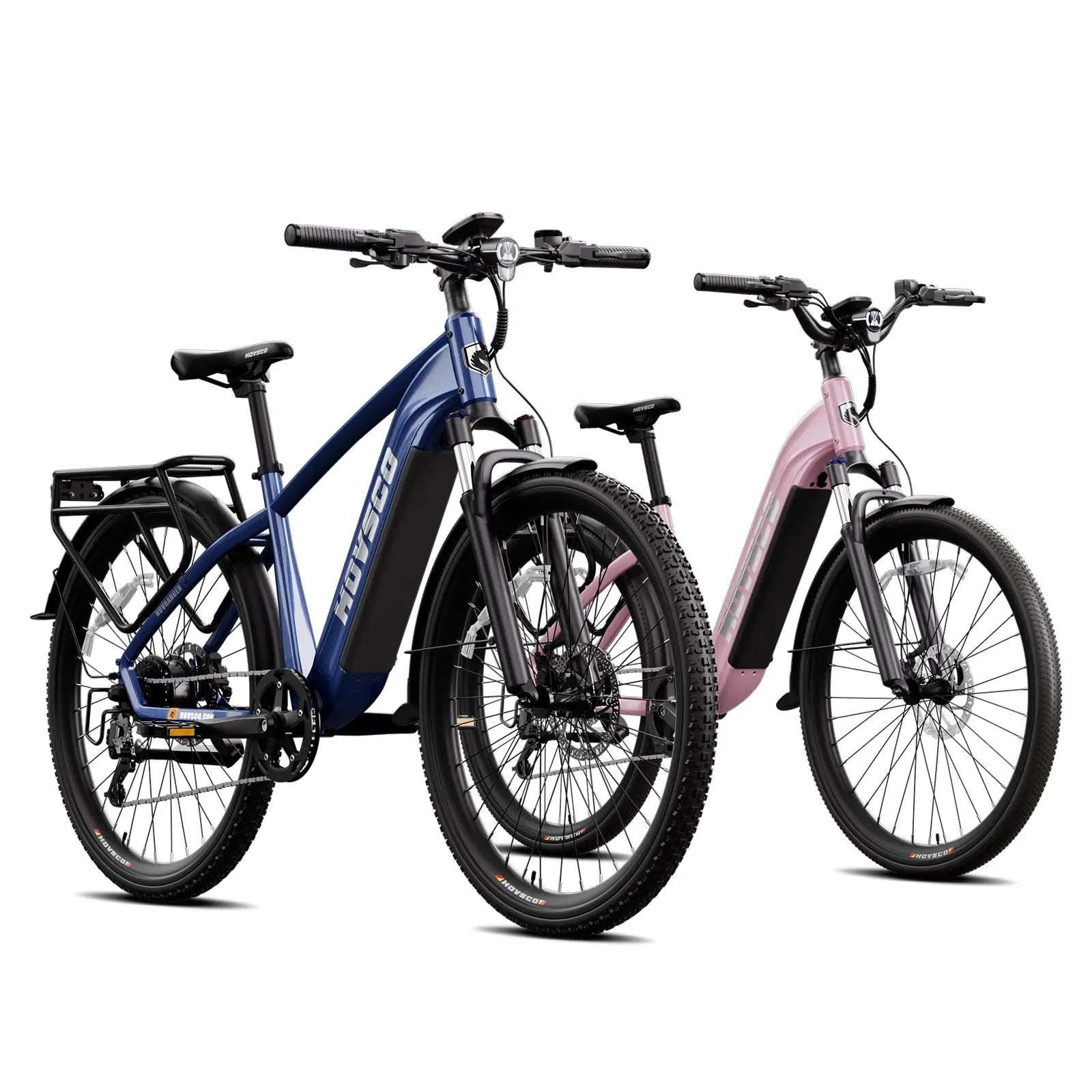
Scenario one: a city commuter who stops often and needs easy entry. The HovRanger Step-Thru matches the job, with a step-through frame and full-size wheels.
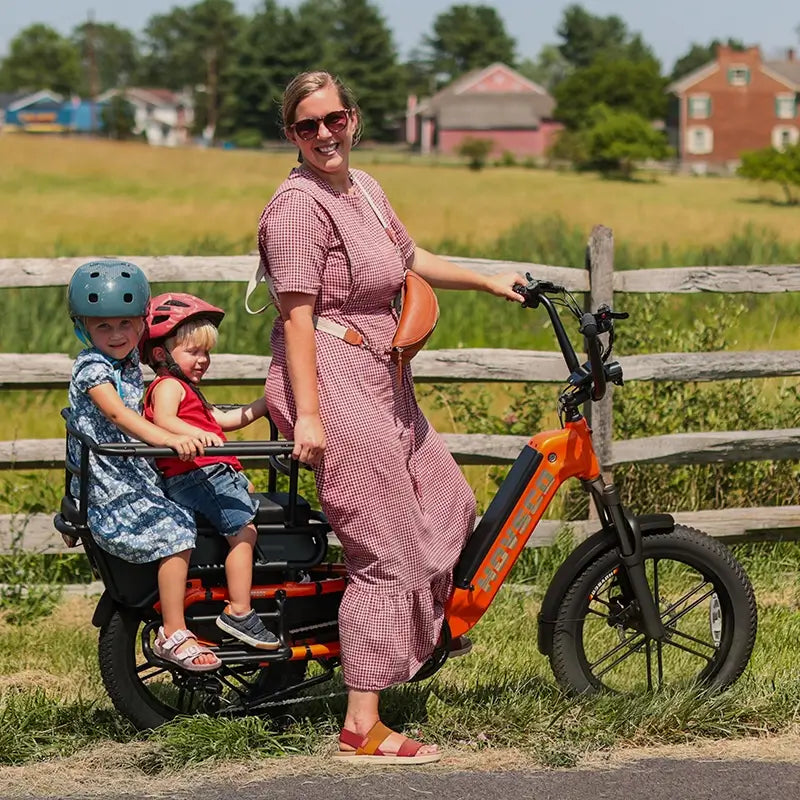
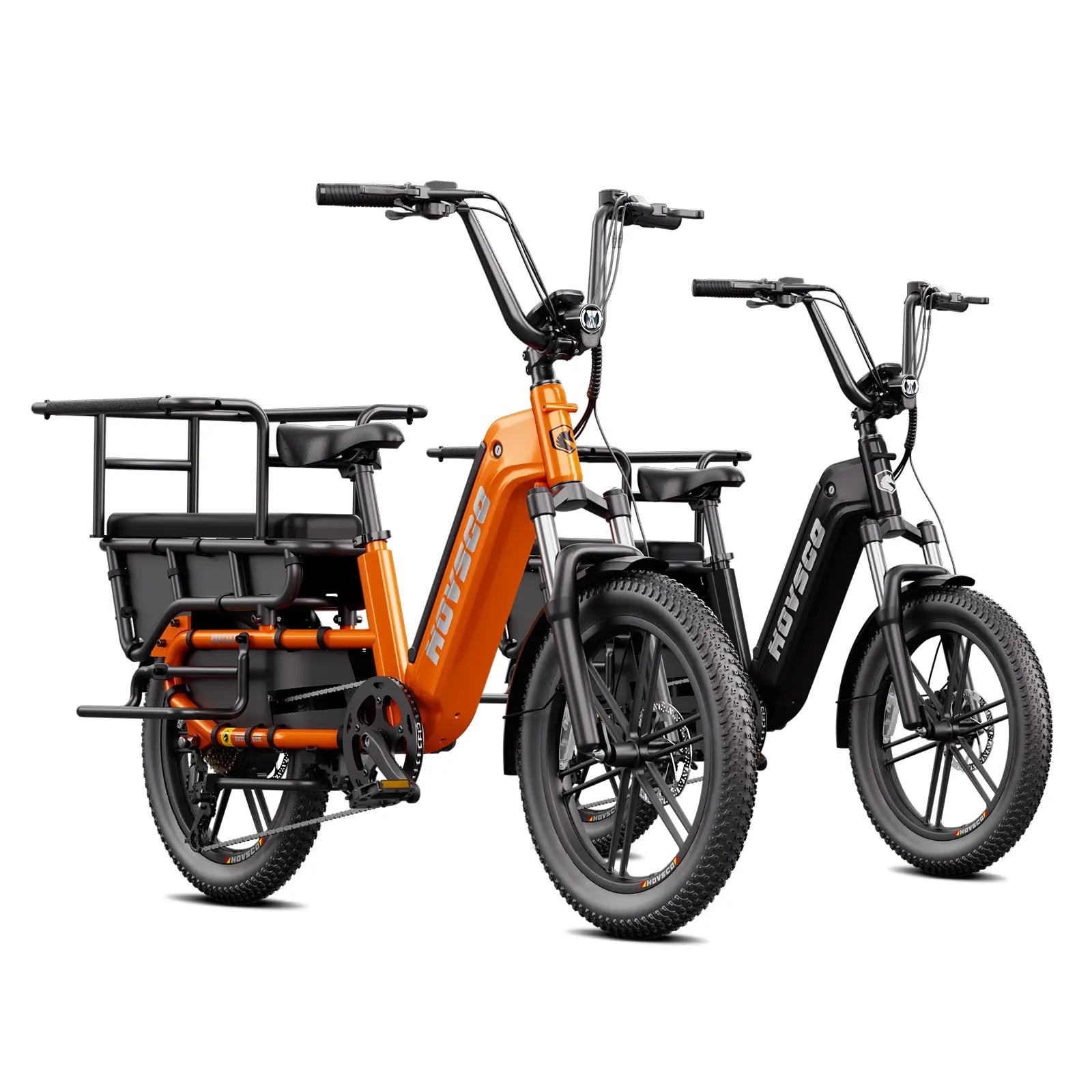
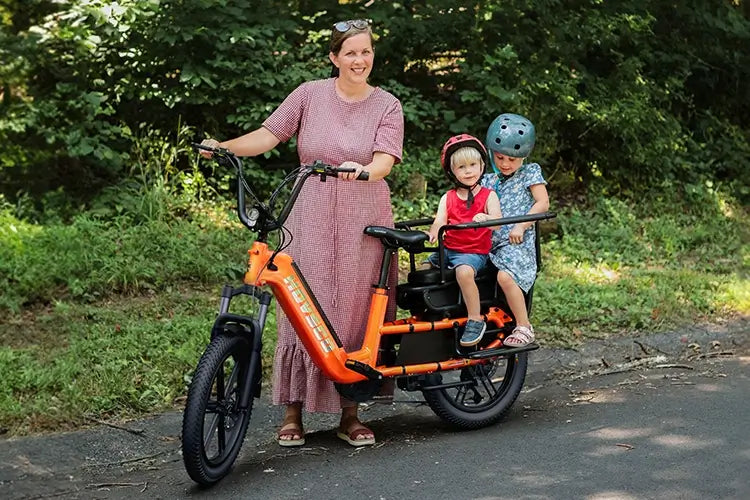
Scenario two: an apartment rider with narrow stairs. The Sync Max's 42.3 lb net weight makes carrying realistic, and the 14-inch fold fits a closet. Scenario three: a household that wants school runs and groceries. The HovCart carries a 450 lb payload — but the learning rule stays: unloaded first, then loads gradually.
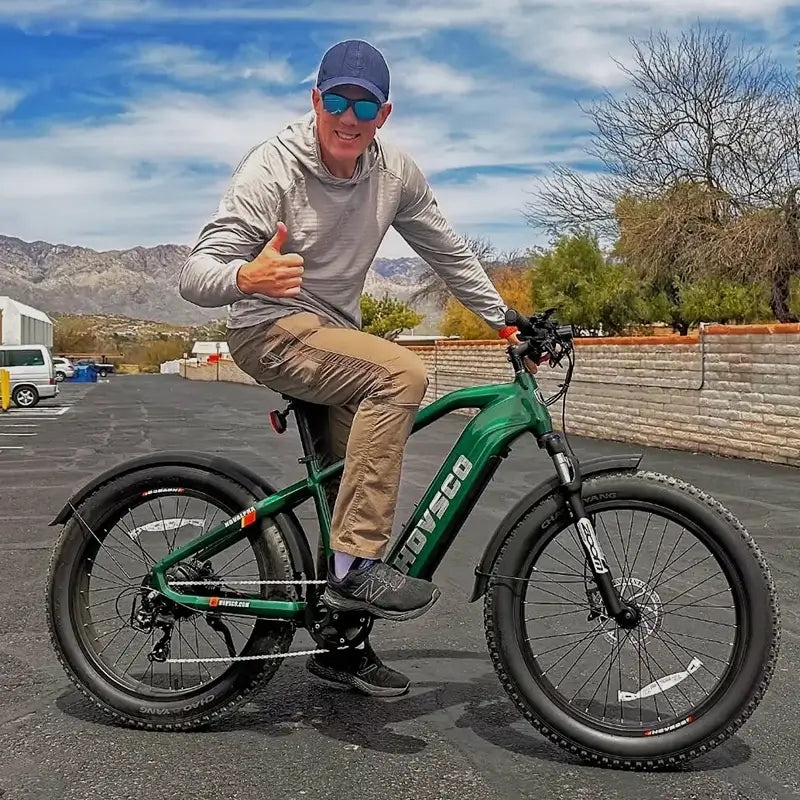
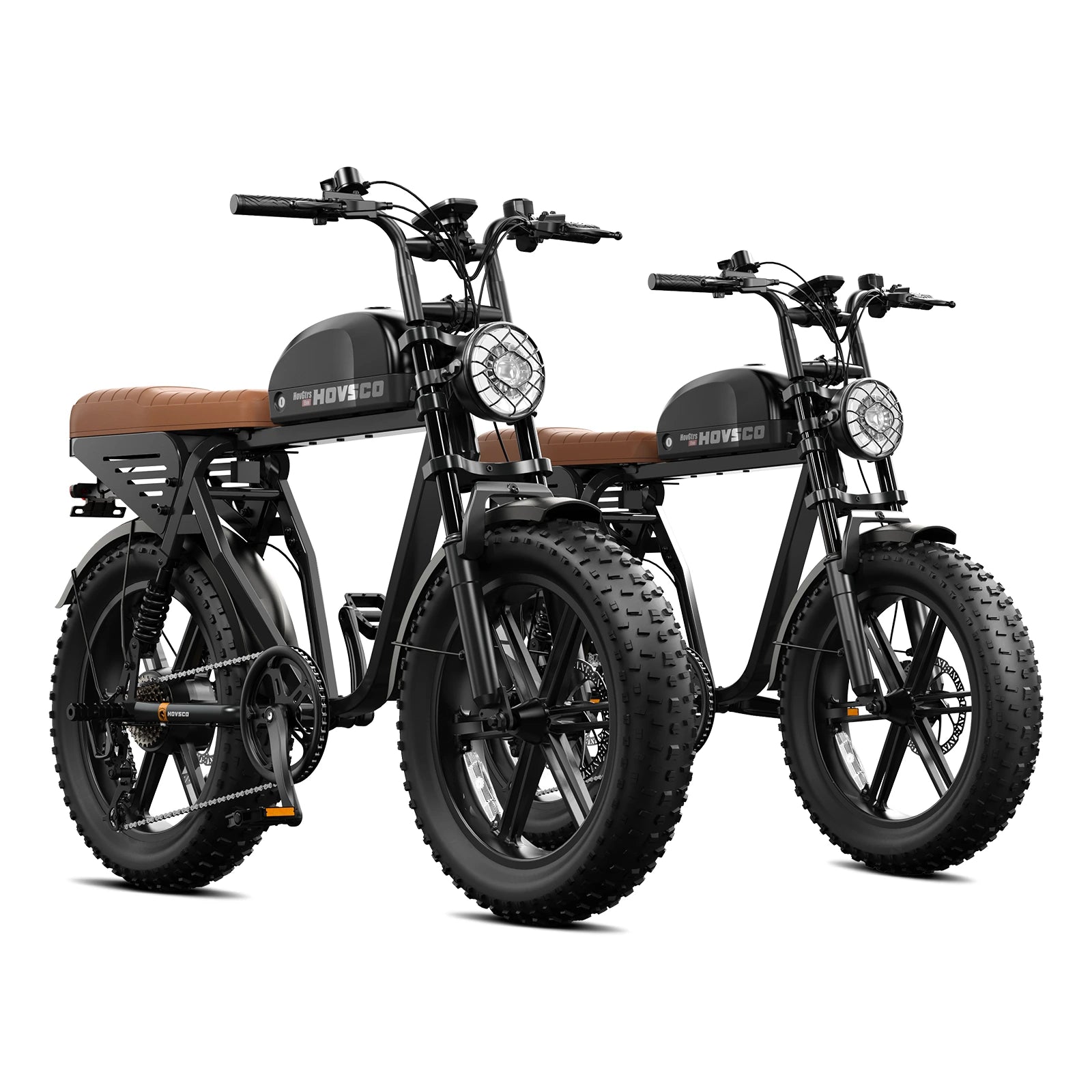
There is a fourth scenario worth naming: a rider who wants a planted, low-speed feel above all, perhaps after a long break from cycling. That rider should weigh the HovBeta's 10.63 in standover and fat-tire stability against its 66.4 lb complete weight — the stability is real, and so is the effort of walking it.
Answer three questions in order: where will it be stored, how much weight can you walk and park, and what is the first job? The answers point to one model more often than not.
If two models still fit, choose the lighter one for the first season and the model whose controls felt easiest during a test ride. Fit and first-week confidence decide more than any remaining spec difference.
A test ride settles the debate faster than any table: mount the bike, walk it, sit on it, and do a slow lap. The model that feels natural in the first ten minutes is the one to buy, even if its spec sheet is less impressive on paper. Comfort in the parking lot predicts comfort on the commute.
Check fit on the live product page: rider range, standover, and minimum seat height. The HovBeta publishes a 4'11"–6'3" rider range and a 10.63 in standover; the HovRanger Step-Thru publishes 5'1"–6'7". If a figure is not published — as with some folding formats — confirm it before buying rather than assuming. See the HovRanger Step-Thru product page and the HovBeta product page for current data.
Check the space where the bike will live. Measure the storage spot, the doorways, and the stairs, and add a plan for charging the battery. A bike that fits your body but not your building is the wrong bike.
Both checks take an evening and prevent the most common form of buyer's remorse. Write the three fit numbers and the storage measurements on one piece of paper before you compare models — decisions made against written numbers are easier to trust than decisions made from memory.
A spec table is a starting point, not a verdict. It cannot tell you how the bike feels when you mount it, how the controls sit under your hands, or how confidently you stop on a quiet test ride. Those sensations are the ones that decide whether a first e-bike gets ridden or gathers dust.
The table also cannot tell you about support after the sale: warranty scope, parts availability, and whether the brand stands behind the bike when something needs attention. For a first-time buyer, a brand that publishes fit data and answers questions is part of the product. Combine the table with a test ride and a look at the support offer, and the choice is complete.
" When we line up the four beginner models, the question is never which is best — it is where will this bike be ridden and how will it be stored. The context picks the model." — HOVSCO Engineering & Content Team
All four models are beginner-capable; they are not interchangeable. Match frame, weight, and storage to your first job, verify fit on the live page, and practice in an empty space before traffic. That sequence turns any of the four into a good first e-bike.
Which HOVSCO e-bike is best for a first-time rider?
For most first-time riders, the HovRanger Step-Thru is the easiest start: step-through entry, 55.4 lb complete weight, and a 5'1"–6'7" rider range. Choose Sync Max for tight storage, HovBeta for fat-tire stability, or HovCart for cargo.
Is the HovBeta easy to ride for beginners?
Yes on stability — fat tires and a 10.63 in standover give a planted low-speed feel — but its 66.4 lb complete weight makes walking, parking, and lifting harder, so practice those before riding.
Is the Sync Max good for beginners?
Yes, especially for small spaces and transit: 42.3 lb net makes it the lightest and easiest to carry. Its small wheels steer quickly, so practice low-speed turns before real corners.
Can a beginner use the HovCart?
Only if cargo is the real first job and you learn unloaded first. The 450 lb payload is a capability, not a starting point — cargo changes braking distance and low-speed handling.
What is the lightest HOVSCO beginner bike?
The Sync Max at 42.3 lb net. The HovRanger Step-Thru publishes 55.4 lb including battery, and the HovBeta and HovCart both publish 66.4 lb complete.
Share:
Are Lightweight Folding E-Bikes Worth the Weight?