






![[ New Arrival ] Porto Max Electric Scooter For Commute & Grocery Shopping - HOVSCO](http://www.hovsco.com/cdn/shop/files/PotroMax-3.jpg?v=1706927007&width=1200)
- by SteveJames
Are Lightweight Folding E-Bikes Worth the Weight?
- by SteveJames
E-Bikes
Accessories
 Free Shipping
 15-Day Returns
 2-Year Warranty
Free Shipping
15-Day Returns
2-Year Warranty
2-Year Warranty
Free Shipping
15-Day Returns
2-Year Warranty
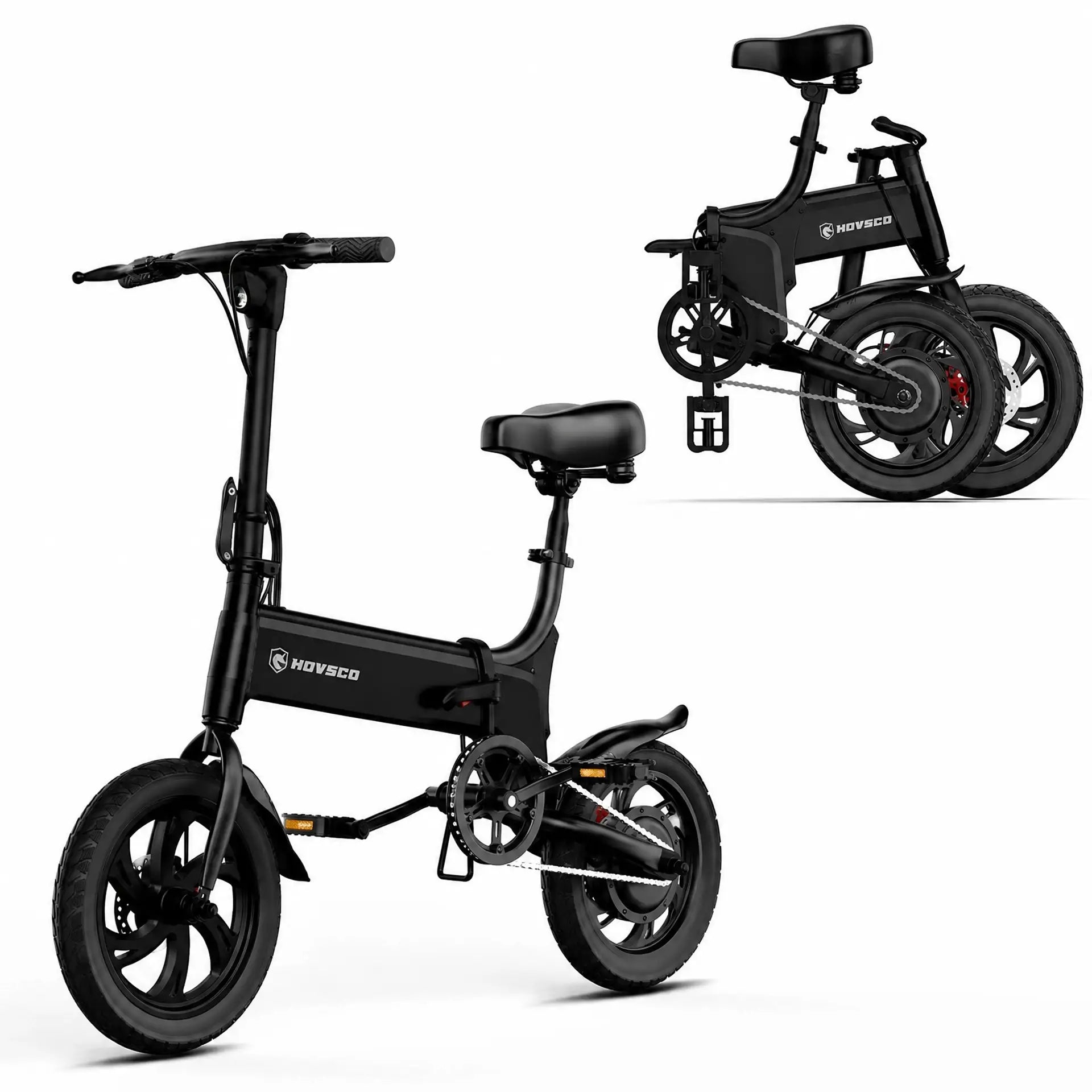
Folding and lightweight are two different wins that happen to pair well. A hinge changes storage, not mass; a light frame changes carrying, not size. The HOVSCO Sync Max is the model where both come together — 42.3 lb net in a 14-inch folding format. This guide covers what to check, how that number fits the market, and when a lightweight folding bike is the wrong call. Weight definitions are covered in our how much does an electric bike weigh guide.
Folding solves a space problem; lightweight solves a lifting problem. A heavy folding bike still fights you on the stairs, and a light non-folding bike still needs floor space. The Sync Max is useful precisely because it addresses both: it folds for trunks and closets, and its 42.3 lb net weight keeps the carry manageable. When you shop, judge each benefit separately — do not assume a hinge means a lighter bike.
Three numbers decide whether a folding bike works in your life, and all three come from the spec sheet before the test ride.
The shortlist below is limited to models with published weight figures we could verify; the ranked list is in our best lightweight electric bikes guide.
| Model | Published weight | Format | Notes |
|---|---|---|---|
| HOVSCO Sync Max | 42.3 lb net | 14" folding | 450W motor, up to 30 miles, 260 lb payload; confirm fit and folded dimensions on the product page |
Most other folding models do not publish complete geometry, which makes direct weight comparisons unreliable — check the live page before comparing.
The Sync Max sits at the light end of what folding e-bikes publish. A 42.3 lb bike that folds is only half the story — the other half is whether it still rides like a bike. Its 450W motor handles urban hills, the 30-mile range covers the daily loop, and the 260 lb payload means the rider plus groceries still fit. The small wheels keep the package compact and nimble, at the cost of the smoother roll you get from full-size wheels. That trade is exactly why HOVSCO also sells the full-size HovRanger frames for riders who want both formats' strengths.
These five tests take about ten minutes and reveal most folding-bike problems before they become yours.
If your route is long, hilly, or cargo-heavy, a small-wheel folding bike will make you work for the portability you may not need. The same applies if you have secure full-size parking and never carry the bike — in that case, a larger-wheel model with more range is the better trade. And on the storage side, if you already have a garage rack, the fold adds hinge weight and complexity for a benefit you will rarely use. Folding and lightweight only pay off when you actually use the fold and the light weight.
"The Sync Max earns its place in the lineup because the fold and the weight work together. A bike that folds but still fights you at the stairwell is just a smaller problem." — HOVSCO Engineering & Content Team
A lightweight folding e-bike is the right answer when storage and carrying are both real constraints. The Sync Max at 42.3 lb net delivers both, with a 30-mile range that covers city riding. Check the folded dimensions against your space, test the carry yourself, and choose the full-size HovRanger frames only if your route outgrows what small wheels can offer.
Is a folding e-bike lightweight?
Not automatically. A folding hinge changes storage dimensions, not mass — some folding bikes are heavier than full-size ones. The HOVSCO Sync Max is both folding and light at 42.3 lb net.
What is the lightest folding e-bike?
Published figures vary by brand. The HOVSCO Sync Max lists a 42.3 lb net weight in a 14-inch folding format; confirm what the net figure includes on the live product page.
How much does a lightweight folding e-bike weigh?
Most lightweight folding models fall in the 35–55 lb range, with the light end around 40–45 lb. Compare complete weight with the battery included for a fair picture.
Can a lightweight folding e-bike handle hills?
Moderate hills, yes — the Sync Max uses a 450W motor. Steep, sustained climbs are better handled by a stronger motor, which usually means more weight. Match the motor to your route.
Do folding e-bikes ride like full-size bikes?
They ride differently: smaller wheels are nimble and easier to store, but full-size wheels roll more smoothly over distance. Test the exact model to see whether the feel suits your route.
Share:
What Are the Best Step-Through E-Bikes for Short Women?
Which HOVSCO E-Bike Is Best for Beginners?