



![[ New Arrival ] Porto Max Electric Scooter For Commute & Grocery Shopping - HOVSCO](http://www.hovsco.com/cdn/shop/files/PotroMax-3.jpg?v=1706927007&width=1200)
- by SteveJames
Which HovGtrs Battery Plan Is Right: Evo, Pro or Ultra?
- by SteveJames
E-Bikes
Accessories
 Free Shipping
 15-Day Returns
 2-Year Warranty
Free Shipping
15-Day Returns
2-Year Warranty
2-Year Warranty
Free Shipping
15-Day Returns
2-Year Warranty
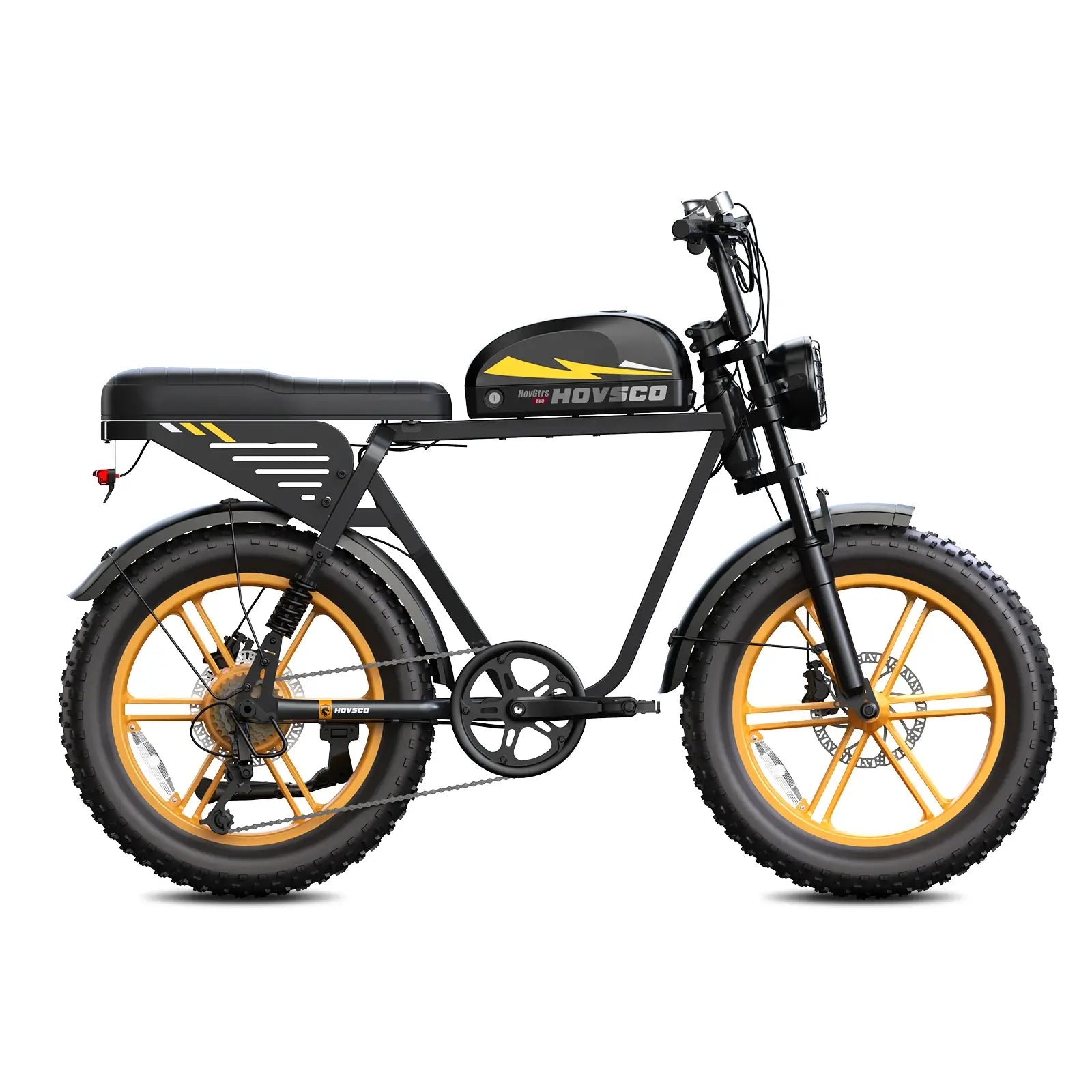
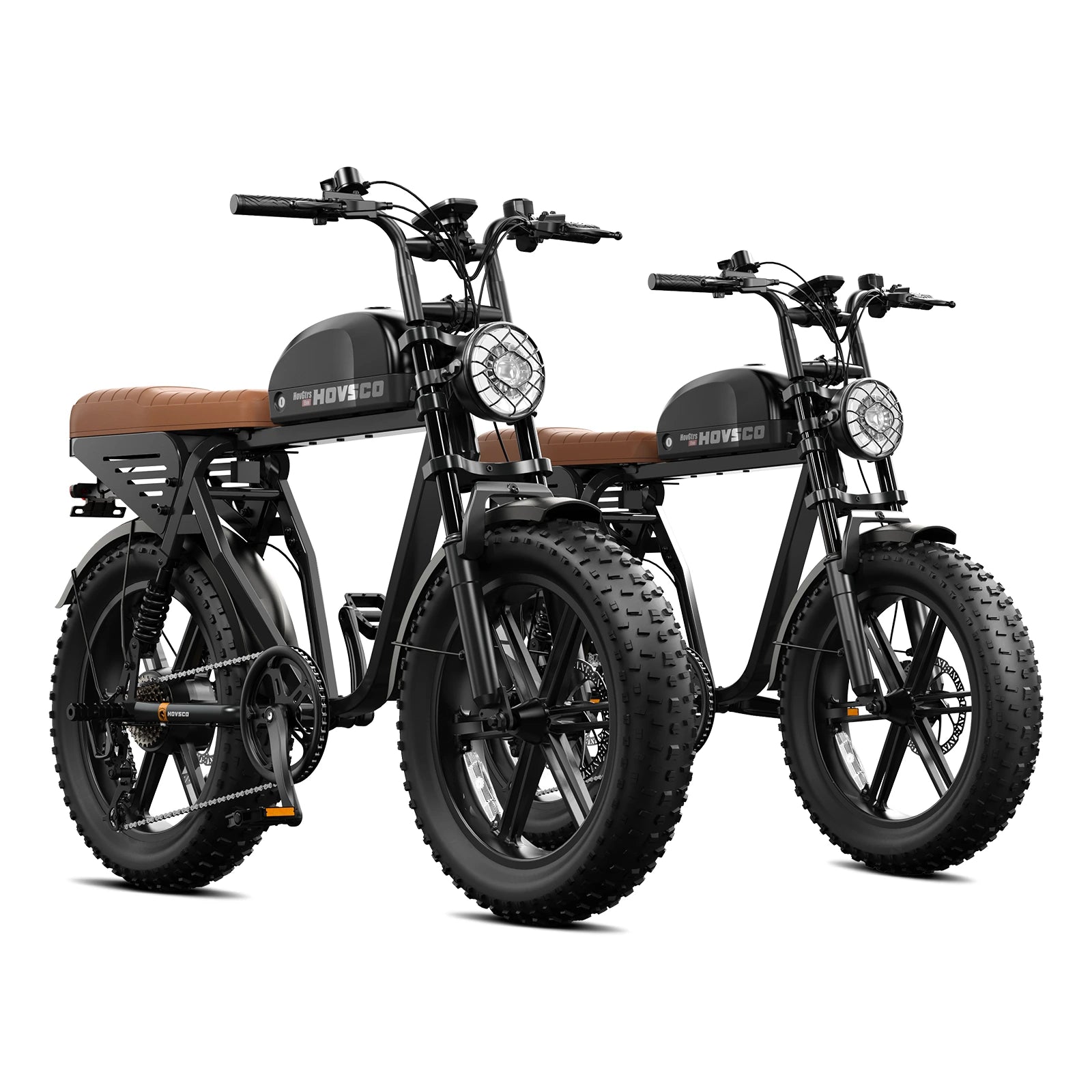
The HovGtrs decision is a battery-plan decision: Evo, Pro, and Ultra share the same 1500W platform, and the only meaningful difference is how much energy the packs carry. This comparison keeps the full battery table in one place — capacity, published range, charger, and charging time — and translates it into the route each plan serves. The long-route method is in our route planning guide.
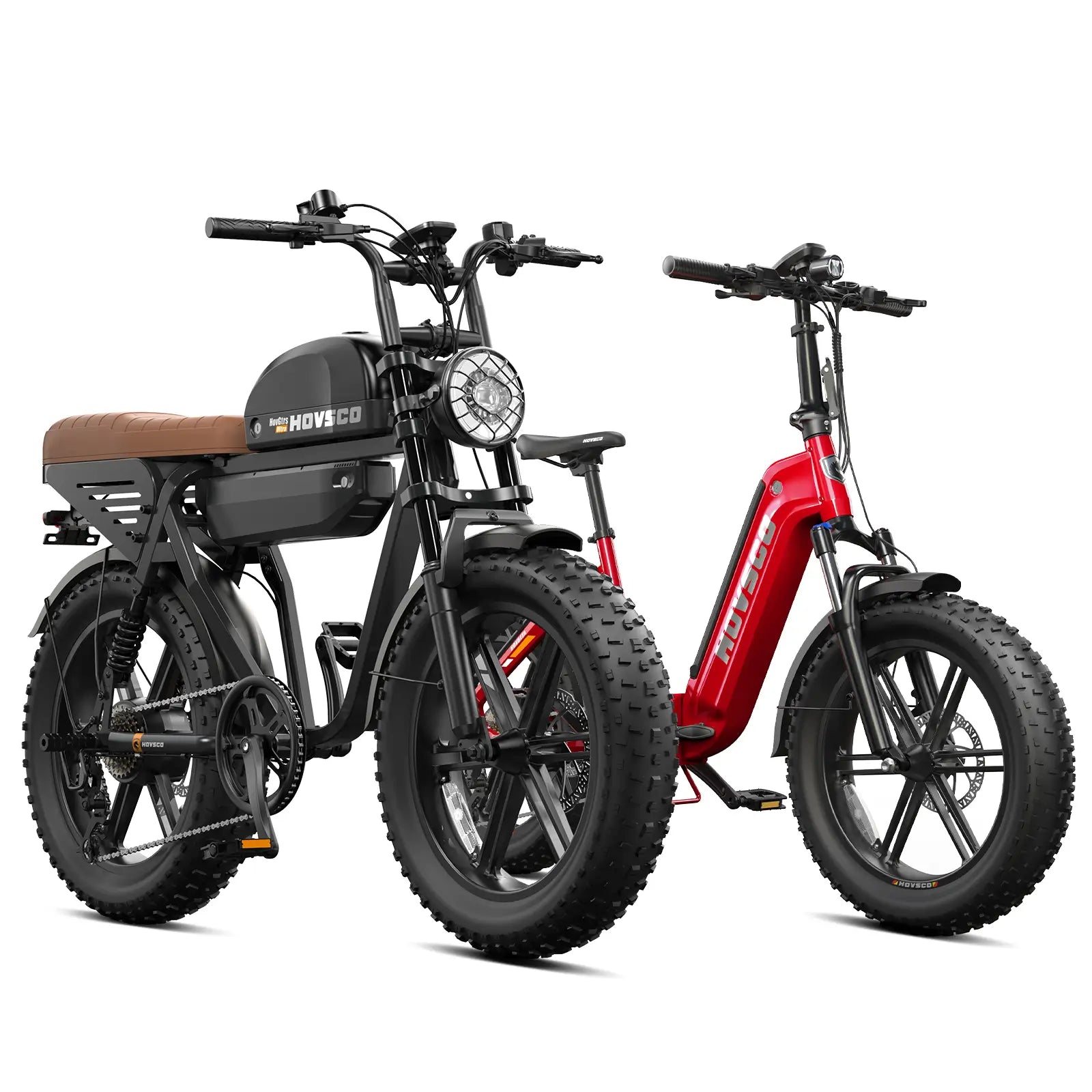
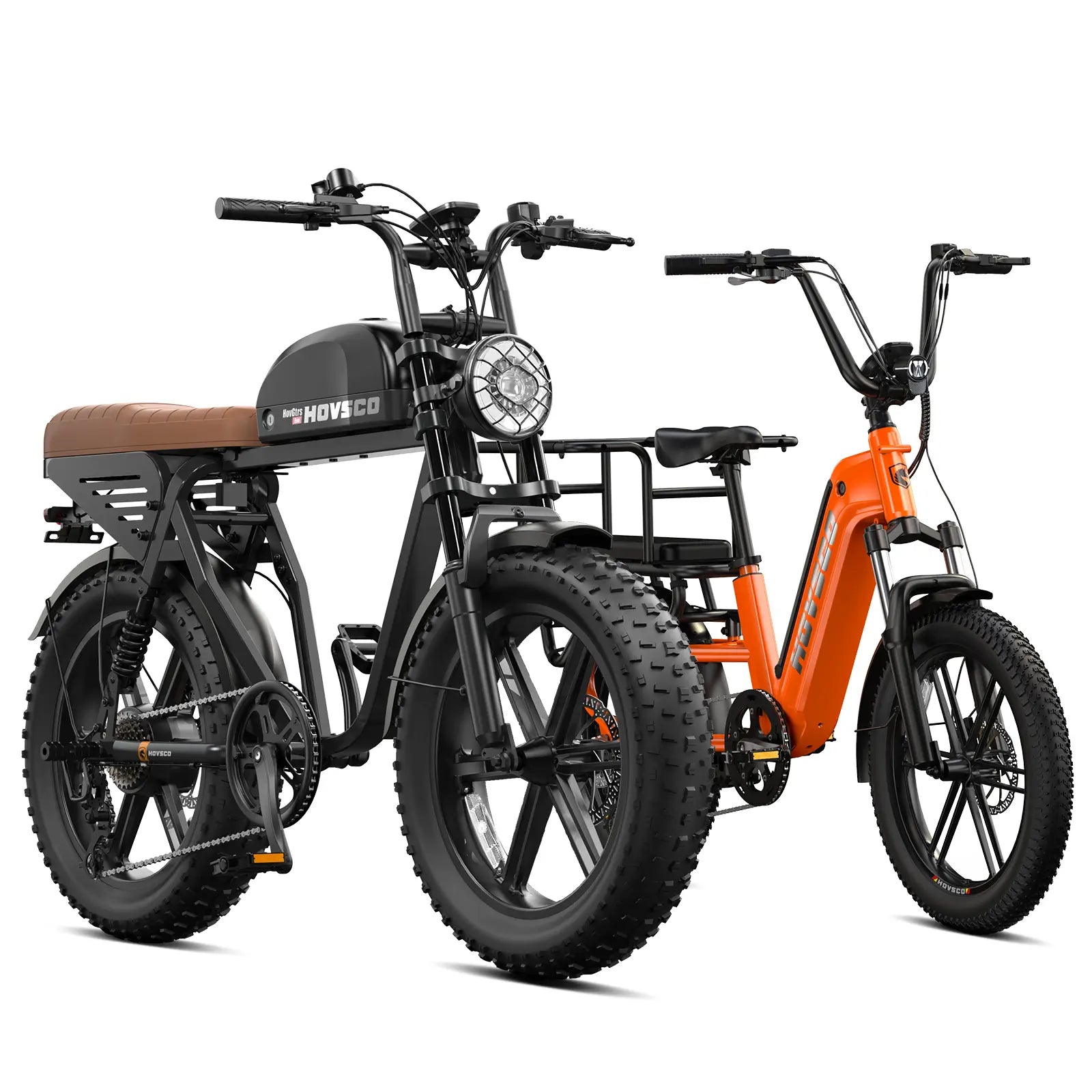
All three HovGtrs configurations use the same 1500W motor, the same 32 mph top speed, the same 450 lb payload, and the same 77.1 lb platform. The motor is decided; the battery is the choice. Comparing the configurations means comparing the packs.
Compare Evo, Pro, and Ultra by published battery capacity and pedal-assist range, then plan for rider load, speed, terrain, weather, and a safe return reserve. The battery plan is the whole comparison.
The battery-plan comparison below is the complete published specification set, from HOVSCO's live product pages.
| Spec | Evo | Pro | Ultra |
|---|---|---|---|
| Battery | 48V 15Ah (720Wh) | 48V 25Ah (1200Wh) | Dual 48V 15Ah + 25Ah (1920Wh) |
| Published range | 65 miles | 100 miles | 150 miles |
| Charger | 54.6V / 2A | 54.6V / 3A | 54.6V / 3A |
| Charging time | 5–7 hours | 5–7 hours | 5–7 hours |
| Removable packs | One, with key | One, with key | Two, with keys |
Read the battery, charger, and pack rows together: they describe three levels of range and three levels of charging routine, on the same bike.
The Evo's single 720Wh pack covers long commutes and day trips with a published 65-mile range. Its 2A charger is the slowest of the three, which makes the overnight charge the natural rhythm for the single-pack format.
Choose the Evo when the longest route sits comfortably inside 65 miles with reserve. The single pack keeps the charging and the battery records simple, and the price is the entry point to the moped class.
The Pro's single 1200Wh pack lifts the published range to 100 miles with a 3A charger. It serves full-day rides and touring routes without the dual-pack complexity, and the single-pack routine stays simple at a higher capacity.
Choose the Pro when the longest day sits between 65 and 100 miles. The 3A charger shortens the top-up window, and one pack means one charging spot and one battery record — the efficient middle of the lineup.
The Ultra combines a 48V 15Ah pack and a 48V 25Ah pack at 1920Wh for a published 150-mile range. It serves multi-day and expedition routes where the battery plan is the entire point of the purchase.
The dual packs come with keys, two charging slots in the 5–7 hour window, and two battery records to keep. The 150-mile plan is real, and the added routine is the honest trade — the dual-battery charging guide covers it in detail.
The 77.1 lb platform and 1500W motor are identical across the configurations; the range changes because the energy budget changes. A 720Wh pack can push the same bike 65 miles under ideal conditions, while 1920Wh pushes it 150 miles — the motor does not change, the fuel does.
This is why the comparison reads as a battery table rather than a bike table: the rider is choosing how much energy to carry, and the weight of the packs is the cost of that choice.
Choose the plan by the longest route on the calendar plus the return reserve, not by the 150-mile badge. A rider whose longest day is 60 miles does not need 1920Wh; one whose expedition day is 140 miles needs nothing less.
Run the long-route worksheet from our route planning guide for the farthest day, add the reserve, and compare against the published range with the rider load and terrain adjustments. The plan that clears the worksheet is the configuration to buy.
The same worksheet settles the charging side: a route that needs a mid-day charge points to the single-pack routine of the Evo or Pro, while an expedition that charges overnight fits the Ultra's dual packs.
Revisit the plan when the season changes, because a winter version of the longest route draws more from the same packs and can move the configuration decision.
" Evo, Pro, and Ultra are three fuel tanks on the same bike: the motor, speed, and payload are identical, and the battery plan is the entire decision. Match the pack to the longest route plus the return reserve." — HOVSCO Engineering & Content Team
The HovGtrs is one bike with three battery plans: Evo at 720Wh for 65-mile days, Pro at 1200Wh for 100-mile rides, and Ultra at 1920Wh for 150-mile expeditions. Choose by the longest route plus the reserve, and let the single-pack simplicity of the Evo and Pro win unless the route truly needs dual packs.
What is the difference between the HovGtrs Evo, Pro, and Ultra?
The battery plan. All three use the same 1500W platform; the Evo carries 720Wh for 65 miles, the Pro 1200Wh for 100 miles, and the Ultra dual packs at 1920Wh for 150 miles.
Which HovGtrs has the fastest charging?
The Pro and Ultra use 3A chargers; the Evo uses a 2A charger. All three fill in 5–7 hours, and the larger packs take the longer end of that window.
Can I upgrade the Evo to a Pro or Ultra battery later?
Confirm the pack compatibility on the product page and with HOVSCO support before assuming an upgrade path. The configurations are sold as complete battery plans.
Is the Ultra worth the extra complexity?
Only if the longest route genuinely needs the 150-mile plan. The dual packs add a second charging slot and a second battery record, which is worth it for expeditions and not for 65-mile days.
How much does the battery plan affect the practical range?
Significantly: the same bike ranges 65, 100, or 150 miles depending on the packs, before rider load, terrain, and weather adjustments. The plan is the whole decision.
Share:
How Do You Plan a Daily Commute With a Scooter?
How Do You Measure Inseam for an Electric Bike?