














![[ New Arrival ] Porto Max Electric Scooter For Commute & Grocery Shopping - HOVSCO](http://www.hovsco.com/cdn/shop/files/PotroMax-3.jpg?v=1706927007&width=1200)
- by SteveJames
How Do You Plan a Daily Commute With a Scooter?
- by SteveJames
E-Bikes
Accessories
 Free Shipping
 15-Day Returns
 2-Year Warranty
Free Shipping
15-Day Returns
2-Year Warranty
2-Year Warranty
Free Shipping
15-Day Returns
2-Year Warranty
A scooter commute is a complete trip: the ride, the carry, the fold, the transit leg, the lock, and the walk — timed door to door, not ride to ride. The commute-planning method for scooters is defined here: count every segment, add the reserve, and match the scooter to the stops. The range math is in the route planning guide, and the transit rules are in our transit guide.
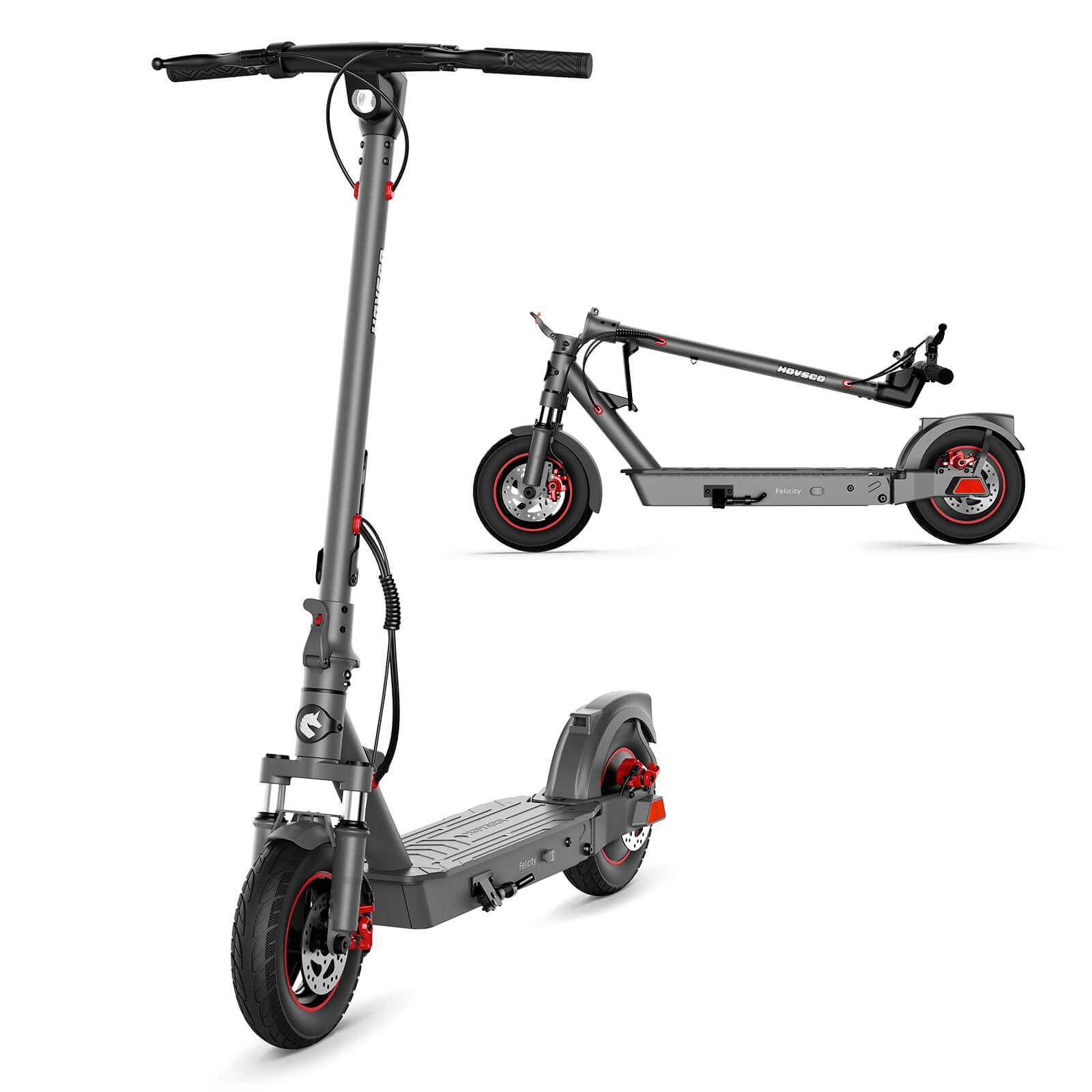
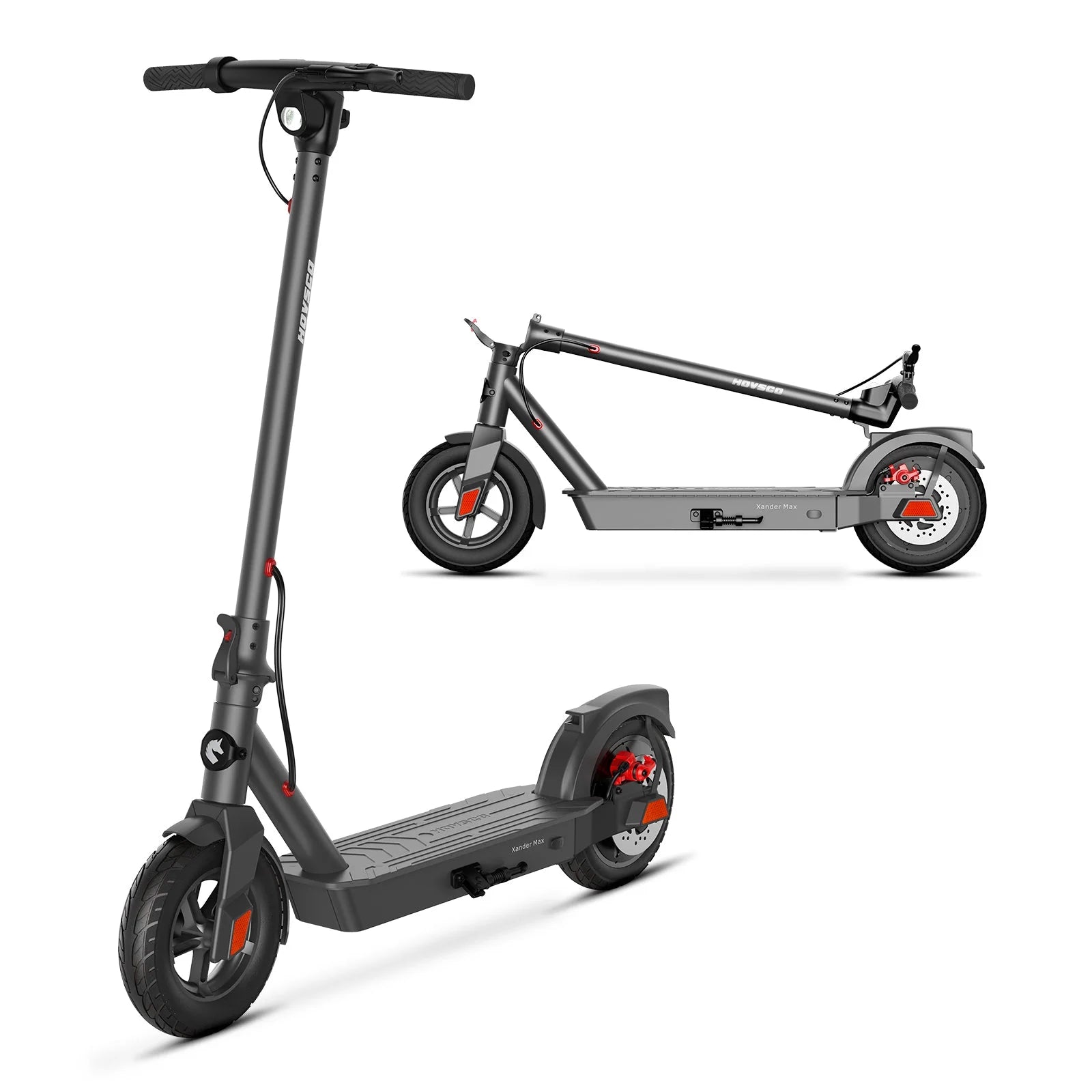
A commuter scooter is chosen around the complete trip: daily distance, carry plan, ride comfort, and the work, transit, and errand stops. The riding segment is one line in that total, and the carry and fold segments are the ones most commuters skip when they time the route.
Time the trip the way the commute actually runs: from the storage spot at home to the desk or station at the destination, counting the fold, the carry, the transit leg, and the walk. The scooter that wins the complete trip is the one worth keeping.
Every commute has moments the scooter is not being ridden: folding it at the station, carrying it up the stairs, locking it at the destination, walking it through a lobby. Each one adds time, and each one depends on the scooter's weight and fold.
| Segment | What to time |
|---|---|
| Leaving home | Getting the scooter from storage to the street |
| Fold and carry | Transit legs, stairs, and lobbies |
| Riding | Actual time in motion, including stops |
| Lock and stow | Securing the scooter at the destination |
| Final walk | From the scooter to the desk or classroom |
The 36.2 lb Xander Max and the 43.1 lb Porto Max make these segments different lengths; the carry segment is where the weight pays or costs.
The daily range check uses the method from the route planning guide: the complete route plus a 20% reserve, compared against the practical range of the model. A 10-mile commute with a 2-mile lunch run needs a 14-mile plan before the reserve.
All three commuter scooters cover a typical daily total with margin, so the range check usually passes — and it exists to catch the week the schedule grows, not the average day.
Name the stops before choosing the setup: the work rack, the transit platform, the errand shop, the grocery store. Each stop adds a fold, a carry, or a basket need, and the setup follows the stops.
The commute worksheet should list every stop in order, with the time at each one. The stop that is hardest every day — the stairs, the platform, the full basket — is the stop the scooter must serve best.
Two checks belong with the commute plan: the weather backup and the local rules. The scooter rules guide covers helmet, registration, and where the scooter may ride, and the answer changes which route is legal and practical.
The weather backup covers the days riding is the wrong call: a transit alternative, a walking plan, or a work-from-home morning. A commute with a backup is a commute that survives the year.
Fill this in for the route you plan to repeat.
| Line | Your number |
|---|---|
| Complete trip | Door-to-door minutes, all segments |
| Daily distance | Total miles including errands |
| Reserve (add 20%) | Distance × 1.2 |
| Stops | Work, transit, and errand stops listed |
| Setup match | Comfort, carry, or seated for the hardest stop |
Keep the worksheet with the range and route tables from the scooter guides; the three planning tools together are the commute plan.
The first week of a real commute is the calibration week: the platform is busier, the rack is fuller, and the route takes longer than the test run. Re-time the trip after five real commutes and adjust the worksheet with the actual numbers.
The adjusted total is the number every future decision uses — which setup, which route, which backup. A commute that fits the real schedule is the commute that lasts, and the worksheet is what keeps it honest.
The worksheet also feeds the category question from our scooter-versus-e-bike guide: once the complete trip is timed and the stops are named, the vehicle class that fits the hardest part of the commute becomes clear.
Review the worksheet when the job, the transit line, or the season changes, because each change moves the number and sometimes the setup.
The same worksheet supports the maintenance schedule from the scooter maintenance guide: the weekly mileage and the stops feed the tire and brake intervals, so the commute plan and the service plan stay in step.
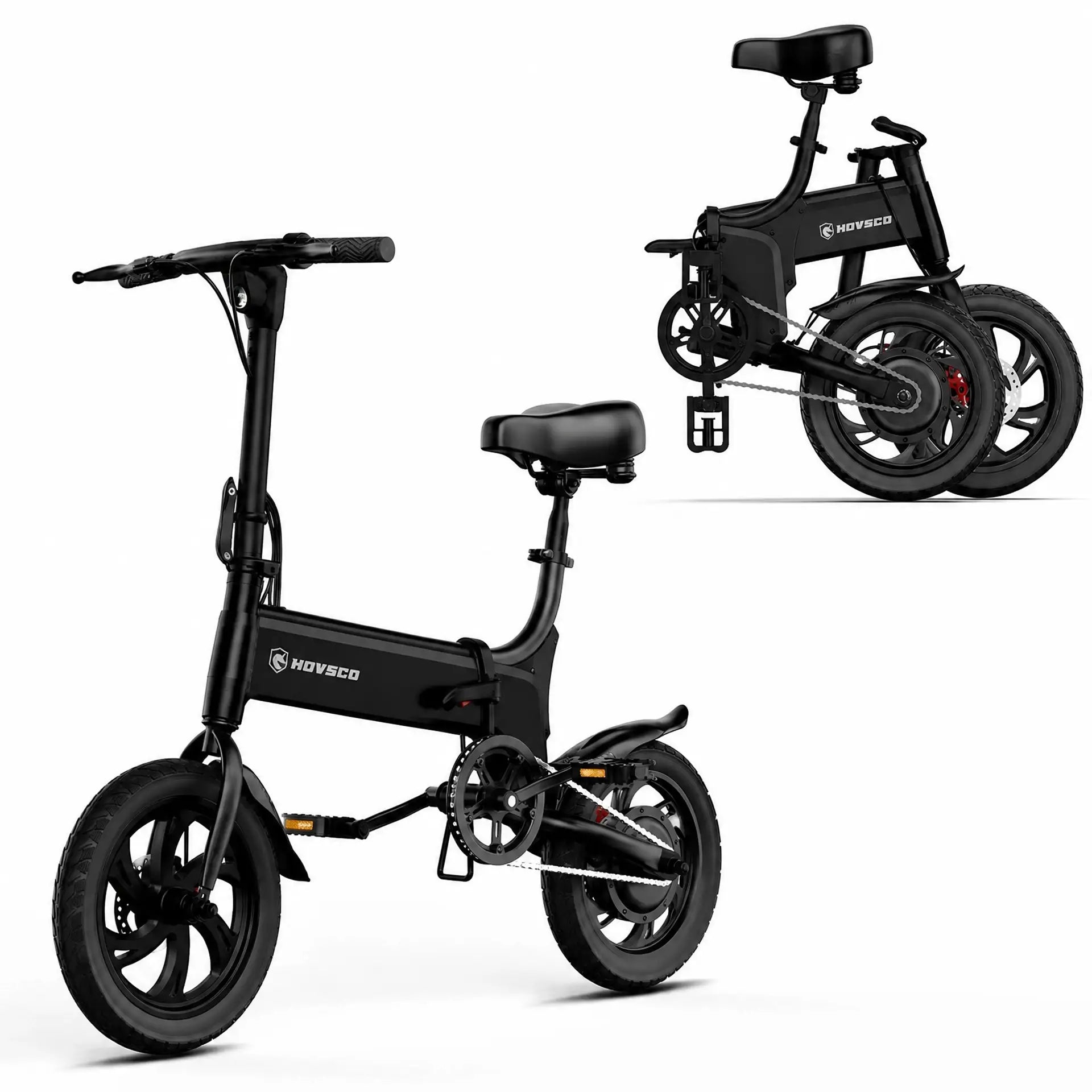
For a commute with an errand stop, the worksheet also names the basket need, and the answer points to the Porto Max's seat and rear basket before the route is finalized.
" The scooter commute is a door-to-door total: the ride, the fold, the carry, and the stops. Time every segment, add the reserve, and the setup that fits the hardest stop is the one to keep." — HOVSCO Engineering & Content Team
A scooter commute is planned door to door: count the carry, fold, ride, lock, and walk; add the 20% reserve; list the work, transit, and errand stops; and match the comfort, carry, or seated setup to the hardest stop. Re-time after the first week.
How should I time a scooter commute?
Door to door: from storage at home to the desk at the destination, counting the fold, the carry, the transit leg, the lock, and the walk — not just the riding minutes.
What is the carry time in a scooter commute?
The minutes the scooter is not being ridden — folding at the station, carrying up stairs, walking through a lobby. The 36.2 lb Xander makes these segments shorter than the 43.1 lb Porto.
How much range does a scooter commute need?
The complete daily distance plus a 20% reserve. A 10-mile commute with a 2-mile errand needs a 14-mile plan before the reserve.
How do I choose between comfort, carry, and seated setups?
List the stops and match the setup to the hardest one: rough pavement picks comfort, transit picks carry, and an errand basket picks the seated Porto Max.
When should I re-time the commute?
After the first real week, when the platform traffic, rack availability, and route time are known. The adjusted total is the number every future decision uses.
Share:
Felicity vs Xander Max: Which Folding Scooter Fits Your Routine?
Which HovGtrs Battery Plan Is Right: Evo, Pro or Ultra?