











![[ New Arrival ] Porto Max Electric Scooter For Commute & Grocery Shopping - HOVSCO](http://www.hovsco.com/cdn/shop/files/PotroMax-3.jpg?v=1706927007&width=1200)
- by SteveJames
What Does Charging a Business Fleet Require?
- by SteveJames
E-Bikes
Accessories
 Free Shipping
 15-Day Returns
 2-Year Warranty
Free Shipping
15-Day Returns
2-Year Warranty
2-Year Warranty
Free Shipping
15-Day Returns
2-Year Warranty
Fleet charging fails when nobody owns it. Assign who checks the charge state, connects the approved charger, monitors the area, and records any damage — for every bike, every day. Use only the charger approved for the exact model, do not charge unattended or near combustible materials, and follow the manual when batteries are removed. The battery-care basics themselves live in our e-bike battery charging guide; this article owns the ownership and supervision structure for a business.
A consumer charges their own bike and notices problems by habit. A business fleet has no such habit — the bike is shared, the schedule is tight, and charging becomes everyone's job, which means nobody's job. The fix is a named owner for every bike.
Assign one person per bike to check the charge state, connect the charger, monitor the area, and record any damage. The collection page says it directly: charging needs ownership and supervision, and the owner is the person who makes the routine repeatable.
The owner also owns the handoff: when a rider or shift changes, the charging owner signs off and the next owner confirms the state. The handoff prevents the gap where everyone assumes someone else charged the bike.
Name a backup owner for each bike so a sick day or a vacation never leaves the battery uncharged; the backup is trained on the same routine before they need it.
The owner should also confirm the charger stays with the bike: a charger loaned to another model or left at a customer site breaks the matched-charger rule the fleet depends on.
Review the ownership matrix quarterly with the total-cost table, so a growing fleet keeps one owner per bike instead of drifting back into shared responsibility.
The matrix also names the escalation for a charging problem: who stops the charge, who inspects the pack, and who decides whether the bike stays in service. A defined escalation keeps a small anomaly from becoming a fleet event.
Write the ownership down so it survives staff changes and busy weeks.
| Task | Owner | When |
|---|---|---|
| Check charge state | Named rider or manager | End of each workday |
| Connect the charger | Named owner | After the last ride |
| Monitor the area | Named owner | While charging |
| Record damage | Named owner | Any anomaly |
The matrix is the fleet's charging contract: every bike has an owner, every task has a time, and every anomaly has a record.
Post the matrix where the bikes live, and review it when the fleet grows or a rider leaves. A charging contract that is visible and current is a contract that is followed.
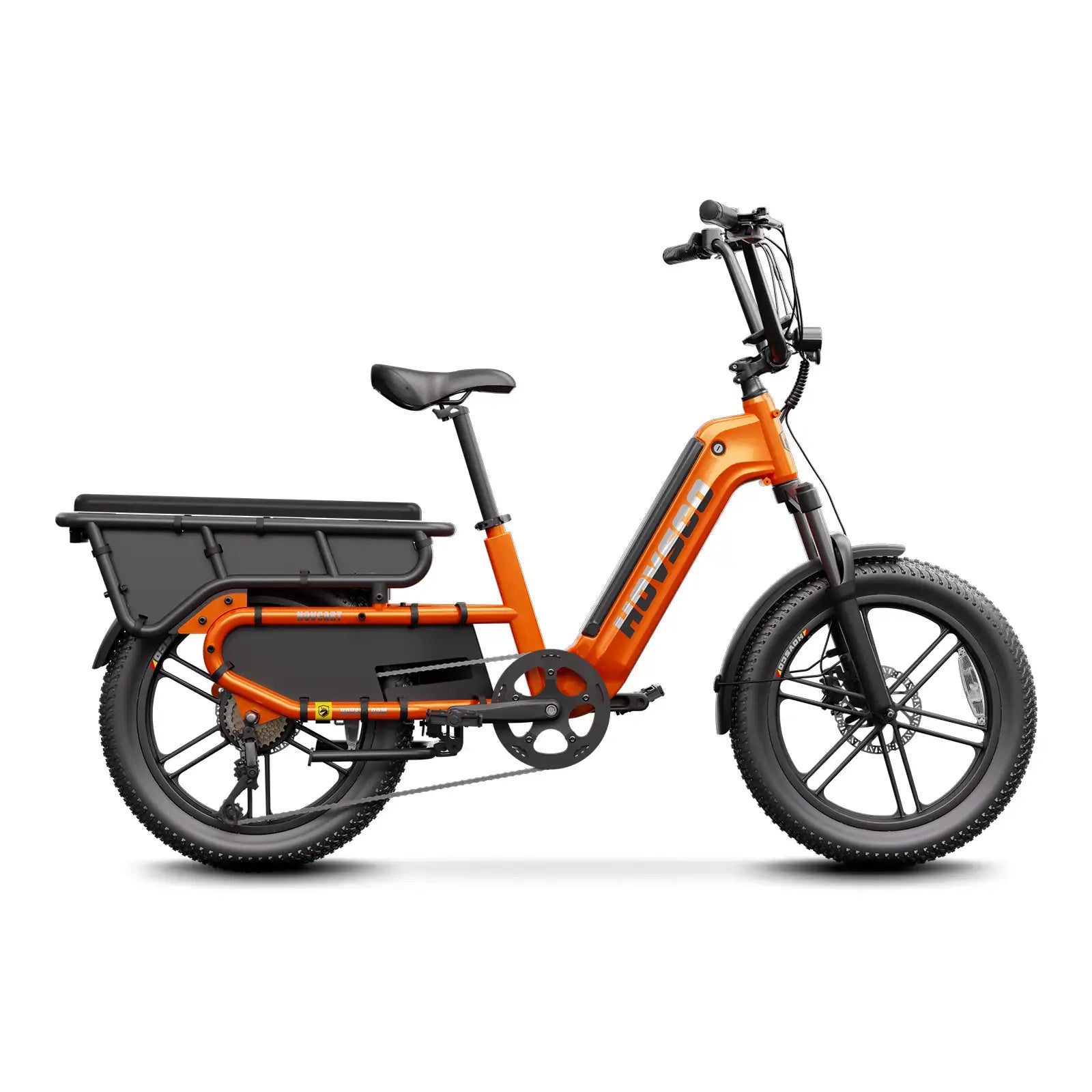
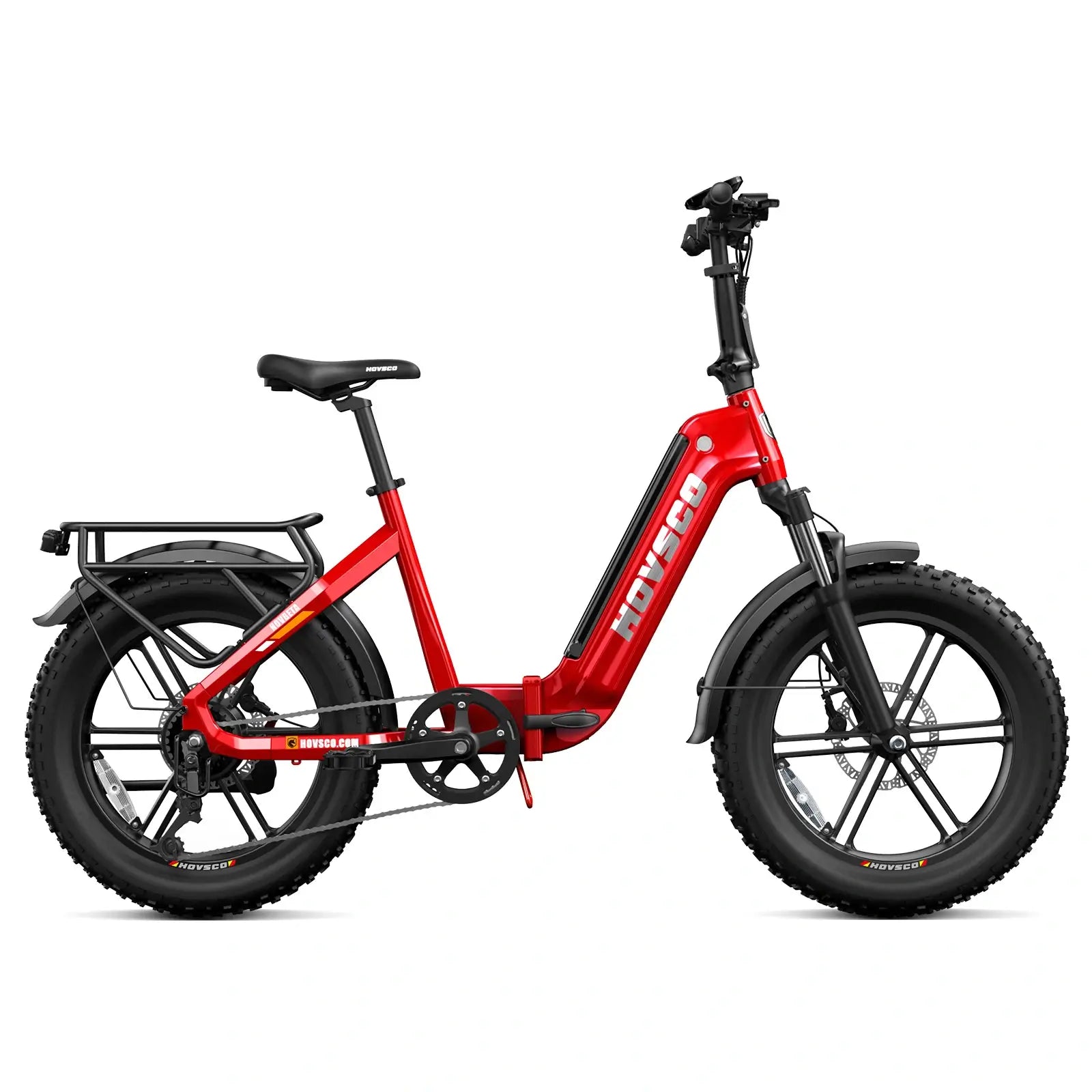
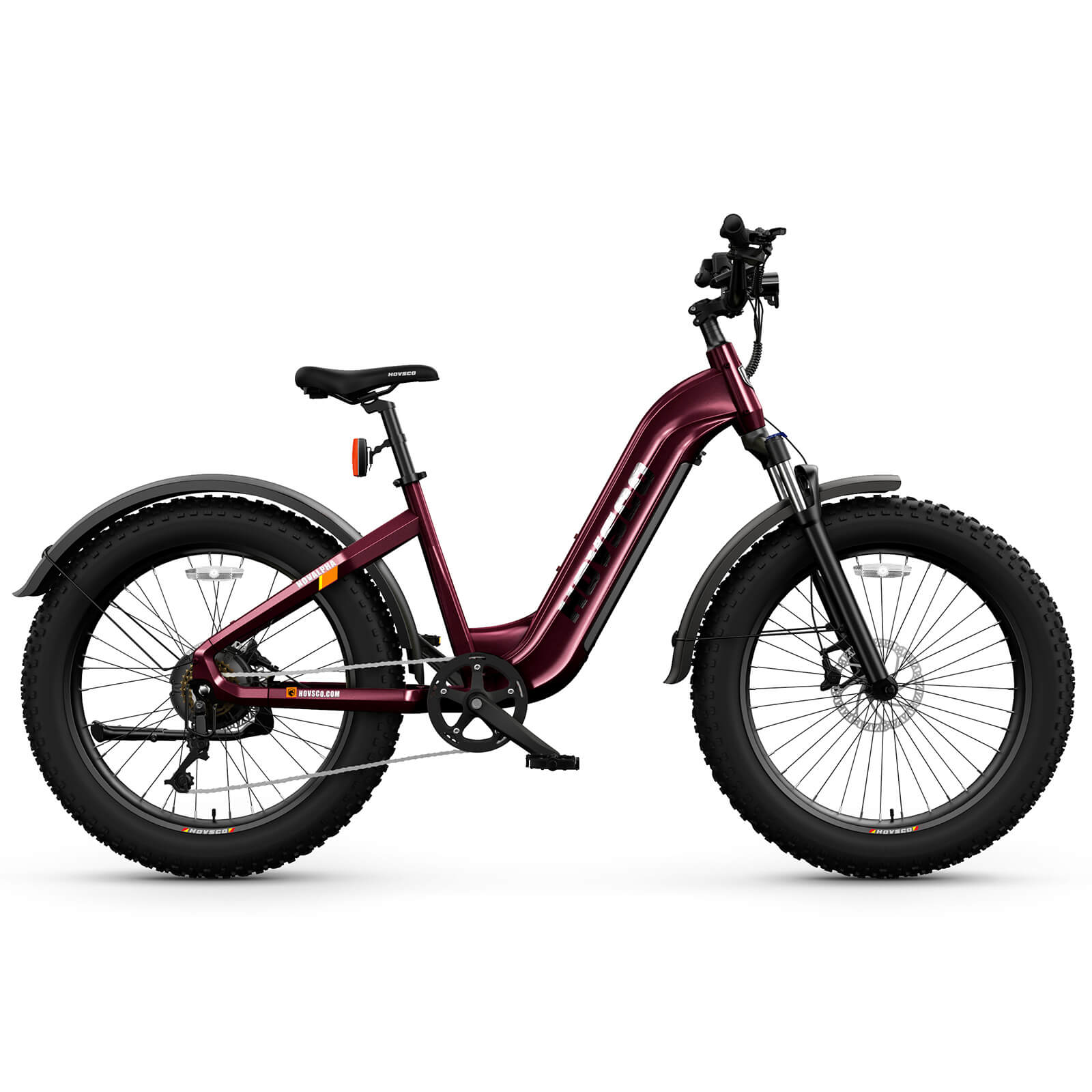
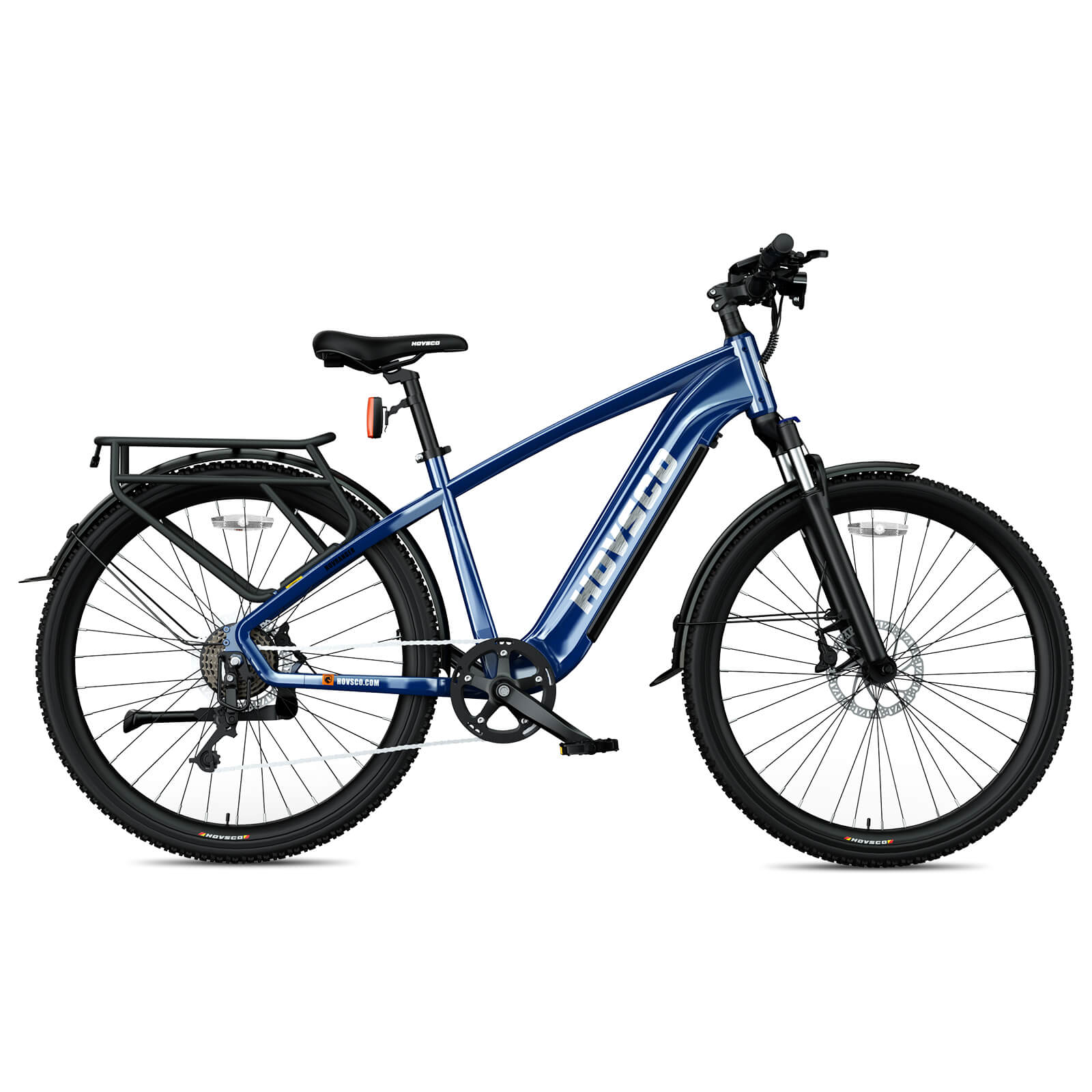
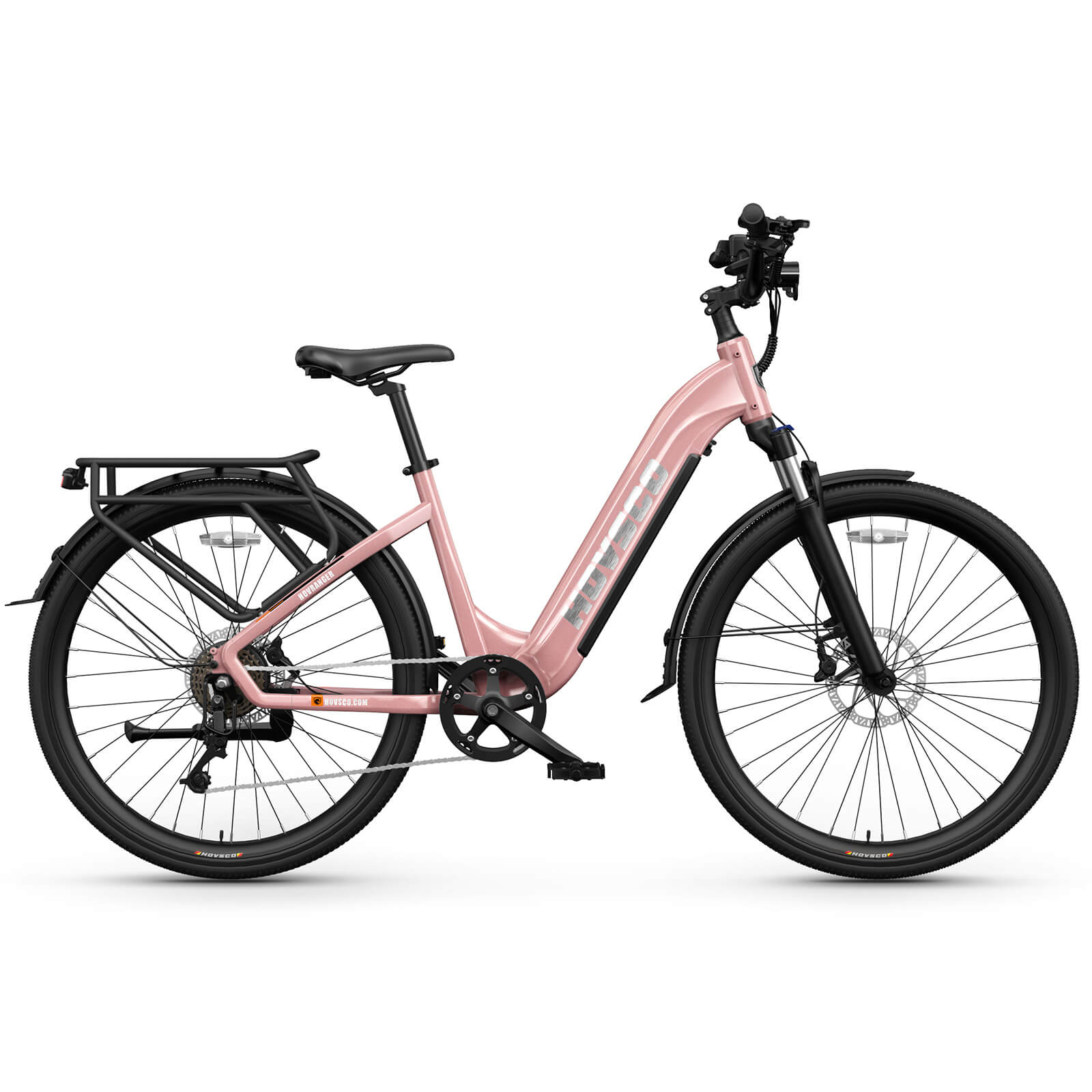
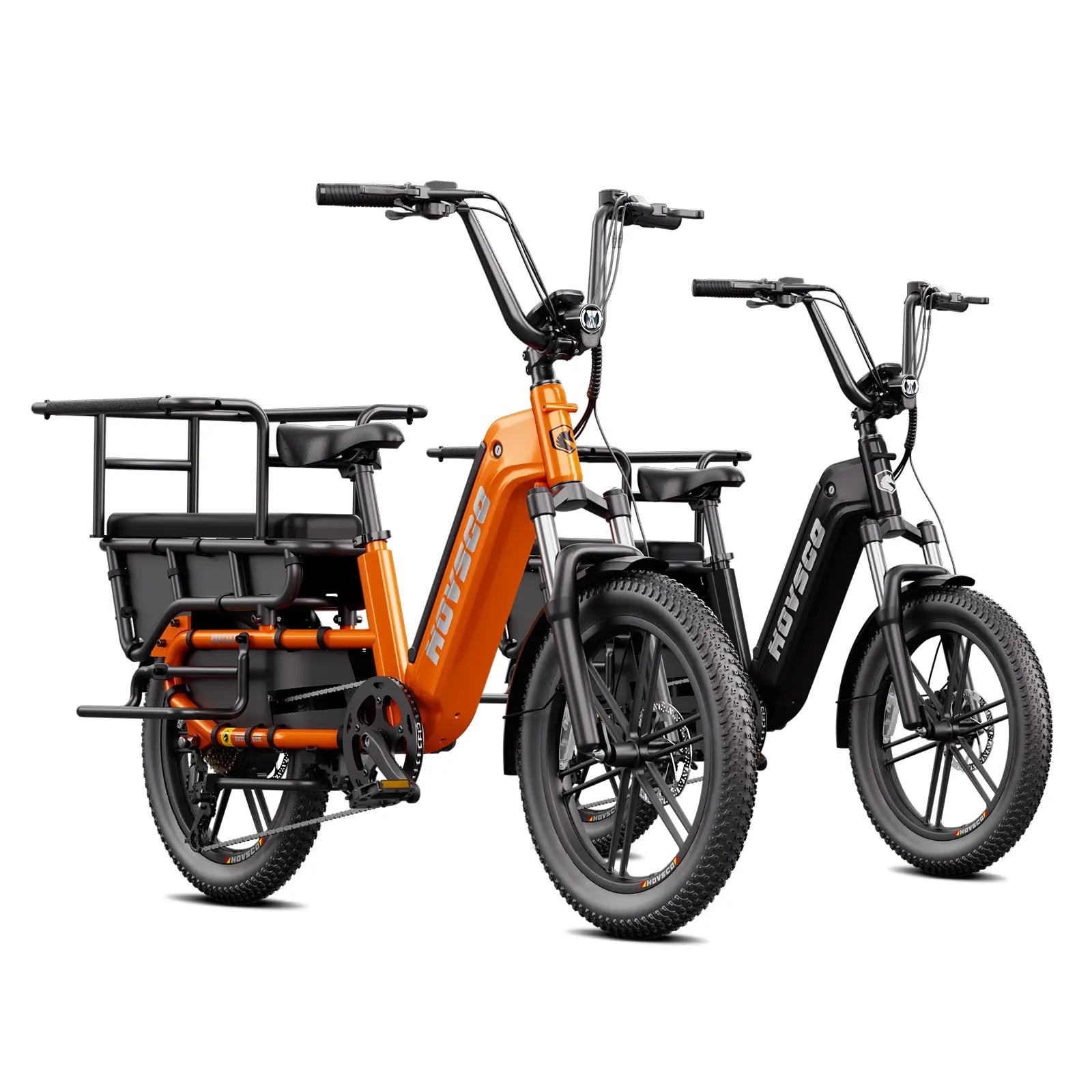
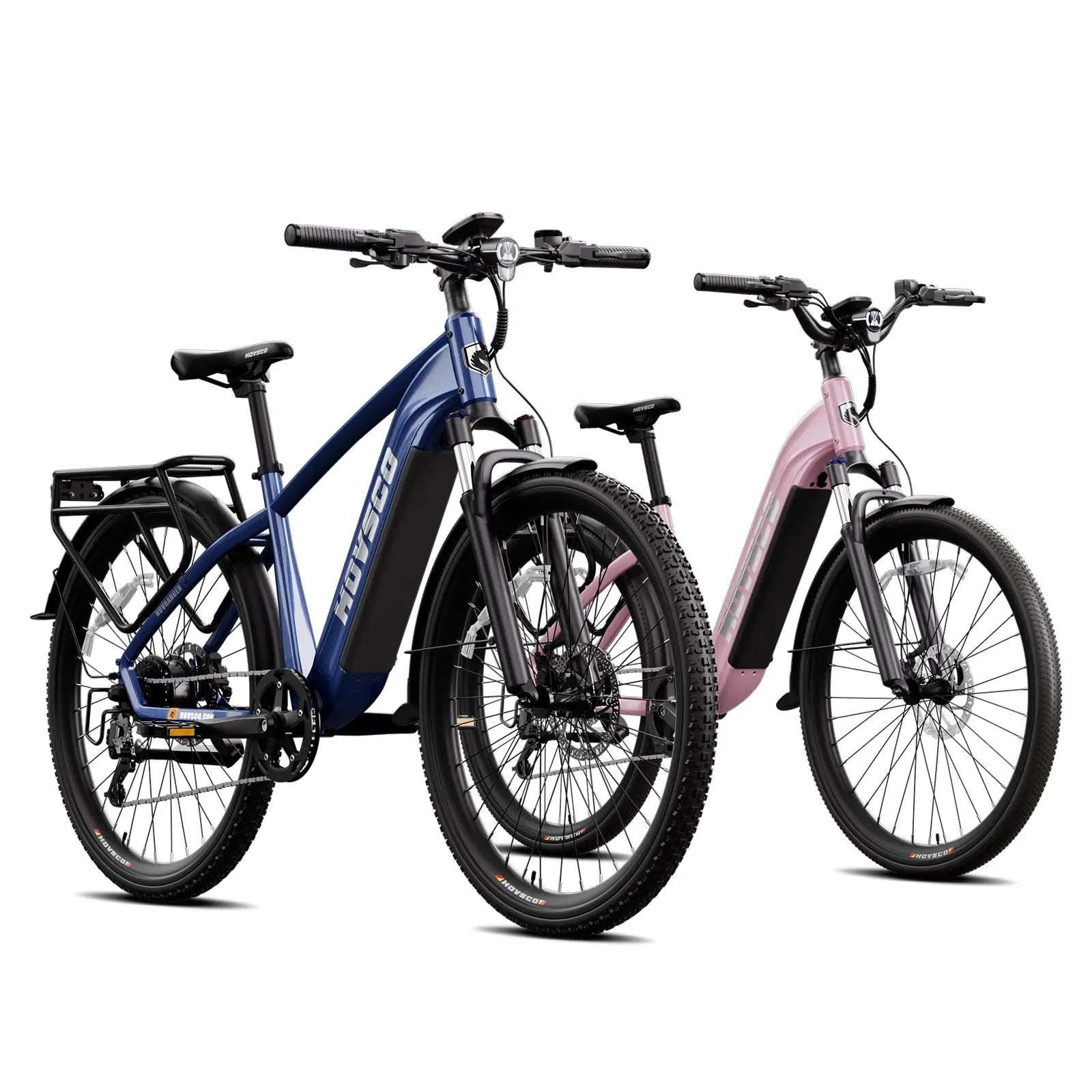
A fleet with multiple models needs the charger matched to each bike. The HovCart and HovBeta use their own 54.6V fast chargers with about 4-hour charges; the HovRanger uses its 7-hour charger. A charger borrowed between models can overcharge the pack.
Label the chargers by model, keep each with its bike, and replace only with an exact manufacturer unit. The approved-charger rule is the equipment rule that protects every pack in the fleet.
Charge in a dry, clear area at normal room temperature, away from direct sunlight and anything combustible — and never unattended. The collection page is explicit: do not charge when nobody is present, while sleeping, or near combustible materials.
Define the approved charging spots for the business, post them where the bikes live, and make the attended-charging rule part of the closing routine. A charging area that is defined and supervised is a charging area that stays approved.
The charging area should also be part of the building's approval: confirm with the landlord or facility manager that the spot is permitted, and keep the approval in the fleet file alongside the insurance and storage rules.
The approved area should include a clear path for the bike and the battery: if the charger sits behind shelving or in a walkway, the routine will quietly move somewhere unapproved.
If batteries are removed for charging, follow the exact manual for removal, storage, and reinstallation. The removable-battery collection owns the detailed removal and indoor-storage guidance; the business rule is that the manual is followed, not adapted.
Removal also supports the security routine: a bike without its battery is a less attractive target, and the battery indoors is the most valuable part protected. The removal becomes a two-for-one habit for the fleet, exactly as it is for consumer riders.
Label the batteries by bike if the fleet uses multiple units, so the charge record and the maintenance log follow the right pack. A battery that is tracked by bike is a battery whose history is clear.
Every charge should end with a record: the bike, the charge state, and any anomaly — heat, swelling, a charger that behaves oddly, or range that drops. The record feeds the maintenance log and catches problems at the safe stage.
Stop using a bike when the battery, charger, or wiring shows damage, and route the report to the named owner. A battery that is recorded and watched is a battery whose warning signs are seen before they become failures.
The record also supports the warranty and service path: a documented charging and battery history makes a warranty claim or a service diagnosis faster. The fleet log and the charging log belong together.
Run this as part of the closing routine every workday.
| Check | Pass condition |
|---|---|
| Owner named | Every bike has a charging owner |
| Approved charger | Charger matched to the exact model |
| Area approved | Dry, clear, attended, away from combustibles |
| Battery handled by the manual | Removal and storage follow the exact manual |
| Record made | Charge state and anomalies logged |
Fleet charging works when every battery has a named owner, the approved charger, and a recorded routine. Match the charger to the model and log behavior, and the pack stays predictable.
— HOVSCO Customer Service Team
Fleet charging works when every bike has a named owner, every charge uses the approved charger for the exact model in a dry attended area, batteries follow the manual, and every anomaly is recorded. Ownership and supervision turn charging from a chore into a controlled process.
1. Who should be responsible for charging a business e-bike?
A named owner per bike. Assign one person to check charge state, connect the approved charger, monitor the area, and record any damage — every day.
2. Can a business charge e-bikes unattended?
No. The routine should charge in a dry, clear area while someone is present. Unattended charging, especially overnight or near combustible materials, is not an approved practice.
3. Can chargers be shared between different models?
No. Each model uses its own approved charger, and a charger borrowed between models can overcharge the pack. Label chargers by model and replace only with exact manufacturer units.
4. Where should fleet batteries be charged?
In approved, dry, attended locations at normal room temperature, following the exact manual for removal and storage. Confirm the area with the building, landlord, or insurer before deployment.
5. Why should battery behavior be recorded?
The record feeds the maintenance log and catches heat, swelling, or range loss at the safe stage. A battery whose behavior is watched is a battery whose warning signs are seen early.
Share:
What's a Good Weekly Charging Routine for a Short Commute?
What's the Lightest E-Bike for a Short Rider?