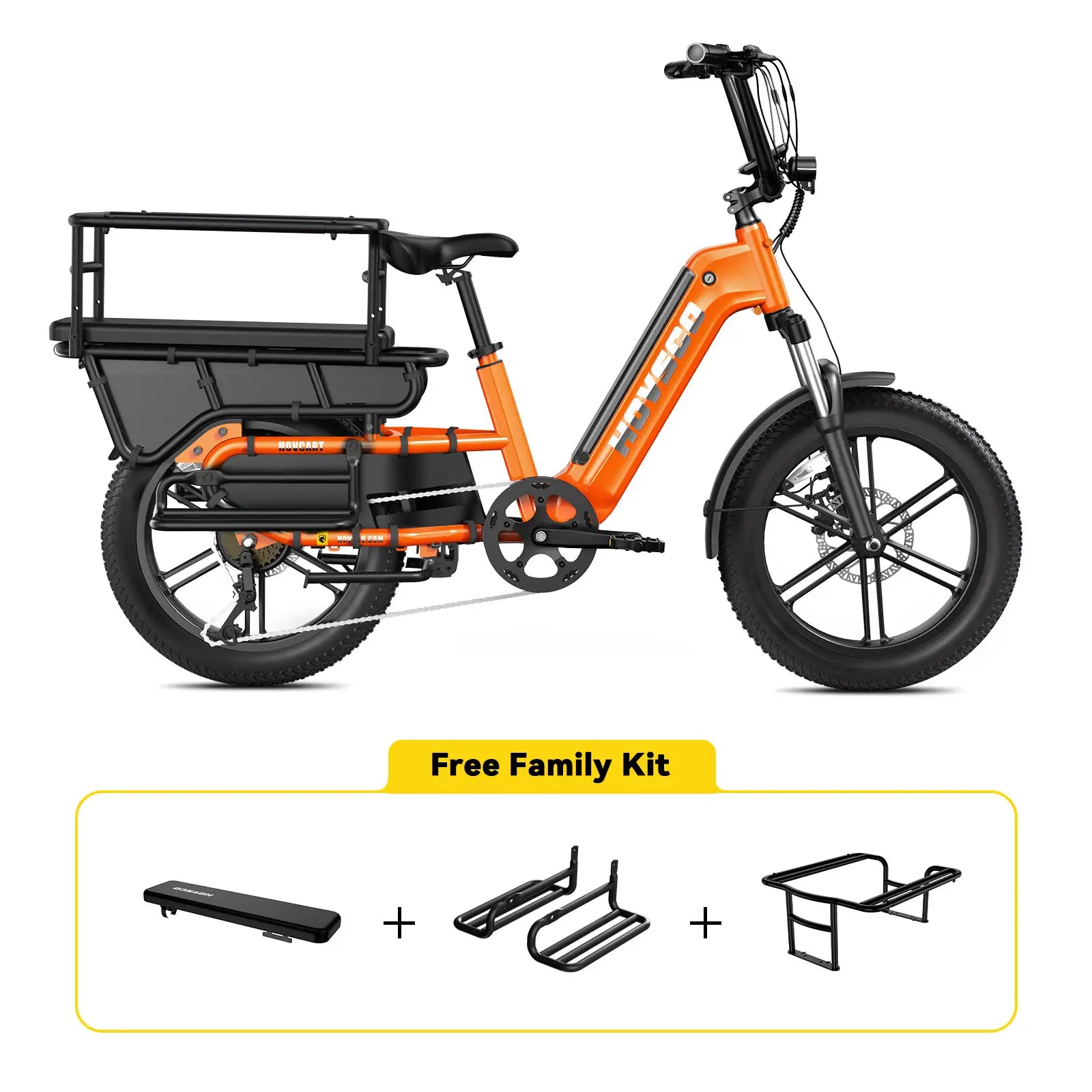
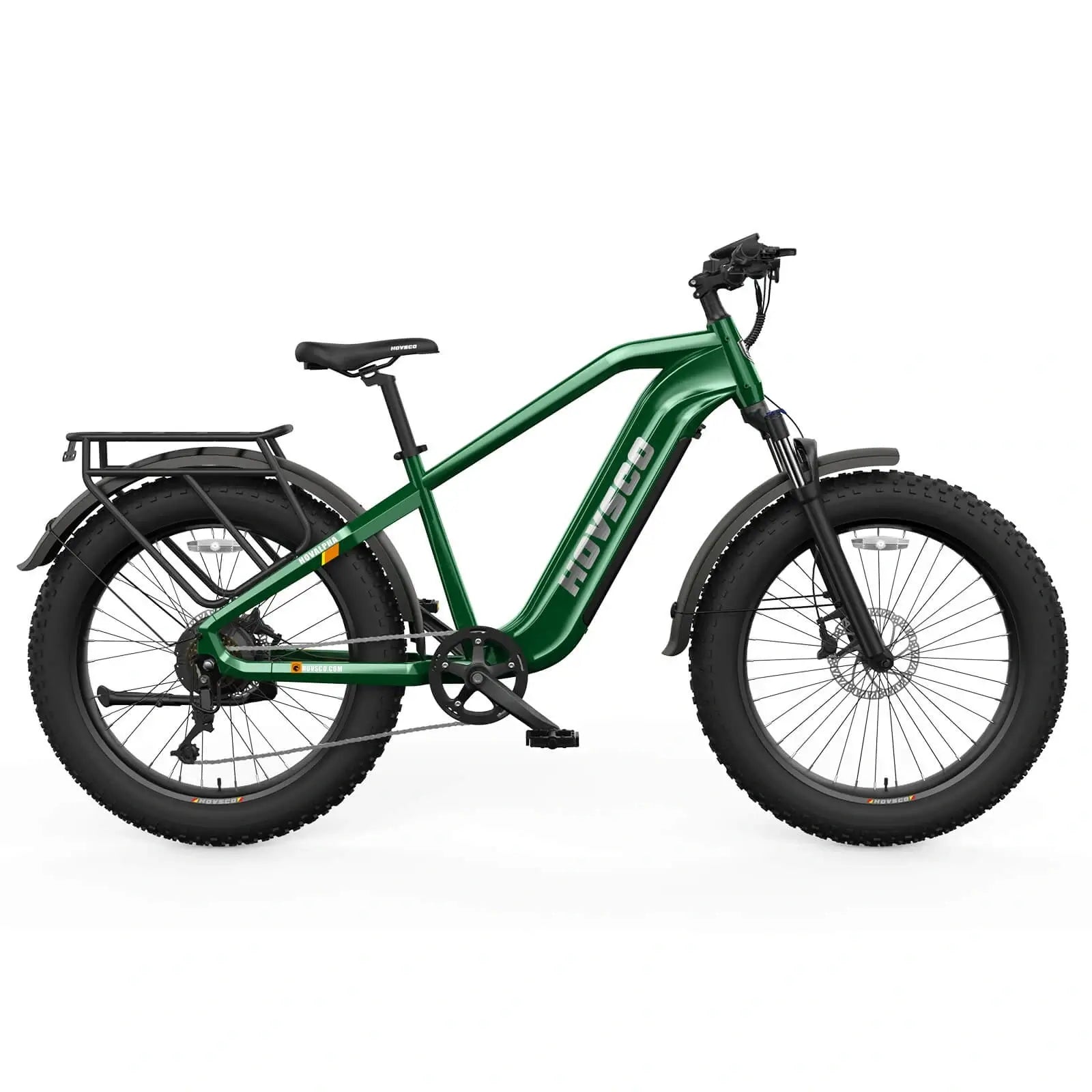
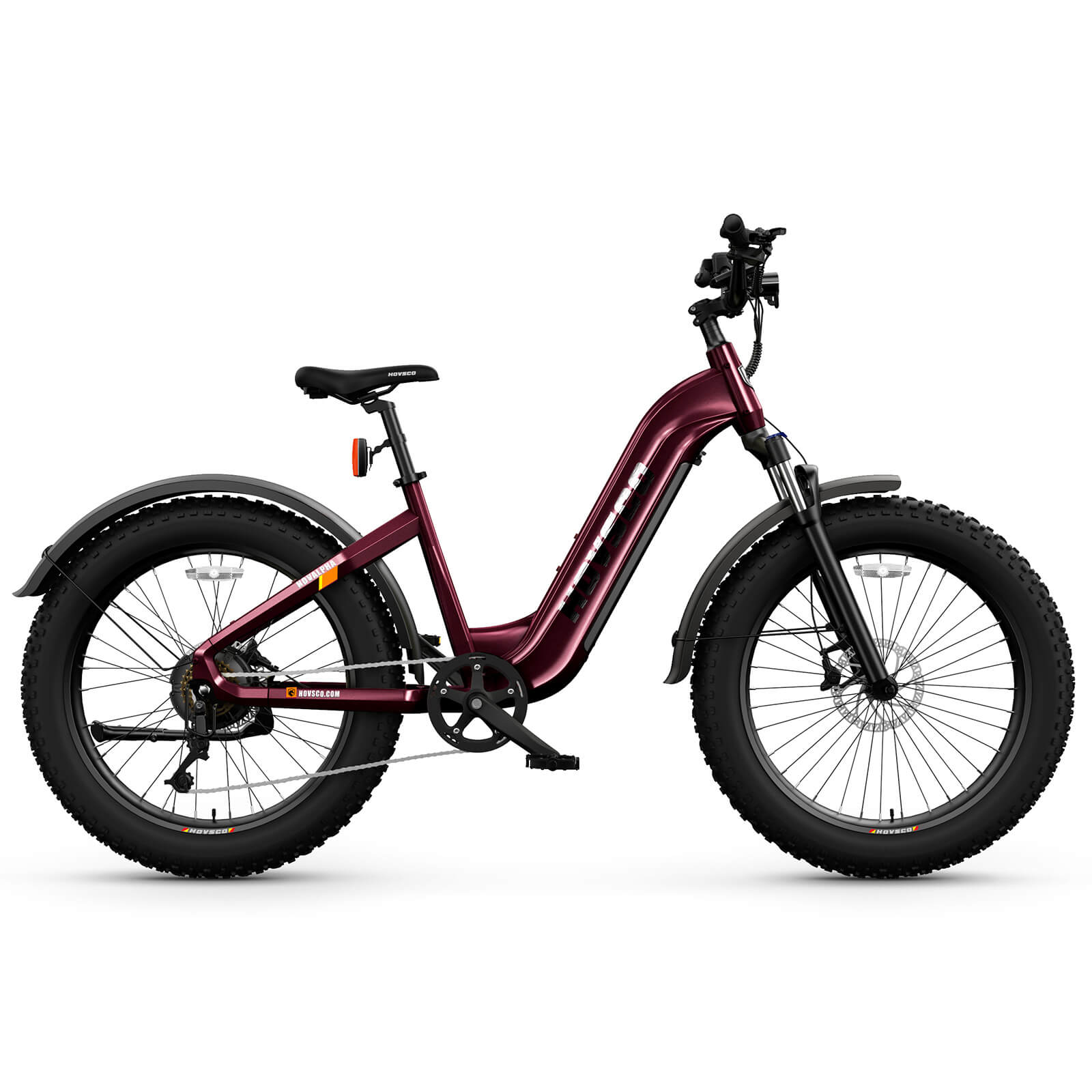
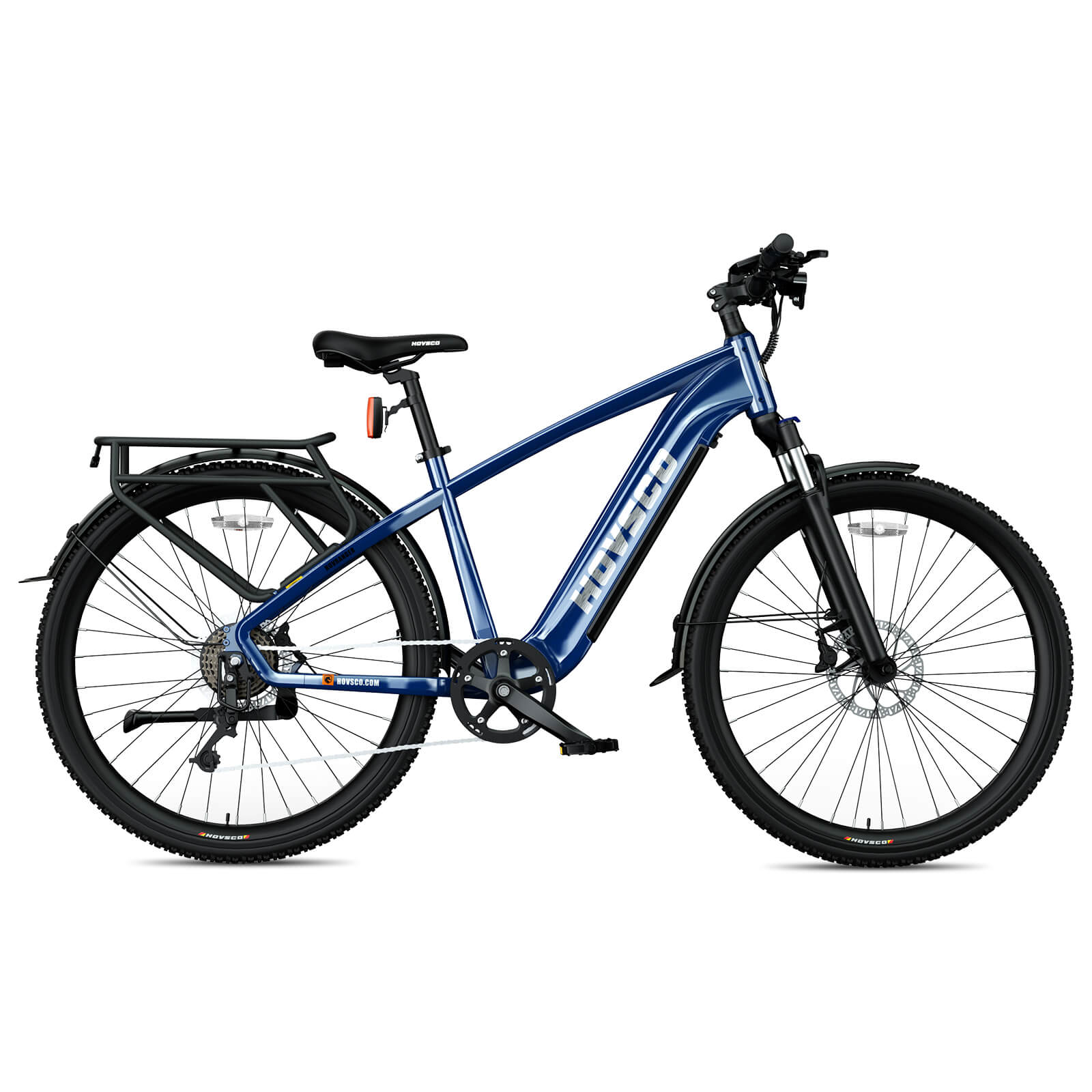
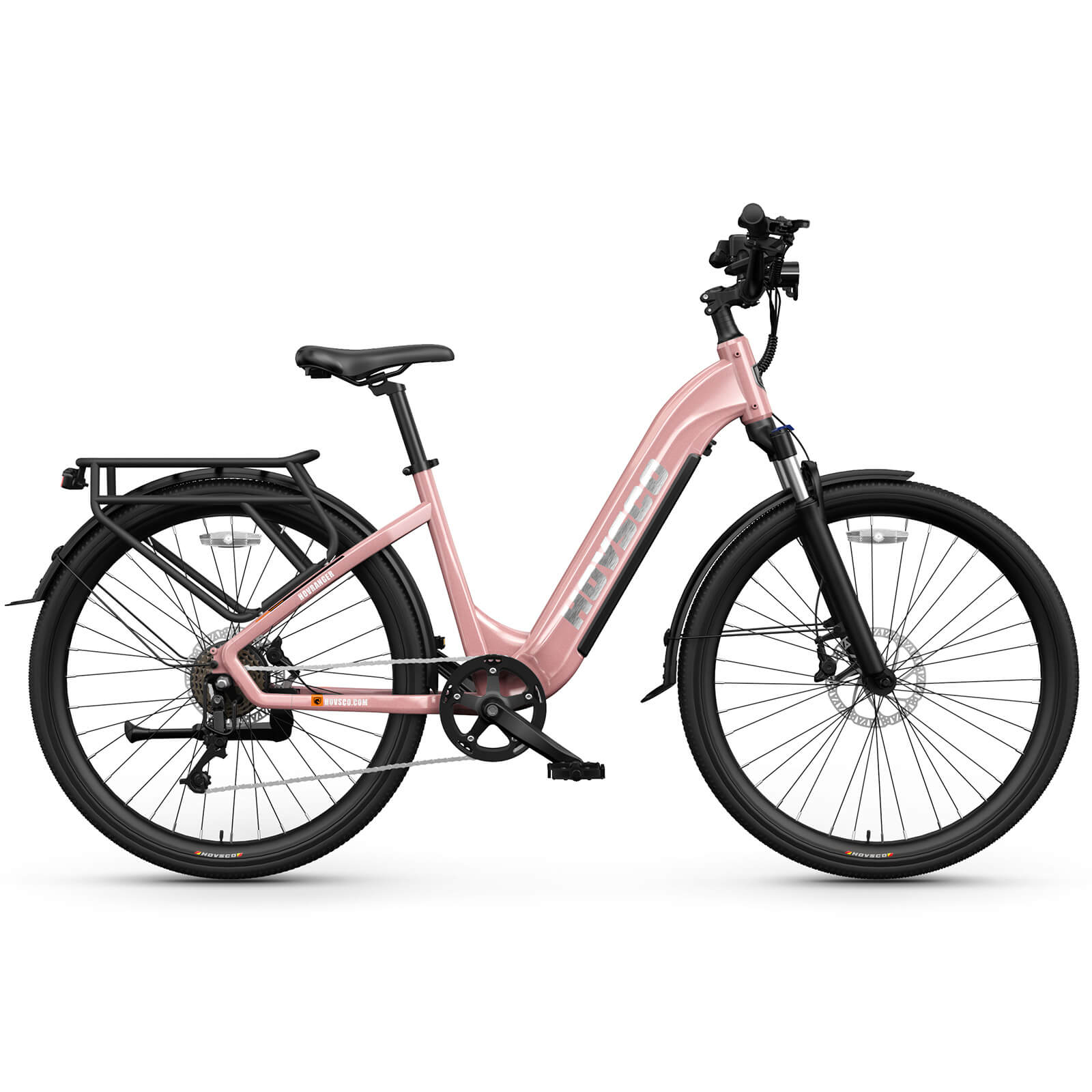
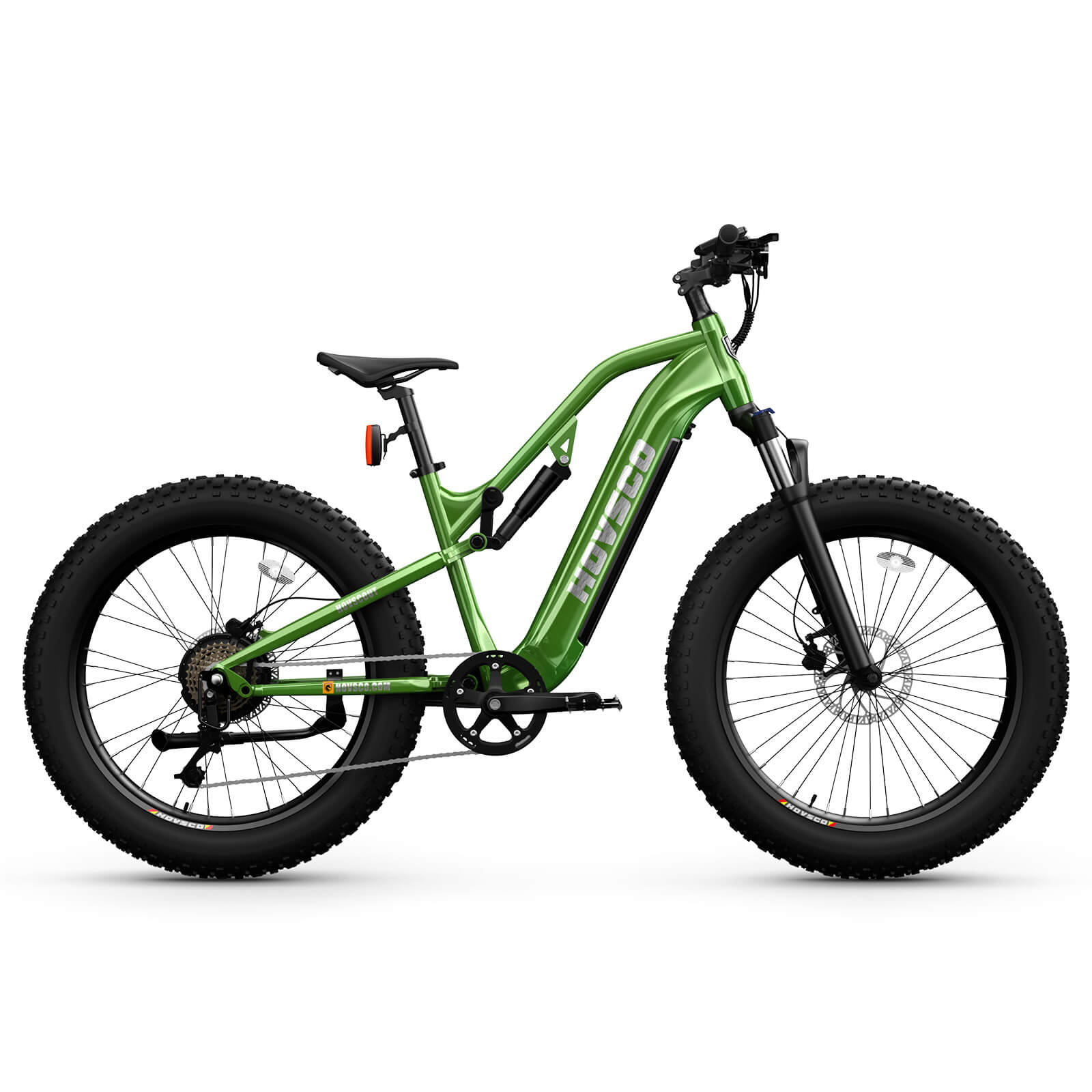
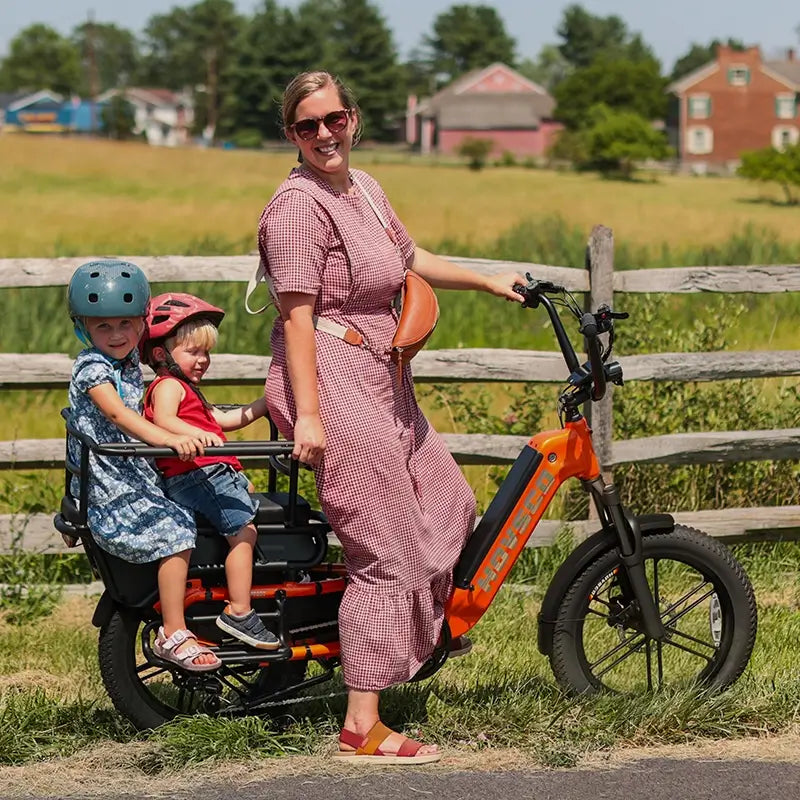
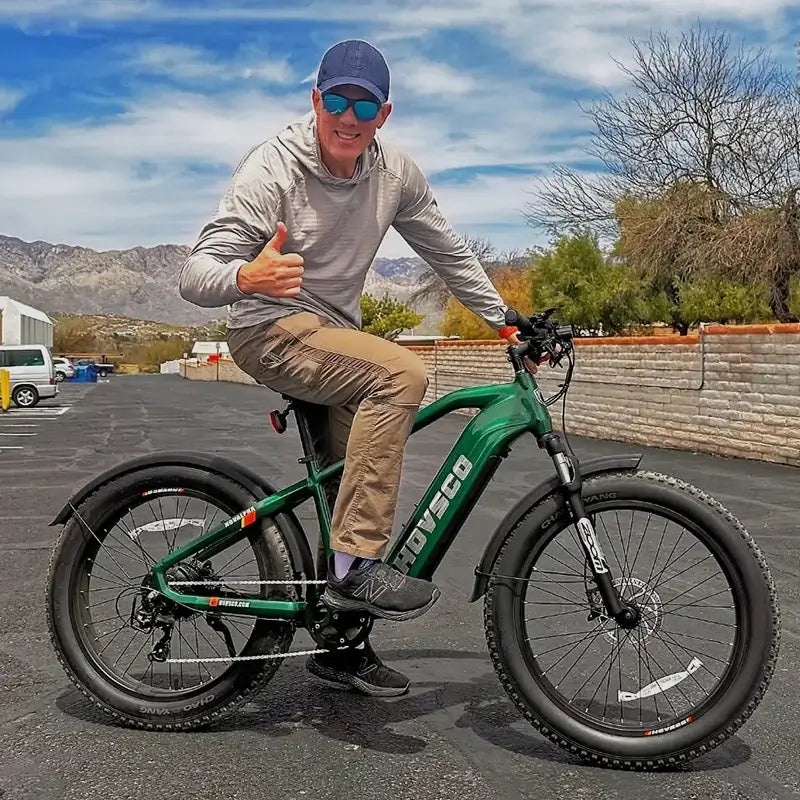
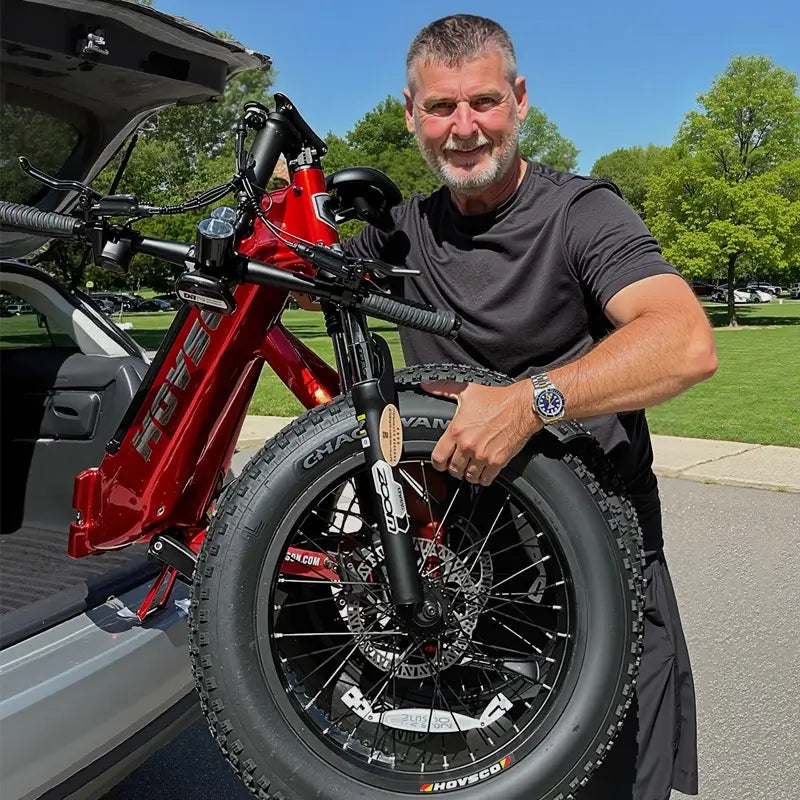

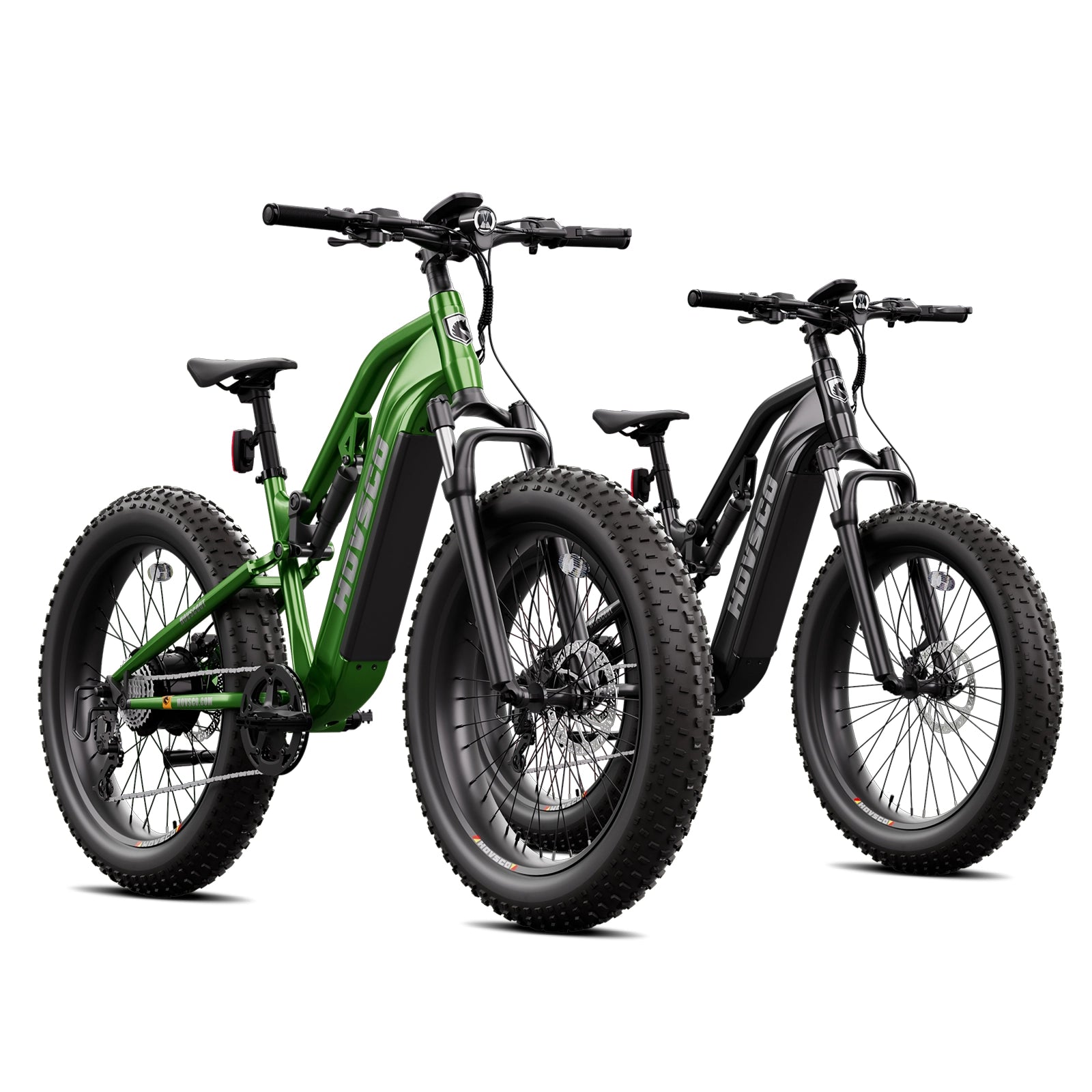

HovCart
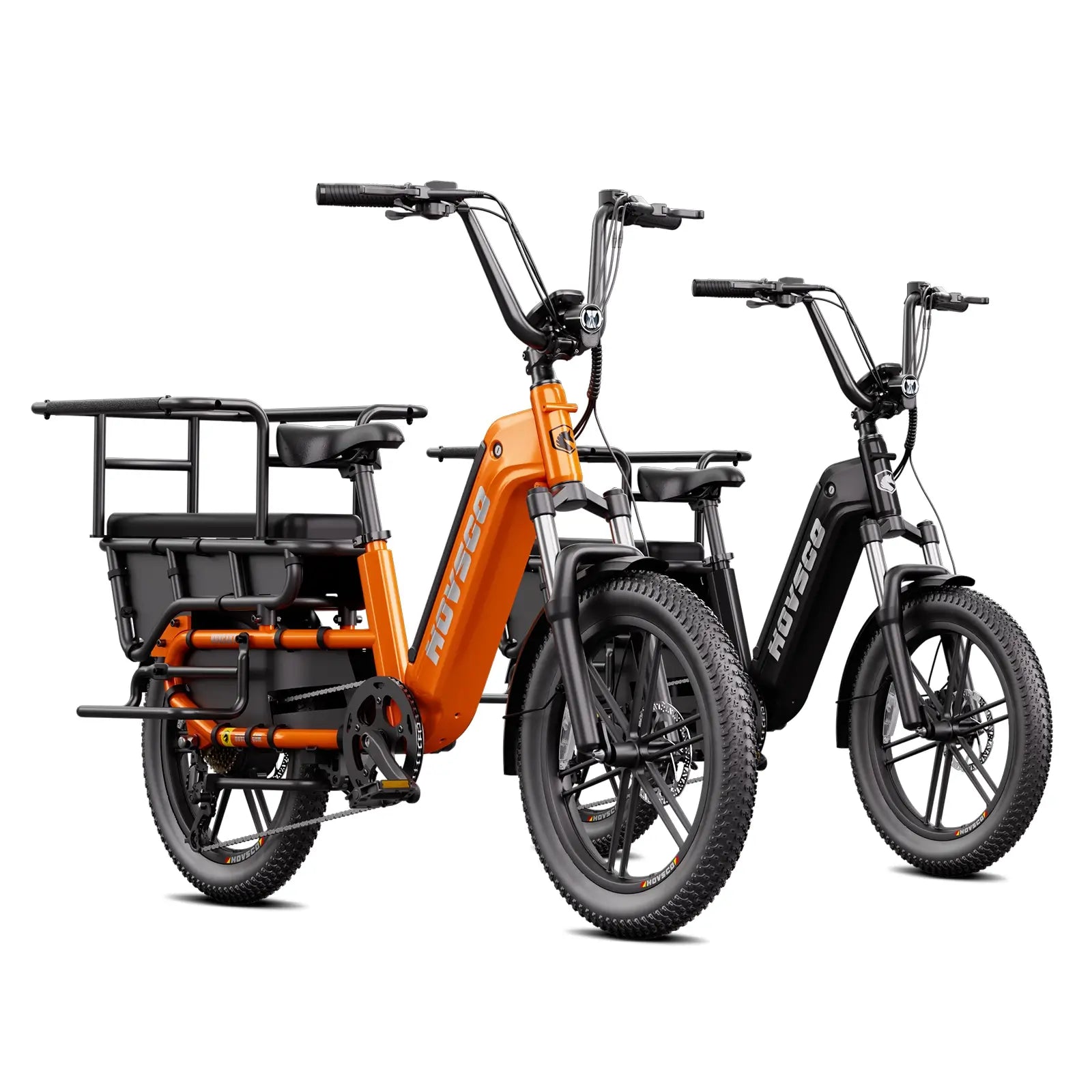
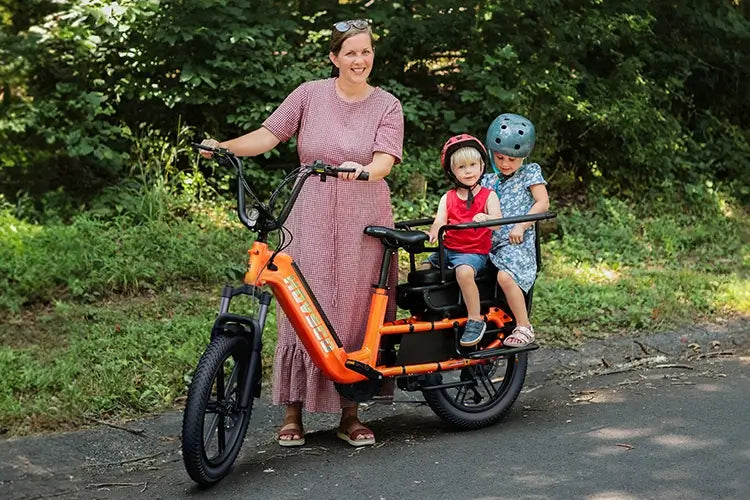
A cargo platform for delivery or equipment-carrying workflows. Calculate combined rider, battery, accessories and cargo separately from any rack or attachment limit.
View HovCart →E-Bikes
Accessories
 Free Shipping
 15-Day Returns
 2-Year Warranty
Free Shipping
15-Day Returns
2-Year Warranty
Build the workflow before the fleet
 HovCart cargo platformStart with the actual load, attachment and route requirements.Commercial suitability, insurance and operating rules vary by business and location.
HOVSCO HovCart Cargo fat tire E-Bike

Motor Power

Top Speed

Payload Capacity

Range
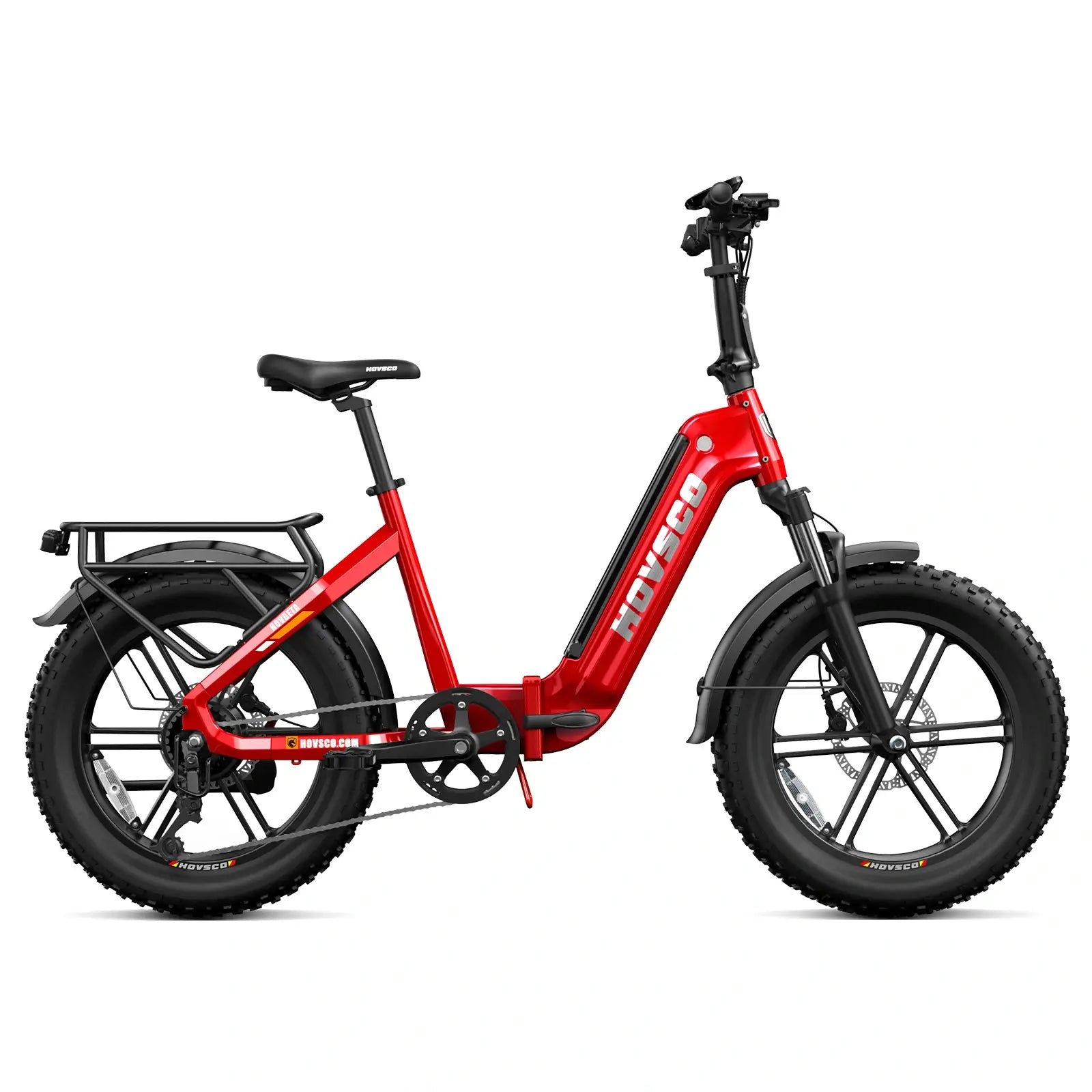
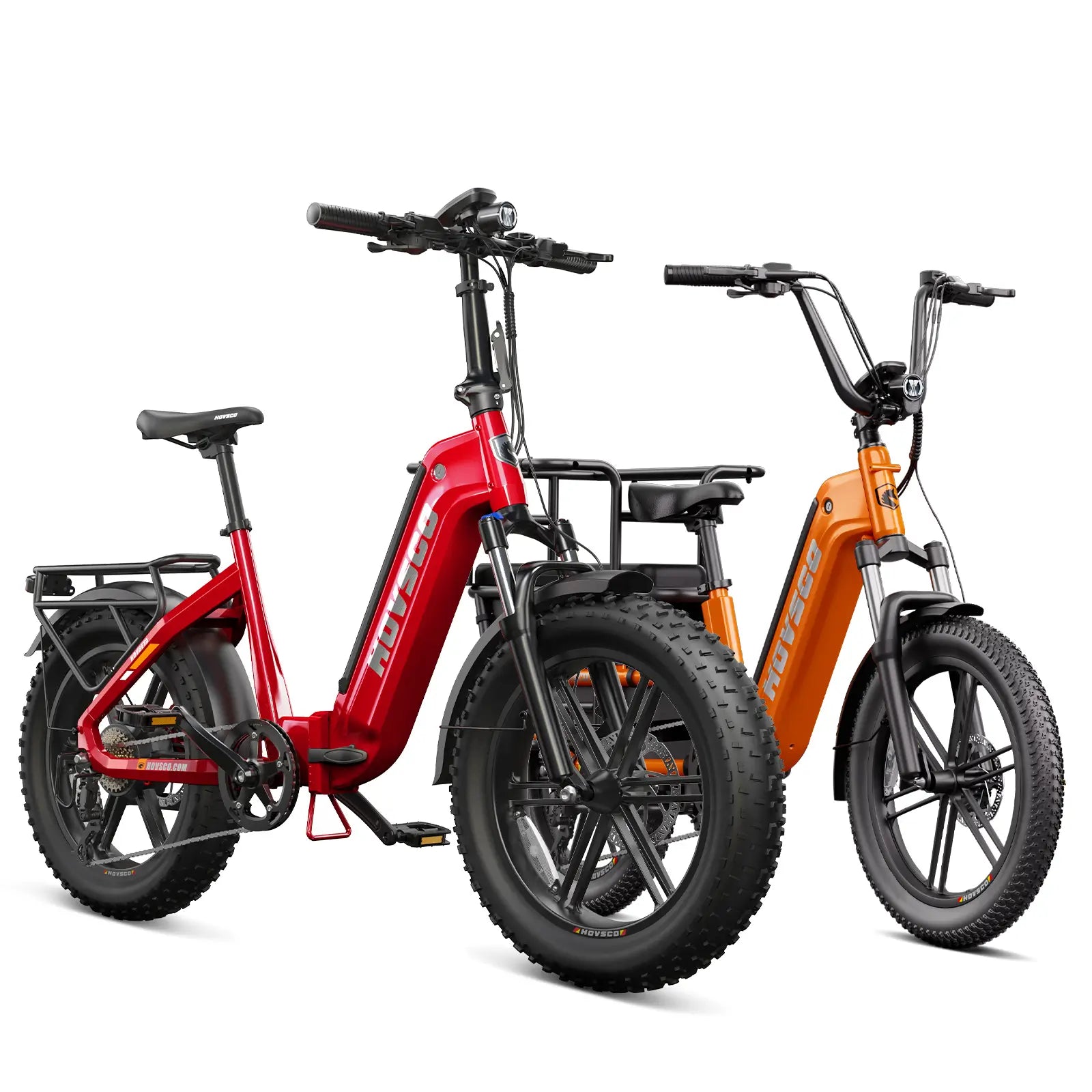
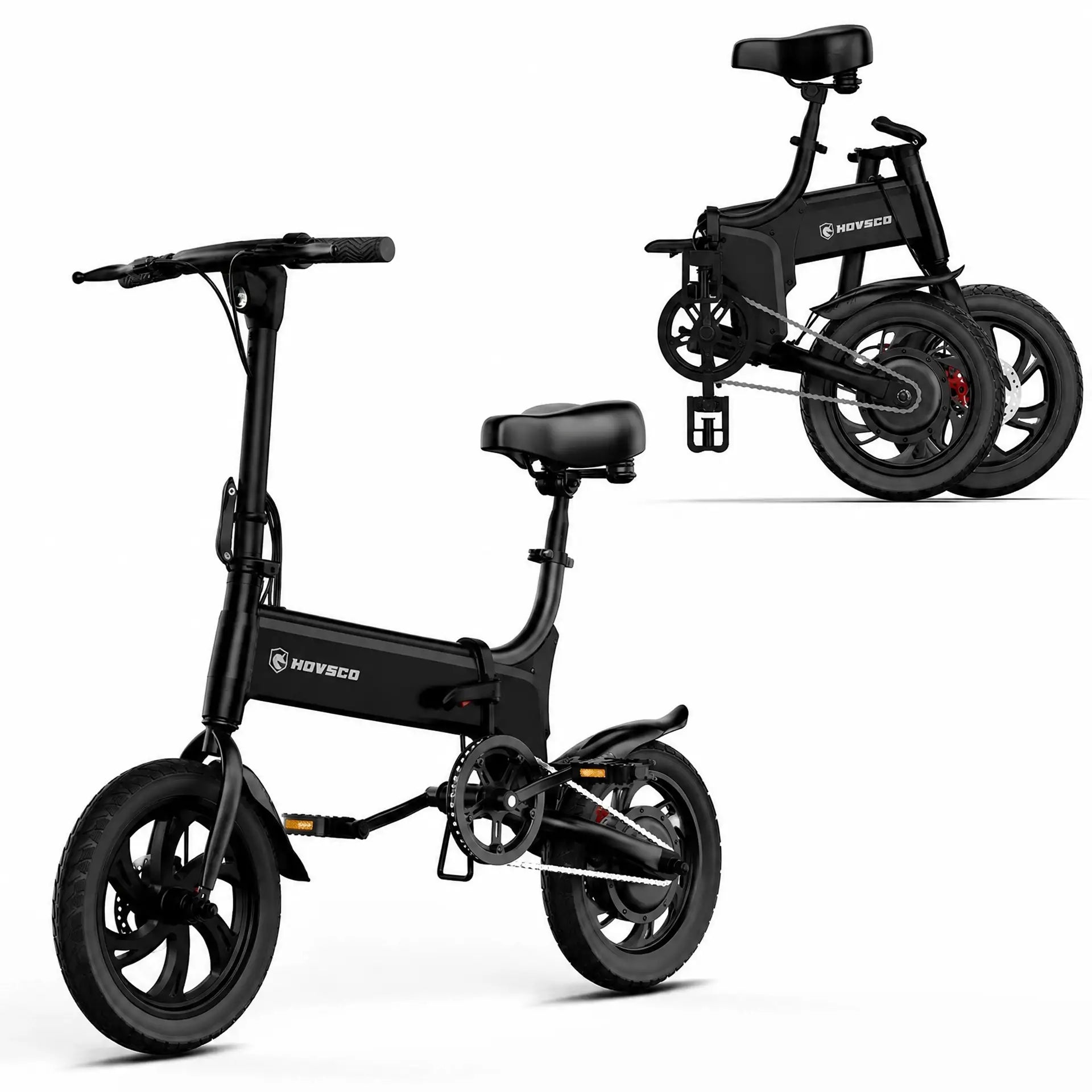
HOVSCO HovBeta Foldable E-Bike
Motor Power
Top Speed
Payload Capacity
Range
MOTOR POWER
Top Speed
Payload Capacity
Range
1300W Peak
Top Speed
Payload Capacity
Range
MOTOR POWER
Top Speed
Payload Capacity
Range
MOTOR POWER
Top Speed
Payload Capacity
Range
One collection, four operating jobs
A cargo platform for delivery or equipment-carrying workflows. Calculate combined rider, battery, accessories and cargo separately from any rack or attachment limit.
View HovCart →A folding model when storage configuration matters. Its published complete weight still requires a realistic lifting and folded-fit check.
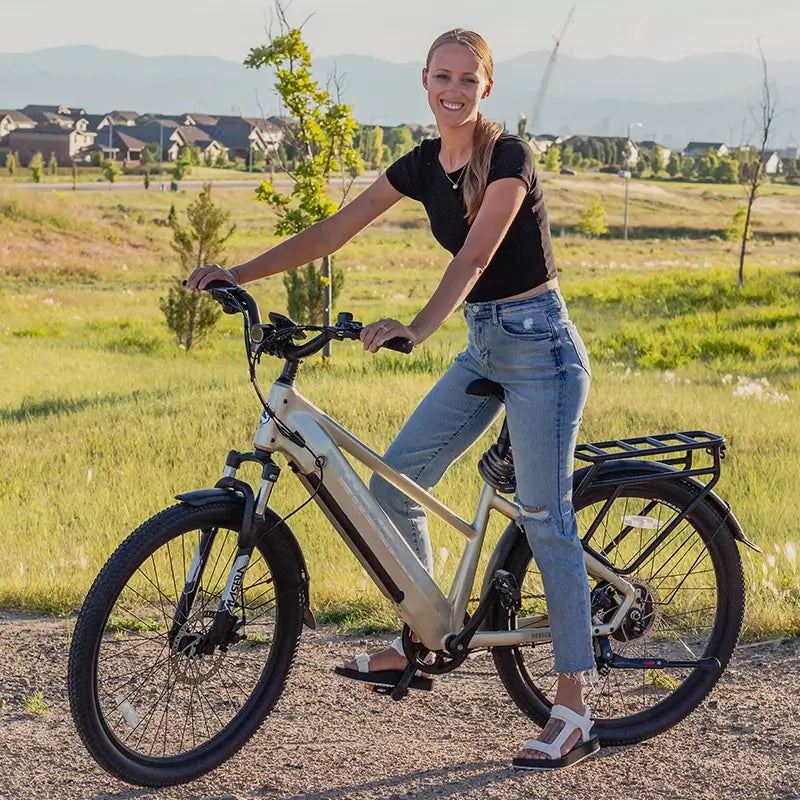
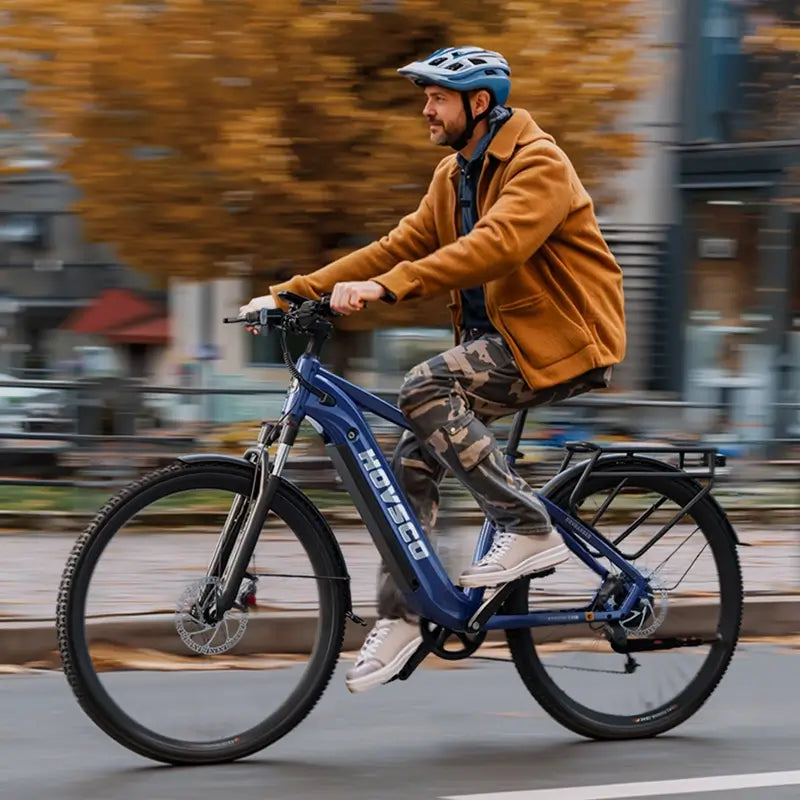
View HovBeta →Step-through and step-over city formats for point-to-point work travel. Compare fit, parking, route surface and accessory compatibility.
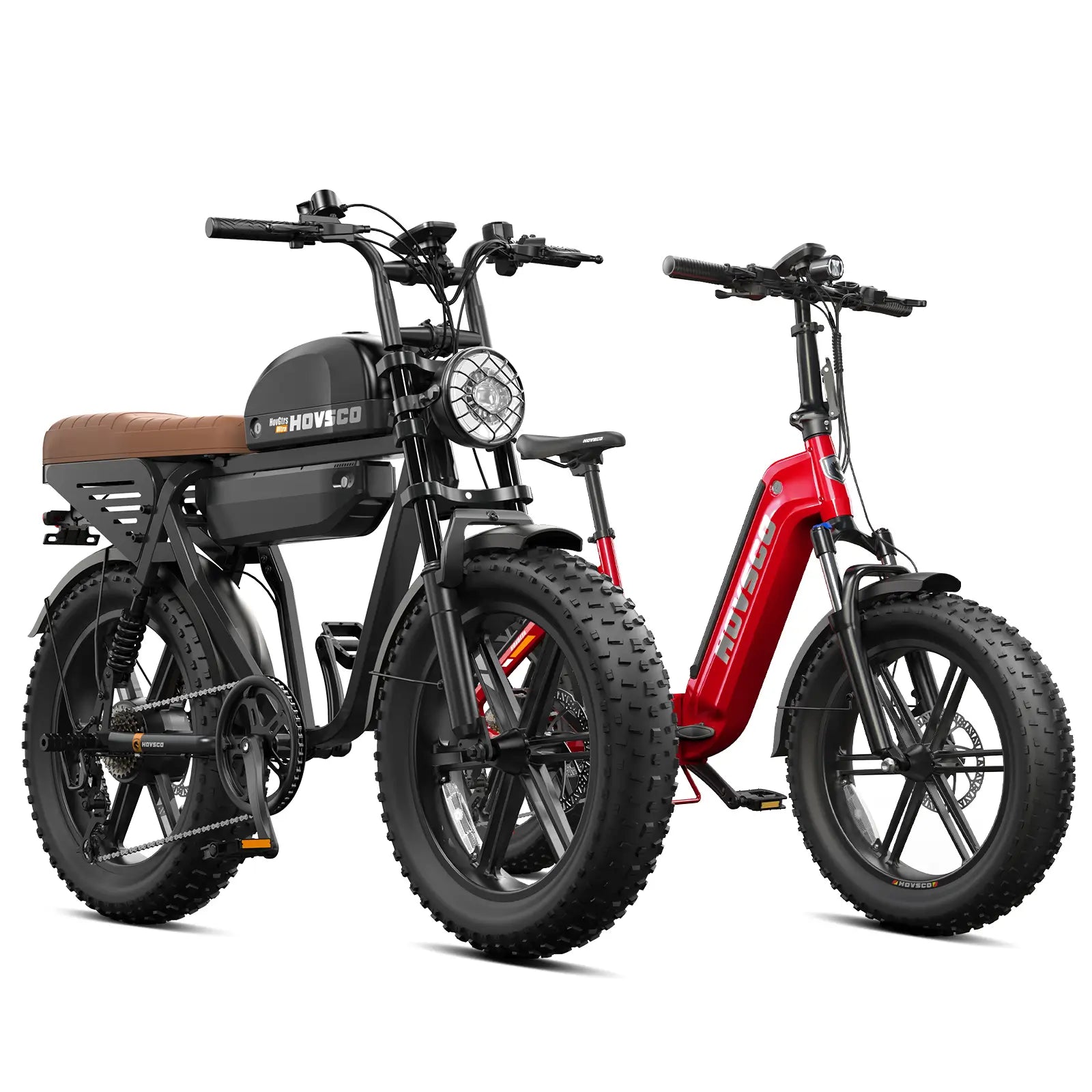
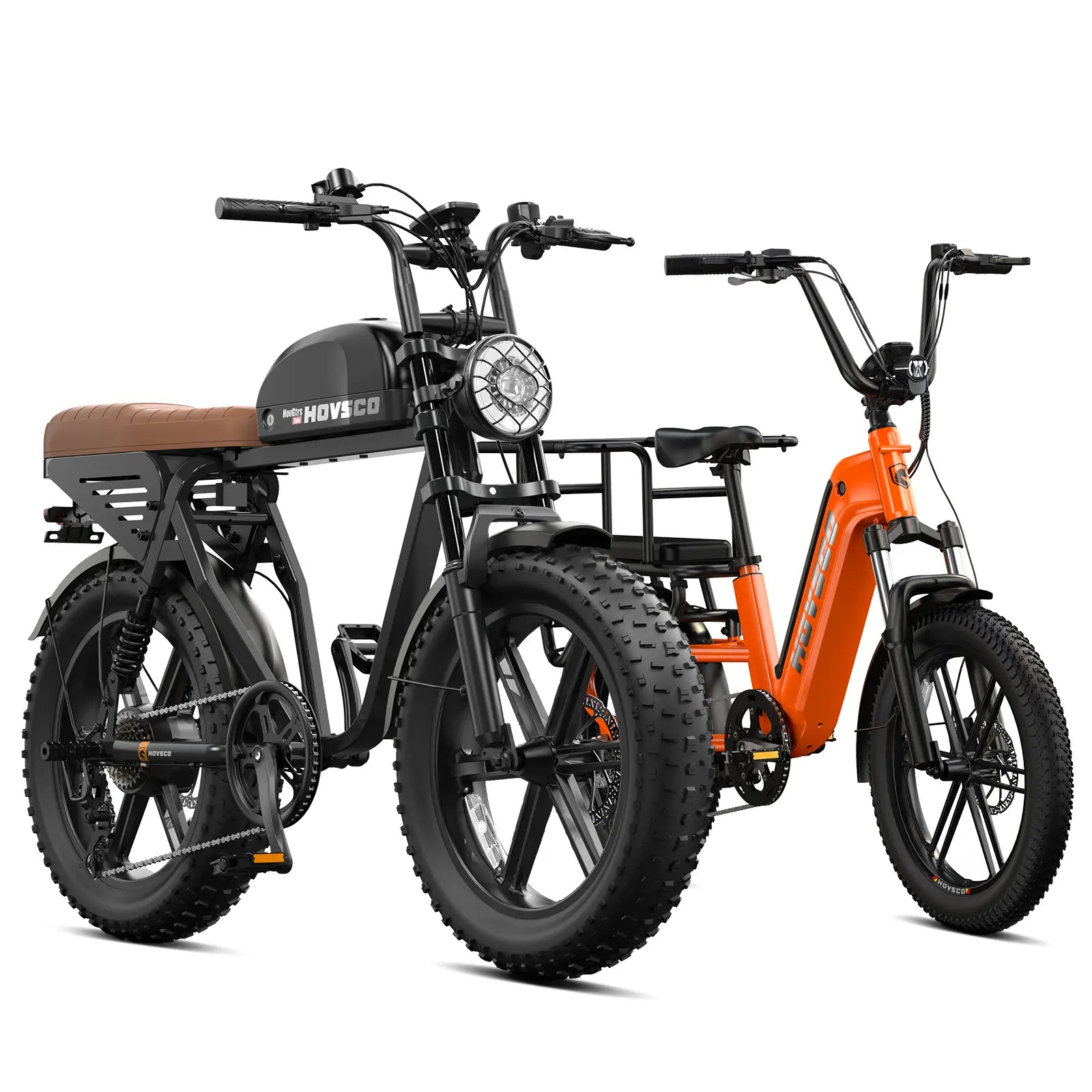
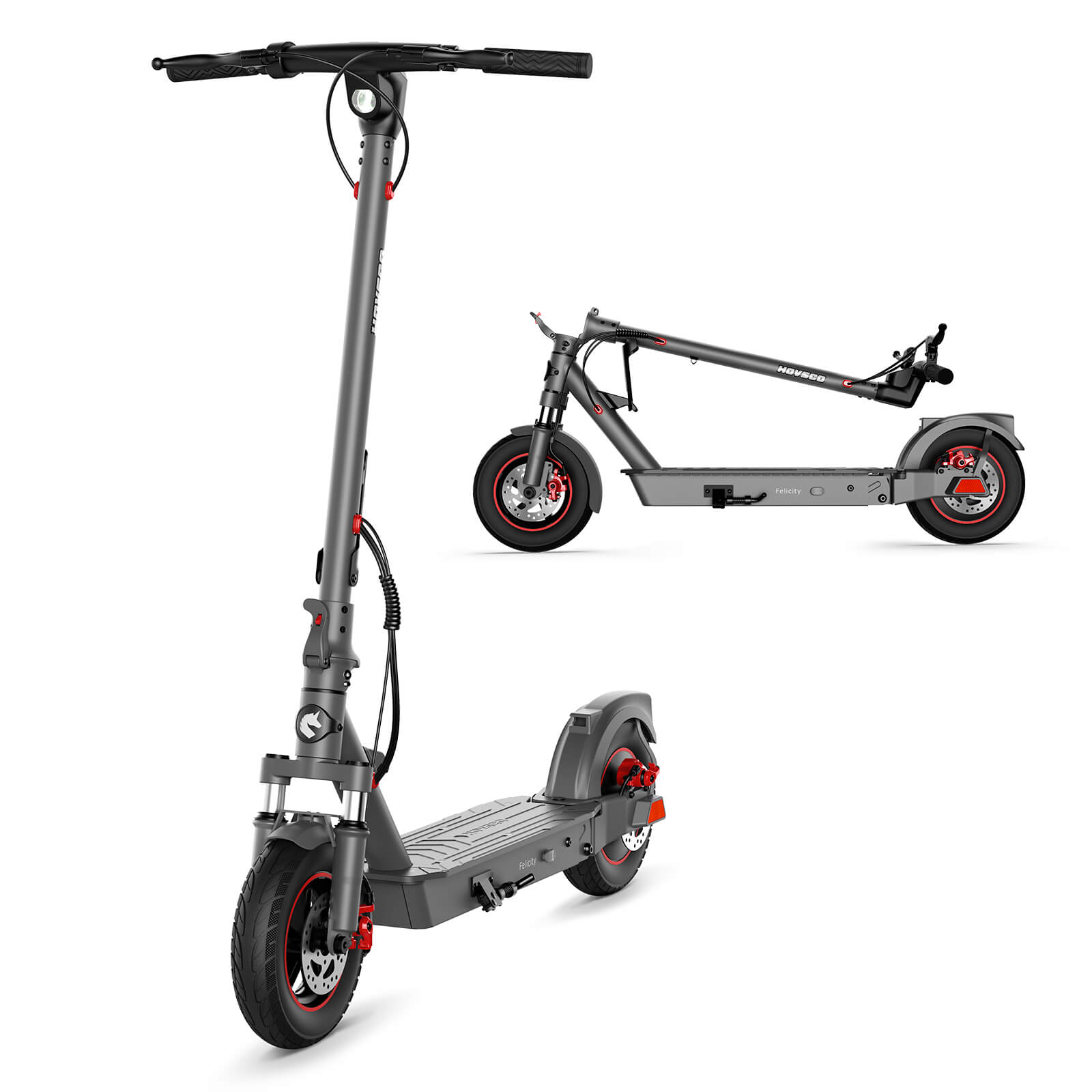
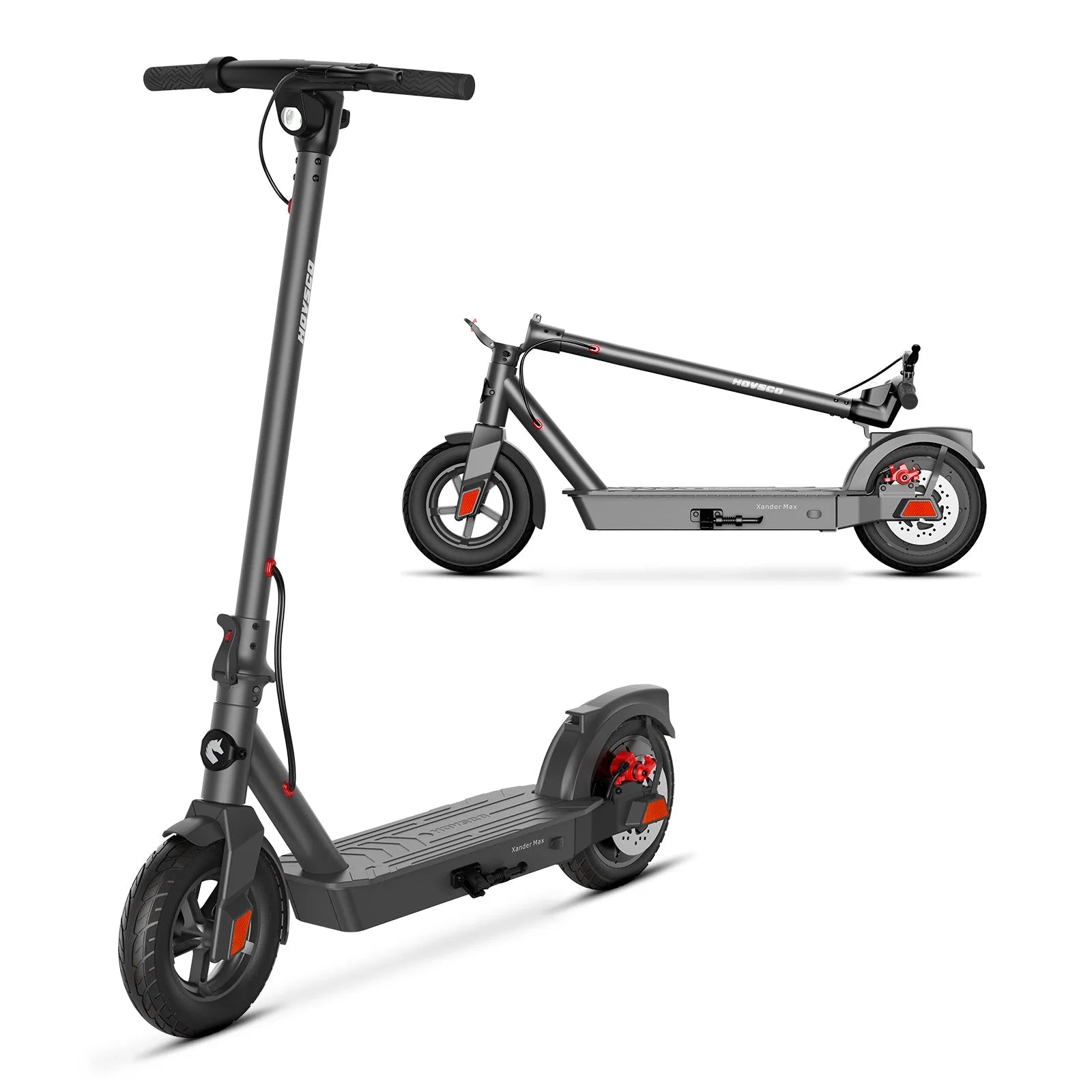
View HovRanger →HovCart and HovRanger bundle listings are two-bike purchases, not higher-capacity single bikes. Confirm both selected configurations and the maintenance plan.
View HovCart bundle →Choose around the operating job rather than treating one consumer specification as a business case.
An electric bike for a small business can support local deliveries, mobile service calls, staff movement or equipment transport when the bike, route and operating process are matched. Commercial success depends on repeatability: the same load, schedule, parking, charging and maintenance routine must work every day.
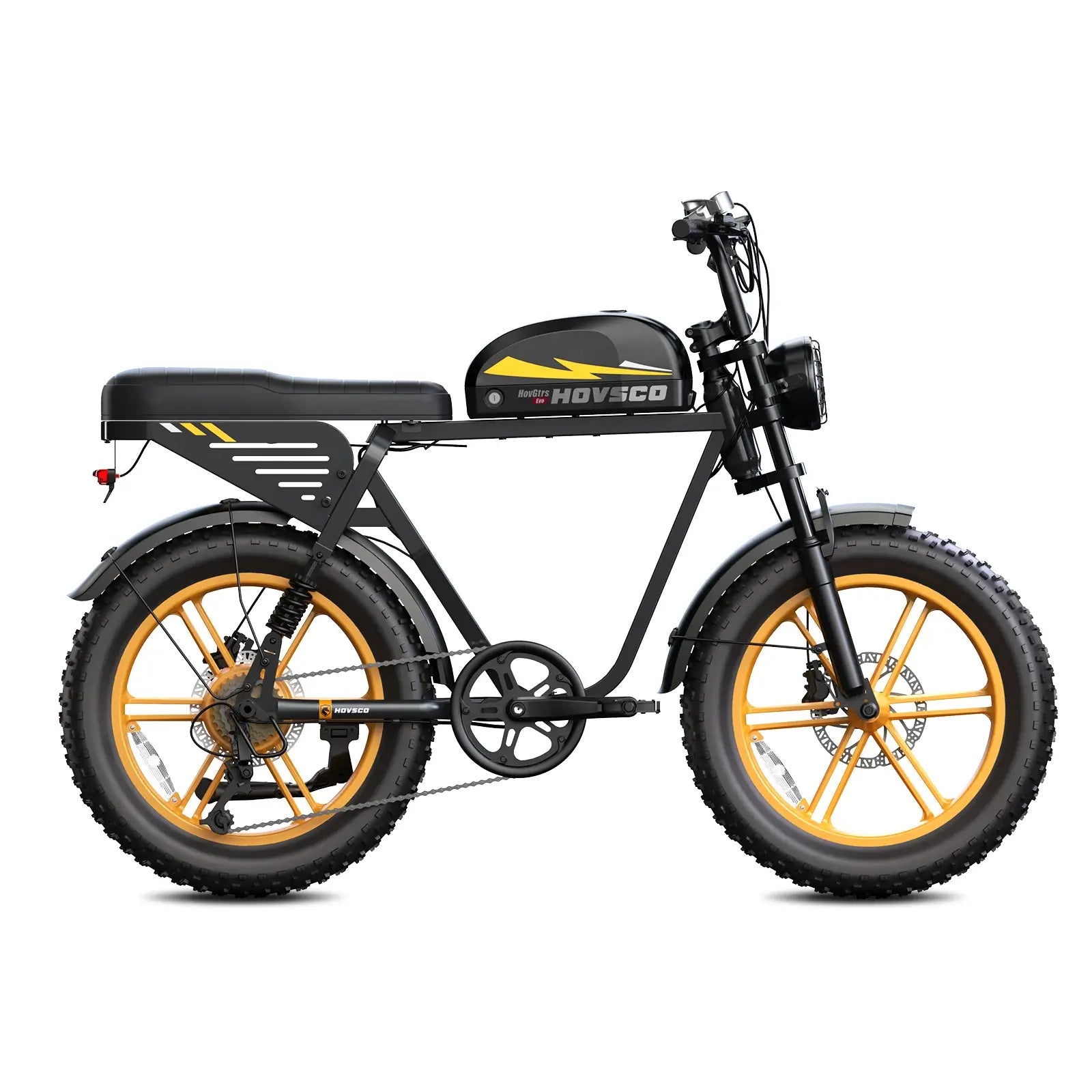
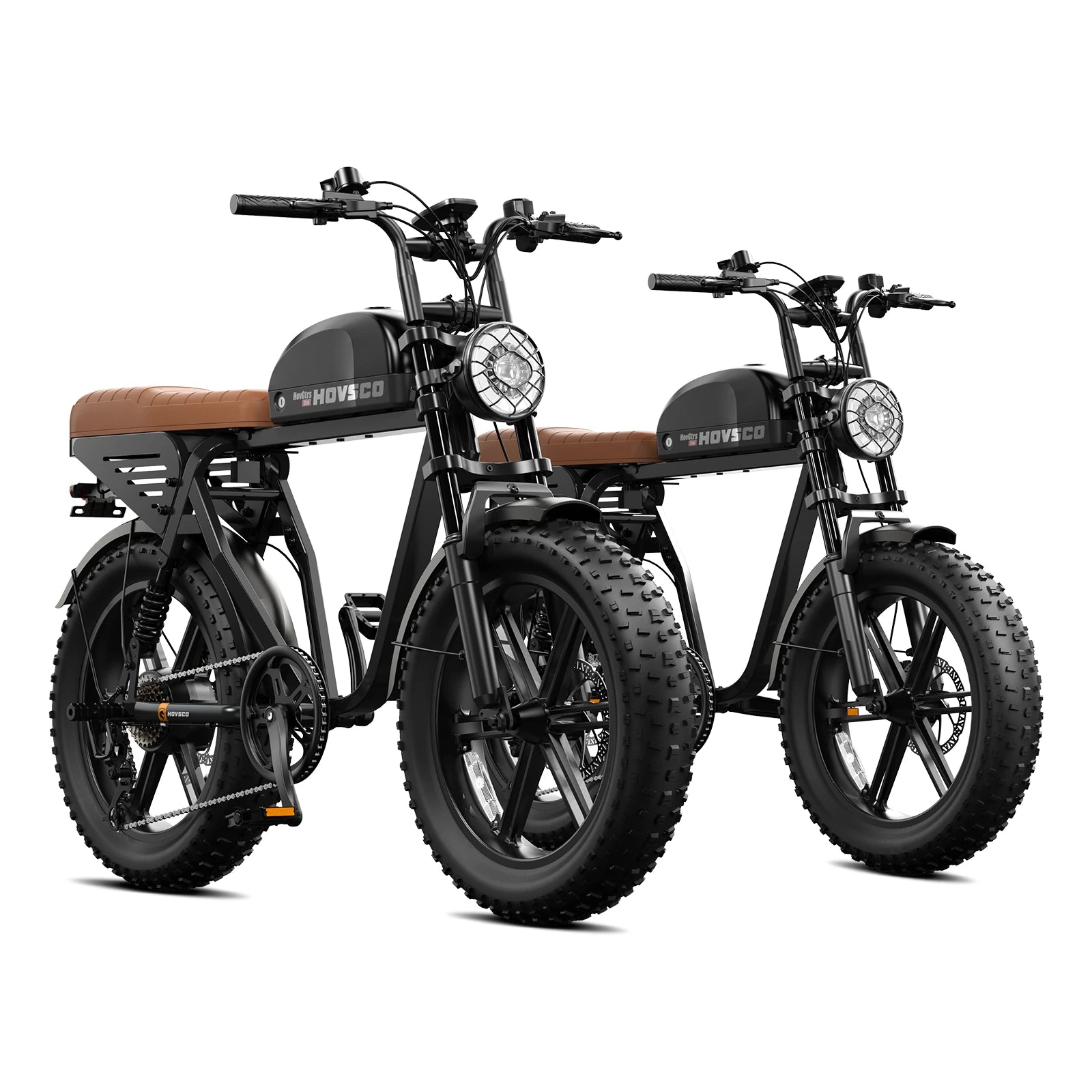
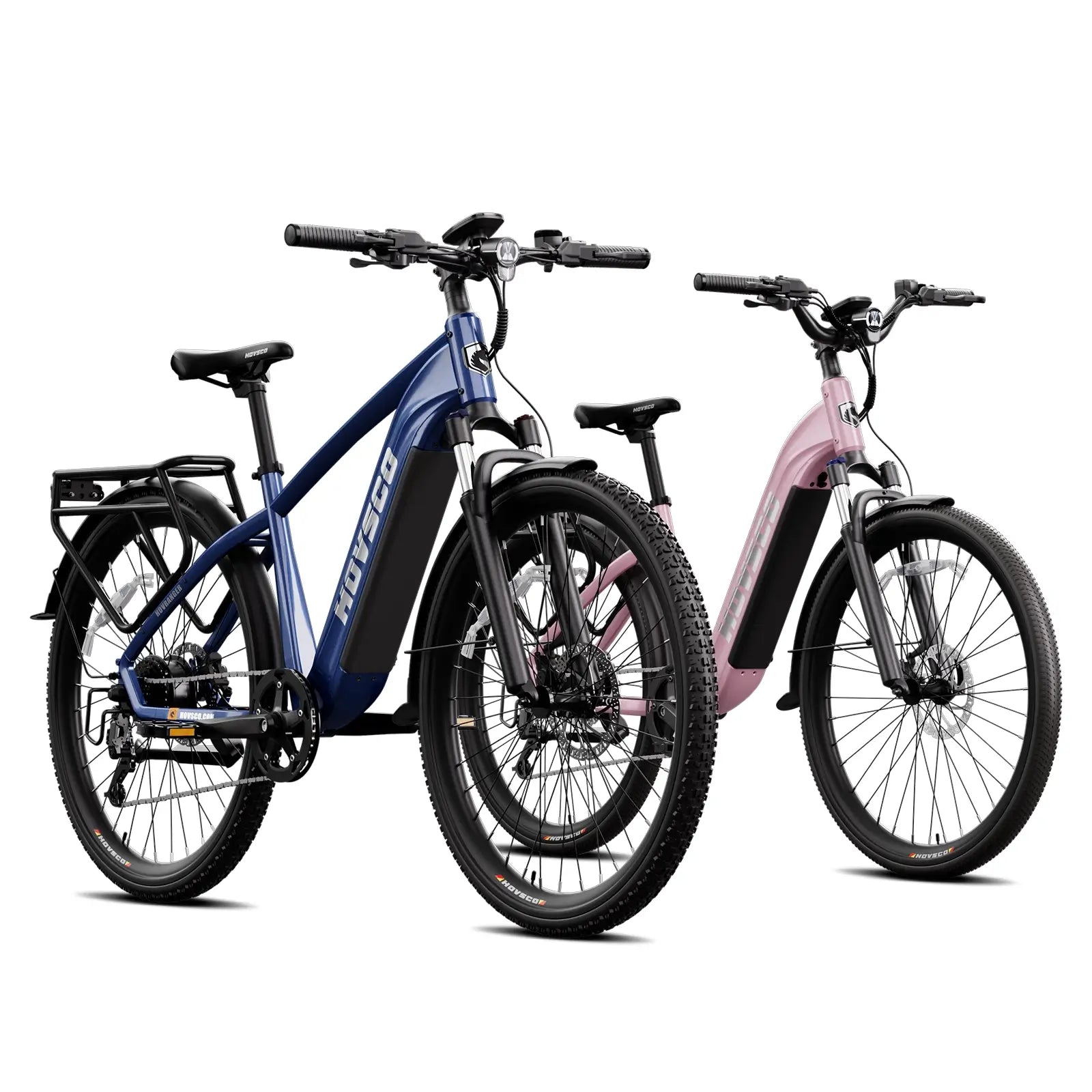
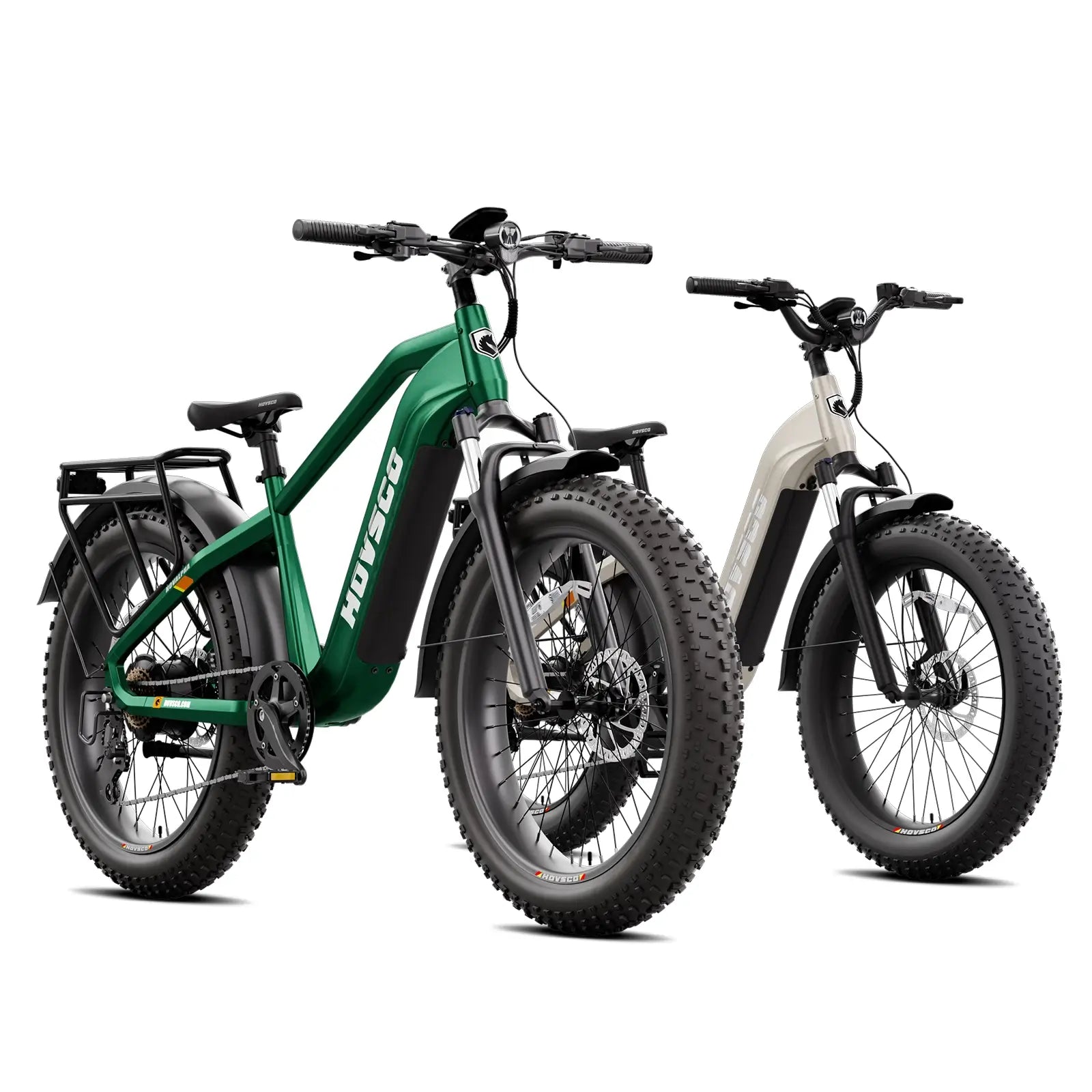
The current collection includes HovCart, HovBeta, two HovRanger frames and two-bike bundle listings. They should be compared as different operating formats, not as interchangeable business vehicles.
Write down the normal route, maximum route, number of stops, delivery window, rider, carried equipment and parking conditions. Include return-to-base travel and unexpected detours. A route that works only under ideal conditions is not a reliable commercial workflow.
Separate tasks that need bulky cargo from tasks that only need a backpack or small case. This prevents buying a larger platform for a job that values easier parking and handling.
Confirm the live model, frame, included equipment and compatibility before purchasing. Bundle options can change and each bike retains its own limits.
Calculate the rider, battery, lock, bags, tools and cargo in the combined load. Then check the independent limit and compatibility of every rack, basket, seat or cargo attachment. The smaller applicable limit governs.
For payload-first education, use high-payload electric bikes. This page owns the commercial workflow, not a universal capacity ranking.
Published range is not a guaranteed delivery distance. Load, assistance, throttle use, speed, hills, wind, temperature, tire pressure, stops and battery condition affect the result. Build a reserve for the return leg and failed delivery attempts.
Record several test routes with the normal work load before promising a service area or delivery time. If charging at a customer or shared building is required, obtain permission and confirm a safe location.
Map where the rider will stop, how long each stop lasts and what approved locking point is available. Use compatible locks without blocking controls, cables or wheels. Remove valuable cargo and follow the business's key and battery-control process.
Indoor parking must keep exits, customer areas and fire routes clear. Confirm building, landlord and insurer rules for storage and charging before deployment.
Assign who checks charge state, connects the approved charger, monitors the area and records any damage. Use only the charger approved for the exact model. Do not charge when nobody is present, while sleeping or near combustible materials.
If batteries are removed for charging, follow the exact manual. The removable-battery collection owns detailed removal and indoor-storage intent.
Create inspection, tire, brake, drivetrain and fastener schedules based on mileage and use. Identify who can perform authorized service, how parts are obtained and what vehicle covers the route when a bike is unavailable.
Keep a log of rider reports, maintenance, battery behavior and incidents. Stop using a bike when steering, brakes, frame, battery, wiring or a cargo attachment shows damage.
Compare purchase price with locks, cargo equipment, helmets, visibility gear, maintenance, replacement wear items, storage, insurance, training and downtime. Electricity may be a small cost, but it is not the complete cost of ownership.
Do not write savings claims until the business has measured its existing vehicle, parking and labor costs over the same route and time period. For trip-replacement consumer intent, use car-replacement electric bikes.
Check local e-bike class, speed, throttle, access, delivery, helmet, age and equipment rules. Confirm that business insurance covers the riders, bicycles, cargo and intended activity. Product availability does not establish legal commercial use.
Train each rider on fit, controls, load effect, braking distance, parking, charging, incident reporting and the exact cargo attachment. A new rider should practice without a business-critical load in a controlled area.
If the job is specifically store shopping and household grocery carrying, use electric bikes for grocery shopping. Small-business content should address service reliability, commercial routes and operational cost rather than repeat consumer shopping guidance.
Product pages continue to own complete specifications, current prices, reviews and included equipment. This collection should send high-intent visitors to the relevant model without copying the product page.
Before deploying a work bike
Start from the job: HovCart for cargo-oriented work, HovBeta for folding storage, and HovRanger for city visits or staff travel. Bundle listings are relevant when the business needs two bikes, not one higher-capacity bike.
No. Total payload includes the rider, battery, locks, accessories and cargo. Each rack, basket, seat or attachment has its own compatibility and limit, and the smaller applicable limit governs.
Run the normal route with the normal work load, record charge use and keep a return reserve. Repeat under different hills, wind, temperatures and stop patterns before defining a service area.
Include the bike, locks, cargo equipment, helmets, visibility gear, maintenance, wear items, storage, charging, insurance, training and downtime coverage—not only purchase price and electricity.
No. Check local class, speed, throttle, access, delivery and equipment rules, and confirm insurance coverage for the riders, bicycles, cargo and intended business activity.
Review HOVSCO's shipping policy, exact product manual, limited warranty and return and refund policy. Confirm commercial-use coverage, eligibility, deadlines, fees and condition requirements.