









![[ New Arrival ] Porto Max Electric Scooter For Commute & Grocery Shopping - HOVSCO](http://www.hovsco.com/cdn/shop/files/PotroMax-3.jpg?v=1706927007&width=1200)
- by SteveJames
How Much Does a Business E-Bike Cost to Operate?
- by SteveJames
E-Bikes
Accessories
 Free Shipping
 15-Day Returns
 2-Year Warranty
Free Shipping
15-Day Returns
2-Year Warranty
2-Year Warranty
Free Shipping
15-Day Returns
2-Year Warranty
The purchase price of a business e-bike is a fraction of its operating cost. Locks, cargo equipment, helmets, visibility gear, maintenance, replacement wear items, storage, insurance, training, and downtime all belong in the total — and electricity is a small line, not the complete story. This guide owns the total-cost method; for consumer trip-replacement intent, HOVSCO offers the car-replacement collection.
Business buyers compare price tags and stop, which is how fleets end up with bikes that are cheap to buy and expensive to run. The total operating cost includes everything the bike needs to stay on the route: gear, maintenance, insurance, training, and the cost of the days it cannot ride.
Total cost starts with the purchase price and adds locks, cargo equipment, helmets, visibility gear, maintenance, replacement wear items, storage, insurance, training, and downtime. Electricity may be a small cost, but it is not the complete cost of ownership.
The same list applies per bike and per bundle: a two-bike fleet doubles the insurance, training, and maintenance lines, and the worksheet should run at the fleet level, not the single-bike level.
Run the worksheet in two versions: the first-year number with purchase and setup, and the steady-state number after the gear is bought. The second version is the one the route economics actually depend on.
The worksheet should also separate fixed costs from per-mile costs, so the route can price deliveries against the real variable cost instead of an average.
A per-mile number that includes maintenance and wear gives the pricing conversation a figure the business can defend.
The quarterly review should also compare the measured per-mile cost against the original estimate: the difference is the feedback loop that makes next year's budget and next year's pricing more accurate.
Build the cost table before the purchase, not after. The lines below are the standard list for a business e-bike.
| Cost line | What it includes |
|---|---|
| Bike | Purchase price of the model and bundle |
| Locks and security | Quality locks and the removal routine |
| Cargo equipment | Racks, baskets, and compatible attachments |
| Helmets and visibility | Gear for every rider |
| Maintenance and wear | Tires, brakes, drivetrain, and service |
| Storage and charging | Approved space and the charging setup |
| Insurance and training | Coverage and rider preparation |
| Downtime | Backup vehicle and missed-route cost |
Fill in real numbers where possible and estimates where not, then review the total against the route's value.
An e-bike's charging cost is genuinely small — often pennies per full charge — and it is tempting to quote it as the entire running cost. The temptation is the mistake: charging is one line among many, and the maintenance and downtime lines usually dwarf it.
When presenting the business case, show the full table. A cost story built on electricity alone collapses the first time the brakes, tires, or a missed delivery day appear in the real numbers.
The honest framing helps the business case: an e-bike is cheap to run per mile, which is exactly why it can beat a van on local routes. But the total table is what the comparison needs — not the electricity line alone.
Do not write savings claims until the business has measured its existing vehicle, parking, and labor costs over the same route and time period. A savings number without a measured baseline is a marketing claim, not a business case.
Measure the current route first: vehicle cost per mile, parking, driver time, and the delays an e-bike would change. Only then compare the e-bike's total operating cost against a number that is real.
The measurement window matters too: a full month captures the weekly variation in mileage, parking, and maintenance that a single week misses. The longer the baseline, the harder it is to fool with an estimate.
The baseline should include the non-driving costs as well — parking fees, insurance, and driver time — so the comparison is apples to apples with the e-bike's full table.
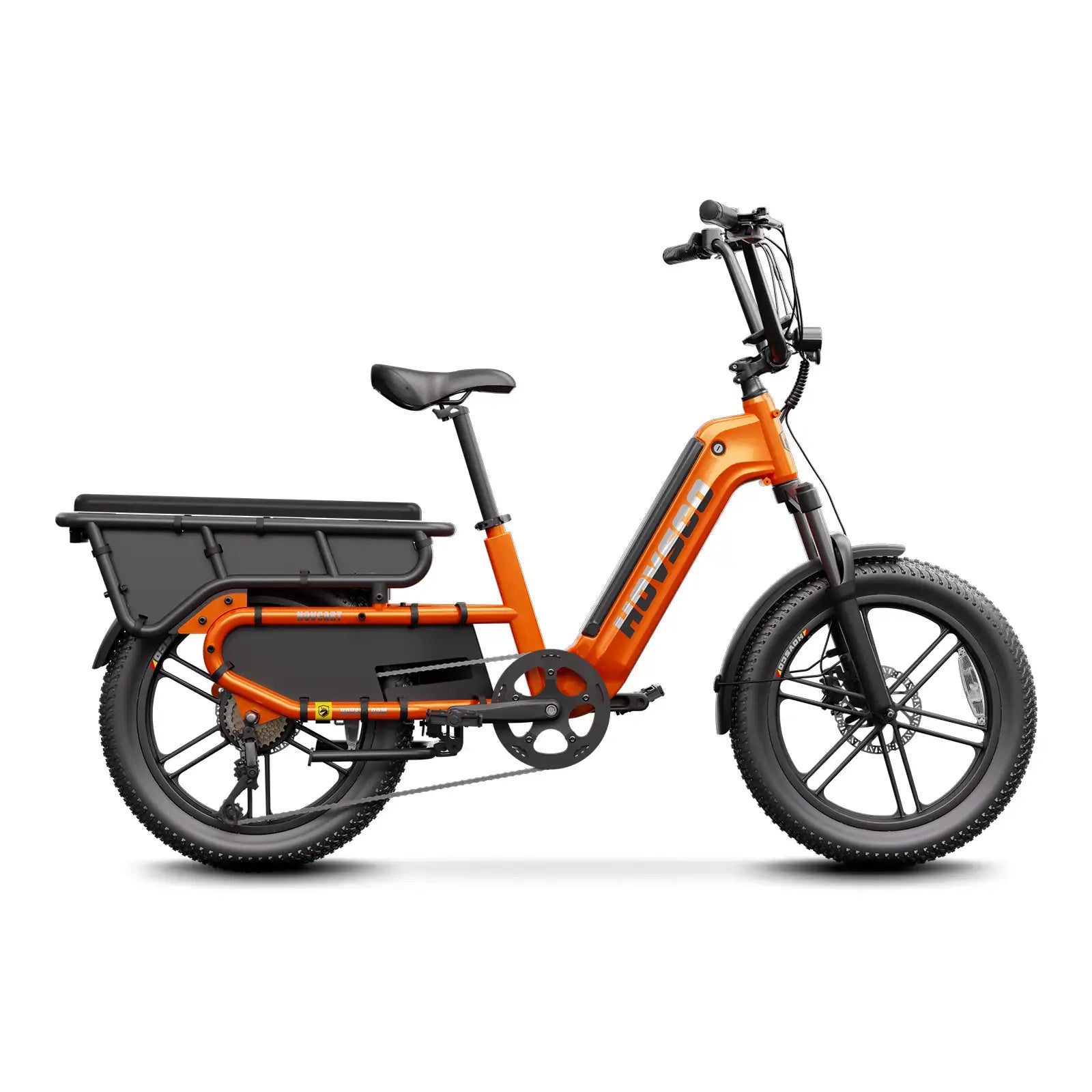
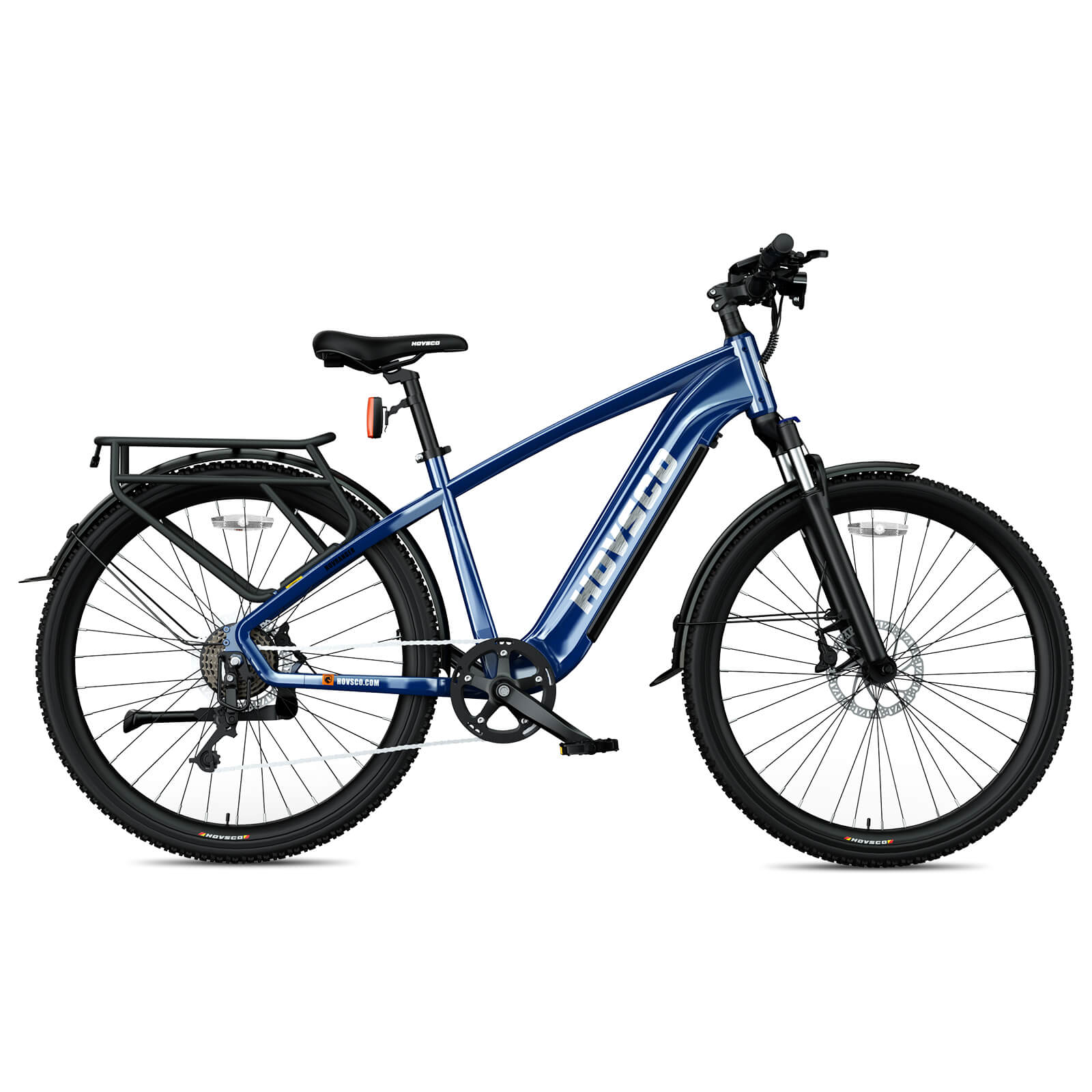
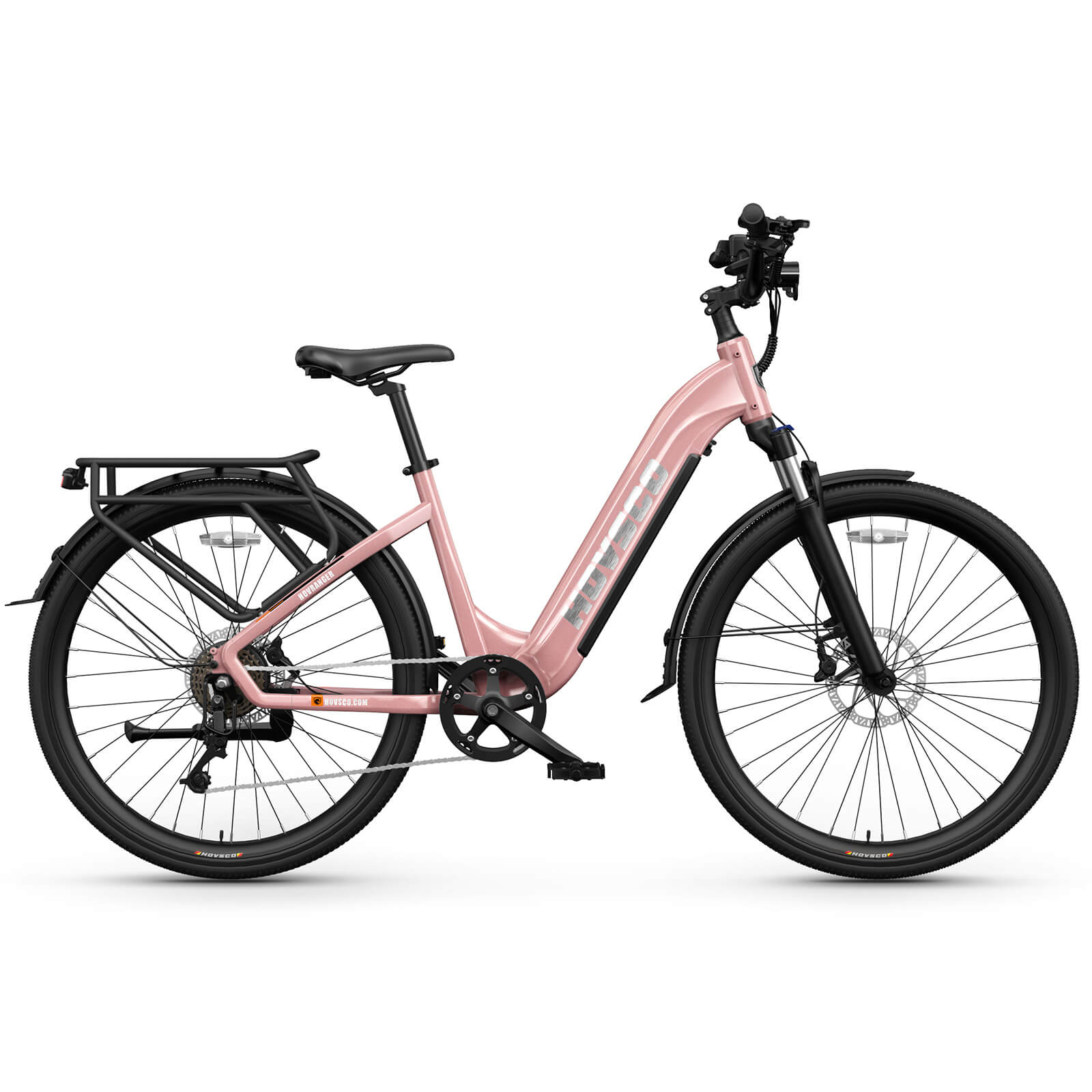
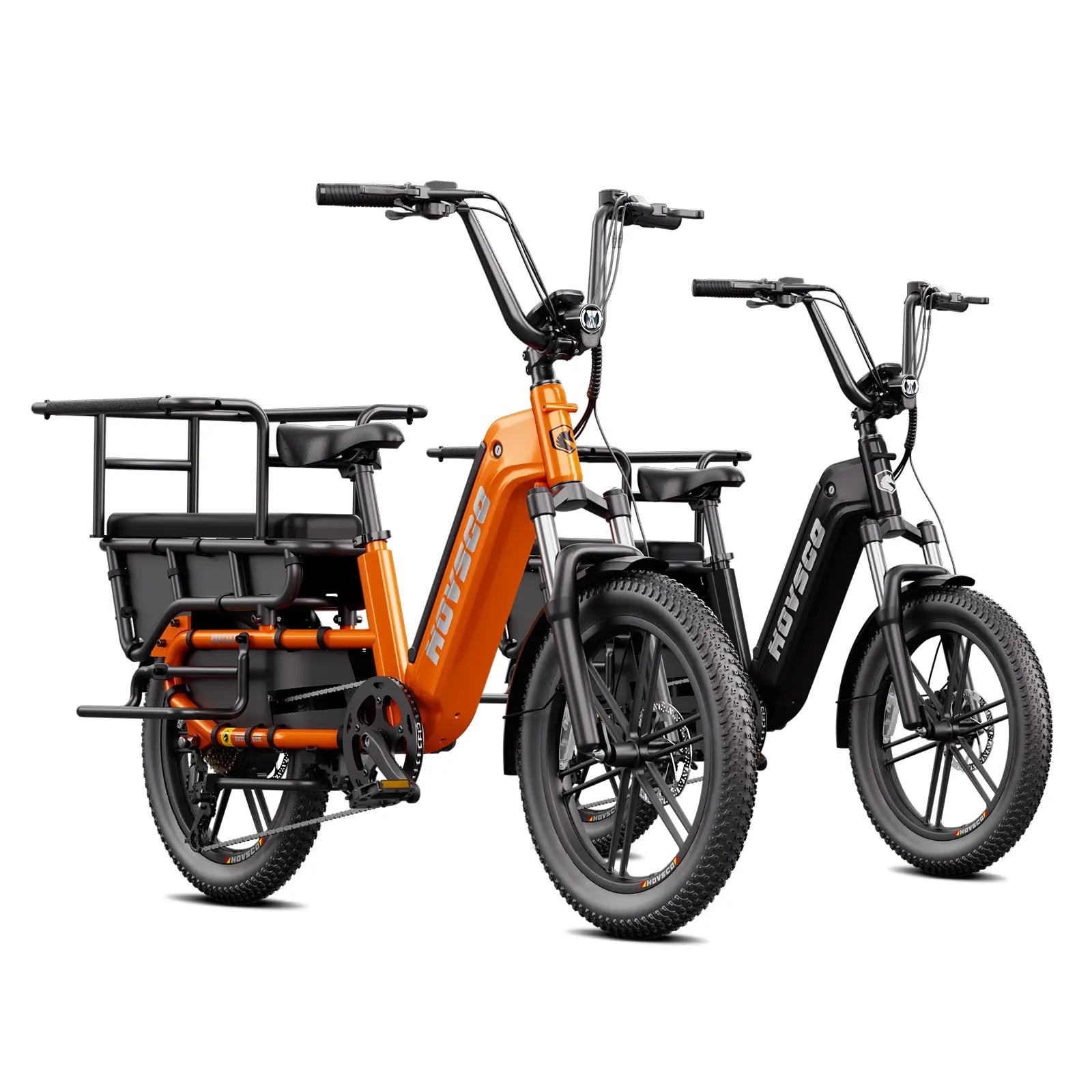
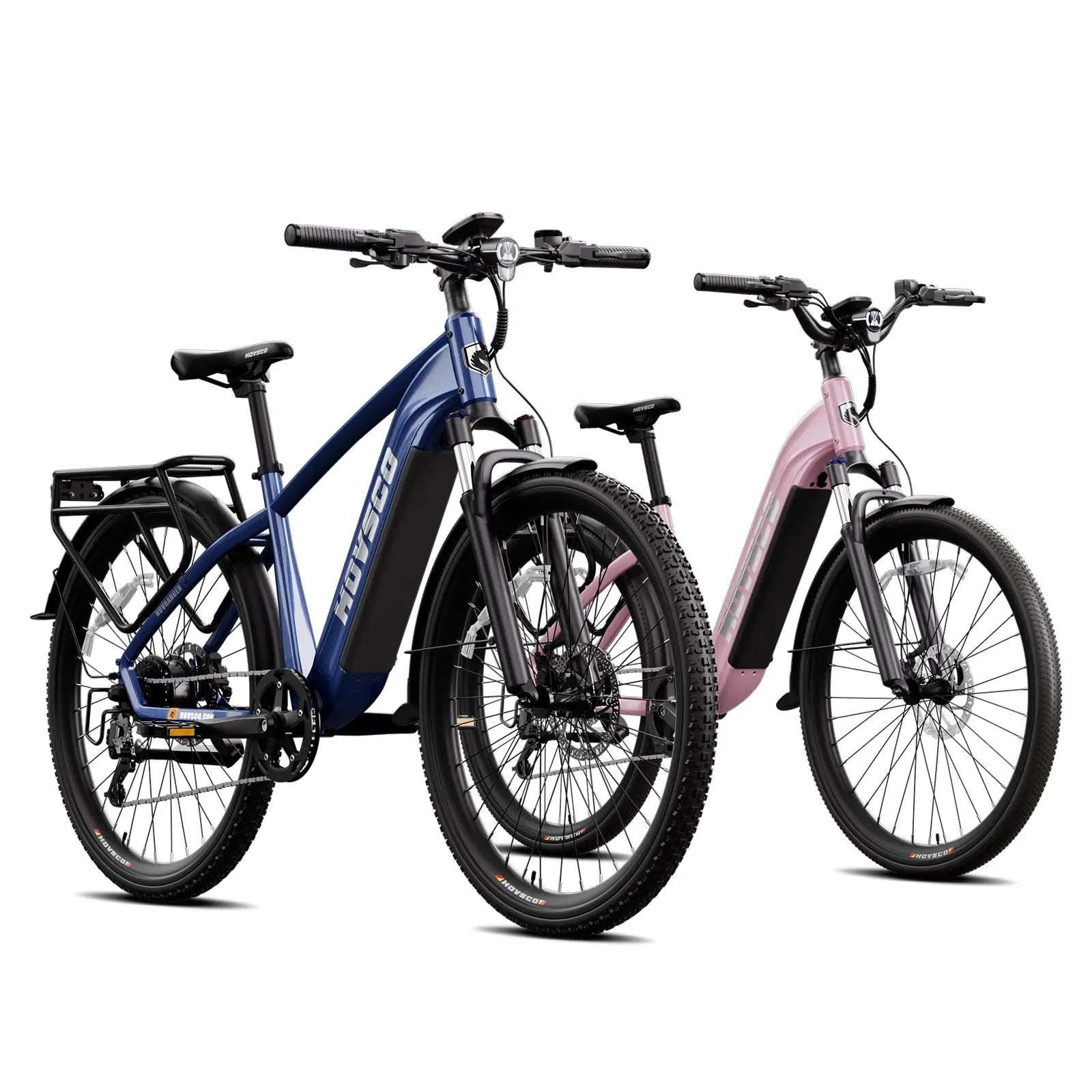
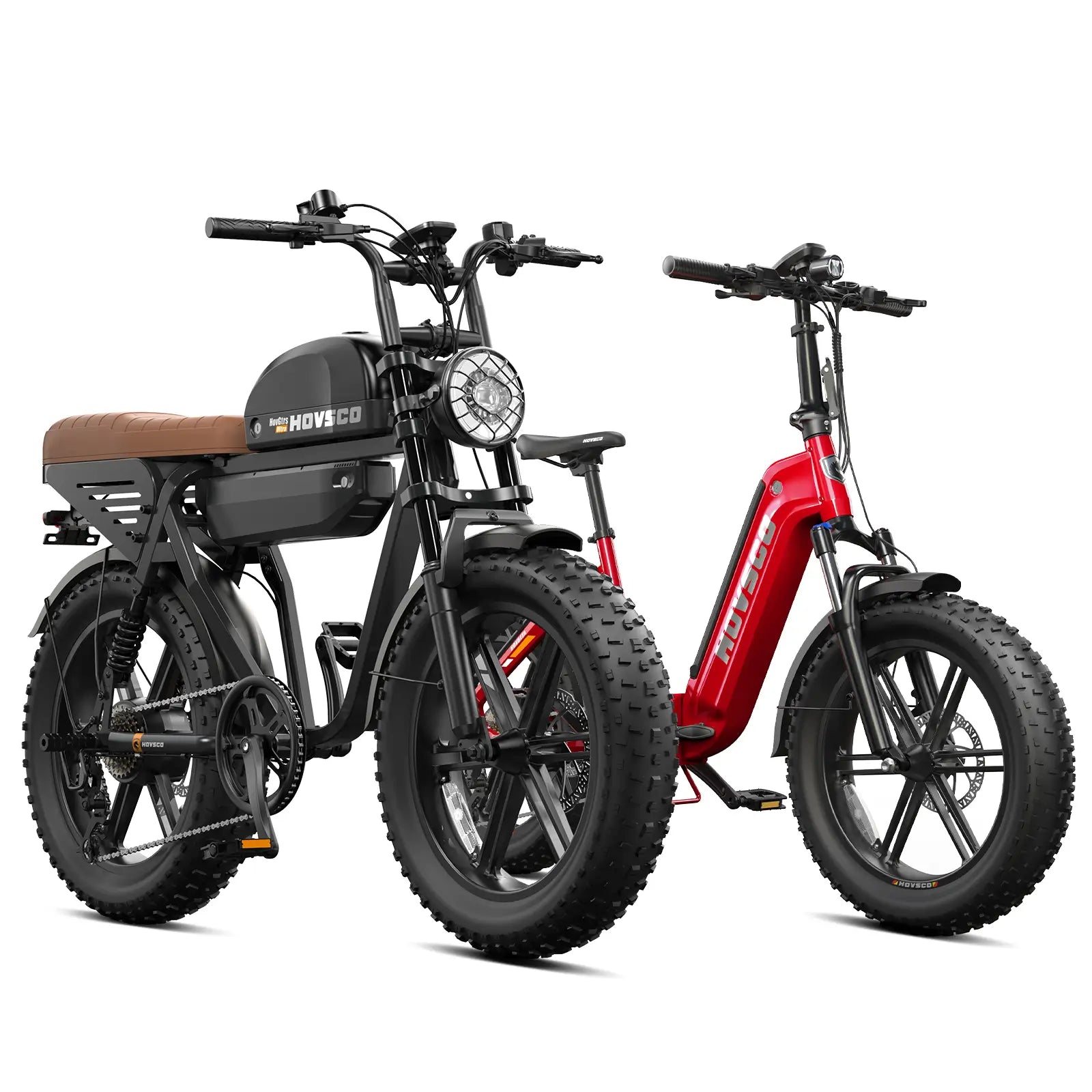
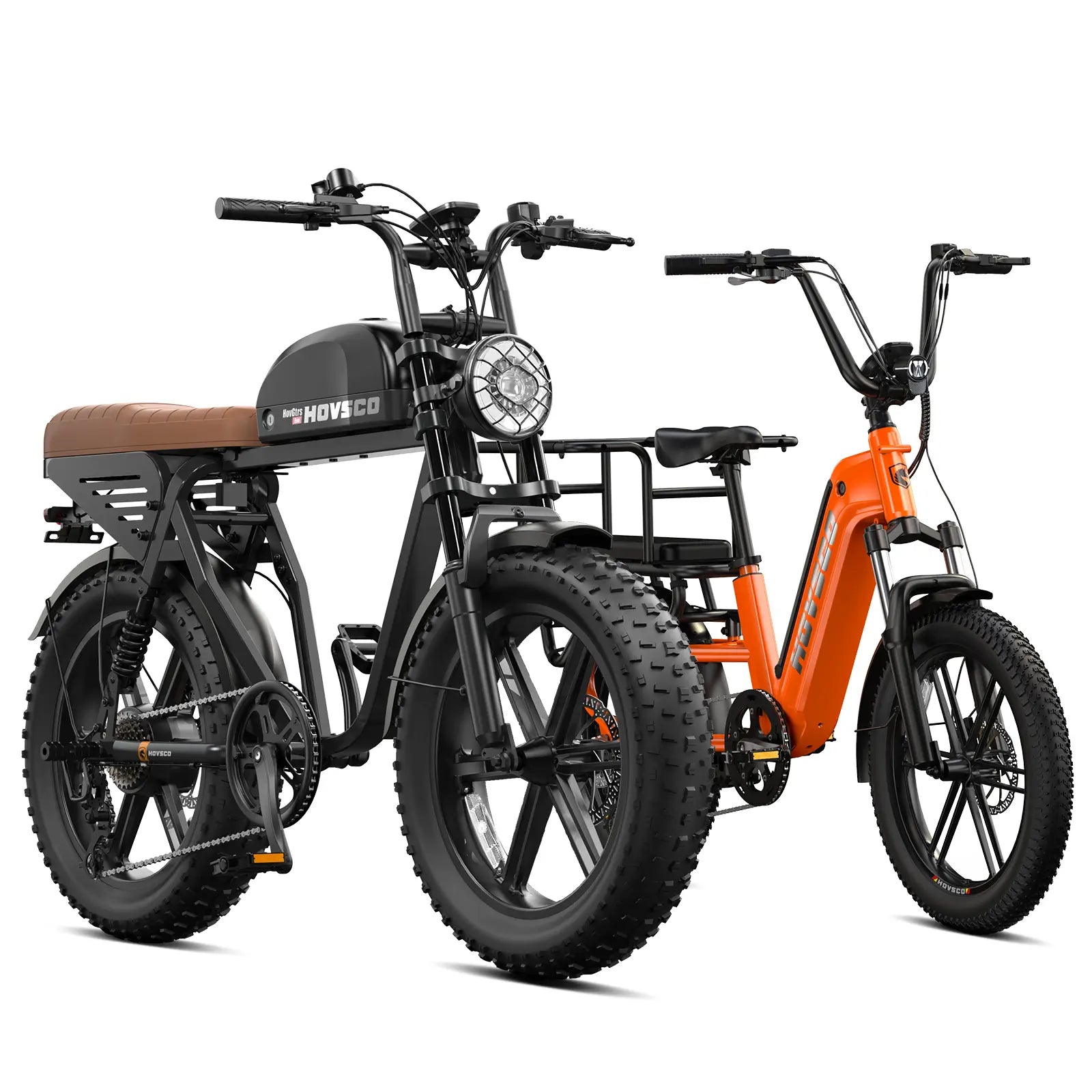
Total cost also decides between formats that both fit the job: the HovCart's cargo equipment and parking constraints vs the HovRanger's lighter gear and easier parking, or the bundle's doubled maintenance vs two single purchases. The cheapest buy is rarely the cheapest run.
Run the worksheet for each candidate and compare the totals, including downtime coverage for each. The format whose complete cost fits the route's value is the business choice.
The comparison should also include the non-cost benefits — delivery speed in traffic, parking convenience, rider health, and brand image — as notes beside the table. They rarely change the decision alone, but they explain it.
Costs change with mileage, seasons, and routes. Review the worksheet quarterly: tires and brake wear, insurance changes, maintenance history, and the cost of any downtime days. The quarterly review keeps the business case honest.
A total-cost table that is reviewed becomes a management tool; one that is filed becomes a number that drifts from reality. The review is what turns the worksheet from an estimate into the fleet's operating record.
The quarterly review is also the moment to validate the savings claims: compare the measured route cost against the e-bike's total, and adjust the marketing and the business case together. A claim that survives the review is a claim worth making.
Run this before any purchase and at each quarterly review.
| Check | Pass condition |
|---|---|
| All lines listed | Gear, maintenance, insurance, training, downtime |
| Baseline measured | Existing vehicle and labor costs recorded |
| Formats compared | Total cost run for every candidate |
| Savings verified | Claims based on measured numbers, not estimates |
| Review scheduled | Quarterly update on the calendar |
" The business case for an e-bike is a full cost table, not an electricity bill. Measure the current route, list every line, and compare totals — the purchase price is only the beginning." — HOVSCO Engineering & Content Team
A business e-bike's total operating cost includes locks, cargo gear, helmets, maintenance, wear items, storage, insurance, training, and downtime — with electricity as a small line. Measure the existing route first, compare full totals between formats, and review quarterly.
1. What should be included in small-fleet operating cost?
The bike, locks, cargo equipment, helmets, visibility gear, maintenance, wear items, storage, charging, insurance, training, and downtime coverage — not only purchase price and electricity.
2. Is electricity the main cost of running an e-bike?
No. Charging is a small line; maintenance, wear items, insurance, training, and downtime usually dwarf it. The business case should show the full table.
3. How should a business calculate savings from an e-bike?
Measure the existing vehicle, parking, and labor costs over the same route and period first, then compare the e-bike's total operating cost. Savings claims need a measured baseline.
4. Why compare total cost between e-bike formats?
Because the cheapest buy is rarely the cheapest run: cargo equipment, parking constraints, and doubled maintenance differ between formats. The full worksheet decides.
5. How often should operating cost be reviewed?
Quarterly, or when mileage, seasons, insurance, or routes change materially. A reviewed table stays honest; a filed one drifts from reality.
Share:
Where to Park and Lock a Commuter E-Bike at Work
How Do You Fix Handlebar Reach on an E-Bike?