




























![[ New Arrival ] Porto Max Electric Scooter For Commute & Grocery Shopping - HOVSCO](http://www.hovsco.com/cdn/shop/files/PotroMax-3.jpg?v=1706927007&width=1200)
- by SteveJames
How Do You Commute With a Backpack Between Classes?
- by SteveJames
E-Bikes
Accessories
 Free Shipping
 15-Day Returns
 2-Year Warranty
Free Shipping
15-Day Returns
2-Year Warranty
2-Year Warranty
Free Shipping
15-Day Returns
2-Year Warranty
A campus commute is not a leisure ride: it runs on a class schedule, through crowds, with a loaded backpack that changes how the bike handles. The skills that make it work are practiced before the first busy day — riding with the real load, locking on time, and reading campus traffic. The riding sequence itself is taught in our how to ride an electric bike guide; this article adds the campus-specific part: the load, the transition, and the routine.
A campus commute has a deadline, a crowd, and a loaded bike. Between classes, riders move through pedestrian streams, cross driveways, and arrive at a rack that may be full — all while carrying a backpack full of books and a laptop.
The difference from a weekend ride is the pressure: there is nowhere to slow down and practice when the next class starts in ten minutes. That is why the campus version of every skill should be practiced in advance, with the real load, in a low-traffic area.
The pressure also changes route choice. A weekend rider can take the scenic path; a between-class rider needs the route that is predictable — known crossings, known rack availability, and no surprise construction zones. Knowing two good routes beats knowing one perfect one.
A backpack raises the bike's center of gravity and changes how it responds to steering and braking. A heavy, loose bag shifts weight when you lean into a turn, and a laptop sliding inside can make the bike feel unsteady at exactly the speeds campus paths demand.
Pack the bag so the weight sits high against your back, close the straps, and remove anything that dangles. The difference between a secured bag and a swinging one is noticeable the first time you brake with both hands full of books.
The load also affects stopping distance, which connects directly to the safety basics: a loaded bike needs more room to stop, and a heavy backpack makes that true even on flat ground. Brake earlier on the first rides with a full bag until the longer stopping distance becomes a habit.
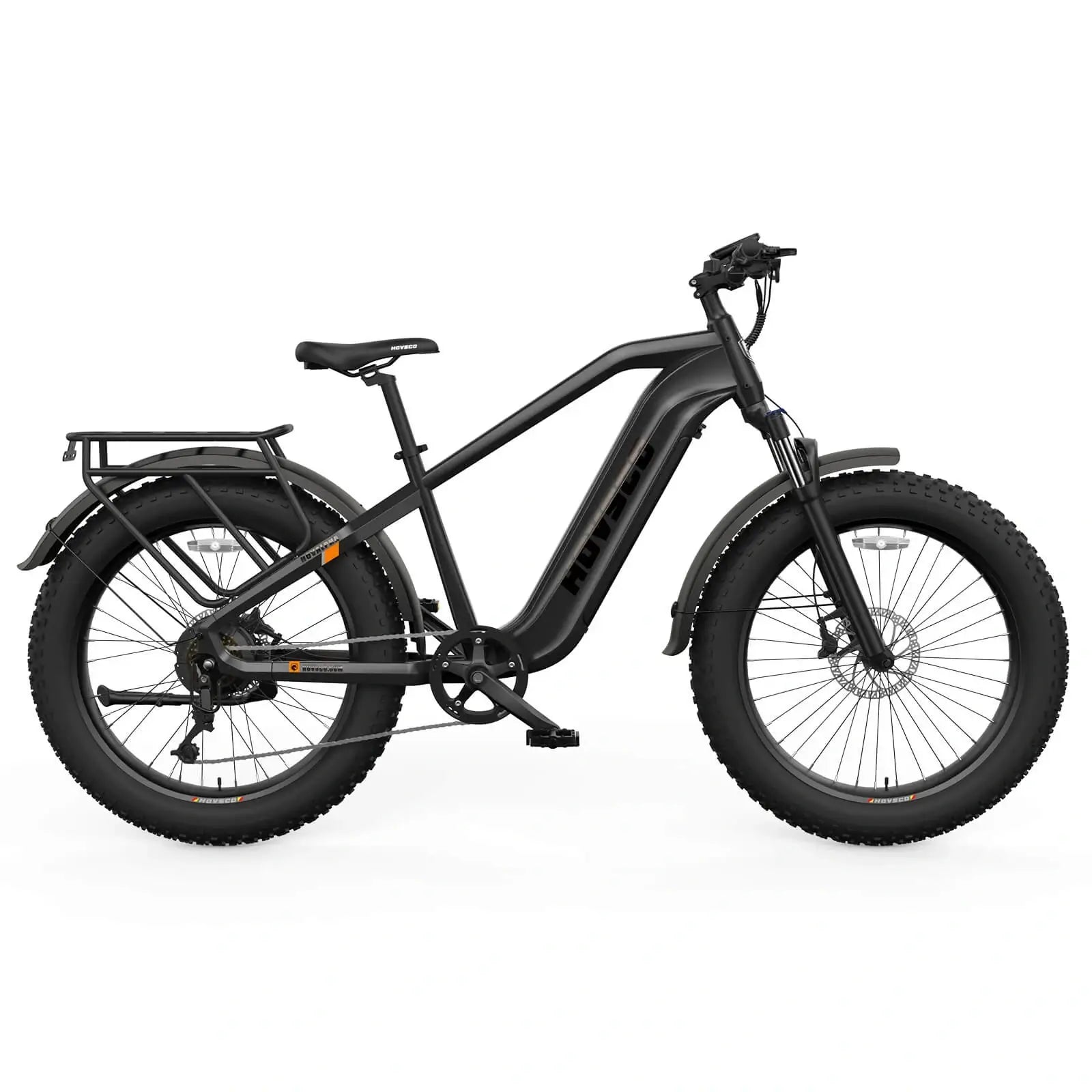
The safest place for a heavy load is on the bike, not on your back. A rear rack or basket takes the weight off the rider and keeps the center of gravity lower, which is why commuters who ride daily usually add one.
Whatever the choice, the rule is the same: no loose straps near the wheels, no bags hanging from the handlebars, and no load that shifts when you turn.
A small test settles the packing question: with the loaded bag on your back, stand beside the bike and lean it side to side, then lift each foot briefly. If the bag swings or pulls you off balance, repack it or move the load to a rack before riding — the same shift at speed is harder to manage.
The load also changes how you handle the bike off it: a full backpack shifts how the bike feels when you walk it through a doorway or lift it onto a rack. Practice the doorway maneuver with the loaded bag once, so the first real one is not a surprise.
A reliable between-class routine removes the rush that leads to mistakes:
The five steps look simple because they are — the point is to make them automatic so the deadline never turns into a rushed lock or a risky turn.
For the first two weeks, add a buffer to every step: five extra minutes for the rack search, the lock, and the walk. The buffer feels wasteful until the day the first-choice rack is full or the elevator is busy — on that day it is the difference between arriving calm and arriving late.
Rain, snow, heat, and poor air quality change the calculus of a campus commute. Identify the alternatives before the first storm: a bus route that covers the same buildings, a walking plan for short days, or a ride with a classmate on extreme days.
For the days you do ride in weather, reduce speed, increase following distance, and give wet brakes extra room. Campus paths with painted lines and leaves are slippery long after the rain stops, and a loaded bike needs even more stopping distance.
Weather gear is part of the plan, not a luxury: a rain cover for the backpack keeps the laptop dry, fenders keep the spray off your back, and lights matter more on overcast days than on clear ones. A rider who can ride through the first rain without a wet laptop keeps the habit; one who gets soaked once may not ride again that month.
The skills that matter on a campus commute — low-speed turns, shoulder checks, signaling, and braking with a load — should feel boring before the first Monday. Practice them in an empty lot with the normal backpack, not just with an empty bike.
Add the load only after basic control is consistent, then progress in the same order as the first-ride guide: empty space, quiet paths, then the real campus route. A rider who practiced with the real backpack has already removed the surprise of a bike that handles differently loaded.
Time one full dry run of the busiest-day route before classes start, including the locks and the walk into the building. The dry run reveals the details a map cannot: the narrow gate, the crowded crosswalk, the rack that is full by nine. Fixing those on a practice day is easy; discovering them on the first day of class is not.
Run this before the first busy day and every day after.
| Check | Pass condition |
|---|---|
| Load secured | Bag strapped, nothing loose near the wheels |
| Route known | Busiest-day route mapped with alternates |
| Skills practiced | Turns, braking, and shoulder checks with the load |
| Locking routine | Lock through the frame, valuables removed |
| Weather plan | Alternative transport identified for bad days |
Run the checklist once before the semester and once more after the first week, when the real schedule replaces the planned one. The second pass catches the differences between the route on paper and the route in practice — and that is where the campus commute actually gets built.
The checklist is also the emergency reference: when a class runs late or the weather turns, the plan already says which route, which lock, and which backup to use. Preparedness is just the checklist being used before it is needed.
" The campus riders who look calm between classes are not the ones who ride fastest — they are the ones who practiced with their real backpack and planned their lock time. The load is part of the bike." — HOVSCO Engineering & Content Team
A campus commute works when the load is secured, the skills are practiced with that load, and the class transition includes locking time. Treat the backpack as part of the bike, plan the weather alternatives early, and the between-class ride becomes the calmest part of the day.
1. Is it safe to ride an e-bike with a backpack on campus?
Yes, when the bag is secured and the skills are practiced with the load. Pack the weight high against your back, close the straps, and practice turns and braking before the busy day.
2. Should I use a rack or a backpack for campus commuting?
A rear rack or basket lowers the center of gravity and keeps the load off your back, which makes the bike feel steadier. A backpack works if it is packed and strapped properly.
3. How do I ride safely through crowded campus paths?
Moderate your speed near groups, pass wide, and yield where pedestrians expect it. Treat every intersection like a place where someone may step out, and brake early.
4. What should I do if it rains on a class day?
Have a backup plan before the storm: a bus route, a walking day, or a ride with a classmate. If you ride, slow down, increase following distance, and give wet brakes more room.
5. How long does it take to get comfortable riding with a backpack?
Most riders adjust within two or three sessions of practice with the real load. The key is practicing turns, braking, and shoulder checks in an empty area before riding in campus traffic.
Share:
Are Electric Bikes a Good Choice for Seniors?
How Do You Ride a Short Commute in Bad Weather?