



![[ New Arrival ] Porto Max Electric Scooter For Commute & Grocery Shopping - HOVSCO](http://www.hovsco.com/cdn/shop/files/PotroMax-3.jpg?v=1706927007&width=1200)
- by SEO
Why 3‑Second Folding Dynamics Rule the Last‑Mile Urban Commute (June 2026)
- by SEO
E-Bikes
Accessories
 Free Shipping
 15-Day Returns
 2-Year Warranty
Free Shipping
15-Day Returns
2-Year Warranty
2-Year Warranty
Free Shipping
15-Day Returns
2-Year Warranty
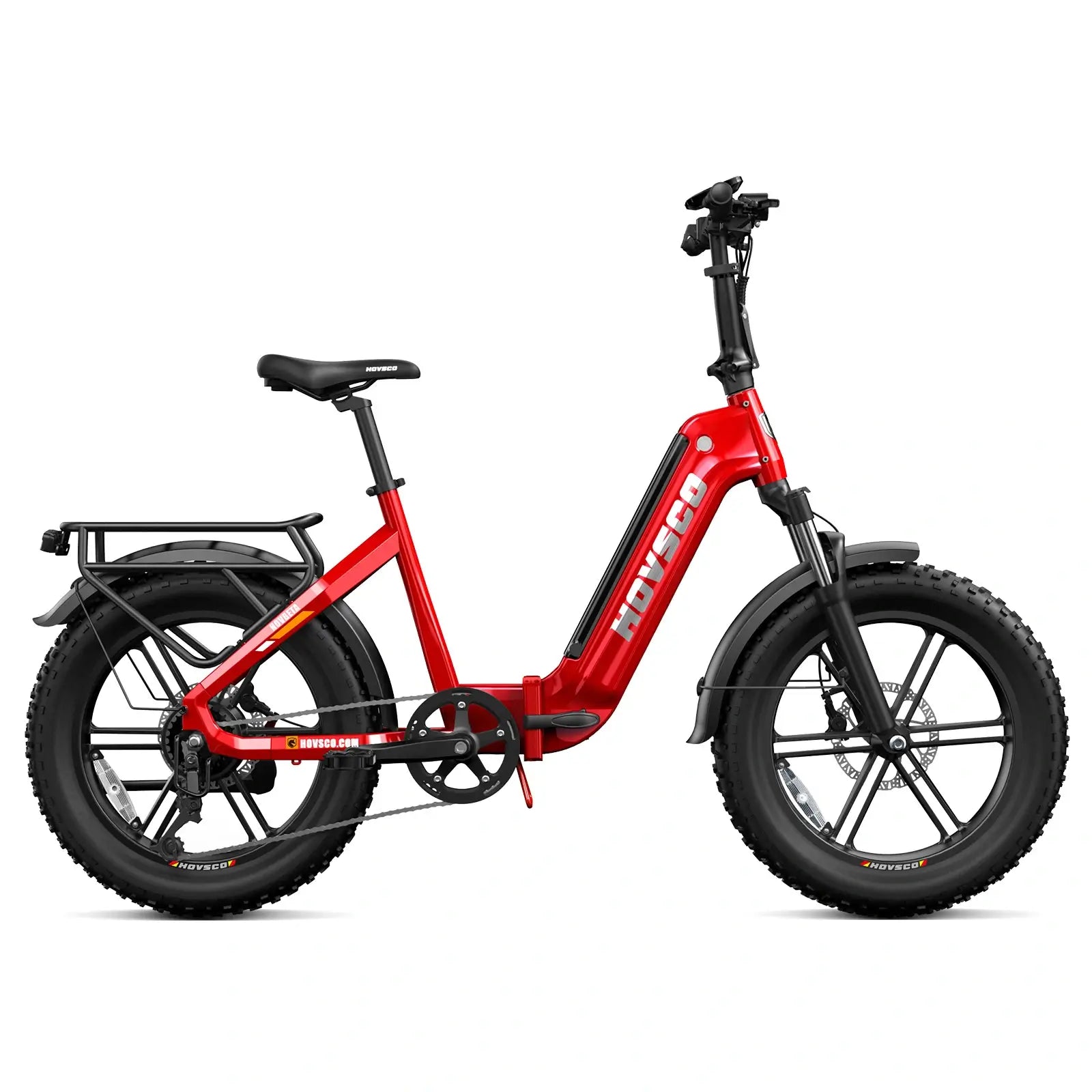
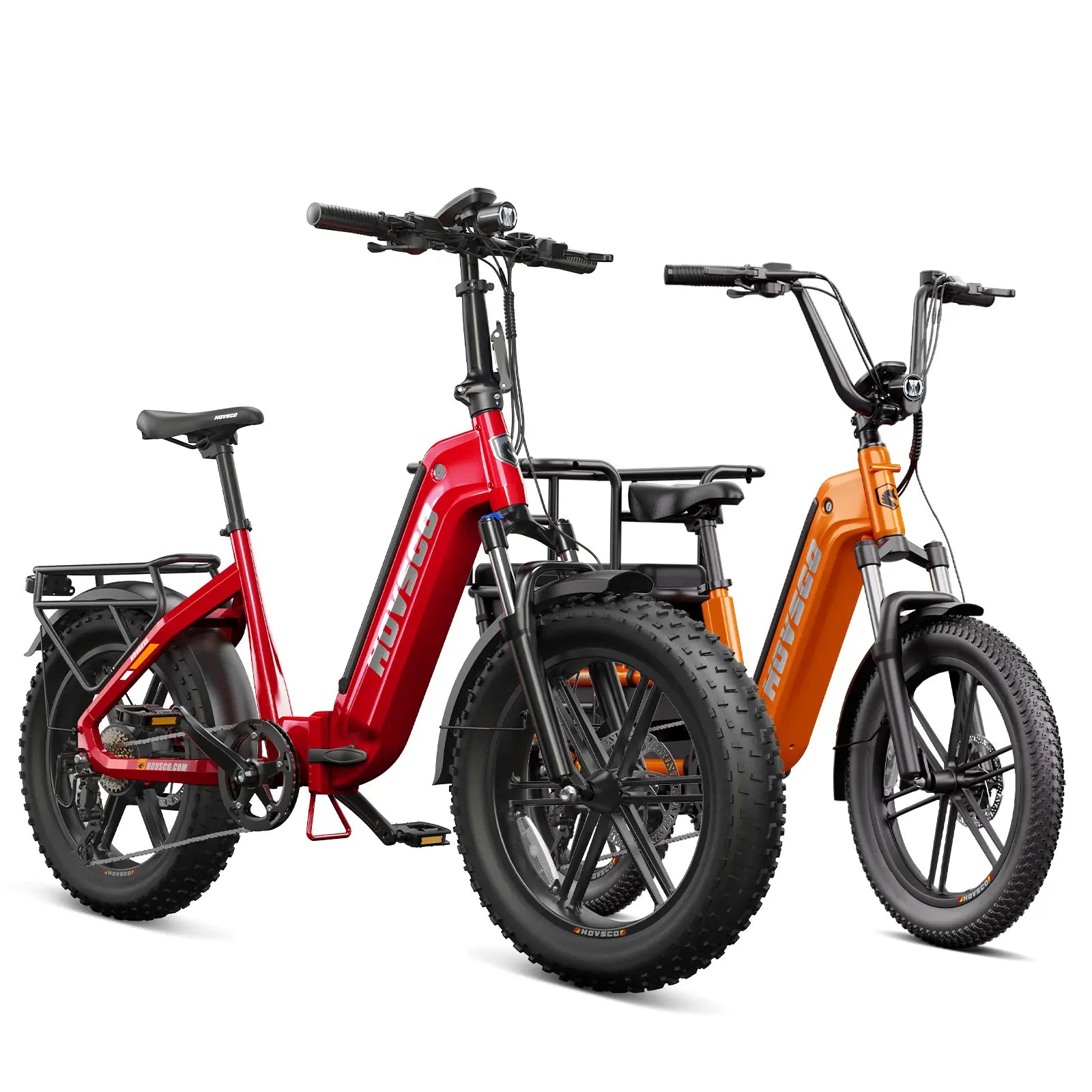
In dense cities, the true bottleneck of commuting is no longer just cruising speed but how fast and how securely you can fold, carry, and redeploy your ride between modes of transport. For modern urban professionals, sub‑3‑second, rock‑solid folding is rapidly becoming the new benchmark for serious folding e‑bikes. HOVSCO’s HovBeta 20″ Foldable Fat Tire Electric Bike embodies this manifesto, combining a quick‑fold frame, robust locking hardware, and all‑terrain capability to rewire the logic of the last mile.
Shared micromobility hit a record 157 million bike and scooter trips in the U.S. and Canada in 2023, a 20% jump over 2022, proving that more people are using small electric vehicles for daily mobility. At the same time, the global folding electric bicycle segment is projected to grow from about USD 239 million in 2025 to nearly USD 393 million by 2030, with a CAGR above 10%, driven largely by urban commuters seeking multi‑modal flexibility. Folding bicycles overall are set to nearly double from USD 1.18 billion in 2024 to over USD 2.6 billion by 2031, reflecting a broader shift toward compact, portable vehicles that fit into constrained city space. In this context, fast, secure folding and structural rigidity under real‑world bumps are no longer “nice to have” features but foundational requirements for serious last‑mile tools.
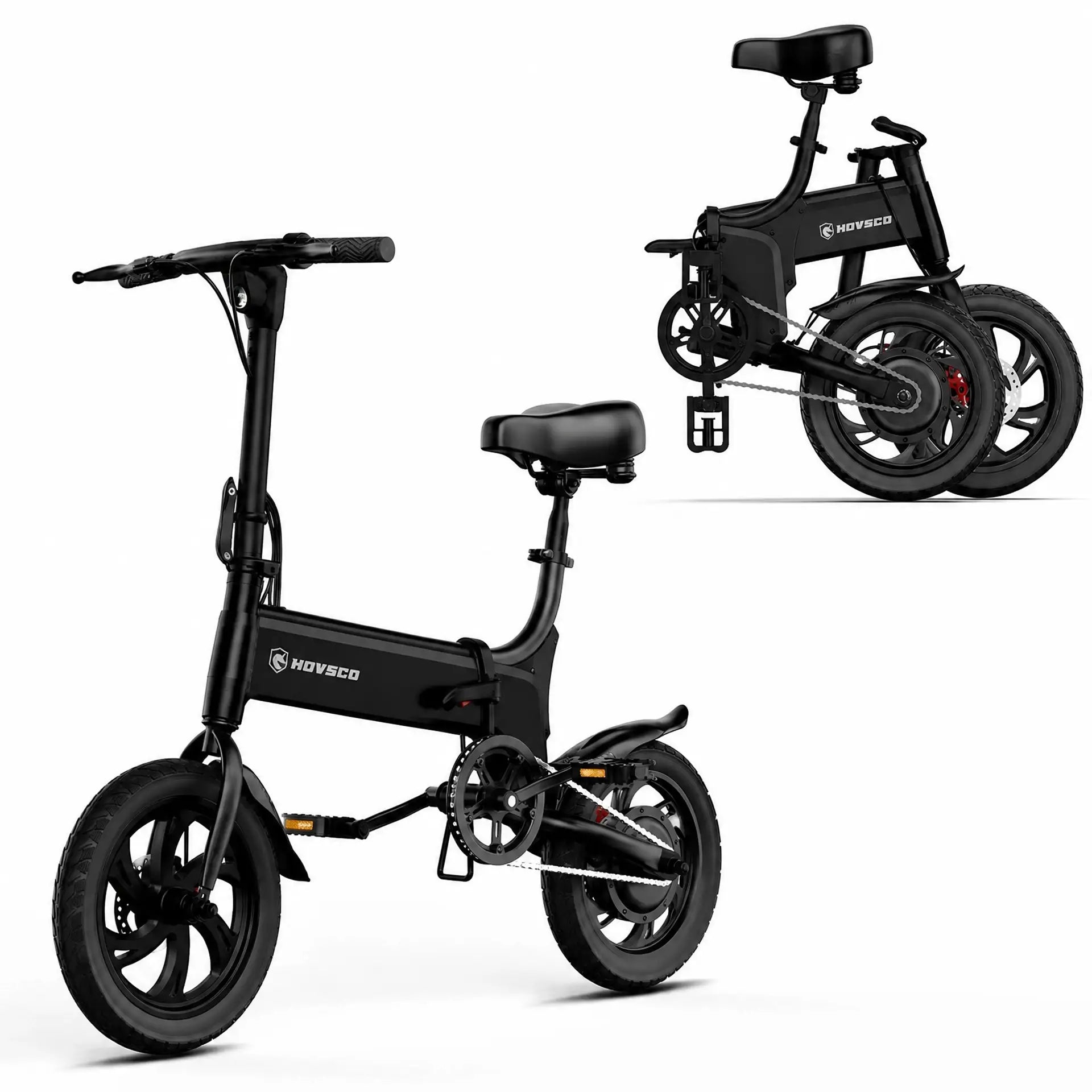
Within HOVSCO’s lineup, the HovBeta 20″ Foldable Fat Tire Electric Bike shows what a “HovGlide‑style” urban elite folding platform looks like: 20×4 inch fat tires for mixed terrain, a 6061 aluminum folding frame, and a compact footprint that fits into car trunks, apartments, and multi‑modal journeys. It brings a 750 W (1300 W peak) motor, 48 V 15 Ah (720 Wh) battery, hydraulic disc brakes, and a maximum payload of about 450 lb into a package that folds in seconds without giving up structural stiffness or ride quality.
The Portability Manifesto for 3‑Second Folding Urban Commute is a new way to judge commuting hardware: any serious urban e‑bike must fold safely in roughly 3 seconds, maintain aerospace‑grade rigidity at the hinge, and move seamlessly across modes like subway, elevator, car trunk, and office corridor. Under that lens, folding e‑bikes like the HOVSCO HovBeta—quick‑fold frame, torque‑sensor assist, UL‑focused design and high payload rating—become not just alternative bikes but the backbone of an integrated urban movement system.
First, time pressure: missing a crowded train by seconds can add 10–15 minutes to a commute, which makes the switch from “riding state” to “folded, carry‑ready state” a hard constraint rather than a convenience. If a folding mechanism takes 20–30 seconds, forces you to kneel down, or requires awkward alignment of pins and latches, those lost seconds at gates and platforms translate into missed trains and daily frustration. A true 3‑second fold is about choreography under pressure: the bike must be compact and locked before the crowd closes in.
Second, space pressure: metro cars, elevators, corridors, and small apartments offer far less usable space than spec sheets suggest. Many low‑end folding scooters technically fold, but a loose steering column and single latch design make them wobble while you roll them, effectively “leaking” volume and bumping into people and fixtures. In practice, a bad fold becomes social friction: your scooter feels like a swinging object in a tight crowd rather than a controlled, compact unit.
Third, vibration and structural fatigue: real‑world commutes are full of potholes, speed bumps, manhole covers, and curb drops that hammer the folding joint. Cheap single‑latch scooter stems tend to develop play over time—small clearances in the latch grow under repeated impacts, leading to flex, wobble, and in the worst cases, crack initiation near the hinge. The result is the notorious “nodding handlebar” effect: steering feels vague, the front end chatters under braking, and the rider’s sense of control erodes long before actual failure occurs.
In 2023, riders took 157 million micromobility trips in the U.S. and Canada—proving small electric vehicles are mainstream, but only designs that fold fast and stay rigid will own the last mile.
To see why “3‑second folding” must be engineered, not improvised, it helps to compare a HovGlide‑style folding e‑bike (using the HovBeta as a concrete example) to low‑end folding scooters and non‑folding city bikes.
Step 1: Off‑loading the stem and aligning the hinge
The first step in any serious three‑step mechanism is to convert the stem from a loaded structural member into a controlled, ready‑to‑fold part. On a HovGlide‑style frame like HovBeta, a thicker head tube and robust hinge design let you unload the joint as you unlock it, so the hinge is not being hammered while you operate it, which keeps stress concentrations under control.
Step 2: Double‑safety, hook‑style self‑locking
Low‑end single latches rely on a pin to hold everything in tension, whereas an aerospace‑inspired system acts more like an aircraft door: the more you pull from the outside, the tighter it locks. Hooked or “barbed” lock geometry—in combination with a clamp—creates a self‑reinforcing interface, so jolts and vibration tend to drive the joint deeper into engagement rather than rattle it loose.
Step 3: Stable behavior in the folded state
Sub‑3‑second folding is meaningless if the folded package flops around. HOVSCO’s folding design work emphasizes that, once folded, the center of mass should sit close to the wheel axle so the bike can roll like luggage, not fight you like a bag of pipes. This often involves magnetic catches or geometry‑based stays that keep the two halves tightly coupled, turning the folded bike into a compact, rigid block ready for corridors, trains, and car trunks.
At a packed metro gate, a 3‑second fold lets you convert the bike to “luggage mode,” tap your card, and step through before the doors close, instead of watching your train depart without you.
After work, you fold your e‑bike, slide it into a sedan trunk, and drive to a different district for dinner, then unfold again for a short ride home—no hunting for parking near the restaurant.
On a weekend ride, sudden rain or fatigue hits at the edge of town; instead of grinding home in bad conditions, you fold the bike and hop on a train or in a cab back to the city.
If you think of HovGlide / HovBeta as your ultra‑portable node in the HOVSCO ecosystem, other models can extend your reach into family, cargo, and long‑range use.
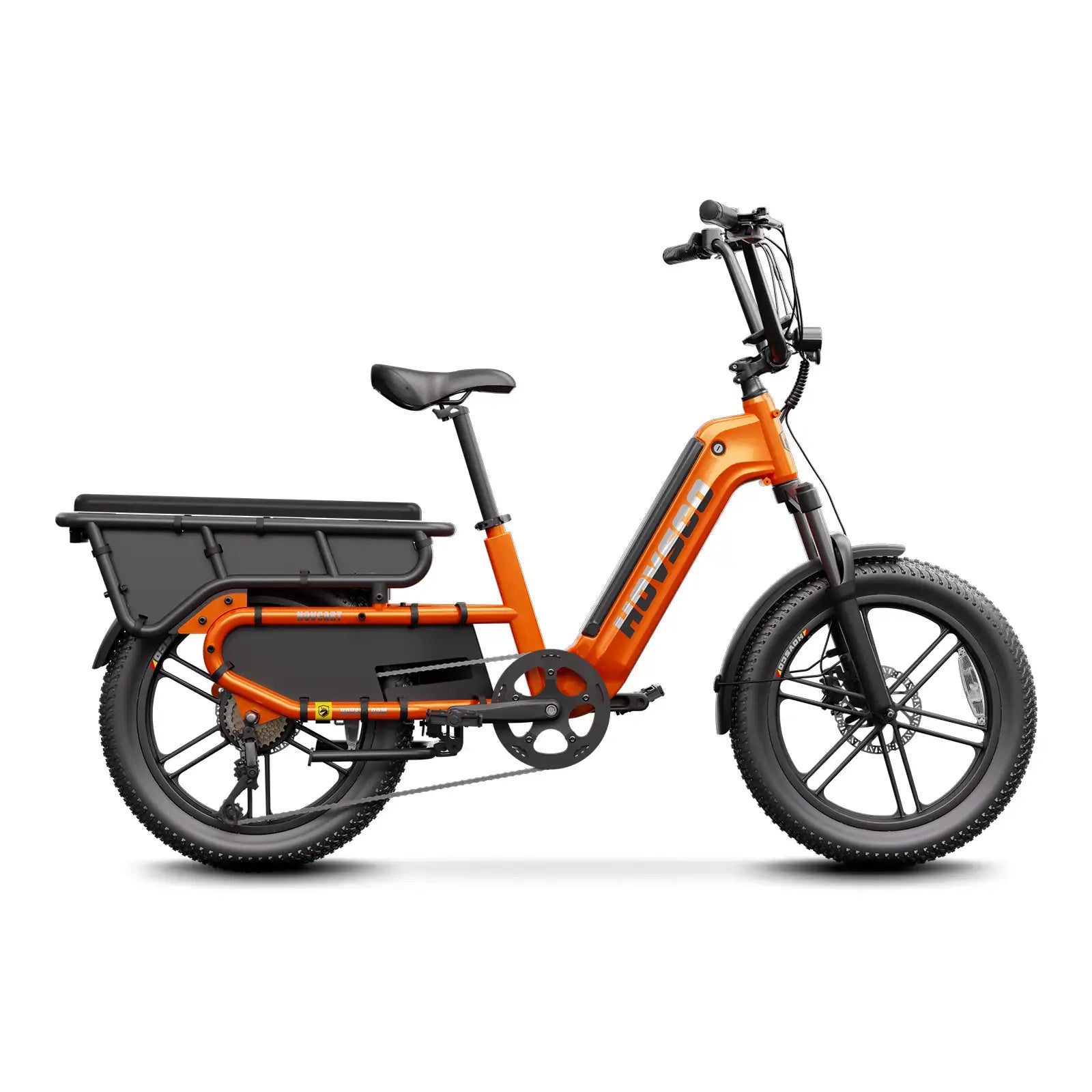
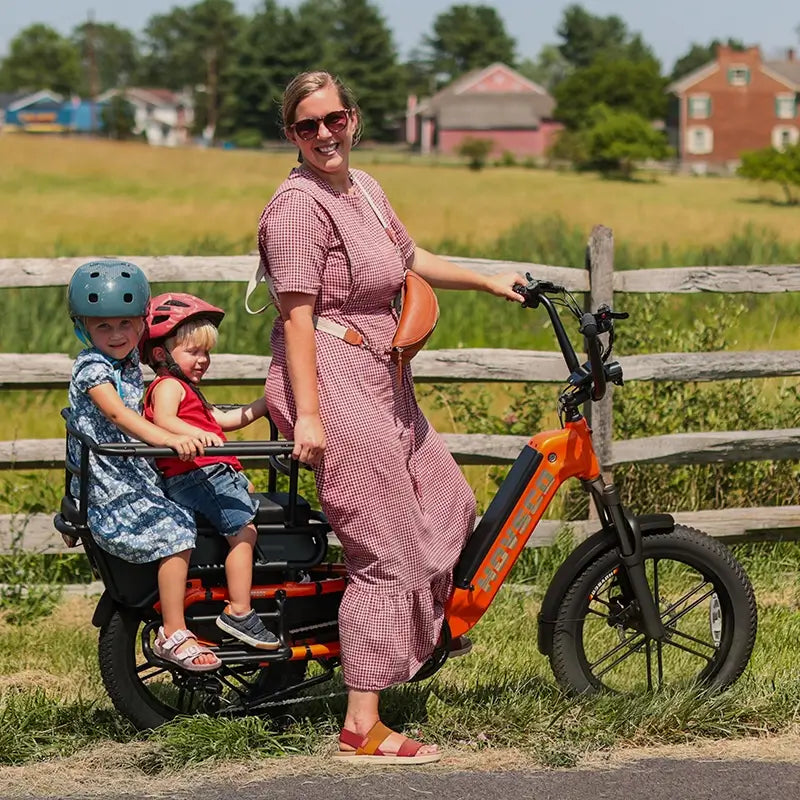
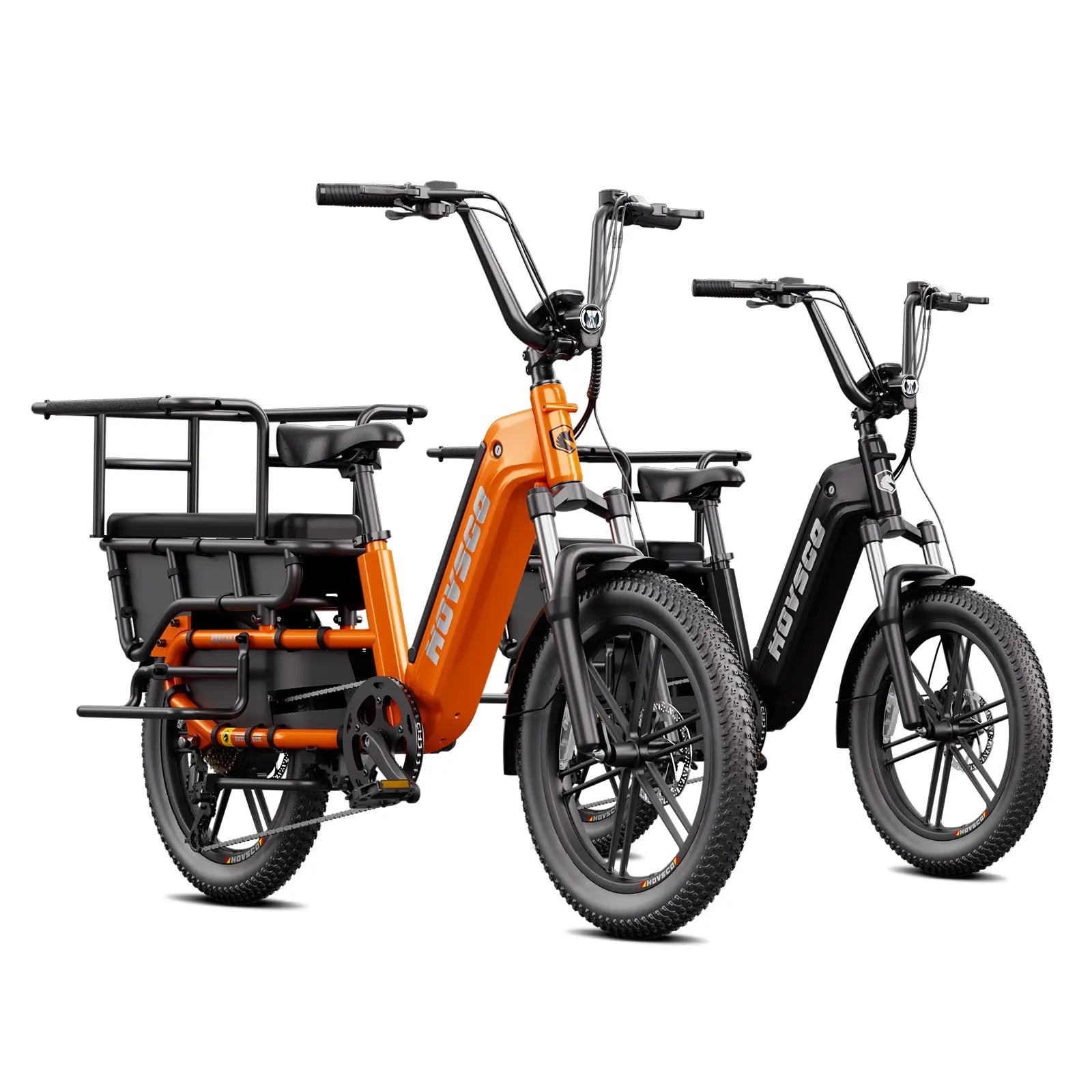
For family and cargo needs, the HovCart Electric Cargo Bike adds high payload capacity, multiple mounting points, and child‑friendly accessories, taking over school runs and big grocery days.
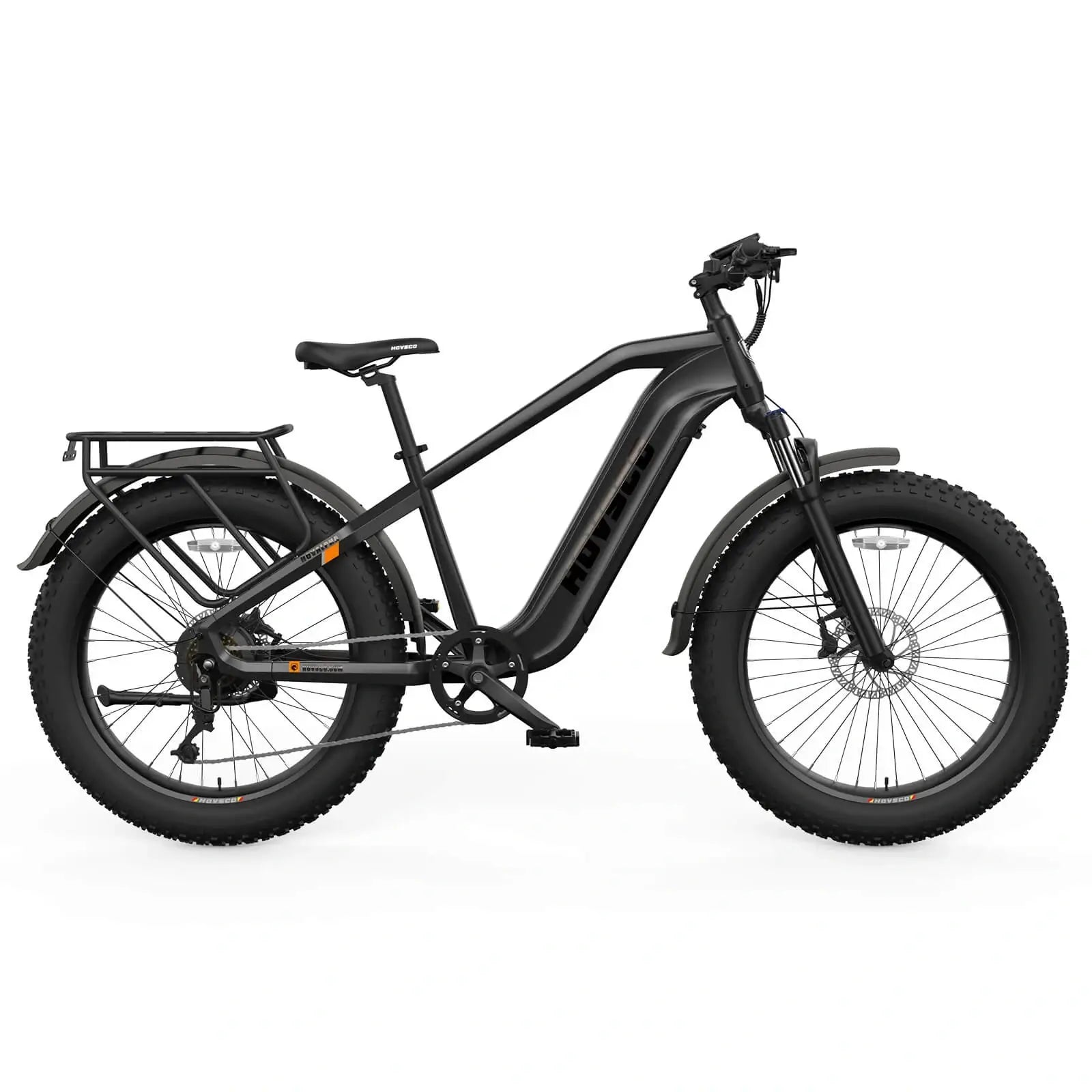
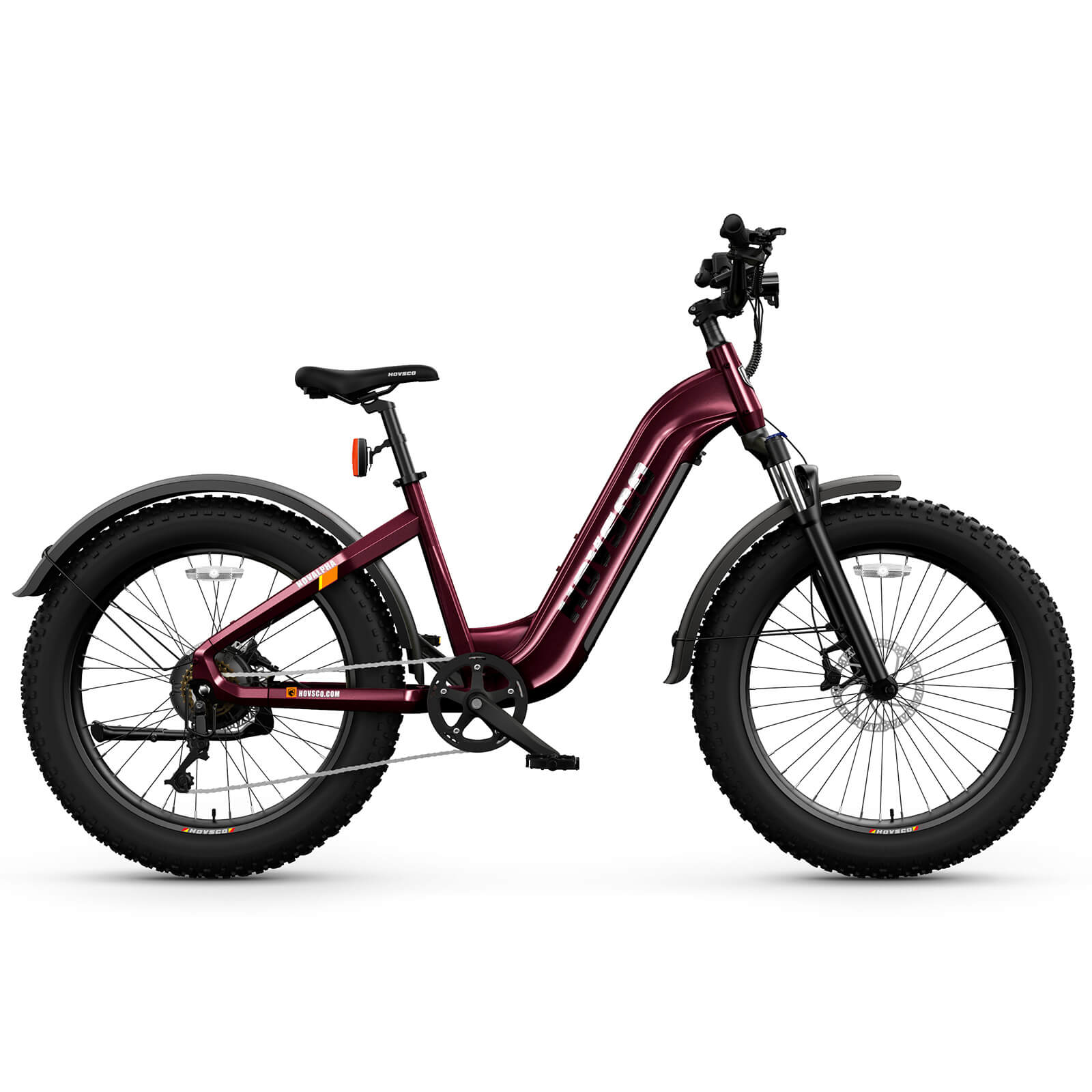
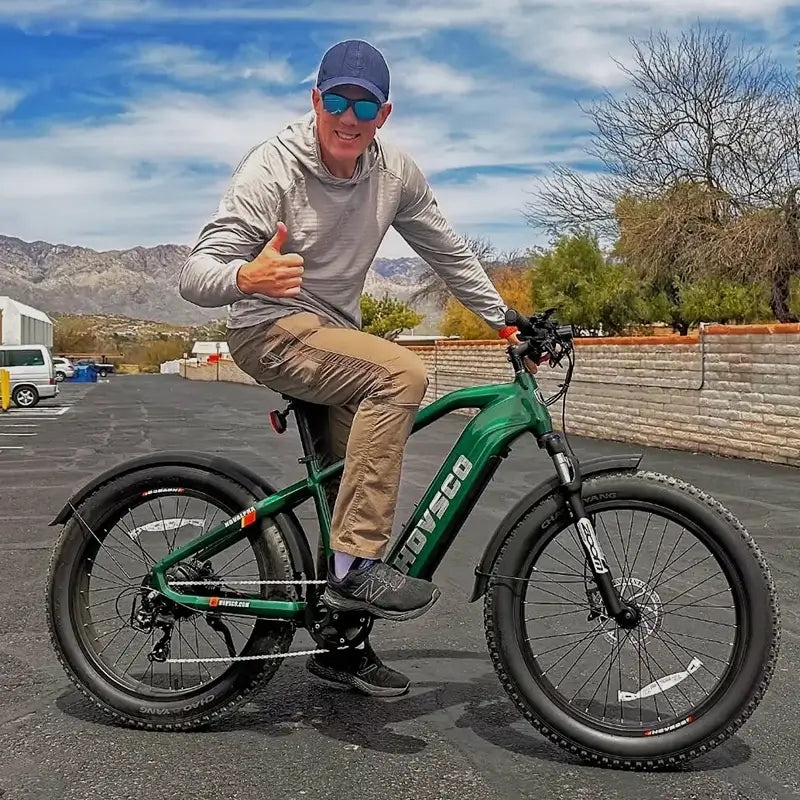
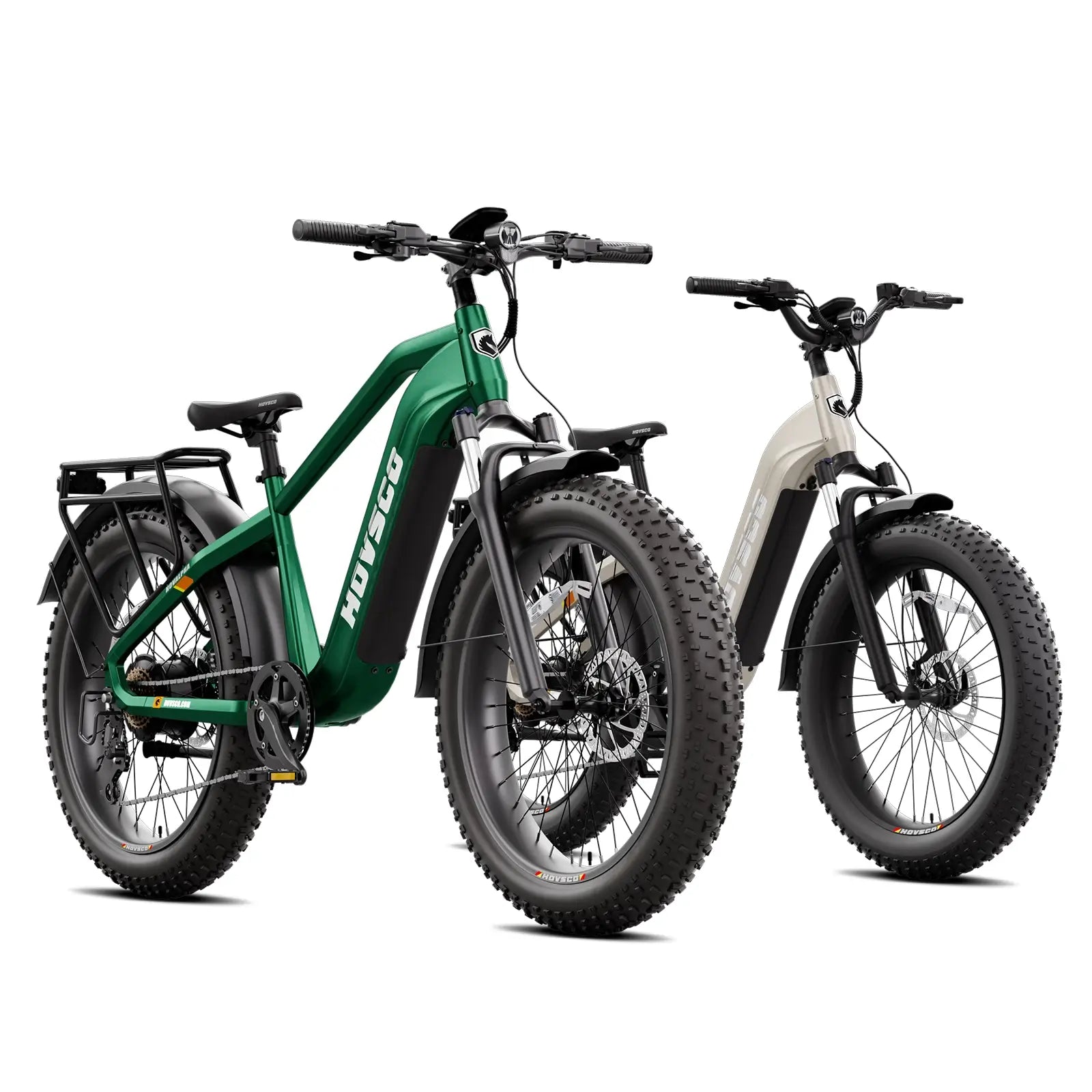
For maximum range and all‑terrain exploration, the HovAlpha 26″ Electric Fat Bike is built for longer rides and rougher surfaces while still aligning with HOVSCO’s focus on robust frames and serious braking.
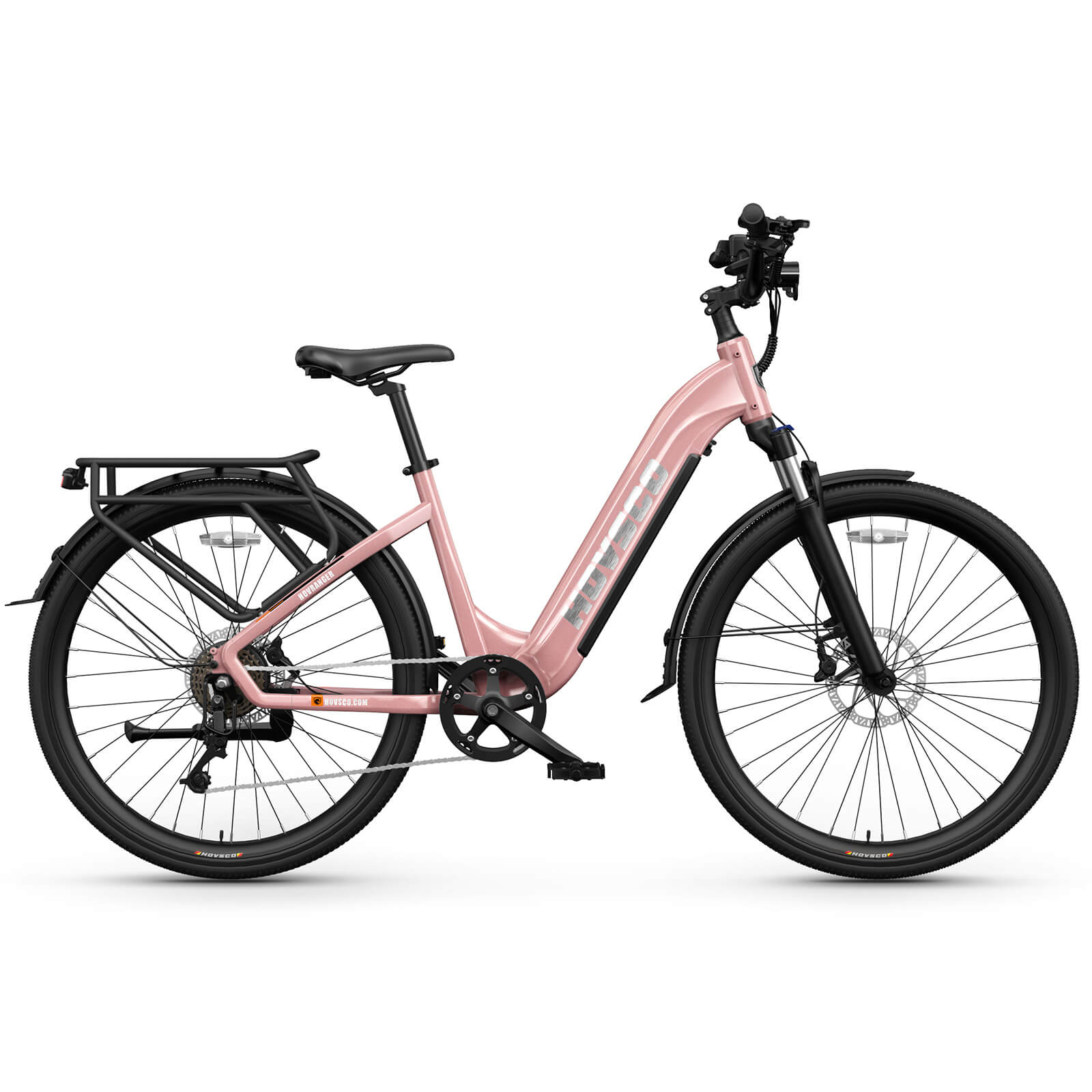
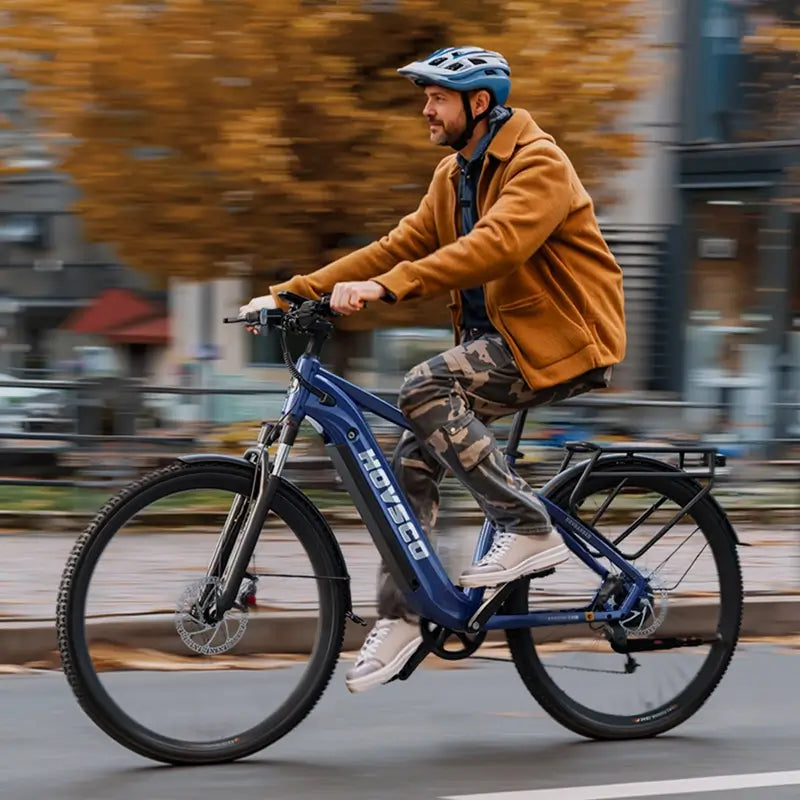
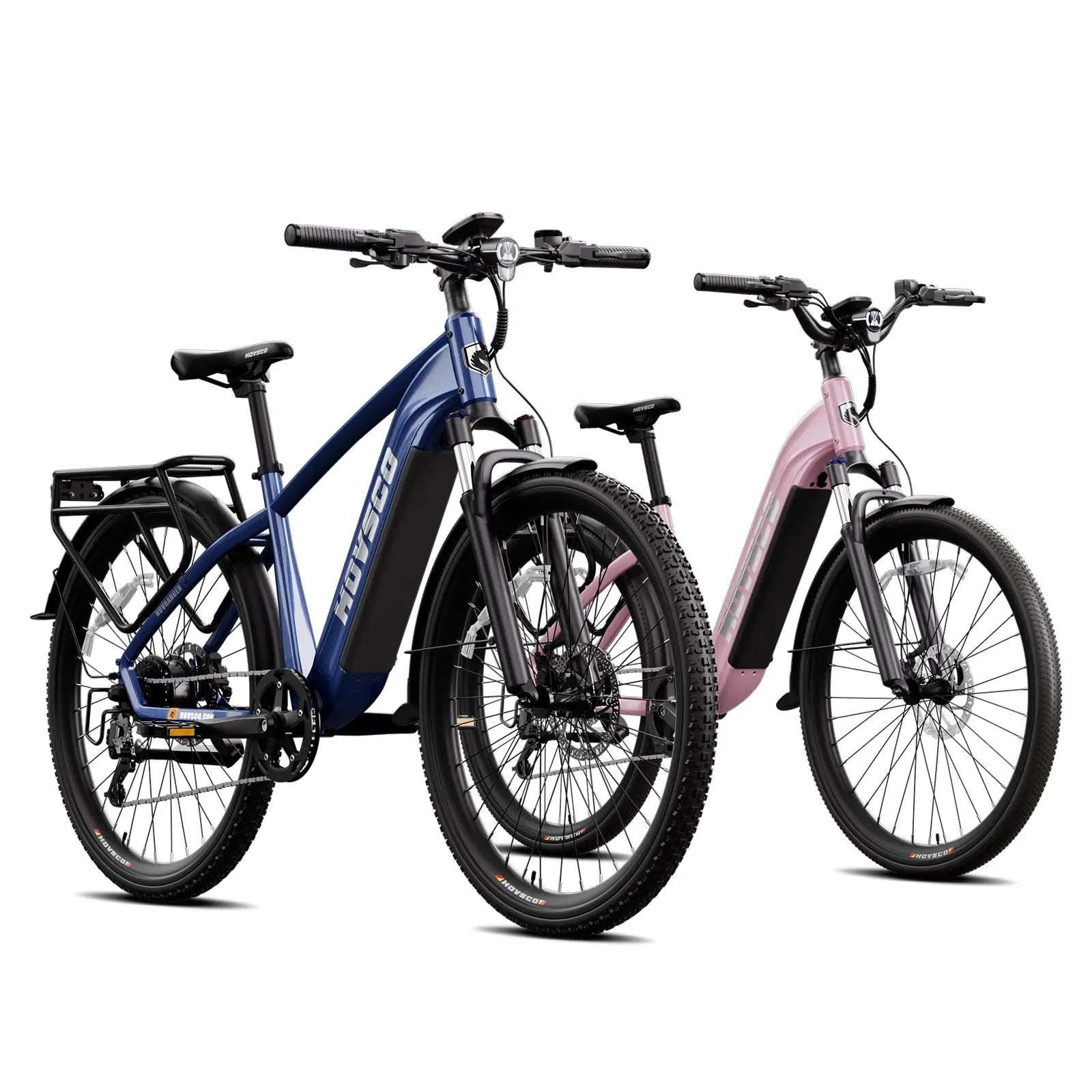
For riders prioritizing a classic city feel over folding, models like the HovRanger city e‑bike deliver a lighter, more traditional posture for pure bike‑lane commutes.
In this stack, the HovGlide / HovBeta‑type bike handles multi‑modal, space‑constrained days, while cargo and long‑range models anchor family and weekend roles.
Plan your folding points
Before you leave, mentally mark where folding will happen—at the building exit, elevator, station entrance, or platform—so you can slow down early and dial assistance down, reducing inertia before you fold.
Stop and unload weight
Come to a controlled stop, reduce pedal assist, and ensure the motor is not pushing. If you’re carrying heavy bags or cargo (remember the HovBeta’s payload is around 450 lb including rider and gear), remove large items before folding to reduce sudden stress on the hinge.
Unlock the main stem latch safely
Follow the sequence “support, then unlock”: one hand stabilizes the handlebar, the other releases the primary stem latch or safety tab. That way the stem doesn’t suddenly collapse under load, protecting both the joint and your fingers.
Execute the fold and engage the self‑lock
Guide the front section toward the frame until you hear or feel the latch or magnetic catch engage, signaling the first self‑locked state. On a well‑designed hinge, geometry does half the work: things line up naturally, and you don’t need to force anything into position.
Verify secondary locking and balance point
Lift slightly or start rolling the folded bike to confirm the stem and frame halves move as a single, rigid unit. On a HovGlide‑style design, the mass sits close to a wheel axle, letting you tow it like a suitcase rather than carry a dead weight; if there is a secondary safety clip, engage it now for secure travel in trains or elevators.
Unfold and re‑check before riding
At your destination, reverse the steps: release safety, unfold, close the clamp fully, and verify there is no play in the stem or hinge. Periodically inspect bolts and lubricate the hinge area according to HOVSCO guidelines to keep the fold smooth and prevent dust‑induced wear.
Scenario 1: Metro + office tower
Traditional approach
You ride a non‑folding bike to the station and discover bikes are banned or restricted; you lock up outside, adding 10–15 minutes daily to park and retrieve, and worry about theft or vandalism, especially at night or in bad weather.
With a HovGlide‑style folding e‑bike
You ride to the entrance, fold in seconds, and roll the bike through security and gates as easily as a large suitcase. In the elevator, the compact footprint and rigid folded form means you can stand without blocking the doors, and at the office your bike sits beside your desk—no more outdoor lock anxiety.
Scenario 2: Walk‑up building + small apartment
Traditional approach
Living on the fifth floor with no elevator, you either risk leaving your bike outside overnight or shoulder a full‑size bike up narrow stairs—straining your back and hitting walls and railings.
With a HovGlide‑style folding e‑bike
You fold at the building entrance, tow the bike over flat sections, then do short controlled lifts on stairs. At home, the folded bike occupies about the space of a large suitcase, sliding into a corner or beside a wardrobe instead of dominating precious floor area.
Scenario 3: Weekend suburban loop + weather uncertainty
Traditional approach
Planning a long ride outside the city, you either pedal all the way from home—arriving tired before the “fun” segment—or drive there and hope the weather holds; unexpected storms or fatigue turn the ride into a slog.
With a HovGlide‑style folding e‑bike
You place the folded HovBeta in the car trunk or on a rack, drive to an ideal starting point, then unfold and ride. If rain hits or you overextend, you fold again and use a train or cab home, giving you more freedom to explore without committing to a full round‑trip under your own power.
Does a fast‑folding e‑bike compromise frame strength?
Not when the frame and hinge are designed together for e‑bike loads instead of adding a hinge to a regular frame. The HovBeta uses a 6061 aluminum foldable frame with a maximum payload of about 450 lb, distributing stresses across the main triangle rather than leaving a single pin or latch to do all the work. The hinge geometry and locking hardware are engineered to handle electric‑bike torque and braking loads, not just push‑scooter stresses.
What daily commute distances does a folding e‑bike like HovBeta realistically cover?
With a 48 V 15 Ah (720 Wh) battery, the HovBeta typically delivers about 40–60 miles per charge depending on terrain, rider weight, and assist level. That comfortably covers most urban and suburban round‑trip commutes while leaving margin for errands or detours; in a metro‑plus‑bike combo, your effective daily range becomes much larger since rail takes over long segments.
Is a 20×4 inch fat‑tire folding e‑bike too heavy for frequent folding and carrying?
Fat tires do add weight, and the HovBeta comes in at roughly 66 lb including the battery. But the design expectation is not that you shoulder it for long distances: you primarily roll the folded bike through stations and hallways, using short lifts only on stairs or into car trunks, which most riders can manage with proper technique.
How does a HovGlide‑style folding e‑bike handle braking and safety at speed?
HovBeta‑class bikes pair a 750 W (1300 W peak) rear hub motor and torque‑sensor assist with 180 mm hydraulic disc brakes for strong, controllable stopping power. With app‑based unlocking, top speeds can reach about 28 mph, making quality brakes and stable geometry critical for safe urban riding.
What maintenance does a 3‑step folding mechanism require?
Folding hinges mainly suffer from grit and lack of lubrication rather than calendar time. HOVSCO emphasises keeping the joint clean and lightly lubricated so you never have to force it, which avoids bending or misaligning the latch over time. Periodic bolt checks and timely replacement of worn hardware keep fold integrity intact through thousands of cycles.
Are folding e‑bikes generally allowed on public transit?
Many city transit systems treat fully folded bikes closer to luggage than to full‑size bikes, especially when they are compact, clean, and securely locked in the folded state. Riders should still check local rules, but a sub‑3‑second fold that yields a rigid, self‑contained package significantly increases the odds of smooth boarding at busy times.
Electric drive, big batteries, and smartphone apps get the headlines, but the quiet revolution in commuting is happening at the hinge: when the frame, locking system, and weight distribution work together to enable fast, secure folding, the city feels smaller and more accessible. HovGlide‑style designs like the HovBeta allow riders to expand their “comfortable commute radius” into the 30–60 mile range while shedding parking stress, theft worries, and the fatigue of riding every kilometer under their own power.
The first time you fold your e‑bike in three seconds at a crowded gate, slide onto a train, and arrive at your desk without locking anything outside, you realize portability is not a spec sheet slogan but a daily rhythm change. It is the difference between waiting for the next train and making this one—between shaping your day around the city and shaping the city around your day.
Share:
Are folding e-bikes the smartest upgrade for RV living?
Why Carbon‑Aluminum Hybrid Frames Save Your Shoulders on Subway Stairs (June 2026)