



![[ New Arrival ] Porto Max Electric Scooter For Commute & Grocery Shopping - HOVSCO](http://www.hovsco.com/cdn/shop/files/PotroMax-3.jpg?v=1706927007&width=1200)
- by SEO
Storing Your Scooter in Ultra-Compact Micro-Apartments (June 2026)
- by SEO
E-Bikes
Accessories
 Free Shipping
 15-Day Returns
 2-Year Warranty
Free Shipping
15-Day Returns
2-Year Warranty
2-Year Warranty
Free Shipping
15-Day Returns
2-Year Warranty
Squeezing a full-size electric scooter into a Manhattan or Tokyo micro-apartment studio or the trunk of a Ford Fiesta can feel impossible—unless the scooter is designed from day one for intelligent folding and dense storage. This guide explains how to use HOVSCO’s foldable scooter design and industrial-grade storage bag to reclaim every centimeter of living and trunk space without sacrificing daily convenience.
Ultra-compact micro-apartments in Tokyo can be as small as 10 square meters, so every storage decision must justify its footprint. At the same time, hatchbacks like the Ford Fiesta offer only around 292–311 liters of trunk space with the rear seats up, meaning that traditional non-folding scooters quickly crowd out luggage or groceries. Against this backdrop, the electric scooter market surpassed 30 billion USD in 2024 and is still growing fast, which means more urban riders face the same storage puzzle every year.
HOVSCO has already proven it can design compact, foldable e-bikes like the HovBeta that fit into small hatchbacks, and it brings the same philosophy to its scooter lineup, combining foldable frames, manageable weights, and waterproof engineering. With the right folding routine and a dedicated waterproof storage bag, your scooter becomes just another modular “block” in your space-Tetris—sliding into closet gaps, entry shoe cabinets, or the Fiesta’s trunk without drama.
foldable electric scooter storage
Trunk & Closet Space Optimization is the intentional planning and folding of a HovGlide-style scooter—leveraging foldable handlebars, compact frames, and a full-enclosure HOVSCO storage bag—to fit the vehicle neatly into micro-apartment closets, entry cabinets, or small hatchback trunks without wasting volume.
High-density cities like Tokyo and Manhattan increasingly rely on ultra-small studios, often 10–25 square meters, putting extreme pressure on storage. Micro-apartments are designed around modular, vertical, and hidden storage, and any large, rigid object that cannot “disappear” into a gap quickly becomes a deal-breaker.
At the same time, global scooter and e-scooter markets are seeing robust growth as commuters seek low-cost, low-emission alternatives to cars and public transit. This means more riders than ever are bringing scooters into elevators, narrow corridors, and crowded parking garages, where every extra kilogram or centimeter of length amplifies friction.
HOVSCO’s design language across its e-bikes—foldable architectures, high payload capacity, and IP-rated components—shows how electric vehicles can combine serious performance with storage efficiency. When a scooter can fold down, slide into a waterproof bag, and vanish into a closet seam or Fiesta trunk, it stops being “a big object you have to live around” and becomes “a tool that lives around you.”
Overcrowded micro-apartment closets
Closets in 10–20 square meter studios often double as everything: wardrobe, seasonal storage, cleaning tools, luggage, and sometimes even sports gear. A traditional non-folding scooter stands tall and deep, stealing hanging space from clothes and forcing frequent reorganization just to shut the door.
Corridor and entryway chaos
In Manhattan or Tokyo studio layouts, the genkan or small entry corridor is typically the only “transition space” you have. Parking a full-size scooter there can block the door swing, make it hard to remove shoes, and create a tripping hazard when you come home carrying groceries or a laptop bag.
Trunk compromise in compact cars
The Ford Fiesta hatchback offers roughly 292–311 liters of trunk space with rear seats up, or up to about 25.4 cubic feet with seats folded, but that volume must serve shopping, luggage, and daily gear. A long, non-folding scooter eats into this space diagonally, forcing you to choose between bringing passengers in the back seat or carrying your scooter safely.
Weather and dirt contamination
Scooters often come home wet or muddy after rainy commutes, and storing them bare in a closet or trunk spreads moisture, grime, and odors. In tiny apartments, there is rarely a dedicated “mud room” or garage zone, so protecting textiles and luggage from dirty tires becomes a daily chore.
Security and privacy concerns
Leaving a scooter in an open corridor or visible in a car trunk can attract unwanted attention and increase theft risk. In dense urban buildings with shared hallways, residents may also face neighbor complaints or building rules that restrict leaving vehicles in common spaces.
In micro-apartments under 20 square meters, even a 10–15 centimeter reduction in folded scooter width or length can decide whether it fits inside an existing closet or must stay in the hallway.
Below is a conceptual space-usage matrix showing how a compact, foldable HovGlide-style scooter compares to typical non-folding scooters and compact folding bikes in micro-apartment and Ford Fiesta use.
Foldable handlebars for thickness reduction
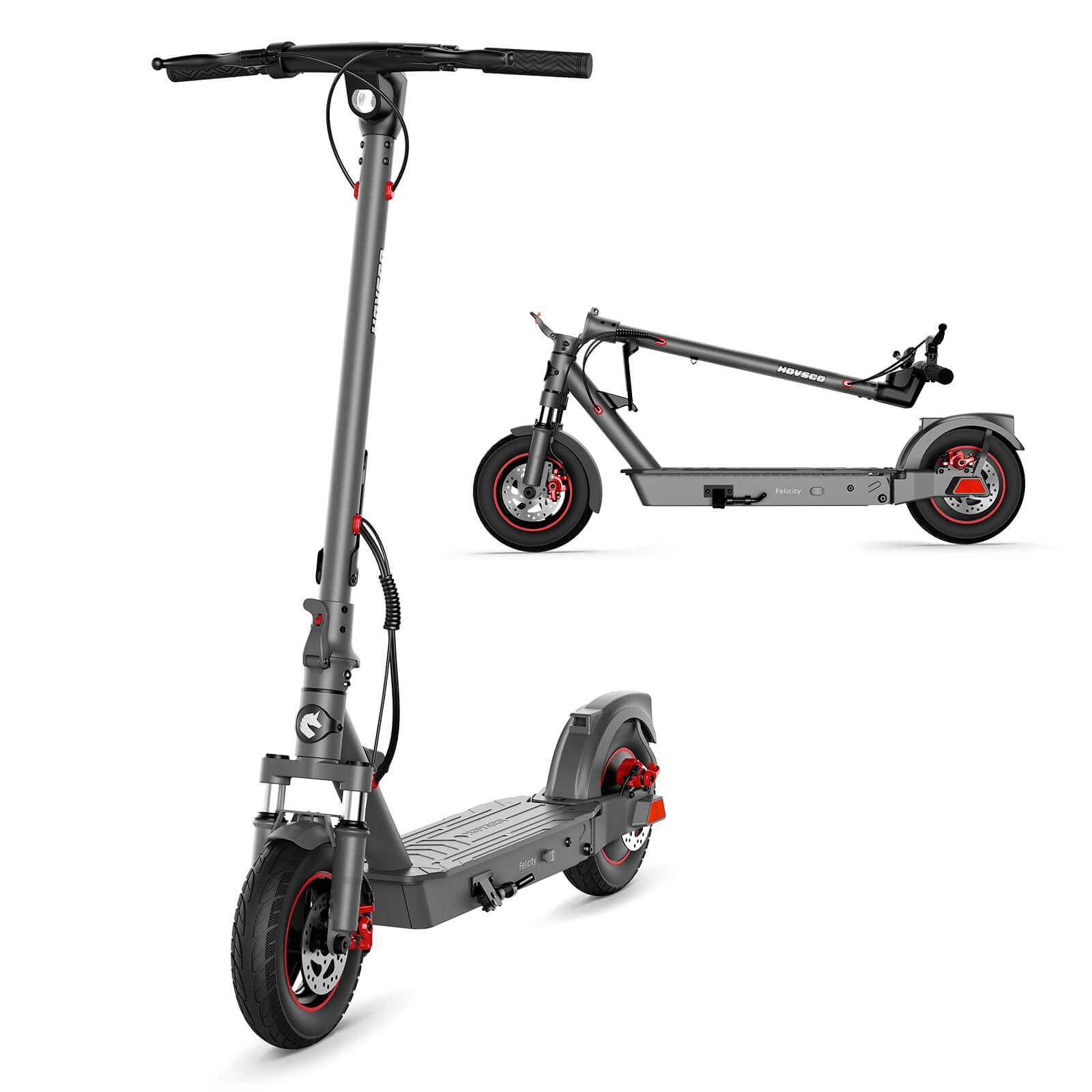
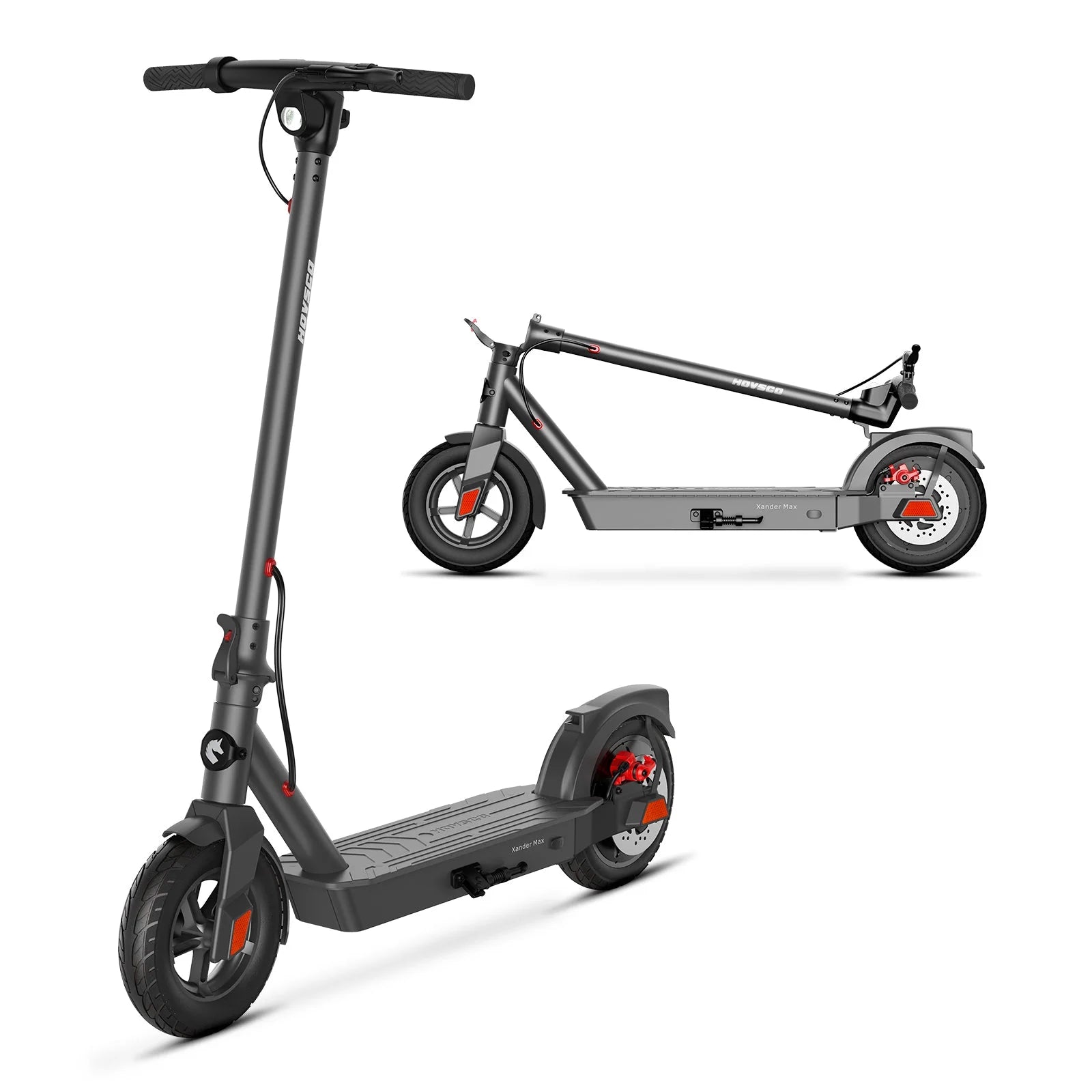
Foldable handlebars allow the scooter’s widest point to shrink dramatically when rotated inline with the deck. This makes it possible to slide the scooter into closet side gaps, between wardrobes and walls, or along the side of a Fiesta trunk without losing precious central volume.
Foldable frame and manageable weight
HOVSCO’s scooter family uses foldable frames and weights ranging roughly from the mid-teens to low 40s in pounds, depending on model, which is light enough for a typical urban rider to lift into a closet or car with proper technique. A compact folded footprint significantly reduces the “visual noise” in tiny apartments where large objects can dominate the room.
Industrial-grade waterproof scooter bag
A fully enclosed, industrial-grade waterproof bag protects interiors from rain, road grime, and dust, while also visually decluttering the space. It effectively converts the scooter into a neutral, rectangular “storage block” that can be stacked with luggage, boxes, or seasonal clothes without risk of staining or scratching.
“In a 12 m² Tokyo studio, a folding scooter in a sealed bag is the only large item that can share the entry corridor with shoe racks without blocking the door.”
“In a Manhattan micro-studio, reclaiming even half of a closet column by rotating handlebars saves enough space for an entire extra shelf of clothes.”
“With a Ford Fiesta hatchback, placing a folded scooter flat along the trunk floor still leaves vertical room for carry-on suitcases and grocery totes.”
While HovGlide is the storage-focused scooter concept in this article, HOVSCO’s existing product ecosystem gives riders multiple compact mobility options that pair well with tight living spaces.
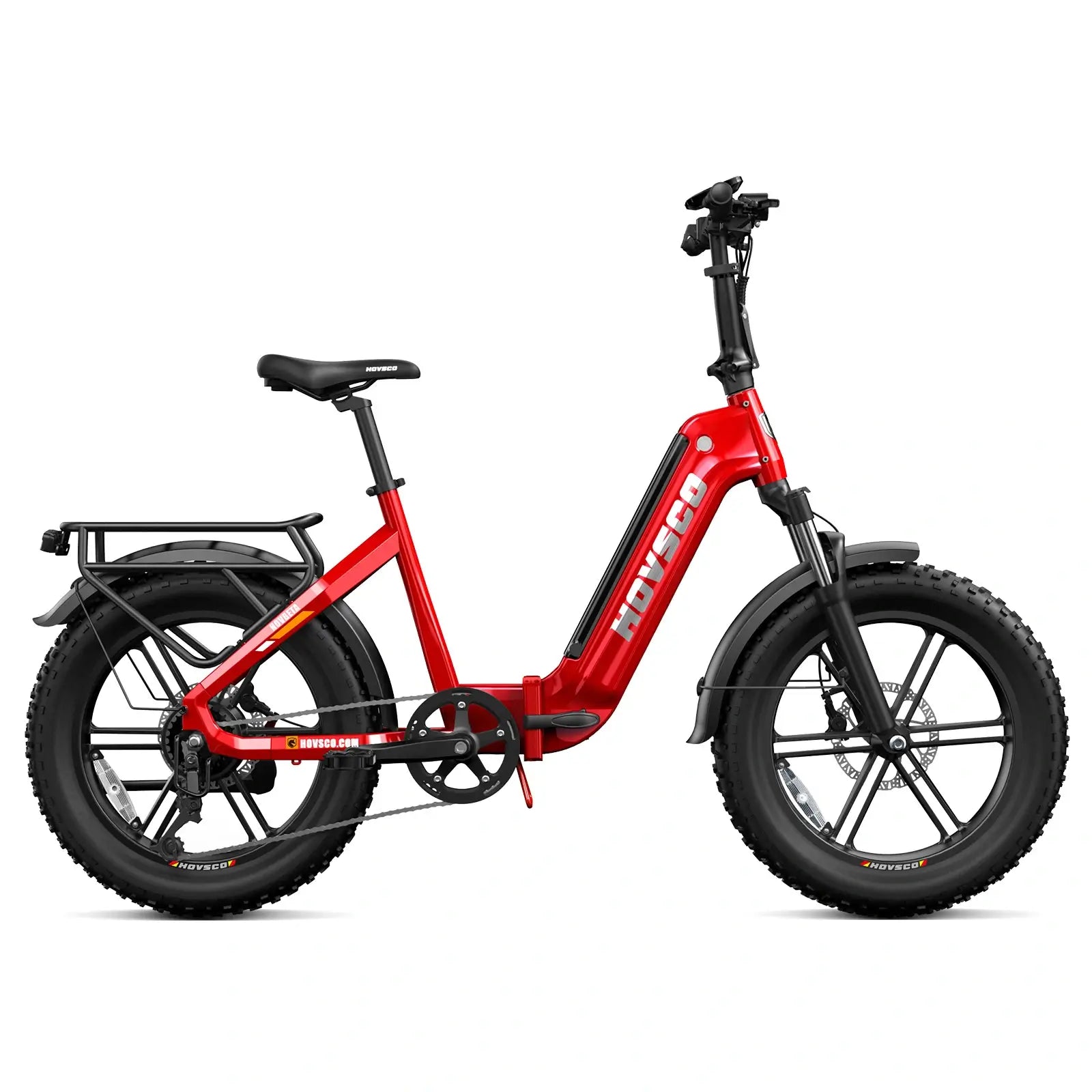
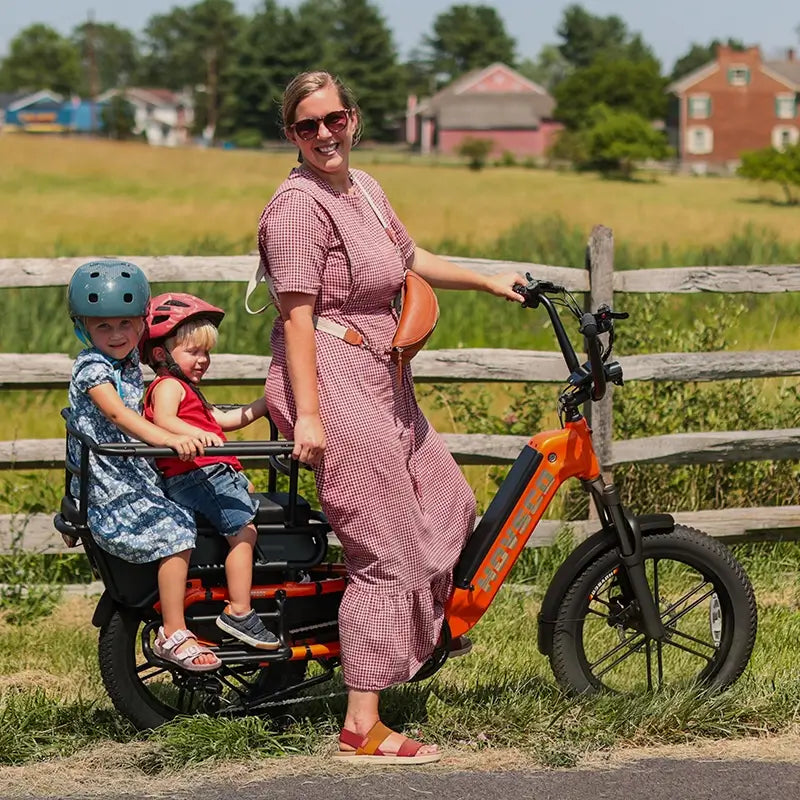
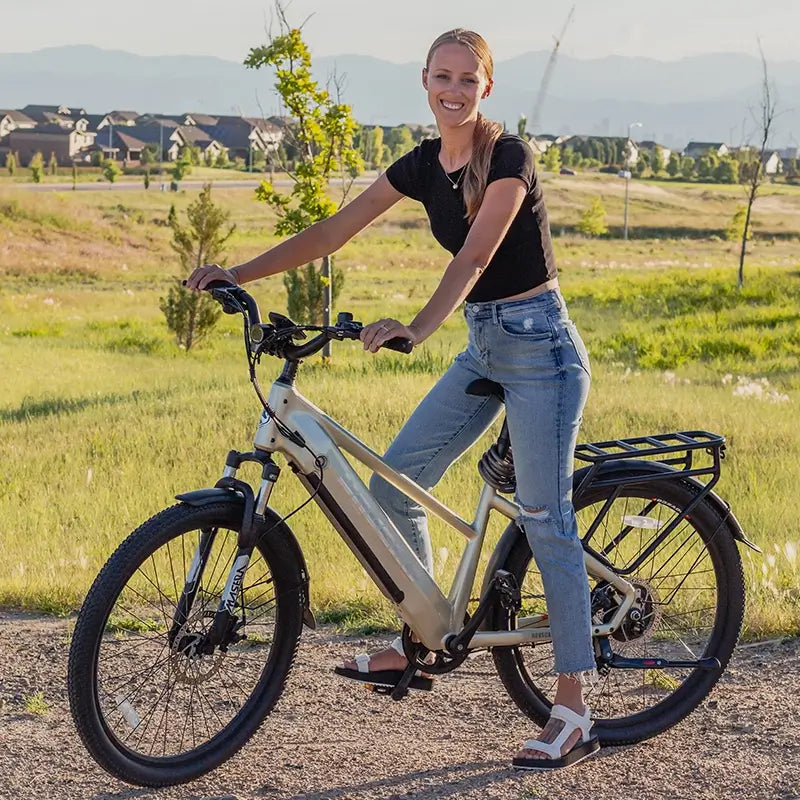
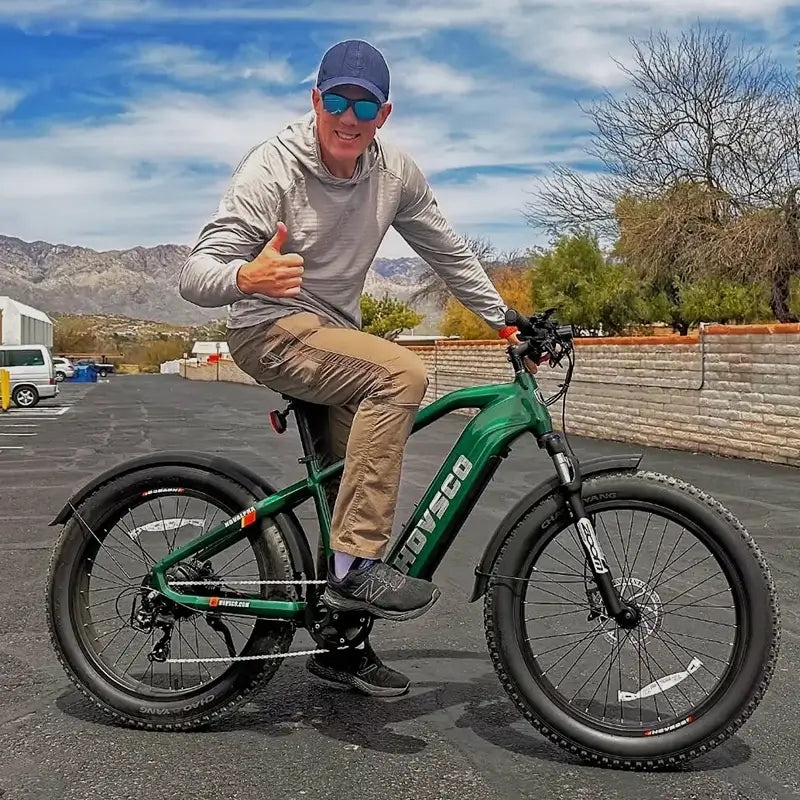
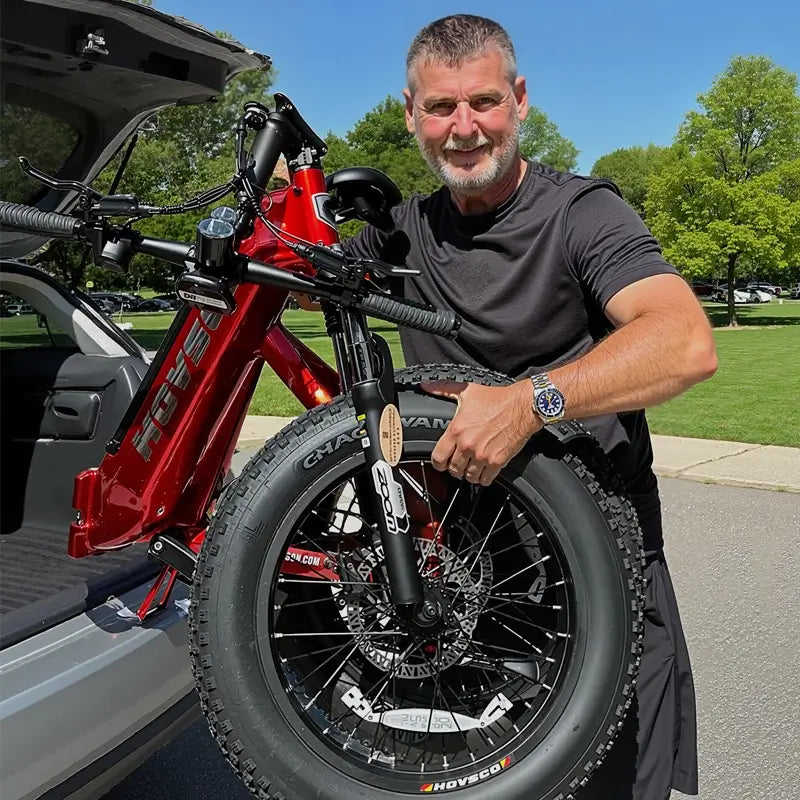
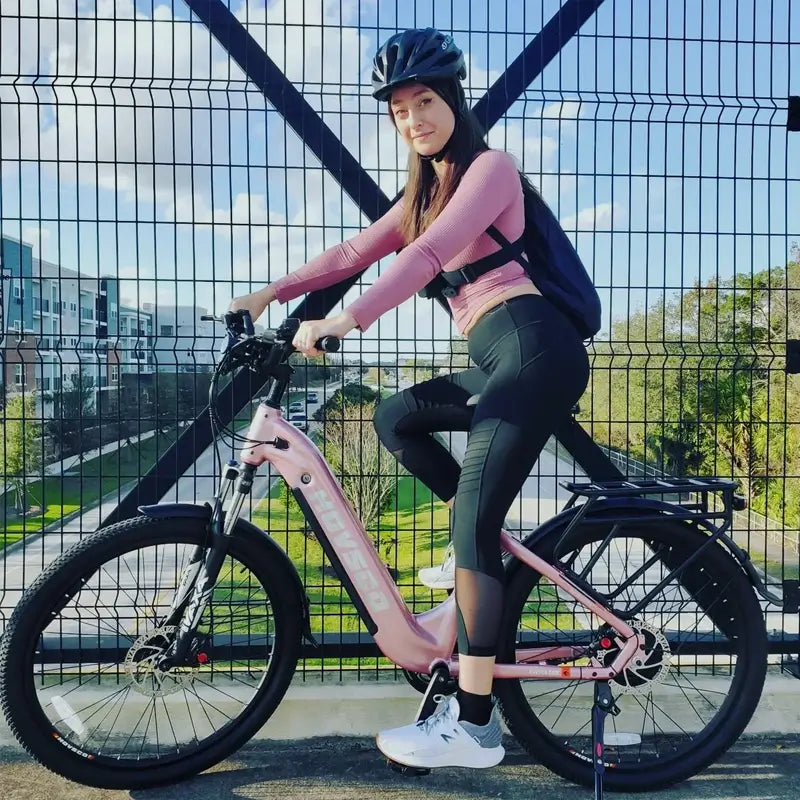
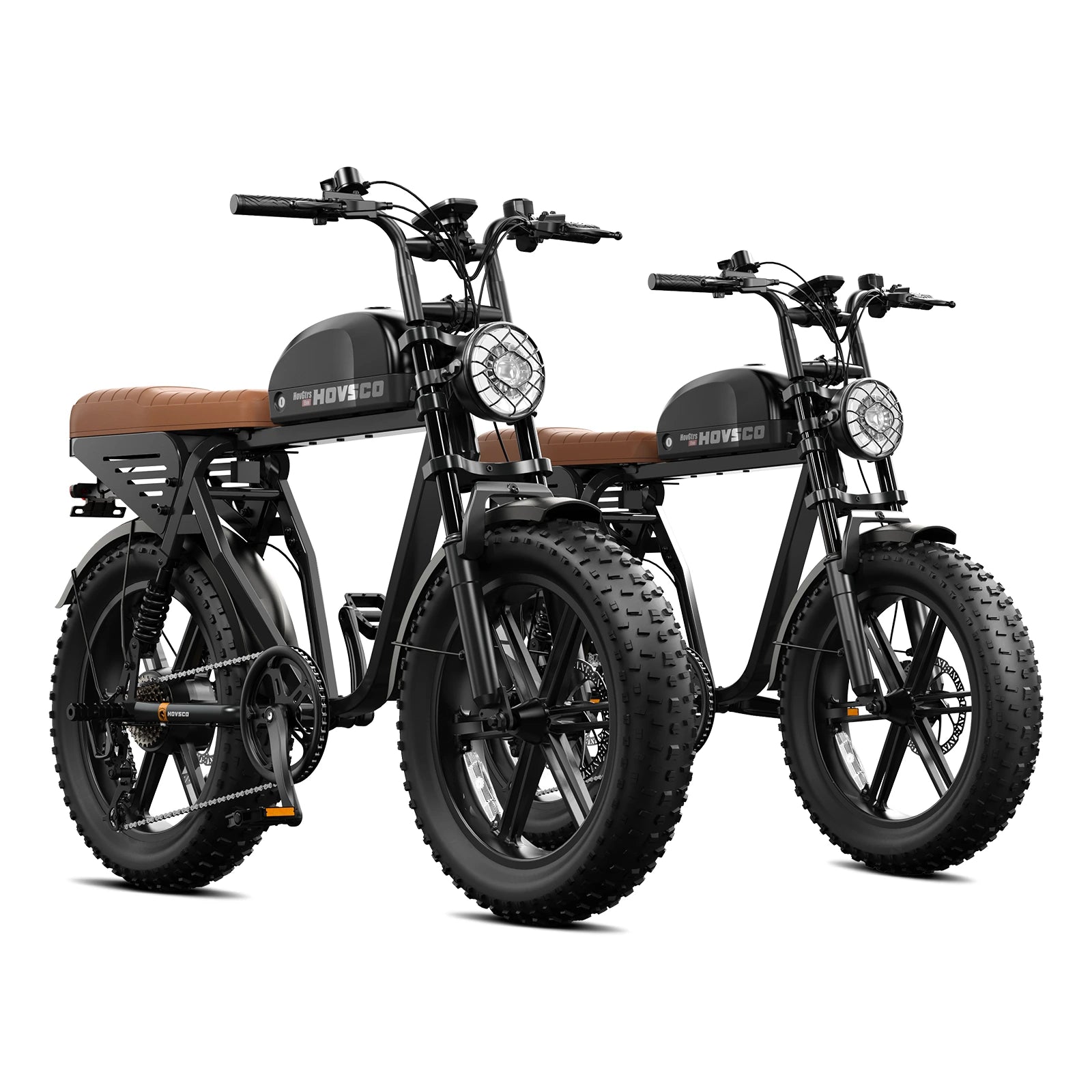
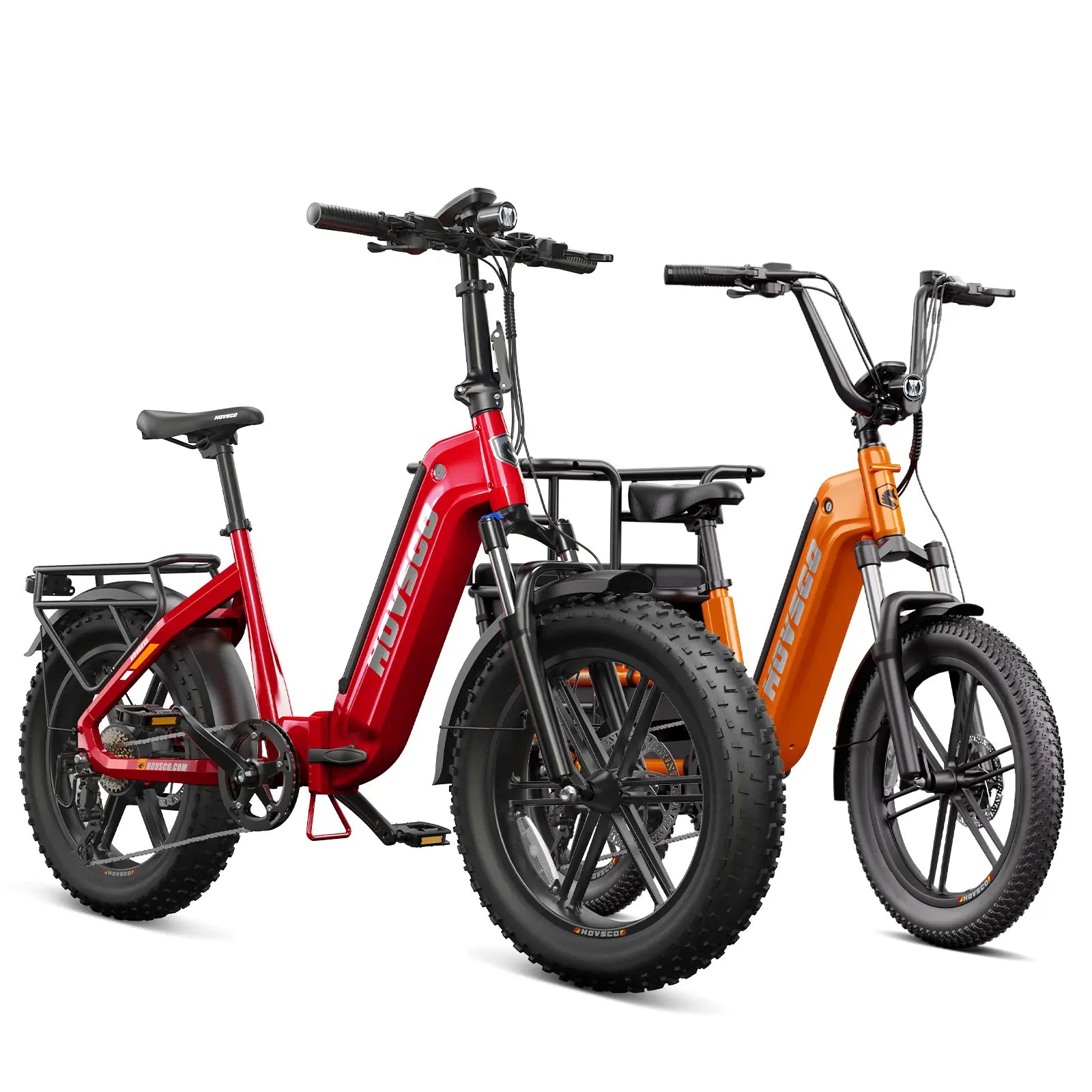
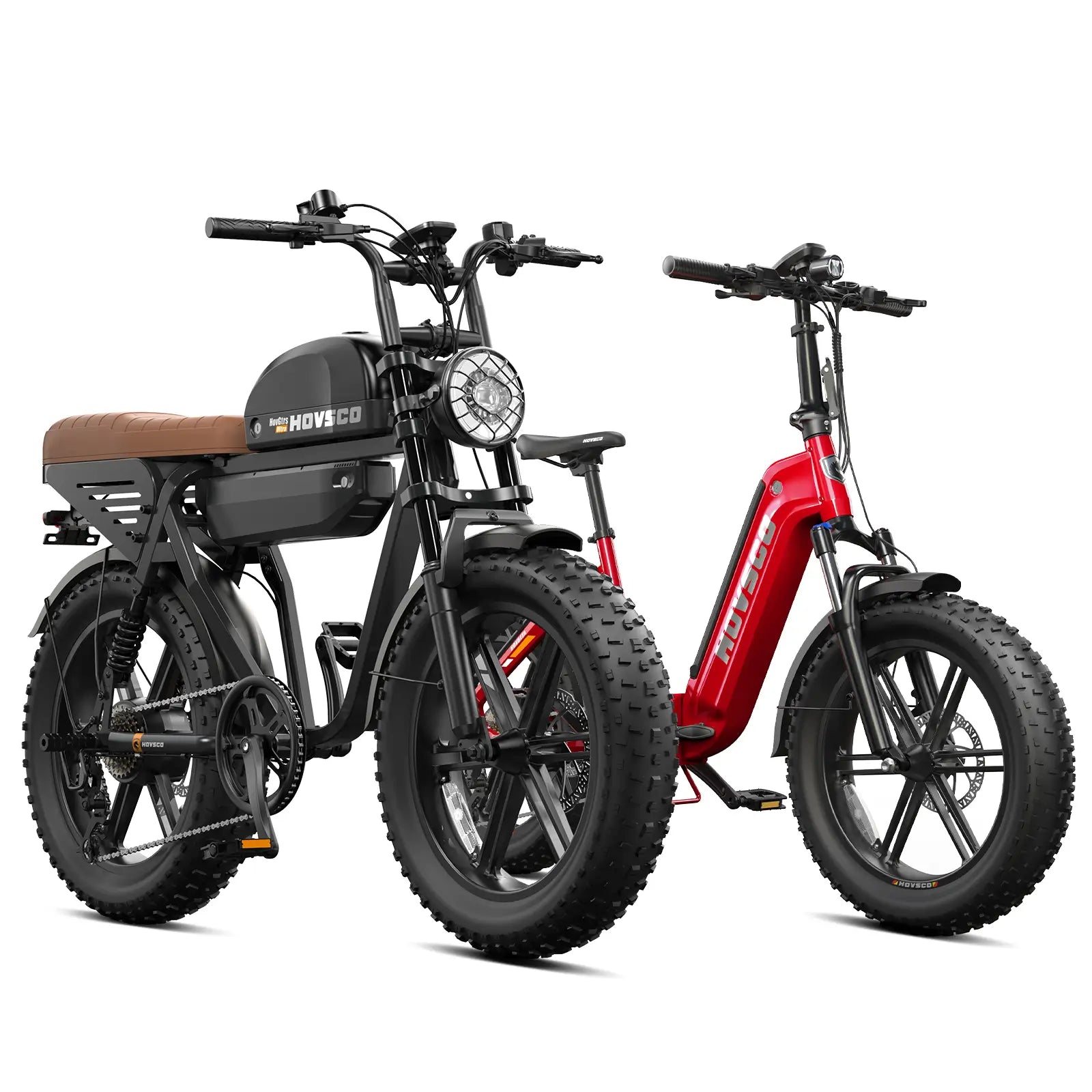
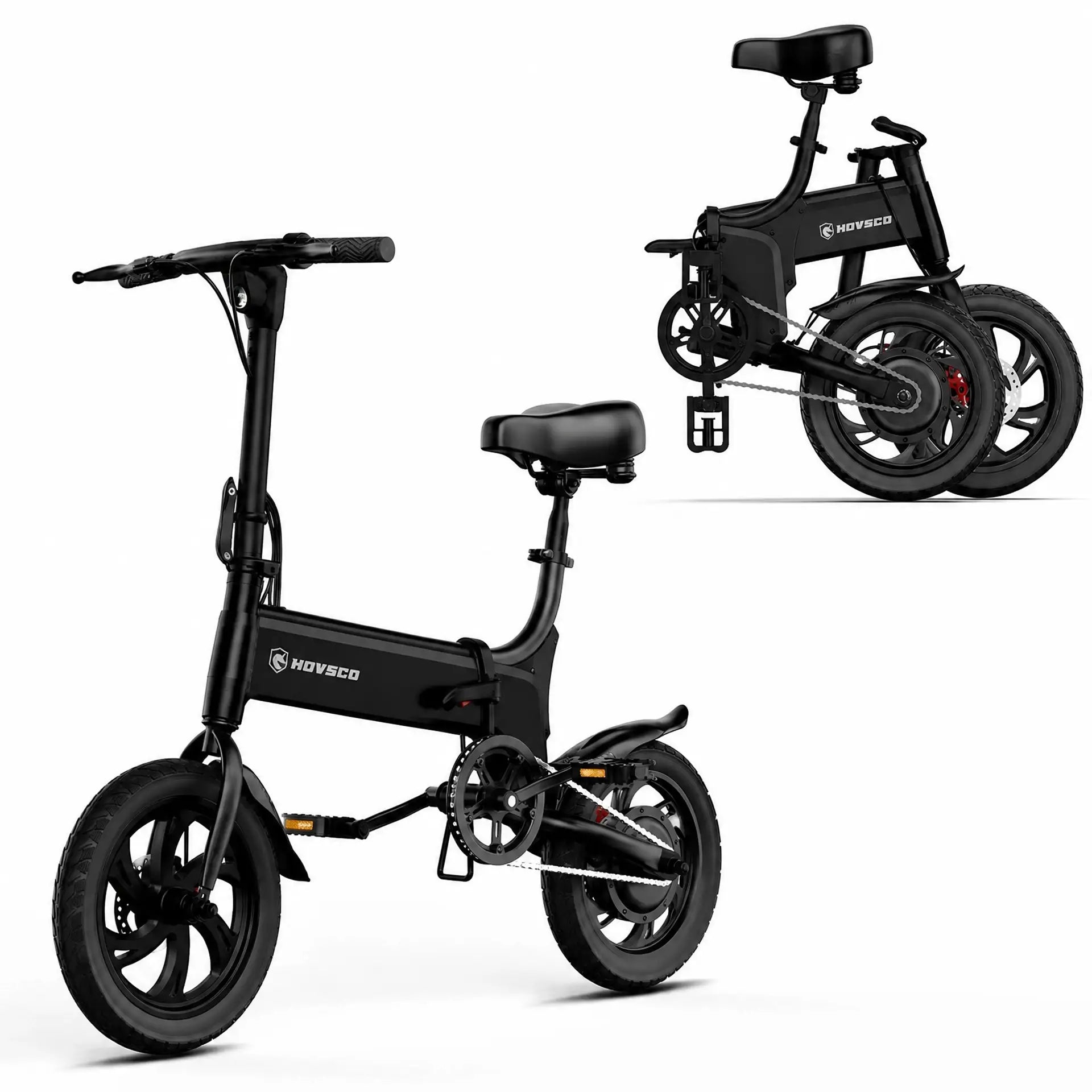
The HovBeta Foldable Fat Tire Ebike offers a foldable frame, 20x4-inch all-terrain tires, up to 60 miles of range, and a compact folded footprint suitable for many hatchbacks and larger closets. For riders prioritizing city comfort and a step-thru frame, the HovCity 27.5" Step-Thru Cruiser Electric Bike brings cruiser ergonomics and 60-mile range while still integrating into small-vehicle and apartment storage scenarios when wall-mounted or parked in corridors.
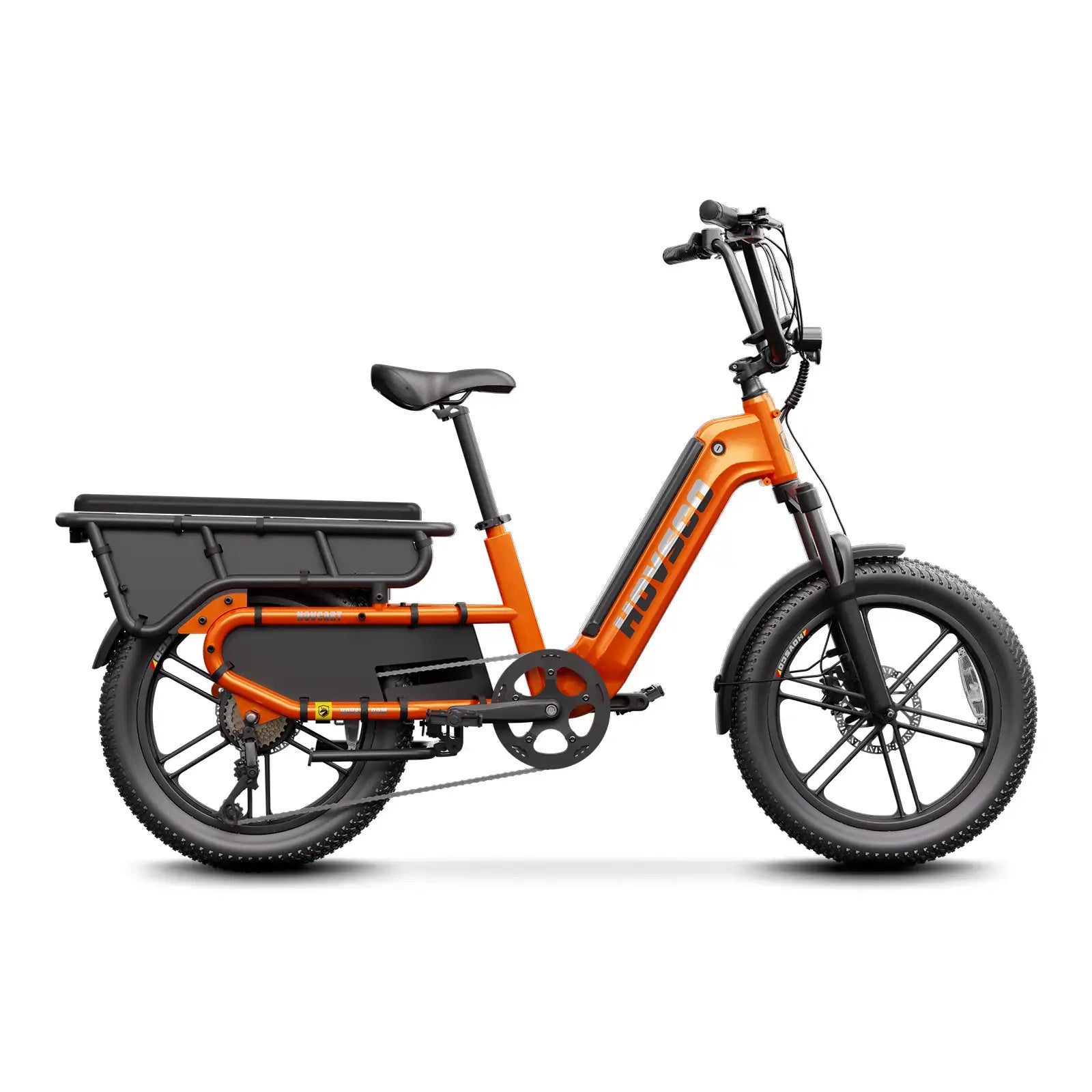
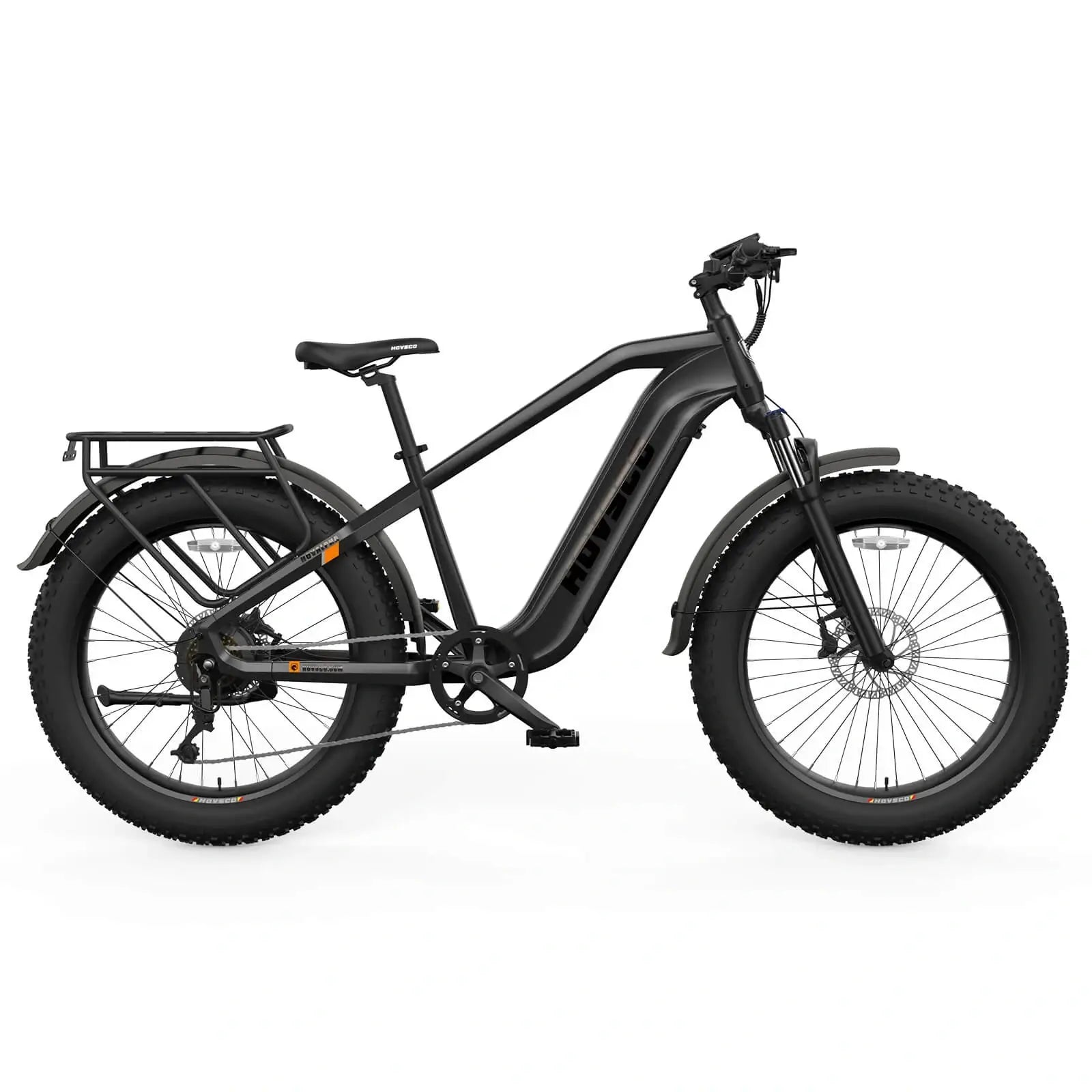
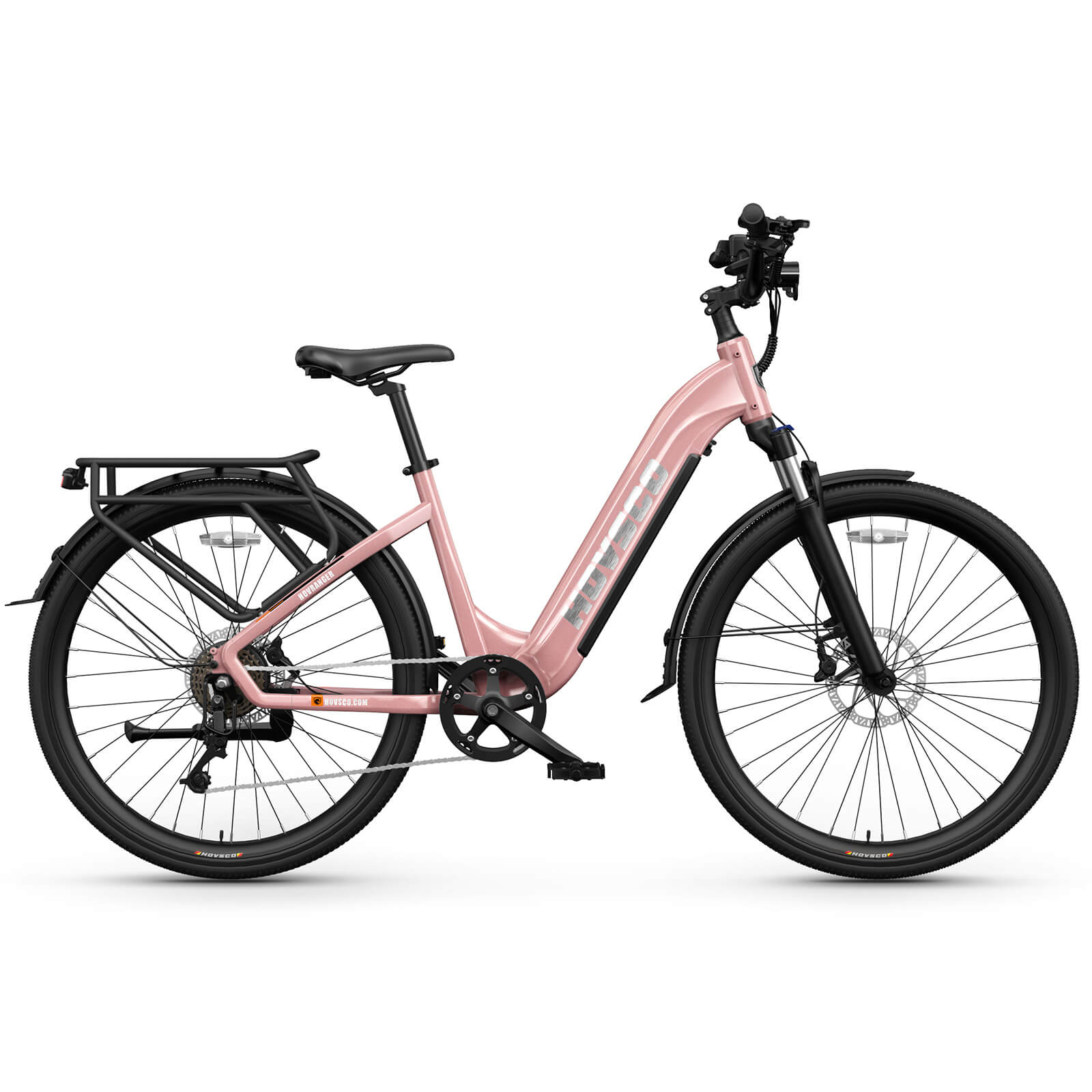
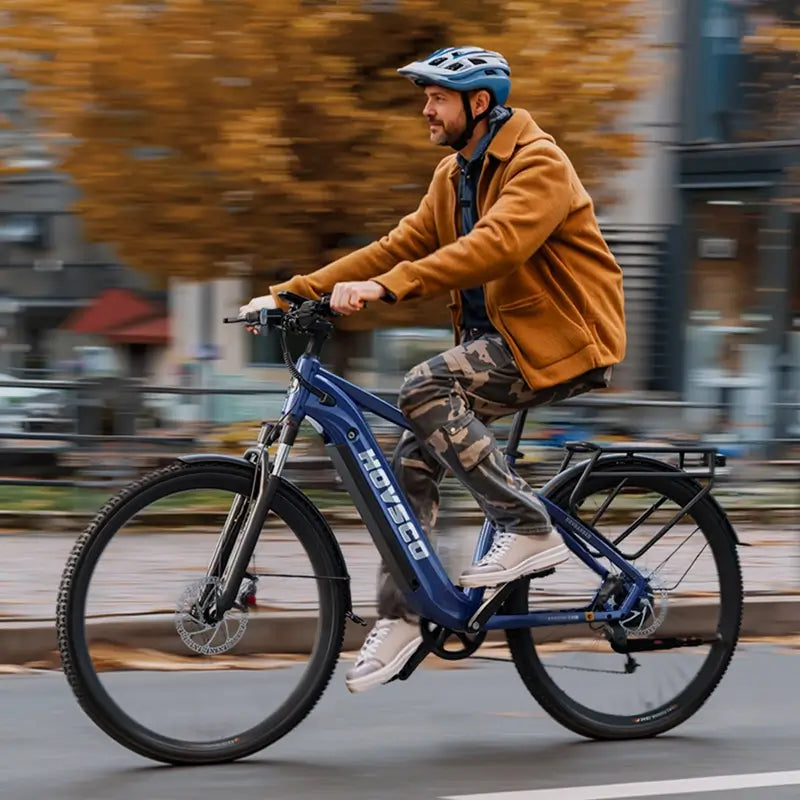
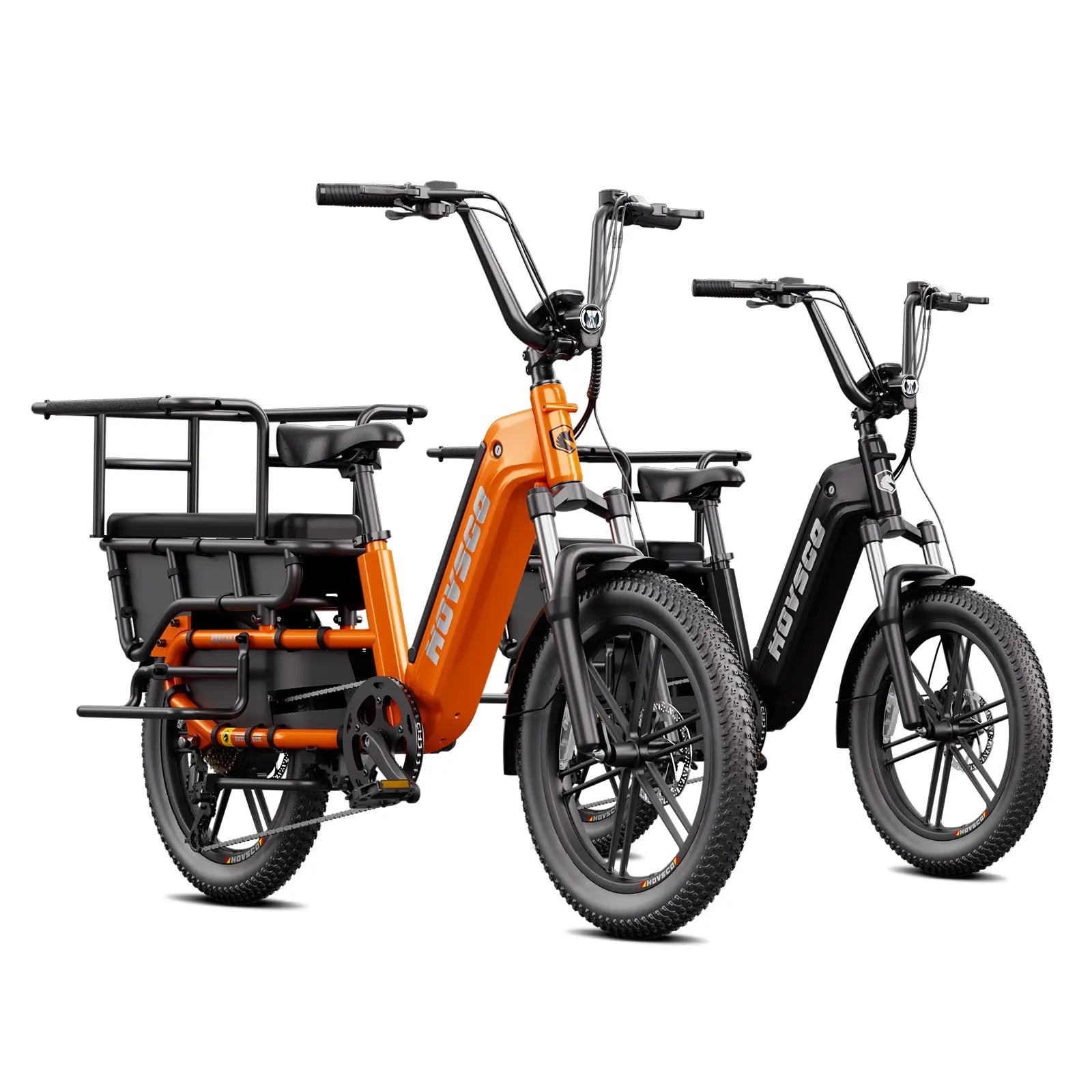
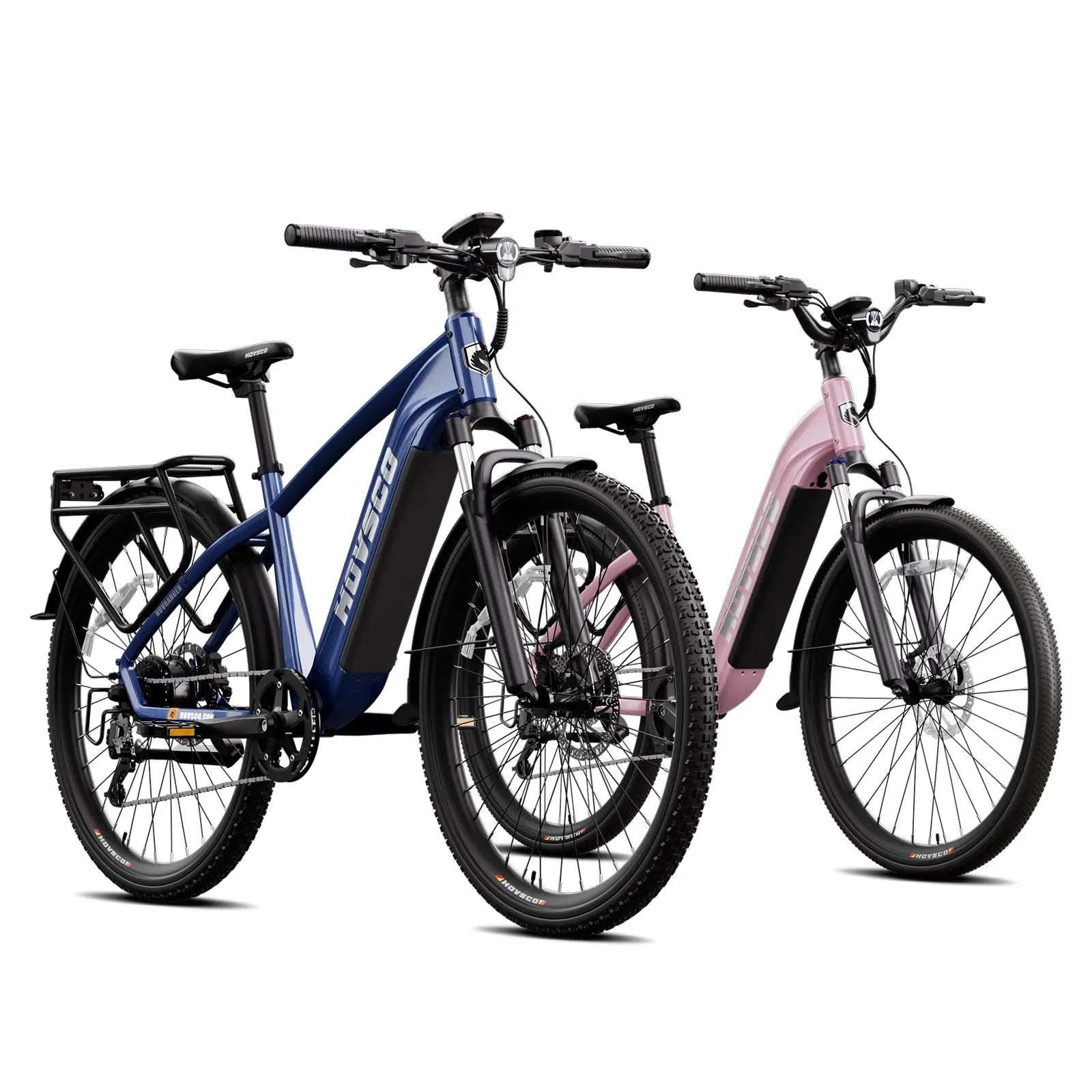
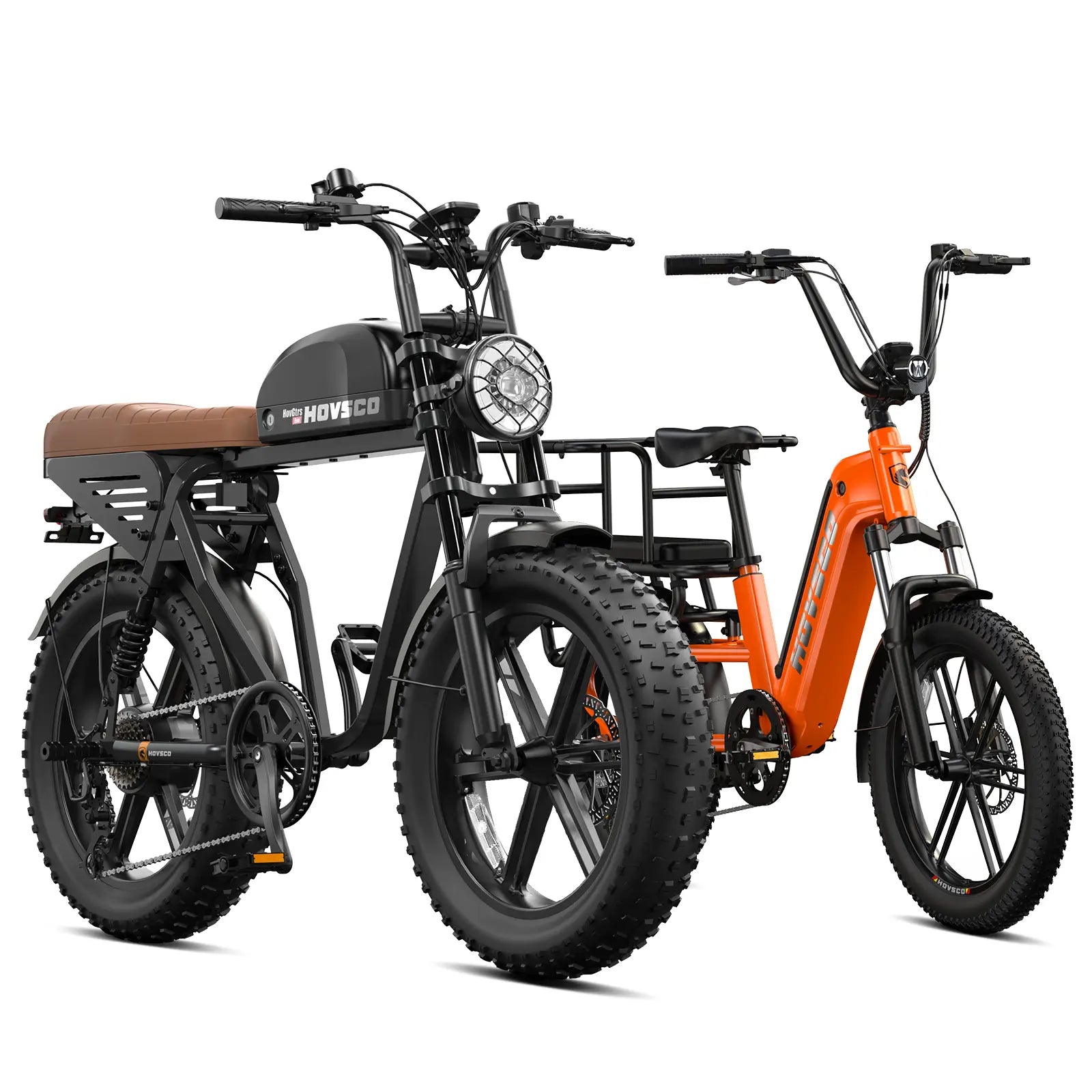
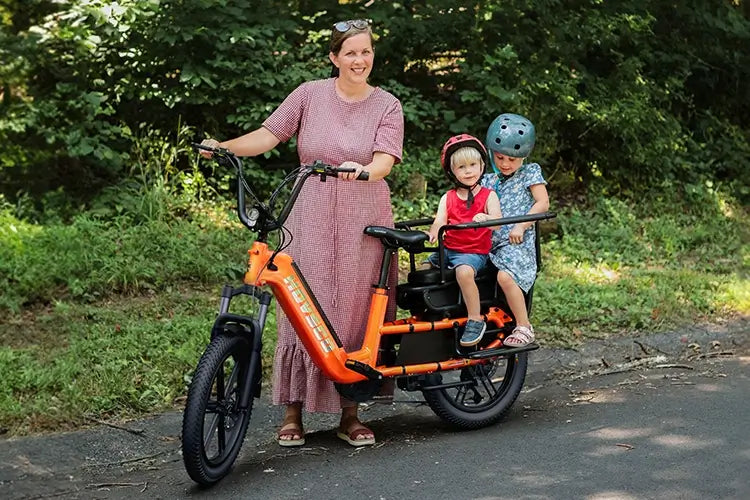
If you need to haul more cargo instead of just a scooter, the HovCart Step-Thru Cargo Ebike delivers up to 450 lbs of payload capacity, turning your bike into a car alternative for errands. For more rugged mixed-terrain commutes from suburban areas into dense city centers where you still face tight indoor storage, the HovRanger 27.5" City Ebike balances power, range, and manageable dimensions.
Measure your target spaces first
Measure closet gaps, wardrobe depths, entry cabinets, and Fiesta trunk dimensions before choosing a storage configuration. Knowing your minimum width and length helps you decide whether you should store the scooter parallel to a wall, diagonally, or flat on the floor.
Fold the scooter frame and handlebars
Power the scooter off, retract the kickstand, and release the main frame hinge following the manufacturer’s instructions. Then fold the handlebars so they align with the deck, minimizing the overall width for closet seams and trunk sidewalls.
Prepare the industrial waterproof storage bag
Lay the HOVSCO-style industrial-grade waterproof scooter bag fully open on the floor near the storage location to avoid lifting the scooter multiple times. Check that zippers, handles, and straps are free from twists to ensure even weight distribution when carrying.
Lift and slide the scooter into the bag
Bend your knees, keep your back neutral, and grasp the frame at its balance point before lifting—the goal is to let the bag receive most of the scooter’s weight, not your arms. Slide the folded scooter in deck-first, ensuring handlebars and wheels sit snugly without protruding.
Seal the bag and orient for storage
Fully close the zipper or sealing system to contain moisture and dirt, then use side handles to rotate the bag into its final position. In a closet, place the bag vertically in a side gap; in a Fiesta trunk, lay it flat to preserve top space for luggage.
Stabilize and integrate with other items
Use existing boxes, shoe racks, or luggage to stabilize the bag so it does not roll when doors open or the car moves. Over time, treat the bag as a modular block in your storage grid—something you can stack next to, on top of, or underneath other items without hesitation.
Scenario 1: Tokyo 12 m² micro-apartment, no balcony
Traditional setup
Rider keeps a non-folding scooter leaned against the only closet door, with wheels on the genkan tile and handlebars blocking half of the entry. Opening the closet requires moving the scooter every time, and wet tires make the tile dangerously slippery on rainy days.
After HovGlide-style optimization
The scooter is folded, sealed in a waterproof bag, and slid vertically into a 30 cm gap between the wardrobe and the wall. The genkan is clear, the closet door opens fully, and the bag surface stays clean enough to sit a small storage box on top.
Scenario 2: Manhattan studio with single reach-in closet
Traditional setup
A conventional scooter stands inside the closet, reducing hanging space by almost one-third and making it hard to access shoes on the floor. Clothing brushes against dusty wheels, leading to more frequent laundering and annoyance.
After HovGlide-style optimization
The folded scooter in its waterproof bag lies flat under hanging clothes along the back wall of the closet. Shirts and jackets hang normally above it, and shoe organizers can reoccupy the full width of the entry area.
Scenario 3: Ford Fiesta commuter with weekend luggage
Traditional setup
Rider lays a non-folding scooter diagonally in the Fiesta trunk, forcing one rear seat to stay folded and leaving minimal room for suitcases. Passengers must juggle bags on their laps for longer trips.
After HovGlide-style optimization
The folded, bagged scooter sits flat along the trunk floor, respecting the approximately 292–311 liter volume with seats up. Two carry-on suitcases and several grocery totes stack easily above and beside the scooter bag, with both rear seats usable.
How do I measure my HovGlide-style scooter to ensure it fits micro-apartment closets?
Measure the scooter in its fully folded state: overall length, width with handlebars folded, and height when stood on the deck end. Compare these numbers with closet interior depth, door opening width, and any side gaps between furniture to find the most space-efficient orientation.
Can I store a HOVSCO-style scooter in a Ford Fiesta trunk with the rear seats up year-round?
Yes, a compact folding scooter in a fully enclosed bag can typically sit flat along the trunk floor in a Ford Fiesta’s roughly 292–311 liter boot, even with the rear seats upright. Just avoid stacking heavy, sharp-edged items directly on the deck area to prevent concentrated pressure.
Is it safe to store my scooter in a fully enclosed waterproof bag after riding in the rain?
You should allow the scooter to cool and dry briefly before full enclosure, because storing a warm, wet scooter in a sealed bag for long periods can trap moisture. Whenever space permits, open the bag at home to ventilate overnight and reduce condensation around electronics and metal components.
What is the best way to combine wall hooks with a HOVSCO-style storage bag in tiny studios?
Use heavy-duty wall hooks or a vertical rack to support the bag’s handles or straps rather than the bare frame, turning the scooter into a clean hanging “capsule.” This frees floor space under the bag for shoes or storage cubes and keeps dirty wheels away from walls.
How do I protect clothes and textiles if I cannot afford a dedicated scooter bag yet?
Until you invest in an industrial-grade bag, use a temporary protective layer like an old sheet or furniture cover under and around the scooter to shield textiles from dirt. However, these makeshift barriers lack the durability, water resistance, and easy handling of engineered scooter bags, so they are best as short-term fixes.
Does frequent folding and unfolding damage the scooter hinges or handlebars?
Quality folding systems are designed for repeated cycles, but they still benefit from periodic inspection and maintenance. Keep hinges clean, follow torque and locking guidelines from the manufacturer, and avoid forcing mechanisms if alignment feels off.
HOVSCO’s approach to foldable frames, manageable weights, and IP-rated components shows that powerful electric scooters do not have to be incompatible with tiny apartments or compact hatchbacks. When riders pair a HovGlide-style folding scooter with an industrial-grade waterproof bag and a deliberate storage routine, the vehicle essentially “disappears” into existing architectural gaps instead of occupying prime living area.
In cities where studios shrink toward 10–20 square meters and small cars like the Ford Fiesta remain popular, optimizing every cubic centimeter is both an economic and psychological necessity. Space-optimized scooters let you keep the freedom of personal mobility while preserving the calm, uncluttered feel of a truly livable micro-home.
If you are ready to make your scooter “micro-apartment friendly,” explore HOVSCO’s foldable, commuter-focused lineup and start designing your own trunk and closet optimization plan today. HOVSCO builds electric mobility tools engineered not only for range and power, but for real urban life—where every ride, every corner, and every cubic centimeter counts.
360iResearch — Electric Scooter Market Size 2024–2032 (2025)
SkyQuest — Electric Scooter Market Strategic Growth Report 2033 (2025)
IMARC / BusinessWire — Electric Scooter Market Report 2024–2032 (2024)
Tokyo Portfolio — Are Micro Apartments in Tokyo Worth Living in? (2024)
Housing Japan — Tokyo Apartments: Sizes, Layouts and Costs Explained (2026)
AHG Auto Service — How Big Is a Ford Fiesta Trunk? (2024)
Carwow — Ford Fiesta Specifications & Dimensions (accessed 2026)
GreenMoov — Ultimate Storage Tips for E-Scooters in Small Apartments (2026)
Homestyler — Creative Bike Storage Solutions for Small Apartments (2025)
Circooter — Electric Scooter Storage: Do’s, Don’ts, and Why It Matters (2025)
Share:
Why Carbon‑Aluminum Hybrid Frames Save Your Shoulders on Subway Stairs (June 2026)
How Safe Is a Folding Ebike Frame at 28 MPH?