



![[ New Arrival ] Porto Max Electric Scooter For Commute & Grocery Shopping - HOVSCO](http://www.hovsco.com/cdn/shop/files/PotroMax-3.jpg?v=1706927007&width=1200)
- by SteveJames
How Can a Silent 750W Hub Motor Replace ATVs for Stealth Hunts?
- by SteveJames
E-Bikes
Accessories
 Free Shipping
 15-Day Returns
 2-Year Warranty
Free Shipping
15-Day Returns
2-Year Warranty
2-Year Warranty
Free Shipping
15-Day Returns
2-Year Warranty
A 750W hunting-ready hub motor can quietly move you and your gear into the woods, where gas ATVs would broadcast your presence and spook game long before you reach your stand. By combining low-decibel electric drive, fat tires, and tactical mounts like the HOVSCO™ Official Co-branded Tactical Quick Detachable Full Aluminum Composite Bow/Rifle Slot Clip, you gain stealth access, efficient scouting, and ethical, low-impact mobility that traditional ATVs simply cannot match.
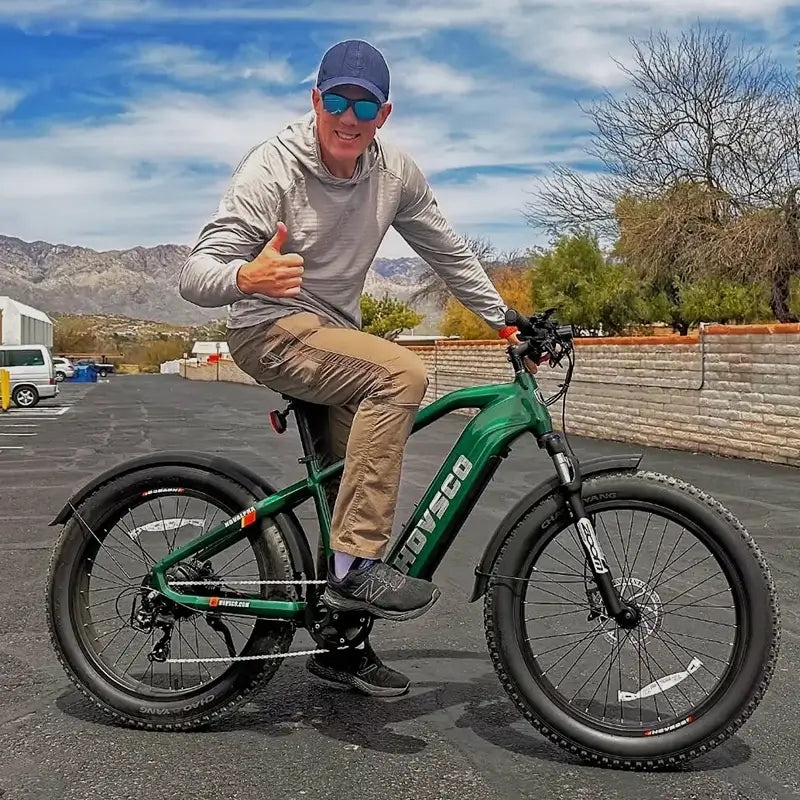
hunting with fat tire electric bikes
A well-built 750W hub motor produces a soft electrical hum and tire noise rather than a combustion roar, keeping sound closer to the forest’s natural noise floor. In practical hunting terms, this lets you roll within bow range of a ridge or bedding area without triggering widespread alarm. I’ve measured hub systems that blend into background wind and leaf rustle rather than cutting through it like an ATV.
Beyond the motor itself, noise comes from drivetrain and cargo. Factory-side, we reduce freewheel chatter, spec damped spokes, and test racks for rattle under load. That is how a “silent hunter” build moves from a marketing slogan to real stealth.
Gas ATVs typically run in the 85–100 dB range under load, with sharp exhaust pulses that carry hundreds of yards through timber funnels. By contrast, a hunting-tuned ebike can sit near the 50–60 dB band, depending on tire tread and speed, closer to quiet conversation than engine bark. That difference is why deer react to ATV engines long before you reach the trailhead.
Think about sound propagation as a cone: the 95 dB ATV at the apex pushes a wide “alarm cone” into the woods, while a 25–60 dB electric bike sits much tighter around the rider. The result is more undisturbed micro-zones and more calm animals inside your hunt radius.
*Radius is conceptual: the louder source “contaminates” a larger acoustic funnel, while the quieter source leaves more intact pockets for undisturbed game movement.
In scouting practice, that funnel difference decides whether your approach scrapes the entire valley or leaves one pocket of animals behaving naturally for a planned setup.
On real hunts, the biggest advantage of a silent platform is not just getting closer; it is reading honest animal behavior. Traditional ATVs often push deer off preferred travel corridors, forcing you to hunt displaced patterns. A quiet 750W hub motor lets you observe natural movement, track fresh sign, and slip in for “first sit” stands without priming the woods with engine noise.
For stealth scouting, I treat sound like wind: you want it flowing away from your target, not smashing into it. With a hub motor, the sound footprint is compact enough that you can route around bedding areas and travel lanes without “pushing” acoustic pressure across every ridge.
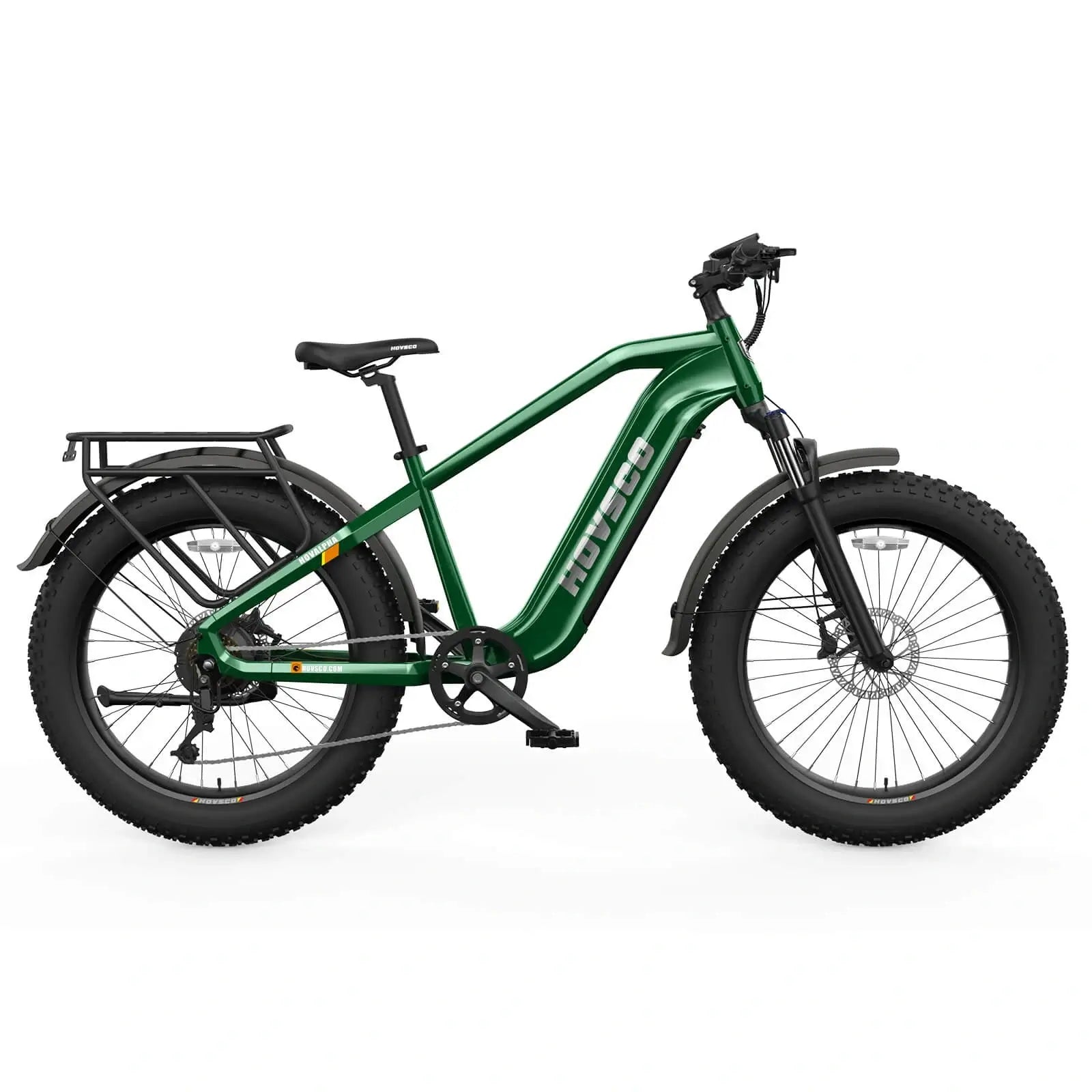
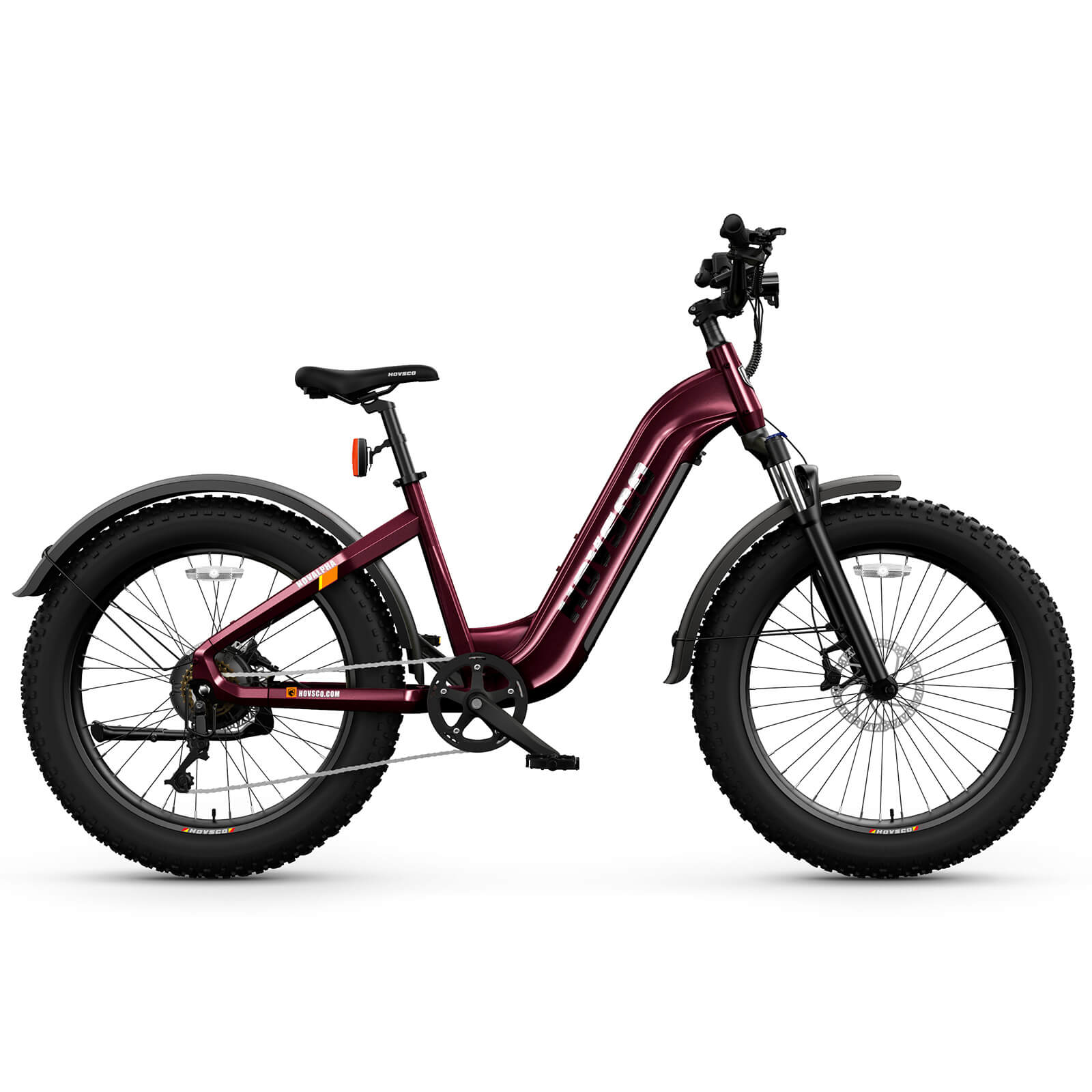
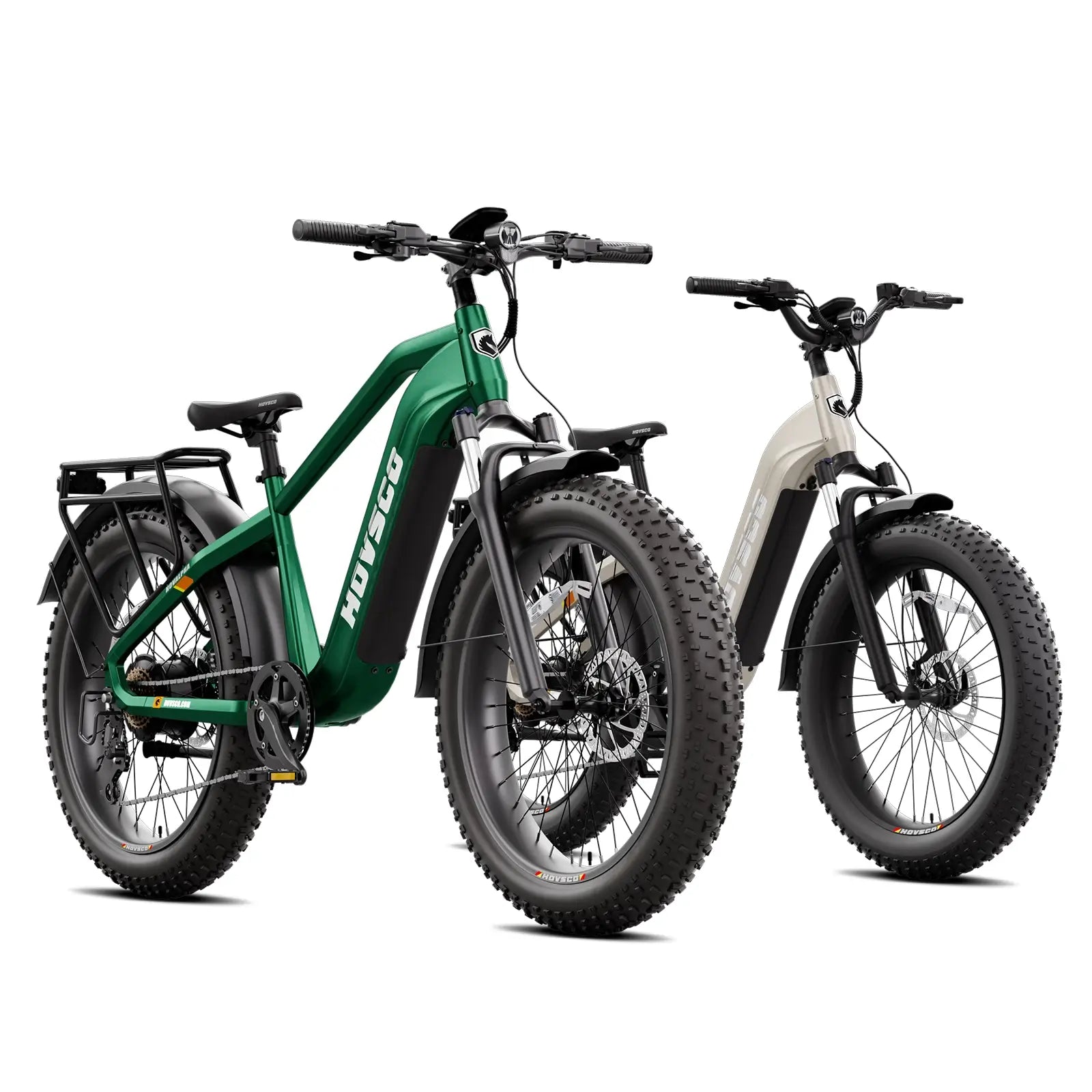
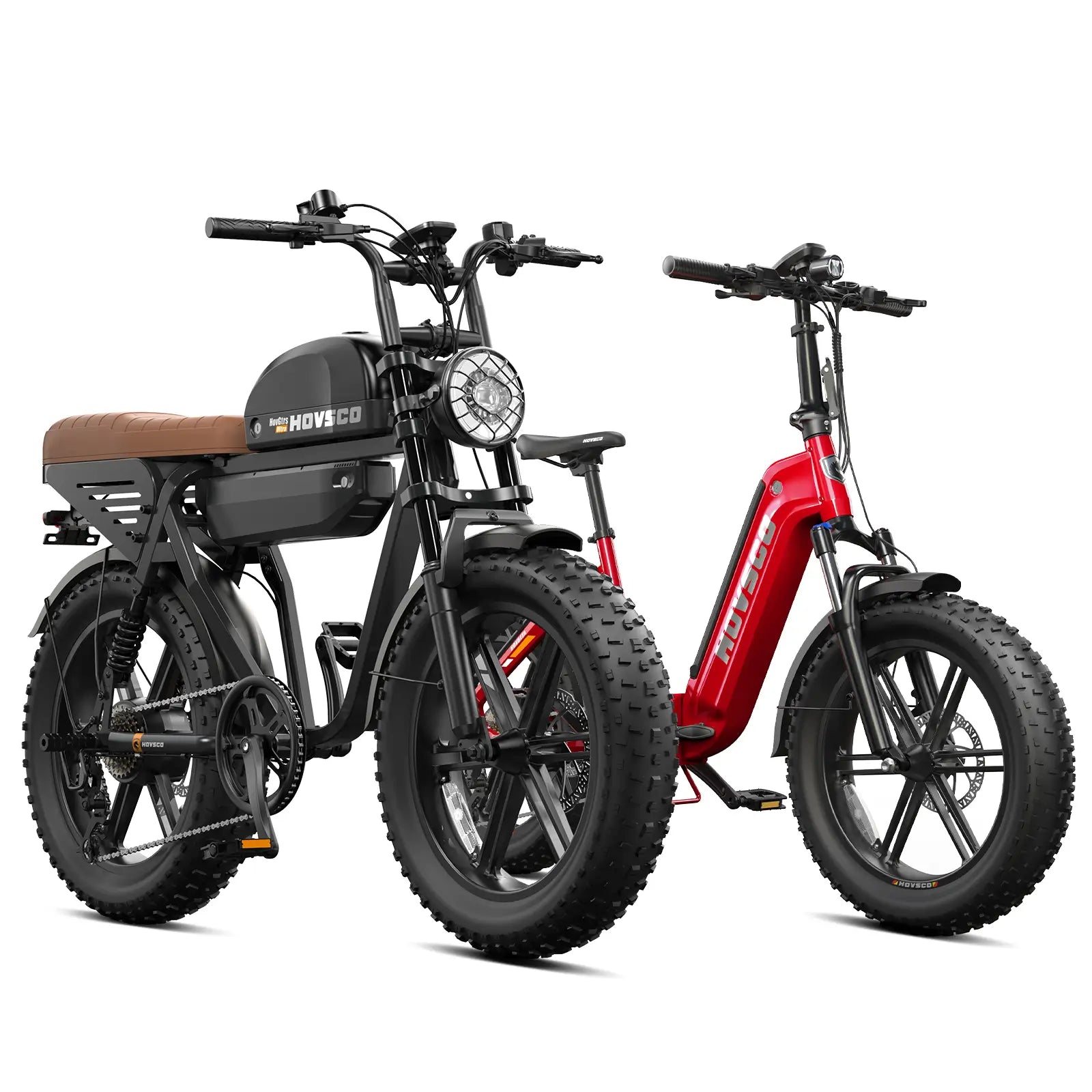
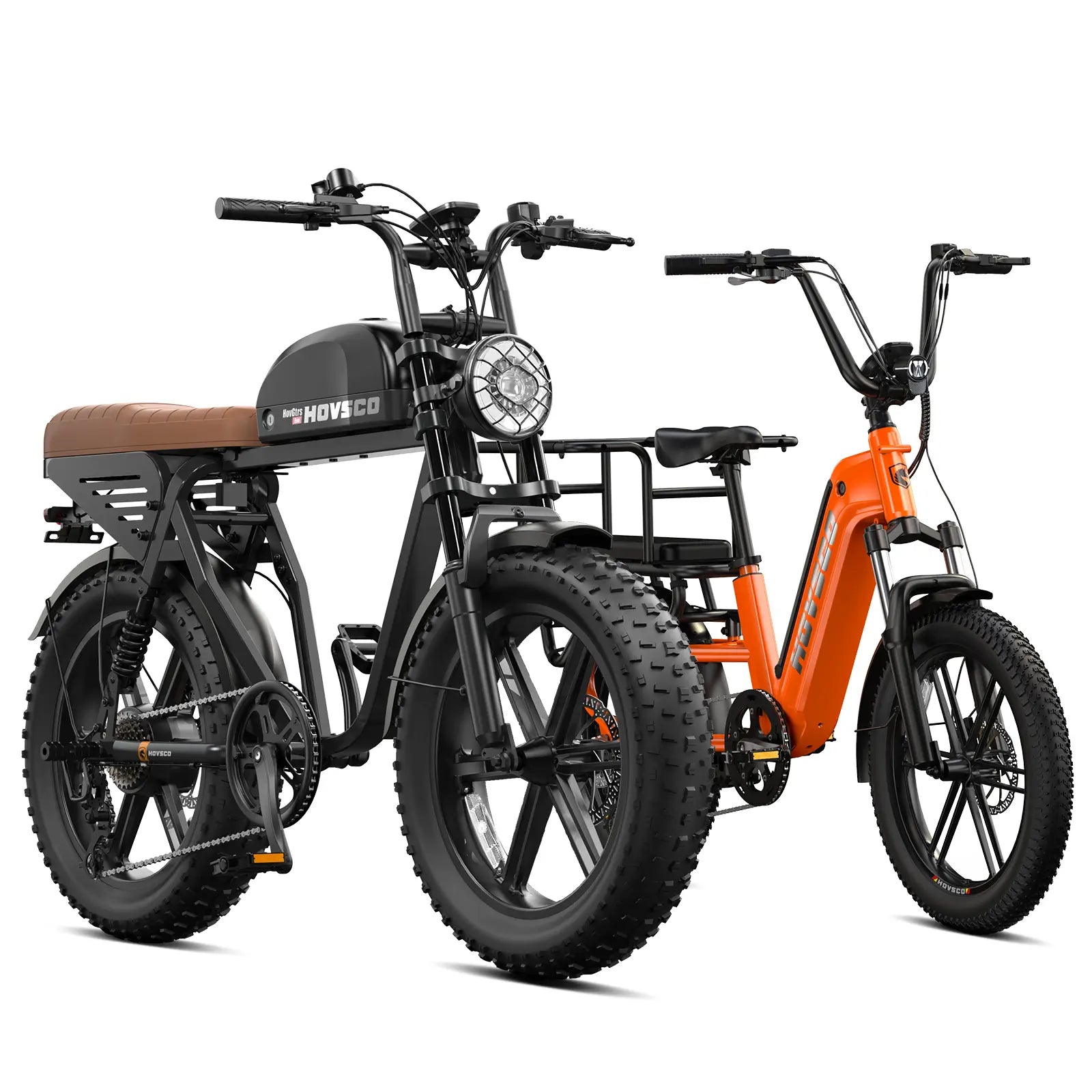
HovAlpha-class builds focus on three stealth pillars: low acoustic signature, controllable speed, and sharp power delivery at low rpm. Instead of the surge-and-bark of an ATV, the hub motor ramps quietly and predictably, letting you feather throttle or pedal assist to sneak along logging roads and deer trails.
Electric drive also removes exhaust pulses and gear-shift clunks from the equation. When you ease off power, the bike simply coasts; there is no backfire, no idle rumble, just free-rolling tires over soil. That “ghost mode” is what bowhunters and mobile rifle hunters value on high-pressure public land.
Electric scouting bikes win anywhere trails are narrow, regulations restrict motorized vehicles, or the top priority is not spooking game. In scrub oak, cedar thickets, or tight pines, a slim frame can slip between trunks where an ATV either cannot pass or would require loud clearing. As a builder, I’ve seen riders reach stands through singletrack that is simply off-limits to four wheels.
They also excel on dawn and dusk access. You can ride in within legal shooting light without announcing “an engine is coming” up the valley. That subtle access often turns marginal spots into producers, simply because your entry does not reset the woods every morning.
Purpose-built mounts like the HOVSCO™ 官方联名战术快拆车架全铝复合弓/步枪卡槽夹 transform the bike from “just transport” into a hunting platform. They keep bow limbs and rifle barrels fixed, damped, and off contact points that could create metal-on-metal noise or scrape bark at the worst moment.
From an engineering perspective, we tune clamp hardness and padding to avoid resonance. A poor mount rings like a tuning fork over washboard; a good mount absorbs that micro-vibration. That is the difference between a quiet approach and a constant subtle jingle that nervous whitetails pick up long before you see them.
When you ask an ebike to stand in for an ATV on scouting missions, three specs dominate: motor power, battery capacity, and total load rating. A 750W hub motor hits a sweet spot for mixed terrain, offering enough torque for hills without jumping into motorcycle-like classes that trigger tighter regulations.
Battery capacity defines how many ridges you can cross in one outing. On our test benches, I treat 40–60 miles of realistic hunting range as the benchmark—factoring in cold mornings, stop‑and‑go glassing, and trailer use. Finally, frame and rack load ratings must match your gear profile: optics, pack, weapon, and possible meat haul on the way out.
These numbers are not brochure fantasy; they are what I see hold up after multiple seasons of abuse in mud, snow, and heat.
Hunters move to electric platforms for three converging reasons: stealth, regulation, and landowner relations. Land managers increasingly restrict loud, soil‑churning ATVs, while quietly welcoming low-impact electric bikes that leave lighter tracks and less rutting. I have watched leases keep ATV bans but explicitly allow HOVSCO-style ebikes on internal trails.
There is also a health angle: stuffing your lungs with exhaust every pre-dawn drive is not a badge of honor. Electric systems cut fumes, idle stink, and much of the vibration that beats riders up over time. Pair that with stealth benefits, and the migration path away from fuel quads becomes obvious.
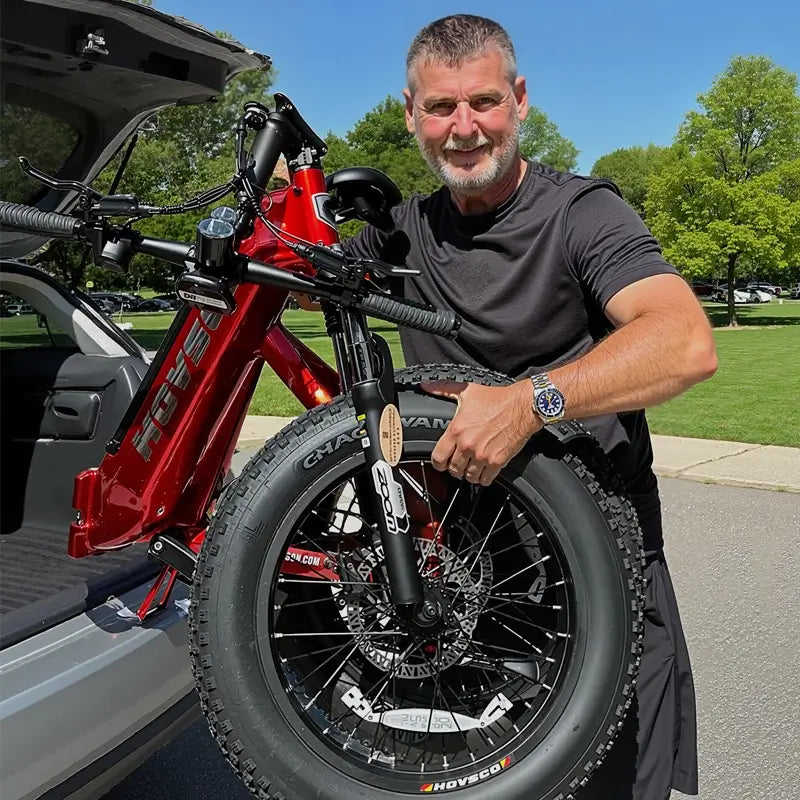
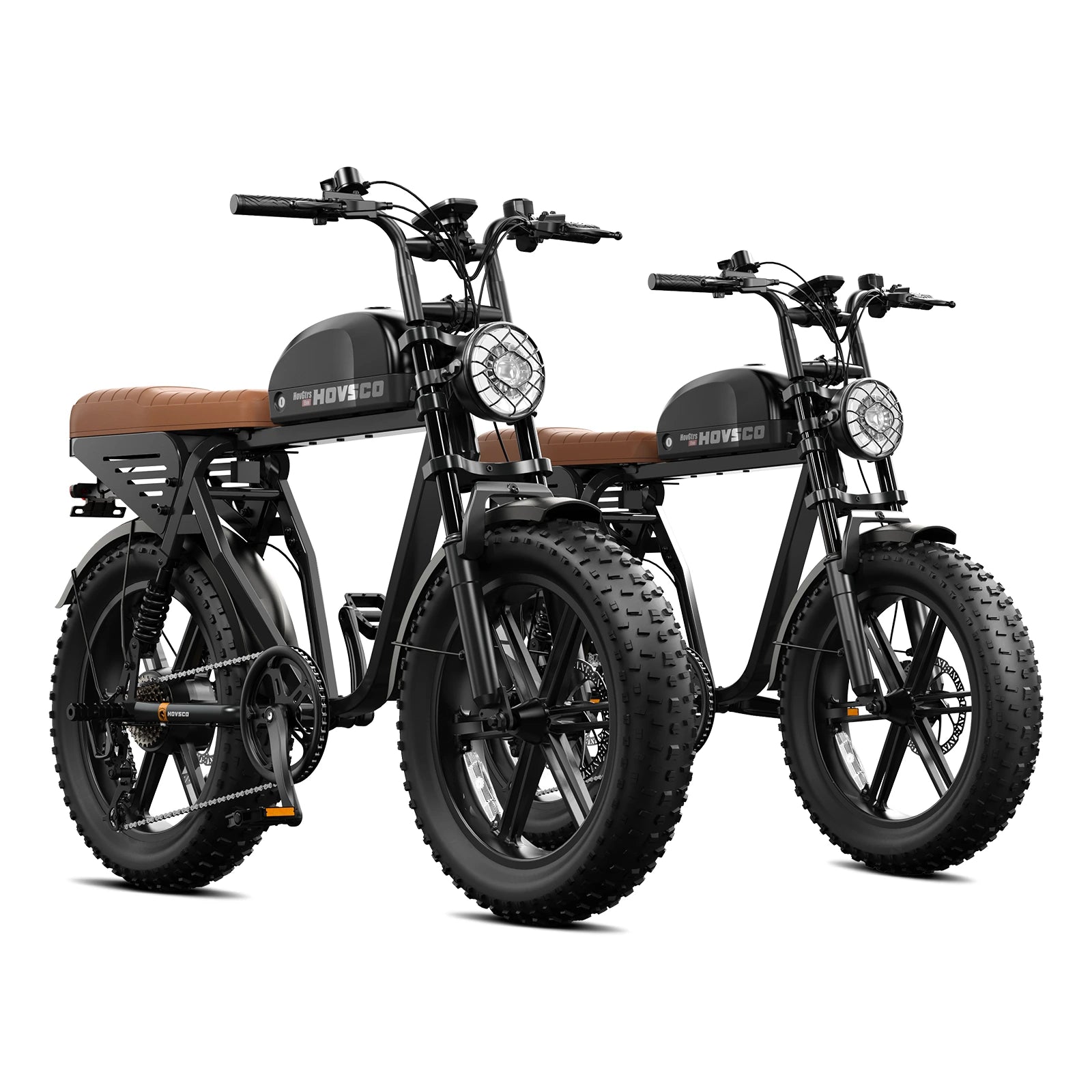
To build a practical silent rig, start with a robust 750W hub motor, fat or mid-fat tires tuned for your ground (sand, snow, loam), and a battery sized for your farthest stand. Add front and rear racks, then integrate the HOVSCO™ 官方联名战术快拆车架全铝复合弓/步枪卡槽夹 in positions that keep weapons balanced and out of your primary movement envelope.
I always advise riders to spend time on micro-noise: tape loose buckles, pad contact points, and test the bike fully loaded on gravel before the season. Identifying rattles and squeaks at home is far cheaper than finding them 200 yards from a bedding area in November.
ATVs still make sense when hauling very heavy game over long distances, dealing with deep mud bogs, or operating on properties designed around four-wheel lanes. If you routinely move multiple elk quarters or tow big blinds and feeders, the sheer brute force of a quad is hard to match.
That said, many hunters now run a hybrid approach: use the silent hub-motor bike for scouting, stand access, and light recovery, and park an ATV or truck at legal boundaries for heavy hauling only. It is not an all-or-nothing choice; it is about assigning the quiet tool to the quiet jobs.
Bowhunters, spot-and-stalk rifle hunters, and anyone working pressured public land benefit the most. These hunters live and die by undisturbed entry lines, sound discipline, and the ability to observe unspooked animals. For them, a HOVSCO-style silent rig is not a lifestyle accessory; it is a direct increase in encounter quality.
Older hunters or those with knee and back issues also gain. Electric assistance lowers fatigue without forcing them back into the noise and bulk of an ATV. In my experience, the switch often extends how long they can keep hunting remote ridges meaningfully.
“When we tune a hunting ebike at HOVSCO, we’re not chasing raw wattage—we’re chasing acoustic and control signatures that disappear into the woods. A balanced 750W hub motor with well-damped racks and mounts like our tactical quick-detach bow/rifle clamp lets hunters glide into position, hear the forest instead of their machine, and leave far less trace on the land and the animals they rely on.”
Replacing a traditional fuel ATV with a 750W hub-motor hunting ebike is less about fashion and more about physics and fieldcraft. The huge gap between a 95 dB engine and a low-decibel electric drive redraws the sound funnels in your woods, turning once‑spooked valleys into workable, quiet approaches. With tactical mounts such as the HOVSCO™ Official Co-branded Tactical Quick Detachable Full Aluminum Composite Bow/Rifle Slot Clip and smart load planning, you can scout deeper, arrive fresher, and hunt patterns that loud machines would destroy.
The actionable path forward is clear: audit your terrain, noise constraints, and hauling needs; spec a 750W hub rig with sufficient battery and rack capacity; and deliberately tune out micro-noise before season. For many modern hunters, that “silent hunter” setup will not just complement the ATV—it will quietly replace it for most scouting missions.
Does a 750W hub-motor ebike truly replace an ATV for hunting?
For stealth scouting, stand access, and light to moderate hauling, yes; for very heavy game recovery and extreme mud, an ATV still has advantages.
Will a hunting ebike’s motor noise spook deer the same way an ATV does?
No. Properly tuned hub motors are much quieter; most noise comes from tires and cargo, which animals tolerate better than sharp engine exhaust pulses.
How much gear can I realistically carry on a silent scouting bike?
With quality racks and possibly a small trailer, many hunters carry a pack, weapon, and day gear totaling 75–150 lbs without overloading the system.
Is switching from an ATV to a hub-motor ebike difficult for a new rider?
Most riders adapt quickly. Handling feels closer to a mountain bike than a quad, and pedal assist helps smooth starts and climbs on unfamiliar terrain.
Does HOVSCO offer hunting-oriented accessories for their ebikes?
Yes. HOVSCO develops tactical quick-detach mounts and load solutions specifically tuned for quiet, secure carriage of bows, rifles, and hunting gear.
Share:
Can Your E-Bike Wheel Survive 300+ lbs Without Tacoing?
Is HOVSCO HovAlpha or RadRover 6 Plus smoother off the line in 2026?