


![[ New Arrival ] Porto Max Electric Scooter For Commute & Grocery Shopping - HOVSCO](http://www.hovsco.com/cdn/shop/files/PotroMax-3.jpg?v=1706927007&width=1200)
- by SEO
Can a fat tire ebike be outfitted for seven days of off-grid backcountry survival?
- by SEO
E-Bikes
Accessories
 Free Shipping
 15-Day Returns
 2-Year Warranty
Free Shipping
15-Day Returns
2-Year Warranty
2-Year Warranty
Free Shipping
15-Day Returns
2-Year Warranty
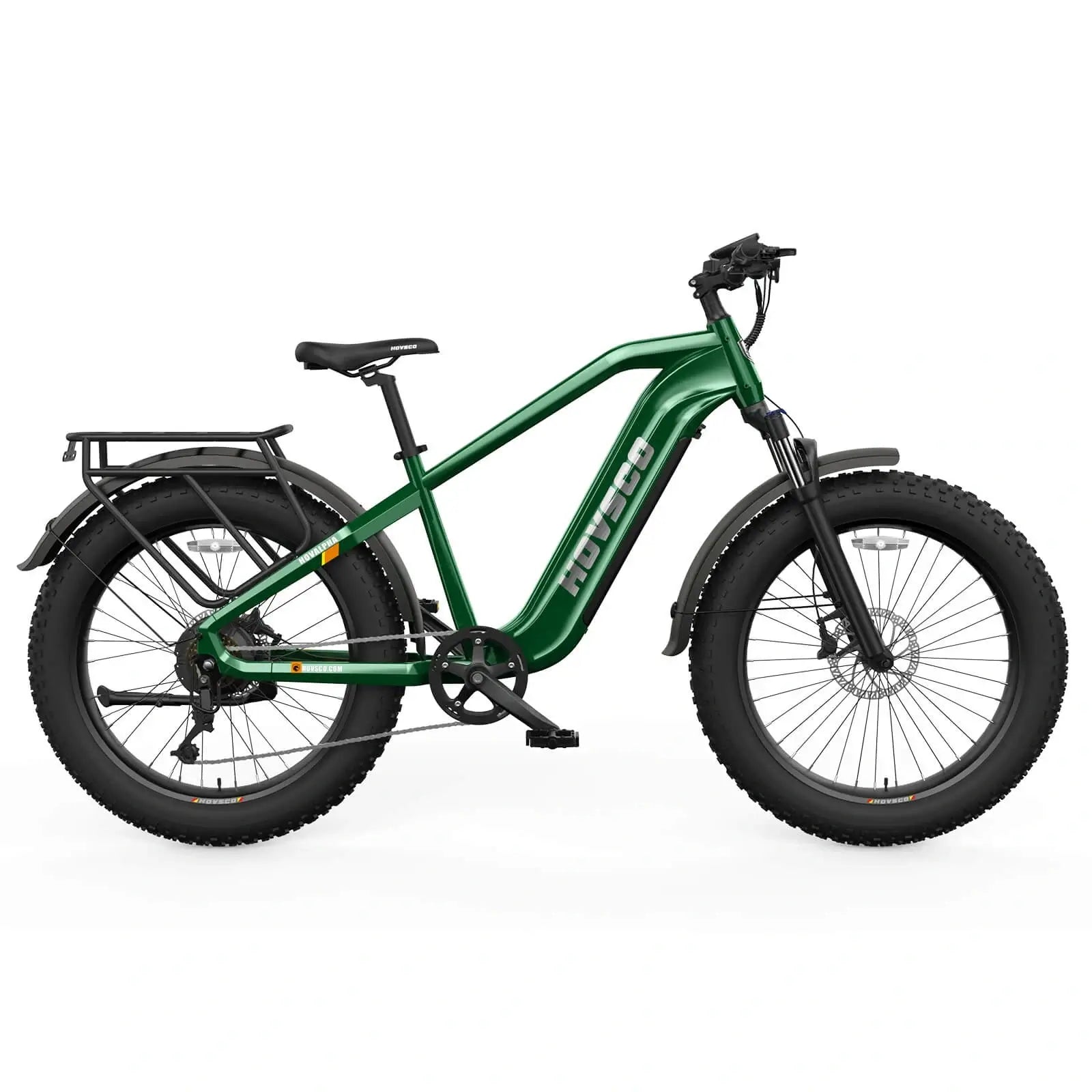
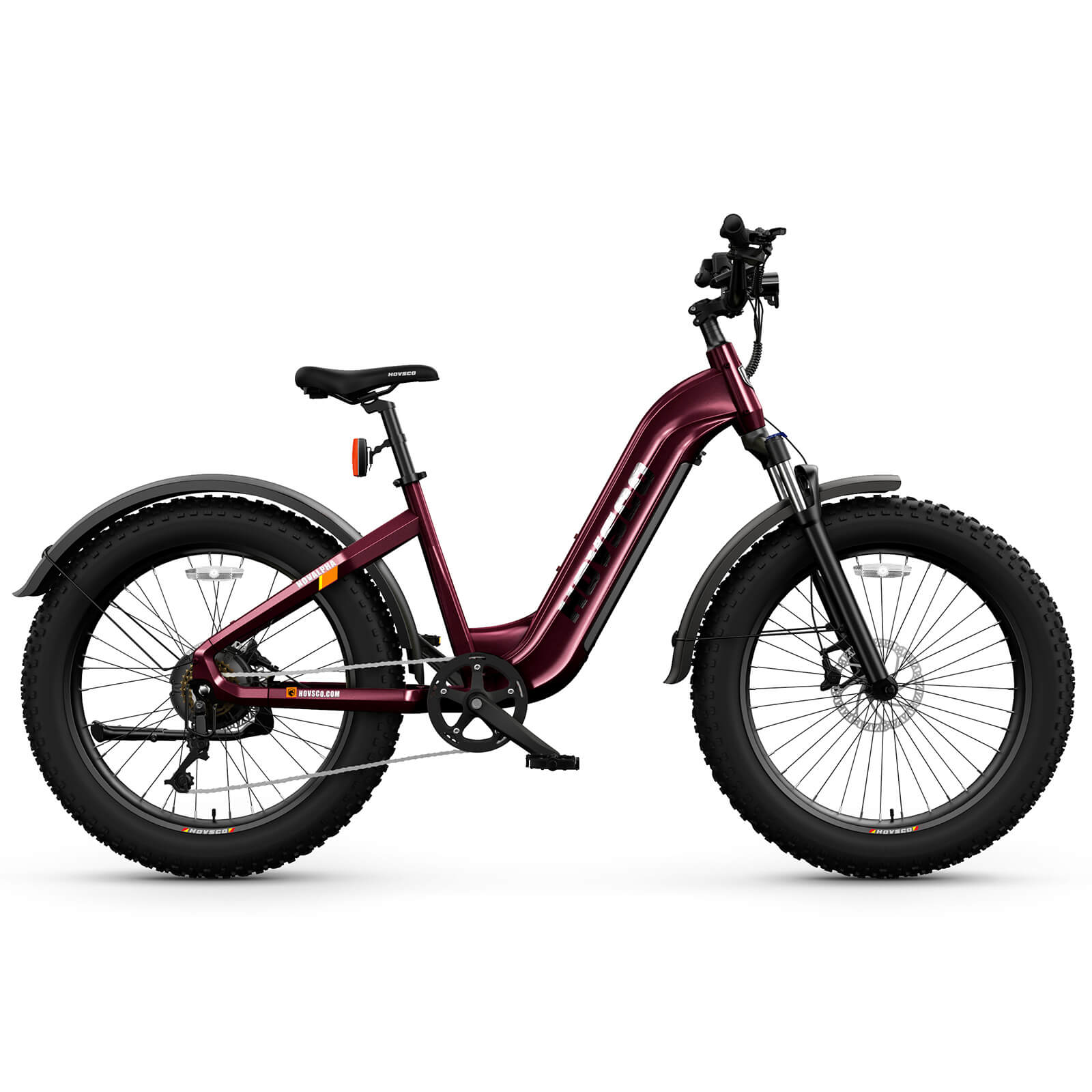
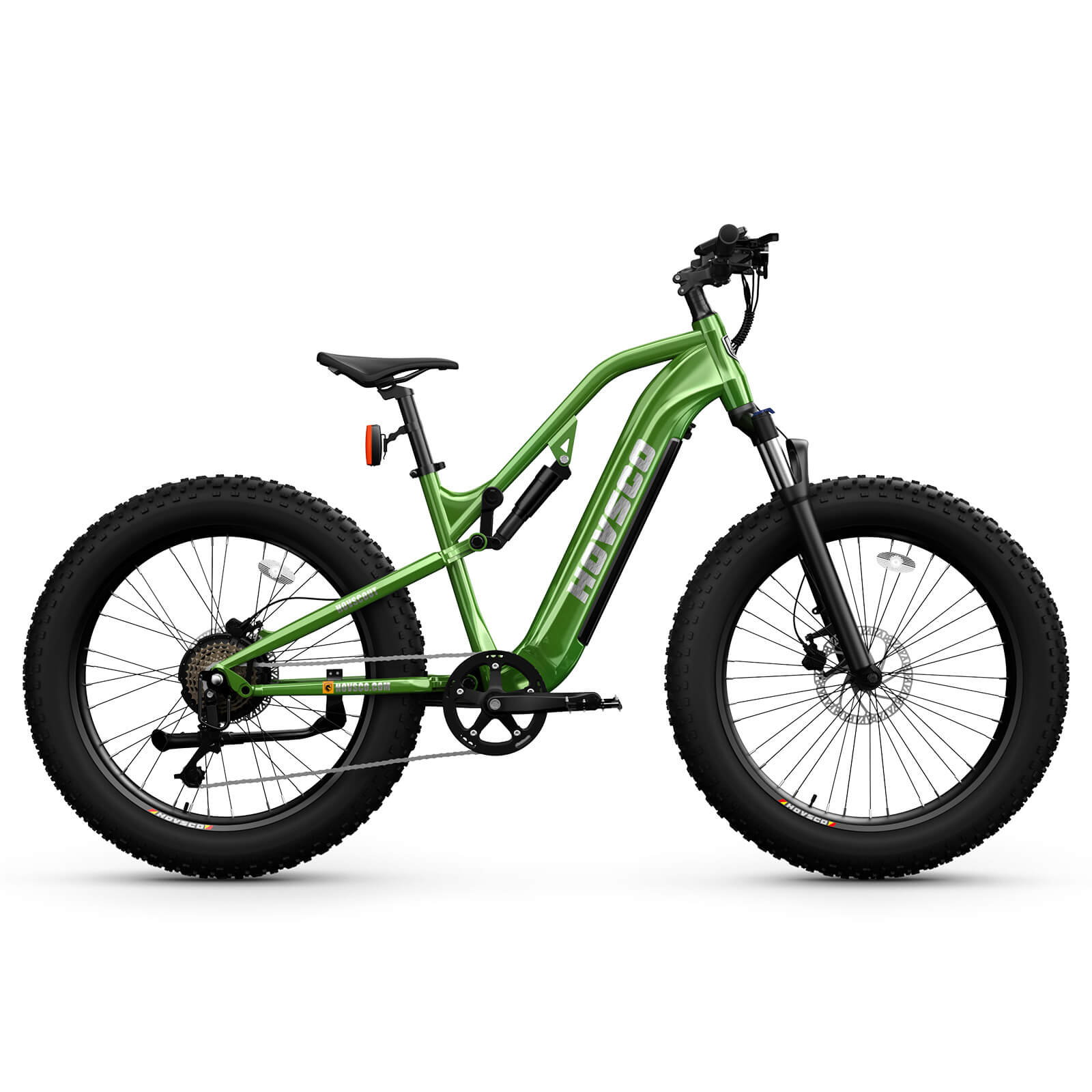
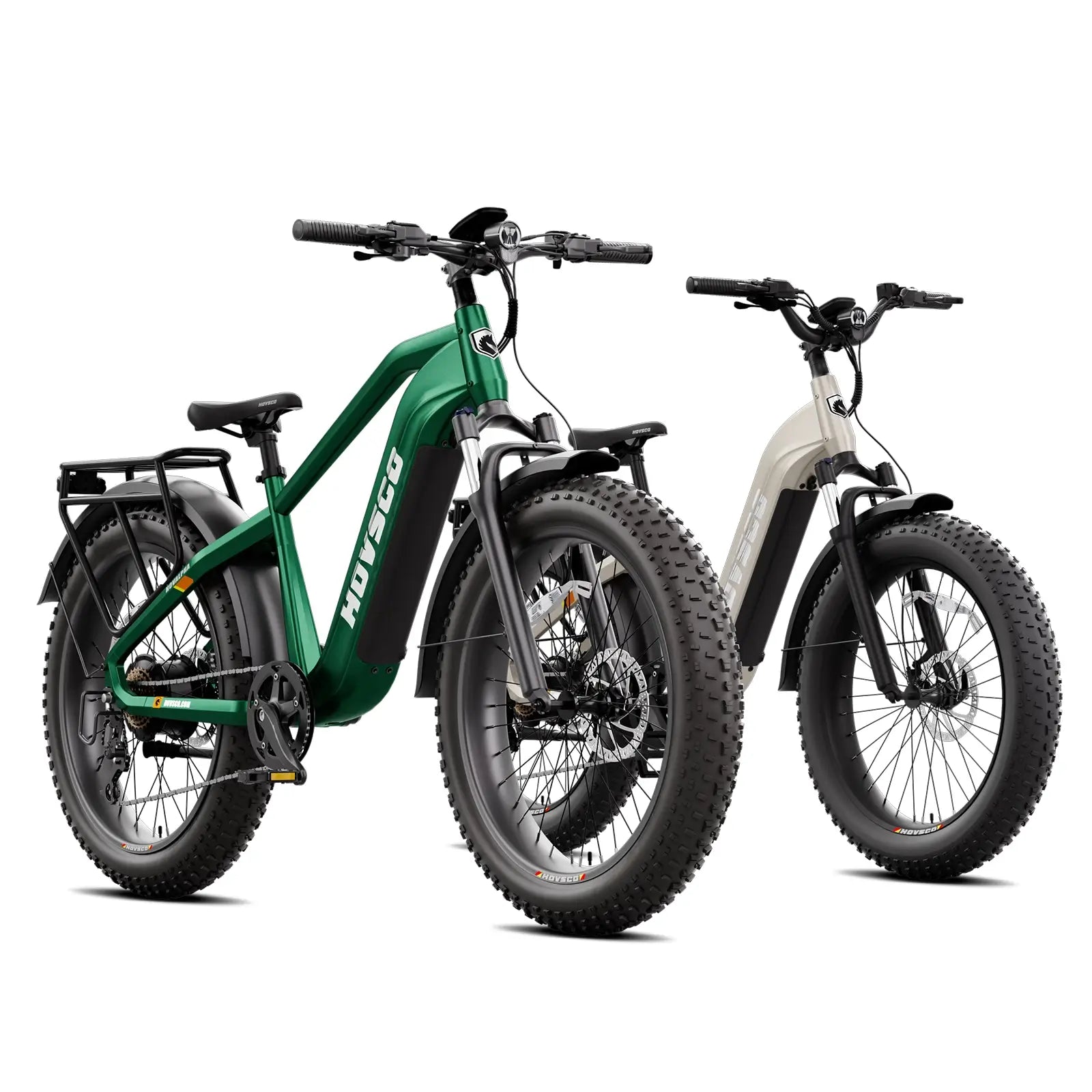
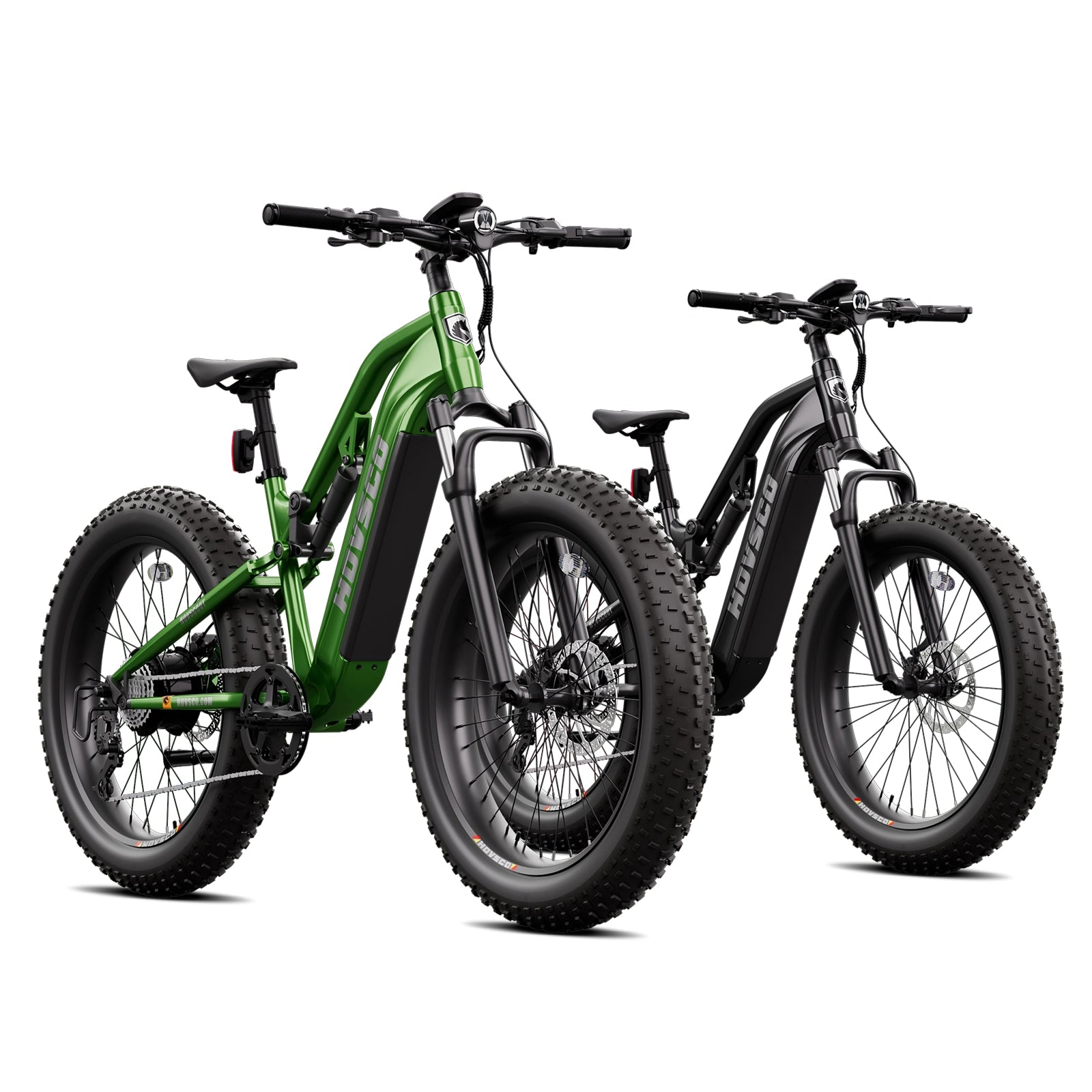
A fat tire ebike can absolutely be outfitted for seven days of off-grid backcountry survival by upgrading cargo capacity, power management, and load balance. With correctly installed front and rear heavy-duty racks, a frame battery pack, and a disciplined energy plan, you can turn a HovAlpha-style platform into a stable jungle war machine that carries sleep gear, food, water, tools, and spare batteries into true wilderness.
For seven days off-grid, plan mileage, elevation, and charging strictly around battery capacity and terrain. I start by mapping daily segments of 25–40 km with conservative assist levels, then identify water sources and emergency exit points. On a HovAlpha-type fat tire ebike, I treat every climb and loaded descent as an energy and brake management problem, not just a navigation decision.
Use detailed topographic maps and satellite imagery to find realistic camp spots, sheltered areas, and river crossings. Fat tires excel on loose surfaces, but soft snow, sand, or scree can double energy consumption, so route choice matters as much as battery count. I also pre-plan one complete rest day where I rely on leg power and minimal assist to preserve the battery bank and give the drivetrain a break.
For an expedition-level build, The Backcountry Expedition Guide: Outfitting Your Fat Tire Ebike for Off-Grid Survival becomes your blueprint. You treat the bike, rider, and environment as one system, aligning daily distance with total watt-hours, rider fitness, and weather windows instead of just chasing scenic lines on a map.
To turn a HovAlpha-style platform into a heavy-duty backcountry hauler, I specify a tri-point cargo system: a stiff front rack for light but bulky items, a frame bag for batteries and dense gear, and a rear rack for heavy, non-fragile loads. The goal is to keep the bike’s core mass low and central while distributing bulk where steering and suspension can handle it.
Front racks should be fork- or head-tube-mounted with triangulated stays, keeping the load under roughly 6–8 kg. A frame bag inside the main triangle carries batteries, tools, and electronics, protected from impacts and centered over the bottom bracket. Rear racks, ideally rated to 25–35 kg, carry food, cooking equipment, and cold-storage gear, with load secured tight to prevent sway.
On HOVSCO fat tire ebikes, I look for mounting points with steel or reinforced alloy inserts, not just threaded eyelets in soft aluminum. That small detail tells me whether the frame was built with expedition loads in mind, or only light commuting panniers. When you bolt everything up and roll out, the ebike should feel like a unified machine, not a shopping cart full of rattling add-ons.
The front rack is the place for light, compressible sleep gear: sleeping bag, bivy, lightweight tent or tarp, and pad. To avoid destabilizing steering, I keep this load under about 8 kg and as close to the steering axis as possible, using compression straps to pull weight inward and downward instead of hanging it off the sides.
When I install a front rack on a HovAlpha-style fat tire ebike, I align it with the fork crown and mid-fork eyelets, then brace toward the head tube if possible. I avoid tall towers above the handlebar that raise the center of gravity. In practice, a low front rack carrying a dry bag of sleep gear feels more “glued” to the trail, helping the fat tires track through ruts without sudden steering inputs.
For rough backcountry, I test the setup by riding loaded singletrack and emergency braking from moderate speed. If the fork chatters or feels vague, the rack is too flexible or the load sits too high. Once dialed, your sleep gear lives up front: always accessible, always dry, and never competing with critical items like batteries or tools.
Spare batteries are dense, expensive, and mission-critical, so they belong inside the frame triangle. I use a custom frame bag or rigid battery cage anchored to the main triangle, keeping weight low and centered over the bottom bracket. This position protects packs from tip-over impacts and keeps the bike’s handling predictable under acceleration and braking.
On an expedition HovAlpha setup, I often run one main battery on the down tube, one or two auxiliary packs in the frame bag, and a compact power toolkit alongside: multimeter, spare fuse, small solder kit, and waterproof connectors. This central “energy core” is also where I stash navigation electronics, power bank, and emergency beacon, all protected from weather and mechanical shocks.
By keeping batteries in the frame, you maintain clean steering and reduce oscillation in the rear rack. It also simplifies wiring if you choose parallel or staged battery use. When the terrain gets ugly, this placement is what prevents catastrophic weight shifts that could turn a manageable slide into a full-blown crash.
The rear rack carries your heavy, durable essentials: food, cook kit, water filtration, cold-storage box, and any bulky survival hardware. I treat the rear load as the “anchor” of the bike, keeping it compact and symmetrical. For seven days, a typical weight range is 15–25 kg, depending on water strategy and resupply options.
To emulate the heavy jungle war machine concept, I’ll mount a robust cold-storage box or soft cooler central on the rack, flanked by dry bags of food and a compact stove kit. If regulations allow, straps or mounts for tools like a saw, shovel, or legal defensive equipment sit low and tight, never sticking out where they can snag branches. Heavier items always sit closest to the seat tube, lighter ones toward the rear.
On HOVSCO fat tire platforms, rear rack stiffness is critical. I test for flex by loading it up, leaning the bike, and bouncing the rear wheel. Excess sway translates directly into handling problems. Once the rack passes this check, the rear end becomes a stable “cargo deck” that works with the big tires to keep traction and composure under full expedition loads.
Load balance is the difference between a controllable expedition rig and a bike that tries to throw you off in every rut. I aim for roughly 30–35% of total cargo weight on the front, 25–30% in the frame, and the remaining 35–40% on the rear rack. This ratio keeps steering responsive, traction stable, and braking predictable.
Here is a simple load balance sketch for a seven-day expedition build:
In practice, I fine-tune these numbers by test riding fully loaded on loose climbs, off-camber descents, and tight switchbacks. The bike should allow one-handed corrections without sudden weight shifts. If the front feels too light, I move some mass forward; if the rear wallows under power, I pull weight into the frame bag. The Backcountry Expedition Guide: Outfitting Your Fat Tire Ebike for Off-Grid Survival is about mastering this balance, not just bolting on more gear.
Seven days off-grid is first and foremost an energy budget problem. Batteries are your fuel, and assist level is your throttle. I start every expedition by calculating total watt-hours available, then divide by projected daily consumption based on terrain, load, and expected temperatures. This gives a strict daily “energy allowance” that I do not exceed.
On a HovAlpha-style fat tire ebike, full power on steep terrain can drain a pack in hours. For survival riding, I use low to medium assist, reserve high assist for short technical moves, and rely on human power for cruising, flats, and rest days. I also plan to arrive at camp with a fixed energy reserve, never less than 10–15% of the battery bank, in case of emergencies or route deviations.
Temperature and wind matter too. Cold conditions can reduce effective battery capacity noticeably, so I keep packs insulated inside the frame and avoid leaving them exposed overnight. When the route allows, I schedule mid-day moves for heavy climbing, using warmer temperatures to improve battery performance. This mindset is the difference between finishing the route and pushing a 40+ kg bike out of the mountains.
In true off-grid backcountry—no grid, no cabins, no public chargers—your best tools are spare batteries, conservative use, and minimal but targeted renewable input. I treat solar panels and small generators as backup, not primary power sources, because real-world output under trees, clouds, or snow often falls short of optimistic calculations.
A practical seven-day plan for a HovAlpha-style rig might include two or three main batteries, staged use (one pack per day with rotation), and a compact solar setup mainly for charging small electronics and topping off the lowest pack on rest days. I avoid deep discharges below 20% wherever possible, as repeated low-voltage cycles can accelerate long-term pack degradation.
Redundancy also means mechanical backups. I carry pedal-only gearing appropriate for climbing without assist, spare derailleur hanger, chain links, and at least one spare brake pad set. If every battery fails, the bike should still ride like a capable fat-tire mountain machine, not become stranded cargo. HOVSCO’s focus on robust frames and drivetrains is exactly what makes this scenario survivable.
Survival is not just about the bike; it is about keeping the rider strong enough to use it. For seven days, I plan calories around 3,000–4,000 per day for loaded off-road riding, with a mix of high-density dry foods, freeze-dried meals, and limited fresh items stored in a cooler. Food weight is front-loaded: more at the start, tapering as you eat it, which improves bike handling over time.
Hydration strategy depends on water sources. I rarely carry more than 4–6 liters at a time, preferring to refill at streams and lakes using a filter and chemical backup. Water containers ride low and central, usually on or just in front of the rear rack to keep balance. In cold conditions, insulated bottles and burying containers inside dry bags prevent freezing.
Cold-weather survival gear—insulating layers, emergency bivy, fire-starting kit—lives close to the rider, either in the front rack sleep kit or in a quick-access top tube bag. I never bury survival essentials under heavy items. When a storm moves in, you must be able to reach your shelter and warmth in seconds, not minutes of unpacking.
A HovAlpha camouflage tactical expedition rig is for riders who already have solid off-road skills, basic mechanical competence, and a comfort level with remote travel. It is not the right platform for new ebike users or those unfamiliar with backcountry navigation and risk management. The more gear you add, the more responsibility you carry.
Skills I look for before recommending this build include confident technical riding on loaded bikes, the ability to repair flats and drivetrains in the field, map-reading and GPS use, and a realistic understanding of personal fitness. Riders should also be comfortable with firearm laws, wildlife encounters, and local regulations, because “tactical” implies serious environments where safety protocols matter.
When those skills and mindsets line up, the HovAlpha-style machine becomes a powerful tool. It lets you explore further, carry more, and operate in places where conventional touring rigs would fail. HOVSCO’s background in rugged e-mobility gives a solid foundation, but the rider’s skill and judgment are what turn specs into survivable adventures.
When we design fat tire and expedition-capable ebikes, we think in terms of systems, not standalone components. The frame, racks, batteries, and tires must work together under real load, real weather, and real rider fatigue. Our experience in hoverboards and e-scooters taught us how unforgiving electric systems can be when pushed hard. Translating that into HOVSCO backcountry platforms, we focus on overbuilt mounting points, realistic battery specs, and geometries that remain rideable even when the bike is fully loaded for a week in the mountains. The goal is simple: help riders reach places they never thought possible, and come back with a smile rather than a rescue story.
Safety checks are non-negotiable on multi-day off-grid rides. Every morning, I perform a quick but systematic inspection: tire pressure, spoke tension by hand, brake lever feel, rotor wear, chain lubrication, rack bolts, and battery mounts. Any play or noise gets addressed immediately; ignoring small issues for days can turn them into trip-ending failures.
I also check for cracks or deformation in rack struts, fork crowns, and weld areas around mounting points. On rocky trails, heavy loads create cyclic stresses that expose weak spots. Carrying a compact torque wrench helps ensure bolts are tight but not overstressed, especially on aluminum frames. With a HovAlpha-level build, this attention keeps the rig feeling solid instead of slowly falling out of alignment.
At camp, I give the drivetrain a few minutes of care: clean the chain if conditions are bad, add a thin film of lube, and inspect the cassette and derailleur for debris. This routine preserves efficiency and reduces the risk of chain skips under load. Over seven days, these habits matter more than any single piece of gear.
The key takeaways are that backcountry ebike survival is about systems thinking, realistic energy budgeting, and balanced cargo management. The bike, rider, batteries, and environment must be considered together, not as isolated variables. A HovAlpha-style fat tire ebike can absolutely become a jungle war machine, but only if each upgrade serves the whole system.
Actionable steps include choosing a frame with robust rack mounts, installing a tri-point cargo layout (front, frame, rear) with balanced load distribution, and planning daily mileage strictly around total watt-hours and terrain. Riders should practice fully loaded handling and emergency braking before committing to a remote route, and build mechanical and navigation skills to support independence.
Brands like HOVSCO give you the foundation: a reliable e-platform, solid geometry, and community support. Your job is to add smart racks, disciplined energy use, and survival-ready kit. Do that well, and you will be able to ride seven days off-grid through places that used to be reserved for only the toughest human-powered expeditions.
Can a fat tire ebike really handle seven days of loaded off-grid riding?
Yes, if the frame, racks, and batteries are chosen for durability and load, and if you manage assist levels, route difficulty, and daily mileage within a realistic energy budget.
How many batteries do I need for a week-long backcountry trip?
Most riders need two to three main packs, depending on terrain, assist level, and temperature. Plan daily consumption, add a safety margin, and avoid relying on optimistic solar projections alone.
Is a HovAlpha-style setup suitable for beginners?
A fully loaded expedition rig is best for experienced riders with solid off-road skills and mechanical confidence. Beginners should start with shorter, supported trips before attempting seven-day off-grid routes.
How important is tire pressure on a loaded fat tire expedition bike?
Very important. Under-inflation wastes energy and risks pinch flats; over-inflation reduces traction and control. I adjust pressure daily based on load, temperature, and surface, using a gauge rather than guesswork.
Do I need special permission or permits for backcountry ebike expeditions?
In many regions, ebike access is regulated differently from traditional bikes. Check local rules, land management policies, and any firearm or camping regulations well before planning your route.
Share:
Why are fat tire ebikes ideal for big and tall riders?
Can Your E-Bike Wheel Survive 300+ lbs Without Tacoing?