Cruising a California beach at 28 mph on 4.0 fat tires sounds like a dream—but with the right technique and an all‑terrain e‑bike like the HOVSCO™ HovAlpha, it’s absolutely doable, even on deep salt‑water sand. This guide walks coastal riders step‑by‑step through wet and dry sand skills, corrosion protection, and how to turn the HovAlpha into your go‑to beach machine for fast, stable shoreline cruising.
A Step-by-Step Guide to Riding Your Fat Bike on Deep Salt-Water Sand with HOVSCO HovAlpha. Learn wet/dry beach techniques, 4.0 tire setup, and anti-corrosion care.
riding fat tire ebikes on sand
Why fat‑tire coastal riding is exploding
The global e‑bike market is projected around 38–40 billion USD in 2024 and is on track to more than double by 2030, driven by urban mobility and leisure riding trends. Within that growth, fat‑tire and all‑terrain e‑bikes are one of the fastest‑rising segments as riders look for bikes that can handle everything from city streets to sand, snow, and gravel in one platform. For coastal riders, that means more people are discovering that 4.0‑inch fat tires plus a powerful motor equals smooth, low‑effort cruising on beaches that used to be “off‑limits” to regular bikes.
California’s long sandy coastlines—from Santa Cruz to Huntington Beach—offer miles of rideable wet and semi‑firm sand at low tide, provided your bike has the torque, traction, and corrosion protection to survive repeated salt‑air sessions. That’s exactly where a beach‑ready fat‑tire e‑bike like the HOVSCO HovAlpha shines, combining 26" x 4" tires, a 750W‑class motor, and long‑range battery with all‑terrain engineering.
Meeting the HOVSCO HovAlpha at the water’s edge
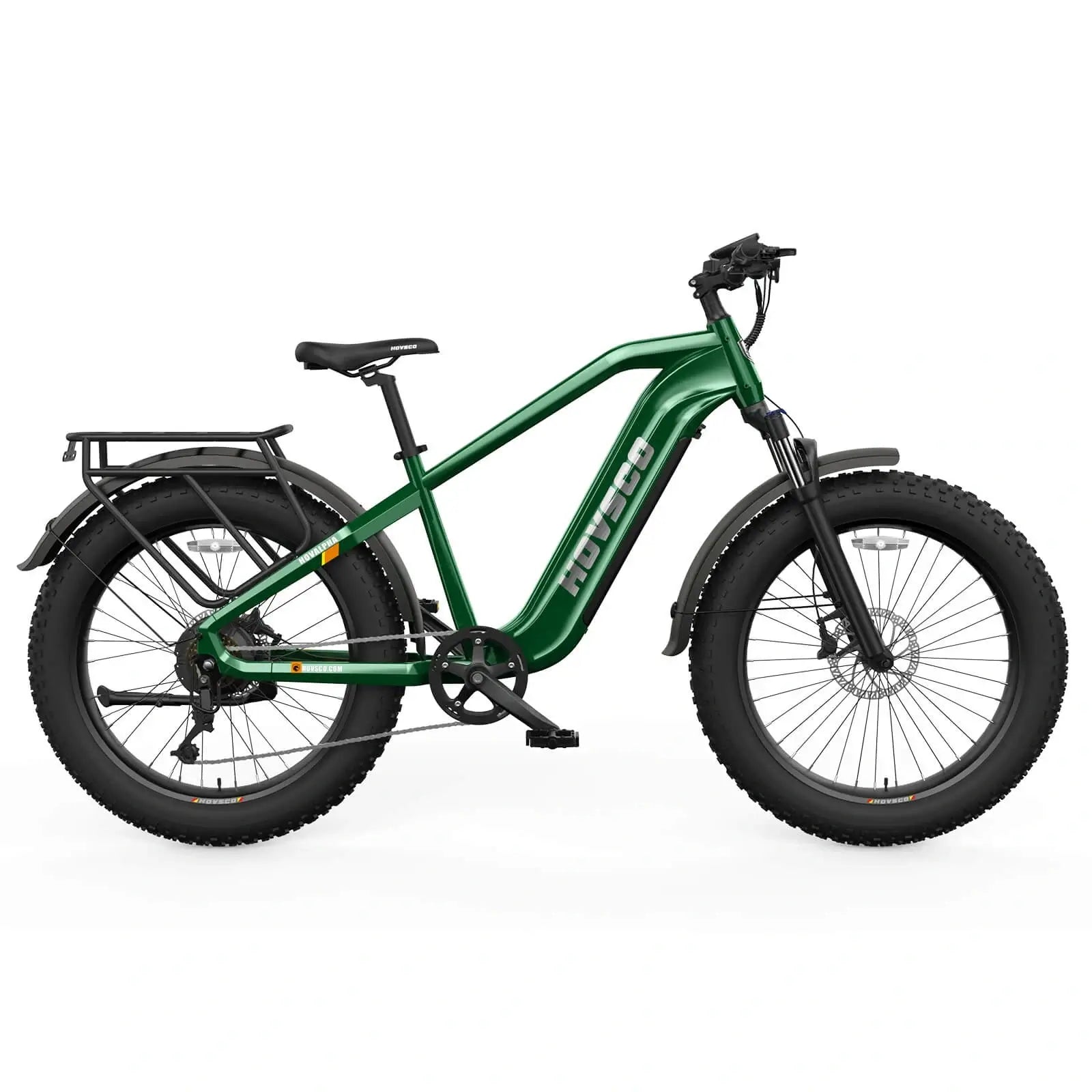
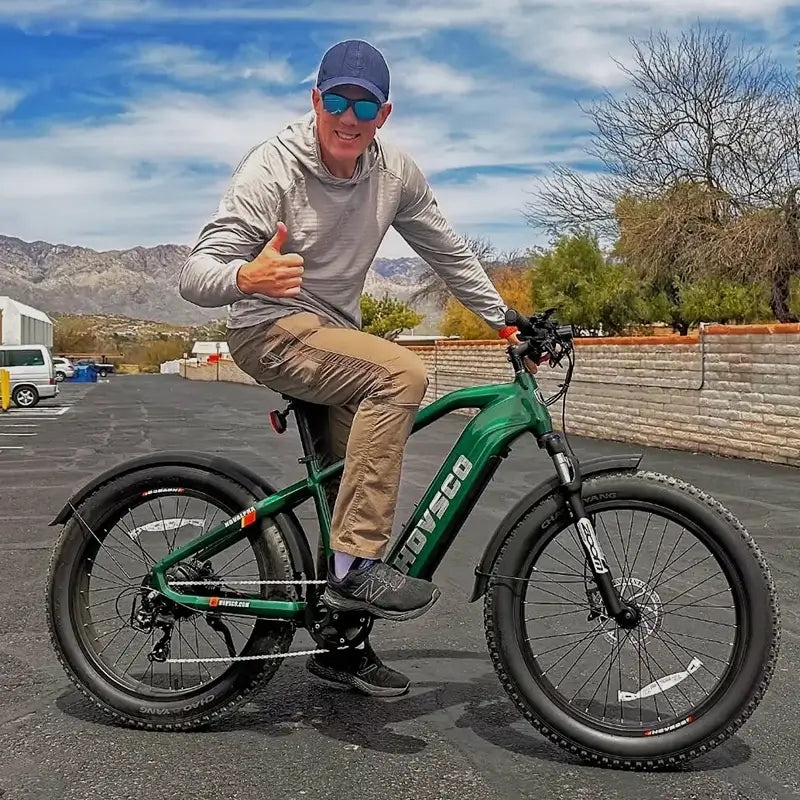
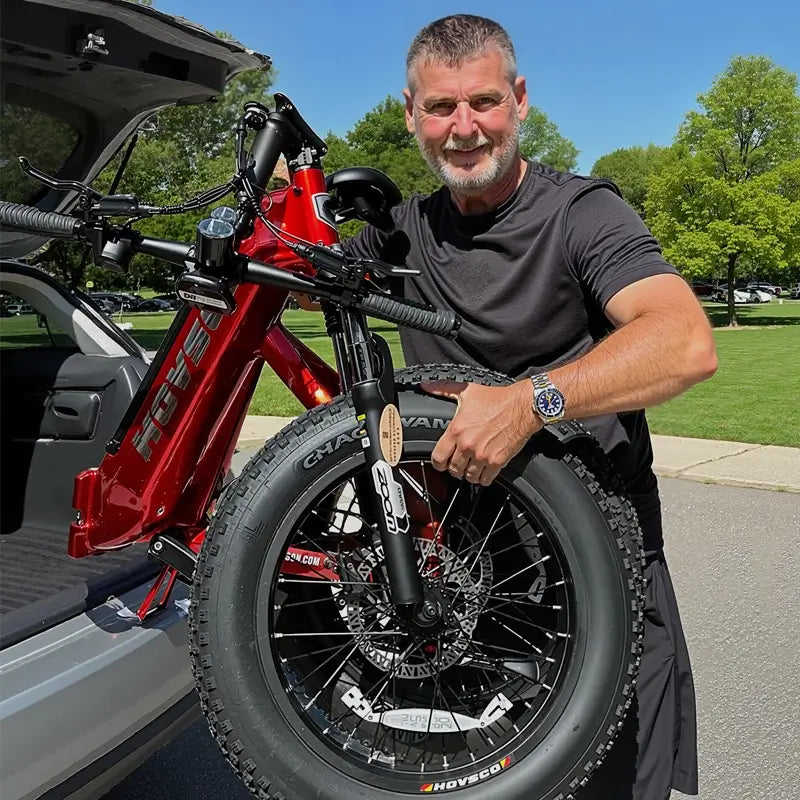
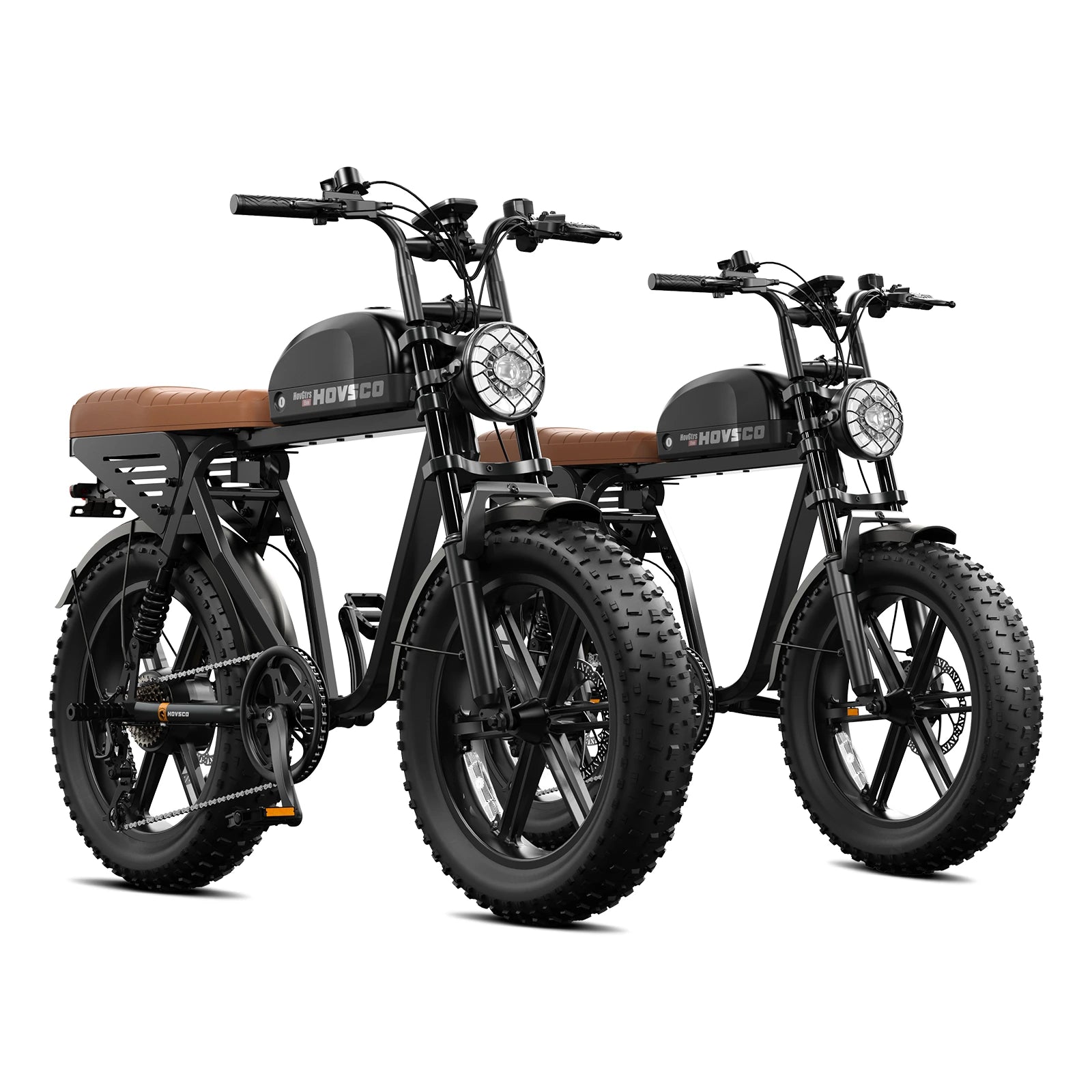
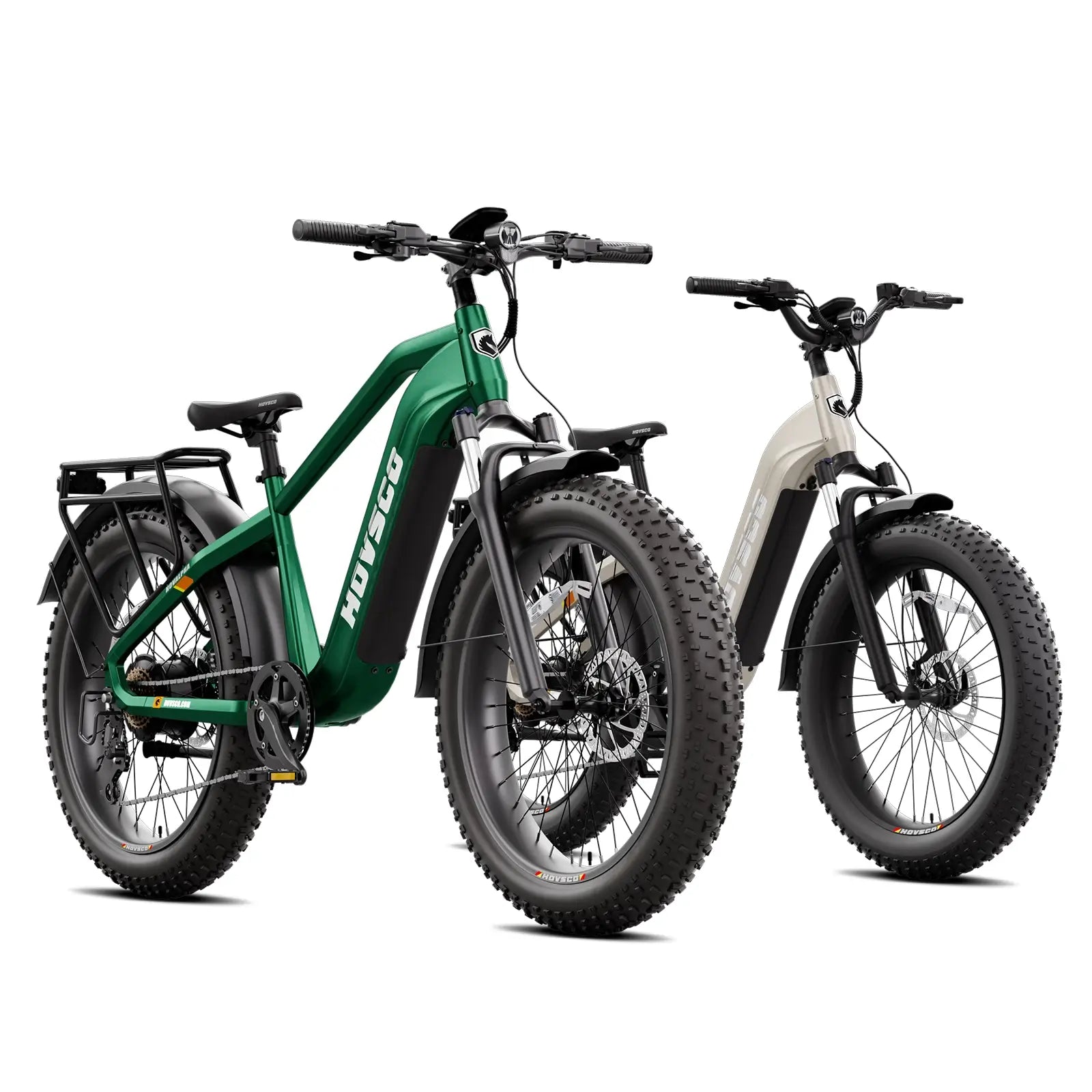
HOVSCO™ is a U.S.‑based e‑bike brand focused on powerful, utility‑ready electric bikes that mix long range, high payload, and all‑terrain capability at accessible prices. The HovAlpha Long‑Range E‑Bike is their muscle fat‑tire model, featuring up to 1300W peak motor power, a top speed up to 28 mph, up to 80 miles of range, and a 450 lb payload rating—making it a natural candidate for hauling riders, coolers, and camera gear down the coast.
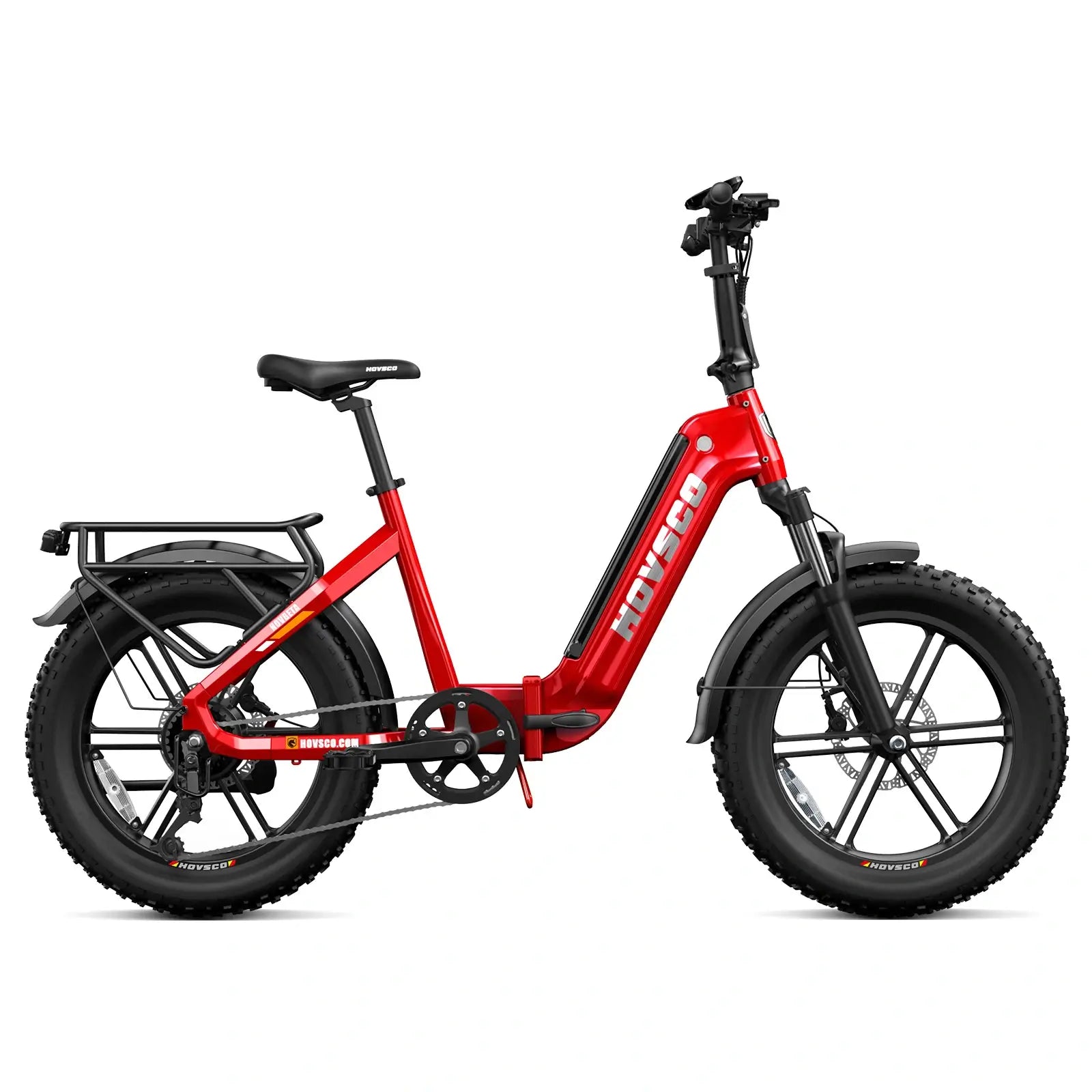
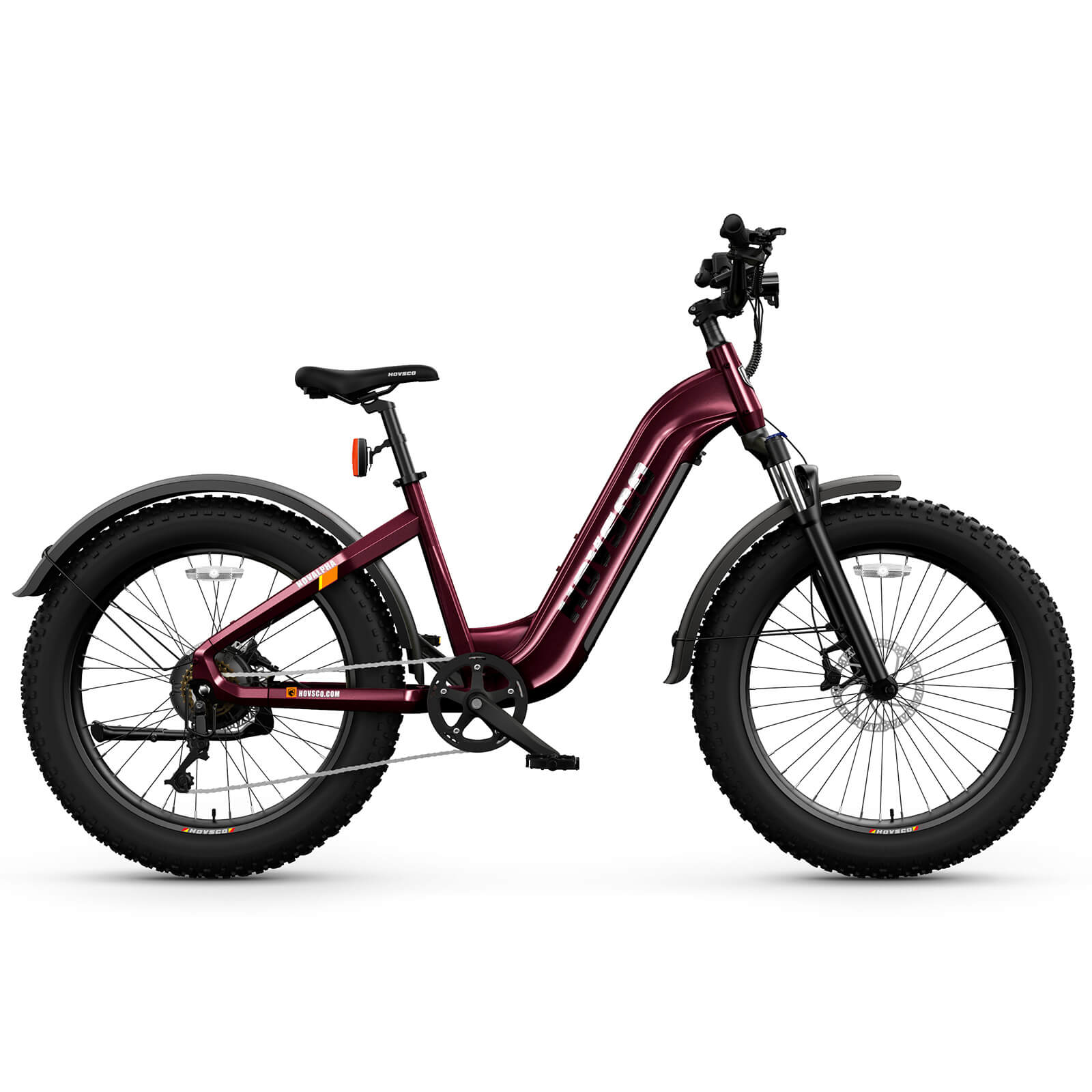
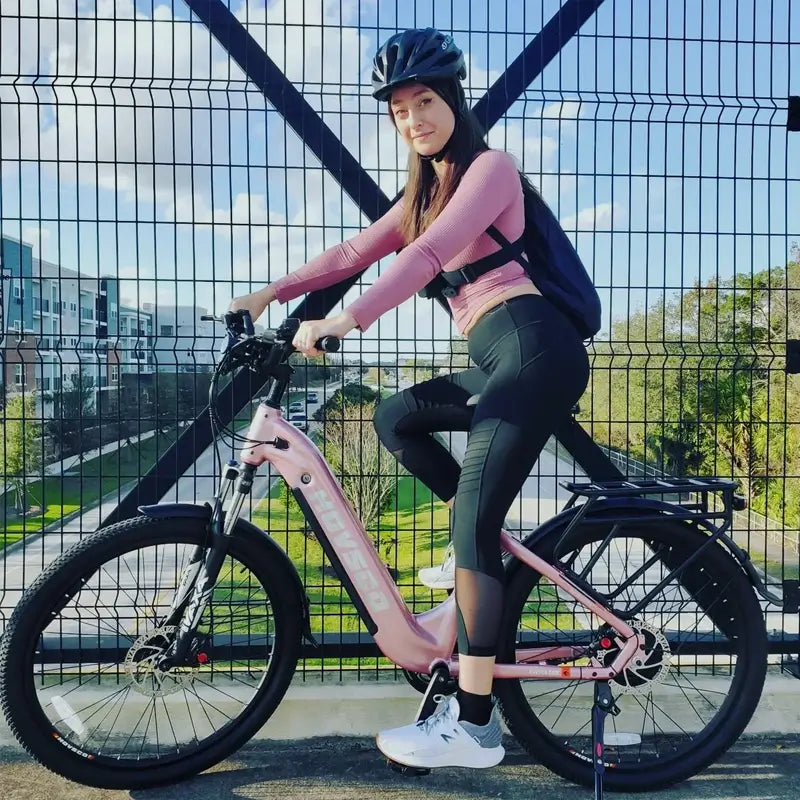
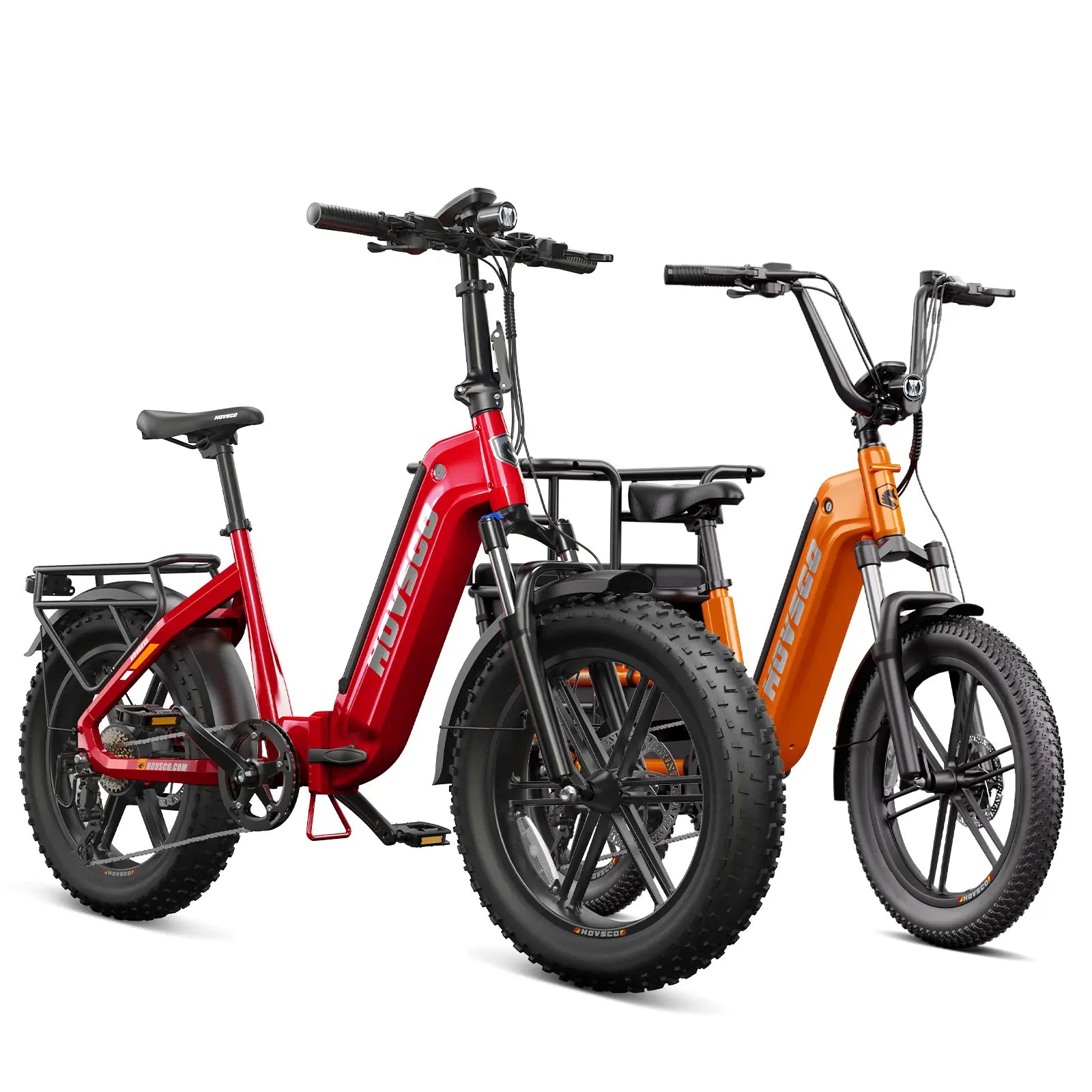
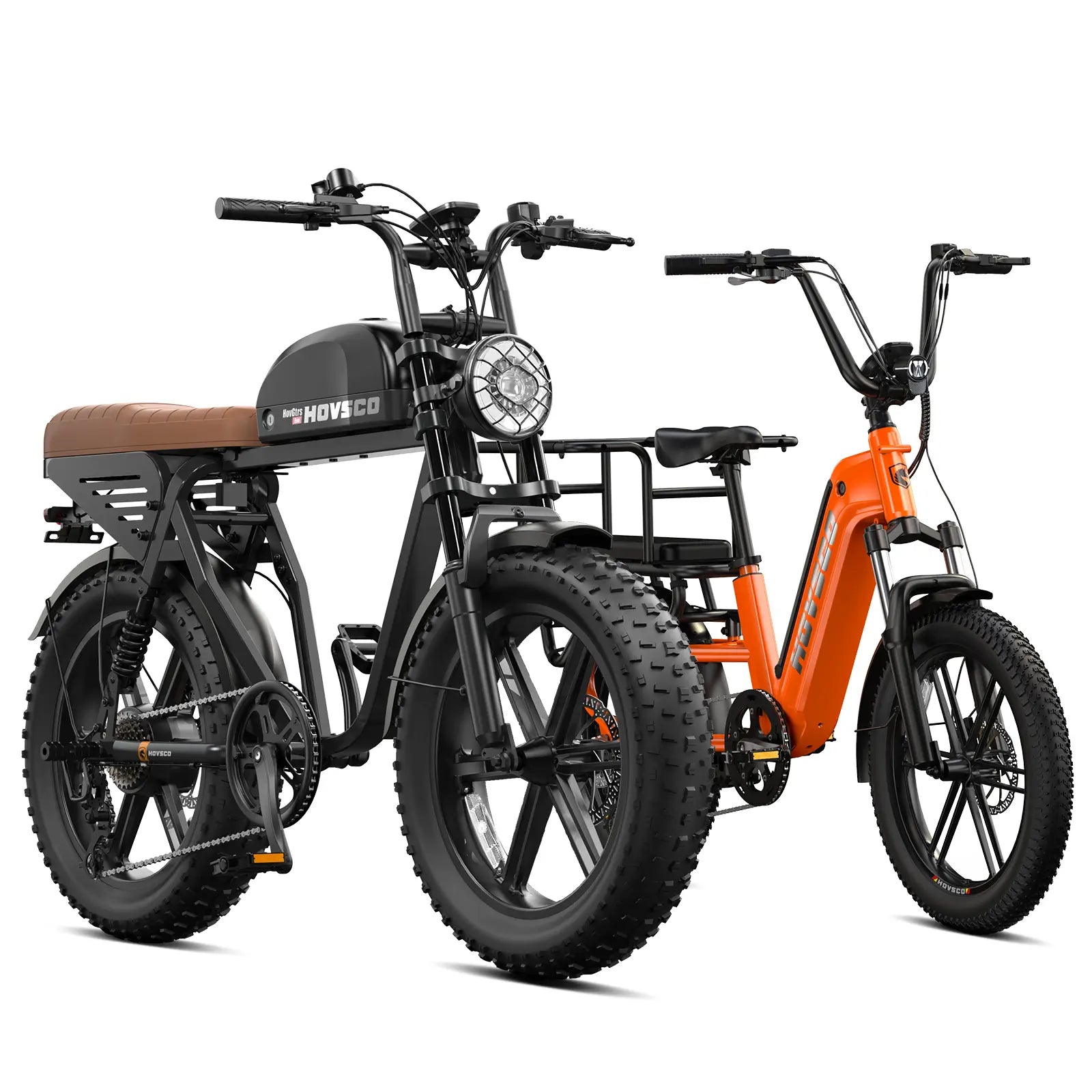
For riders who prefer easier mounting but still want 4.0 fat tires for beach work, the HovAlpha Step‑Thru Ebike offers similar specs with a more accessible frame. Both use 26" x 4" fat tires and torque‑sensor assist, giving smoother power modulation on loose, shifting sand than basic cadence‑sensor systems.
What is “conquering the coast” on a fat bike?
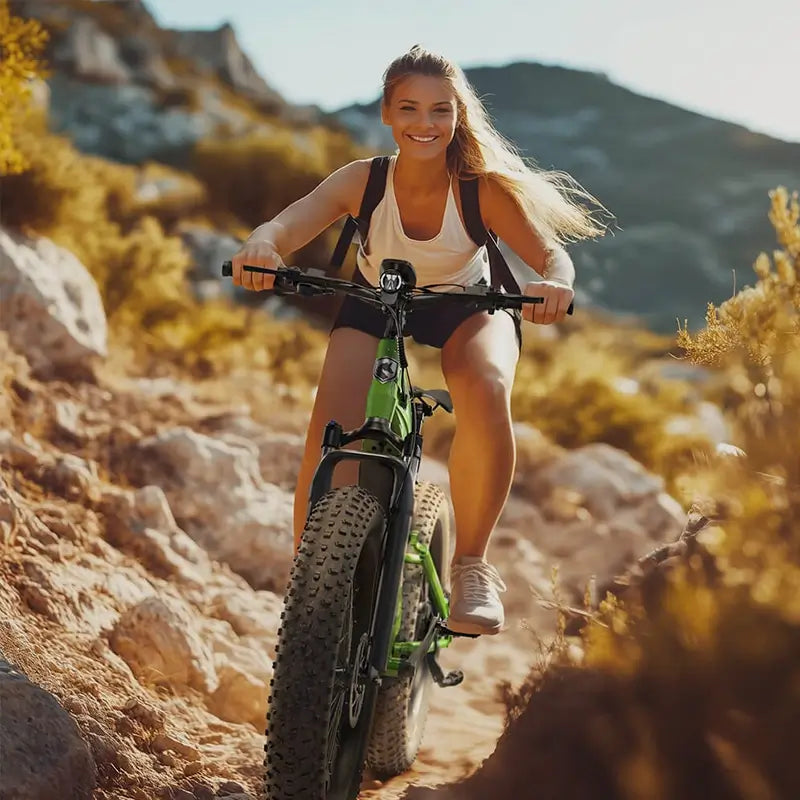
In this context, “conquering the coast” with a fat bike means being able to ride deep, salt‑water‑exposed beach sand—both wet, compact sand near the surf and dry, loose sand higher up—at controlled to high cruising speeds while maintaining traction, stability, and drivetrain health. With a 4.0‑inch fat‑tire e‑bike like the HovAlpha, this involves dialing in tire pressure, line choice, body position, and motor assist so that the tire lugs bite into sand particles instead of plowing or spinning out.
Ridden correctly, a fat e‑bike will “float” on top of soft sand, using its large contact patch and knobby tread to maintain forward drive even in sections that would stop a regular 2.0–2.3" tire completely. At the same time, riders must manage corrosion from salt spray and salt‑laden air, which can quickly damage chains, cassettes, and bolts without a proper wash and lube routine.
Pain points of deep sand and salt‑water riding
Riding a regular bike on a soft California beach exposes every weak point in your setup—from skinny tires to under‑specced brakes and unprotected drivetrains. Understanding these pain points clarifies why a beach‑built fat‑tire e‑bike plus the right maintenance routine is so valuable.
First, traction and sinking are constant enemies on dry, loose sand, where narrow tires dig trenches and bring momentum to a halt within a few meters. Even 2.3–2.6" trail tires struggle to stay afloat without very low pressures, and they cannot distribute rider and cargo weight as effectively as 4.0" fat tires. Second, wet salt‑water sand adds a layer of slipperiness and suction; when the tide has just receded, the sand is firm but slick, so both braking and cornering grip are limited if tread blocks and compound are not optimized.
Third, motor assistance becomes a double‑edged sword if power delivery is abrupt, causing rear‑wheel spin‑outs in soft patches and making it hard to hold a smooth line near the surf. That’s where torque‑sensing systems, like on the HovAlpha, help by matching motor output to pedal pressure instead of just cadence, reducing wheelspin. Fourth, salt air and spray accelerate corrosion on chains, derailleur pivots, fittings, and exposed fasteners, sometimes causing visible rust and rough shifting within days if bikes are not rinsed and re‑lubed.
Finally, many riders underestimate the energy cost of soft‑surface riding, finding that conventional bikes leave them exhausted after short beach stints, with limited range and little fun. A long‑range fat‑tire e‑bike addresses this by combining wide tires, a high‑capacity battery, and strong motor torque so riders can focus on surf, scenery, and speed instead of just surviving the sand.
“On soft sand, a 4.0 fat tire at the right pressure can be the difference between sinking in place and floating down the coast for miles.”
HovAlpha vs alternatives for beach sand
How HovAlpha features help you “bite” the sand
4.0‑inch fat tires for sand traction
The HovAlpha’s 26" x 4.0" tires create a large contact patch, lowering ground pressure so the tread blocks can interlock with sand grains instead of digging in like a knife. Dropped to 8–15 psi for softer sand, these tires help the bike “float” and maintain momentum on sections where narrow tires simply bog down.
High‑torque motor and torque sensor assist
A 750W‑class motor with peak power around 1300W gives you the torque needed to start, climb, and accelerate on draggy surfaces such as wet or sloped sand. Combined with a torque sensor, power delivery matches your pedal force, helping prevent rear‑wheel spinouts during starts or when transitioning from wet to dry sand.
Range, payload, and braking for coastal duty
Up to about 80 miles of range allows extended coast‑hugging rides, even with frequent soft sections that normally drain batteries quickly. A 450 lb payload rating means you can safely load up beach chairs, camera gear, or a surfer’s backpack without compromising frame integrity. Hydraulic disc brakes with large rotors provide controlled stopping even when rims and rotors pick up fine sand and occasional salt spray.
wet and dry sand flow
“On firm, wet sand near the low tide line, keep your speed steady, tire pressure moderate, and pedal smoothly—this is your ‘highway’ for long coastal runs.”
“In deep, dry sand above the tideline, shift your weight slightly back, lower tire pressure, and let the 4.0‑inch lugs dig and paddle rather than forcing sharp turns.”
“When transitioning from wet to dry sand, reduce assist level and speed, straighten the bike, and let the HovAlpha’s fat tires and torque sensor work together to keep traction.”
Cross‑selling: building a full HOVSCO coastal quiver
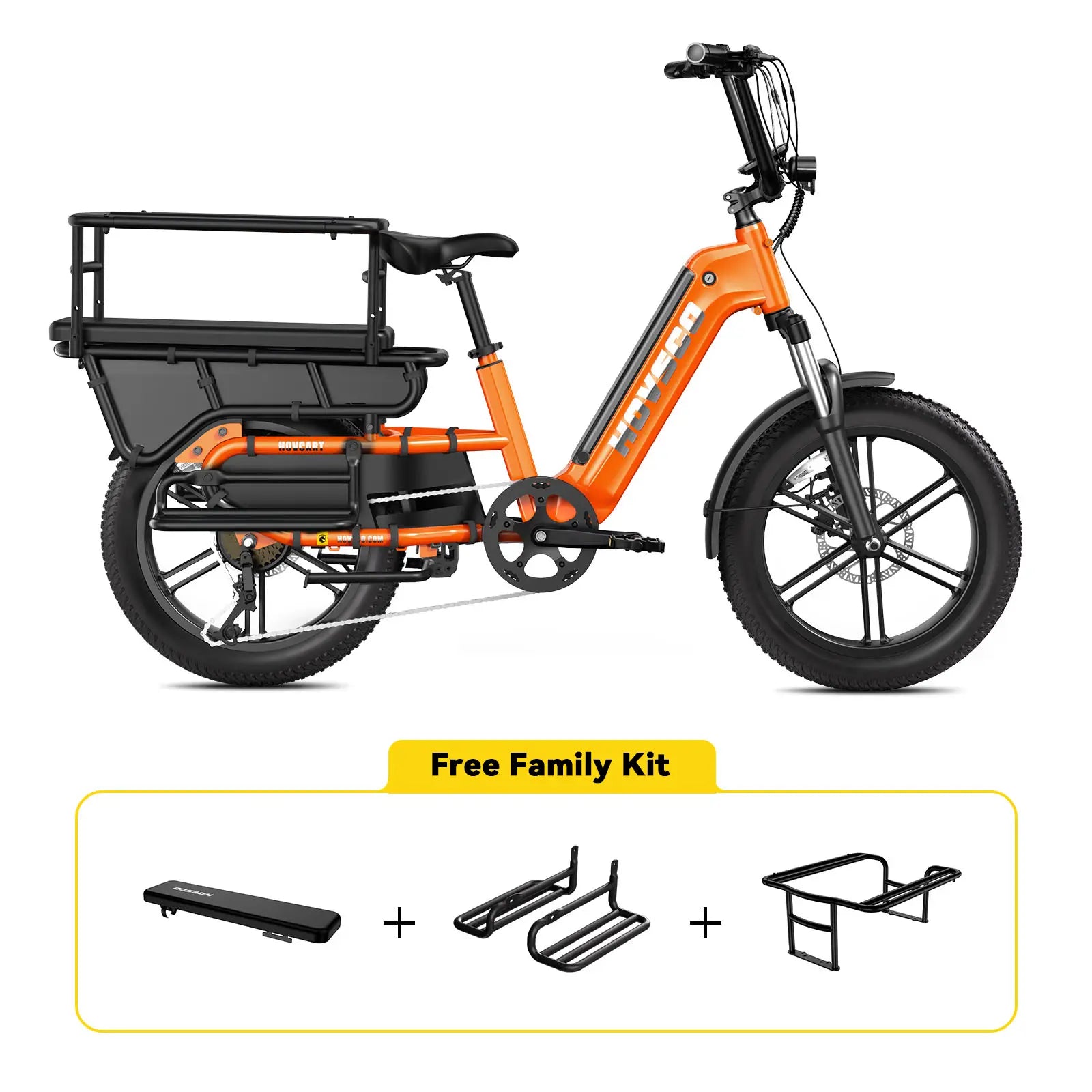
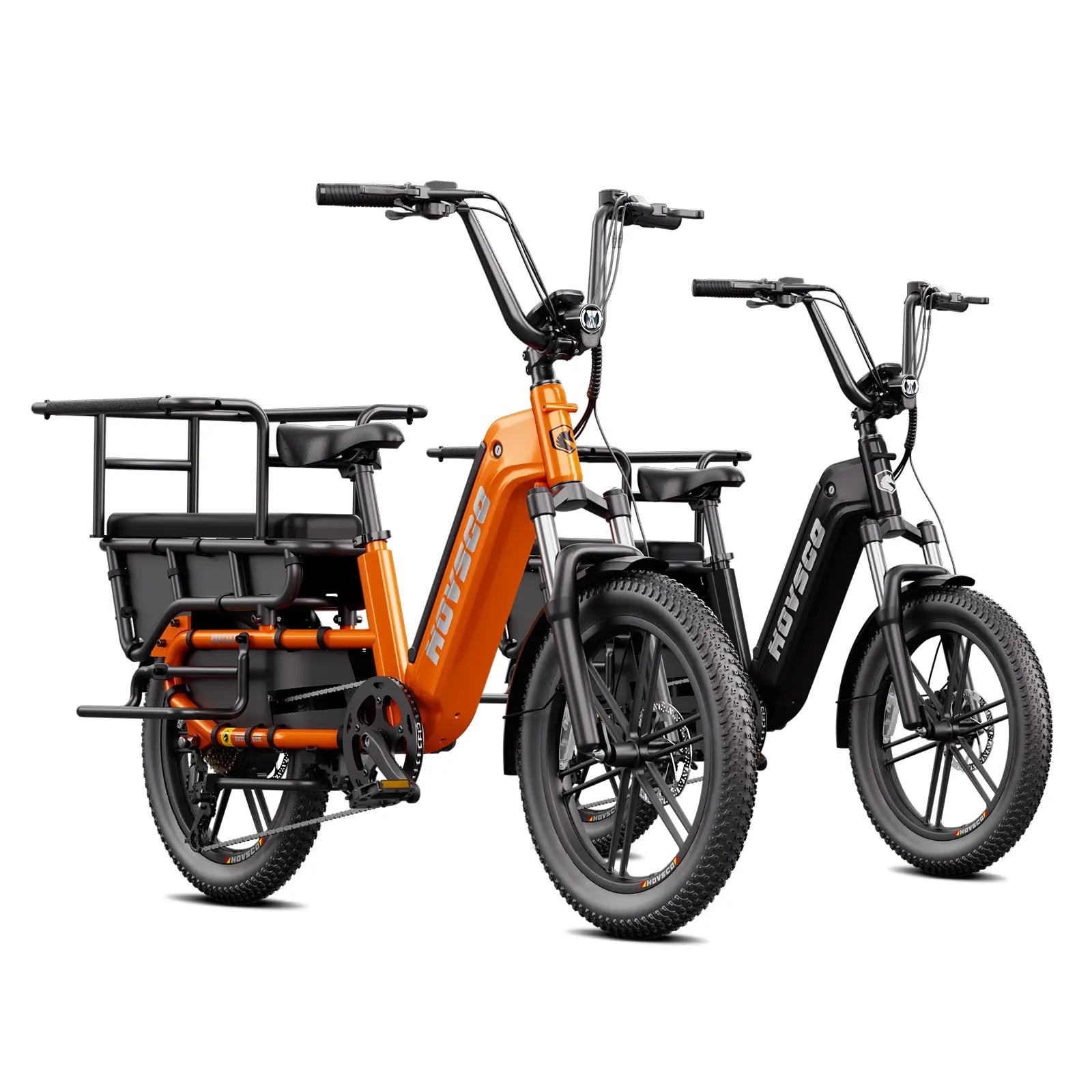
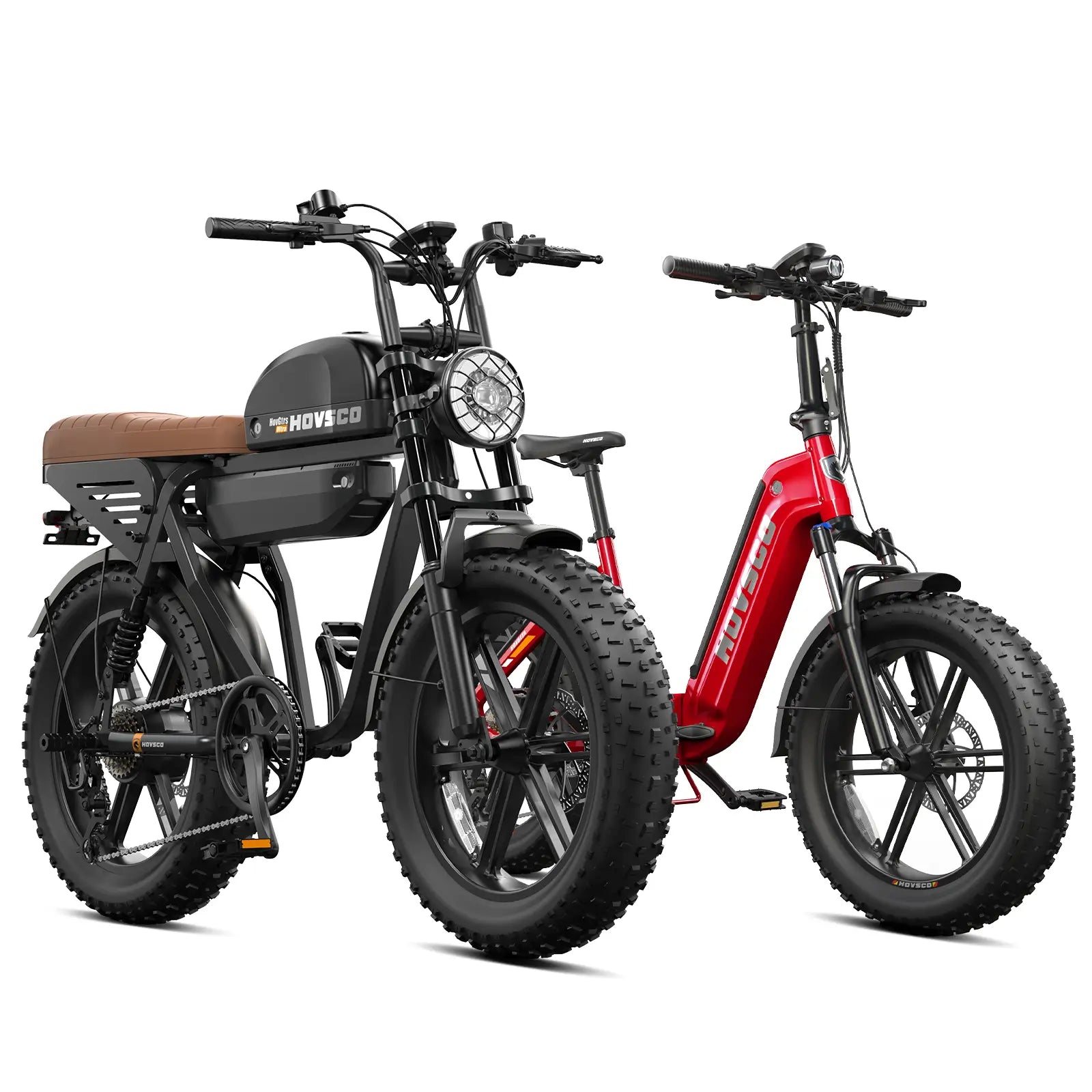
While the HovAlpha is the star for pure beach muscle, HOVSCO’s broader lineup lets coastal riders tailor their fleet to different use cases around town and along the coast. For mixed urban and trail days where you still want fat tires but need compact storage in an apartment or RV, the HovBeta Foldable Fat Tire Ebike offers 20" x 4" tires with a folding frame that still supports all‑terrain rides.
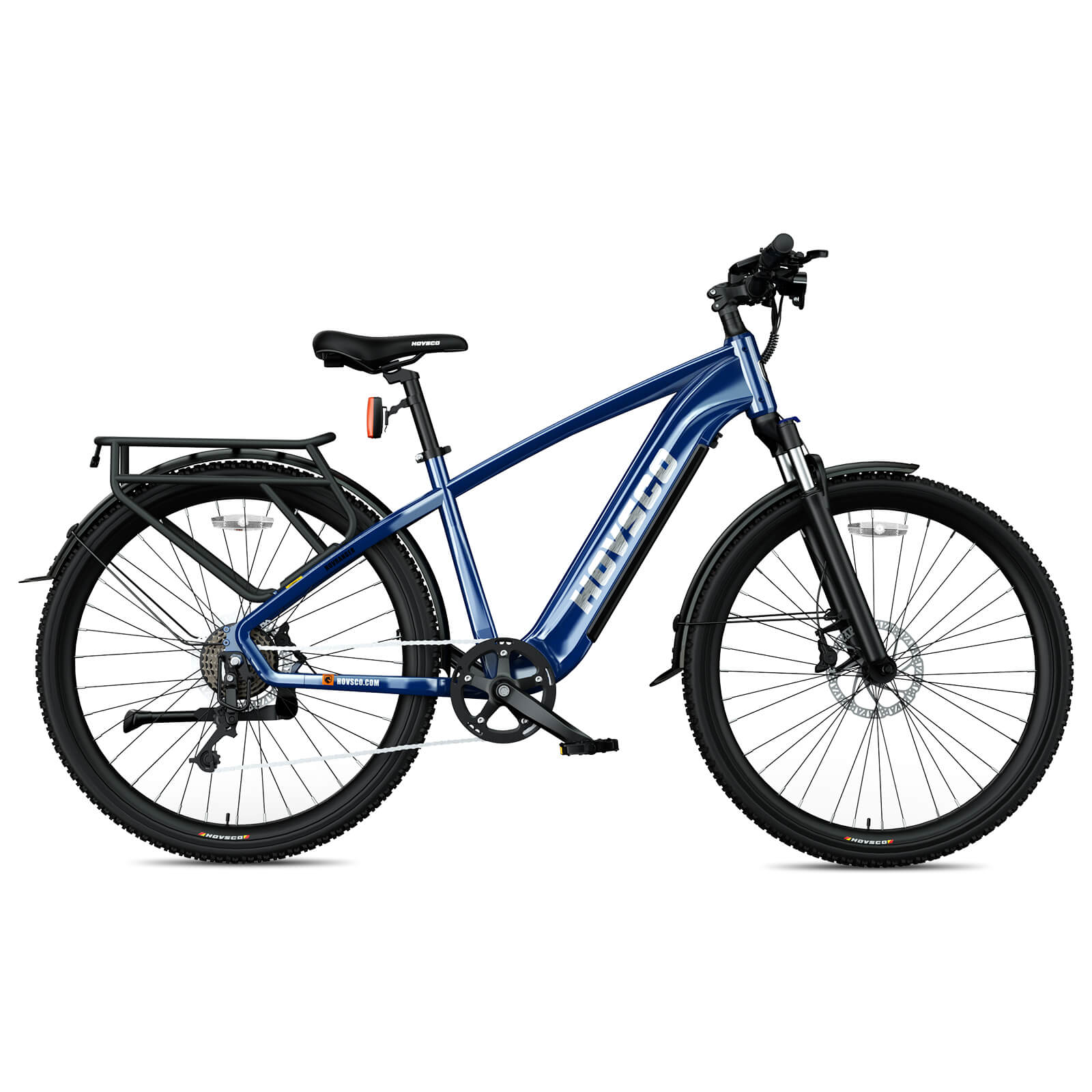
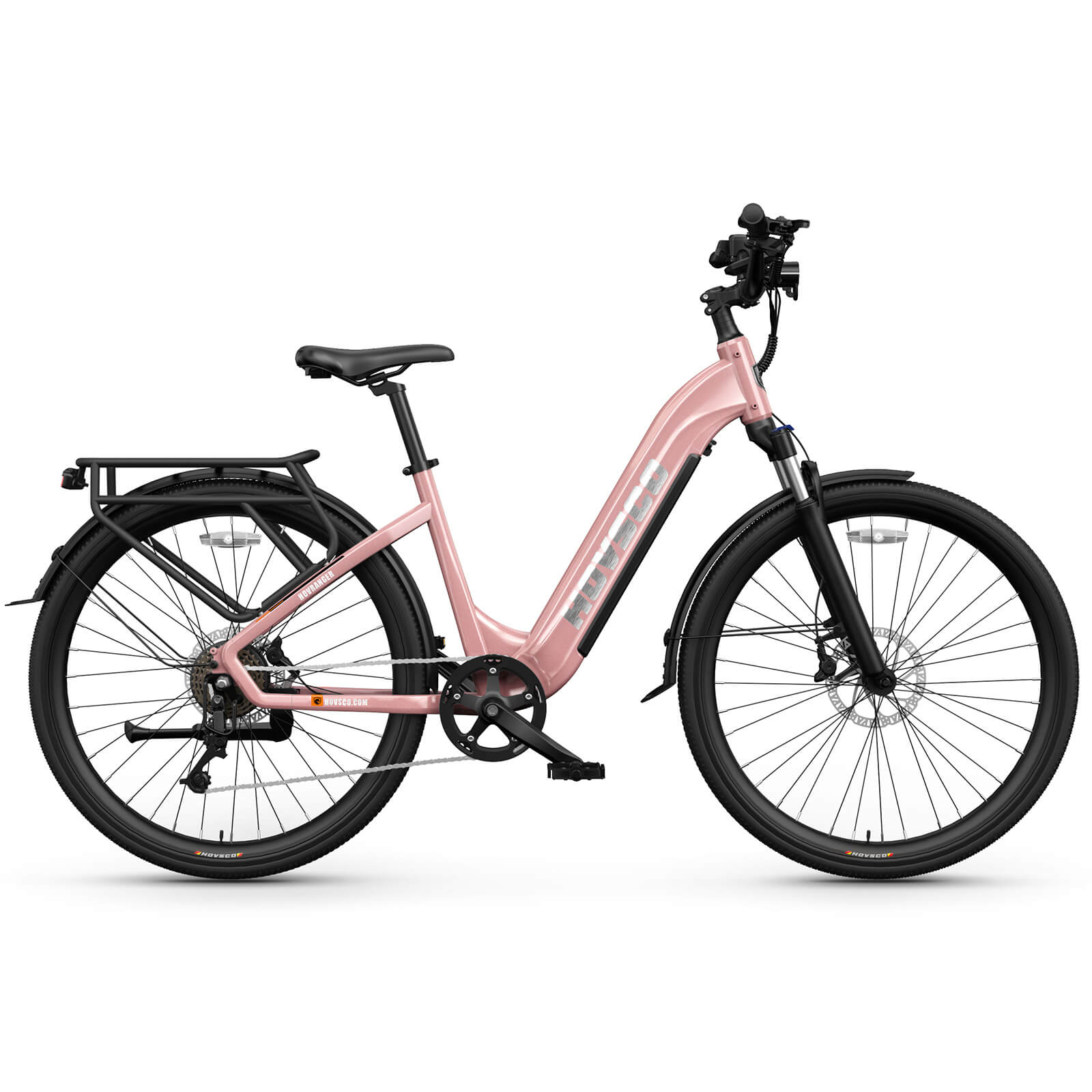
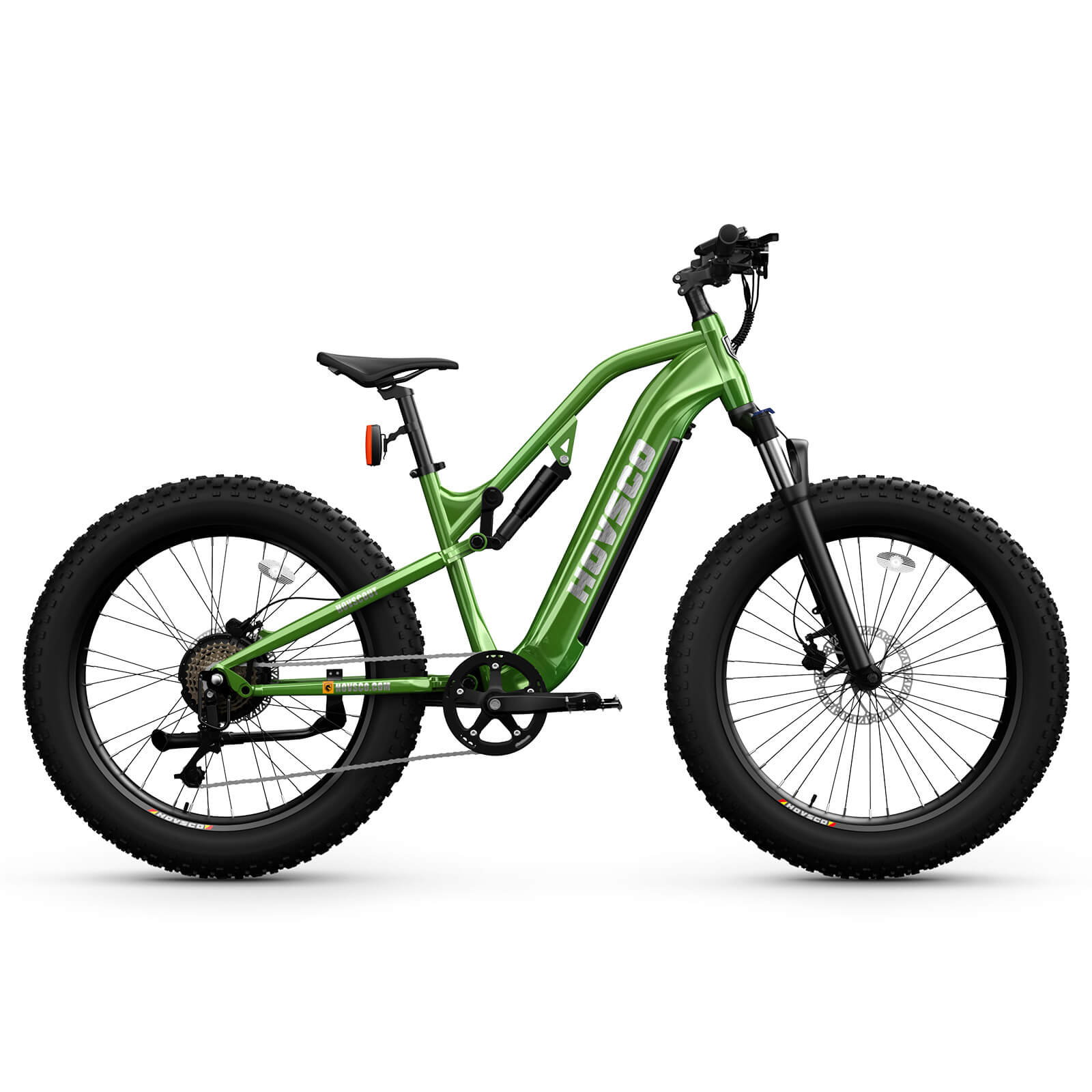
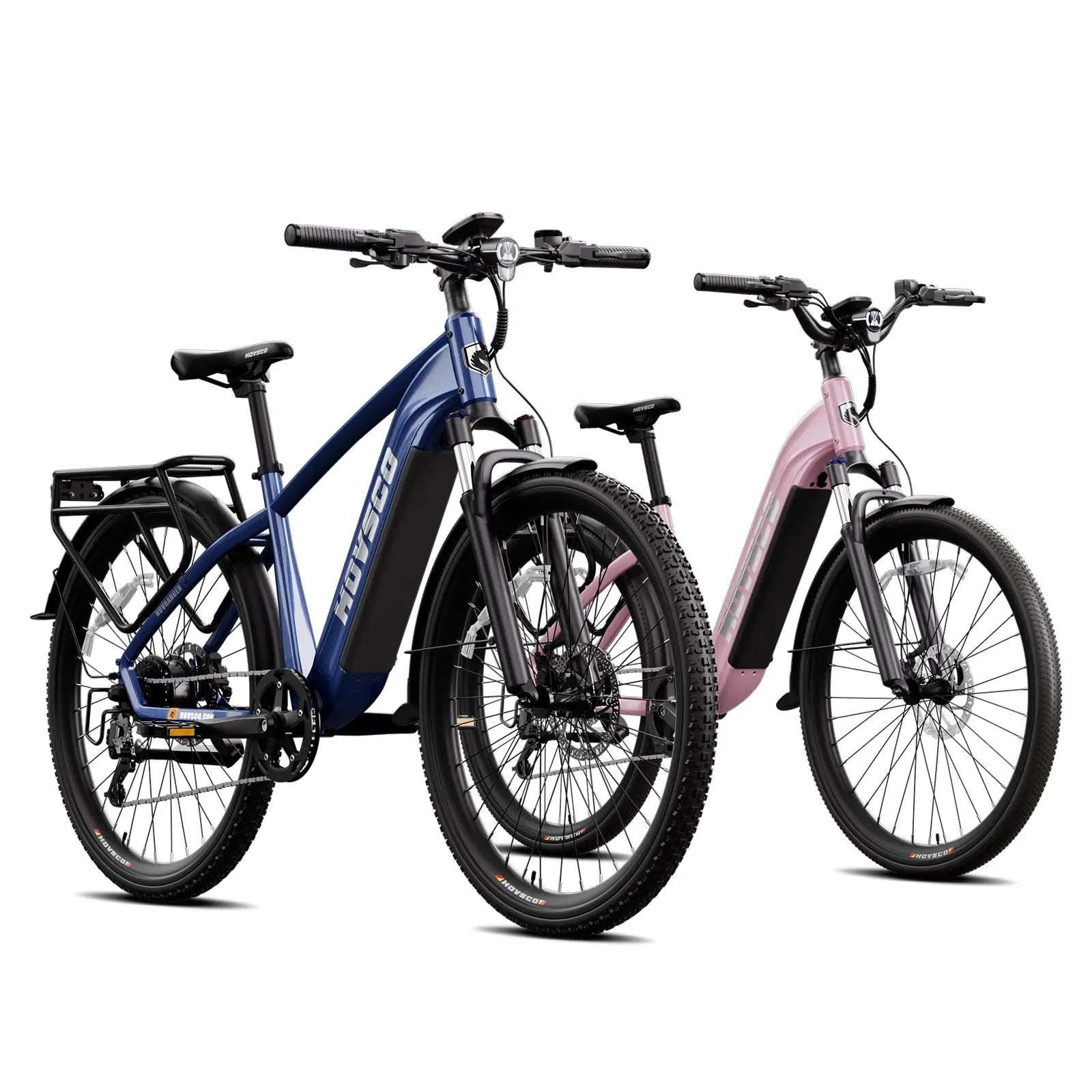
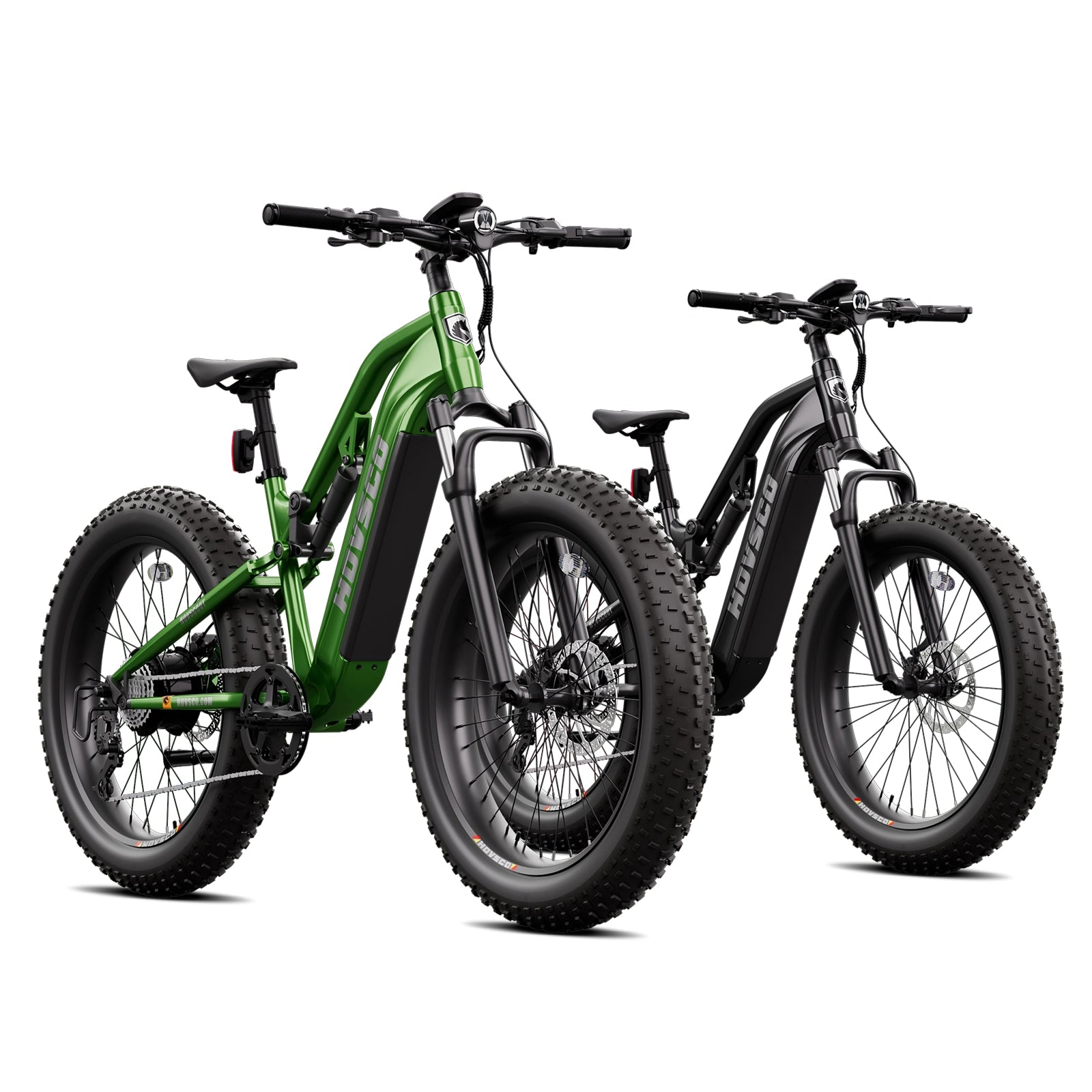
Riders who split time between coastal paths and city streets might gravitate to the HovRanger City E‑Bike, which pairs 27.5" wheels with efficient geometry and torque‑sensor assist. For truly rugged mixed‑terrain adventures that include sandy washes, rocky fire roads, and forest access trails, the HovScout Full Suspension Fat Tire Ebike adds rear suspension to the fat‑tire platform for more comfort and control.
Together, these models let a beach‑town rider build an ecosystem: HovAlpha for big sand missions, HovBeta for RV trips and tight storage, HovRanger for commute days, and HovScout for technical trail weekends.
How‑to: step‑by‑step beach riding with a 4.0 fat‑tire HovAlpha
-
Check tides, access rules, and conditions
Before loading up, check local tide charts and beach regulations to time your ride with low tide and confirm bikes are allowed on that section of coast. Aim to ride mainly on the firm wet band near the waterline, avoiding active nesting zones and crowded swim areas.
-
Set up your HovAlpha for sand duty
Drop tire pressure to roughly 8–12 psi for soft dry sand and around 12–18 psi for firmer wet sand, starting higher and lowering gradually until traction and stability feel right. Lock in a moderate pedal‑assist level (PAS 2–3) so the torque sensor adds smooth, predictable power without overwhelming traction.
-
Dial in body position and line choice
On straight sections, keep your weight centered with a slight rear bias to help the rear tire bite without unweighting the front too much. Look far ahead for softer, darker patches or ripple lines, and choose lines that stay on the firmest available surface, especially when close to the water.
-
Manage starts, stops, and transitions
When starting in soft sand, use a lower gear, gentle pedal pressure, and a low or mid assist level, allowing the torque sensor to bring power in gradually. As you transition from wet to dry sand, reduce speed and keep the bike more upright, letting the 4.0 tires drift slightly rather than forcing tight turns.
-
Protect your e‑bike from salt and sand
After each beach session, rinse the frame, wheels, drivetrain, and exposed fasteners with fresh water, avoiding high‑pressure jets directly on bearings and electrical ports. Dry the bike thoroughly, then re‑lube the chain and pivot points with a quality wet or all‑conditions lube, especially if you ride near salt water frequently.
-
Recharge, inspect, and plan your next route
Remove the HovAlpha’s battery for charging if convenient, and inspect brake pads, rotors, tires, and chain for grit buildup or wear. Log your ride distance and energy use so you can refine tire pressures, assist levels, and route choices for even smoother, faster coastal cruises next time.
Beach riding scenarios: before and after a fat‑tire HovAlpha
Scenario 1: Sunrise fitness ride, Santa Cruz shoreline
Traditional approach: You roll a conventional hardtail with 2.1" tires down to the waterline and manage only short, low‑speed sections before your front wheel washes out and your legs burn out in the soft sand. Most of the “ride” becomes hike‑a‑bike and frustration, with limited distance covered before breakfast.
With HovAlpha: You drop your 4.0" fat tires to low double‑digit psi, set PAS 2, and cruise long, stable arcs on the wet sand, easily covering 10–20 miles as the sun comes up without feeling depleted. The torque sensor keeps power delivery smooth, so starts and turns near the surf feel controlled instead of sketchy.
Scenario 2: Weekend family beach day, Orange County
Traditional approach: Hauling coolers, towels, and toys from the parking lot to a remote beach zone means multiple exhausting trips through deep sand. Narrow‑tire bikes become parking‑lot transport only, since they cannot carry kids and gear across soft sections.
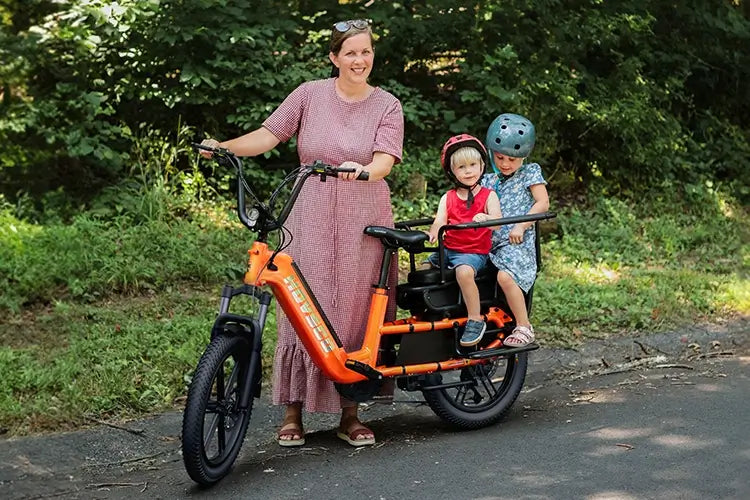
With HovAlpha: Thanks to a 450 lb payload rating, you can mount racks and bags, load gear, and still have motor torque to ride across the sand to your spot. The fat tires keep the bike from sinking when loaded, and hydraulic brakes handle stop‑and‑go riding around other beachgoers safely.
Scenario 3: Content creation run, Central Coast cliffs and coves
Traditional approach: Capturing photo and video of remote coves means long hikes with camera gear, with limited ability to reposition quickly as light changes. You’re constrained to a few accessible overlooks instead of dynamic, moving shots along the waterline.
With HovAlpha: Using the long‑range battery, you can explore multiple coves in one golden‑hour session, rolling directly on firm sand and climbing back to cliffs as needed. The fat‑tire platform handles variable surfaces, allowing you to focus on composition and timing while the e‑bike handles the terrain.
FAQ: fat‑tire coastal riding with HOVSCO HovAlpha
Can I ride my HovAlpha directly in shallow salt water?
Riding briefly through splash zones happens, but it’s best to avoid sustained riding in standing salt water because it accelerates corrosion and can stress electrical components even with water‑resistant designs. Focus on the firm, wet sand band just above the active wash and rinse the bike thoroughly with fresh water after every salty ride.
What tire pressure works best for 4.0 fat tires on wet and dry sand?
For firm wet sand and mixed path sections, many riders start around 12–18 psi, adjusting based on weight and feel. In deeper, softer sand, pressures as low as roughly 8–12 psi can increase float and traction, but go gradually to avoid overly squirmy handling.
How do I keep my chain from rusting after beach rides?
After each ride near salt water, gently rinse the drivetrain with fresh water, dry it thoroughly, and re‑lubricate the chain and derailleur pivots with a suitable lube. Regular post‑ride cleaning is the single most important habit to keep your HovAlpha’s drivetrain smooth and quiet in coastal environments.
Is the HovAlpha’s motor powerful enough for steep sandy ramps and access paths?
The HovAlpha’s 750W‑class rear hub motor with up to 1300W peak power and strong torque is designed for steep climbs and mixed terrain, including soft surfaces. When combined with proper gear selection and torque‑sensor‑assisted pedaling, it can handle many sandy access ramps that would be extremely difficult on a non‑electric bike.
What range can I expect when riding mostly on sand?
While the HovAlpha is rated for up to around 80 miles under favorable mixed‑terrain conditions, soft sand increases rolling resistance and energy use. In practice, plan for a reduced range on sand‑heavy rides, start with a generous buffer, and monitor battery level closely during your first few coastal sessions.
Which HOVSCO model is best if I split time between beach, city, and trails?
For riders who want a single all‑terrain platform that excels on sand yet still feels capable off the beach, the HovAlpha is a strong starting point thanks to its fat tires, long range, and high payload. If you expect more technical trail use, consider the HovScout for its full suspension, and if storage is a constraint, look at the folding HovBeta while still keeping fat‑tire versatility.
Bringing it all together on the coast
Riding deep, salt‑water‑adjacent sand is no longer just the domain of elite adventurers; with 4.0 fat tires and intelligent motor assist, coastal riders can transform long shorelines into fast, flowing routes. The HOVSCO HovAlpha’s combination of tire volume, torque‑sensing power, long range, and high payload makes it particularly suited to California’s wide beaches and mixed coastal conditions.
When you combine that hardware with smart technique—dialed tire pressures, smooth lines on firm sand, corrosion‑aware maintenance, and tide‑timed route planning—you unlock a new category of riding that blends fitness, exploration, and lifestyle in one. The result is a coastal playbook where your fat‑tire e‑bike becomes as essential to a beach day as sunscreen and a towel.
Ride the tide: discover HOVSCO’s fat‑tire beach lineup
If coastal riding is your playground, this is the perfect moment to set up a HOVSCO fat‑tire e‑bike for the next low‑tide window. Explore the HovAlpha Long‑Range E‑Bike and its step‑thru sibling, along with the HovBeta Foldable Fat Tire Ebike and HovScout Full Suspension Fat Tire Ebike, to build your ideal coastal quiver.
HOVSCO™ designs electric bikes that merge power, range, and everyday usability so riders can replace short car trips, expand weekend adventures, and turn beach days into smooth, salt‑kissed cruises along the waterline.
Sources



![[ New Arrival ] Porto Max Electric Scooter For Commute & Grocery Shopping - HOVSCO](http://www.hovsco.com/cdn/shop/files/PotroMax-3.jpg?v=1706927007&width=1200)
Share:
Fine-Tuning Fat Tire Air Pressure for Sand Dunes, Snowdrift, and Asphalt with HOVSCO’s Digital Pump (June 2026)
Can fat tires really stop lateral washout in deep winter snow?