Learn how to fine-tune fat tire air pressure for sand dunes, snowdrifts, and asphalt using a clear PSI matrix, and see how HOVSCO’s e-bikes and digital pump make every terrain safer and more efficient.
fat tire ebike flotation mechanics
Why fat-tire PSI matters more than you think
Over the past three years, off-road and fat-tire riding has exploded as more riders take e-bikes and SUVs onto beaches, snowy trails, and mixed urban routes. Studies show that incorrect tire pressure is a major hidden risk, with around a third of highway incidents linked to tire issues, often involving under- or over-inflation. For e-bikes specifically, manufacturers highlight that tire pressure has a direct impact on range, comfort, and control, especially as electric models tend to be heavier than traditional bikes.
At the same time, the market for electric bikes continues to surge, driven by riders who want vehicles that can smoothly transition from asphalt commuting to light off-road adventure without constantly changing equipment. Brands like HOVSCO focus on fat-tire and all-terrain e-bikes that can exploit the benefits of precise tire pressure tuning instead of relying on a single “average” PSI for all conditions.
HOVSCO fat tires and smart inflation
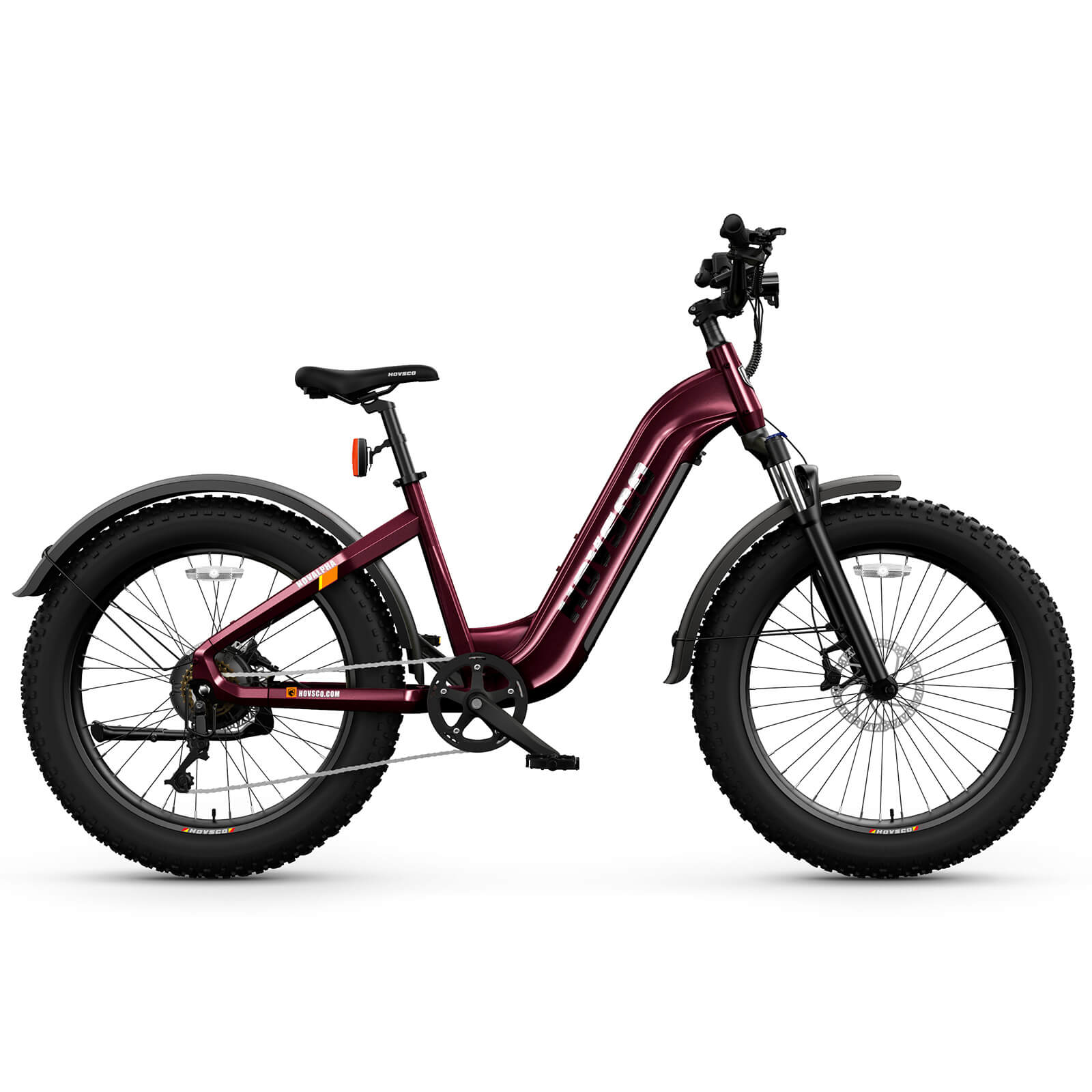
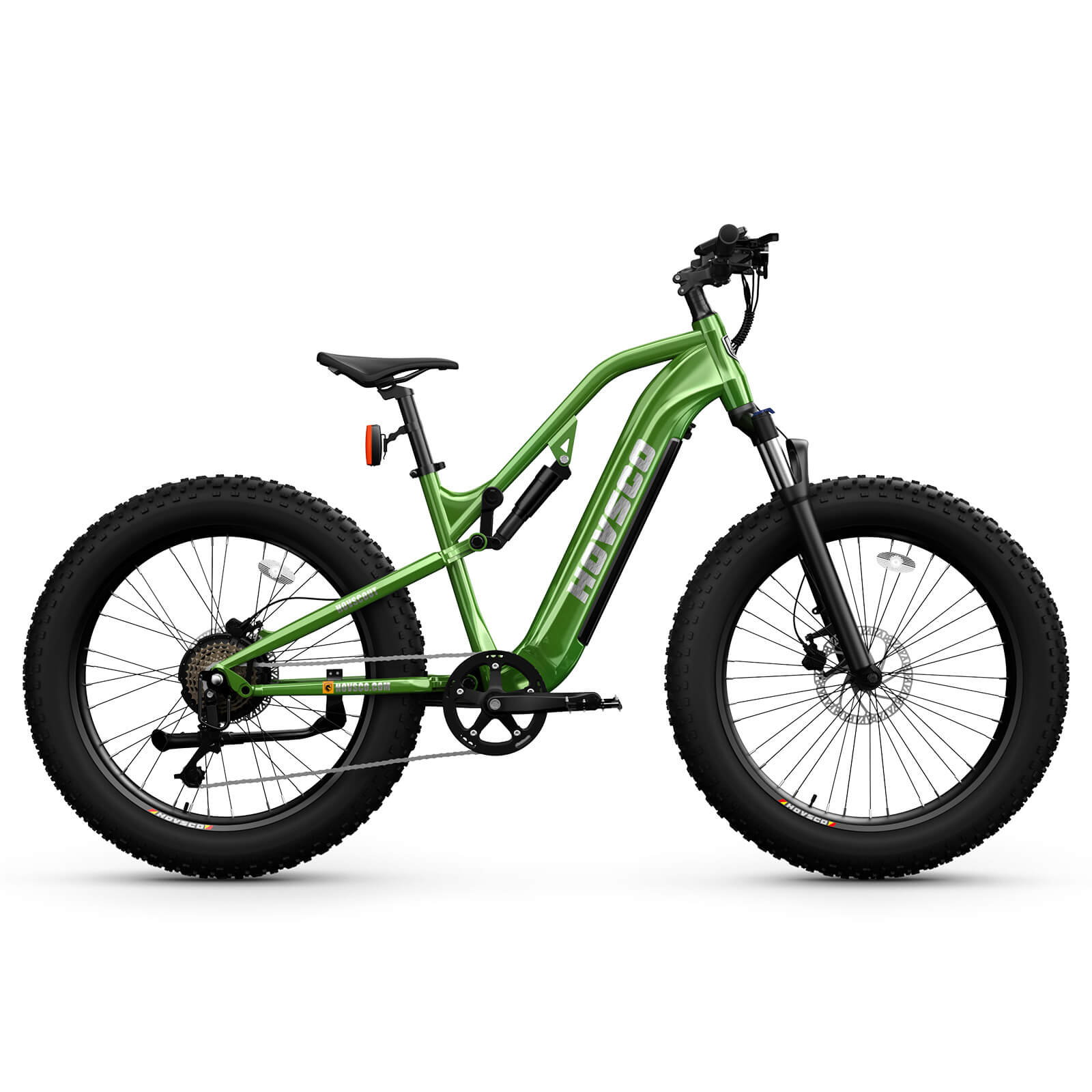
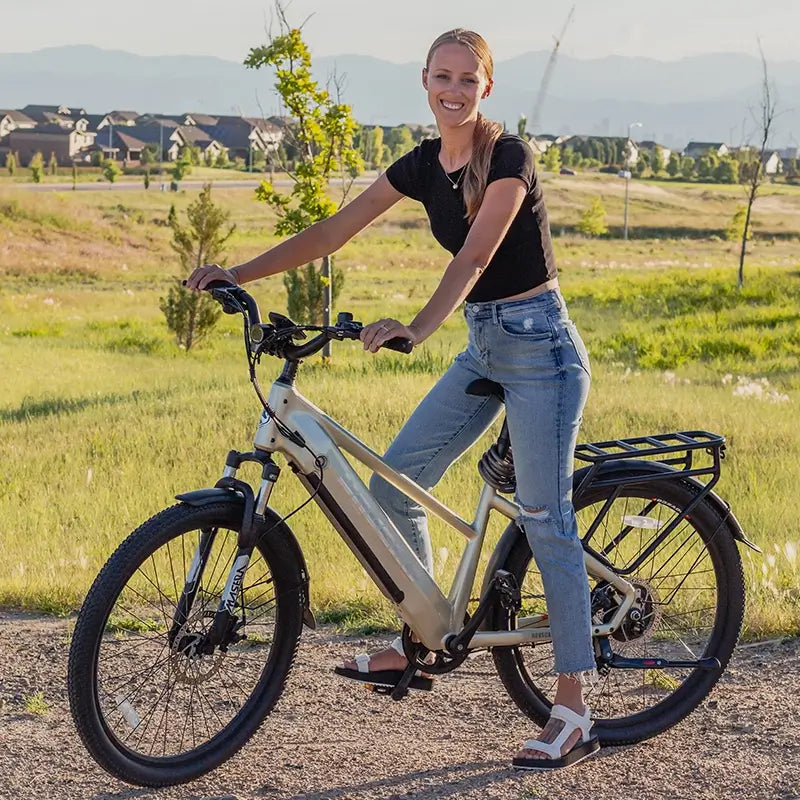
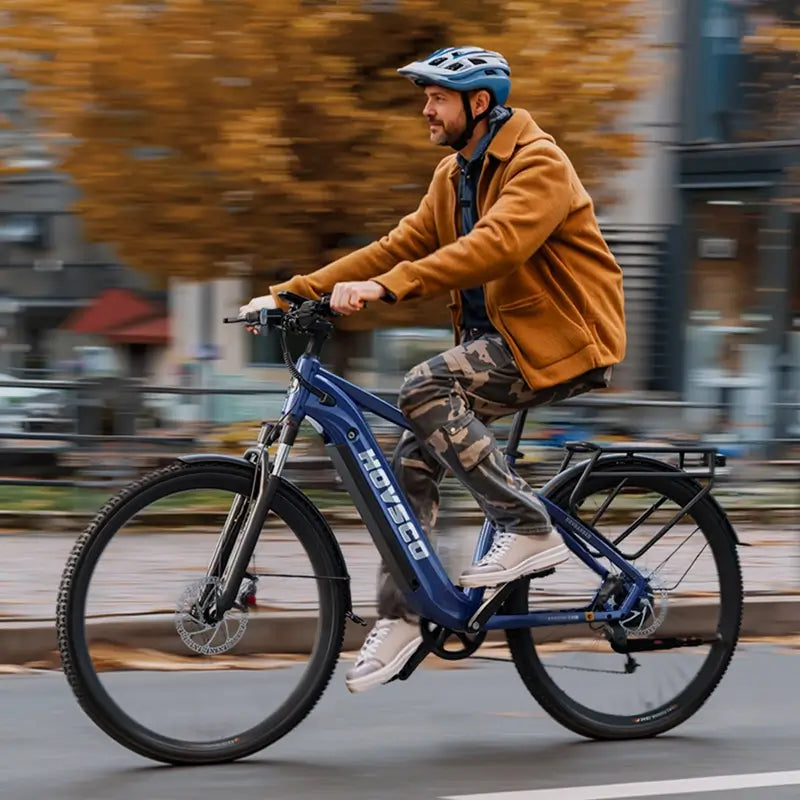
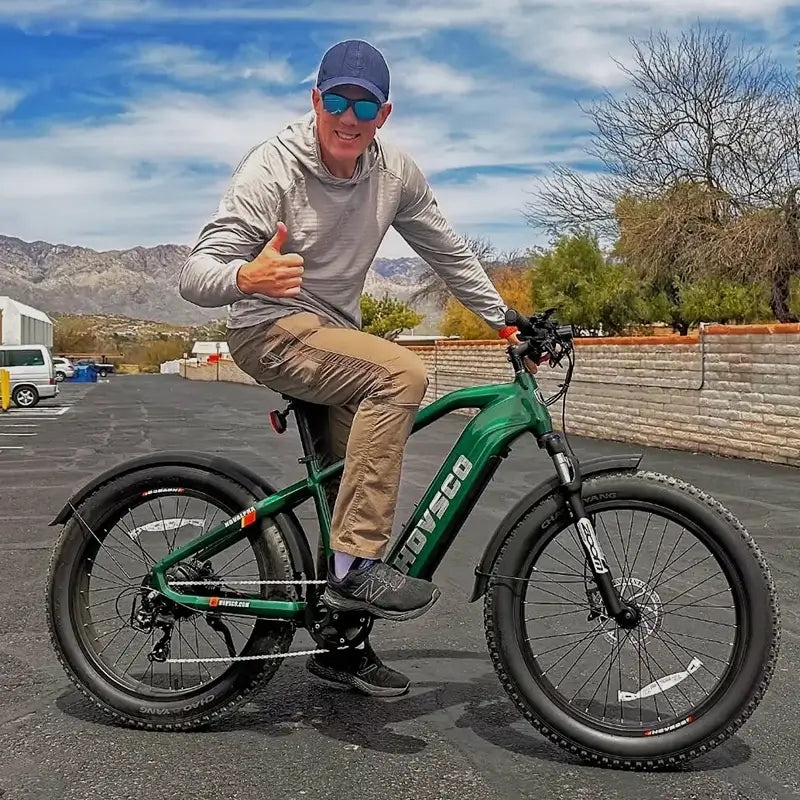
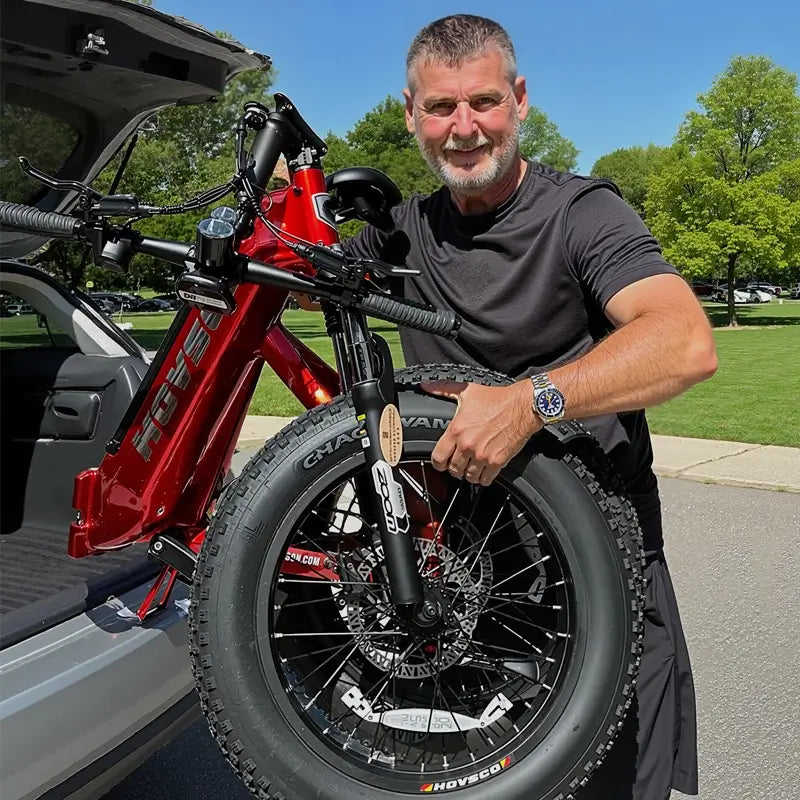
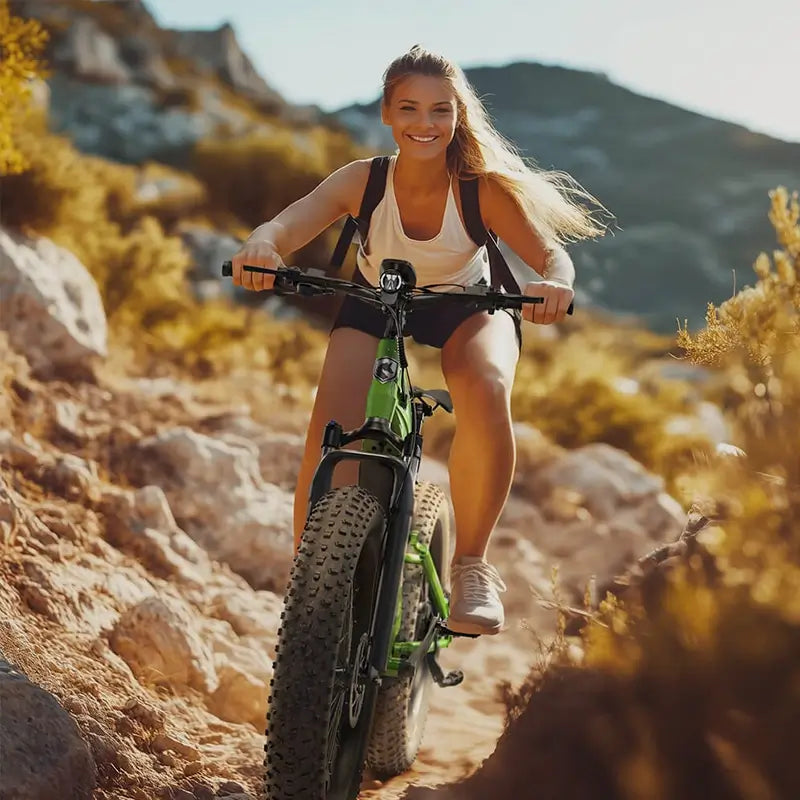
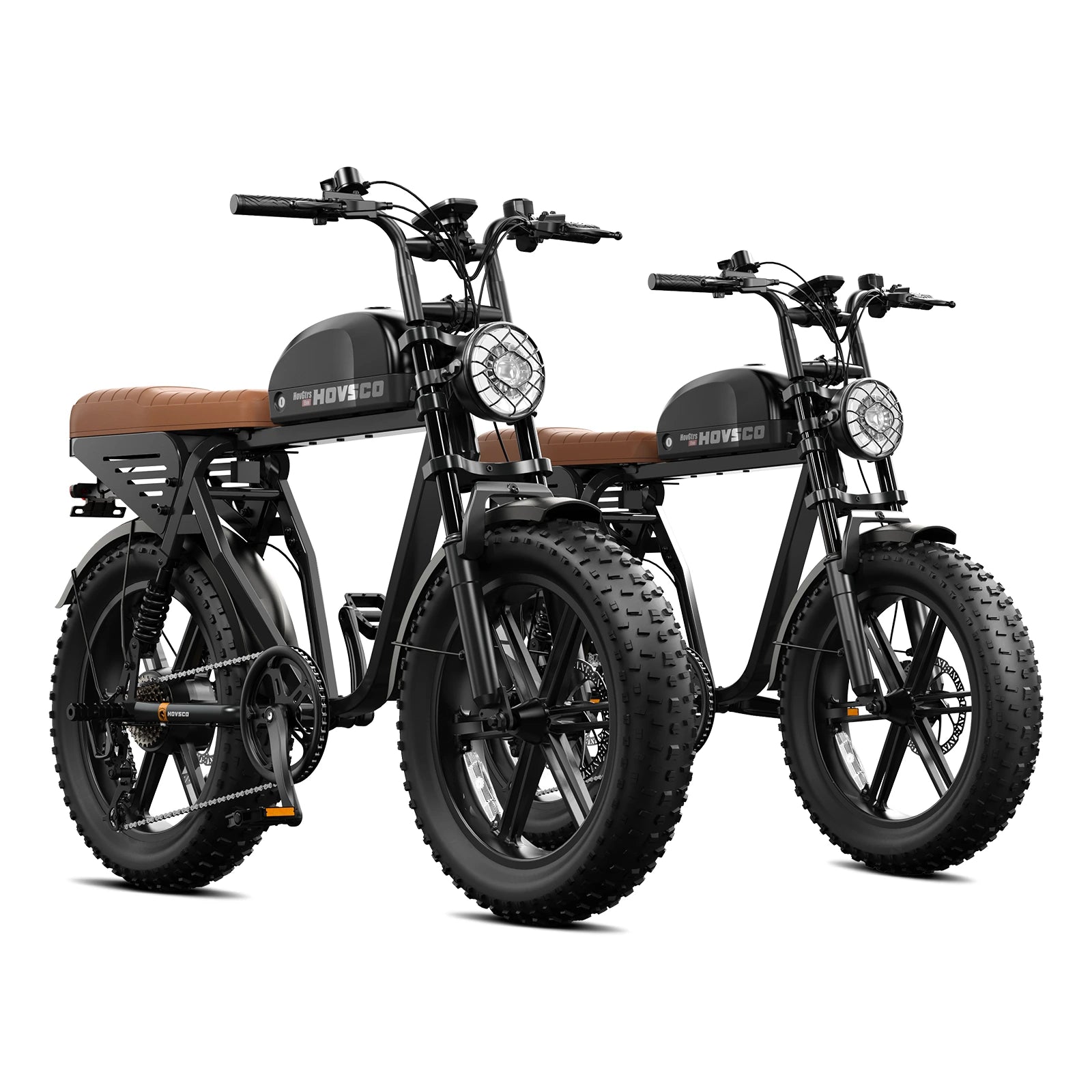
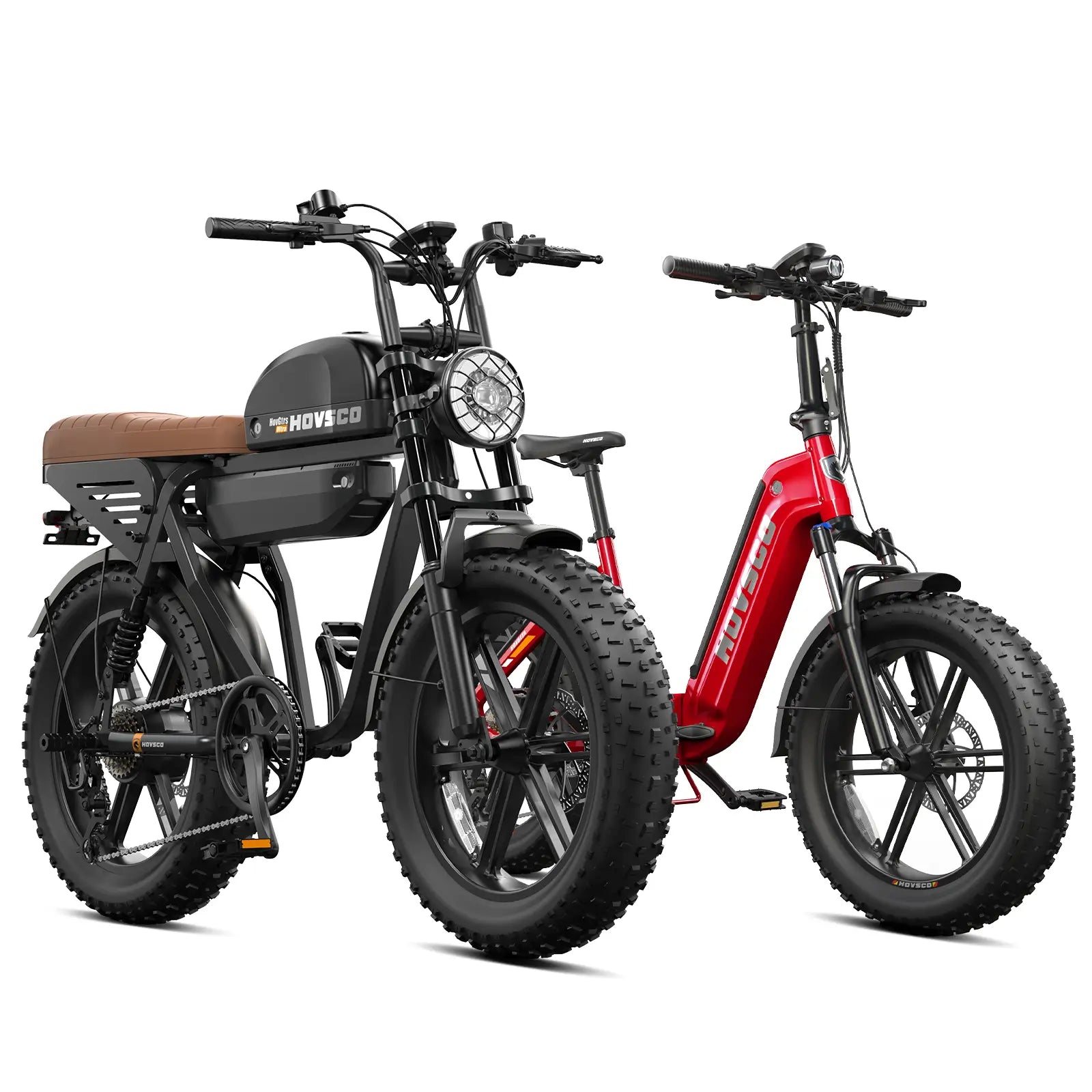
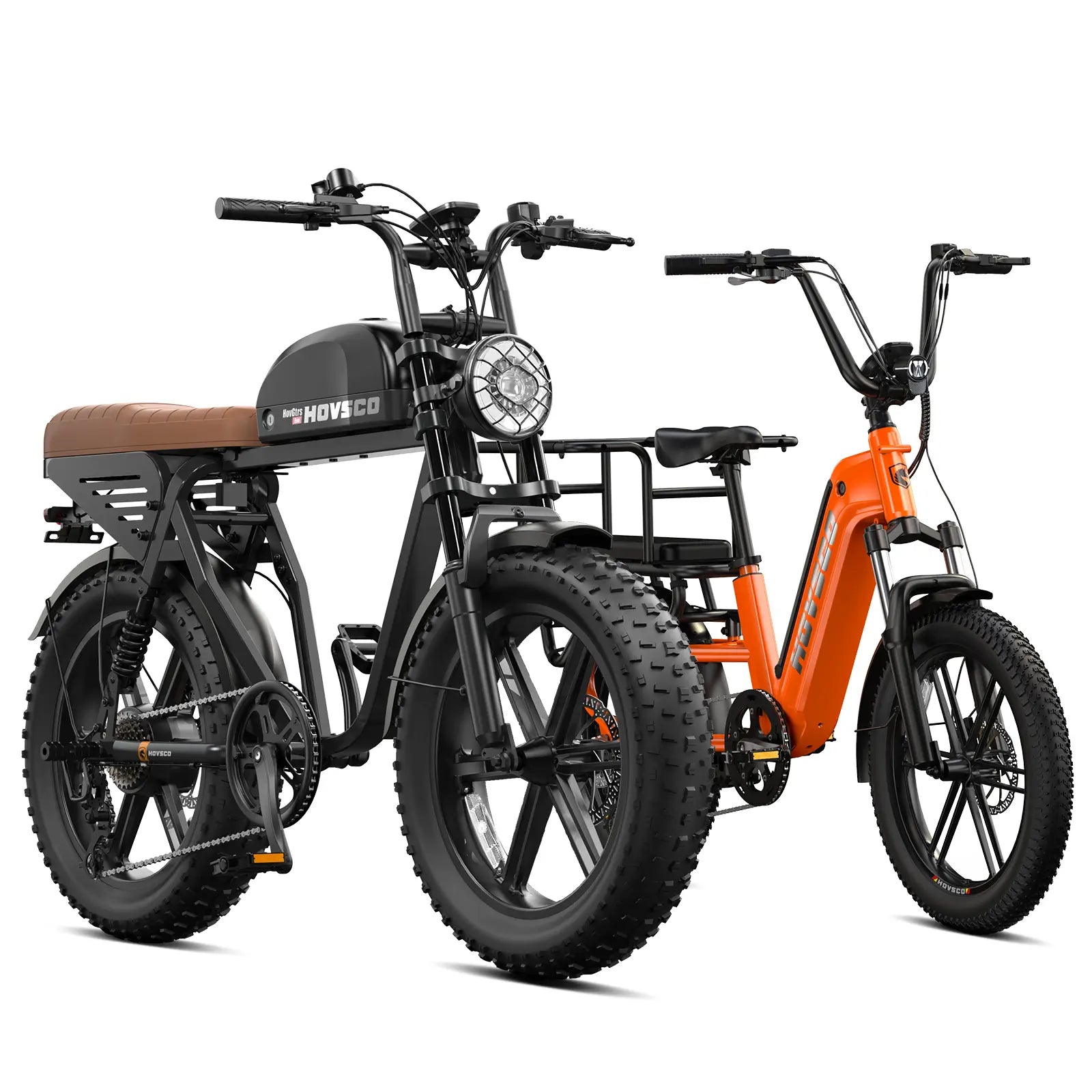
HOVSCO specializes in long-range, high-torque e-bikes with multiple fat-tire models designed for all-terrain use, including sand, packed dirt, and rough city streets. Models like the HovAlpha Fat Tire Electric Bike and the HovScout Full Suspension Fat Tire E-bike pair 4-inch-wide tires with powerful motors and app integration, which makes them ideal platforms for a practical PSI matrix approach. When combined with a portable digital pump, riders gain the freedom to air down for dunes or snowdrifts and then safely air back up for asphalt in minutes.
What is the PSI Matrix for fat tires?
The PSI Matrix for fat tires is a step-by-step pressure guide that maps specific PSI ranges to different terrains—such as 8–10 PSI for soft sand, 12 PSI for light snow, and around 20 PSI for efficient city asphalt. By turning tire pressure into a clear matrix instead of guesswork, riders can quickly choose a PSI “step” that balances flotation, traction, and energy efficiency according to the day’s route.
Pain points of guessing tire pressure off-road
Riders who simply “set and forget” a single tire pressure are often fighting physics without realizing it. On soft sand, high PSI concentrates weight into a narrow contact patch, causing the tire to dig in, bog down, and overheat the motor or strain the rider’s legs. On the other hand, going extremely low without a plan raises the risk of rim strikes, sidewall damage, and burping on tubeless setups when hitting hidden rocks or hard edges.
In winter, many riders keep summer road pressures, which reduces the contact patch on snow and ice and leads to sudden loss of grip under braking or cornering. Tire pressure also changes with temperature and load, so a PSI that feels fine in a warm garage can become dangerously low after a night outside or when carrying passengers or cargo. For e-bikes, the problem is amplified: heavier frames and batteries mean that a few PSI too low can significantly increase rolling resistance and drain the battery far faster than expected.
Meanwhile, manual pumps and analog gauges make on-the-go adjustments tedious. Riders either avoid airing down entirely or keep riding on sub-optimal pressure rather than struggling with tools that are slow or inaccurate in low light or bad weather. The result is a frustrating mix of wheelspin in sand, fishtailing on snow, and sluggish performance on asphalt—all problems that a simple PSI matrix plus a precise portable pump can largely prevent.
Key statistic in a single line
Recent data suggest that improper tire pressure contributes to a large portion of tire-related incidents, while optimized off-road pressures—often 30–50% lower than road PSI—can dramatically improve traction and safety.
HOVSCO vs “one-PSI-for-all” approaches
Below is a conceptual comparison of a PSI-matrix-based approach using a HOVSCO fat-tire e-bike, a typical non-electric fat bike without matrix guidance, and a conventional commuter e-bike kept at a single road PSI.
How the PSI Matrix translates into real riding
Sand dunes: 8–10 PSI for maximum flotation
On loose beach sand or dunes, dropping fat tires to around 8–10 PSI widens the contact patch, allowing the bike to float rather than dig. This pressure is especially effective on 4-inch-wide tires as found on HOVSCO fat-tire models, where the combination of low PSI and motor torque lets the bike stay on top of the sand while keeping steering manageable.
Snowdrift and packed snow: around 12 PSI for anti-sideslip
In fresh snowdrifts or mixed snow where the surface alternates between soft and compacted, 12 PSI often strikes the balance between bite and stability. The tire deforms enough to grip irregular snow surfaces and ice edges, but not so much that it folds during quick steering corrections or when hitting hidden obstacles under the snow.
Urban asphalt: about 20 PSI for efficiency and range
When you move back to city riding on asphalt, gradually increasing fat-tire pressure to roughly 20 PSI improves rolling efficiency and steering precision. For e-bikes that already weigh more than standard bicycles, this medium-high PSI keeps them responsive and significantly helps preserve battery range while still taking advantage of fat tires’ vibration damping over rough streets and curb edges.
Practical examples of PSI in action
On a beach camping weekend, a rider airs down to 9 PSI to cross a kilometer of soft sand to the campsite, then uses a portable digital pump to return to 20 PSI for the paved coastal path back to town.
During a winter storm, a commuter sets 12 PSI before leaving home to reduce sliding on slushy side streets, then adds a few PSI at a covered station once the route becomes mainly cleared asphalt.
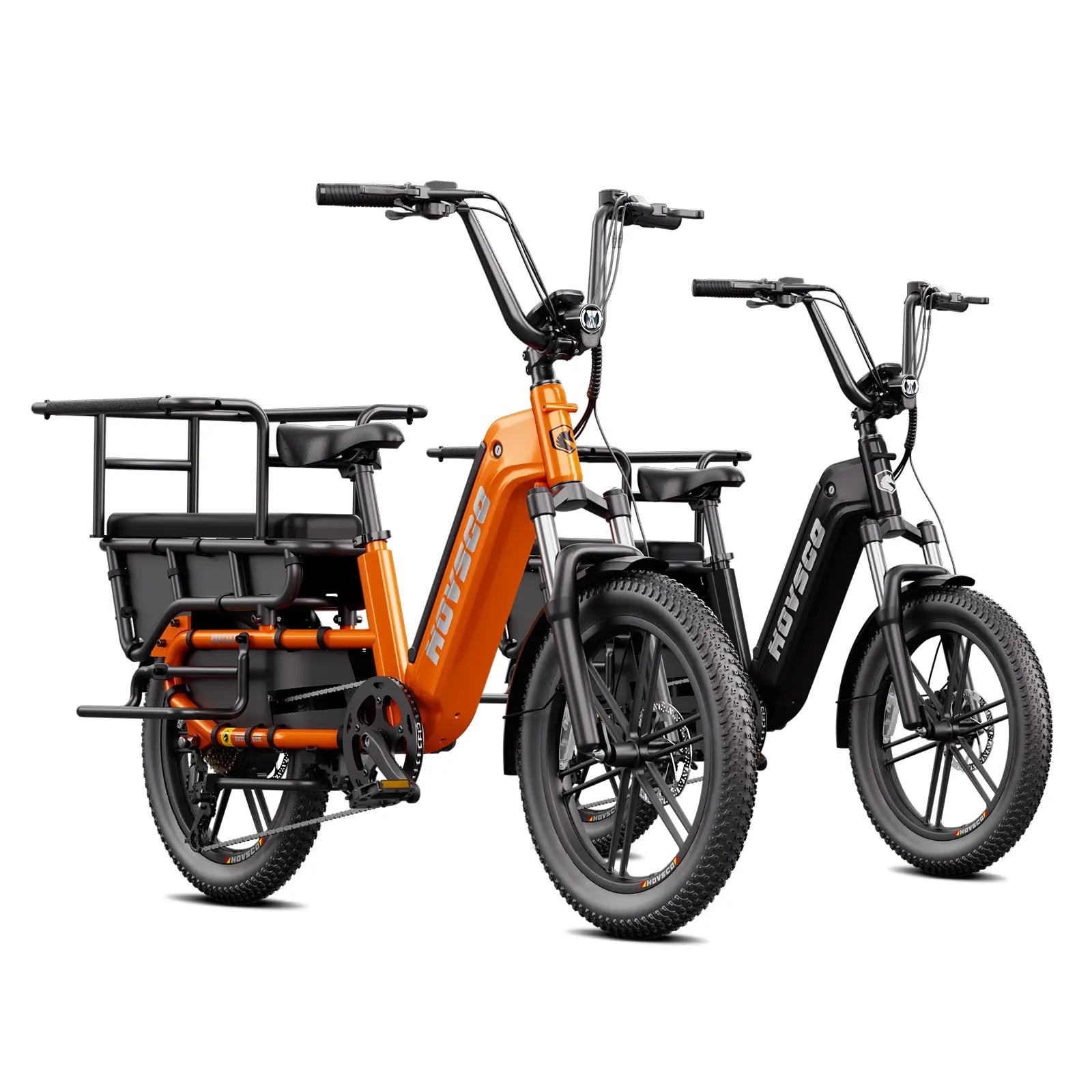
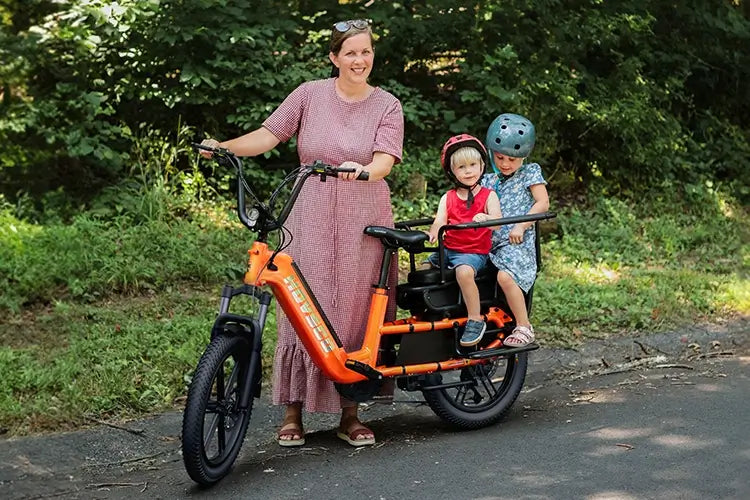
An e-bike family loads kids and cargo onto a fat-tire utility bike near the beach, adds a couple of PSI above their usual sand setting to account for weight, and still cruises comfortably along damp shoreline sand.
matching HOVSCO bikes to PSI-aware riders
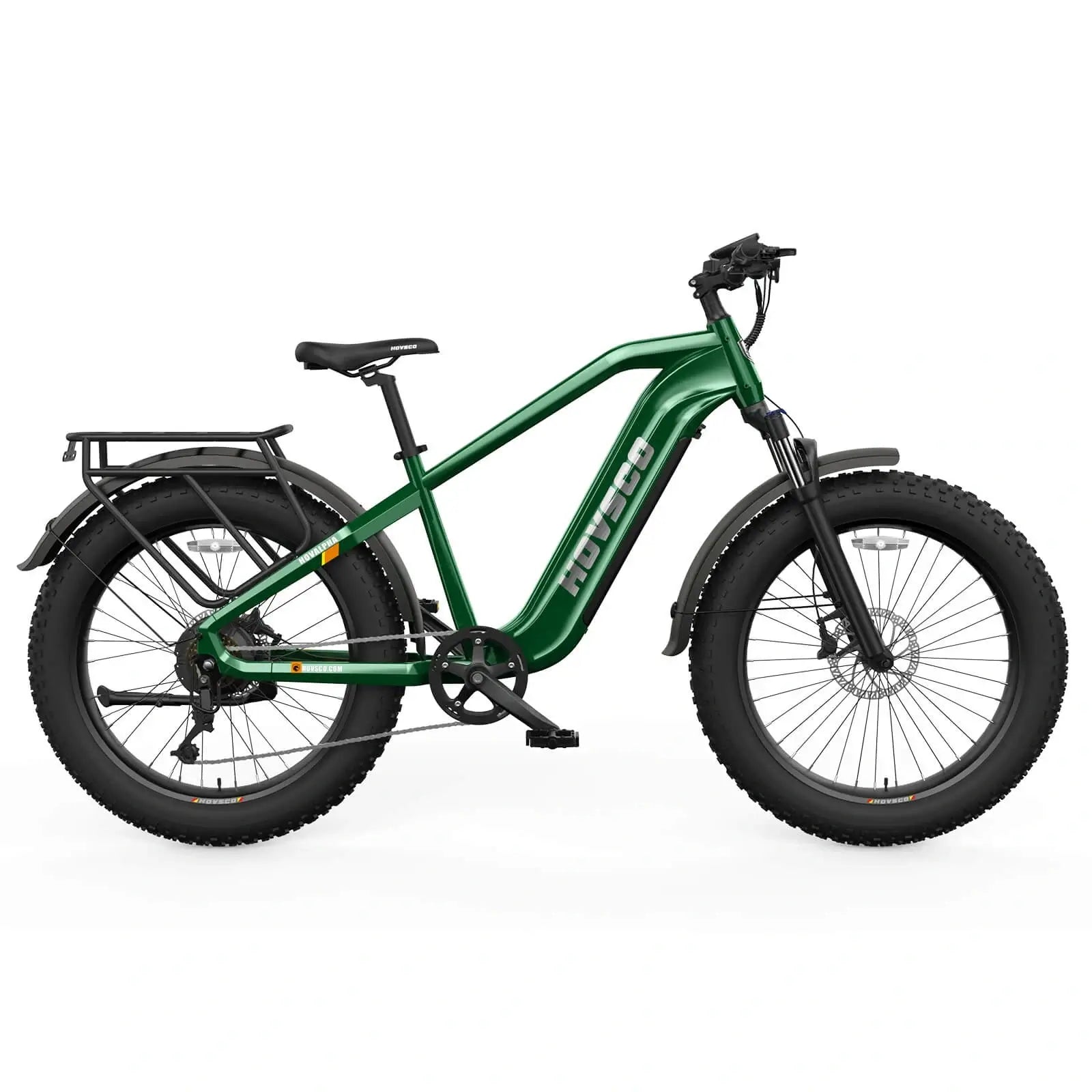
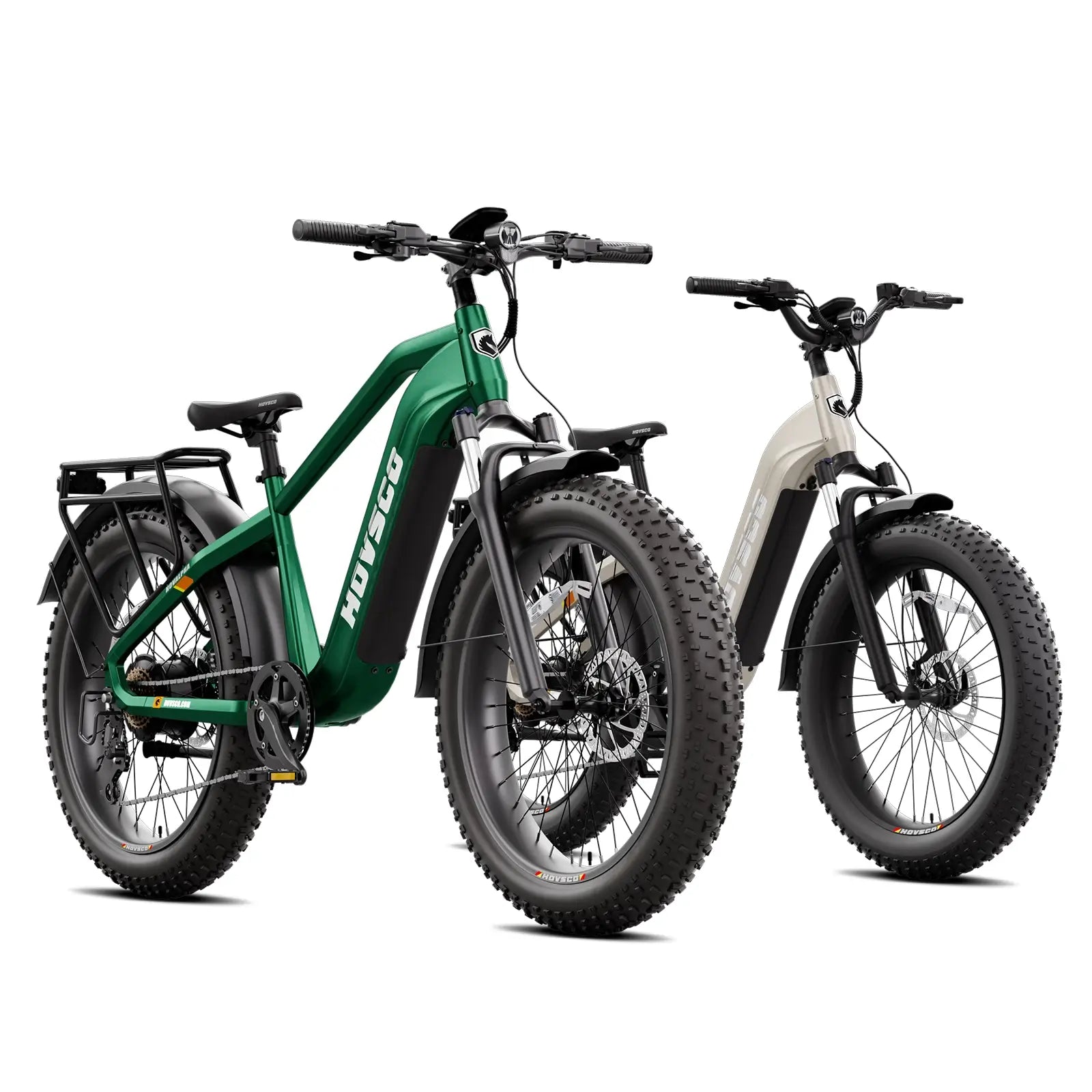
Once riders understand how much performance is hiding in correct tire pressure, they naturally look for frames and motors that can take full advantage of it. HOVSCO offers several fat-tire and all-terrain e-bikes where a PSI matrix makes immediate sense. The HovAlpha Fat Tire Electric Bike delivers 1300W peak power, 28 mph top speed, up to 80 miles of range, and fat tires built to handle sand and snow with the right PSI step.
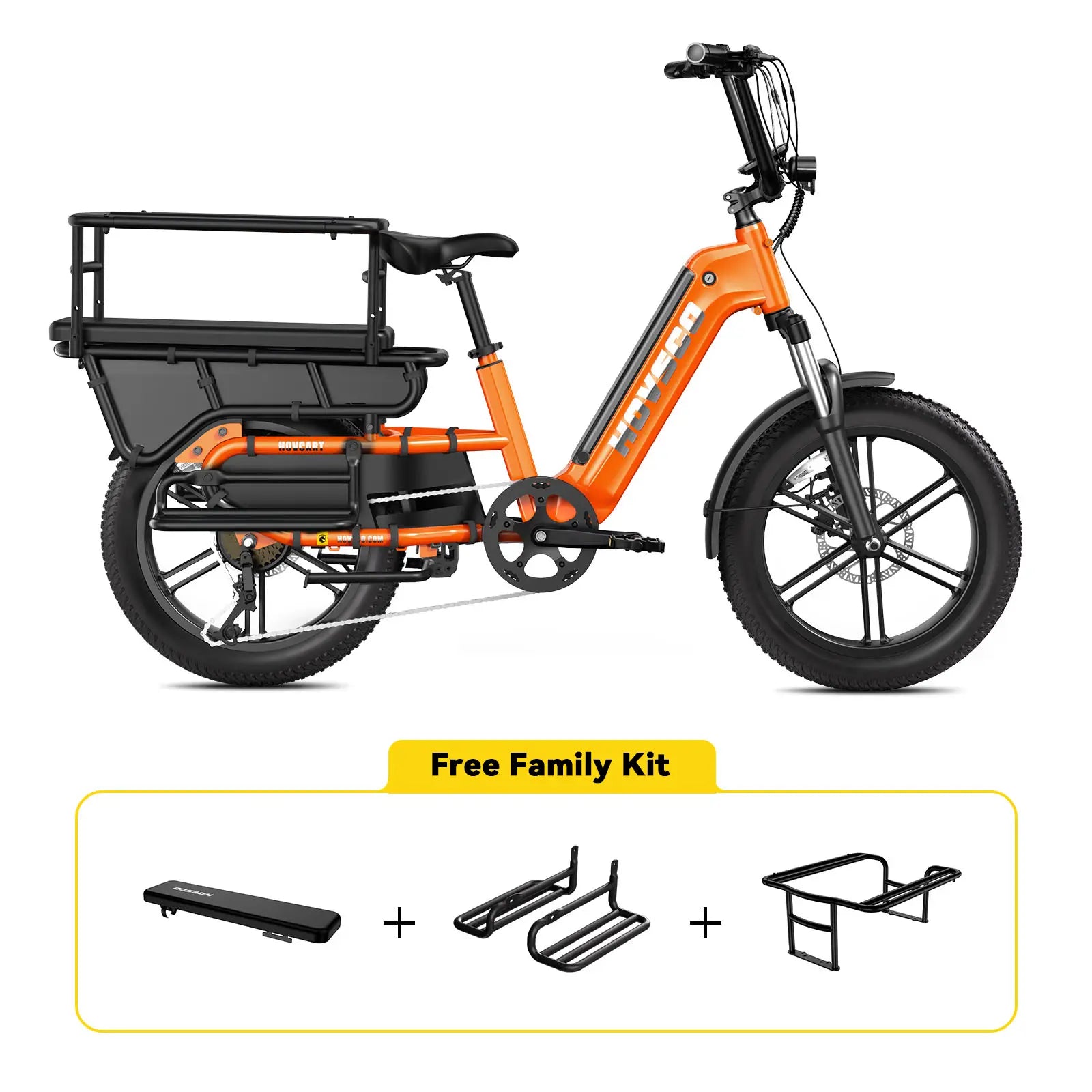
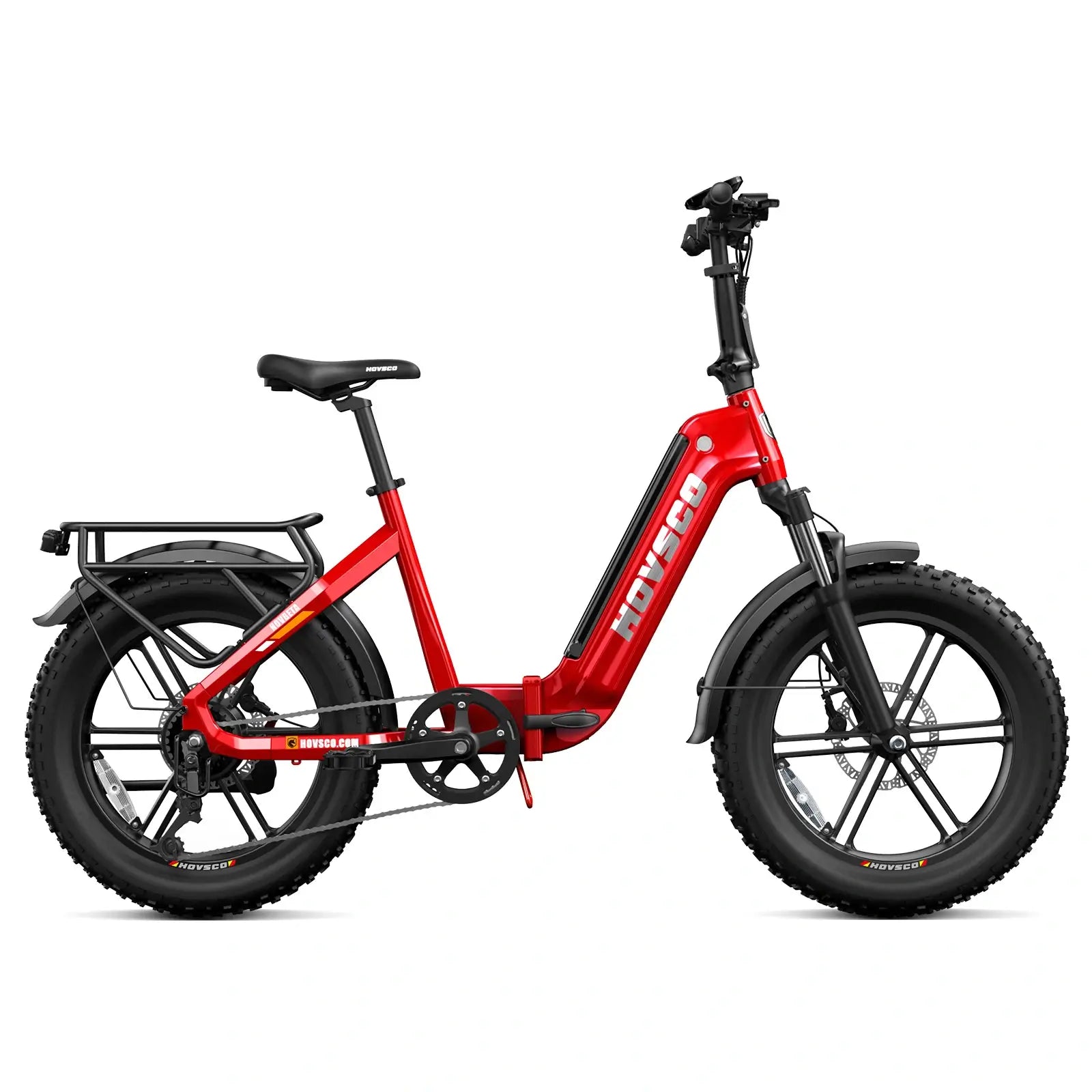
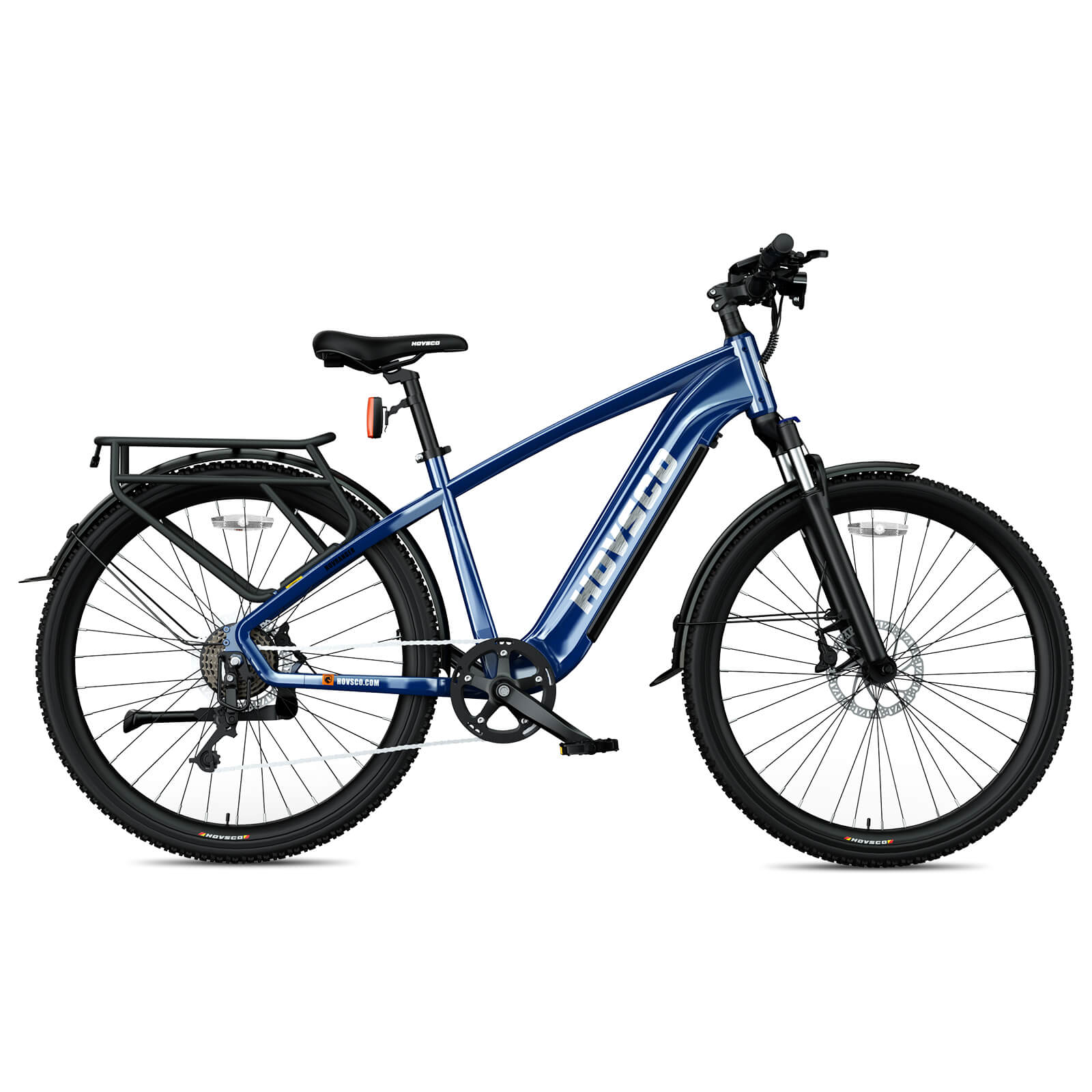
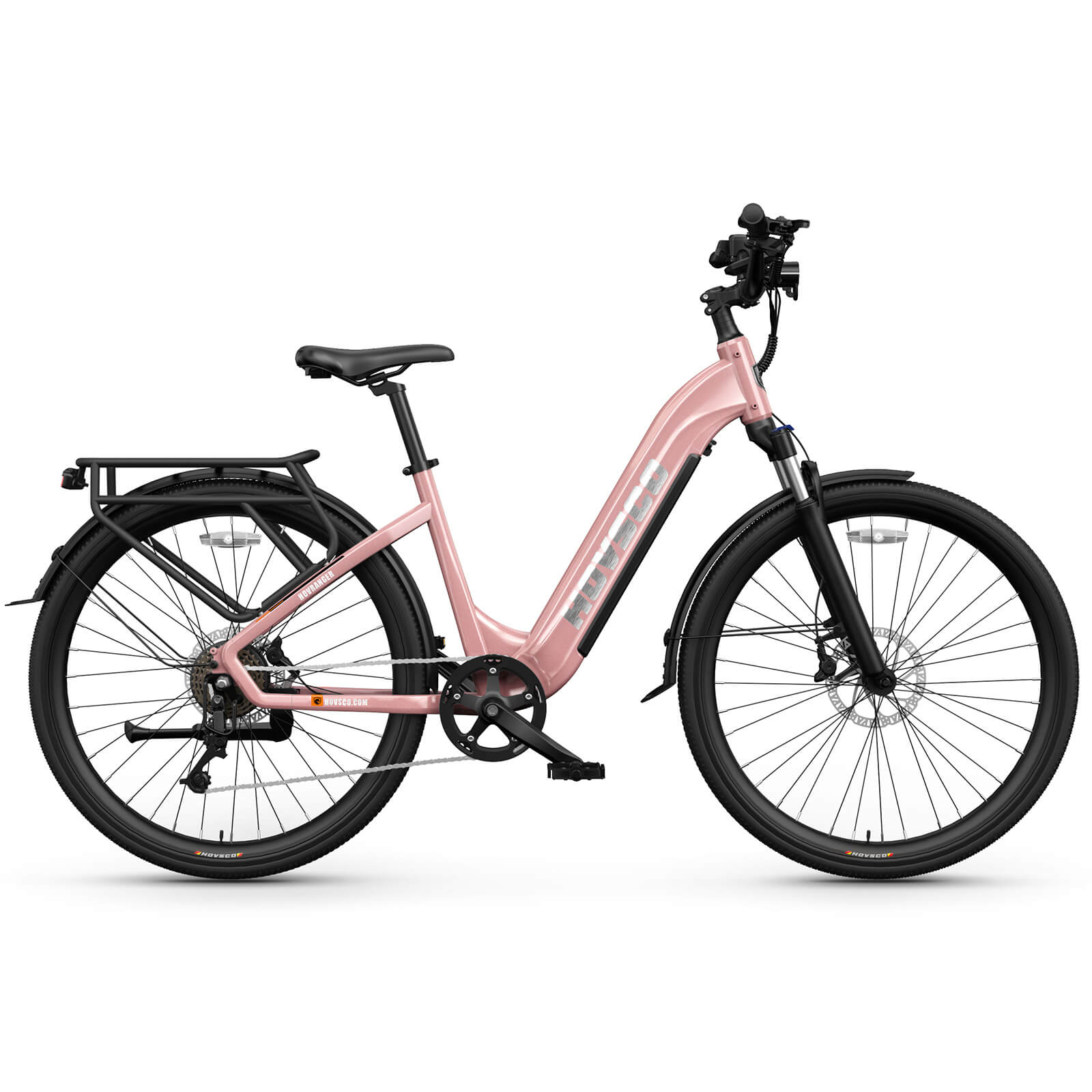
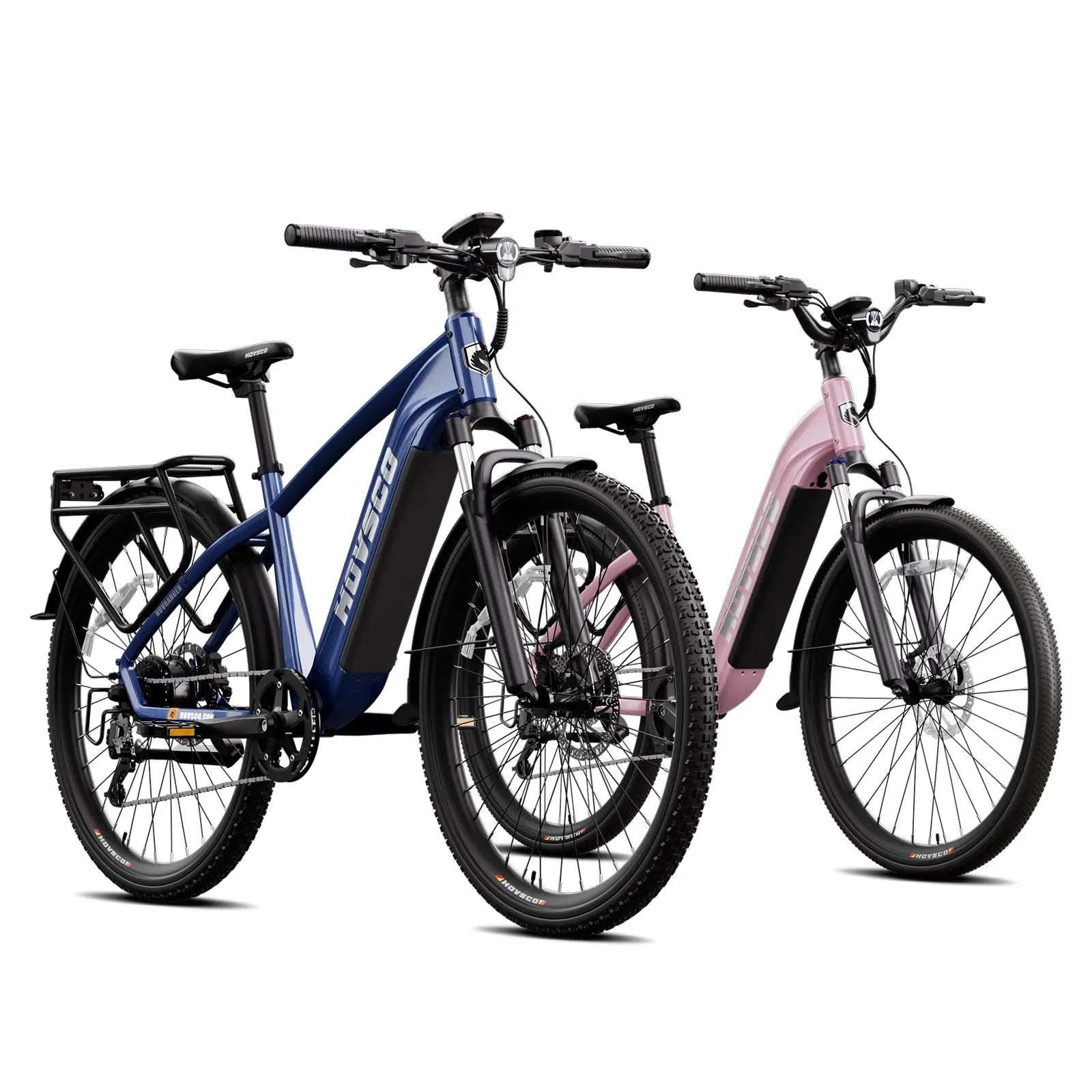
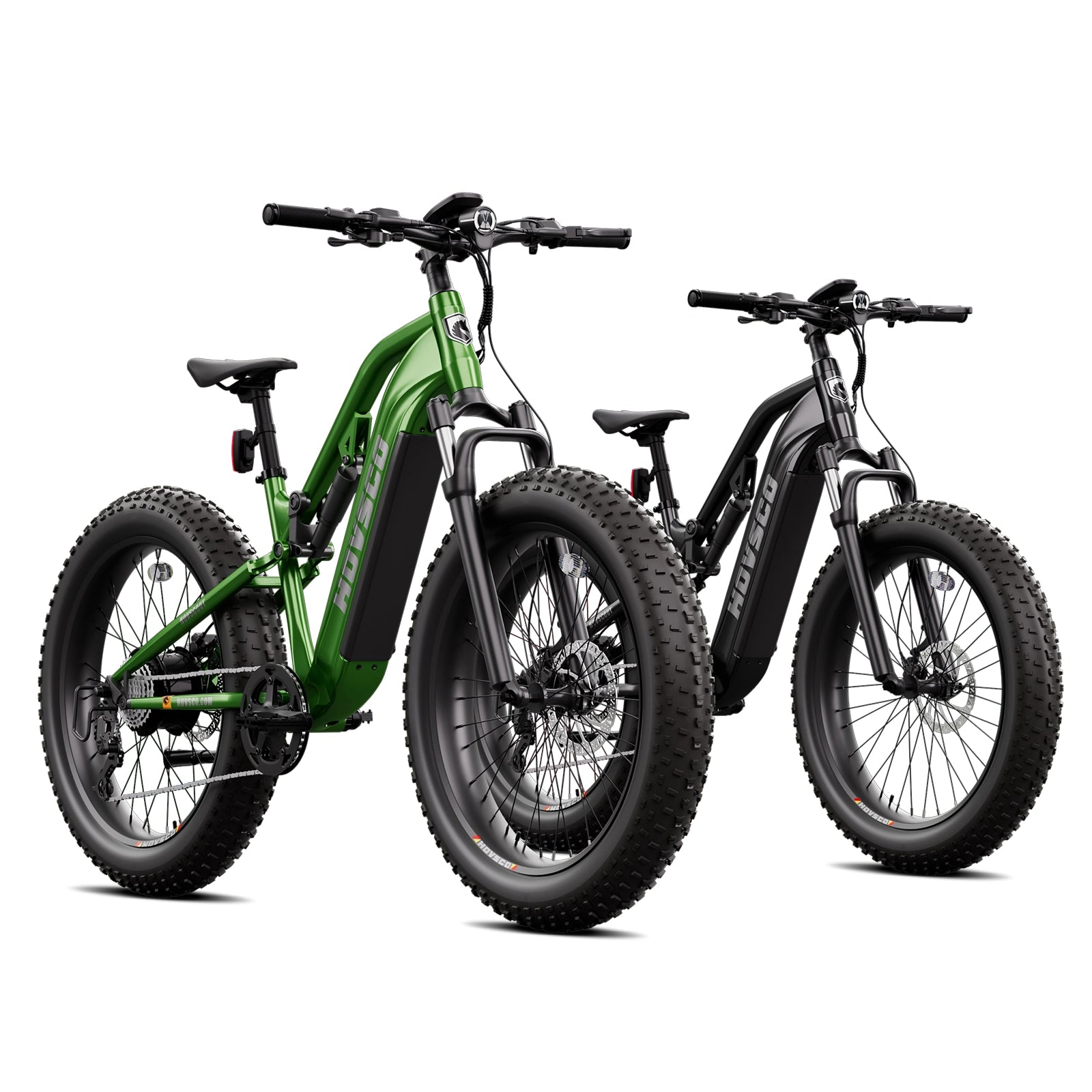
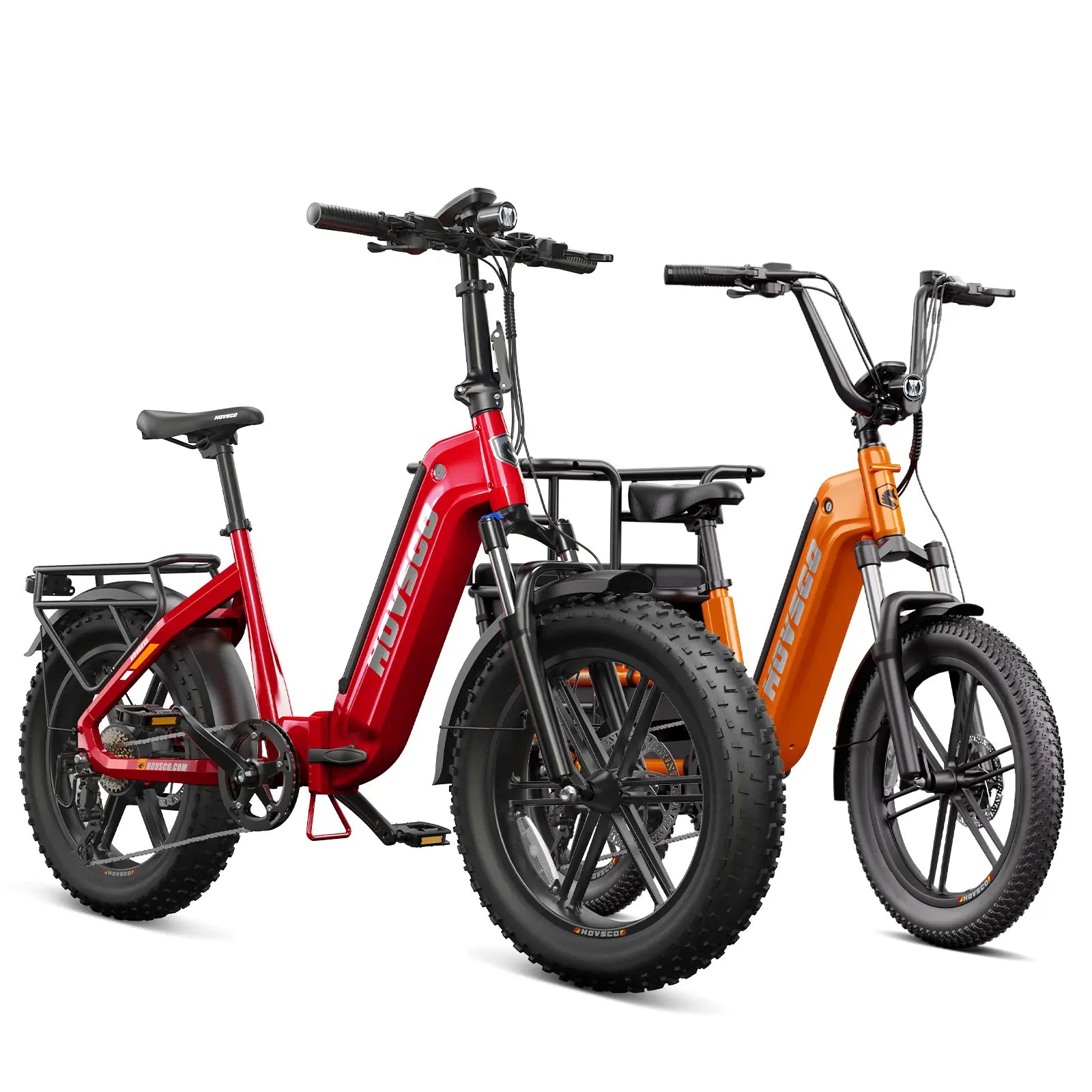
For riders focused on full-suspension control over rough trails, the HovScout 26" Full Suspension Fat Tire E-bike pairs aggressive geometry with wide tires that benefit from terrain-specific pressure tuning. If compact storage and multi-terrain commuting are priorities, the HovBeta Foldable Fat Tire Ebike offers 20x4" tires ideal for beach paths and potholed city streets when paired with your PSI matrix. For more urban-focused riders, the HovRanger 27.5" Ebike still benefits from moderate pressure adjustments between smooth asphalt and light gravel.
Step-by-step: How to use a PSI Matrix with a digital pump
-
Check your tire and rim limits first
Examine the sidewalls of your tires and the documentation for your rims to identify the maximum and (if provided) minimum safe pressure. Never go below the structural limits of the tire or above the lower of the two maximums.
-
Define your baseline road PSI
For everyday urban riding on fat tires, choose a baseline around 20 PSI or the manufacturer’s recommended value for your load and terrain. Measure this with your digital pump when the tires are cold so that temperature doesn’t distort the reading.
-
Create 3 PSI presets for your terrain
Store or memorize three working pressures: 8–10 PSI for loose sand, 12 PSI for snow or mixed soft terrain, and 20 PSI for city asphalt. Many digital pumps let you set target pressures so you can quickly repeat these values.
-
Adjust pressure at the edge of the terrain
Before entering dunes or snowfields, stop at the transition point and use the digital pump to bleed down to your soft-terrain PSI, checking both tires in turn. Keep the pump easily accessible in a frame bag or cargo compartment on your HOVSCO bike.
-
Ride, then fine-tune based on feel and feedback
Start at the matrix value and pay attention to how the bike behaves: if you still dig into sand easily, you may need to drop by 1–2 PSI; if the tire feels too squirmy in turns, add a small amount of air. On asphalt, watch your battery range and comfort: if rides feel harsh, try a slight reduction from 20 PSI while staying within safe limits.
-
Restore road PSI when leaving soft terrain
As soon as you leave sand or snow, use the pump to bring the tires back up toward 20 PSI or your baseline road value. This preserves tires, maximizes efficiency on your HOVSCO e-bike, and ensures that emergency maneuvers on pavement remain predictable.
Real-world scenarios: from dunes to downtown
Scenario 1: Weekend sand dune adventure
Traditional approach: A rider keeps their fat tires at a single mid-range PSI, rides onto the dunes, and immediately struggles with wheelspin and deep ruts, repeatedly dismounting to push. After a few kilometers, both rider and motor overheat, and the group cuts the route short.
With HOVSCO and the PSI Matrix: The rider stops at the dune edge, drops to 9 PSI with a digital pump, and climbs steadily, using motor assist for soft sections while maintaining steering control. The group finishes the planned route, re-inflates to 20 PSI before returning to the highway, and arrives with comfortable legs and ample battery.
Scenario 2: Early morning snow commute
Traditional approach: Leaving summer road pressure unchanged, the rider hits compacted snow and slush with narrow contact patches, experiencing frequent rear-wheel slip and long stopping distances at intersections. Confidence drops, so speed is reduced drastically, extending commute time and stress.
With HOVSCO and the PSI Matrix: Before departure, the rider drops fat tires to 12 PSI, improving grip and allowing cautious yet steady progress on snow-covered side streets. As roads clear closer to downtown, they re-inflate toward 20 PSI, regaining efficient rolling and predictable braking on bare asphalt.
Scenario 3: Mixed-use family cargo rides
Traditional approach: A family loads children and groceries onto a utility bike with road PSI, resulting in a harsh ride over cracked streets and poor traction on park paths, with kids complaining about bumps and instability. The rider avoids softer terrain entirely, limiting routes and usage.
With HOVSCO and the PSI Matrix: Using a HOVSCO cargo or fat-tire model rated for up to 450 lbs payload, the rider reduces PSI slightly below 20 to soften impacts while staying within load-safe limits. On gravel park sections, they may drop another small step, then restore higher PSI before taking a faster arterial route home, keeping comfort, control, and range in balance.
FAQ: fine-tuning fat-tire PSI for different terrains
How do I choose the right fat-tire PSI for sand dunes?
For soft sand and dunes, many riders find 8–10 PSI a practical starting range for 4-inch fat tires, as it increases flotation and reduces digging. Always stay within your tire’s minimum safe pressure and adjust in 1 PSI steps based on how often you bog down or feel the tire squirm in turns.
What is an ideal PSI for fat tires on snowdrifts and icy roads?
Around 12 PSI provides a good balance for snowdrifts and mixed snow-ice situations, enlarging the contact patch without losing sidewall support. If conditions are extremely icy, combining this pressure with appropriate winter-rated or studded tires further improves control and braking.
Why is 20 PSI recommended for city asphalt on fat-tire e-bikes?
On smooth or moderately rough asphalt, approximately 20 PSI often offers a sweet spot between rolling efficiency, comfort, and steering accuracy for fat tires. Heavier e-bikes especially benefit from this mid-range pressure, as it avoids the energy loss of very low PSI while preserving enough compliance for potholes and expansion joints.
How does rider weight and cargo affect my PSI Matrix?
Heavier loads compress the tire more at any given PSI, effectively lowering the “working” pressure at the contact patch. If you are carrying passengers or cargo on a HOVSCO model rated up to 450 lbs payload, you may need to add a few PSI above your solo settings while still observing tire and rim limits.
Is it safe to frequently change PSI using a digital pump?
Yes, as long as changes are made within the manufacturer’s recommended range, frequent pressure adjustments are not harmful and can significantly improve safety and performance. A compact digital pump with a backlit gauge makes it practical to adjust PSI at trailheads, beach entrances, and parking lots, even in low light.
Do HOVSCO fat-tire e-bikes need different PSI than non-electric fat bikes?
Because e-bikes are generally heavier and capable of higher sustained speeds, they often require slightly higher pressures for the same terrain compared with non-electric fat bikes. With HOVSCO’s powerful 1300W-class motors and high payload capacities, a PSI matrix approach helps keep the tire within a safe, efficient window, whether riding dunes, snow, or city streets.
Final thoughts on building your own PSI Matrix
A structured PSI Matrix transforms tire pressure from a vague guess into a repeatable part of your ride setup. Starting with 8–10 PSI for dunes, 12 PSI for snowdrifts, and 20 PSI for city asphalt gives fat-tire riders a clear baseline that can be refined for weight, speed, and personal preference. When combined with a capable fat-tire e-bike and a reliable digital pump, this matrix unlocks more terrain, improves comfort, protects components, and extends the realistic range of every charge.
Call to action and brand one-liner
If you are ready to stop guessing tire pressure and start riding with a clear PSI Matrix for every terrain, pair your strategy with a HOVSCO fat-tire e-bike and a precise portable pump so sand, snow, and asphalt all feel like home. HOVSCO builds long-range, high-torque e-bikes with generous payloads and fat tires, giving riders a flexible, efficient platform that truly comes alive once every PSI step is dialed in.
Sources
Precedence Research — E-bike Market Trends 2025
Fubon Insurance — Tire Pressure and Road Safety 2025
Secar — Expert Tire Pressure Advice 2025
Libaos — Off-road Tire Pressure Guide 2025
CADEX Cycling — Tire Pressure Recommendations
Cars TVBS — Normal Tire Pressure and EV Considerations 2024
Iron Stable — How to Perfect Tire Pressure 2026
Shamotanxian — Sand Tire Pressure Techniques 2025
Biketo — Gravel Tire Pressure Essentials 2023
Ebikepsi — Fat-tire PSI in Sand & Snow 2025




![[ New Arrival ] Porto Max Electric Scooter For Commute & Grocery Shopping - HOVSCO](http://www.hovsco.com/cdn/shop/files/PotroMax-3.jpg?v=1706927007&width=1200)
Share:
How 4.0-Inch Fat Tires Turn Sand, Snow, and Mud Into Your Highway (June 2026)
A Step‑by‑Step Guide to Riding Your Fat Bike on Deep Salt‑Water Sand with HOVSCO HovAlpha (June 2026)