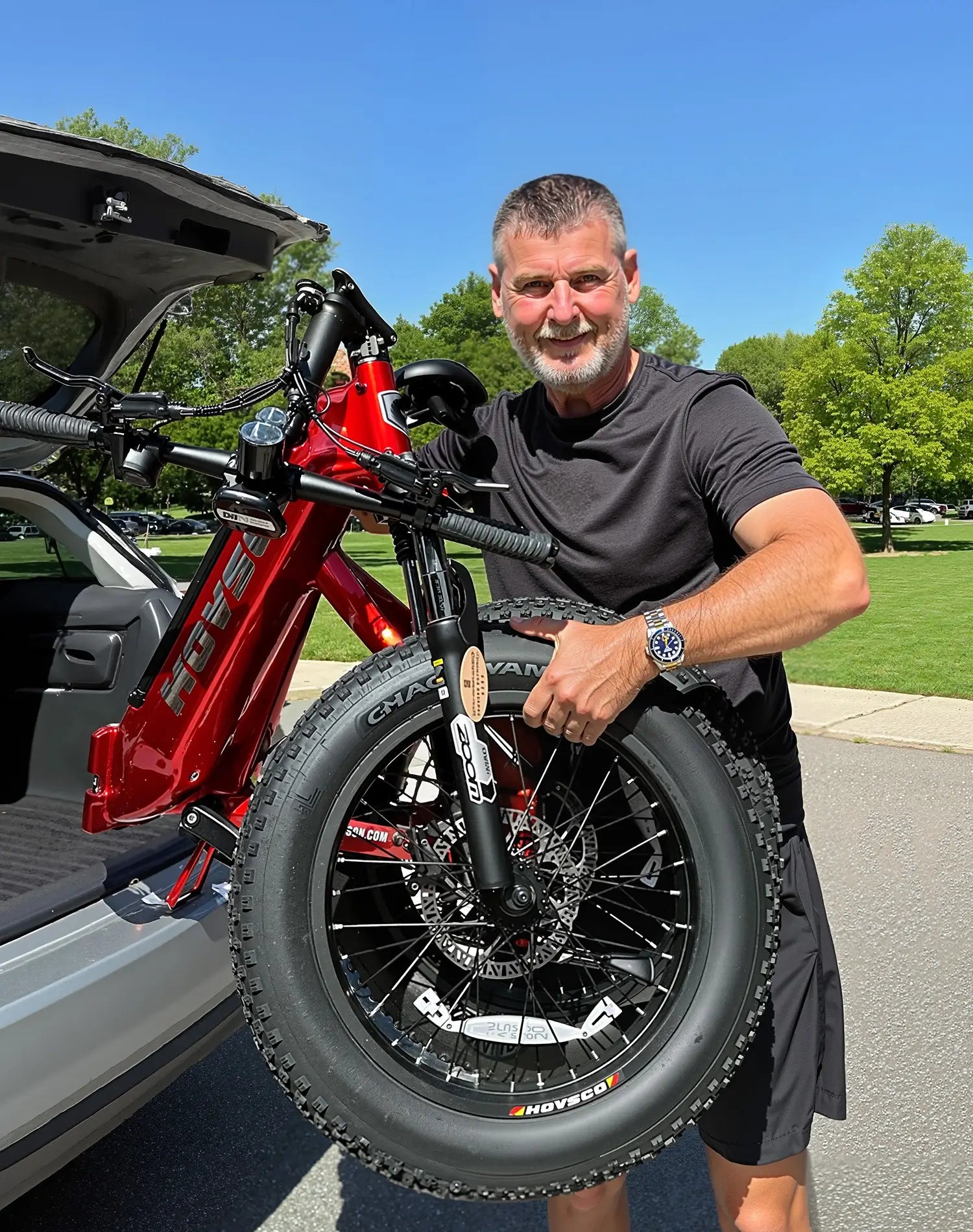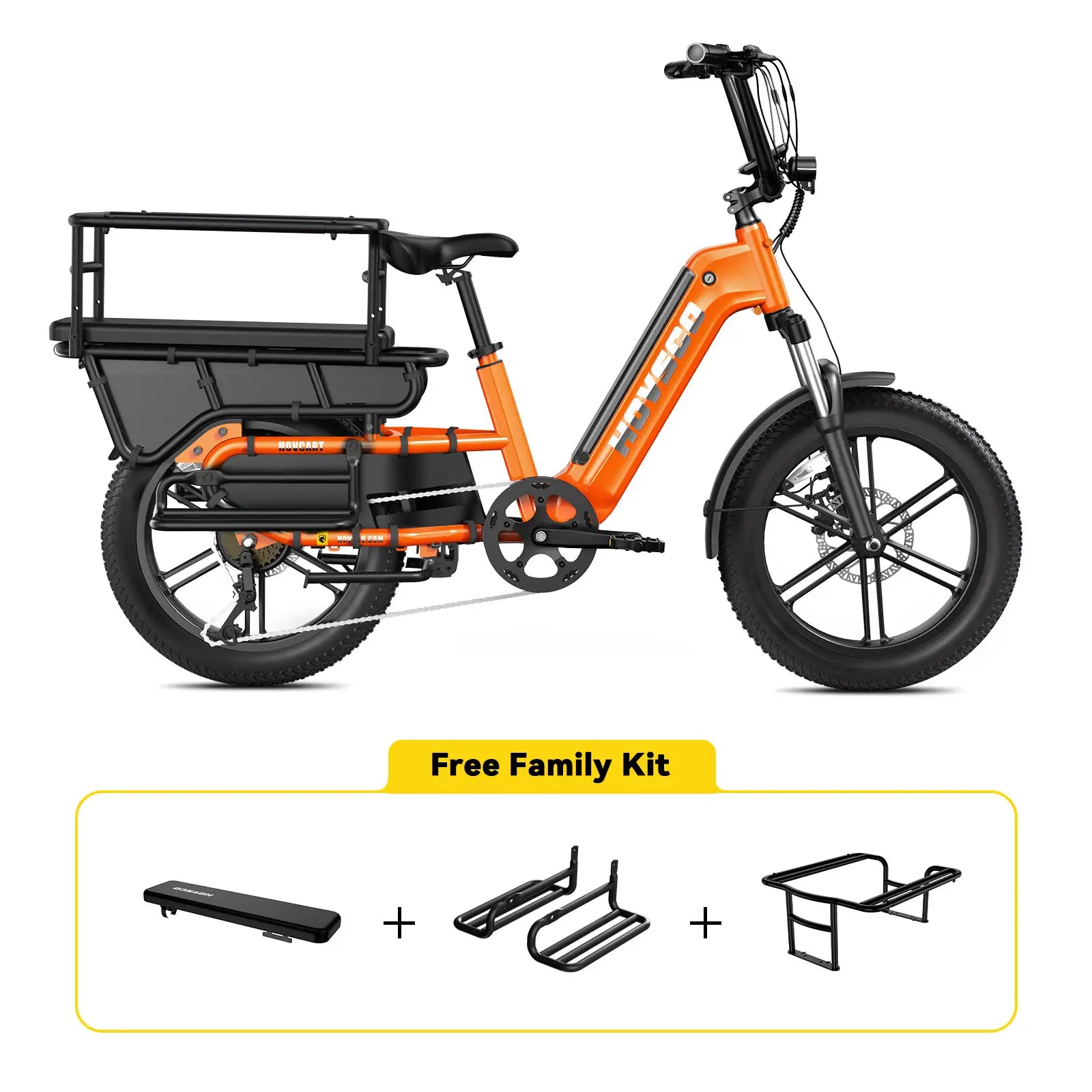
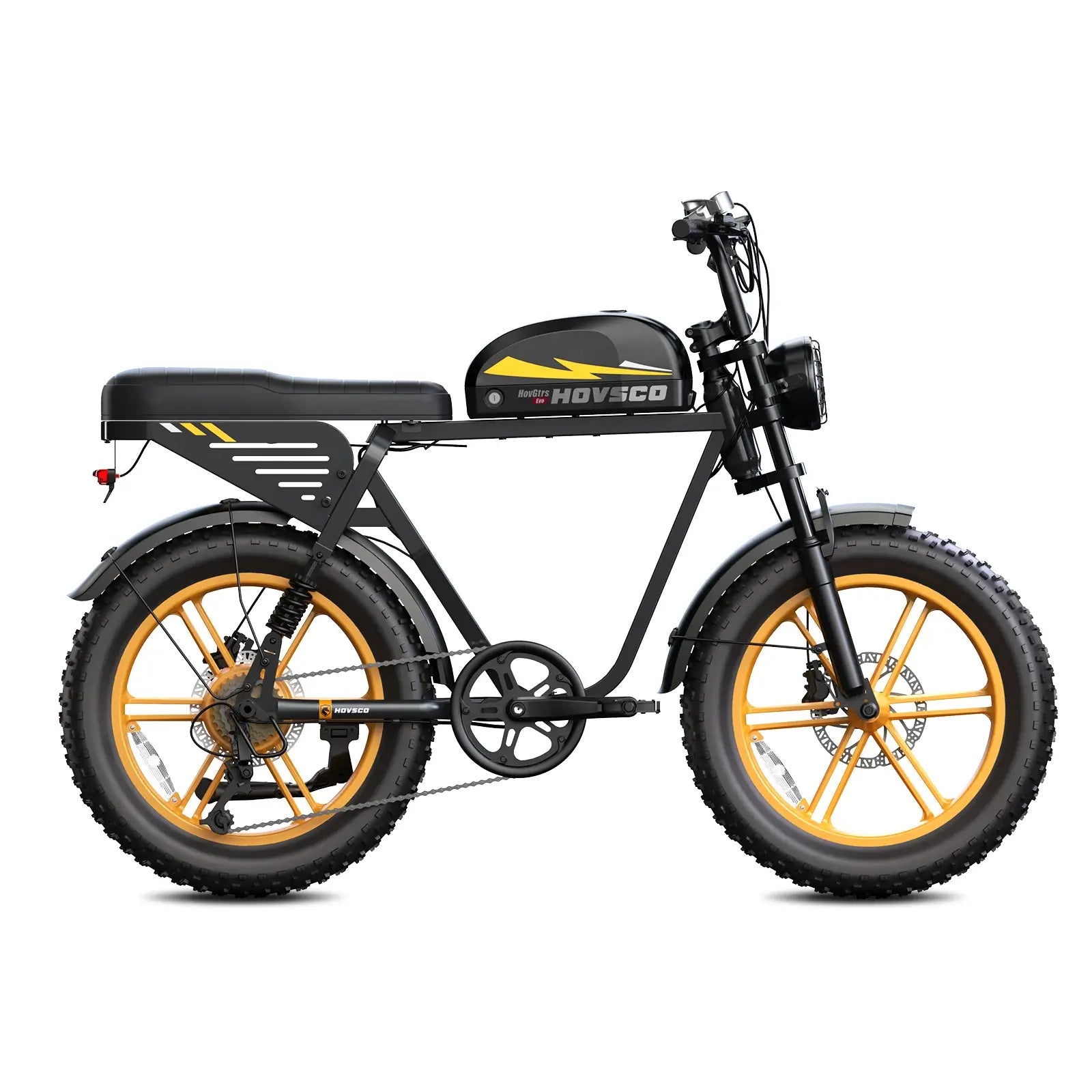
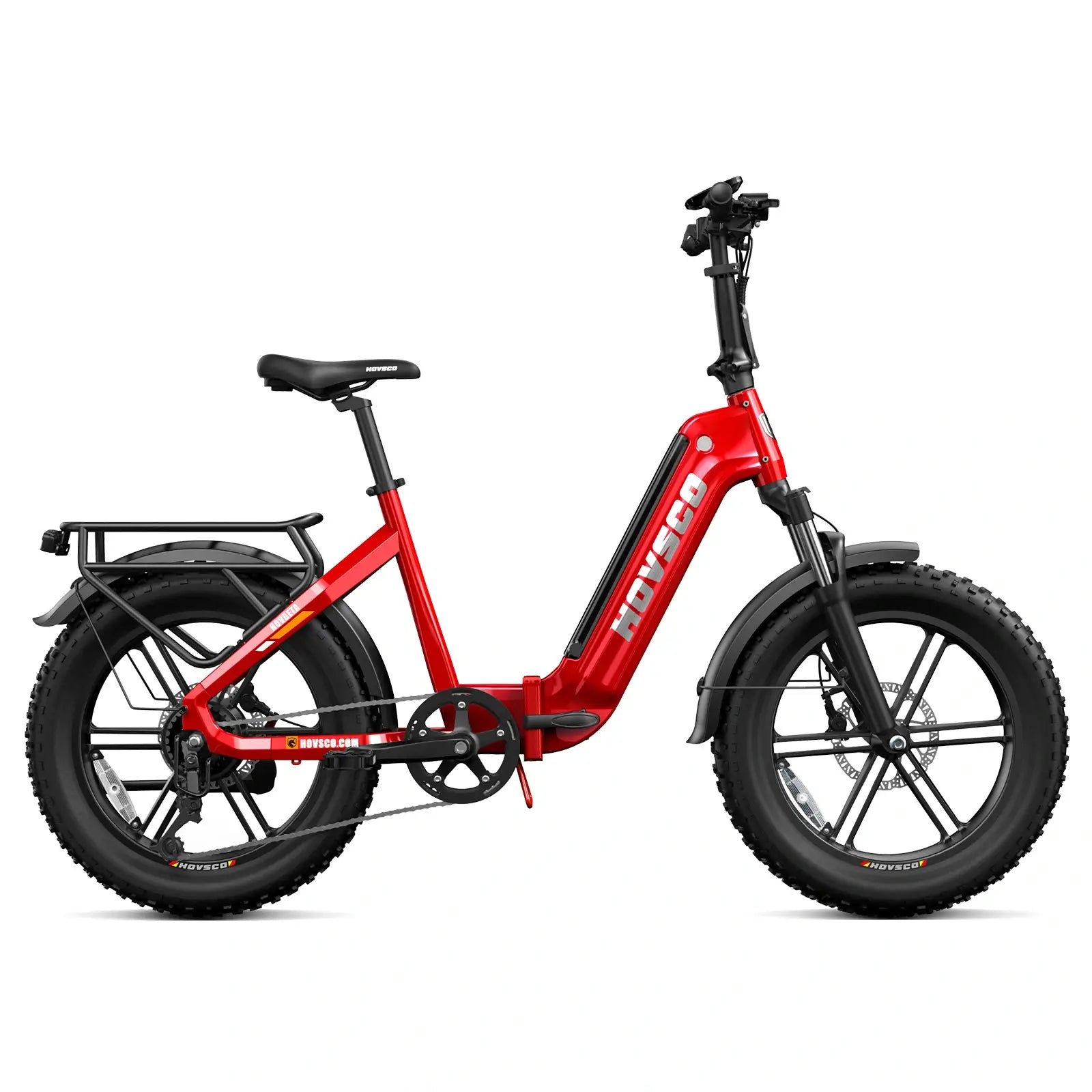








HovBeta
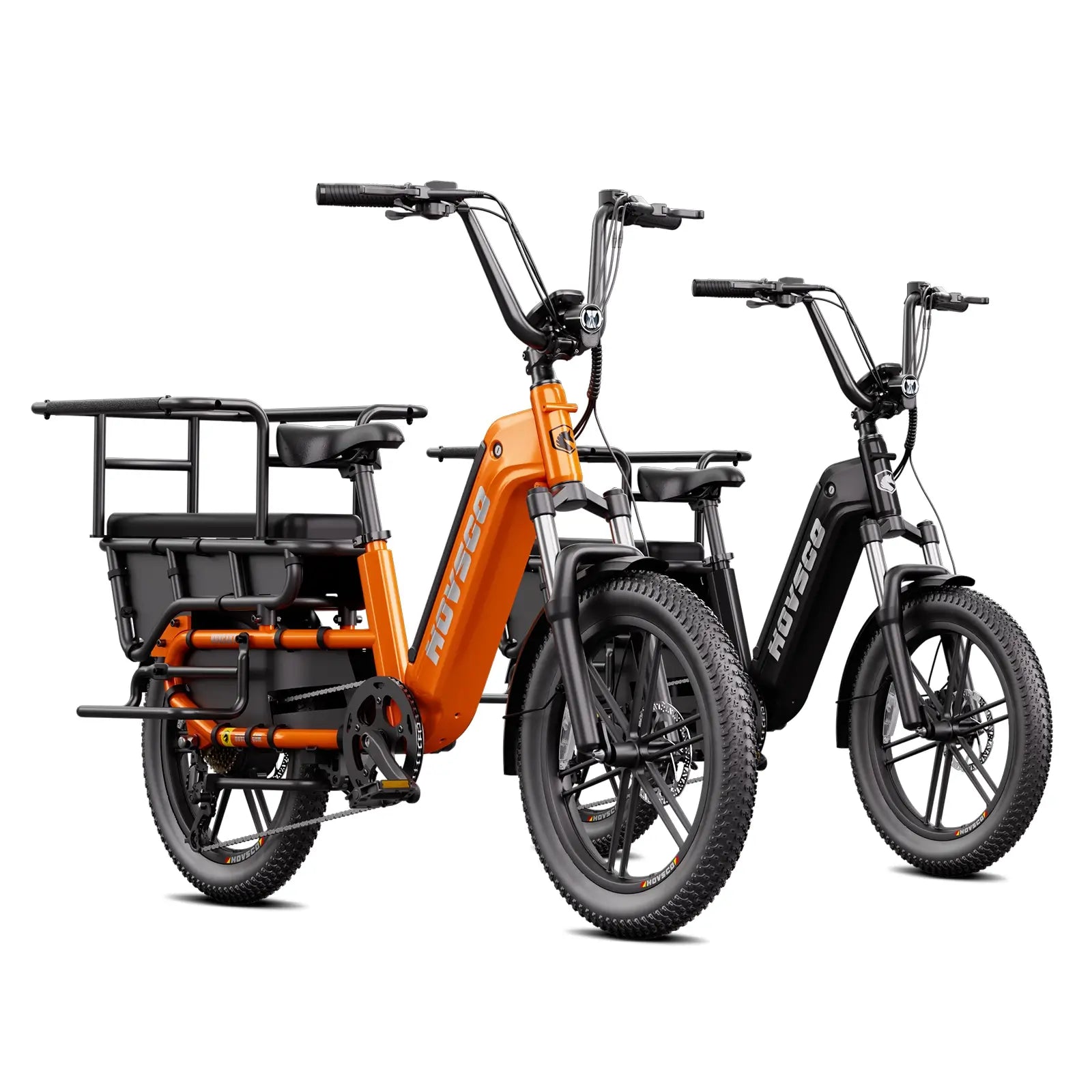
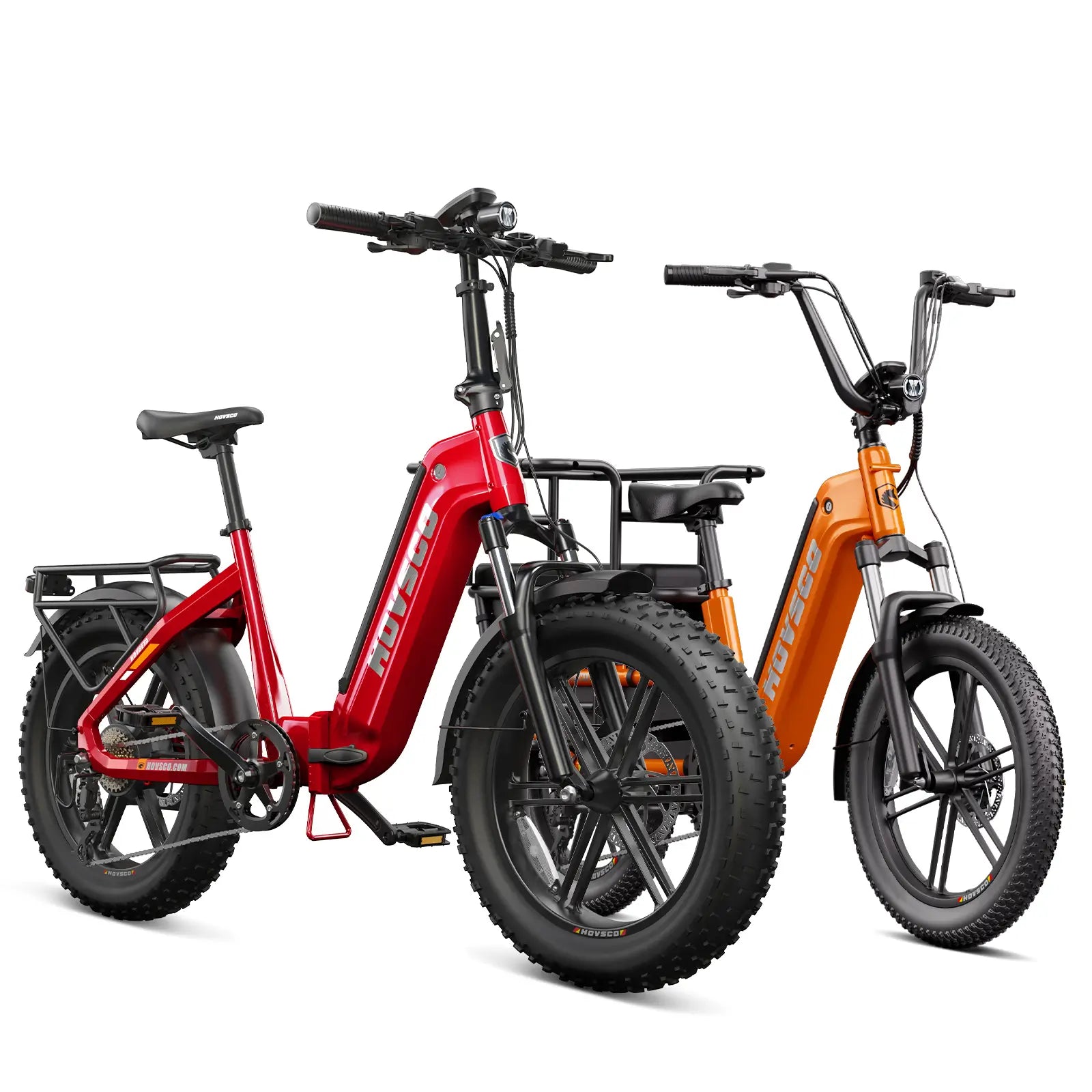
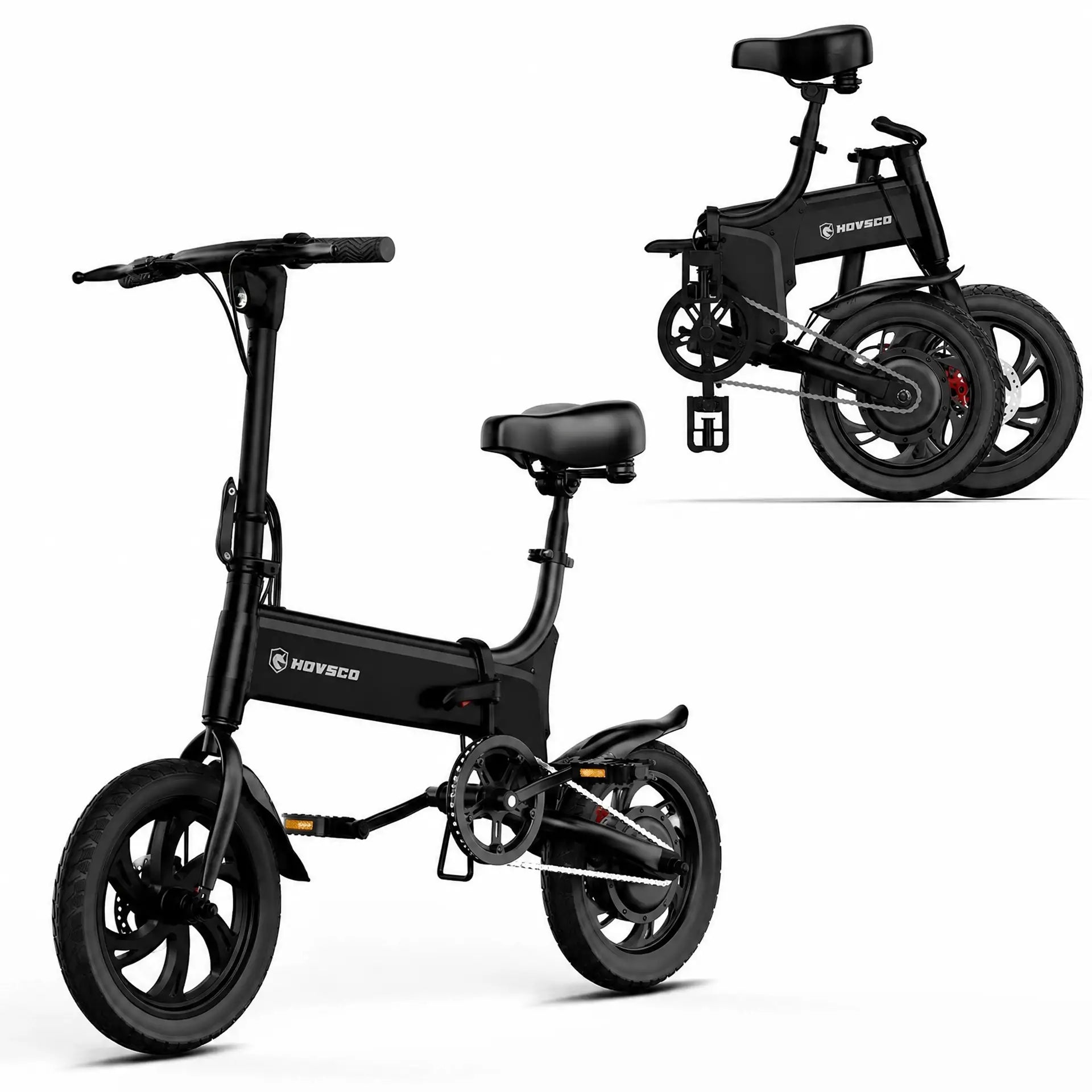
Choose the folding, 20 × 4-inch option when storage footprint and wide tires matter. Confirm lifting weight and folded dimensions separately.
Shop HovBeta →E-Bikes
Accessories
 Free Shipping
 15-Day Returns
 2-Year Warranty
Free Shipping
15-Day Returns
2-Year Warranty
Brake-system-first comparison
Compare six HOVSCO e-bikes currently specified with hydraulic disc brakes and 180mm rotors. Choose the complete bike by route, load, tire, frame and suspension—not the brake label alone.
 City / 180mm rotors

Brake components and specifications can change. Confirm the exact model and variant before ordering.
HOVSCO HovBeta Foldable E-Bike

Motor Power

Top Speed

Payload Capacity

Range
MOTOR POWER
Top Speed
Payload Capacity
Range
MOTOR POWER
Top Speed
Payload Capacity
Range
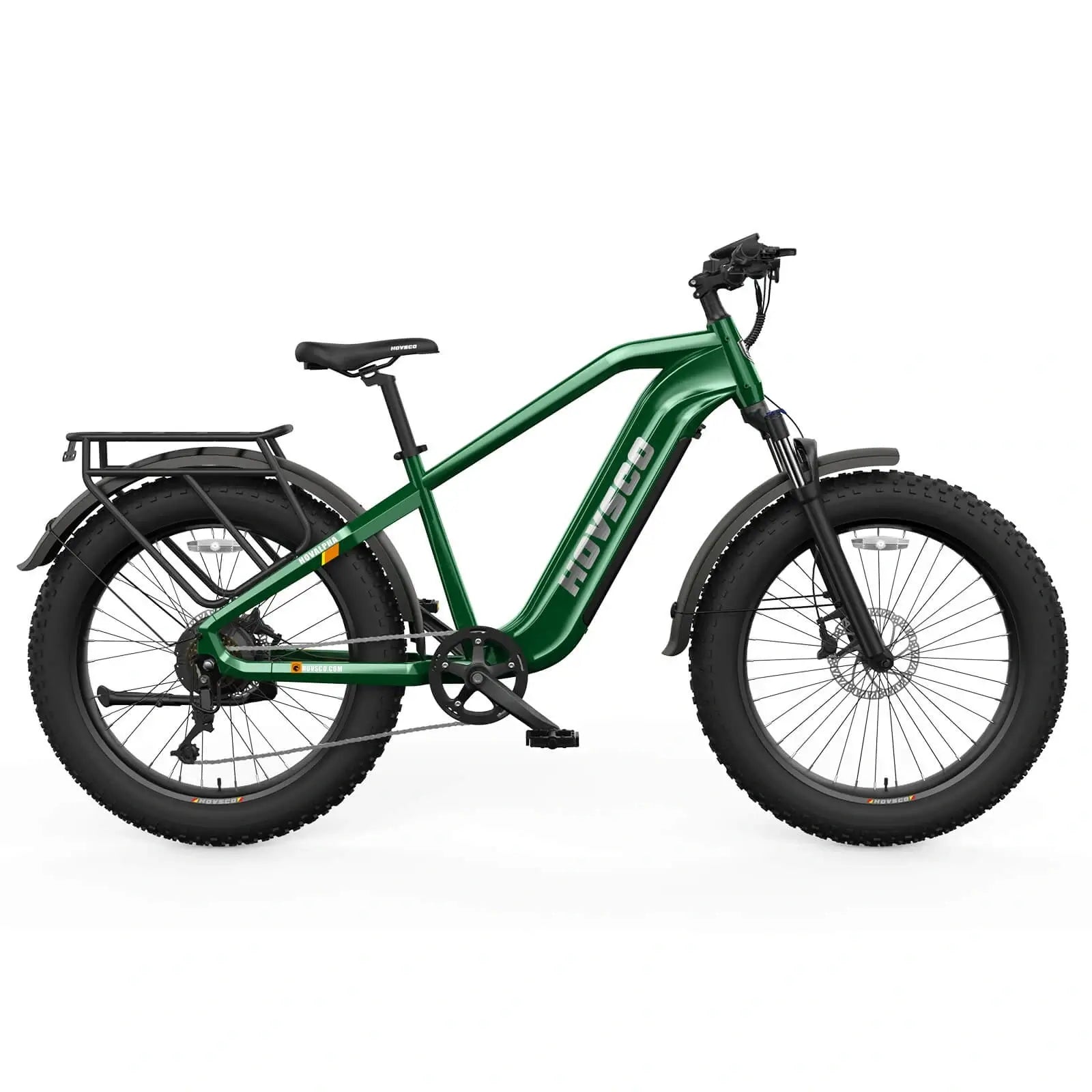
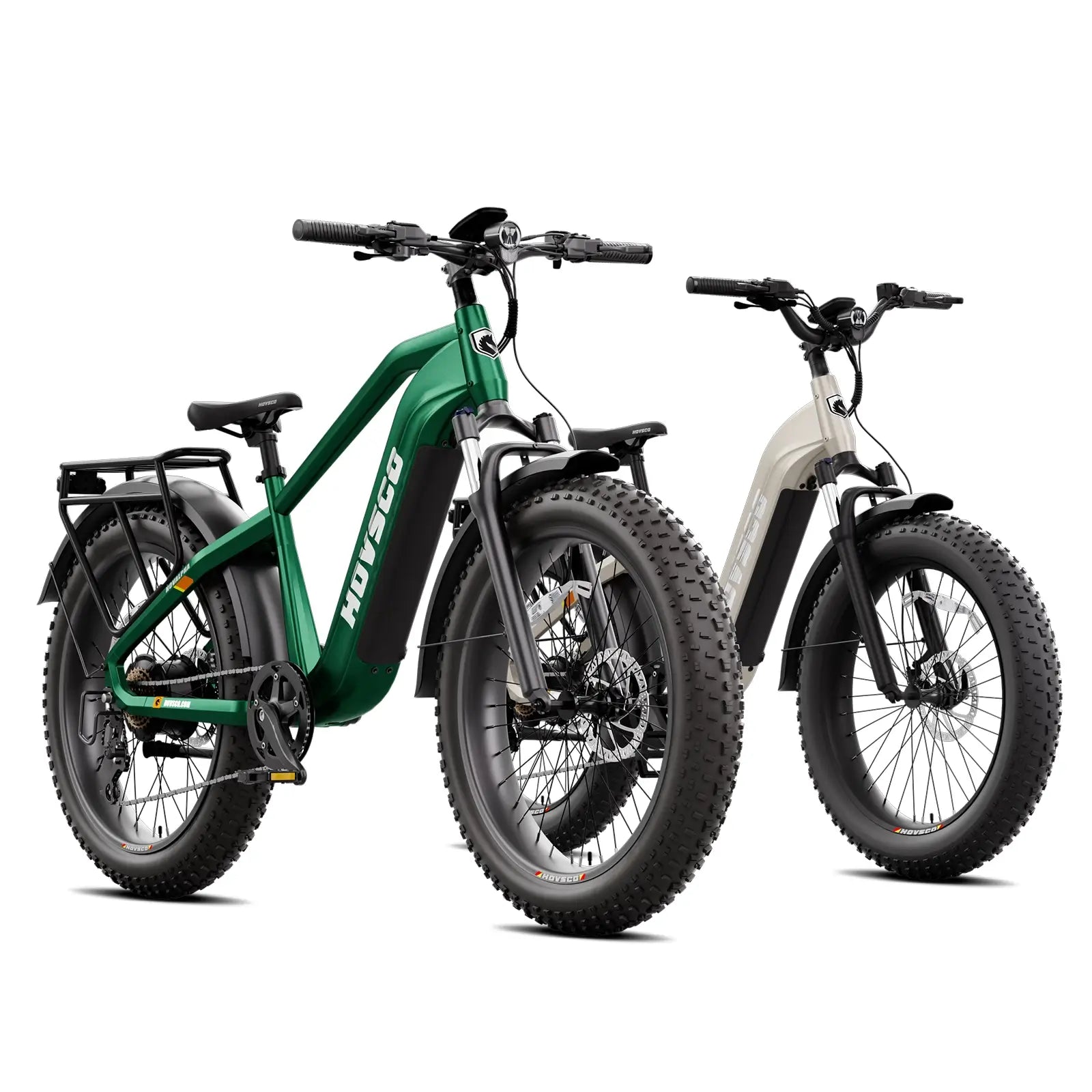
HOVSCO HovAlpha Long-Range E-Bike
1300W Peak
Top Speed
Payload Capacity
Range
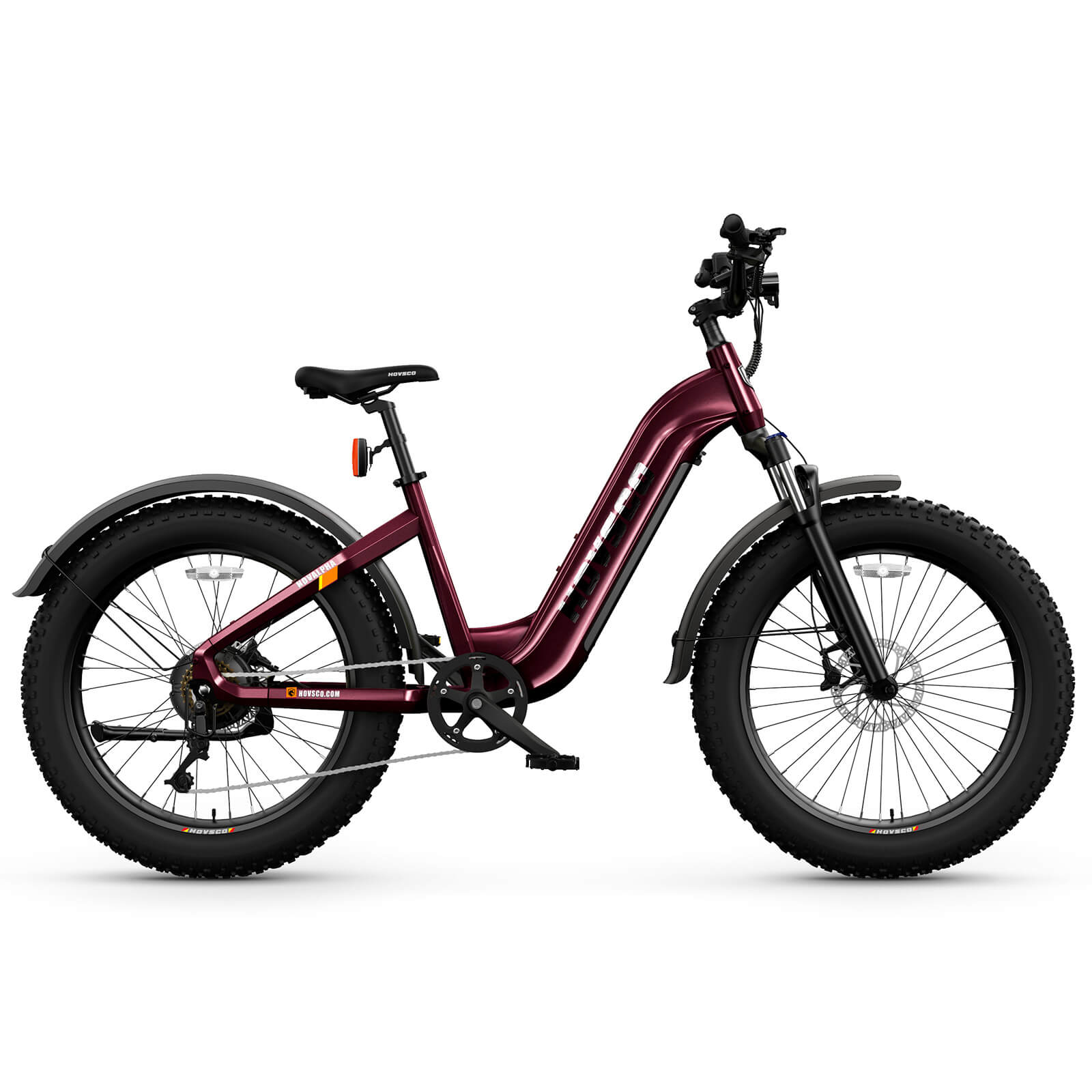
HOVSCO HovAlpha Long-Range E-Bike
1300W Peak
Top Speed
Payload Capacity
Range
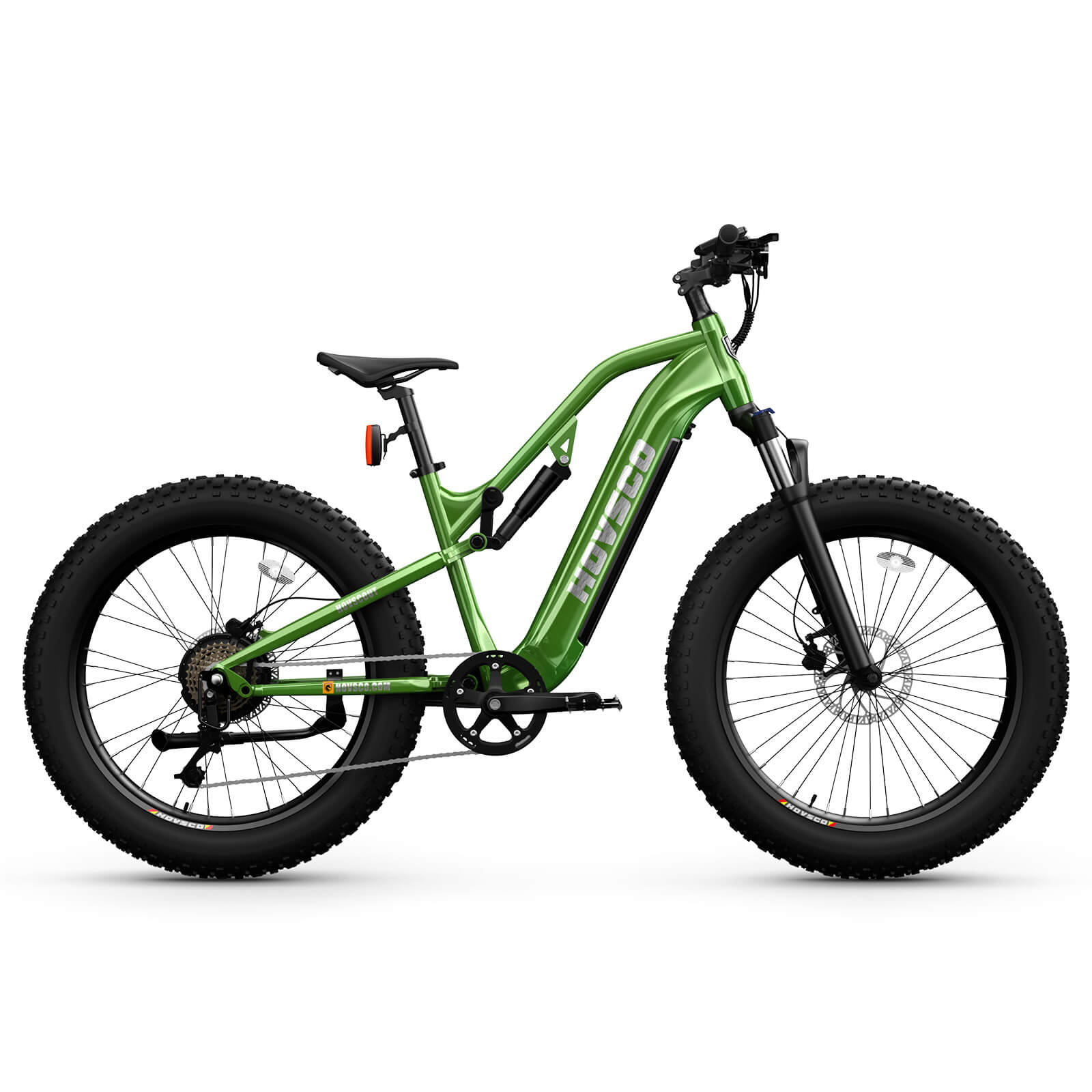
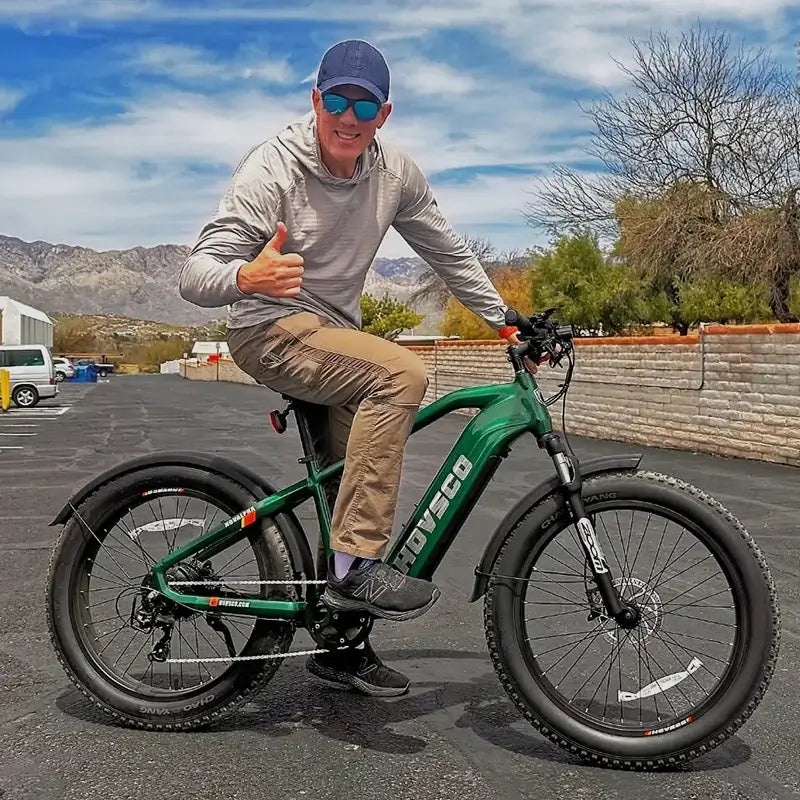
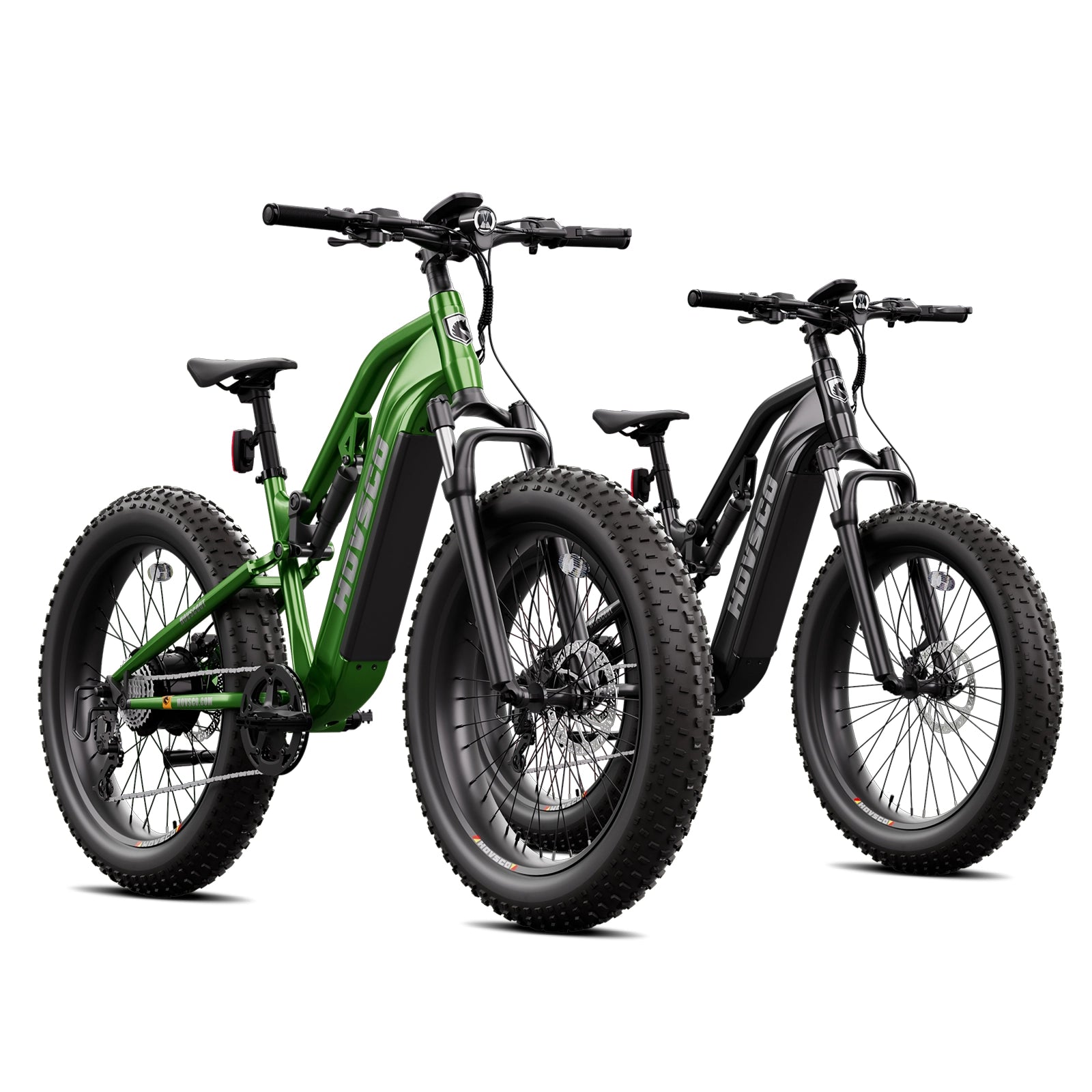
HOVSCO HovScout Full Suspension E-bike
1300W Peak
Top Speed
Payload Capacity
Range
Same listed brake format, different complete bikes
All six current listings specify hydraulic disc brakes with 180mm rotors. Your better choice comes from the frame, tires, suspension, battery, payload and storage routine around that brake system.
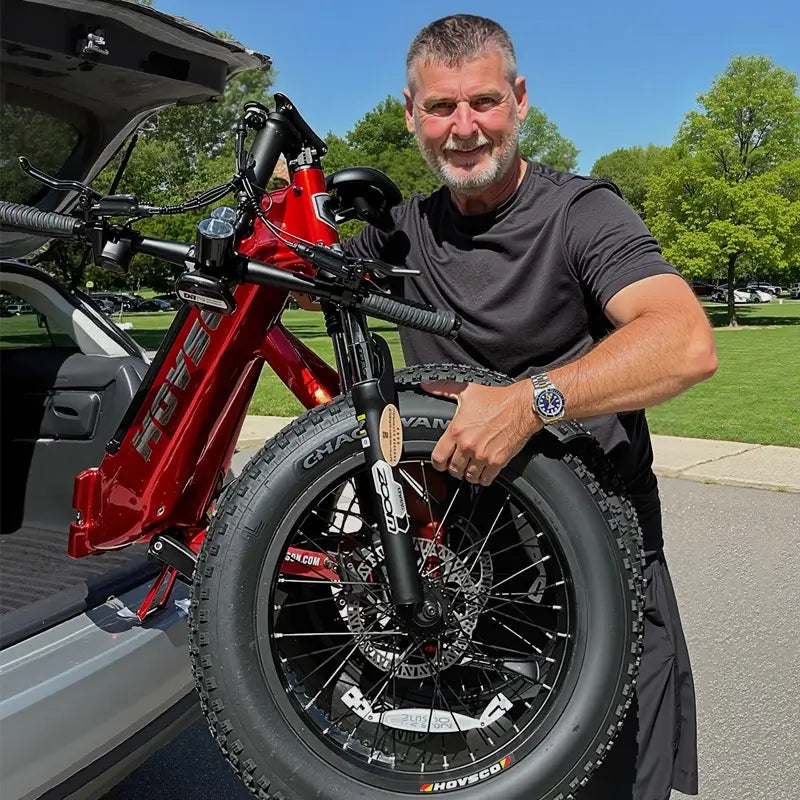
Choose the folding, 20 × 4-inch option when storage footprint and wide tires matter. Confirm lifting weight and folded dimensions separately.
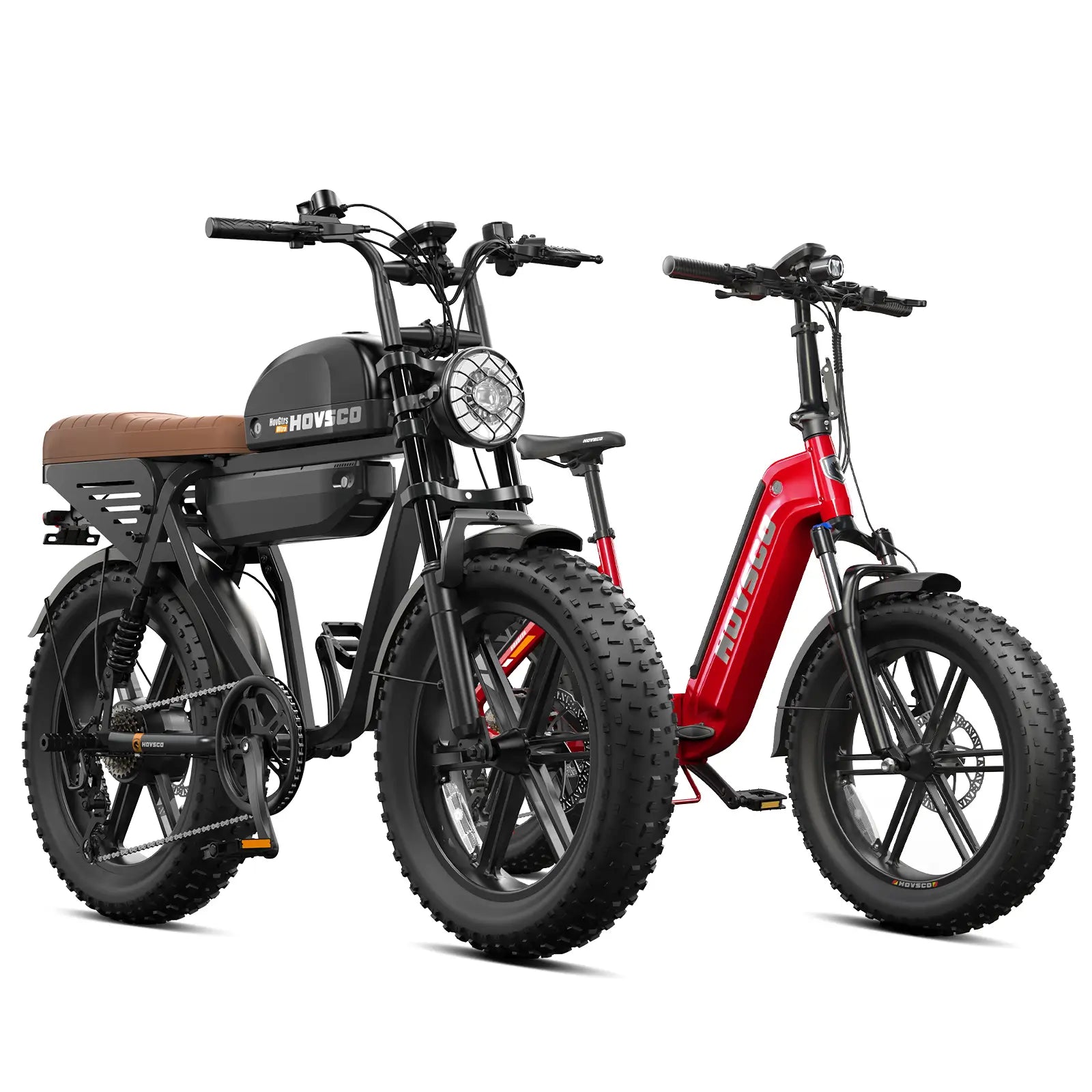
Shop HovBeta →Compare step-over and step-through HovAlpha frames when 26 × 4-inch tires, a 960Wh listed battery and a 450 lb listed payload fit the plan.
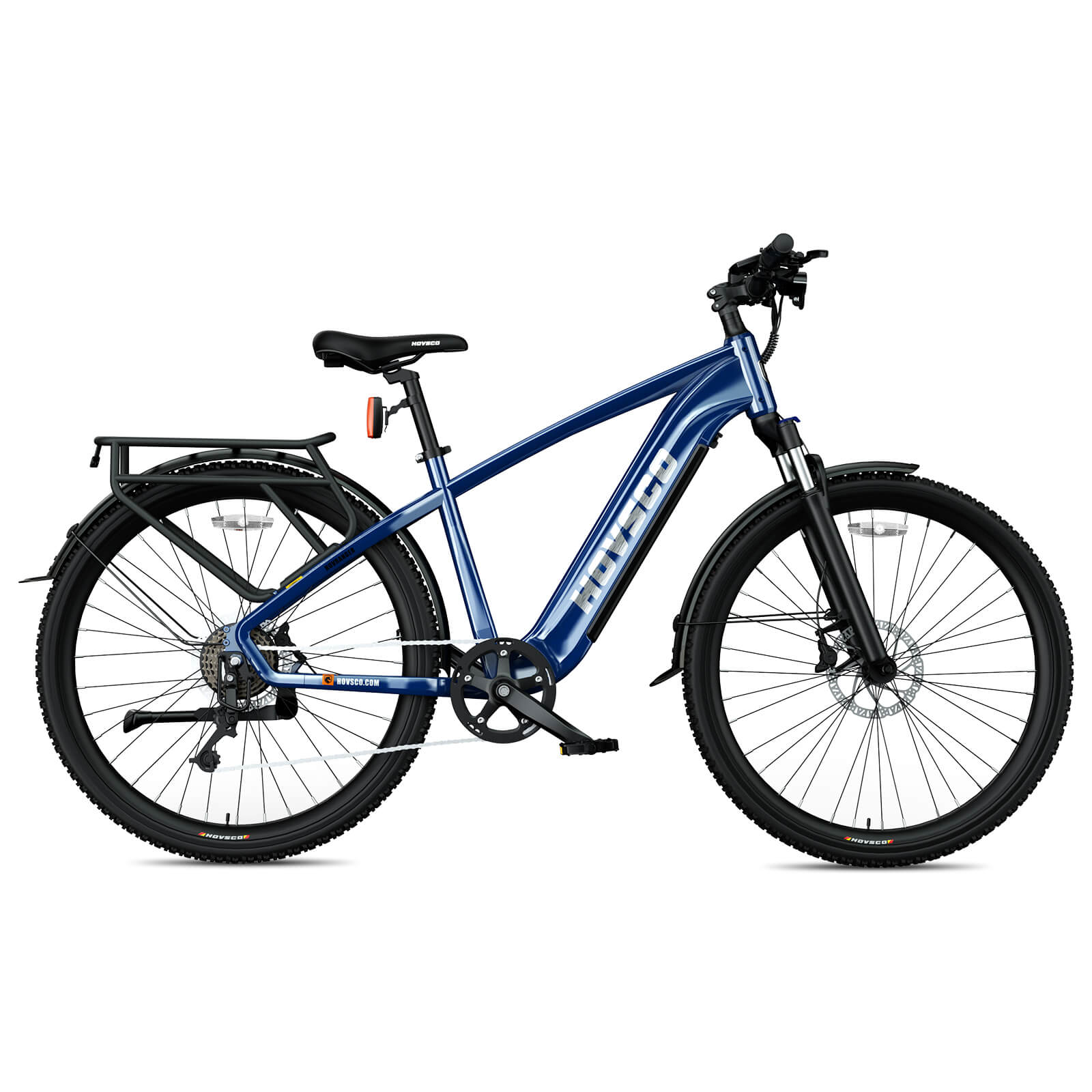
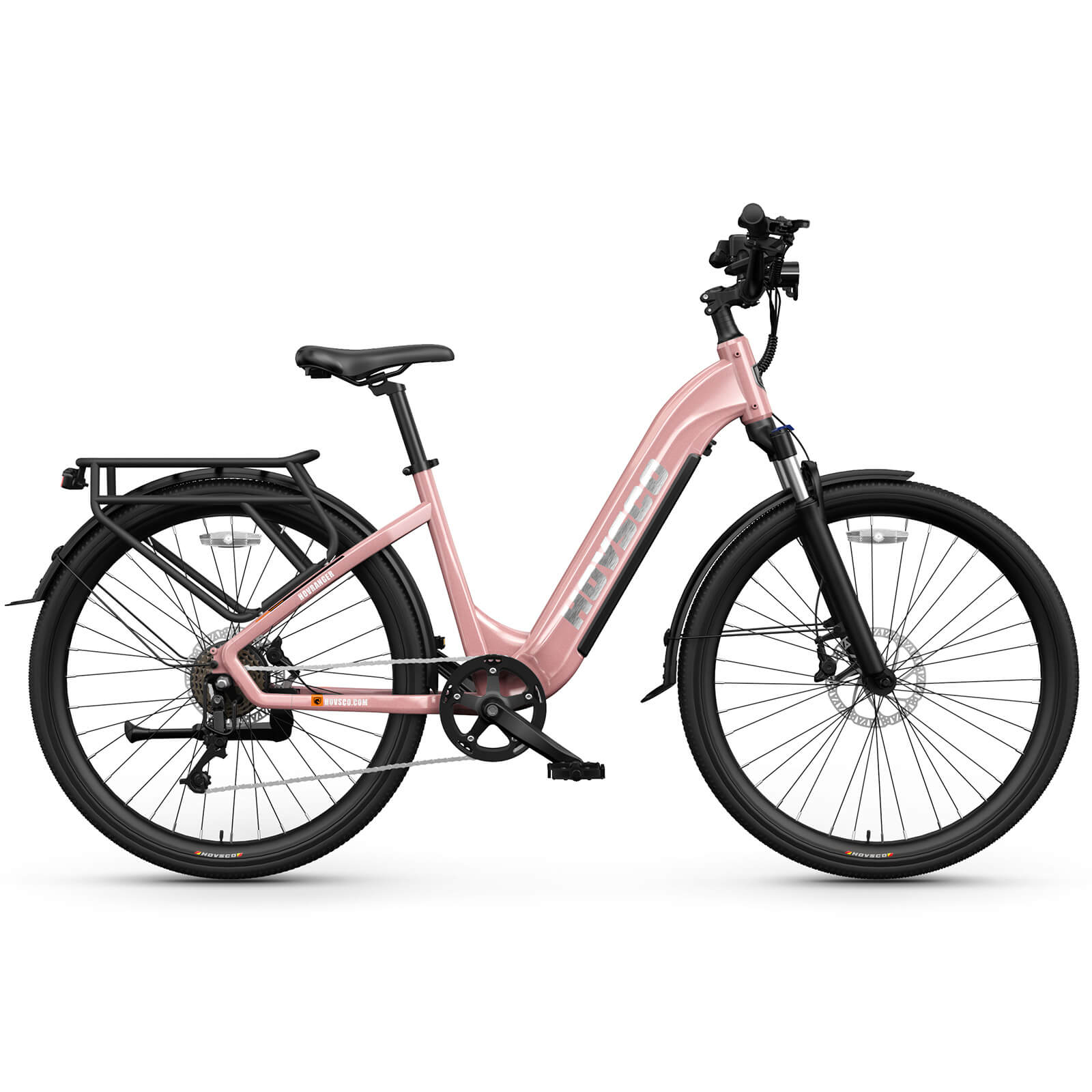
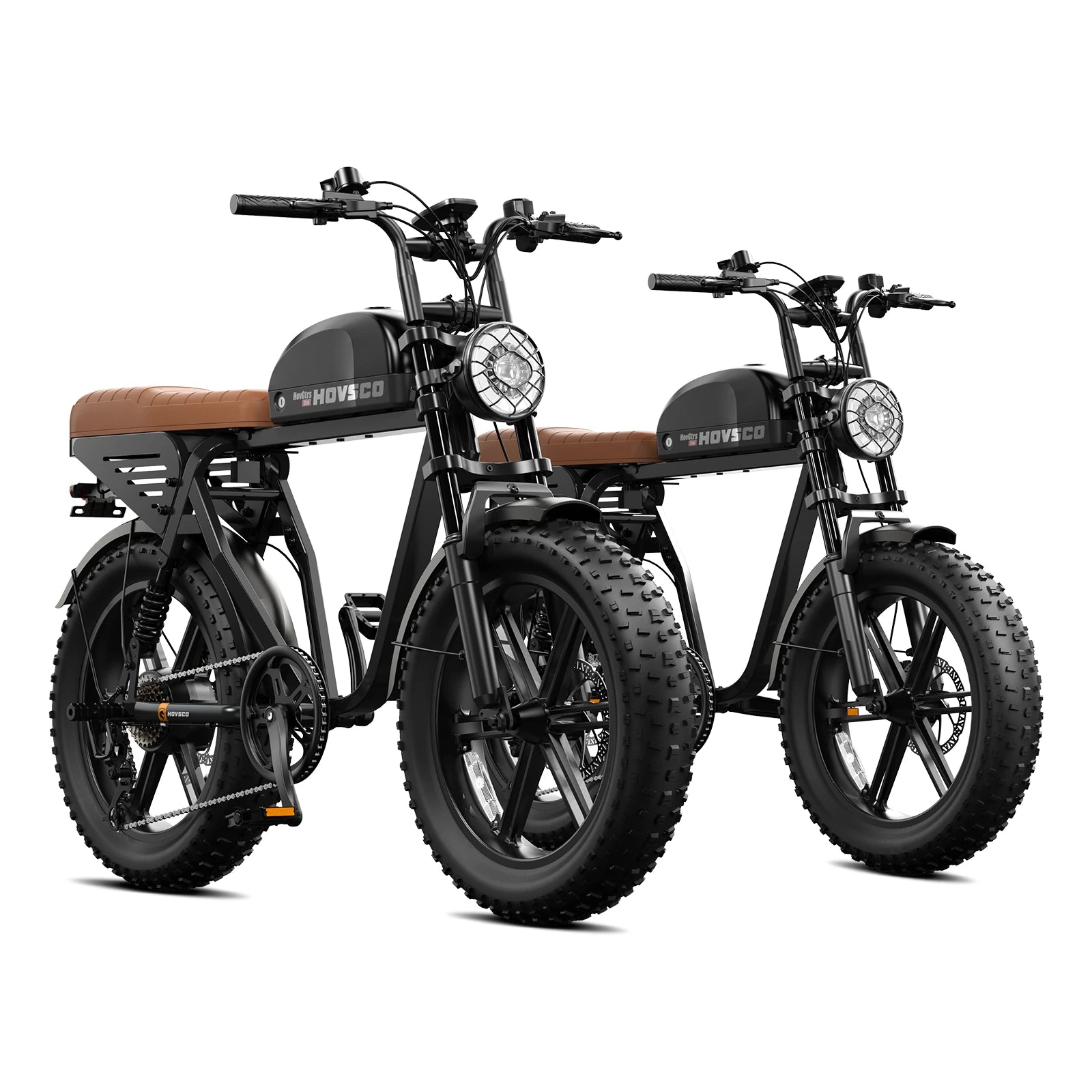
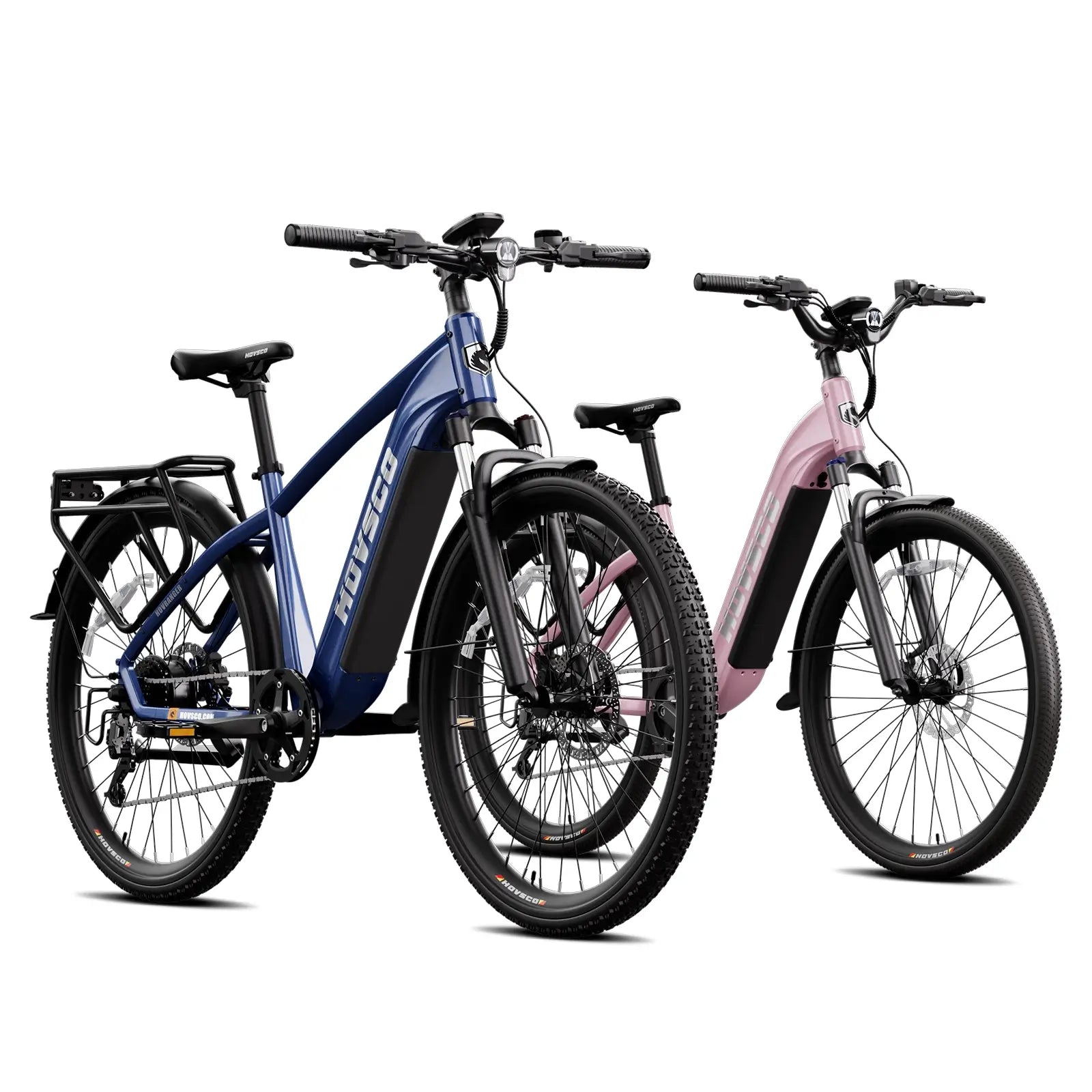
Compare the two 27.5 × 2.20-inch city frames when paved-road use, a narrower tire and a lower complete-bike weight are priorities.
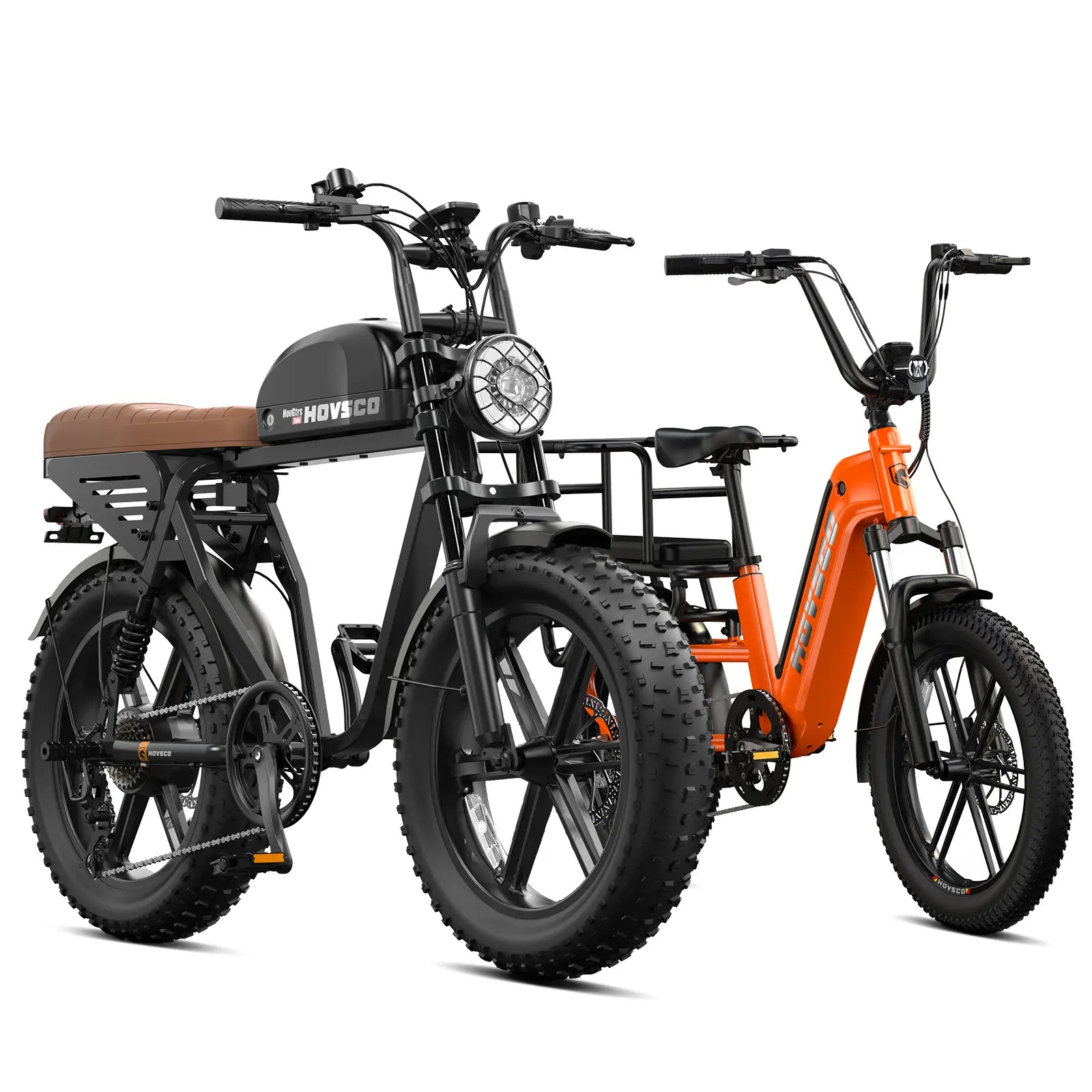
Choose the full-suspension platform when front-and-rear suspension and 26 × 4-inch tires are relevant to the route—not simply because it shares the brake format.
Shop HovScout →Understand the system, compare complete bikes and recognize inspection or service signals.
An electric bike with hydraulic brakes uses fluid pressure to transmit lever input to the brake caliper, where pads act on a disc rotor attached to the wheel. Hydraulic operation can provide a different lever feel and self-adjusting pad behavior than many cable-operated systems, but it does not remove the need for correct setup, inspection and rider technique.
Every bike currently shown in this collection lists hydraulic disc brakes and 180mm rotors. That common specification makes the page useful for choosing a bike around a preferred brake format; it does not mean the six bikes have identical stopping behavior.
A hydraulic disc brake e-bike carries force through a sealed fluid system. A mechanical disc brake normally pulls a cable to move the caliper. Hydraulic systems can reduce routine cable-stretch adjustment and may offer progressive control at the lever, while mechanical systems use different adjustment and service procedures.
Neither label guarantees quality or a particular braking distance. Caliper design, rotor and pad condition, tire traction, wheel setup, total load, road surface and rider input all contribute. Buy the complete bicycle and support plan, not one component word.
All six current HOVSCO listings specify 180mm hydraulic disc brakes. Rotor diameter is one part of the system and can influence leverage and heat capacity, but diameter alone cannot predict stopping distance. A larger number is not a substitute for compatible components, correct installation or adequate tire grip.
Use only the rotor, pads, caliper, fluid and hardware approved for the installed system. Specifications can change between production runs, so confirm the exact model and variant before ordering replacement parts.
Modulation describes how precisely a rider can vary braking force between light slowing and stronger braking. A well-functioning hydraulic system should provide predictable resistance and response, but the normal lever travel depends on the installed brake and setup.
Do not use a new bike’s first ride to discover emergency behavior in traffic. Follow the current manual, verify both brakes in a safe area and build familiarity gradually. Braking hard can shift weight forward or cause a tire to lose traction; smooth control and an appropriate speed remain essential.
Disc brakes move the braking surface away from the tire rim, but wet weather still reduces tire traction and can increase required stopping distance. Slow down, leave more room and apply the brakes earlier and more gently. On gravel, sand, leaves or mud, a locked tire can slide even when the brake itself is powerful.
Rider, battery, bags, locks, accessories and cargo all add to the moving mass. For load-first shopping, use high-payload electric bikes. For sustained grades, compare electric bikes for hills. Those pages own the load and climbing intents; this page stays focused on the brake system.
If a lever suddenly pulls unusually close to the handlebar, feels spongy, lacks resistance or changes from its normal behavior, stop riding and have the system inspected.
Oil or grease on a rotor or pad can reduce braking and cause noise. Avoid spraying chain lubricant, polish or cleaners near the caliper and rotor. Do not assume that a contaminated pad can be restored with a household cleaning method; follow the brake manufacturer’s current procedure or consult a qualified bicycle technician.
Rotors can become hot during and immediately after braking. Let the system cool before inspection or service, and keep fingers away from rotor edges and openings.
Hydraulic brakes may eventually require bleeding or other fluid service. Brake fluids are not universally interchangeable: using the wrong fluid can damage seals and impair braking. The collection page does not establish one fluid specification for every production run.
Identify the exact brake manufacturer and model, then use only its approved fluid, bleed parts and procedure. If that information is unavailable—or if you are not trained and equipped for the work—use a qualified bicycle service provider. Do not open the hydraulic system merely to “check” it.
New pads or rotors may require a manufacturer-defined bedding procedure that transfers an even braking layer and establishes consistent operation. Follow the manual for the exact components in a safe, traffic-free location. Avoid abrupt maximum-effort stops unless the procedure specifically calls for them.
After wheel removal or transport, confirm that the rotor sits correctly between the pads and that the axle is secure. Do not operate the lever with the wheel removed unless the manual specifies an appropriate pad spacer.
If speed classification is the deciding question, visit Class 3 electric bikes. Brake hardware does not replace local speed, equipment or access rules.
Brake questions before ordering
Yes. Their current product specifications list hydraulic disc brakes with 180mm rotors. Recheck the exact model and variant before ordering because components can change.
Not automatically. Hydraulic and mechanical systems transmit lever force differently and require different service. Actual braking depends on the complete system, setup, pads, rotors, tires, load, surface and rider input.
No. Rotor diameter is only one factor. Tire traction, bike and cargo weight, speed, surface conditions, brake condition, component compatibility and rider technique also affect stopping distance.
Stop if a lever suddenly lacks resistance, pulls unusually close to the handlebar, feels different from normal, or if you see a suspected fluid leak, damaged hose, cracked rotor or significant loss of braking.
No. Brake fluids are not universally interchangeable. Identify the exact brake manufacturer and model, then use only its approved fluid and procedure. Using the wrong fluid can damage the system and impair braking.
Review HOVSCO's assembly videos and manuals, shipping policy, limited warranty and return and refund policy. Check current eligibility, deadlines, fees and product-condition requirements.