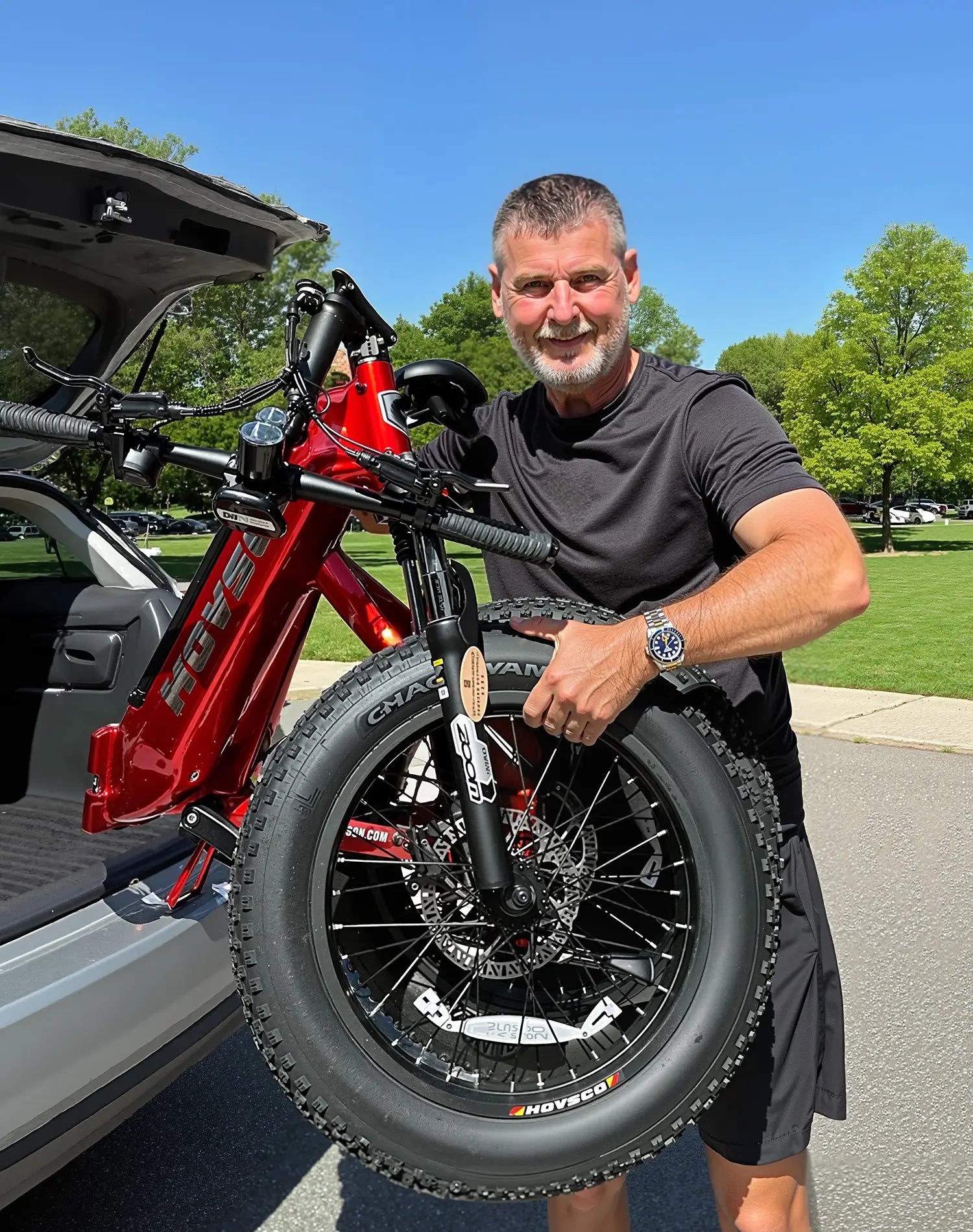
A Class 3 electric bike is commonly associated with pedal assistance up to 28 mph, but that short description is not enough to determine what a particular bike is or where it may be ridden. The installed configuration, throttle behavior, motor rating, manufacturer label and the law governing the exact route all matter. Use this guide to compare the seven listed HOVSCO models without treating maximum assisted speed as the only buying criterion.
What “Class 3” generally means
In the common U.S. three-class framework, a Class 3 e-bike provides motor assistance while the rider is pedaling and stops assisting at 28 mph. Some jurisdictions also specify a speedometer, age requirement, helmet rule or other equipment. Those details are not identical nationwide, and a state may update its definitions or give cities and land managers additional authority over access.
That is why 28 mph electric bike should be read as an assisted-speed category, not a promise that 28 mph is appropriate or lawful on every road, bike lane, multi-use path or trail. The safe speed may be far lower around pedestrians, driveways, loose surfaces, blind corners, traffic or poor visibility.
Federal product rules and state riding rules are different questions
Federal consumer-product requirements use their own definition for a low-speed electric bicycle, while state and local laws usually control on-road classes, operator rules and access. These layers should not be combined into one universal statement. A bike may be sold as an electric bicycle product while its use still depends on how it is configured and on the rules for the place where it is operated.
Before buying, record the exact model and variant, check the current product specification, read the frame label and manual, and consult the appropriate state or local transportation authority. When a route crosses city, county, state-park or federal-land boundaries, verify each segment rather than assuming the first rule continues for the whole ride.
Why configuration, throttle and labels matter
Some HOVSCO product pages describe a top assisted speed available after a permitted configuration change and also list throttle operation. Do not assume that every possible setting remains a Class 3 electric bicycle in every jurisdiction. In places where Class 3 is defined as pedal-assist-only, throttle behavior may affect the applicable class or access. A displayed speed alone does not settle the classification.
Use the manufacturer's current instructions and do not alter speed, power, controller, labeling or safety equipment without understanding the legal and warranty consequences. After any repair or software change, confirm the operating behavior again. If the product page, label and local definition do not align clearly, contact HOVSCO support and the relevant authority before riding.
Where can a Class 3 e-bike be ridden?
Access can differ among public roads, conventional bike lanes, protected lanes, sidewalks, multi-use paths, natural-surface trails and private property. A state may permit a class on roads while a city, park or land manager restricts it on a particular path. Posted signs and temporary closures also matter. Search for the rule that names both the vehicle class and the facility you plan to use.
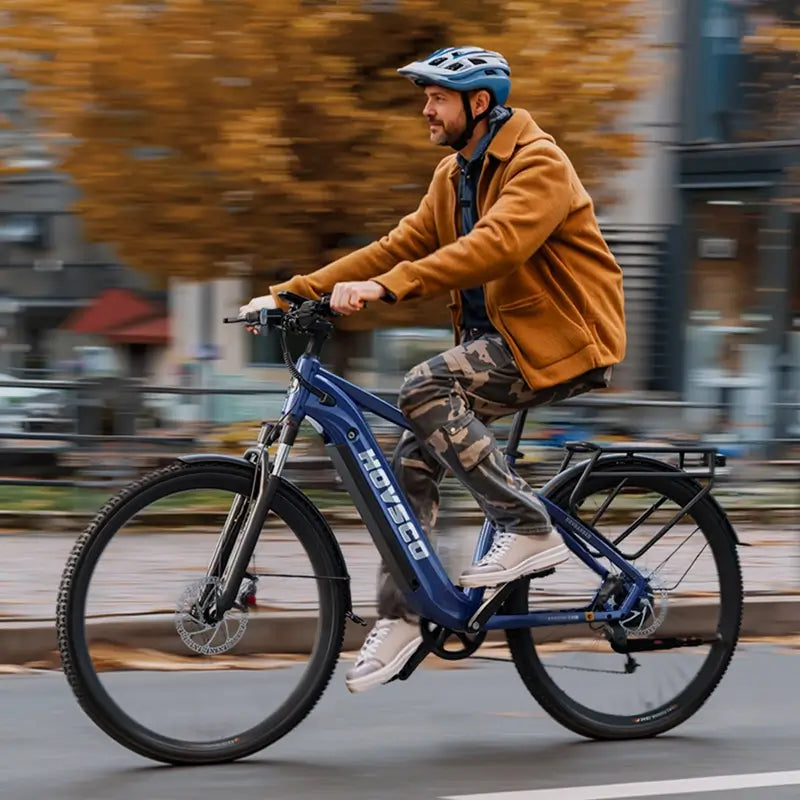
For a daily work route, compare the purpose-built commuter electric bikes collection, then map the exact roads and lanes. For steep routes, let the electric bikes for hills page own hill-climbing intent; this page remains focused on classification and assisted-speed configuration rather than promising access or performance on every grade.
Choose among the seven listed bikes by use case
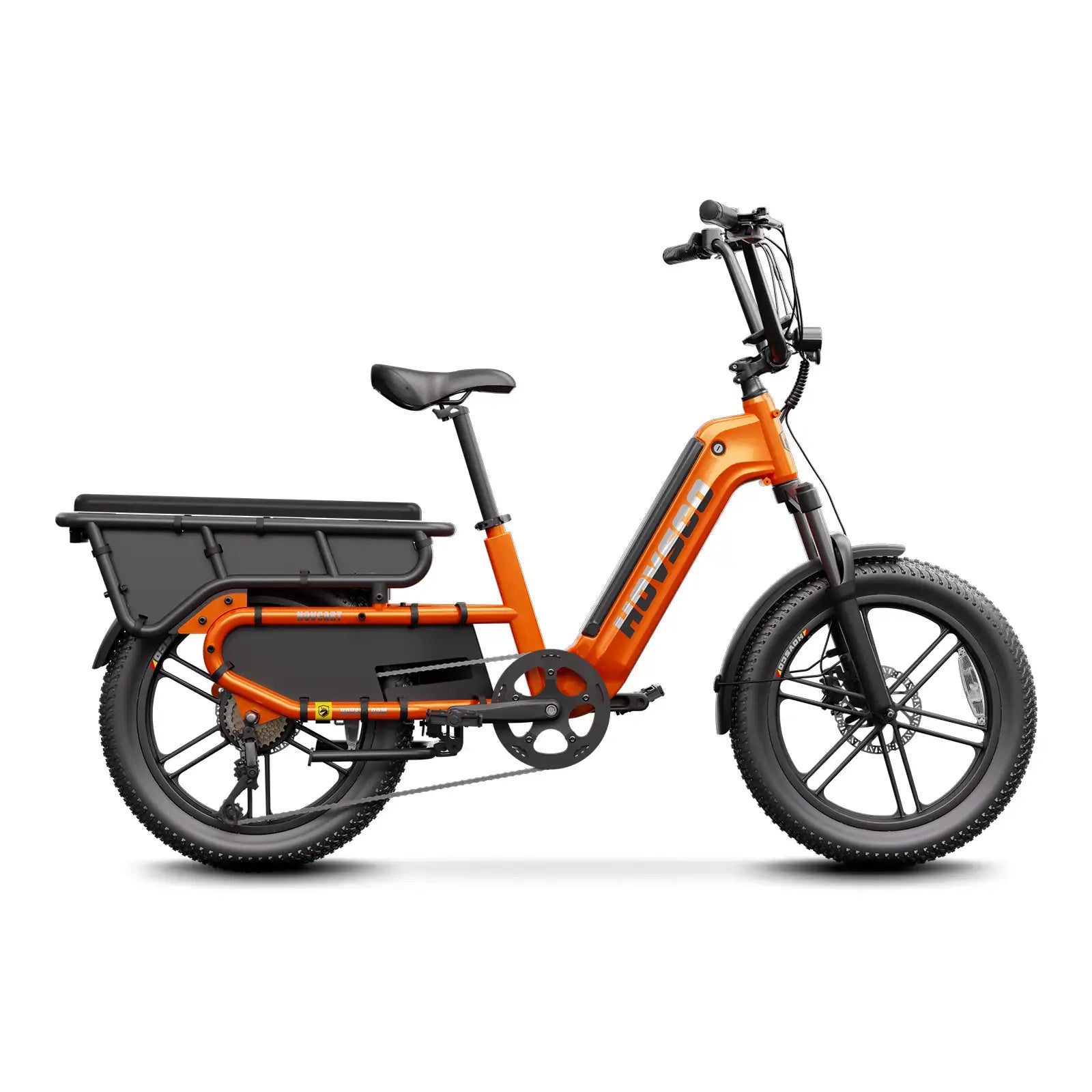
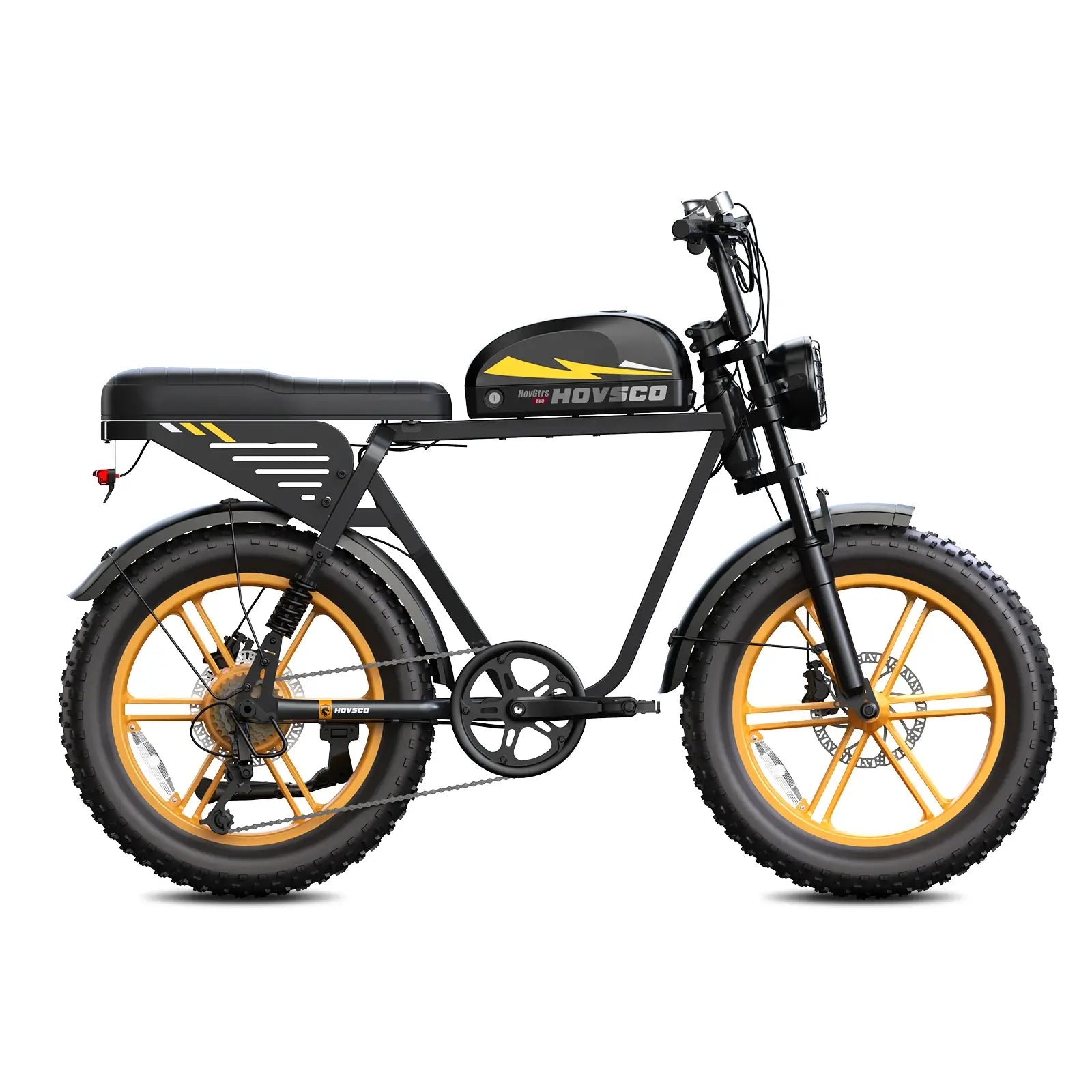
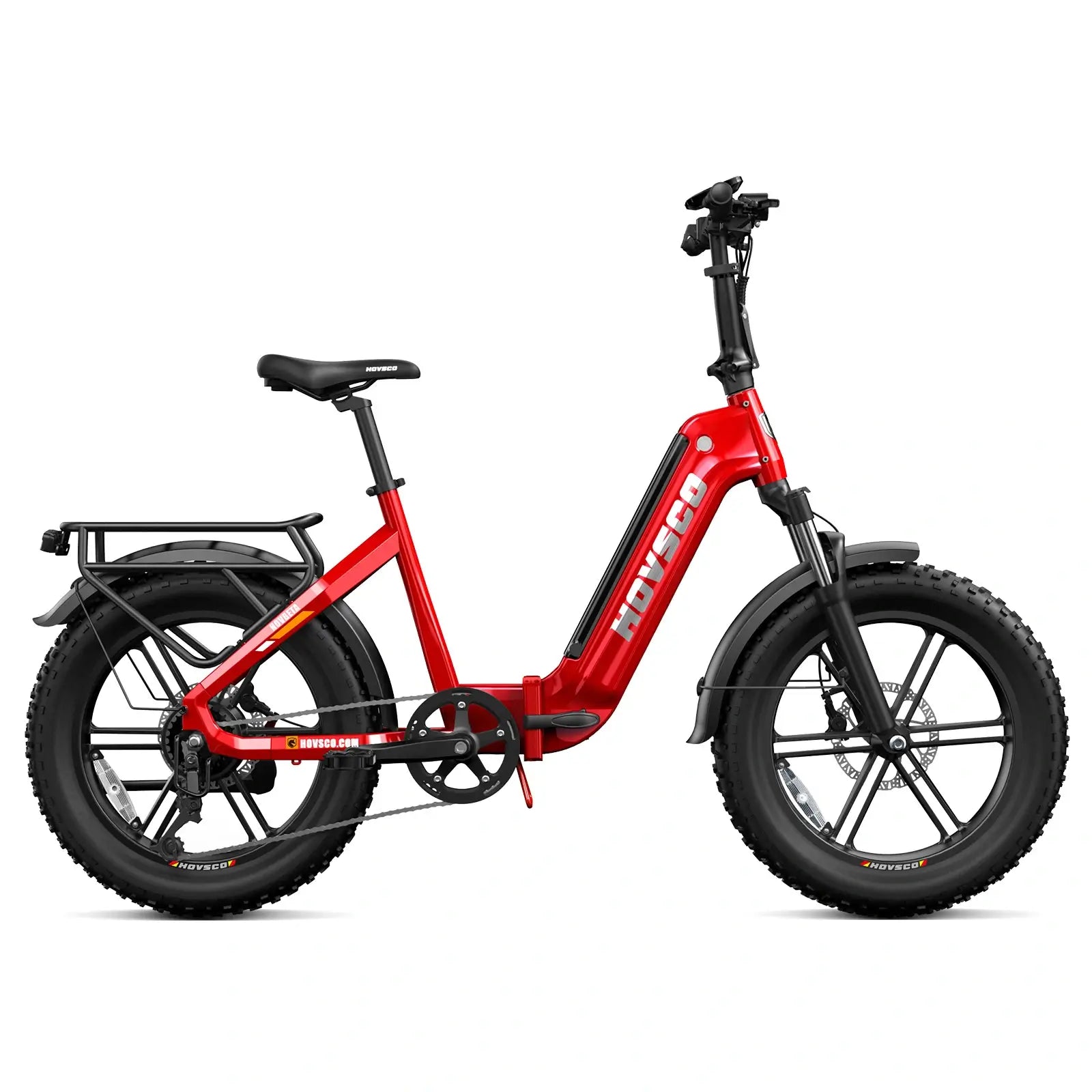
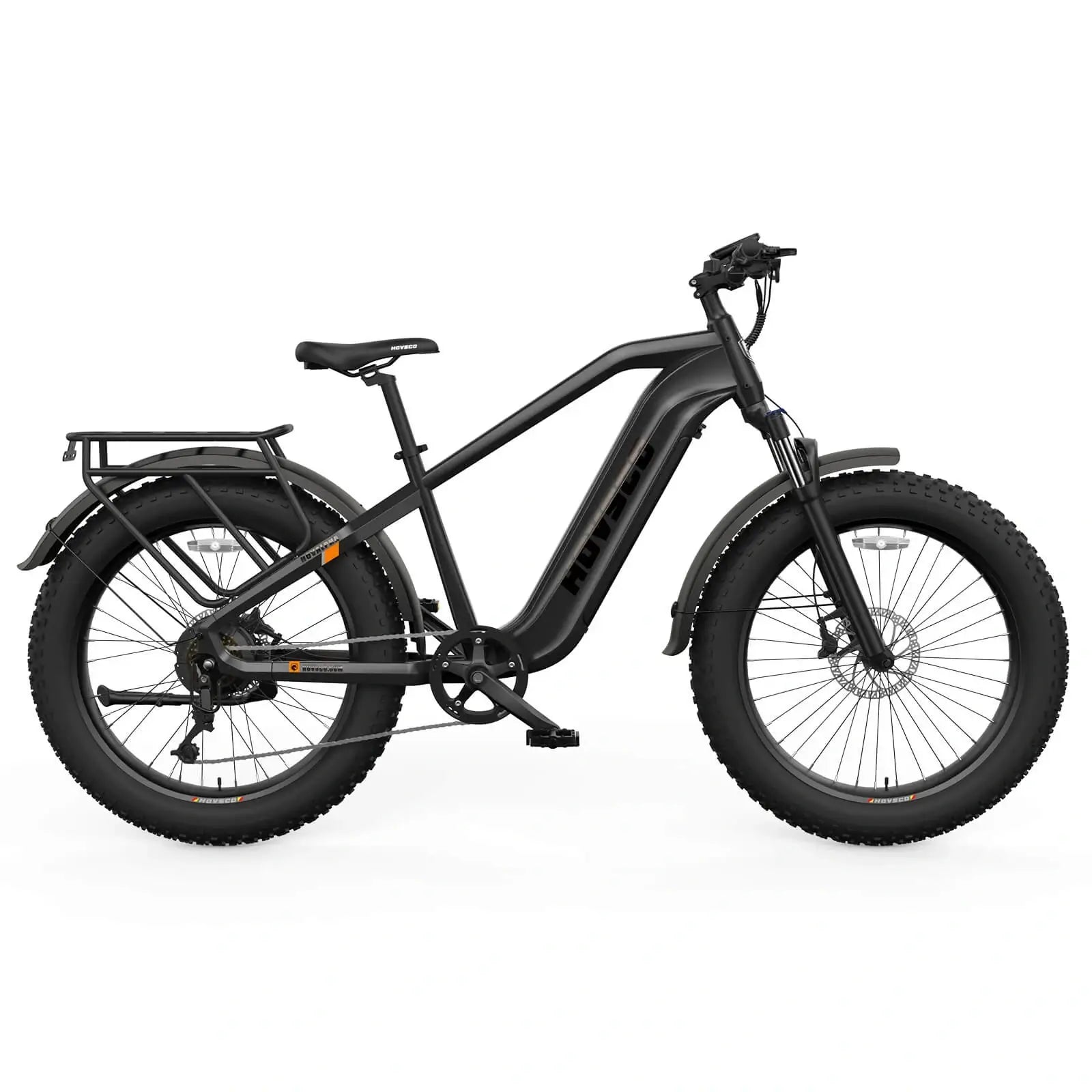
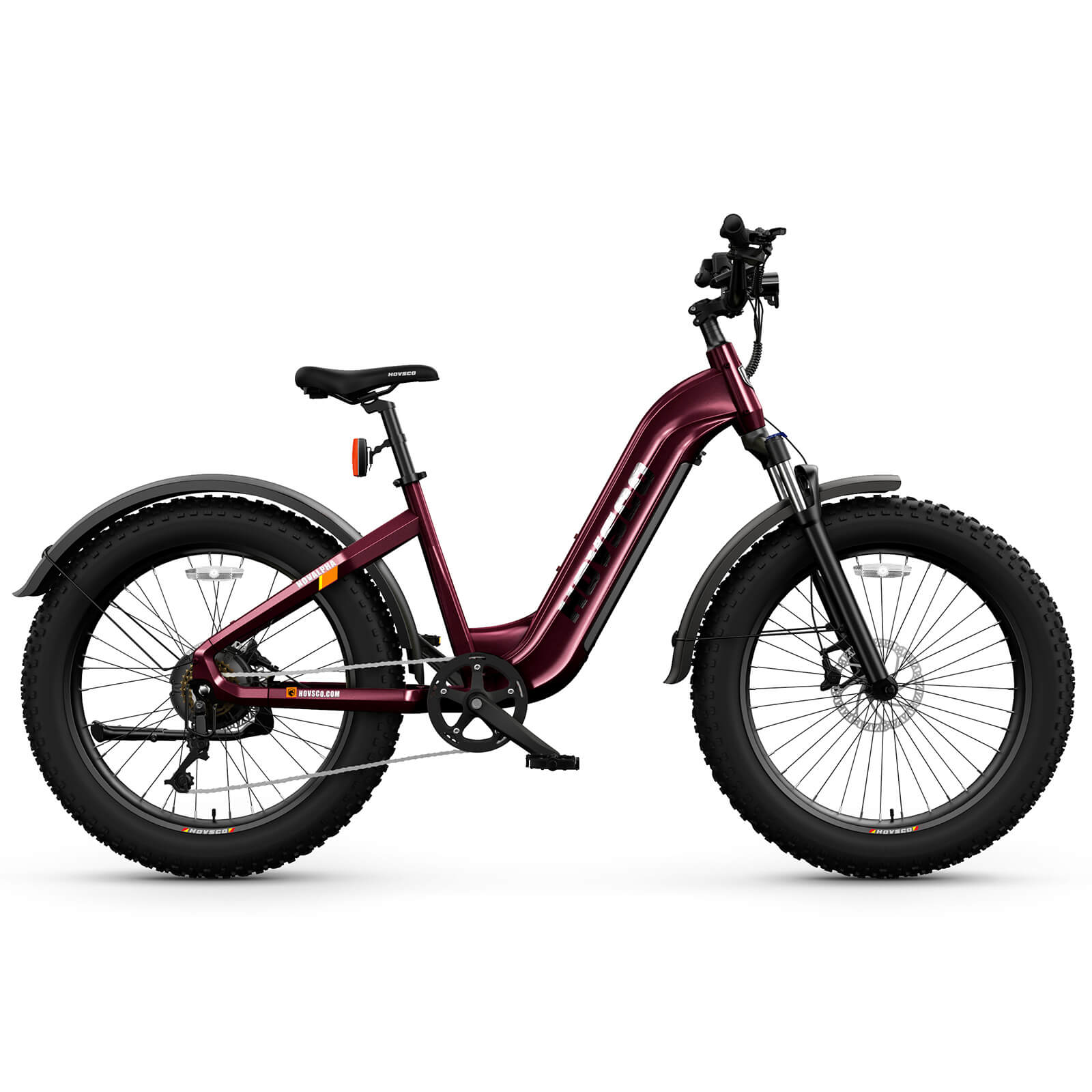
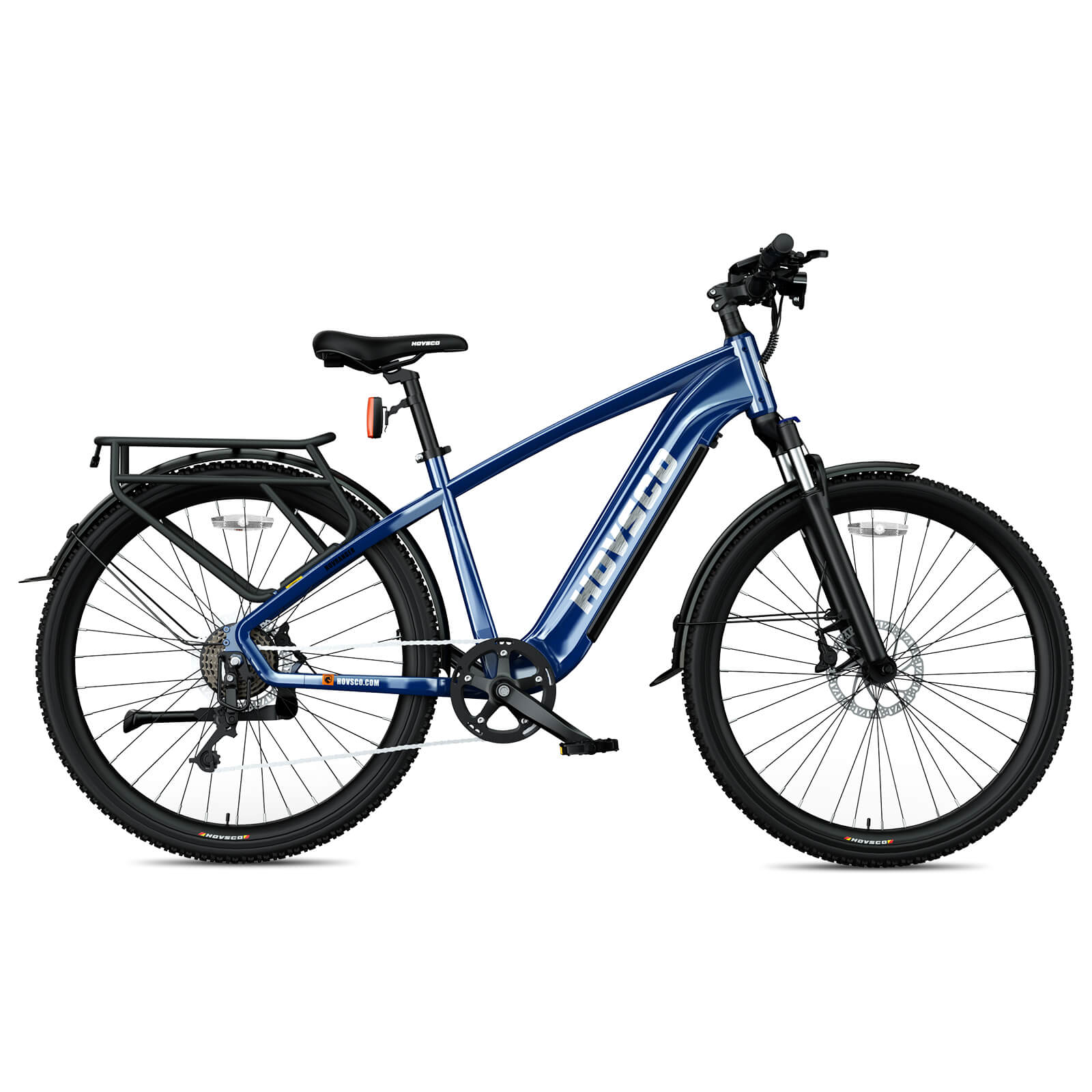
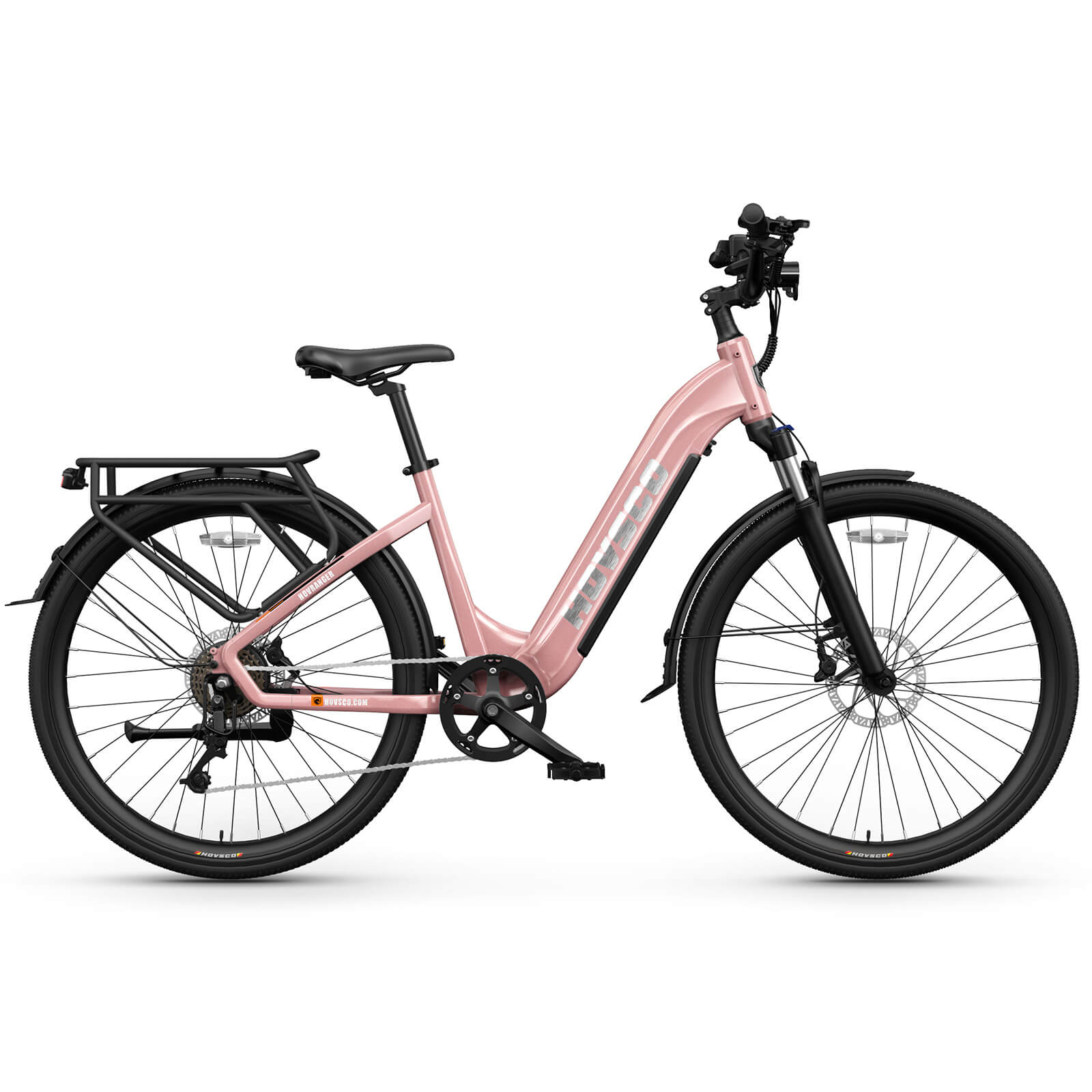
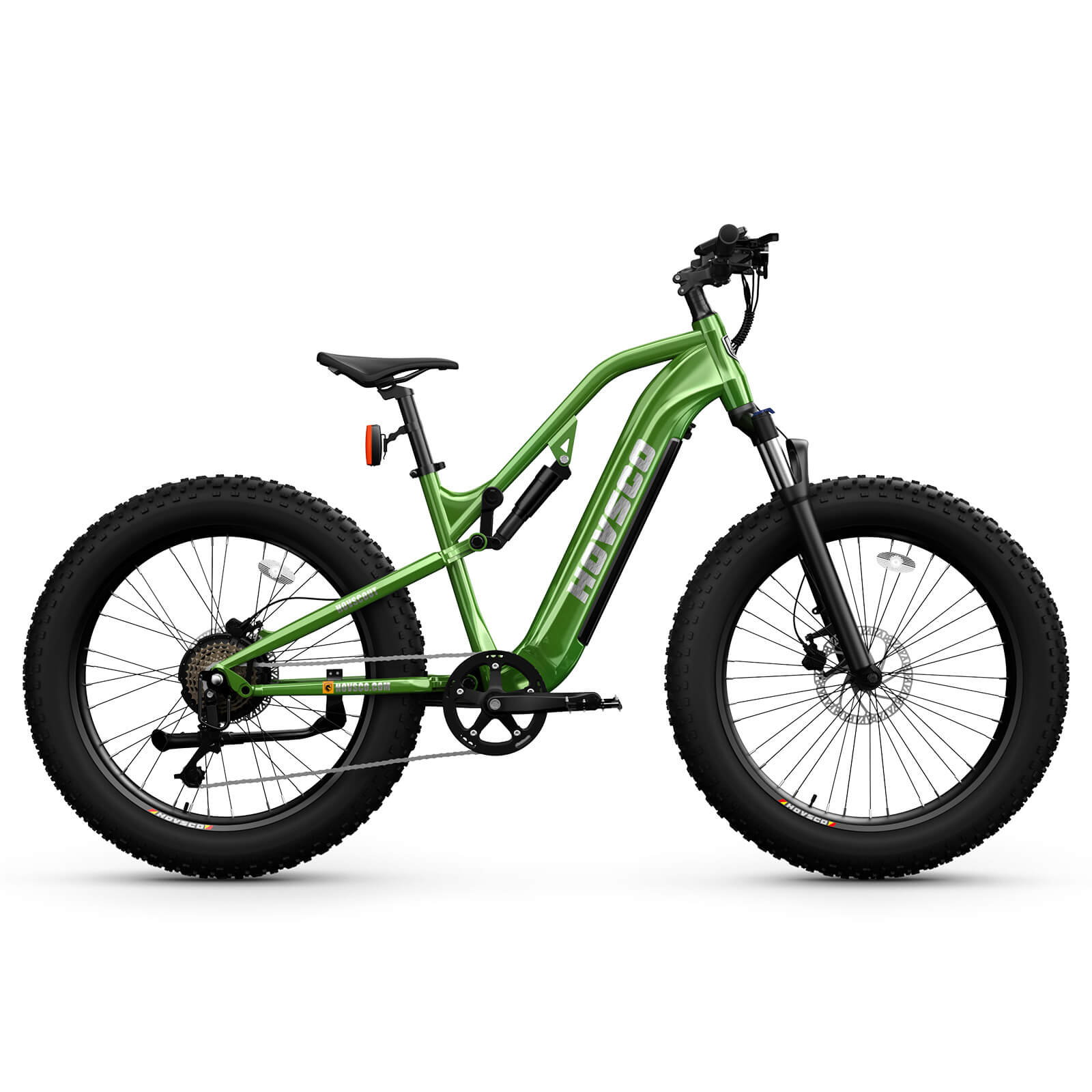
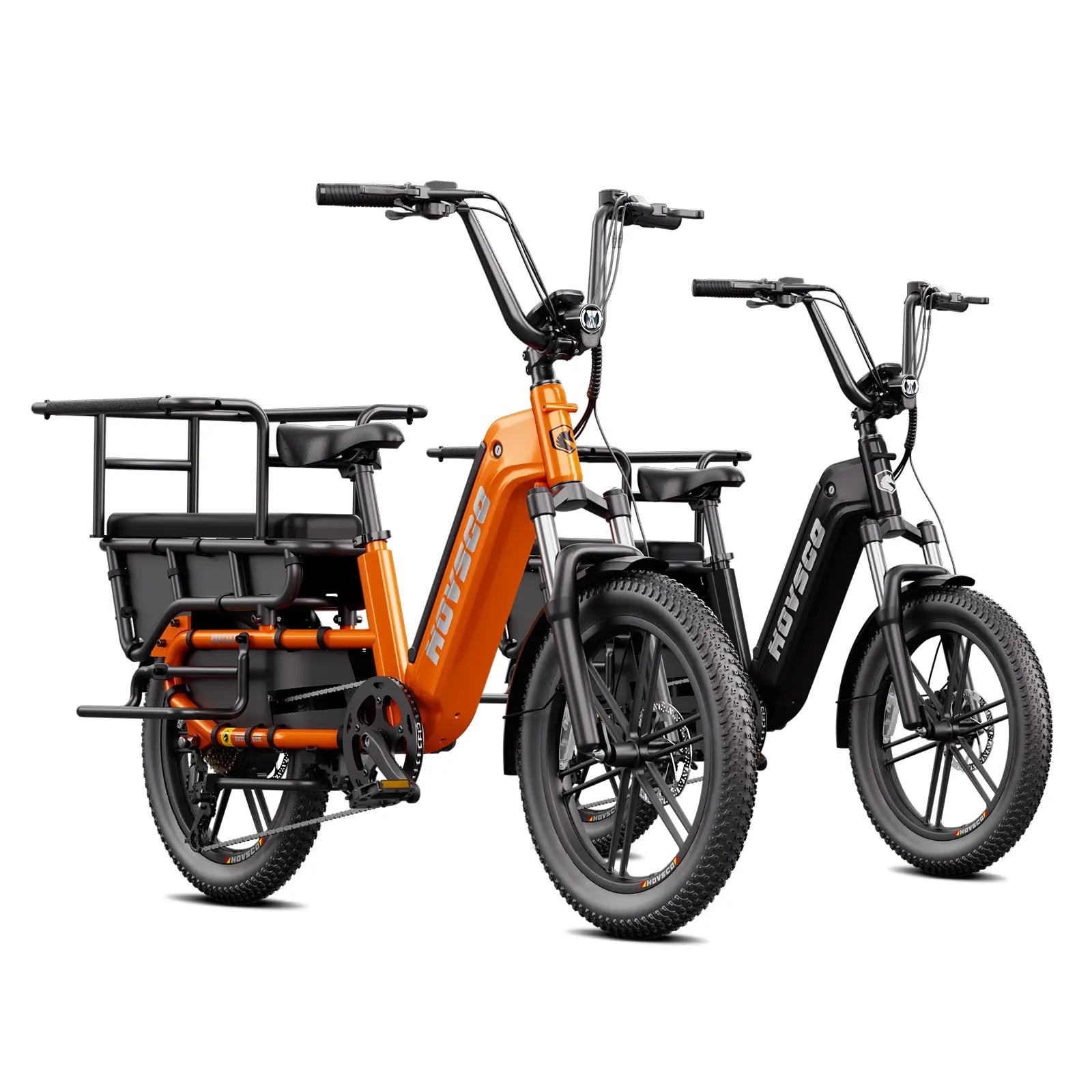
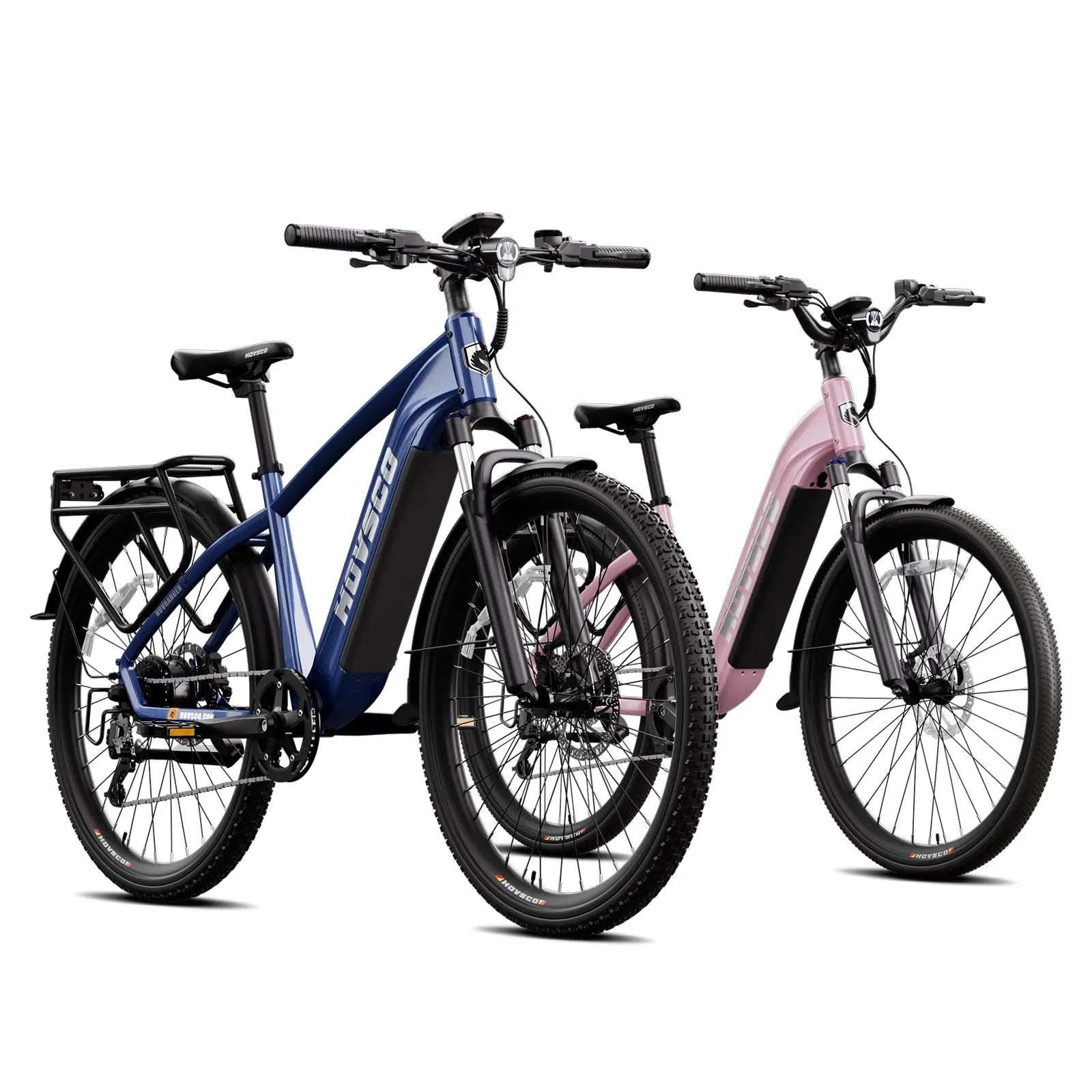
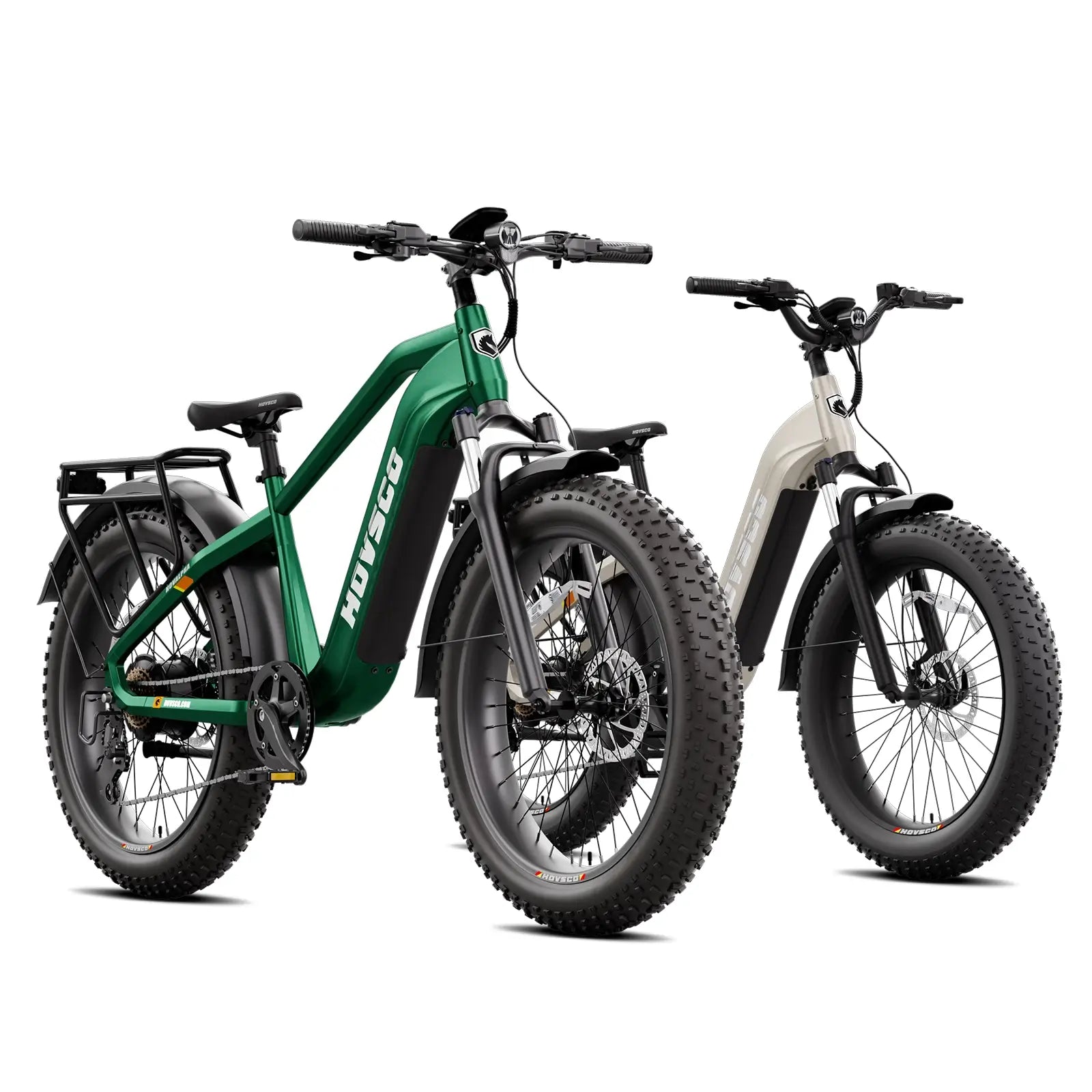
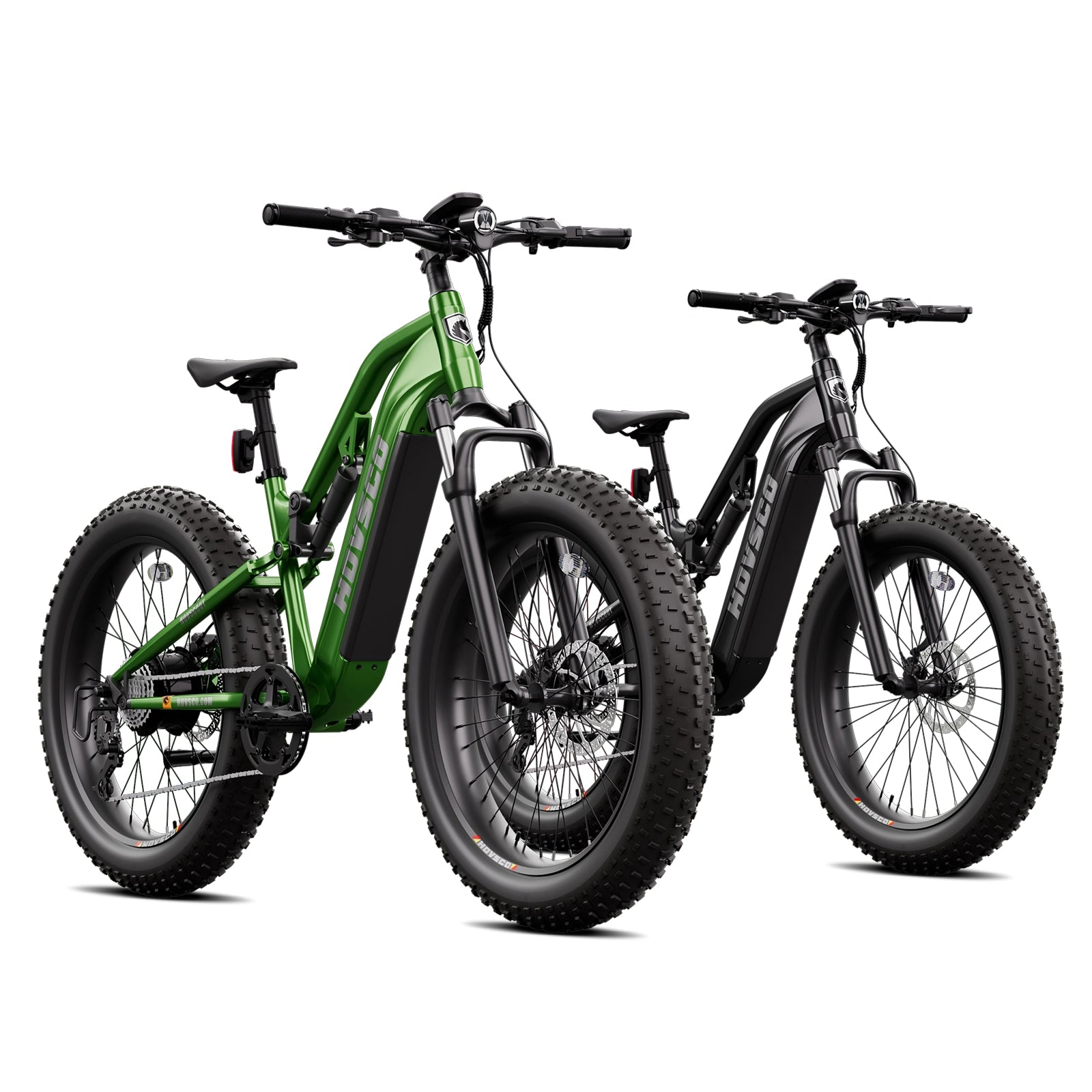
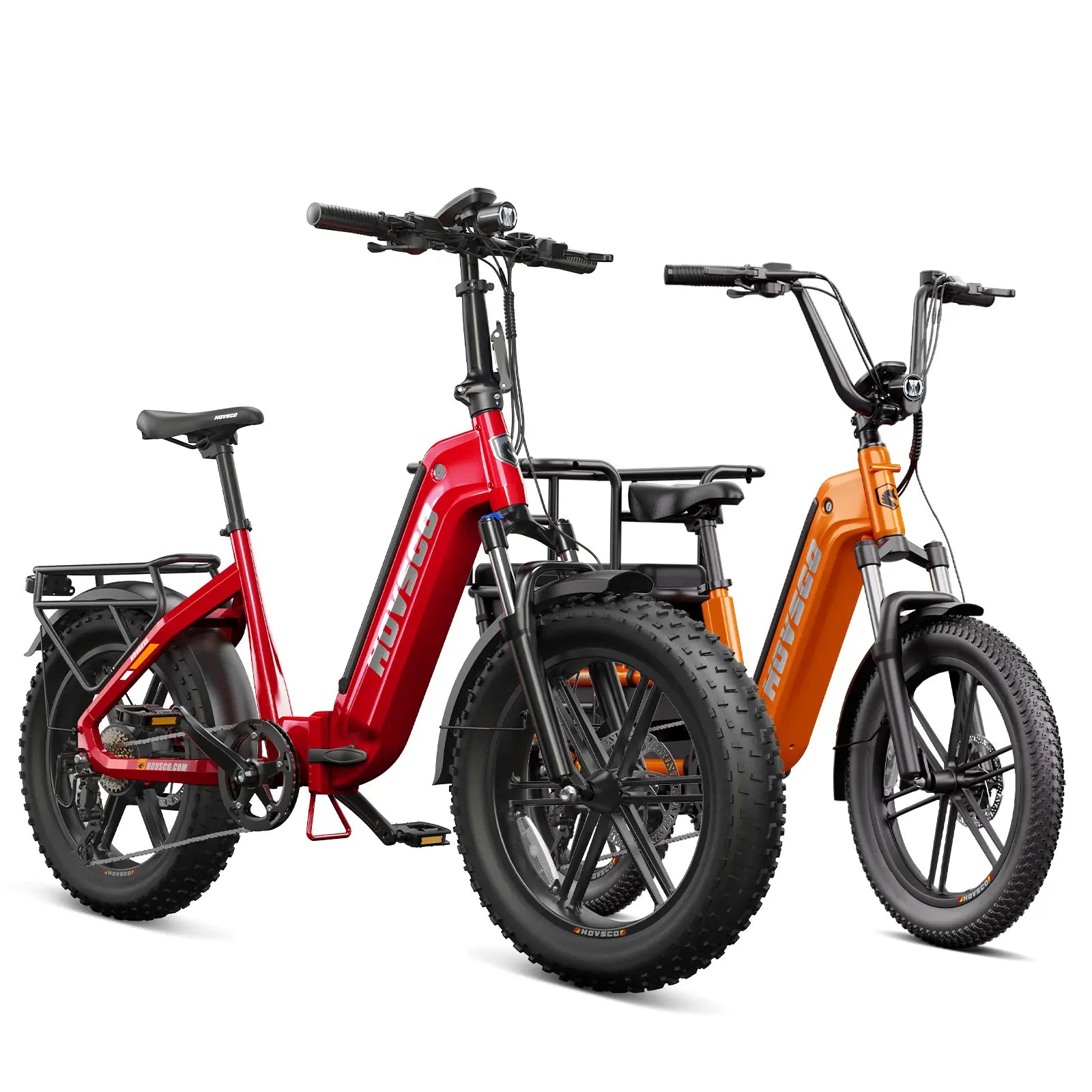
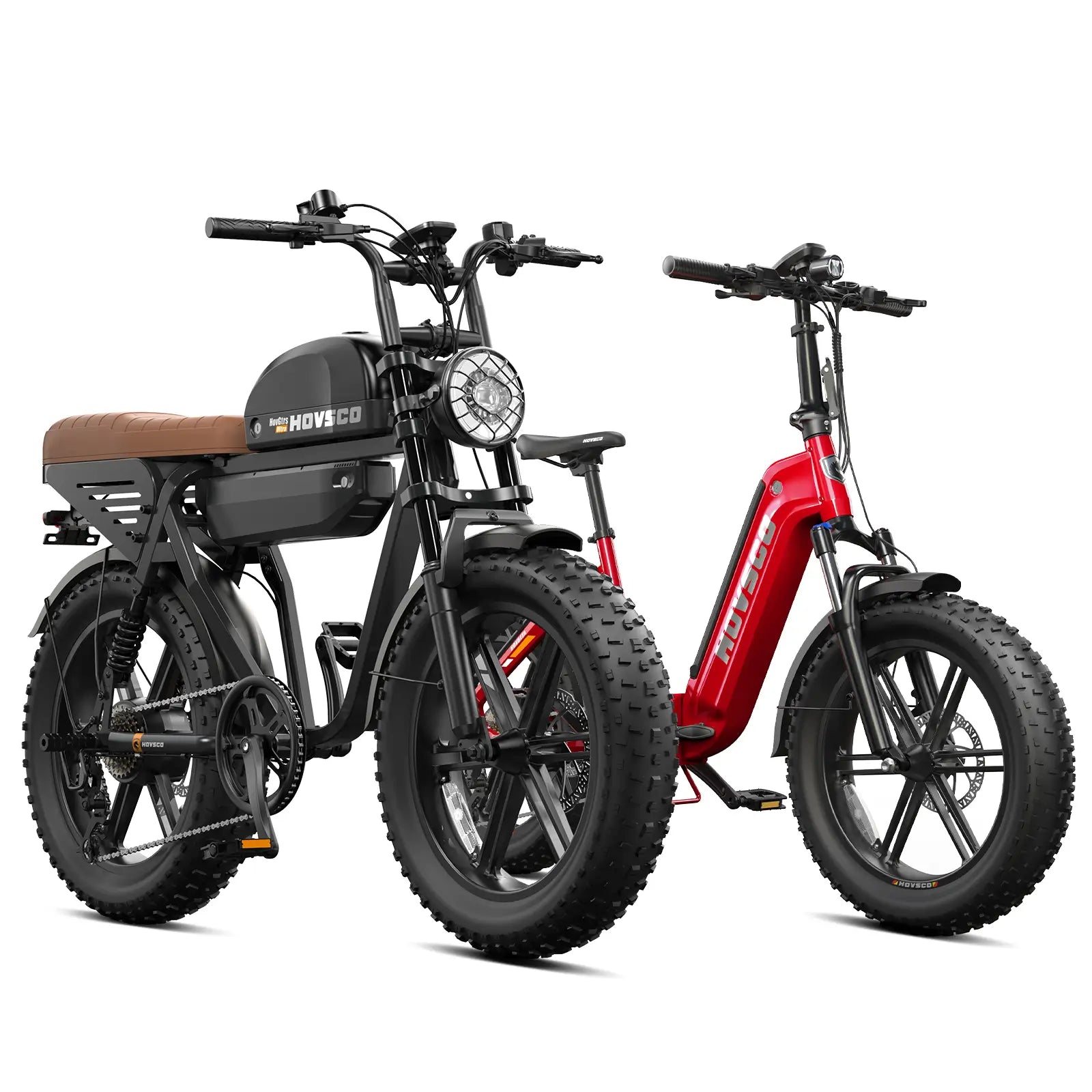
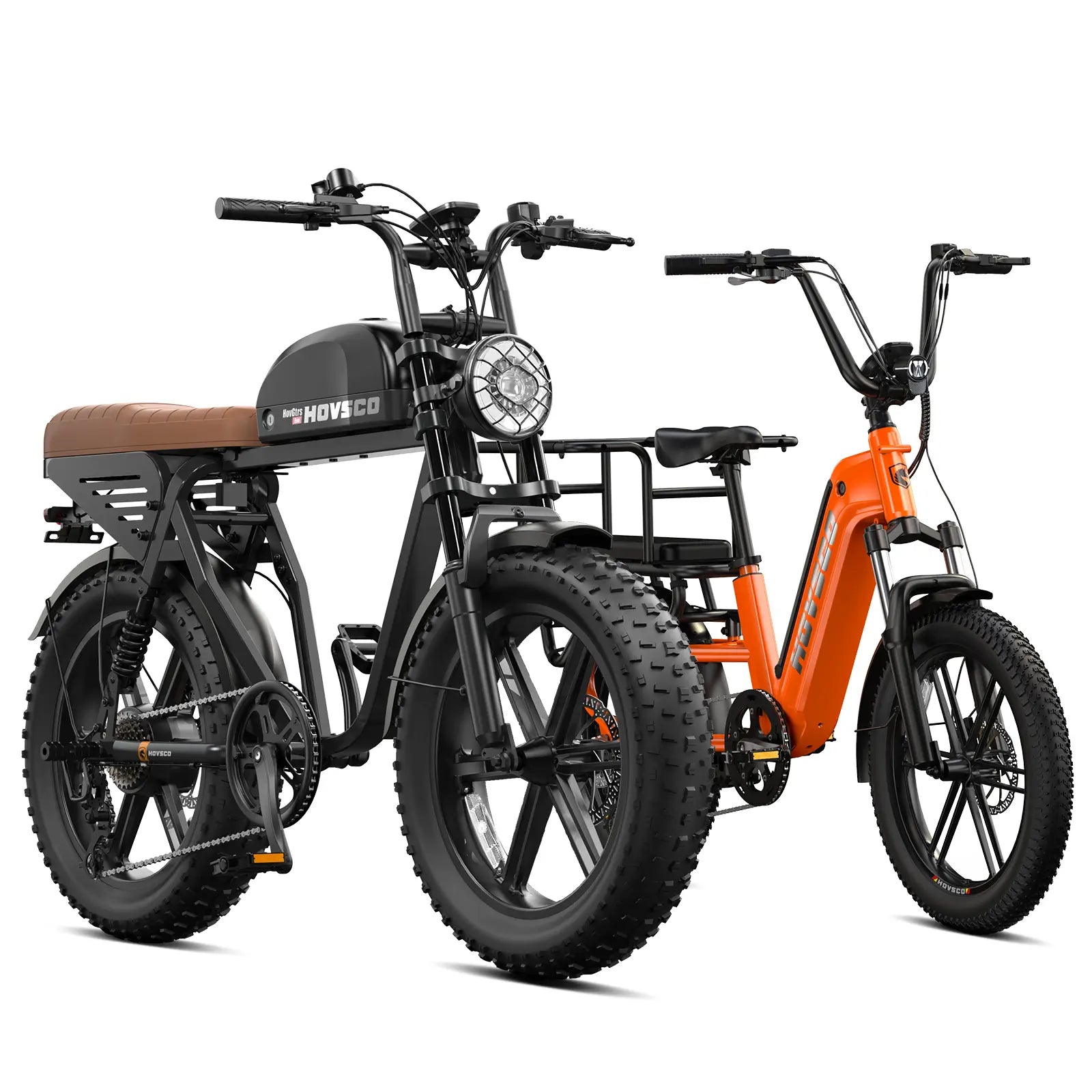
The two HovRanger frames are the city-oriented starting points, with a published 40-60 mile average range and 300 lb maximum payload. The two HovAlpha frames move the comparison toward a published 60-80 mile average range and fat-tire format. HovBeta adds a folding frame; HovCart emphasizes cargo utility; HovScout adds full suspension for mixed surfaces.
Use the HOVSCO comparison tool to check current model specifications side by side. For deeper intent, visit long-range fat-tire e-bikes, foldable electric bikes, cargo e-bikes or the broader fat-tire e-bike collection. Those pages should rank for their own product-type or use-case terms; this page should rank for Class 3 definition and comparison intent.
Fit, brakes, tires and visibility come before top speed
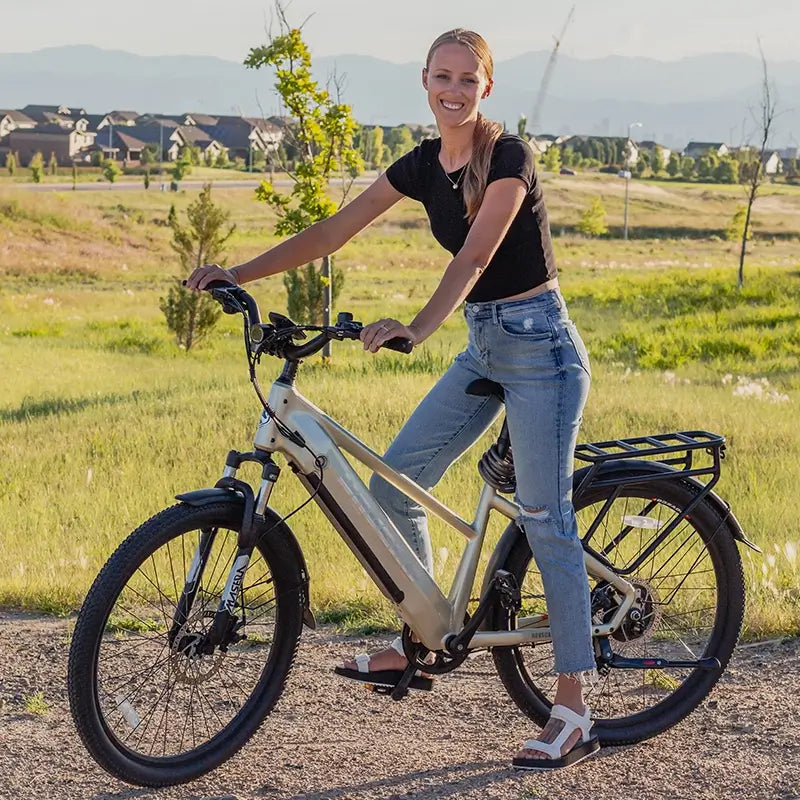
A faster assisted category can magnify a poor fit or delayed control input. Confirm that the frame supports a comfortable riding position, that both feet and hands can operate the controls predictably, and that the rider can mount, start, turn and stop without rushing. Step-through and step-over frames can serve different mobility and handling preferences even when their published electrical specifications are similar.
Check brake condition and lever reach, tire pressure and wear, wheel security, steering, lights, reflectors and audible warning equipment before riding. Allow more following distance as speed, load, rain, loose material or downhill grade increases. Bright daytime clothing and active lights can improve conspicuity, but they do not replace defensive lane position and a speed that preserves stopping room.
Plan range as a reserve, not a guarantee
Published range is a comparison reference, not a guaranteed result for every ride. Rider and cargo weight, assist level, repeated acceleration, hills, wind, temperature, tire pressure, surface and battery condition can all change real-world distance. Higher sustained speeds can also consume energy faster. Plan the complete outbound and return trip, then keep a reserve for detours, traffic and changing conditions.
HovRanger, HovBeta, HovCart and HovScout are listed with 40-60 mile average ranges, while HovAlpha is listed at 60-80 miles. Verify the selected variant's current battery specification and test real-world range gradually. Do not build a route around the maximum published number until the bike, rider, load and conditions have been measured together.
Account for cargo, passengers and complete-bike weight
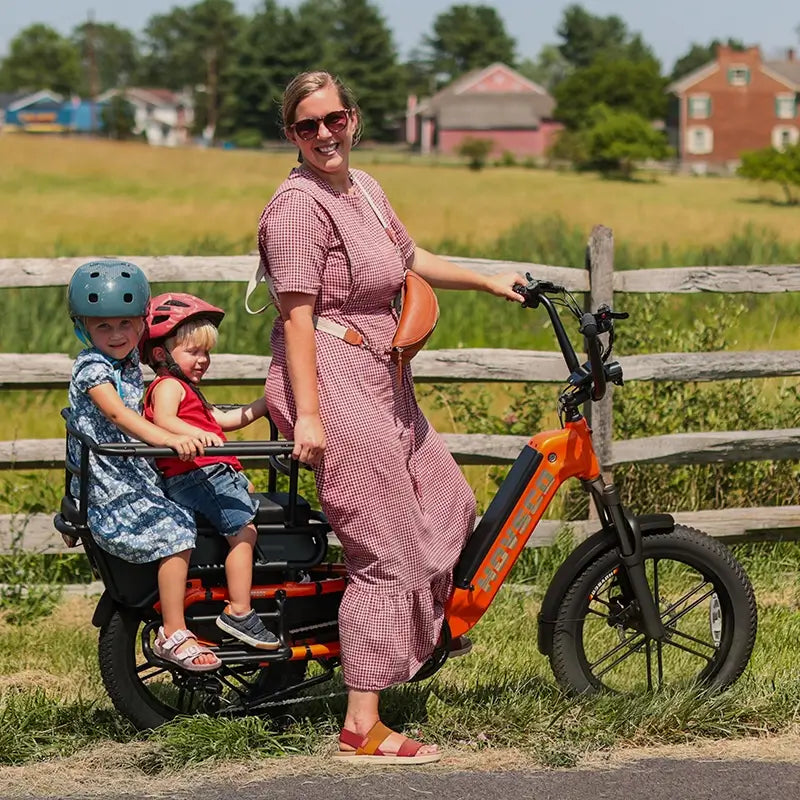
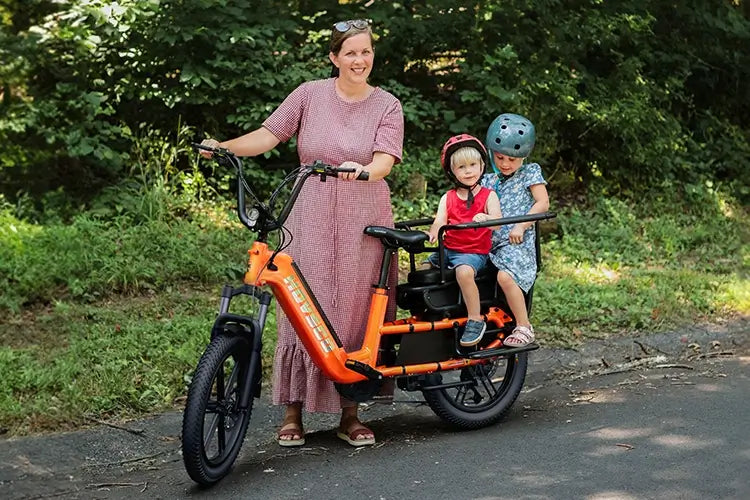
The maximum payload is the combined limit for the bike's intended load, but a rack, basket, child seat, passenger system or other accessory may have a lower independent limit. Compatibility and secure attachment must be confirmed separately. Keep dense cargo low and centered, prevent straps or bags from entering the wheel, and allow additional braking and turning space when the load changes.
Several listed models publish a 450 lb maximum payload, but that number does not automatically approve a passenger or any particular accessory. Use the dedicated high-payload electric bikes page for load-first comparison and the cargo collection for cargo-bike intent. A Class 3 label does not increase rack capacity or make a loaded bike suitable for every path.
Use a pre-purchase Class 3 checklist
- Define the primary job: city riding, range reserve, folding storage, cargo utility or mixed-surface comfort.
- Open the current product page and confirm the exact model, variant, motor rating, assist behavior, throttle behavior, label and manual.
- Check rider fit, complete-bike weight, storage, transport, charging and service access.
- Verify state and local class definitions plus age, helmet, equipment, passenger and route-access rules.
- Map every road, lane, path and trail segment; follow posted limits and land-manager restrictions.
- Review assembly videos and manuals, then arrange professional inspection when required.
After those checks, return to the unchanged product grid for current availability and variants. If a legal or configuration question remains unresolved, pause the purchase decision and confirm it with the responsible source rather than relying on a generic speed pedelec description.
Return to the Class 3 collectionRecheck current specifications, configuration notes, variants and availability before ordering.




![[ New Arrival ] Porto Max Electric Scooter For Commute & Grocery Shopping - HOVSCO](http://www.hovsco.com/cdn/shop/files/PotroMax-3.jpg?v=1706927007&width=1200)