


![[ New Arrival ] Porto Max Electric Scooter For Commute & Grocery Shopping - HOVSCO](http://www.hovsco.com/cdn/shop/files/PotroMax-3.jpg?v=1706927007&width=1200)
- by EO S
What Should You Know About Choosing an Electric Bike for Teenagers?
- by EO S
E-Bikes
Accessories
 Free Shipping
 15-Day Returns
 2-Year Warranty
Free Shipping
15-Day Returns
2-Year Warranty
2-Year Warranty
Free Shipping
15-Day Returns
2-Year Warranty
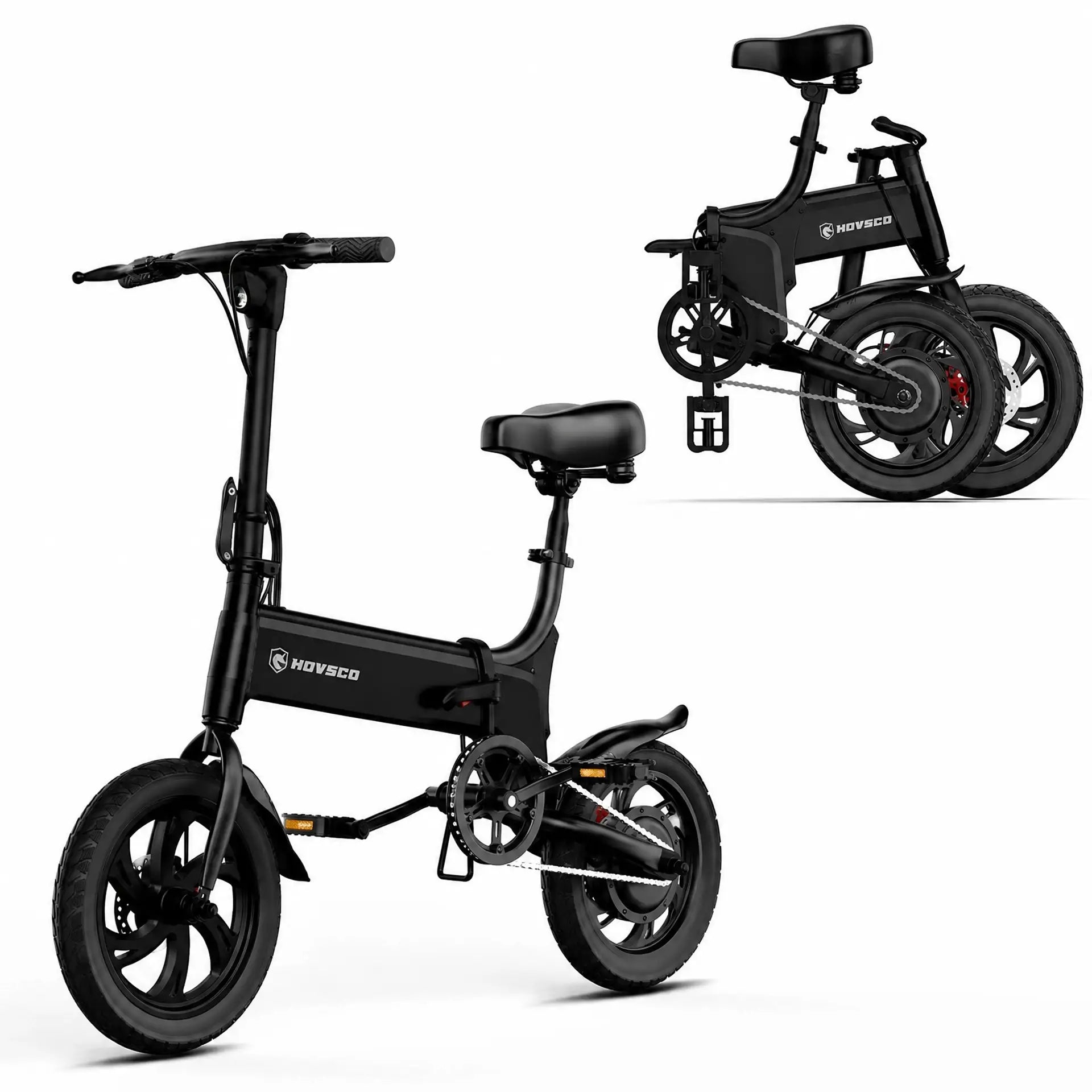
Electric bikes designed for teenagers offer a balance of fun, independence, and practical mobility, but safety, age-appropriate performance, and smart features are essential decision points. Riders and parents alike benefit from models that combine reliable electric assist, secure controls, and trusted build quality — such as those found in HOVSCO’s youth-appropriate electric bike lineup, which emphasizes safety, comfort, and everyday usability.
The electric bike for teenagers market is rapidly expanding alongside the broader e-bike industry, which saw global sales climb substantially in the early 2020s. Teen adoption rates for electric bikes have surged, with some reports indicating usage growth of over 100% annually in recent years as teens use e-bikes for school travel, recreation, and errands. However, safety concerns are a significant pain point for parents and policymakers. Research from U.S. safety authorities shows that e-bikes have been linked to tens of thousands of emergency room visits and over a hundred deaths in recent years, with higher speeds contributing to more severe injuries compared with traditional bikes. Health experts generally advise that younger children should not ride high-speed electric bikes and recommend a minimum age of around 16 for unsupervised use, highlighting the need for age-appropriate design and features in teen electric bikes. HOVSCO addresses these concerns by developing teen-friendly ebike models with controlled speed, robust braking, and ergonomic safety features tailored to younger riders.
Teen e-bike usage is climbing in urban, suburban, and rural areas alike. Growth trends show strong double-digit annual increases in teen ownership as families seek sustainable transportation and flexible mobility options for kids who are not yet driving licensed vehicles.
High Rate of Injuries
E-bikes travel faster than traditional bicycles, and data indicates thousands of emergency room visits and fatalities attributed to e-bike incidents in recent years, particularly among youth riders. Health authorities emphasize that young teens may lack the experience and judgment needed for fast electric bike operation.
Age and Legal Complexity
Regulations vary among jurisdictions, with many advising that riders under a certain age should avoid high-speed ebikes; some communities are even implementing age-specific bans to reduce crash risk.
Training and Road Awareness Gaps
Teens often lack formal training in motorized vehicle handling and traffic rules, increasing risk in mixed traffic environments.
Many traditional adult-oriented ebikes emphasize performance and power, which can be inappropriate for younger riders. Too much speed or overly powerful motors can lead to accidents and unsafe behaviors, especially in dense urban settings.
| Traditional Option | Limitation |
|---|---|
| Adult Ebikes Without Power Limits | Too fast and powerful for inexperienced teen riders |
| Standard Kids Bikes (Non-Electric) | Limited range and effort required reduce utility for longer trips |
| Electric Bikes With Unrestricted Throttle | Teens may exceed safe speeds, increasing collision risk |
| Motorized Scooter Alternatives | Often lack pedals and legitimate bicycle classification |
Traditional solutions either lack sufficient power for practical use or lack age-appropriate safety controls for teens.
An ideal electric bike for teenagers blends controlled performance, safety-focused features, and durability. HOVSCO’s youth-oriented models incorporate adjustable motor support that keeps speeds within safe, legal limits for teens while offering enough assistance to make rides enjoyable and practical for school, errands, or weekend fun. Key design priorities include:
Speed-limited motor systems tailored to legal and developmental appropriateness for teen riders
Responsive braking systems capable of safe stops in mixed traffic
Comfortable and adjustable ergonomics so the bike grows with the teen
Smart safety integration including lights, reflectors, and optional connectivity for parental monitoring
| Feature | Traditional Bike | Teen Electric Bike |
|---|---|---|
| Pedal Effort | Manual only | Electric assist reduces fatigue |
| Speed Control | Limited to rider strength | Controlled motor assist with legal speed limits |
| Range | Depends on rider fitness | Extended range with battery support |
| Safety Features | Basic | Enhanced braking, lights, reflectors |
| Appeal to Teens | Lower | Higher due to tech features and modern design |
| Parental Confidence | Moderate | Improved with built-in safety and control |
Determine Appropriate Age and Legal Requirements
Consult local laws and health guidance to establish age limits and permissible classes of electric bikes.
Choose Power and Speed Levels Wisely
Select bikes with motor output and top assisted speed appropriate for teen experience level and legal restrictions.
Inspect Safety Features
Ensure bikes include robust brakes, integrated lights, reflective elements, and a stable frame design.
Teach Safe Riding Practices
Provide instruction on road rules, signaling, and hazard awareness before independent riding.
Regular Maintenance and Monitoring
Check tire pressure, brakes, battery health, and general condition to maintain safe operation.
Problem: Teen needs reliable transport to campus without a car
Traditional Solution: Manual bike or parent-driven rides
New Outcome: Electric assist makes daily commute faster and less tiring
Key Benefit: Increased independence with controlled speed limits
Problem: Teen runs errands and attends sports practice without strain
Traditional Solution: Manual bike or rideshare transportation
New Outcome: Electric assist encourages active transport with less effort
Key Benefit: Combines fitness and convenience
Problem: Teens want fun, tech-forward rides with friends
Traditional Solution: Standard bikes or scooters with limited appeal
New Outcome: Electric bikes offer engaging rides with smart features
Key Benefit: Enhanced social activity and outdoor time
Problem: Family needs transport for errands or park visits
Traditional Solution: Drive short distances by car
New Outcome: Teens use safe, controlled ebikes to join family rides
Key Benefit: Reduces car use and encourages family activity
Electric bike adoption among teenagers is rising sharply, supported by growing awareness of sustainable transport, cost pressures on car ownership, and advances in age-appropriate ebike design. With regulatory focus sharpening on e-bike safety and age requirements, choosing a model with built-in safety controls is critical. HOVSCO’s teen-focused electric bikes offer a balanced solution that supports independence without compromising on safety or parental peace of mind. As more cities expand cycling infrastructure and families look to reduce car dependency, teen electric bikes stand out as a practical, engaging, and responsible mobility choice.
How old should a teen be before riding an electric bike?
Health and safety guidance suggests teens should be at least 16 for unsupervised e-bike riding and that younger riders use bikes with lower speed limits.
Which safety features matter most on a teen electric bike?
Responsive brakes, integrated lighting, speed-limited motors, reflective elements, and stable frame geometry are essential.
Can teens customize their electric bikes?
Many models offer adjustable seats, handlebar settings, and accessory mounts to fit growing riders.
Does training help reduce injuries?
Yes, instruction on traffic rules, signaling, and responsible riding behavior reduces risk and promotes confidence.
Are there legal speed limits for teen electric bikes?
Many regions restrict e-bike speeds for younger riders; comfortable bikes that adhere to these limits better align with safety and legality.
https://kidshealth.org/en/parents/ebike-safe.html
https://www.millerchildrens.memorialcare.org/blog/e-bike-popularity-and-safety-concerns-children-and-teenagers
https://www.healthychildren.org/English/tips-tools/ask-the-pediatrician/Pages/are-electric-bikes-e-bikes-safe-for-children.aspx
https://nextgenebike.com/electric-bike-for-teens-best-models/
https://arxiv.org/abs/2308.02034
Share:
How Is a Retro Electric Bike Different From a Modern Ebike and Which One Should You Choose?
Which Electric Bike Handles Heavy Loads Best?