


![[ New Arrival ] Porto Max Electric Scooter For Commute & Grocery Shopping - HOVSCO](http://www.hovsco.com/cdn/shop/files/PotroMax-3.jpg?v=1706927007&width=1200)
- by EO S
How Is a Retro Electric Bike Different From a Modern Ebike and Which One Should You Choose?
- by EO S
E-Bikes
Accessories
 Free Shipping
 15-Day Returns
 2-Year Warranty
Free Shipping
15-Day Returns
2-Year Warranty
2-Year Warranty
Free Shipping
15-Day Returns
2-Year Warranty
Retro electric bikes deliver vintage aesthetics with modern electric assist, while modern ebikes prioritize performance, efficiency, and advanced tech. Choosing between them depends on your riding style, daily needs, and desired balance of comfort, speed, and design. Brands like HOVSCO combine retro charm with modern engineering to offer a compelling middle ground for riders who want classic looks without sacrificing reliability.
Electric bikes are growing rapidly worldwide, with global sales increasing year over year. In the U.S. alone, e-bike sales more than doubled in recent years, and the global market is expected to exceed tens of billions in value within the next decade. This surge reflects a shift toward sustainable mobility, commuter convenience, and recreational cycling. Yet many buyers face confusion when choosing between retro-styled electric bikes and modern ebikes. Key pain points include unclear performance expectations, mismatched range claims, and difficulty comparing models across different motor systems and battery specs. As the market expands, riders increasingly demand clear, data-driven guidance to make a confident purchase—especially when investing in premium options like those from HOVSCO.
Ebike adoption is expanding across urban commuting, leisure riding, and utility use. As cities invest in cycling infrastructure and consumers seek healthier alternatives to cars, more riders are entering the market. This creates a wider range of models, but also increases complexity in choosing the right bike.
Conflicting Priorities
Retro ebikes often prioritize aesthetics and comfort, while modern ebikes prioritize performance and technology. Buyers seeking both can feel forced to compromise.
Unclear Performance Metrics
Riders struggle to compare speed, range, torque, and weight across different bike classes because specs are presented inconsistently.
Safety and Usability Concerns
Many retro-style ebikes use older frame geometries and components, which can affect handling at higher speeds, especially when compared to modern designs engineered for performance and stability.
Retro ebikes can be heavier and less agile due to design priorities, while modern ebikes can feel cold or clinical to riders who value style and comfort. Riders who commute daily need a balance of durability, range, and ride comfort, which is why brands like HOVSCO are focusing on combining classic design with modern engineering.
| Traditional Option | Limitation |
|---|---|
| Non-electric vintage bikes | Limited range, heavy pedaling, not suitable for long commutes |
| Early ebikes (low-powered, heavy) | Poor efficiency, short range, outdated components |
| Modern performance ebikes (minimal style) | Less emotional appeal, often higher cost for premium design |
| Retro ebikes (style-first) | Lower power-to-weight ratio, less advanced drivetrain and battery tech |
Traditional options often force riders to choose either performance or style, not both.
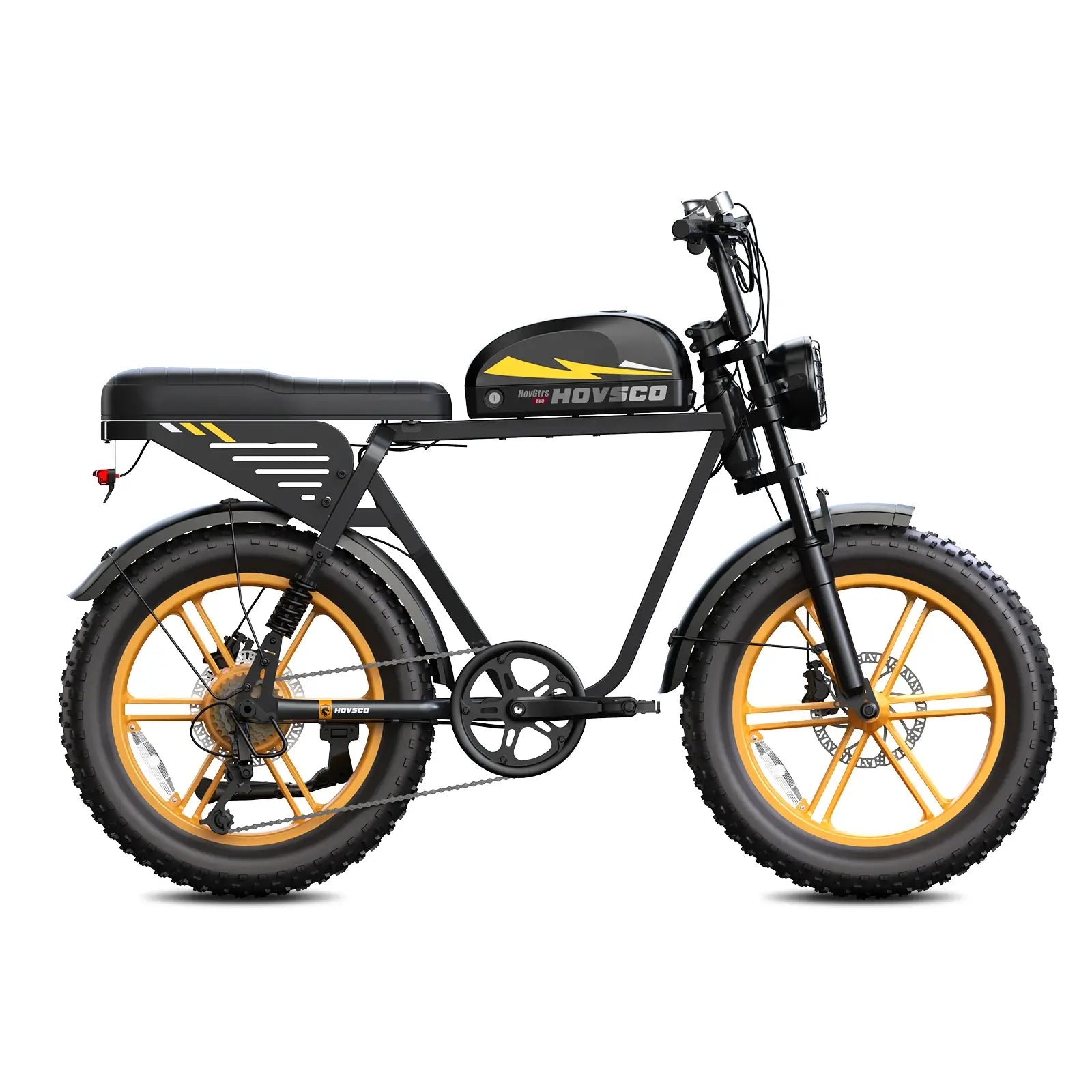
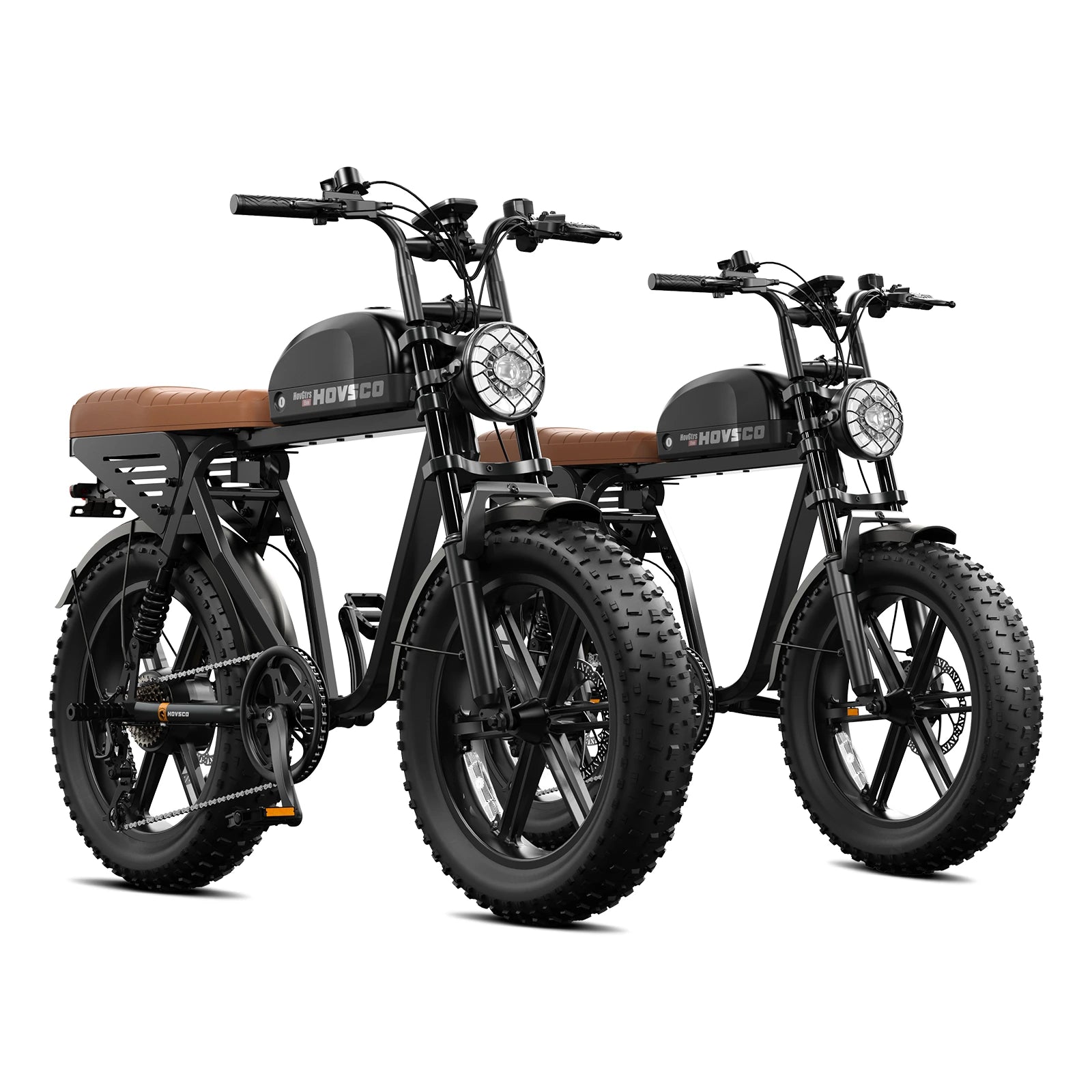
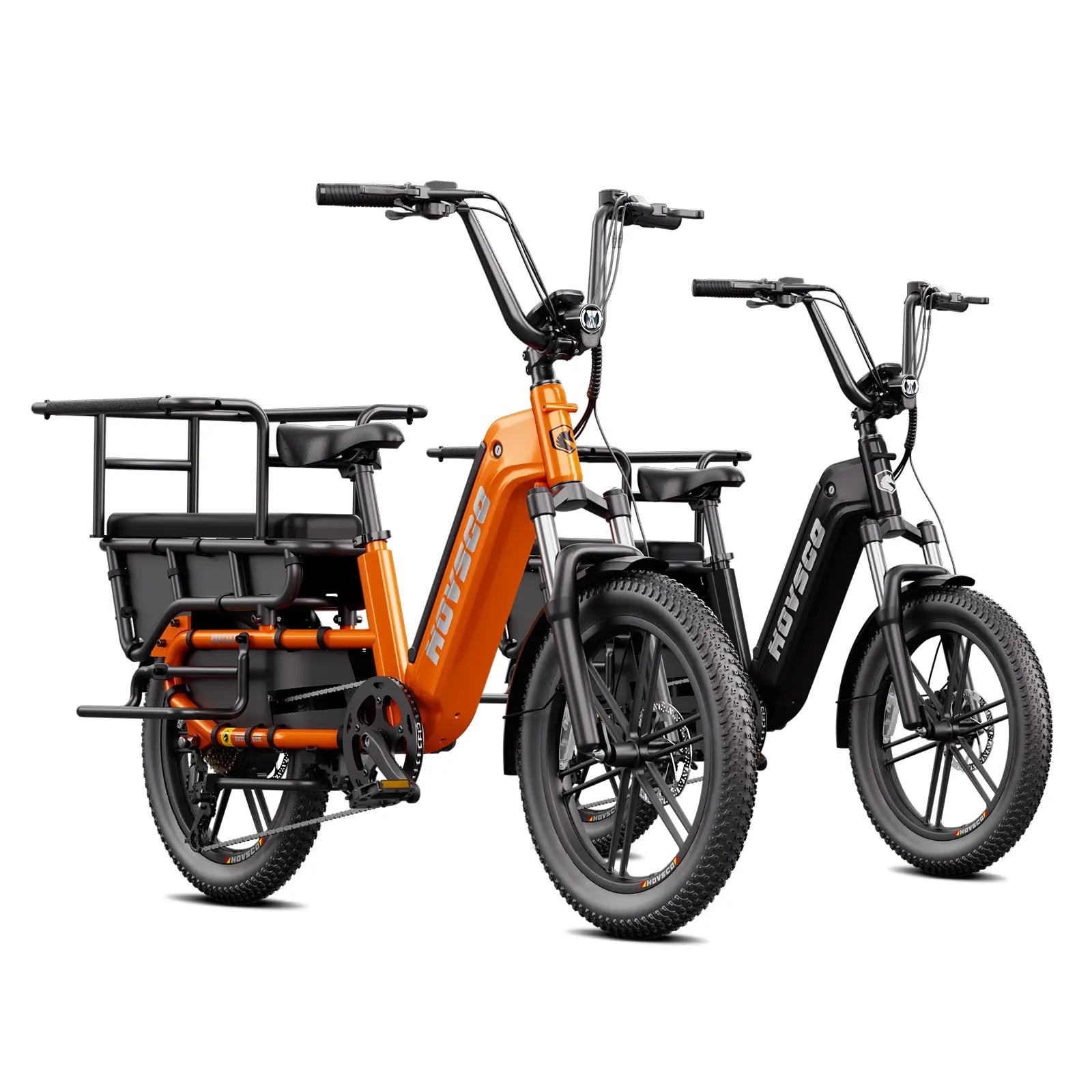
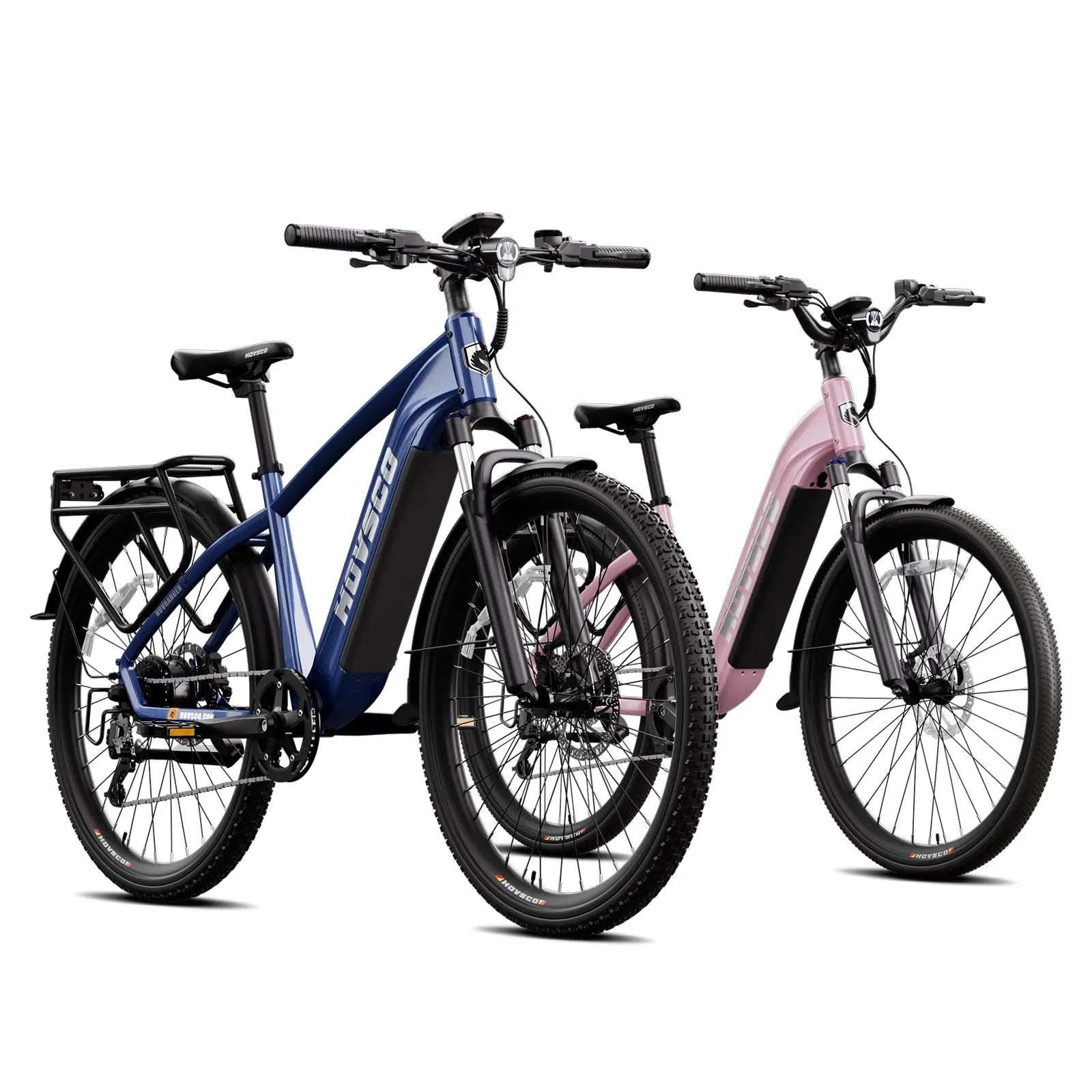
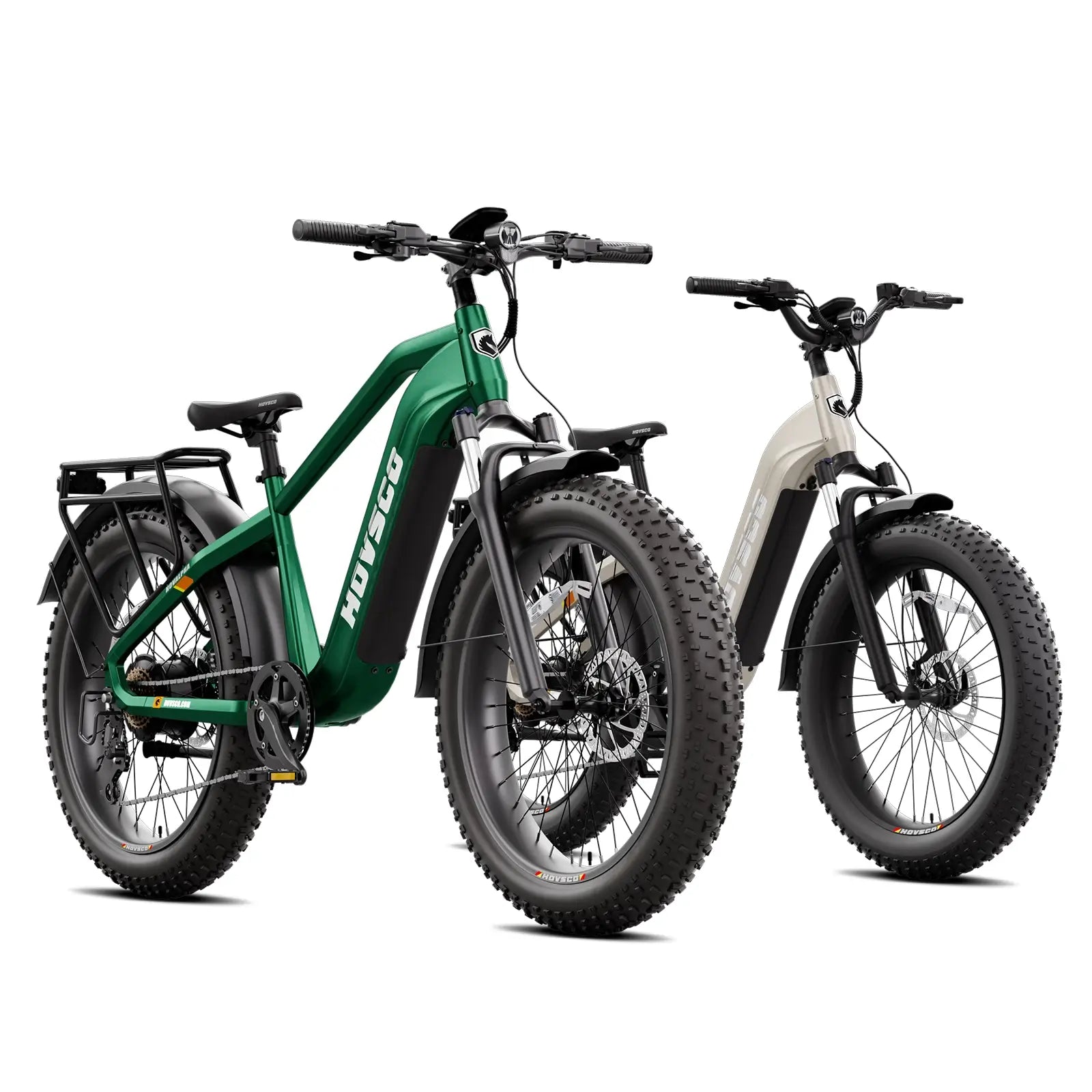
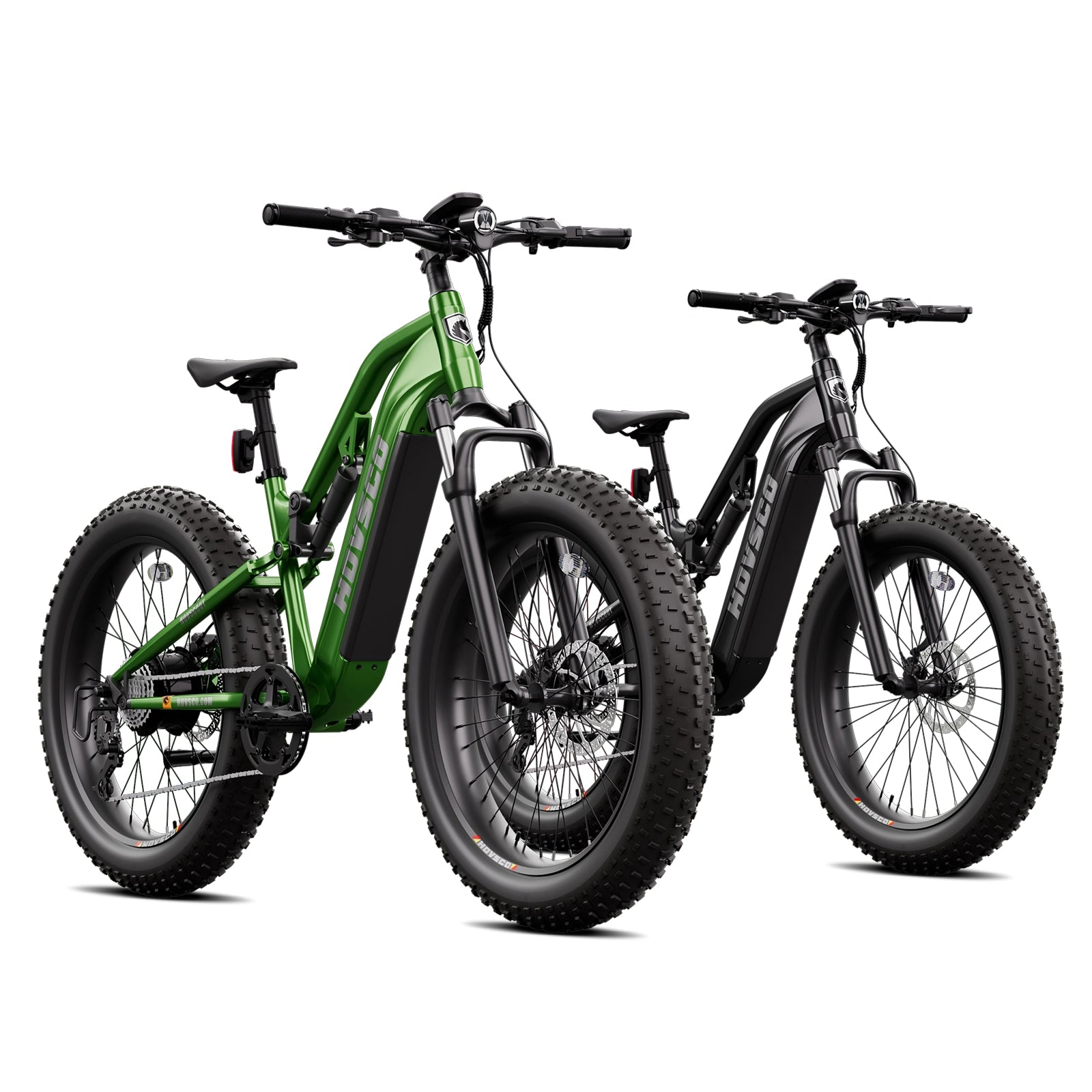
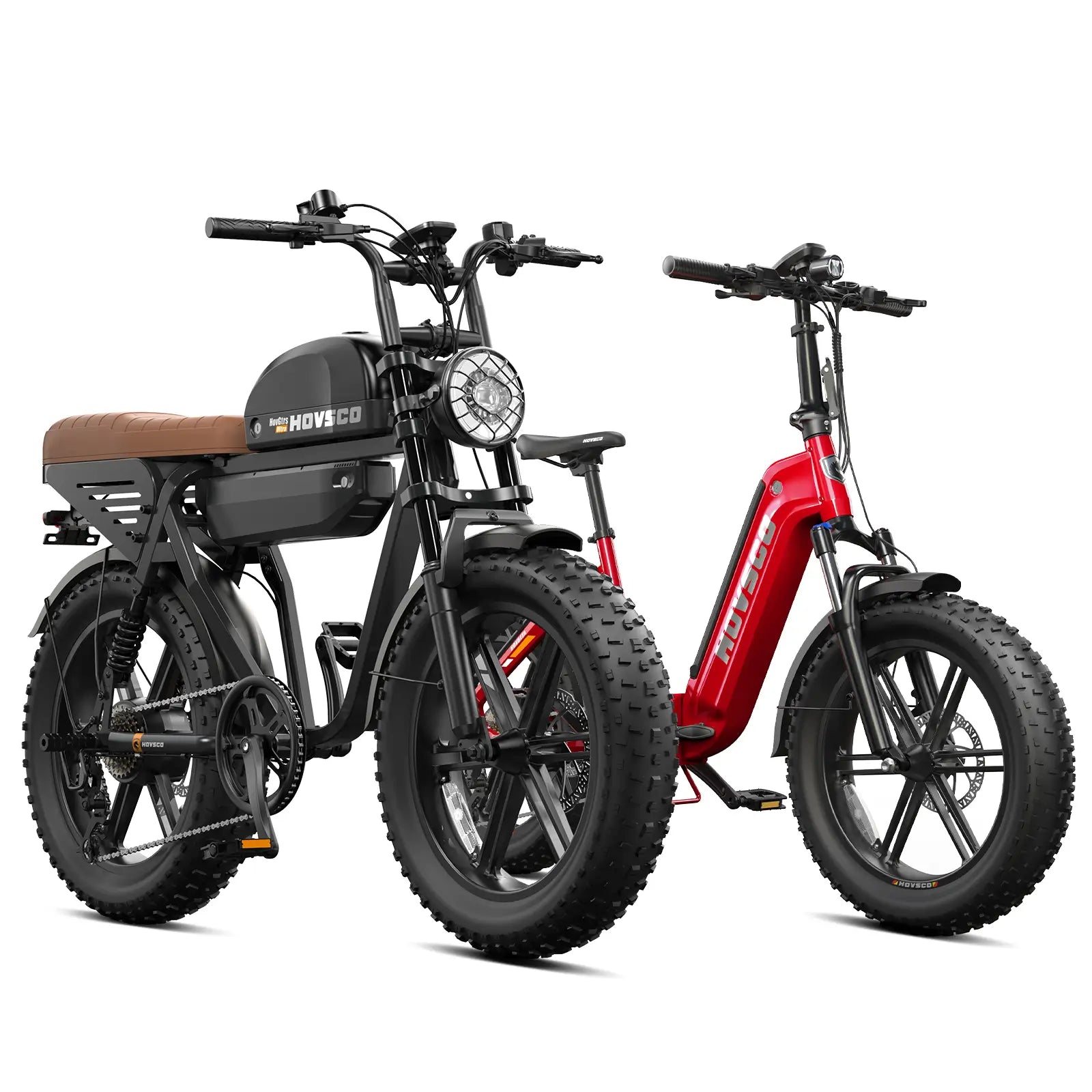
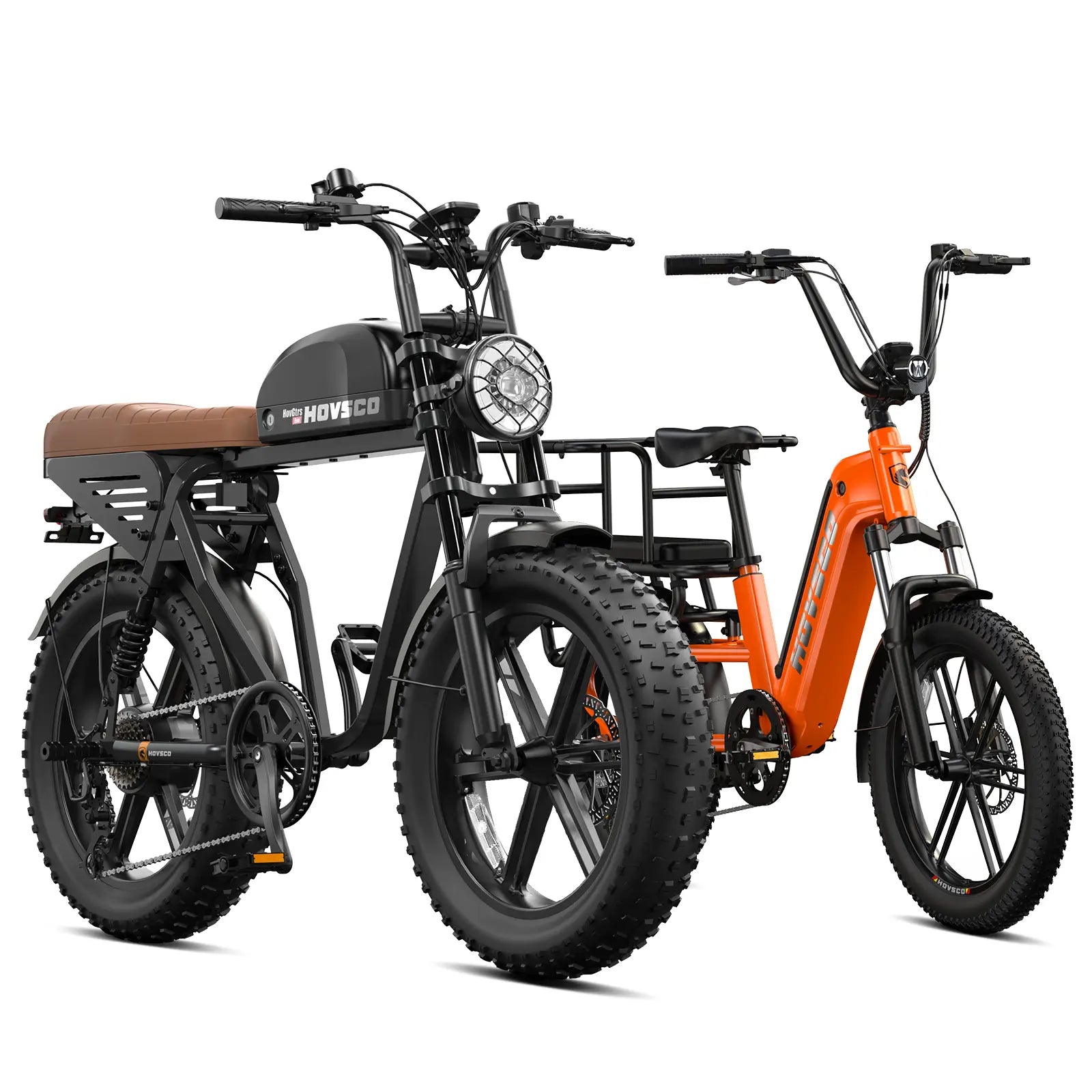
A modern retro-style ebike combines classic design with modern performance and reliability. HOVSCO is one example of a brand that integrates retro-inspired aesthetics with modern electric components, offering riders a comfortable ride, reliable battery performance, and a stylish look. This approach addresses the core pain points: riders no longer have to compromise between form and function.
Balanced frame geometry for stability
High-efficiency mid-drive or hub motor
Modern battery chemistry for consistent range
Comfort-focused seating and suspension
Integrated lights, display, and safety systems
Premium build quality for long-term durability
| Feature | Retro Electric Bike | Modern Ebike |
|---|---|---|
| Design Focus | Classic aesthetics, comfort | Performance, aerodynamics, minimalism |
| Weight | Often heavier | Often lighter, performance-driven |
| Motor & Power | Moderate power, smooth feel | Higher torque, faster acceleration |
| Ride Feel | Comfort-first, relaxed | Responsive, sporty |
| Range | Moderate, comfort-oriented | Optimized for efficiency and speed |
| Technology | Basic-to-mid tech | Advanced displays, connectivity, sensors |
| Best Use | City cruising, lifestyle commuting | Long-distance commuting, hills, sporty rides |
Define Your Use Case
Identify your main use: commuting, leisure riding, cargo, or fitness.
Set Your Performance Targets
Decide your required range, speed, and hill-climbing ability.
Compare Specs with Real-World Needs
Evaluate motor power, battery capacity, weight, and tire type.
Test Ride for Comfort and Handling
Comfort is often the decisive factor, especially for daily commuting.
Check Build Quality and Warranty
Choose brands with reliable customer service and component quality, such as HOVSCO.
Select Accessories and Safety Gear
Choose helmets, lights, locks, and maintenance kits based on your riding environment.
Problem: Wants a bike that looks good and is comfortable, but also needs reliable electric assist.
Traditional Approach: Choose a modern performance ebike and feel unsatisfied with the look.
After Switching: Uses a retro-style ebike with modern battery and motor for daily rides.
Key Benefit: Emotional satisfaction + practical commuting performance.
Problem: Enjoys casual rides but gets tired on longer trips.
Traditional Approach: Ride a non-electric vintage bike or a modern ebike with harsh ergonomics.
After Switching: Chooses a retro-style ebike that provides smooth power and a comfortable upright position.
Key Benefit: Longer rides with less fatigue.
Problem: Struggles with hills on a classic-style bike.
Traditional Approach: Buy a modern ebike but dislikes the “sporty” look.
After Switching: Uses a retro ebike with a high-torque motor and modern battery.
Key Benefit: Powerful hill climbing with classic styling.
Problem: Overwhelmed by tech features and options.
Traditional Approach: Choose a basic modern ebike but still feels uncertain.
After Switching: Chooses a retro-style ebike with intuitive controls and reliable components.
Key Benefit: Easy ownership and low learning curve.
Ebike technology is advancing rapidly while consumer demand for style and comfort is rising. As urban commuting becomes more congested and sustainability becomes a priority, riders want practical solutions that feel personal. Retro electric bikes that integrate modern components provide the best of both worlds: timeless design and modern reliability. Brands like HOVSCO are leading this trend by combining classic looks with advanced engineering, making this the ideal time to choose a retro-modern ebike for everyday use.
How do retro ebikes compare to modern ebikes in speed and range?
Retro ebikes often have moderate speed and range, optimized for comfort rather than performance, while modern ebikes focus on higher efficiency and higher top speeds.
Which type is better for daily commuting?
It depends on route and preference: modern ebikes excel in performance-heavy commutes, while retro ebikes offer comfort and style for relaxed city travel.
Can a retro ebike handle hills as well as a modern ebike?
Some retro models with modern motors can handle hills well, but performance varies by motor power and battery capacity.
What maintenance differences exist between retro and modern ebikes?
Maintenance is similar, but modern ebikes may require more specialized diagnostics due to advanced electronics.
Are retro ebikes more expensive than modern ebikes?
Not necessarily—pricing depends on components, brand, and build quality. Premium retro designs may cost more due to styling and build.
https://www.statista.com/statistics/1105750/global-e-bike-sales-volume/
https://www.grandviewresearch.com/industry-analysis/electric-bike-market
https://www.iea.org/reports/global-ev-outlook-2024
https://www.mckinsey.com/industries/automotive-and-assembly/our-insights/the-future-of-micromobility
https://www.nhtsa.gov/road-safety/electric-bikes
Share:
How Can a Cargo Ebike With Child Seat Transform Family Transportation?
What Should You Know About Choosing an Electric Bike for Teenagers?