


![[ New Arrival ] Porto Max Electric Scooter For Commute & Grocery Shopping - HOVSCO](http://www.hovsco.com/cdn/shop/files/PotroMax-3.jpg?v=1706927007&width=1200)
- by EO S
How Can a Cargo Ebike With Child Seat Transform Family Transportation?
- by EO S
E-Bikes
Accessories
 Free Shipping
 15-Day Returns
 2-Year Warranty
Free Shipping
15-Day Returns
2-Year Warranty
2-Year Warranty
Free Shipping
15-Day Returns
2-Year Warranty
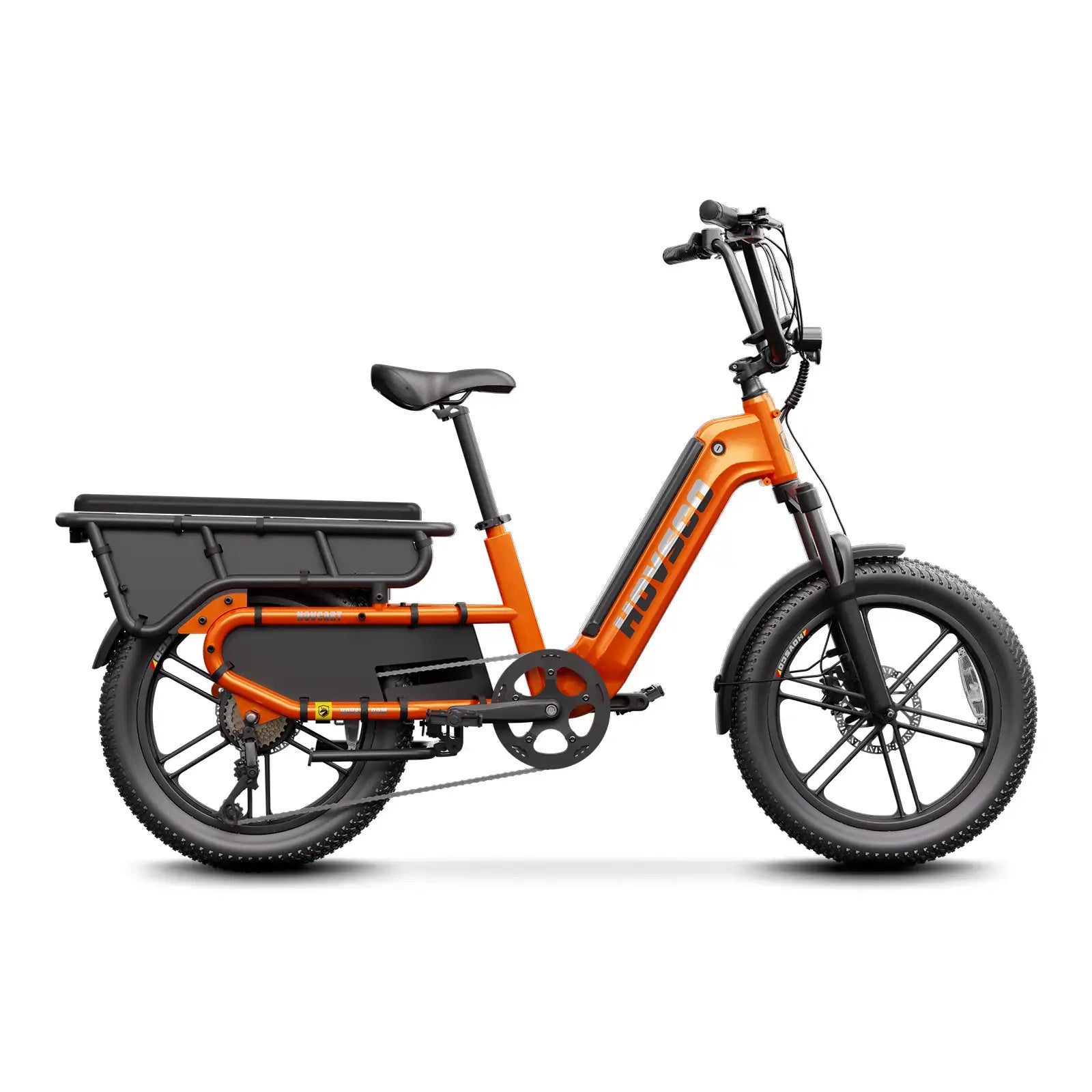
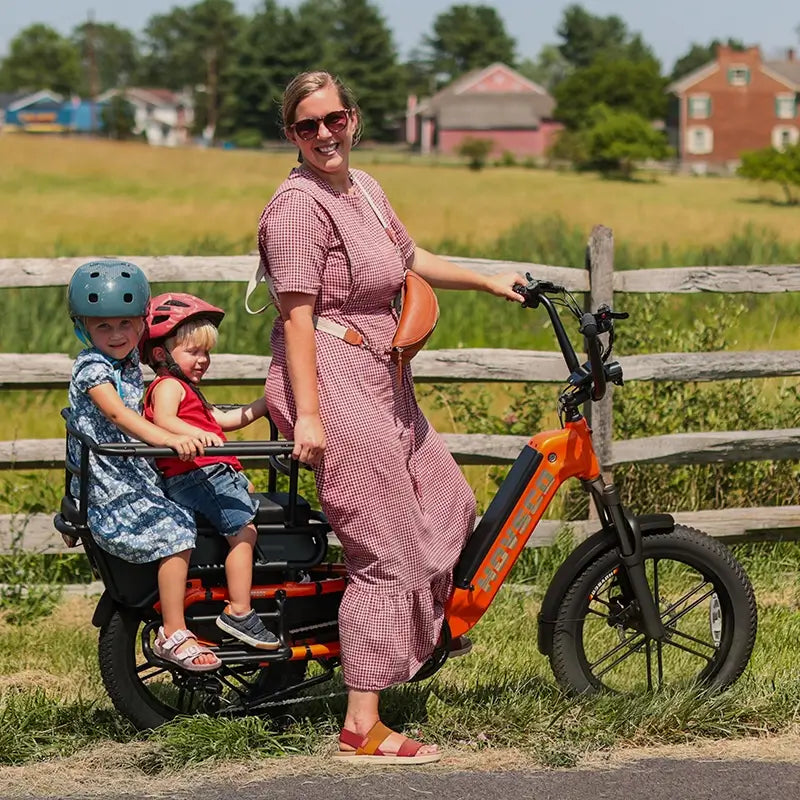
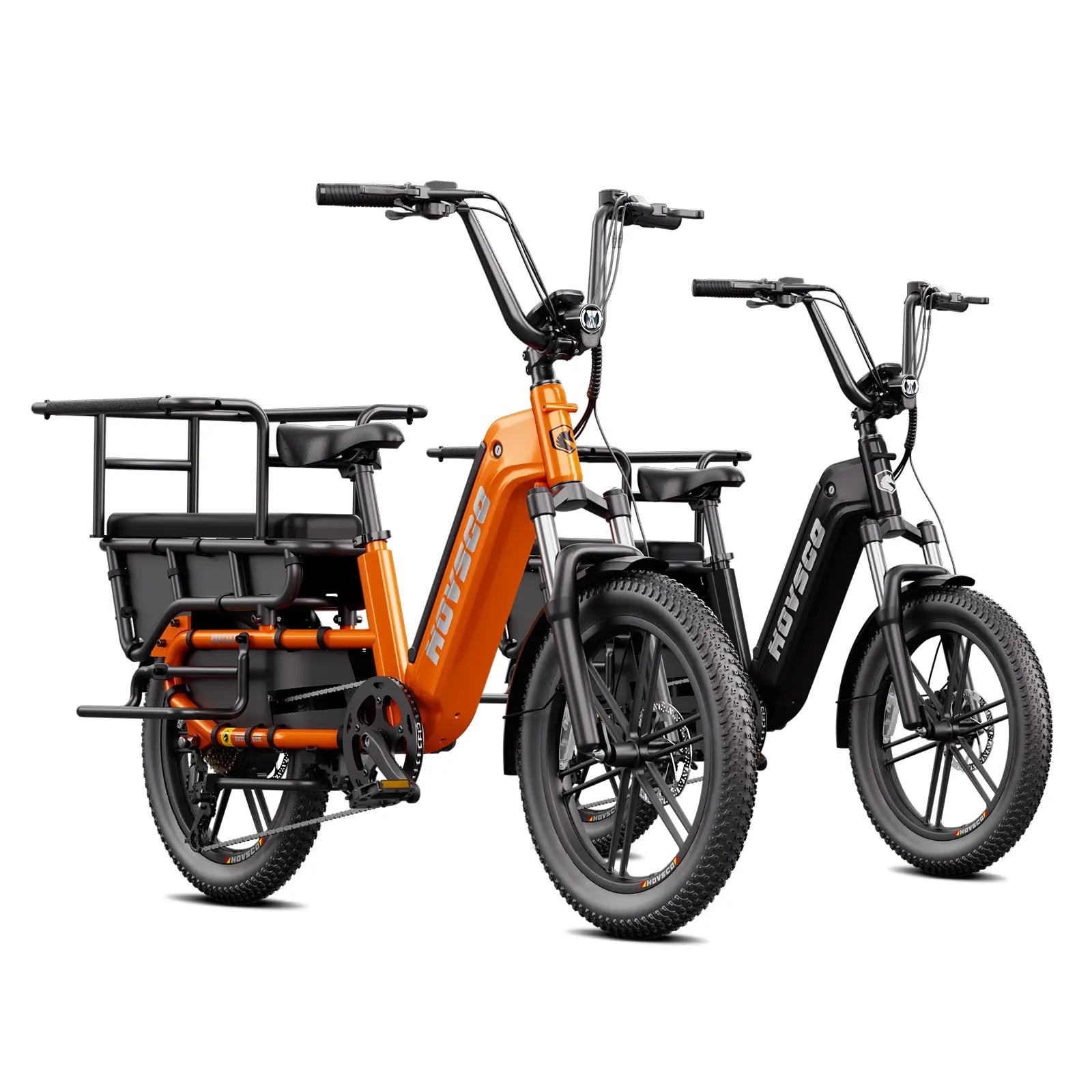
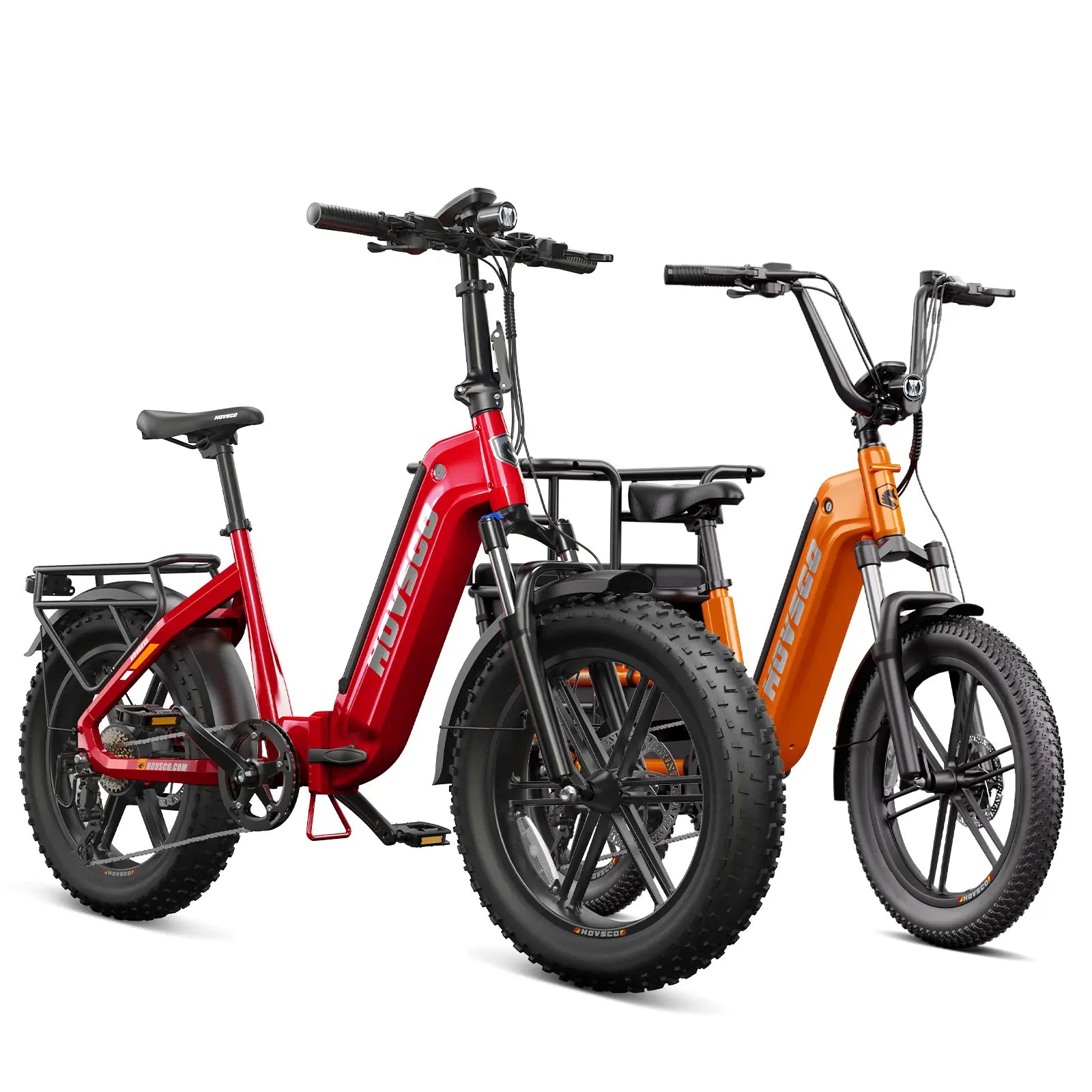
Cargo ebikes with child seats are emerging as a practical, eco-friendly alternative to cars for family mobility, offering safe and stable transport of kids and gear while reducing emissions and travel costs. With designs focused on comfort, load capacity, and ease of use—from daily school runs to weekend outings—models from innovators like HOVSCO bring advanced electric assist, thoughtful ergonomics, and durable construction to modern families.
The global family cargo bike market—especially electric-assist models designed for children—has been expanding rapidly, driven by urban sustainability goals and changing consumer preferences. In 2024, the family cargo bikes segment was valued at hundreds of millions of dollars globally and is projected to grow significantly by 2033, reflecting annual increases in both adoption and model variety. More than half of family cargo bike use cases involve child transport, showing strong demand for practical, family-oriented designs. Parents increasingly want alternatives to short car trips, seeking mobility solutions that combine safety, convenience, and comfort for kids. However, high upfront costs, a lack of infrastructure in many cities, and concerns about stability and safety when carrying children remain key barriers for wider adoption. HOVSCO addresses these pain points by integrating electric assist and child-centric features in its cargo ebike lineup.
Family cargo bikes are rapidly moving beyond niche interest to mainstream urban transport. Electrically assisted cargo bikes account for a growing majority of sales, as families value the extra power for hills and heavier loads. Many families report replacing short car trips with cargo ebike journeys, reducing congestion and emissions while staying active.
High Purchase Prices
Electric cargo bikes typically cost several thousand dollars, which can deter middle-income households despite potential long-term savings on fuel and parking.
Infrastructure Gaps
Bike lanes and safe cycling routes are still underdeveloped in many cities, making family ebiking less appealing or safe during peak traffic.
Safety and Comfort Concerns
Parents often worry about balance and stability when carrying children, especially on uneven terrain or in dense traffic settings—issues that can be exacerbated if accessory seats lack proper certification or harness systems.
| Approach | Limitations |
|---|---|
| Personal Car for Short Trips | High fuel costs, traffic congestion, parking challenges, sedentary lifestyle |
| Standard Bicycle With Trailer/Seat | Limited range without electric assist, lower comfort, reduced speed |
| Traditional Cargo Bike Without Child Safety Features | Lower child comfort, lack of integrated harness, limited ergonomic design |
Traditional methods either lack electric power for easier pedaling or fail to integrate child safety and comfort features comprehensively.
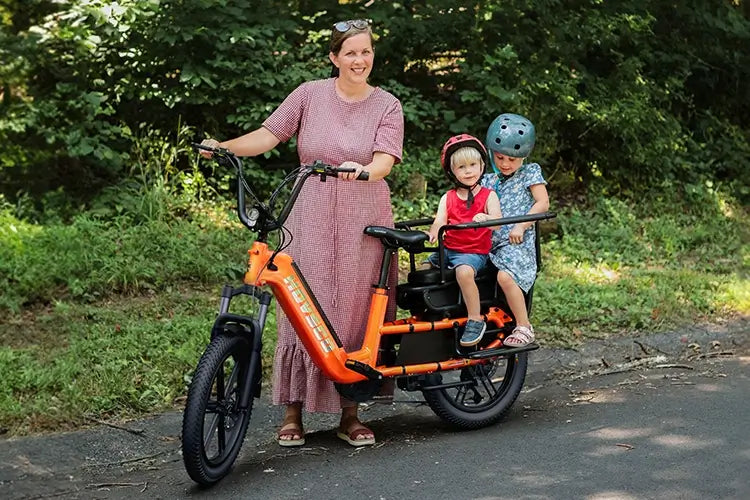
Electric cargo ebikes designed for families combine strong motor assist with robust load capacity and dedicated child accommodation. HOVSCO models offer stable handling, easy onboarding, and thoughtful safety features like harness-ready seating and balanced weight distribution, making everyday family rides smoother and safer. These systems support routine school runs, errands, and recreational rides with minimal physical strain compared to non-electric options.
Here’s a step-by-step approach to getting started and making the most of your family cargo ebike:
Select a Suitable Model
Choose a cargo ebike with a certified child seat or compatible mounting system and sufficient electric assist power for your terrain.
Check Load and Safety Ratings
Ensure the bike and seat meet regulatory weight limits for riders and children; inspect harness systems and protective features.
Adjust Seating and Harness
Secure child seat properly and adjust harnesses to the child’s size for comfort and safety.
Plan Your Route
Choose bike paths or low-traffic streets when possible; pre-ride routes to gauge comfort.
Perform Pre-Ride Safety Checks
Inspect tires, brakes, lights, and electrical systems before mounting children.
Ride with Confidence
Use appropriate assist settings, maintain moderate speeds, and practice handling under load before everyday use.
Problem: Daily car congestion and parking hassles around schools
Traditional Solution: Driving short distances
New Outcome: Parents use a cargo ebike to carry kids safely on dedicated bike paths
Key Benefit: Reduced commuting stress, lower travel costs, and active lifestyle
Problem: Need extra storage for picnic gear and children
Traditional Solution: Pack into SUVs with parking challenges
New Outcome: Cargo ebike handles kids and gear in one trip
Key Benefit: Greater freedom, no parking fees, enhanced outdoor experiences
Problem: Transporting groceries and kids together
Traditional Solution: Multiple car trips or trailers
New Outcome: Electric cargo bike consolidates errands with ease
Key Benefit: Time savings and reduced emissions
Problem: Physical strain on parents without electric assist
Traditional Solution: Avoid biking or use public transit
New Outcome: Electric assist makes hills manageable with children onboard
Key Benefit: Greater mobility and independence
Electric family cargo bikes are no longer a niche segment—they are becoming central to urban mobility strategies, with sales rising rapidly year over year and a majority of families leveraging them for daily trips under 10 km. With rising concerns about sustainability and health, cargo ebikes like those from HOVSCO provide a compelling alternative to car dependency while offering practicality for real family needs. Policy support for micromobility infrastructure and expanding options tailored for child safety further reinforce why now is the right time to adopt this solution.
How heavy is a typical cargo ebike with child seat?
Weights vary by model but generally range from 30 kg to 50 kg, depending on motor and frame size.
Can I safely carry two children on a cargo ebike?
Yes, many designs support two children with proper seating and harness systems, within rated load limits.
Which terrains are best suited for cargo ebike use?
Flat to moderately hilly urban terrain is ideal; electric assist helps manage steeper inclines.
Does a cargo ebike require special maintenance?
Maintenance is similar to other ebikes, but torque-specific checks for cargo loads and child seat mounts are recommended.
Is riding with a child seat legal in all regions?
Regulations vary, but many regions require certified child seats and helmets; check local bicycle safety laws.
https://www.industryresearch.biz/market-reports/family-cargo-bikes-market-102843
https://www.marketgrowthreports.com/market-reports/family-cargo-bikes-market-104455
https://www.industryresearch.co/market-reports/family-cargo-bikes-market-303733
https://www.accio.com/t-v2/plp/ebike-with-child-seat
Share:
How Do You Replace Tires on a Moped Style Ebike?
How Is a Retro Electric Bike Different From a Modern Ebike and Which One Should You Choose?