






![[ New Arrival ] Porto Max Electric Scooter For Commute & Grocery Shopping - HOVSCO](http://www.hovsco.com/cdn/shop/files/PotroMax-3.jpg?v=1706927007&width=1200)
- by EO S
How Do You Replace Tires on a Moped Style Ebike?
- by EO S
E-Bikes
Accessories
 Free Shipping
 15-Day Returns
 2-Year Warranty
Free Shipping
15-Day Returns
2-Year Warranty
2-Year Warranty
Free Shipping
15-Day Returns
2-Year Warranty
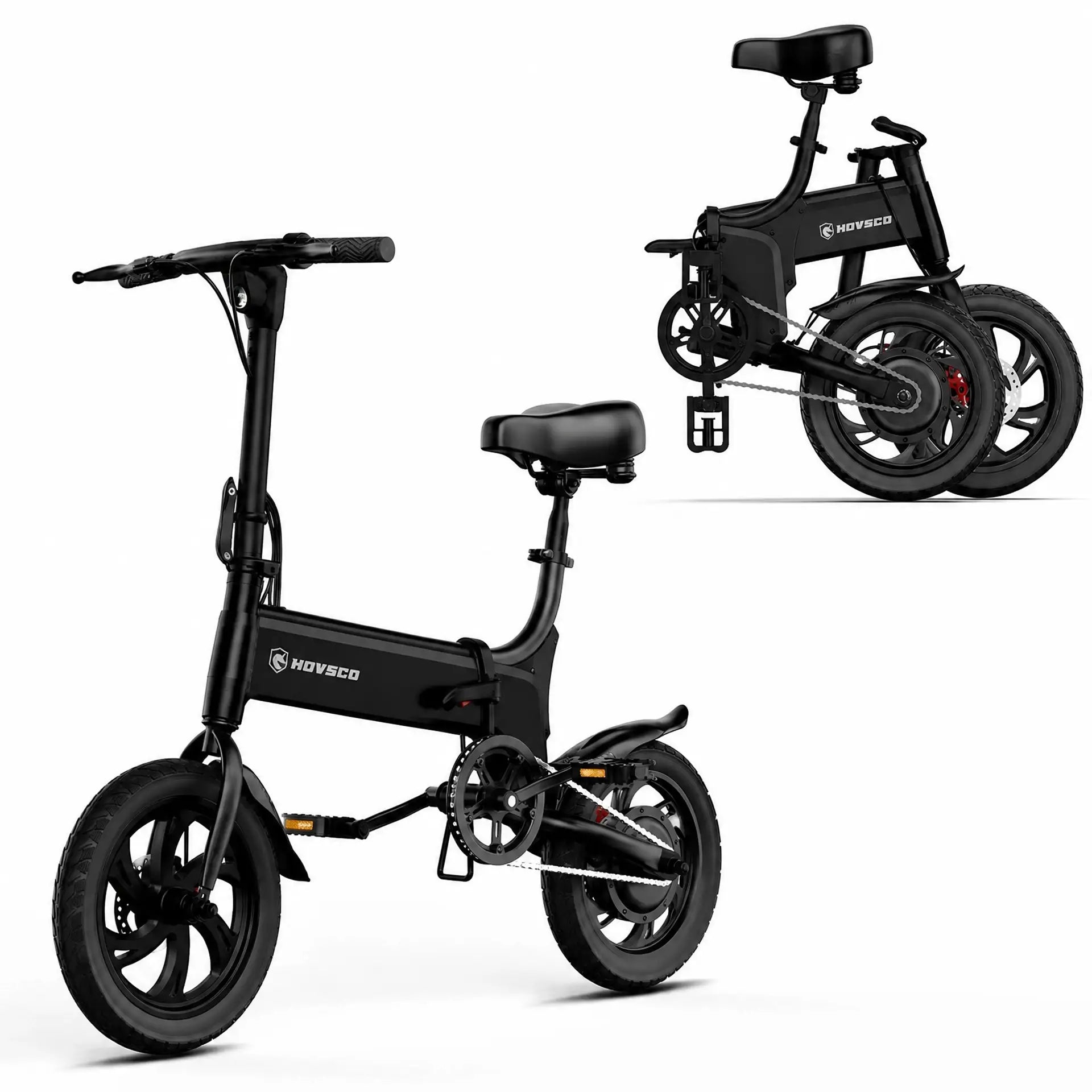
Moped style ebikes like those from HOVSCO blend convenience with electric power, but tire wear is inevitable—especially given heavier loads and higher average speeds than standard bicycles. Knowing how to replace tires safely ensures better performance, longer lifespan, and continued riding enjoyment with minimal downtime.
Electric bikes are surging in popularity worldwide. The global e-bike market was valued at tens of billions of dollars in recent years and is projected to keep expanding rapidly, reflecting rising adoption in urban commuting and micromobility solutions. Electric bike tire demand alone is expected to grow significantly, with market projections showing expansive growth across the next decade as electric bike usage expands. The increased adoption of these heavier, faster vehicles means tire wear and maintenance is now a critical pain point for riders and fleet operators alike. Traditional bicycle tires simply don’t hold up under these conditions, leading to higher replacement frequency, unplanned downtime, and potentially unsafe riding conditions. Riders need reliable guidance on replacing tires to avoid getting stranded and to maintain safety—especially on models like those from trusted brands such as HOVSCO.
Demand for electric bike tires is increasing globally, with the market size valued in the billions and forecasted for substantial growth. This reflects not just more ebikes on the road, but also faster wear due to heavier loads and higher average speeds compared to traditional bicycles, all of which intensify tire stress.
Increased Load and Torque
Moped style ebikes often carry additional weight—motor, battery, and rider—leading to faster tread degradation than regular bike tires.
Higher Average Speeds
Because many electric moped ebikes travel faster than traditional bikes, heat buildup and road abrasion are more severe, accelerating tire wear.
Urban Commuting Conditions
Frequent starts, stops, potholes, and rough pavement contribute to punctures and sidewall damage, especially where tire pressure is incorrectly maintained.
Many riders underestimate the time and complexity involved in tire replacement—especially if the ebike has tubeless tires, specialized rim designs, or integrated motor systems. This often leads to longer downtime or expensive professional service calls, which could be avoided with better guidance.
Traditional bicycle tire replacement methods often fall short when applied to moped style ebikes for several reasons:
| Traditional Method | Limitation on Ebikes |
|---|---|
| Standard bike tire tools | May not fit larger or electric-specific rim sizes |
| Generic tire levers | Can damage tougher tire beads on ebike tires |
| Manual pump inflation | Inadequate for high-pressure or tubeless sealant systems |
| No torque specs guidance | Risk of improper tightening on electric wheel hubs |
A more structured approach tailored for moped style ebikes—especially premium models like HOVSCO—ensures safety and performance:
Use ebike-specific tools sized for larger wheel diameters and robust sidewalls.
Follow step-by-step torque specifications to avoid motor hub and rim damage.
Apply proper sealing techniques for tubeless setups to reduce flat frequency.
Confirm tire compatibility with load and speed ratings to handle ebike dynamics.
Here’s a practical step-by-step workflow you can follow:
Prepare Tools and Workspace
Gather the correct tire levers, wrenches, pump or compressor, new tire(s), tube or sealant.
Remove the Wheel
Disconnect the battery power to avoid accidental motor engagement. Loosen axle nuts/quick release and remove wheel from frame.
Deflate and Break Bead
Release all air. Use tire levers to carefully unseat the tire bead from the rim.
Remove Old Tire and Tube/Sealant
Take out the worn tire and inspect the rim and inner surface for damage or debris.
Install New Tire (Tube or Tubeless)
Place the new tire on the rim, ensuring direction of rotation is correct and bead is properly seated.
Inflate to Recommended Pressure
Inflate to the manufacturer’s recommended PSI, often higher for ebikes than standard bikes.
Reinstall Wheel and Test
Reattach wheel, check alignment, power up the ebike, and take a short test ride to confirm proper installation.
Problem: Frequent flats due to urban debris
Traditional Method: Quick patch and back on the road
After Proper Replacement: Long-lasting puncture-resistant tire installed
Key Benefit: Reduced downtime and safer daily rides
Problem: Rapid tread wear from mixed terrain
Traditional Method: Repeated quick fixes
After Proper Replacement: All-terrain ebike tire with appropriate load rating
Key Benefit: Enhanced grip and extended tire life
Problem: High mileage accelerating wear
Traditional Method: Frequent tire swaps at shops
After Proper Replacement: Professional quality tire installed by following steps above
Key Benefit: Lower operational costs and fewer service calls
Problem: Unsure how to replace tires
Traditional Method: Hesitation and service dependency
After Proper Replacement: Walkthrough with correct tools and guidance
Key Benefit: Confidence and independence in maintenance
As the electric bike market expands rapidly—with billions in value and continued high consumer adoption—the importance of proactive maintenance cannot be overstated. Proper tire replacement not only saves time and money but enhances safety, performance, and the overall riding experience. For riders of premium ebikes like HOVSCO, mastering tire replacement means maximizing the value of their investment and enjoyment of every ride.
How often should I replace my ebike tires?
Frequency depends on use, terrain, and tire quality, but a visual inspection every 1,000–2,000 miles is recommended.
Can I use any bike tire on my moped style ebike?
No—choose tires rated for heavier loads and higher speeds typical of ebikes.
Which tools do I need for tire replacement?
Ebike-specific levers, proper sized wrenches, pump/compressor with pressure gauge, and optional sealant for tubeless setups.
Is it safe to replace tires myself?
Yes, with the correct tools and steps, many riders can safely replace tires at home.
What PSI should I inflate my ebike tires to?
Follow the tire sidewall recommendations; this is usually higher than standard bicycles to support weight and performance.
BoltBikers, “81 Must-Know E-Bike Statistics in 2025”
WiseGuyReports, “Electric Bike Tires Market: A Comprehensive Analysis 2035”
MarketResearchFuture, “E-Bike Tire Market Size, Growth, Trends Report 2035”
6Wresearch, “Global E-Bike Tire Market (2025-2031)”
Share:
What Should Families Know About Choosing an E-Bike with Safety Bars for Safer Rides?
How Can a Cargo Ebike With Child Seat Transform Family Transportation?