


![[ New Arrival ] Porto Max Electric Scooter For Commute & Grocery Shopping - HOVSCO](http://www.hovsco.com/cdn/shop/files/PotroMax-3.jpg?v=1706927007&width=1200)
- by EO S
What Should Families Know About Choosing an E-Bike with Safety Bars for Safer Rides?
- by EO S
E-Bikes
Accessories
 Free Shipping
 15-Day Returns
 2-Year Warranty
Free Shipping
15-Day Returns
2-Year Warranty
2-Year Warranty
Free Shipping
15-Day Returns
2-Year Warranty
Electric family bikes equipped with safety bars and enhanced protective features offer peace of mind for parents and caregivers. These bikes combine practical transportation with structural safeguards that help prevent falls and protect children and adults alike, making daily rides safer and more comfortable for families.
E-bike usage has skyrocketed in recent years, with millions of bikes sold annually in the United States and worldwide due to their convenience and eco-friendly benefits. However, alongside this surge, safety concerns have also risen. Emergency room data shows a dramatic increase in e-bike-related injuries, with tens of thousands of e-bike riders treated annually and a notable escalation in accident rates over recent years. Many of these incidents occur among families riding together or children riding independently, highlighting an urgent need for enhanced safety features such as bars, protective frames, and secure passenger supports on family-oriented e-bikes. (Sources: CPSC / ER studies 2017-2022, recent safety data)
The adoption of electric bikes continues to grow across urban and suburban areas, with millions of units in use for commuting, errands, and recreation. However, e-bike injuries have risen substantially over recent years, more than doubling annually in emergency department reports. This trend underscores the importance of safety considerations for family riders, particularly when transporting children or vulnerable passengers. (Sources: National ER injury statistics 2017–2022, growing accident reports)
Riders under 18 and family riders often lack the advanced handling skills necessary to navigate traffic hazards, abrupt stops, or road obstacles. Data suggests that many e-bike riders — especially younger ones — are involved in high percentages of loss-of-control accidents, leading to head injuries or more severe outcomes. Safety bars, handholds, and structural design improvements can help mitigate these risks by providing stability and protective support. (Sources: injury trend analyses)
While standard e-bikes offer pedal assist and convenience, traditional models generally do not include built-in safety bars, passenger support systems, or integrated protective frameworks. This omission leaves families relying on aftermarket accessories or less secure seating arrangements, increasing the likelihood of falls, imbalance incidents, and rider discomfort.
| Traditional Solution | Limitations |
|---|---|
| Conventional e-bike | No built-in safety bars; limited passenger support |
| Aftermarket child seats | Often lacks integration and structural reinforcement |
| Trailers | Additional weight and handling complexity |
| Bike trailers/kid carriers | Reduced stability at higher speeds; additional setup |
Traditional setups can provide temporary solutions, but they often compromise stability and safety when compared to integrated designs. For family riders — especially those with younger children — structural support systems like safety bars and reinforced seating are critical.
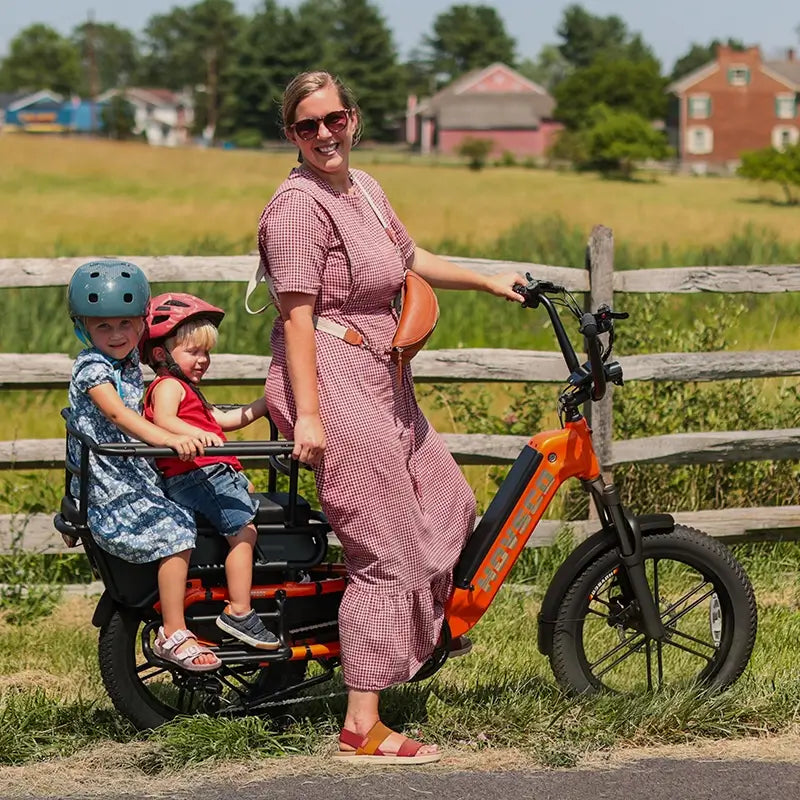
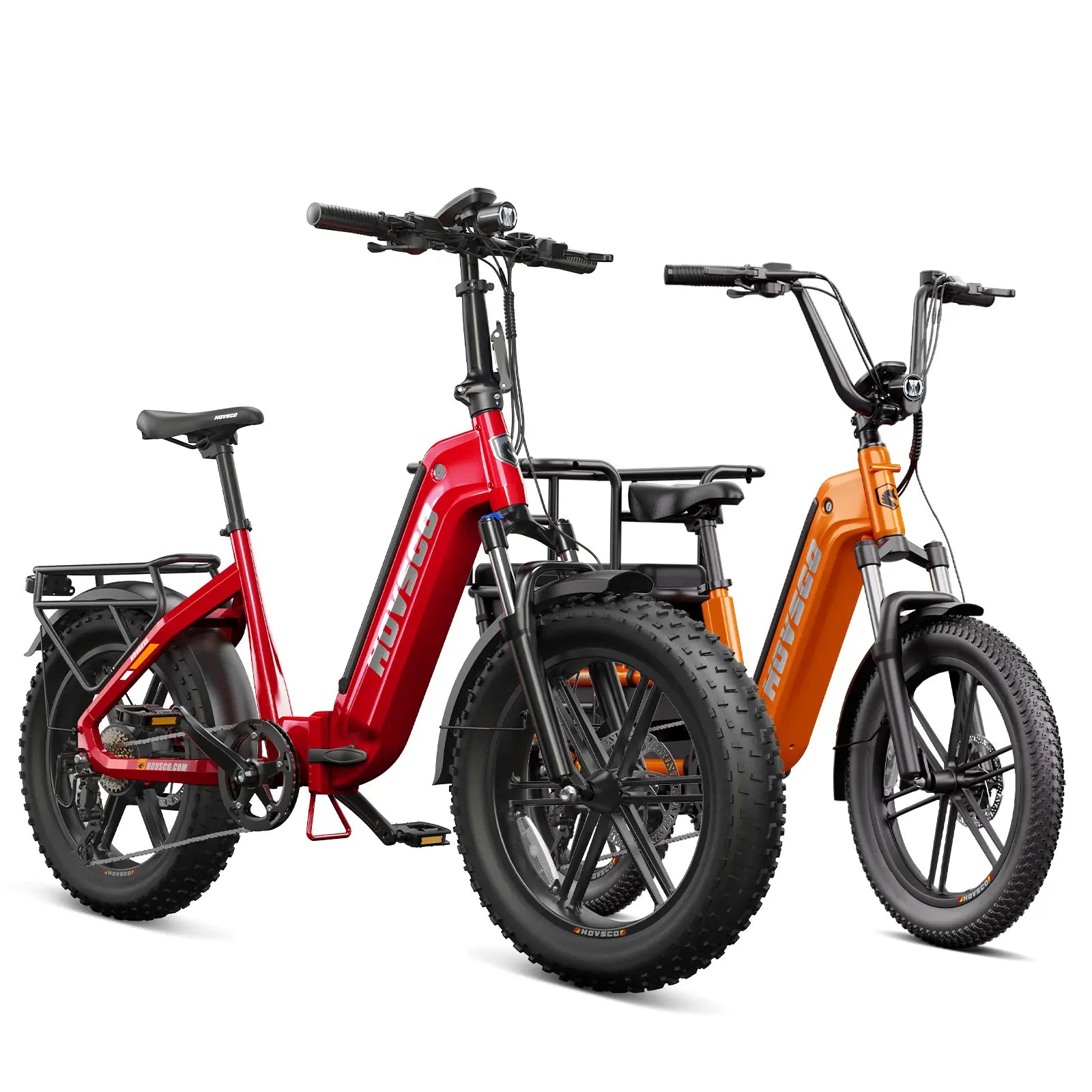
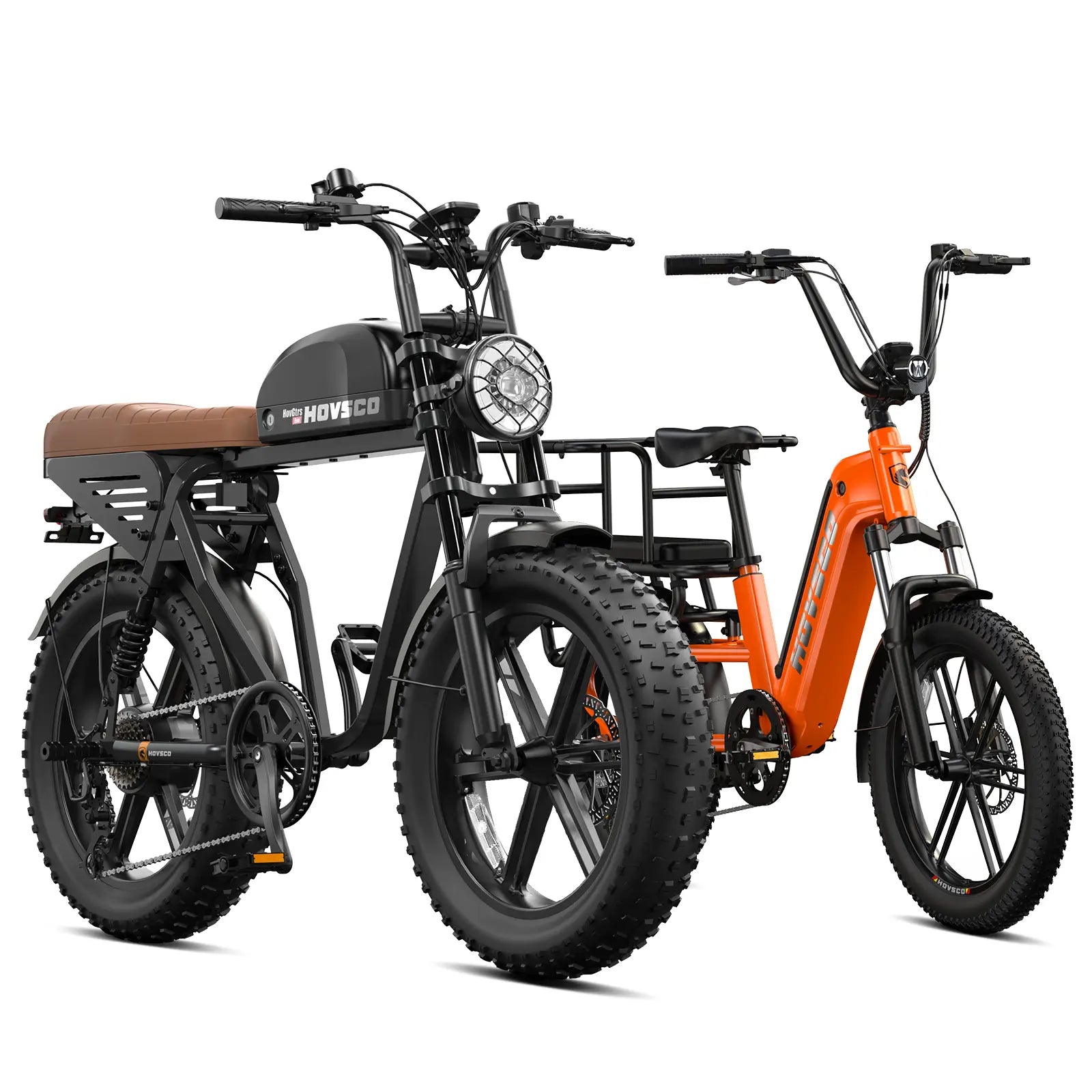
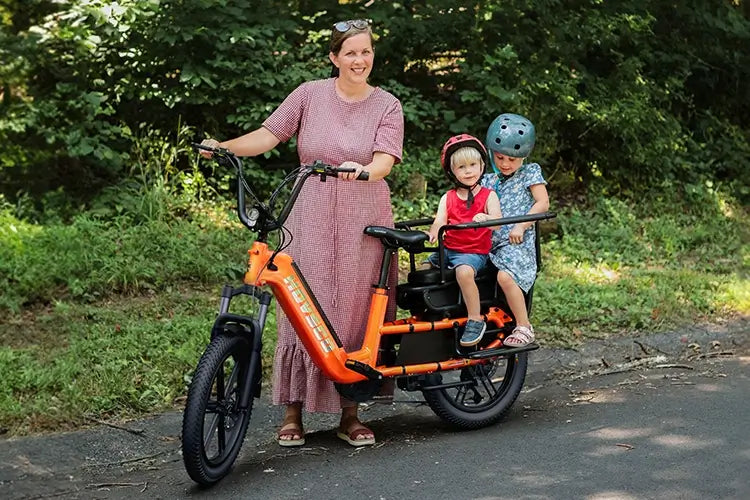
A family e-bike with built-in safety bars and protective features is a more secure and confident way to ride together. These bikes are designed to:
Include safety bars and protective frames that help prevent riders or passengers from slipping off during stops or uneven terrain
Provide reinforced seating and foot support for children and adults alike, reducing risk of foot entanglement in wheels
Feature ergonomic design for comfortable family rides without strain or imbalance
Deliver reliable electric assist power calibrated for heavier loads and daily use
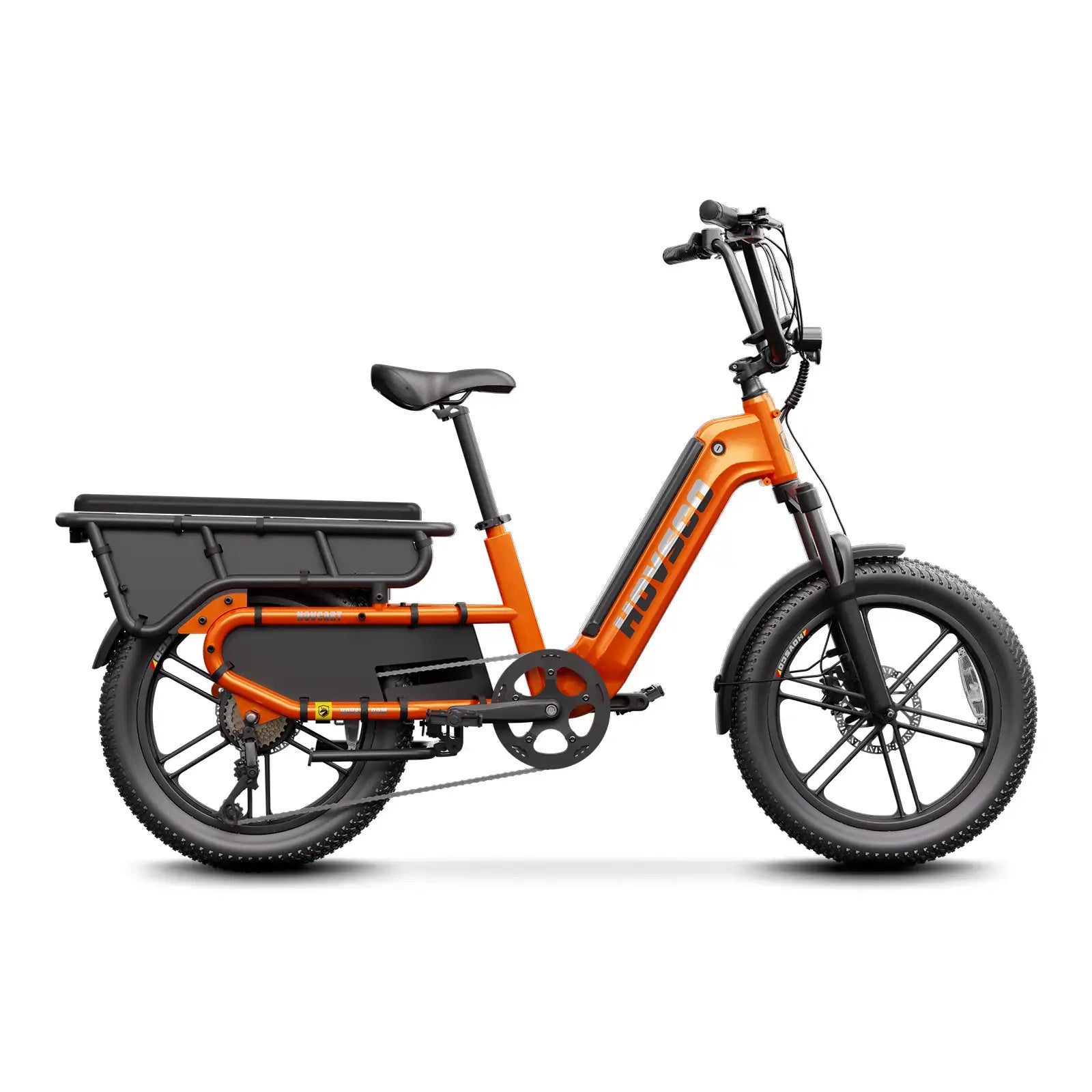
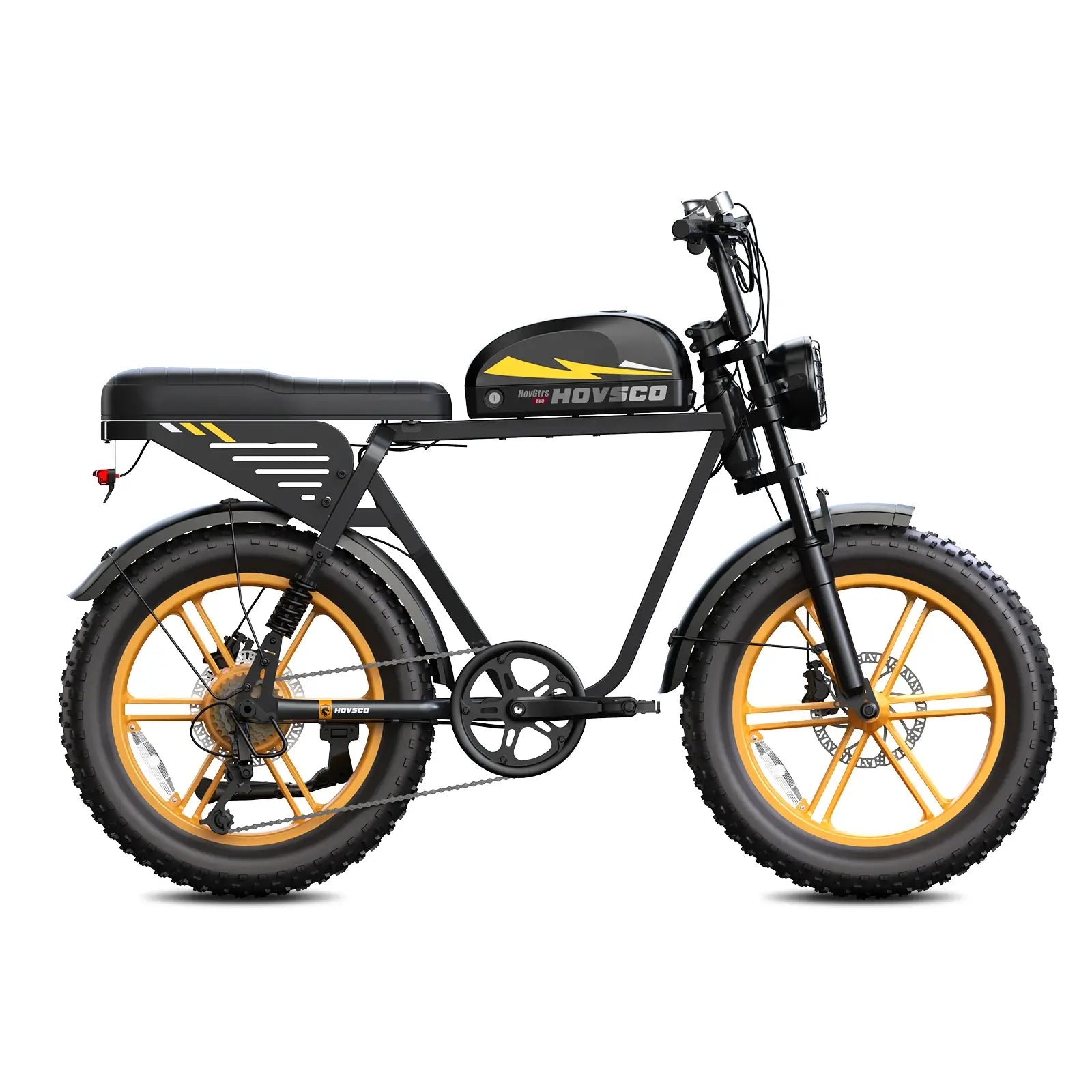
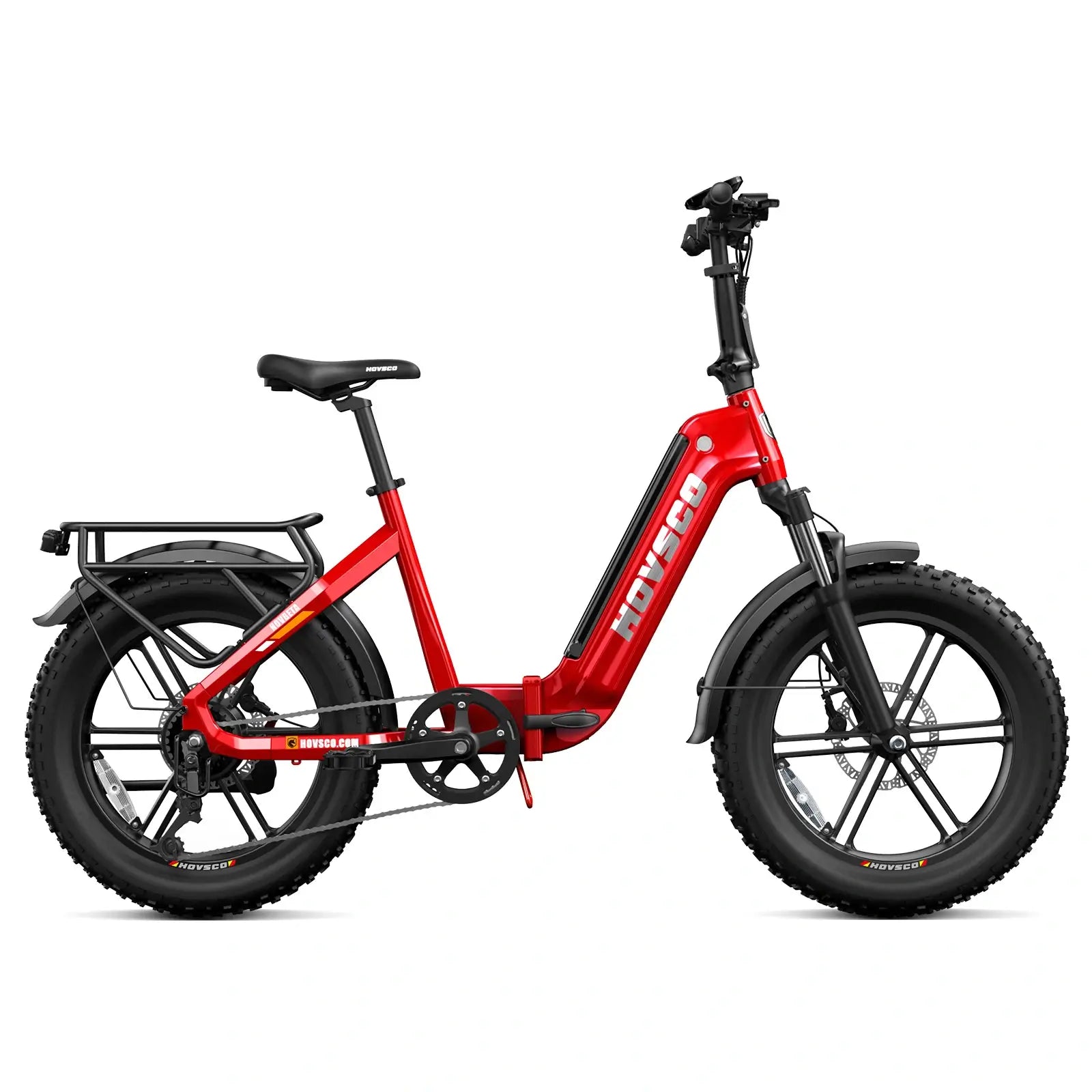
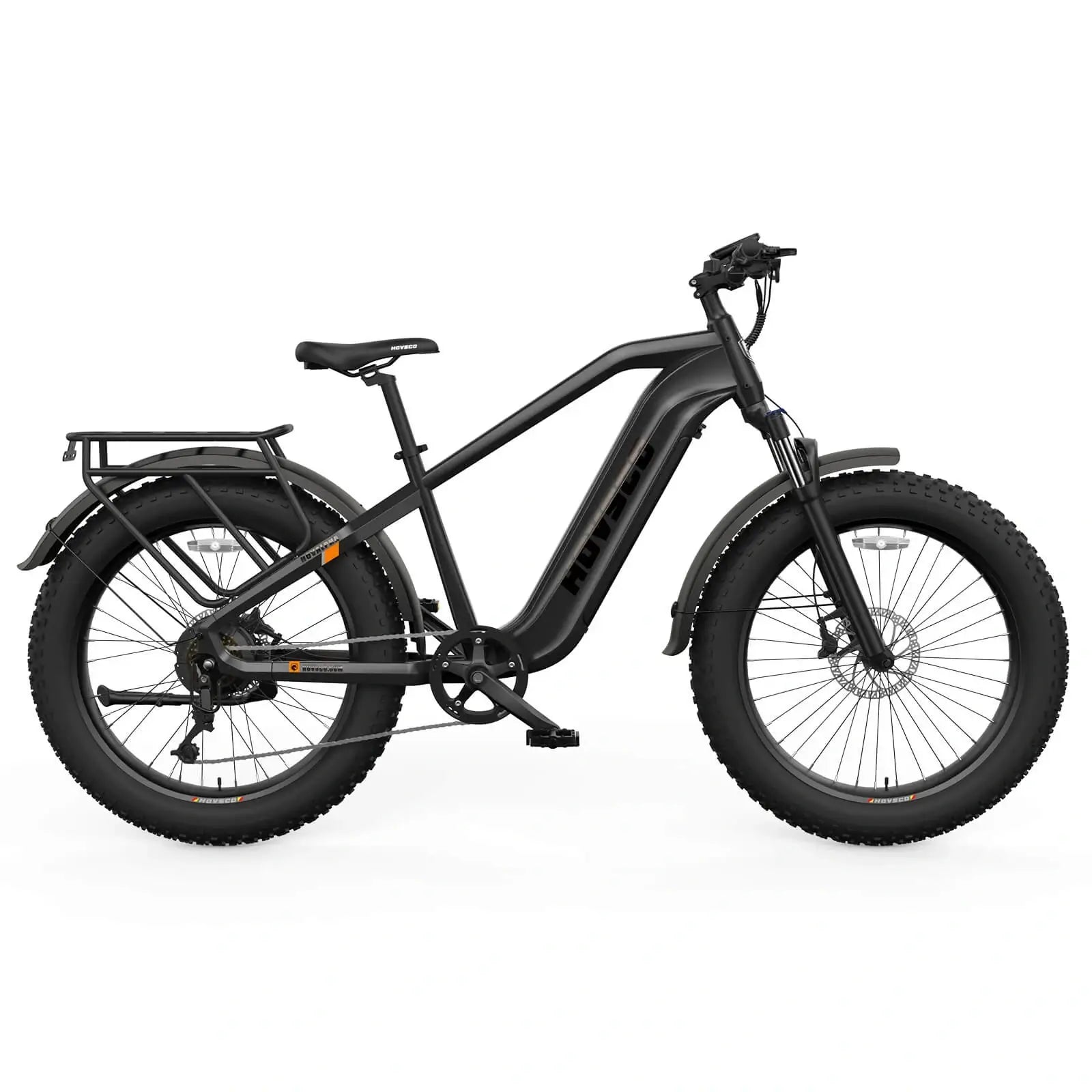
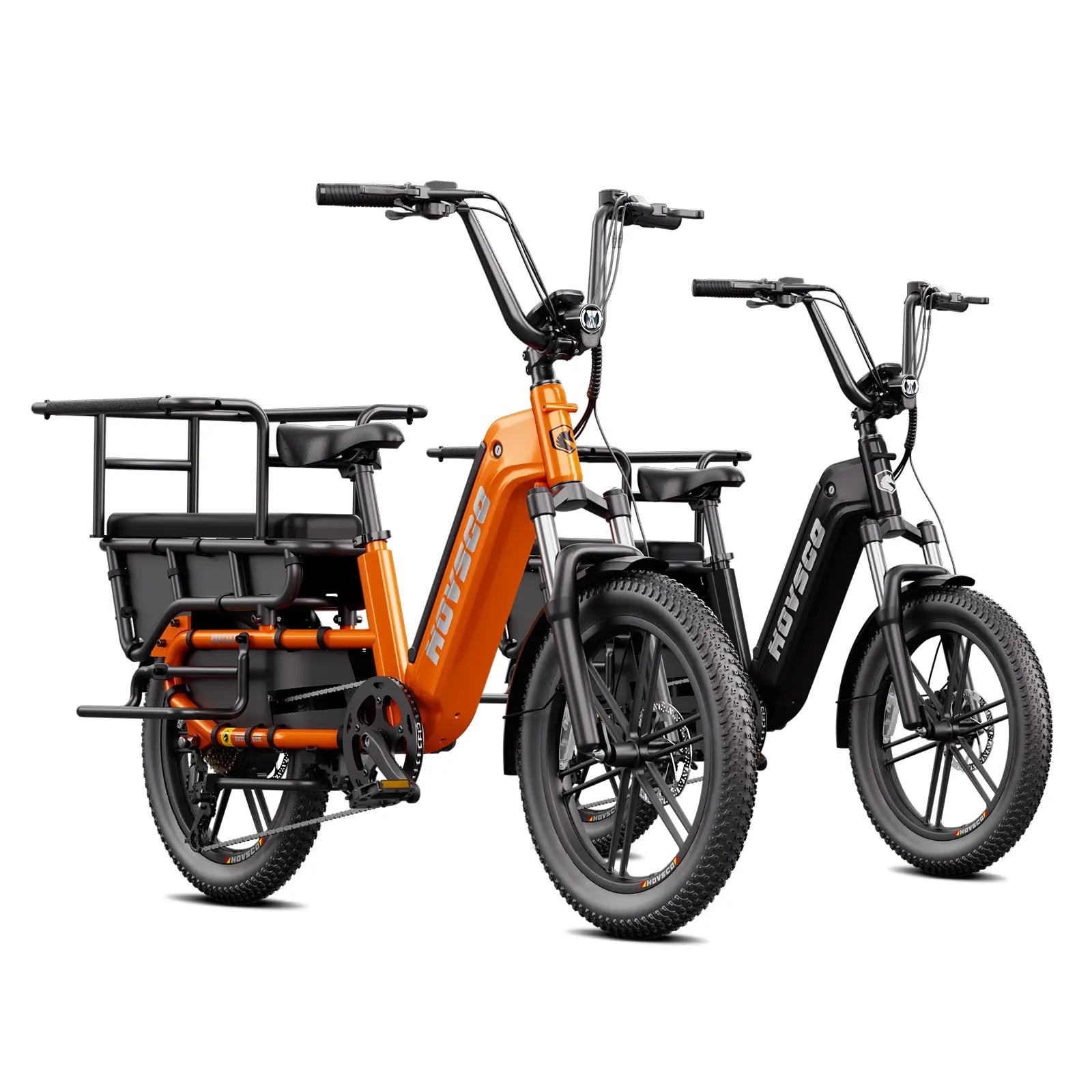
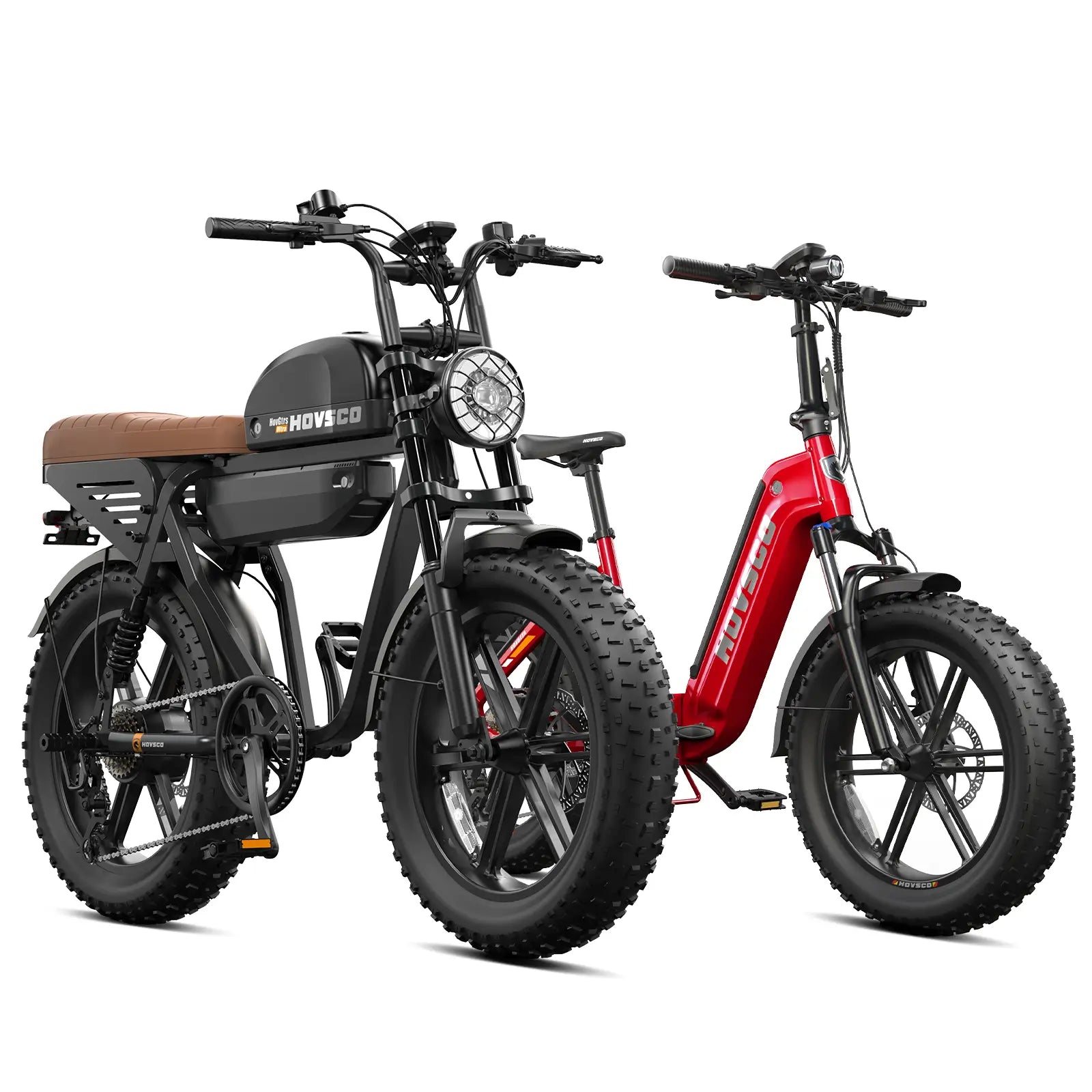
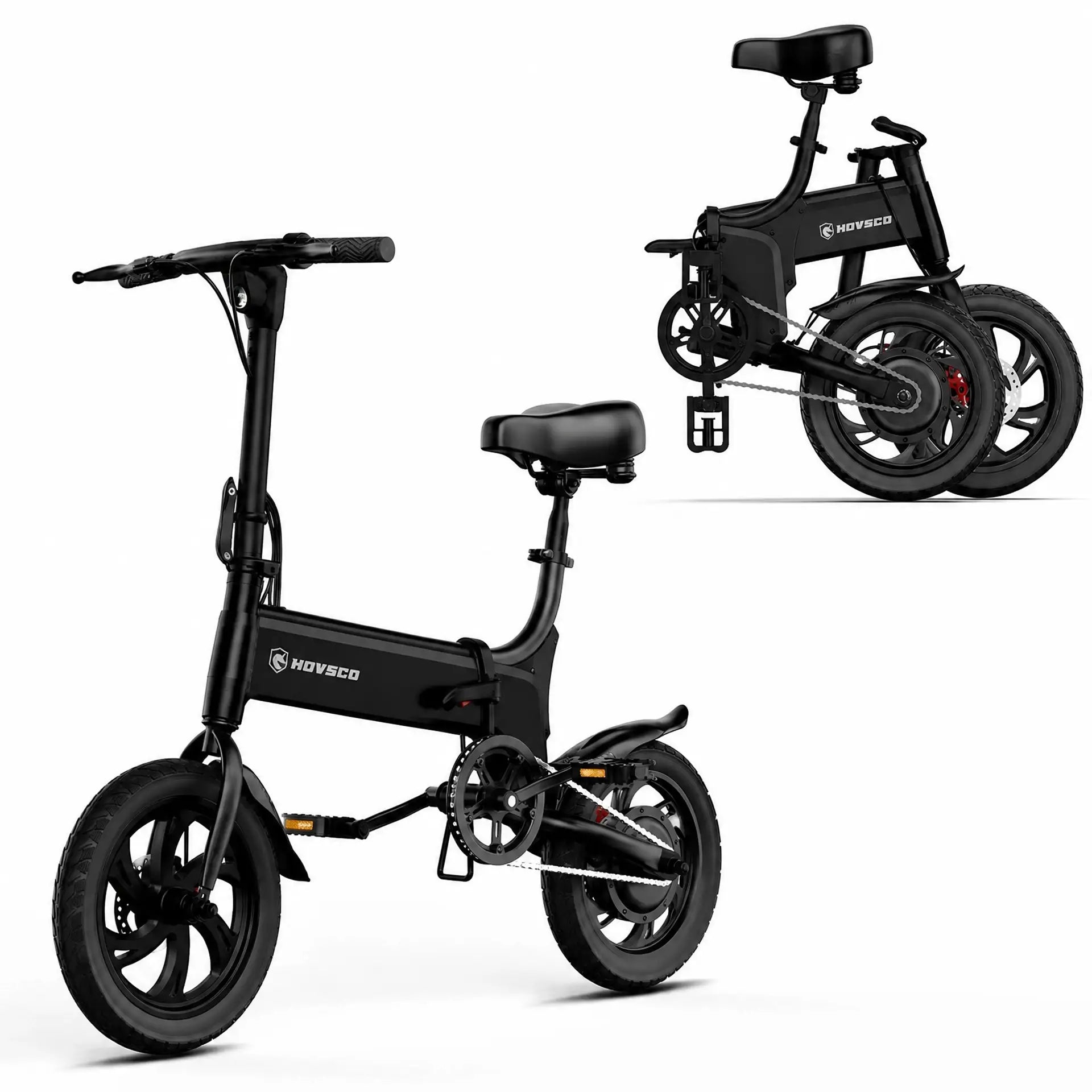
Manufacturers such as HOVSCO offer family-friendly e-bike models that integrate these safety priorities alongside performance and comfort. HOVSCO’s commitment to rider safety and innovation emphasizes quality design, structural reinforcement, and practical accessories that support safe family travel on two wheels.
| Feature | Traditional E-Bike | Family E-Bike with Safety Bars |
|---|---|---|
| Built-in Safety Bars | ❌ | ✔️ |
| Integrated Passenger Support | ❌ | ✔️ |
| Structural Protection | ❌ | ✔️ |
| Handling Stability with Load | Medium | High |
| Everyday Family Usability | Moderate | Optimized |
A family e-bike with safety bars provides structural support that conventional e-bikes and aftermarket accessories often lack, helping parents ride with confidence and reducing exposure to common accident scenarios.
Choose the Right Model: Select a family e-bike designed with integrated safety bars, passenger seats, and appropriate load capacity.
Confirm Load Ratings: Understand the maximum weight limits for adults and children.
Install Additional Safety Gear: Add helmets for all riders, reflective gear, and proper lighting.
Adjust Seating and Bars: Ensure safety bars are secured and seating is comfortable.
Check Tire Pressure and Brakes: Perform pre-ride inspections.
Plan Safer Routes: Choose bike lanes and low-traffic roads.
Educate Riders: Teach children proper riding position and safety etiquette.
Ride at Safe Speeds: Maintain speeds appropriate for family riding and traffic conditions.
Problem: Crowded traffic and street crossings make riding with children stressful.
Traditional Method: Car drop-offs or standard e-bike without safety features.
After Using a Family E-Bike with Safety Bars: Children remain secure during boarding and stopping.
Key Benefit: Safer daily transit with reduced worry.
Problem: Longer rides with uneven surfaces pose balance challenges.
Traditional Method: Bike trailer or separate bikes.
After Using a Safety-Bar E-Bike: Integrated bars and support prevent falls and improve comfort.
Key Benefit: Stability and peace of mind for extended rides.
Problem: Multiple stops and start/stop traffic.
Traditional Method: Reactive handling or trailer attachment.
After Using a Safety-Bar E-Bike: Quick stops with secure handholds.
Key Benefit: Confident navigation in busy streets.
Problem: Older adults and kids require different support needs.
Traditional Method: Separate bikes or caregiver support.
After Using Family E-Bike with Safety Bars: Comfortable and stable ride for all ages.
Key Benefit: Inclusive family mobility with structural safety.
Electric bike usage continues to rise, as does the risk profile due to higher speeds and heavier loads compared to traditional bicycles. With data showing substantial increases in e-bike injuries and crashes statewide and nationally, built-in protective features become not just valuable but essential for families riding together. Investing in an e-bike from a reputable provider like HOVSCO — which emphasizes safety, quality materials, and comprehensive design — ensures peace of mind and long-term usability for daily family rides.
What age is considered safe for children to ride on a family e-bike?
Age recommendations vary by design, but many manufacturers advise riders to be at least the minimum age specified by the bike’s seating configuration.
How do safety bars improve family e-bike rides?
Safety bars provide physical support that reduces the risk of sliding off seats, especially during starts, stops, or uneven terrain.
Can a family e-bike carry more than one child safely?
Yes — bikes designed with appropriate load ratings and multiple seating areas are engineered to carry more than one passenger with stability.
Are safety bars enough without additional gear?
Safety bars are part of a holistic safety setup; helmets, proper lighting, and rider training are equally important.
Do family e-bikes offer the same range as regular e-bikes?
Many family e-bikes are equipped with powerful batteries designed to support heavier loads and extended use without significant range loss.
How often should family e-bikes be serviced for safety?
Regular inspections every few months — or more often if used heavily — help maintain brakes, tires, and structural integrity.
https://www.facs.org/about-acs/statements/statement-on-electric-bicycle-safety-and-injury-prevention
https://safe-ebike.com/statistics-ebike-accident-statistics
https://www.scripps.org/news_items/7368-are-electric-bikes-safe-what-are-the-risks
https://www.healthychildren.org/English/tips-tools/ask-the-pediatrician/Pages/are-electric-bikes-e-bikes-safe-for-children.aspx
https://zipdo.co/electric-bike-accident-statistics/
Share:
How Do You Replace the Tires on a Retro Electric Bike for Safe Riding and Long-Term Performance?
How Do You Replace Tires on a Moped Style Ebike?