Replacing tires on a retro electric bike is a critical maintenance task that ensures optimal traction, safety, and longevity of your ride. Whether you’re commuting daily or enjoying weekend rides, a proper tire replacement process minimizes flats, maintains handling precision, and extends the life of your e-bike components.
Electric bikes, especially retro or classic-styled models, are subject to faster tire wear due to their heavier weight and higher torque from the motor compared to traditional bicycles. Industry sources show that e-bike tires often need replacement every 1,500–3,000 miles, depending on load, terrain, and riding frequency — significantly more frequently than non-powered bikes. This means riders who average daily commutes may face tire wear and potential failure more often, creating safety and reliability concerns if tires are not replaced promptly. Meanwhile, the bicycle tire replacement market continues to grow, with the U.S. market alone valued at over $700 million in annual tire replacements, underscoring high ongoing maintenance needs. (Sources: Astute Analytica, Michelin Bicycle Tire Guide)
How Is Tire Wear Impacting Retro E-Bike Riders and What Are the Main Pain Points?
Retro E-Bike Tires Wear Faster Than Expected
The added weight of motors and batteries on a retro electric bike accelerates tire wear compared with traditional bicycles. Industry maintenance guides recommend tire replacement as often as every 1,500–3,000 miles under regular riding conditions to maintain grip and handling. (Sources: GoatPowerBikes, EbikersDen)
Safety Risks Increase with Tire Degradation
Worn tires compromise traction and braking performance, which can lead to longer stopping distances, especially in wet or urban environments. Tread depth shallowing and sidewall cracks are primary warning signs demanding immediate tire replacement to prevent accidents and reduce flat tire incidents. (Sources: Mihogo, BikeBesties)
Maintenance Frequency Adds Up Over Time
With many riders averaging daily commutes or frequent use, the maintenance cycle becomes a crucial part of ownership. A tire replacement schedule is not just preventive but essential for consistent ride quality and safety over the life of your retro electric bike.
What Are the Limitations of Traditional Tire Replacement Approaches?
| Traditional Approach |
Issues |
| Reactive replacement only after flats |
Leads to unsafe riding and potential accidents |
| Low-quality tire choices |
Short lifespan and poor grip in varied conditions |
| Infrequent inspections |
Unsafe riding conditions go unnoticed until failure |
| DIY tools without proper guidance |
Improper installation and wheel damage |
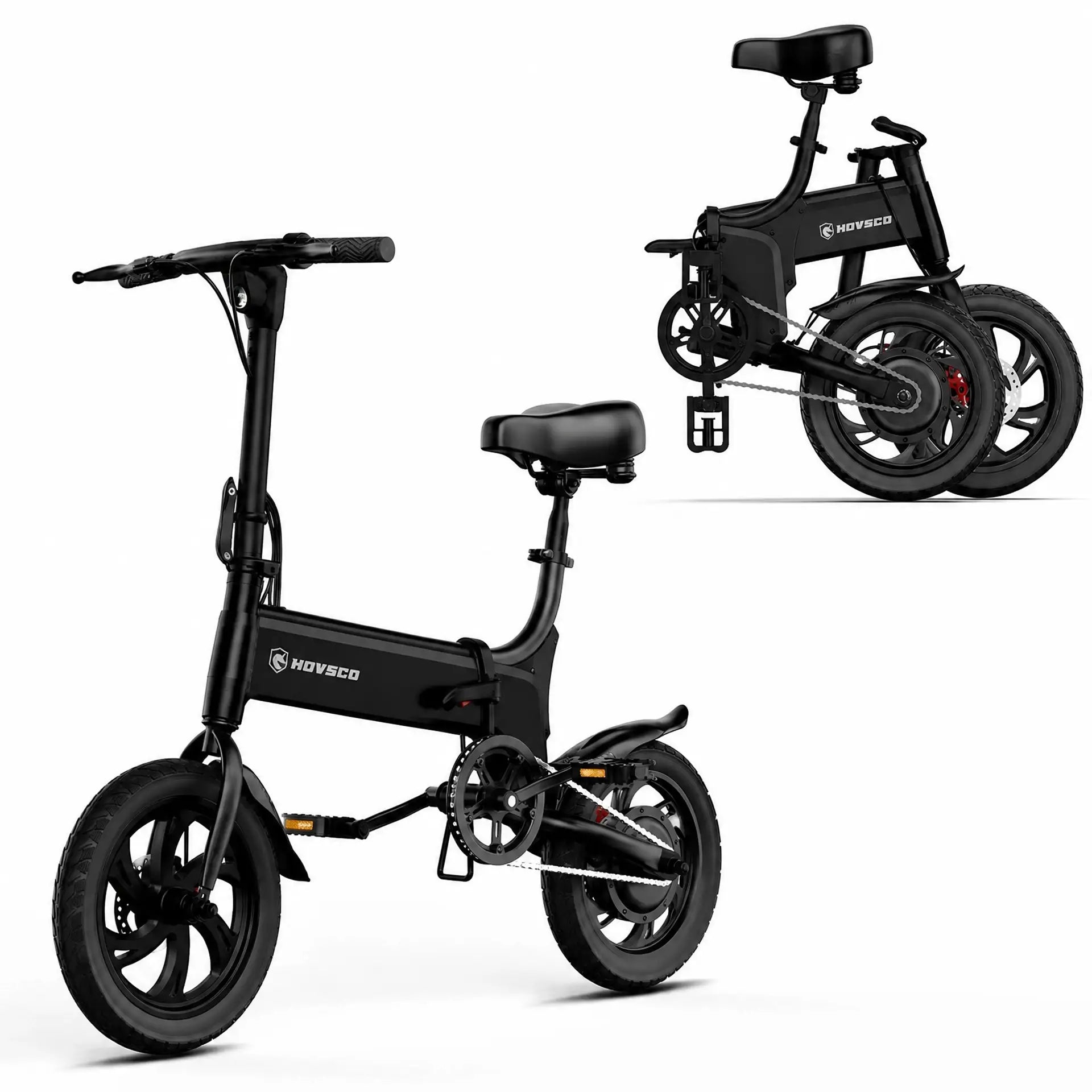
Traditional tire replacement often lacks structure and fails to address the unique stresses e-bike tires encounter. For instance, retro electric bikes from brands like HOVSCO offer robust designs and quality components, but tires must still be proactively monitored and replaced following precise mileage and wear criteria to preserve ride feel, safety, and performance.
What Is the Best Solution for Retro E-Bike Tire Replacement and Maintenance?
A structured tire replacement and maintenance routine ensures that your retro electric bike remains safe and reliable. This solution combines regular inspections, precise wear assessment, quality tire selection, and systematic replacement technique, enabling riders to maintain peak performance.
A best-in-class approach includes:
-
Routine tire inspections for tread wear, sidewall cracks, bulges, and embedded debris
-
Mileage-based replacement intervals tailored to riding patterns (e.g., every 1,500–3,000 miles)
-
Quality tire selection designed for e-bike loads and urban or retro styling
-
Consistent inflation management to maintain optimal pressure and minimize premature wear
-
Step-by-step replacement following safe mechanical practices
HOVSCO riders benefit from detailed maintenance recommendations and support, as the brand emphasizes long-term enjoyment and safety of its retro e-bike models through best practices for tire longevity and preventative care.
Why Is a Structured Tire Replacement Approach Better?
| Feature |
Traditional Reactive |
Structured Tire Maintenance |
| Safety |
Medium |
High |
| Tire lifespan optimization |
Low |
High |
| Ride reliability |
Variable |
Consistent |
| Cost efficiency |
Wasteful (flat-induced costs) |
Efficient (planned replacement) |
| Handling performance |
Deteriorates |
Maintained at peak |
How Do You Replace Tires on a Retro Electric Bike? Step-by-Step Guide
-
Prepare Tools: Tire levers, bike stand, pump, wrench set, and new tire set.
-
Remove Wheel: Shift gears, release brakes, and remove the wheel from the frame.
-
Deflate Tire Completely: Let all air out to ease removal.
-
Use Tire Levers: Insert tire levers to separate tire bead from rim.
-
Remove Tube (if applicable): Carefully pull tube out, avoiding rim damage.
-
Inspect Rim and Components: Check rim tape, spokes, and braking surface.
-
Mount New Tire: Align tire tread direction and fit one bead onto the rim.
-
Insert Tube or Sealant: Add tube or apply sealant for tubeless setups.
-
Seat Tire Bead: Work the second bead onto the rim carefully with levers.
-
Inflate Tire: Inflate to manufacturer-recommended PSI range.
-
Reinstall Wheel: Align wheel and secure axle, reconnect brakes and check alignment.
-
Final Pressure Check: Confirm PSI and spin wheel to ensure no wobble.
Which Rider Scenarios Benefit Most from Structured Tire Replacement?
Scenario 1: Daily Urban Commuter
Problem: Frequent flats and poor traction during rainy seasons.
Traditional Method: Reactive tire change after flats.
After Structured Replacement: Preemptive replacements based on mileage and tread checks.
Key Benefit: Safer daily commuting with fewer interruptions.
Scenario 2: Weekend Leisure Rider
Problem: Tires wear unnoticed between long rides leading to rough handling.
Traditional Method: Annual check or neglect.
After Structured Replacement: Monthly inspections and planned replacements.
Key Benefit: Smooth leisure rides with predictable maintenance.
Scenario 3: Vintage Style Enthusiast
Problem: Aesthetic retro build but modern performance demands.
Traditional Method: Standard bicycle tires ill-suited for e-bike load.
After Structured Replacement: Premium tires matched to retro wheel size and e-bike load.
Key Benefit: Preserved vintage look with modern safety and durability.
Scenario 4: Quality-Focused Rider (e.g., HOVSCO Owner)
Problem: Hesitant to DIY due to mechanical concerns.
Traditional Method: Pay shop for every tire issue.
After Structured Replacement: Step-by-step DIY guide with quality tire recommendations.
Key Benefit: Confidence, reduced service costs, greater maintenance control.
Why Is Now the Right Time to Adopt Proactive Tire Maintenance?
The e-bike market is expanding rapidly, with more riders transitioning from traditional bikes to electric models. As tire wear patterns differ for e-bikes — often with up to double the wear rate compared to non-electric bikes due to motor torque and weight — proactive tire replacement isn’t optional; it’s essential. Regular maintenance keeps riders safer, preserves ride quality, and protects the investment in a premium retro e-bike. Brands like HOVSCO emphasize maintenance awareness as part of their commitment to long-lasting, reliable cycling experiences.
Frequently Asked Questions
How often should I inspect my retro electric bike tires?
Inspect tire tread and sidewalls monthly or every 200–300 miles, and check pressure before every ride.
What signs mean my e-bike tire needs replacement immediately?
Visible cracks, bulges, worn tread, frequent flats, or sidewall damage indicate immediate replacement need.
Can I replace e-bike tires by myself at home?
Yes, with basic tools and proper steps, most riders can safely replace tires without professional assistance.
Does tire pressure impact electric bike performance?
Yes, correct tire pressure improves traction, reduces battery drain, and extends tire life.
Which tires are best for retro electric bikes?
Choose tires rated for e-bike loads with tread patterns suited for your typical riding surfaces.
Can replacing tires improve ride comfort?
Absolutely — fresh tires with proper pressure and correct tread depth significantly enhance comfort and handling.
Should I rotate front and rear tires?
Yes, rotating tires every 1,000–2,000 miles balances wear and extends overall tire lifespan.
Sources
https://www.michelinman.com/bicycle/bicycle-tips-and-advice/fitting-bike-tires/how-long-do-bike-tires-last
https://www.goatpowerbikes.com/blogs/news/when-to-replace-e-bike-brakes-tires-and-chains-maintenance-guide-for-electric-bikes
https://ebikersden.com/a-guide-to-ebike-maintenance/
https://astuteanalytica.com/industry-report/united-states-bicycle-tire-replacement-market
https://mihogo.com/blogs/blog/how-to-check-e-bike-tire-wear-and-replace-tires
https://bikebesties.com/electric-bike-regular-maintenance-schedule/

























![[ New Arrival ] Porto Max Electric Scooter For Commute & Grocery Shopping - HOVSCO](http://www.hovsco.com/cdn/shop/files/PotroMax-3.jpg?v=1706927007&width=1200)
Share:
What Makes Electric Cargo Bikes the Best Choice for Commuting Today?
What Should Families Know About Choosing an E-Bike with Safety Bars for Safer Rides?