



![[ New Arrival ] Porto Max Electric Scooter For Commute & Grocery Shopping - HOVSCO](http://www.hovsco.com/cdn/shop/files/PotroMax-3.jpg?v=1706927007&width=1200)
- by EO S
What Makes Electric Cargo Bikes the Best Choice for Commuting Today?
- by EO S
E-Bikes
Accessories
 Free Shipping
 15-Day Returns
 2-Year Warranty
Free Shipping
15-Day Returns
2-Year Warranty
2-Year Warranty
Free Shipping
15-Day Returns
2-Year Warranty
Electric cargo bikes are rapidly becoming the most practical commuting solution for urban riders who need capacity, speed, and reliability. With powerful motors, long-range batteries, and cargo-friendly frames, they replace cars for many daily trips, cut commute time, and reduce transportation costs while improving safety and comfort.
Cities are facing growing congestion, rising fuel prices, and increased demand for sustainable commuting options. In the U.S., traffic congestion costs commuters an average of $1,400 per driver per year, and urban mobility delays continue to rise year after year. At the same time, electric bike sales have surged, with e-bike market growth outpacing traditional bicycle sales, signaling a major shift in commuting preferences. (Sources: INRIX Global Traffic Scorecard, NHTS, PeopleForBikes)
This shift is especially pronounced in the cargo bike segment, where commuters need to transport groceries, kids, or work gear. Cargo bikes are no longer niche: cargo bike sales grew by more than 30% year-over-year in major European and U.S. markets, and adoption is accelerating in urban areas with strong bike infrastructure. (Sources: PeopleForBikes, Statista, European Cyclists’ Federation)
Yet despite rising adoption, many commuters still rely on cars for short trips. This creates a major gap: many daily car trips are under 5 miles, which is well within the range of modern electric cargo bikes. The problem is that most riders still view cargo bikes as “too bulky,” “too slow,” or “too hard to ride.” These perceptions create a barrier to adoption, even though modern e-cargo designs solve those issues.
Many urban commuters pay for parking, fuel, insurance, and maintenance. When trips are short, the cost per mile is disproportionately high. Electric cargo bikes reduce commuting costs by up to 90% compared to car ownership, especially for daily short-distance trips.
Standard commuter bikes struggle with carrying groceries, work equipment, or kids. Riders often resort to multiple trips, rideshares, or car use. This leads to time loss and stress.
Even high-end e-bikes can feel unstable under weight or require frequent battery swaps. Commuters who need consistent performance while carrying cargo need a purpose-built solution.
| Traditional Solution | Why It Falls Short | Real Commuter Impact |
|---|---|---|
| Car commuting | Expensive, slow in congestion, parking issues | Higher cost, more stress |
| Standard commuter bike | Limited cargo, unstable under weight | Multiple trips, unsafe handling |
| Regular e-bike | Not built for cargo weight | Reduced stability, reduced range |
| Public transit | Fixed schedules, last-mile gaps | Delays, extra walking |
Traditional commuting methods simply do not address the modern need for fast, flexible, low-cost, cargo-capable transportation.
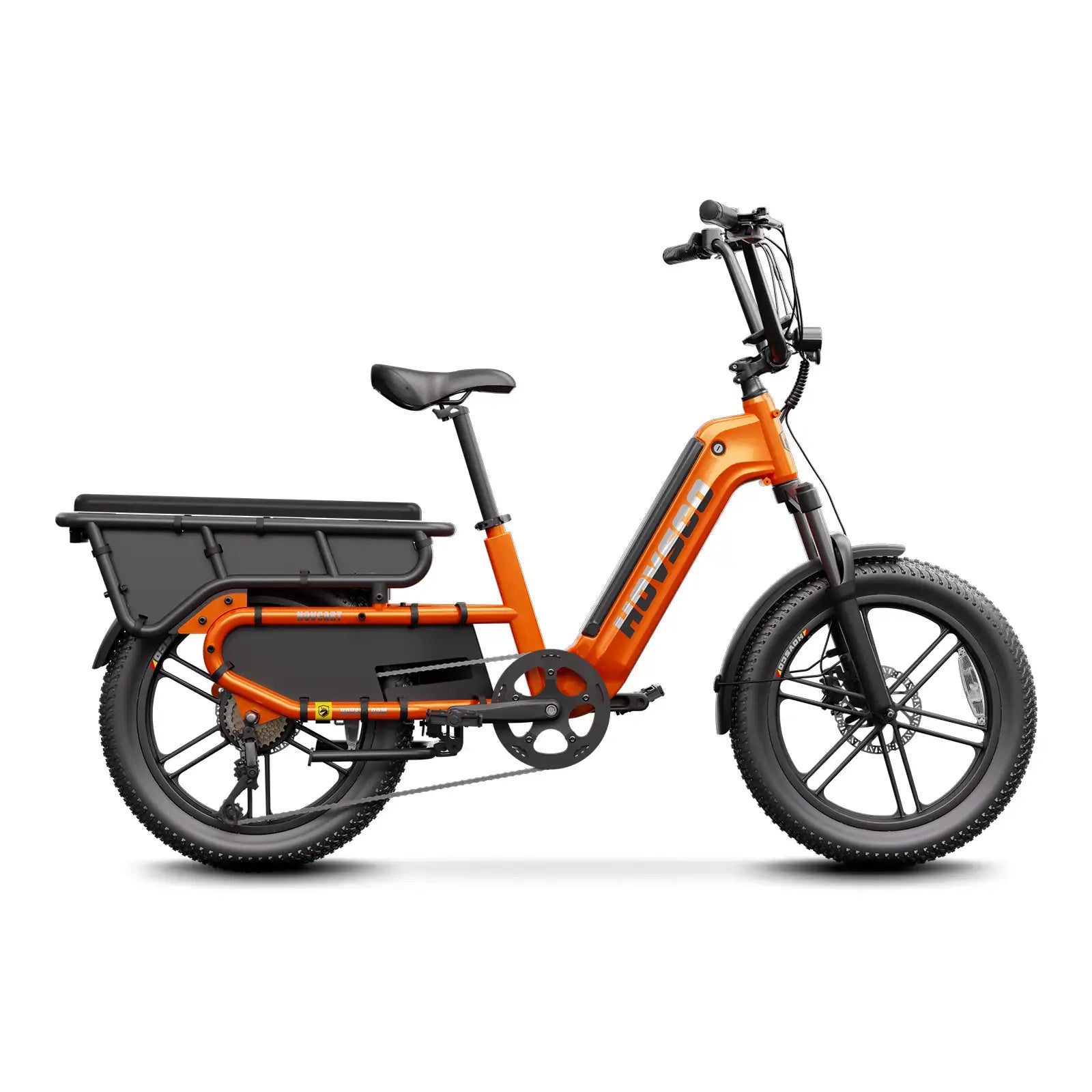
The best solution is an electric cargo bike designed for commuting. These bikes are engineered for stability, cargo capacity, and daily usability. Modern electric cargo bikes feature:
High torque motors (often 500W–1000W) for effortless acceleration even under load
Long-range batteries (40–80+ miles per charge) to cover daily commuting without range anxiety
Heavy-duty frames that support cargo and passenger weight
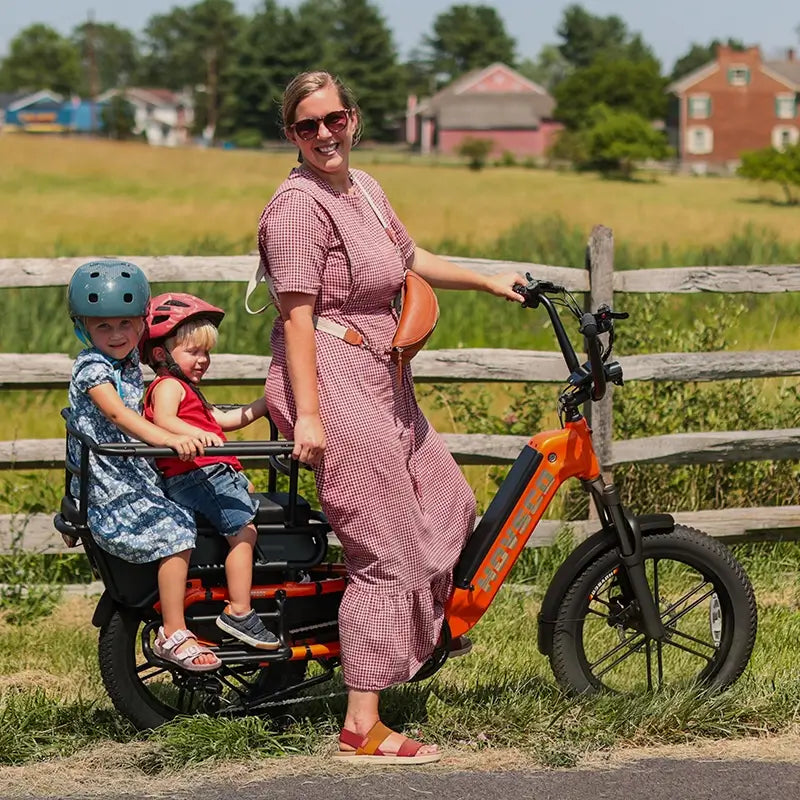
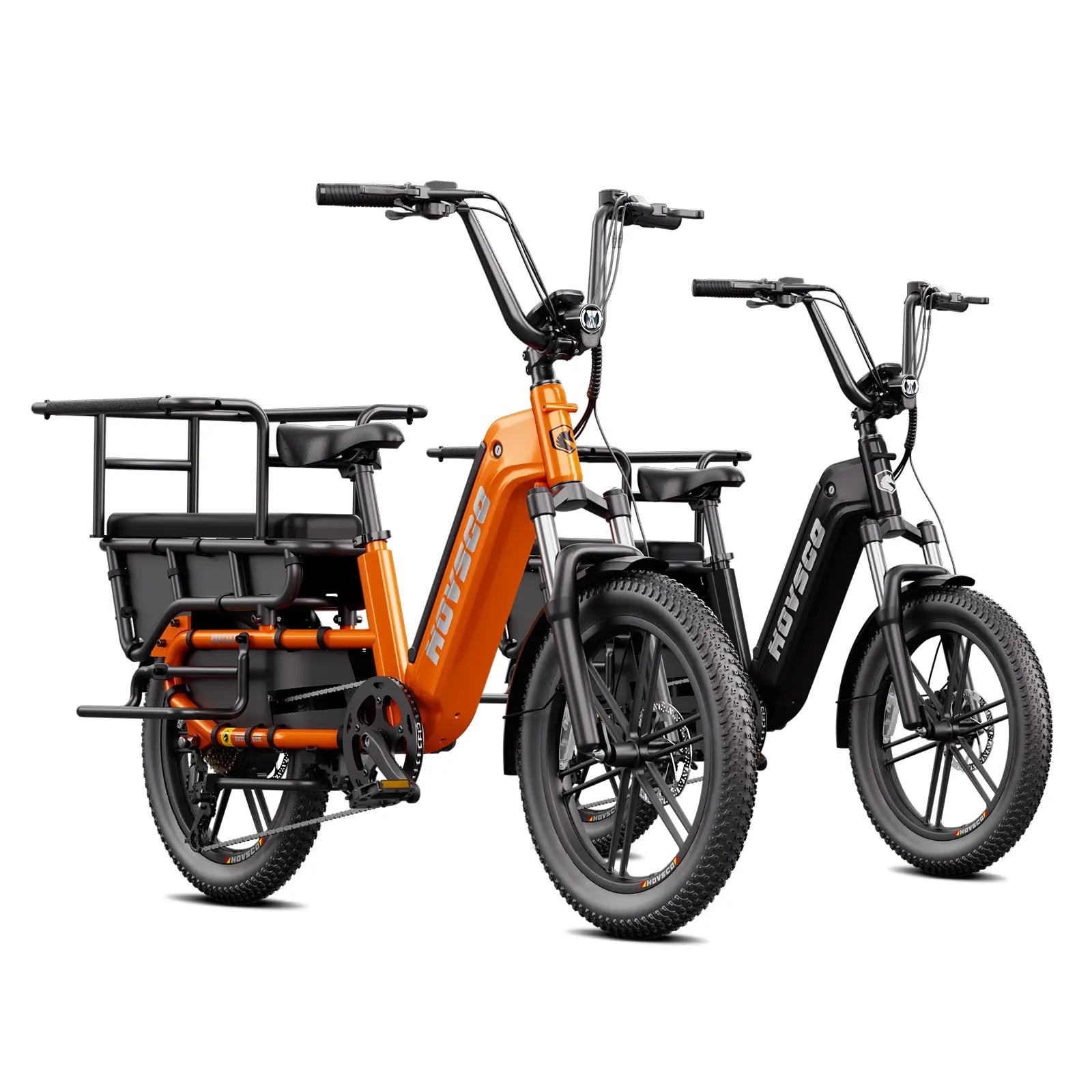
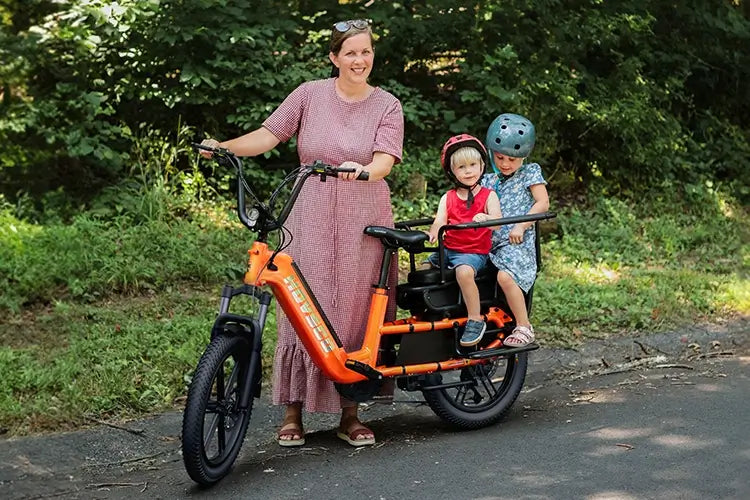
Integrated cargo racks or platforms for groceries, work gear, or children
Safety features such as hydraulic brakes, strong lighting, and stable geometry
Modular accessories like child seats, panniers, and weather protection
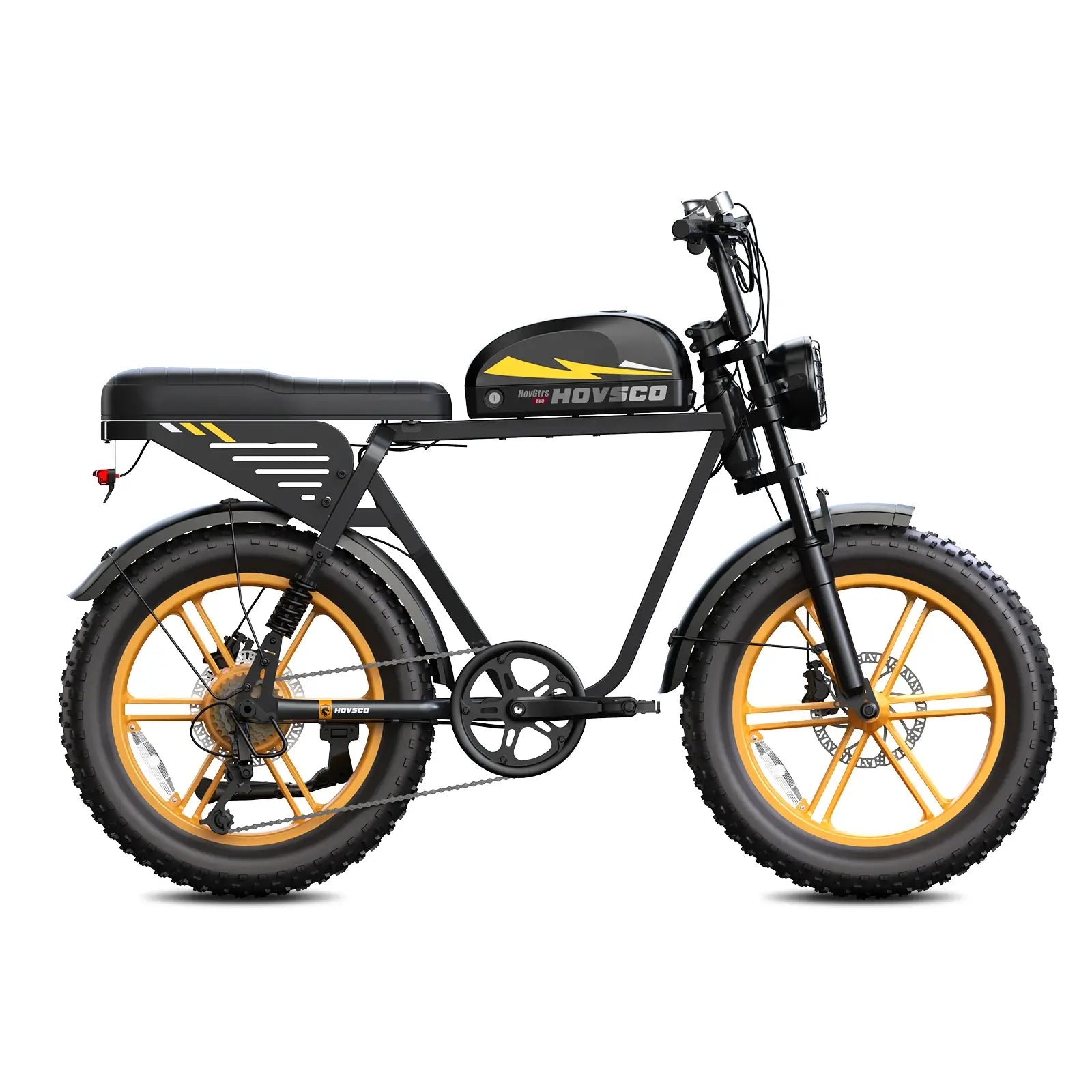
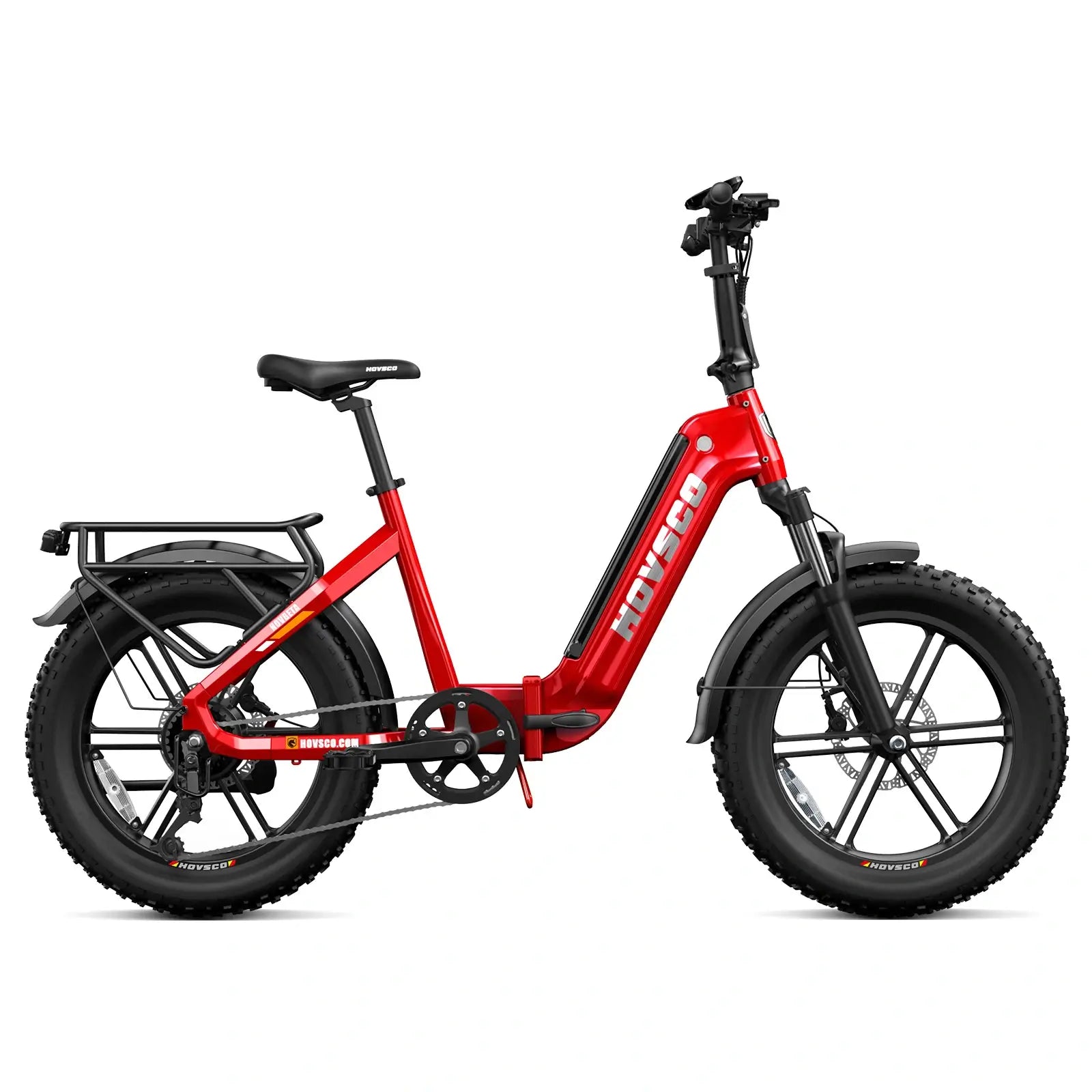
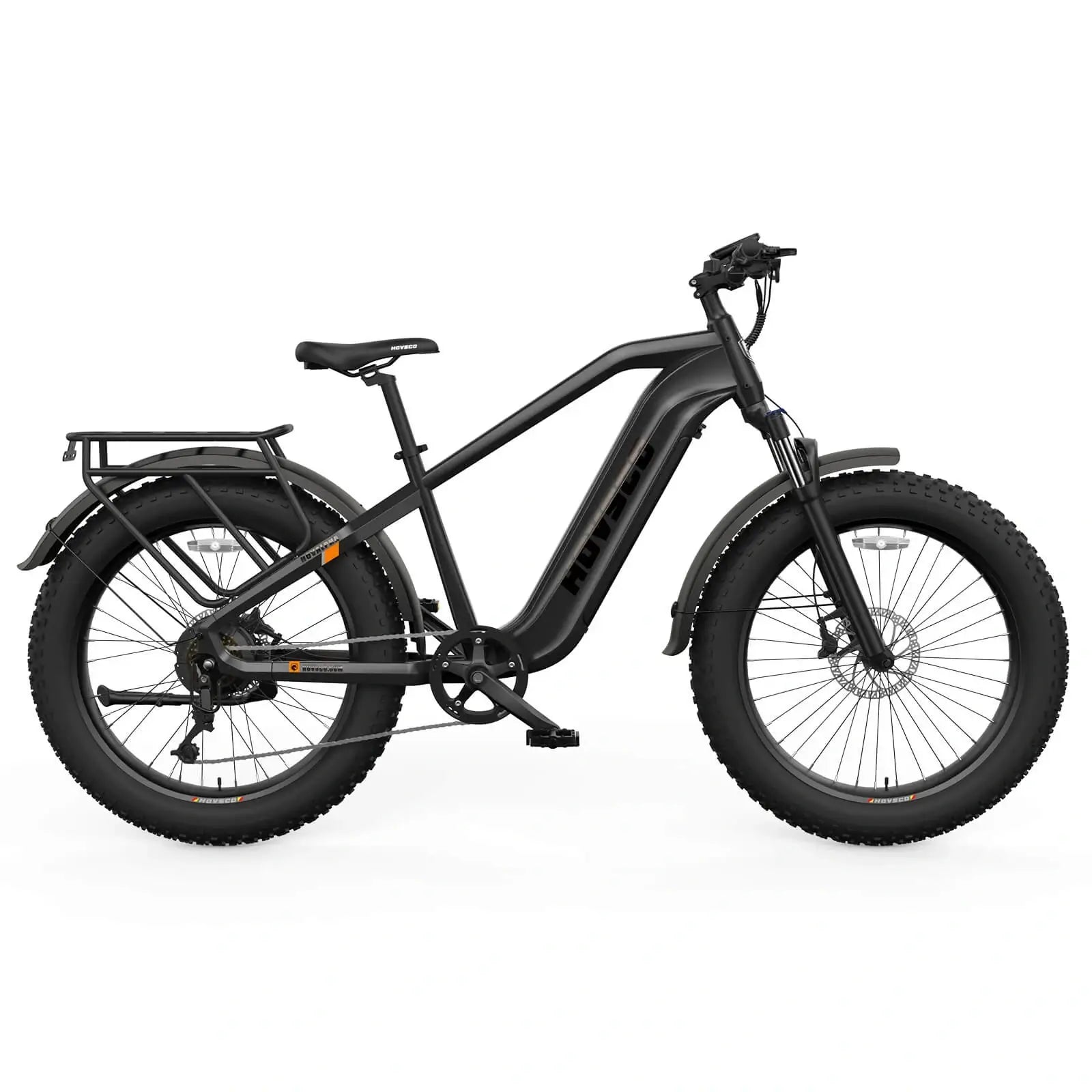
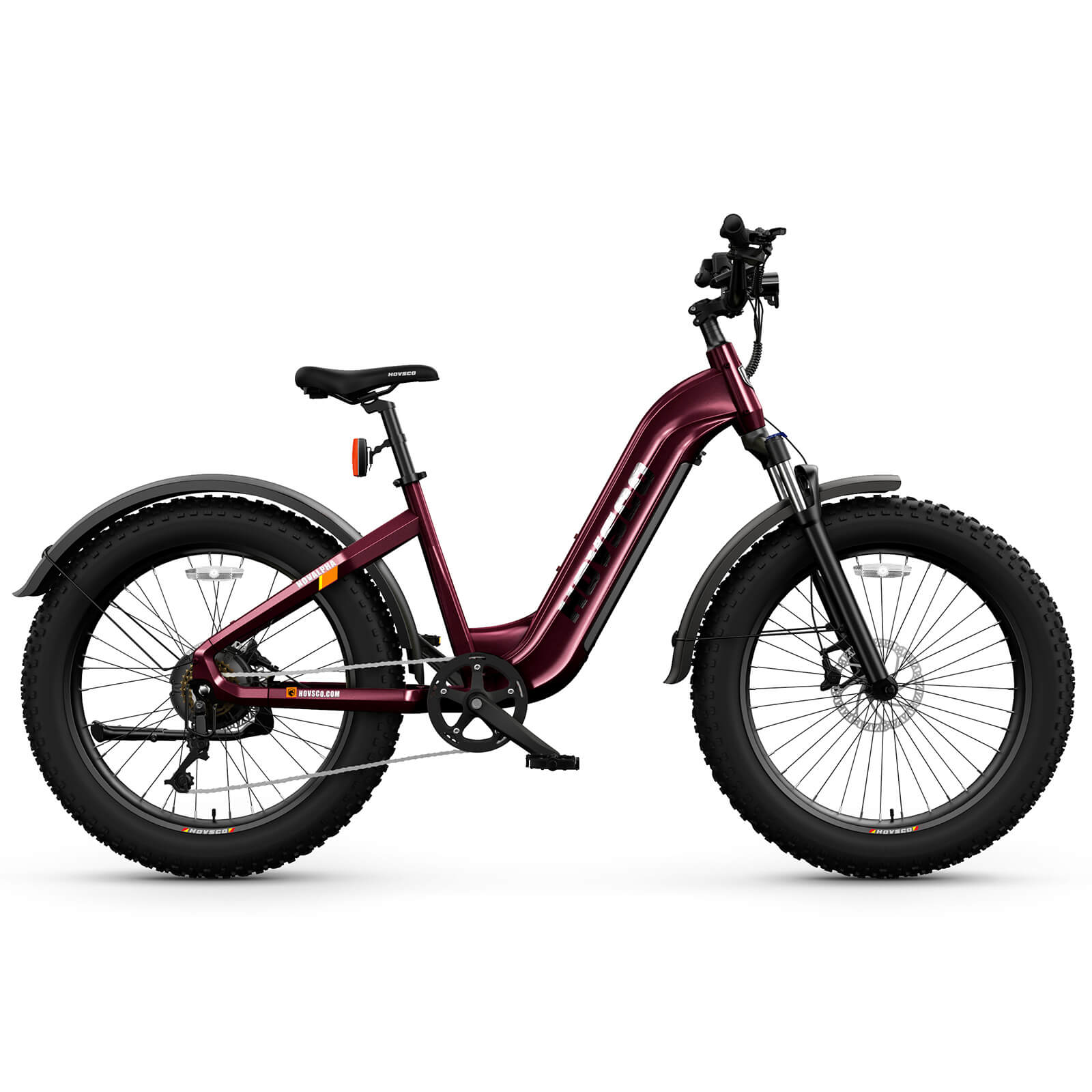
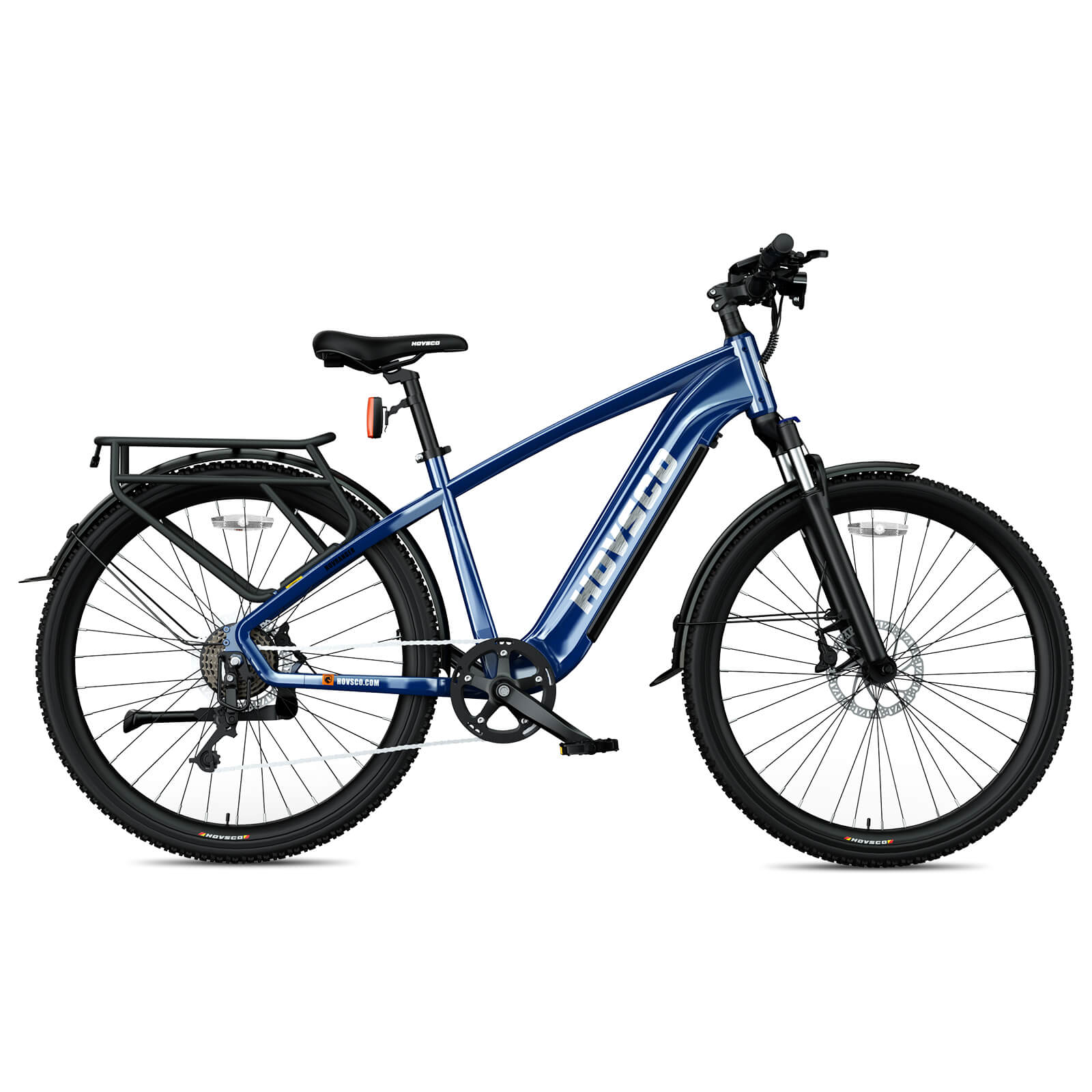
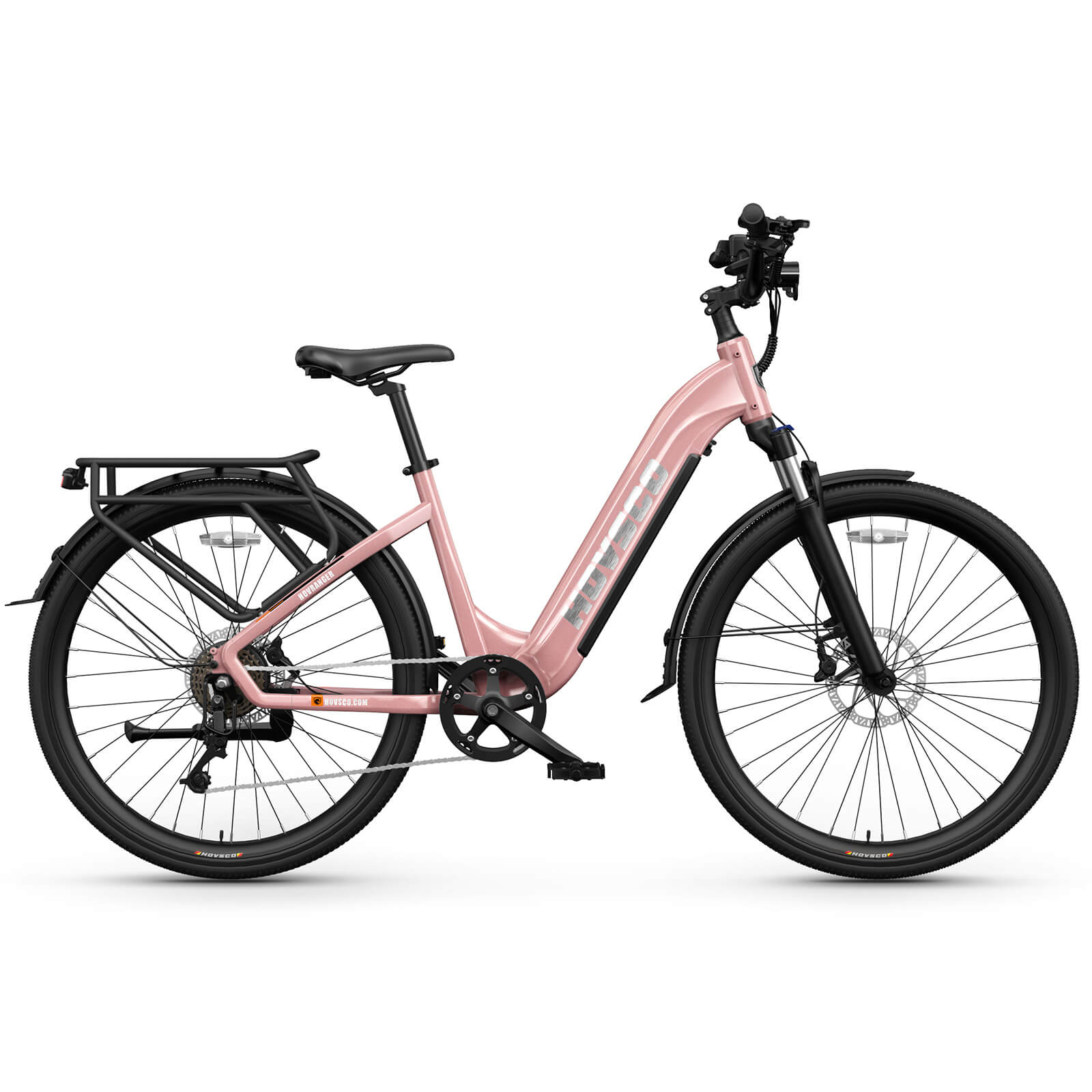
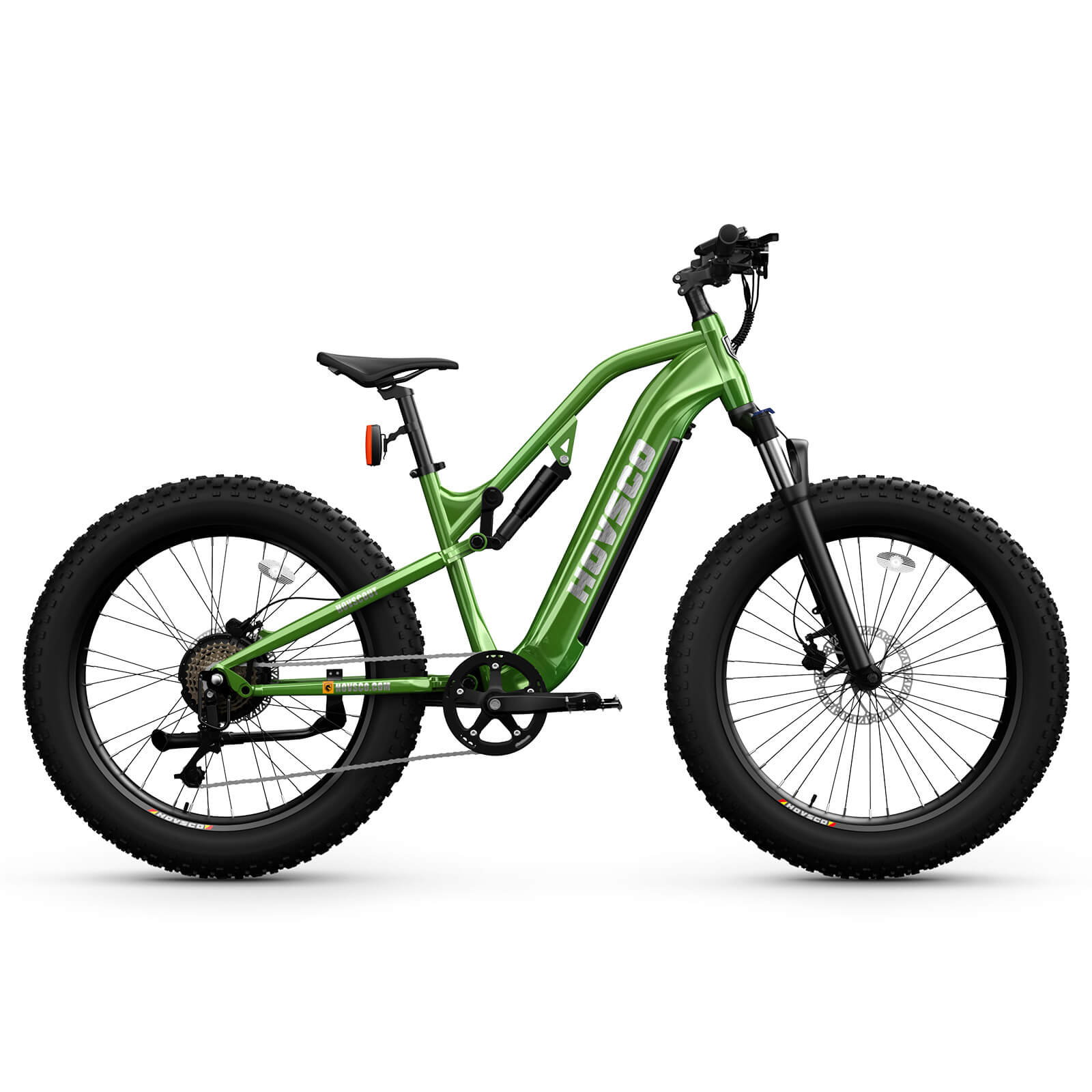
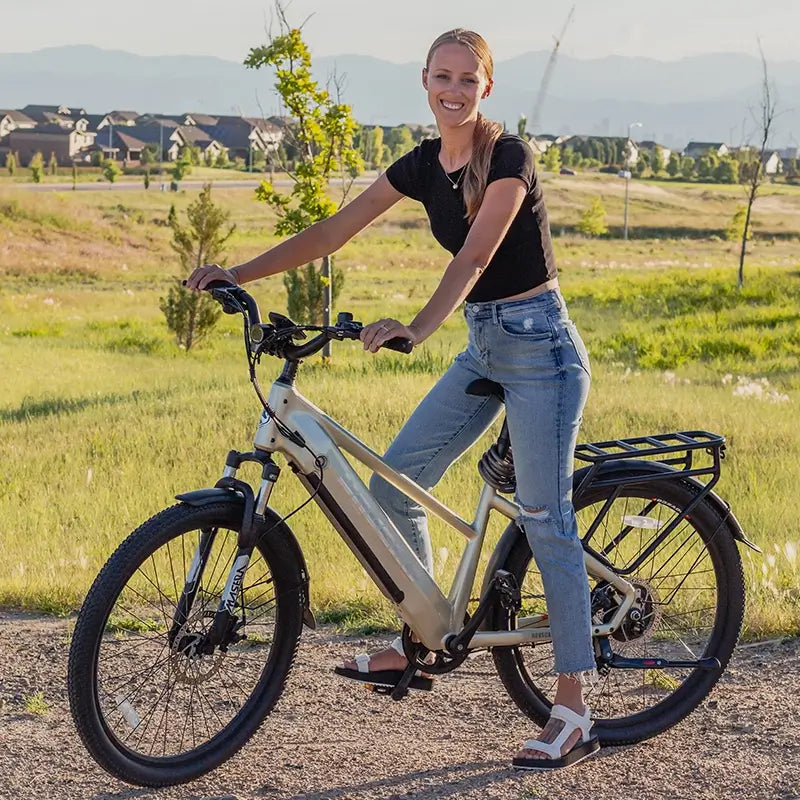
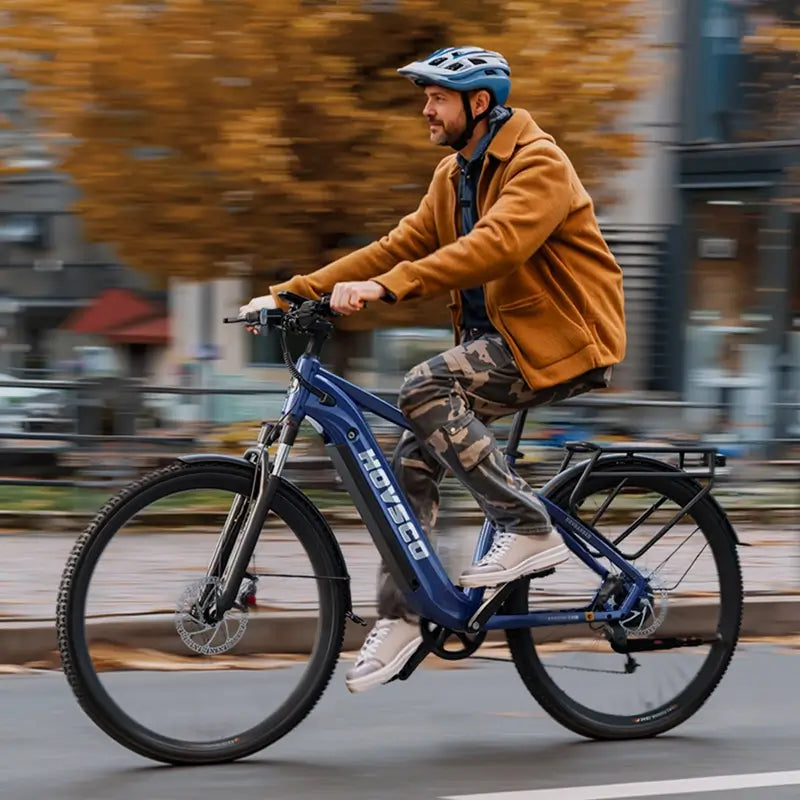
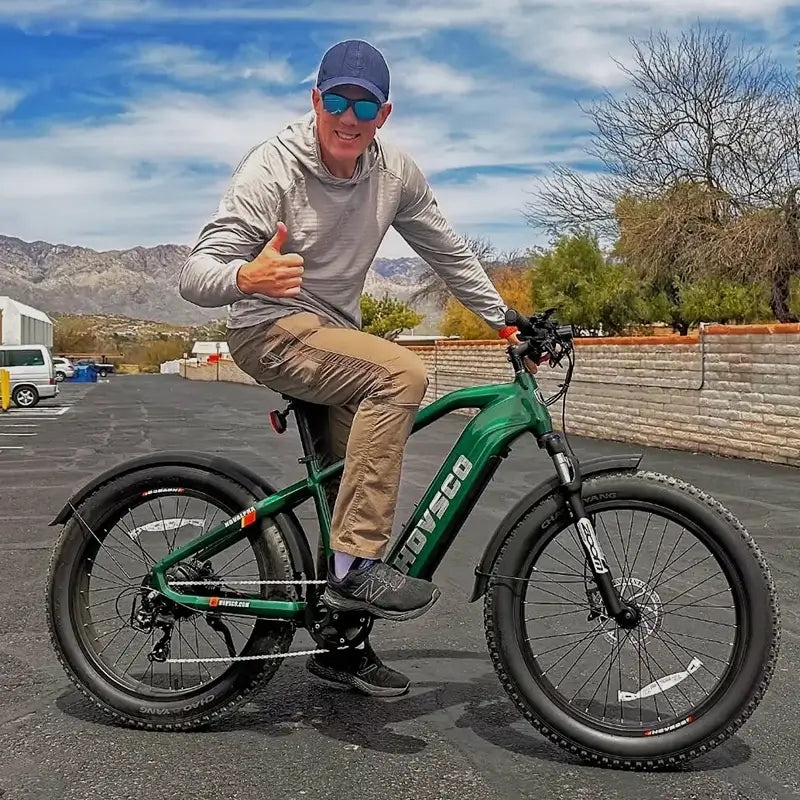
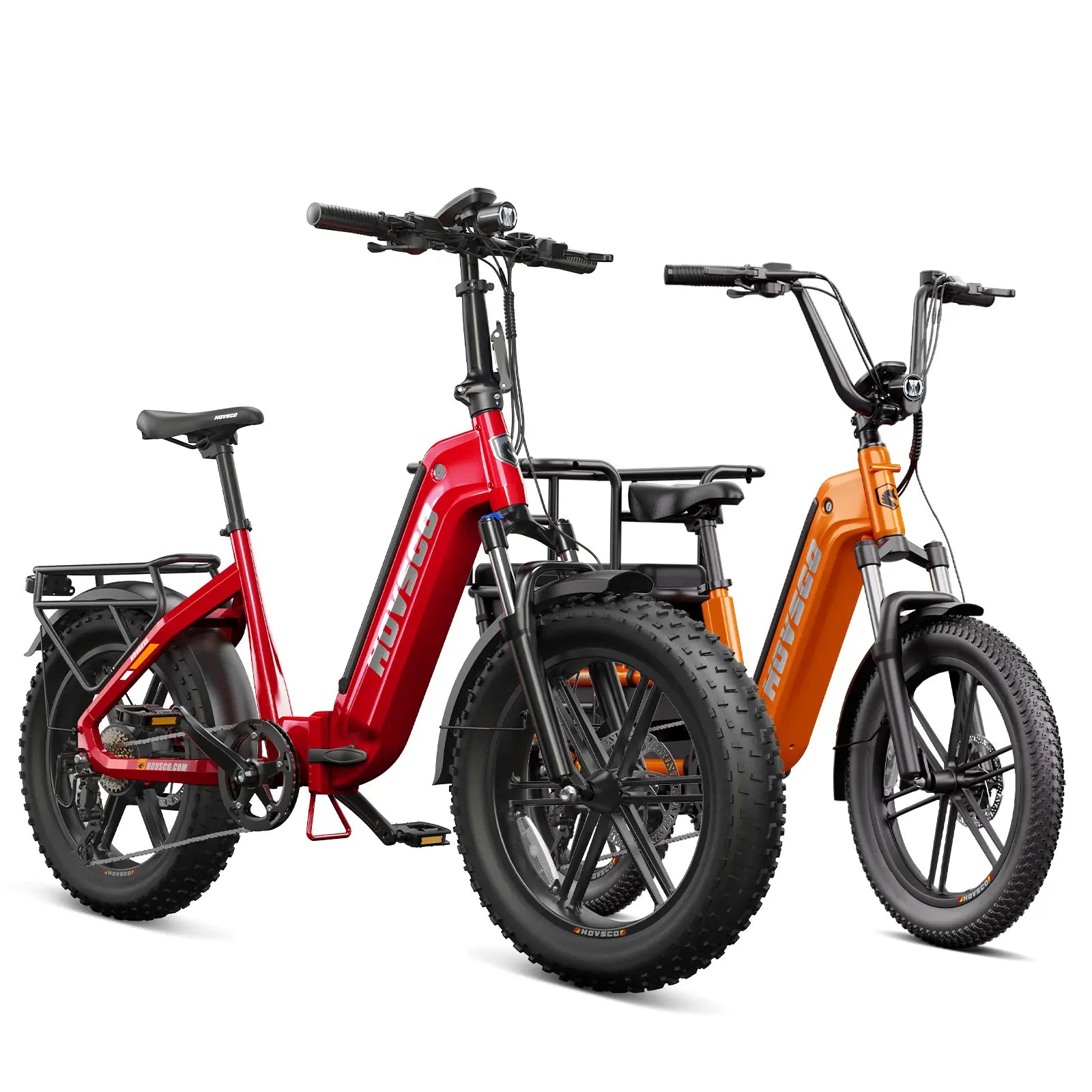
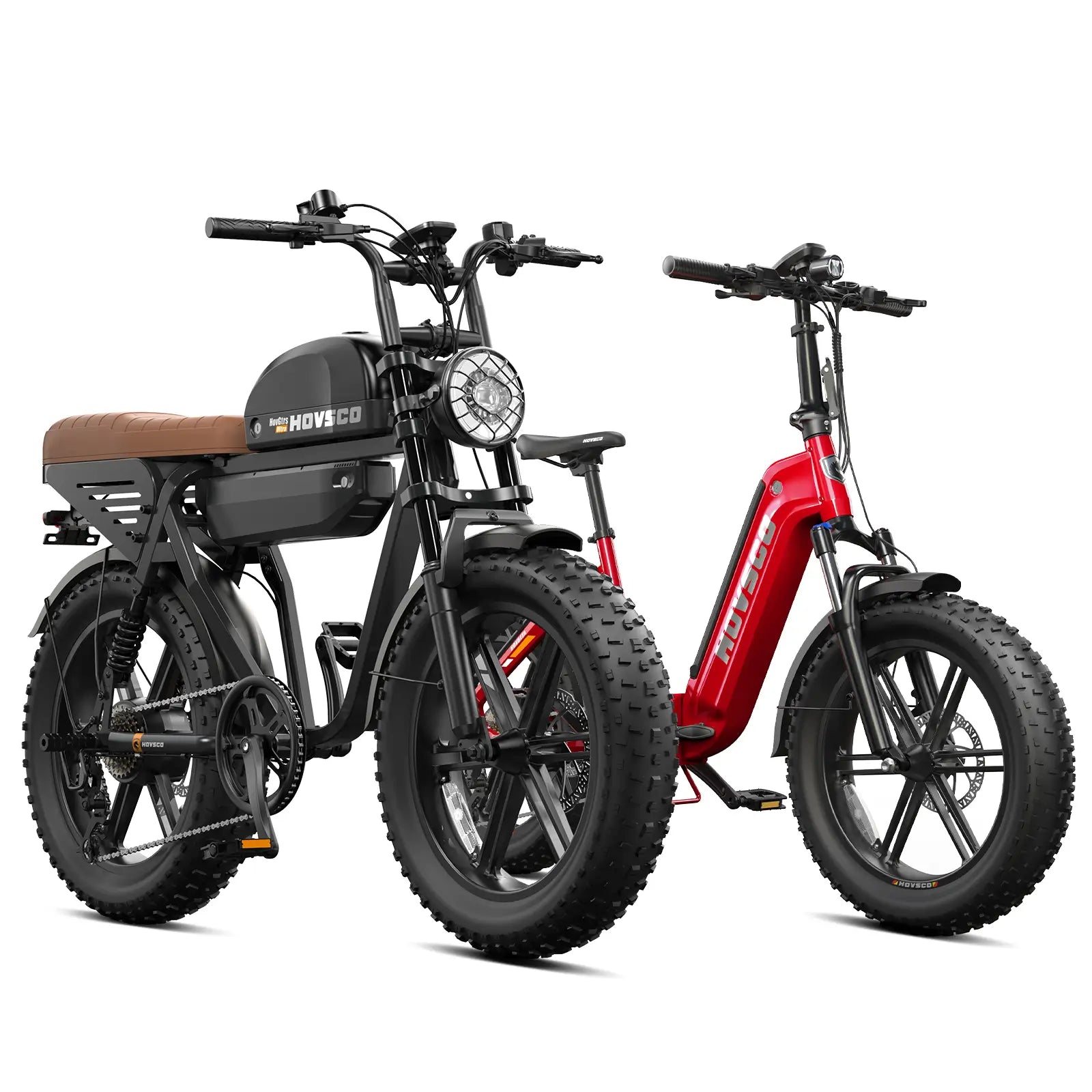
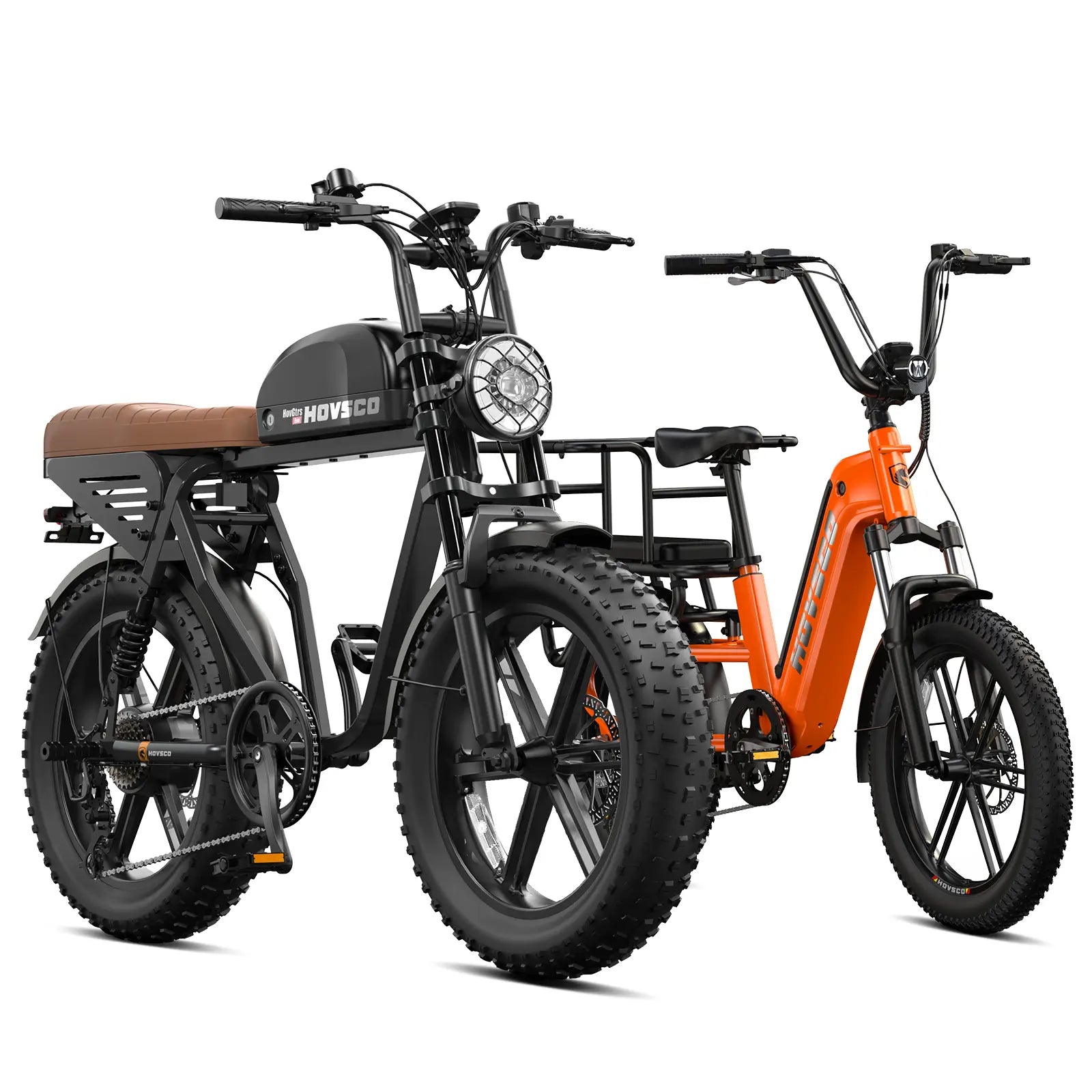
Brands like HOVSCO are actively innovating in this space, delivering electric cargo bikes with practical commuting features and modern design. HOVSCO’s commitment to safety, performance, and user-friendly engineering makes their cargo models ideal for daily commuting and urban mobility. With a focus on quality, they offer long-range e-cargo solutions that support real-life daily use. HOVSCO’s product line also benefits from their proven safety and supply-chain expertise, built from years of e-scooter and hoverboard experience.
| Feature | Car Commuting | Standard Bike | Electric Cargo Bike |
|---|---|---|---|
| Cost per mile | High | Moderate | Low |
| Cargo capacity | High | Low | High |
| Commute time in city | High variability | Moderate | Fast, stable |
| Parking hassle | High | Low | Low |
| Health benefit | Low | High | High |
| Environmental impact | High | Low | Low |
| Range under load | N/A | Limited | Long |
Identify your commute needs: distance, cargo weight, and daily schedule
Choose the right cargo configuration: long-tail, mid-tail, or front-load
Select the right battery range based on round-trip distance
Plan safe routes using bike lanes and low-traffic roads
Install accessories: lights, racks, panniers, child seats
Secure your bike with a high-quality lock and GPS tracker
Test ride on a non-peak day to adjust handling and balance
Build a daily routine with charging, parking, and maintenance
Problem: Driving kids to school daily is time-consuming and expensive.
Traditional Method: Car drop-offs or multiple trips by car.
After Using an E-Cargo Bike: Kids ride safely in child seats; parents avoid parking and traffic.
Key Benefit: Saves time, improves health, reduces cost.
Problem: Carrying tools or equipment to job sites requires a car.
Traditional Method: Truck or car commute with parking issues.
After Using an E-Cargo Bike: Cargo platform holds gear; motor assists uphill rides.
Key Benefit: Faster travel, lower operating cost, easier parking.
Problem: Multiple shopping trips by car for groceries and errands.
Traditional Method: Car for short trips; expensive parking.
After Using an E-Cargo Bike: Single trip holds groceries and bags.
Key Benefit: Fewer trips, lower cost, more convenience.
Problem: Transit has last-mile gaps and long walking distances.
Traditional Method: Transit + ride-share for last mile.
After Using an E-Cargo Bike: Bike replaces last-mile gap with cargo capacity.
Key Benefit: Faster, more reliable, and cost-effective.
Electric cargo bikes are set to become a mainstream commuting tool as cities expand bike infrastructure and push for low-emission transportation. With more bike lanes, e-bike incentives, and urban congestion policies, cargo bikes will replace many short car trips. As the technology improves, expect longer range batteries, lighter frames, and better modular cargo systems.
The best time to switch is now: urban congestion is worsening, fuel prices remain volatile, and electric cargo bikes already deliver measurable savings and convenience. For commuters seeking a reliable and sustainable alternative, the electric cargo bike is not just a trend — it is a practical daily solution.
How far can electric cargo bikes typically travel on one charge?
Most modern electric cargo bikes can travel 40–80 miles per charge, depending on load, terrain, and battery size.
What type of cargo bike is best for commuting?
For commuting, long-tail cargo bikes and front-load cargo bikes are the most versatile, offering stability and easy handling in traffic.
Can electric cargo bikes replace a car for daily commuting?
Yes — especially for short to medium commutes under 10 miles each way, electric cargo bikes can replace cars for many commuters.
Are electric cargo bikes safe to ride in city traffic?
Yes, when equipped with proper safety features such as hydraulic brakes, bright lights, and stable geometry, and ridden on safe routes.
How do I choose the right battery for commuting?
Choose a battery that supports at least 2–3 times your daily commute distance to avoid range anxiety and ensure long battery life.
Do electric cargo bikes require more maintenance than standard bikes?
They require similar maintenance, with added attention to battery care, motor system checks, and drivetrain lubrication, especially under heavy loads.
Can electric cargo bikes be used in all weather conditions?
Most are designed for year-round use, but rain and snow require extra care for brakes and traction. Proper tires and fenders improve reliability.
https://www.inrix.com/scorecard/
https://nhts.ornl.gov/
https://peopleforbikes.org/
https://www.statista.com/
https://ecf.com/
https://www.nrel.gov/
https://www.nhtsa.gov/
https://www.transportation.gov/
https://www.bikeleague.org/
https://www.bike-eu.com/
Share:
What Are the Best Locks and Security Solutions for Moped Style E-Bikes?
How Do You Replace the Tires on a Retro Electric Bike for Safe Riding and Long-Term Performance?