



![[ New Arrival ] Porto Max Electric Scooter For Commute & Grocery Shopping - HOVSCO](http://www.hovsco.com/cdn/shop/files/PotroMax-3.jpg?v=1706927007&width=1200)
- by EO S
Which Electric Bike Handles Heavy Loads Best?
- by EO S
E-Bikes
Accessories
 Free Shipping
 15-Day Returns
 2-Year Warranty
Free Shipping
15-Day Returns
2-Year Warranty
2-Year Warranty
Free Shipping
15-Day Returns
2-Year Warranty
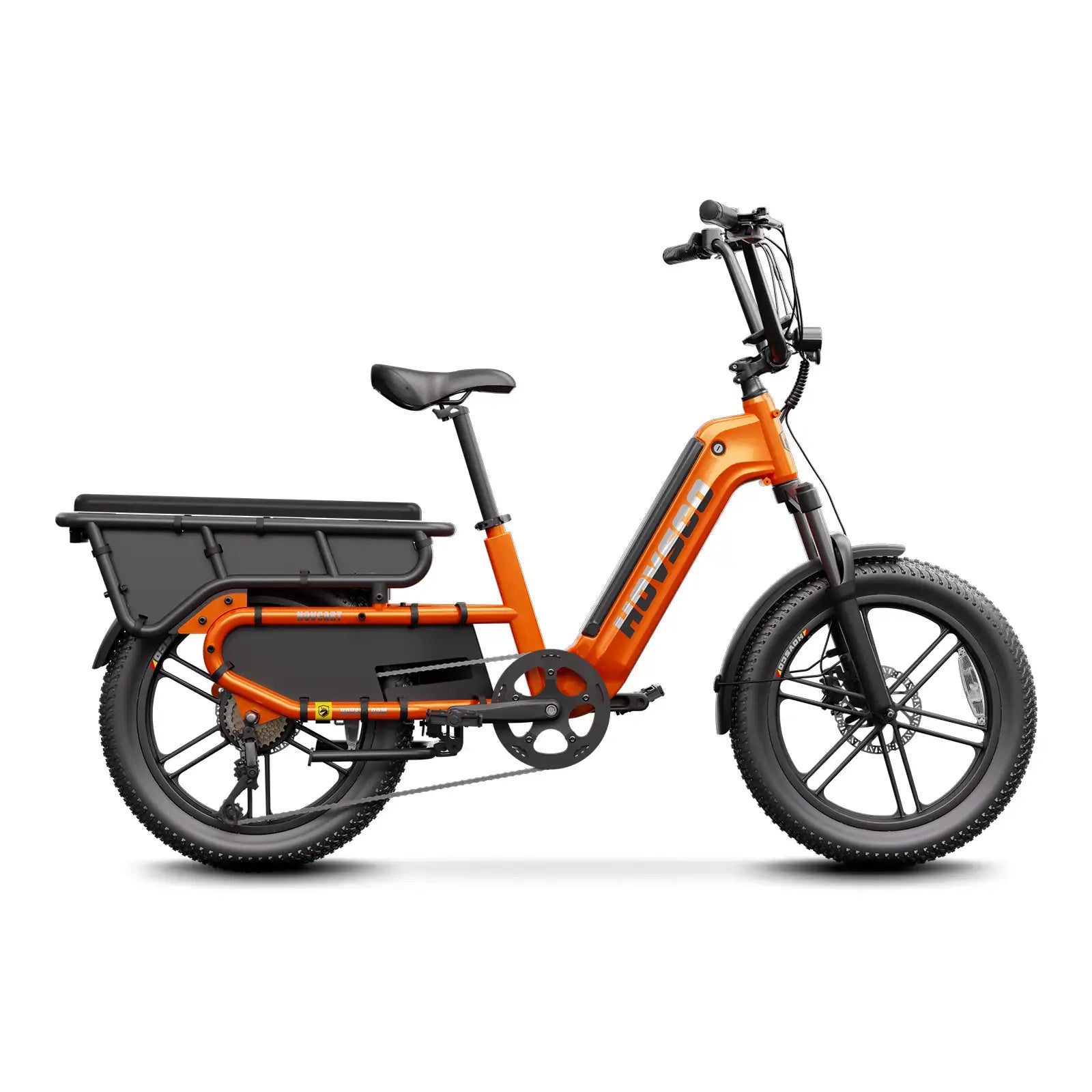
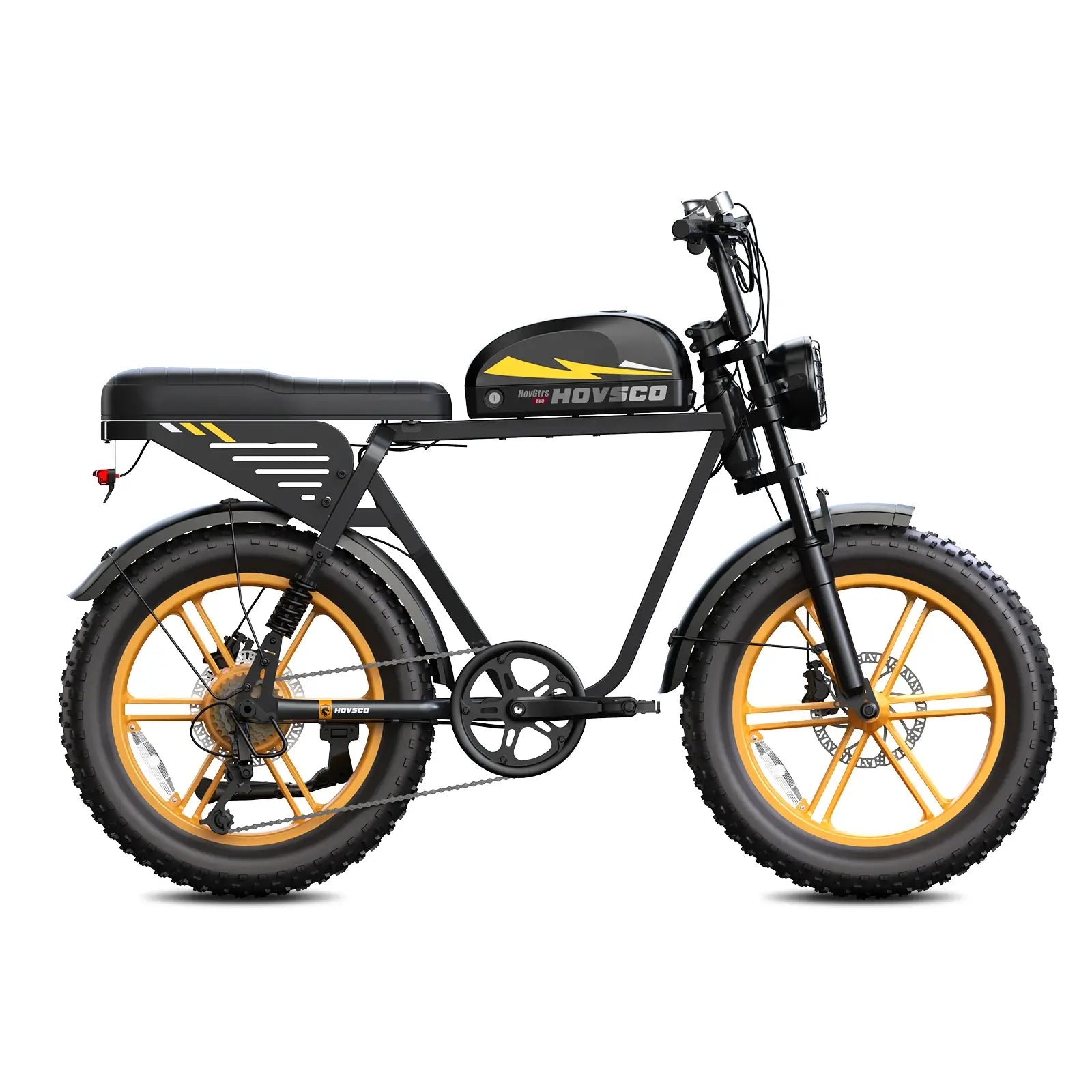
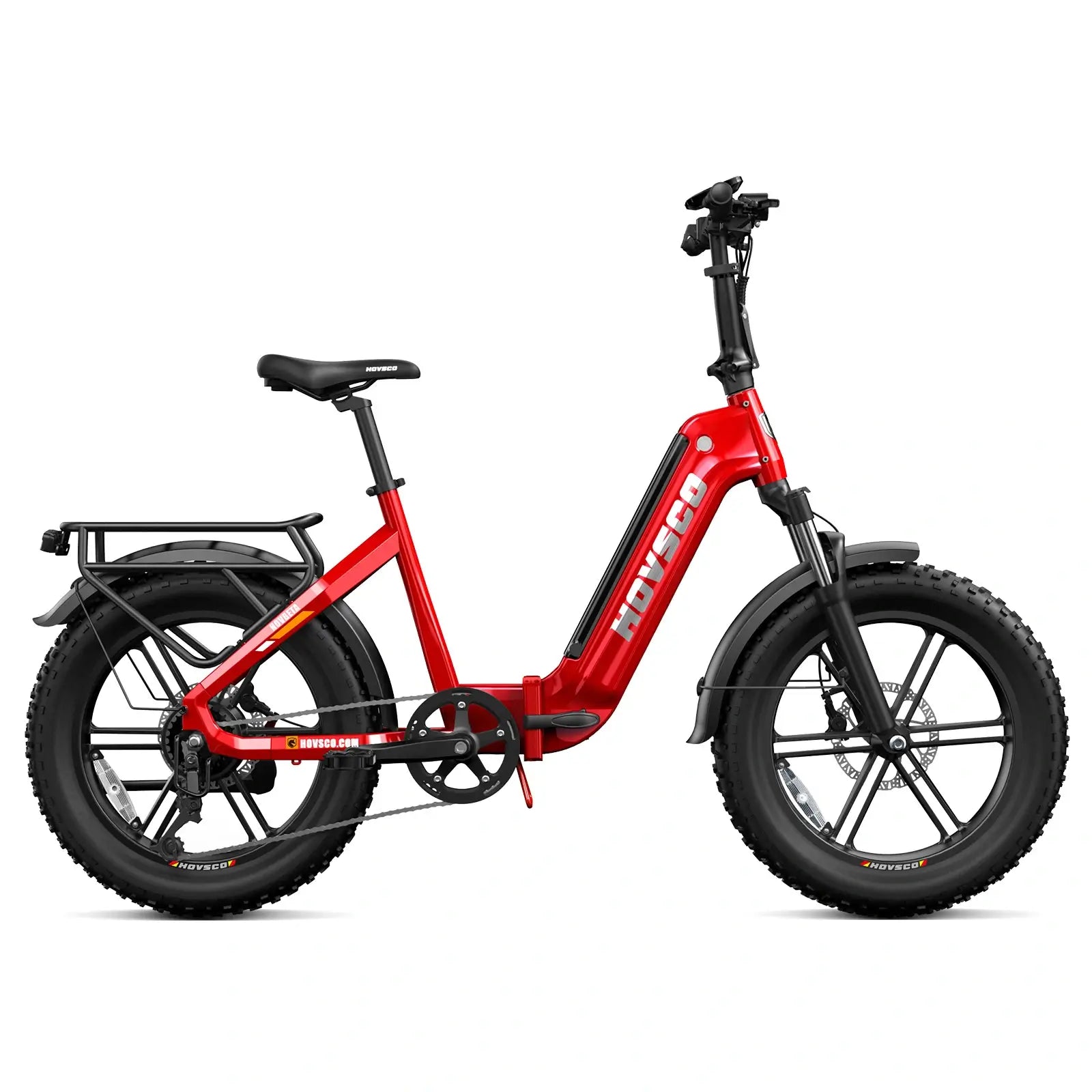
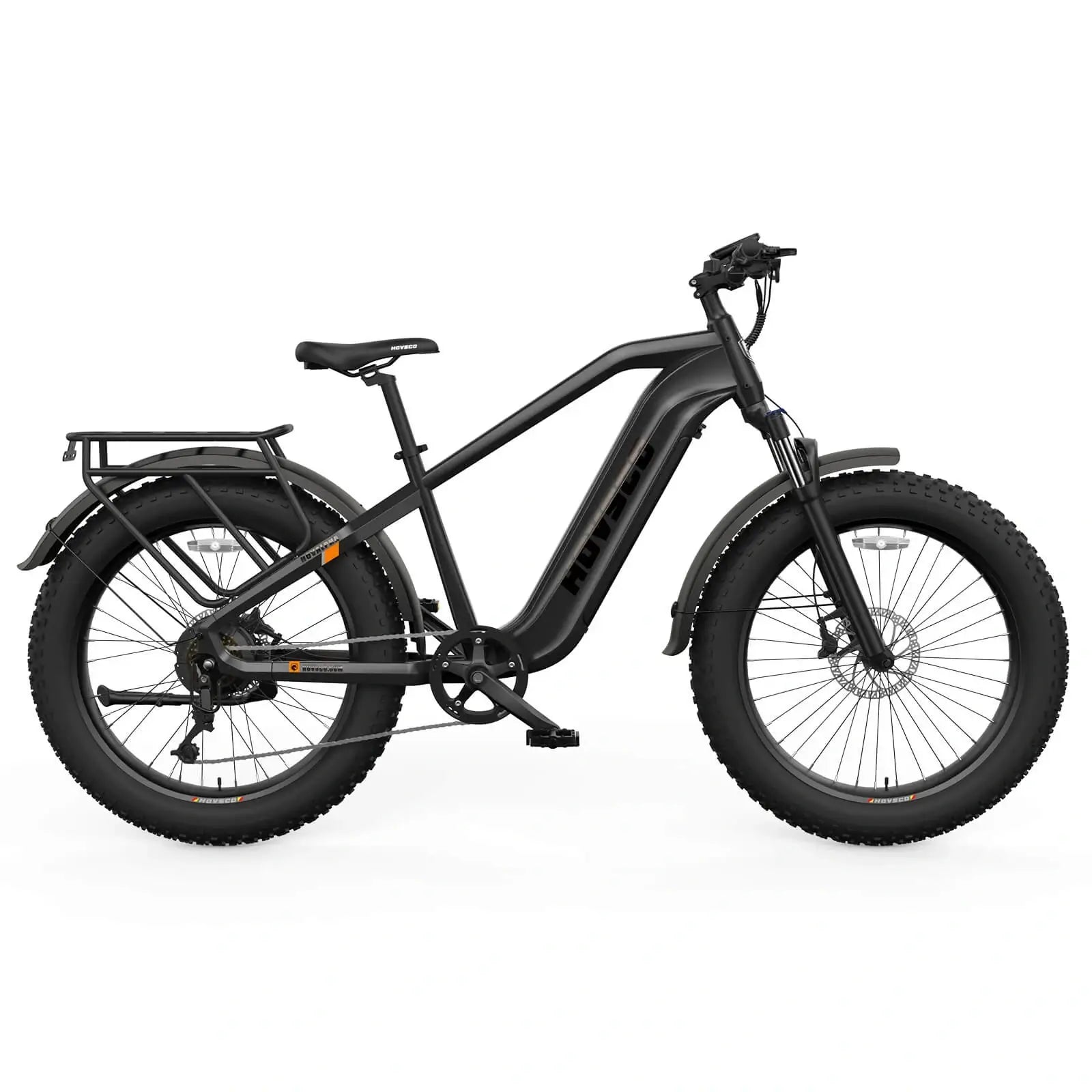
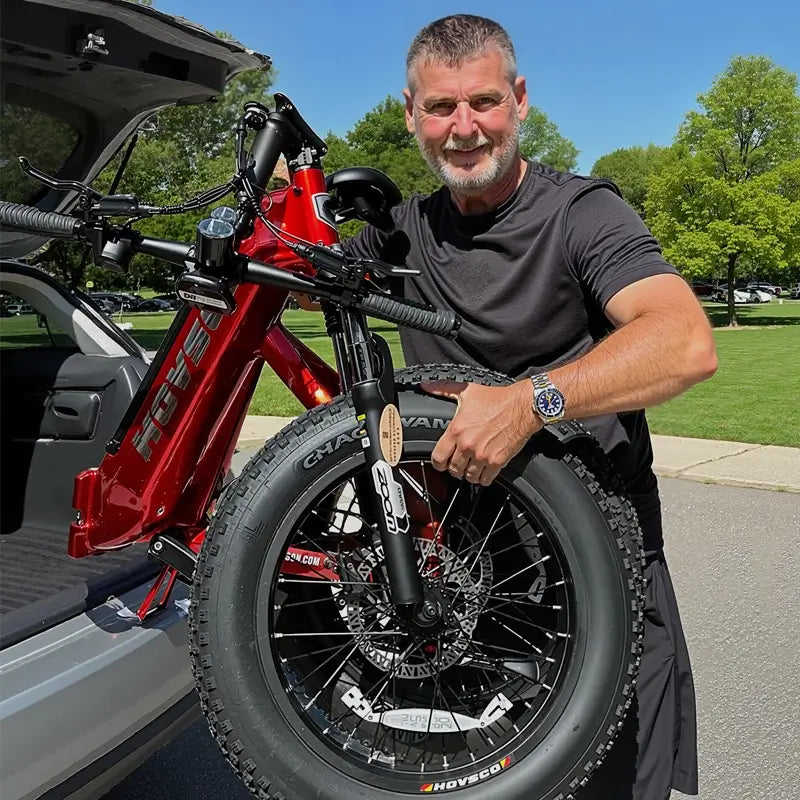
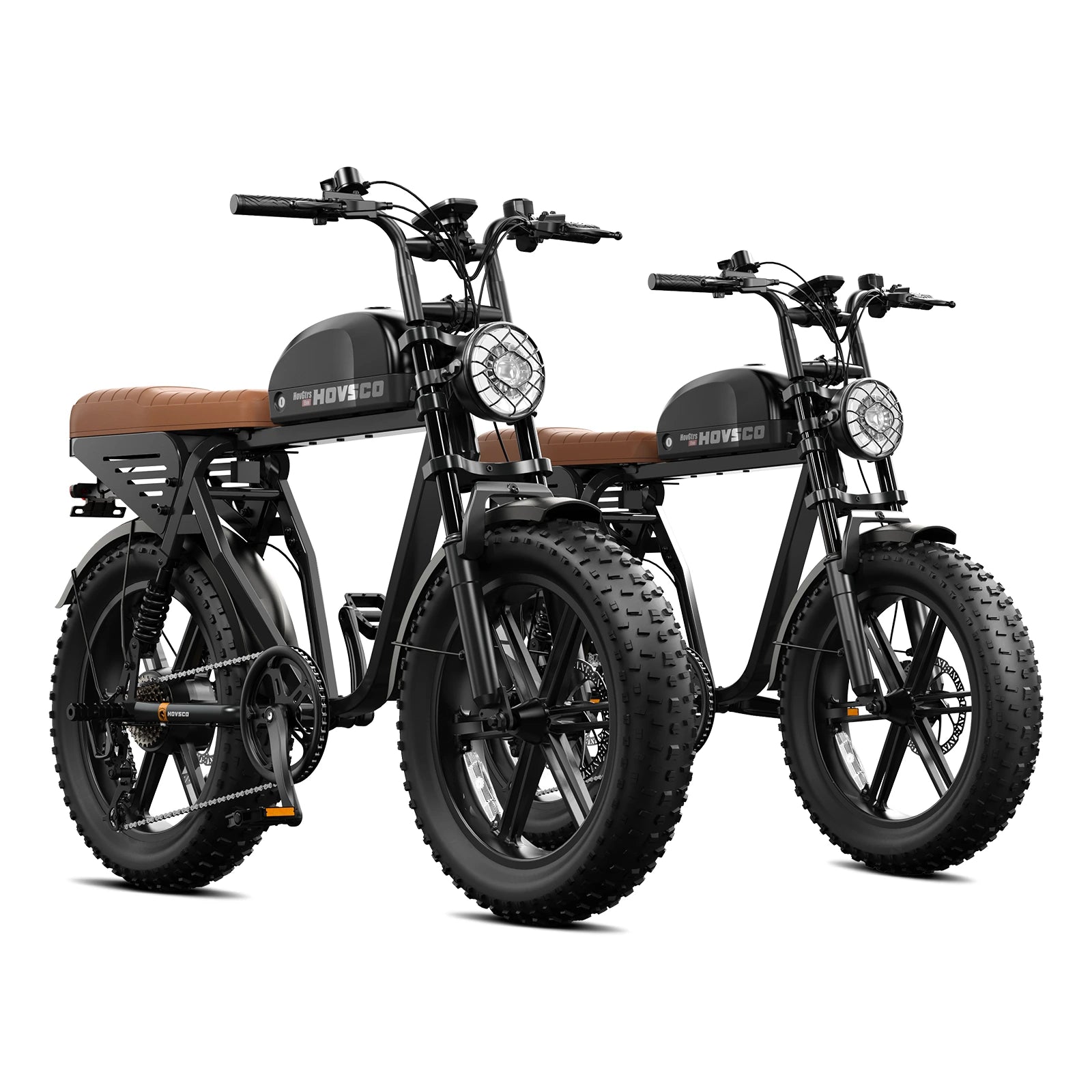
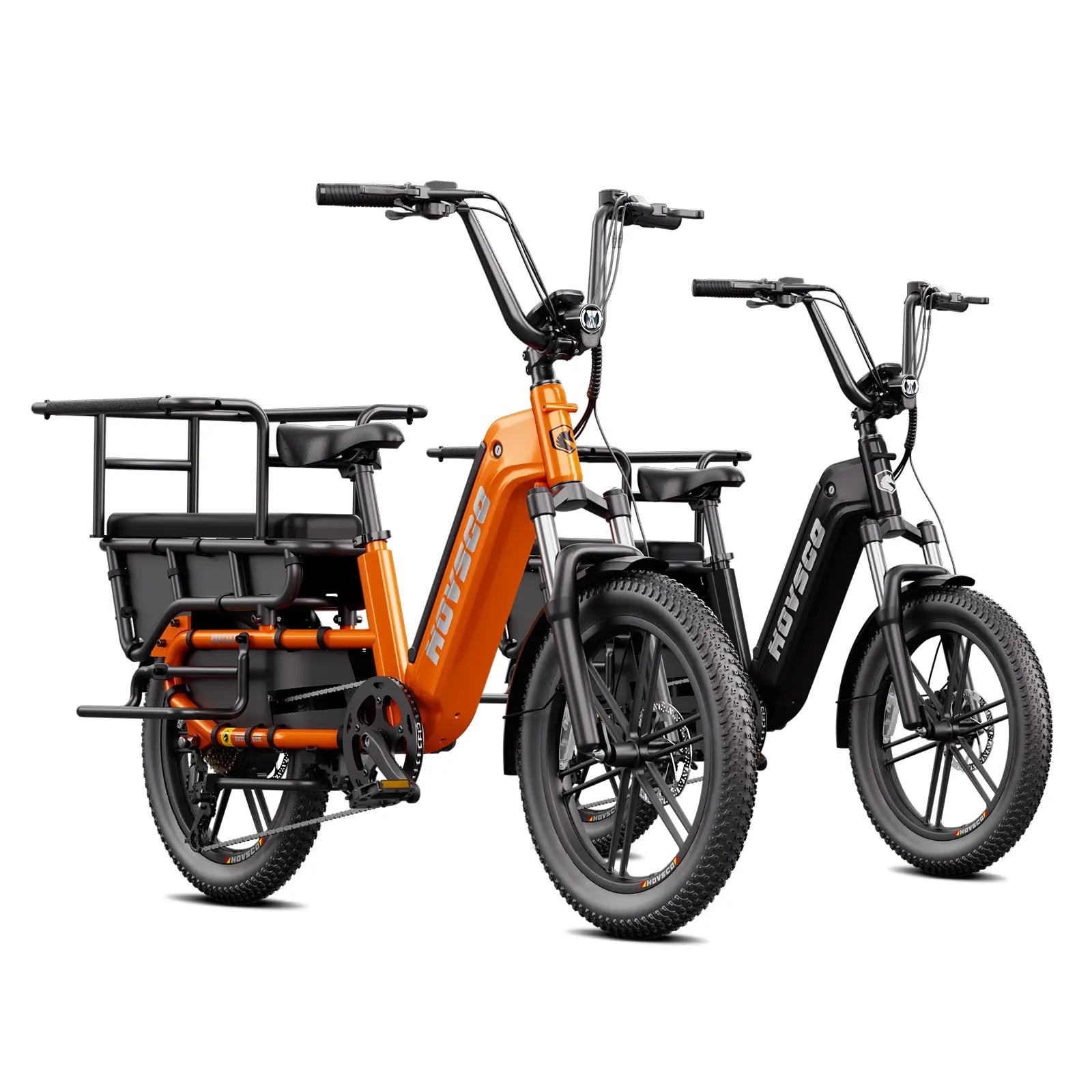
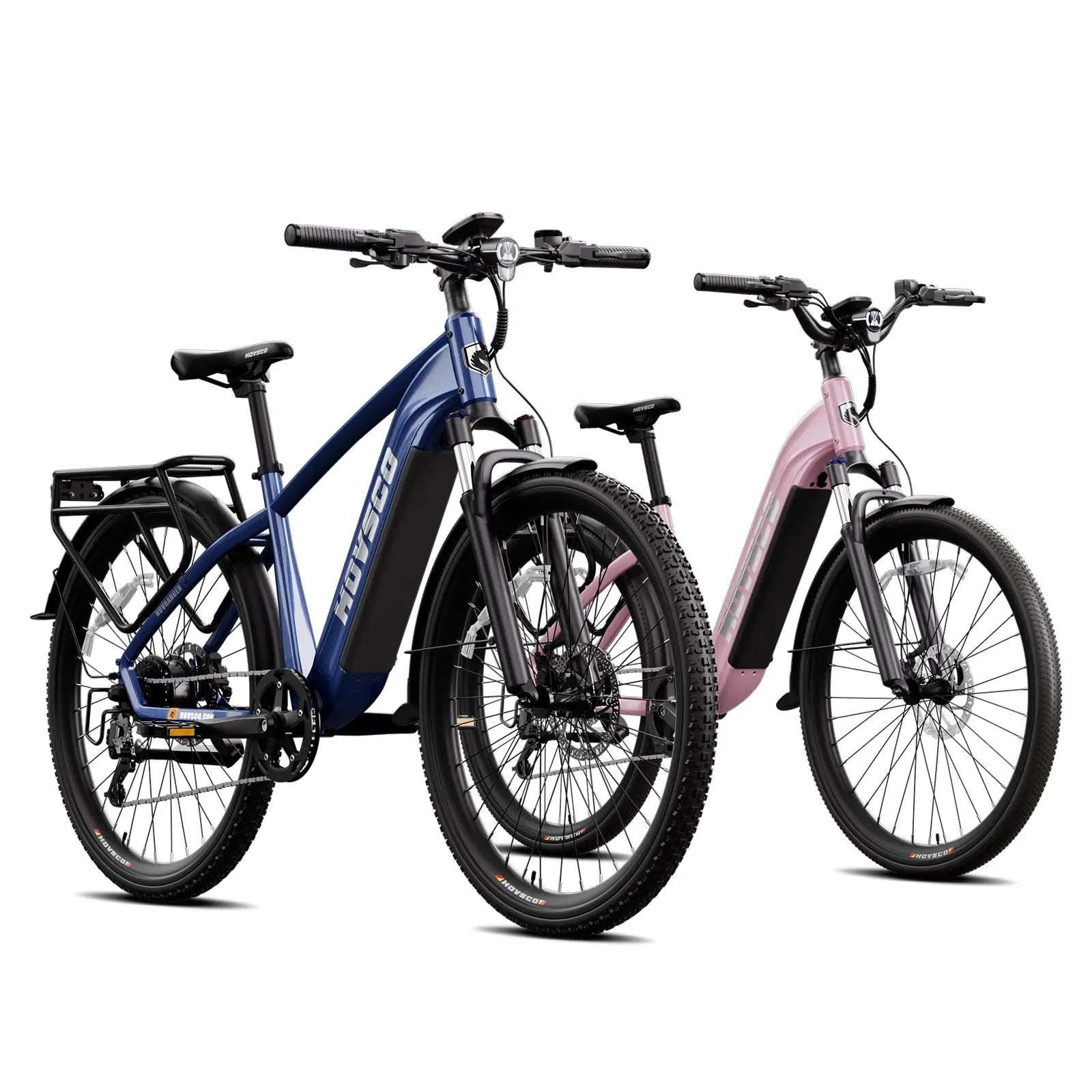
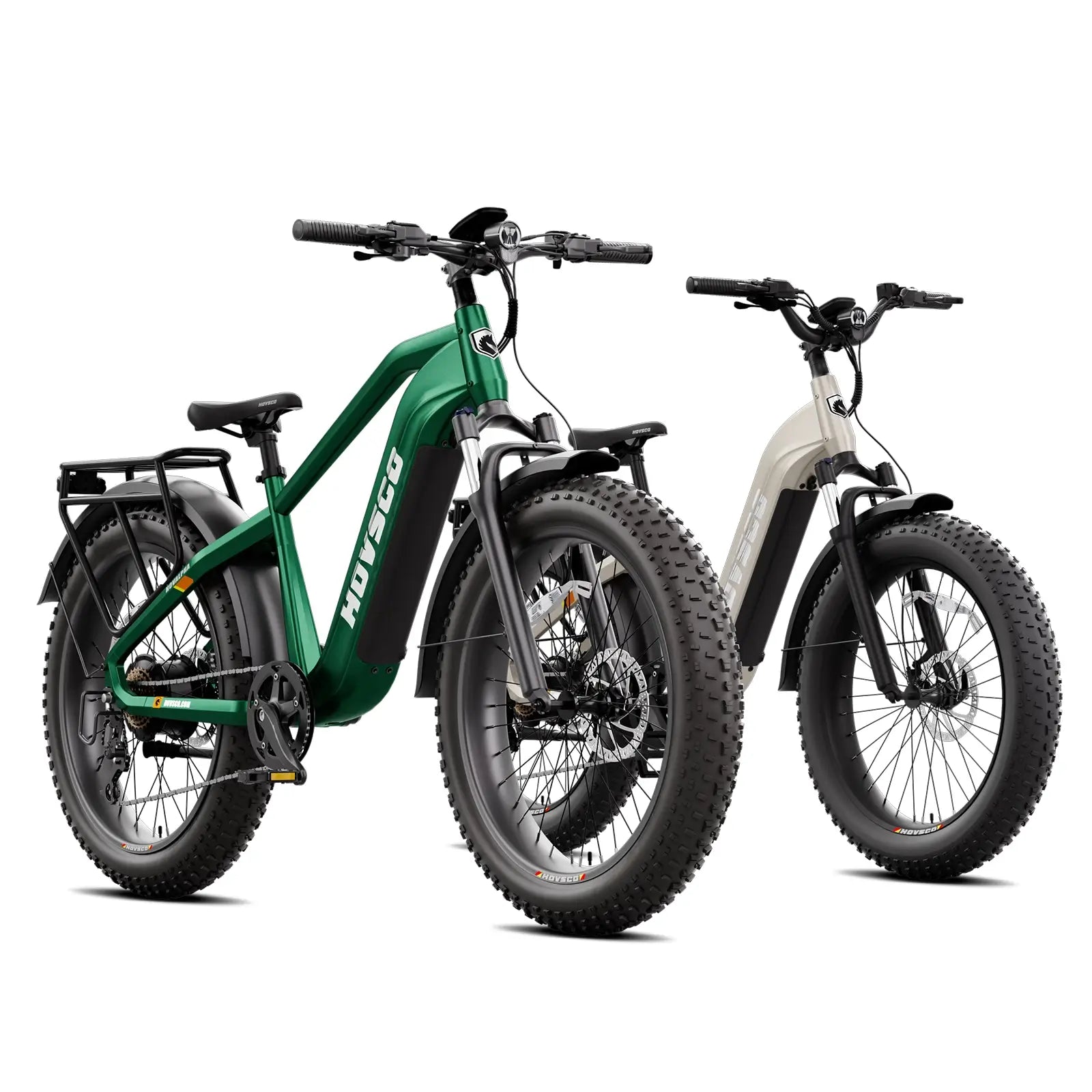
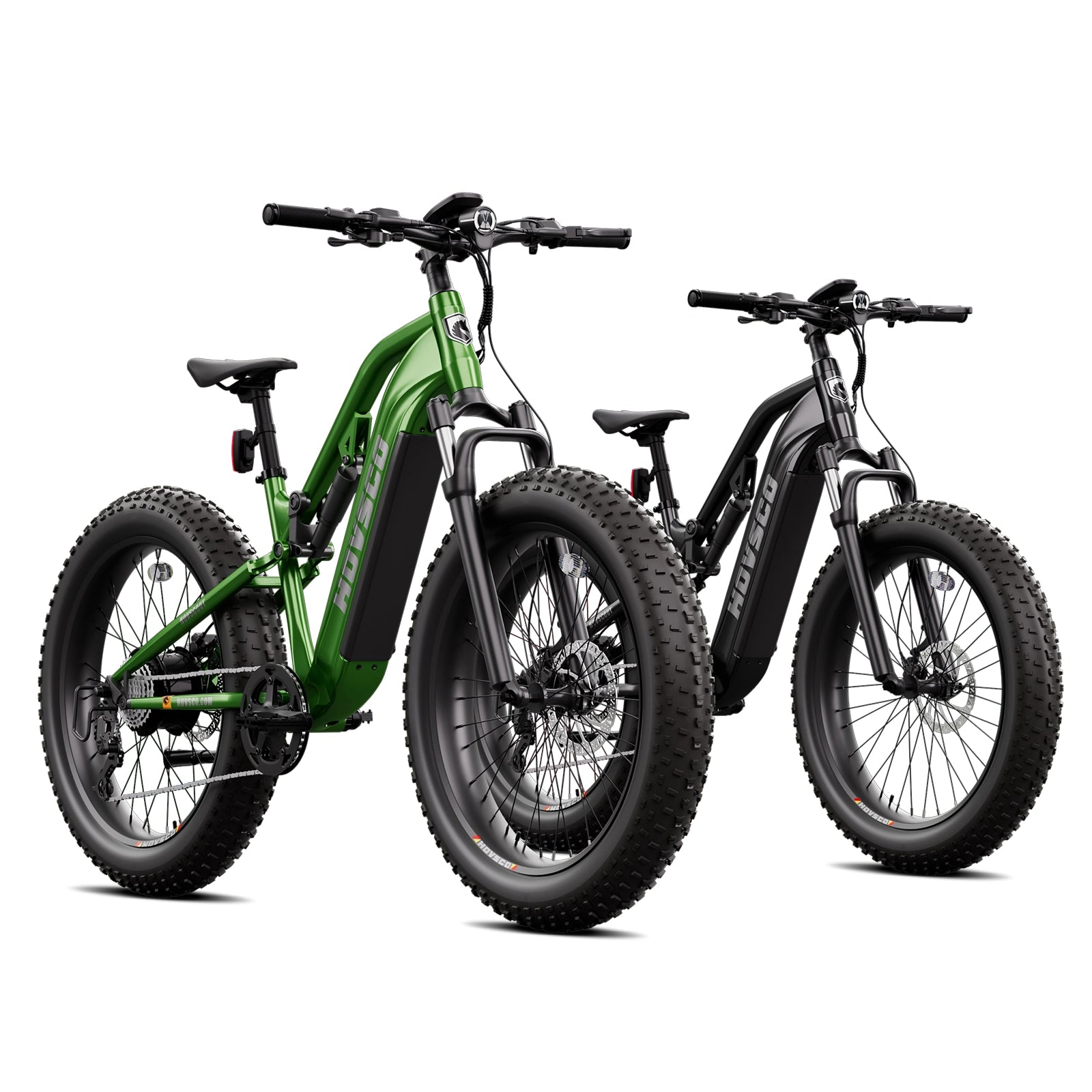
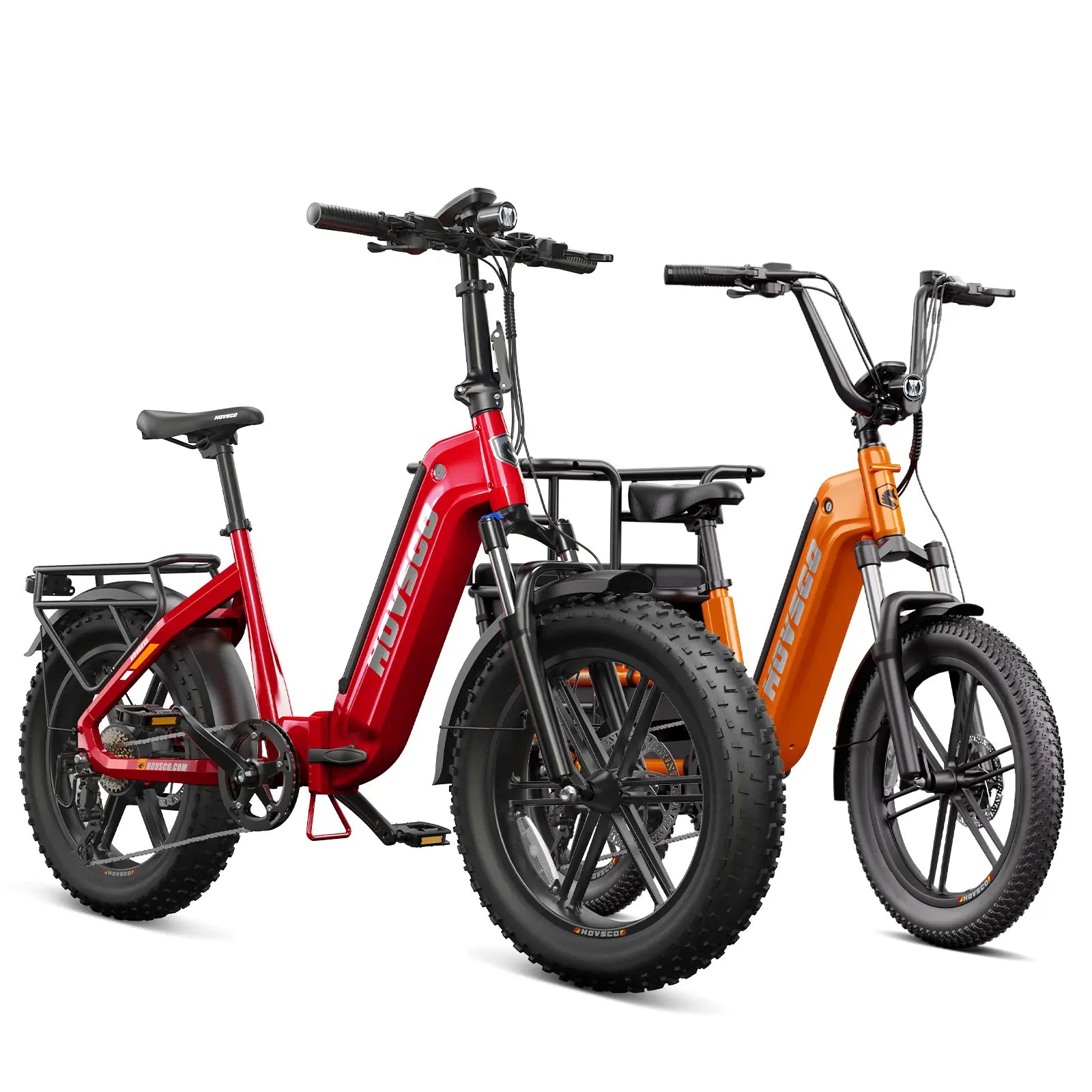
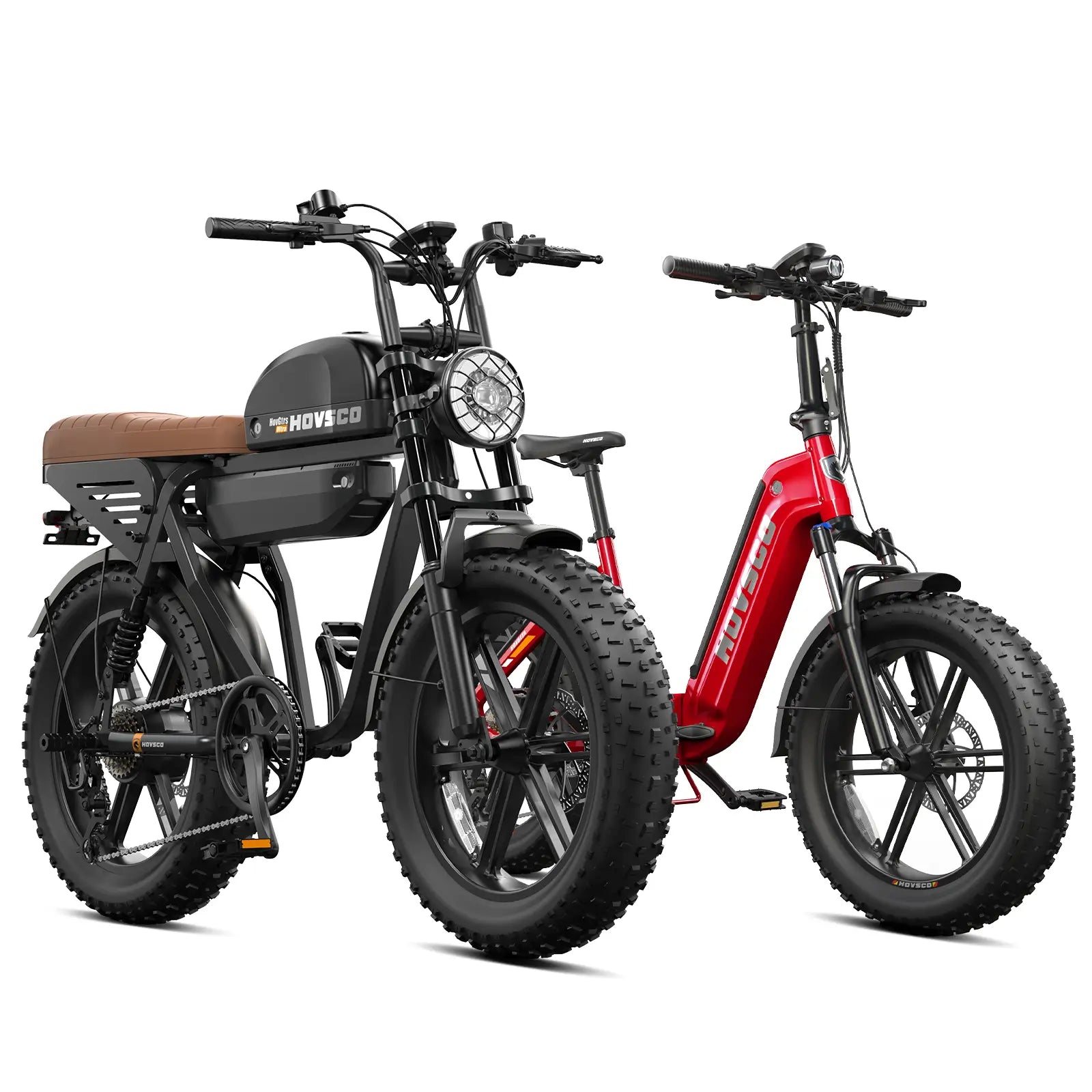
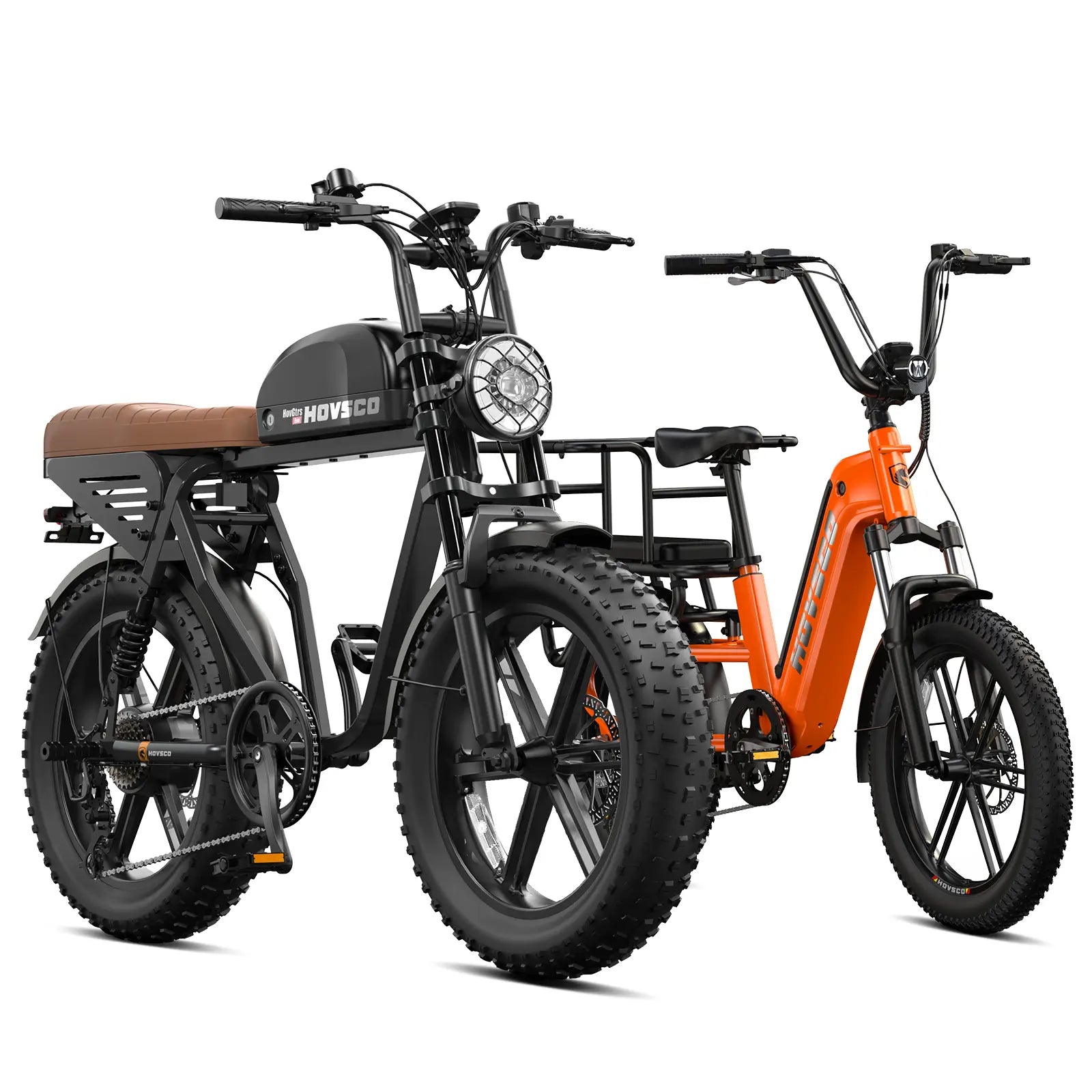
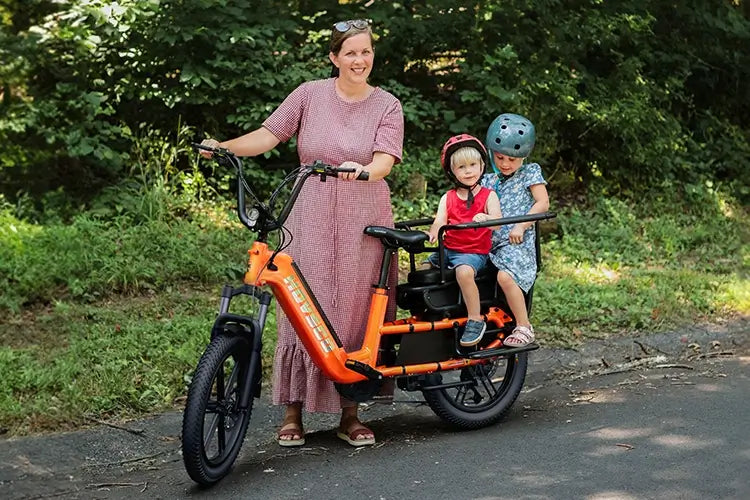
Electric bikes built for heavy loads in 2026 support 400-560 lb payloads with 1000W+ motors and reinforced frames, enabling 20-40 mile hauls at 15-25 mph without motor strain or frame fatigue. HOVSCO heavy-duty models deliver these capabilities through e-scooter-derived safety engineering, cutting delivery costs by 70% for loads up to 150 lbs cargo plus rider.
U.S. cargo e-bike sales reached 150,000 units in 2025, up 35% year-over-year, driven by gig economy demands for hauling 50-200 lbs daily amid $3.60/gallon fuel costs. Yet 58% of standard e-bikes fail under 350 lbs total, with frames cracking after 500 miles and motors overheating on 12% grades.
Battery drain accelerates 40% with heavy payloads, limiting ranges to under 25 miles and stranding 45% of users mid-shift. Theft hits 15% of cargo-equipped bikes annually due to visible loads.
Urban delivery growth collides with infrastructure: 62% of riders report sidewalk restrictions for overloaded bikes, while rainy climates like Seattle cause 35% more tire failures under weight.
Standard models average 330 lb limits, inadequate for 28% of riders over 250 lbs plus gear.
Pickup trucks cost $10,000 yearly for 15,000 miles including $2,200 fuel, with 20-minute parking hunts in dense areas. Standard e-bikes sag under 40 lb racks, slowing to 10 mph and risking weld failures.
Gas scooters cap at 250 lbs, require licensing in 28 states, and emit 0.3 lbs CO2 per mile. Trailers on regular bikes add 30% drag, tipping at corners above 12 mph loaded.
Van rentals hit $100 daily for heavy hauls, totaling $12,000 yearly for frequent use.
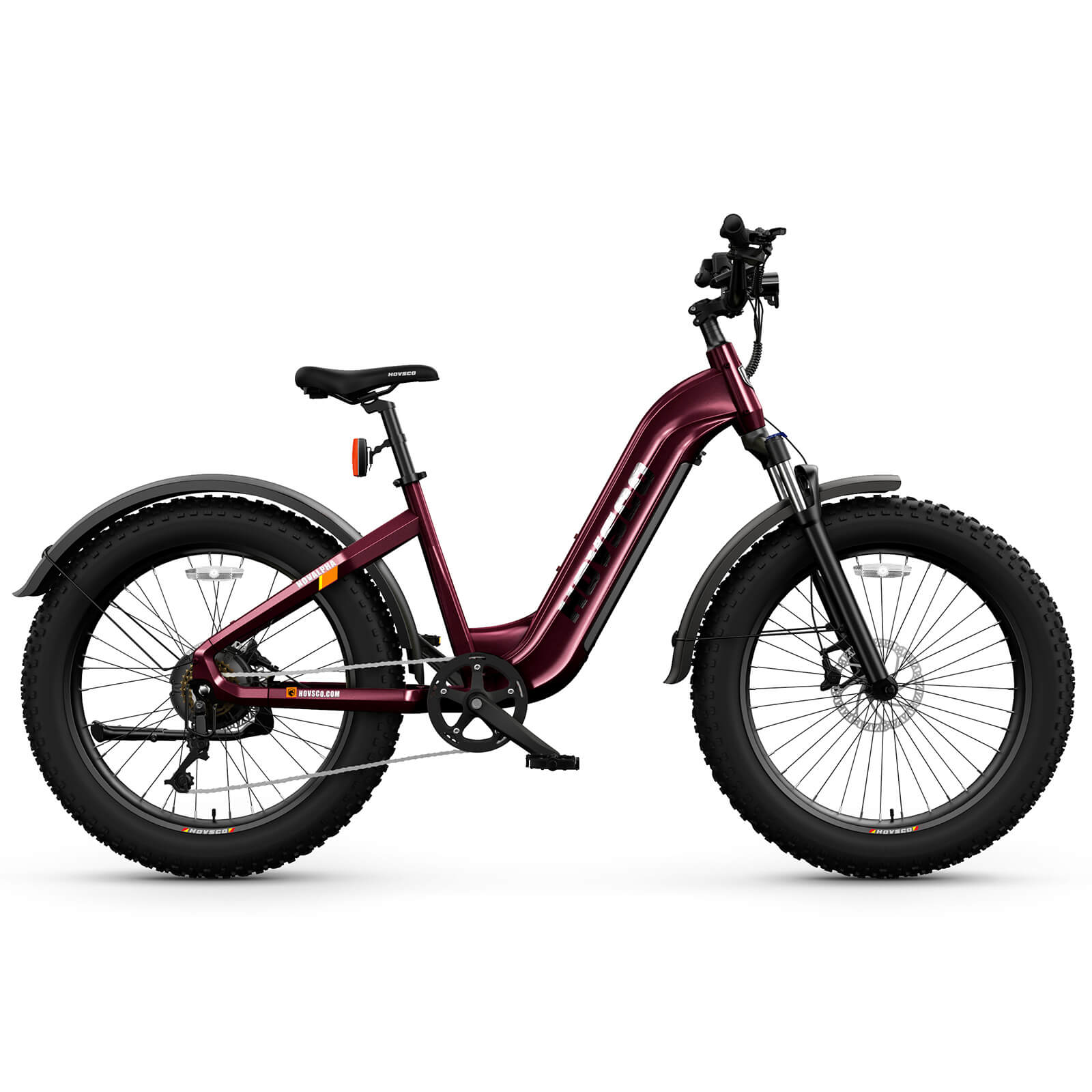
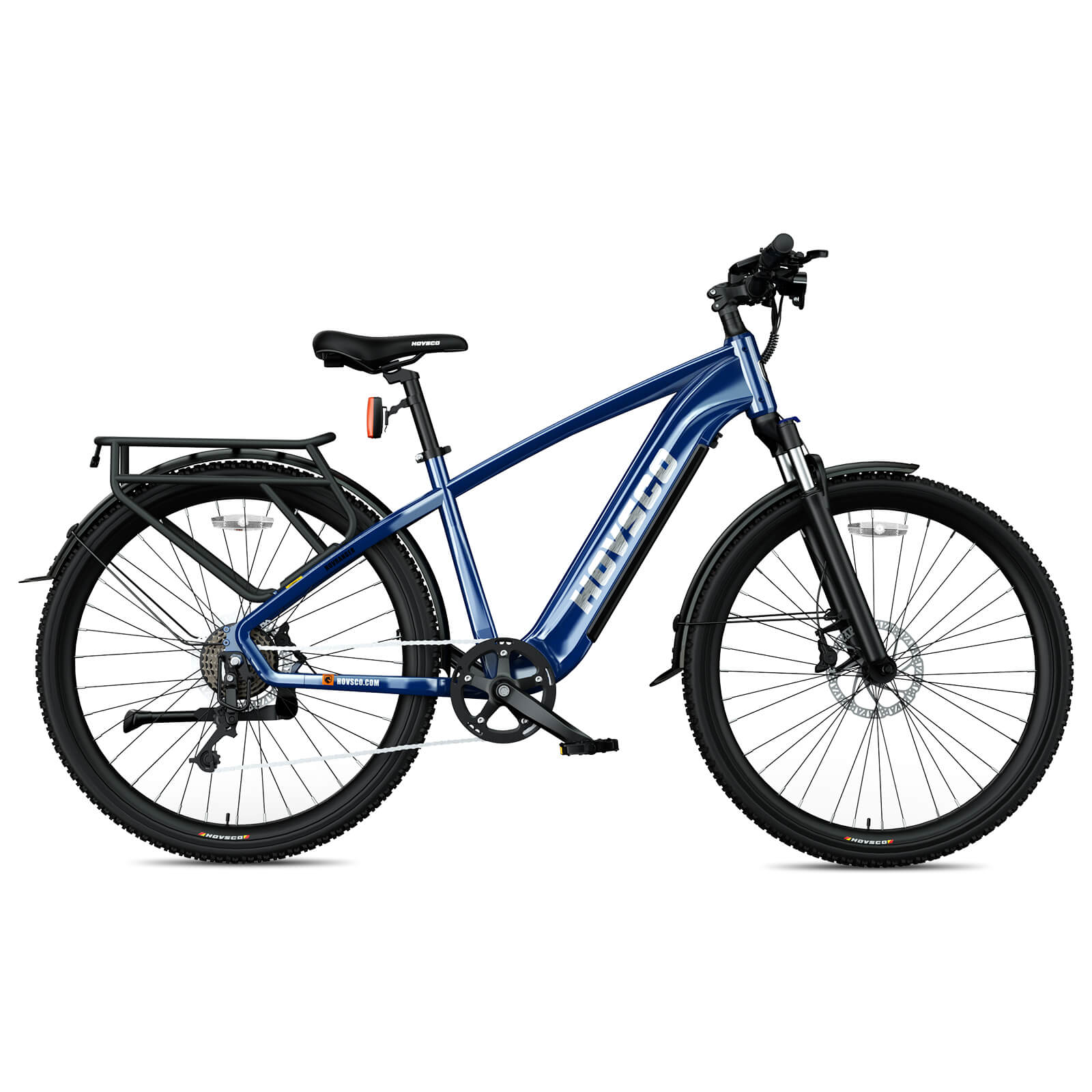
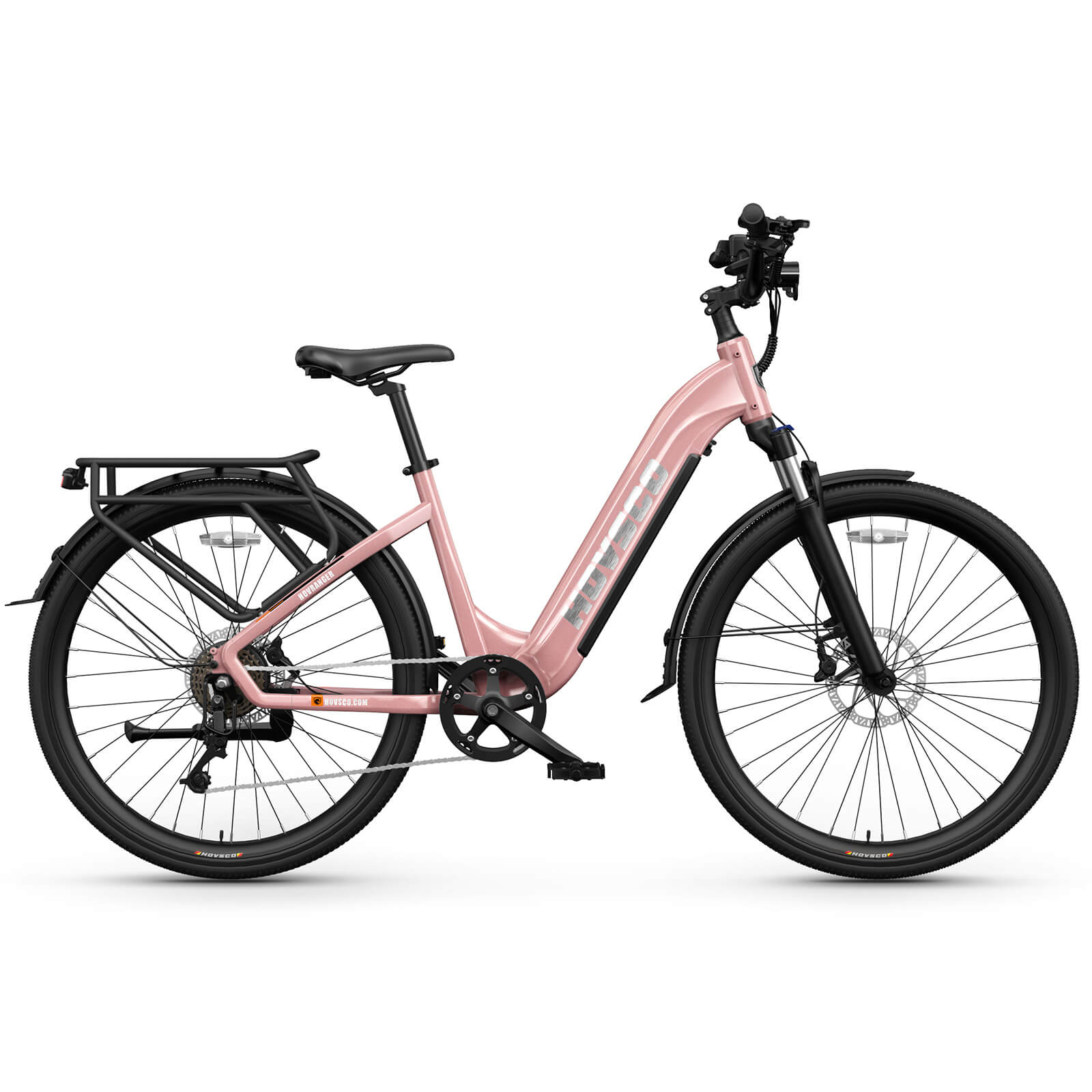
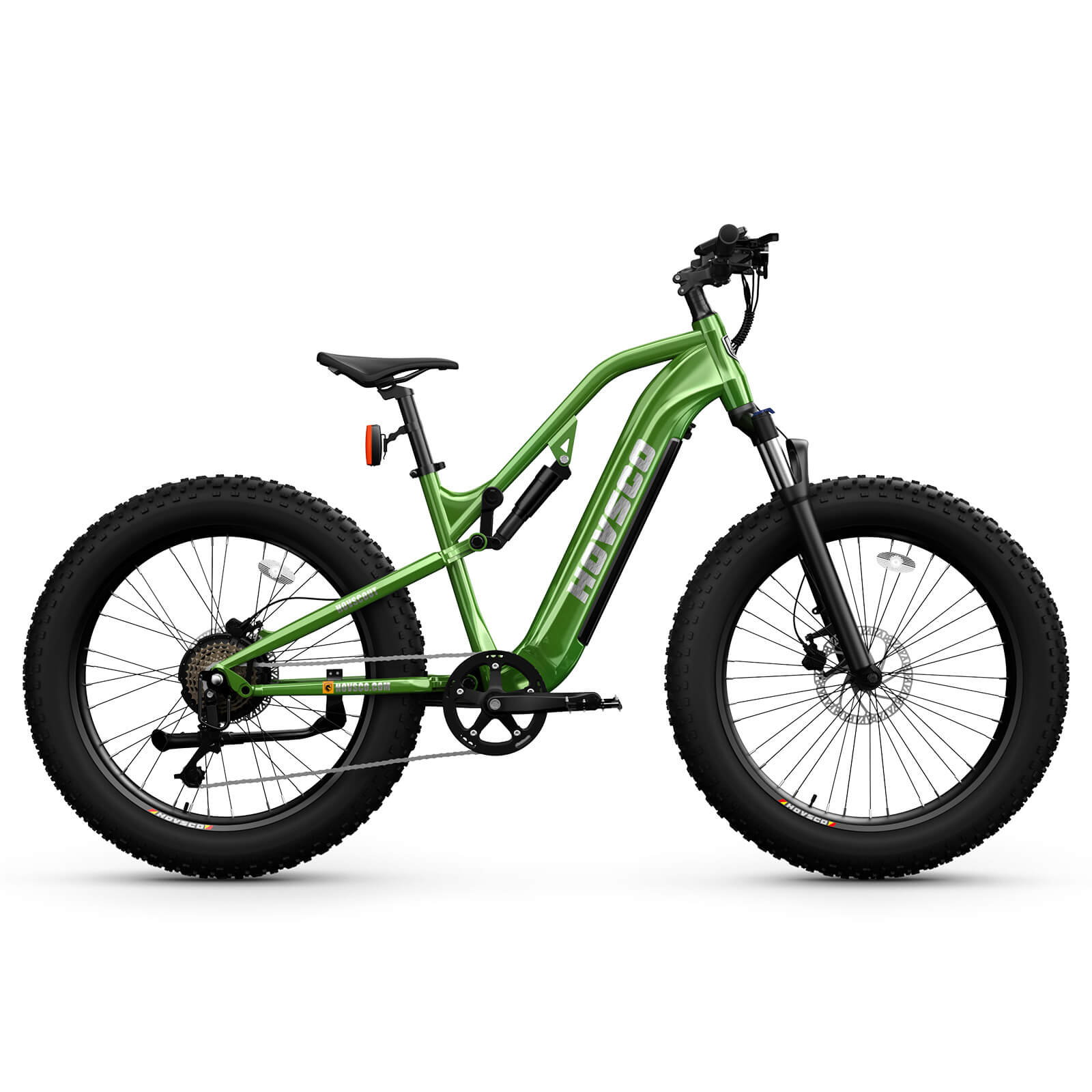
Heavy-duty e-bikes use double-butted 6061 aluminum frames rated 450-560 lbs, 1000-1500W hub motors with 85-105 Nm torque for 15% grades at 18 mph loaded. Dual 48V 20Ah batteries provide 50-80 mile ranges, with torque sensors preventing wheel spin.
Quad-piston hydraulic brakes stop from 20 mph in 25 feet with 400 lbs, while 4-inch fat tires maintain stability on gravel. Rear racks hold 150 lbs, with tie-downs for 500 lb tow capacity.
HOVSCO heavy load bikes incorporate UL2849 batteries and IP65 seals from their US headquarters, supporting 2-year warranties.
| Aspect | Pickup Truck | Gas Scooter | Heavy Load E-Bike (e.g., HOVSCO model) |
|---|---|---|---|
| Annual Cost (15k miles) | $10,000 | $2,500 | $450 |
| Payload Capacity | 2,000 lbs | 250 lbs | 450-560 lbs |
| Range per Fill/Charge | 400 miles | 90 miles | 60 miles |
| Speed Loaded | 55 mph | 40 mph | 20-25 mph |
| CO2 per Mile | 0.6 lbs | 0.3 lbs | 0 lbs |
| Maneuverability | Poor urban | Moderate | Bike lanes |
| Maintenance Yearly | $1,500 | $800 | $200 |
E-bikes save $9,500 annually for 40 lb daily loads versus trucks.
Assess payload: Total 450 lbs (250 lb rider + 200 lb cargo maximum).
Select rating: 500+ lb frame, 1000W motor, dual batteries.
Distribute weight: 60% over rear axle, secure with ratchet straps.
Test load: Ride 5 miles at half capacity, measure sag under 0.5 inches.
Route optimize: Favor 80% flat paths, avoid 20%+ grades.
Monitor: App tracks motor temp below 160°F, charge to 80% daily.
HOVSCO provides load calculators and 95% pre-assembled shipping.
Why Do Delivery Drivers Ditch Vans?
Problem: 50-mile routes with 100 lb loads cost $15 fuel daily.
Traditional: Rental van at $4,000 yearly.
After e-bike: 2-hour round trips via lanes.
Benefits: Saves $3,500 annually, triples daily stops.
How Do Farmers Haul Produce?
Problem: 8-mile farm-to-market with 150 lbs exceeds bike trailers.
Traditional: Truck at 10 mpg.
After cargo model: 25 mph loaded, zero emissions.
Benefits: Cuts $2,800 fuel, adds exercise.
Can Contractors Carry Tools?
Problem: 60 lb toolbox slows standard bikes to 8 mph.
Traditional: Second vehicle trips.
After HOVSCO rack bike: 20 mph with 120 lbs secure.
Benefits: 40% faster jobs, no parking fees.
What Works for Heavy Riders with Gear?
Problem: 300 lb total strains 330 lb bikes.
Traditional: Reinforced regular bike at half speed.
After 500 lb model: Full assist to 22 mph.
Benefits: 50-mile range maintained, joint relief.
Cargo e-bike market grows 32% to 2028 with warehouse-to-door shifts and $1,500 rebates in 30 states. Fuel at $3.80/gallon pressures fleets 15% yearly.
HOVSCO scales from 400-550 lb models with community-tested routes. Current buys capture 22% battery price drops.
Which capacity handles 250 lb rider plus 150 lbs cargo?
450-560 lbs total ensures margin for gear and terrain.
Does it climb 15% grades with full load?
1000W+ motors with 90 Nm torque at 12 mph.
How far with 200 lb payload?
50-65 miles in eco mode, dual batteries optional.
Are frames fatigue-tested for heavy use?
Double-butted aluminum passes 10,000-cycle tests.
Can HOVSCO tow trailers?
Yes, up to 500 lbs with reinforced hitches.
What brakes stop 500 lbs safely?
Quad-piston hydraulics from 25 mph in 28 feet.
Share:
What Should You Know About Choosing an Electric Bike for Teenagers?
Which Electric Bike Delivers the Strongest Motor Performance?