


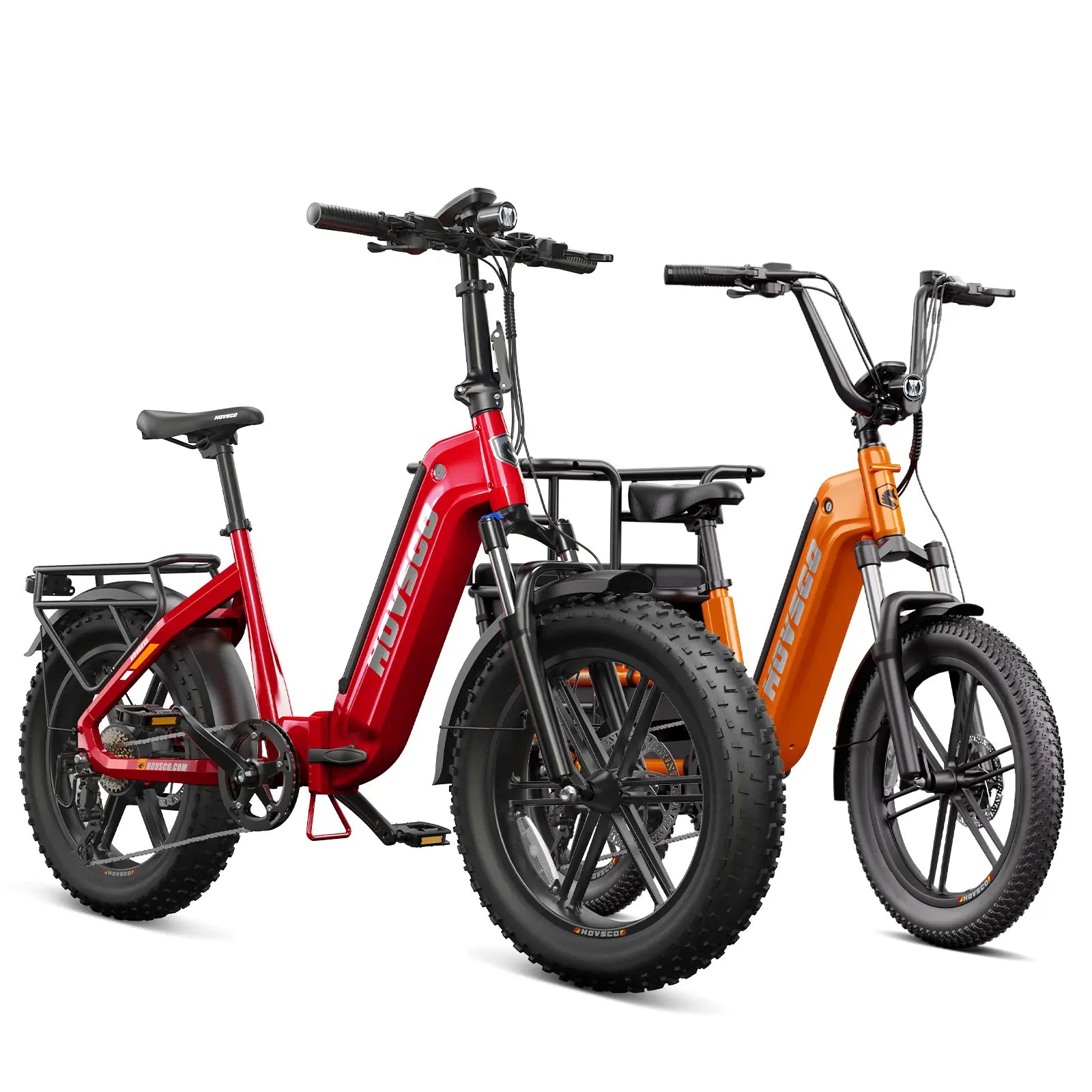
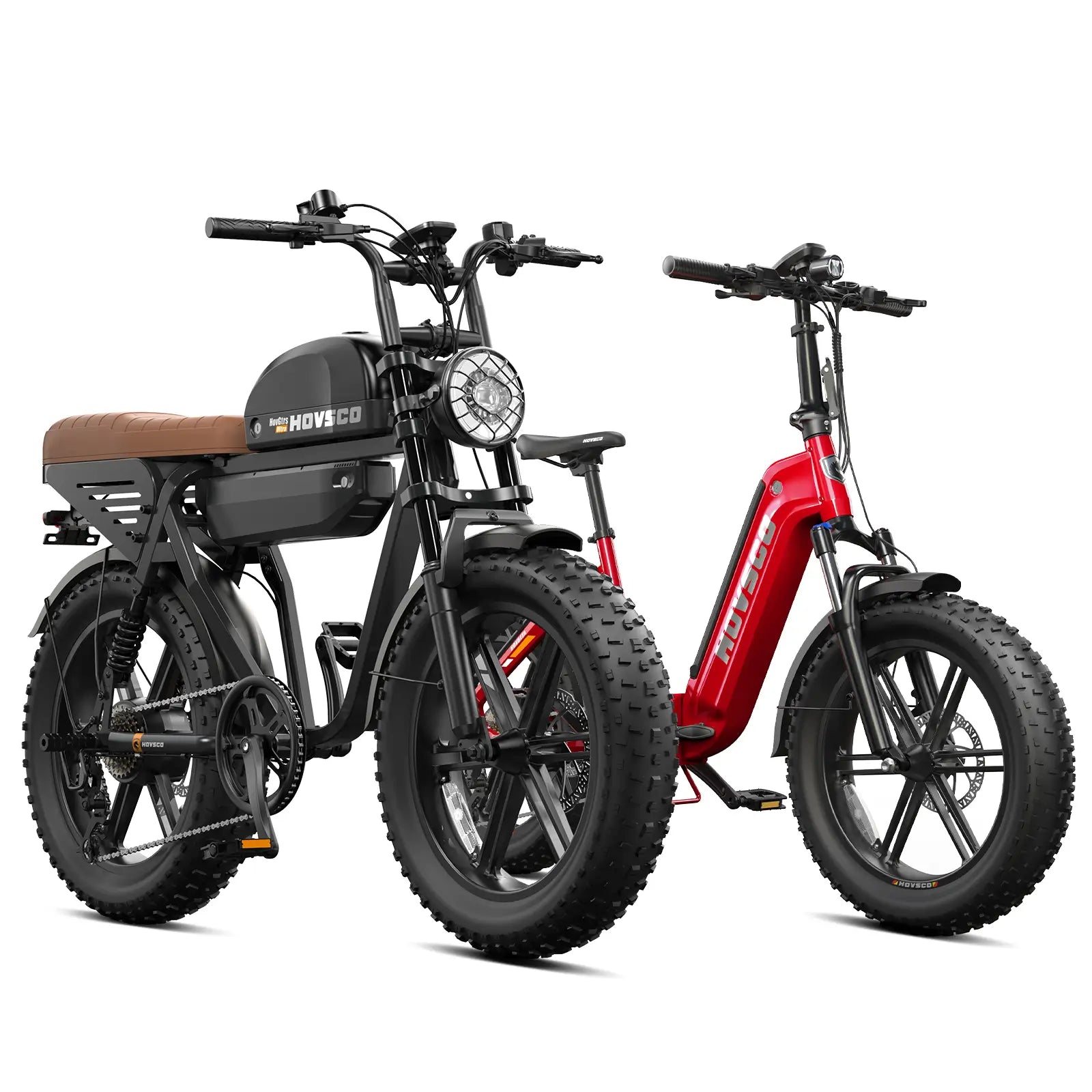
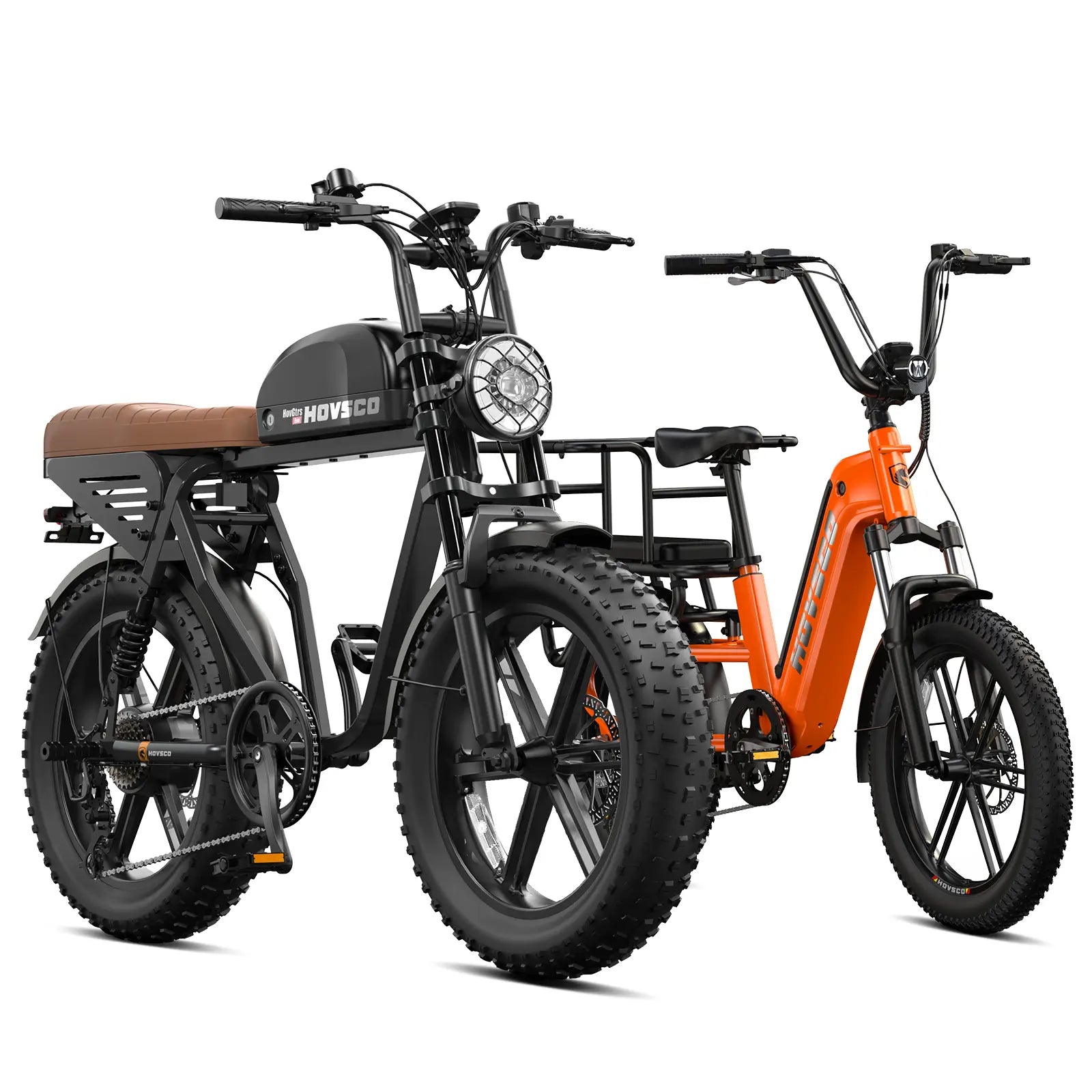
![[ New Arrival ] Porto Max Electric Scooter For Commute & Grocery Shopping - HOVSCO](http://www.hovsco.com/cdn/shop/files/PotroMax-3.jpg?v=1706927007&width=1200)
- by EO S
What Is the Top Speed of Moped Style Ebikes?
- by EO S
E-Bikes
Accessories
 Free Shipping
 15-Day Returns
 2-Year Warranty
Free Shipping
15-Day Returns
2-Year Warranty
2-Year Warranty
Free Shipping
15-Day Returns
2-Year Warranty
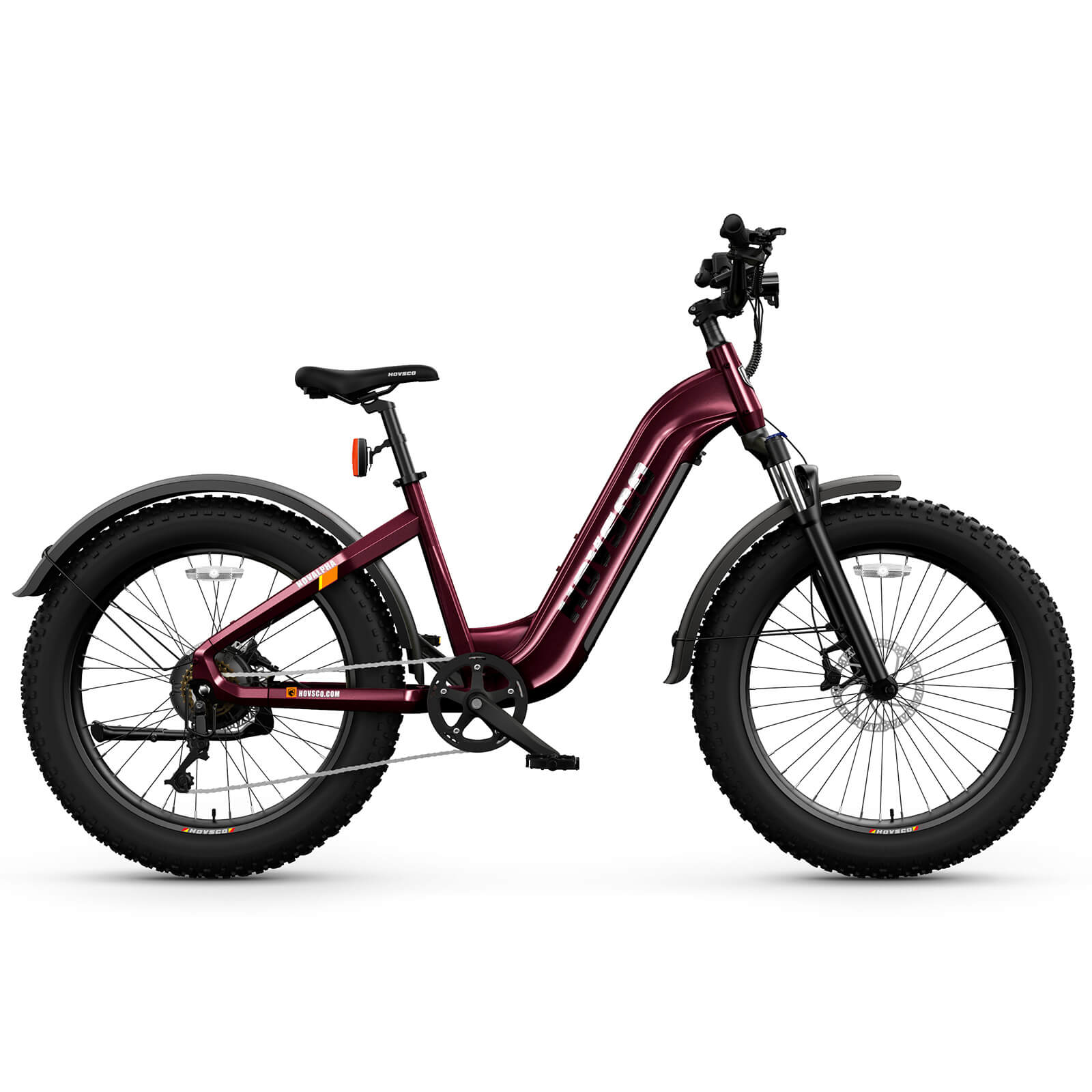
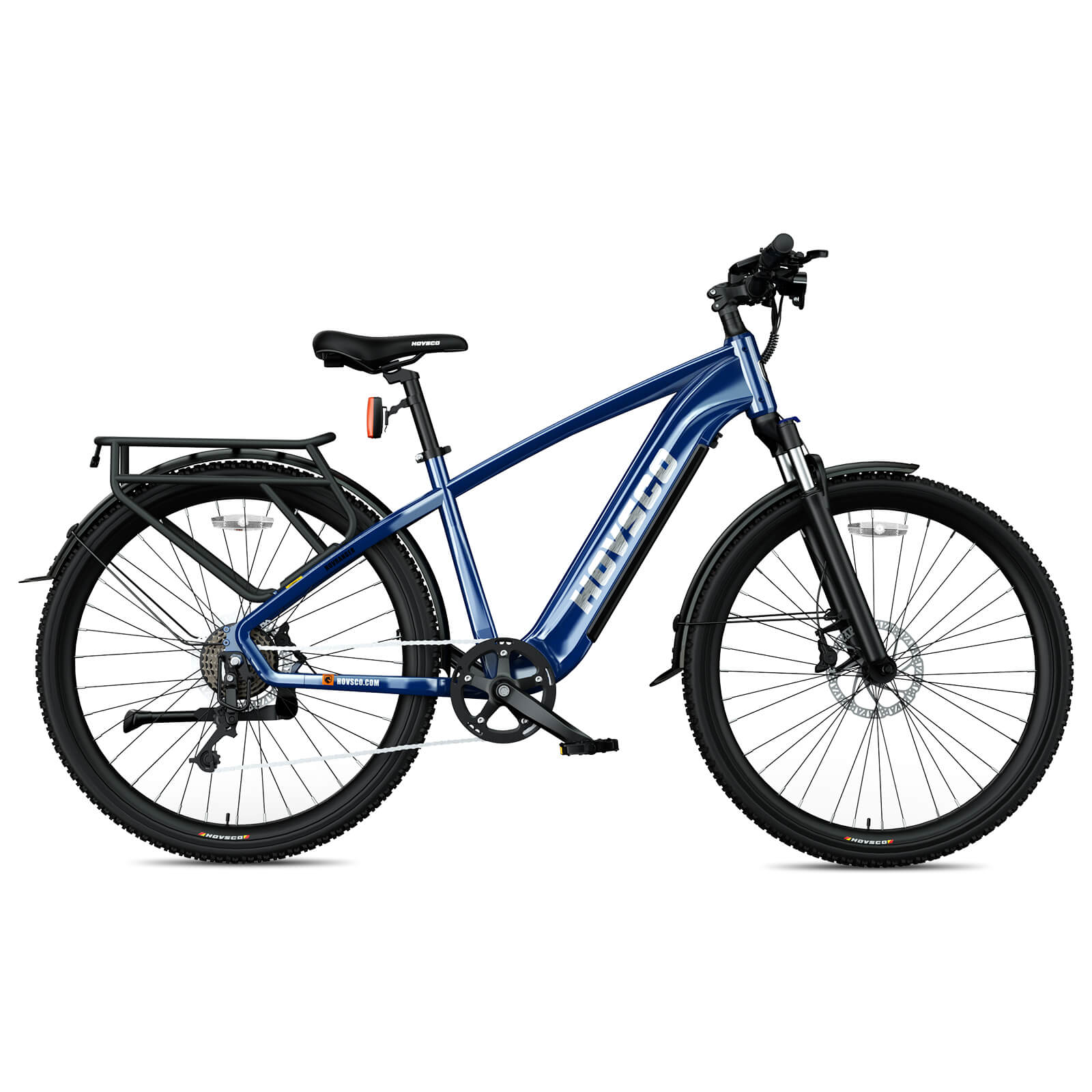
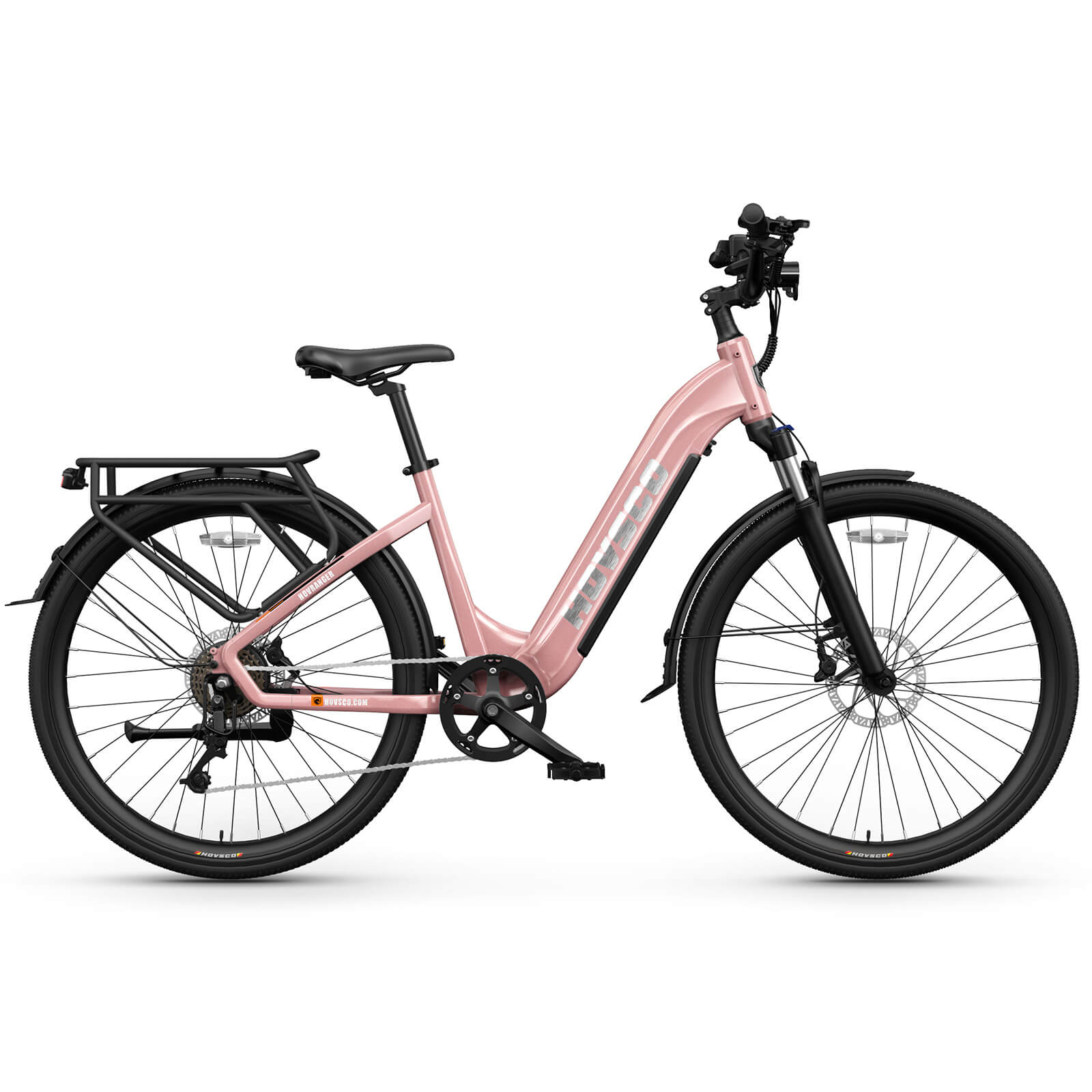
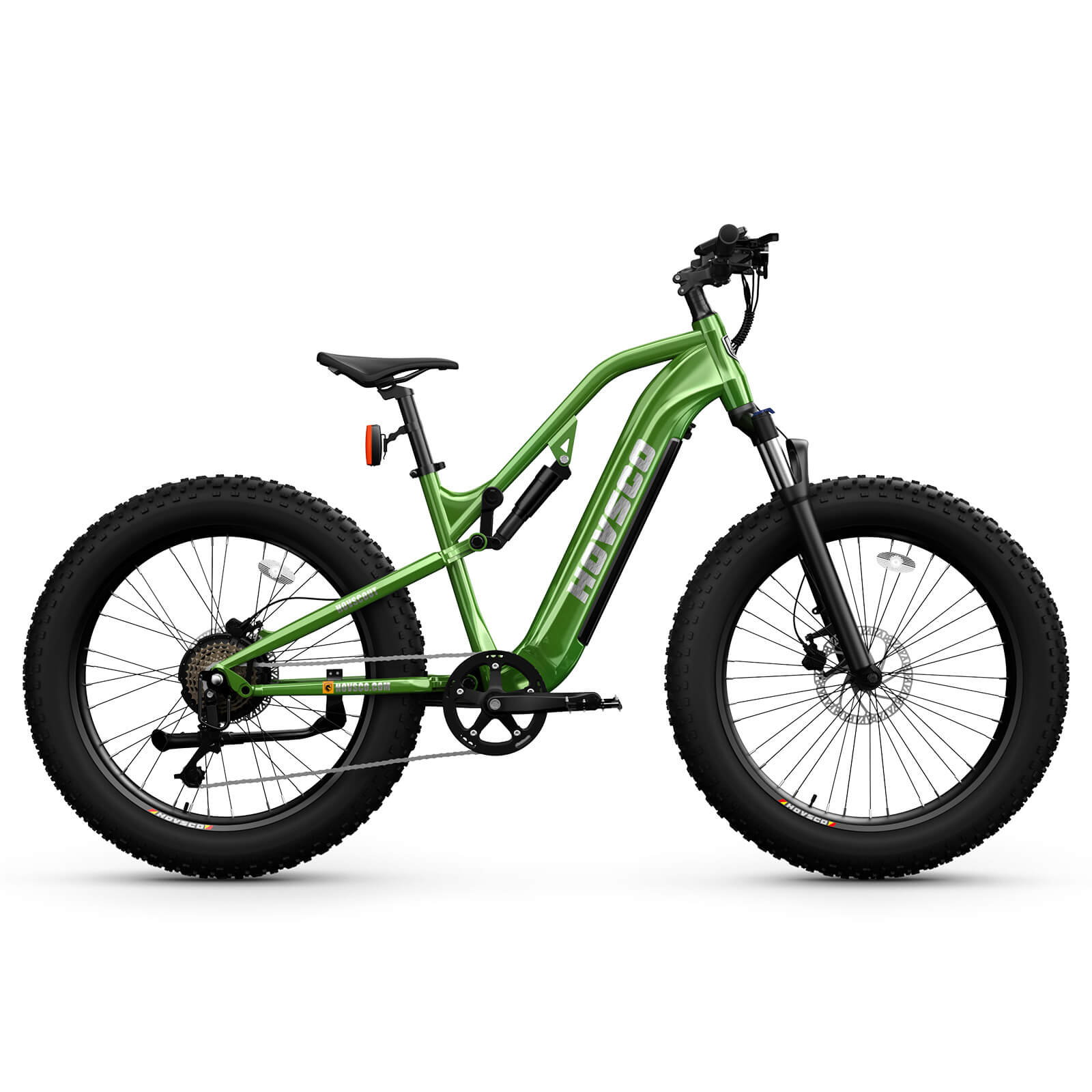
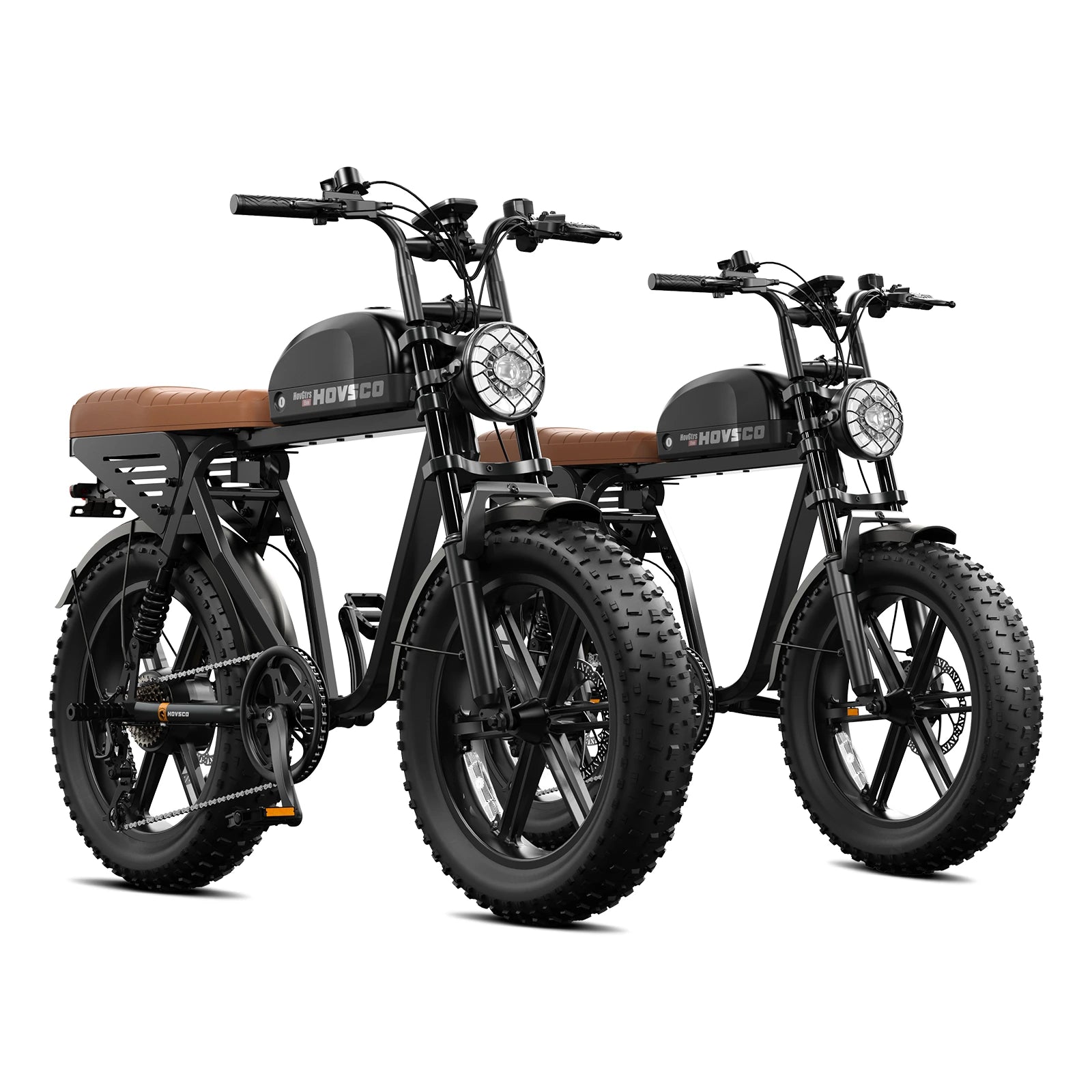
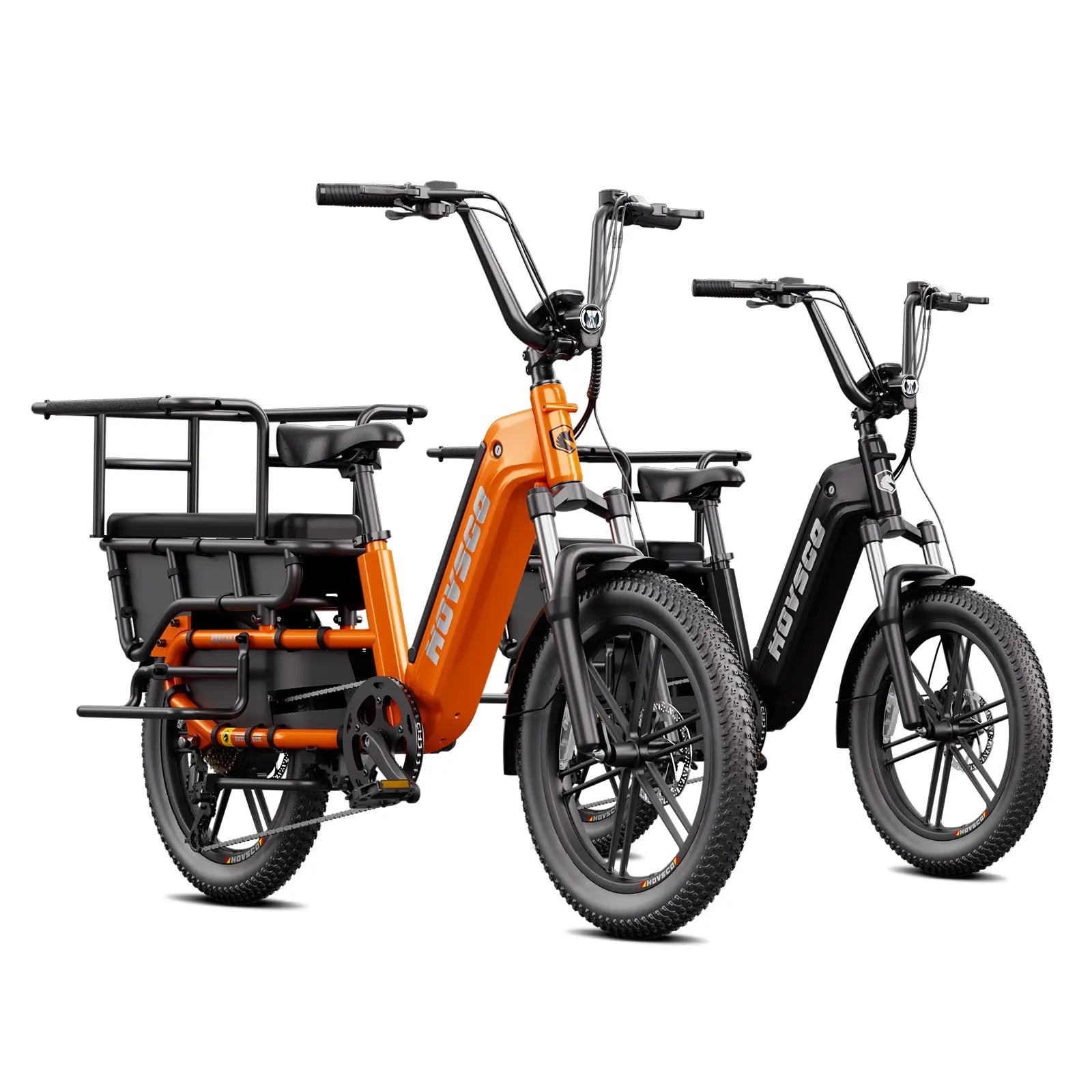
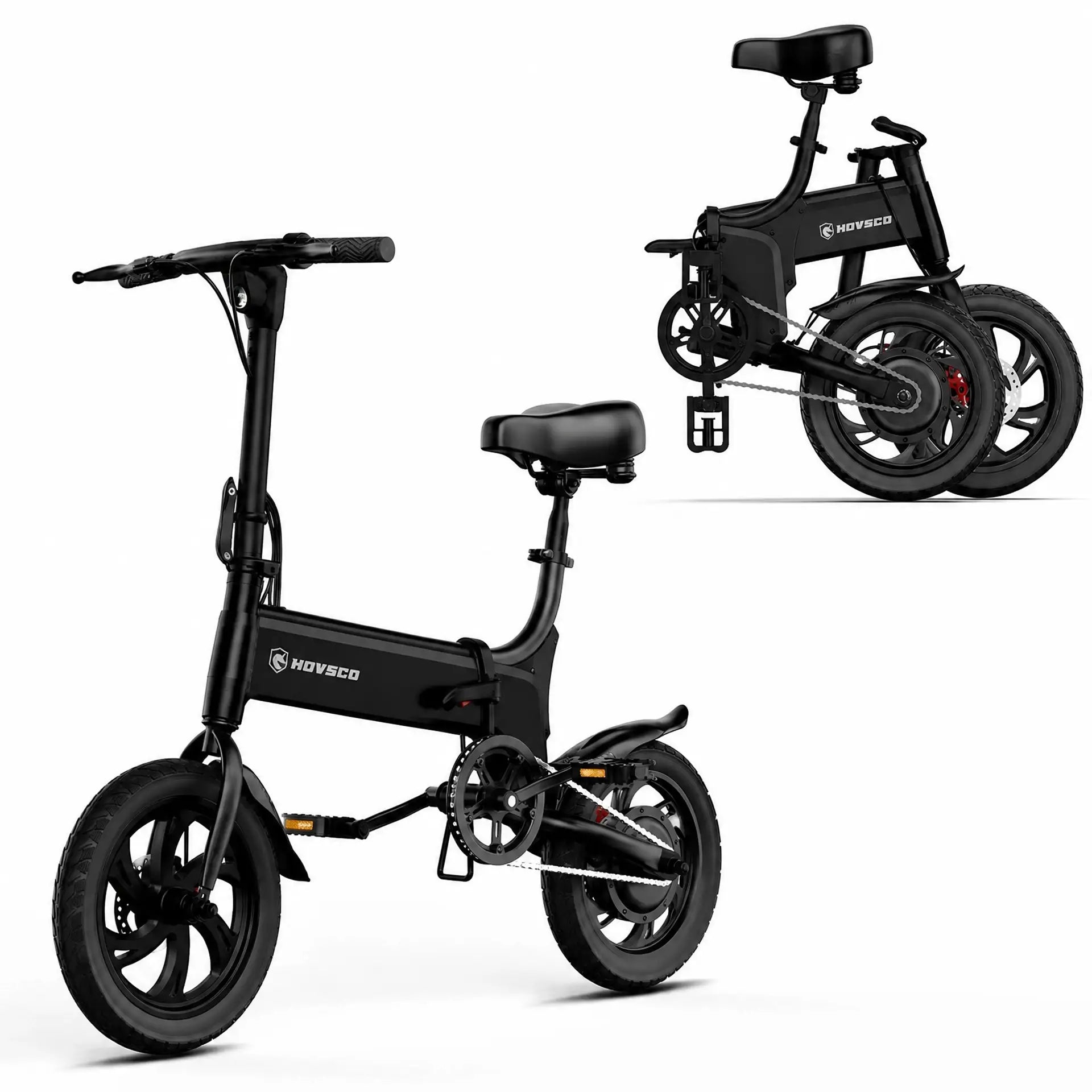
Moped-style eBikes like those from HOVSCO blend bicycle convenience with motorcycle-inspired performance, offering typical top speeds that make them practical for urban commuting and relaxed cruising without sacrificing efficiency or compliance with local regulations.
The electric bike market has seen rapid expansion, with overall U.S. e-bike sales projected to surpass 1.3 million units in 2025 as demand for efficient micromobility grows. Consumers increasingly favor e-bikes for commuting, exercise, and leisure as sustainable alternatives to cars. Yet significant challenges persist. Many riders are confused by varying speed limits and legal classifications across states, with top speeds directly influencing whether a vehicle is considered a bicycle, moped, or motorcycle. Uncertainty about performance metrics also leaves potential buyers unsure how to match speed capabilities with everyday needs. Furthermore, lack of clear, data-driven comparisons between models makes informed purchasing difficult for buyers seeking a balance between speed and street legality. (arXiv)
Consumers cite several core pain points: conflicting information on speed and legal compliance, performance that fails to meet expectations in real-world conditions, and limited data on how motor power and battery design affect top speed outcomes. Addressing these concerns with reliable performance metrics is essential for riders choosing a moped-style eBike that fits their lifestyle and local laws.
Traditional Class 1 eBikes are usually pedal-assist only and capped at around 20 mph, which may feel sluggish for riders in urban traffic or those desiring a more dynamic ride. Class 2 and Class 3 eBikes increase throttle and pedal-assist speeds up to roughly 28 mph, but still often lag behind user expectations for quick commuting. In contrast, true mopeds or motorcycles exceed 30 mph but involve higher cost, licensing, insurance, and more complex ownership. This leaves a gap for riders who want more speed and comfort than a standard eBike but without the regulatory burden of a moped. (TST Ebike)
Lower speed ceilings: Many eBikes are limited by design or regulation to ~20–28 mph, reducing utility in traffic. (VICTRIP EBIKE)
Insufficient performance for steep terrain: Lightweight motors can struggle maintaining higher speeds or hill climbs. (SmileToTalk)
Lack of comfort at speed: Bikes without motorcycle-style seating or suspension feel unstable above 25 mph. (TST Ebike)
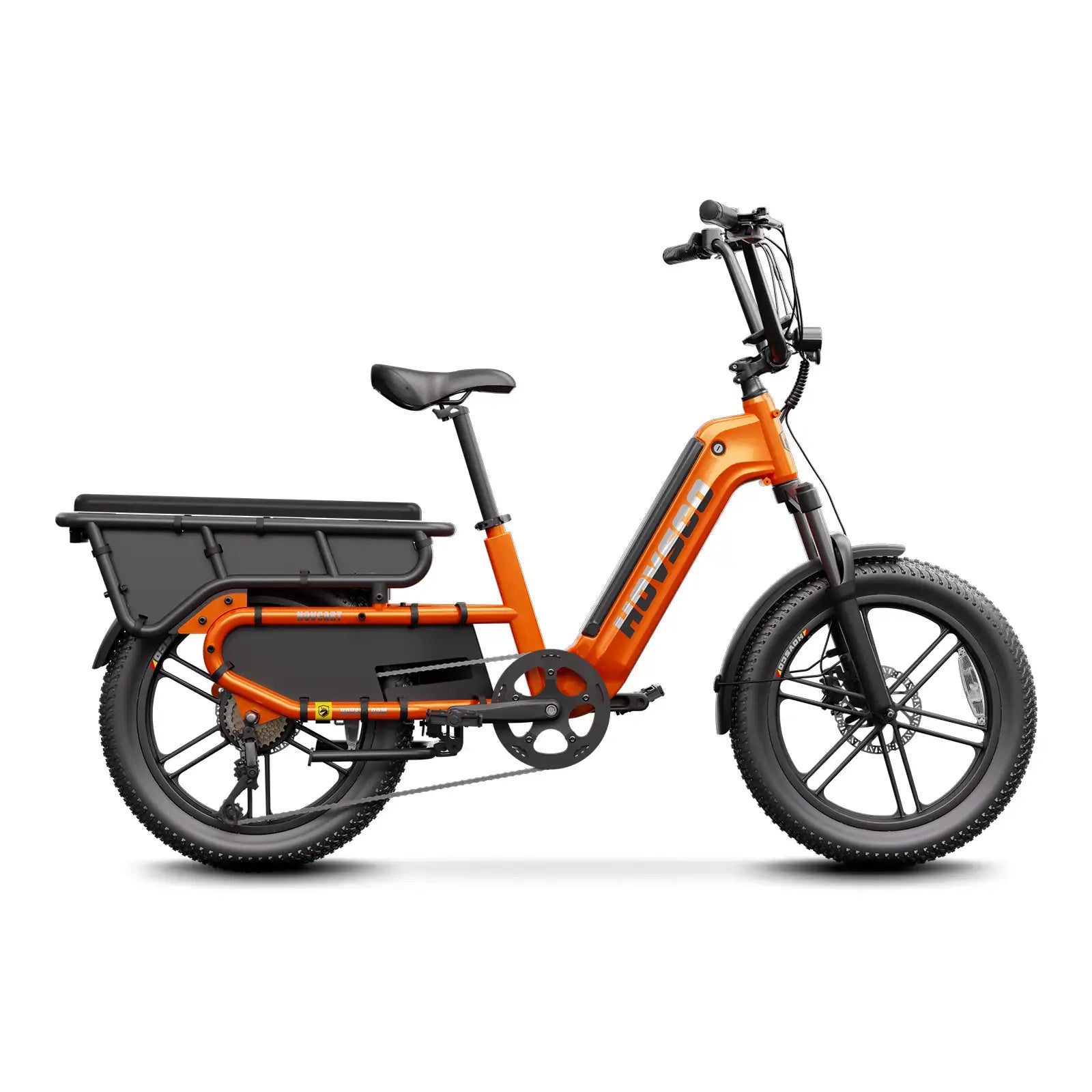
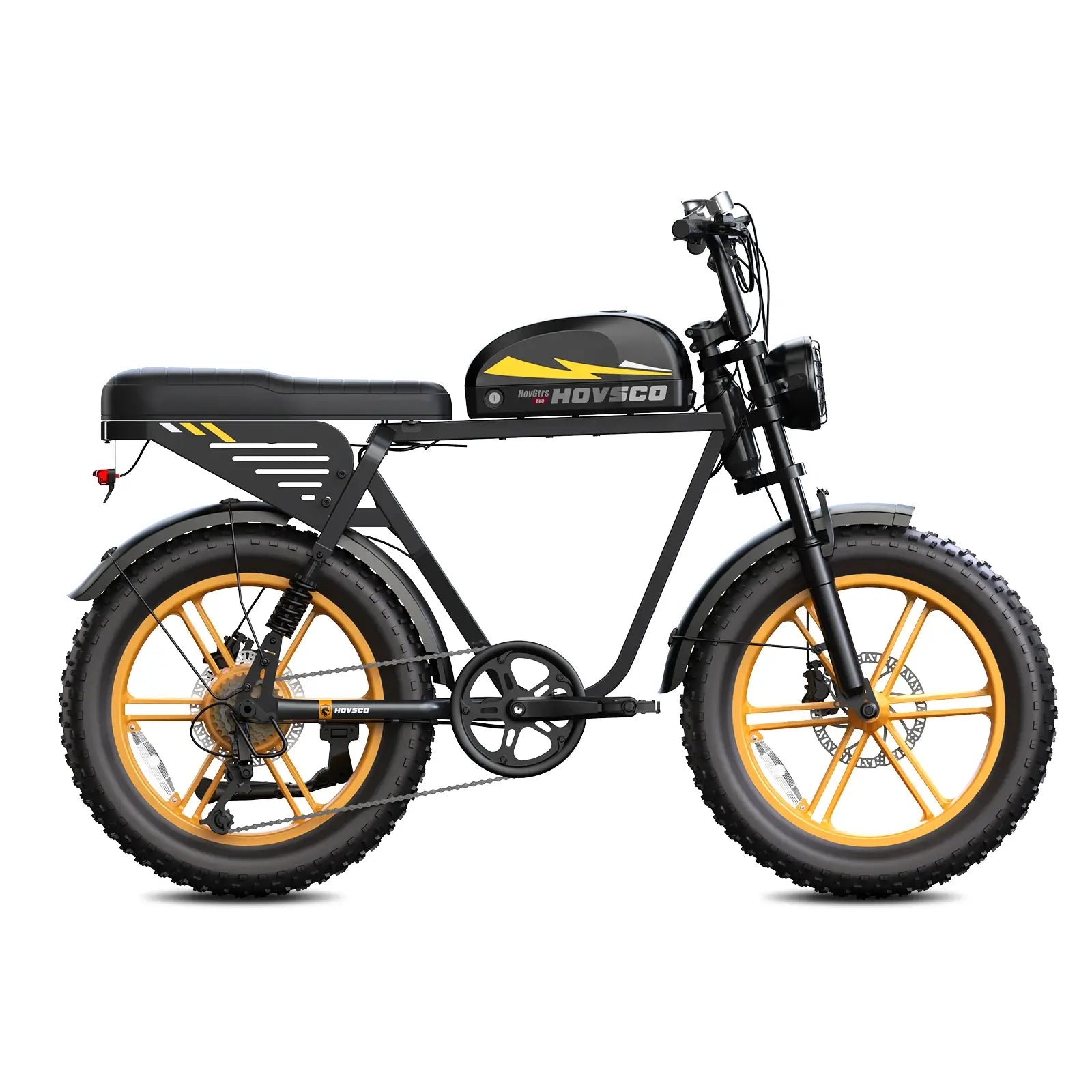
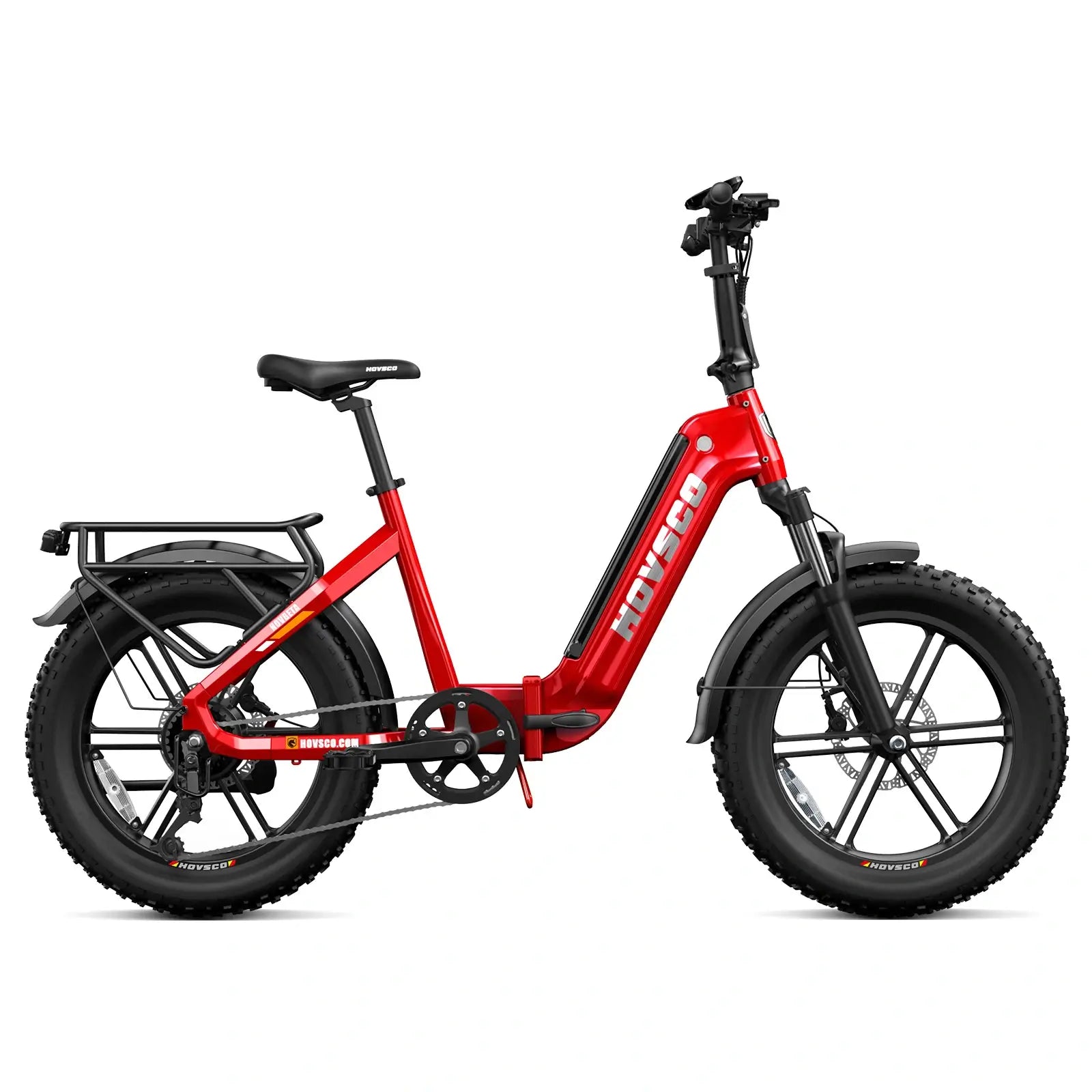
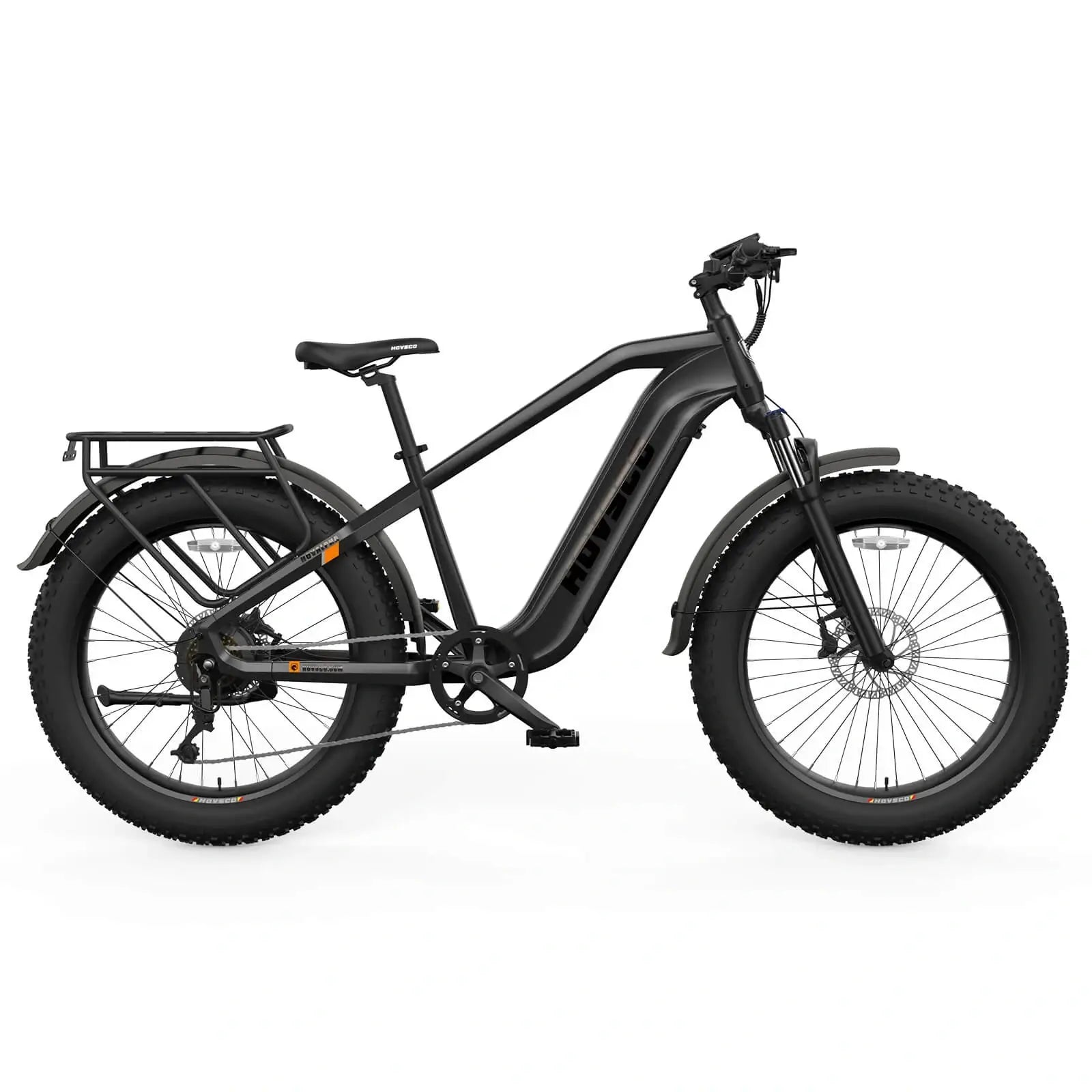
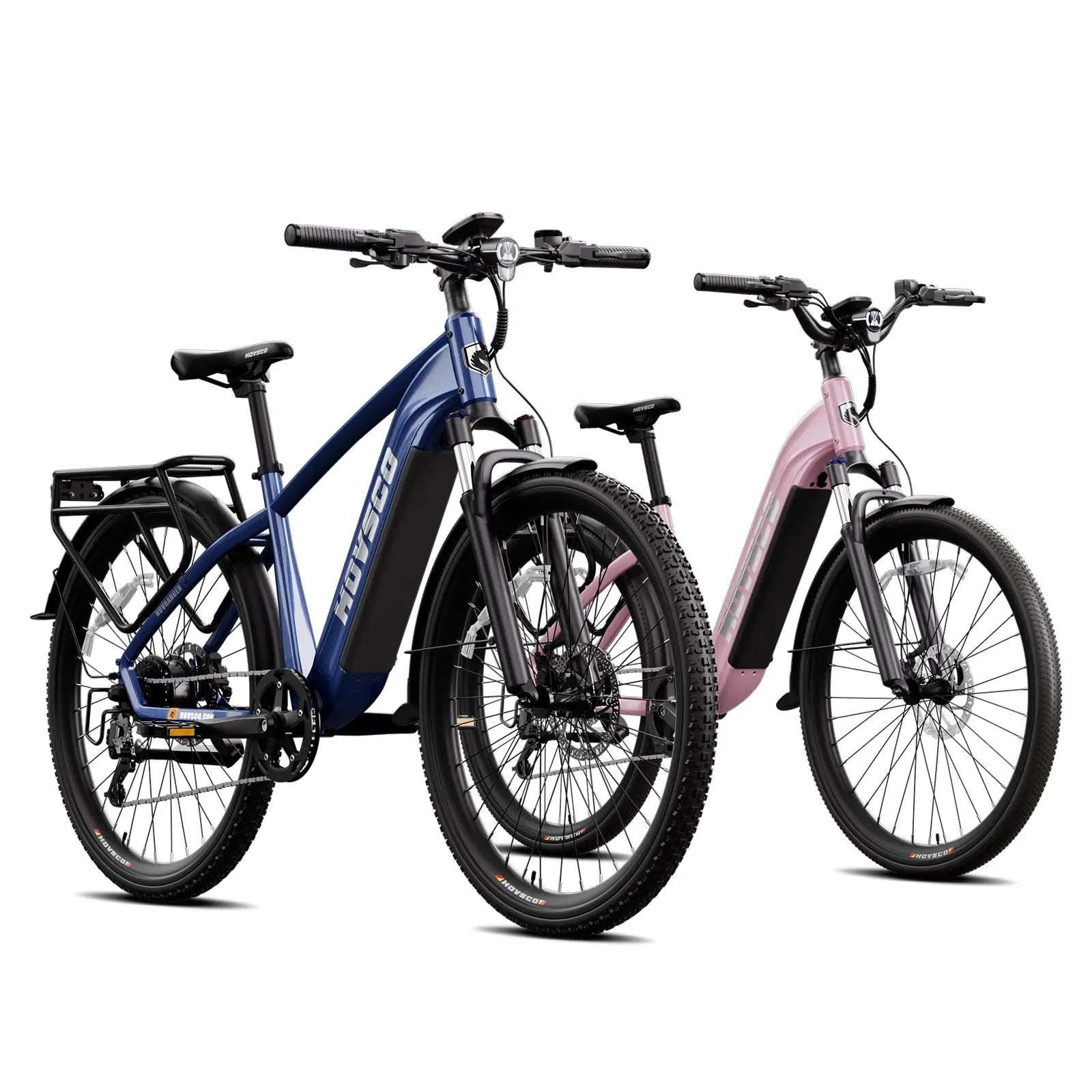
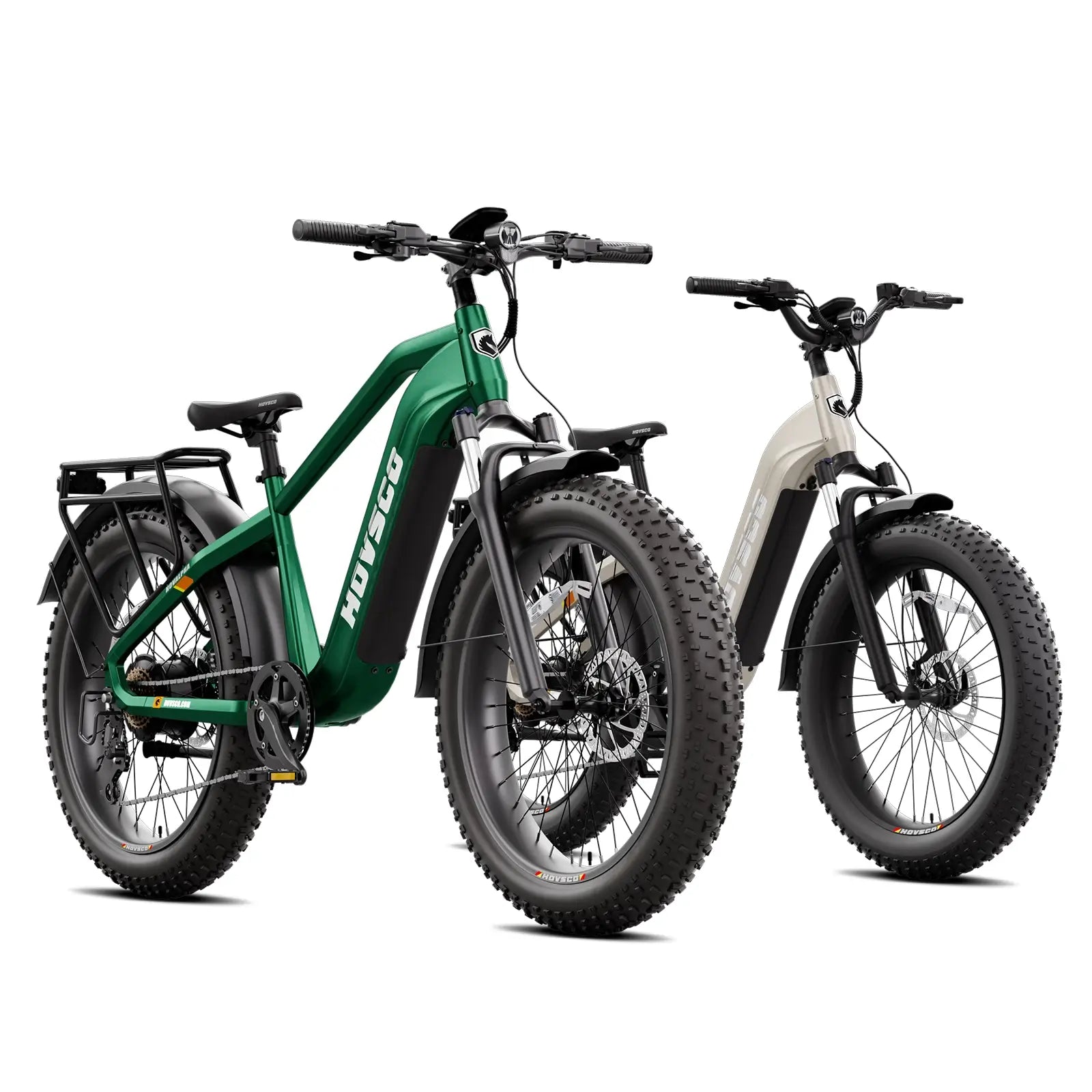
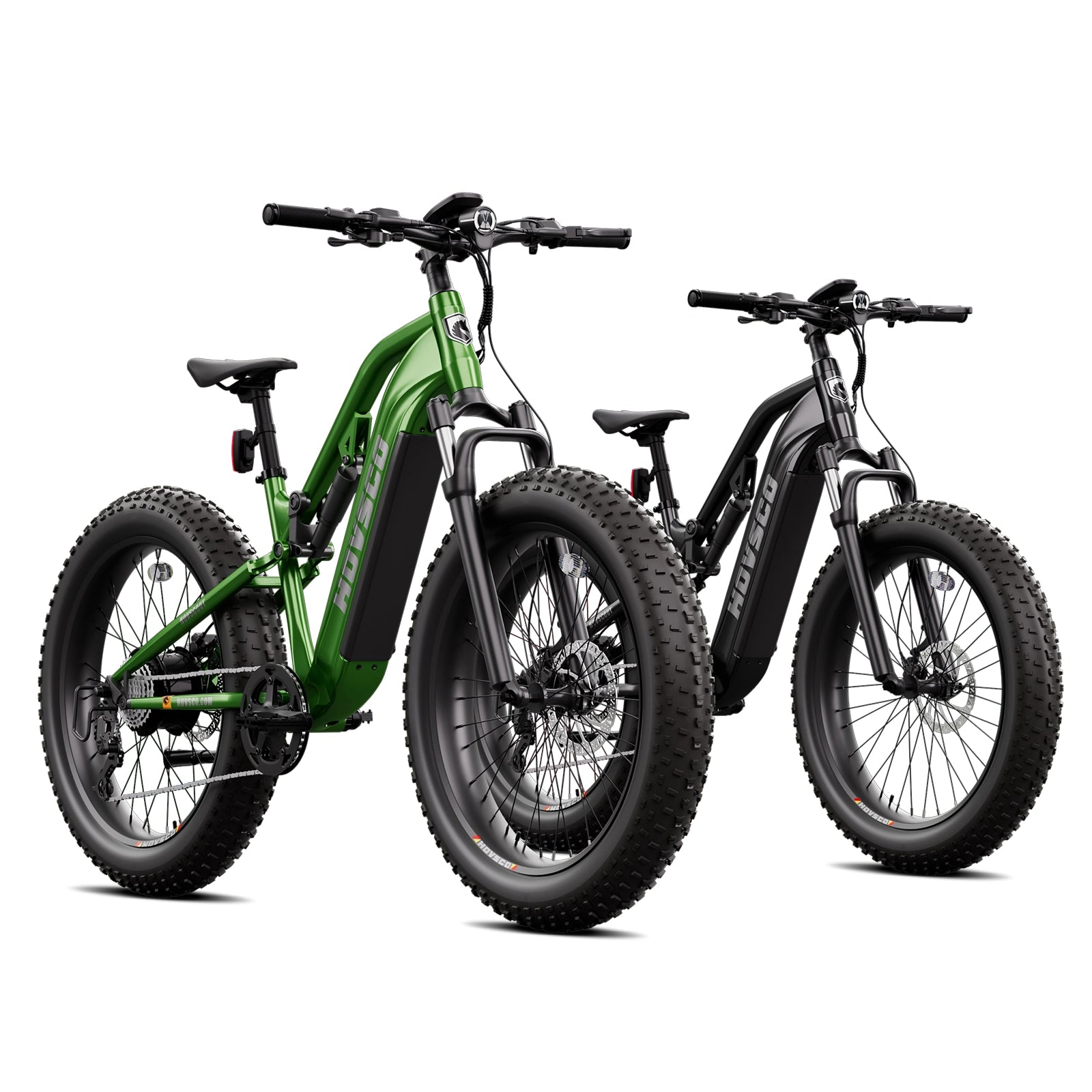
HOVSCO’s moped-style eBikes deliver a balanced performance profile capable of higher top speeds (commonly ~28 mph) while maintaining legal compliance in most regions. By pairing robust motors (often 750 W or greater) with optimized battery systems and ergonomic design, HOVSCO eBikes achieve efficient acceleration, stable cruising, and long-lasting range all in one package. Their models are tuned to deliver comfortable throttle control, reliable braking, and durability across various urban and recreational scenarios. HOVSCO’s focus on rider experience blends performance with practical usability for riders who want a speed-capable eBike without undue regulatory complexity.
Motor and Battery Synergy: Motors rated from mid-range to high output with battery packs designed for sustained speed and range.
Ergonomics for Comfort: Motorcycle-inspired seating and suspension enhance stability at higher speeds.
Street-Optimized Controls: Throttle and pedal assist tailored to reach legal top speeds smoothly and consistently.
| Feature | Traditional Class 1/2 eBike | HOVSCO Moped-Style eBike |
|---|---|---|
| Typical Top Speed | 20–28 mph | ~28 mph optimized |
| Motor Output | Up to ~750 W | 750 W+ tuned for real-world performance |
| Comfort at Speed | Limited | Motorcycle-inspired seating/suspension |
| Range at High Speed | Moderate | Efficient system for sustained speed |
| Street Legal Simplicity | High | Balanced regulatory compliance |
| Best For | Casual riders | Speed-oriented commuters |
Check Local Laws: Confirm permissible top speed limits and classification in your region.
Charge Fully: Ensure battery is charged to recommended levels for top performance.
Pre-Ride Inspection: Verify tire pressure, brakes, and lights before riding.
Select Mode: Choose throttle or pedal-assist mode based on desired speed and terrain.
Warm-Up Ride: Start at lower speeds to acclimate before cruising at higher legal speeds.
Maintain: Follow a regular maintenance schedule for sustained performance.
Problem: City traffic at 6 pm slows riders.
Traditional Approach: Slow pedal-assist eBike at ~20 mph, long commute.
With HOVSCO: Smooth throttle to ~28 mph keeps pace with traffic.
Key Benefit: Faster commute with lower sweat factor.
Problem: Leisure rides feel underpowered.
Traditional Approach: Average eBike lacks torque for relaxed top speeds.
With HOVSCO: Comfortable top speed and suspension boosts enjoyment.
Key Benefit: More enjoyable rides with versatility.
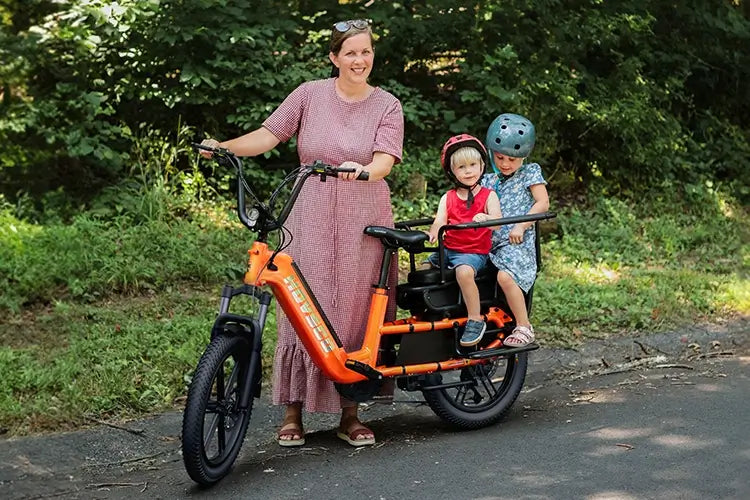
Problem: Speed and cargo balance needed.
Traditional Approach: Slow eBike or car for short errands.
With HOVSCO: Balanced speed with cargo ability.
Key Benefit: Saves time without car hassle.
Problem: Wants workout and transport.
Traditional Approach: Pedal-only feels slow.
With HOVSCO: Pedal assist plus throttle for speed when needed.
Key Benefit: Workout control with efficient transport.
With e-bike adoption increasing and urban traffic worsening, riders need options that deliver speed, comfort, and practicality without excessive regulatory burden. Moped-style eBikes like those from HOVSCO address the sweet spot between standard eBike performance and motorcycle-like speed potential. Choosing the right model now means enjoying efficient commutes and weekend rides while staying within the evolving legal frameworks governing electric mobility.
How fast can a moped-style eBike typically go?
Most moped-style eBikes reach about 20–28 mph under typical legal settings, with some setups capable of higher speeds depending on motor and battery. (TST Ebike)
What factors influence the top speed of a moped-style eBike?
Motor power, battery voltage, rider weight, terrain, and controller tuning all affect top speed potential. (VICTRIP EBIKE)
Is a 28 mph top speed legal everywhere?
Speed legality varies by state and country; many U.S. regions allow up to ~28 mph for throttle or pedal assist. (Leoguar Ebikes)
Can higher top speeds require registration or licensing?
Yes, once speeds exceed certain limits, a vehicle may be classified as a moped or motorcycle, requiring additional compliance. (Leoguar Ebikes)
Does higher motor power always mean higher speed?
Not always; efficiency, weight, and legal restrictions play key roles alongside wattage. (SmileToTalk)
Share:
What Makes an Electric Bike Ideal for Short Trips?
What Is a Long Range Cargo eBike and Why Does It Matter?