


![[ New Arrival ] Porto Max Electric Scooter For Commute & Grocery Shopping - HOVSCO](http://www.hovsco.com/cdn/shop/files/PotroMax-3.jpg?v=1706927007&width=1200)
- by EO S
What Is a Long Range Cargo eBike and Why Does It Matter?
- by EO S
E-Bikes
Accessories
 Free Shipping
 15-Day Returns
 2-Year Warranty
Free Shipping
15-Day Returns
2-Year Warranty
2-Year Warranty
Free Shipping
15-Day Returns
2-Year Warranty
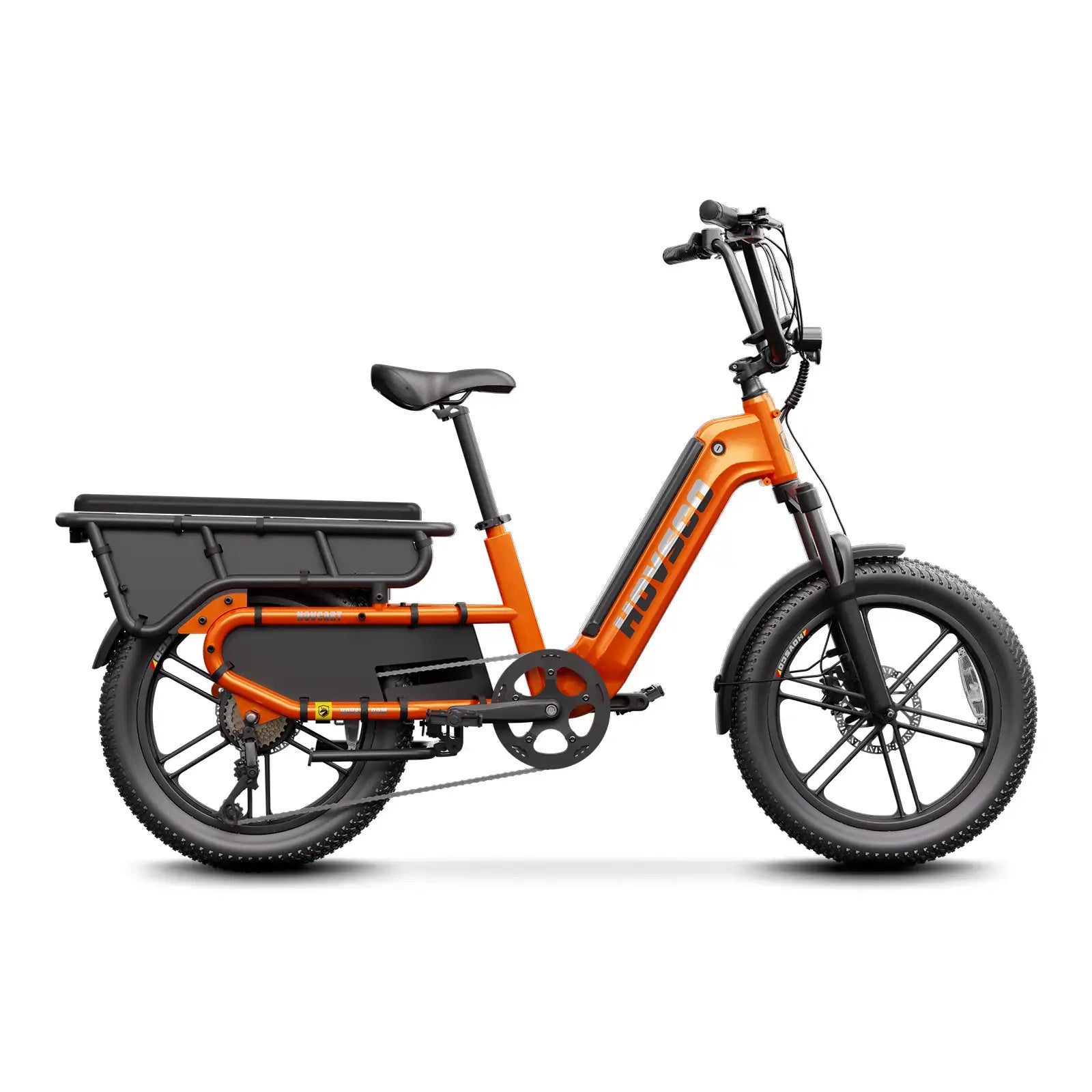
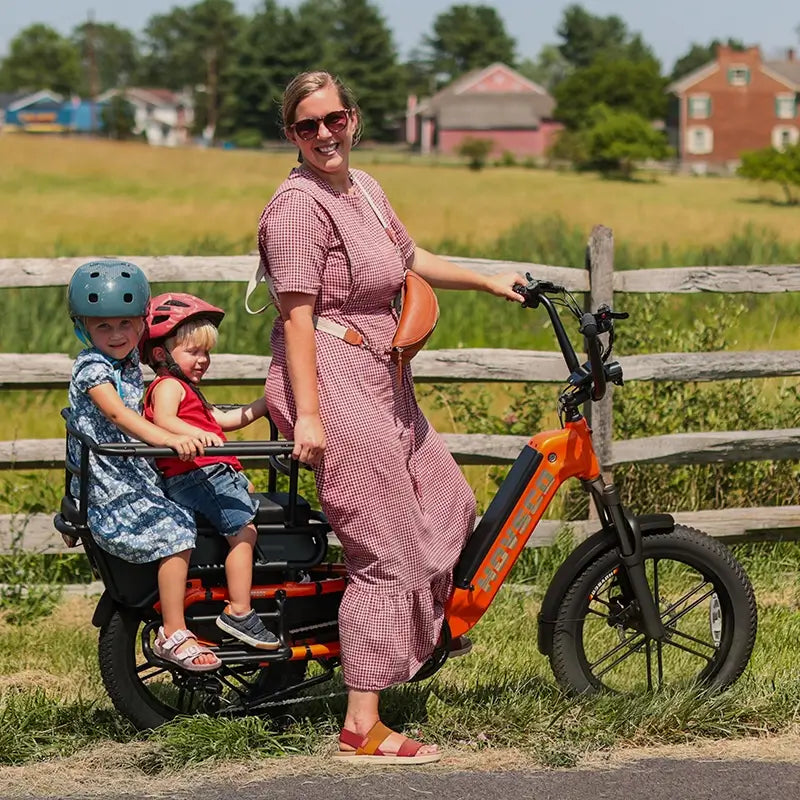
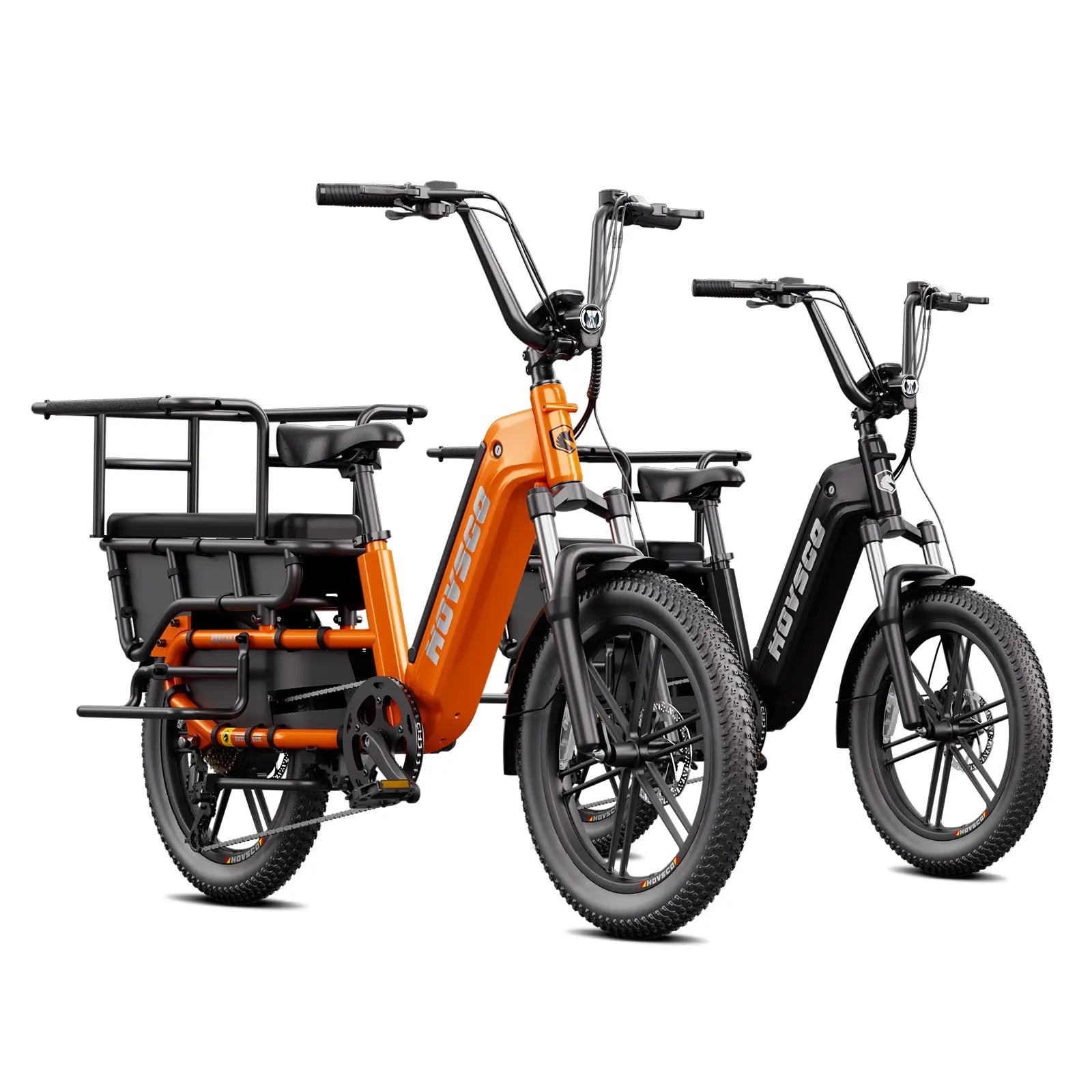
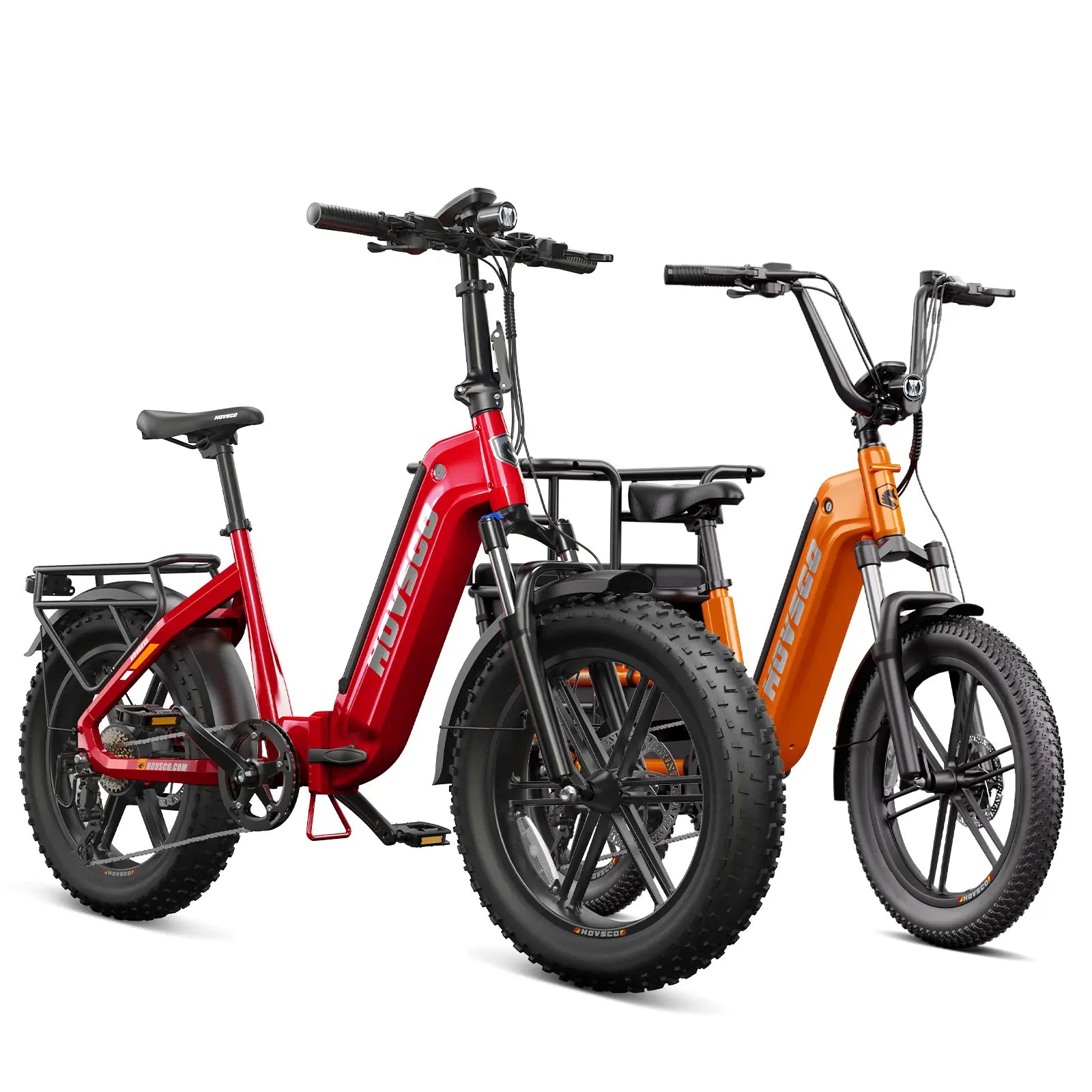
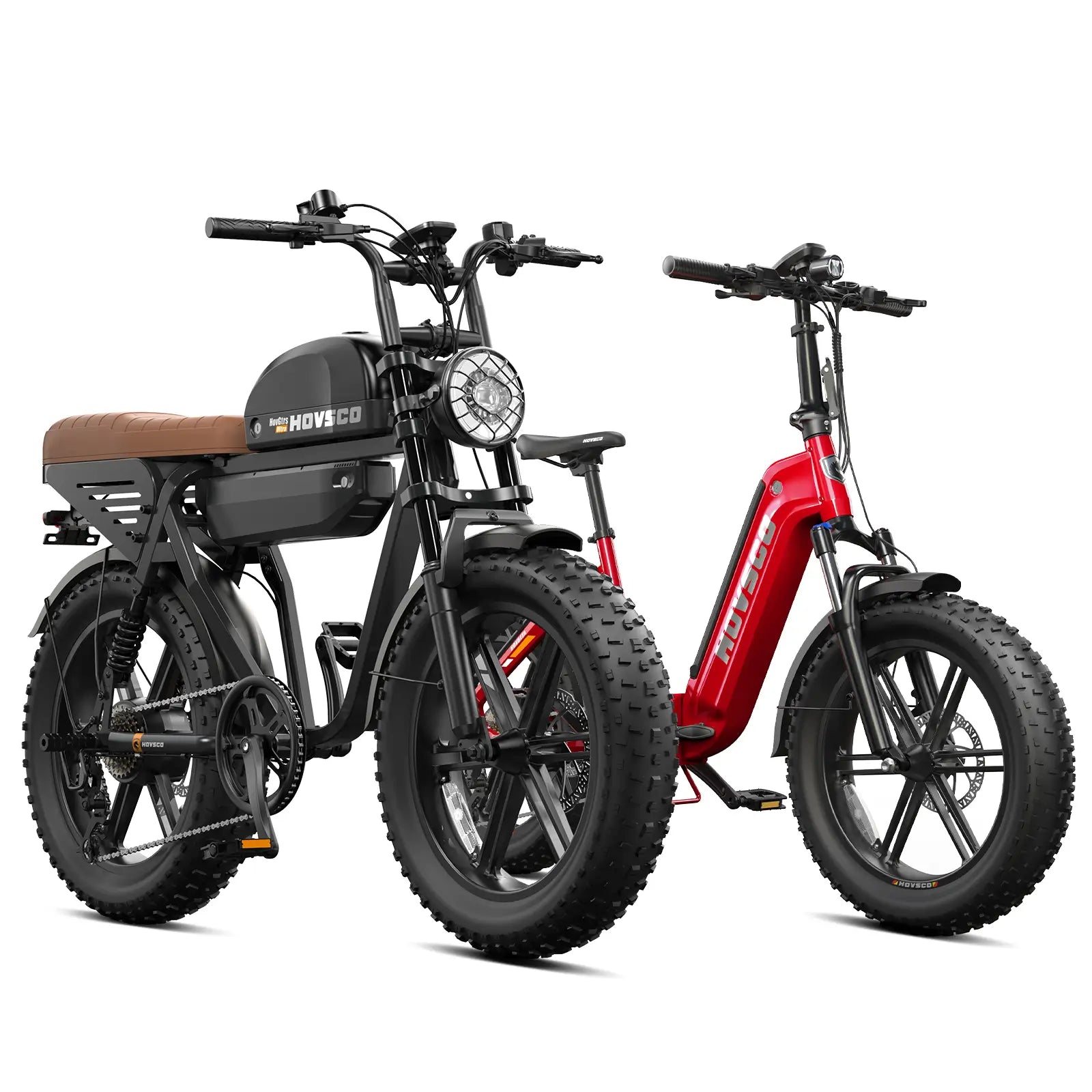
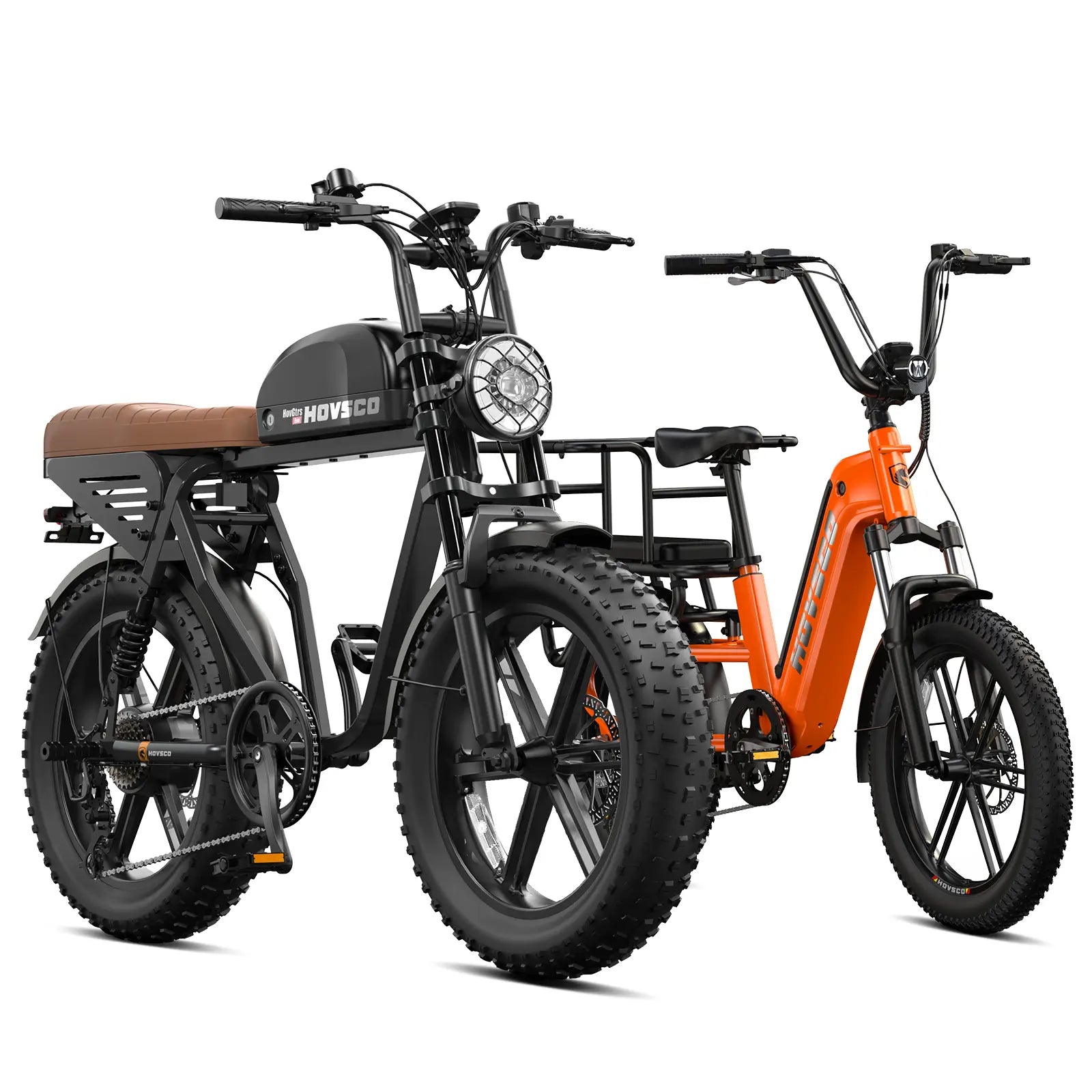
Long range cargo eBikes are transforming urban mobility and delivery logistics by offering extended travel distances with heavy loads on a single charge, combining utility, sustainability, and real-world performance in one solution. HOVSCO long range cargo eBikes deliver efficient power, robust payload capacity, and dependable range that supports daily commutes, errands, business use, and family transport with fewer charging stops.
The electric cargo eBike market is growing rapidly as cities embrace greener transport options and consumers seek alternatives to cars for short-to-medium trips. In 2025, pedal-assist cargo eBikes captured the dominant share of the market, with lithium-ion battery systems expanding their presence and mid-drive motors growing in adoption due to better efficiency and power delivery. Commercial delivery applications represent over half of the total eCargo bike use, indicating strong demand from businesses as well as individuals. However, riders face significant pain points when it comes to real-world range performance and usability over long distances. Frequent recharging, inaccurate range claims, and performance drops under load have created uncertainty for consumers and fleet managers alike. For users who rely on their cargo eBike for errands, commuting, or delivery work, range anxiety and frequent charging interrupt productivity and weaken the value proposition compared to cars or traditional bikes. (Mordor Intelligence)
Real-world range is highly variable: manufacturers often quote ideal conditions, but loaded cargo bikes operating in hills, wind, or high assist levels see drastically reduced distances per charge. Riders with heavier loads and steeper terrain frequently report actual range figures far below advertised numbers, underscoring a core challenge in cargo eBike adoption. Reliable data-driven performance benchmarks are essential for buyers evaluating options based on range, payload, and system efficiency. (EBikeReviewLab)
A lack of clarity around what constitutes “long range” in cargo eBikes complicates decision-making. Users must weigh battery capacity, assist level, terrain, and load when estimating usable range, but standardized metrics and real-world case studies remain scarce. This creates hesitancy and confusion, particularly among new adopters considering replacing a car for errands or business use.
Traditional cargo eBikes typically balance weight and cost constraints against battery size, resulting in limited range under load. Standard single-battery systems (around 500 Wh to 750 Wh) often deliver between 30–60 miles per charge in real-world conditions with moderate loads, but this figure can drop below 30 miles when hauling heavy cargo or climbing hills. (EBikeReviewLab)
Under-whelming advertised range: Manufacturer claims often assume minimal load and ideal terrain, leading to unrealistic consumer expectations.
Range variability: Terrain, rider weight, wind, and assist settings significantly impact actual distance capabilities.
Charging frequency: Short range leads to more frequent recharging, reducing daily productivity and convenience.
Payload stress: Heavy loads compound power use, rapidly consuming energy reserves.
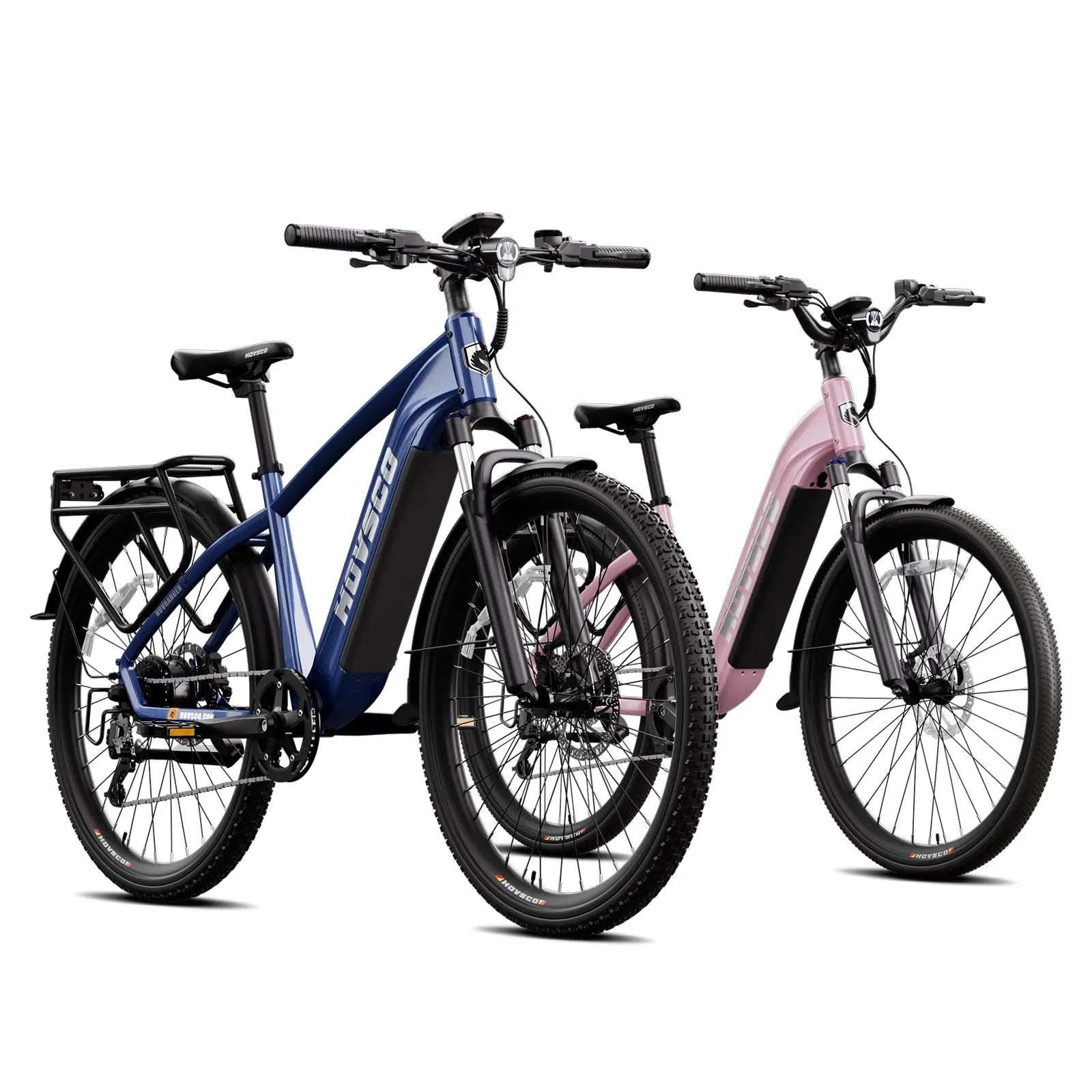
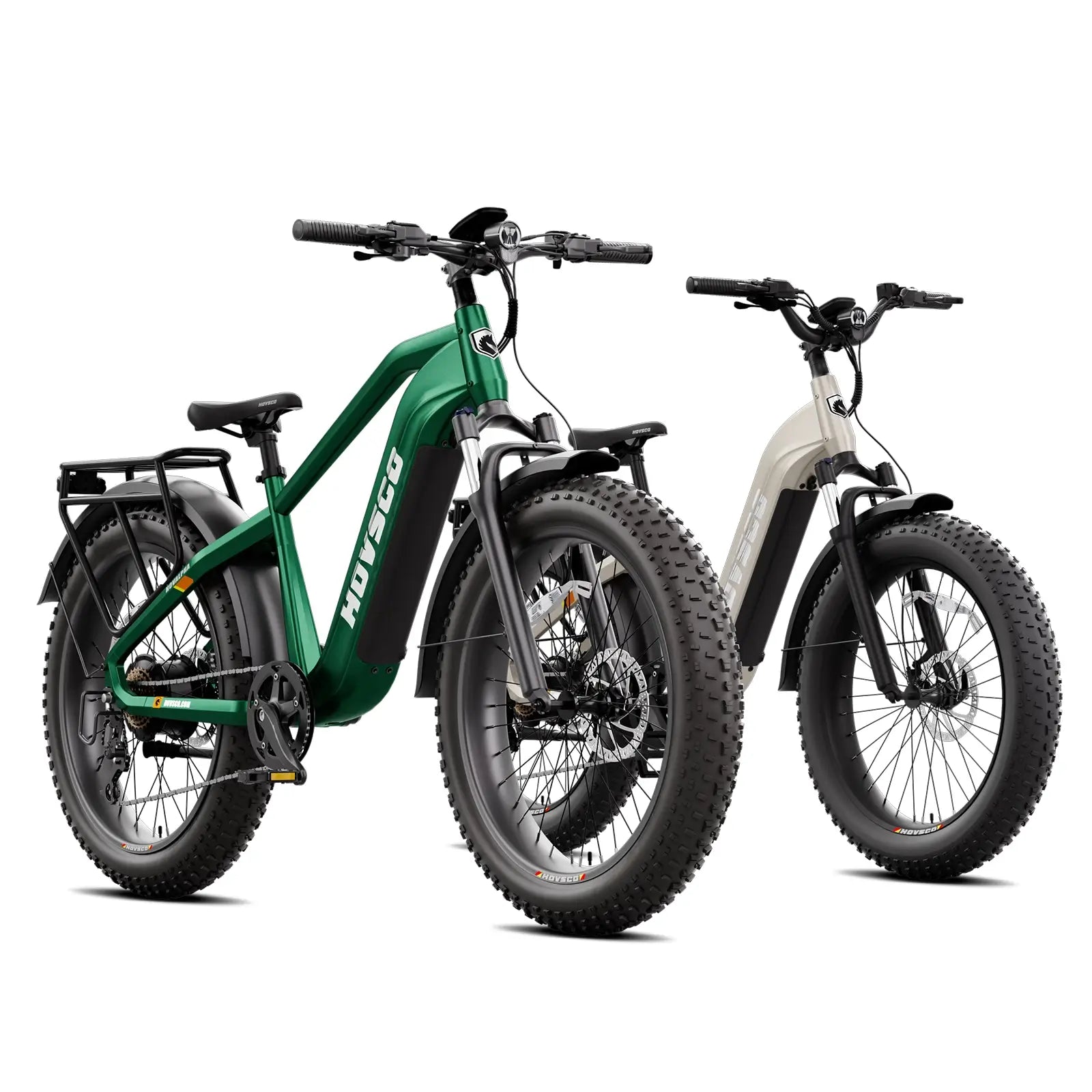
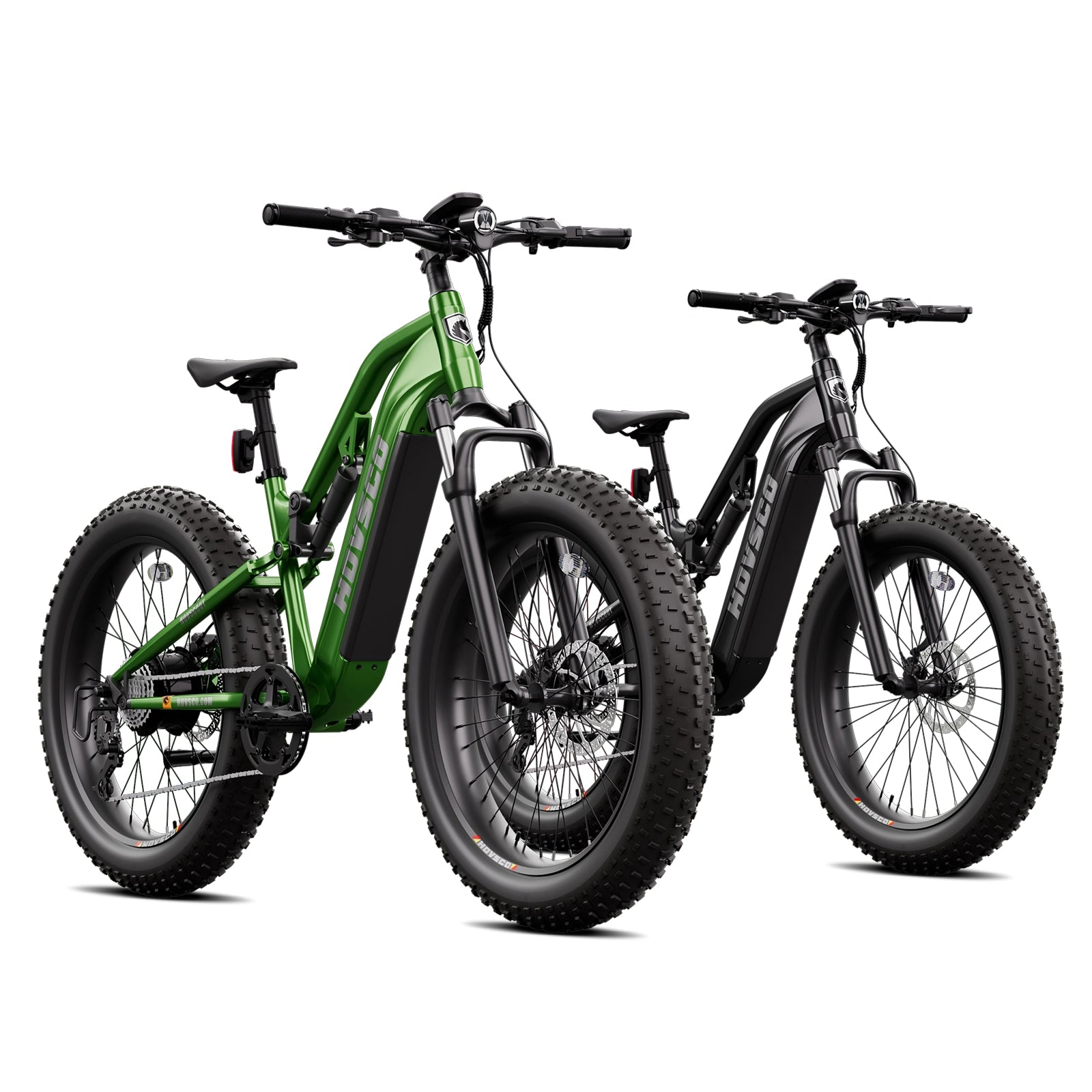
HOVSCO’s long range cargo eBikes are engineered to tackle real-world range challenges through optimized battery systems, efficient motors, and robust design suited for cargo hauling. By prioritizing higher capacity battery packs, intelligent power management, and durability under load, HOVSCO enables riders to cover longer distances between charges while carrying heavier payloads without sacrificing performance or reliability.
High-capacity batteries: Larger watt-hour (Wh) packs and optional dual-battery configurations extend usable range significantly.
Torque-optimized motors: Powerful mid-drive or hub systems maintain efficient assist under various terrain conditions.
Load-ready design: Frames and cargo platforms built for stability and payload capacity improve energy efficiency.
Smart management: Intelligent assist modes help conserve energy and stretch range in routine use.
| Feature | Traditional Cargo eBike | Long Range Cargo eBike (HOVSCO) |
|---|---|---|
| Typical Battery Capacity | 500–750 Wh | 750–1500 Wh (standard/dual) |
| Real-World Range (Loaded) | 30–60 miles | 60–100+ miles |
| Payload Handling | Moderate | Heavy with higher stability |
| Suitability for Business Use | Limited | Strong |
| Charging Frequency | Frequent | Reduced |
| Efficiency Under Load | Variable | Optimized |
Assess Your Needs: Determine typical load, daily distance, and terrain.
Choose Battery Configuration: Select a battery size or dual-battery option based on range requirements.
Pre-Ride Setup: Check tire pressure, brakes, cargo load distribution, and battery charge level.
Select Assist Mode: Use eco or moderate assist on flat terrain, reserve higher assist for hills or heavy loads.
Plan Routes: Choose paths with less elevation and smoother surfaces to maximize range.
Monitor Performance: Use onboard metrics to adjust settings and understand real-world efficiency.
Maintain Regularly: Keep drivetrain and electrical systems tuned for optimal performance.
Problem: Frequent short trips with heavy parcels; range limits service area.
Traditional Approach: Multiple recharges, limited route coverage.
With HOVSCO: Extended range allows completing more deliveries per charge.
Key Benefit: Increased daily productivity and reduced downtime.
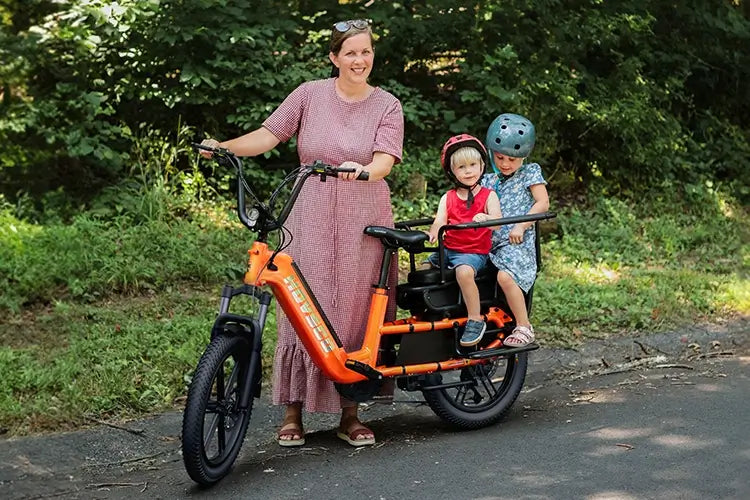
Problem: Weekend errands with kids and groceries exceed typical eBike range.
Traditional Approach: Return for charging mid-day or use vehicle.
With HOVSCO: Extended distance with cargo, covering full day without recharge.
Key Benefit: Convenience and cost savings.
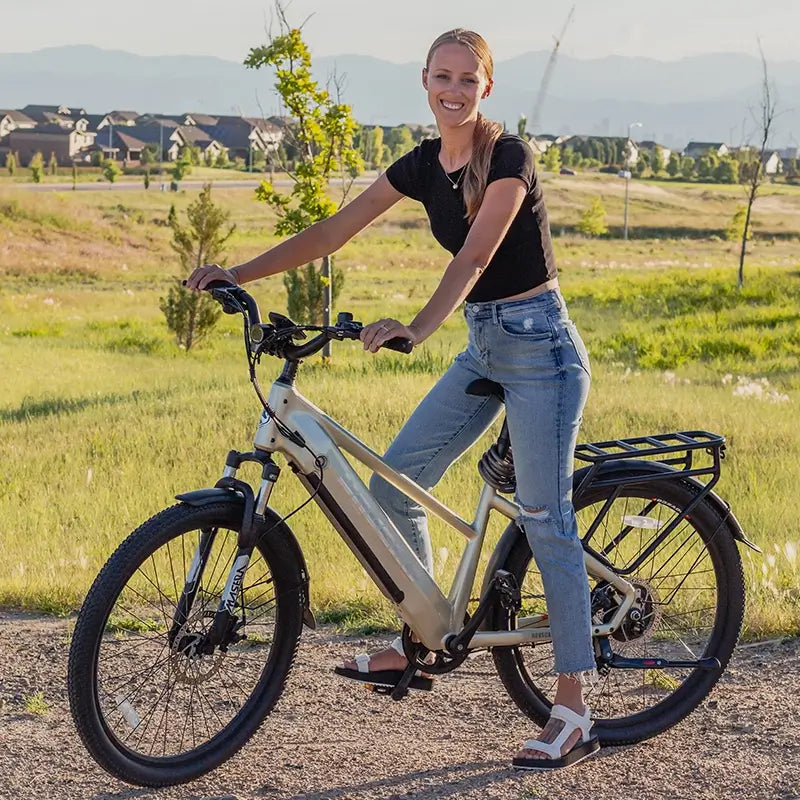
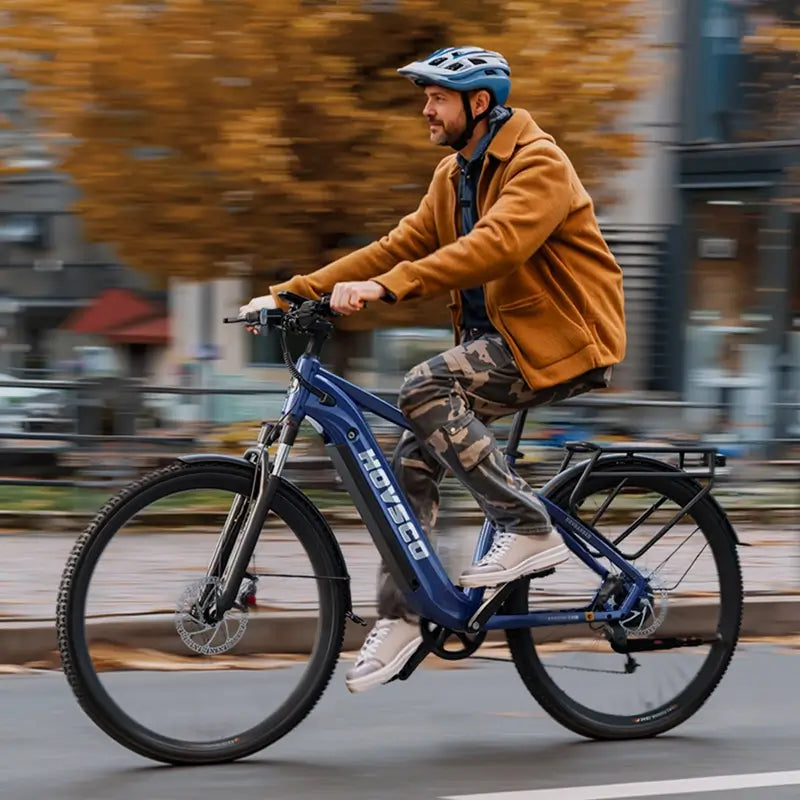
Problem: Work commute plus gym/bike gear adds weight and distance.
Traditional Approach: Rely on car or short eBike range with stress.
With HOVSCO: Efficient assist and range for all-day use.
Key Benefit: Effective car alternative while staying active.
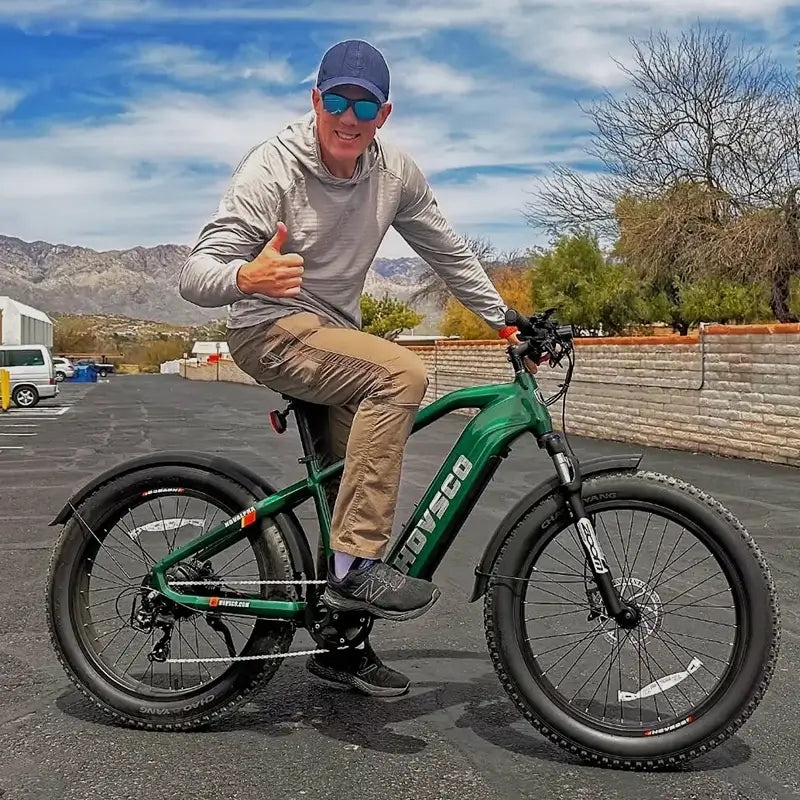
Problem: Long weekend rides with camping and gear stress battery.
Traditional Approach: Support vehicle or frequent stopping.
With HOVSCO: Longer single-charge distances with load.
Key Benefit: Freedom to explore further without planning charging stops.
The shift toward sustainable urban transport, coupled with rising fuel costs and congestion, has made eBikes — particularly long range cargo models — a compelling alternative to cars and trucks for short-to-medium distance travel. As cities expand bike infrastructure and consumer expectations evolve, solutions that deliver dependable range and utility become essential for everyday riders, families, and businesses. HOVSCO’s long range cargo eBikes meet this demand by combining powerful performance with real-world range, making them a credible choice for those seeking a flexible, eco-friendly transport solution today and tomorrow.
How far can long range cargo eBikes travel on a single charge?
Real-world ranges vary, but larger battery capacities and dual setups can extend usable distances up to 60–100+ miles depending on load, terrain, and assist level. (EBikeReviewLab)
What factors most affect cargo eBike range?
Battery capacity, assist level, terrain, rider weight, cargo load, wind, and tire resistance all influence actual range. (Het Zwarte Fietsenplan)
Can a dual-battery system double the range?
Yes — dual batteries significantly increase stored energy and extend range, though real terrain and load conditions still dictate performance. (EBikeReviewLab)
Are long range cargo eBikes suitable for delivery businesses?
Yes — extended range and payload capability make them ideal for urban delivery operations and fleet use. (Mordor Intelligence)
Do heavier loads reduce range significantly?
Heavier cargo draws more power from the battery, reducing range proportionally, especially on hilly or windy routes. (Het Zwarte Fietsenplan)
Share:
What Is the Top Speed of Moped Style Ebikes?
What Are the Best Retro Electric Bikes for City Commuting?