



![[ New Arrival ] Porto Max Electric Scooter For Commute & Grocery Shopping - HOVSCO](http://www.hovsco.com/cdn/shop/files/PotroMax-3.jpg?v=1706927007&width=1200)
- by EO S
What Are the Best Retro Electric Bikes for City Commuting?
- by EO S
E-Bikes
Accessories
 Free Shipping
 15-Day Returns
 2-Year Warranty
Free Shipping
15-Day Returns
2-Year Warranty
2-Year Warranty
Free Shipping
15-Day Returns
2-Year Warranty
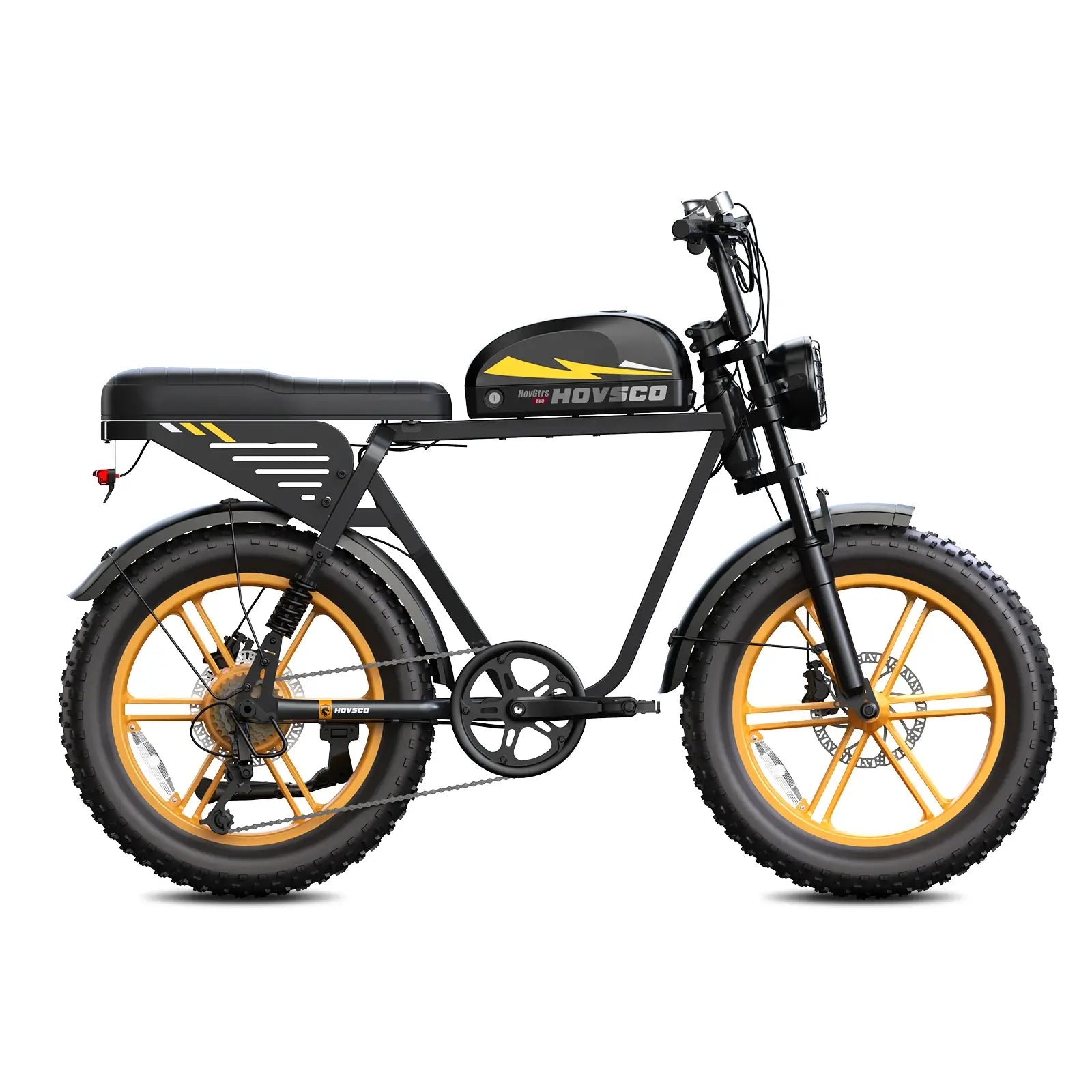
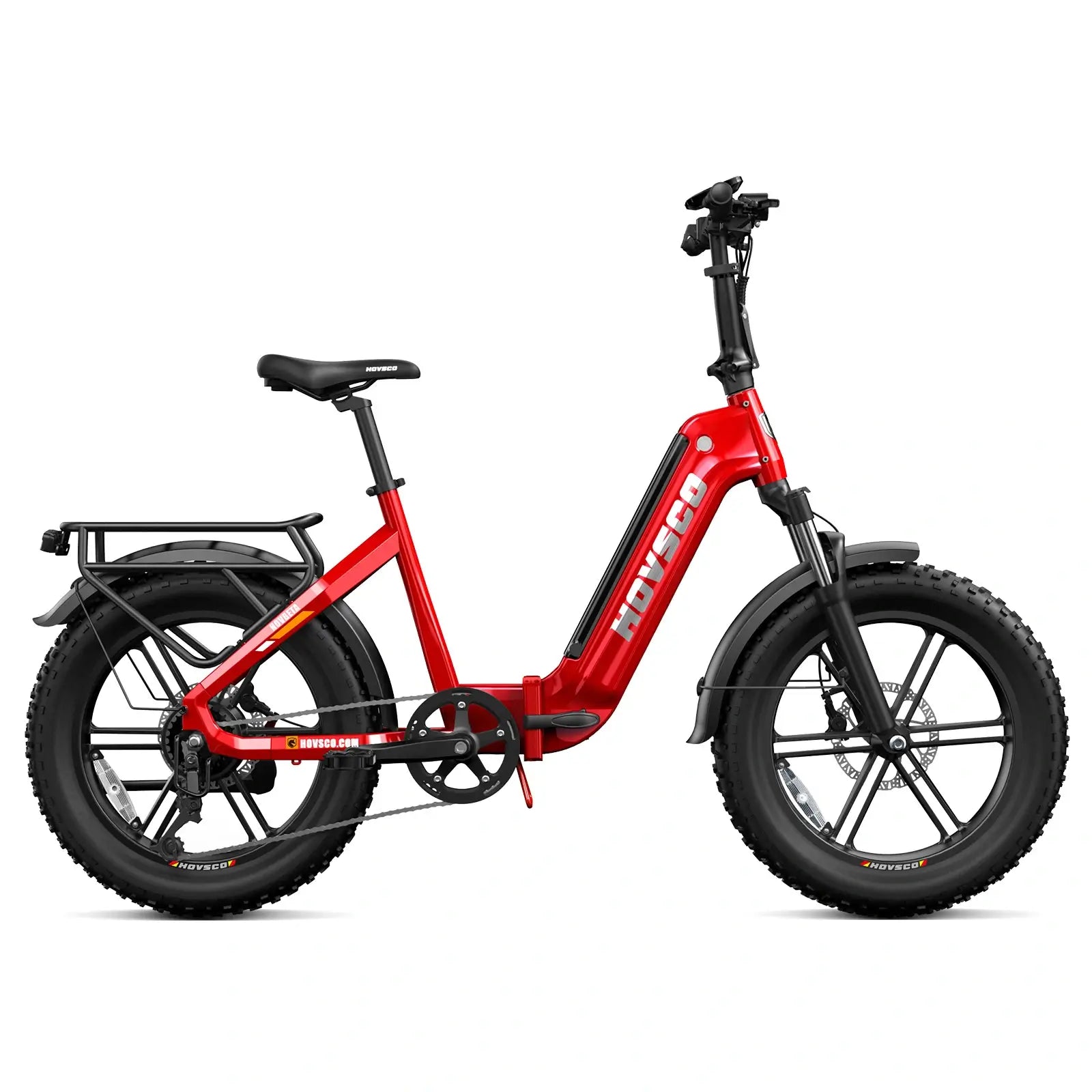
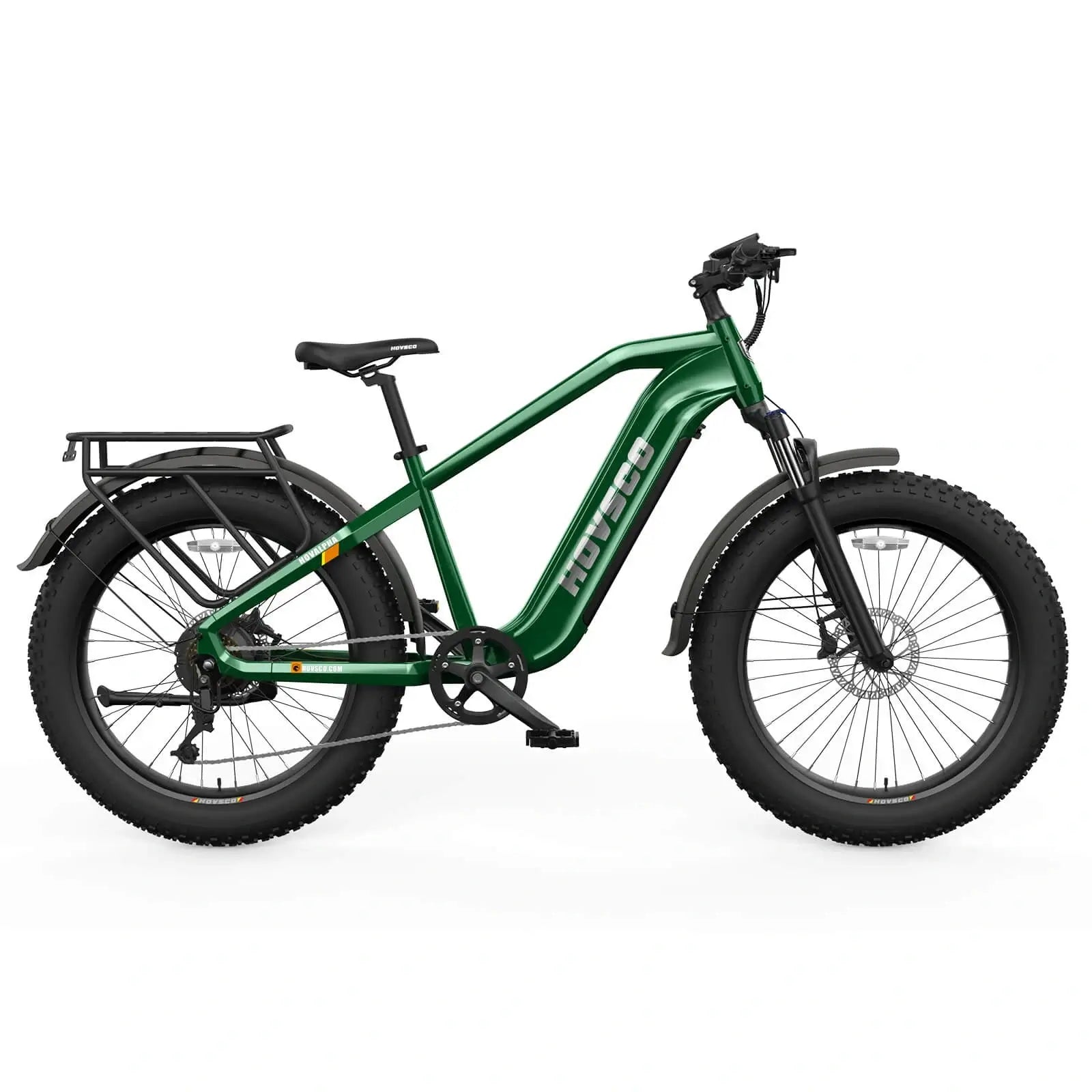
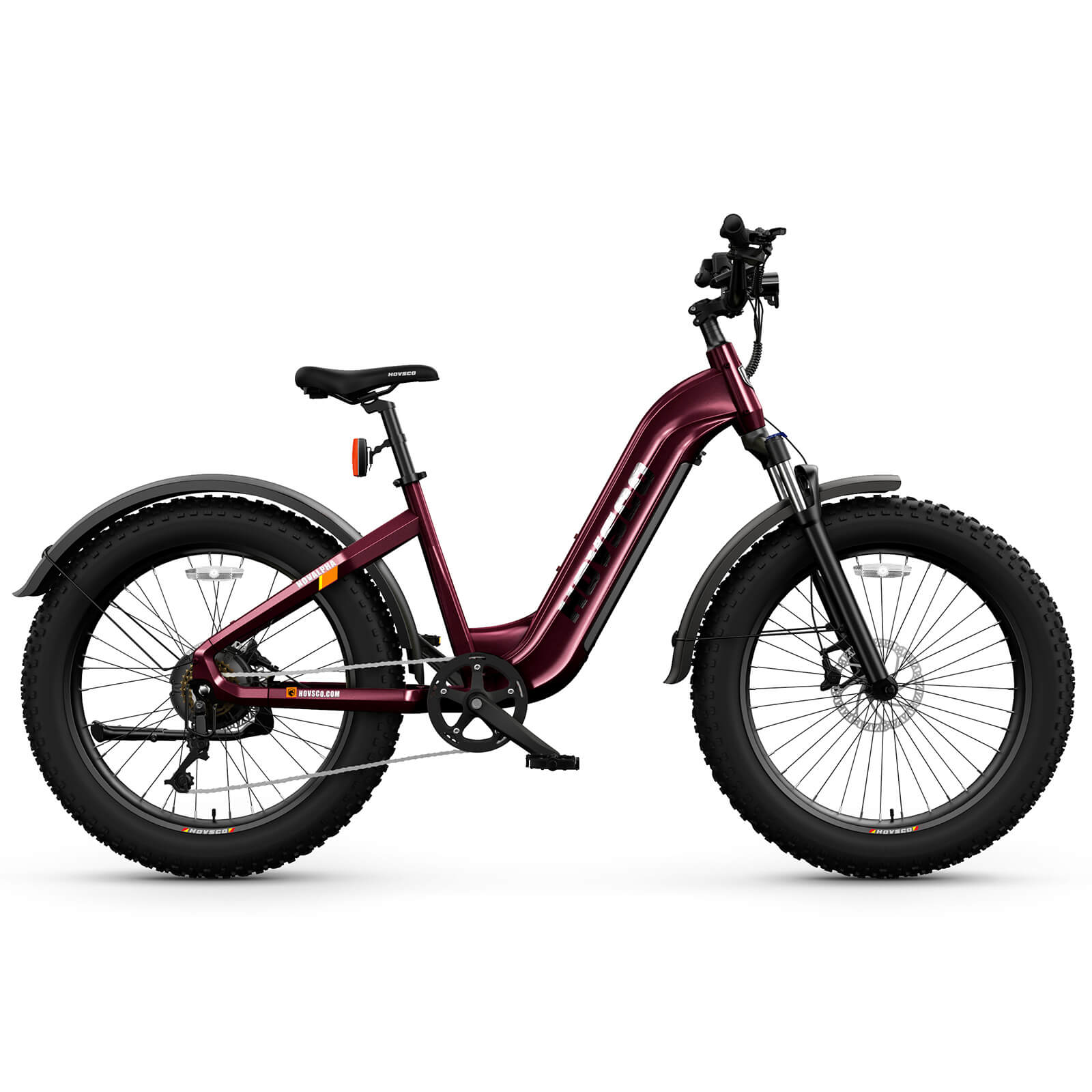
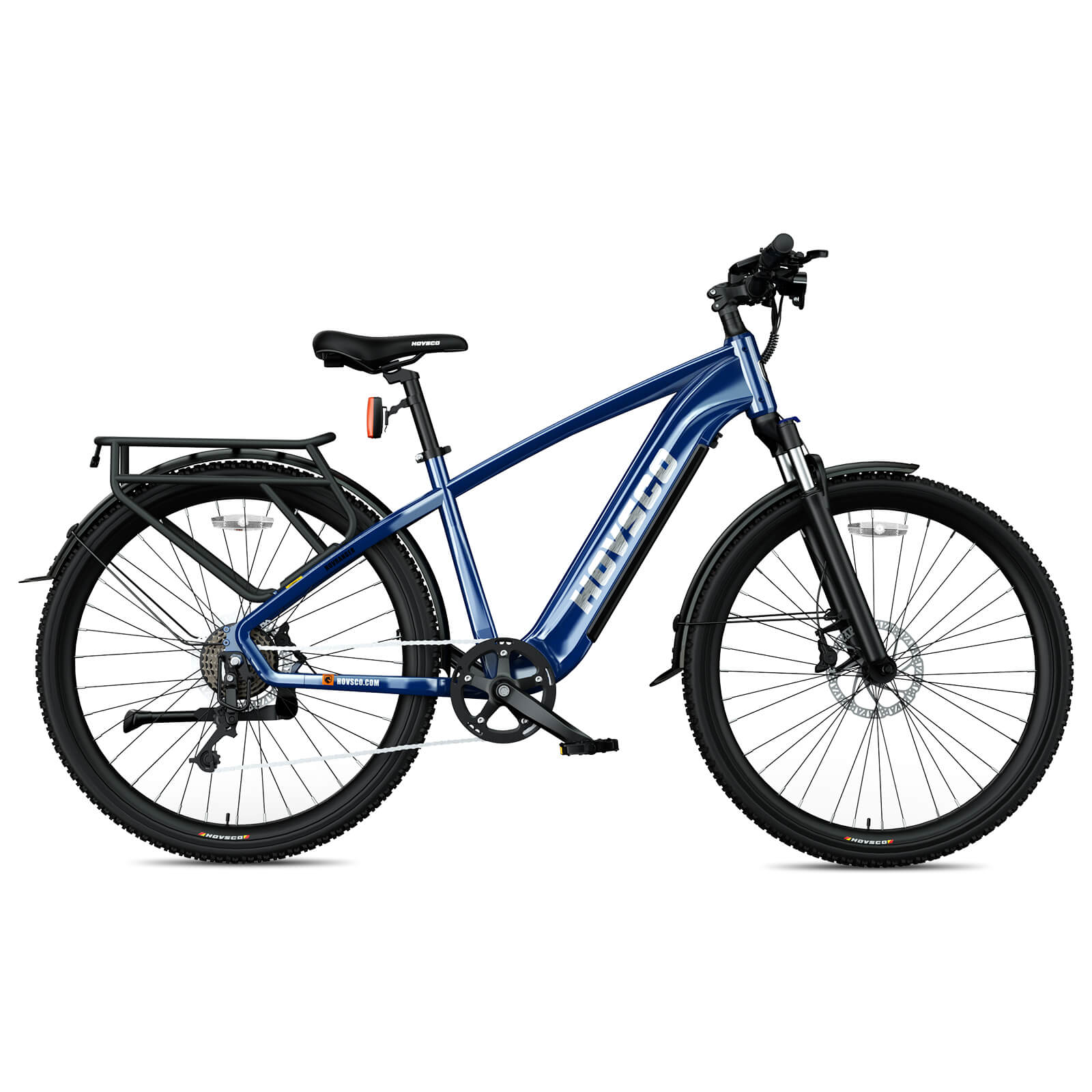
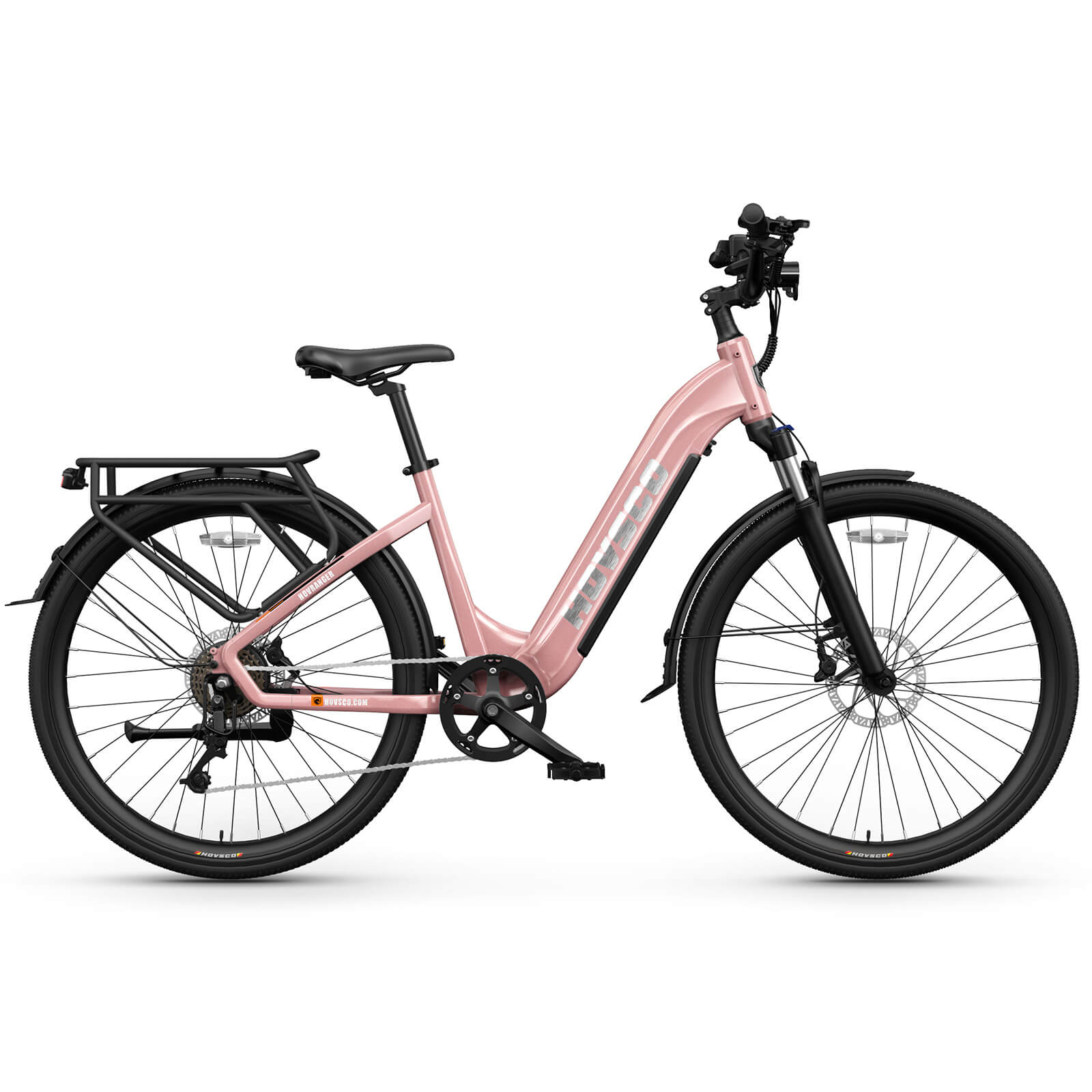
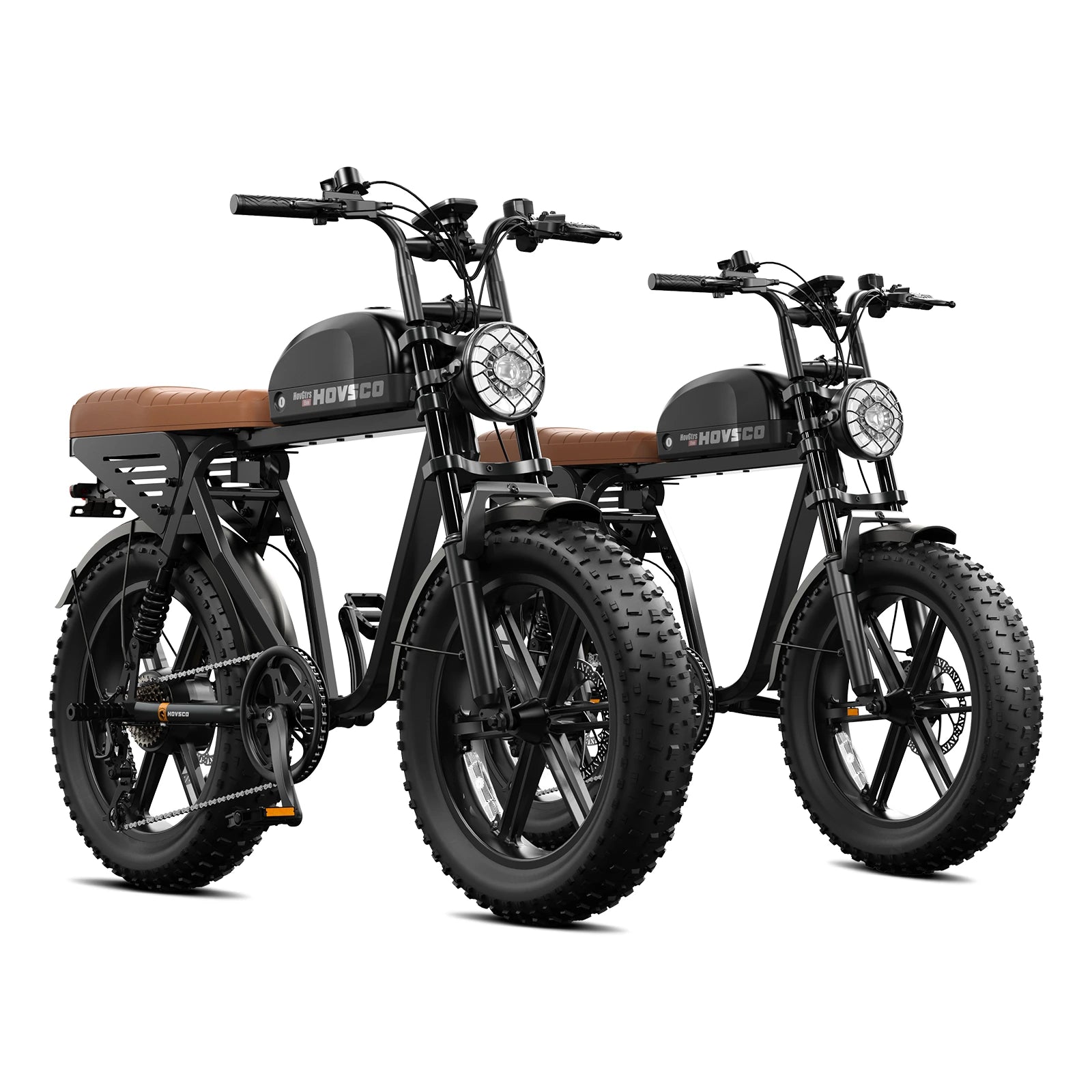
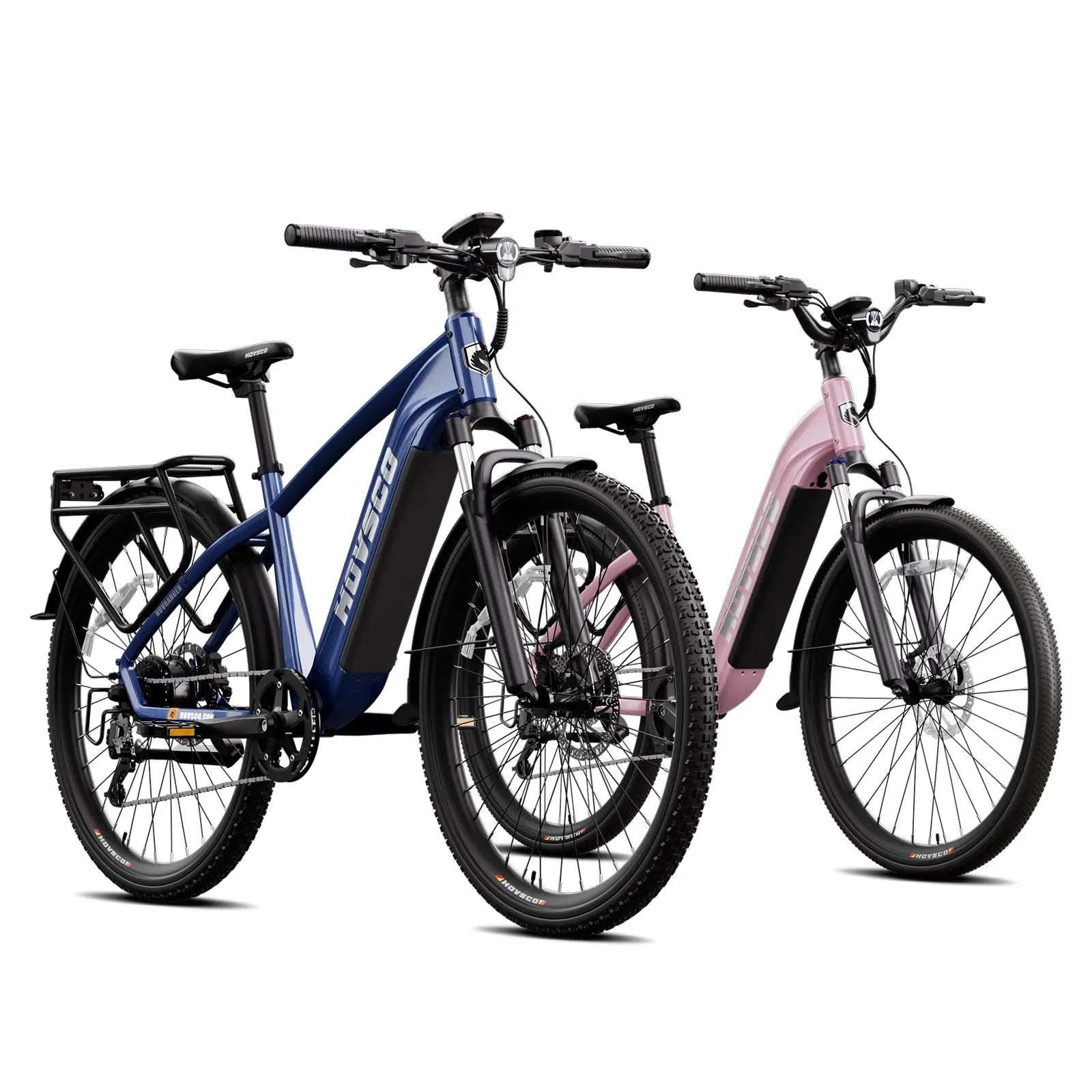
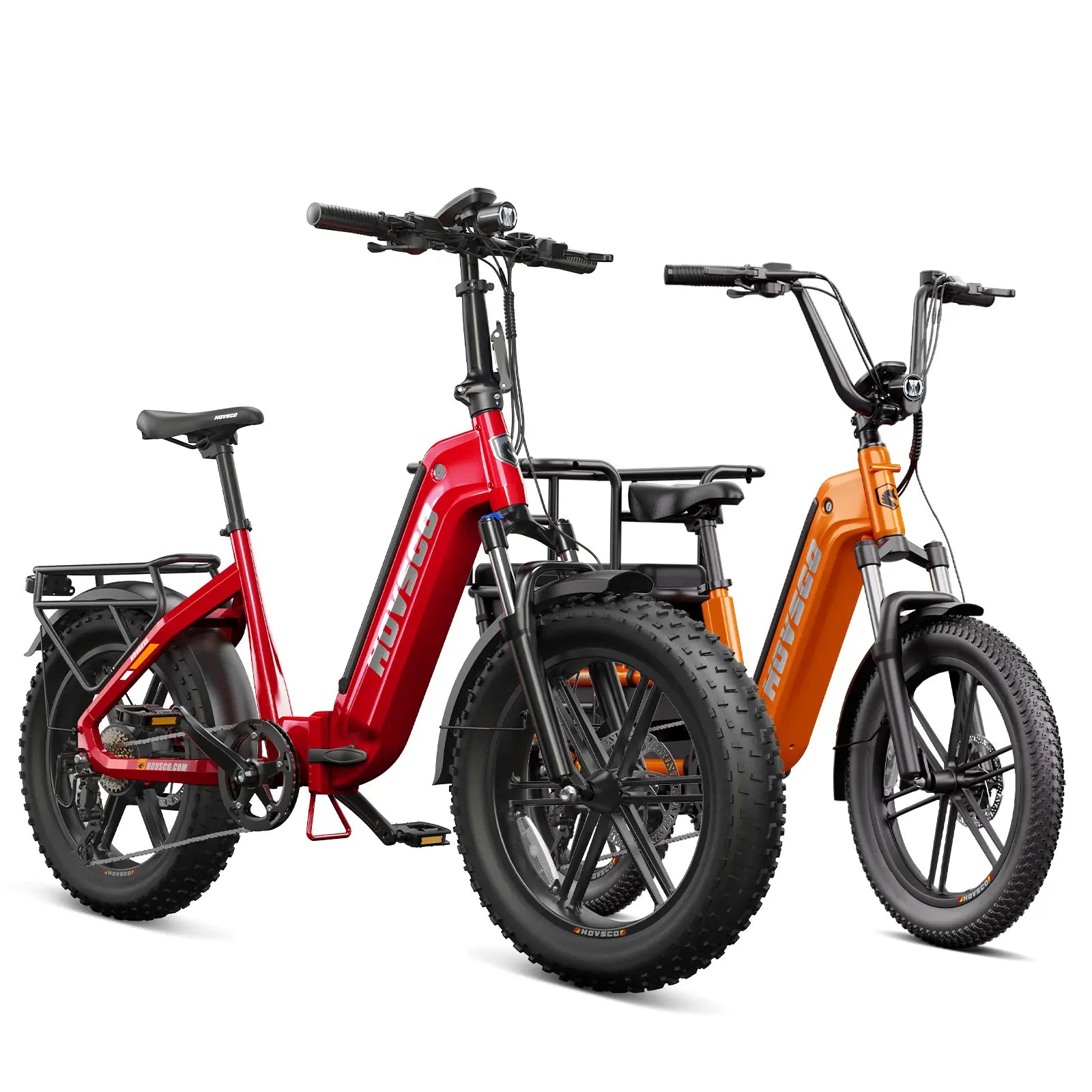
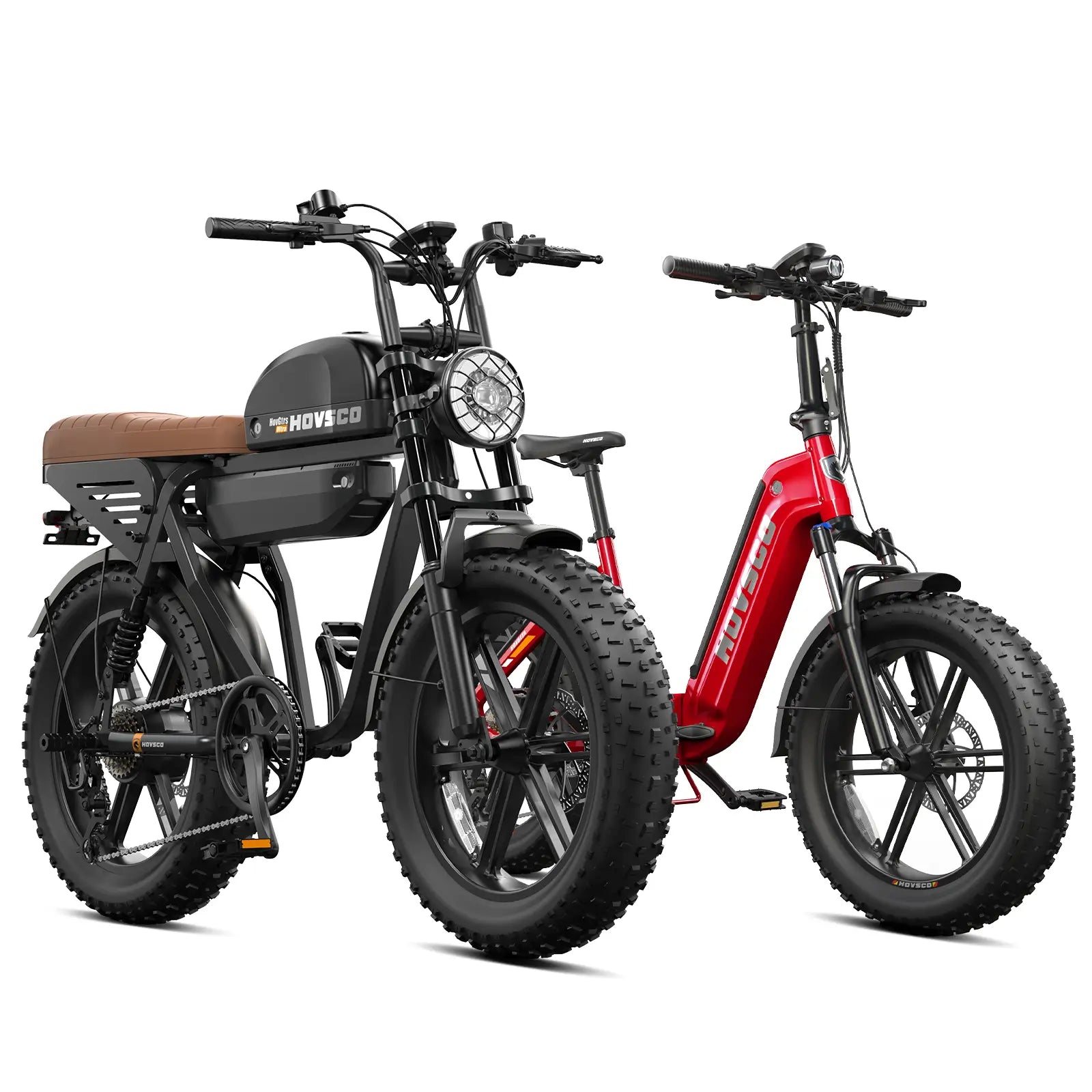
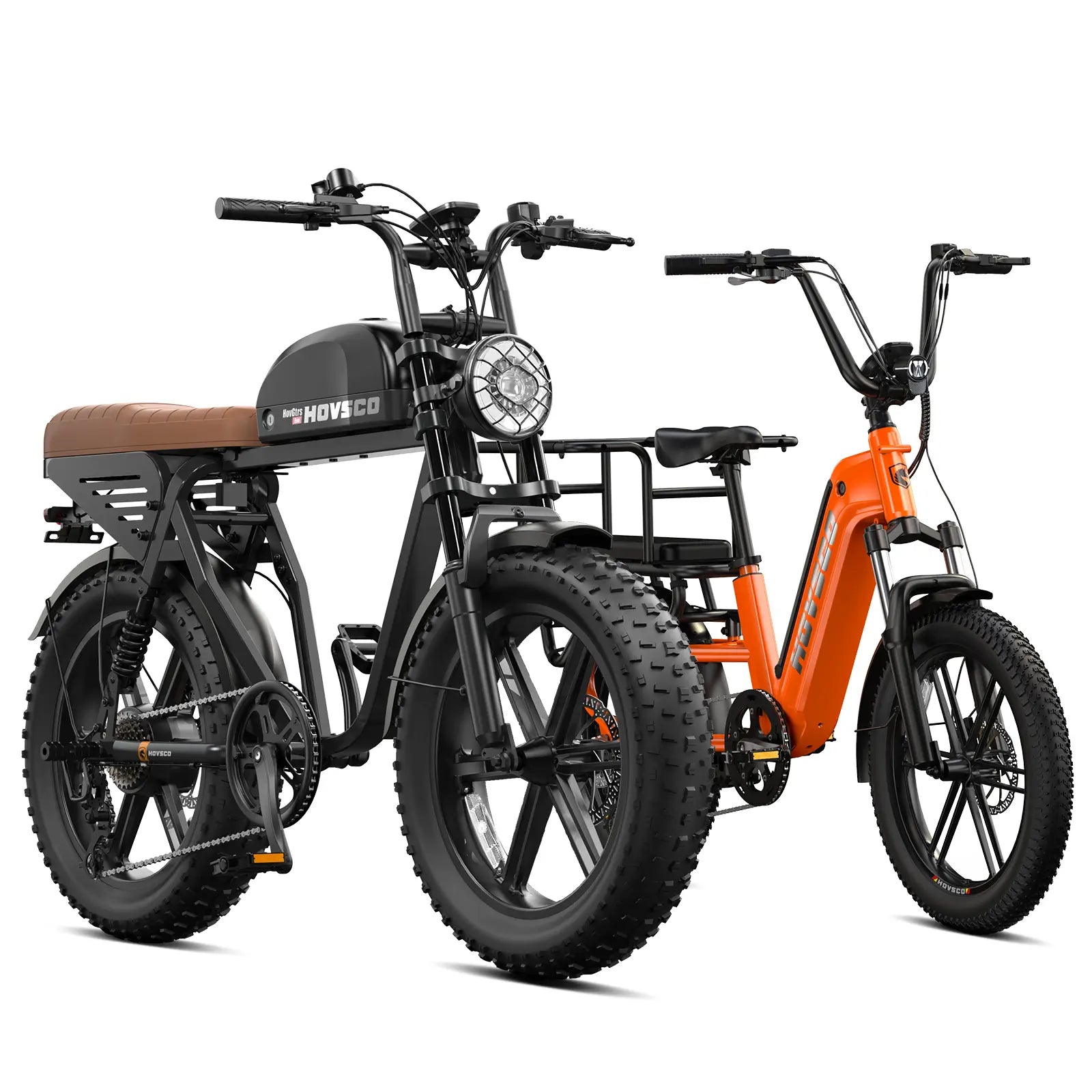
Retro electric bikes combine classic styling with modern electric assist, making city commuting more comfortable, efficient, and stylish. These bikes typically feature upright riding positions, step-through frames, integrated lights, and reliable motors, enabling riders to arrive at work sweat-free while enjoying a nostalgic aesthetic. Brands like HOVSCO emphasize this balance by offering retro-inspired eBikes that deliver practical urban performance and dependable build quality.
Urban commuting is shifting rapidly as more people seek alternatives to cars. In the U.S., bike commuting has increased significantly, with more than 900,000 people reporting biking to work in recent years. At the same time, traffic congestion and parking costs continue to rise, forcing commuters to look for faster, cheaper options. However, many commuters face pain points that prevent widespread adoption of traditional bicycles: long distances, hilly routes, sweat, and the need for a reliable daily ride.
E-bikes are becoming a mainstream solution. Global e-bike sales have surpassed 40 million units annually, with urban commuters driving a large portion of demand. Yet not all e-bikes suit city life: many models focus on speed or off-road performance rather than comfort, practicality, and style. Commuters often struggle to find a bike that blends classic design with modern commuting features like integrated lights, racks, and long-range batteries.
The urgency is clear: cities are expanding bike lanes and implementing low-emission zones, making e-bikes a practical alternative. But without clear, data-driven guidance, riders can end up with a bike that is too heavy, too fast, or too short-range for daily commuting. This creates a gap for retro-styled eBikes that prioritize comfort, reliability, and real-world commuting performance.
Traditional bicycles require significant physical effort, especially on hills or longer commutes. Riders often arrive sweaty and tired, which reduces adoption for professional commuters. Public transit can be slow, crowded, and unreliable, and cars remain expensive due to fuel, parking, and maintenance. While traditional e-bikes help, many models emphasize speed or sport rather than daily comfort and practicality.
Short real-world range: Many commuter eBikes advertise long ranges under ideal conditions, but real usage often yields 30–50% less distance when carrying a bag or riding in wind.
Poor cargo integration: Without racks or baskets, commuters struggle to carry work essentials, groceries, or gym gear.
Uncomfortable geometry: Sport-oriented eBikes can cause back strain due to aggressive riding positions.
Low visibility features: City commuting requires integrated lights and reflective design; many eBikes require aftermarket upgrades.
Retro electric bikes are designed around the commuter’s daily needs: upright comfort, easy mounting, built-in lighting, and practical cargo options. They also provide a more relaxed ride, making them suitable for riders of varying fitness levels and ages.
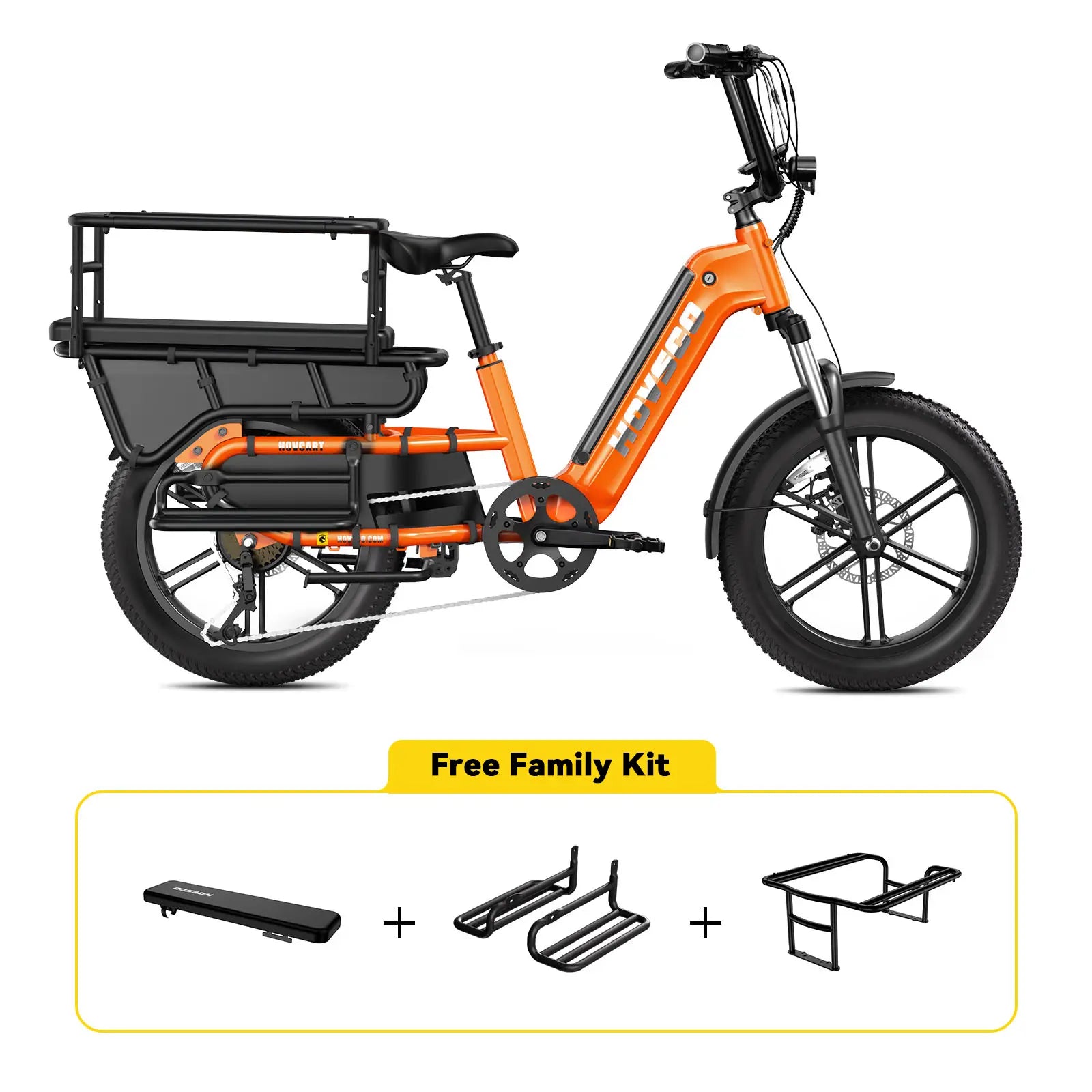
Retro electric bikes offer a practical blend of classic design and modern commuting features. HOVSCO delivers retro-styled eBikes with step-through frames, cushioned seats, and integrated accessories, targeting urban riders who want style without compromising on daily performance. These bikes typically use mid-range motors (250–750W) with torque optimized for stop-and-go city riding, paired with battery systems that support 30–60 miles per charge in real conditions.
Core capabilities of retro commuting eBikes include:
Comfort-first geometry: Upright riding position and ergonomic handlebars reduce fatigue.
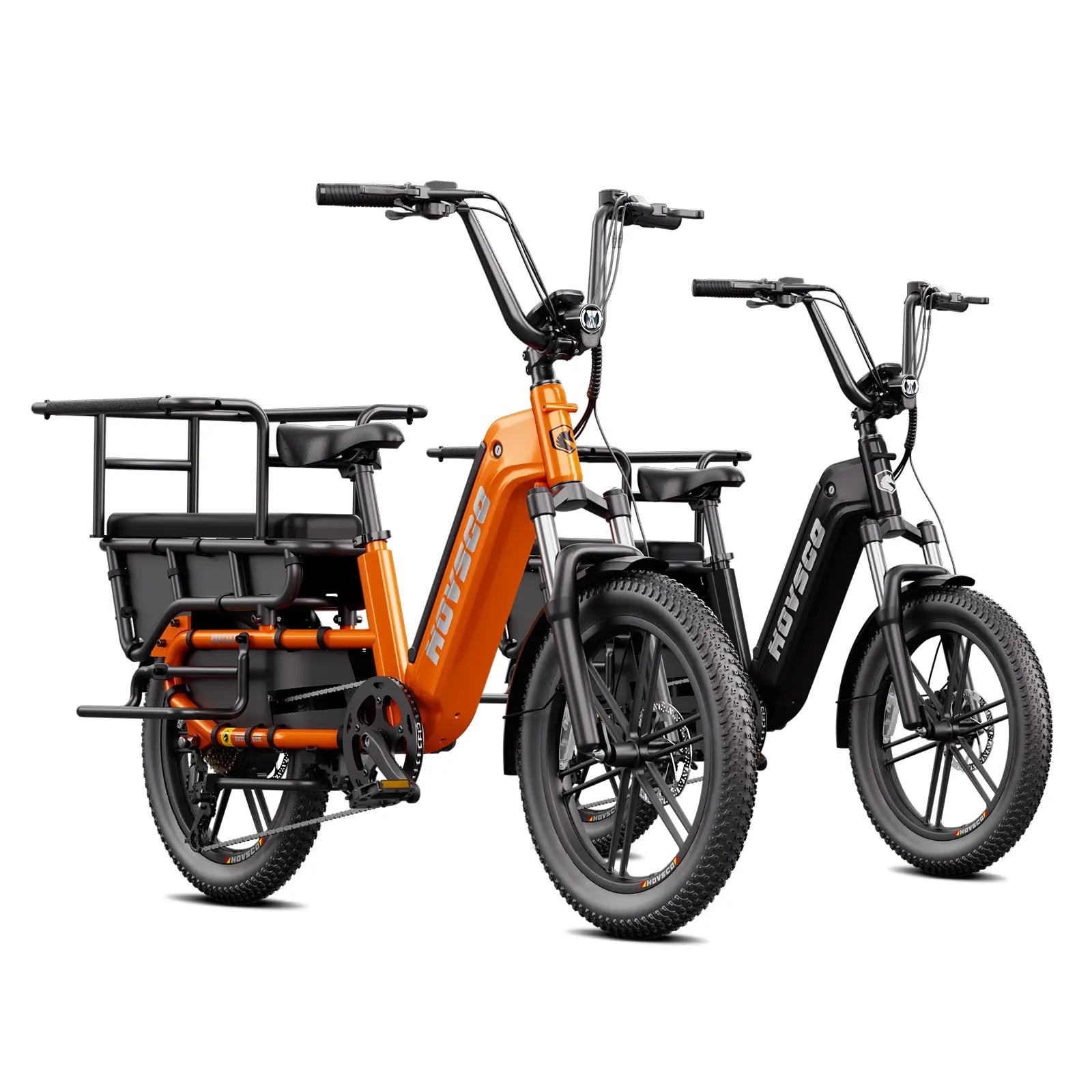
Integrated commuter features: Built-in lights, racks, fenders, and cargo options.
Balanced power delivery: Smooth assist that helps on hills and acceleration without jerky torque.
Practical range: Batteries sized for daily commuting with realistic real-world performance.
Low-maintenance drivetrain: Reliable components for frequent city use.
| Feature | Traditional Bike | Standard eBike | Retro City eBike (HOVSCO-style) |
|---|---|---|---|
| Comfort for daily rides | Moderate | Varies | High |
| Cargo integration | Often none | Limited | Built-in racks/baskets |
| Real-world range | N/A | 20–40 miles typical | 30–60 miles typical |
| Ease of use | High effort | Easier | Easiest for city stops |
| Style and presence | Classic | Modern/sport | Retro/classic |
| Maintenance | Moderate | Moderate | Low-maintenance design |
Choose the right model based on commute distance, terrain, and cargo needs.
Charge the battery overnight or after each ride to ensure full range.
Load your gear using integrated racks or baskets.
Select assist level for city riding (eco for range, mid for hills).
Follow city safety rules and use integrated lights during low visibility.
Park securely using a strong lock and, if available, secure bike parking.
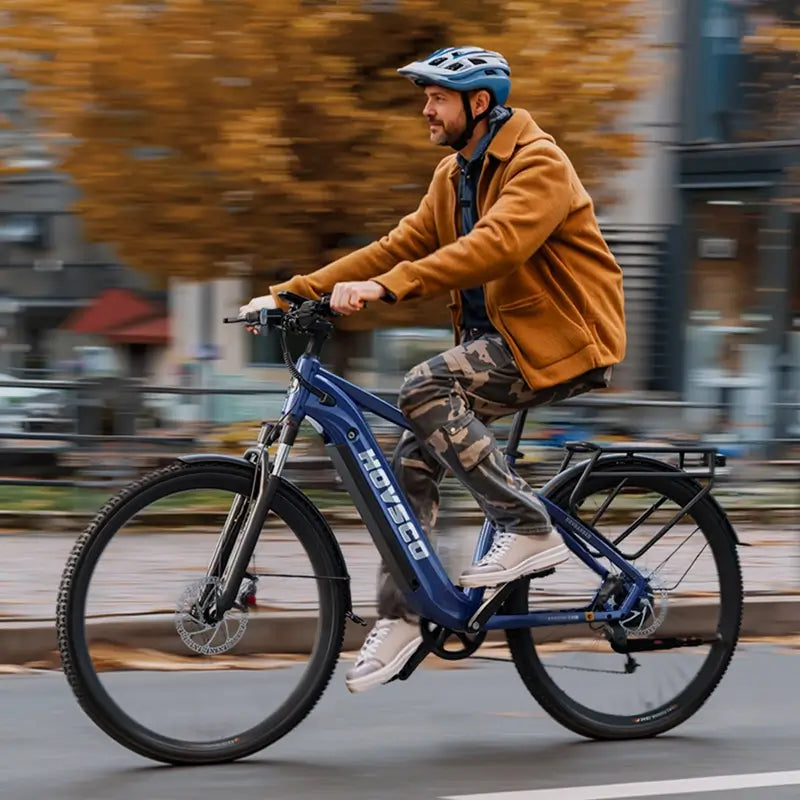
Problem: Arriving sweaty and tired, limited parking.
Traditional approach: Car or standard bike, often inconvenient.
With a retro eBike: Smooth assist, upright comfort, integrated lights.
Key benefit: Arrive fresh, avoid parking costs, consistent commute time.
Problem: Need to carry backpack, laptop, and groceries.
Traditional approach: Public transit or rideshare; expensive and time-consuming.
With a retro eBike: Built-in rack and basket, stable ride, easy handling.
Key benefit: Faster trips, reduced transport cost, more independence.
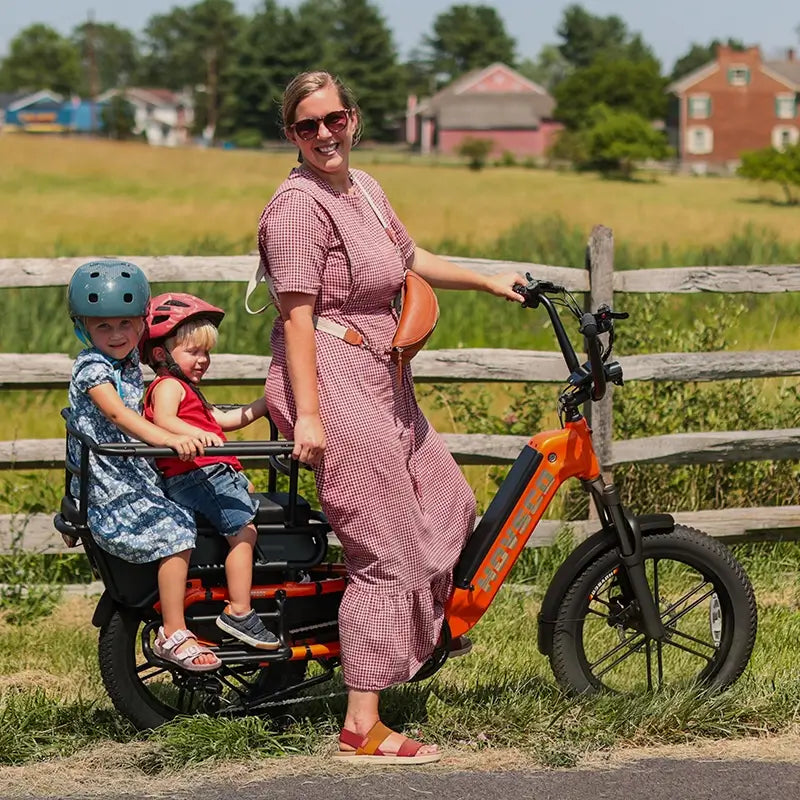
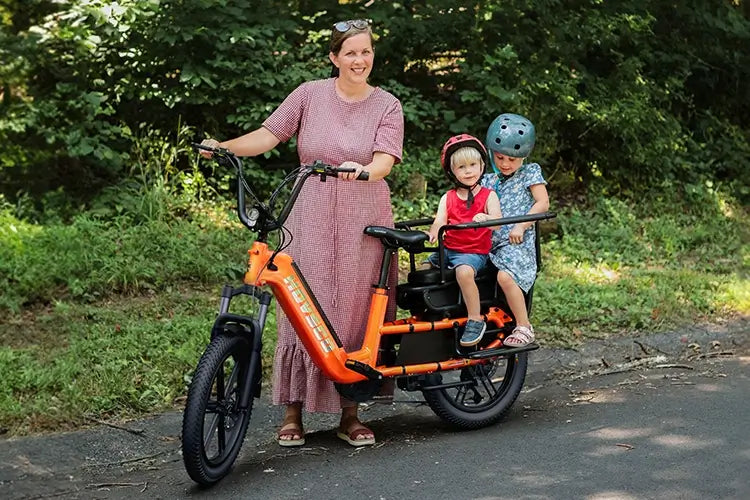
Problem: Grocery runs, kid pickup, and short trips require cargo space.
Traditional approach: Car for convenience; high fuel cost.
With a retro eBike: Cargo ready with stable frame, easy mounting.
Key benefit: Reduced car use, more efficient errands, healthier lifestyle.
Problem: Desire for leisurely city rides with occasional commuting.
Traditional approach: Standard eBike lacks character or comfort.
With a retro eBike: Classic design, comfortable seat, relaxed pace.
Key benefit: More enjoyable rides, stylish presence, practical daily use.
City infrastructure is increasingly supportive of bike commuting, with more protected lanes and bike-friendly policies. Rising fuel costs and parking fees continue to push commuters toward efficient alternatives. Retro electric bikes meet this moment by offering a reliable, comfortable, and stylish solution that fits daily routines. HOVSCO has positioned itself as a brand that blends design and performance, supporting riders who want a practical eBike without sacrificing aesthetics or comfort. Choosing a retro commuter eBike now means getting ahead of congestion, reducing commuting stress, and enjoying a dependable, eco-friendly ride every day.
How far can retro electric bikes typically go on a single charge?
Range varies by battery size and assist level, but most retro commuter eBikes achieve 30–60 miles in real-world conditions.
What should I look for in a retro eBike for city commuting?
Prioritize comfort (upright geometry), cargo options (rack/basket), battery range, integrated lights, and reliable motor power.
Are retro electric bikes legal for commuting in cities?
Most are legal as long as they meet local eBike classification rules (power and speed limits), but riders should verify local regulations.
Can retro eBikes handle hills in a city?
Yes, with a torque-optimized motor and mid-range assist, retro eBikes can handle typical urban inclines.
Do retro eBikes require special maintenance?
They generally use standard eBike components; regular maintenance includes brake checks, tire pressure, and drivetrain lubrication.
https://www.bikeleague.org/
https://www.statista.com/statistics/267186/global-e-bike-sales/
https://www.nhtsa.gov/road-safety/bicyclists-and-motorcyclists
https://www.peopleforbikes.org/
https://www.mordorintelligence.com/industry-reports/electric-bike-market
Share:
What Is a Long Range Cargo eBike and Why Does It Matter?
What Are the Best eBikes for Family Adventure?