
























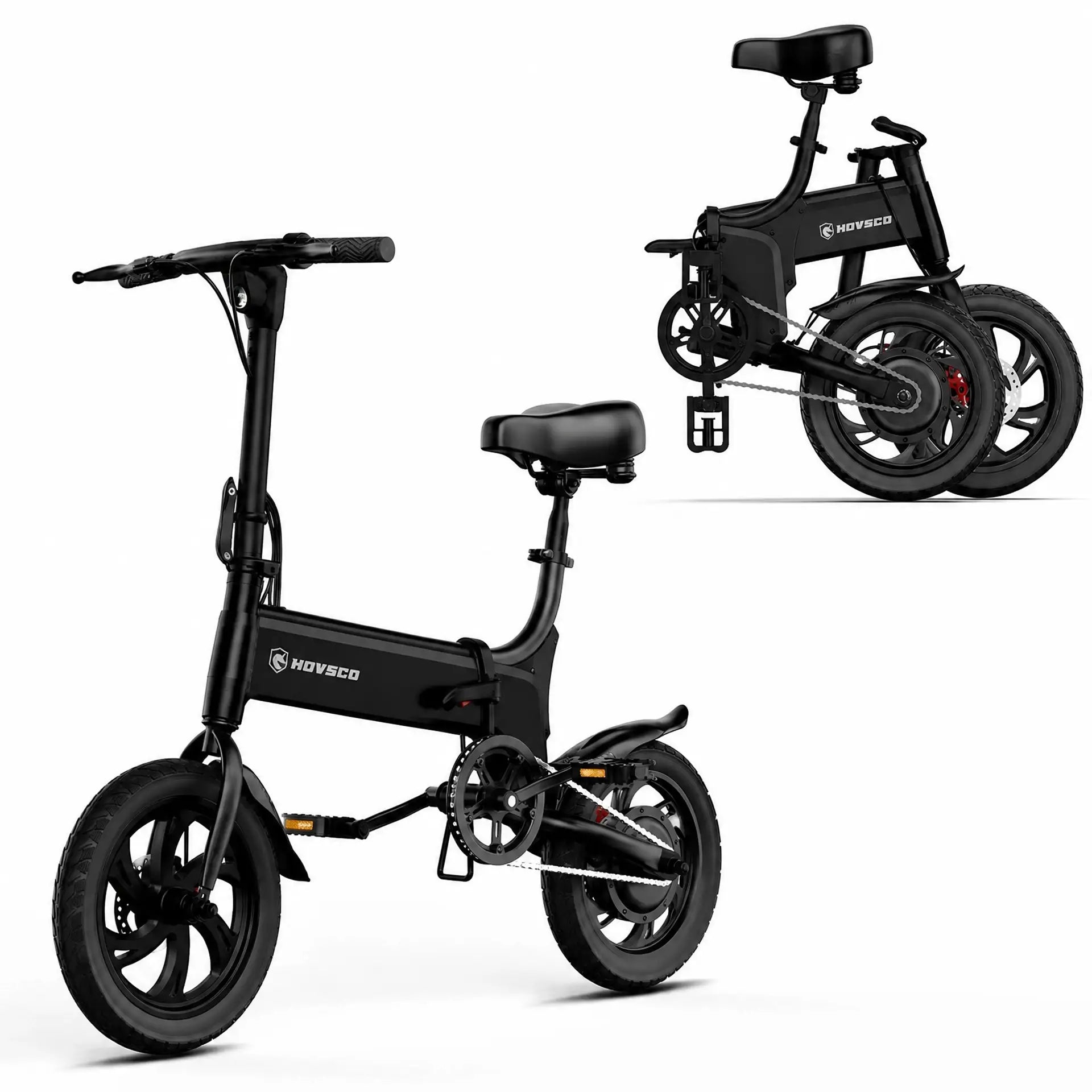
![[ New Arrival ] Porto Max Electric Scooter For Commute & Grocery Shopping - HOVSCO](http://www.hovsco.com/cdn/shop/files/PotroMax-3.jpg?v=1706927007&width=1200)
- by EO S
What Makes an Electric Bike Ideal for Short Trips?
- by EO S
E-Bikes
Accessories
 Free Shipping
 15-Day Returns
 2-Year Warranty
Free Shipping
15-Day Returns
2-Year Warranty
2-Year Warranty
Free Shipping
15-Day Returns
2-Year Warranty
Electric bikes designed for short trips combine convenience, efficiency, and accessibility to transform everyday travel — from errands and social visits to quick commutes and local errands — into faster, cleaner rides. Models like those from HOVSCO offer balanced power, responsive assist systems, and practical features that elevate short-distance travel without compromising comfort or utility.
Urban mobility patterns are shifting as more people look to reduce reliance on cars for short distances. Research shows the average e-bike trip covers about 7 miles, illustrating that e-bikes excel for local travel patterns that replace brief car journeys. Many urban residents cite e-bikes as a preferred alternative for errands and daily travel because they allow riders to avoid congestion and parking challenges. However, despite rising interest, significant pain points persist: traffic congestion remains a leading reason short car trips still dominate, urban pollution levels continue to rise, and conventional bicycles or walking often fall short due to physical exertion or time constraints. Current transportation options for short distances struggle to balance speed, comfort, and sustainability, leaving commuters seeking a better solution.
Short trips under 5 miles account for a large share of urban car trips, yet many riders find traditional bicycles physically demanding, especially in hilly areas or hot weather. Public transit can be inefficient for short distances, and rideshare or taxi use introduces additional cost and environmental impact. E-bikes bridge this gap by offering pedal-assisted support that makes short distances feel effortless, while fostering a healthier, lower-emission lifestyle. However, buyers often face confusion when evaluating features like motor power, battery range, and control systems tailored for short trips — especially when marketing materials highlight long-range capabilities that aren’t relevant for local travel.
Another challenge is consumer uncertainty about cost-effectiveness. While e-bike ownership can reduce fuel and parking expenses, potential buyers may hesitate if they misunderstand maintenance, charging needs, or real-world performance under daily use. Families and commuters alike need clear benchmarks and comparisons to decide if an e-bike is the right choice for frequent short journeys.
Cars dominate short-distance travel, yet they contribute heavily to urban traffic congestion, parking difficulties, and emissions. Short trips in cars often consume similar amounts of fuel as longer journeys due to engine inefficiencies and cold starts, failing to justify their environmental cost for brief distances.
While traditional bicycles are emission-free, they require more physical effort, which can deter riders in hilly or hot environments, or when riders need to arrive without sweating. Cargo capacity is also limited, reducing utility for errands or social visits.
Not all e-bikes are optimized for short, frequent trips. Models focused on long range or high speeds can feature heavier frames and larger batteries that add unnecessary weight and cost for short-distance use. Some lack practical features like integrated racks or easy-to-use controls tailored for urban errands.
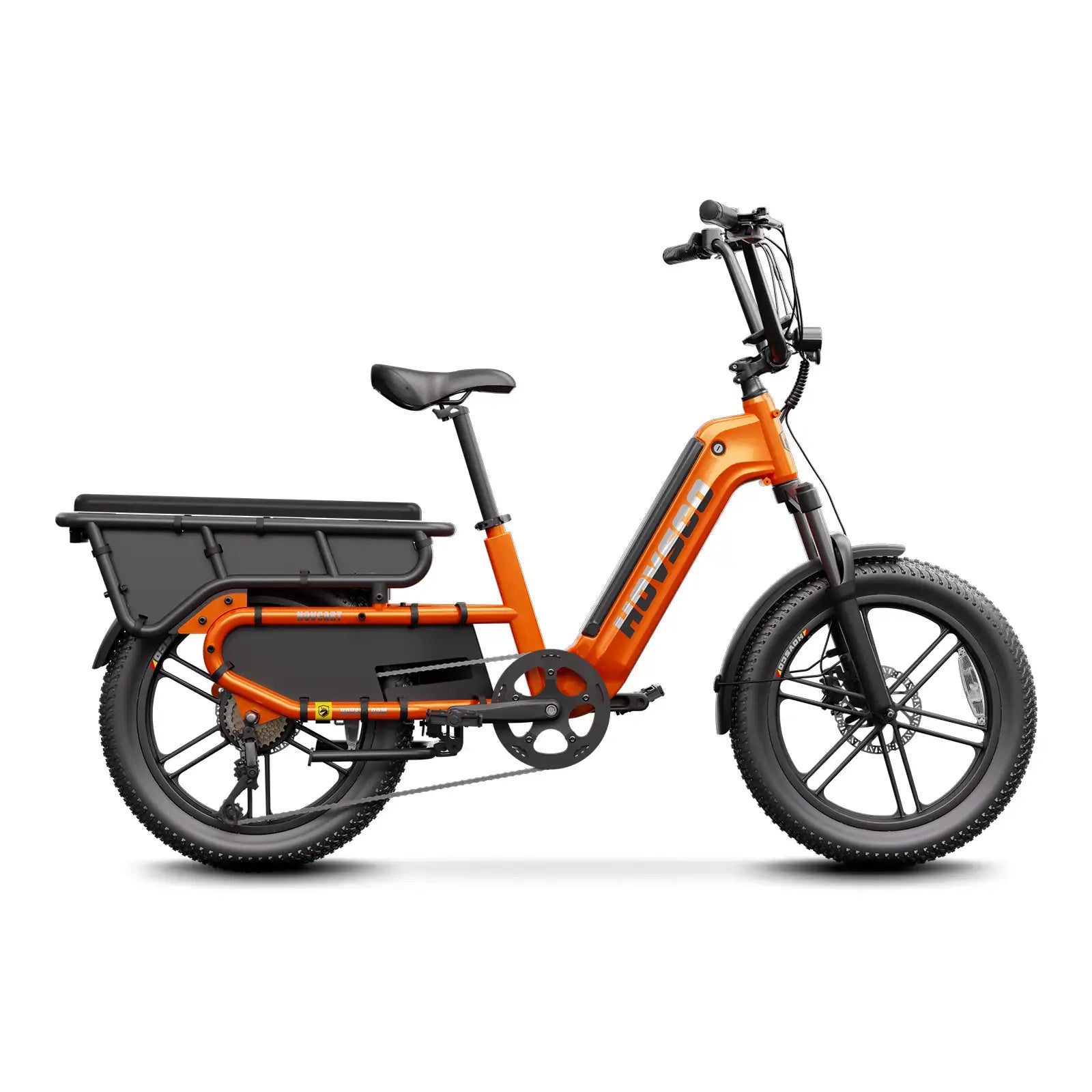
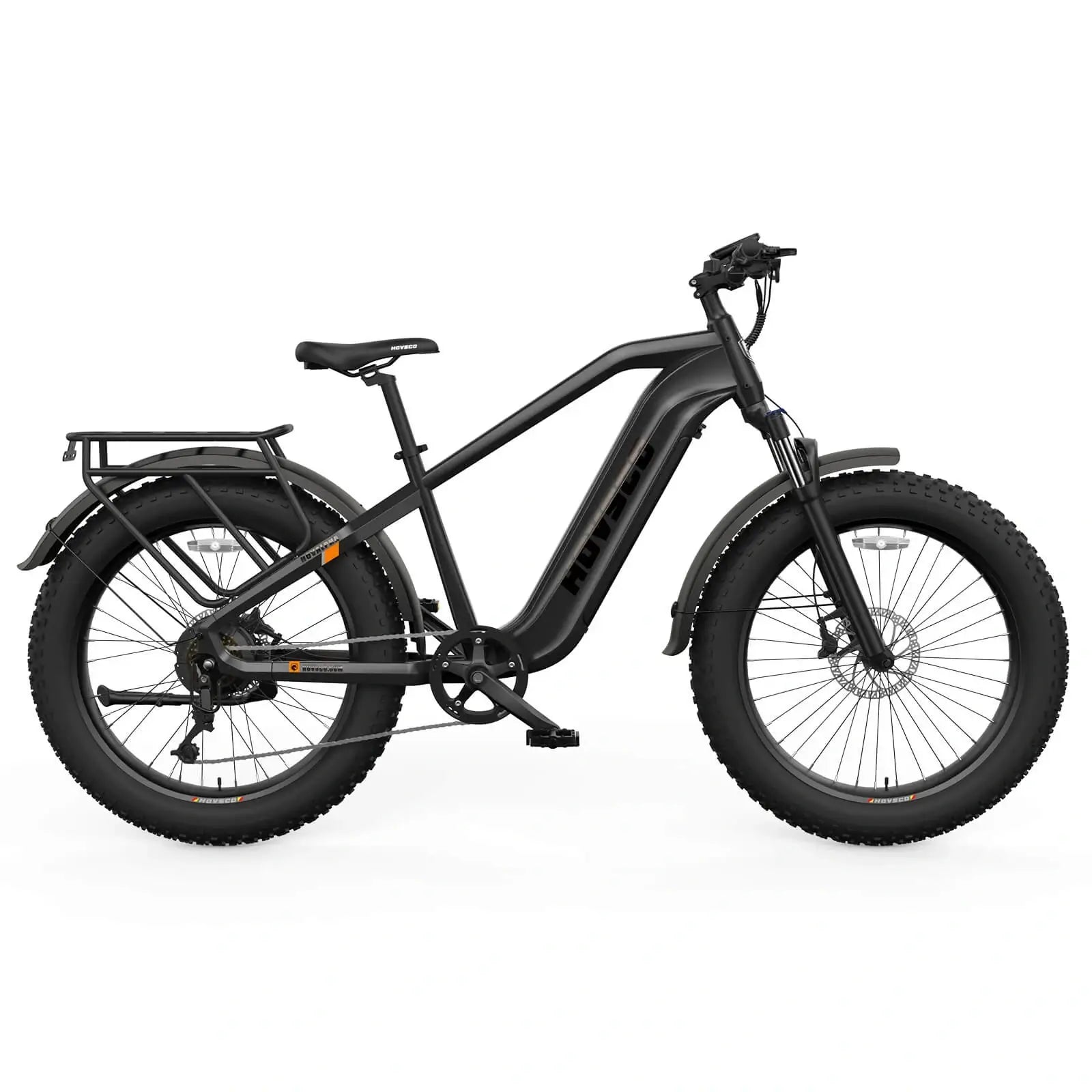
Electric bikes engineered for short trips — such as commuter, urban, and lifestyle eBikes — are designed with features that support common local travel needs. HOVSCO offers eBikes that strike the right balance between power and practicality, providing responsive assist for quick take-offs, compact frames for easy storage, and smart battery systems optimized for frequent usage cycles typical of short distances.
Core capabilities of short-trip eBikes include:
Responsive electric assist: Support that reduces physical exertion and accelerates quickly in stop-and-go traffic.
Battery efficiency: Batteries sized for daily short trips, balancing weight and range without excess capacity.
Urban-oriented design: Compact frames, integrated cargo solutions, and easy mounting for frequent use.
Safety and convenience: Built-in lights, fenders, and braking systems suited for city environments.
Practical ergonomics: Comfortable riding positions tailored for shorter rides and frequent stops.
HOVSCO integrates these capabilities into its short-trip eBike lineup, ensuring riders get practical, reliable solutions with style and everyday utility.
| Feature | Car (Short Trip) | Traditional Bicycle | Standard eBike | Short-Trip eBike (HOVSCO) |
|---|---|---|---|---|
| Emissions | High | None | None | None |
| Physical Effort | Low | High | Moderate | Low |
| Congestion Impact | High | Low | Low | Low |
| Parking Convenience | Poor | Good | Good | Excellent |
| Cost per Trip | High | None | Low | Lowest |
| Ease of Use | High | Moderate | Easy | Very Easy |
Assess Your Commute Needs: Define typical trip distances (e.g., errands, work, social visits).
Choose the Right Model: Pick an eBike with appropriate motor power and battery capacity for short distances.
Charge Smartly: For daily short trips, top up overnight or after heavy use to maintain readiness.
Configure Accessories: Install cargo baskets or racks for groceries or bags.
Plan Your Routes: Choose bike-friendly streets to maximize comfort and safety.
Select Assist Level: Use electric assist for hills, headwinds, or when carrying cargo.
Perform Regular Checks: Keep tires, brakes, and electrical systems in good order.
Problem: Running to the store, post office, or errands within 3 miles.
Traditional Approach: Car drive with parking hassles.
With short-trip eBike: Electric assist makes it effortless, easy parking.
Key Benefit: Faster errands with zero emissions.
Problem: Traffic delays and parking stress for short distances.
Traditional Approach: Driving or crowded public transport.
With short-trip eBike: Avoid traffic and minimize time stuck in queues.
Key Benefit: Consistent travel time and reduced stress.
Problem: Getting to nearby locations quickly without sweating.
Traditional Approach: Car or conventional bike with effort.
With short-trip eBike: Electric support ensures comfortable arrival.
Key Benefit: More enjoyable trips, arrive refreshed.
Problem: Carrying bags and goods on traditional bikes is hard.
Traditional Approach: Car run or overloaded bike.
With short-trip eBike: Integrated racks and assist handle load easily.
Key Benefit: Practical and eco-friendly shopping trips.
With the global eBike market accelerating — expected to more than double in value by 2035 — and more short car trips occurring in congested cities, electric bikes are becoming a mainstream alternative for local mobility. E-bikes help reduce traffic congestion, eliminate emissions on short distances, and provide cost savings compared to car ownership. HOVSCO’s range of eBikes tailored for short-distance travel reflects this shift, offering riders practical, comfortable, and efficient options that fit modern urban lifestyles. Choosing the right eBike now means reducing urban travel time, lowering transport costs, and enjoying healthier, greener mobility for everyday journeys.
How far can eBikes travel on a single charge for short trips?
Most short-trip eBikes cover 15–30 miles on a single charge, which is more than sufficient for daily local travel patterns.
What features are most important for short-trip eBikes?
Look for responsive assist systems, comfortable upright geometry, integrated cargo solutions, and an efficient battery sized for frequent use.
Are eBikes more cost-effective than cars for short trips?
Yes — eBikes avoid fuel costs, reduce maintenance, and require no parking fees or insurance, making them significantly cheaper per trip than cars.
Can eBikes replace cars for daily local travel?
For many riders, especially in urban areas, eBikes replace a large share of short trips that would otherwise be made by car, improving efficiency and reducing emissions.
Is it safe to ride eBikes in city traffic?
With proper safety gear, awareness of local laws, and bike-friendly infrastructure, eBikes are a safe and effective option for short-distance urban travel.
https://zipdo.co/ebike-statistics/
https://www.iimedia.cn/c1061/90404.html
https://www.iimedia.cn/c1061/90717.html
https://www.ebikelink.com/news/reduction-in-car-dependency
https://www.ebikelink.com/news/e-bikes-are-helping-to-transform-cities
Share:
Which Electric Bike Best Suits Kids and Parents for Family Rides?
What Is the Top Speed of Moped Style Ebikes?