


![[ New Arrival ] Porto Max Electric Scooter For Commute & Grocery Shopping - HOVSCO](http://www.hovsco.com/cdn/shop/files/PotroMax-3.jpg?v=1706927007&width=1200)
- by EO S
What Are the Best Moped Style Ebike Brands Compared for Quality, Performance, and Price?
- by EO S
E-Bikes
Accessories
 Free Shipping
 15-Day Returns
 2-Year Warranty
Free Shipping
15-Day Returns
2-Year Warranty
2-Year Warranty
Free Shipping
15-Day Returns
2-Year Warranty
The rapid rise of moped style ebikes reshapes urban mobility and lifestyle needs, combining convenient electric mobility with motorcycle-like comfort and versatility. For anyone comparing top brands, understanding performance, real-world value, and quality is essential to make a smart purchase decision.
Electric bikes globally are undergoing explosive growth as sustainable transport alternatives expand beyond niche markets into mainstream adoption. The global ebike market was estimated to be worth nearly USD 70 billion in 2025, with projections more than doubling by 2033 as consumers seek efficient, low-emission transport solutions. This surge is supported by urbanization, technology improvements, and broadening public infrastructure for micro-mobility. (Grand View Research)
Despite strong growth, moped style ebikes — blending throttle control with higher-power motors and motorcycle-like ergonomics — face specific challenges:
Regulatory complexity with classification standards differing across regions.
Performance vs. price balance, as powerful motors and batteries add cost and weight.
Consumer confusion due to diverse brand quality and unclear comparisons between models.
In the United States, ebike adoption is growing rapidly with the total market expected to expand from USD 4.06 billion in 2026 to USD 5.78 billion by 2031, highlighting sustained interest and investment in varied electric bike segments, including moped style ebikes. (Mordor Intelligence)
However, many riders report difficulty identifying reliable brands due to inconsistent specifications, delivery issues, or unclear performance data — especially in the moped style category where throttle control and higher continuous power expectations challenge standards.
Traditional bicycles and standard ebikes serve commuting and recreational purposes well, but they fall short when compared to moped style ebikes:
Power and Torque Limits: Standard pedal-assist bikes struggle on steep inclines without significant physical effort.
Comfort and Riding Posture: Conventional bikes focus on pedaling efficiency over seated, relaxed moped-like ergonomics.
Throttle Flexibility: Most commuter ebikes emphasize pedal-assist over throttle, reducing usability for riders wanting hands-free power delivery.
Moreover, riders who prioritize quick acceleration, sustained throttle power, and urban hill readiness often find traditional ebikes less satisfying in everyday use.
In comparing leading moped style ebike brands, it’s important to assess core capabilities that matter most to riders:
Key Features to Consider
Motor power and continuous output (relevant for hills and load carrying)
Battery capacity and real-world range
Build quality and durability
Ergonomics and design aesthetic
Price vs. performance value
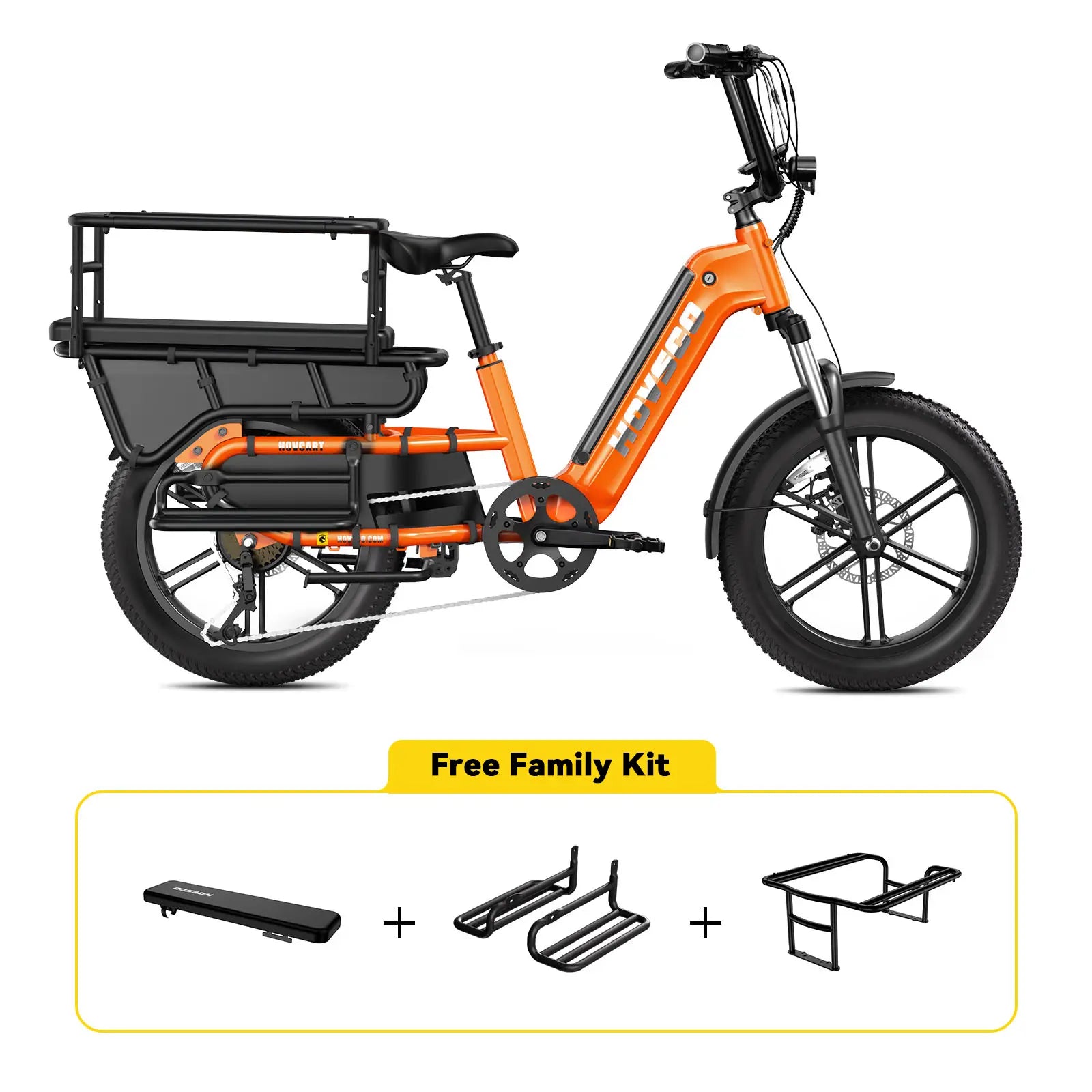
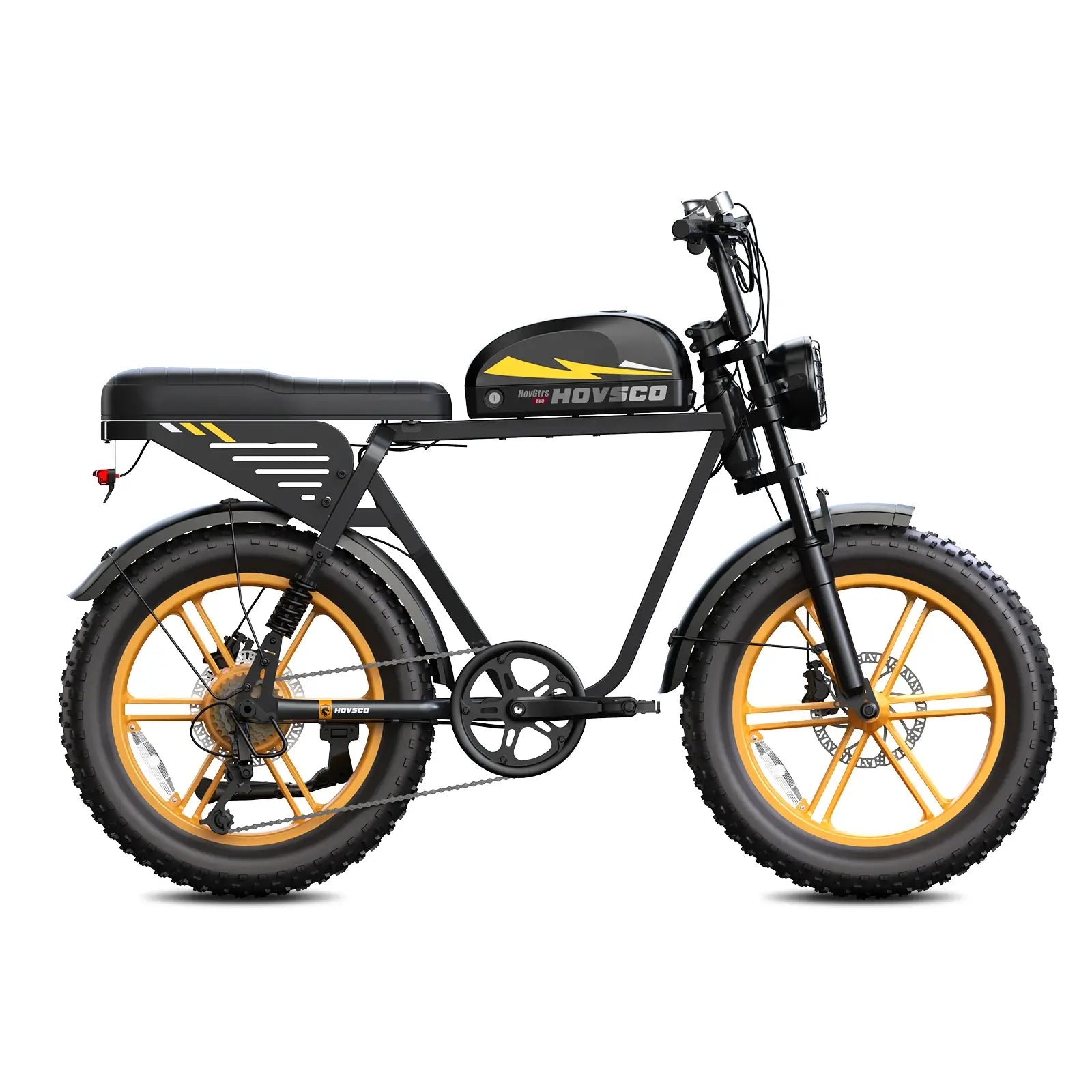
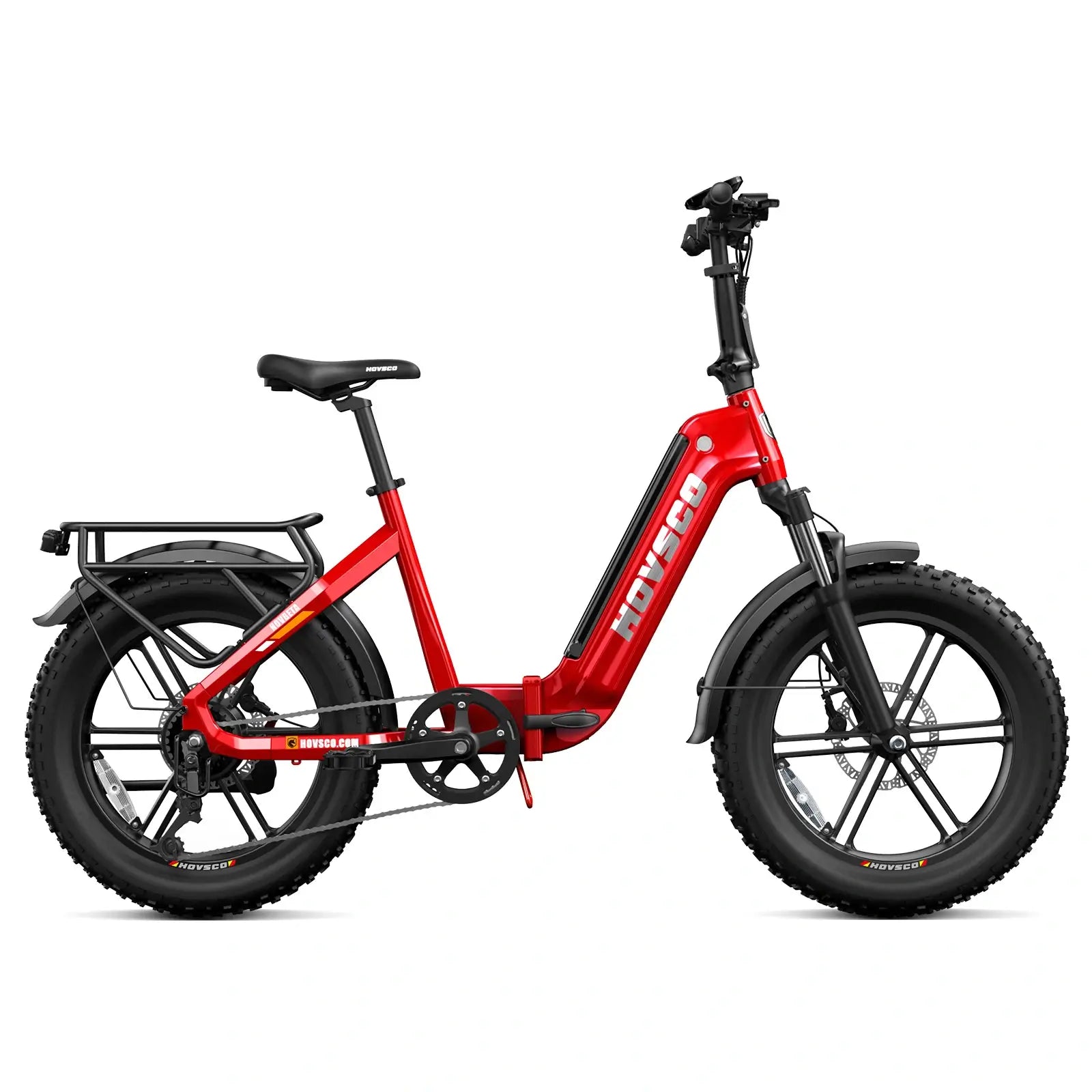
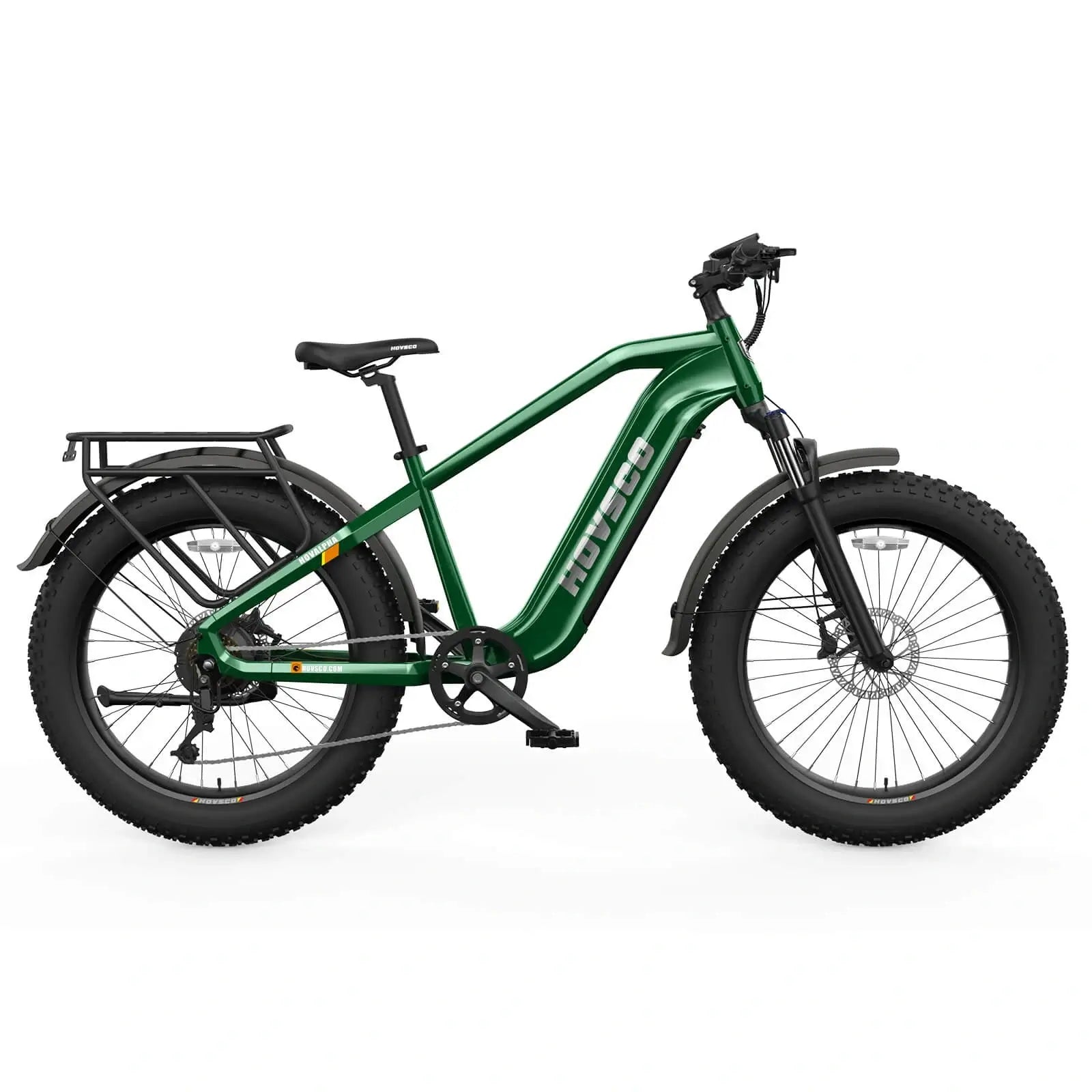
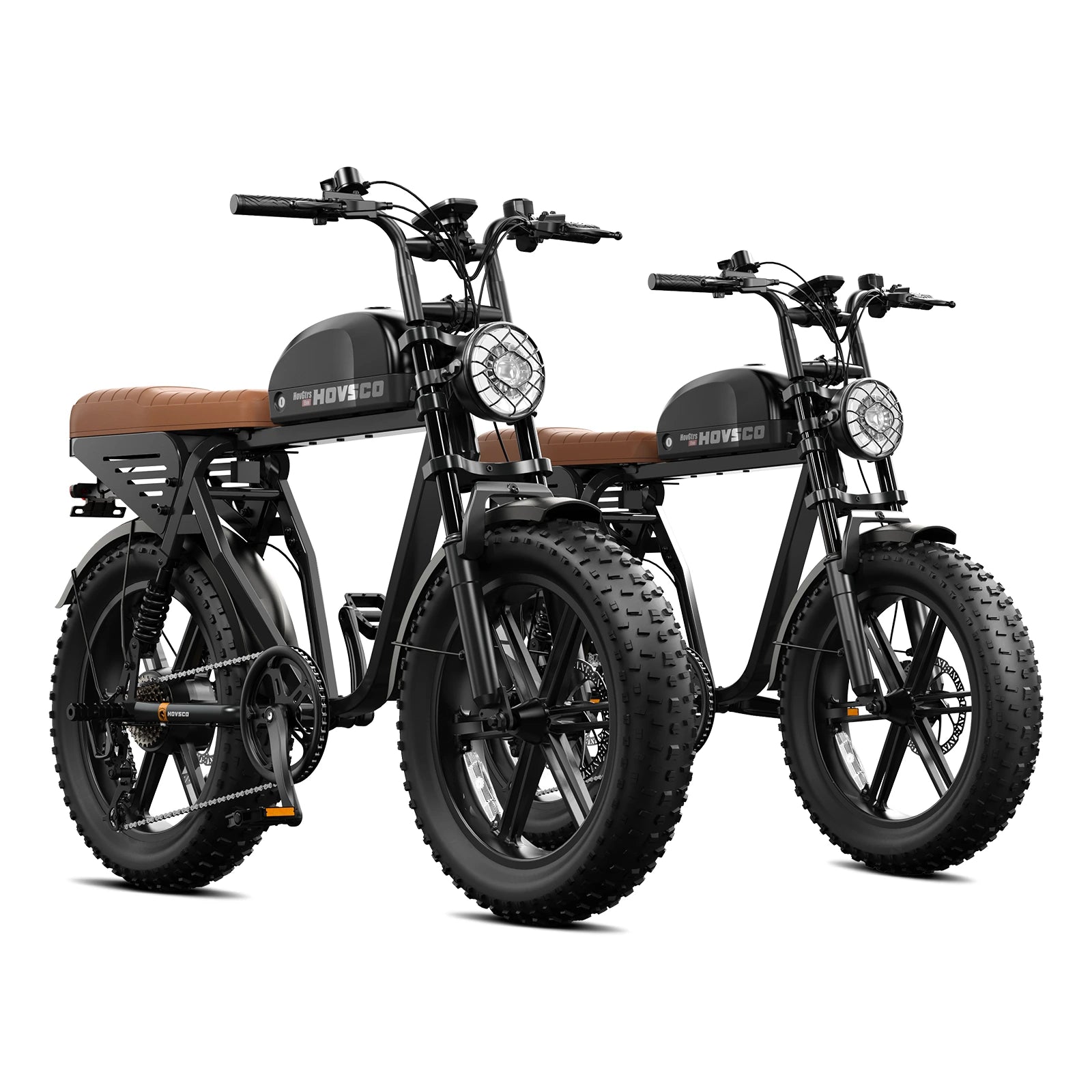
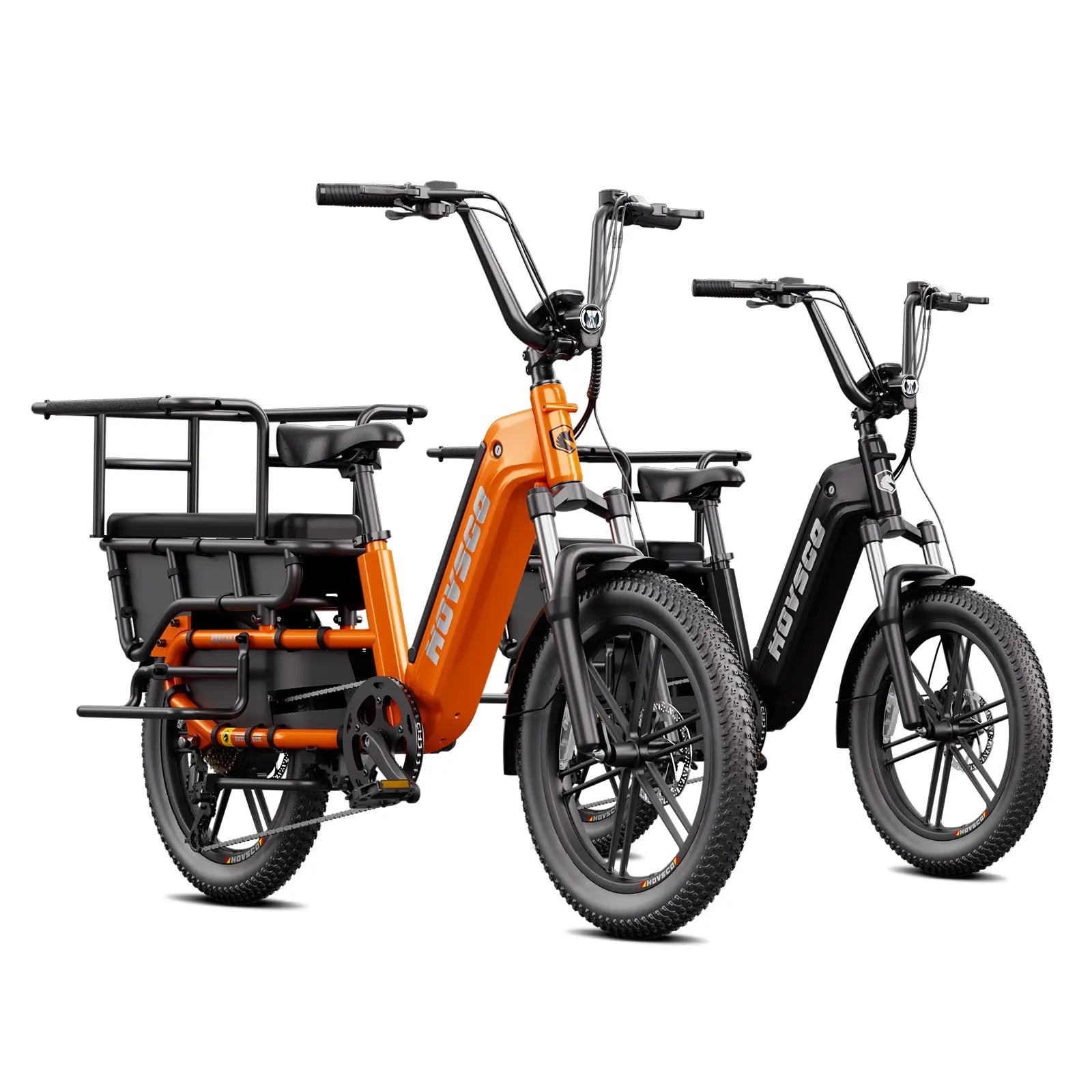
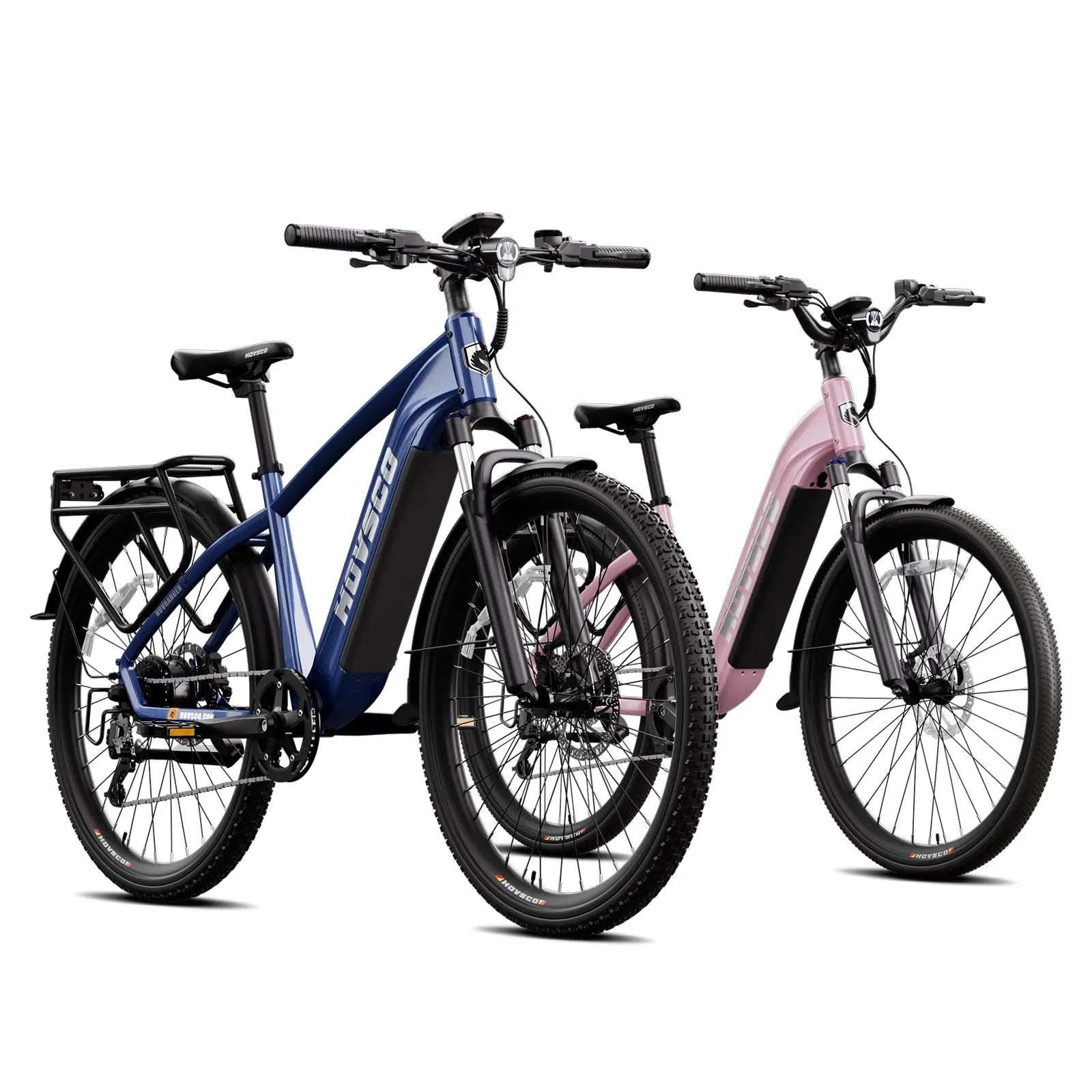
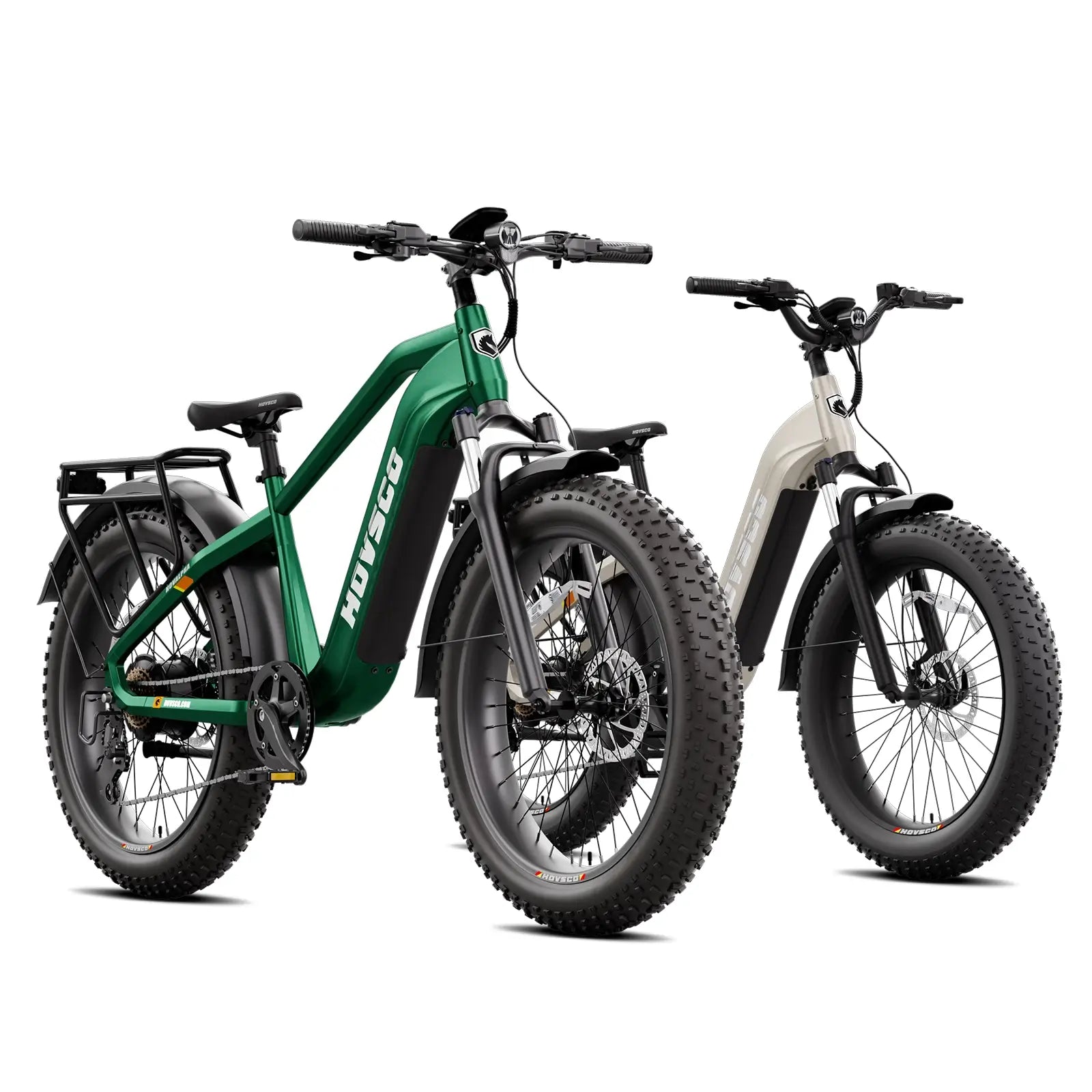
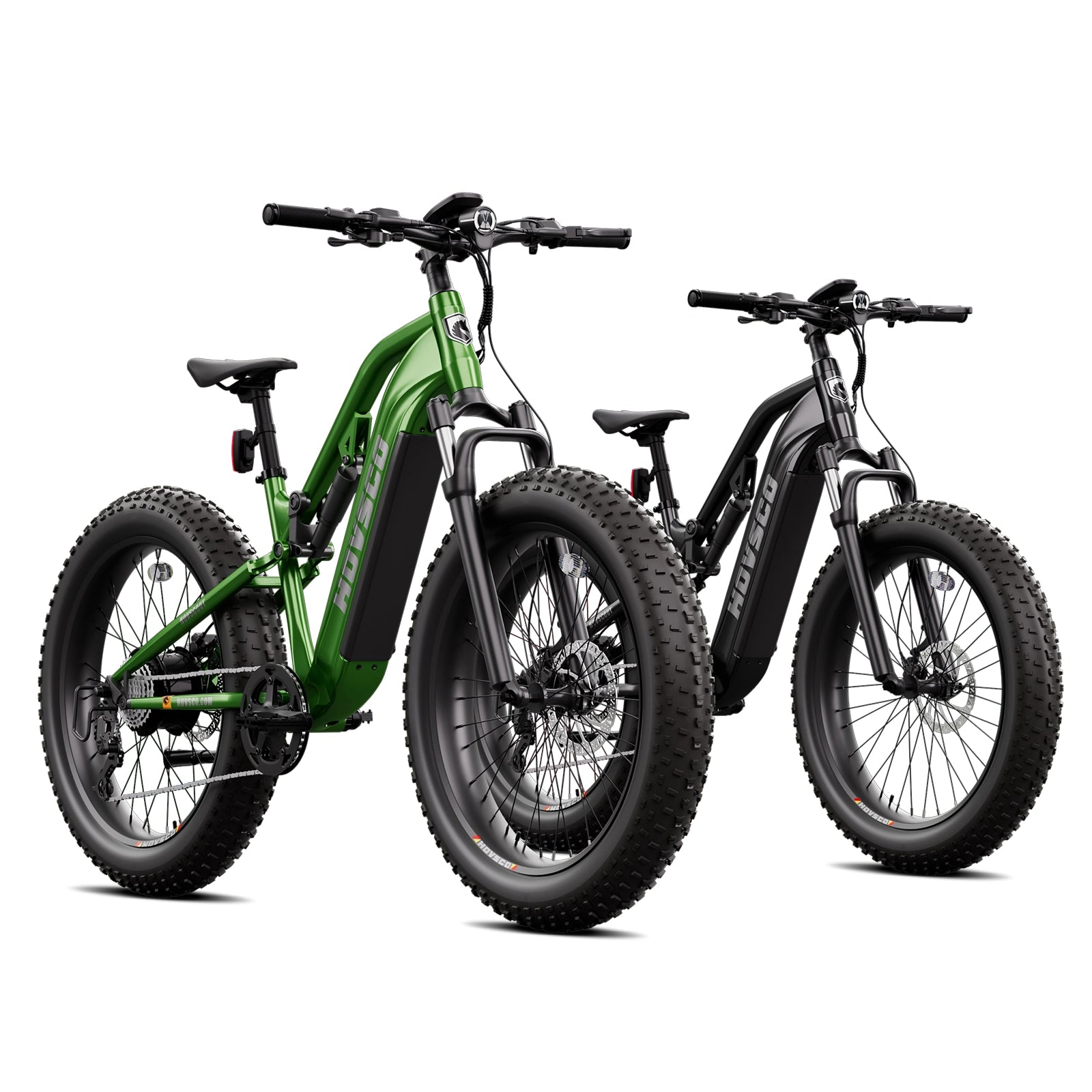
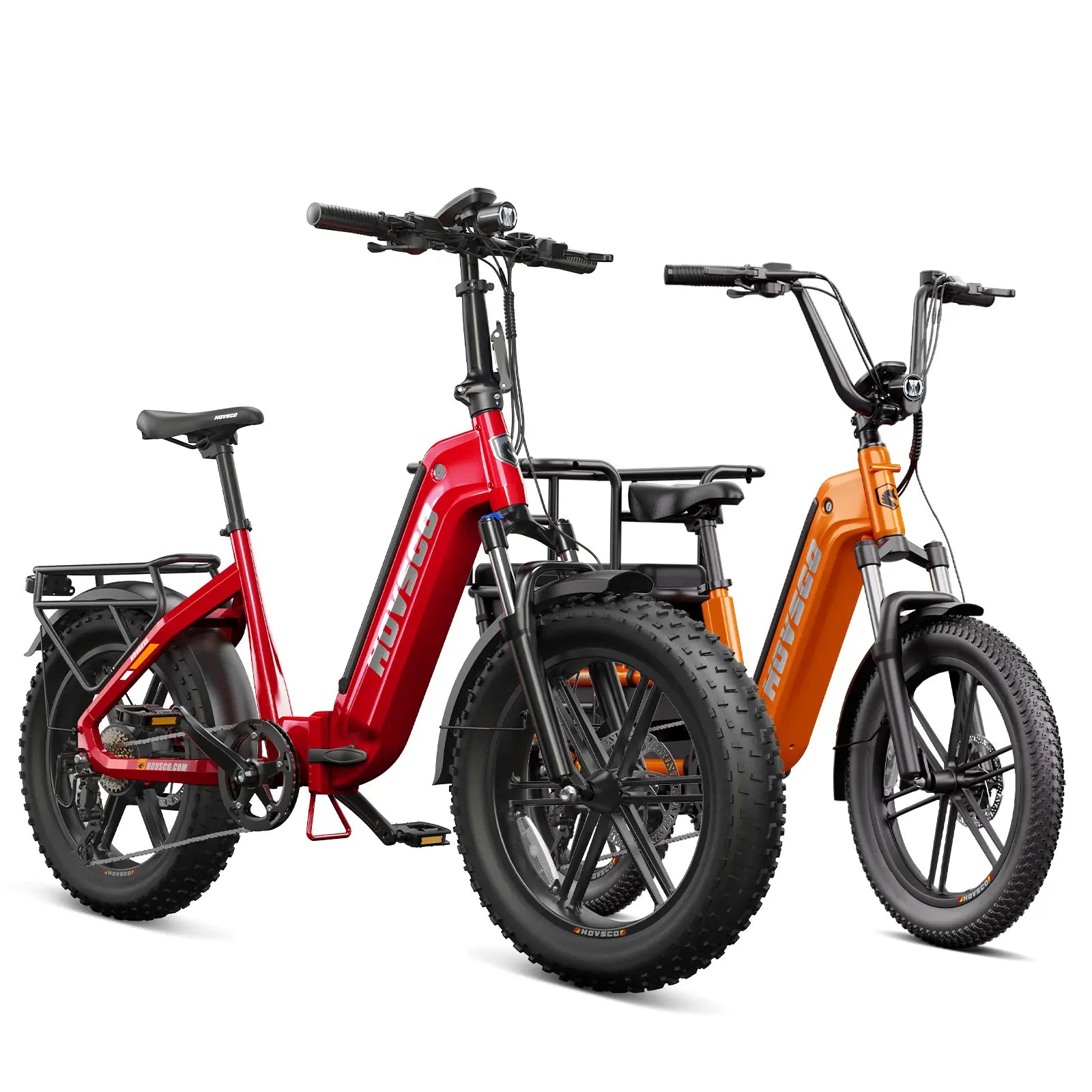
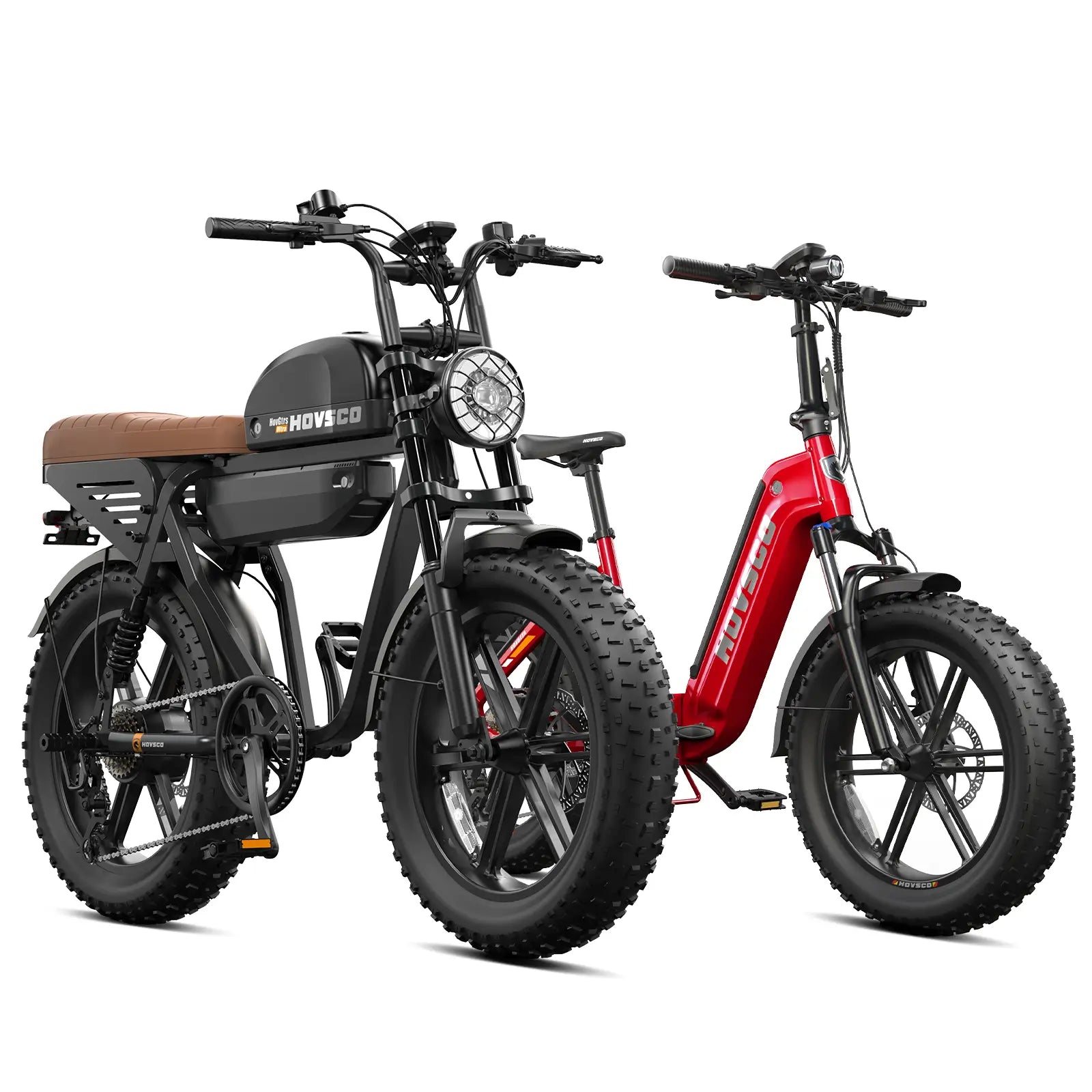
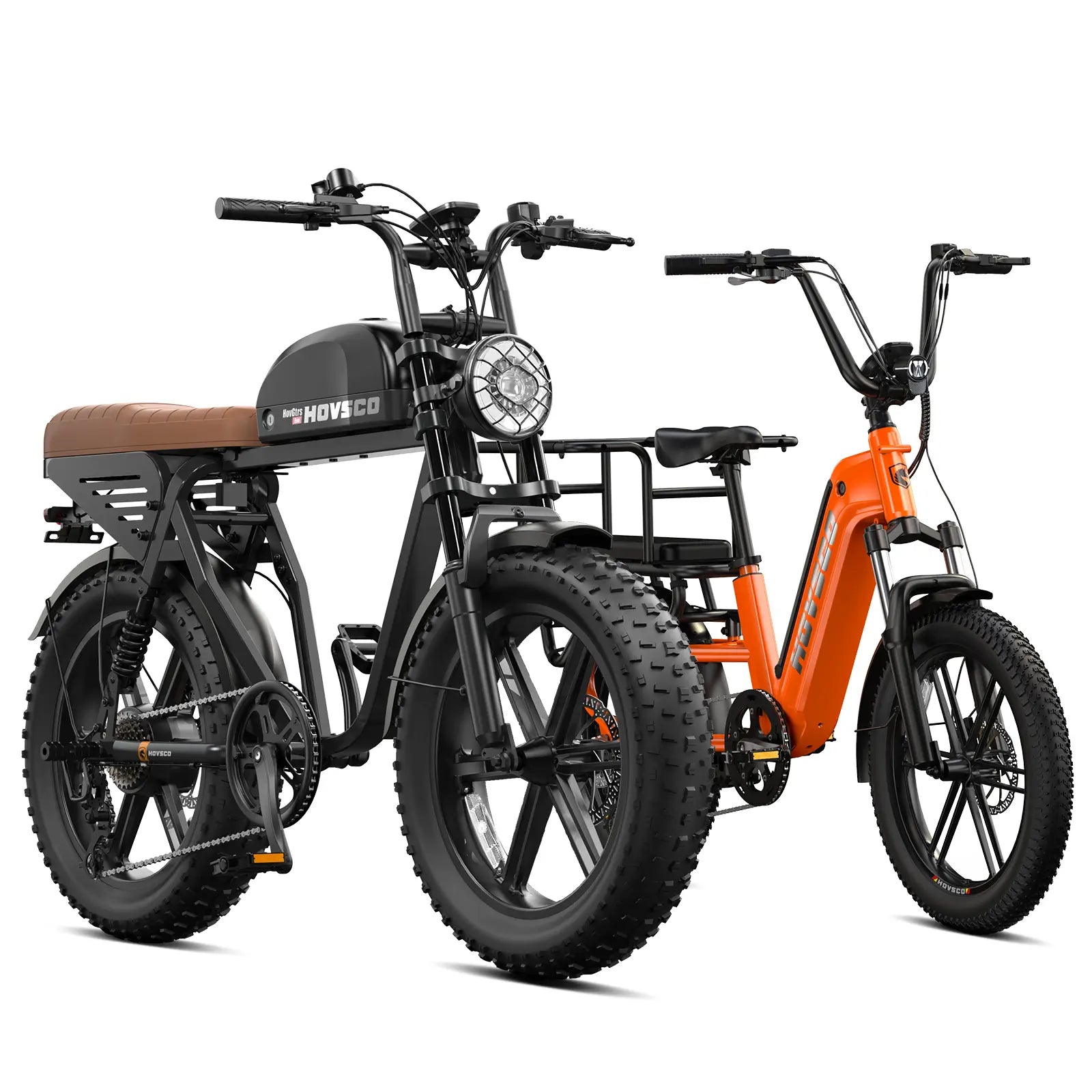
Brands such as HOVSCO, Rad Power Bikes, Aventon, and industry incumbents like Specialized and Trek (when they offer throttle-capable models) all bring different strengths to the table. HOVSCO, in particular, focuses on combining style, safety, and affordability with models that appeal to riders seeking both functional power and enjoyable design experiences. (HOVSCO)
| Feature | Traditional Bike | Moped Style Ebike |
|---|---|---|
| Throttle Control | ❌ | ✅ |
| Power on Demand (No Pedaling) | ❌ | ⚡ |
| Hill Performance | 🚴 Moderate | 🚀 Strong |
| Comfort (Seat + Ergonomics) | 🚴 Standard | 🛵 Enhanced |
| Urban Commuting Ease | 🚴 Good | 🛵 Excellent |
| Cost | 💲 Variable | 💲💲 |
This comparison shows why many riders prefer moped style ebikes: the combination of power, ease of use, and comfort suits daily commuting, range riding, and utility tasks with less effort and more confidence.
Define Your Use Case: Commuting, leisure, cargo, hill terrain, or mixed riding.
Set Your Budget: Higher mileage and power usually correlate with higher upfront costs.
Compare Brands and Specs: Evaluate motor wattage, battery Wh, and build quality across options like HOVSCO.
Select Model: Choose based on range, ergos, and accessory compatibility.
Purchase and Assembly: Order direct or through dealer; assemble or have professional setup.
Test Ride and Adjust: Ensure comfort, brake tuning, and power delivery meet expectations.
Scenario 1: Urban Commuter Problem
Problem: Long city commute with traffic frustrations.
Traditional Approach: Car or standard bike — slow or tiring.
After Moped Ebike: Faster average speed, throttle reliability, reduced commute stress.
Key Benefit: Lower transport cost and saved time.
Scenario 2: Weekend Leisure Riding
Problem: Inconsistent range with pedal-assist only bikes during group rides.
Traditional Approach: Frequent stops for rest.
After Moped Ebike: Extended range and smooth throttle gives consistent pace.
Key Benefit: More enjoyable rides with friends.
Scenario 3: Rider With Physical Limitations
Problem: Steep hills cause fatigue or physical strain.
Traditional Approach: Assisted bike still tiresome.
After Moped Ebike: Strong throttle and power take strain off the rider.
Key Benefit: Accessible riding with freedom and confidence.
Scenario 4: Cargo and Utility Use
Problem: Carrying groceries or gear on standard ebikes reduces balance.
Traditional Approach: Use of cars for errands.
After Moped Ebike: Stable load carrying with sufficient power.
Key Benefit: Reduced auto trips and cost savings.
The global ebike market is on a strong upward trajectory with growth driven by sustainability goals, urban mobility needs, and improved battery technology. Market size continues to expand and adoption rates are climbing as riders seek alternatives to cars and motorcycles. (Grand View Research)
Moped style ebikes bridge a gap between traditional bicycles and motorized two-wheelers — offering motorized convenience without the complexity or cost of motorcycles. With more brands like HOVSCO delivering reliable, stylish, and value-priced options, choosing a moped style ebike today unlocks enhanced mobility for commuters, urban explorers, and everyday riders.
How do moped style ebikes differ from regular ebikes?
Moped style ebikes provide throttle-only control and greater motor power, whereas regular ebikes focus on pedal-assist and lower speeds.
What should I look for when comparing moped style ebike brands?
Important factors include motor continuous wattage, battery capacity (Wh), frame durability, comfort features, and real-world reviews.
Can moped style ebikes be used for commuting every day?
Yes — with adequate motor power and battery range, many riders use them daily for city commuting and errands.
Are moped style ebikes street legal everywhere?
Local regulations vary; in some regions classification, licensing, or insurance may apply depending on max speed and power.
Which price range offers the best value for performance?
Mid-range options around USD 1,500–3,000 often balance power, range, and quality for most riders.
Share:
Are Family Electric Bikes With Cargo the Ideal Solution for Modern Households?
What Is the Best Cargo Bike for Groceries and Everyday Utility?