


![[ New Arrival ] Porto Max Electric Scooter For Commute & Grocery Shopping - HOVSCO](http://www.hovsco.com/cdn/shop/files/PotroMax-3.jpg?v=1706927007&width=1200)
- by SteveJames
Urban Green Spaces Access: Ride More, Explore More
- by SteveJames
E-Bikes
Accessories
 Free Shipping
 15-Day Returns
 2-Year Warranty
Free Shipping
15-Day Returns
2-Year Warranty
2-Year Warranty
Free Shipping
15-Day Returns
2-Year Warranty
Urban Green Spaces Access is easier with practical e-bikes that connect commuters, families, and outdoor riders to nearby parks and natural spaces.
Urban Green Spaces Access has become an important measure of livability, mobility, and neighborhood equity. The United Nations reported in 2024 that the average share of urban green space worldwide declined from 19.5% in 1990 to 13.9% in 2020, while average green space per urban resident more than halved to 30.6 square meters. In England, 80% of households had access to a green or blue space within a 15-minute walk, but urban households lagged behind rural households. A 2026 European study also found that only 13.5% of the studied population met the complete 3-30-300 greening principle.
These figures show that access is not only about whether a city has parks. It also depends on distance, route quality, neighborhood design, mobility options, and whether residents can reach green spaces comfortably without relying on a car.
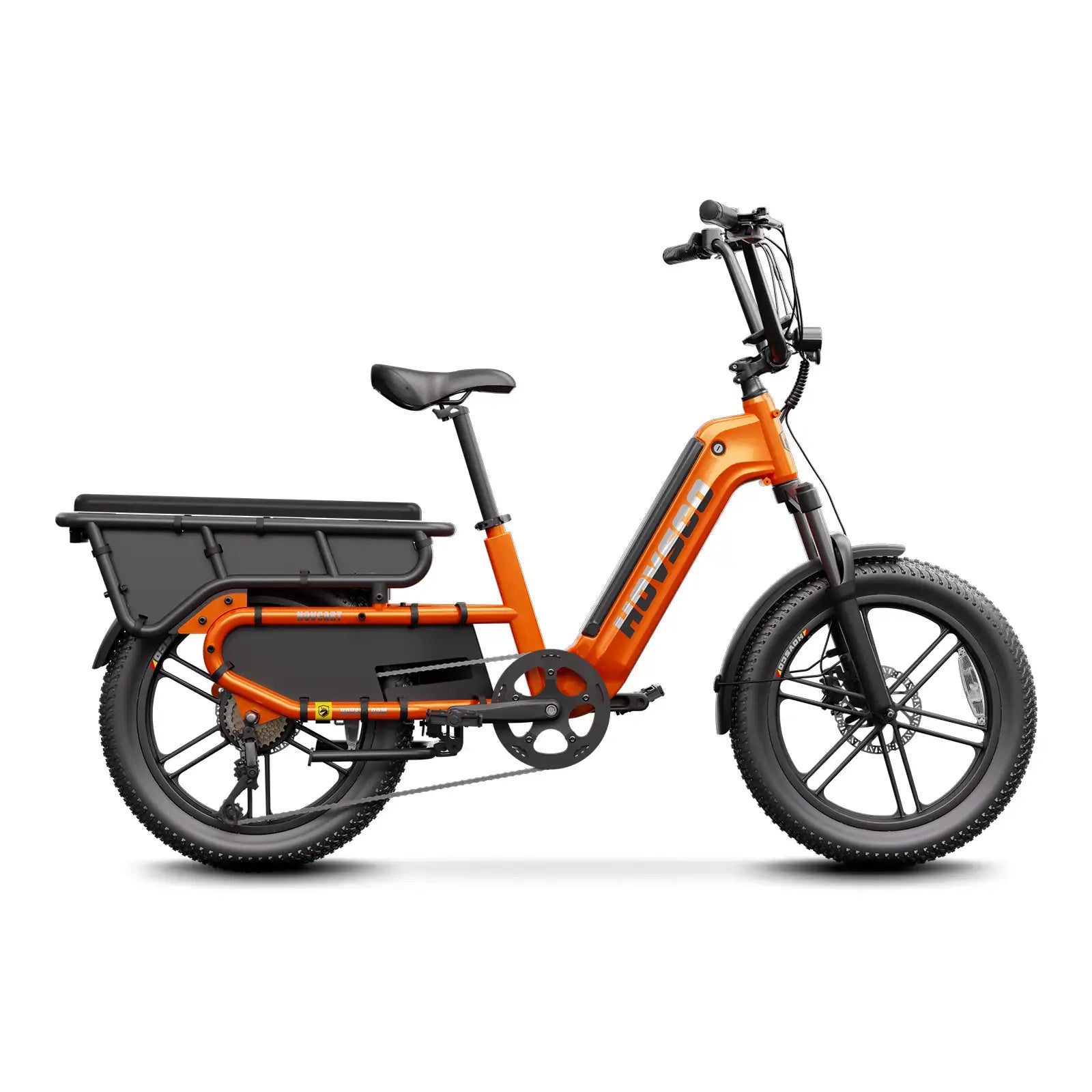
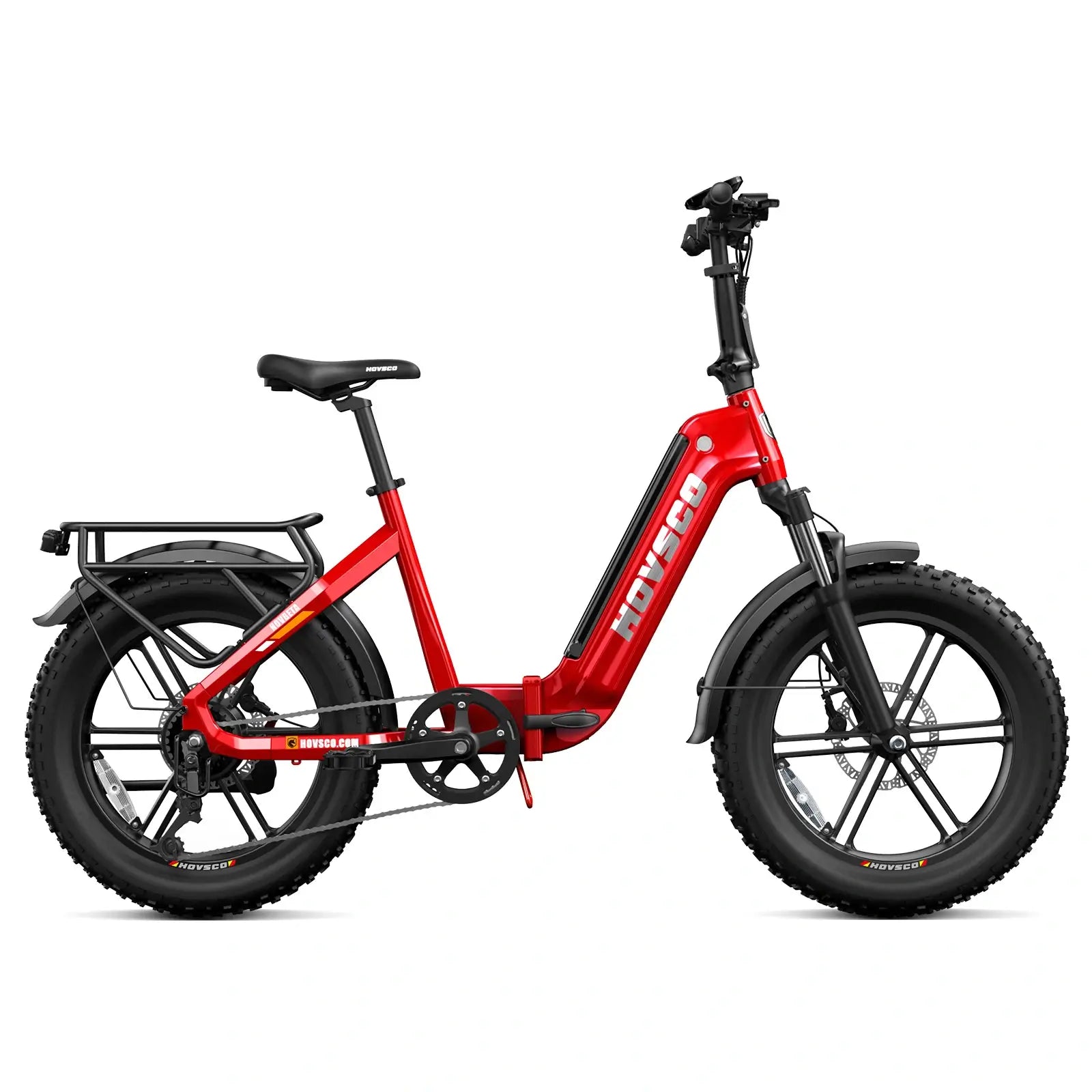
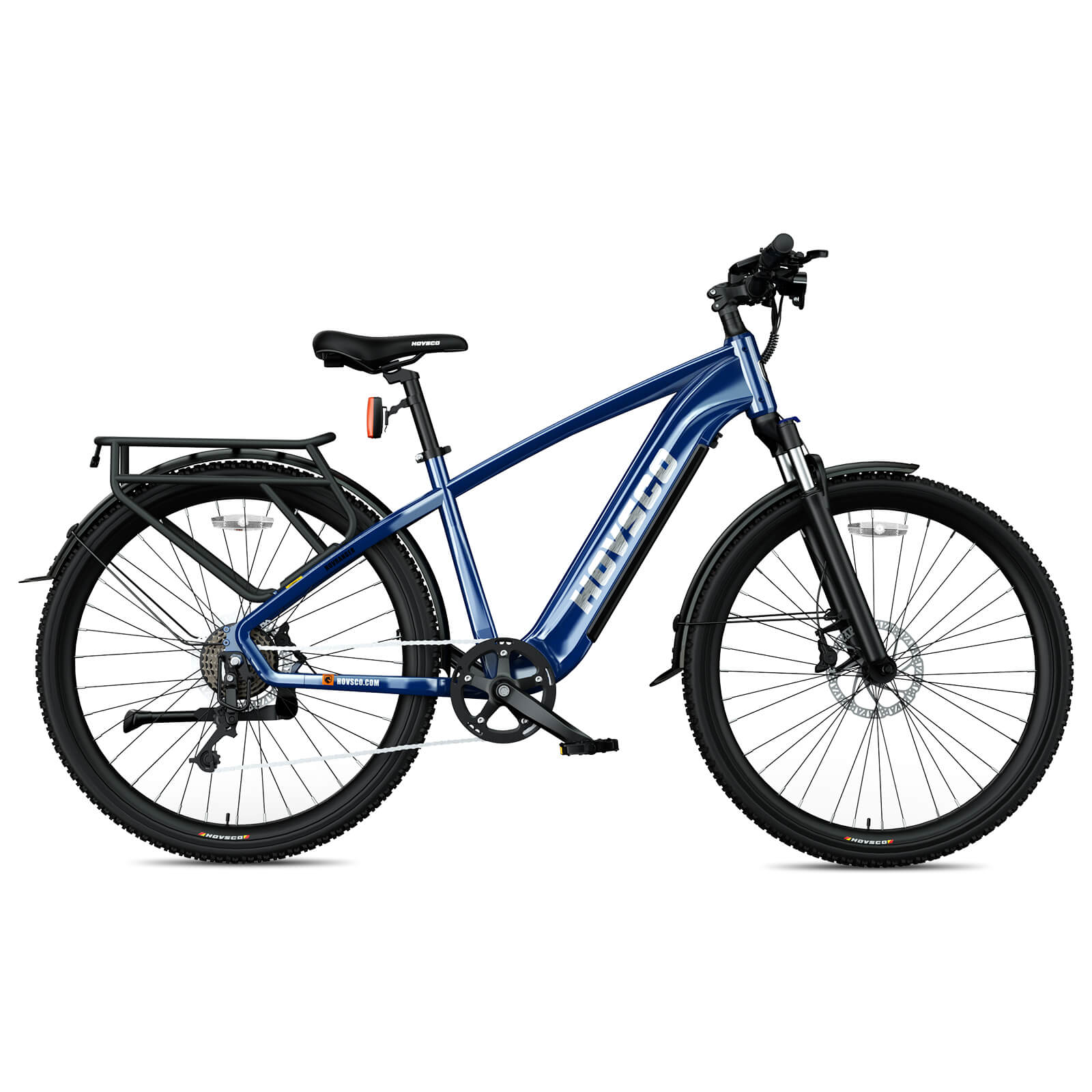
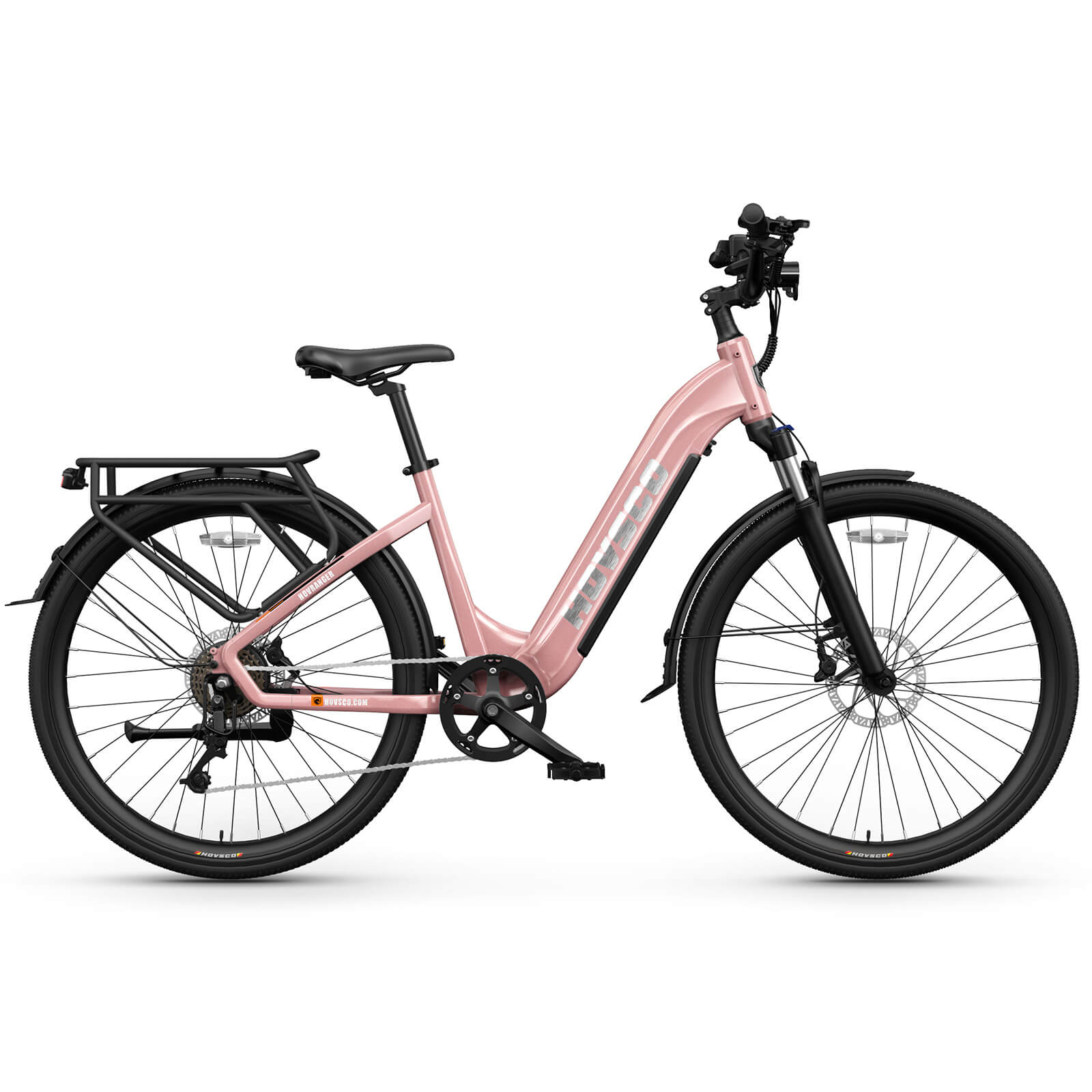
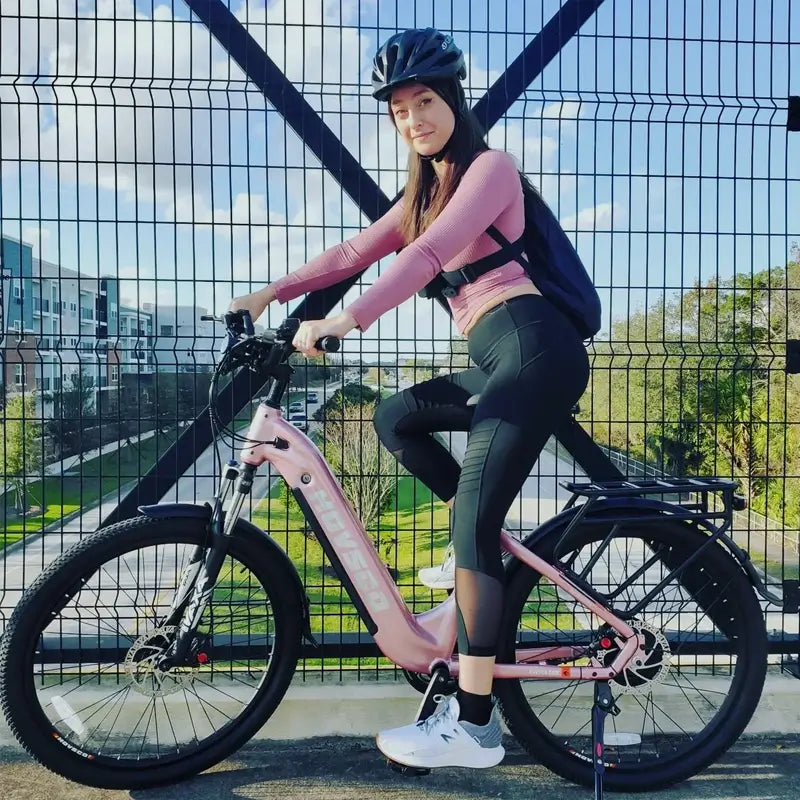
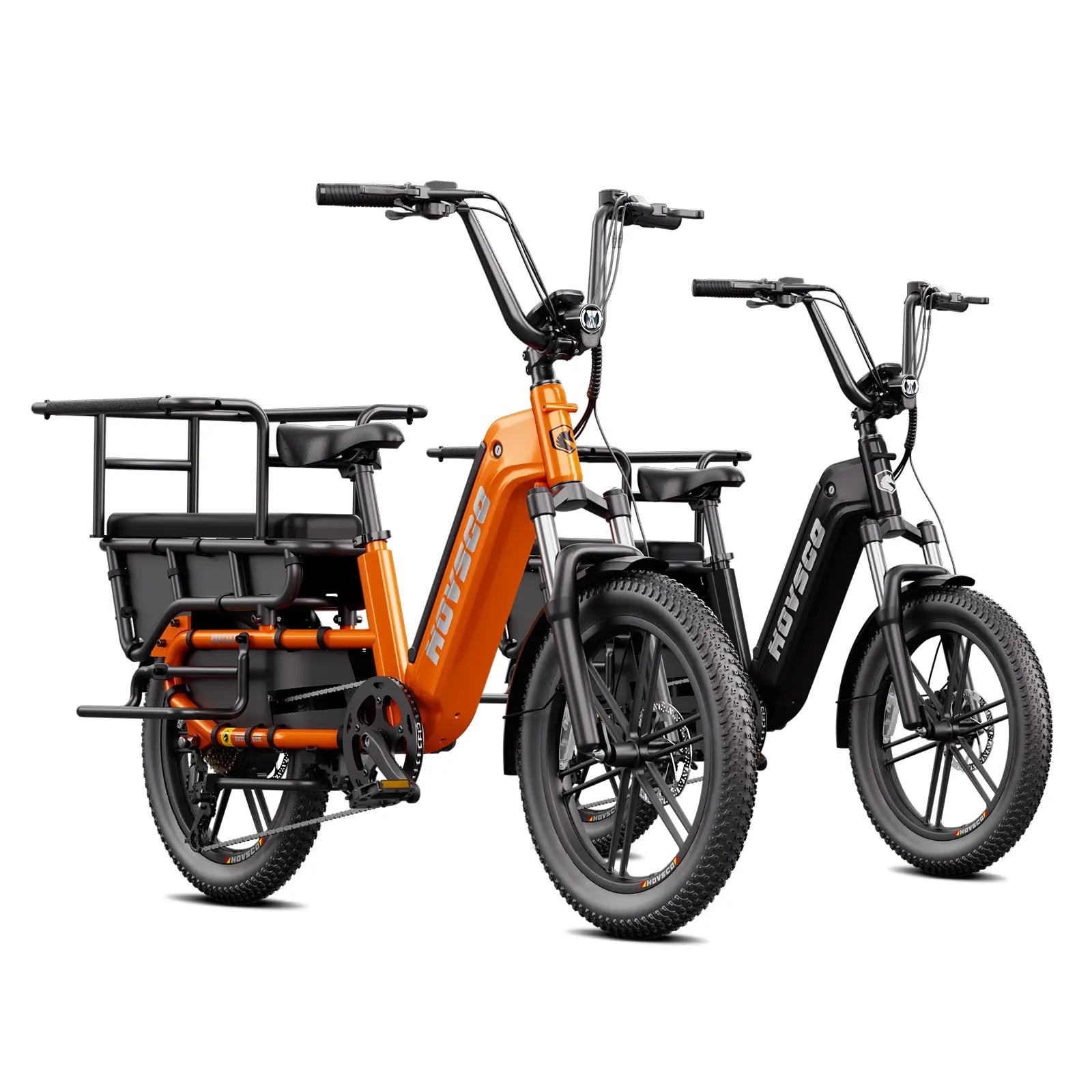
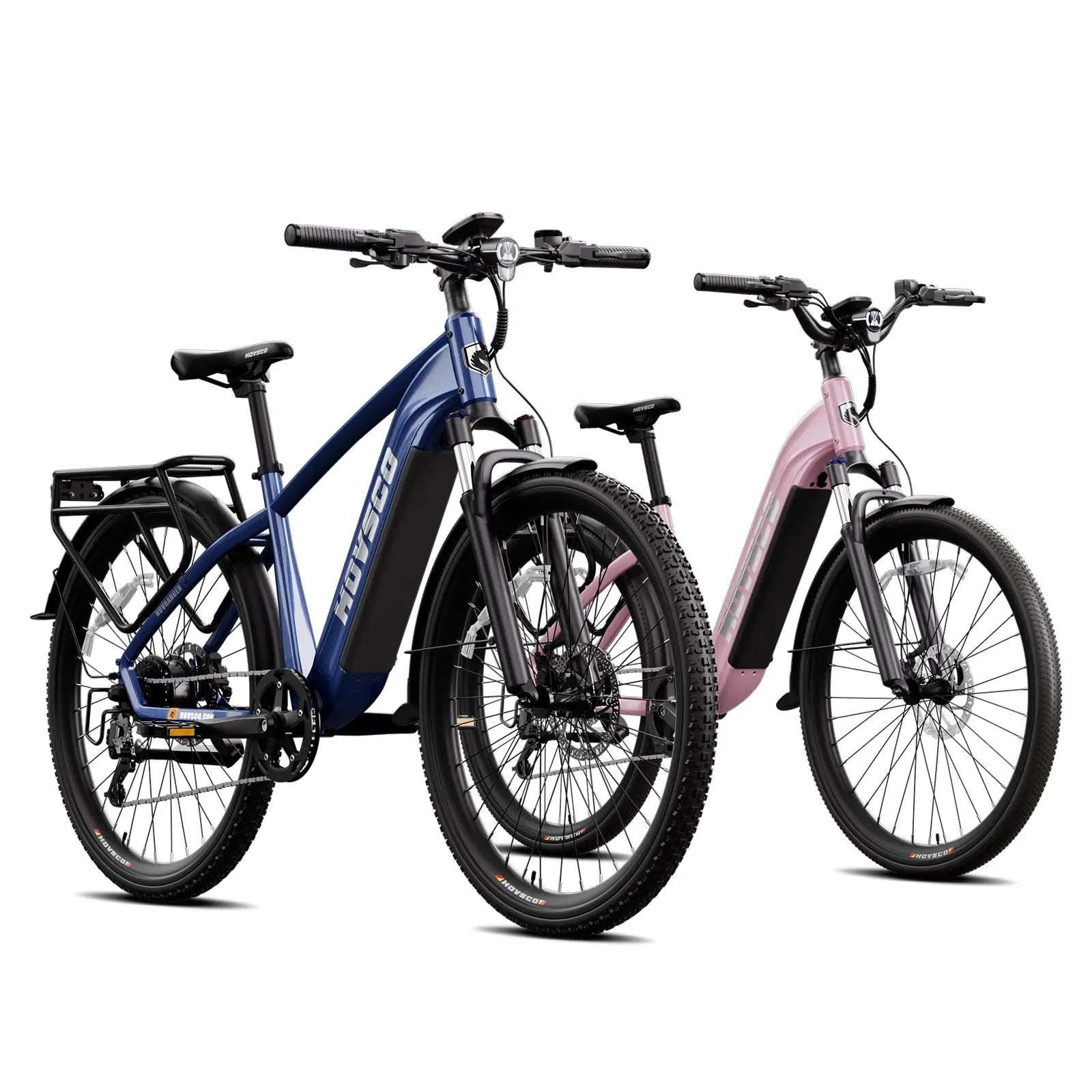
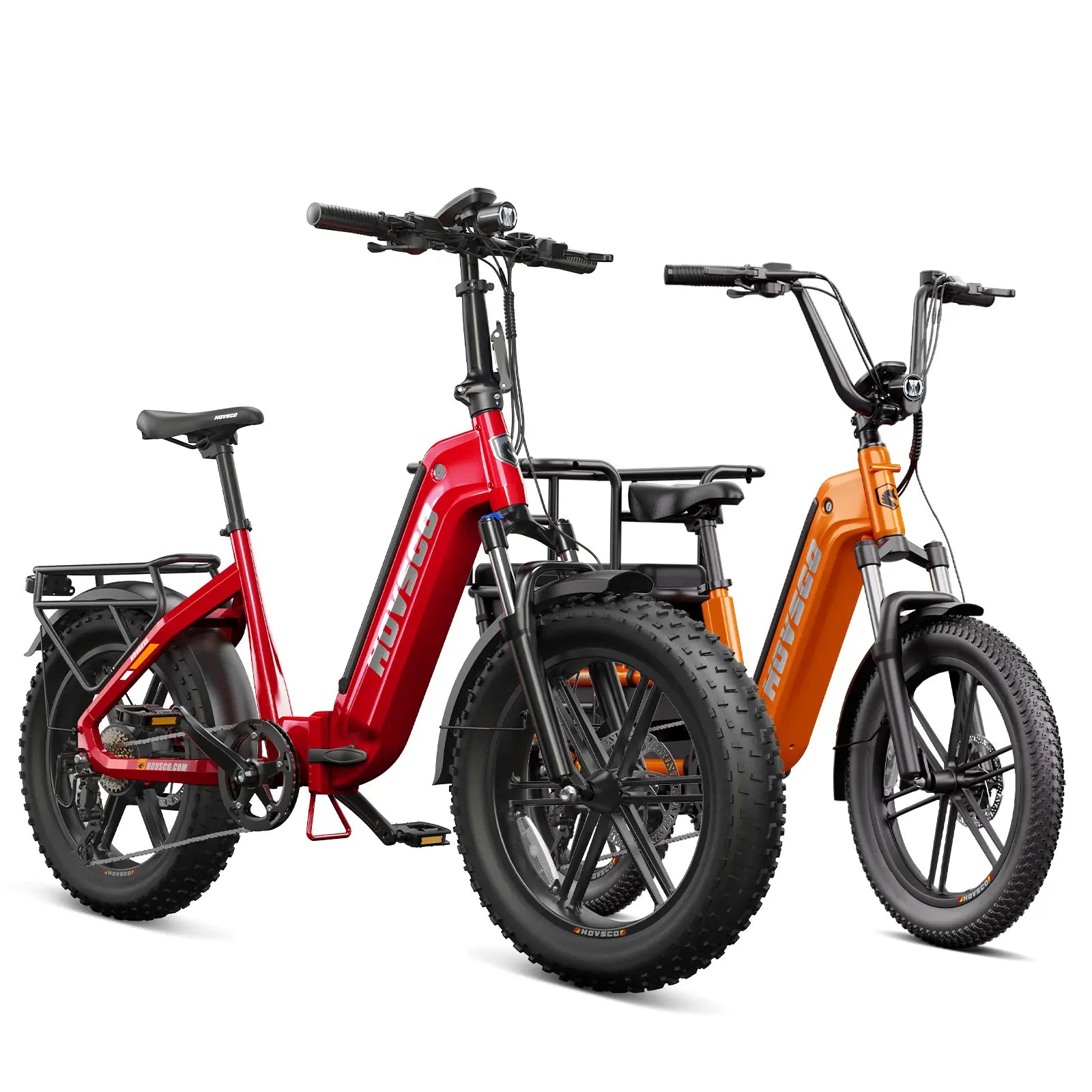
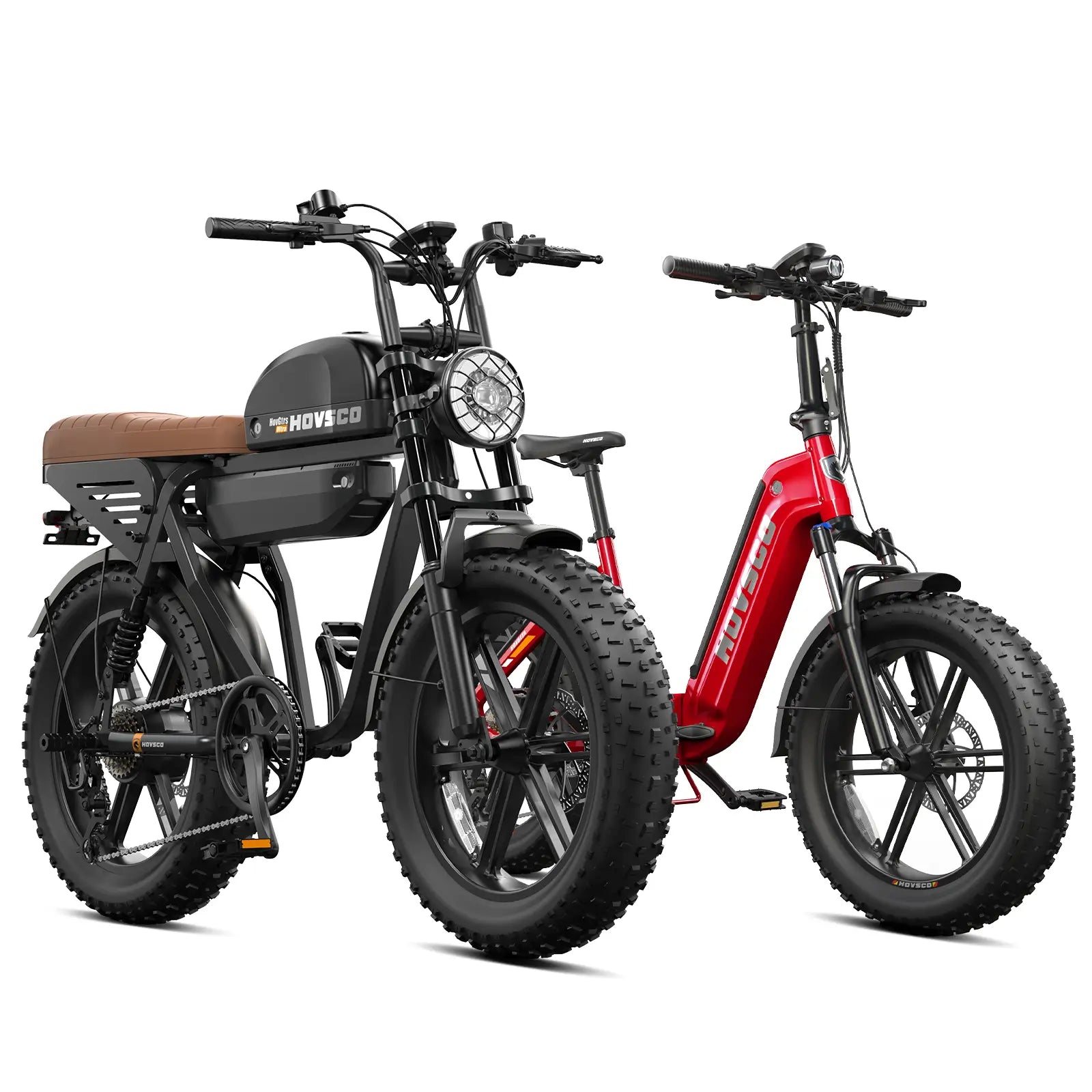
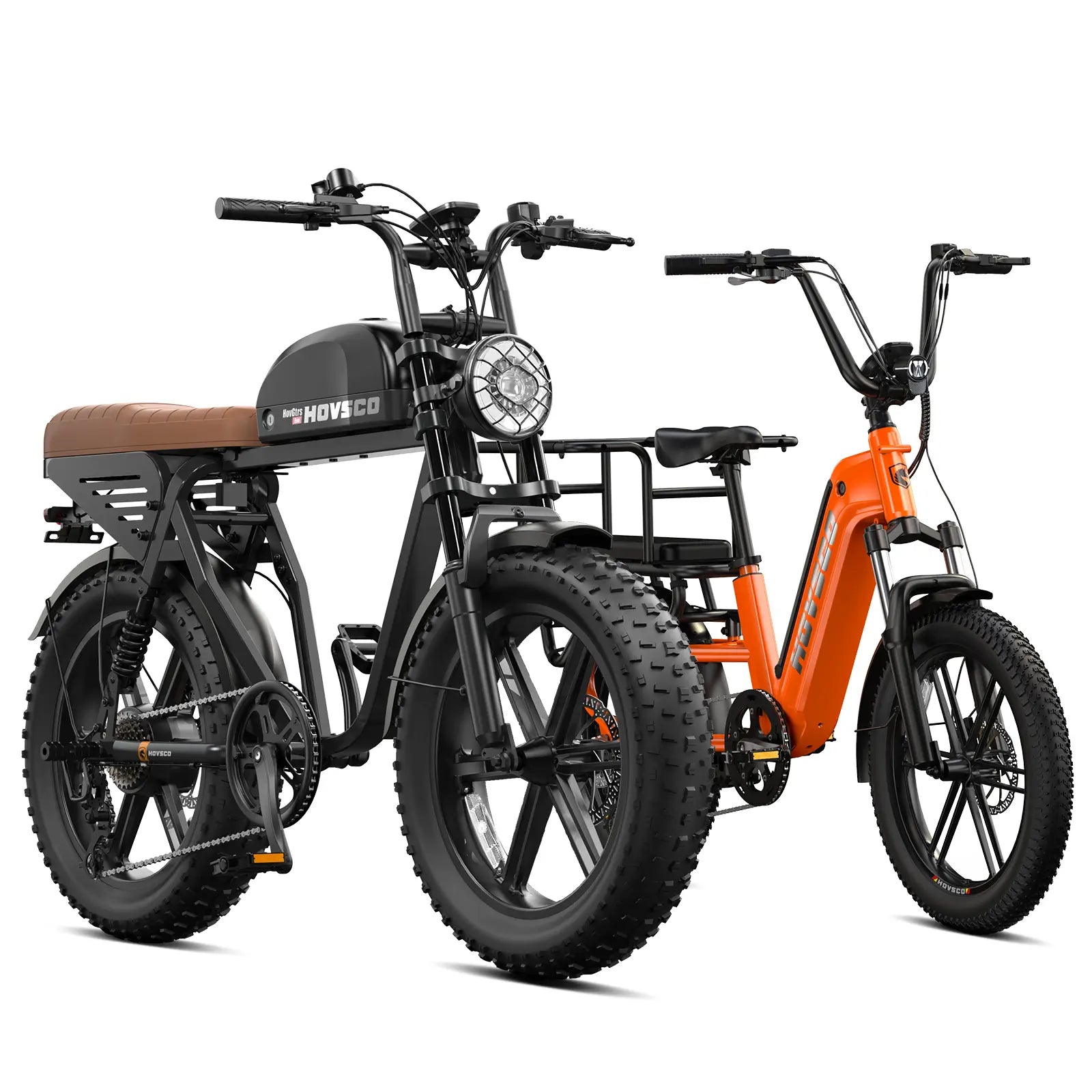
HOVSCO approaches this mobility challenge through electric bikes designed for commuting, family travel, cargo hauling, folding transport, and outdoor riding. The brand’s range includes practical choices such as the HovCart Family E-Bike, the HovRanger City E-Bike, and the HovBeta Foldable E-Bike.
Rather than treating a park as an isolated destination, an e-bike can make it part of a rider’s everyday travel network.
Urban Green Spaces Access describes how easily people can reach and use parks, trails, gardens, tree-lined streets, waterfront paths, and other publicly accessible natural areas. It includes proximity, safe routes, physical usability, transport choices, and the quality of the destination.
Urban density can bring homes, workplaces, schools, and services closer together, but it does not guarantee convenient access to nature. A park may exist nearby while remaining difficult to reach from apartment buildings, industrial districts, busy roads, or neighborhoods without safe pedestrian connections.
Distance is another practical barrier. A ten-minute walk may be suitable for a small neighborhood park, but larger parks, regional trails, and waterfront paths can sit several miles away. Families carrying supplies, older adults, and riders with limited physical stamina may not consider a longer walking route realistic.
The problem is also connected to time. Commuters may avoid green spaces because a trip requires driving, finding parking, and returning home before other responsibilities. A flexible e-bike can combine transportation and recreation in one journey, making a short outdoor visit more achievable.
Weather, hills, and cargo needs create additional friction. A route that appears manageable on a map may be challenging when it includes inclines, rough pavement, groceries, children, or outdoor equipment. Choosing a bike that matches the trip is therefore as important as identifying the destination.
In 2024, only 17% of urban land was allocated to streets and public open spaces, while convenient access to open spaces within 400 meters fell to 45.9% across the cities studied.
This gap makes flexible, low-emission transportation increasingly relevant for residents who live beyond a comfortable walking distance from parks and natural areas.
Flexible range
HOVSCO lists several models with ranges of up to 60 or 80 miles, depending on the model and riding conditions. This can support multiple errands or park visits without making every journey dependent on a car.
Cargo capacity
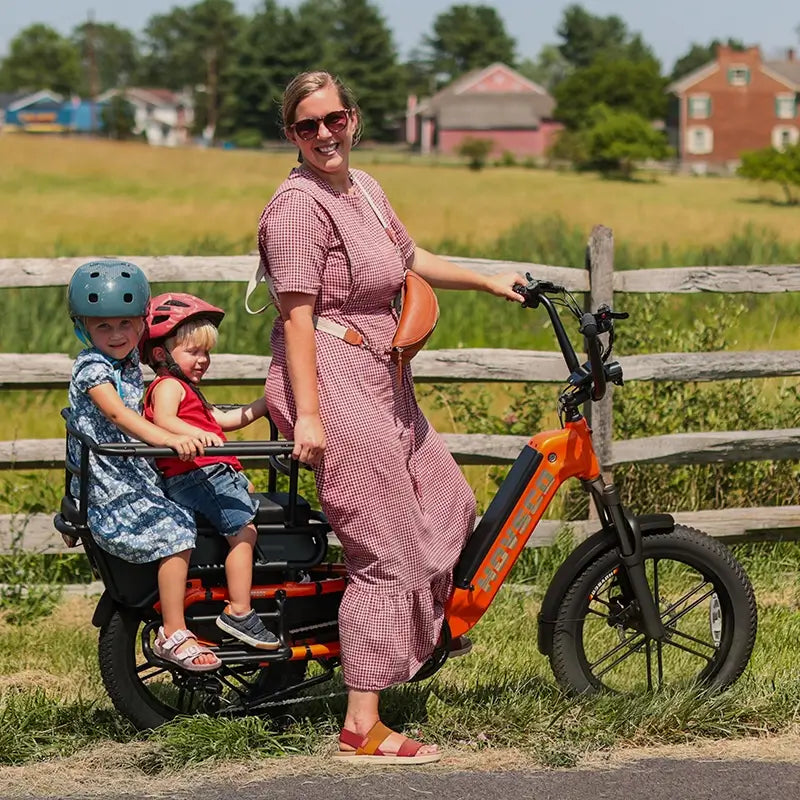
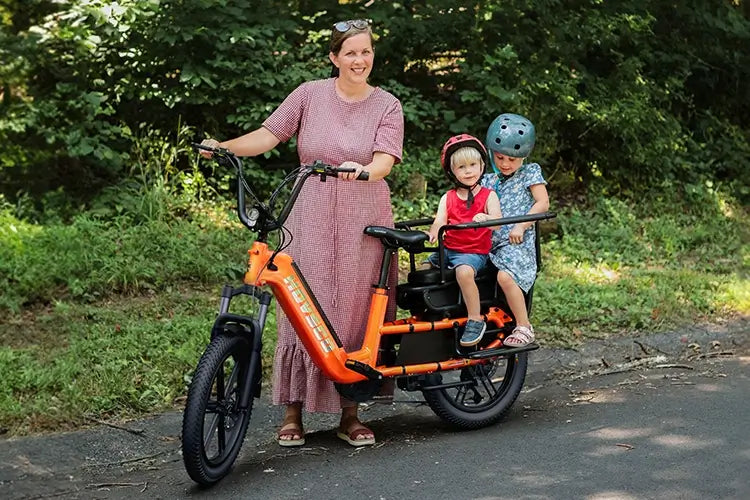
The HovCart is presented as a family-friendly cargo e-bike with a listed 450-pound payload capacity. Its format is relevant for school drop-offs, groceries, picnic supplies, or recreational equipment.
Terrain adaptability
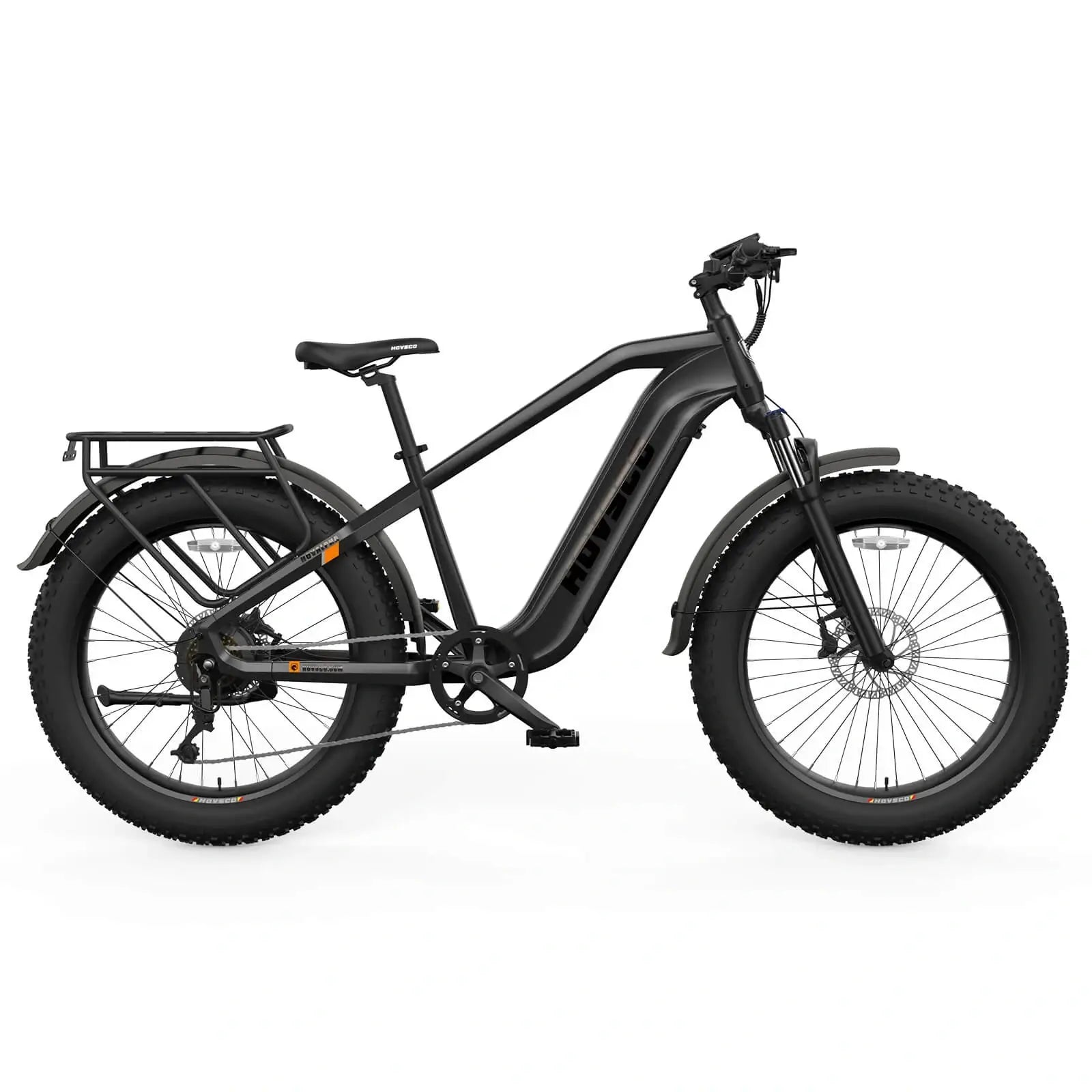
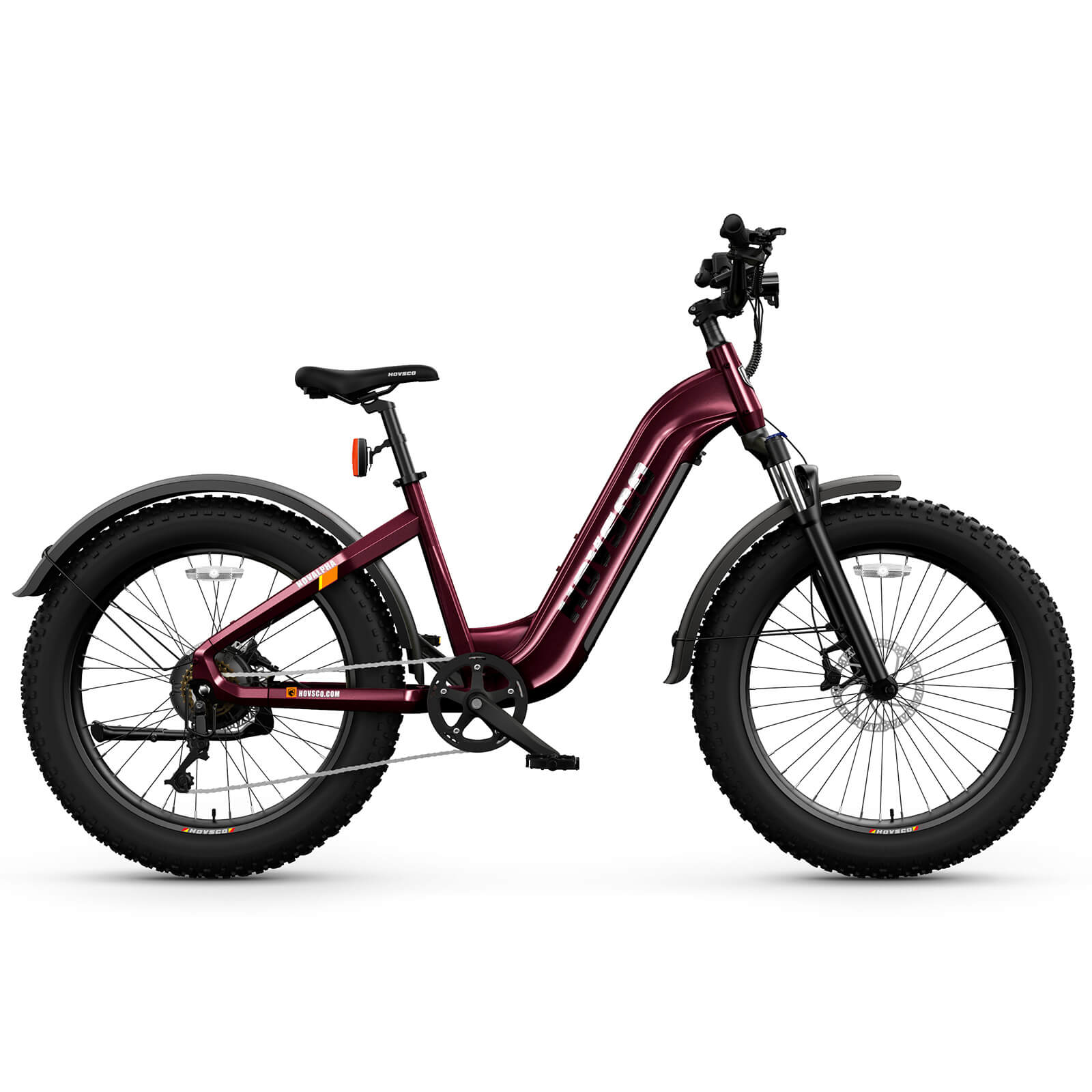
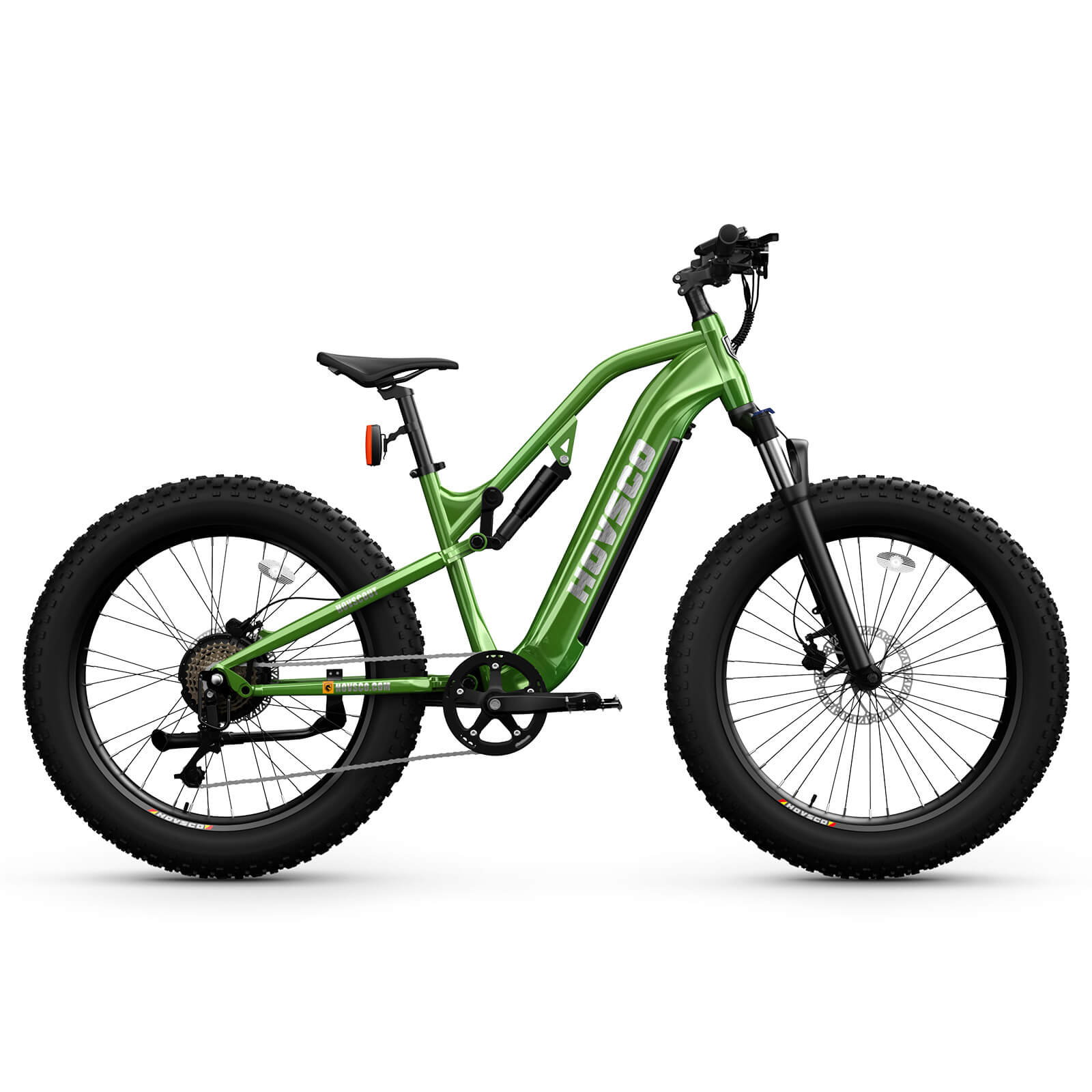
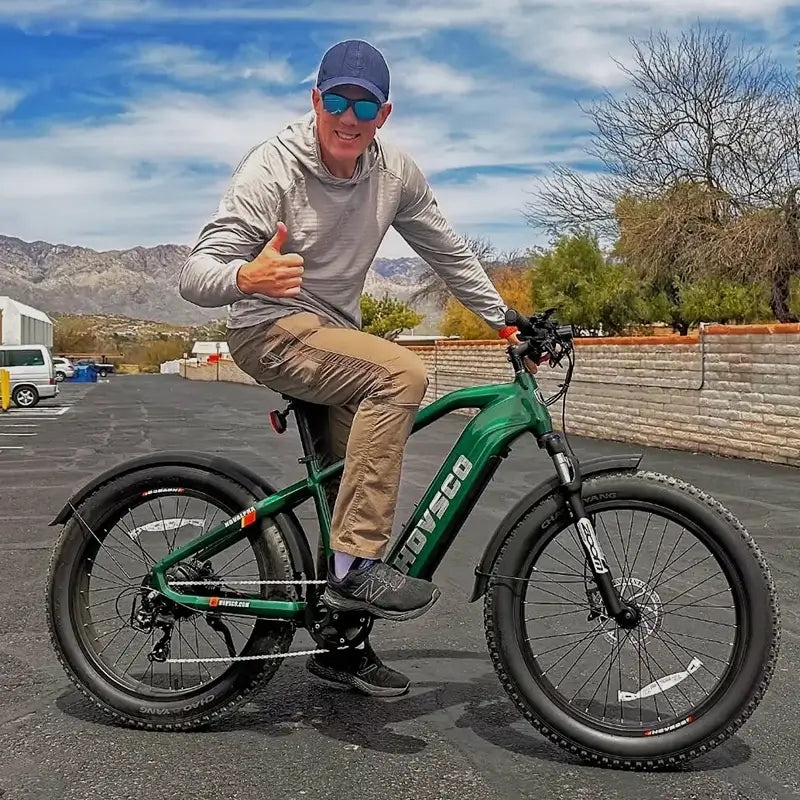
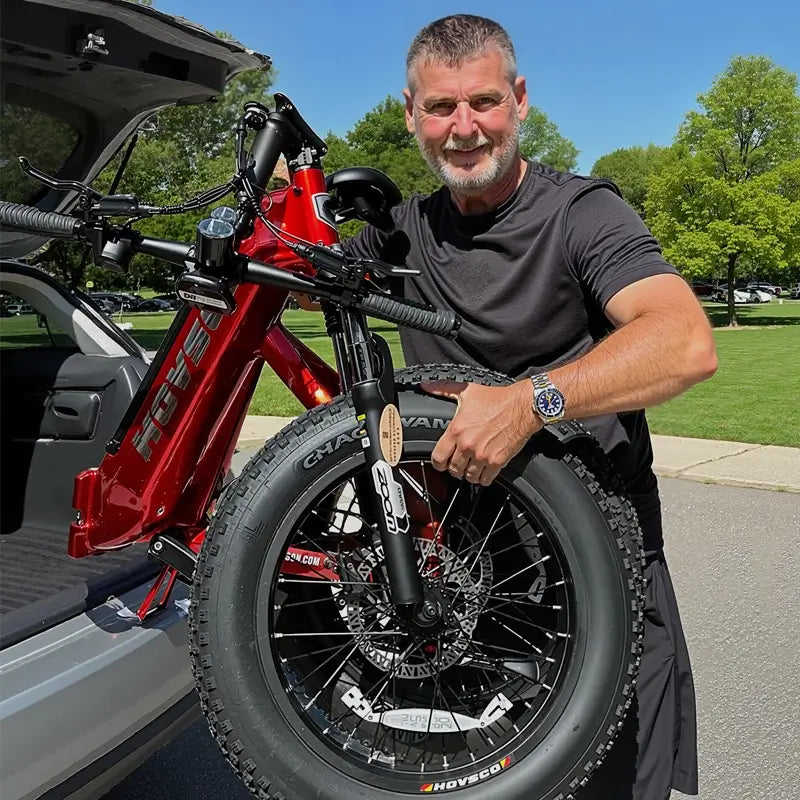
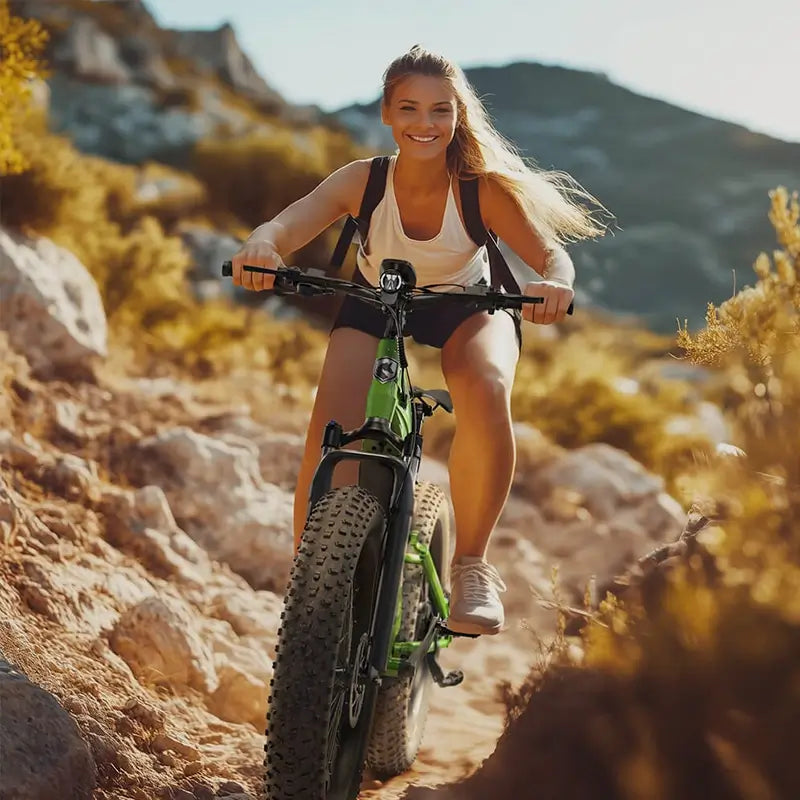
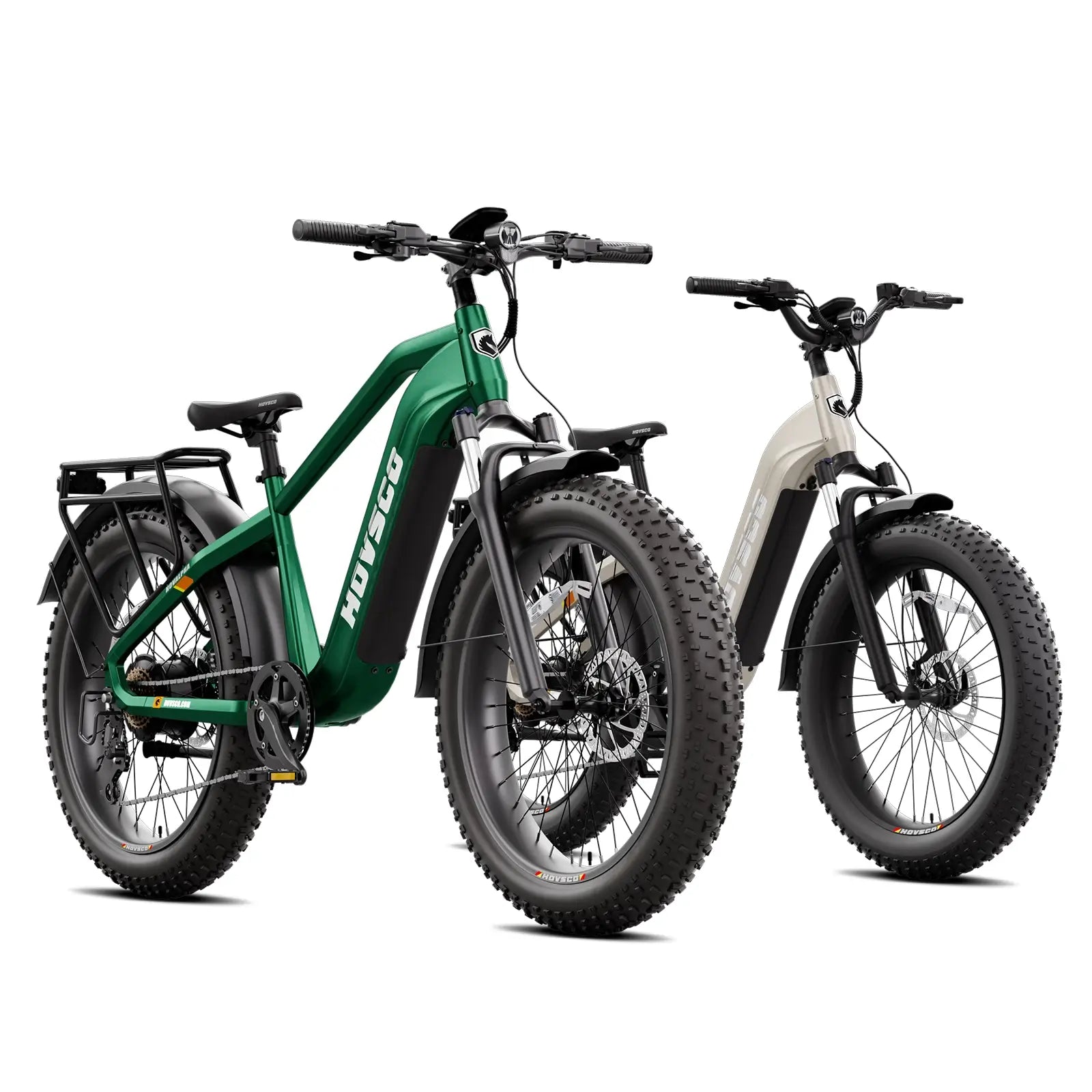
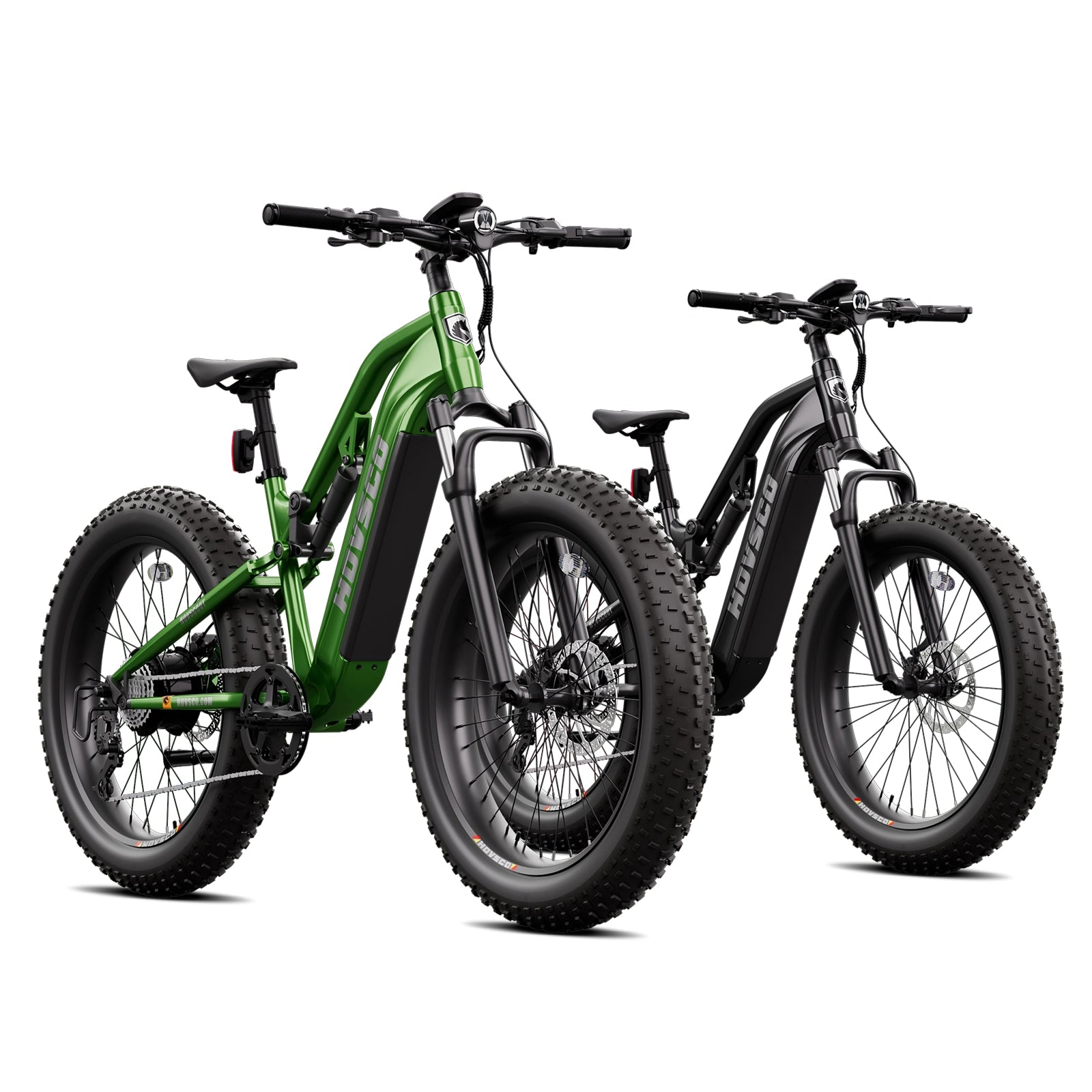
Fat-tire and suspension-oriented models can help riders handle imperfect pavement, gravel paths, and mixed urban surfaces. The HovScout, for example, is marketed with full suspension, while the HovAlpha is positioned for all-terrain riding.
A commuter leaves work, rides to a neighborhood trail, and returns home without searching for a parking space.
A parent uses a cargo e-bike for school pickup, then continues to a nearby park for outdoor play.
An apartment resident folds an e-bike into a vehicle or combines it with public transit to reach a larger regional green space.
Urban Green Spaces Access improves when one bike can serve several purposes. A commuter model may handle the trip to work during the week and become a park-access vehicle on weekends. A folding model may connect a home to rail or bus services, while a cargo e-bike can make family recreation more practical.
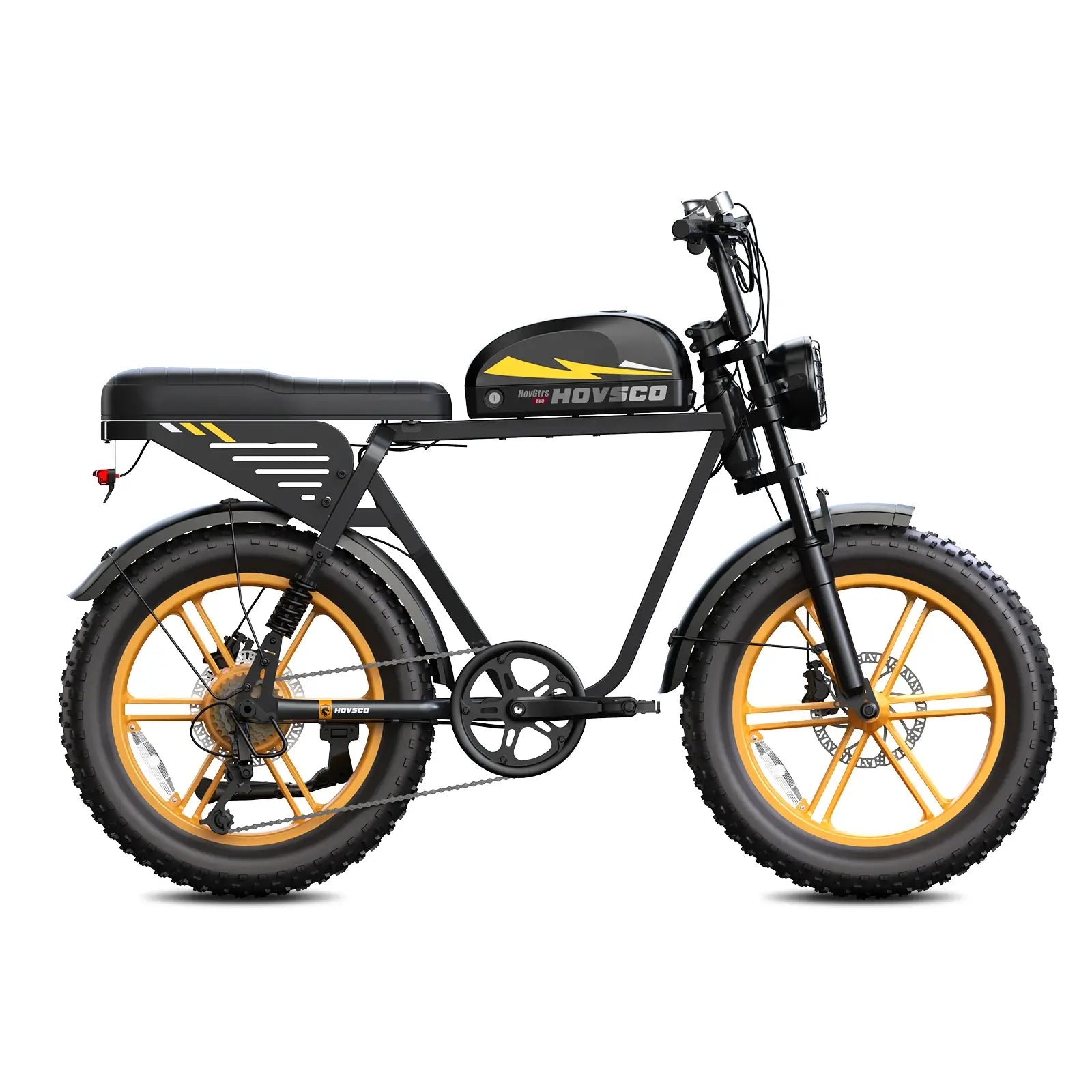
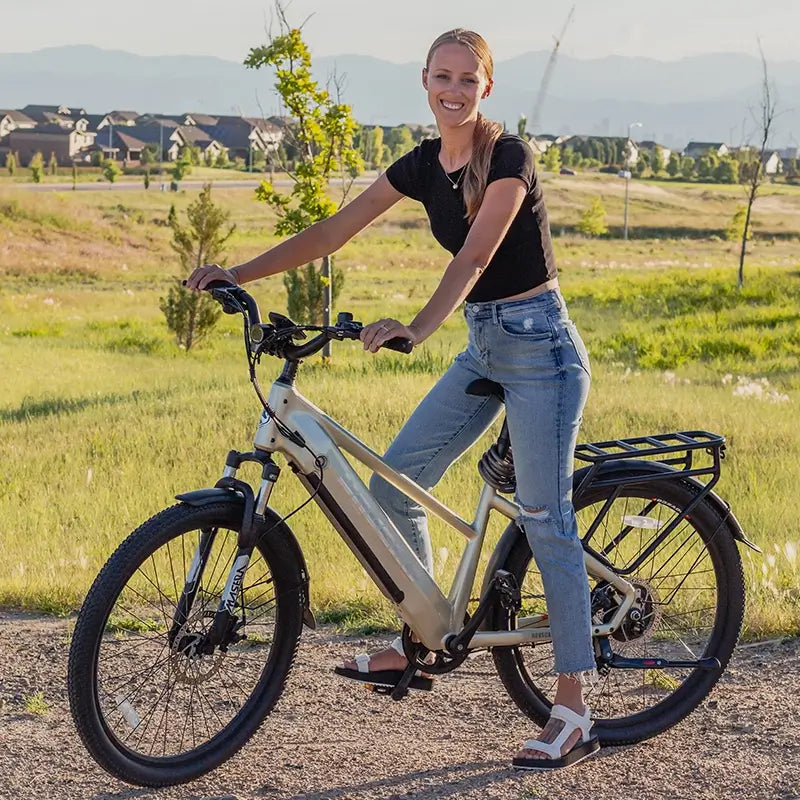
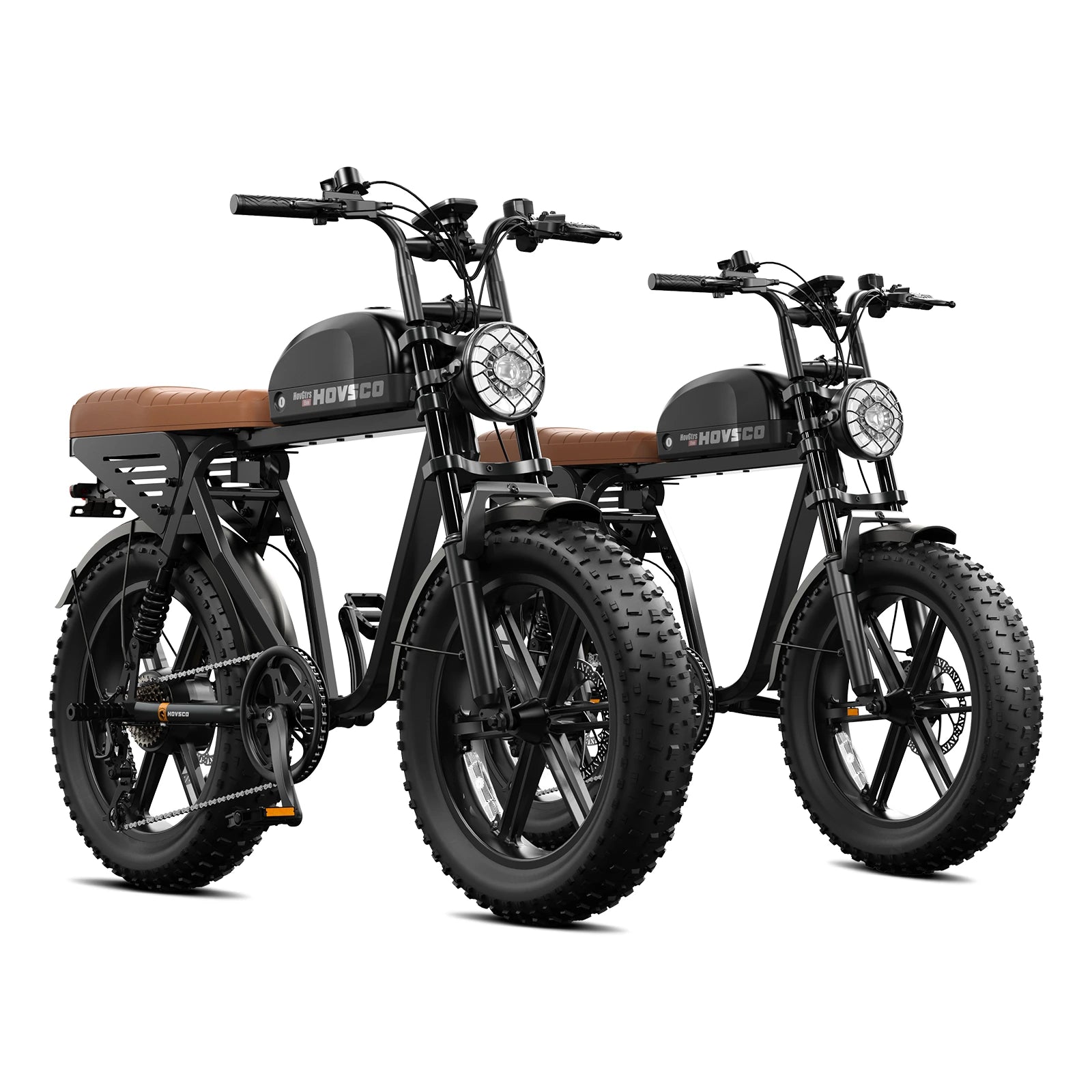
The HovAlpha Long-Range E-Bike is positioned for riders who want fat tires, front suspension, and a longer-distance format. The HovScout Full Suspension E-Bike is a more comfort-oriented option for riders who expect rougher surfaces. For a moped-style riding position, the HovGtrs Moped-Style E-Bike offers a different approach to urban travel.
Accessories can further improve the connection between mobility and green-space use. Depending on the route, riders may consider racks, baskets, child seats, lights, mirrors, locks, and weather protection. The right combination should be selected according to local regulations, load requirements, and the rider’s actual route.
Map the destinations. Identify nearby parks, trails, gardens, waterfronts, and open spaces that are realistically reachable from home, work, or school.
Measure the route. Check distance, elevation, road conditions, protected bike lanes, crossings, and the availability of secure parking.
Define the purpose. Decide whether the primary use will be commuting, family travel, cargo hauling, recreation, or a combination of these activities.
Match the model. Choose a commuter model for paved urban routes, a folding model for limited storage, a cargo model for children or equipment, or a fat-tire model for mixed surfaces.
Review specifications carefully. Compare the listed motor power, range, payload capacity, suspension, tire format, riding position, and app compatibility. Real-world range can vary with terrain, rider weight, temperature, speed, and assistance level.
Plan safe operation. Wear a properly fitted helmet, use front and rear lights, follow local e-bike laws, secure the bike at destinations, and inspect the brakes, tires, battery, and fasteners regularly.
Scenario: The short-distance commuter
Traditional approach: A commuter drives a few miles to work, then drives again to a park because carrying work items and managing hills makes cycling inconvenient.
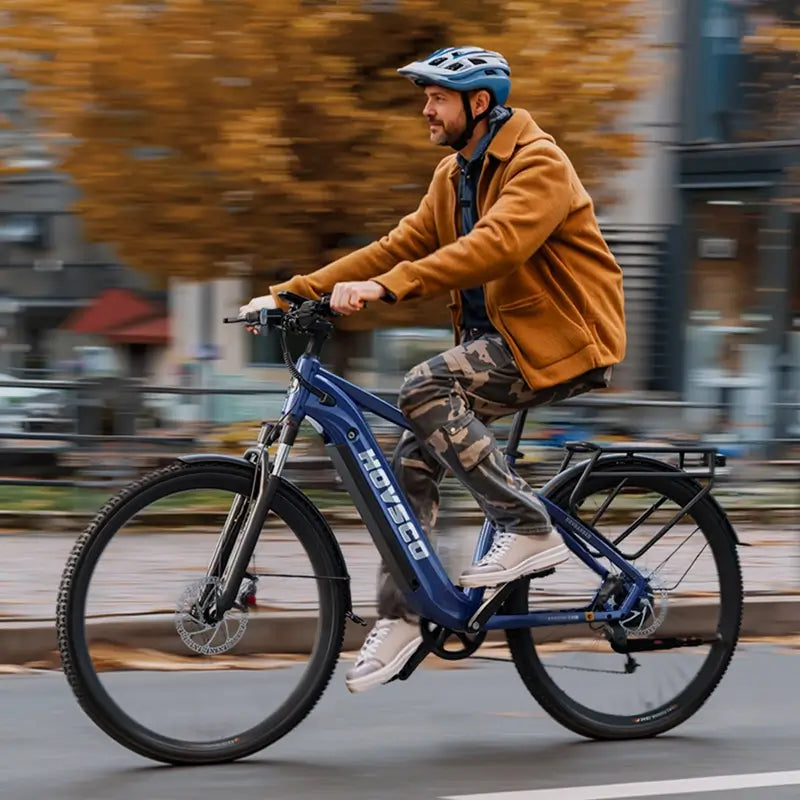
With HOVSCO: A model such as the HovRanger can support a combined commute-and-park routine. The rider can leave work by bike, visit a green space, and return home through the same urban network. The 60-mile range listed by HOVSCO provides planning flexibility, although actual range depends on riding conditions.
Scenario: The family park visit
Traditional approach: Parents load children, snacks, toys, and outdoor supplies into a car. Short trips become dependent on parking availability and traffic.
With HOVSCO: The HovCart is designed around cargo and family use, with a listed 450-pound payload capacity. It can make neighborhood trips more practical when the destination is connected by suitable streets or bike paths. Families still need to verify passenger equipment, weight distribution, helmet use, and local rules.
Scenario: The apartment resident
Traditional approach: A resident without private storage uses a car-share service or waits for public transportation to reach a larger park outside the immediate neighborhood.
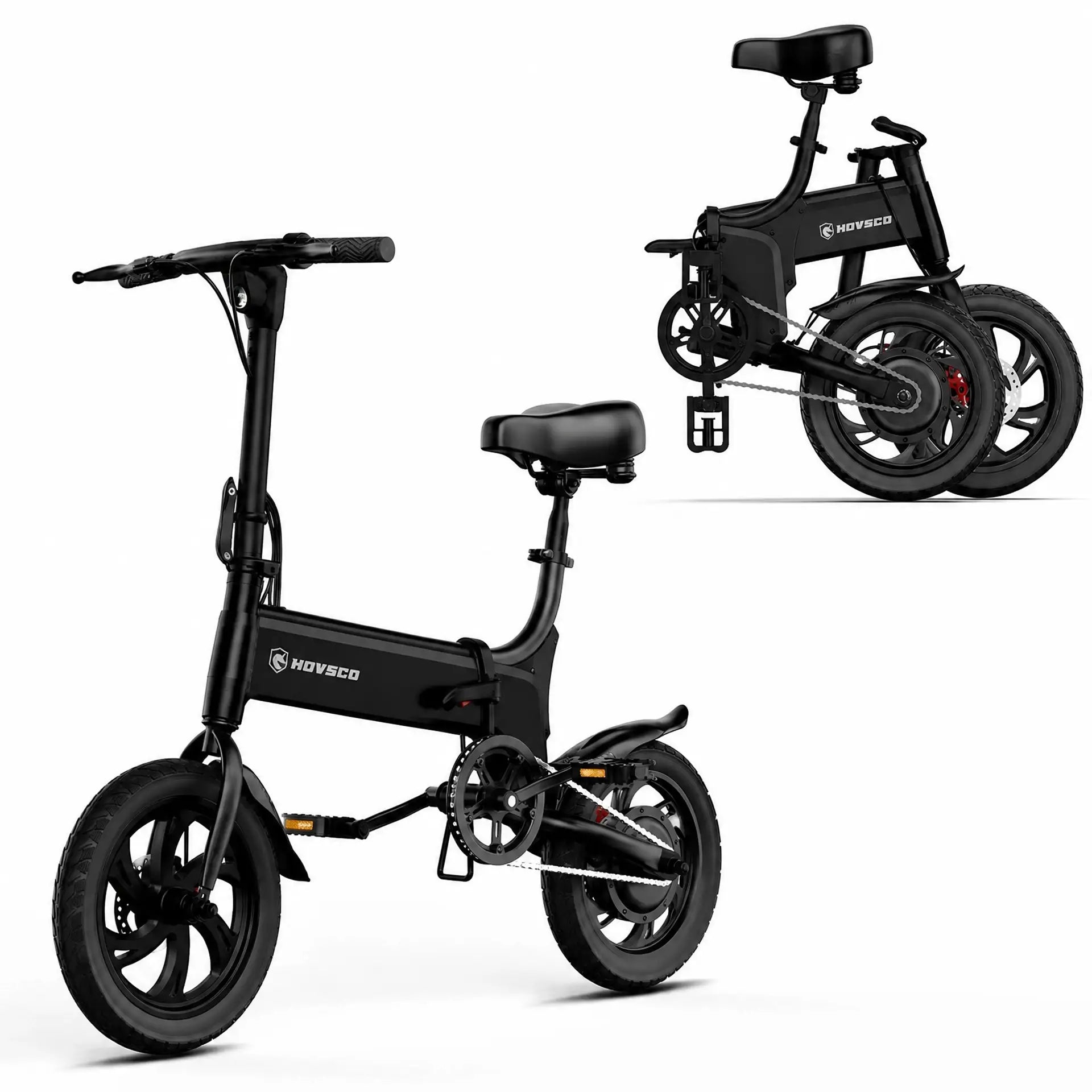
With HOVSCO: A folding model such as the HovBeta can provide more flexibility for storage, vehicle transport, or selected transit connections. Riders should confirm the weight, folded dimensions, transit policies, and secure storage arrangements before committing to a multimodal route.
How can e-bikes improve urban green spaces access?
E-bikes can extend the practical distance between a home and a park while reducing the effort required for hills, longer routes, or cargo. They do not replace safe infrastructure, but they can help residents use existing bike lanes, low-traffic streets, and shared paths more efficiently.
What is the best e-bike for reaching parks without a car?
The best choice depends on the route and the rider’s priorities. HOVSCO’s HovRanger is designed for city commuting, the HovBeta offers a folding format for storage and multimodal travel, and the HovCart is better aligned with families and cargo. Riders should compare local trail rules and bike classifications before use.
Can a cargo e-bike support family access to urban green spaces?
A cargo e-bike can help carry children, groceries, picnic supplies, or recreational equipment, making short family trips more practical. The HovCart’s listed payload capacity is 450 pounds, but users must follow the manufacturer’s instructions and ensure that every passenger is properly secured.
Are fat-tire e-bikes suitable for urban parks and trails?
Fat-tire e-bikes can be useful on mixed surfaces such as uneven pavement, gravel, and light off-road routes. However, not every park allows e-bikes on every trail. Riders should check local regulations, avoid sensitive natural areas, reduce speed around pedestrians, and stay on permitted routes.
How far can a HOVSCO e-bike travel on one charge?
HOVSCO lists different ranges for different models, including 60 miles for several bikes and 80 miles for models such as the HovAlpha. The stated range is not a guarantee for every trip because speed, rider weight, terrain, temperature, tire pressure, wind, and assistance level affect battery performance.
What should riders check before using an e-bike in urban green spaces?
They should confirm whether the destination allows their e-bike class, inspect the route for safe crossings, carry a lock and basic repair equipment, and use lights when visibility is poor. It is also important to understand the bike’s payload limit, maintain the battery according to the manufacturer’s instructions, and respect pedestrians and wildlife.
Urban Green Spaces Access is shaped by more than park construction. It depends on whether residents have practical, safe, and affordable ways to reach green spaces as part of daily life. E-bikes can bridge the distance between dense neighborhoods and nearby nature, particularly when selected for specific needs such as commuting, family travel, folding storage, or mixed terrain. HOVSCO’s varied product range gives riders several ways to turn local parks and trails into more accessible destinations.
HOVSCO is an e-bike brand offering cargo, commuter, folding, fat-tire, moped-style, and full-suspension models for urban travel and outdoor recreation. Its website lists U.S.-based customer support, and models with different motor, range, and payload specifications. Explore the range to find a practical ride for everyday mobility and greener city access.
United Nations World Cities Report 2024 — Cities and Climate Action
United Nations SDG Goal 11 Report 2026 — Sustainable Cities and Communities
European Commission Joint Research Centre — Urban Green Spaces and the 3-30-300 Principle, 2026
UK Government — Access to Green and Blue Space in England, 2026
Stockholm Environment Institute — Pursuing More Equitable Access to Urban Green Spaces, 2025
U.S. Environmental Protection Agency — Bridging the Gap: Equitable Investment in City Greenspace, 2025
World Health Organization Europe — Urban Green Space Interventions and Health
Share:
Heavy-Duty Electric Bikes: Why HOVSCO Fits Heavy Loads, Long Rides, and Daily Hauls
Snow and Sand Cycling: The Ultimate Guide to Year-Round Adventure with Fat Tire E-Bikes