



![[ New Arrival ] Porto Max Electric Scooter For Commute & Grocery Shopping - HOVSCO](http://www.hovsco.com/cdn/shop/files/PotroMax-3.jpg?v=1706927007&width=1200)
- by SteveJames
Heavy-Duty Electric Bikes: Why HOVSCO Fits Heavy Loads, Long Rides, and Daily Hauls
- by SteveJames
E-Bikes
Accessories
 Free Shipping
 15-Day Returns
 2-Year Warranty
Free Shipping
15-Day Returns
2-Year Warranty
2-Year Warranty
Free Shipping
15-Day Returns
2-Year Warranty
Heavy-duty electric bikes for cargo, hills, and family hauling. See how HOVSCO balances power, payload, and range for everyday utility.
Heavy-duty electric bikes are moving from niche utility to mainstream transport as demand for practical, car-replacing mobility keeps rising. The global e-bike market reached USD 57.50 billion in 2025 and is projected to keep expanding at a double-digit pace, while the U.S. market alone is forecast to grow from USD 2.2 billion in 2026 to USD 4.3 billion by 2035. Meanwhile, recent buyer guides keep pointing heavier riders and cargo users toward higher-payload bikes with stronger frames, more torque, and better braking.
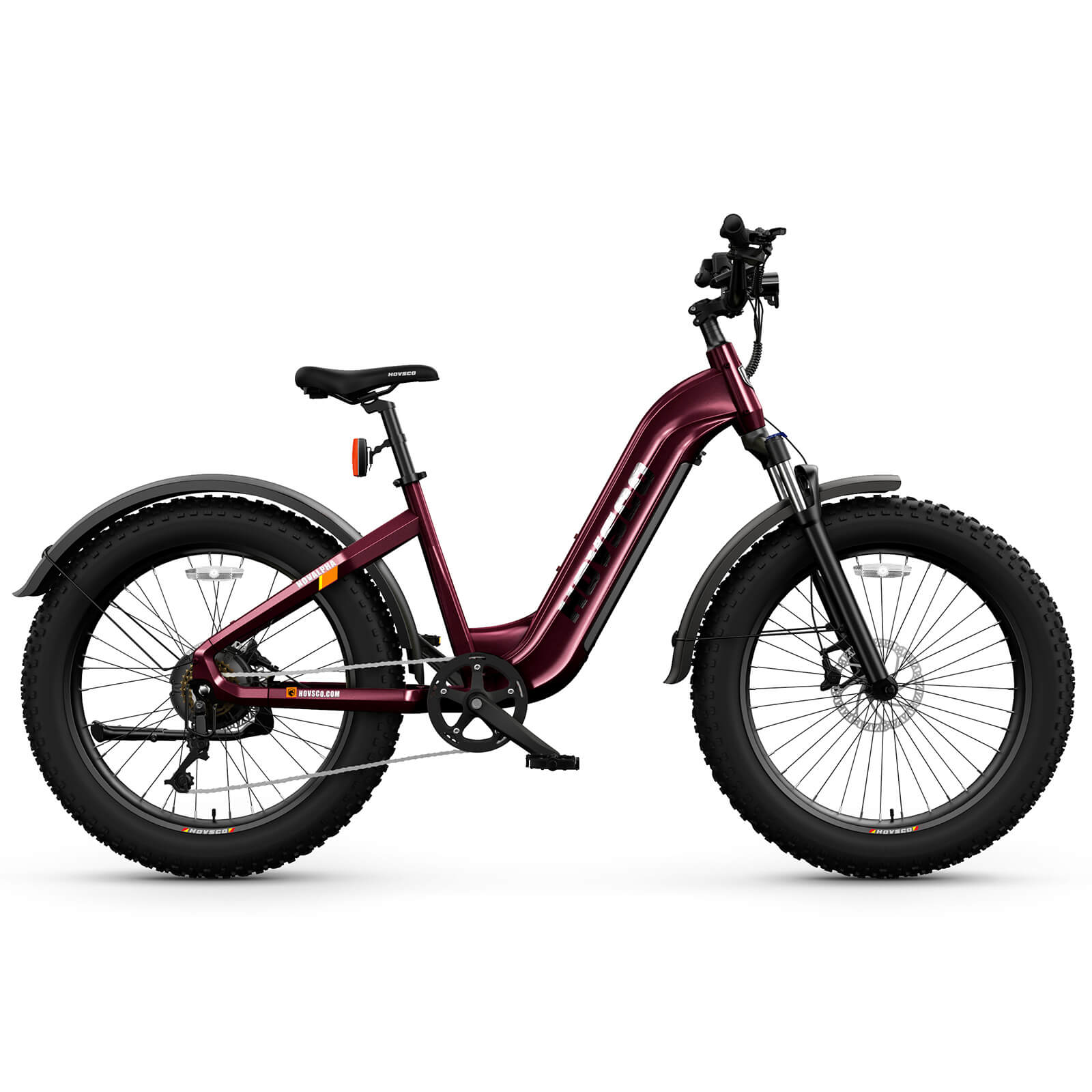
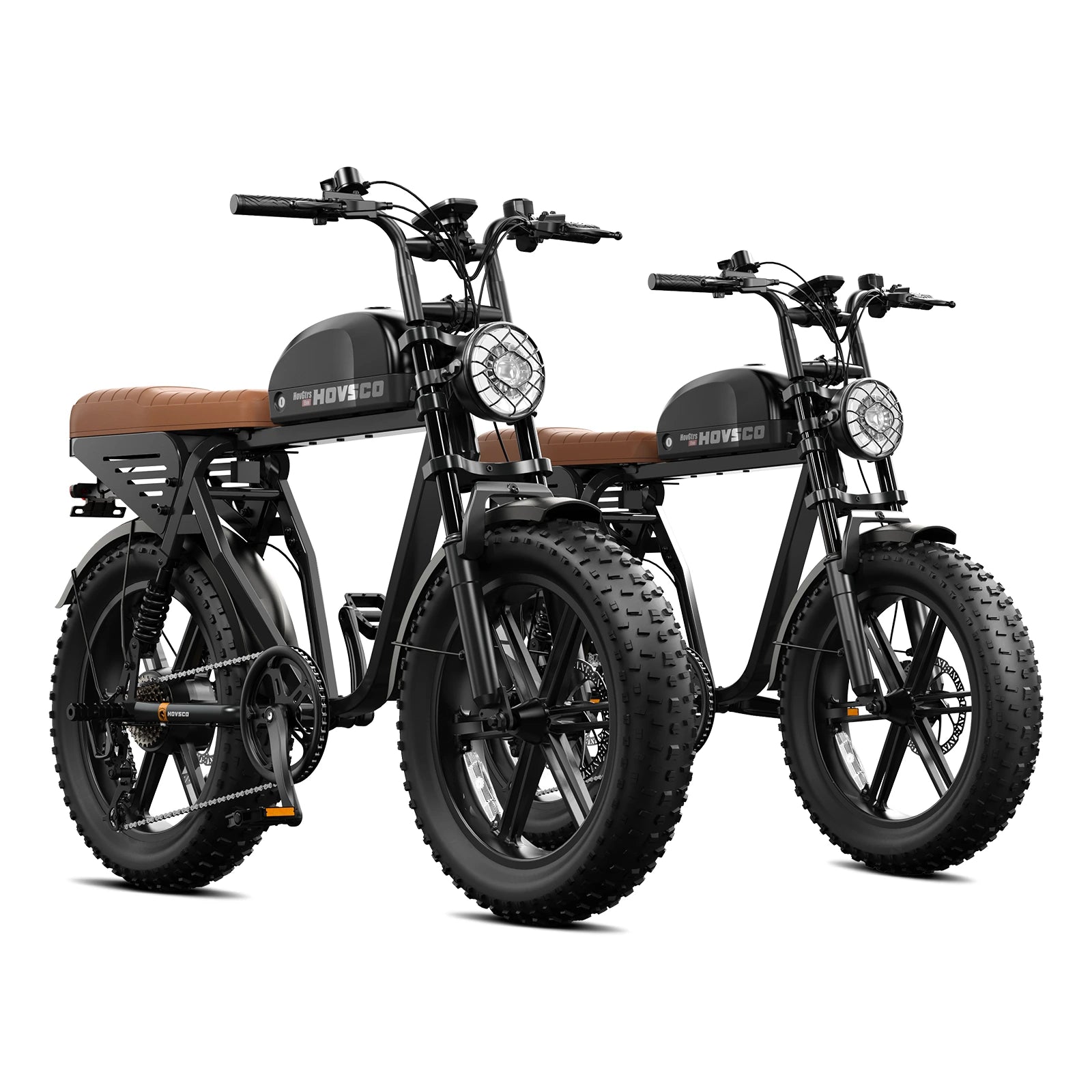
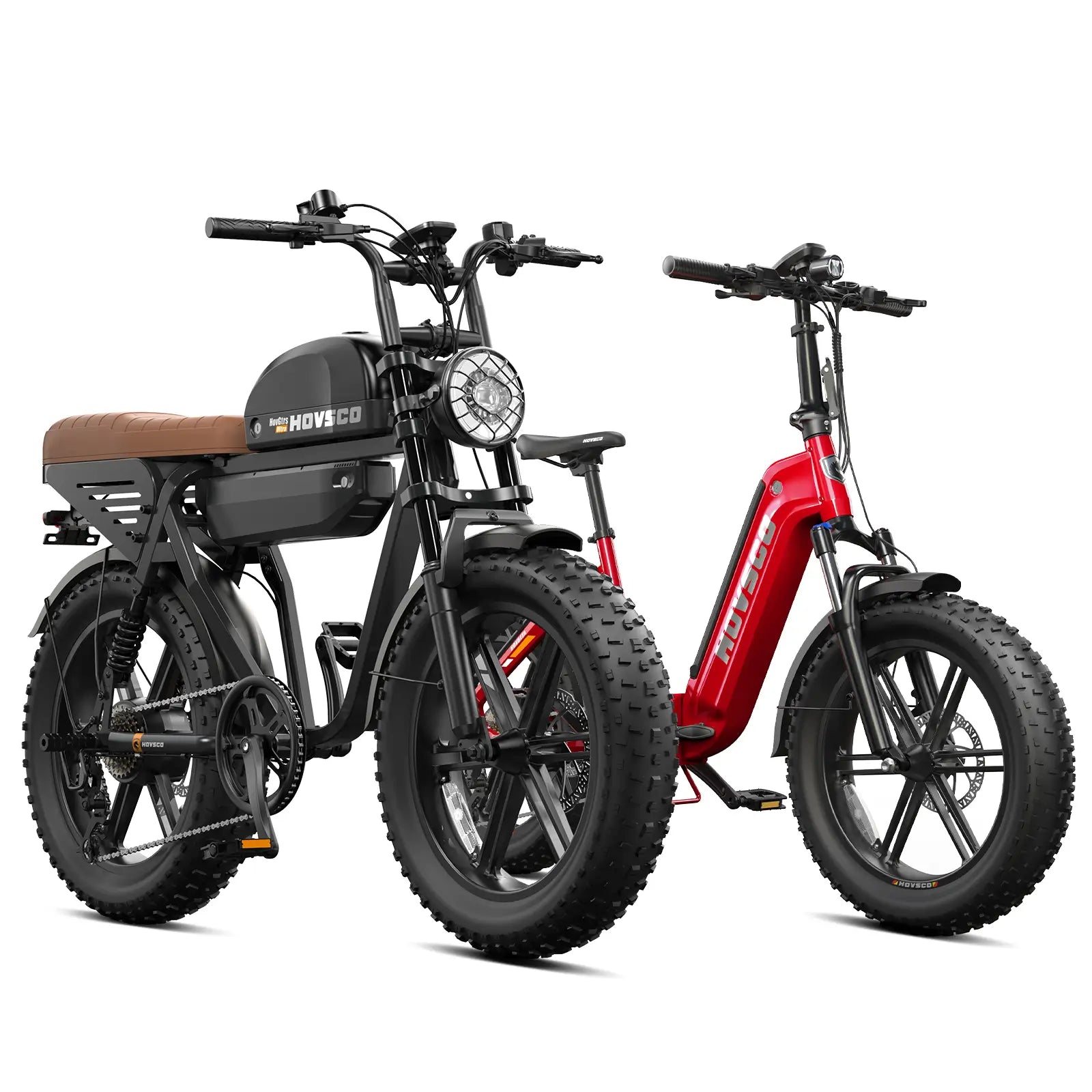
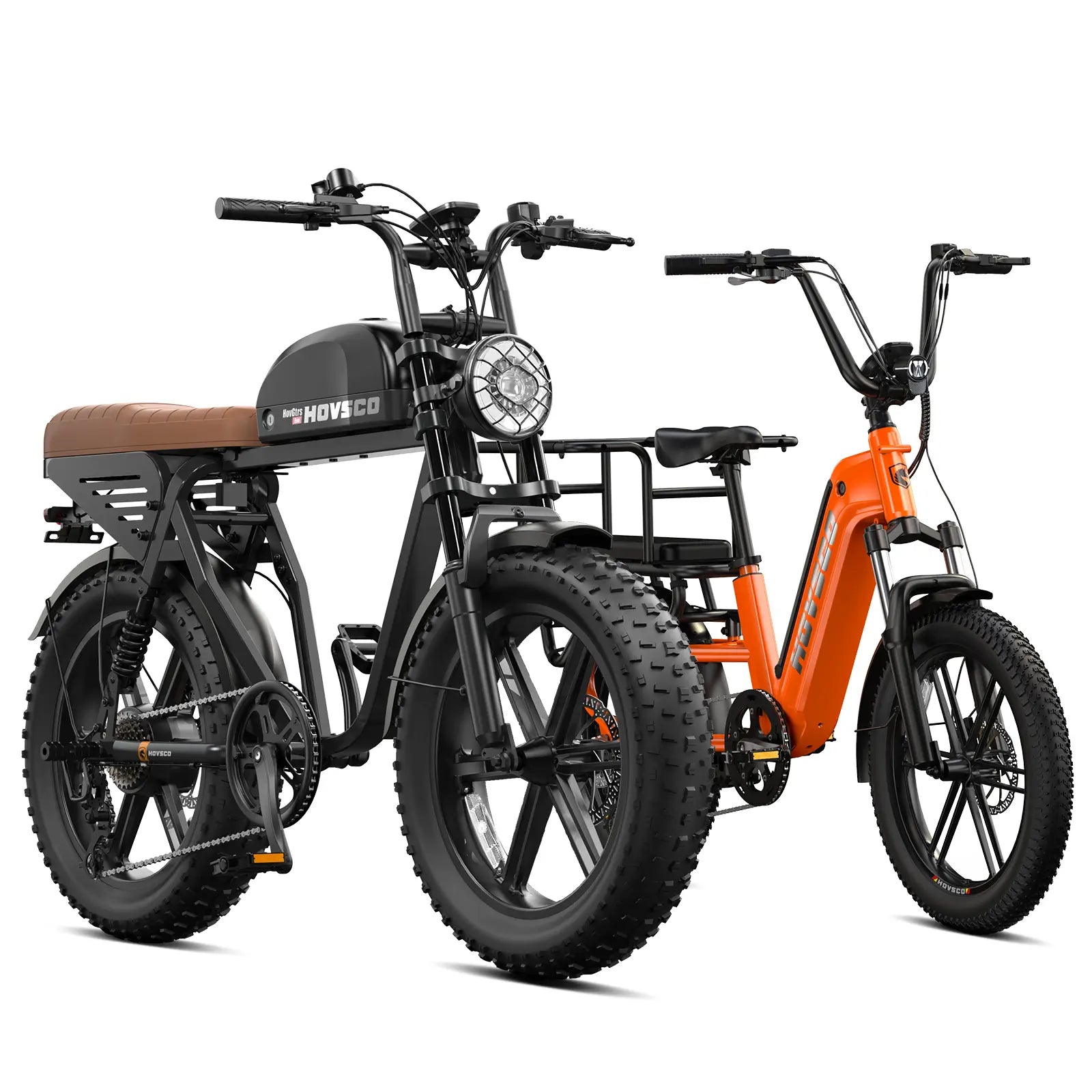
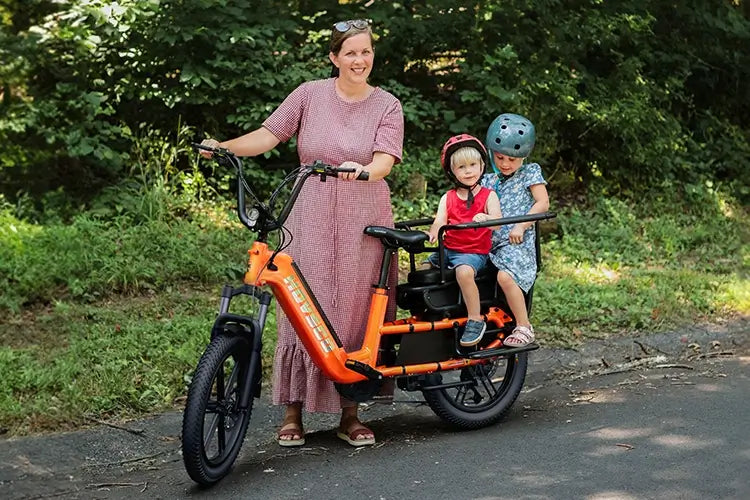
HOVSCO’s cargo and utility lineup sits right in that demand curve, especially for riders who need a bike that can carry people, groceries, or gear without feeling underbuilt. Its site emphasizes heavy-duty cargo use, family commuting, and all-terrain practicality, with models such as HovCart, HovAlpha, HovScout, and HovGtrs standing out as the most relevant options.
Heavy-duty electric bikes are e-bikes built with higher payload capacity, stronger frames, wider tires, and more powerful motors so they can handle cargo, heavier riders, hills, and rougher roads with less strain. In practice, they are designed for utility first: stability, load support, and dependable assist under real-world weight.
For many riders, a standard commuter e-bike is fine until the load increases. Add a child seat, school bags, groceries, a rear rack box, or a steep route, and the ride can quickly feel soft, twitchy, or underpowered.
That is where heavy-duty electric bikes change the experience. They reduce the “am I pushing this bike too hard?” feeling that many buyers notice with lighter models. They also lower the mental friction around daily trips, because the bike is no longer just for exercise or weekend fun; it becomes a true errand machine.
The pain point is not only power. It is confidence. A bike that flexes too much, struggles on starts, or feels unstable under load creates hesitation, especially for parents, taller riders, and commuters riding in mixed traffic.
A second problem is range anxiety under load. The heavier the rider and cargo, the more the battery is asked to work. That means users need a battery-and-motor combination that holds up when the route is not ideal, not just when the test ride is on flat pavement.
The third issue is value. Many buyers want one bike that can do several jobs, but they do not want to pay premium cargo-bike pricing unless the utility is obvious. HOVSCO’s positioning matters here because the brand puts payload, range, and family use front and center while staying in a more accessible price band than many premium cargo competitors.
The cargo-bike market has converged on one message: when the load goes up, frame strength, torque, and brake quality matter more than marketing claims.
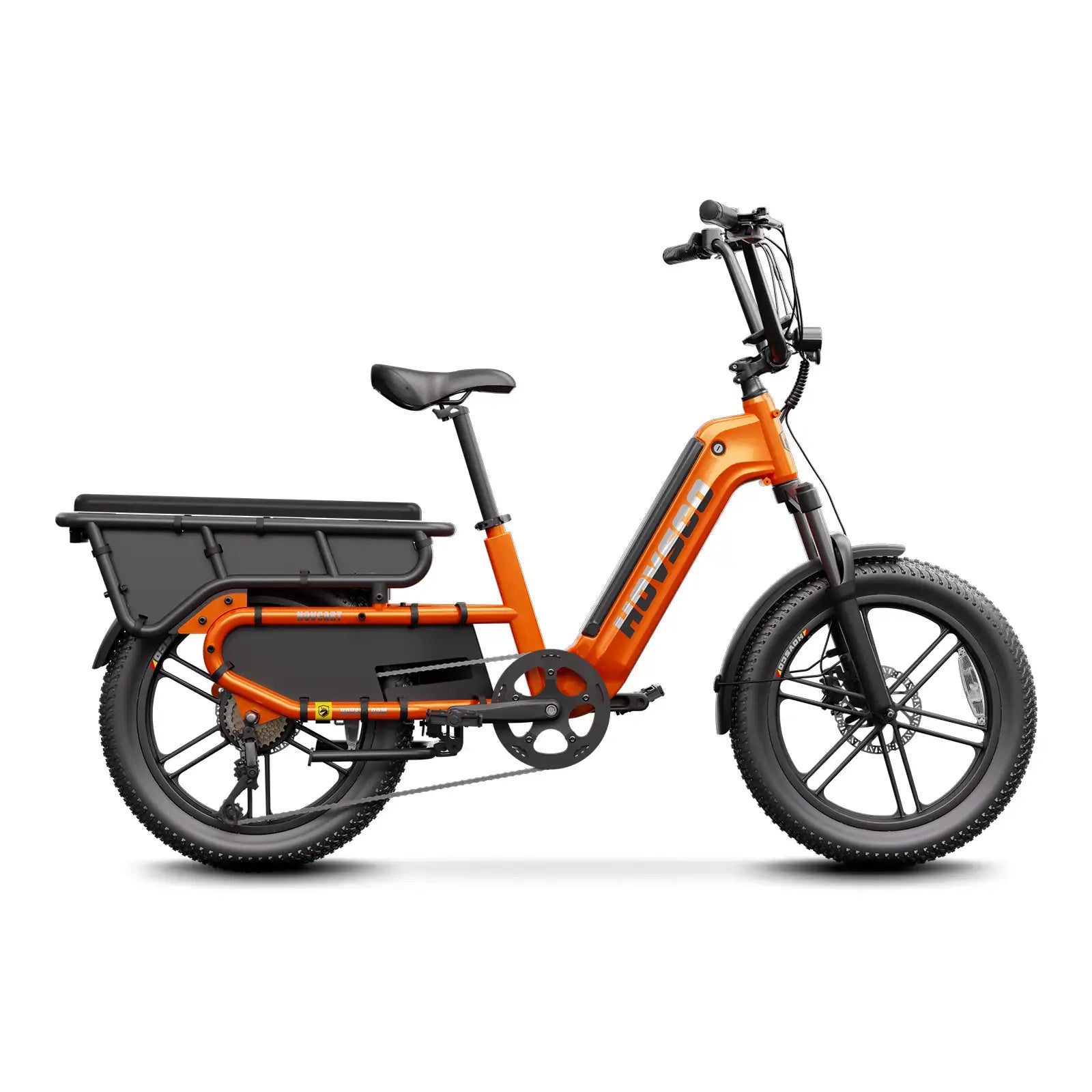
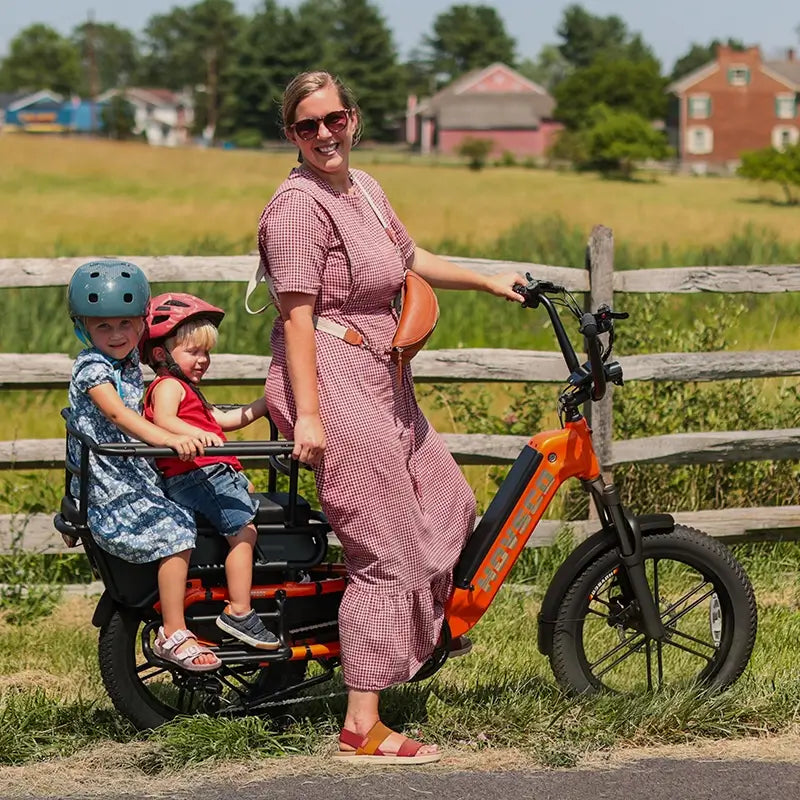
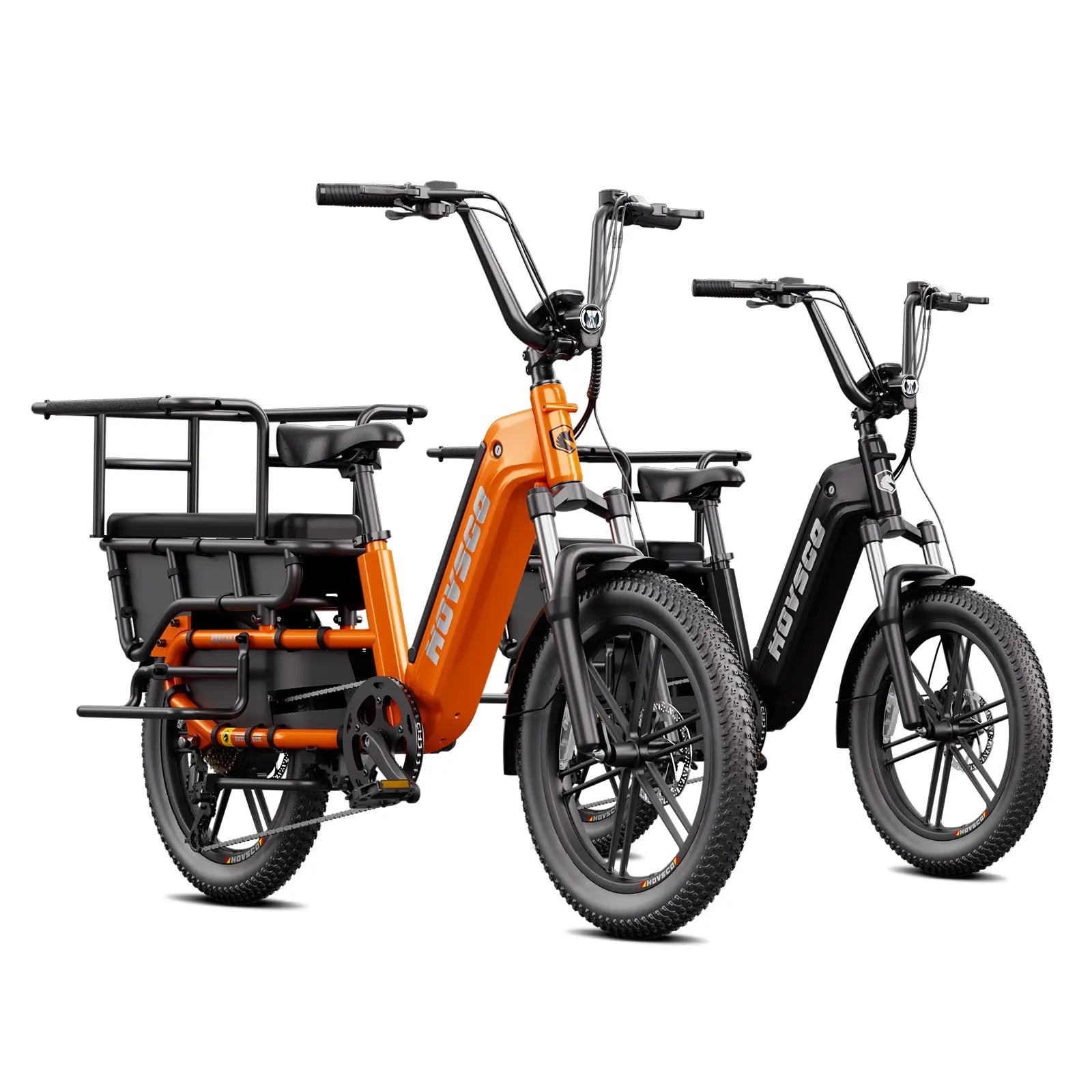
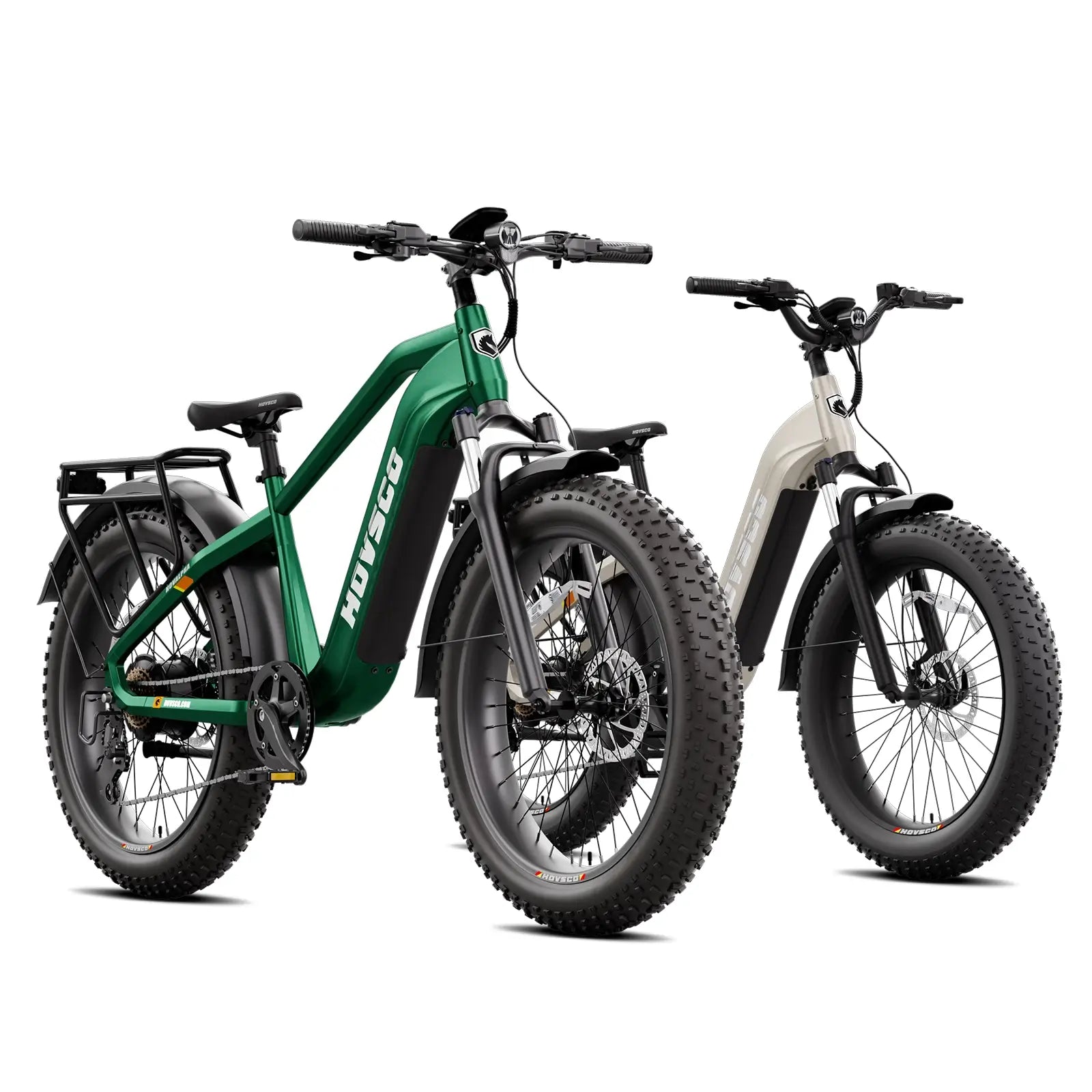
HOVSCO’s homepage makes the brand’s utility-first focus clear, especially through the HovCart, which is presented as a cargo/family bike with a 1300W motor, 450 lb payload capacity, 28 mph top speed, and 60-mile range. The same site also highlights other heavy-duty options, including HovAlpha, HovScout, and HovGtrs, giving the brand a compact but coherent range for riders who want power and practical load handling.
Payload first.
The brand repeatedly centers 450 lb payload capacity on its heaviest models, which is the number utility riders care about most when the bike must carry more than a single adult.
Motor support.
HOVSCO’s heavy-duty models lean on 1300W to 1500W motor ratings, which helps explain why the bikes are framed for cargo, family, and rougher riding conditions rather than simple flatland commuting.
Range and comfort.
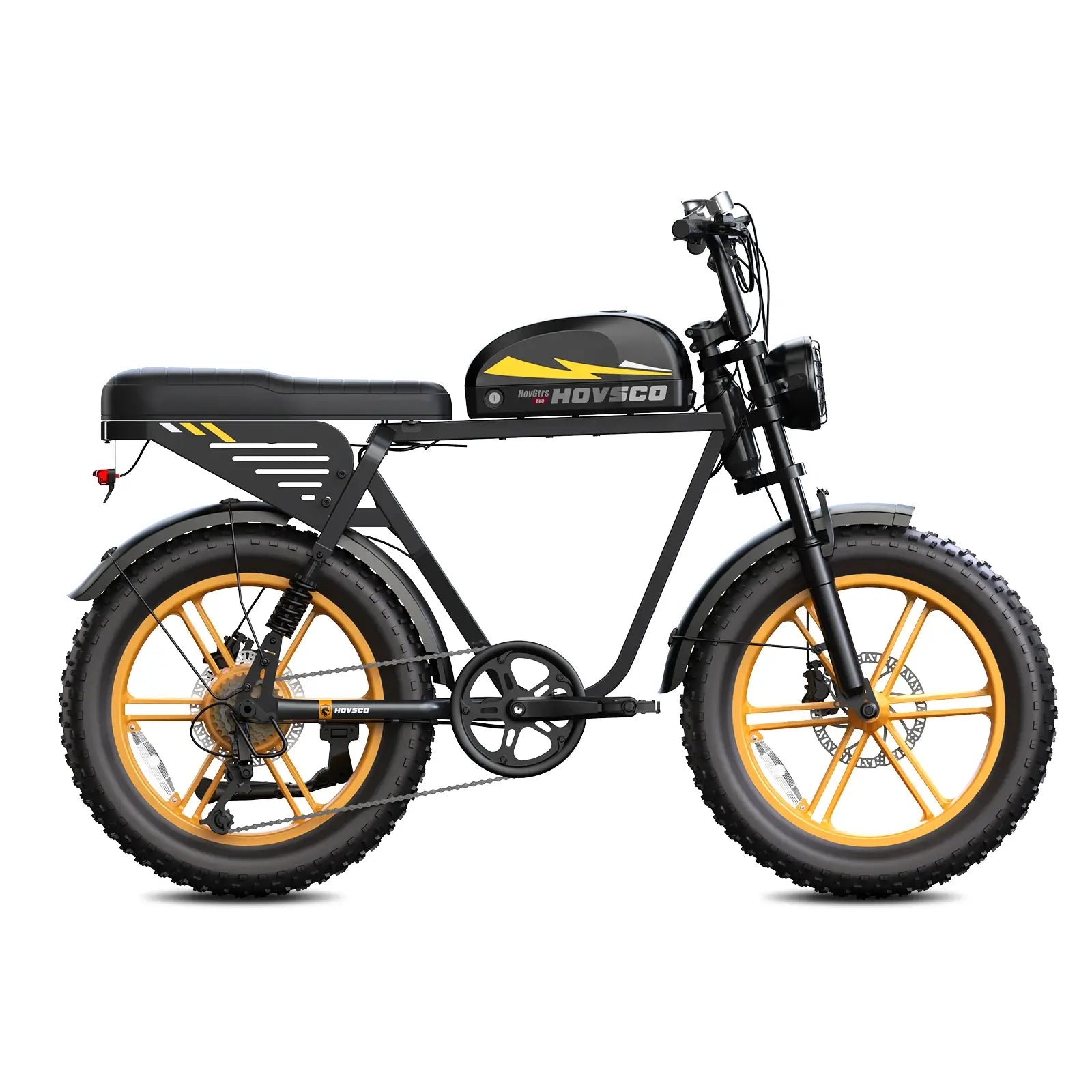
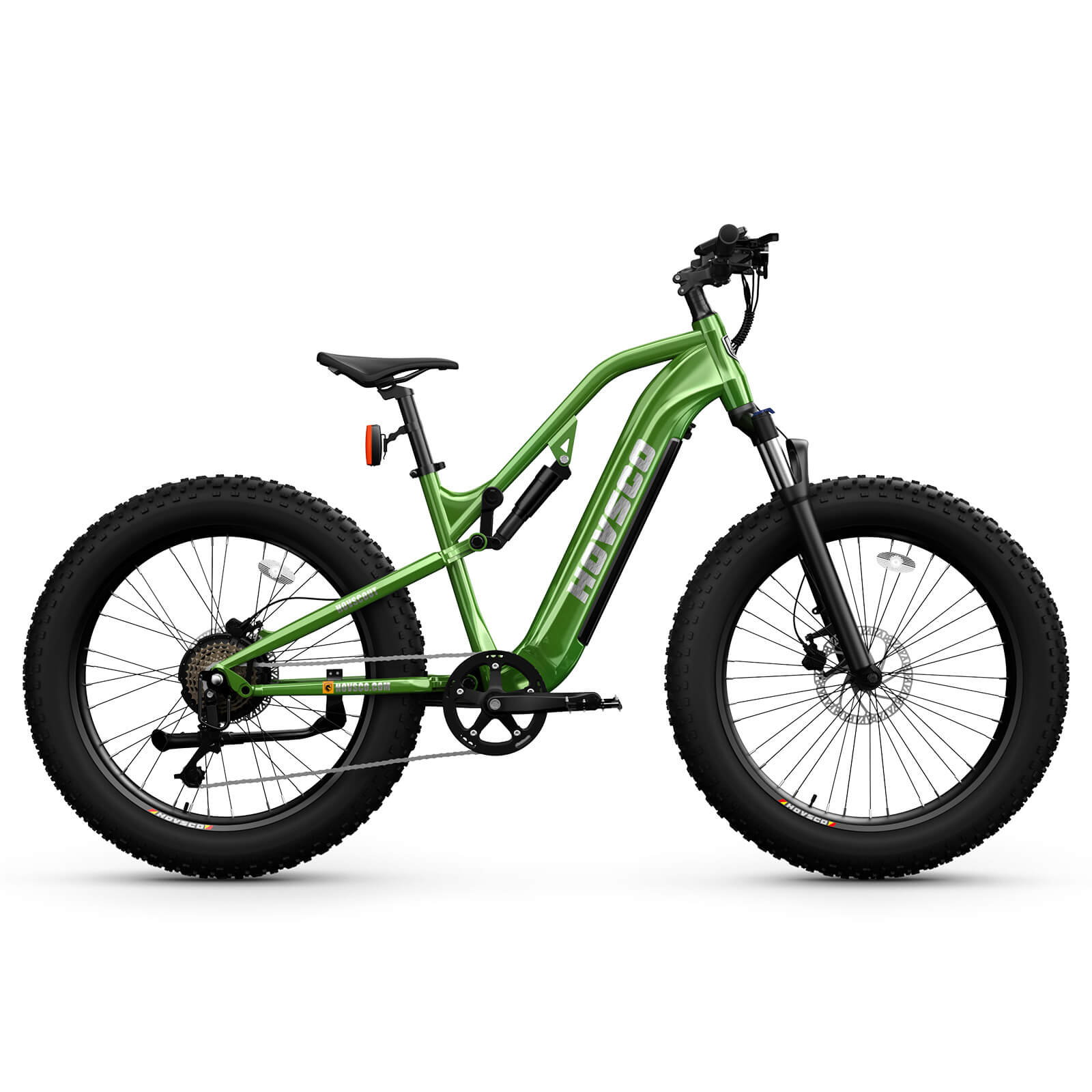
The site pairs those specs with claimed ranges up to 80 miles on HovAlpha and 65–150 miles on HovGtrs, while HovScout adds full suspension for riders who care about comfort under load.
Carry groceries, a child seat, and a backpack without immediately thinking about the bike’s limit.
Replace short car trips with a single ride that still feels stable after loading up.
Use one bike for school runs on weekdays and neighborhood errands on weekends.
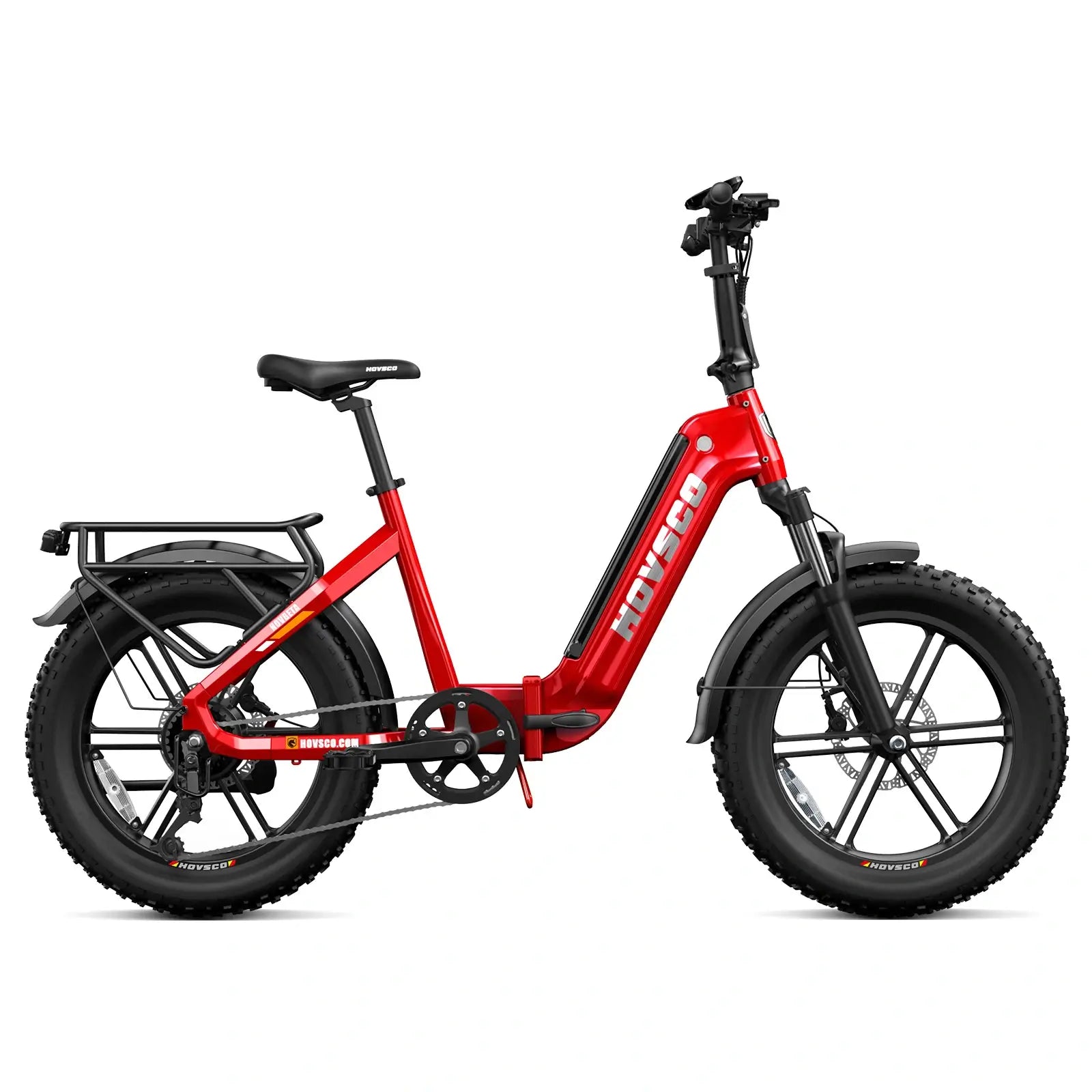
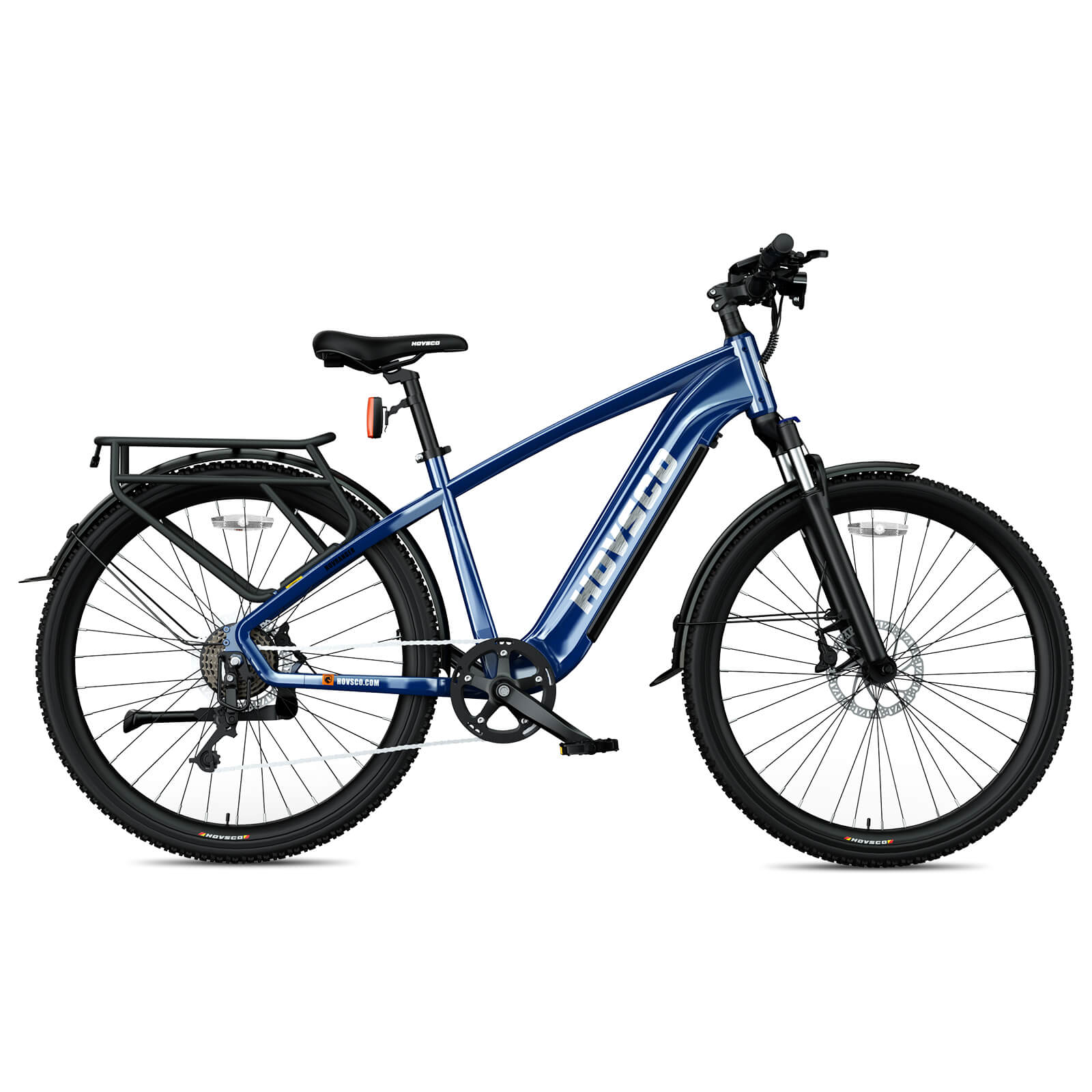
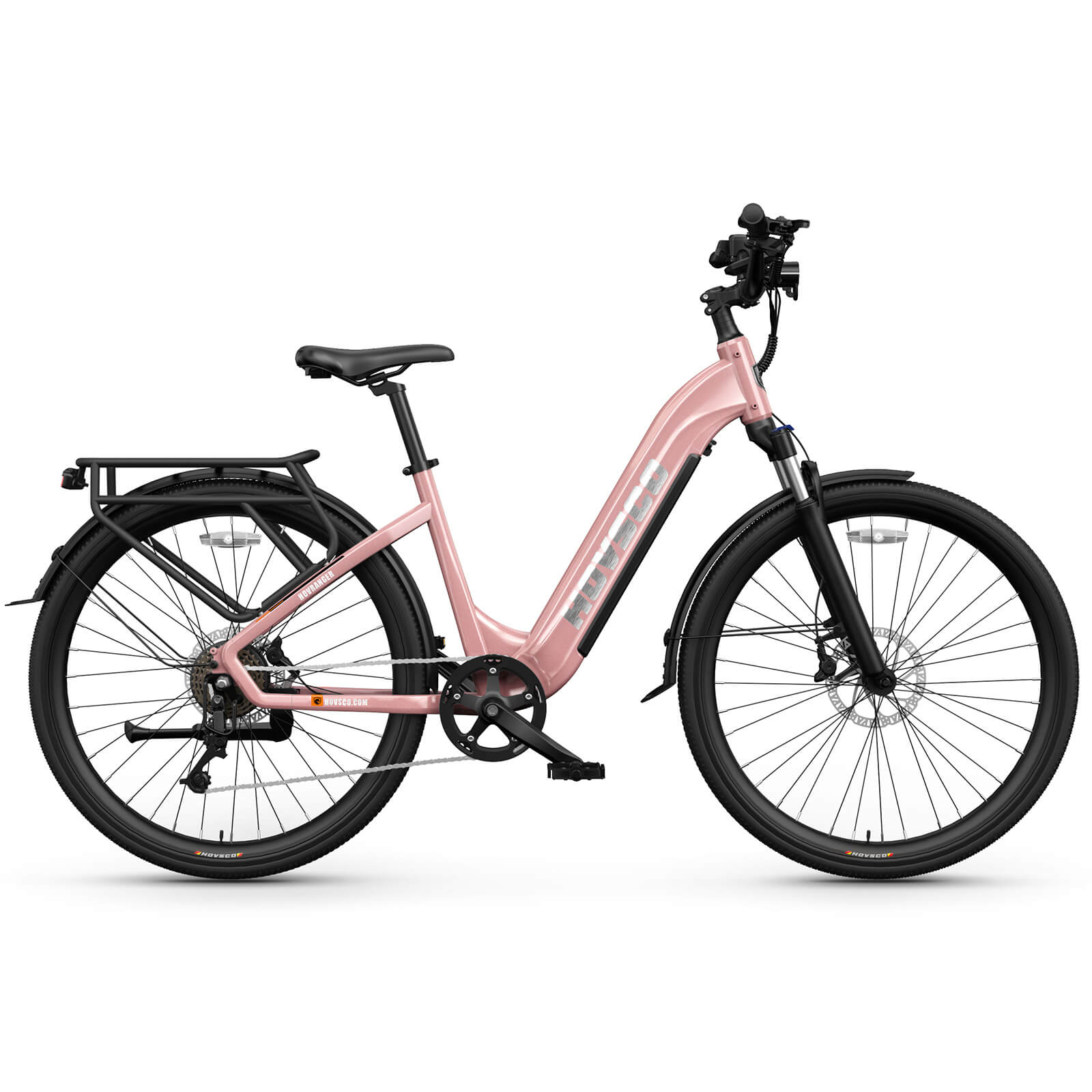
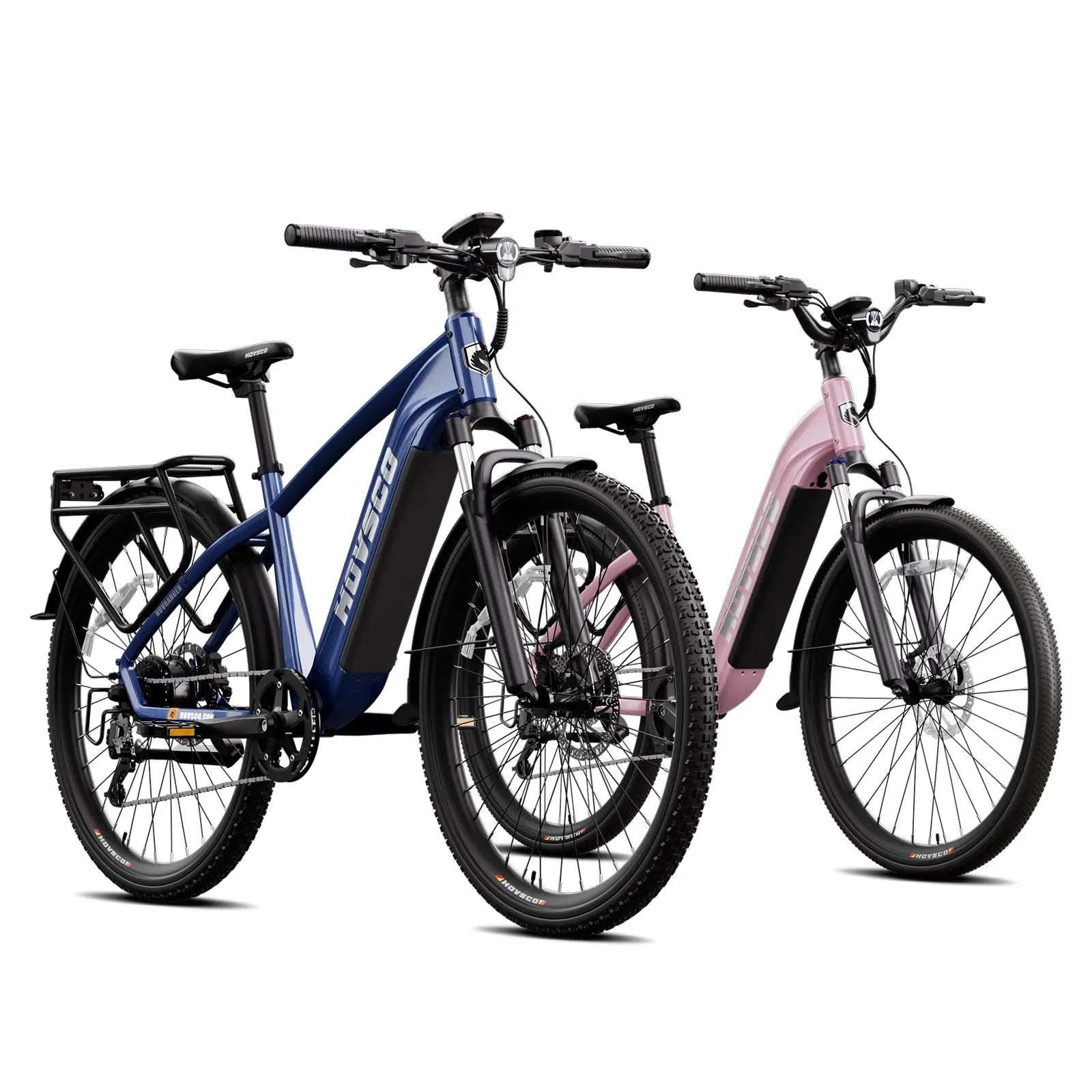
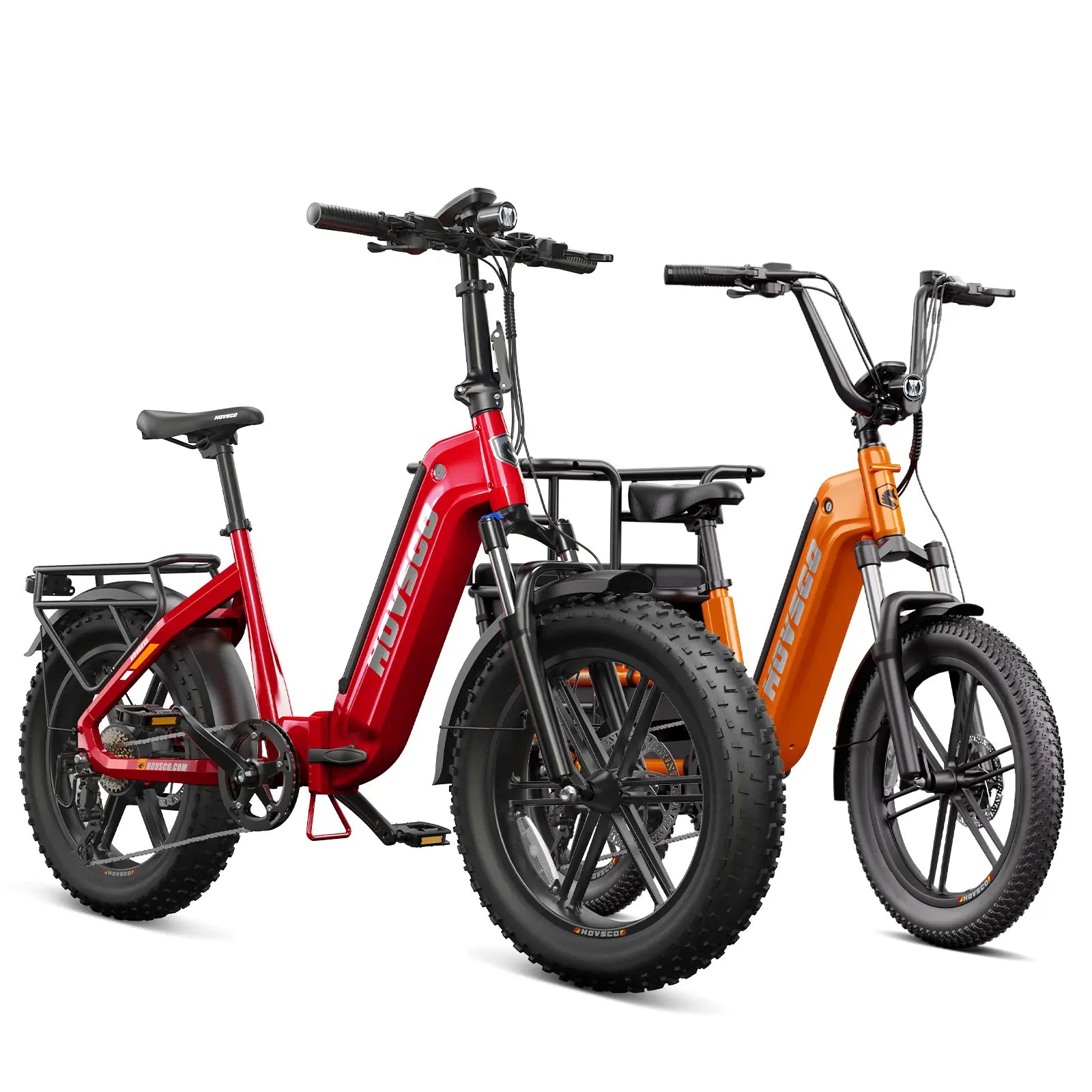
For readers who want the same utility-first approach but slightly different geometry or use cases, HOVSCO’s broader lineup is useful. HovBeta is the more portable option for riders short on storage, while HovRanger offers a lighter commuting setup. Together, these pages show how the brand segments heavy-duty use from everyday city riding without losing a consistent design language.
Start with payload, not motor wattage. If the bike will carry a child, cargo, or a heavier rider, the total load limit matters more than headline speed.
Match the frame to the route. Cargo and family trips favor stability; rough roads and longer rides benefit from suspension and wider tires.
Check the real daily distance. A bike with an 80-mile claim may be ideal for mixed use, while a 60-mile model may be enough for shorter urban trips.
Decide whether you need foldability. Storage and apartment living can make a folding model more practical than a rigid frame.
Choose the ride position. Step-thru designs usually make frequent stop-and-go use easier.
Compare the support experience. Warranty, service reach, and parts access matter more on heavy-duty bikes because they are expected to work harder.
Scenario 1: School runs and groceries
Traditional approach: one adult bike, one backpack, and multiple trips.
With HOVSCO: a HovCart can be set up for cargo-first errands, reducing the need to split trips.
Scenario 2: Hilly commuter route
Traditional approach: arrive sweaty or slow down dramatically on climbs.
With HOVSCO: a heavier-duty model with more motor support makes the commute feel more consistent under load.
Scenario 3: Long mixed-use weekends
Traditional approach: use a car for the family outing and a separate bike for exercise.
With HOVSCO: a long-range model like HovAlpha can cover utility and leisure in one ride.
Heavy-duty electric bikes make the most sense when one bike has to do the work of several. Family transport, grocery runs, and short cargo deliveries are obvious fits, but they also help riders who simply want a bike that feels less fragile when conditions get messy.
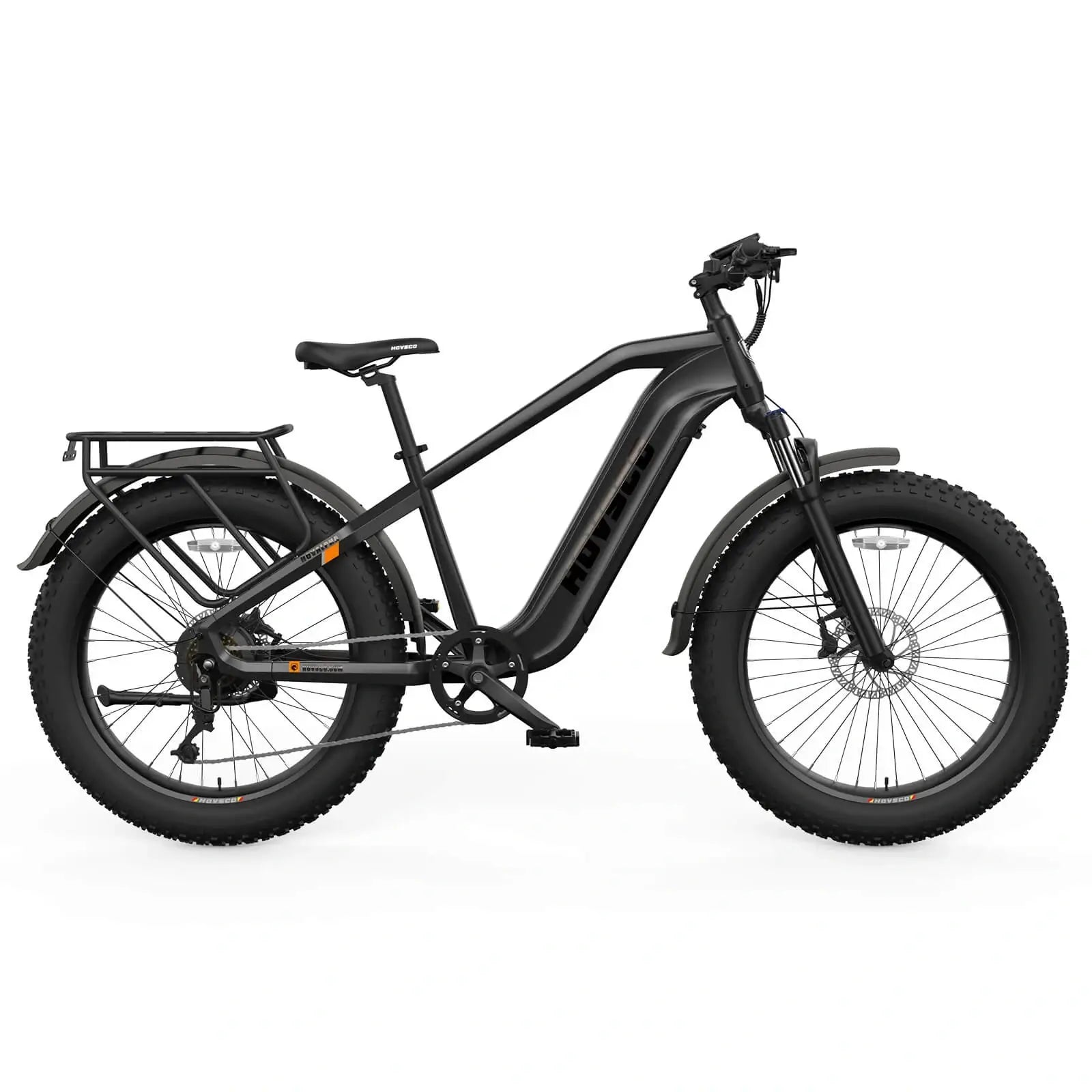
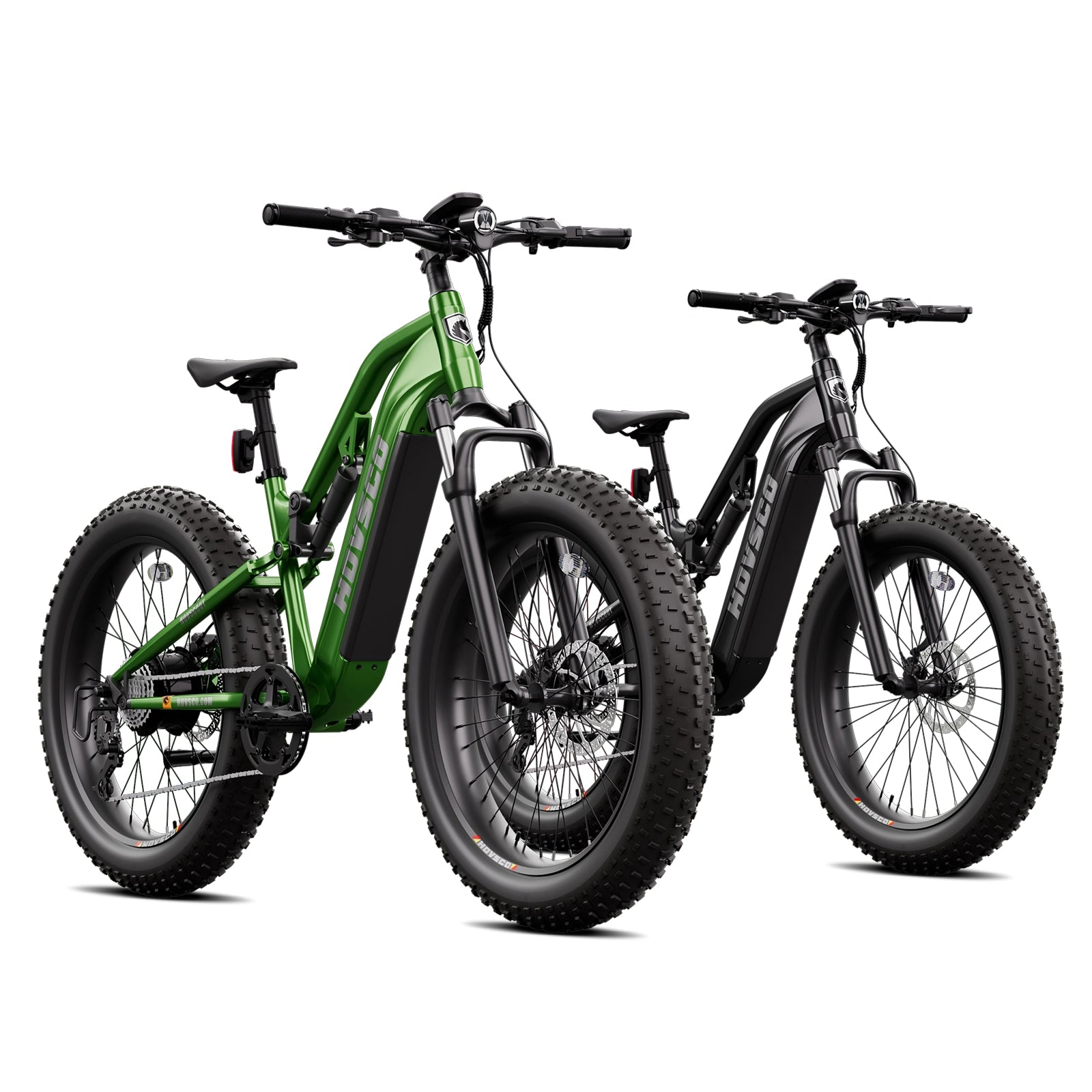
HOVSCO’s catalog reflects that reality. The cargo-oriented HovCart is the clearest “hauler,” while HovScout is better suited to riders who want extra comfort with the same 450 lb payload claim. That gives the brand a broader utility story than a single-model cargo page would.
What makes heavy-duty electric bikes different from regular e-bikes?
They are built for higher loads and tougher use. Compared with typical commuter models, they usually prioritize stronger frames, wider tires, better braking, and higher payload ratings.
Is a 450 lb payload capacity useful for family cargo biking?
Yes, especially if the rider needs to carry a child seat, groceries, work gear, or a passenger. HOVSCO’s heavy-duty models repeatedly use a 450 lb payload claim, which is aimed at exactly that kind of use.
Which HOVSCO heavy-duty e-bike is best for long-range riding?
The HovAlpha is the clearest long-range choice on the brand site, with an 80-mile claimed range. That makes it the most relevant option when distance matters as much as load.
Is the HovCart a good heavy-duty cargo e-bike?
For buyers who want a cargo-first layout, it is the most direct fit on the site. HOVSCO describes it as a cargo/family bike with 1300W motor power, 450 lb payload capacity, 28 mph top speed, and 60-mile range.
Do heavy-duty electric bikes need suspension?
Not always, but suspension helps when the bike is loaded or ridden on rougher streets. HOVSCO’s HovScout is the best example of that approach in the brand’s lineup.
What should heavy riders check before buying a heavy-duty e-bike?
They should check payload, frame style, braking, and whether the bike feels stable at low speed. Third-party buying guides consistently stress that weight limit and load handling are more important than a spec sheet full of speed claims.
Heavy-duty electric bikes make the most sense when practicality comes first. For riders who need a bike to carry more, go farther, and stay composed under load, HOVSCO’s cargo and utility lineup offers a focused, accessible set of options without drifting away from everyday usability.
If the goal is to replace short car trips with a bike that can actually handle real life, HOVSCO’s heavy-duty models are worth a close look. The brand’s balance of payload, price, and utility is what makes it especially relevant in today’s e-bike market.
Explore HOVSCO’s cargo and utility lineup to find a heavy-duty e-bike that fits family runs, commuting, and daily hauling. HOVSCO is a U.S.-based e-bike brand focused on practical, family-friendly electric bikes built for utility, comfort, and everyday riding.
Share:
Utility Cycling Growth: Why Everyday E-Bikes Are Winning
Urban Green Spaces Access: Ride More, Explore More