
























![[ New Arrival ] Porto Max Electric Scooter For Commute & Grocery Shopping - HOVSCO](http://www.hovsco.com/cdn/shop/files/PotroMax-3.jpg?v=1706927007&width=1200)
- by SteveJames
Utility Cycling Growth: Why Everyday E-Bikes Are Winning
- by SteveJames
E-Bikes
Accessories
 Free Shipping
 15-Day Returns
 2-Year Warranty
Free Shipping
15-Day Returns
2-Year Warranty
2-Year Warranty
Free Shipping
15-Day Returns
2-Year Warranty
Utility cycling growth is accelerating as e-bikes make commuting, errands, and family transport easier and more practical.
Utility cycling growth is being fueled by a basic reality: many daily trips are short, repetitive, and expensive to do by car. Global e-bike demand continues to expand, while cargo and commuter formats are increasingly positioned as practical mobility tools rather than niche lifestyle products. HOVSCO’s own site reflects that shift by centering utility use cases such as groceries, school runs, and daily commuting.
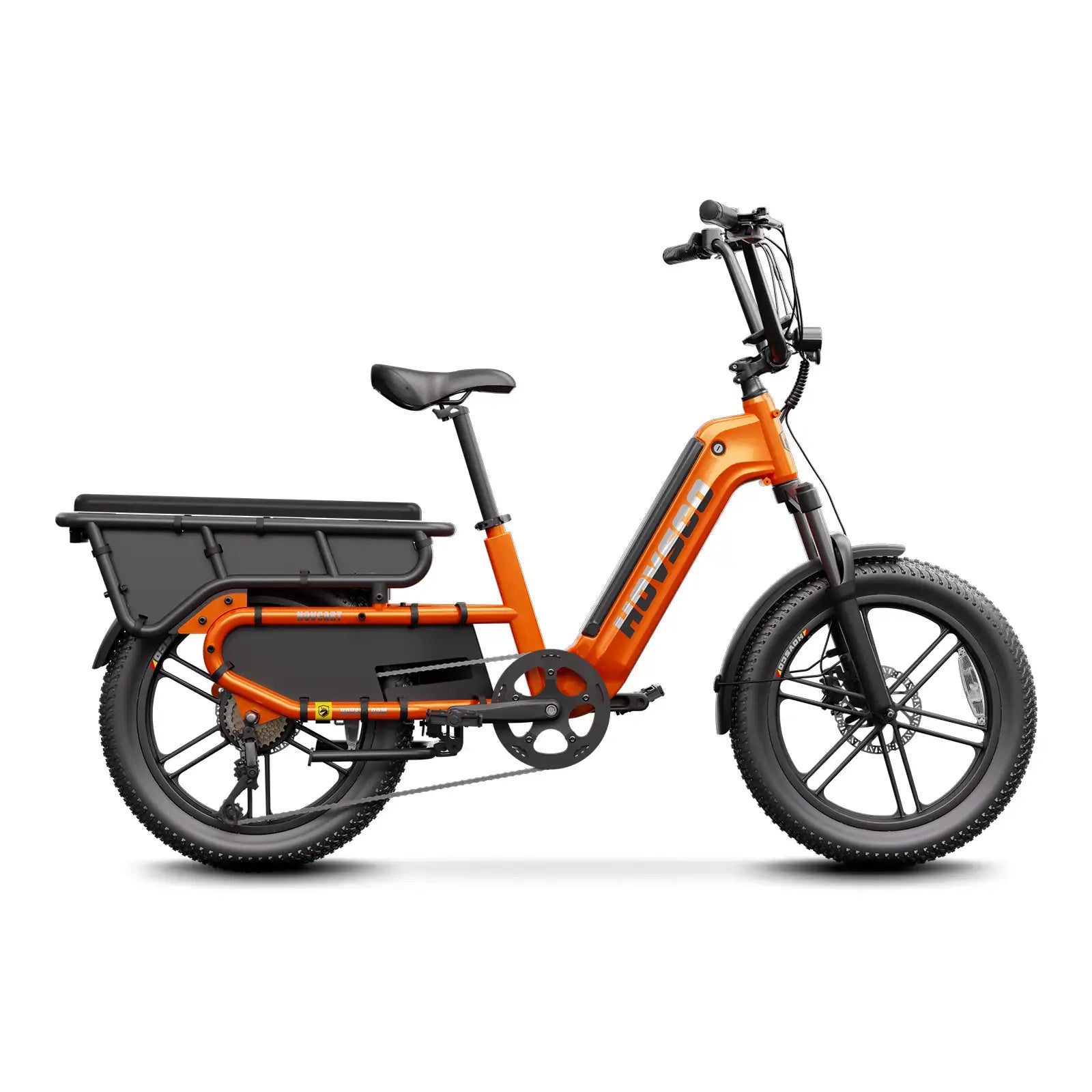
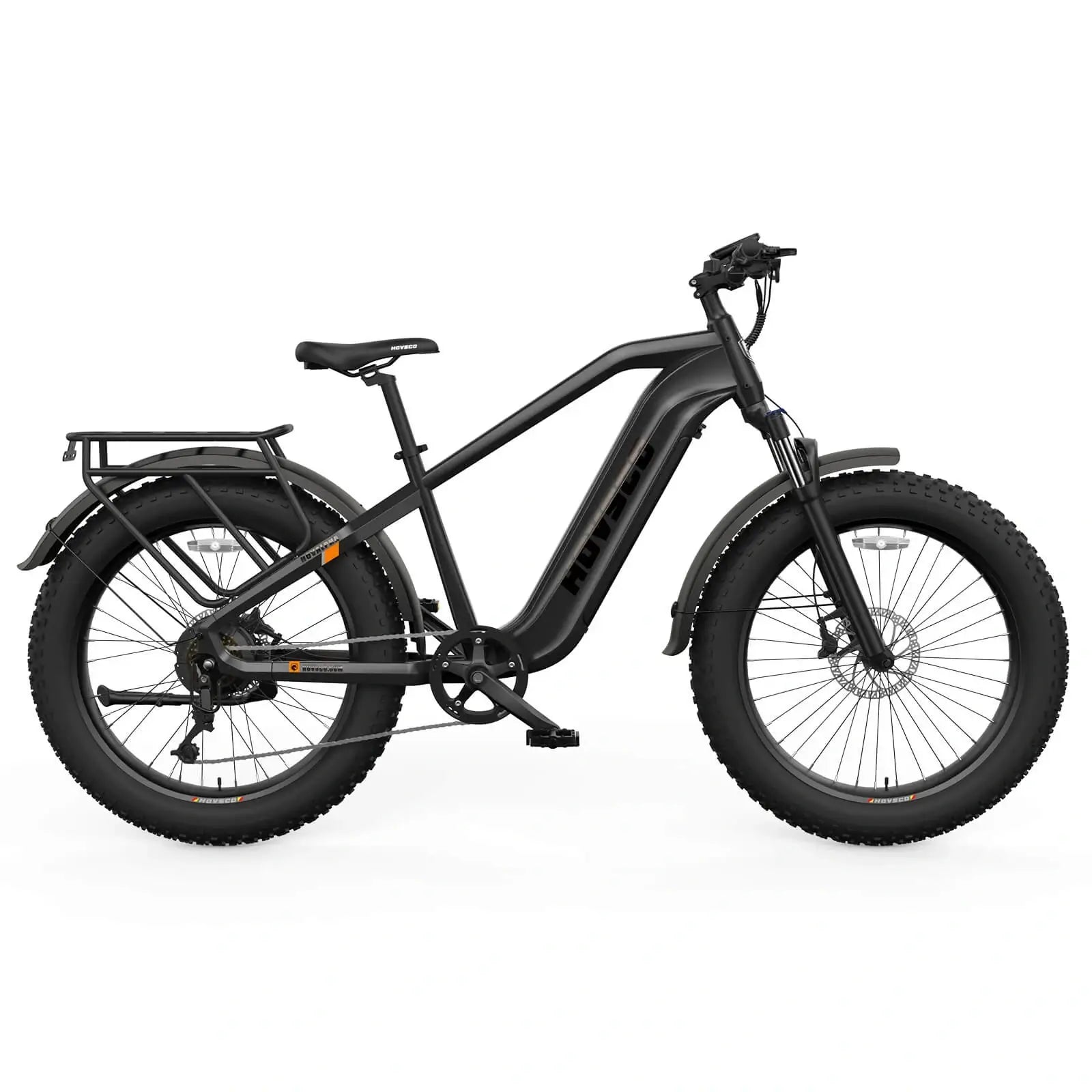
HOVSCO’s current lineup includes cargo, commuter, folding, mountain, and fat-tire e-bikes, which gives the brand a clear fit inside the utility cycling trend. Among the most relevant products and collections are the Cargo E-Bikes collection, the E-Bikes collection, and the Fat Tire Electric Bikes collection.
Utility cycling growth is the rising use of bicycles and e-bikes for practical transport tasks such as commuting, errands, carrying cargo, and replacing short car trips. In other words, it is the shift from riding for recreation to riding for everyday usefulness.
Short trips are one of the least efficient parts of car ownership. A family may drive to school, then a store, then a pickup point, and each trip creates costs in fuel, parking, and time even when the distance is small. Utility cycling gives riders a way to keep the convenience of point-to-point transport while reducing those overheads.
E-bikes have also solved a major barrier for utility riding: effort. A loaded bike used to feel too slow, too tiring, or too dependent on perfect terrain. With assist systems, torque sensors, and stronger frames, more riders can carry groceries, commute in regular clothes, and still arrive without needing a shower. HOVSCO’s utility-focused pages emphasize exactly those benefits through cargo-friendly design, long range, and step-thru options.
The trend is bigger than one product category. Families want more flexible mobility, urban riders want easier parking, and suburban riders want to reduce second-car dependence. That is why utility cycling keeps expanding beyond cargo bikes alone and into commuter, folding, and fat-tire formats as well.
HOVSCO highlights utility models with up to 1,300W motor power, 450 lb payload capacity, and 60-mile range, showing how the category is being built around real daily use.
Recent industry reporting continues to treat e-bikes as one of the most practical growth areas in micromobility, especially where commuting and cargo use overlap. HOVSCO’s product mix mirrors that direction with a cargo family, a commuter option, a folding option, and fat-tire bikes that can handle mixed surfaces.
For shoppers comparing options, the HovCart cargo model and HovBeta foldable fat-tire model are especially relevant to utility cycling because both are positioned for practical transport rather than sport. The HovRanger also stands out as a commuter-style model; HOVSCO lists a 970W motor, 28 mph top speed, 300 lb payload capacity, 60-mile range, torque sensor, and hydraulic disc brakes on that product page.
Power and assist
Utility riding works best when acceleration feels predictable with cargo or stop-and-go traffic. HOVSCO’s product pages emphasize motor power and torque-sensor support, which helps the bike feel natural rather than jerky in daily use.
Comfort and stability
Suspension, fat tires, and step-thru frames reduce the intimidation factor for everyday riders. That matters because a utility bike has to work on Monday morning, not just on a weekend path.
Range and payload
Range and load capacity are the two specs that tell buyers whether a bike can actually replace short car trips. HOVSCO highlights 60-mile range and heavy payload figures on its utility-oriented product pages, which makes the bikes easier to position as practical transport tools.
School run: a utility e-bike handles repeated stops without the parking hassle of a car.
Grocery pickup: cargo-friendly design makes small errands feel efficient instead of fragmented.
Mixed commute: a commuter e-bike keeps weekday trips simple while still feeling capable after work.
Readers who start with utility cycling growth often end up wanting a specific frame style next. The Cargo E-Bikes collection is the best fit for hauling kids or groceries, while the Folding E-Bikes collection suits riders with limited storage space. For riders who want more stability on rough streets or mixed terrain, the Fat Tire Electric Bikes collection is the most natural follow-up.
Start with the daily trip pattern. The right utility bike depends on whether the main job is commuting, errands, or family transport.
Match the frame to the body and the load. Step-thru designs are generally easier for stop-and-start riding, especially when carrying bags or cargo.
Check the assist system. Torque-sensor support is important because it makes utility riding feel smoother and more predictable.
Compare range to real errands, not ideal conditions. A bike should handle the full routine with margin, not just the shortest version of it.
Look at braking and comfort hardware. Hydraulic brakes and suspension matter more when the bike is used daily.
Use the collections pages to narrow the choice. HOVSCO’s lineup makes it easier to move from broad utility needs to a specific bike family.
Scenario: weekday commuting
Traditional method: drive through traffic, then spend time and money parking.
With HOVSCO: a commuter-style e-bike reduces parking friction and keeps the trip predictable.
Scenario: errands after work
Traditional method: make multiple short car trips and absorb the extra cost each time.
With HOVSCO: a cargo-oriented e-bike makes those short trips feel more direct and less wasteful.
Scenario: family mobility
Traditional method: rely on a second car for school runs and small pickups.
With HOVSCO: utility cycling can absorb more of those everyday trips and reduce car dependence.
What makes utility cycling growth different from regular cycling growth?
It is driven by transportation needs instead of sport or leisure. The strongest demand comes from commuting, errands, and family logistics, which is why utility e-bikes are growing fastest in practical categories.
Why are utility e-bikes becoming more popular in 2026?
They solve the friction of short car trips: traffic, parking, fuel expense, and time lost to small errands. HOVSCO’s utility-first messaging reflects that exact use case.
Is a torque sensor important for utility cycling?
Yes. A torque sensor makes assist feel more natural in stop-and-go riding, which is especially useful when a bike is carrying cargo or used for commuting.
Which HOVSCO bike works best for utility commuting and errands?
The HovRanger is a strong candidate because HOVSCO lists 970W motor power, 28 mph top speed, 300 lb payload capacity, 60-mile range, torque sensor, and hydraulic disc brakes on the product page.
Are cargo bikes only for delivery work?
No. In utility cycling, cargo bikes are also used for groceries, school runs, and family transport, which is why HOVSCO frames its cargo lineup around everyday life.
How should buyers choose between HOVSCO’s utility-friendly models?
Buyers should start with the main job: cargo hauling, commuting, compact storage, or mixed-surface riding. HOVSCO’s collections separate those use cases clearly, which makes the decision much easier.
Utility cycling growth is turning the e-bike into a real replacement for many short, repetitive car trips. HOVSCO is well aligned with that shift because its current lineup covers cargo, commuter, folding, and fat-tire use cases, and its product pages emphasize the specs that matter most in daily life. For readers who want mobility that is practical first and fun second, this category is moving in the right direction.
Explore HOVSCO’s utility-focused e-bike collections to match the bike to the trip, not the other way around. HOVSCO is a U.S.-based electric bike brand focused on cargo, commuter, folding, and fat-tire mobility for everyday riders.
Share:
E-Bike Community Building for Better Rides and Stronger Local Loyalty
Heavy-Duty Electric Bikes: Why HOVSCO Fits Heavy Loads, Long Rides, and Daily Hauls