Explore sustainable tourism trends in 2026 and how e-bikes like HOVSCO models support low-carbon, community-friendly travel.
Sustainable Tourism Trends in 2026: Why Mobility Matters
Global travel is booming again, but the question is no longer “how many visitors” but “how responsibly.” In 2025, international tourist arrivals rose 5% in the first half of the year, already about 4% above pre-pandemic levels. At the same time, transport-related tourism emissions are projected to grow by roughly 21% from 2016 to 2030 if current patterns continue.
Sustainable tourism is no longer a niche pitch; it is becoming the baseline. The global sustainable tourism market is projected to rise from USD 2.3 trillion in 2026 to USD 17.8 trillion by 2036, with an estimated 22.6% CAGR. Around 80% of global travelers already consider sustainable travel important, and 76% say they want to travel more sustainably in the next 12 months.
For destinations, businesses, and travelers alike, the challenge is to keep experiencing the world while reducing pressure on communities, ecosystems, and infrastructure. One of the most practical levers is mobility: replacing short car trips and motorized tours with human-powered or low-emission options. In this context, electric bikes are emerging as a core tool for sustainable tourism.
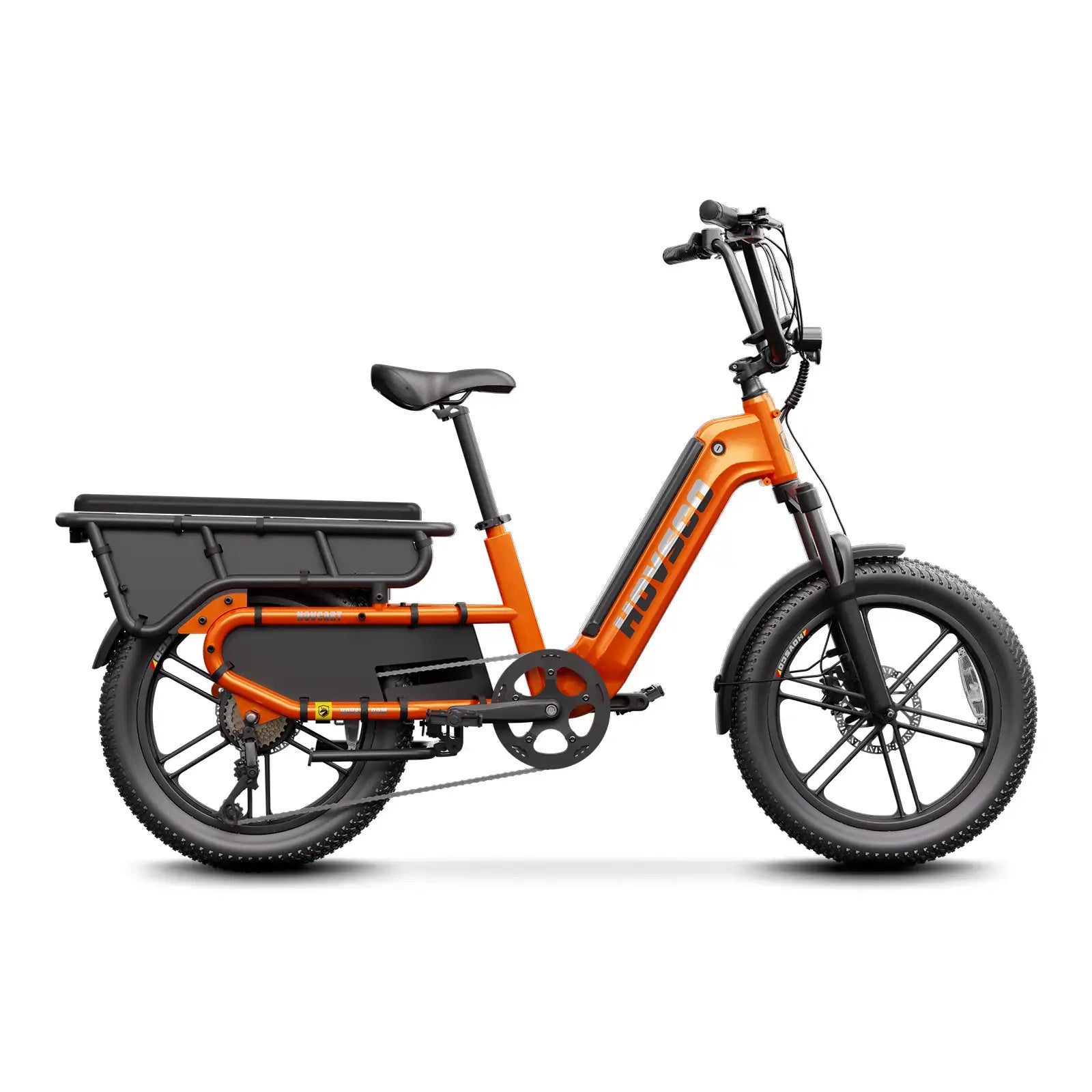
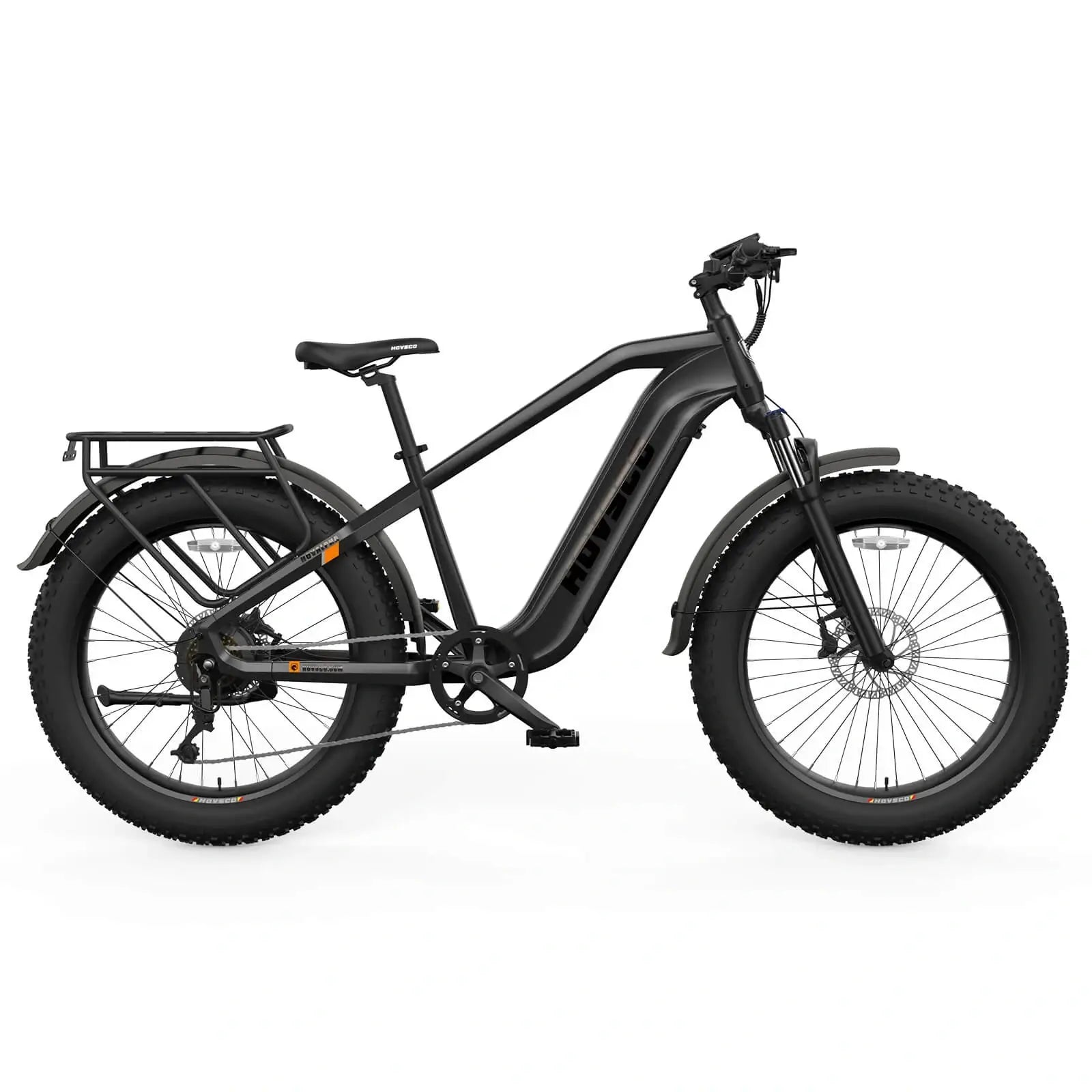
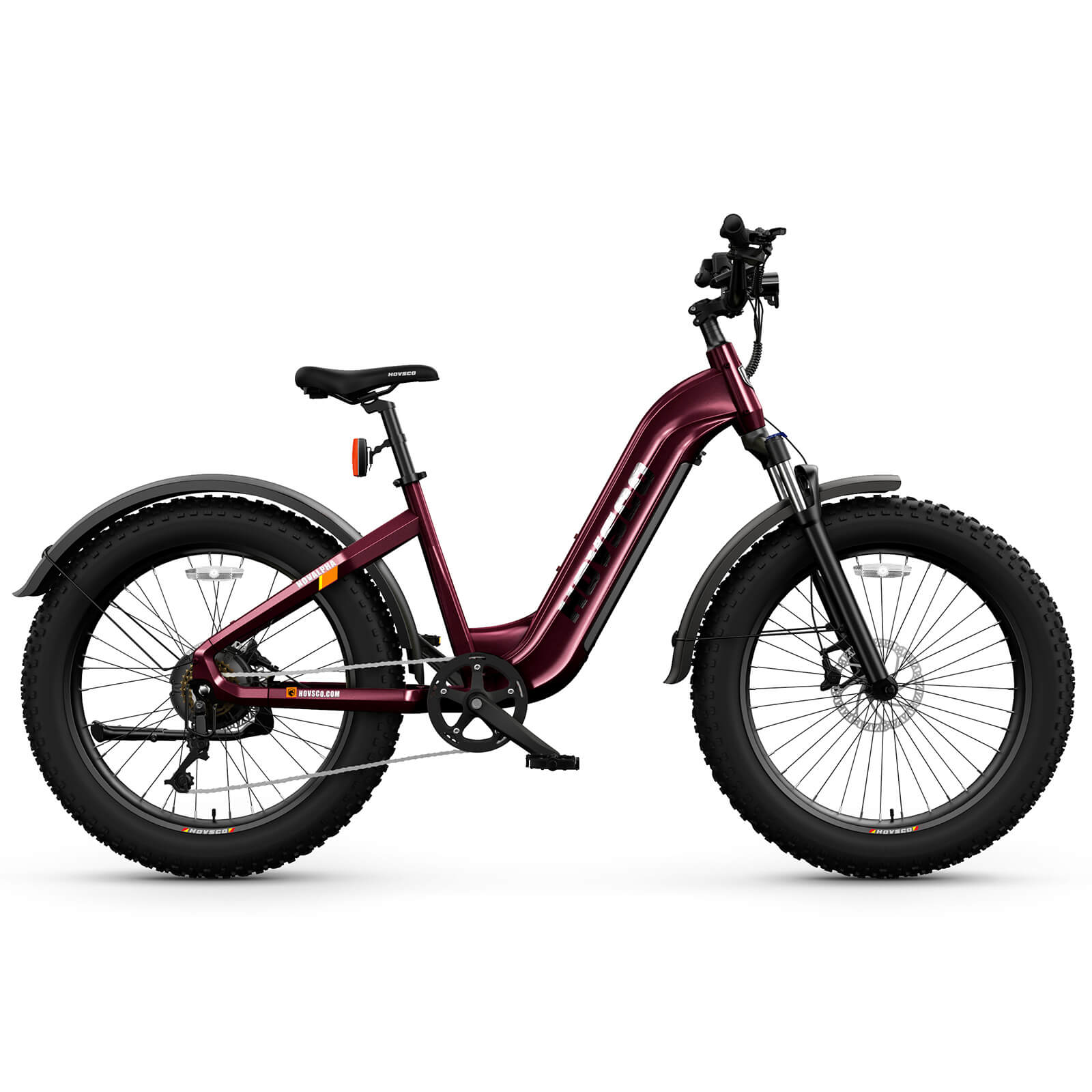
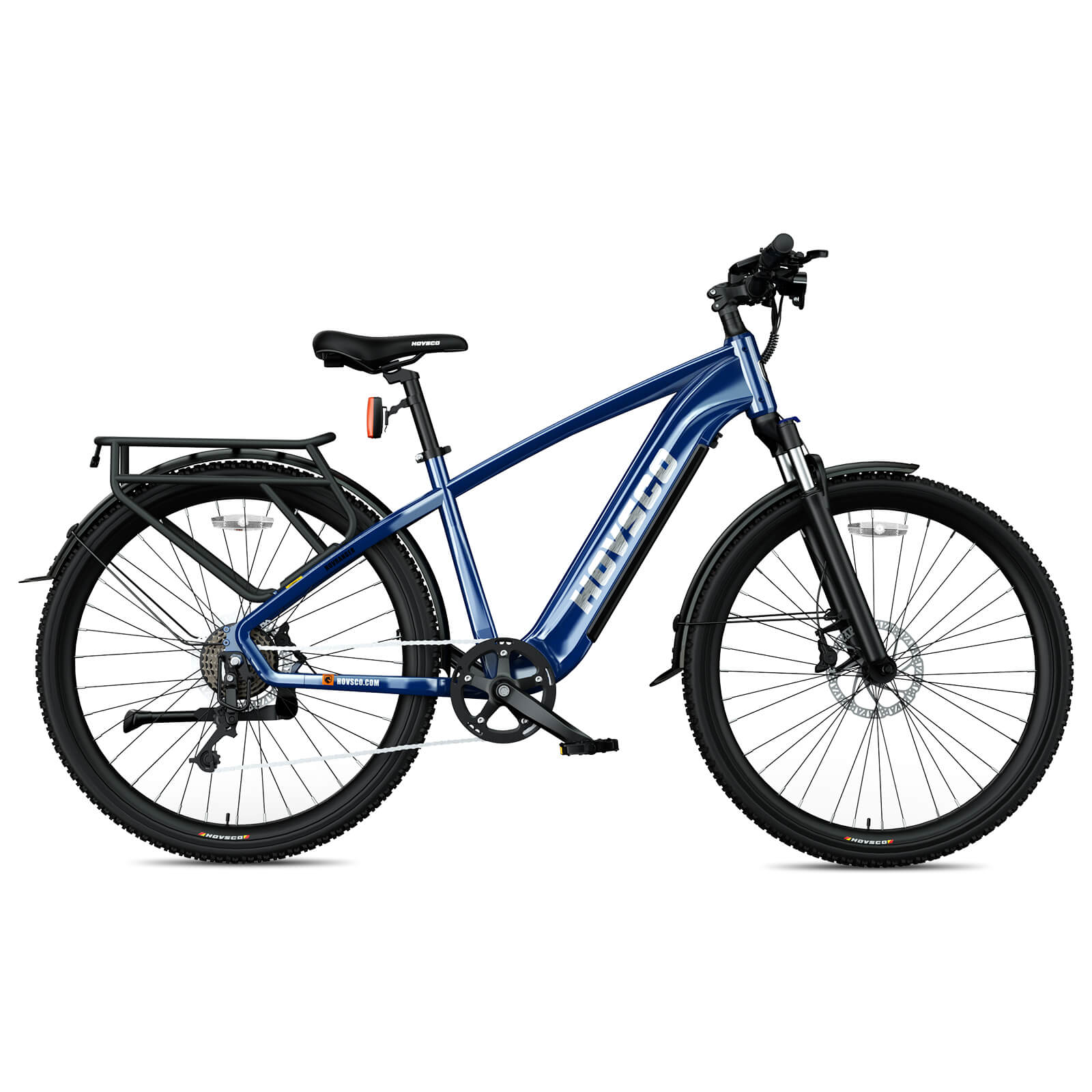
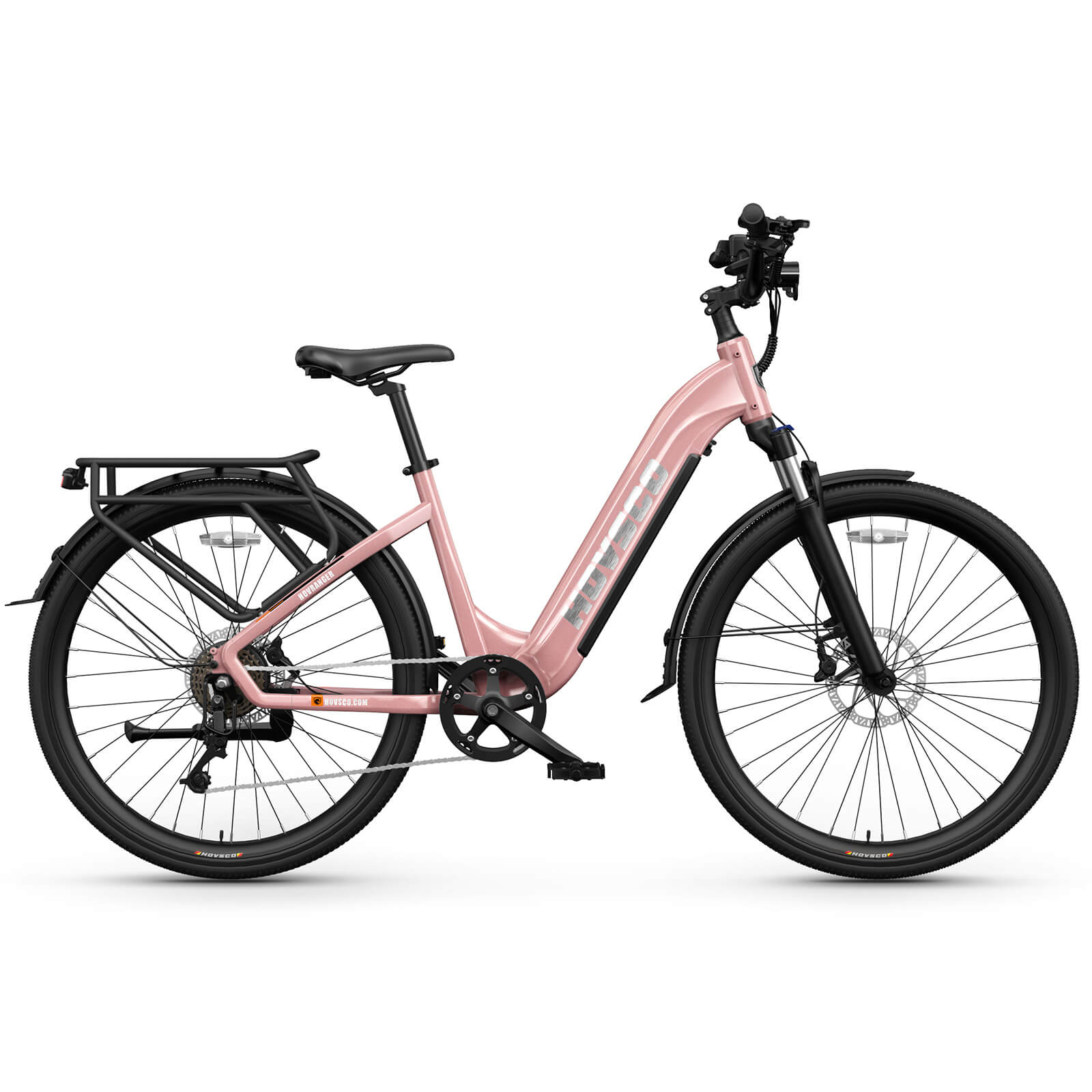
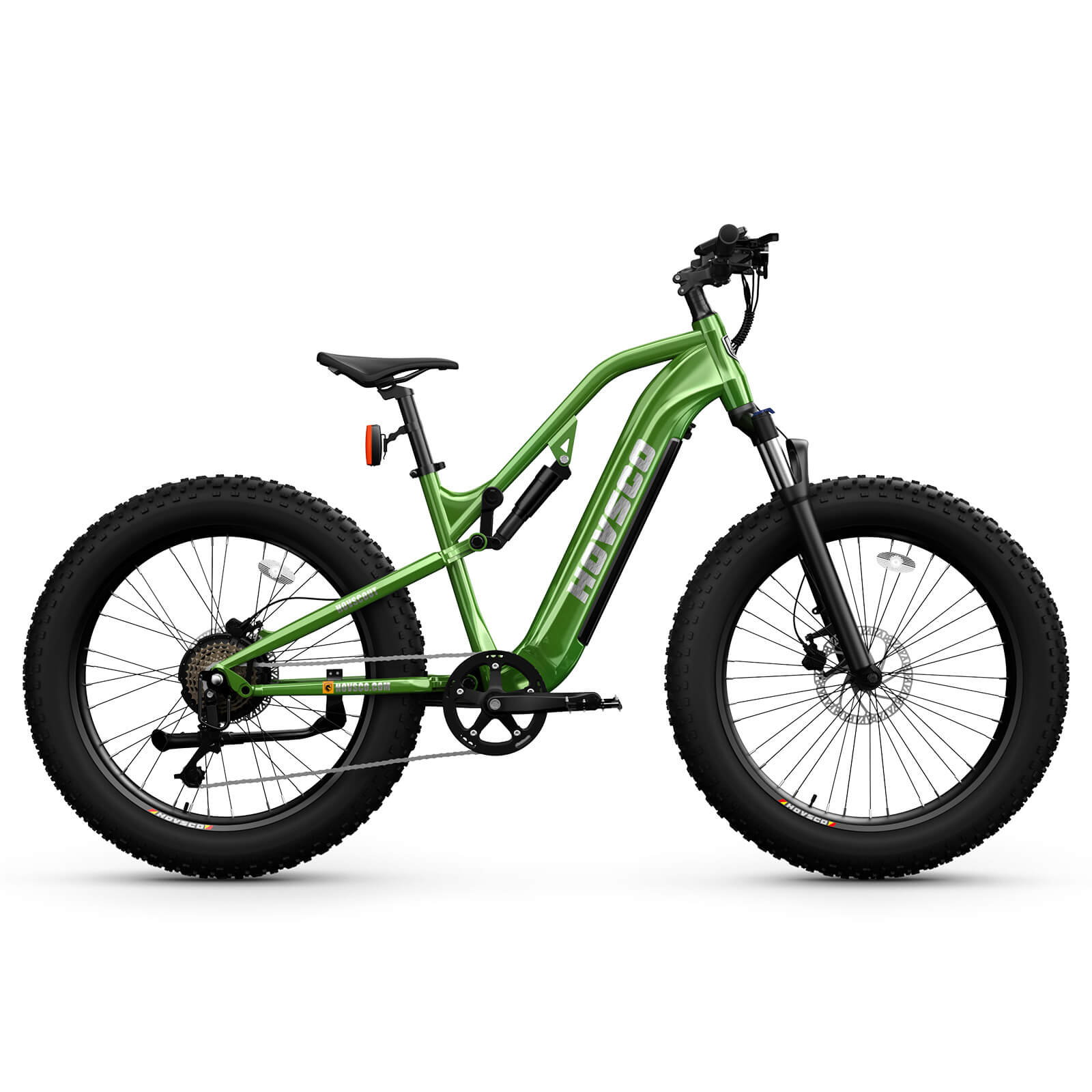
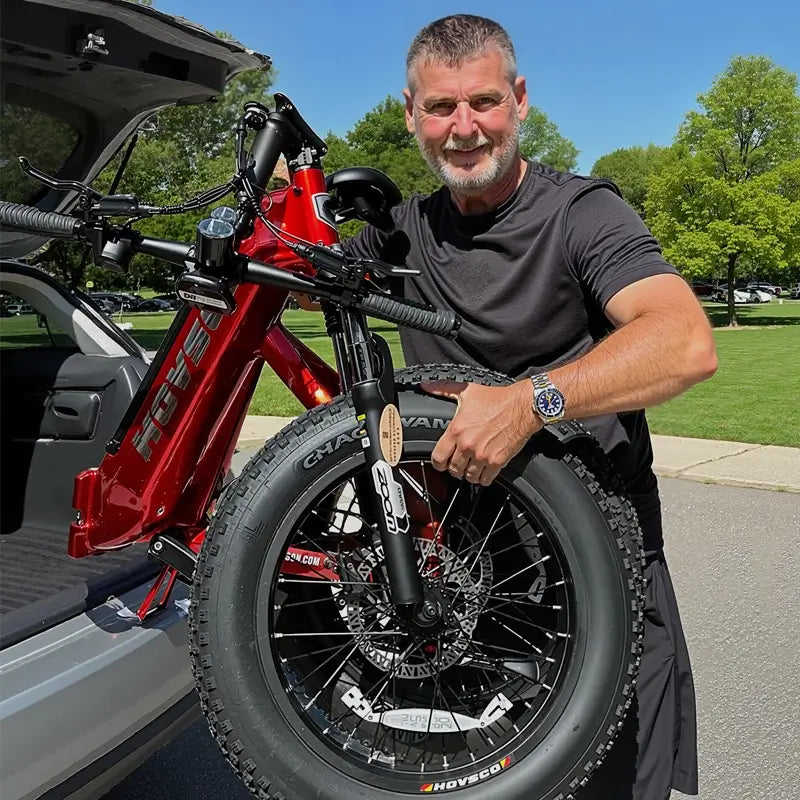
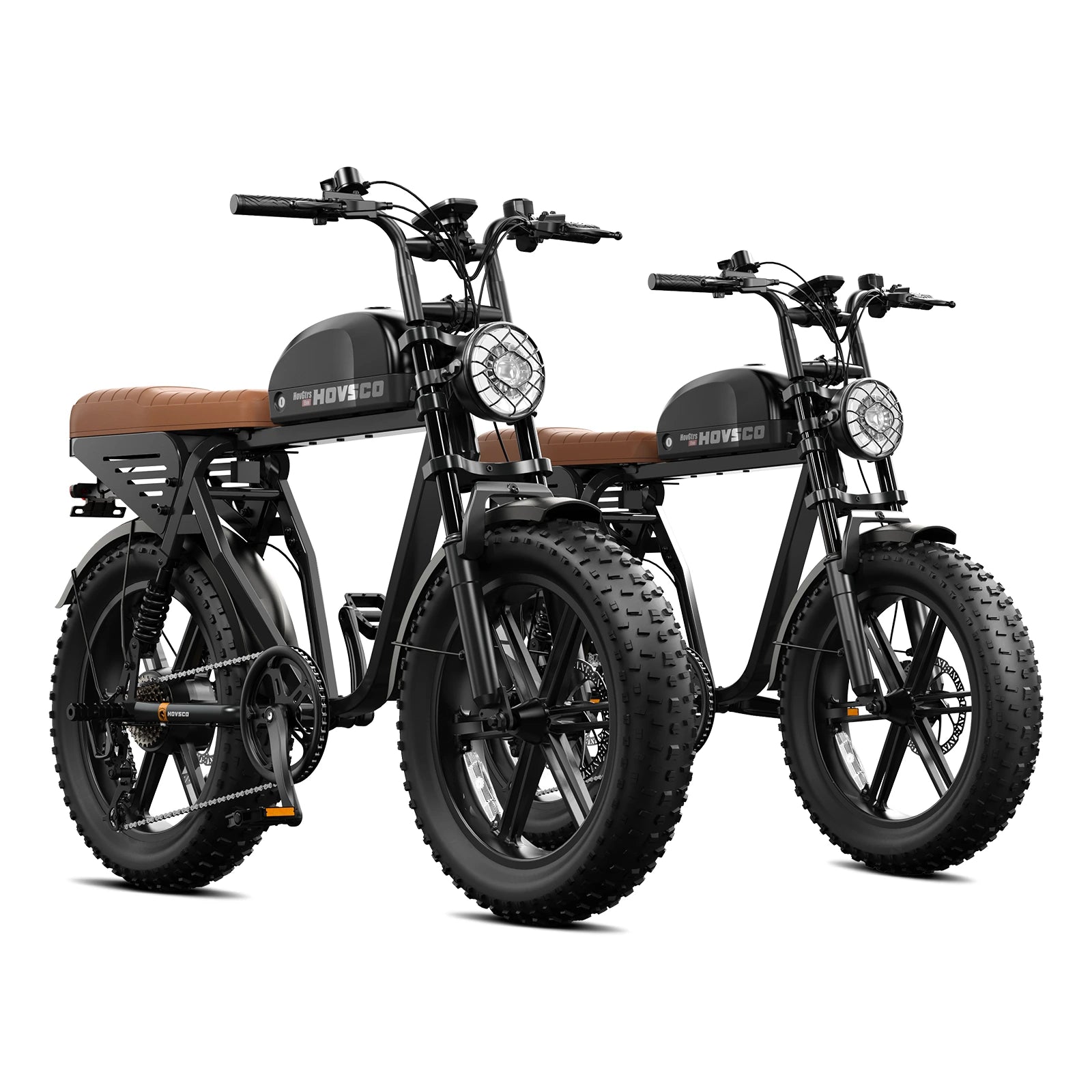
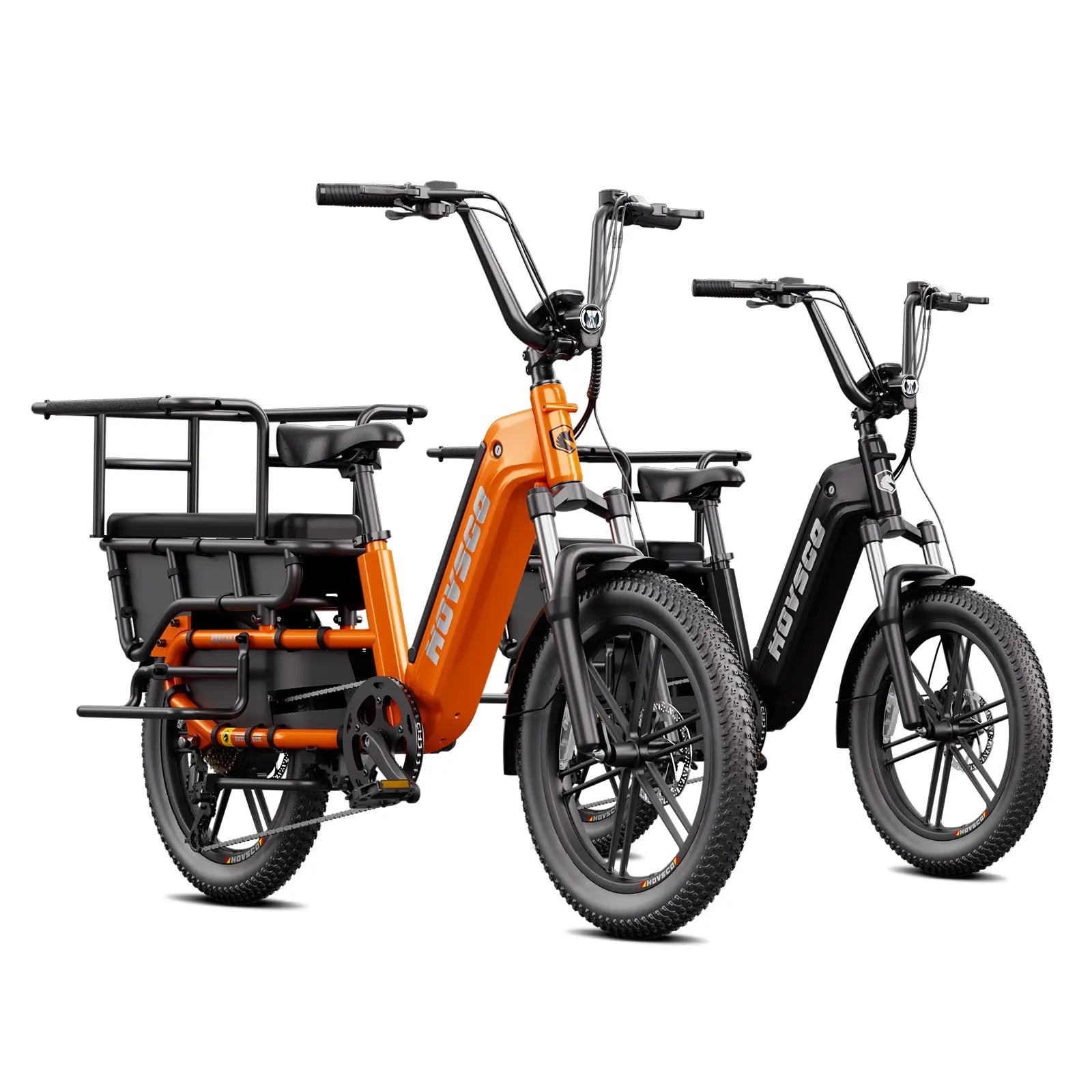
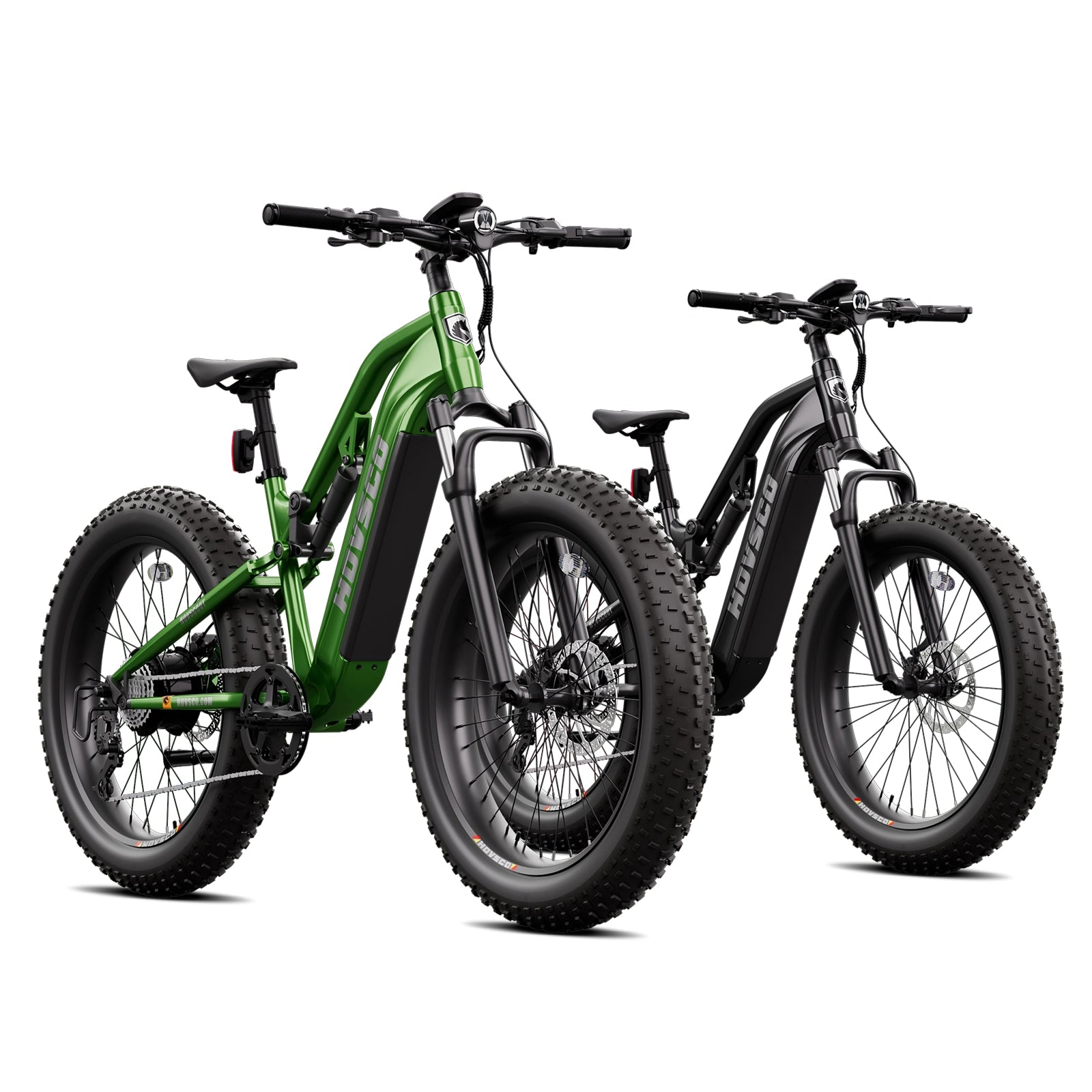
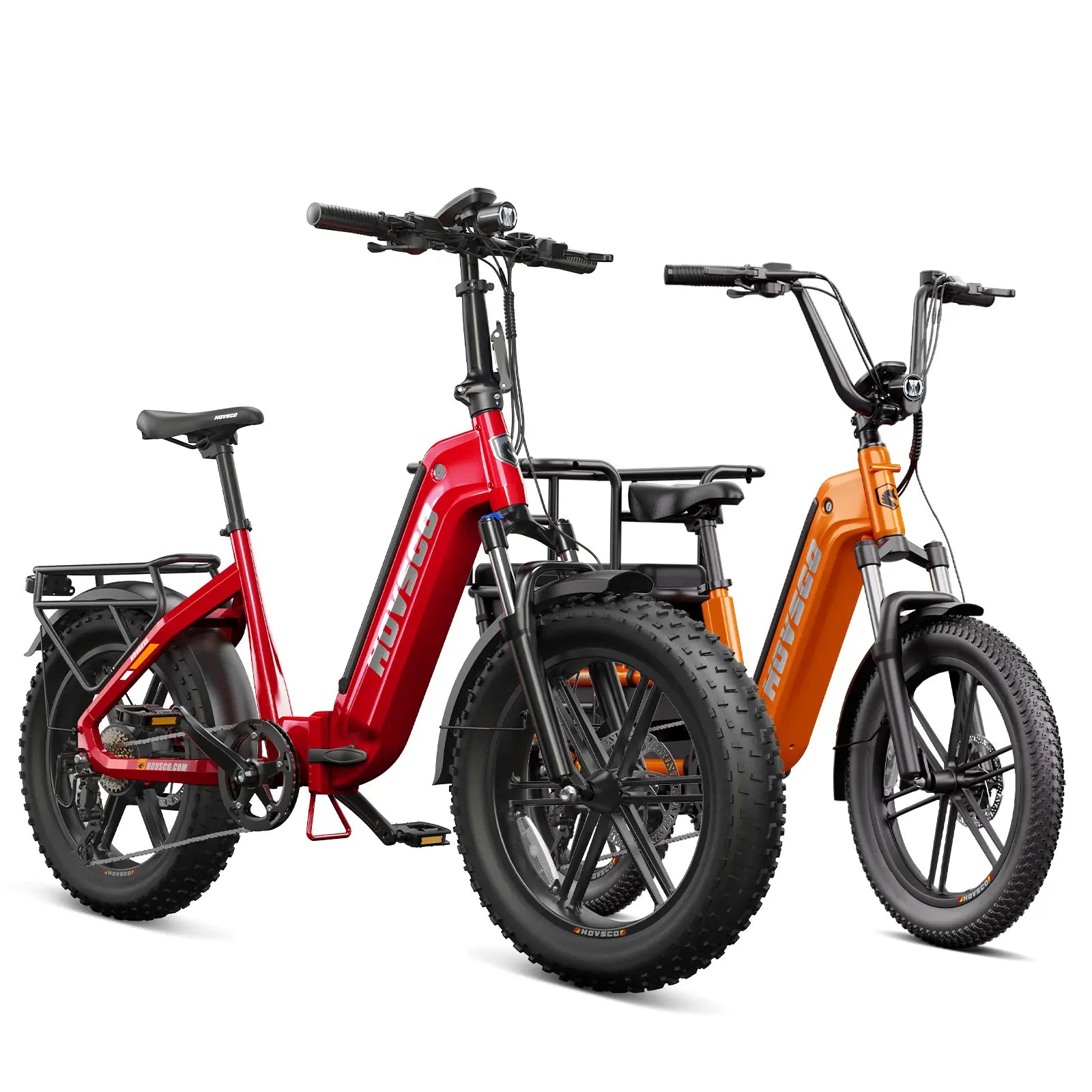
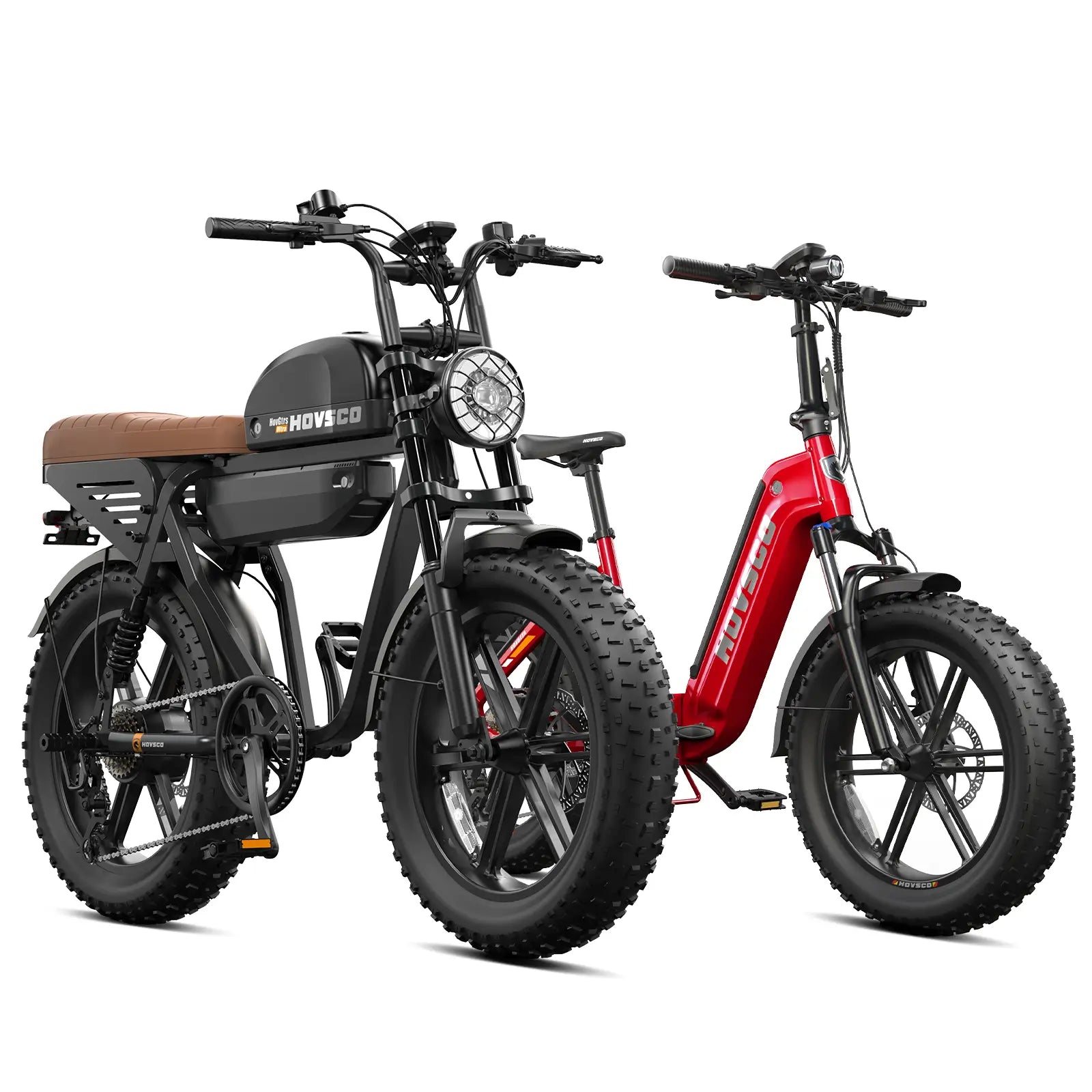
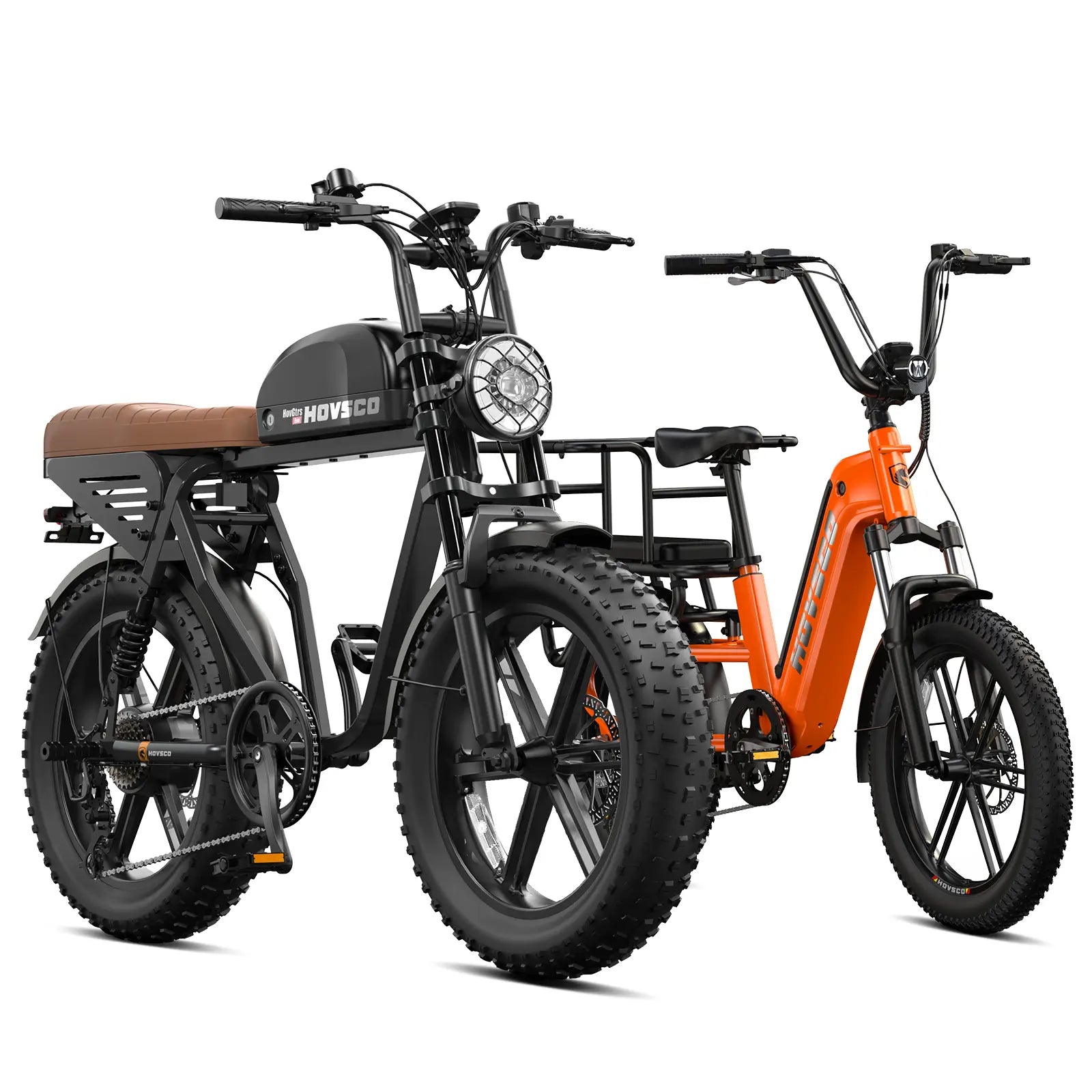
HOVSCO’s heavy-duty cargo and full-suspension e-bikes—such as the HovCart family e-bike and the HovScout full-suspension fat e-bike—offer a realistic way for travelers and locals to move more quietly, more flexibly, and with far lower emissions than conventional vehicles.
What Is Sustainable Tourism?
Sustainable tourism refers to travel that minimizes negative environmental, social, and economic impacts while maximizing benefits for local communities and ecosystems. It includes choices like low-carbon mobility, support for local businesses, longer stays, and responsible behavior in natural and cultural sites.
Core keywords include sustainable tourism trends, low-carbon travel, and green mobility. Electric bikes fit directly into this framework as a practical, scalable form of green mobility.
The Pain Points of “Normal” Tourism in 2026
Overcrowding and Overtourism in Popular Destinations
Many iconic cities and natural sites still struggle with overtourism. Crowded streets, congested trails, and overloaded public transport reduce quality of life for residents and degrade visitors’ experiences. The community impact of tourism is now a mainstream concern: 53% of travelers are aware of tourism’s impact on communities, and 69% want to leave places better than they found them.
Traditional motorized tours and short car trips intensify these problems by adding noise, emissions, and traffic without necessarily deepening travelers’ connection to local culture.
A large share of tourism-related emissions comes from short-distance trips: airport taxis, hotel-to-attrition drives, and food stops. If transport emissions continue on their current trajectory, they will increase by about 21% between 2016 and 2030.
For many travelers, especially families and groups, the default is still a car or van, even for distances that could easily be covered by bike. This is not just wasteful; it also locks visitors into a “passenger” experience rather than an active, immersive one.
Limited Flexibility and High Costs of Traditional Transport
Public transport is often inflexible outside peak hours, while rental cars and private drivers add cost and complexity. In rural or semi-rural areas, connectivity can be poor, making it harder to reach smaller villages, local farms, or nature spots without a car.
Travelers increasingly want to:
-
Stay longer in fewer places
-
Explore beyond main attractions
-
Support local businesses without relying on big chains
Conventional transport options often make these goals harder, not easier.
Disconnect Between Travelers and Local Communities
Motorized tourism can create a “bubble” effect: visitors move quickly between scheduled stops, rarely interacting with neighbors, small shops, or local producers. This reduces the social and economic benefits that tourism could bring.
Sustainable tourism trends in 2026 emphasize “community impact” and “liveable destinations,” where travelers are encouraged to slow down, engage, and respect local life. Mobility choices that blend into the neighborhood—like walking, cycling, and e-biking—support this shift more than cars or large tour vehicles.
“Sustainable tourism is not a separate trend but a prerequisite for higher-quality travel.” — I-DEST, 2025
Sustainable Tourism Trends That Define 2026
1. Community-Centric Travel Becomes Standard
By 2026, sustainability is less about “green labels” and more about how tourism affects everyday life. Travelers are increasingly conscious of overcrowding, noise, and resource pressure. Destinations are redesigning flows to protect residents’ quality of life, favoring longer stays and dispersed itineraries over mass short visits.
2. Green + Digital Transition as Industry Roadmap
The European Commission’s Transition Pathway for Tourism emphasizes that competitiveness and sustainability depend on the trio of green transition, digital transition, and resilience. AI and data-driven planning are being used to:
-
Optimize routes and timing
-
Steer demand to less busy periods
-
Reduce unnecessary movement and waste
Mobility tools that are easy to integrate with digital route planning—like e-bikes—are naturally aligned with this trend.
3. Longer Stays, Fewer, More Meaningful Trips
“Longer stays, fewer trips” is emerging as both an environmental and a competitiveness strategy. Destinations and providers are encouraging travelers to spend more time in one place, exploring deeply rather than rushing through many sites.
E-bikes support this by making it easier to:
-
Cycle between neighborhoods
-
Visit multiple local cafes, markets, or farms in a day
-
Explore nearby villages without needing a car
4. Active Travel as a Core Sustainable Tourism Trend
Cycling tourism is one of the breakout stars of 2026’s sustainable travel movement. The sector is projected to reach $136.58 billion in 2026, driven by e-bike adoption and traveler preference for slower, more immersive adventures.
In Italy alone, cycle tourism generated over €6 billion in 2025, with 49 million cyclist stays and an average daily spend above €90. This shows that low-carbon mobility can also be economically powerful when paired with good infrastructure and services.
How E-Bikes Support Sustainable Tourism
Low-Carbon, Low-Noise Mobility
E-bikes produce zero tailpipe emissions and significantly reduce air pollution compared with cars. They are also quieter, reducing noise pressure in urban and natural areas. For short tourism trips—airport to hotel, museum to market, trail to village—e-bikes can replace a large share of car kilometers.
Expanding the Reach Without Adding Cars
E-bikes extend riders’ range without the need for fuel or large vehicles. A typical HOVSCO e-bike can cover 50–80 miles on a single charge depending on the model, making multi-neighborhood or multi-village days feasible without a car.
This is especially valuable in:
-
Historic towns where parking is scarce
-
Rural areas with limited public transport
-
Nature destinations where vehicle access is restricted
Enabling Active, Immersive Experiences
Cycling tourism is linked to “eco-friendly immersion,” where travelers prioritize low-carbon footprints and physical wellness. E-bikes allow people who might not be able to cycle long distances on a regular bike to still enjoy active travel, including families, older travelers, and those with lower fitness levels.
HOVSCO E-Bikes vs. Other Options
| Feature | HOVSCO HovCart / HovScout | Traditional Car | Regular Bicycle | |---|---|---|---
| Emissions | Zero tailpipe emissions | High CO₂ and pollutants | Zero, but limited range |
| Range (per charge) | 50–80 miles (model-dependent) | Hundreds of miles, but fuel-intensive | 10–20 miles for most riders |
| Cargo Capacity | Up to 450 lbs (HovCart) | High, but adds weight and emissions | Low, requires racks/bags |
| Noise & Traffic | Very low | High noise and congestion | Very low |
| Cost per Trip | Low (electricity + maintenance) | High (fuel, insurance, parking) | Very low, but limited utility |
| Accessibility | Pedal-assist + throttle for easy riding | Easy, but requires license and fees | Requires fitness and skill |
Data based on HOVSCO product information and general industry estimates.
Key Features That Matter for Tourism Use
Family and Cargo Capability
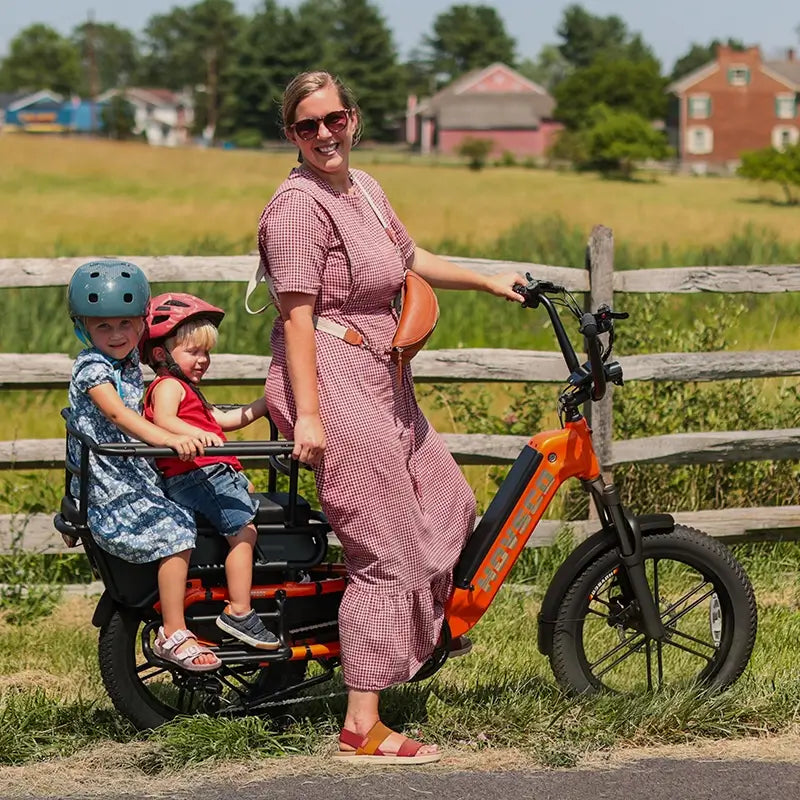
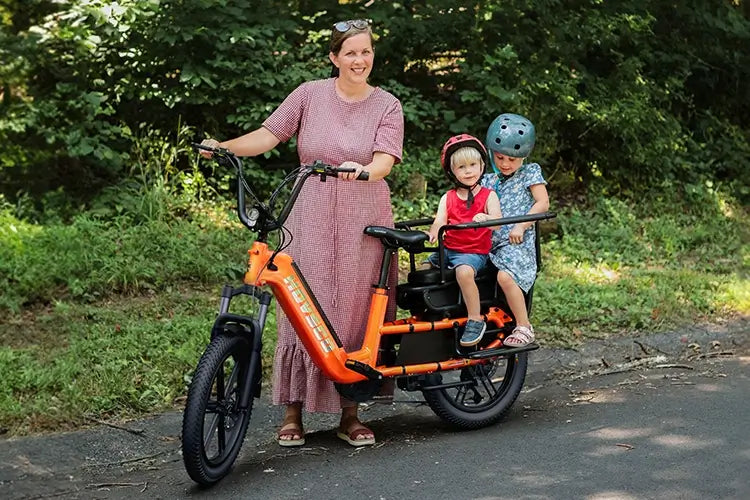
The HovCart family e-bike is designed to carry up to 450 lbs of cargo or two children comfortably, making it ideal for family trips, school runs, or market visits while traveling. This turns the e-bike into a practical “second car” for short tourism journeys without adding emissions.
Full-Suspension Comfort for Varied Terrains
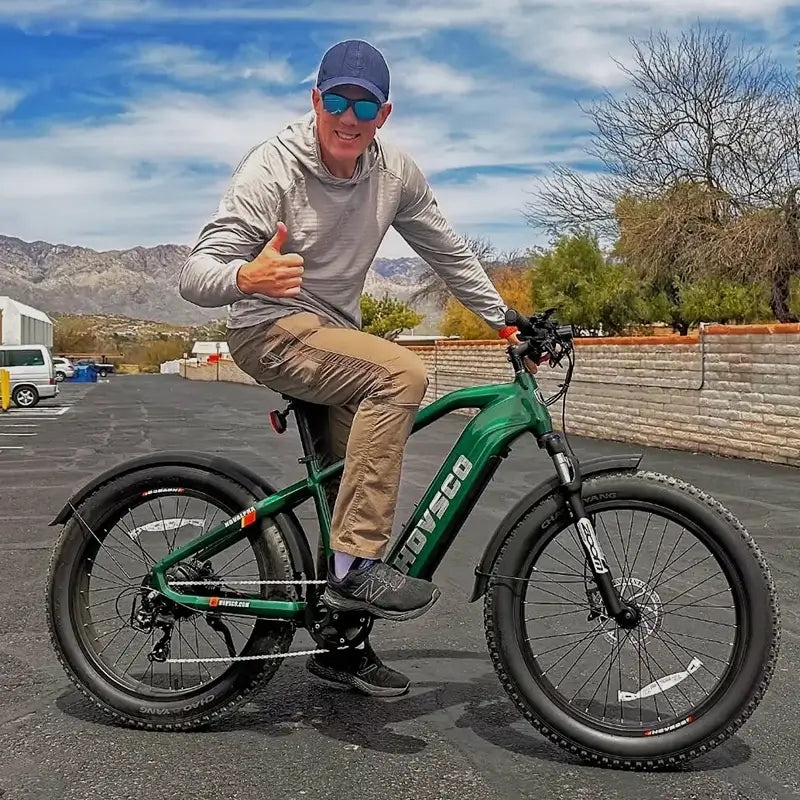
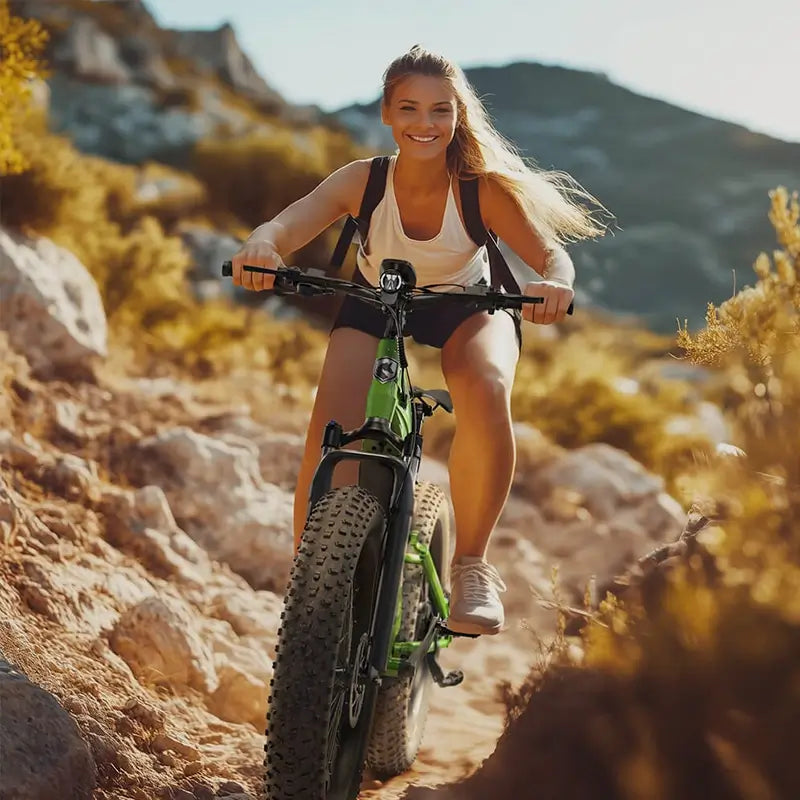
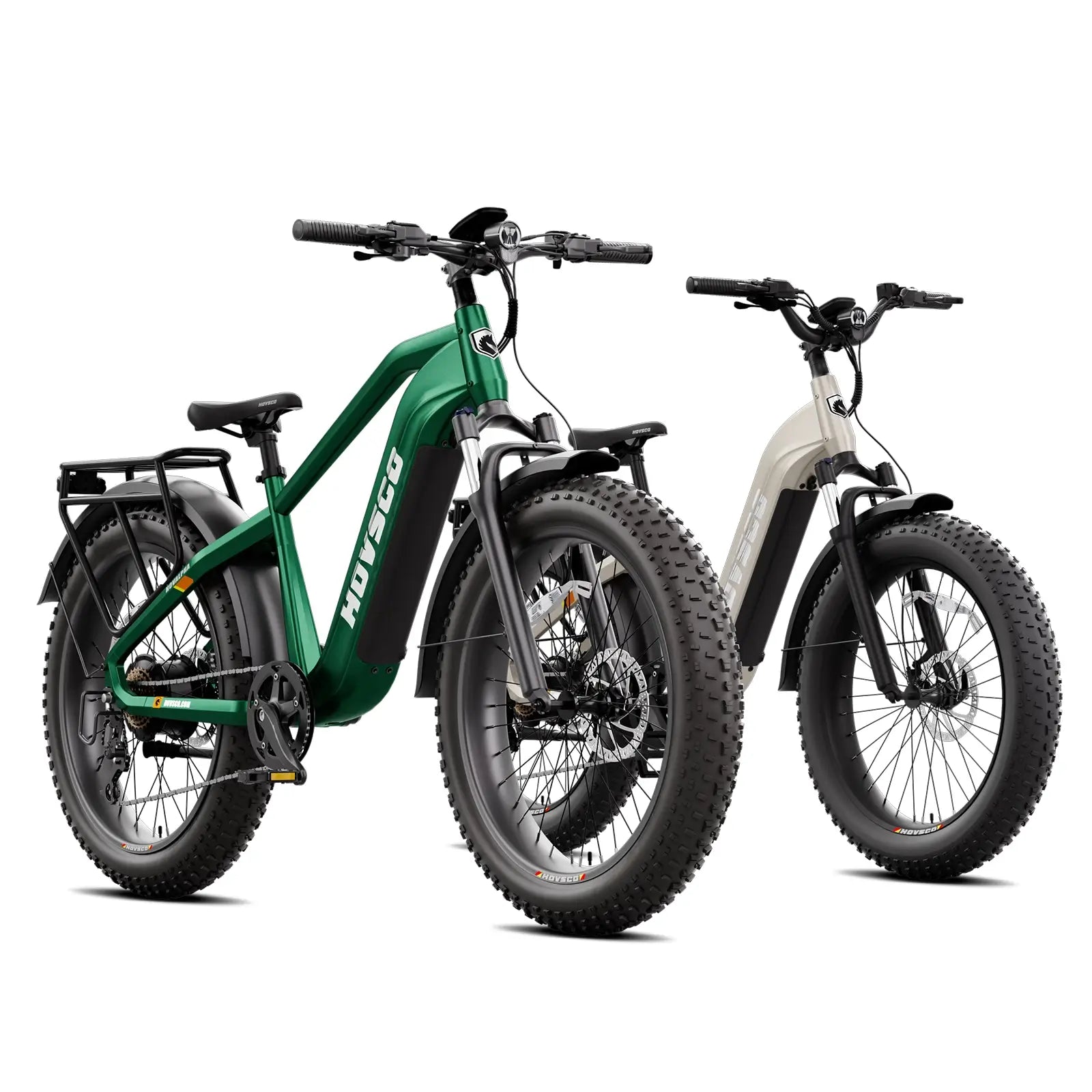
The HovScout full-suspension fat e-bike features a rugged design with full suspension and fat tires, suitable for trails, gravel roads, and uneven surfaces. For destination tourism that includes nature areas or semi-rural routes, this comfort and stability are crucial.
Torque Sensor and Multiple Riding Modes
HOVSCO e-bikes use torque sensors that provide smooth, responsive pedal assistance, plus throttle-only riding for effortless cruising. Multiple riding modes allow travelers to adjust effort based on terrain, fatigue, or group composition, making multi-day tours more manageable.
Real-World Examples of E-Bike Tourism
“We used the HovCart to explore our rental village: groceries, bakery, and a lake trail—all in one day, no car needed.”
“On a coastal trip, the HovScout let us ride sandy paths and cliff roads that were too rough for a regular bike.”
“As a family of four, we replaced two daily car trips with one e-bike ride, saving money and cutting emissions.”
How to Plan an E-Bike-Based Sustainable Trip
-
Choose a bike-friendly destination
Look for towns or regions with cycle routes, bike lanes, and e-bike rental options. Many European and North American destinations now promote cycling tourism as part of their sustainable tourism strategy.
-
Select the right HOVSCO model
-
For families or cargo-heavy trips: HovCart
-
For mixed terrain and adventure: HovScout
-
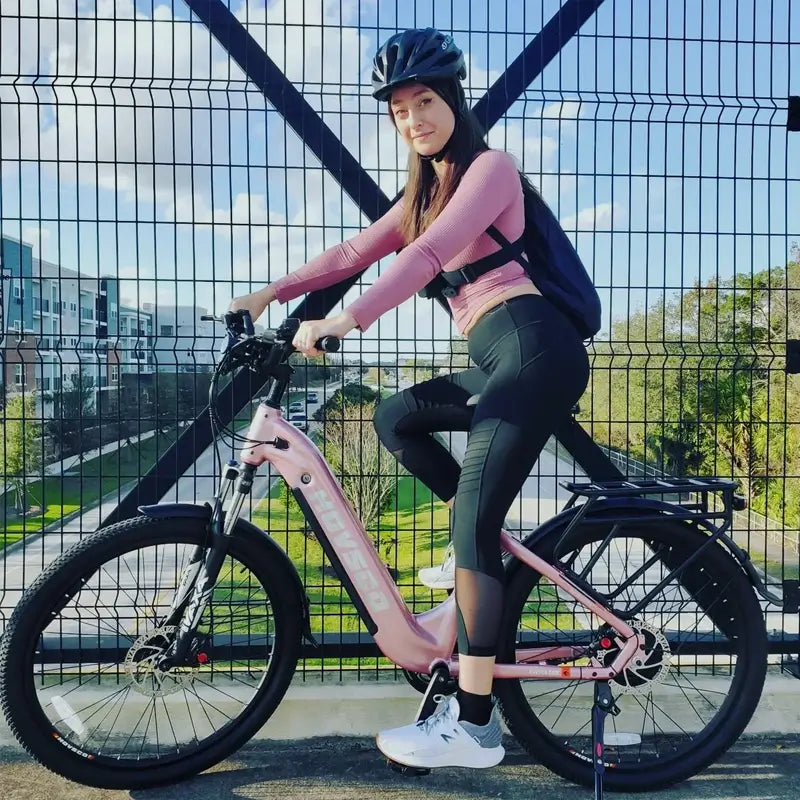
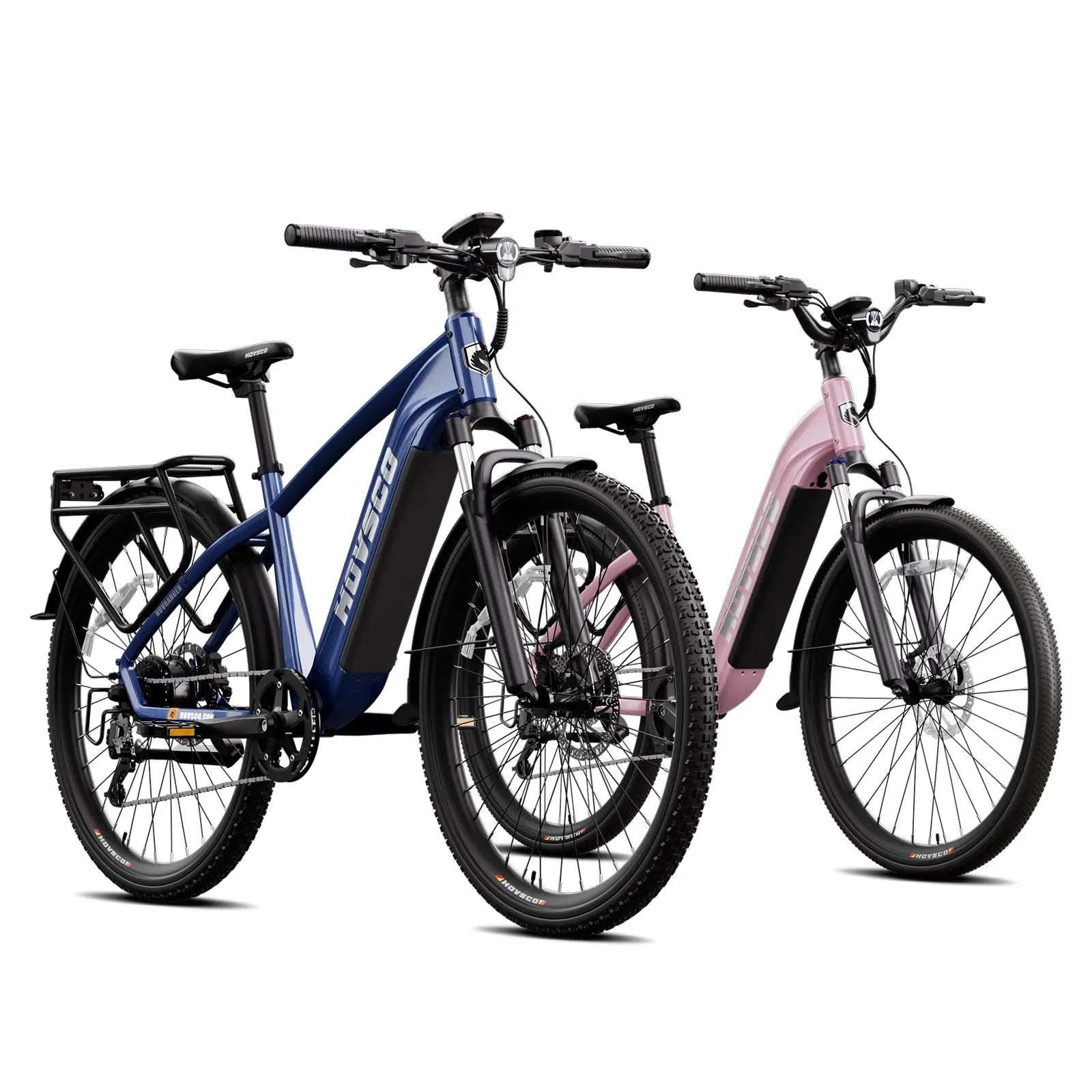
For urban commuting and short tours: other HOVSCO city or folding models.
-
Map low-carbon routes
Use digital tools to plan routes that avoid heavy traffic, prioritize greenways, and connect local cafes, markets, and natural sites. AI and data-driven planning are increasingly used by destinations to steer tourists toward less crowded areas.
-
Combine e-bike with local services
Stay in locally owned accommodations, eat at neighborhood restaurants, and buy from local producers. Sustainable tourism is not just about mobility; it’s about how you spend and interact.
-
Travel slower and longer
Instead of rushing through many sites, pick one or two places and explore deeply over several days. E-bikes make it easy to revisit favorite spots, take spontaneous detours, and enjoy the journey itself.
-
Share your experience responsibly
Post photos and stories that highlight local culture, nature, and community, not just the bike. Encourage others to consider low-carbon mobility as part of their travel plans.
Use Scenarios: From Traditional to E-Bike Tourism
Scenario 1: Urban Family Day Out
Traditional:
Family drives to a city center, parks, then takes taxis or walks between attractions. High emissions, parking stress, and limited flexibility.
With HOVSCO:
Parents use the HovCart to carry kids and bags, cycling to museums, parks, and markets. No parking fees, no emissions, and the whole family stays active.
Scenario 2: Rural Nature Exploration
Traditional:
Visitors drive to a nature reserve, walk short trails, then return to the car. Limited access to surrounding villages and farms.
With HOVSCO:
Using the HovScout, travelers explore trails, gravel paths, and nearby villages, stopping at local producers and small cafes. This supports local economies and reduces vehicle traffic in sensitive areas.
Scenario 3: Multi-Stop City Tour
Traditional:
Tourists take buses, taxis, or rental cars between scattered sites, often missing neighborhood-level experiences.
With HOVSCO:
An e-bike allows flexible, self-guided tours that connect attractions, hidden corners, and local businesses. Travelers can adjust pace, stop spontaneously, and engage more with residents.
FAQ: Sustainable Tourism and E-Bike Travel
What are the main sustainable tourism trends in 2026?
Key trends include community-centric travel, green + digital transition, longer stays with fewer trips, and active travel like cycling tourism. These shifts aim to reduce overtourism, emissions, and negative impacts while improving quality of life for residents.
How do e-bikes contribute to sustainable tourism?
E-bikes provide zero-tailpipe-emission mobility for short trips, reduce noise and congestion, and enable active, immersive experiences. They help travelers explore neighborhoods, villages, and nature areas without relying on cars, aligning with low-carbon and community-focused tourism goals.
Are HOVSCO e-bikes suitable for family tourism?
Yes. The HovCart is designed to carry up to 450 lbs of cargo or two children, making it ideal for family trips, errands, and local exploration while traveling.
Can e-bikes handle rural or mixed-terrain tourism routes?
HOVSCO models like the HovScout feature full suspension and fat tires, designed for trails, gravel, and uneven surfaces. This makes them well-suited for rural and nature-based tourism.
What makes cycling tourism a sustainable tourism trend?
Cycling tourism is projected to reach $136.58 billion in 2026, driven by e-bike adoption and demand for slower, low-carbon travel. It supports local economies, reduces emissions, and encourages deeper engagement with destinations.
How can travelers combine e-bikes with other sustainable tourism practices?
Travelers can pair e-bike use with longer stays, support for local businesses, careful route planning, and respect for community and natural sites. This combination aligns with 2026’s community impact and green+digital tourism trends.
Conclusion
Sustainable tourism in 2026 is no longer about isolated “green” choices; it is about designing travel that respects communities, ecosystems, and long-term viability. Low-carbon mobility, especially cycling and e-biking, is a central piece of this transformation.
HOVSCO’s cargo and full-suspension e-bikes offer a practical way to turn this vision into daily reality: replacing short car trips, expanding exploration without adding emissions, and enabling richer, more connected travel experiences.
CTA + About HOVSCO
Ready to make your next trip more sustainable? Explore HOVSCO’s HovCart and HovScout models and discover how an e-bike can reshape your travel.
HOVSCO is a rapidly growing e-bike brand dedicated to promoting active, healthy, and sustainable lifestyles through innovative, high-performance electric bikes designed for commuters, families, and adventure seekers.



![[ New Arrival ] Porto Max Electric Scooter For Commute & Grocery Shopping - HOVSCO](http://www.hovsco.com/cdn/shop/files/PotroMax-3.jpg?v=1706927007&width=1200)
Share:
Off-Road Electric Cycling: Explore Rugged Trails with Confidence (July 2026)
Active Transportation Benefits for Healthier, Lower-Stress Daily Travel