



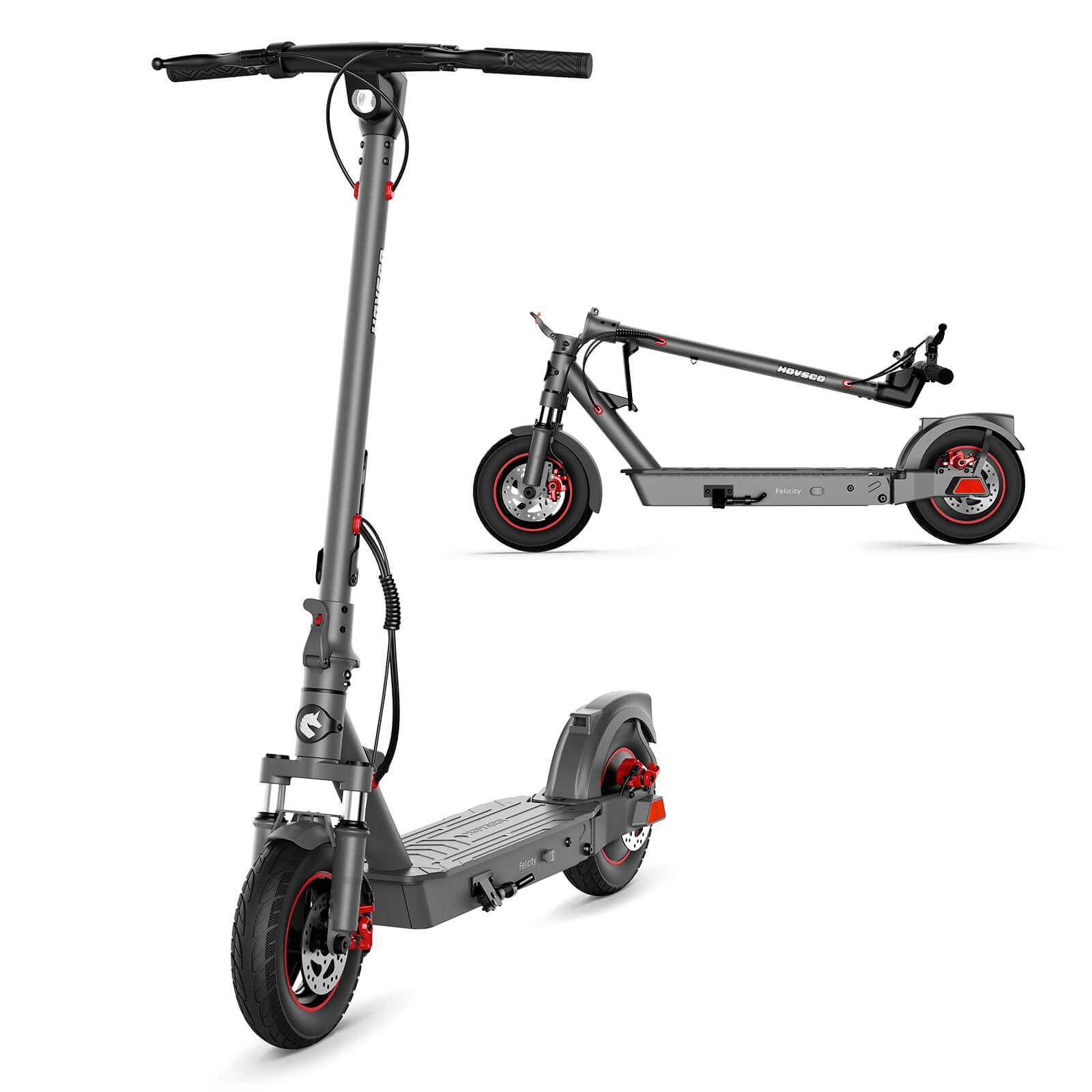
![[ New Arrival ] Porto Max Electric Scooter For Commute & Grocery Shopping - HOVSCO](http://www.hovsco.com/cdn/shop/files/PotroMax-3.jpg?v=1706927007&width=1200)
- by SteveJames
Suburban Commuting Trends: How E-Bikes Are Reshaping Daily Travel with HOVSCO
- by SteveJames
E-Bikes
Accessories
 Free Shipping
 15-Day Returns
 2-Year Warranty
Free Shipping
15-Day Returns
2-Year Warranty
2-Year Warranty
Free Shipping
15-Day Returns
2-Year Warranty
Explore how shifting suburban commuting trends, rising fuel expenses, and growing congestion are driving demand for electric bikes as a practical, low-stress alternative for everyday travel.
Suburban commuting trends are changing fast as longer travel distances, rising fuel costs, and congested roads reshape daily life. Recent market data shows the global electric bike market will grow from about 61.8 billion dollars in 2025 to nearly 69.9 billion in 2026, driven by urban congestion and volatile fuel prices. At the same time, e-bike spending is projected to reach almost 50 billion dollars by 2035, underscoring a long-term transition toward micro-mobility solutions. In many regions, Asia-Pacific already accounts for the bulk of growth, but North American suburbs are rapidly catching up as households search for affordable, low-stress commuting options.
As these suburban commuting trends accelerate, reliable utility and commuter platforms have emerged to support everyday riders. Brands such as HOVSCO offer electric bikes designed to integrate smoothly into daily routines, providing practical alternatives for households looking to streamline local transport without adding complexity or excessive expenses.
Suburban commuting trends describe the shift in how people living outside dense city centers travel to work, school, and daily activities. This includes longer average distances, more suburb-to-suburb travel, increasing car dependency, and, recently, a growing adoption of alternatives like e-bikes, cargo bikes, and mopeds for everyday trips instead of driving.
Suburban neighborhoods are often prized for their perceived ease of travel—broad streets, convenient parking, and quiet surroundings—though structural pressures on commuters have mounted steadily over time.
Rising time and fuel costs
Longer commutes quickly compound both time and money. A 50-mile round-trip commute can exceed 1,000 dollars per month when fuel, tolls, and wear and tear are included. For families with multiple drivers or vehicles, that monthly burden pulls directly from savings, leisure budgets, and long-term financial goals.
Congestion moving outward from city centers
While classic congestion is associated with downtown cores, many jobs have shifted toward suburban office parks. That change has produced more suburb-to-suburb trips, adding pressure to ring roads and arterial routes rather than just central city streets. Commuters now sit in traffic in both directions, often without robust transit options.
Limited transit alternatives
Suburban areas generally have fewer high-frequency transit lines and more fragmented bus networks. For workers, students, and caregivers who do not wish to drive for every trip, the lack of reliable alternatives becomes a daily barrier. Biking can help, but standard bicycles often struggle with hills, longer distances, and cargo.
Lifestyle trade-offs and stress
The cumulative effect of longer distances, higher costs, and inflexible travel options is lifestyle stress: less time with family, fewer spontaneous activities, and more fatigue. Many suburban residents feel locked into driving even when they would prefer a more active, lower-cost mode.
"Suburban commuting trends increasingly show that fuel price spikes and longer distances are pushing households toward electric bikes and micro-mobility, with global e-bike revenues forecast to surpass 100 billion dollars by 2030."
| Solution | Typical use in suburbs | Upfront cost range | Ongoing cost (fuel & maintenance) | Comfort on mixed terrain | Cargo / family capability |
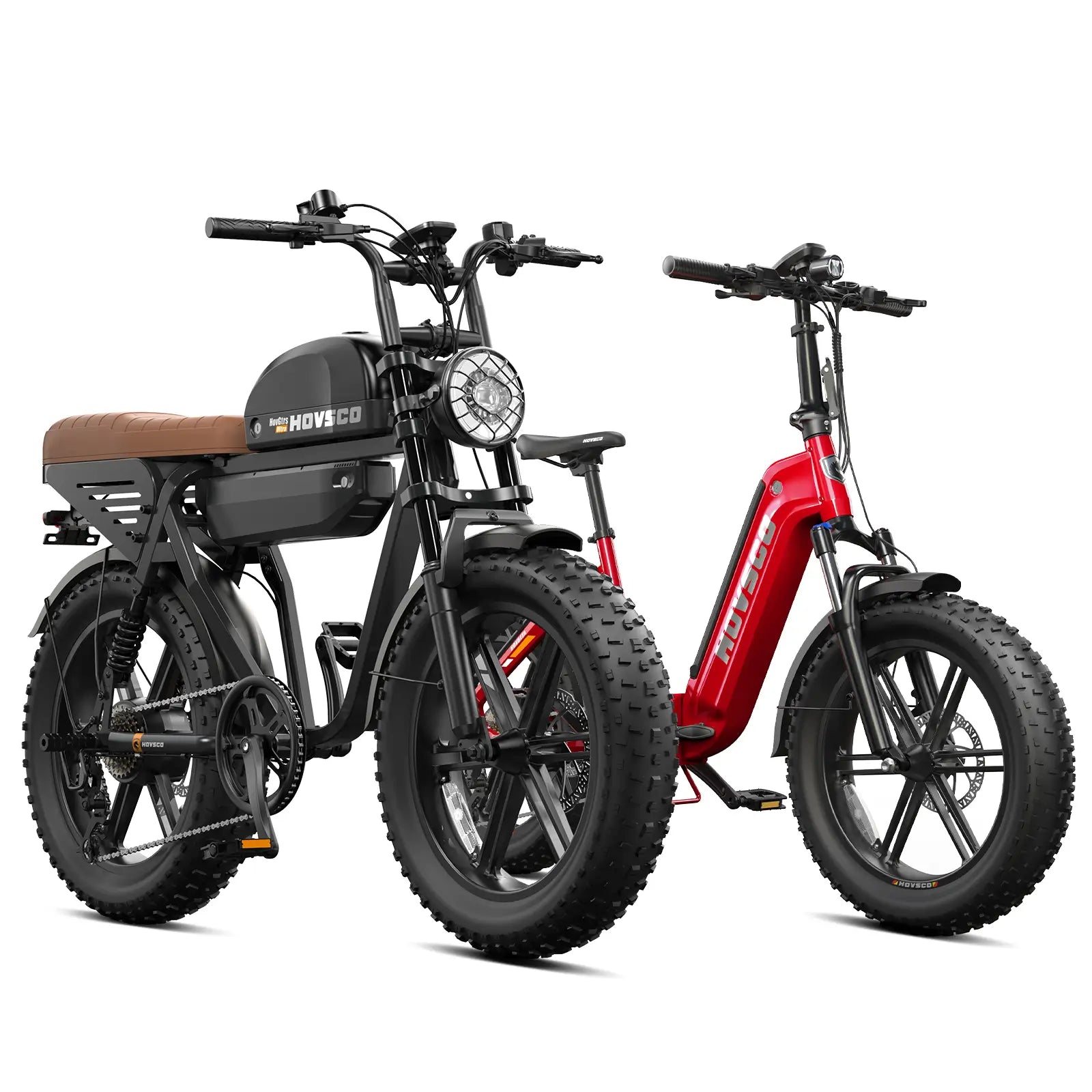
| HOVSCO e-bikes | Daily commuting, school runs, errands, weekend rides | Around $799–$1,999 depending on model | Low electricity cost, basic bike servicing | Suspension, fat tires, and torque/cadence sensors for smooth rides | Up to 450 lbs payload on many models, child seats and cargo setups |
| Standard car | Long-distance suburban commuting, regional travel | Tens of thousands of dollars | High fuel, insurance, parking, and service costs | Comfortable on roads, less flexible for bike paths | Large cargo, but high running cost and parking constraints |
| Traditional non-electric bicycle | Short-distance local trips, fitness, occasional commutes | Hundreds to low thousands of dollars | Minimal ongoing costs | Can be demanding on hills and longer distances | Limited cargo unless fitted with racks; less family utility |
Motor power and assist
Many modern utility models offer high motor power ratings, providing ample assistance for hills, heavier loads, and longer routes without leaving riders exhausted. For students, commuters, and parents carrying kids, this power helps maintain consistent speeds even on rolling suburban roads.
Range and payload capacity
With ranges typically covering extended distances per charge and robust payload capacities on several designs, modern e-bikes can cover daily commute distances plus errands without recharging mid-day. That combination supports grocery runs, school pickups, and multi-stop days without switching back to a car.
Safety, certifications, and app connectivity
Emphasizing standards like responsive support, and integrated phone app features for both iOS and Android allows riders to monitor performance, customize assist, and engage safety settings. These features help new users feel more confident when substituting car trips for rides.
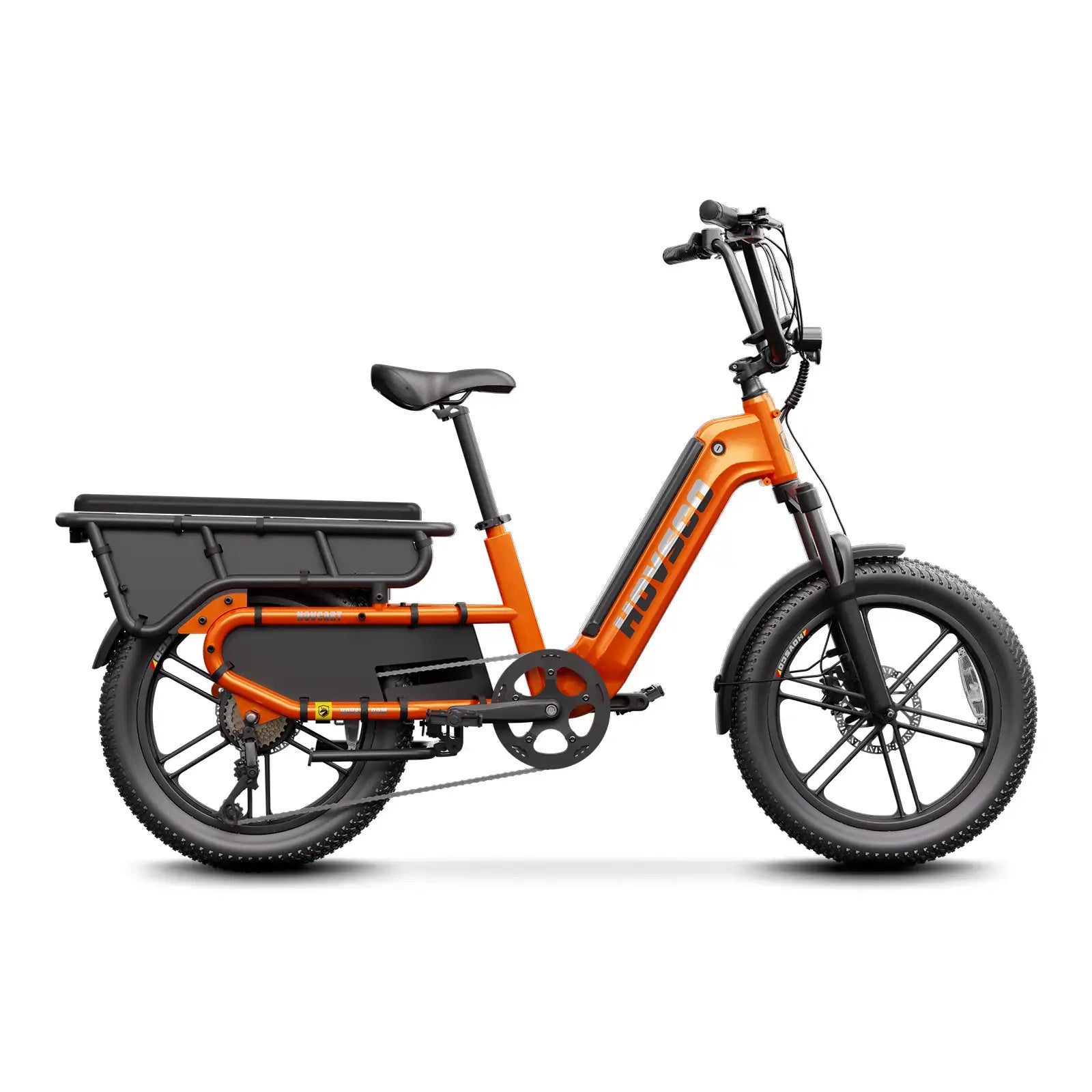
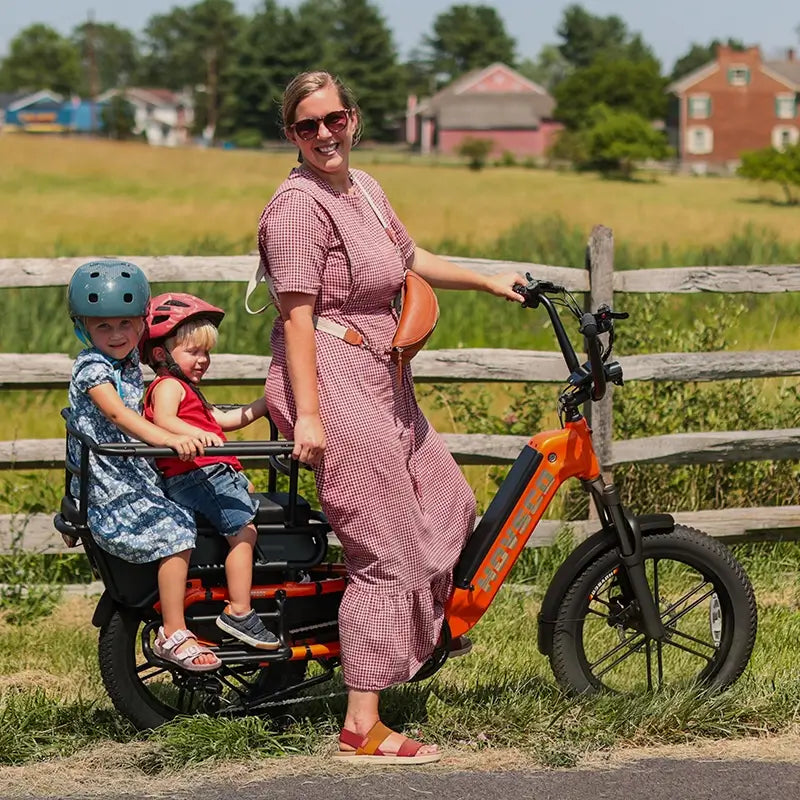
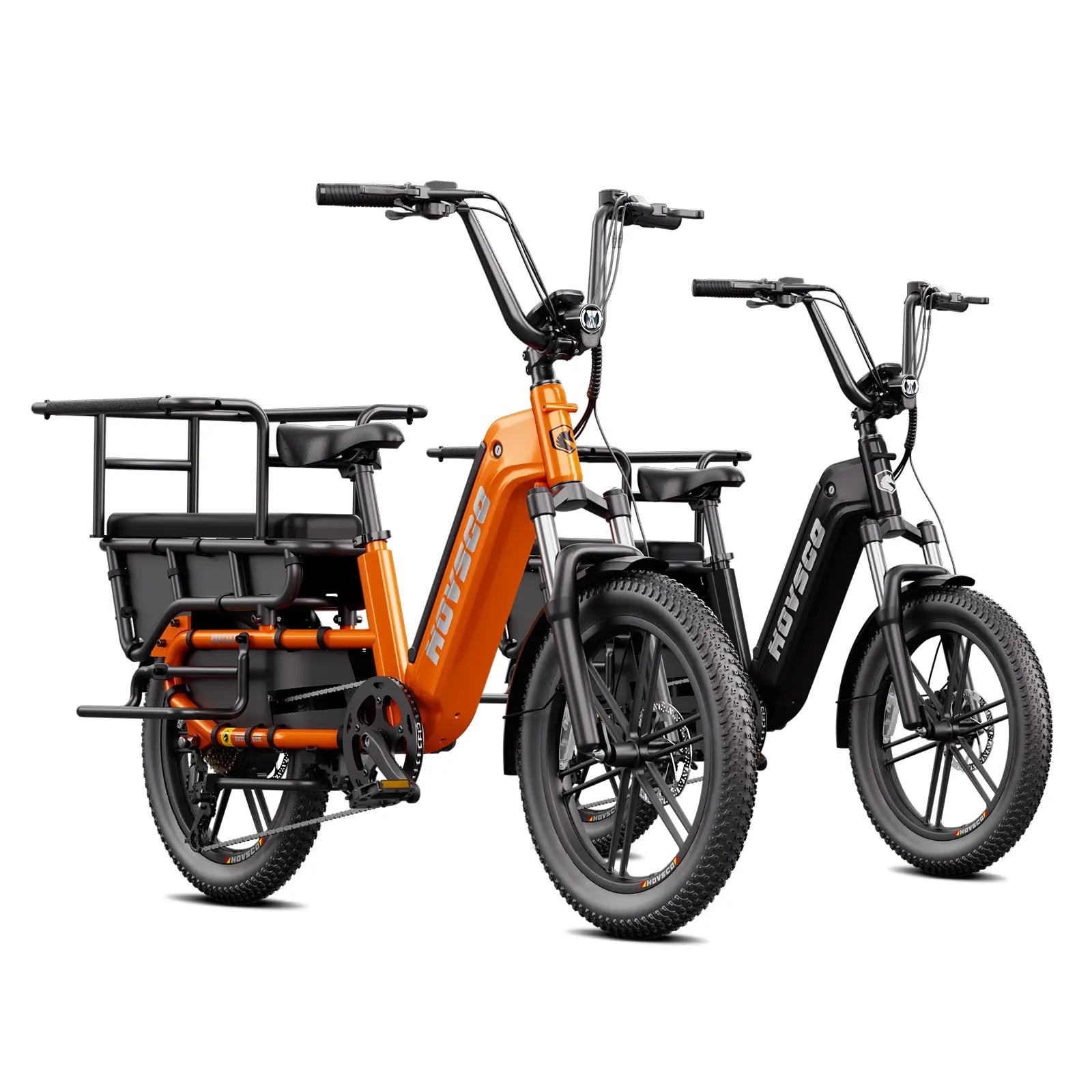
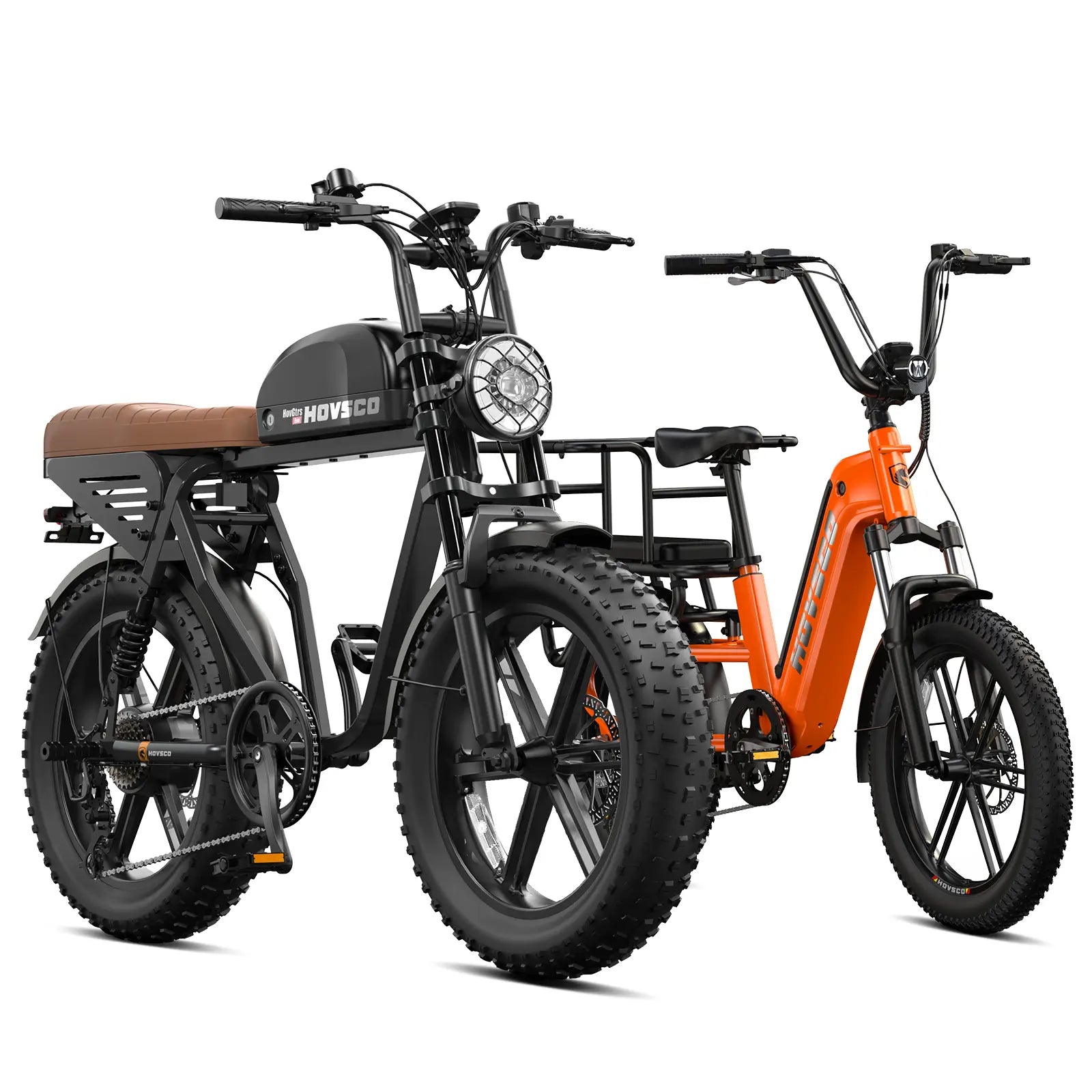
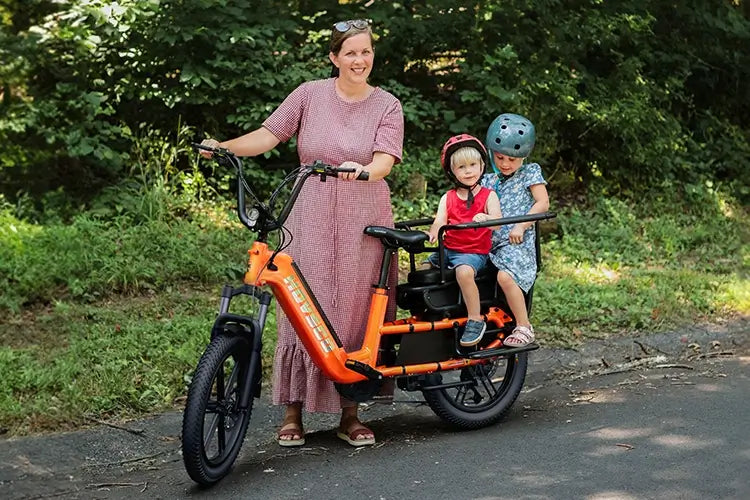
A suburban parent replaces daily school drop-offs and grocery runs with a HovCart Family E-Bike, using its 450 lbs payload capacity to carry children, bags, and gear comfortably.
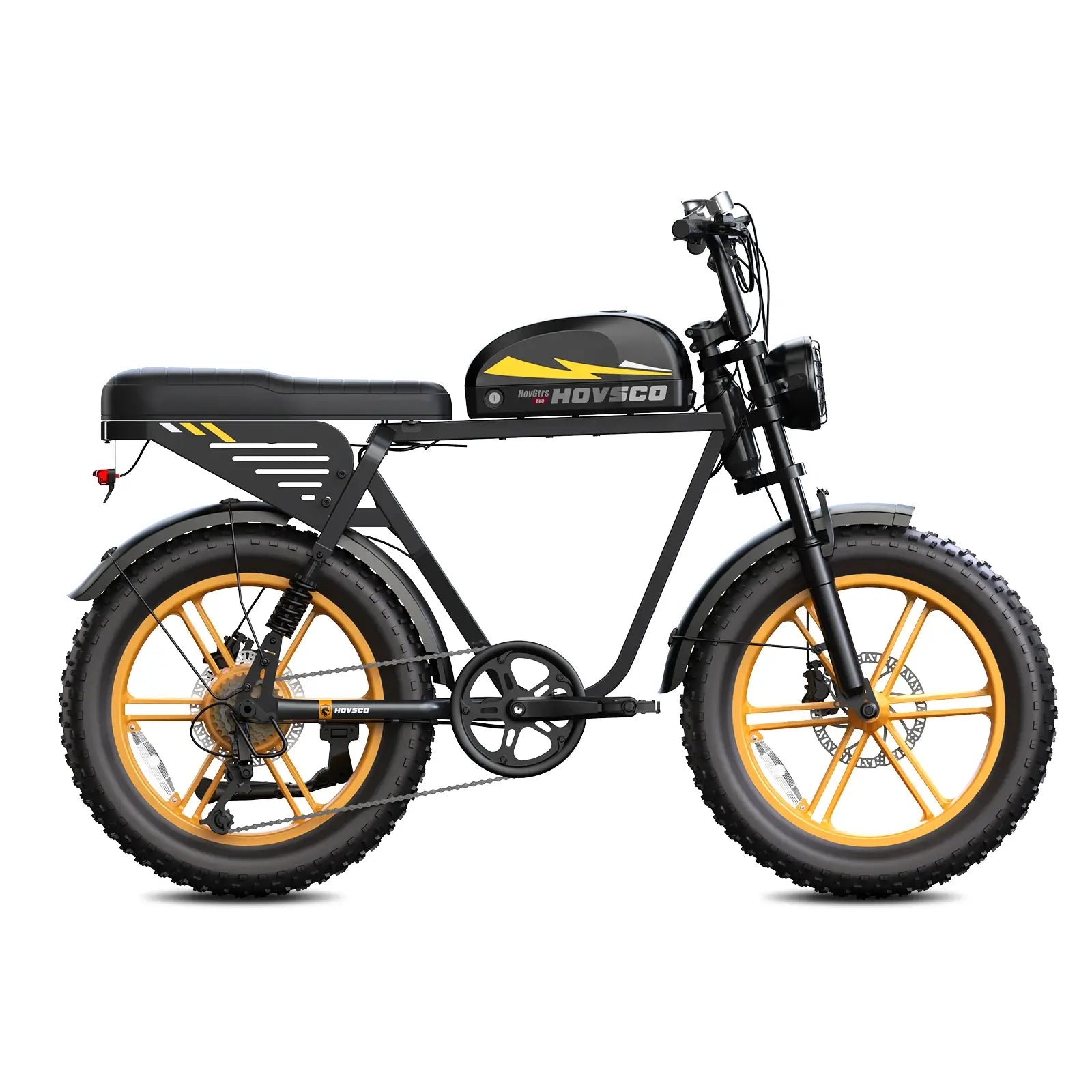
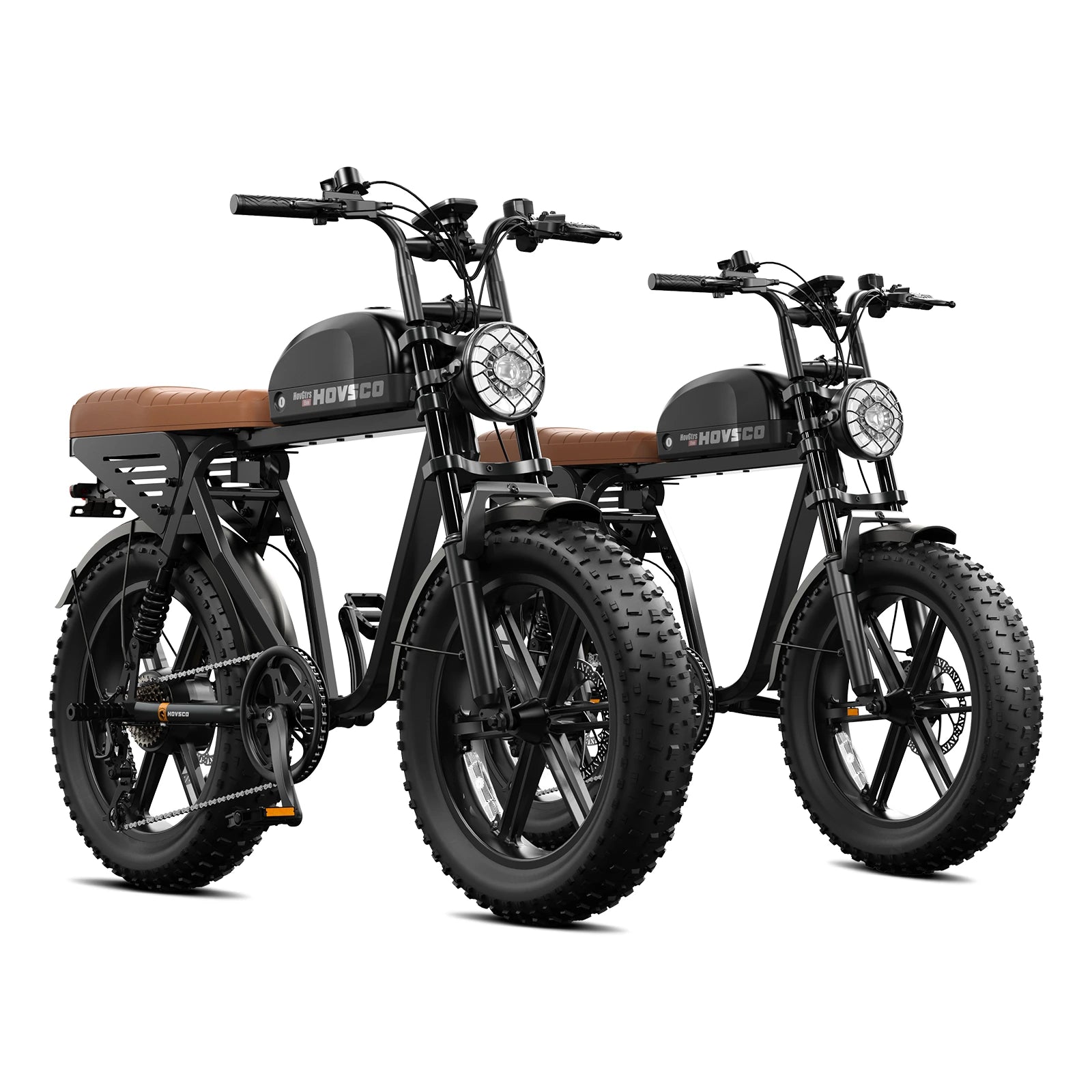
A city-edge commuter shifts from a pickup truck to a HovGtrs Moped-style E-Bike for a 12-mile round-trip, cutting fuel expenses while maintaining 28–32 mph speeds on suitable back roads.
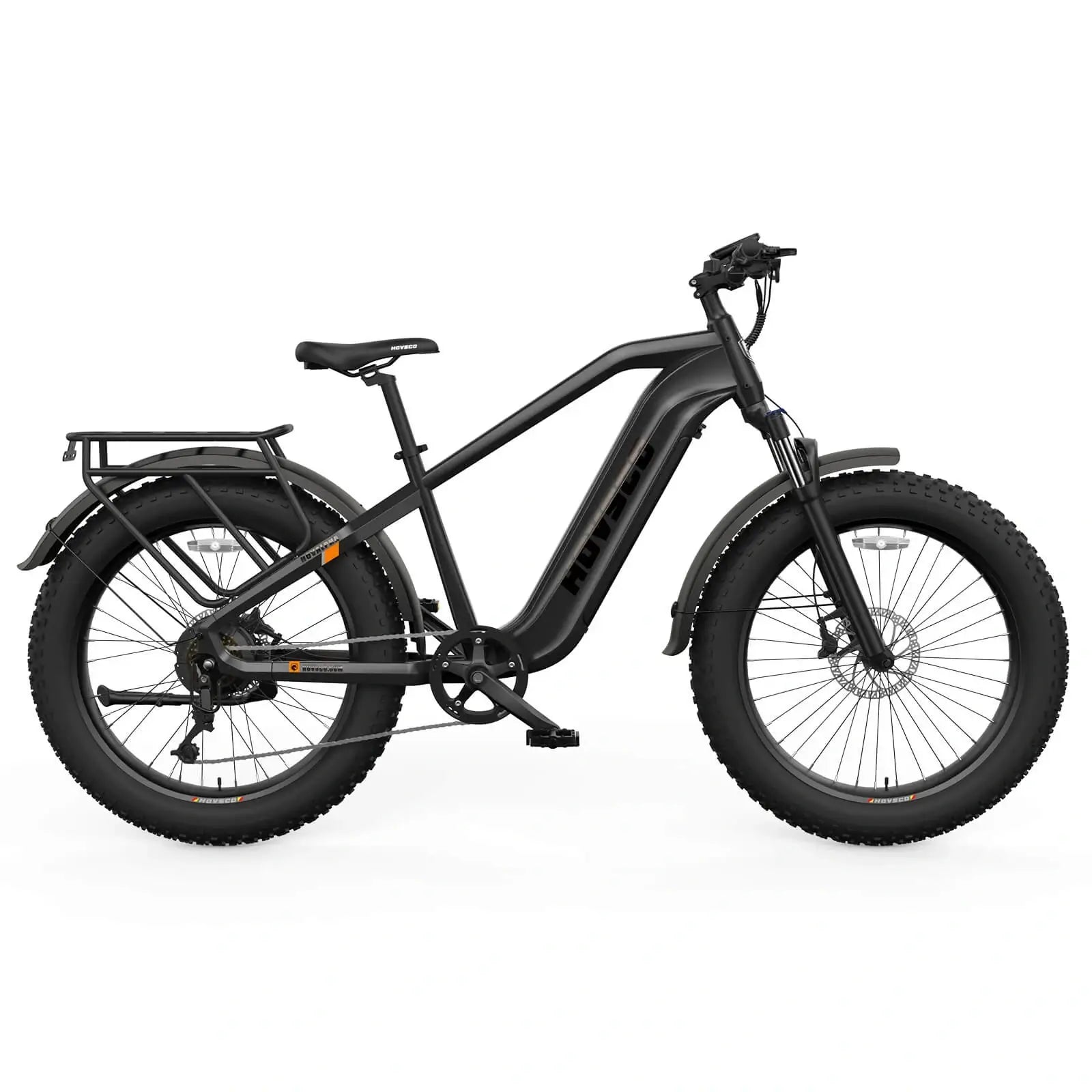
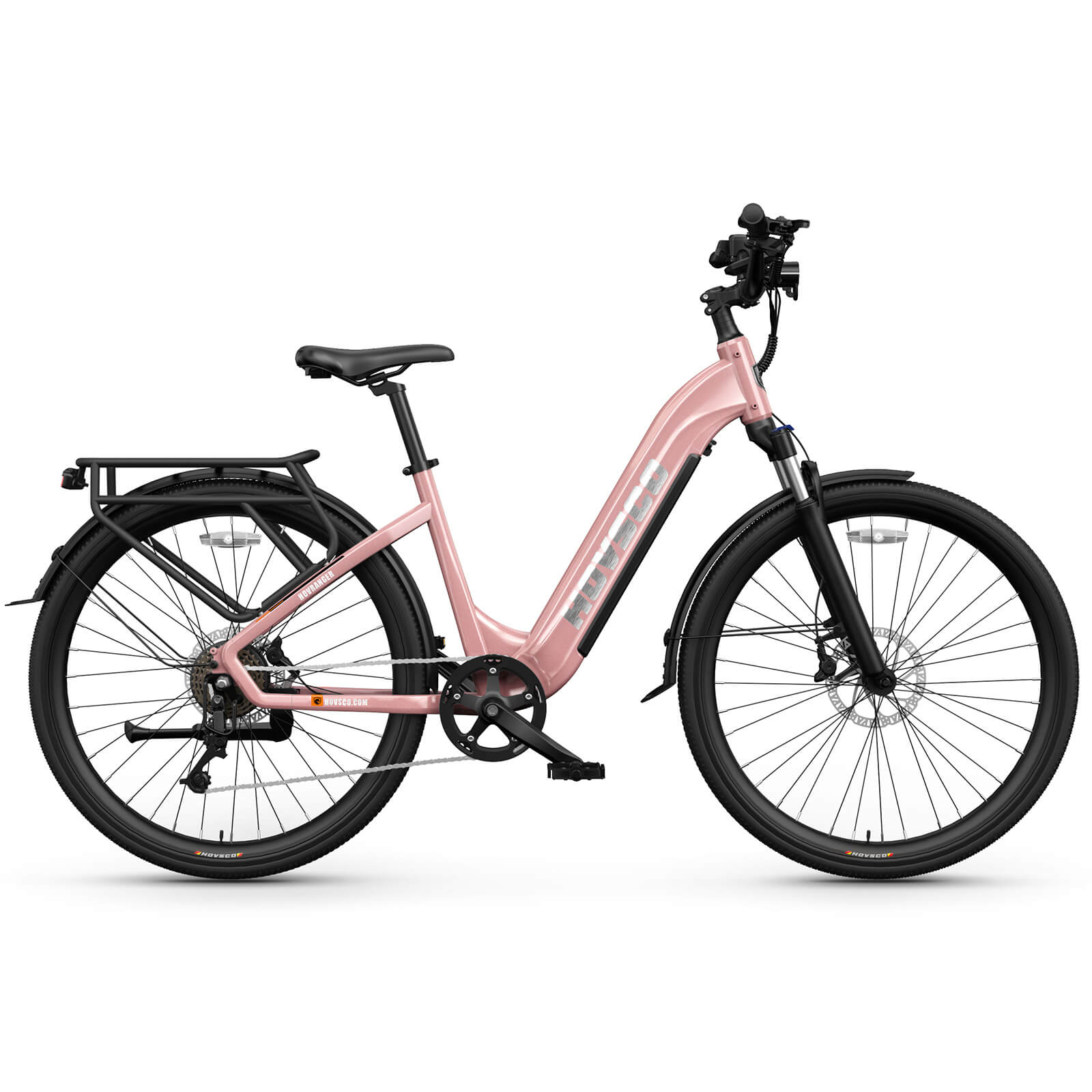
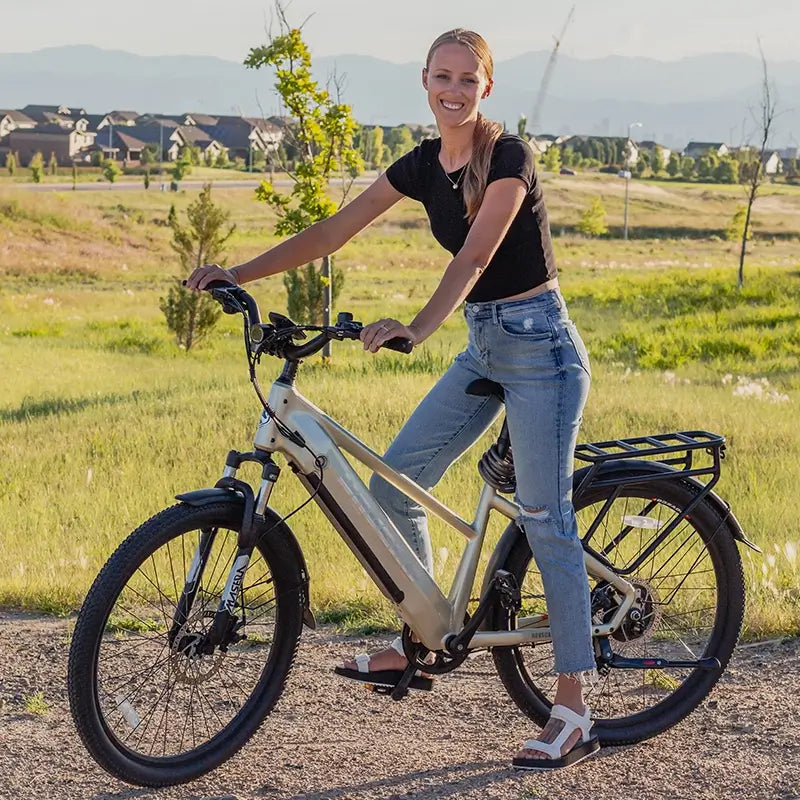
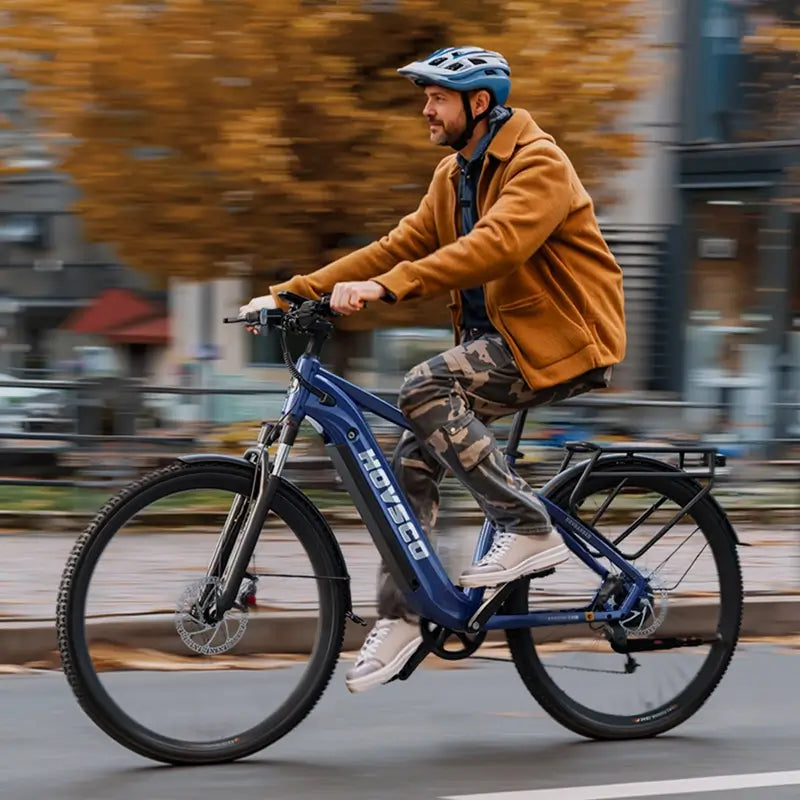
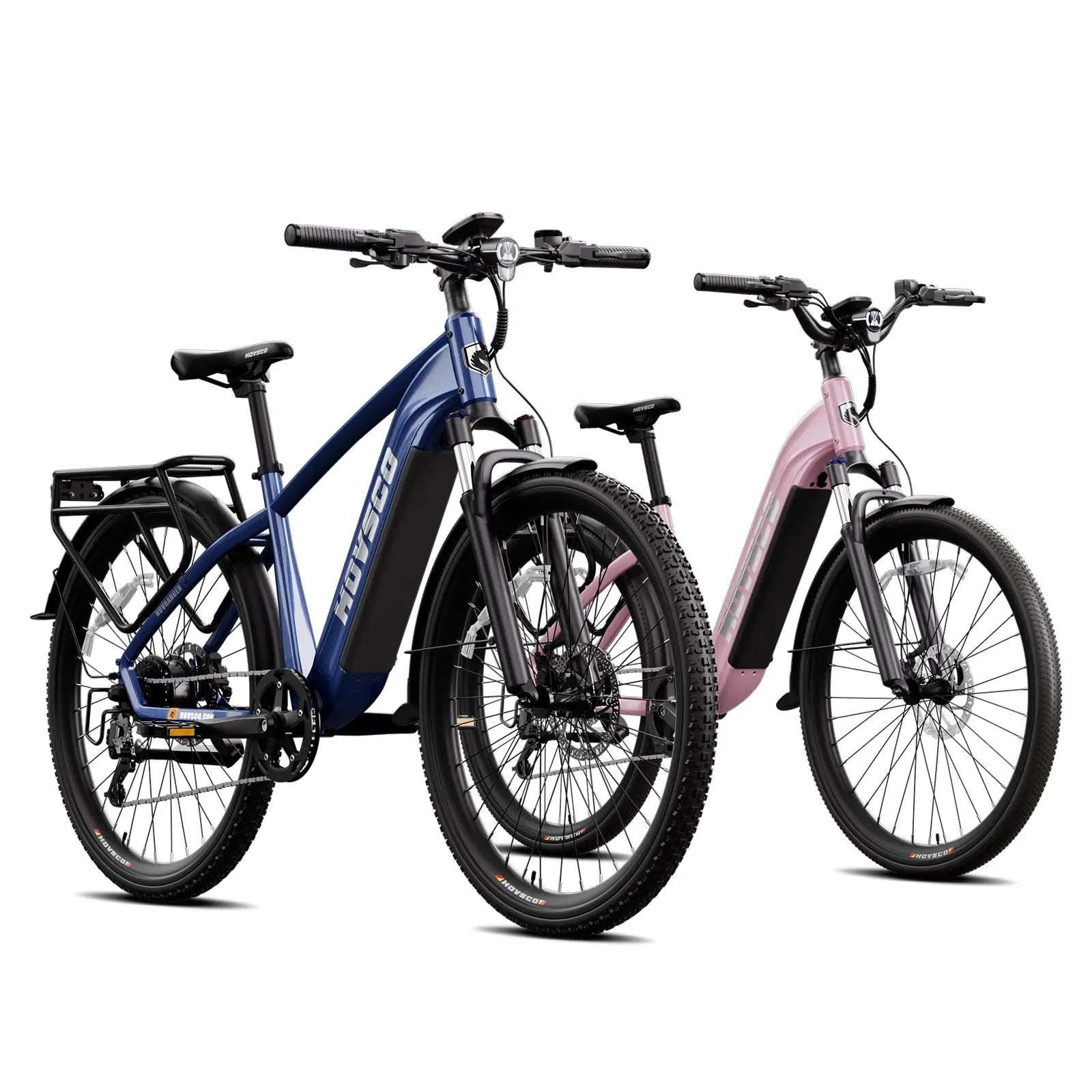
A fitness-focused suburban rider moves to a HovRanger City E-Bike, combining pedal exercise with electric assist to manage hilly terrain without arriving at work exhausted.
Suburban commuting trends rarely involve a single type of trip, so matching riders with the right HOVSCO model is central to long-term satisfaction. For families, the HovCart Family E-Bike serves as a cargo platform for children, school bags, and weekly shopping, effectively substituting many second-car trips. Commuters traveling medium distances on paved roads may prefer the HovRanger City E-Bike, which offers strong motor power and a practical range tailored for everyday rides.
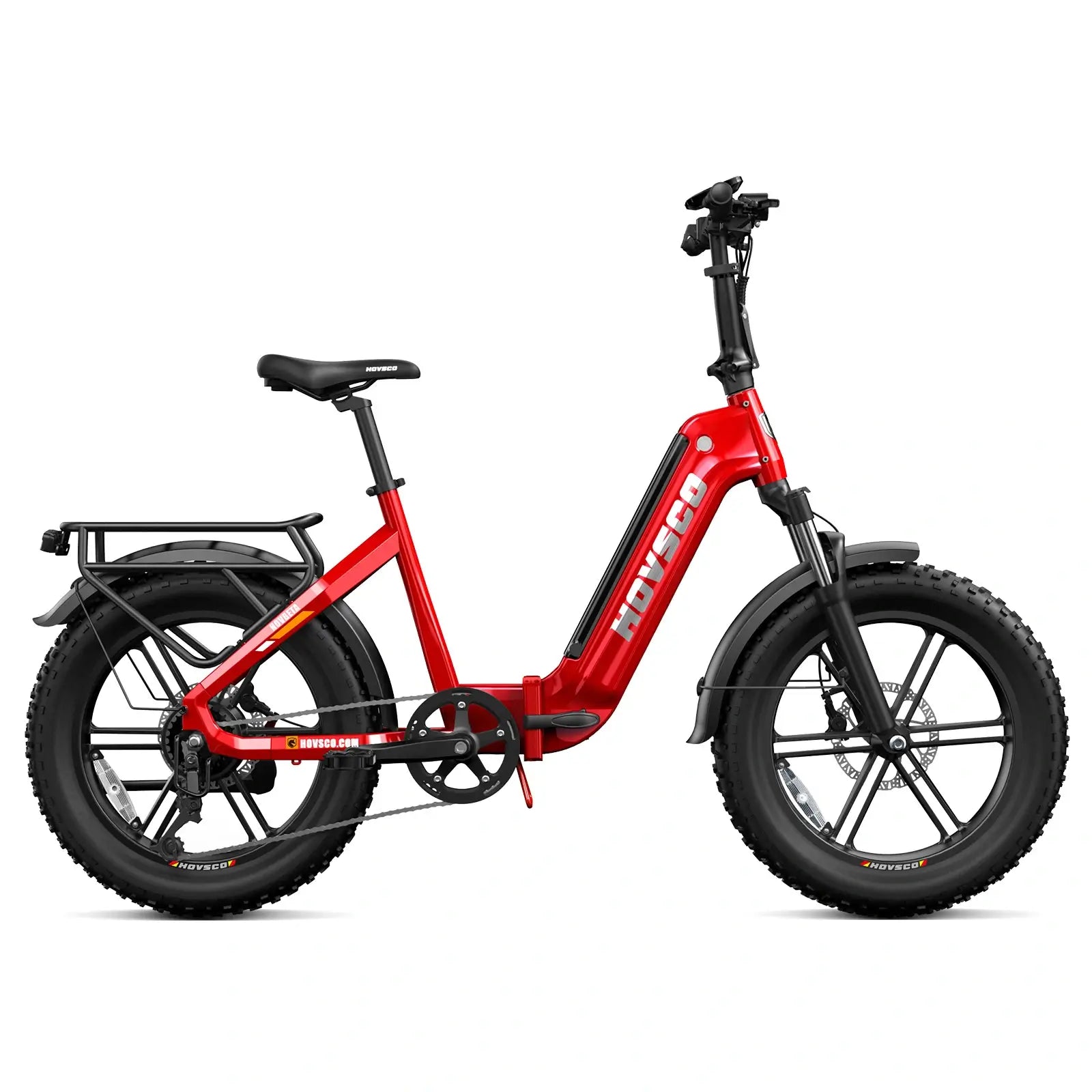
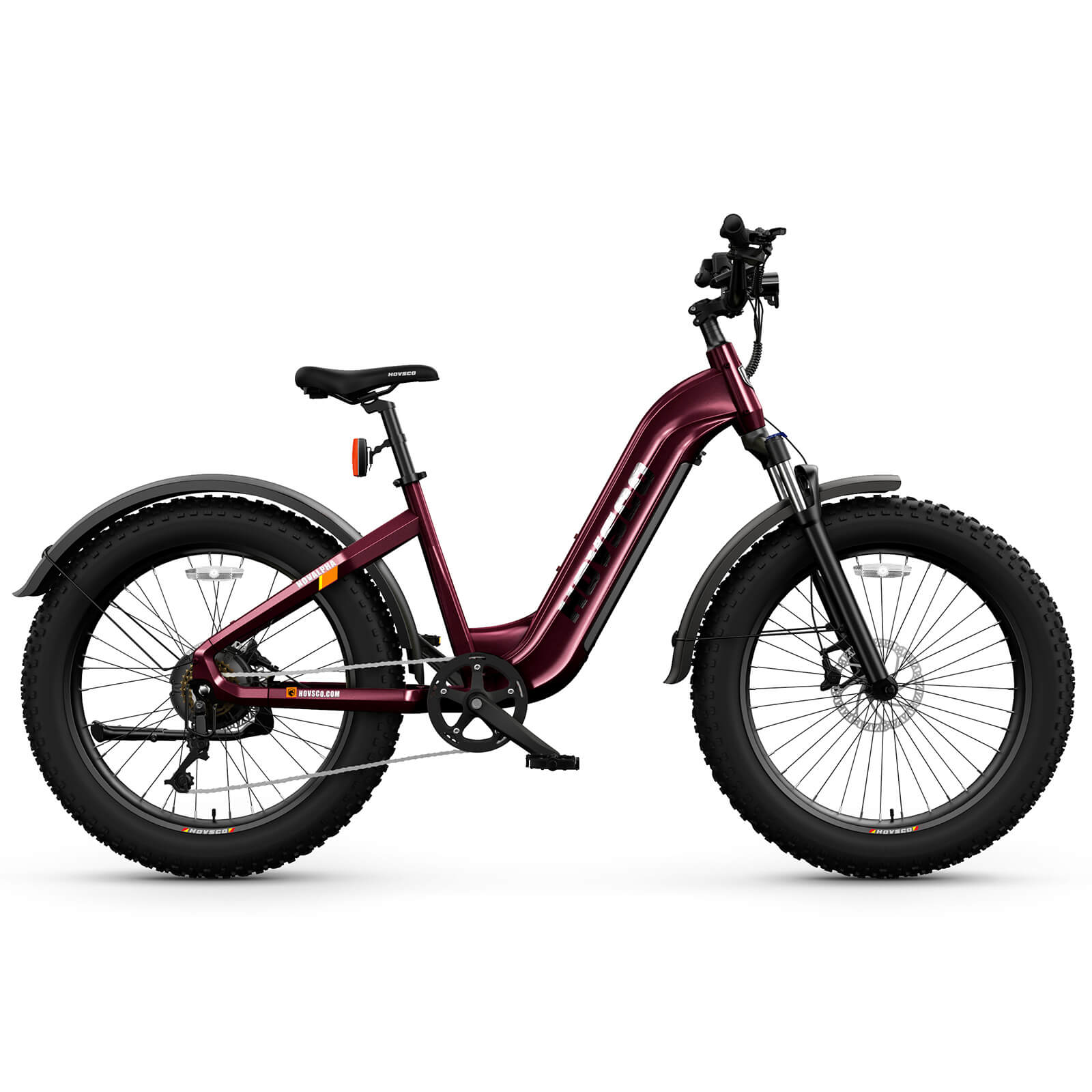
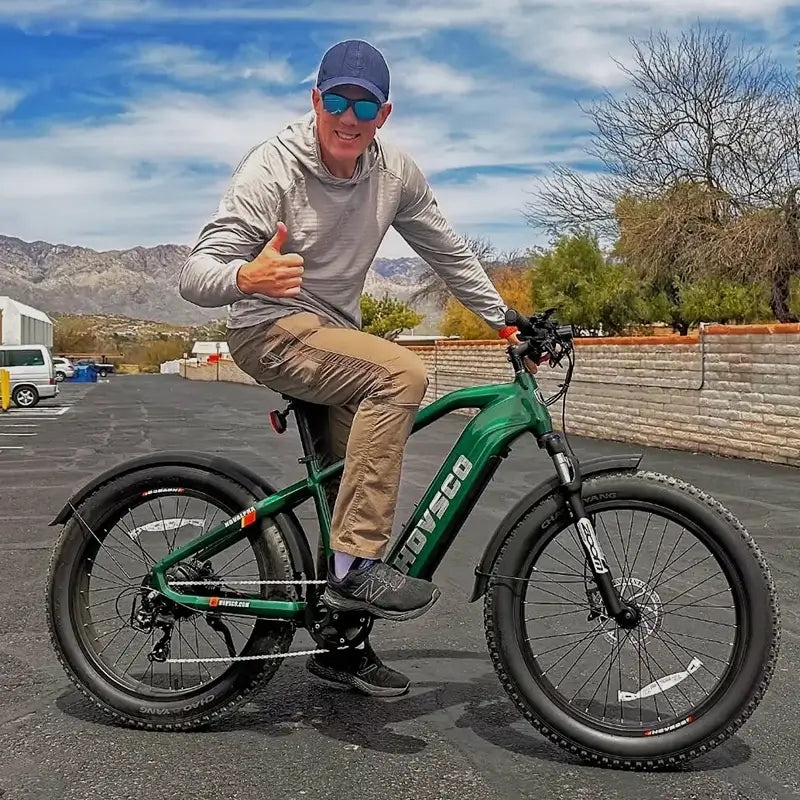
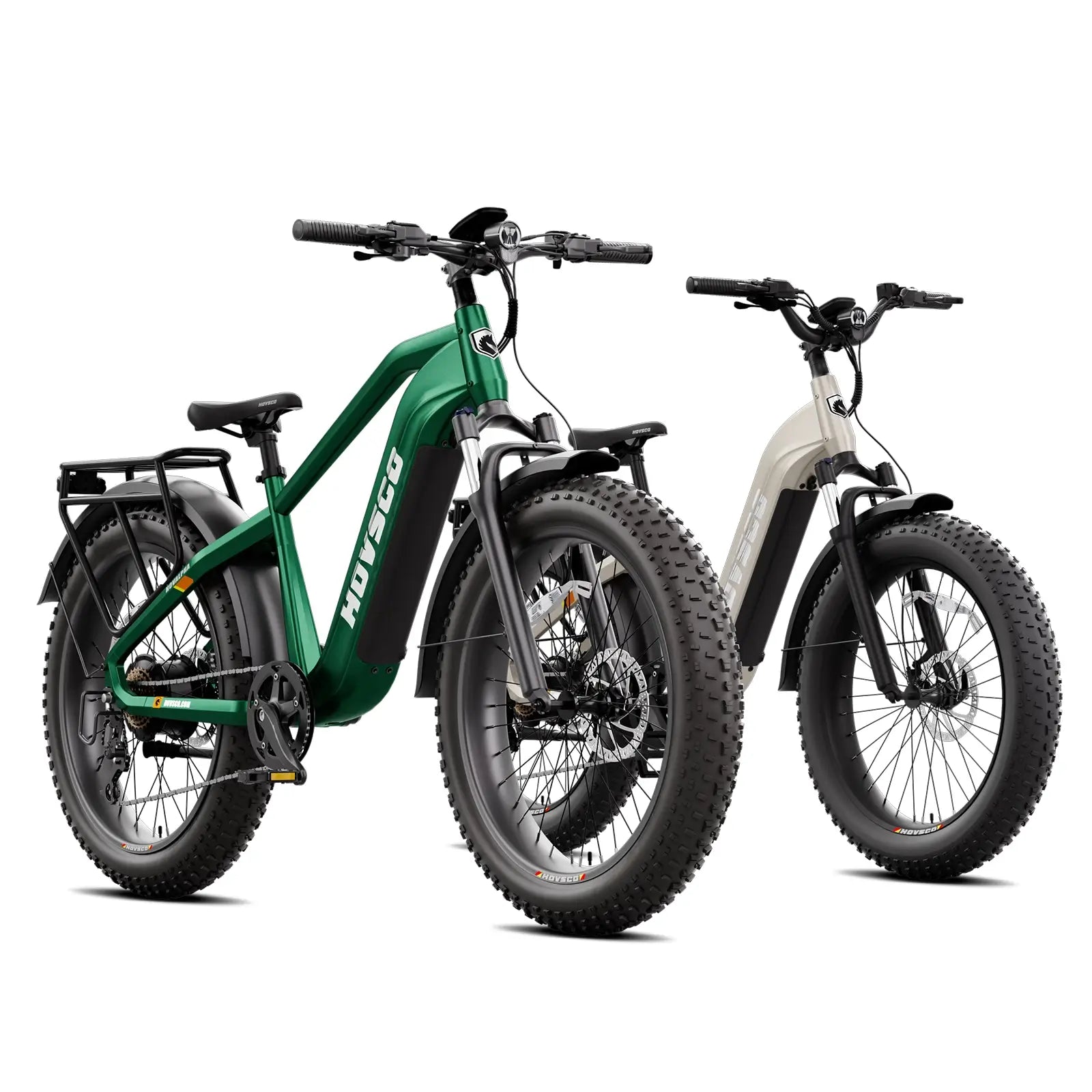
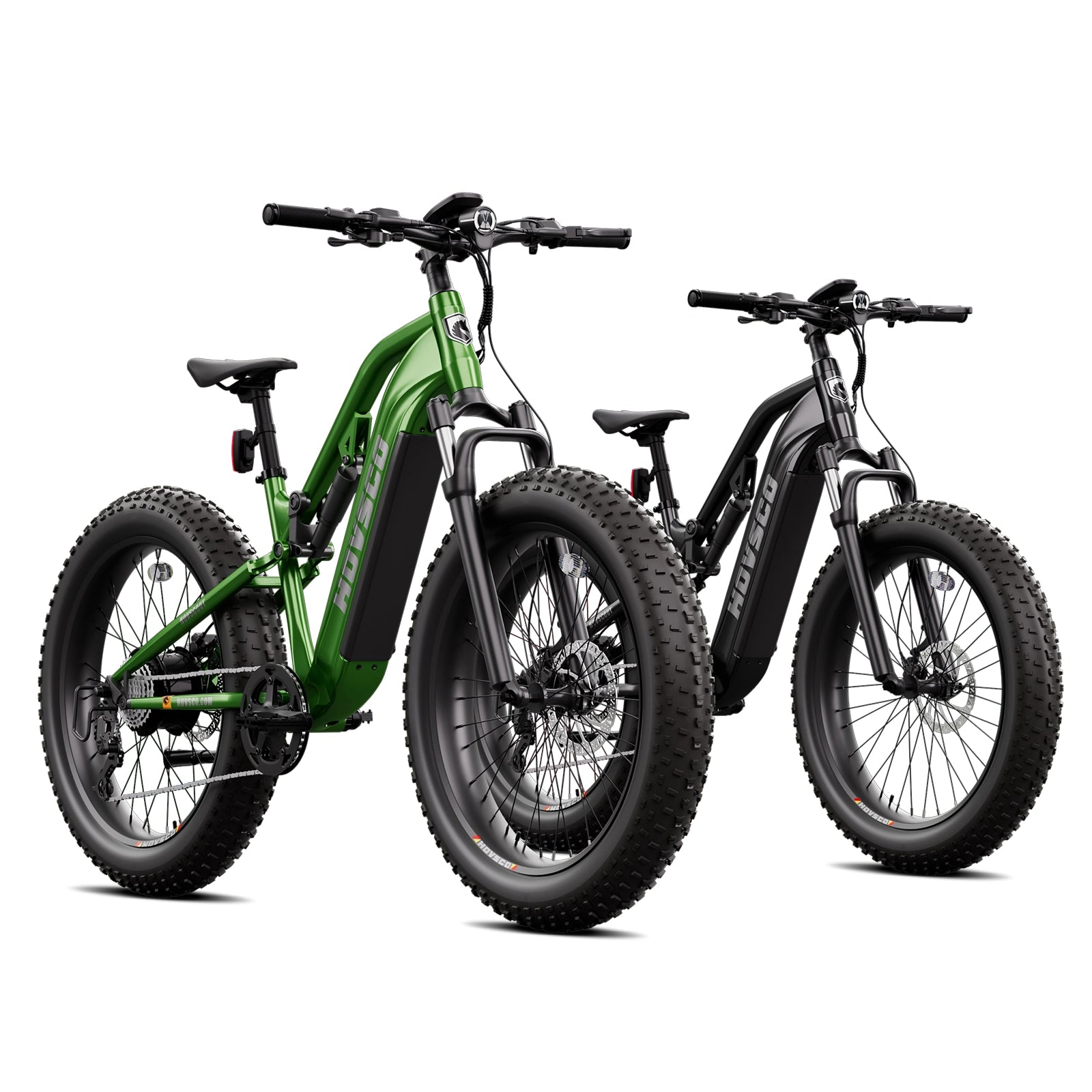
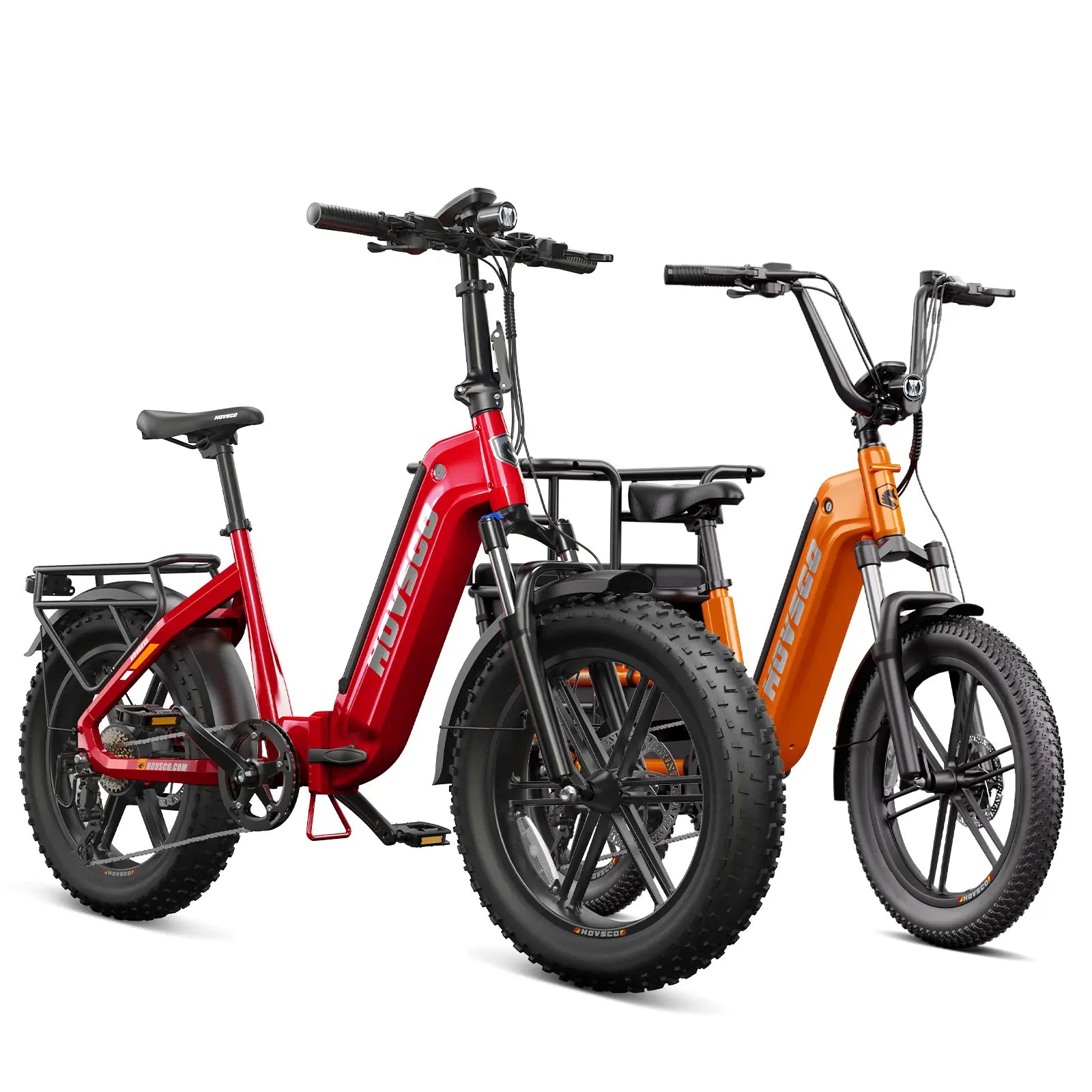
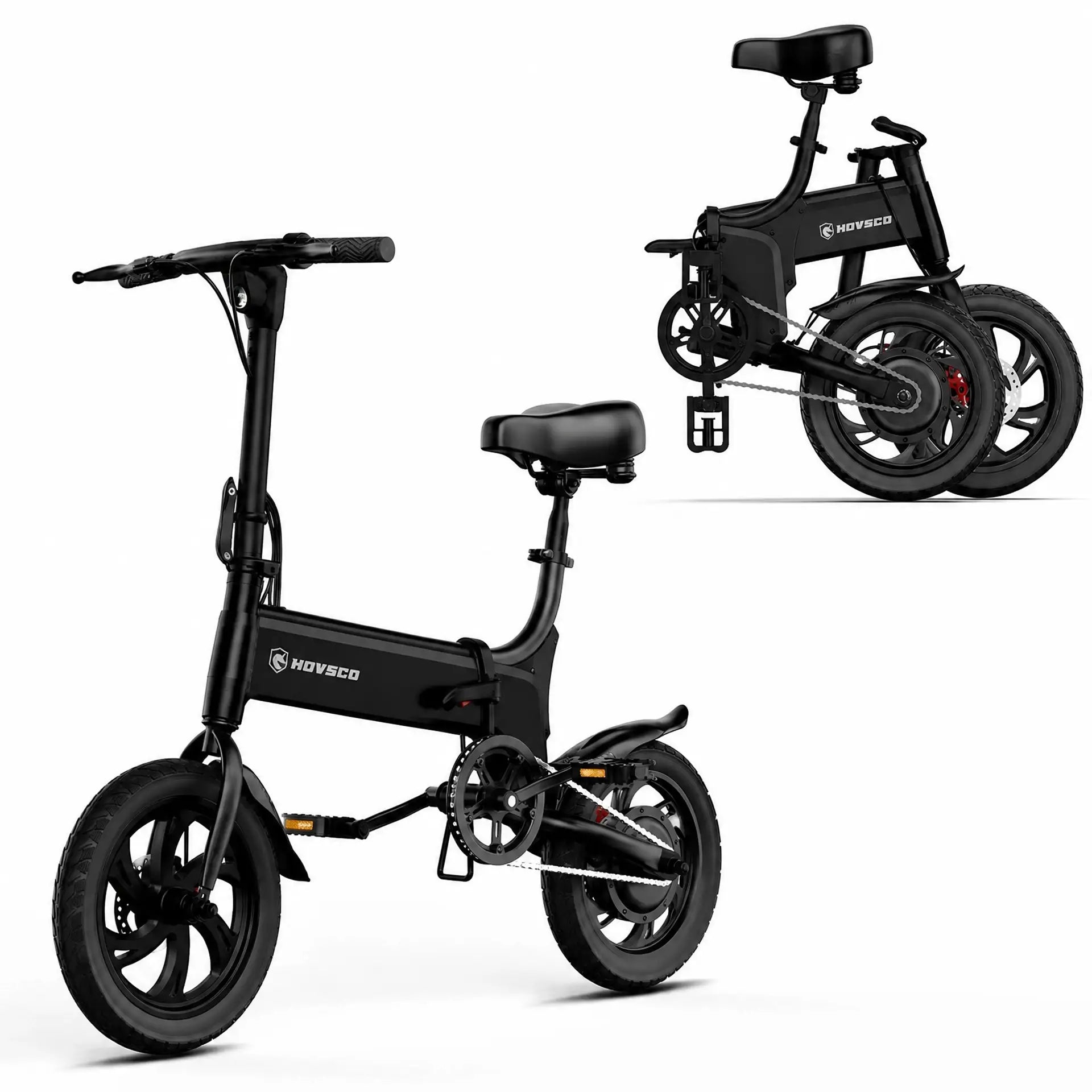
Riders in neighborhoods with mixed terrain or trails can look to the HovAlpha Electric Bike, whose fat tires and robust motor smooth out gravel, potholes, and light off-roading. Meanwhile, the HovBeta Foldable E-Bike appeals to apartment dwellers or multi-modal commuters who need a compact, foldable bike that fits in car trunks, small garages, or public transit spaces. Together, these lines allow households to tailor their e-bike choices to varied suburban commuting patterns.
Map your weekly trips
List your regular destinations—work, school, shops, parks—and approximate distances. Identify routes under 10–15 miles one way that could plausibly shift from car to e-bike, focusing on streets with bike lanes or low traffic.
Match a model to your needs
Evaluate key questions about terrain, cargo needs, and range expectations. Use structured specifications to compare models designed for family use, city commutes, or mixed surfaces.
Plan safe and comfortable routes
Use local maps and cycling apps to design routes that avoid high-speed arterials. Look for suburban bike paths, neighborhood streets, and shared-use trails that reduce exposure to heavy traffic while keeping total travel time reasonable.
Set up cargo and accessories
For school runs and grocery trips, configure racks, baskets, or child seats on your chosen e-bike. Consider mirrors, integrated lights, and turn signals to improve visibility and comfort during early morning or evening commutes.
Start with two or three e-bike days per week
Rather than switching entirely at once, begin with select days—such as mid-week or when the forecast is favorable. This gradual approach helps riders adjust to new habits, clothing choices, and timing without pressure.
Track cost and time savings over a month
Compare your fuel spending, parking, and travel times for e-bike versus car days. Many suburban commuters find that reliable electric options significantly reduce monthly expenses while adding physical activity and minimizing parking hassles.
Scenario 1: Dual-income family in a car-centric suburb
Traditional approach: Both adults drive separate cars to work, one also handles school drop-offs, and weekend errands involve multiple short car trips. Fuel costs are high, and parking at crowded shopping centers adds stress.
With micro-mobility: One adult replaces most local trips with a HovCart Family E-Bike, carrying children, groceries, and gear within an ample operating range. The second car is used less often, reducing fuel bills, freeing budget for family activities, and turning school runs into enjoyable rides.
Scenario 2: Young professional with a long suburban commute
Traditional approach: A daily drive of 10–15 miles each way in stop-and-go traffic, with limited exercise and unpredictable fuel costs. The commute feels mentally draining, and there are few alternatives.
With micro-mobility: The rider shifts to a capable electric commuter model, maintaining good cruising speeds on suitable roads and mixing pedal assist with throttle when needed. Travel becomes more predictable, parking is simpler, and the commute becomes part of a healthier routine.
Scenario 3: Retiree seeking active mobility in sprawling suburbs
Traditional approach: Short car trips for social visits, shopping, and park outings, with limited walking due to hills or distances. The car remains essential even for small errands.
With micro-mobility: A retiree chooses an upright, comfortable cruiser or foldable e-bike, enjoying manageable weights and easy handling. Everyday travel becomes more active and enjoyable while still accessible and comfortable.
How do suburban commuting trends make e-bikes more relevant for everyday travel?
Recent data shows that electric bike markets are expanding rapidly as suburban commuters face rising fuel costs and longer travel times. This shift positions e-bikes as practical tools for medium-distance trips, school runs, and errands, especially in neighborhoods lacking robust public transit.
Can quality e-bikes realistically replace a second car in suburban households?
For many families, a well-chosen cargo or long-range e-bike can take over daily school, grocery, and local work trips. While long regional journeys may still require a car, the alternative can meaningfully reduce the dependence on owning and fueling multiple vehicles.
What range do modern commuter e-bikes offer for typical suburban distances?
Common commuter models deliver substantial miles of range per charge depending on usage and assist mode. This coverage supports most daily suburban trips without mid-day charging, especially for standard 5–15 mile one-way commutes.
Are e-bikes suitable for mixed suburban terrain and occasional off-road paths?
Many modern bikes utilize fat tires, front or full suspension, and powerful motors, offering stability on gravel, rolling roads, and light trails. For riders dealing with hills or uneven surfaces, these features reduce physical strain while supporting confident handling.
How do suburban commuting trends intersect with sustainability and emissions goals?
Electric bikes lower per-trip emissions compared to cars and align with policy efforts to reduce CO₂ output and traffic congestion. As more suburban commuters adopt e-bikes, local governments can support this trend with improved cycling infrastructure, benefiting both riders and communities.
What safety and considerations matter when choosing an e-bike for commuting?
Emphasizing reliable support helps ensure electrical safety standards and dependable customer service. Riders should still follow local regulations, wear helmets, and use integrated lights and reflective gear, especially for early morning or evening suburban travel.
Suburban commuting trends highlight an inflection point: households are reevaluating the cost, stress, and environmental impact of daily car use as electric bike markets surge worldwide. Equipped with practical cargo capability, city commuting designs, and long-range fat-tire models, suburban riders now have viable tools to reclaim time, reduce fuel dependence, and enjoy more active travel without sacrificing convenience. For many, the shift from car-only commuting to a blended, e-bike-first lifestyle is not just feasible—it is becoming the new suburban norm.
Ready to explore how suburban commuting trends can work in your favor? Visit HOVSCO’s online store to discover cargo, city, and fat-tire e-bikes tailored to everyday suburban life. HOVSCO is a U.S.-based, e-bike brand focused on budget-friendly, versatile models that help families, commuters, and retirees move beyond car dependency and ride with confidence.
The Business Research Company — Electric Bikes Global Market Report 2026 (2026)
United For ALICE — Future Trends in Transportation and Commuting (2024)
Commuting in America — Growth in Suburb-to-Suburb Commuting (Commuting Data Overview)
PeopleForBikes — The U.S. E-Bike Market Is Bigger Than the Numbers Show (2026)
HOVSCO — Official Website and Product Specifications (Accessed 2026)
Share:
E-Bike Tourism Economy: How Electric Bikes Unlock Local Travel Spending
Electric Bike Ergonomics: How Modern Design Makes Every Ride More Comfortable