



![[ New Arrival ] Porto Max Electric Scooter For Commute & Grocery Shopping - HOVSCO](http://www.hovsco.com/cdn/shop/files/PotroMax-3.jpg?v=1706927007&width=1200)
- by SteveJames
Portable Transit Solutions: Smarter Commuting for Urban Professionals in June 2026
- by SteveJames
E-Bikes
Accessories
 Free Shipping
 15-Day Returns
 2-Year Warranty
Free Shipping
15-Day Returns
2-Year Warranty
2-Year Warranty
Free Shipping
15-Day Returns
2-Year Warranty
Portable transit solutions help urban professionals commute more efficiently with less parking stress, lower travel costs, and greater flexibility. Discover how HOVSCO e-bikes fit modern city travel.
Portable transit solutions are becoming a practical answer to one of the biggest modern commuting problems: getting through crowded cities without losing time, money, or flexibility. For urban professionals, daily transportation is no longer just about reaching the office. It is about avoiding congestion, reducing parking stress, controlling monthly costs, and keeping a schedule that can change throughout the day.
Electric bikes have become a strong part of that shift because they sit between traditional bicycles and cars. They offer more speed and less effort than a standard bike, while remaining easier to store, cheaper to operate, and more adaptable than a car in dense city environments. As a result, portable transit solutions are increasingly relevant for workers who want a more efficient way to move between home, office, errands, and social plans.
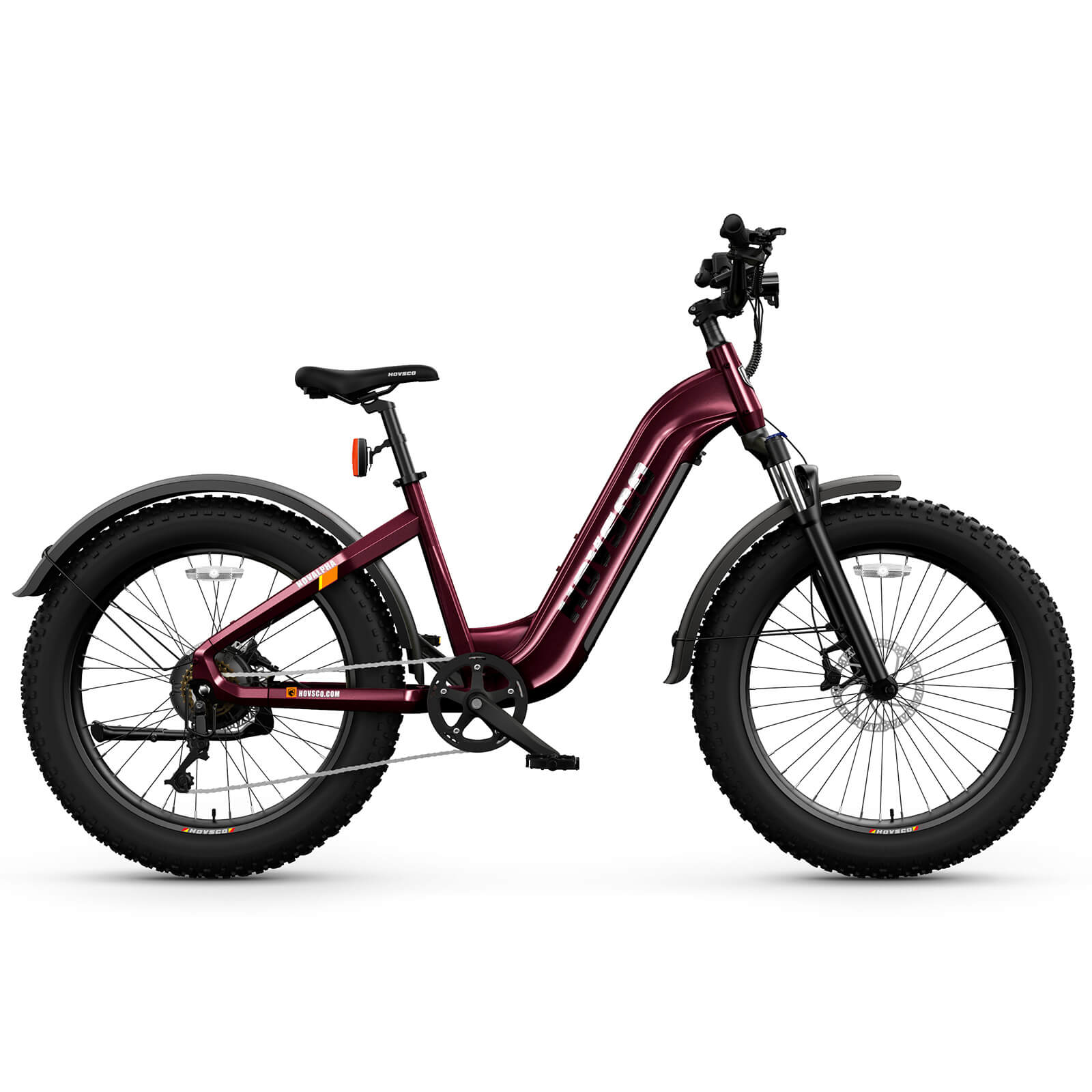
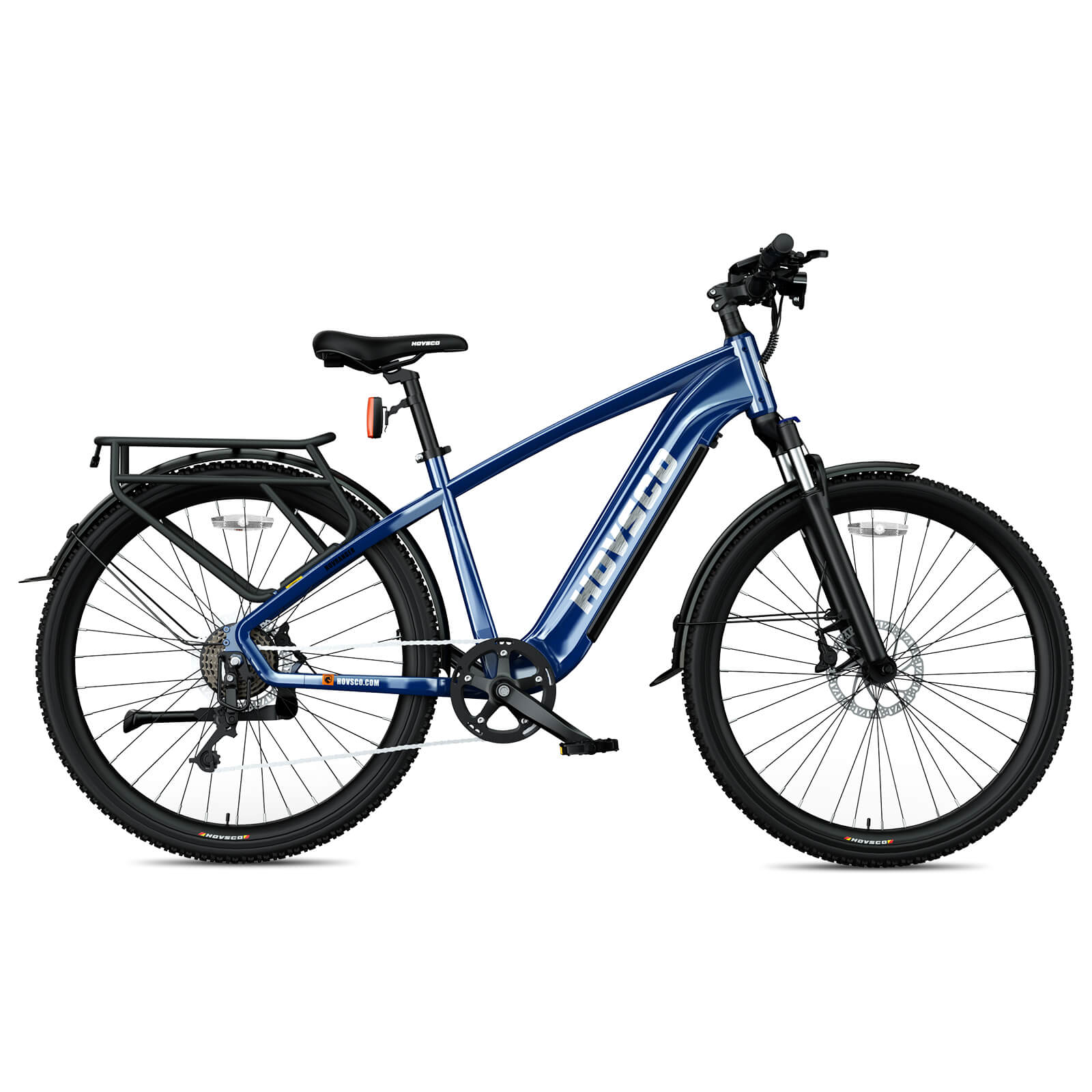
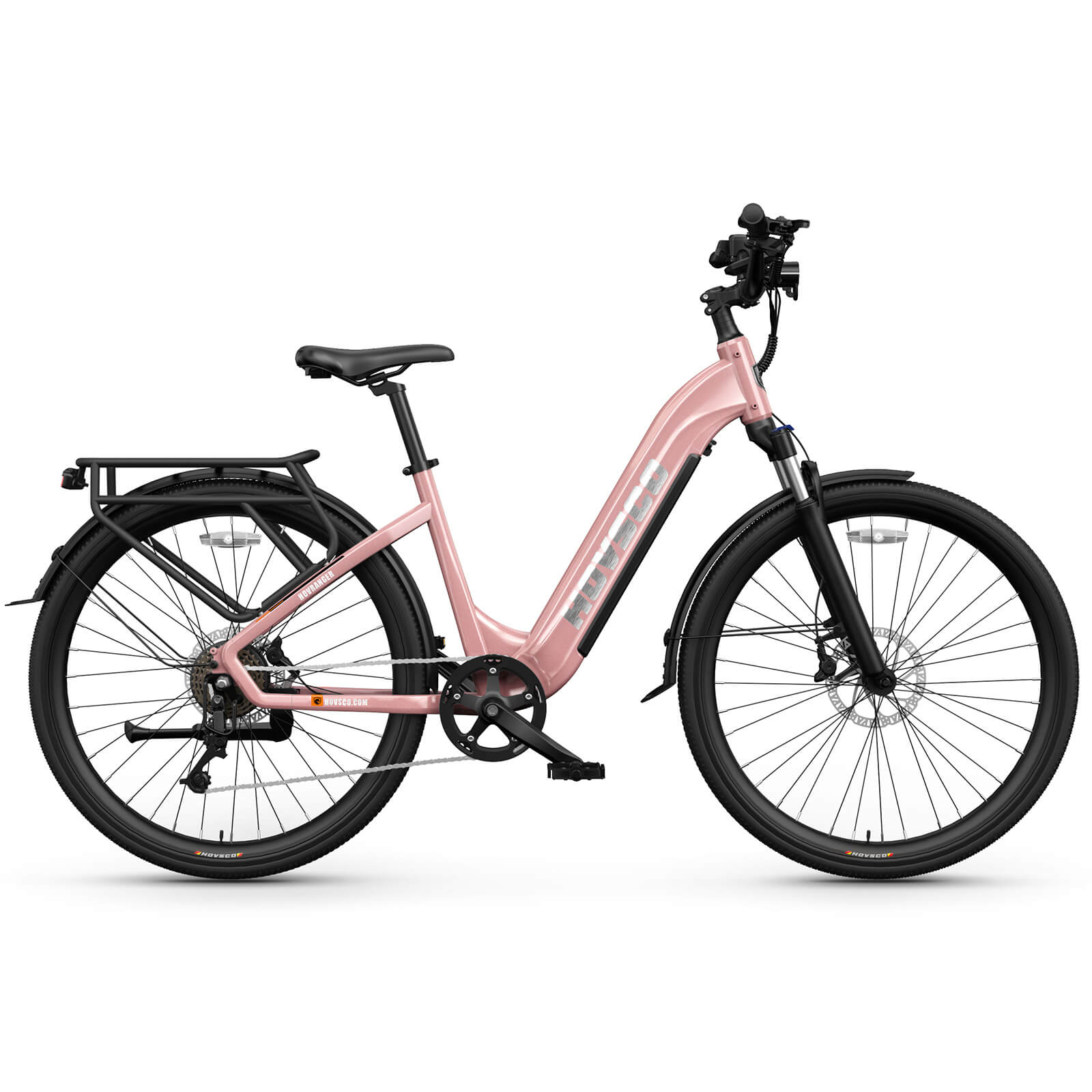
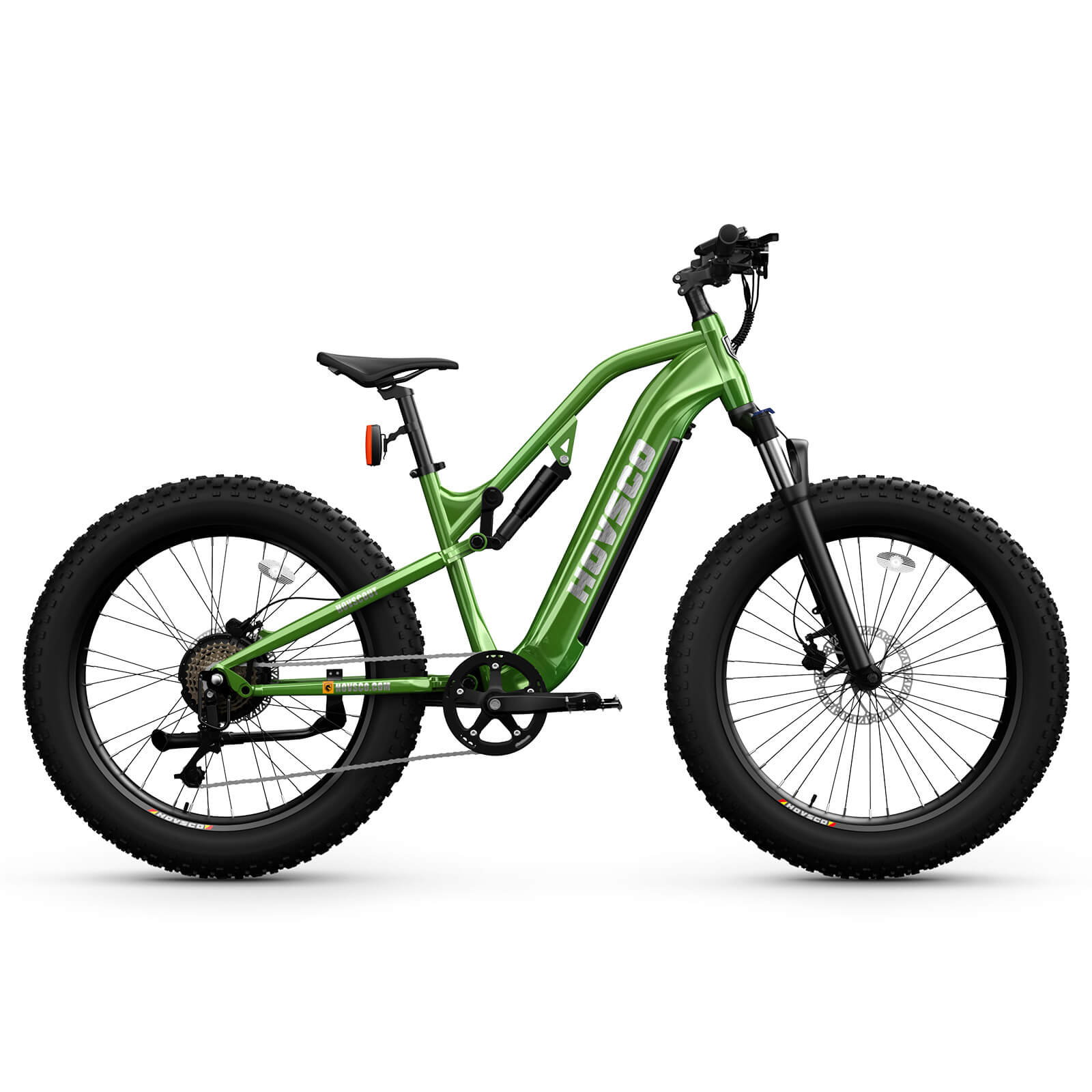
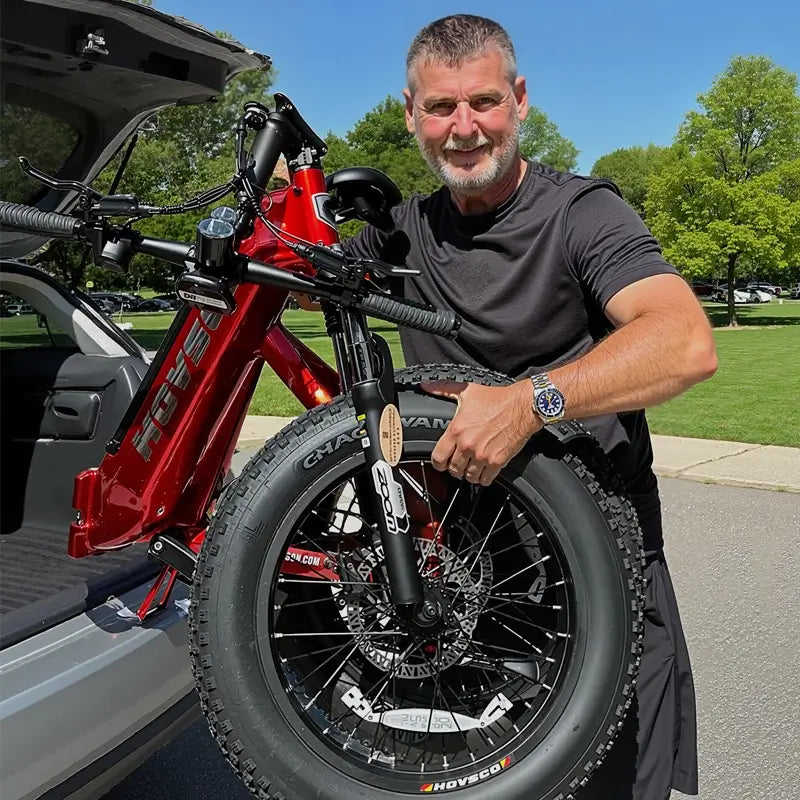
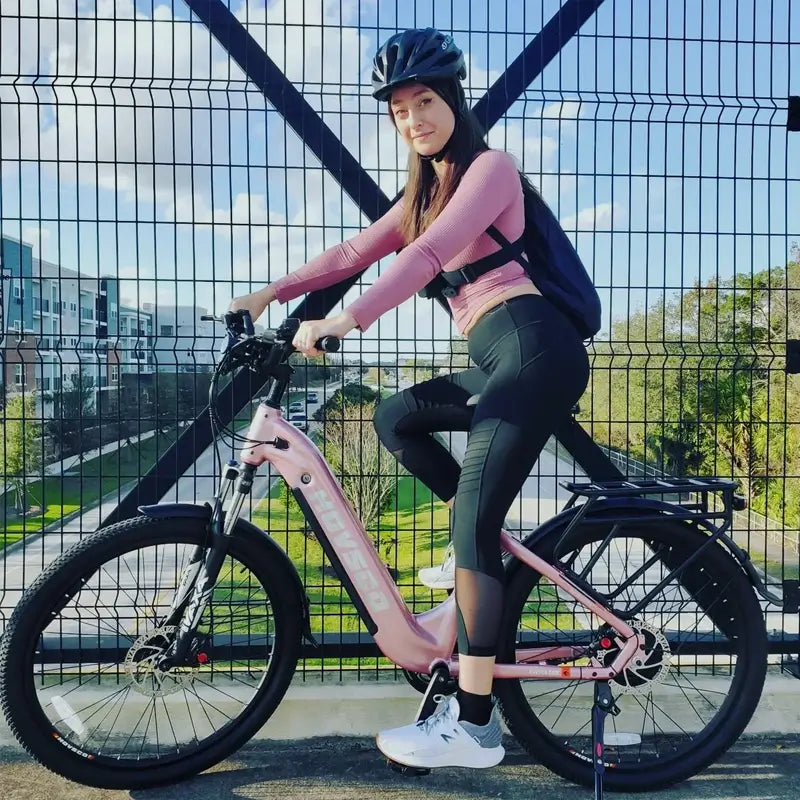
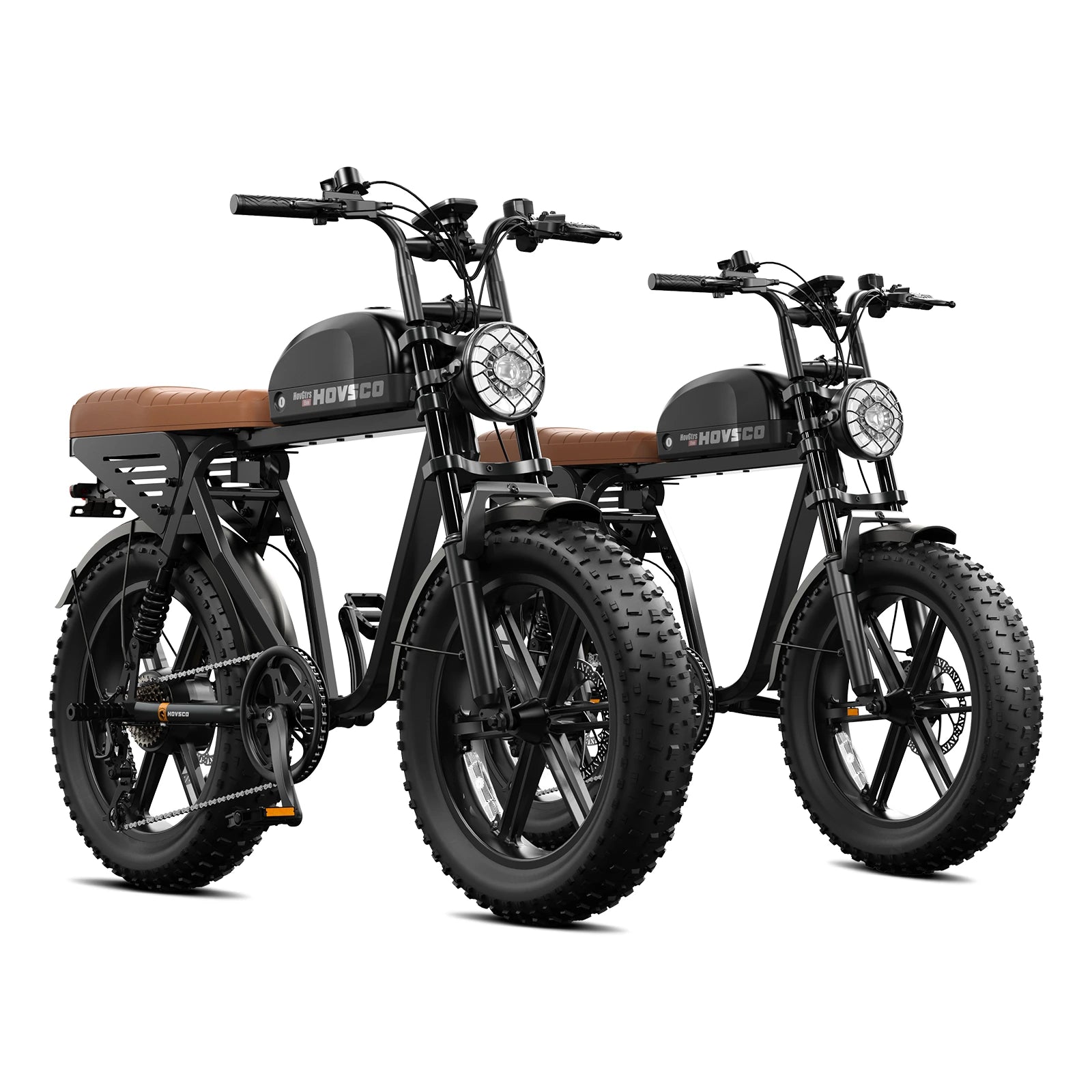
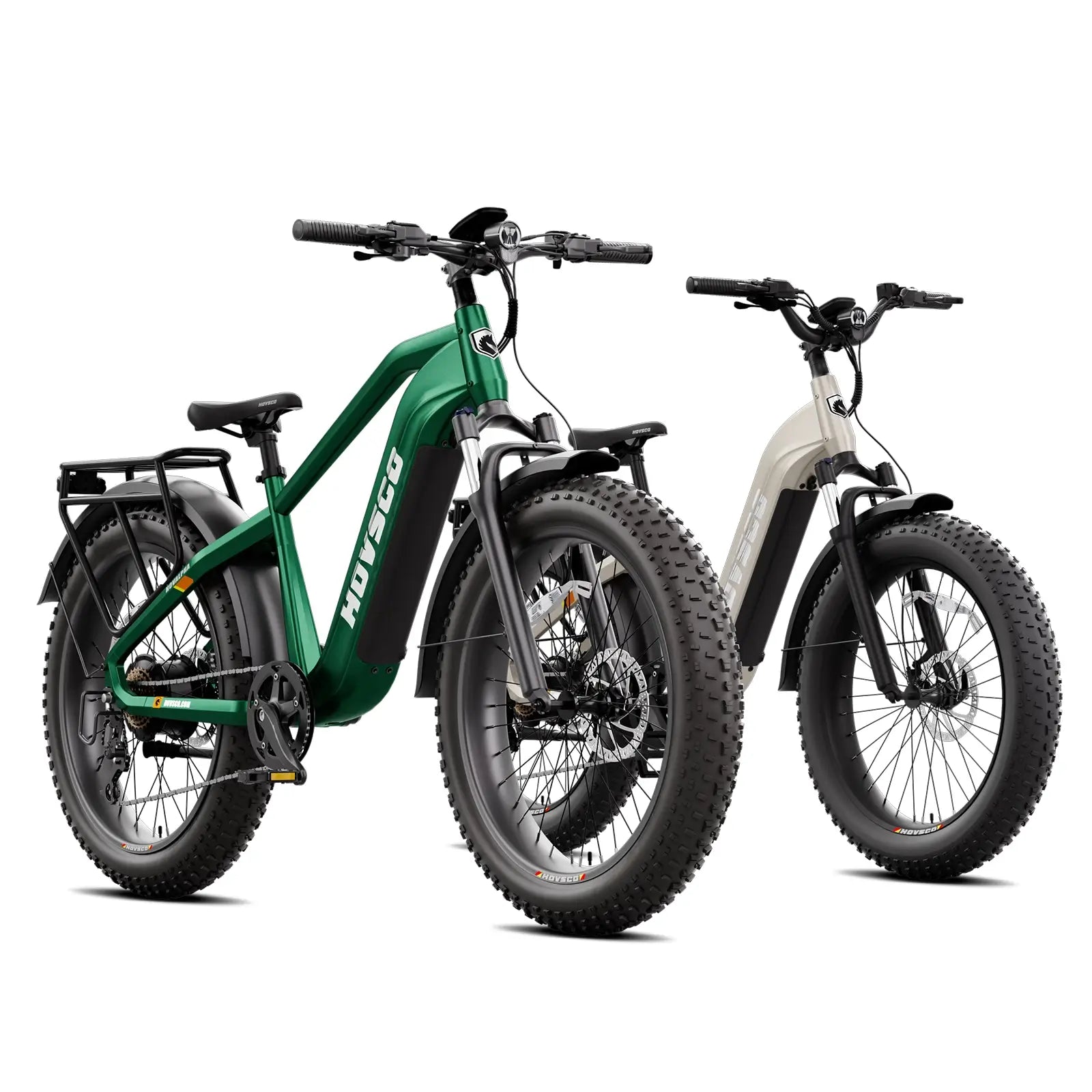
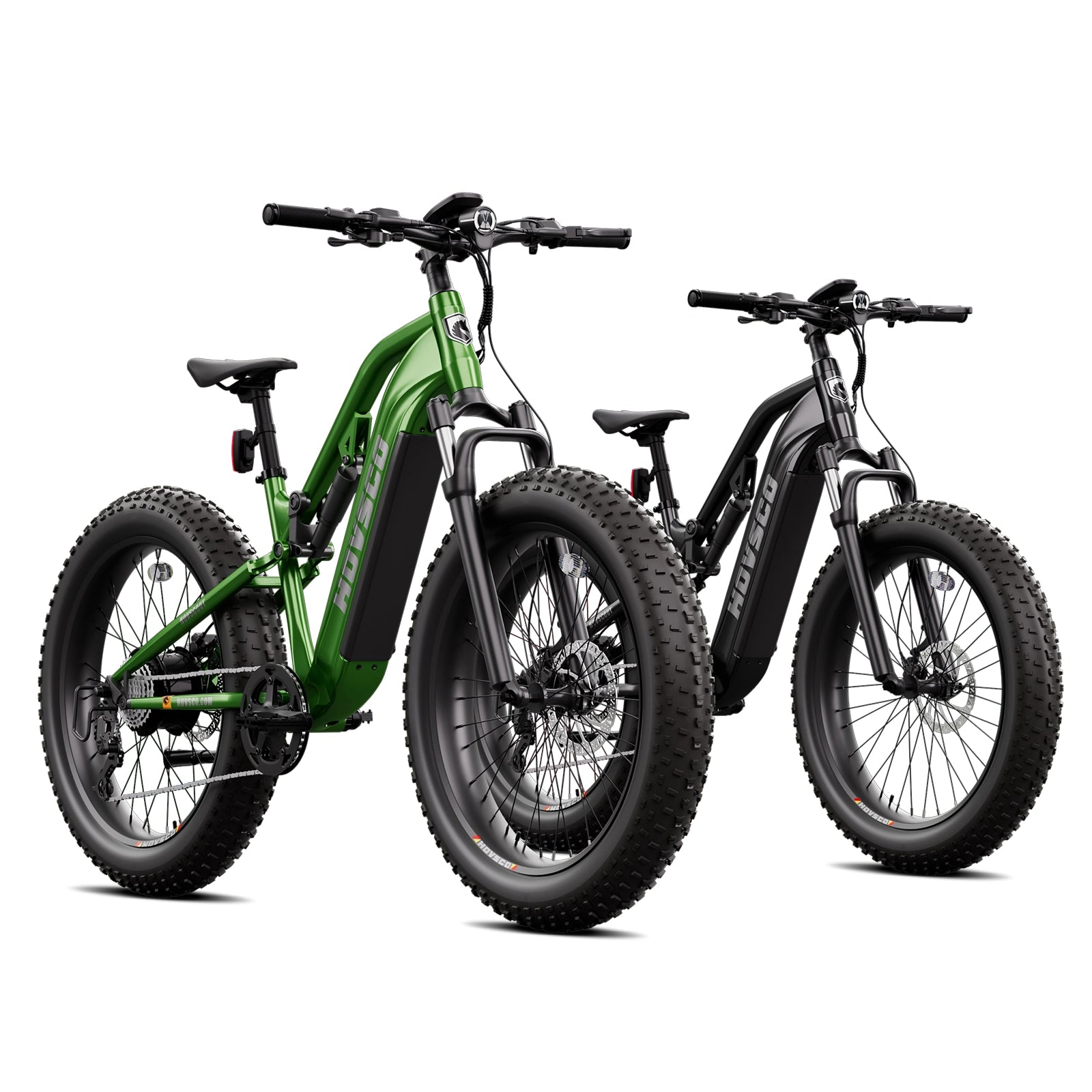
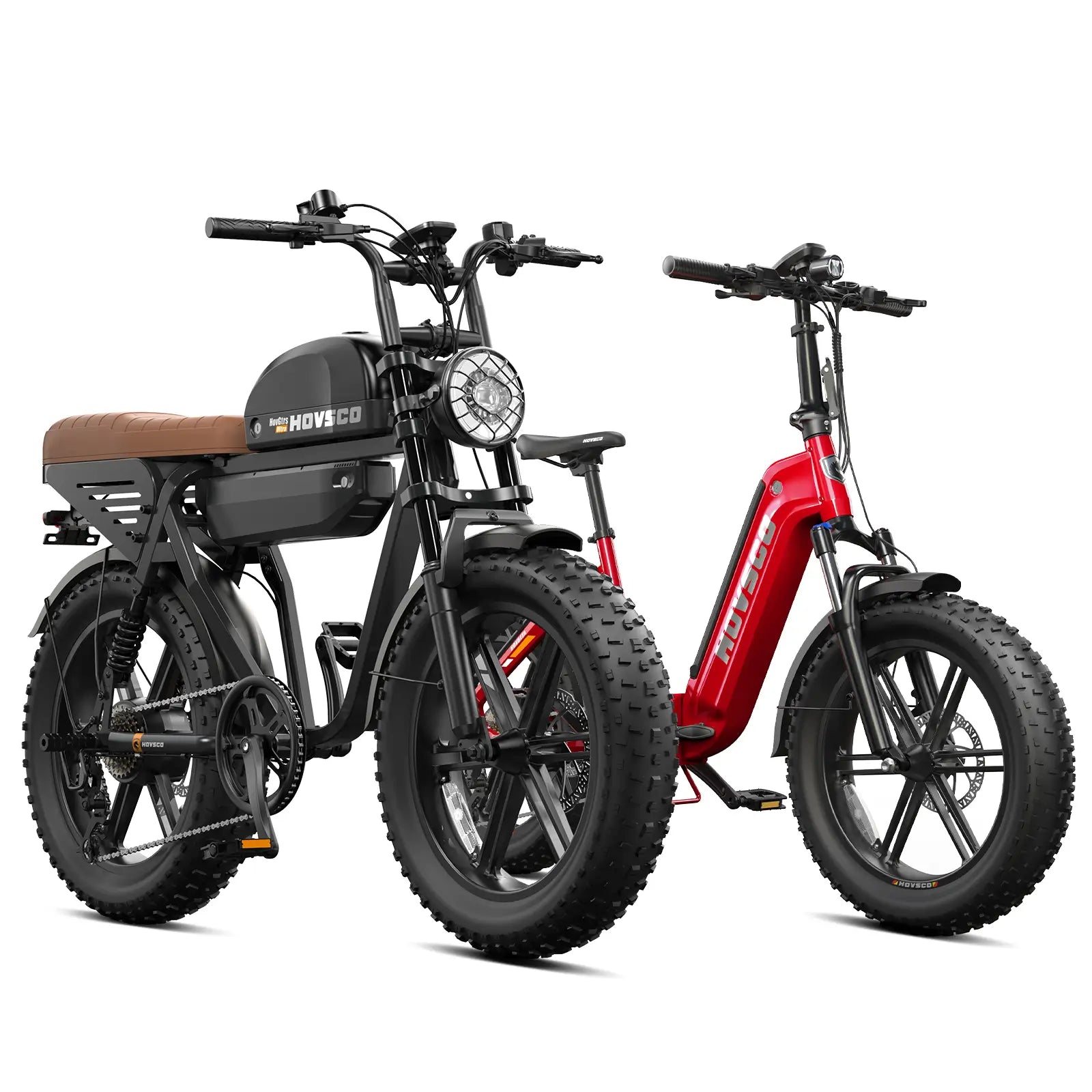
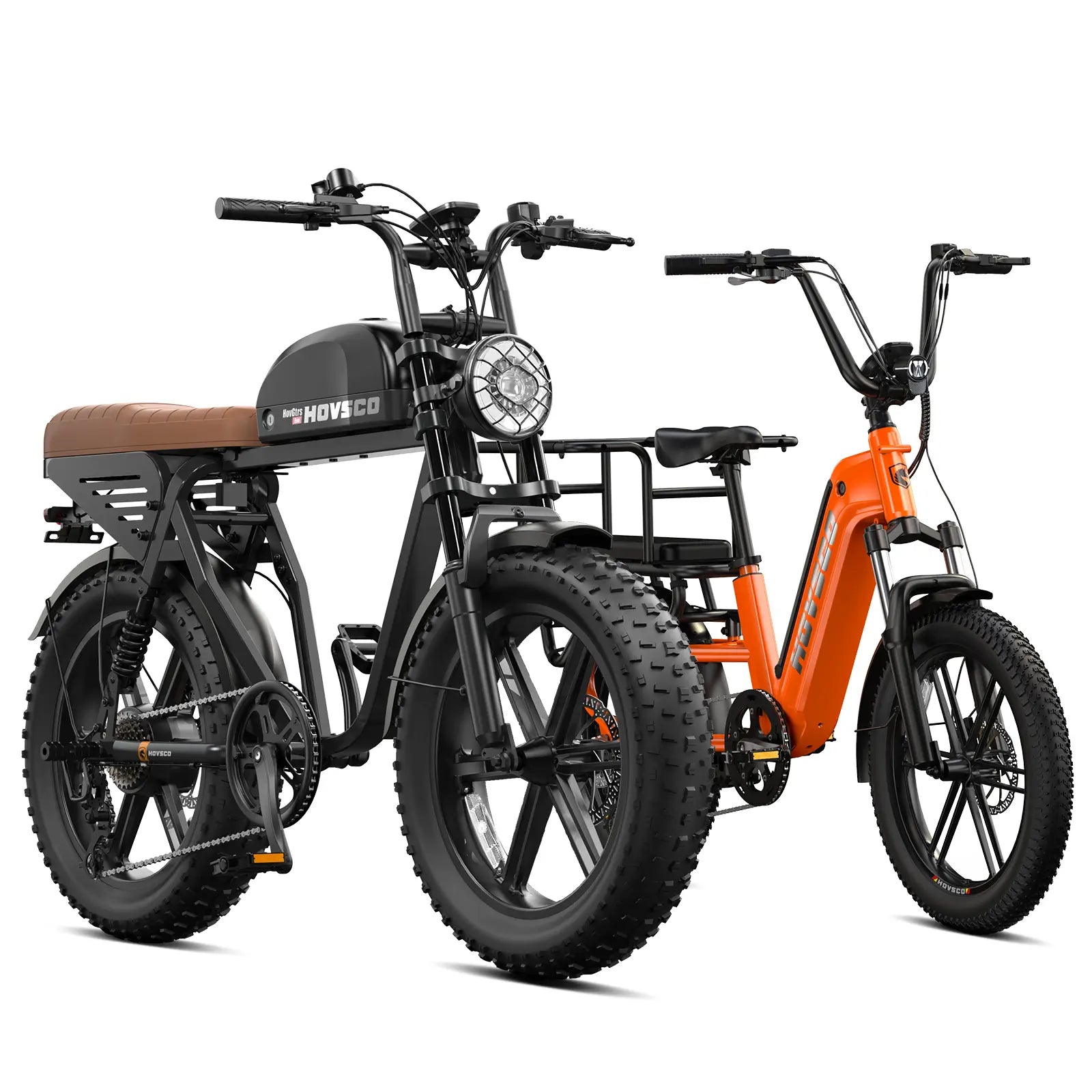
HOVSCO offers a range of electric bikes that align well with the portable transit solutions theme, especially for commuters who need practicality without giving up performance. Across its lineup, the brand features commuter, folding, cargo, and fat-tire models that support everyday urban travel as well as mixed-use lifestyles.
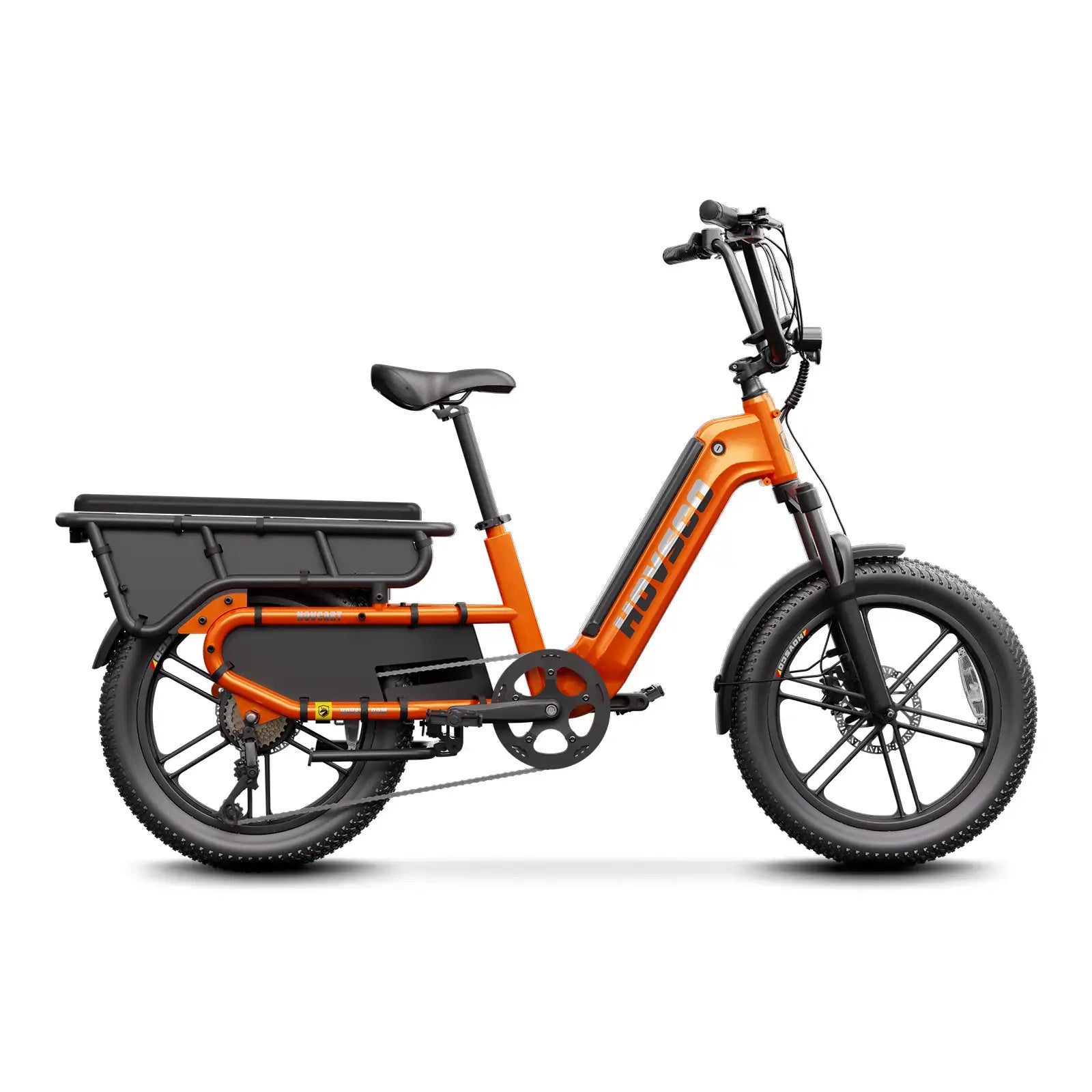
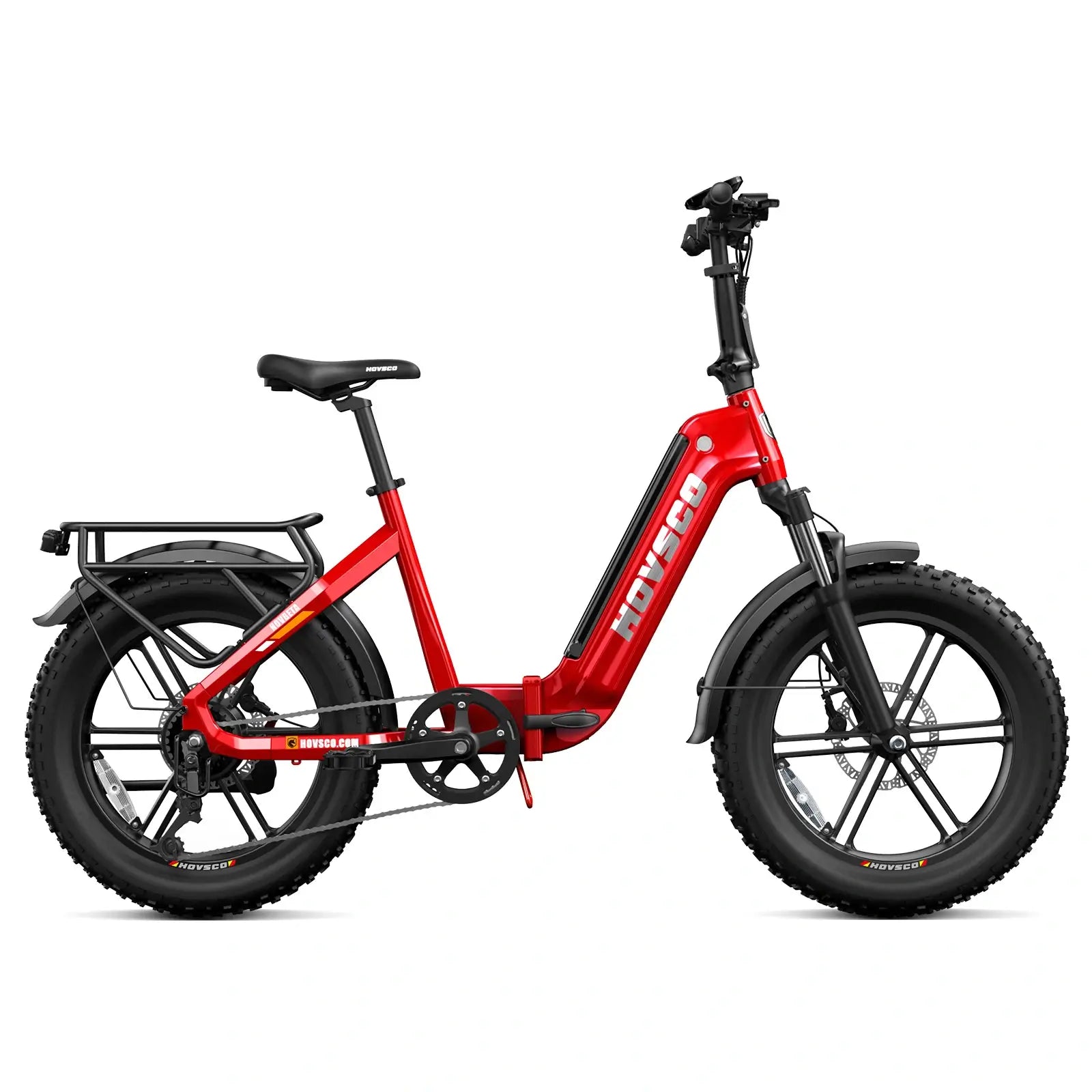
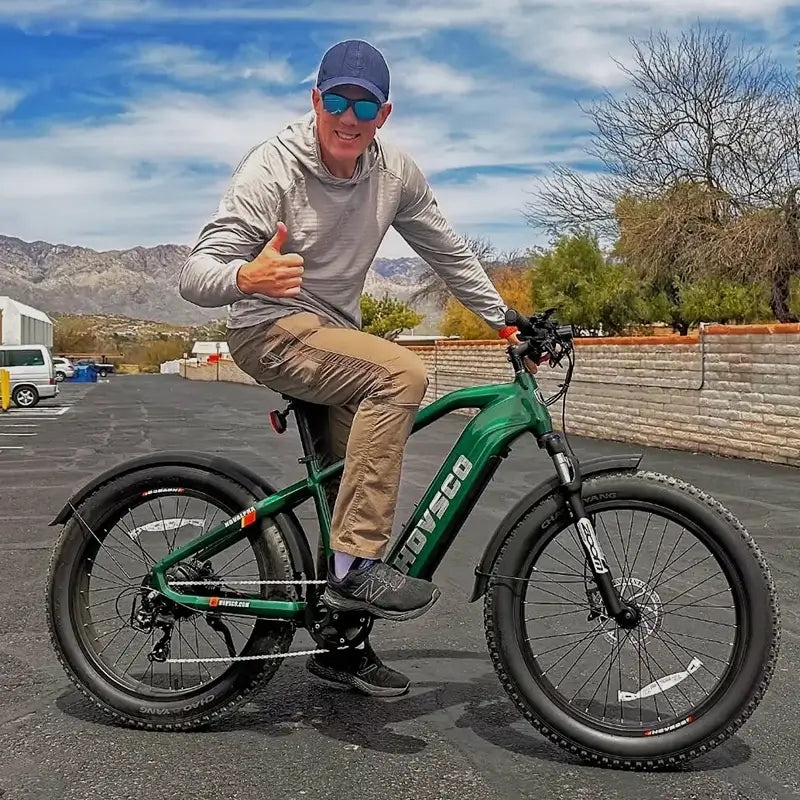
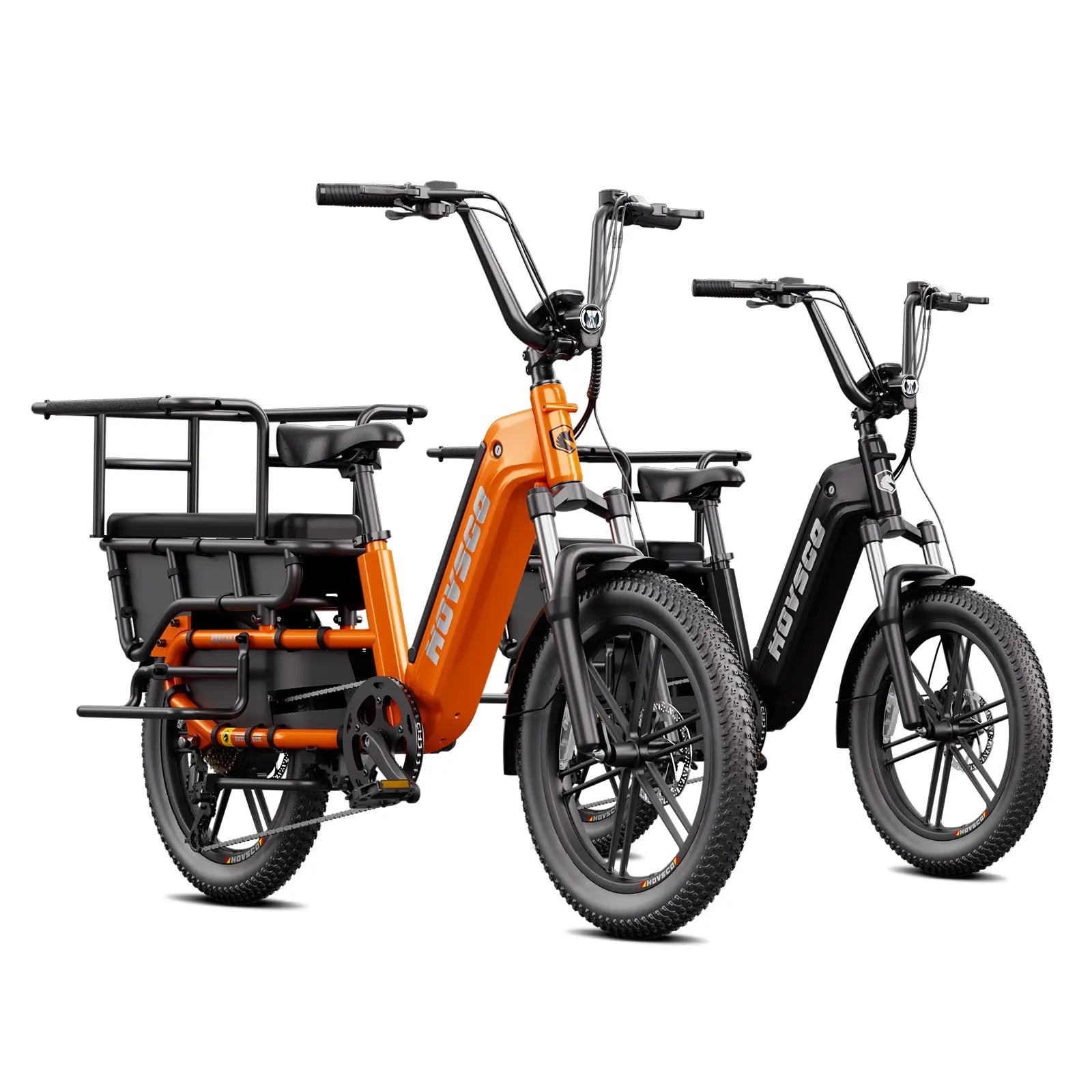
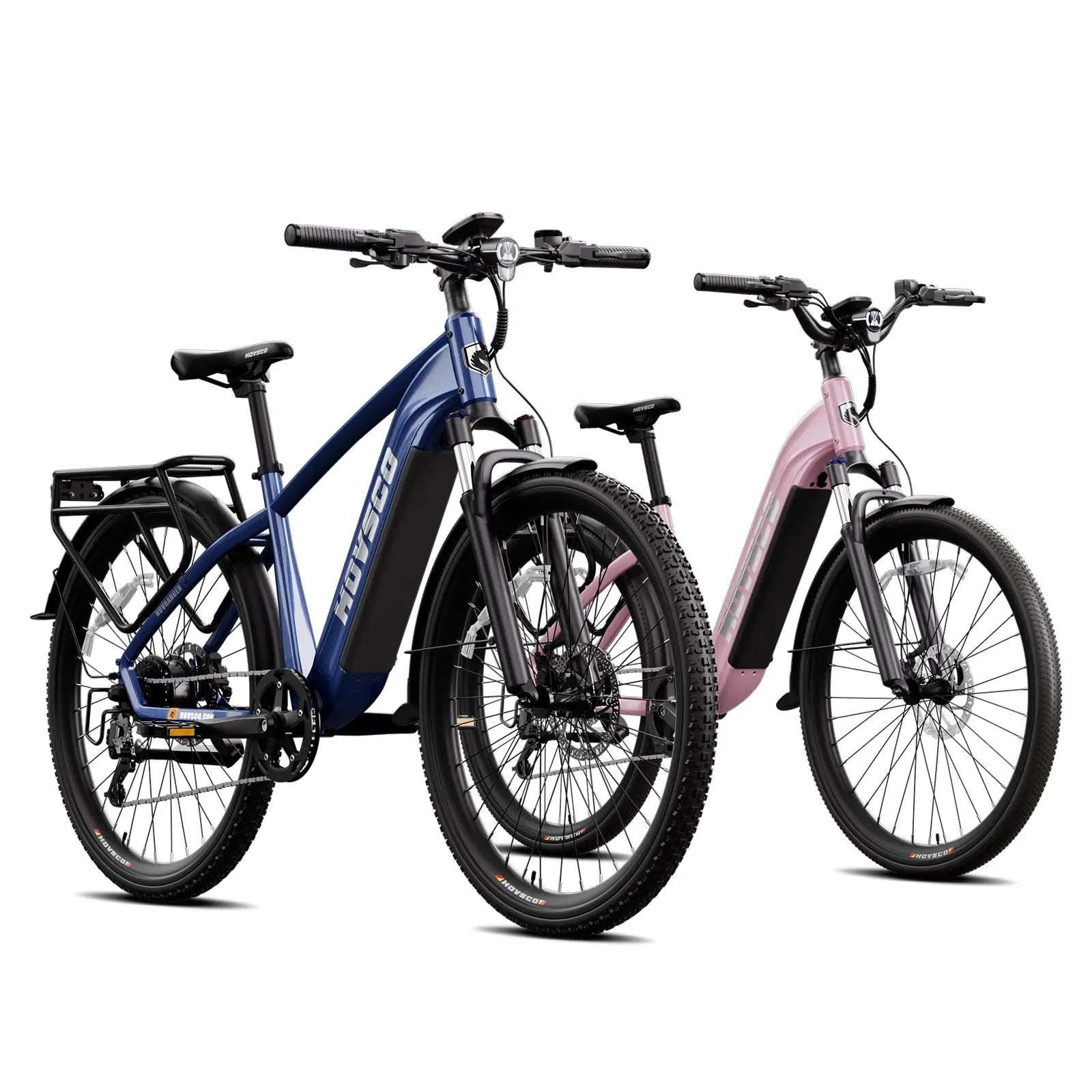
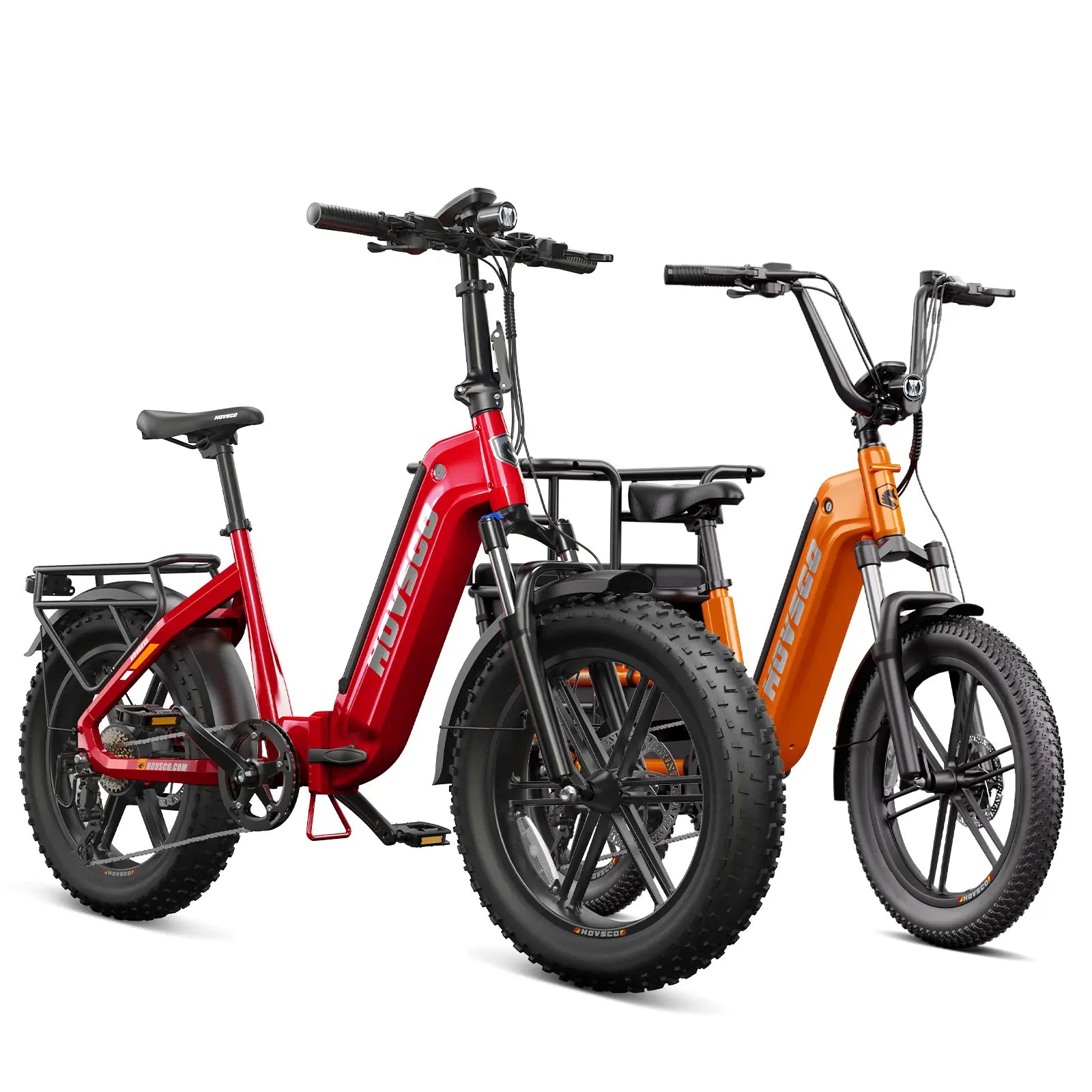
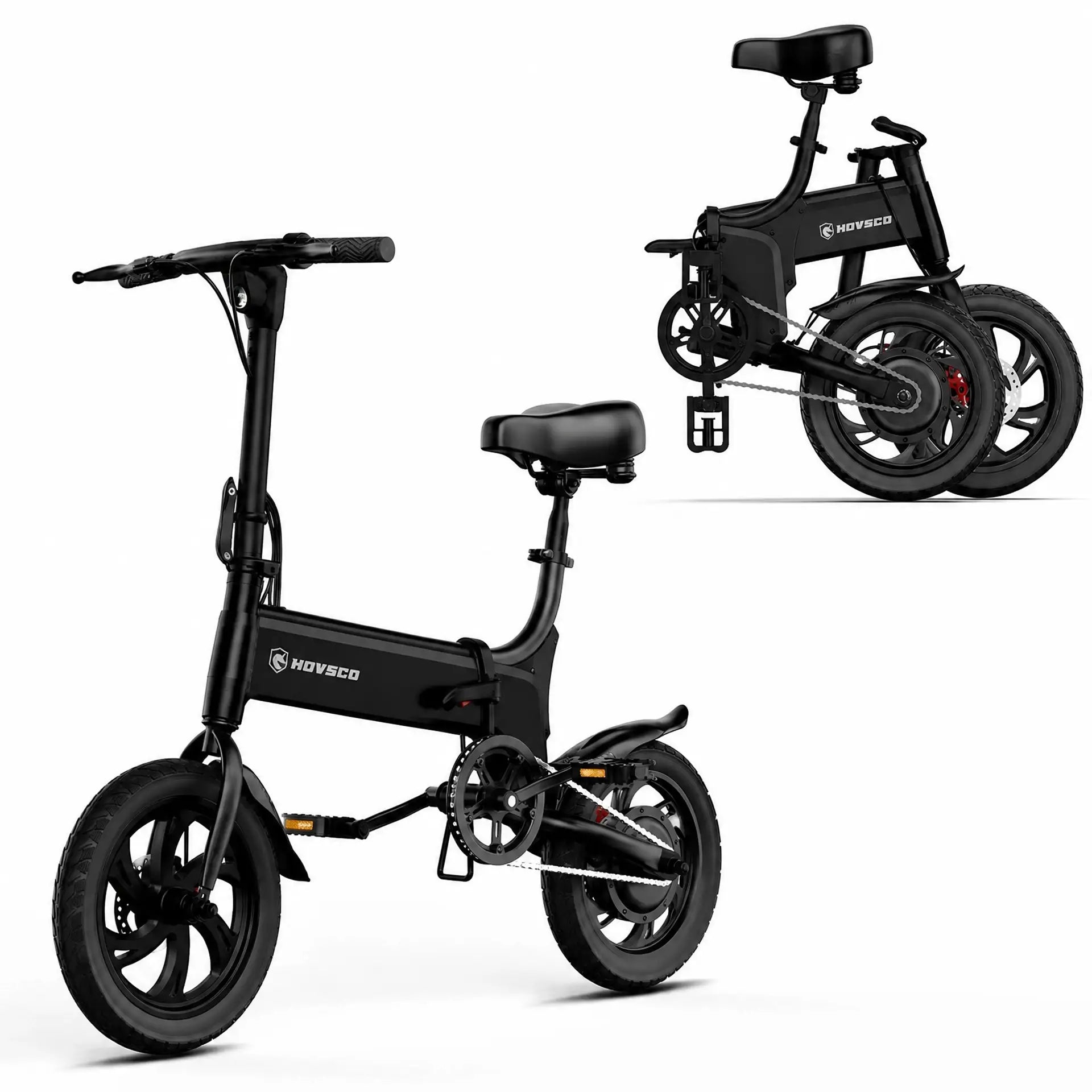
For office workers living in apartments, using elevators, or storing a bike in limited space, models such as the HovBeta Foldable Fat Tire Electric Bike create a more compact option. For riders focused on daily commuting, lines like the HovRanger and HovCity bring a more city-oriented setup. For those who want to replace some car errands entirely, the HovCart Cargo E-Bike broadens what portable transport can realistically handle.
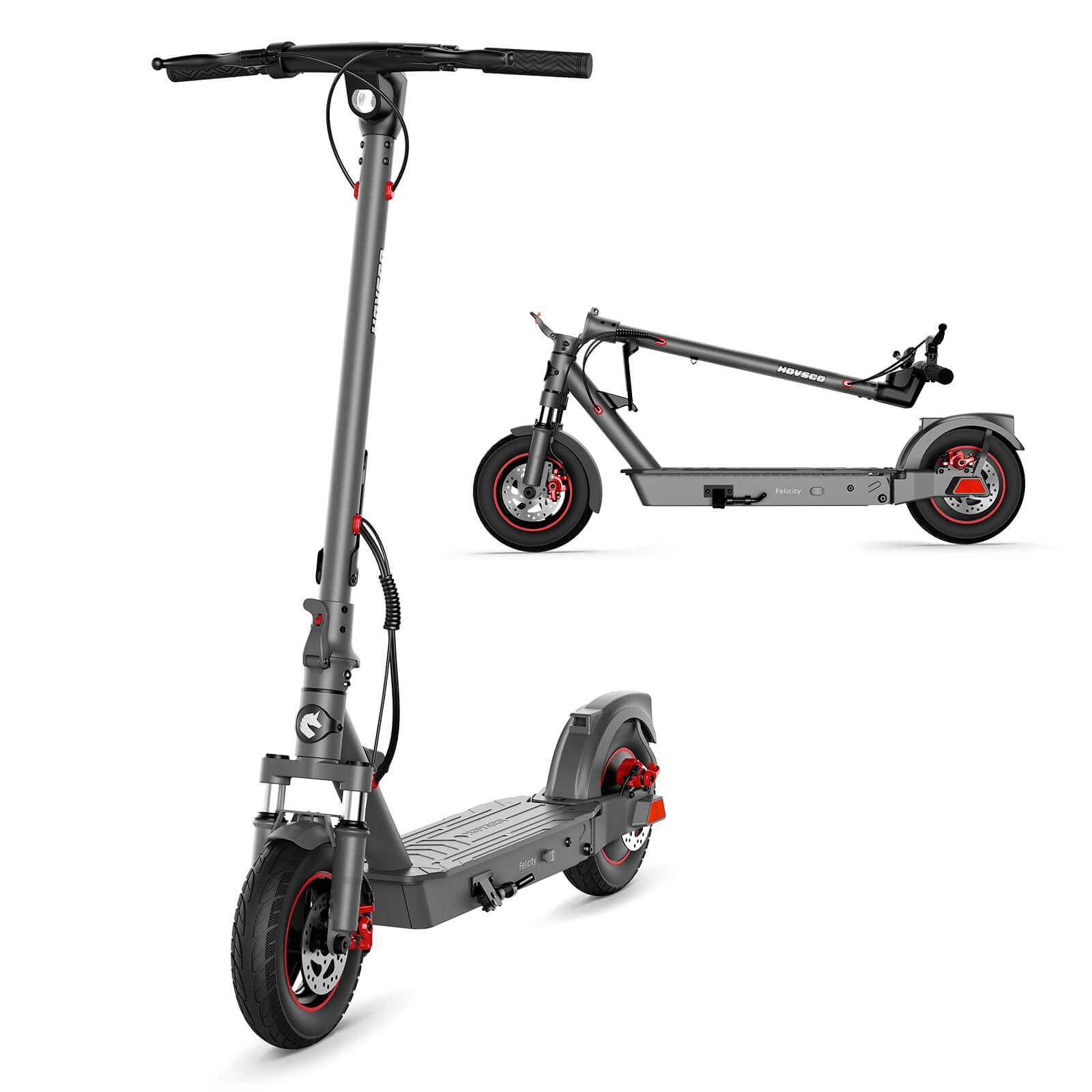
Portable transit solutions refers to compact, flexible transportation options that are easier to store, easier to integrate into daily life, and efficient enough to replace many short urban car trips. In practice, that often includes folding e-bikes, commuter e-bikes, and cargo-capable electric bikes that support work travel, errands, and neighborhood mobility.
City commuters often spend too much time managing the commute before the commute even begins. The first issue is uncertainty. A short drive can turn into a long one because of congestion, roadwork, weather, or parking shortages. Public transportation can help, but it runs on fixed routes and timetables that do not always match early meetings, late departures, or quick detours.
The second issue is cost. Even when a commute distance is relatively short, the full cost of driving adds up quickly through fuel, maintenance, parking fees, insurance, and general vehicle wear. Those costs can feel especially frustrating when the destination is only a few miles away and the traveler still ends up stuck in traffic.
The third issue is flexibility. Modern professionals rarely move only between home and office. They may stop for groceries, coffee, the gym, daycare pickup, or an evening social event. A transportation option that works well for one leg of the day may become inconvenient for the rest. That is why many commuters feel trapped between the convenience of a car and the limitations of conventional transit.
The fourth issue is physical and mental fatigue. Commuting stress compounds over time. Searching for parking, watching the clock, and navigating unpredictable delays can affect work readiness before the day even starts. For people who want a calmer and more controllable daily rhythm, portable transit solutions offer a more direct alternative.
The growth of the e-bike market reflects a wider demand for transportation that is flexible, lower-cost, and easier to integrate into daily urban life.
Compact practicality
Portable transit solutions work best when they reduce friction. Folding or space-conscious designs can make a real difference for riders living in apartments, carrying bikes into elevators, or storing them near a desk or hallway.
Electric assist for workday energy
A commuter does not always want to arrive sweaty or drained. Pedal assist helps riders maintain a steadier pace with less effort, especially on inclines, longer routes, or hot days. That makes e-bikes more realistic for office settings and business-casual commuting.
Utility beyond the office
A strong commuter setup should also support daily life outside working hours. Cargo capacity, racks, and stable geometry matter because commuters often combine work travel with shopping, personal errands, or after-work stops.
A downtown employee uses an e-bike for a 20-minute morning ride and avoids parking fees entirely.
An apartment resident stores a folding e-bike indoors instead of worrying about outdoor bike theft overnight.
A hybrid worker uses a commuter e-bike for office days and neighborhood errands without needing a second vehicle trip.
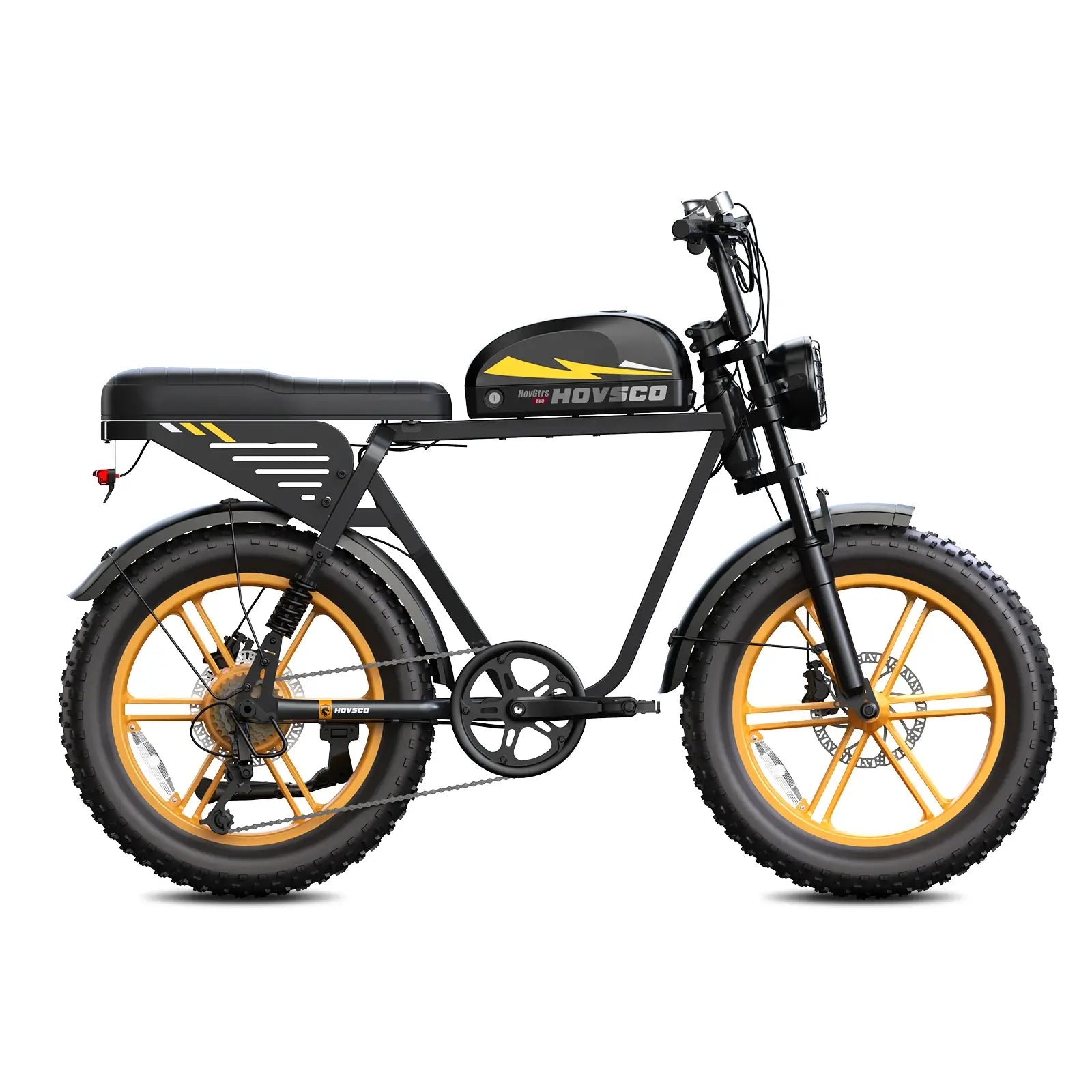
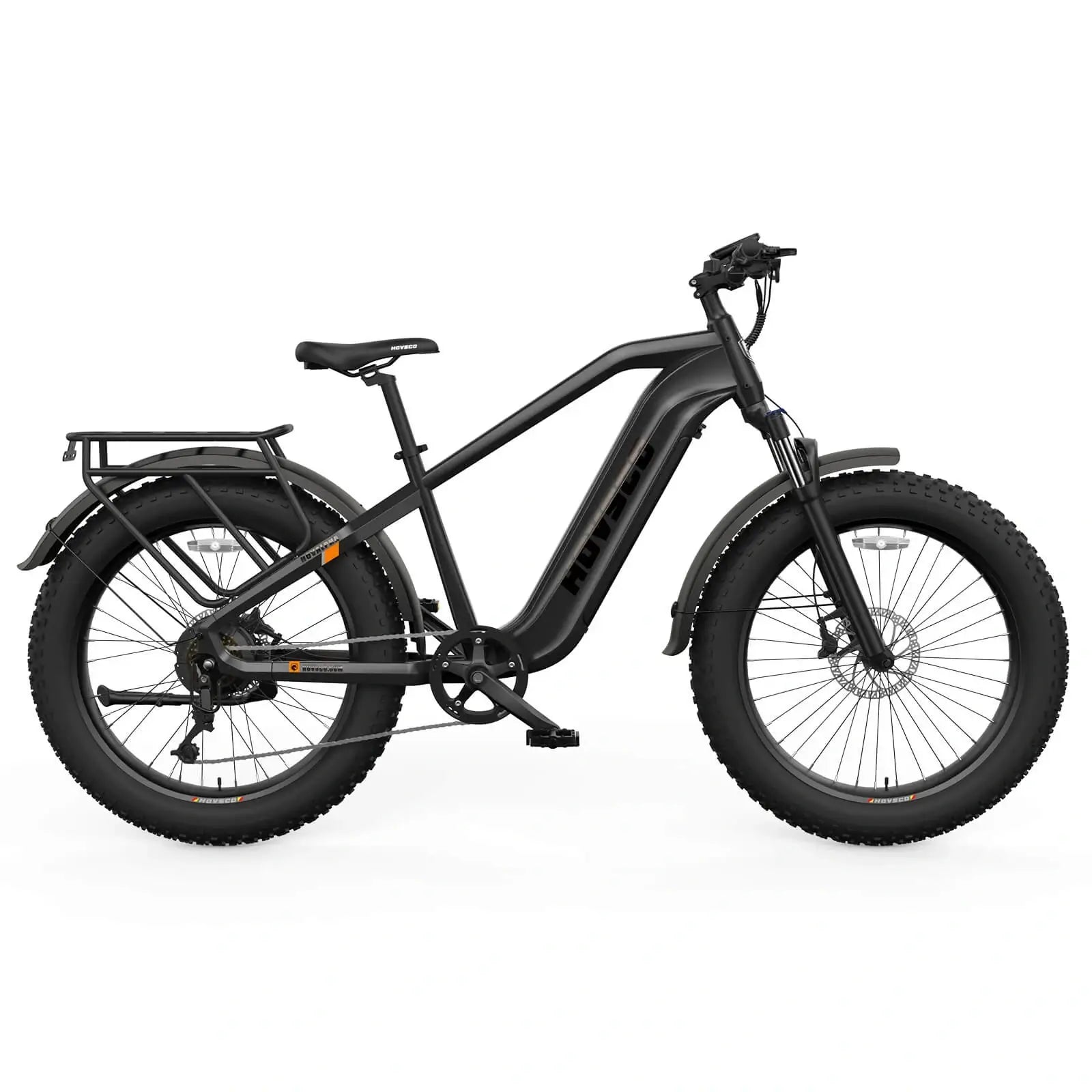
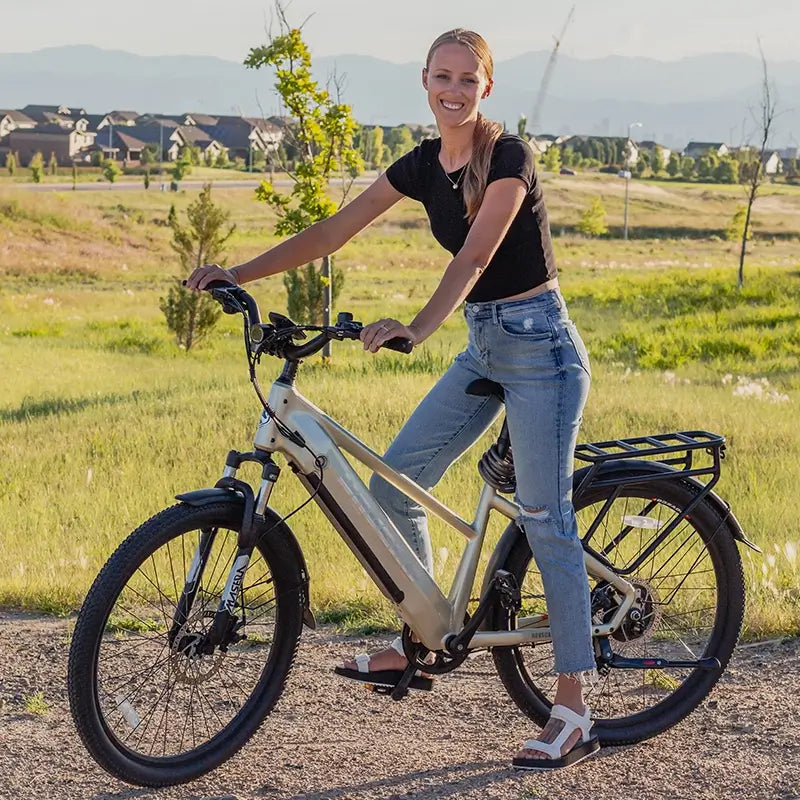
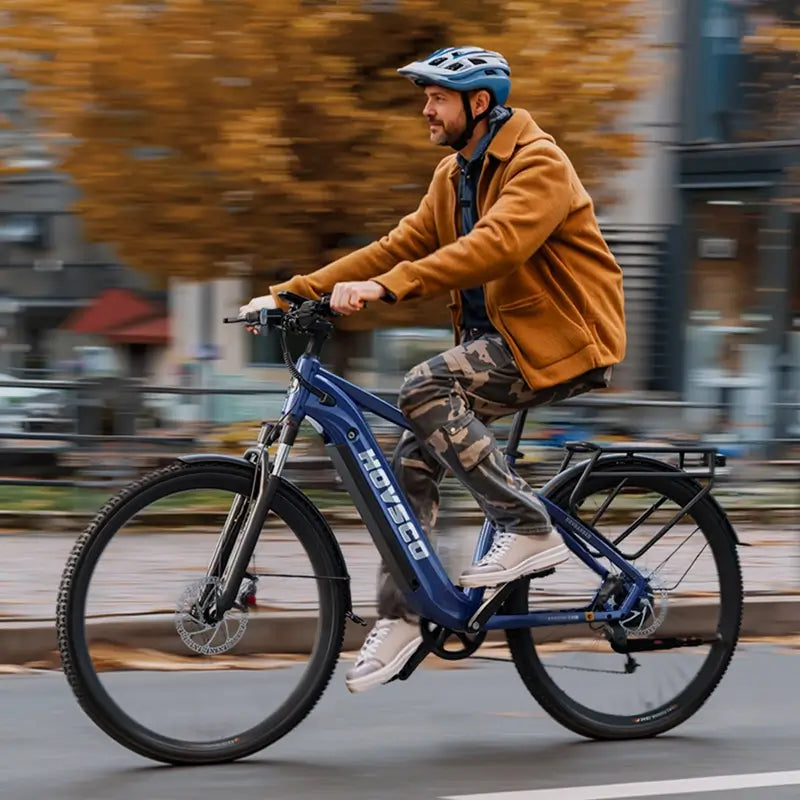
Urban professionals do not all commute the same way, which is why a single model category rarely fits everyone. Someone focused on pure weekday commuting may prefer a more straightforward city-oriented model such as the HovRanger or HovCity. These options are well suited to riders who prioritize routine office travel, upright comfort, and everyday practicality.
For commuters who need more compact storage, the HovBeta adds another layer of usefulness. A folding design can matter a lot for people living in smaller apartments, sharing entryways, or combining driving with biking during longer regional travel.
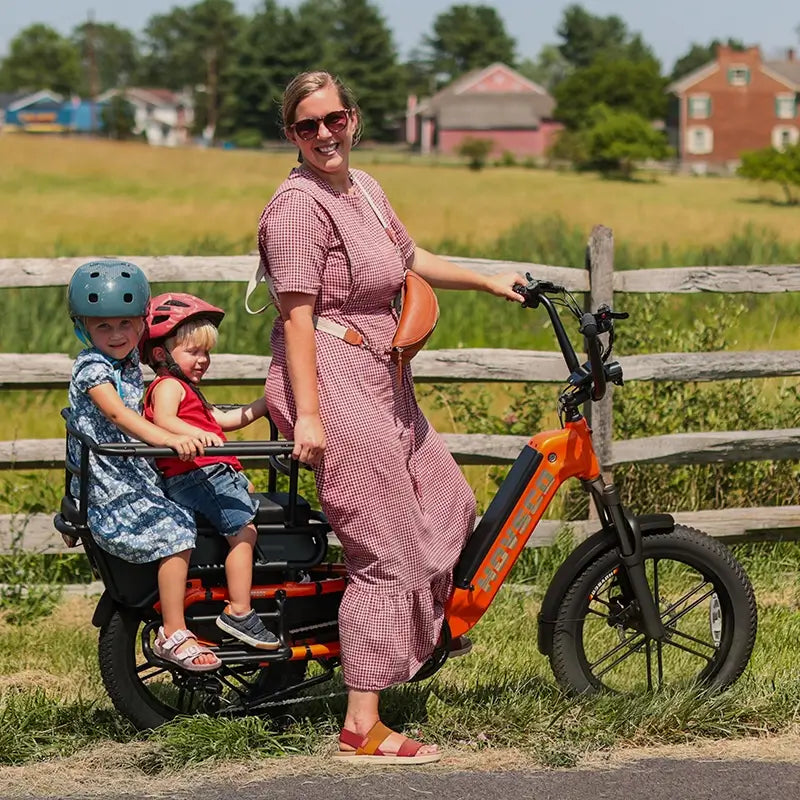
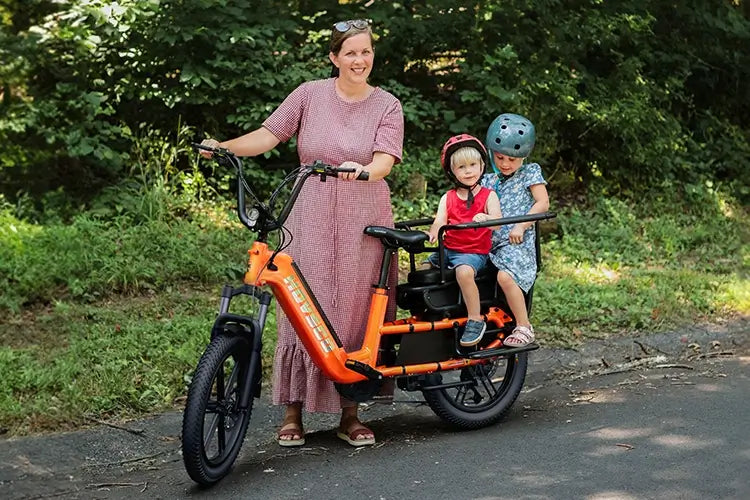
There is also a growing group of professionals who want one vehicle to do more than commute. For that use case, the HovCart expands the meaning of portable transit solutions by supporting grocery runs, heavier loads, and family-related errands. This makes it especially relevant for riders trying to reduce dependence on a car during the workweek.
Map the actual route.
Look beyond distance and consider hills, traffic density, intersections, and whether the route includes bike lanes or mixed traffic.
Decide how important storage really is.
If the bike will live in a small apartment, elevator, office corner, or shared hallway, compactness becomes a major factor.
Think about arrival condition.
For office commuting, electric assist can be valuable because it helps riders arrive less fatigued and more presentable.
List the non-office trips too.
A good commuting setup should also handle groceries, cafe stops, gym visits, and local errands without becoming inconvenient.
Match the bike style to the routine.
A folding model may suit limited-space users, a commuter model may suit regular office travel, and a cargo option may suit riders combining work with household logistics.
Choose for consistency, not novelty.
The best portable transit solution is usually the one a commuter will actually use four or five days a week, not the one that sounds most impressive on paper.
Scenario: The downtown office commuter
Traditional approach: This commuter drives into the city, spends time in slow traffic, then pays for parking near the workplace. Even short morning delays can affect punctuality and increase stress before the workday begins.
After using HOVSCO: A commuter-oriented e-bike creates a more predictable point-to-point routine. The rider avoids most parking friction, reduces operating costs, and gains a commute that feels more independent from traffic patterns.
Scenario: The apartment-based professional
Traditional approach: This commuter wants to ride more often but has limited storage space and does not want to leave a bike outside overnight. The result is inconsistent use and frequent fallback to driving or ride-hailing.
After using HOVSCO: A foldable option supports indoor storage and lowers the barrier to daily use. When storage becomes easier, commuting by e-bike becomes more practical and repeatable.
Scenario: The work-and-errands commuter
Traditional approach: This rider finishes work and still needs to stop for groceries or household items. Driving remains the default because a standard bike feels too limiting for carrying extra cargo.
After using HOVSCO: A more utility-oriented e-bike makes it possible to combine commuting and errands in one trip. That improves efficiency and helps reduce the number of separate car journeys during the week.
What are portable transit solutions for urban commuting?
Portable transit solutions are compact, flexible ways to travel through cities without relying fully on a car. For commuters, this often means using electric bikes that are easier to store, easier to operate in traffic-heavy environments, and better suited to short daily trips.
Are portable transit solutions better than driving to work?
They can be better for many short and medium urban commutes, especially when parking is expensive, congestion is common, and the rider wants more schedule control. They are not always a complete replacement for every trip, but they can reduce car dependence significantly.
Is a folding e-bike the best portable transit solution for apartment living?
For many apartment residents, yes. A folding e-bike is often one of the most practical choices because it is easier to bring indoors, easier to store in smaller living spaces, and more compatible with elevators or shared building access.
Which HOVSCO model is best for office commuting?
That depends on the commuter’s routine. Riders who want a more classic city commute setup may lean toward the HovRanger or HovCity, while those who need compact storage may prefer the HovBeta. Commuters who also carry heavier loads may find the HovCart more useful.
Can portable transit solutions really help reduce commuting stress?
Yes, especially when the main stress points come from traffic delays, parking, and inconsistent travel times. A well-matched e-bike setup can create a more direct and predictable experience, which often improves the overall rhythm of the day.
Are portable transit solutions only for short rides?
No. They are especially strong for short and medium urban trips, but many commuters also use them for longer routes when electric assist helps manage distance and effort. The better question is whether the route, storage situation, and daily routine support consistent use.
In 2026, urban professionals are looking for transportation choices that are efficient, adaptable, and easier to live with than car-first commuting. Portable transit solutions answer that demand by offering mobility that fits both modern cities and modern schedules.
HOVSCO is relevant in this space because its lineup spans the main commuter needs: everyday urban riding, compact storage, and expanded utility. Instead of treating commuting as a narrow use case, the brand supports a broader lifestyle in which one e-bike can help cover work travel, errands, and everyday movement more effectively.
Explore HOVSCO’s commuter, folding, and cargo e-bike lineup to find a portable transit solution that fits modern city work life. HOVSCO is an e-bike brand focused on helping riders move through daily life with more flexibility, less friction, and greater confidence.
Share:
Commuter E-Bike Benefits: How HOVSCO Makes Daily Riding Easier (June 2026)
E-Bike Incentive Programs: How to Maximize Savings with HOVSCO in June 2026