



![[ New Arrival ] Porto Max Electric Scooter For Commute & Grocery Shopping - HOVSCO](http://www.hovsco.com/cdn/shop/files/PotroMax-3.jpg?v=1706927007&width=1200)
- by SEO
Commuter E-Bike Benefits: How HOVSCO Makes Daily Riding Easier (June 2026)
- by SEO
E-Bikes
Accessories
 Free Shipping
 15-Day Returns
 2-Year Warranty
Free Shipping
15-Day Returns
2-Year Warranty
2-Year Warranty
Free Shipping
15-Day Returns
2-Year Warranty
Commuter e-bike benefits go far beyond saving gas. Discover how HOVSCO commuter e-bikes make daily rides faster, healthier, and more affordable, and why more urban riders are switching in 2026.
Global demand for e-bikes is surging as cities search for cleaner, more efficient transport options; the global e-bike market is projected to reach around 77–144 billion USD by the early 2030s, driven largely by commuting and urban mobility needs. Shared micromobility data shows a similar trend: in 2023, station-based e-bike trips in the U.S. rose from 20 million to 28 million in a single year, with e-bikes making up nearly half of all shared bike rides. This rapid adoption reflects how commuter e-bikes are helping riders cut travel time, reduce costs, and avoid congestion while lowering emissions in dense urban areas.
For daily riders who want to capture these benefits without sacrificing comfort, brands like HOVSCO are building commuter-focused e-bikes with long range, powerful motors, and practical features tailored to real-world city travel.
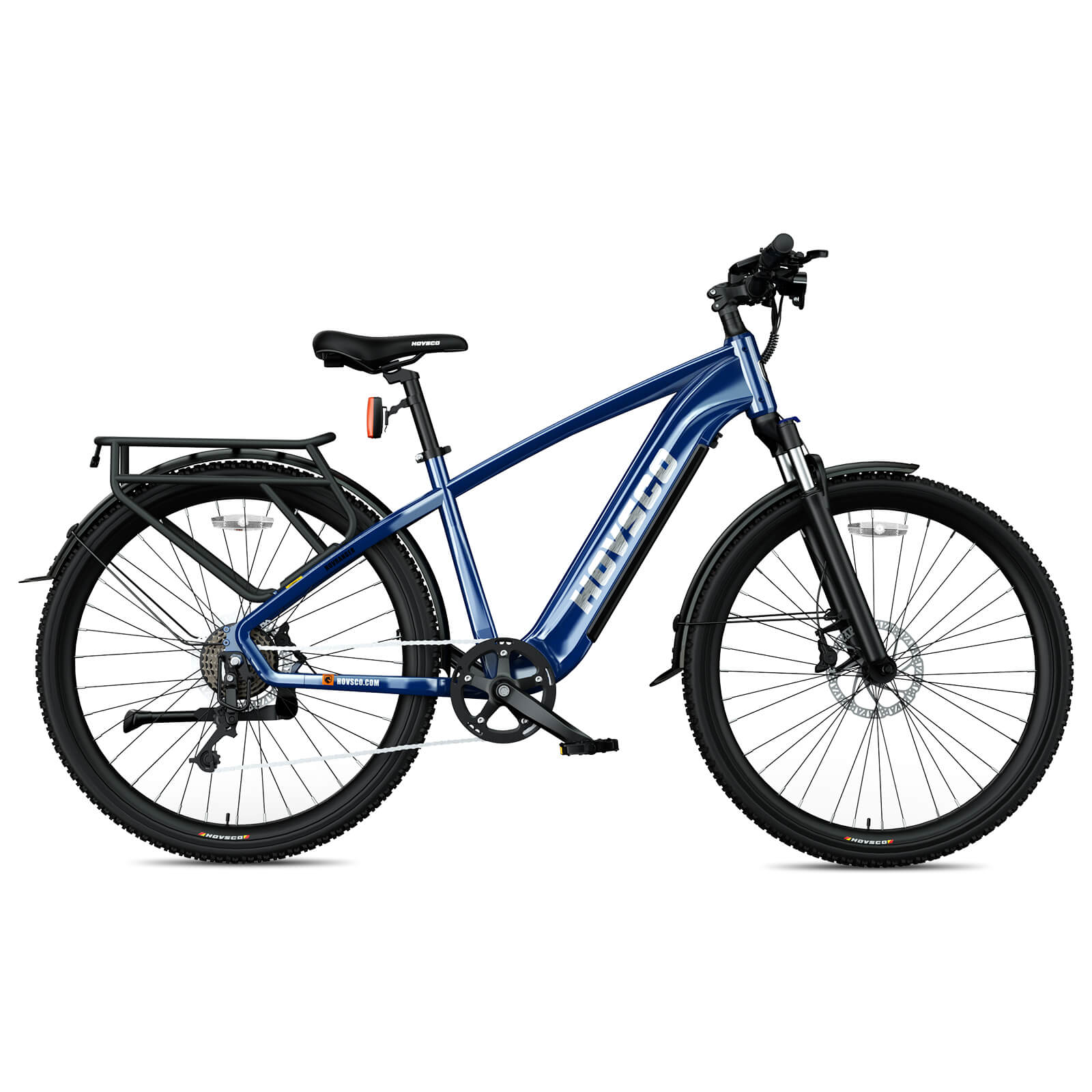
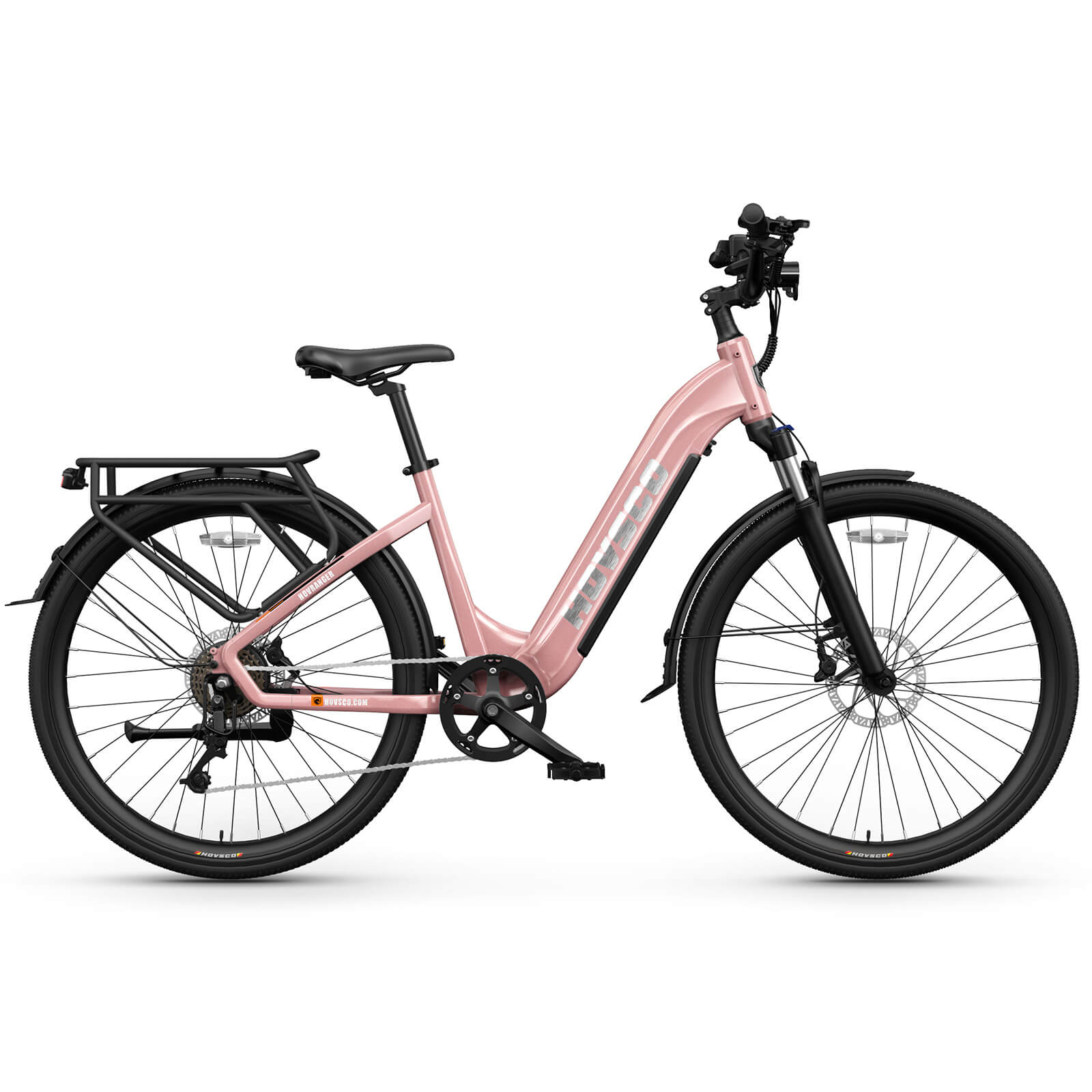
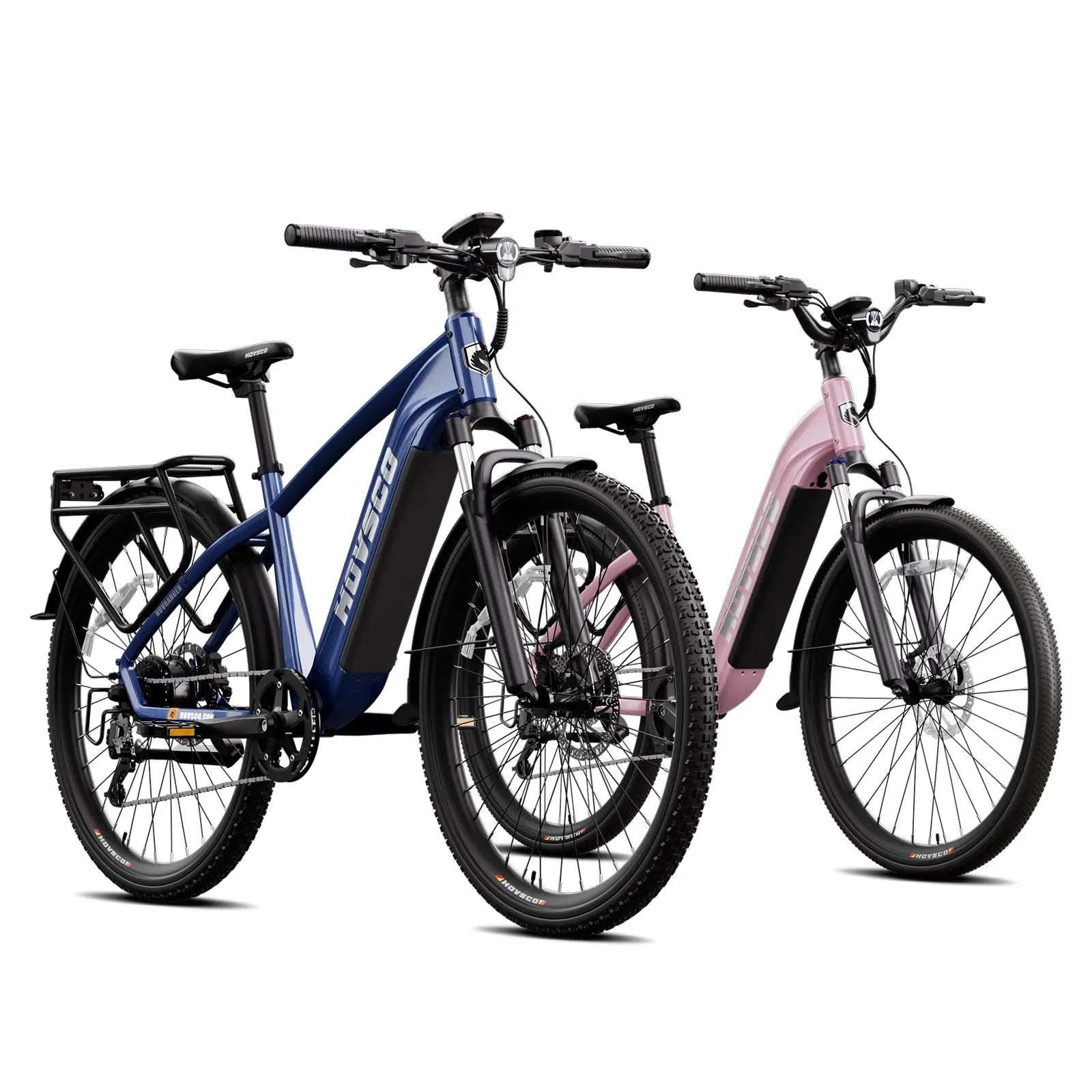
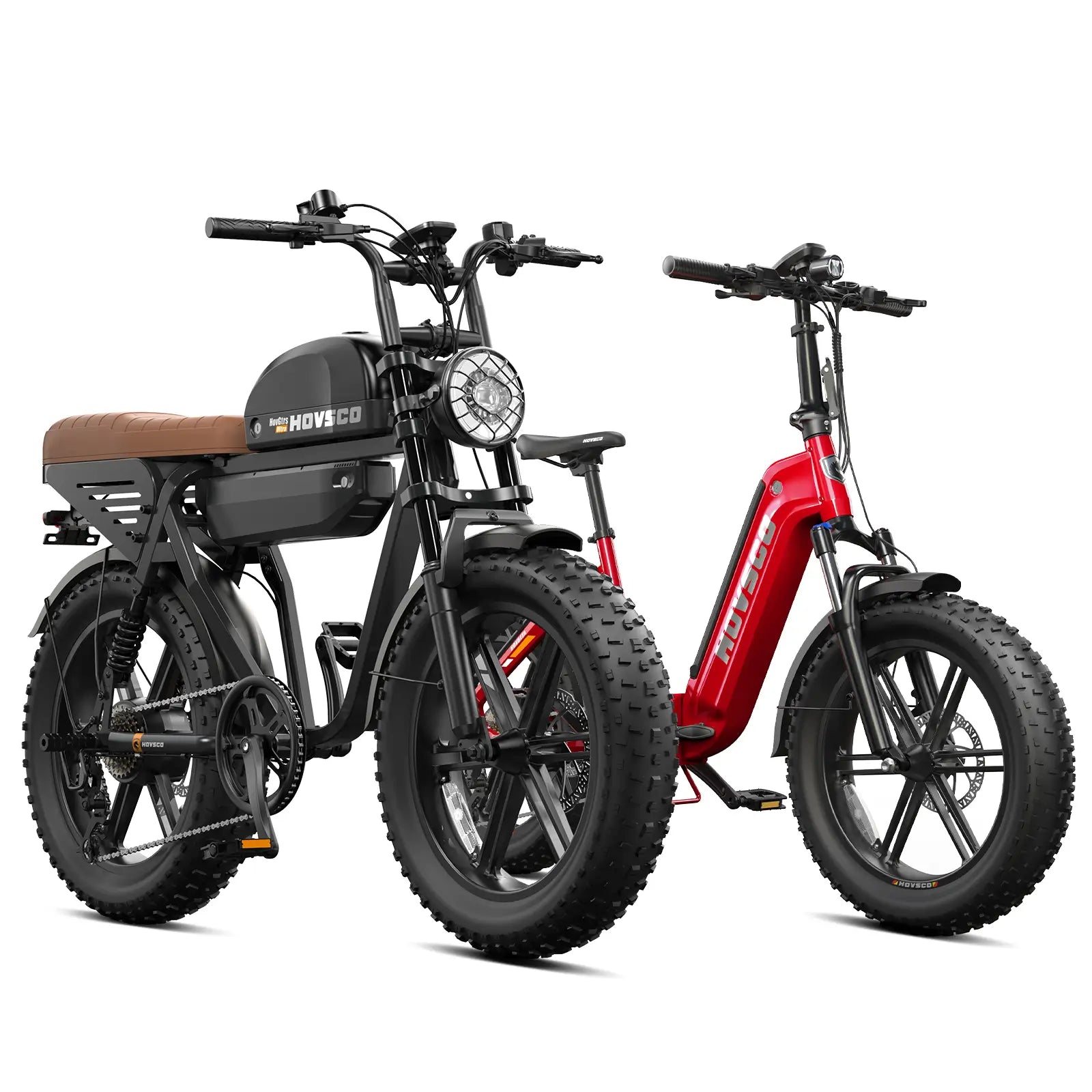
HOVSCO is a U.S.-based e-bike company specializing in high-performance electric bicycles such as city commuters, full-suspension models, cargo bikes, and foldable designs that cover a wide range of urban and suburban needs. For commuting specifically, models like the HovRanger City E-Bike and foldable step-through options combine torque-sensing motors, long-range batteries, and integrated apps to create smooth, efficient daily rides.
A commuter e-bike is a bicycle with an integrated electric motor and battery that assists your pedaling, optimized for daily trips such as work commutes, errands, and school runs. Commuter e-bike benefits typically include faster door‑to‑door travel, reduced physical strain, and lower transport costs compared with driving or public transit in congested urban areas.
Many city commuters face rising fuel prices, parking fees, and transit fares, which add up significantly over a year. E-bikes dramatically cut these recurring costs because charging a battery generally costs only a fraction of a comparable car trip, and riders can bypass many parking fees altogether.
Traffic congestion also eats into productivity and personal time, especially for short urban journeys that still require car-level overhead for parking and delays. Commuter e-bikes use bike lanes and side streets to maintain more predictable travel times, often beating cars over distances of a few miles in dense areas.
Traditional cycling is healthy but can be intimidating for riders who worry about hills, heat, or arriving at work sweaty and exhausted. Pedal-assist systems on commuter e-bikes let riders adjust the level of assistance, maintaining a comfortable effort while still getting low‑impact exercise.
This flexibility opens daily cycling to a broader audience—including older riders, people returning to fitness, and those with longer or hillier routes—who might otherwise avoid bikes altogether.
Cities are under pressure to cut transport emissions and reallocate space from cars to people; personal vehicles take up substantial road and parking space while contributing to air and noise pollution. E-bikes operate with zero tailpipe emissions and far less noise, supporting city climate goals while requiring minimal parking space compared with cars.
As shared micromobility trips hit record highs, policymakers increasingly see bikes and e-bikes as essential components of sustainable city networks, not niche alternatives.
In 2023, station-based e-bike trips in the U.S. jumped 40% year-on-year, reaching 28 million rides and nearly half of all shared bike trips.
Below is a simplified comparison between a HOVSCO commuter-style e-bike (HovRanger), a typical non-electric city bike, and a generic entry-level e-bike from another brand (specifications generalized).
Faster, more predictable commutes
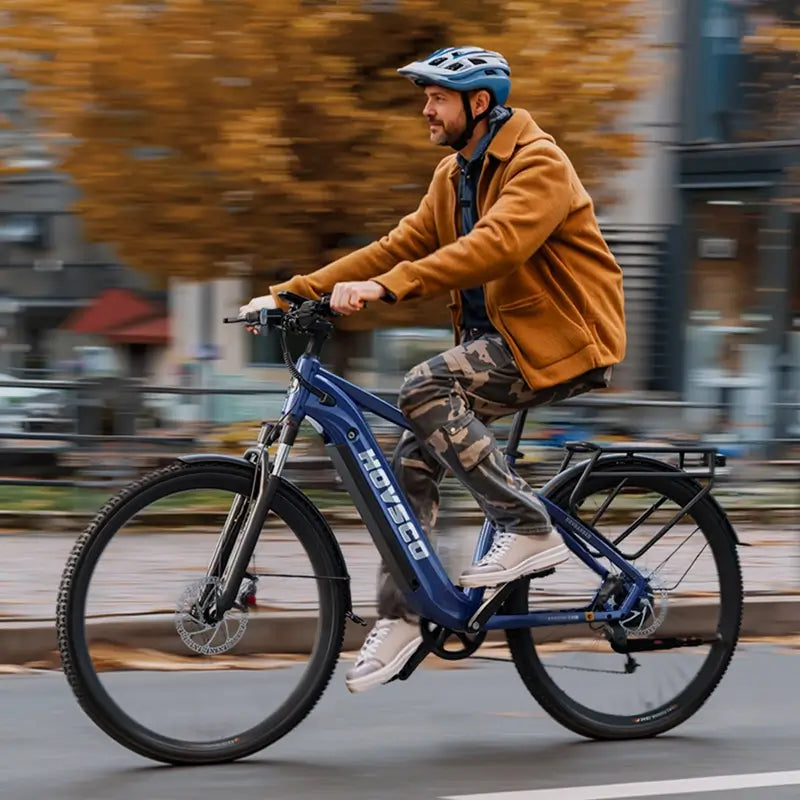
HOVSCO commuter-oriented models such as the HovRanger use 500W rear hub motors with torque sensors, enabling riders to cruise up to 28 mph (class 3 when unlocked) and maintain consistent speeds even on hills. This reduces door‑to‑door travel time and makes arrival times more predictable than driving in rush-hour traffic for many urban routes.
Comfort and safety built-in
Hydraulic disc brakes with 180 mm rotors and suspension forks help HOVSCO commuters maintain control in stop‑and‑go traffic and over rough pavement. Integrated LCD displays and app connectivity provide live feedback on speed, range, and assist levels, helping riders manage energy use and ride more safely.
Long range with manageable weight
With removable 48V 15Ah batteries providing typical ranges of 40–60 miles, riders can handle daily commutes plus errands on a single charge for many scenarios. Aluminum frames and integrated batteries keep the bikes sturdy but still manageable for storage and occasional lifting.
“I use my HOVSCO commuter e-bike to replace most car trips under 10 miles; it saves time, money, and I arrive at work without needing a shower.” (Illustrative use case based on documented commuting benefits of HOVSCO e-bikes.)
“The torque-sensing motor means the bike responds naturally to how hard I pedal—climbs feel smooth instead of punishing, even with a laptop and groceries onboard.”
“Having app-based ride data and battery status takes the guesswork out of range, so I can plan longer after-work rides without worrying about running out of power.”
HOVSCO’s lineup goes beyond a single commuter frame, offering options tailored to different lifestyles that still deliver the core commuter e-bike benefits.
Cargo and family commuting
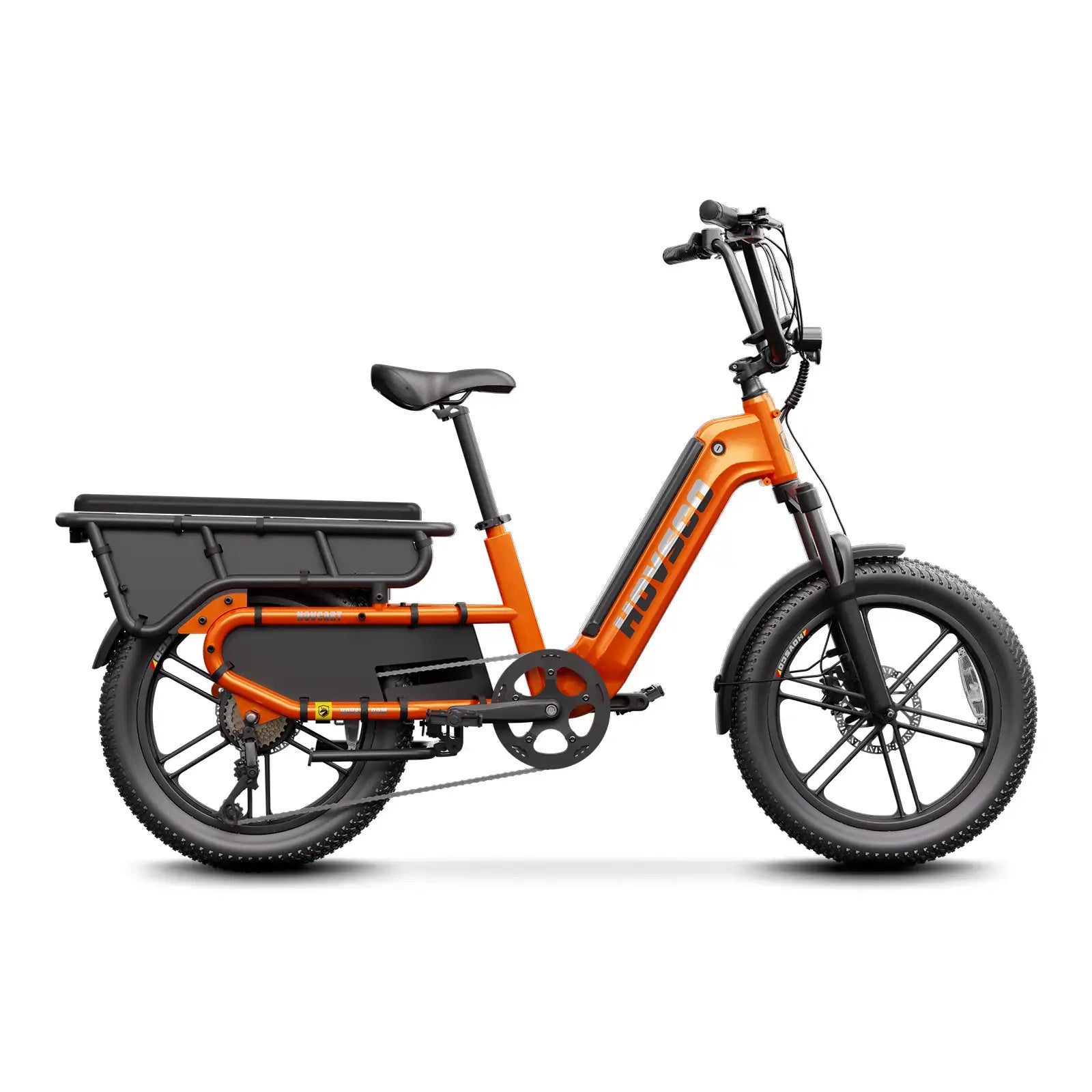
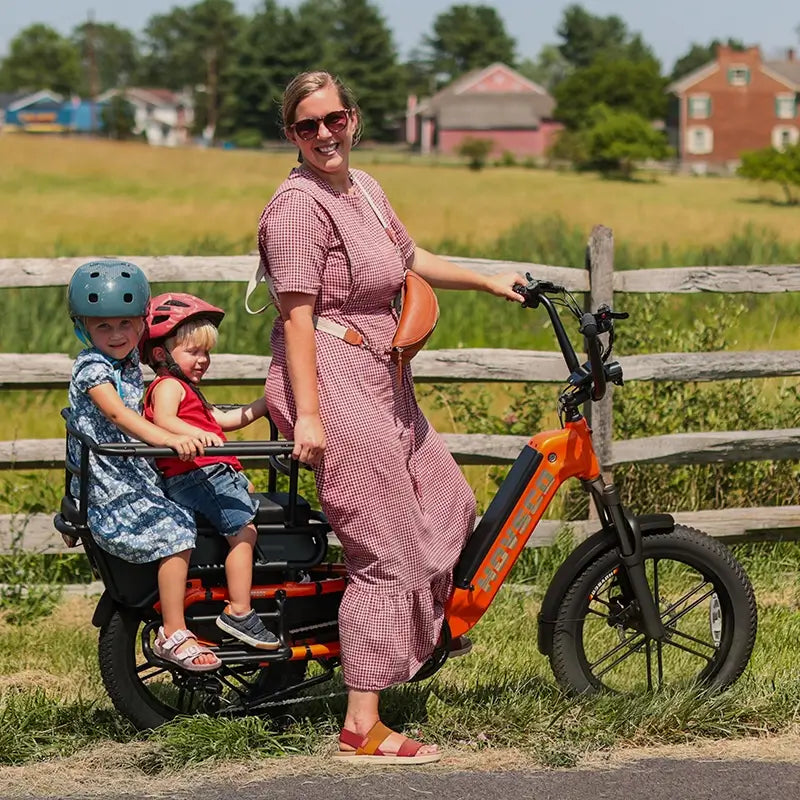
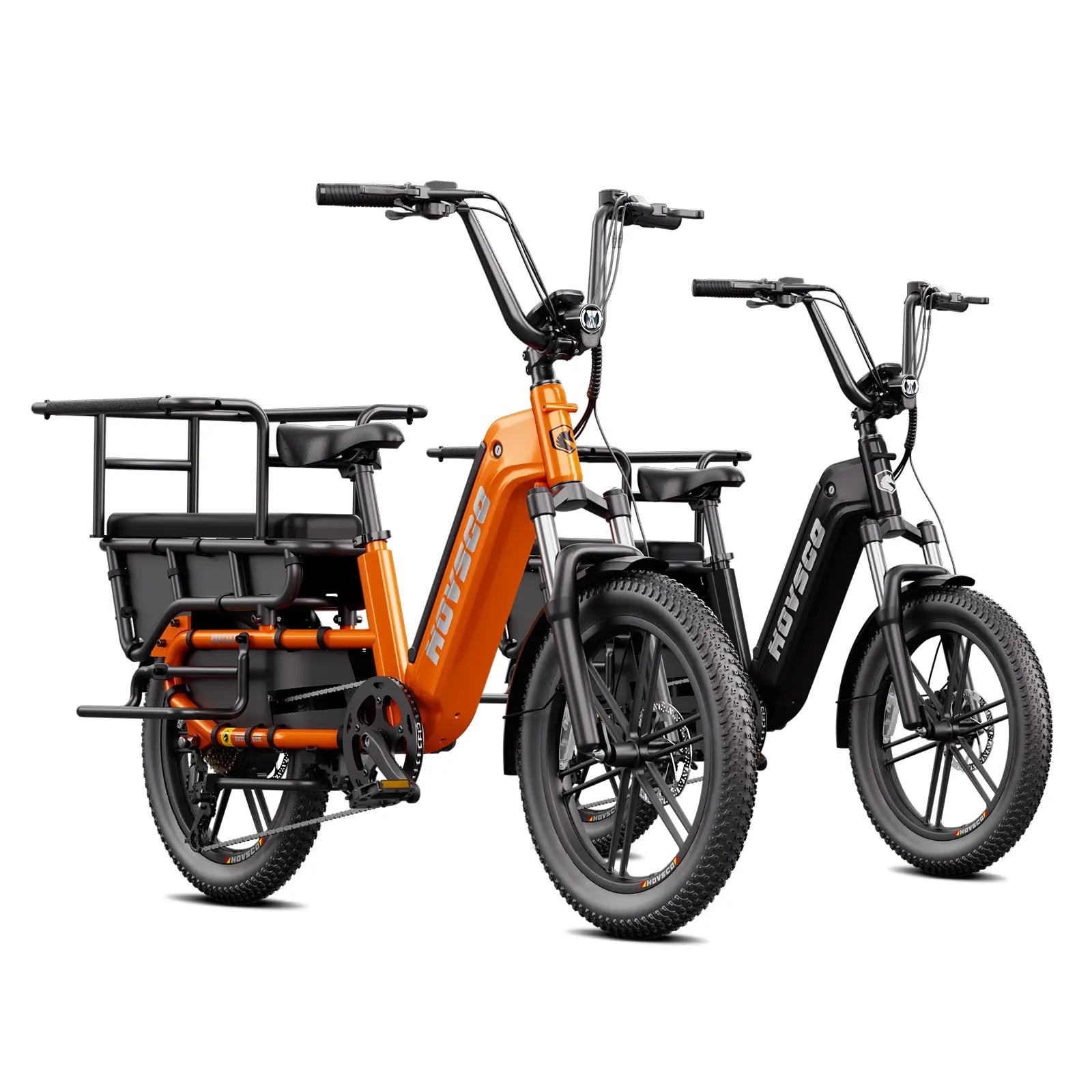
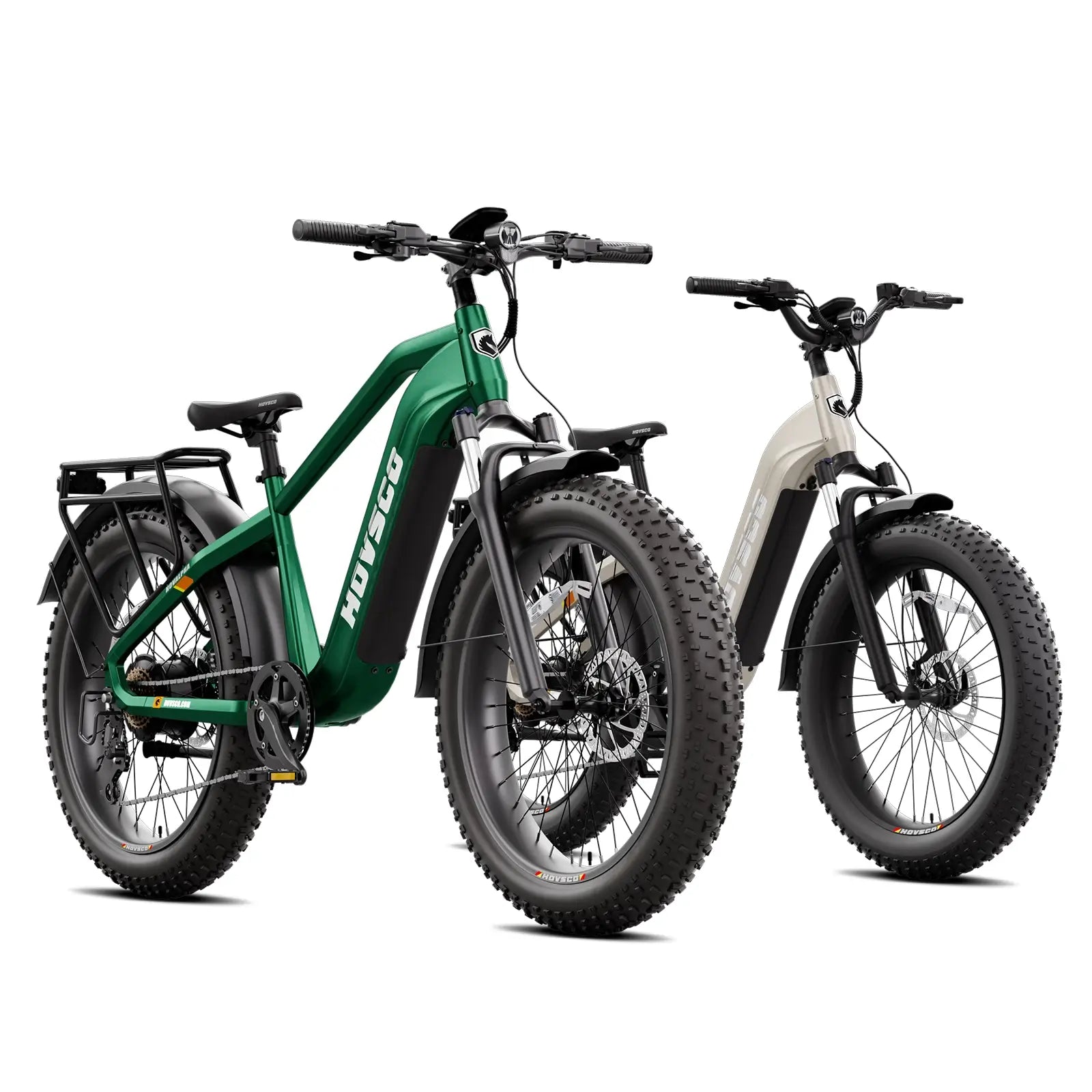
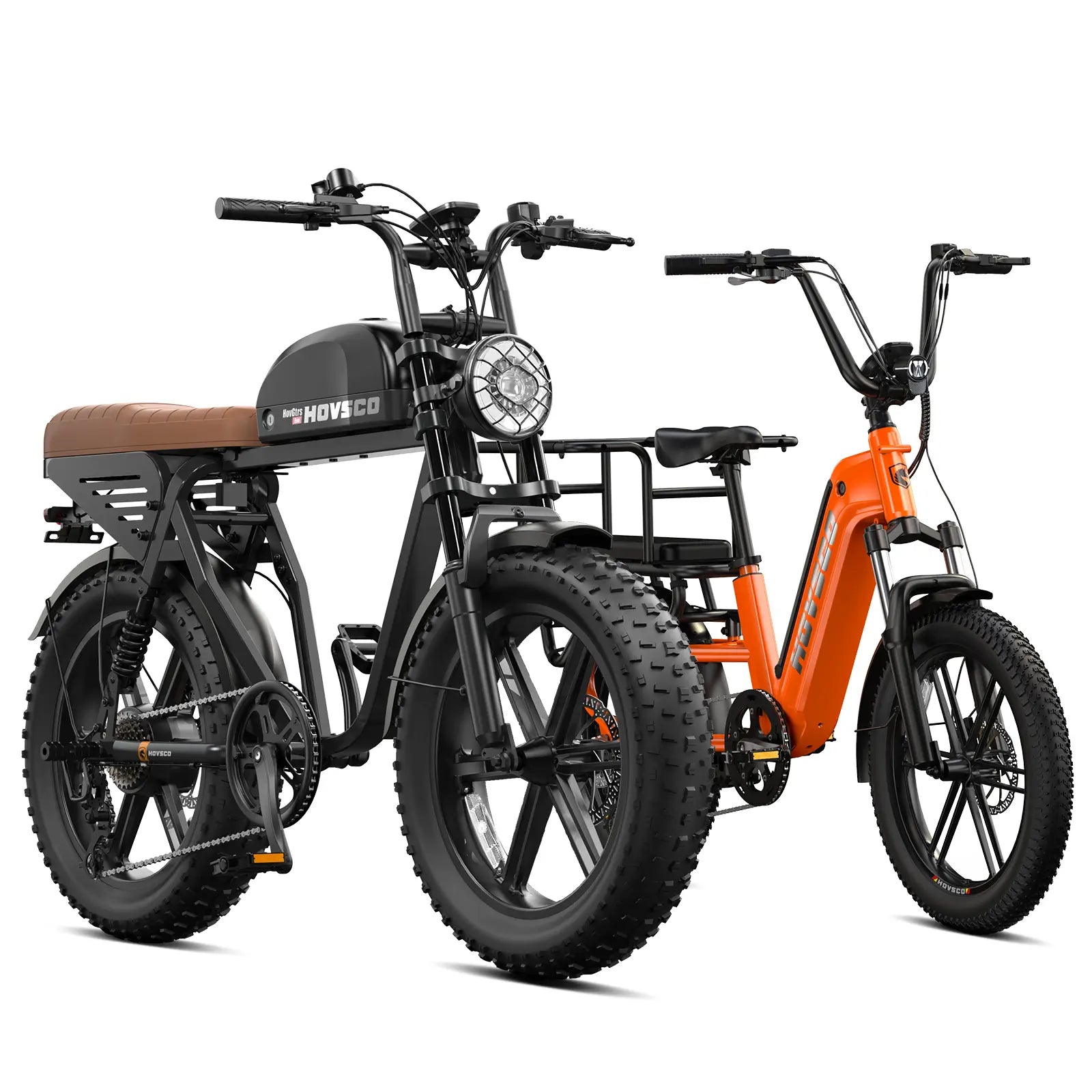
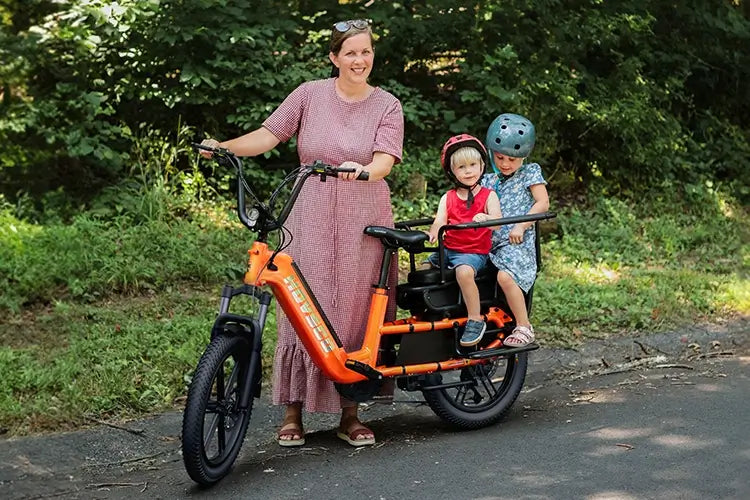
For riders who need to carry kids, groceries, or work gear, HOVSCO’s fat-tire cargo platforms like the HovCart provide high payload capacity (up to around 450 lbs) and powerful 750W motors with peak outputs near 1300W, making them suitable replacements for short car trips.
Foldable step-through for multimodal commutes
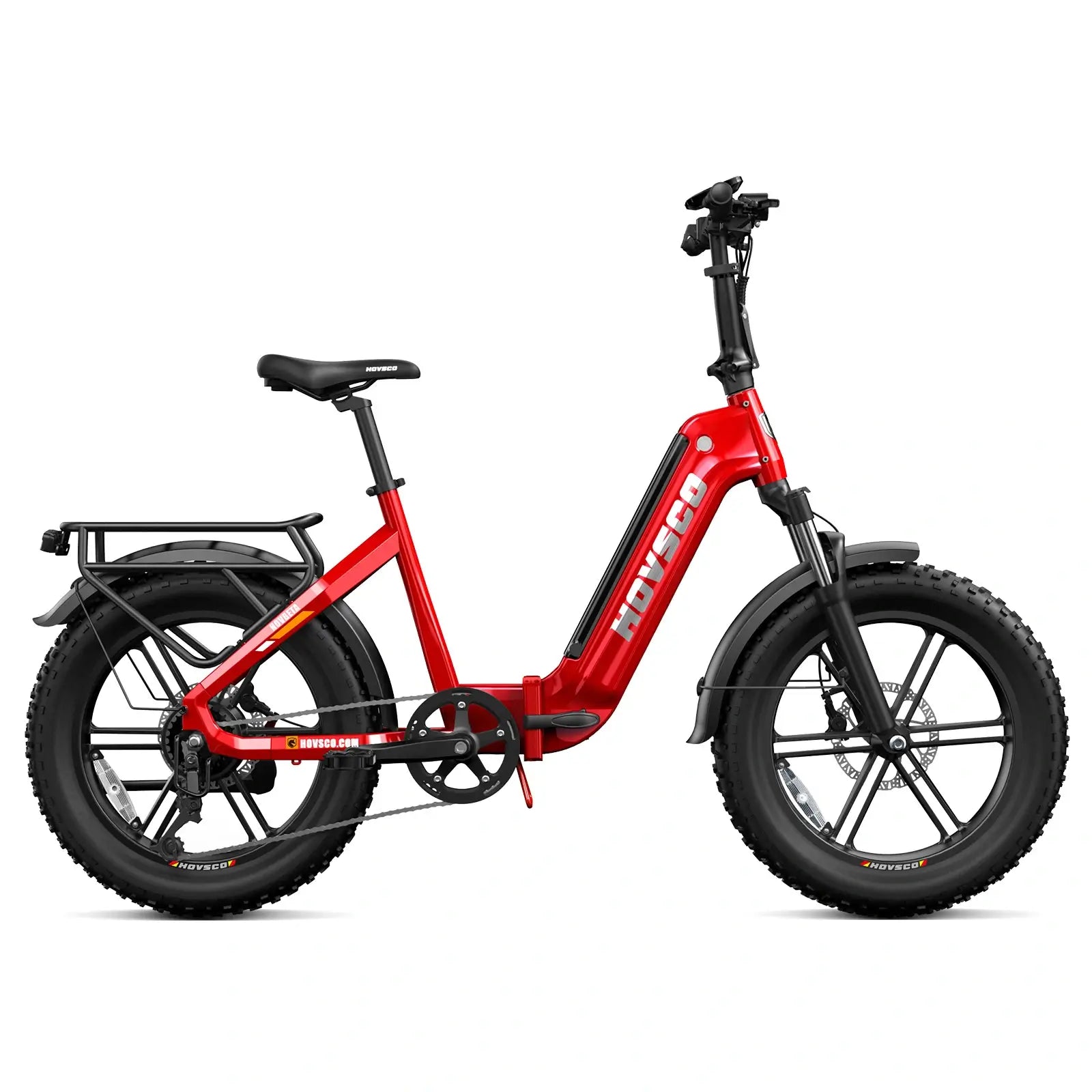
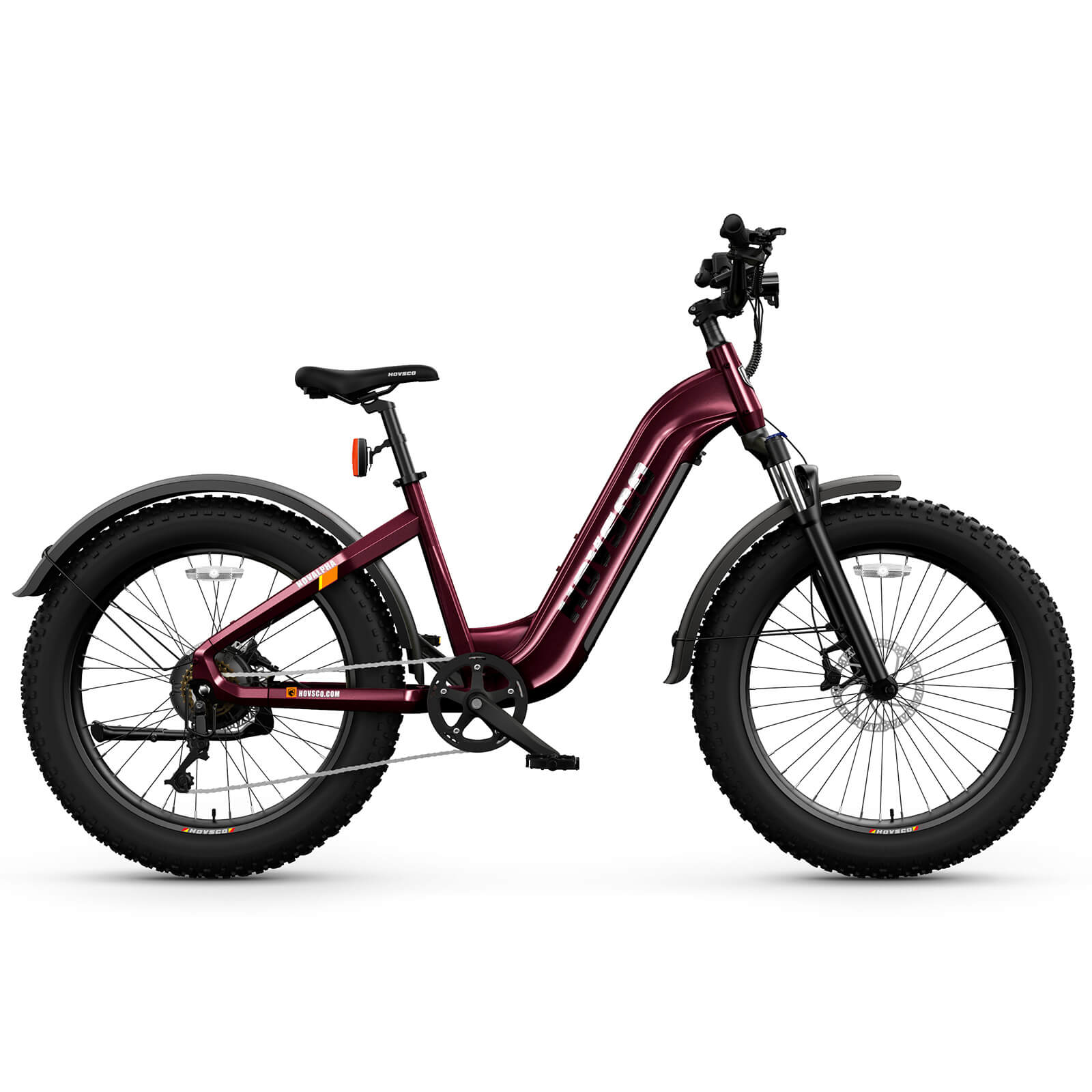
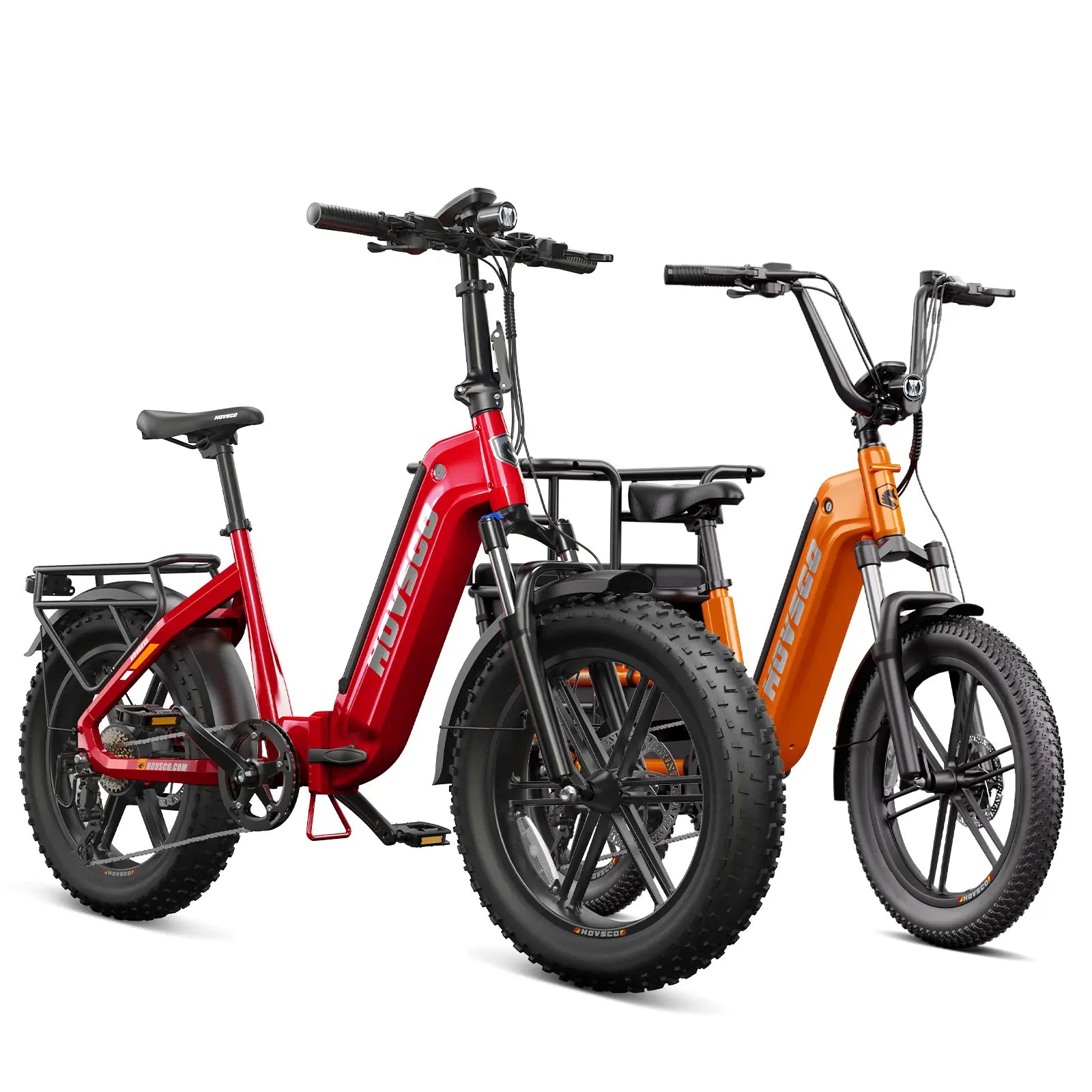
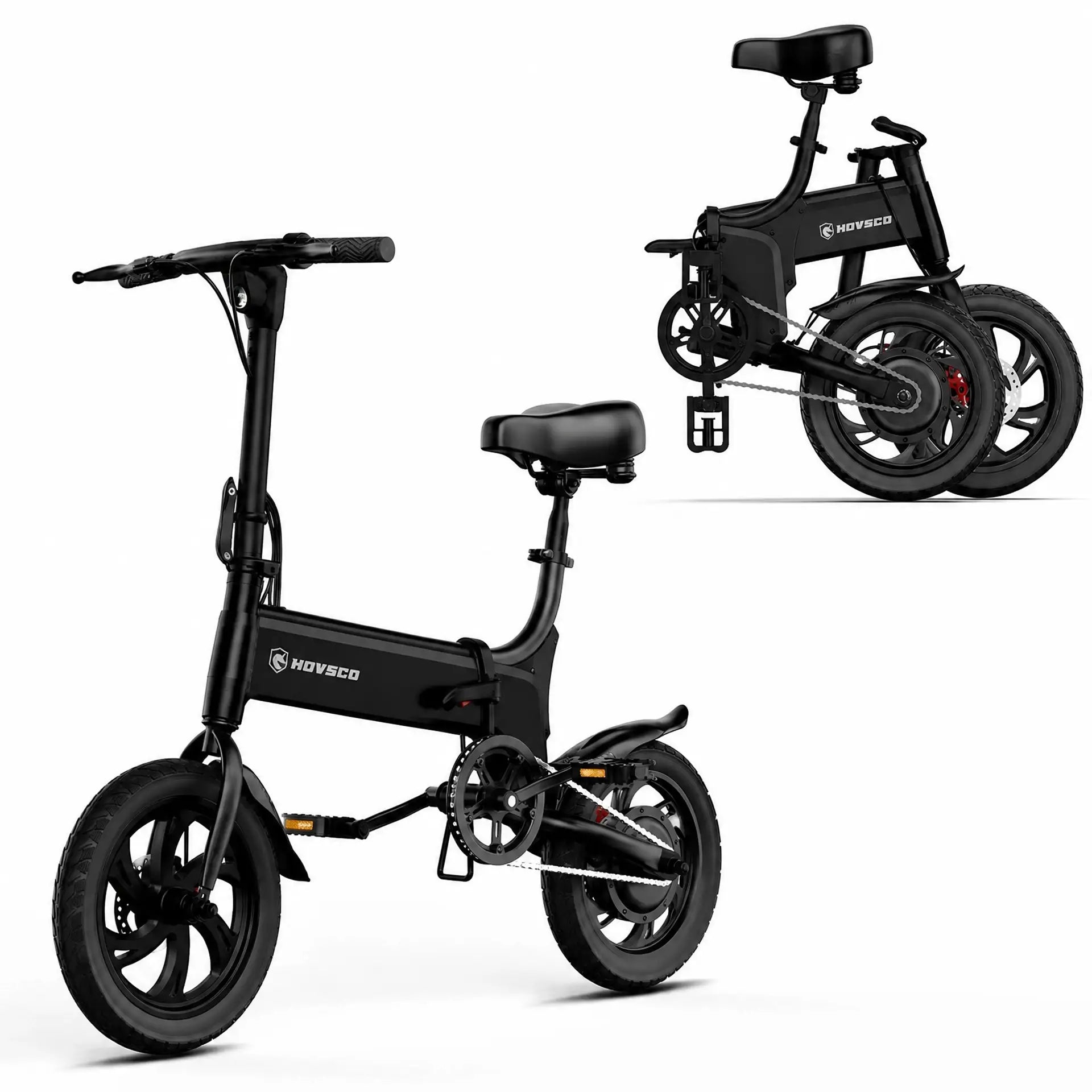
HOVSCO’s foldable 20" step‑through e-bike combines a 750W motor, 720Wh battery, and compact folding design, letting commuters pair e-bike riding with trains or small apartments where storage space is limited. This is particularly attractive for riders who commute part of the way by transit and part by bike, or who need to store their bike in offices or elevators.
Full-suspension for rougher routes
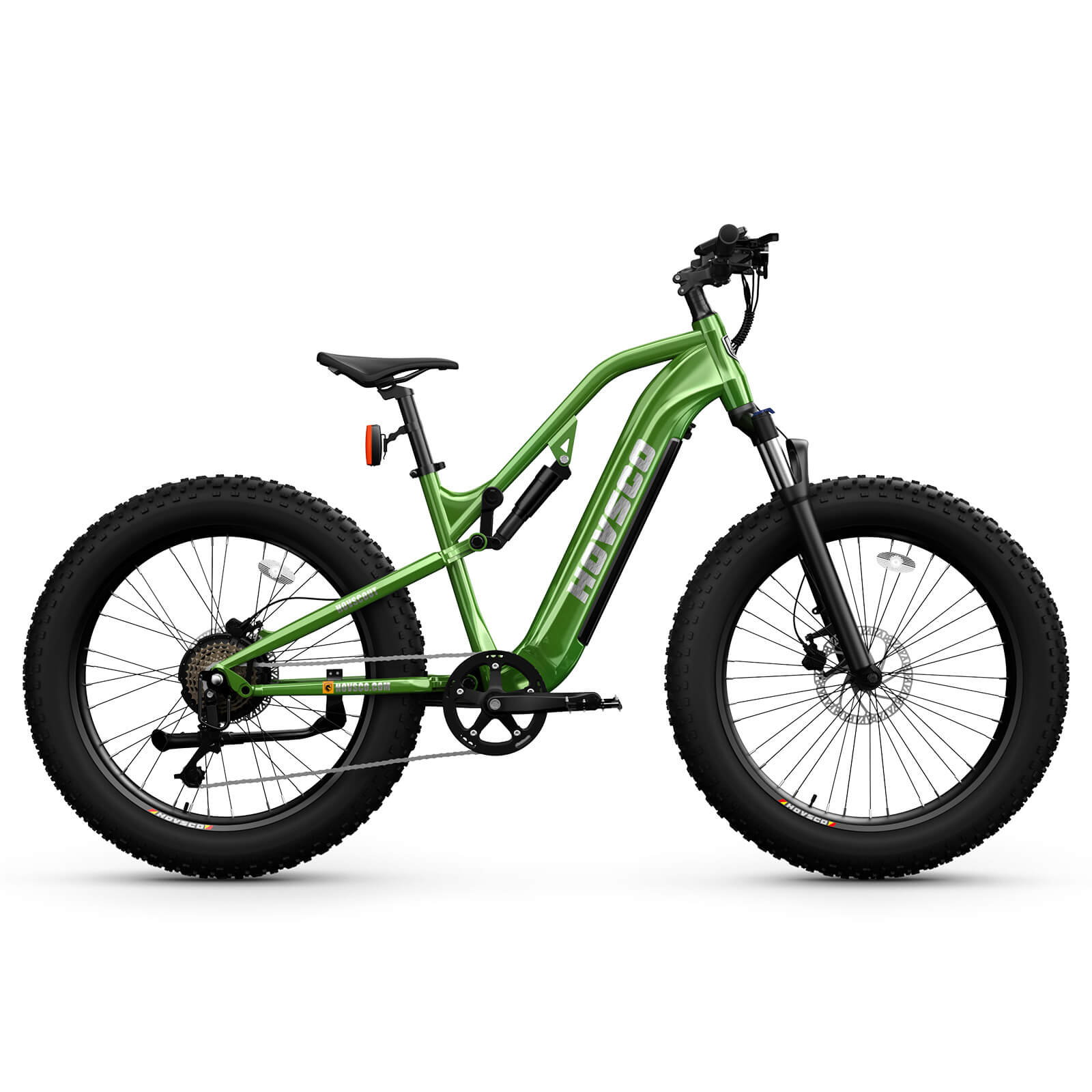
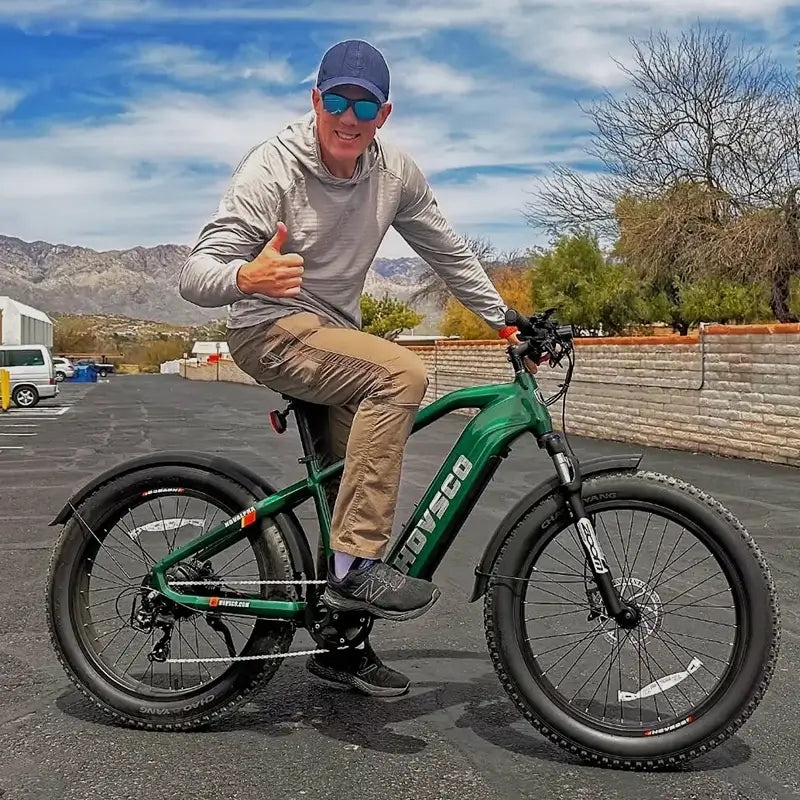
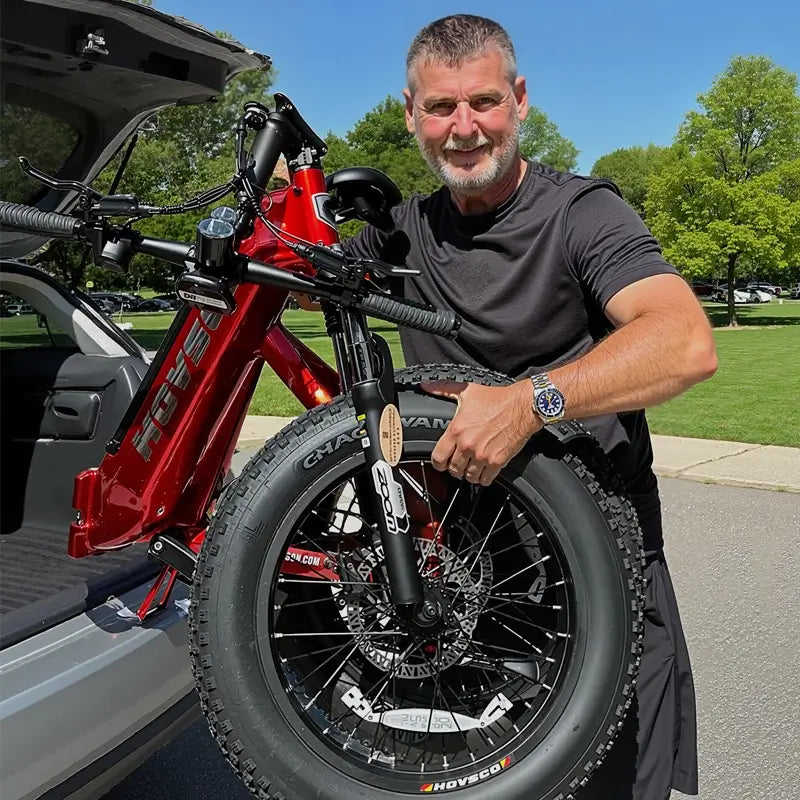
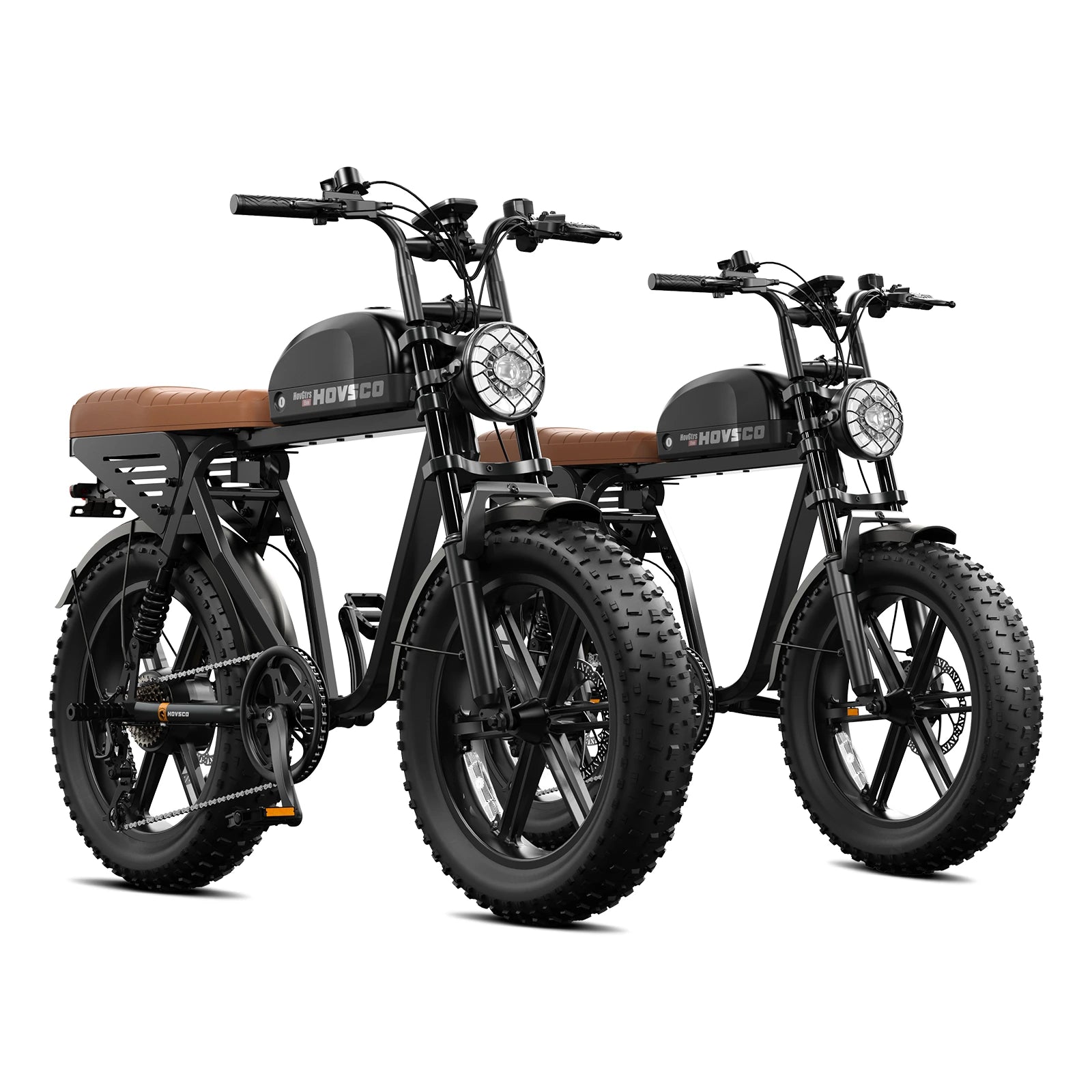
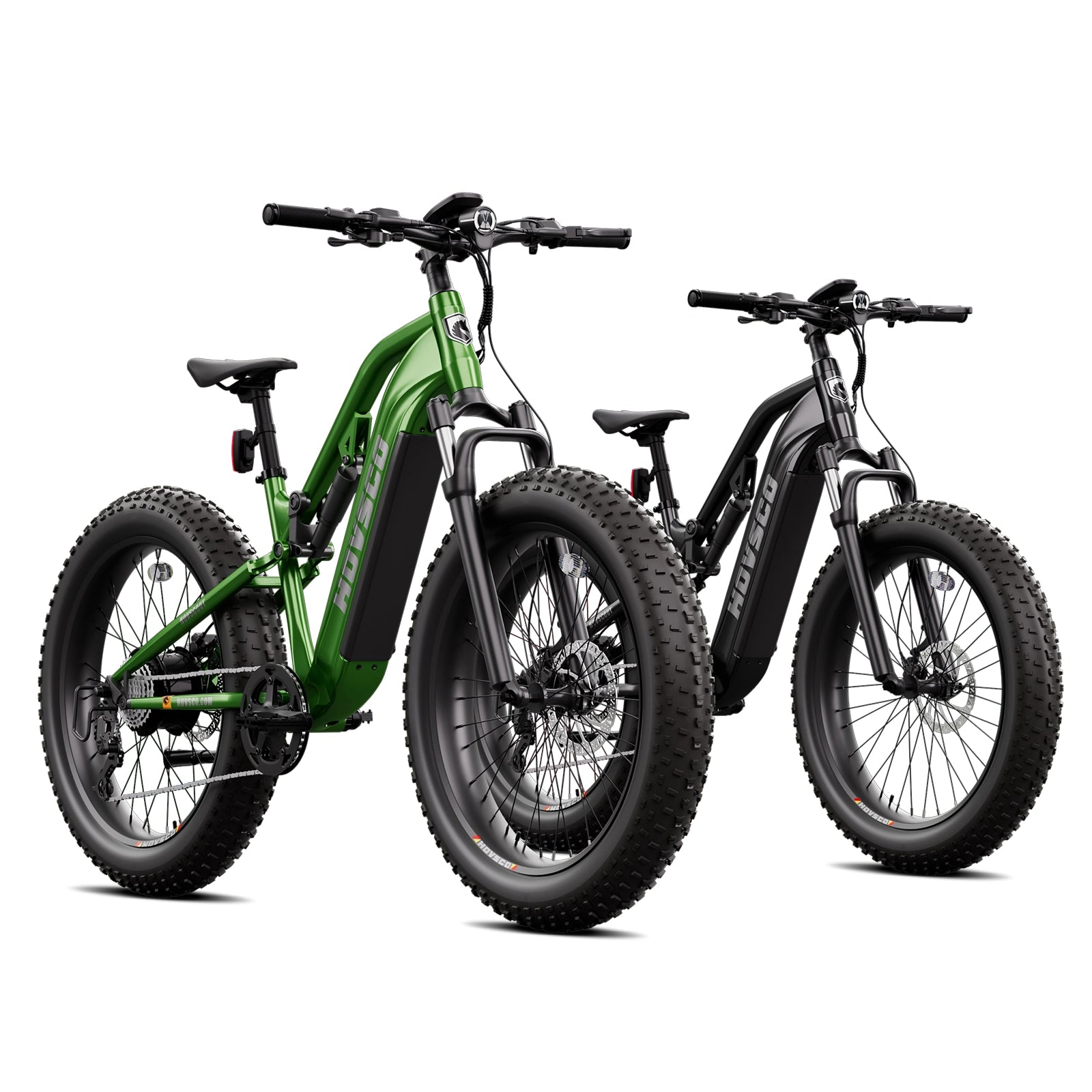
For commuters who encounter unpaved paths or rough roads, the HovScout full‑suspension fat-tire e-bike adds front and rear suspension plus a 750W rear hub motor (1300W peak), blending commuting capability with off-road comfort. Its 40–60 mile range and 450 lb payload capacity make it suitable for multi-scenario use beyond simple city streets.
Throughout the article, relevant HOVSCO models such as the HovRanger City E-Bike, all‑model catalog via Shop By Models, and fat-tire offerings under Fat Tire Electric Bikes serve as internal paths for readers ready to explore specific configurations.
Define your commute and typical trips
Start by mapping your usual routes, including distance, hills, road conditions, and whether you plan to carry cargo or passengers.
Choose the right frame and format
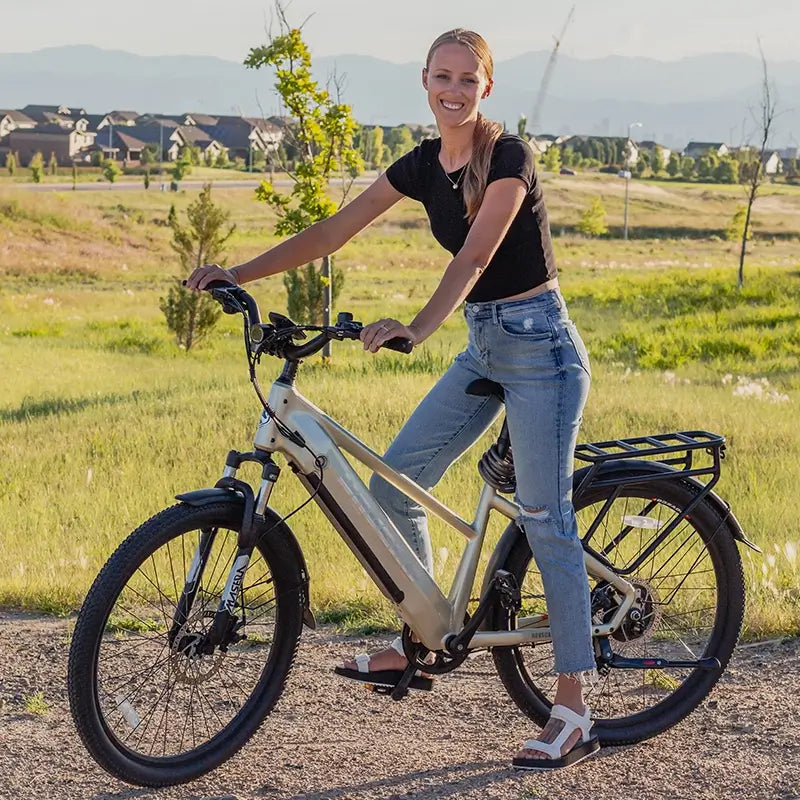
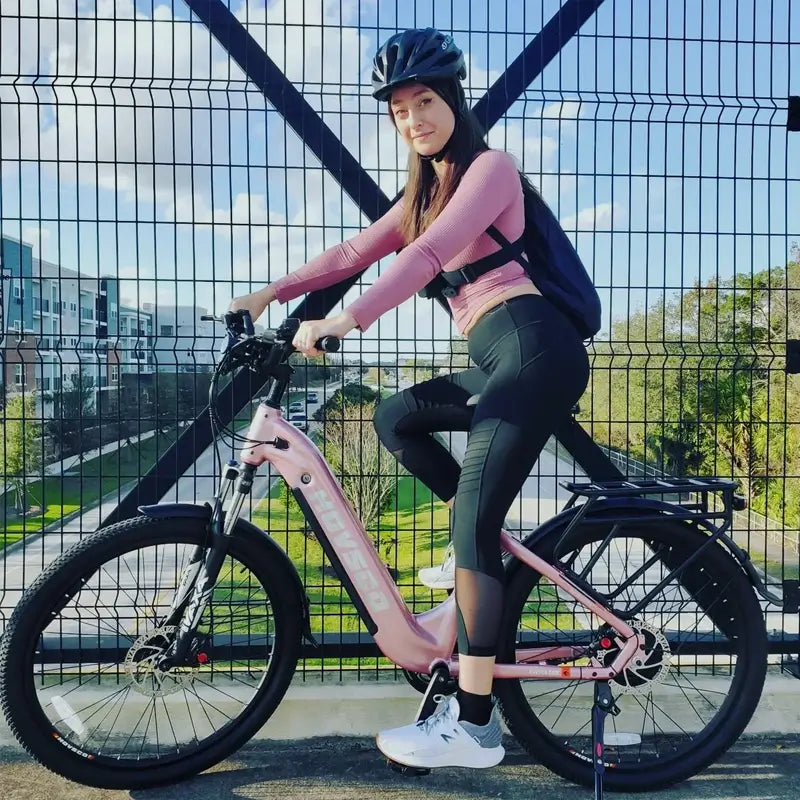
Decide between a classic diamond frame, step‑through, cargo, or foldable design based on your need for easy mounting, storage, and carrying capacity; for many urban commuters, a step‑through or mid‑step frame is the most practical.
Match motor and battery to your terrain
If you face hills or long daily mileage, look for mid‑ to high‑power hub motors (around 500–750W) and batteries of roughly 700Wh; HOVSCO’s commuter-oriented models align with these ranges, supporting 40–60 mile daily usage.
Consider comfort and safety components
Prioritize hydraulic disc brakes, quality suspension forks, good tires, and ergonomic contact points (saddle, grips) to ensure your daily ride remains comfortable and safe, especially at higher e-bike speeds.
Plan your charging routine
Integrate battery charging into your daily rhythm—most commuter e-bike batteries fully charge in about 4–7 hours, so charging overnight or during work hours keeps you ready for the next ride.
Start with moderate assist and build confidence
During your first week, use moderate pedal-assist levels, practice braking distances, and get familiar with traffic interactions before fully exploiting higher assist and speeds for your commute.
Scenario 1: Suburban office commute (8–12 miles each way)
Traditional approach: Drive a car 20–30 minutes each way, pay for parking, and sit in congestion, with little to no physical activity.
Using a HOVSCO commuter e-bike: A HovRanger rider can cover the same distance in a similar or shorter time by using bike lanes and local streets, avoiding parking costs while enjoying moderate exercise with pedal-assist support.
Scenario 2: Mixed transit and city-center commute (3–5 miles plus train)
Traditional approach: Combine buses, trains, and walking, often waiting through transfers and dealing with crowded vehicles.
Using a HOVSCO foldable e-bike: A foldable 20" step-through HOVSCO can be ridden to the station, folded for the train, and unfolded at the destination, reducing transfers and shrinking total door‑to‑door time.
Scenario 3: Family and cargo errands in dense neighborhoods
Traditional approach: Short car trips for groceries, school runs, and after‑school activities, which are parking-intensive and often slower than expected due to traffic.gminsights+1
Using a HOVSCO cargo/fat-tire model: A HovCart-style platform with a 750W motor and high payload allows a parent to carry kids and cargo without needing a car for short distances, while benefiting from lower operating costs and easier parking.
What are the main commuter e-bike benefits for daily riders?
Commuter e-bikes reduce travel time, cut fuel and parking costs, offer low‑impact daily exercise, and help riders avoid traffic congestion while producing zero tailpipe emissions. For many short to medium trips, they provide a practical alternative to cars or crowded public transit, especially in urban settings.
How far can a HOVSCO commuter e-bike travel on a single charge?
Range depends on model, rider weight, terrain, and assist level, but commuter-focused HOVSCO bikes like the HovRanger typically deliver around 40–60 miles per charge under mixed pedal-assist use. This is generally sufficient for daily commuting plus errands for most urban and suburban riders.
Are commuter e-bikes suitable for beginners or less fit riders?
Yes; adjustable pedal-assist modes let beginners start with higher assistance and gradually take on more effort as their fitness improves. Torque-sensing systems on HOVSCO models also ensure that power delivery feels natural, which helps new riders gain confidence quickly.
How do commuter e-bikes compare to cars in terms of cost savings?
While upfront e-bike purchases vary, operational costs (electricity, basic maintenance, and occasional parts) are significantly lower than fuel, insurance, and maintenance for cars. Over several years, riders who replace a substantial portion of short car trips with commuting e-bikes often see substantial savings, especially in cities with high parking fees.
Can a HOVSCO commuter e-bike handle poor roads or mixed terrain?
Many HOVSCO models aimed at commuters include suspension forks, hydraulic disc brakes, and robust e-bike-rated tires, making them capable of handling rough pavement and light off‑road sections. Riders with frequent unpaved or uneven routes may prefer all‑terrain or full-suspension options like the HovScout or certain fat-tire models in HOVSCO’s range.
What should I look for in warranty and support when buying a commuter e-bike?
It’s important to choose brands that clearly communicate their warranty coverage and after‑sales support for frames, motors, and batteries, as these components are critical for long-term value. HOVSCO emphasizes high-performance components and app-connected support infrastructure, indicating a focus on ongoing rider experience and reliability.
Commuter e-bikes sit at the intersection of time savings, cost control, health benefits, and environmental responsibility, which explains their rapid global growth and rising share of urban trips. HOVSCO’s commuter-focused designs—such as the HovRanger, foldable step-through, cargo, and full-suspension models—translate these broad commuter e-bike benefits into practical daily tools with strong motors, long ranges, and rider-friendly ergonomics.
For riders looking to replace car trips under 10–15 miles, HOVSCO’s range offers multiple ways to tailor the experience to their terrain, cargo needs, and storage constraints while enjoying a smoother, faster commute.
Considering a switch to commuter e-bikes for your daily rides, errands, or school runs? Explore HOVSCO’s city, cargo, and foldable models via the main Shop By Models page and see which configuration best fits your routes and lifestyle. HOVSCO delivers high-performance, multi-scenario e-bikes that turn everyday commuting into a more efficient, enjoyable, and sustainable part of your day.
Would you like this article tailored toward a specific commuter persona (office worker, student, or family rider) for better targeting in your next content piece?
Share:
Commuter E-Bike Benefits: How HOVSCO Helps You Redefine Your Daily Ride (June 2026)
Portable Transit Solutions: Smarter Commuting for Urban Professionals in June 2026