
























![[ New Arrival ] Porto Max Electric Scooter For Commute & Grocery Shopping - HOVSCO](http://www.hovsco.com/cdn/shop/files/PotroMax-3.jpg?v=1706927007&width=1200)
- by SteveJames
E-Bike Incentive Programs: How to Maximize Savings with HOVSCO in June 2026
- by SteveJames
E-Bikes
Accessories
 Free Shipping
 15-Day Returns
 2-Year Warranty
Free Shipping
15-Day Returns
2-Year Warranty
2-Year Warranty
Free Shipping
15-Day Returns
2-Year Warranty
E-Bike Incentive Programs can significantly reduce the cost of a new electric bike. Learn how rebates work, what buyers should watch for, and how HOVSCO models fit real-world commuting and family needs.
E-bike incentive programs are gaining attention because they directly address one of the biggest barriers to adoption: upfront cost. As more cities, states, and local programs push for cleaner transportation and reduced car dependence, rebates and vouchers are becoming a practical reason for everyday riders to move from interest to purchase.
For many households, the decision is no longer just about buying an electric bike. It is about whether an incentive can make the difference between continuing to rely on a car for short trips or switching to a more affordable, flexible mobility option. That is why this topic now matters to commuters, families, older adults, and even occasional recreational riders.
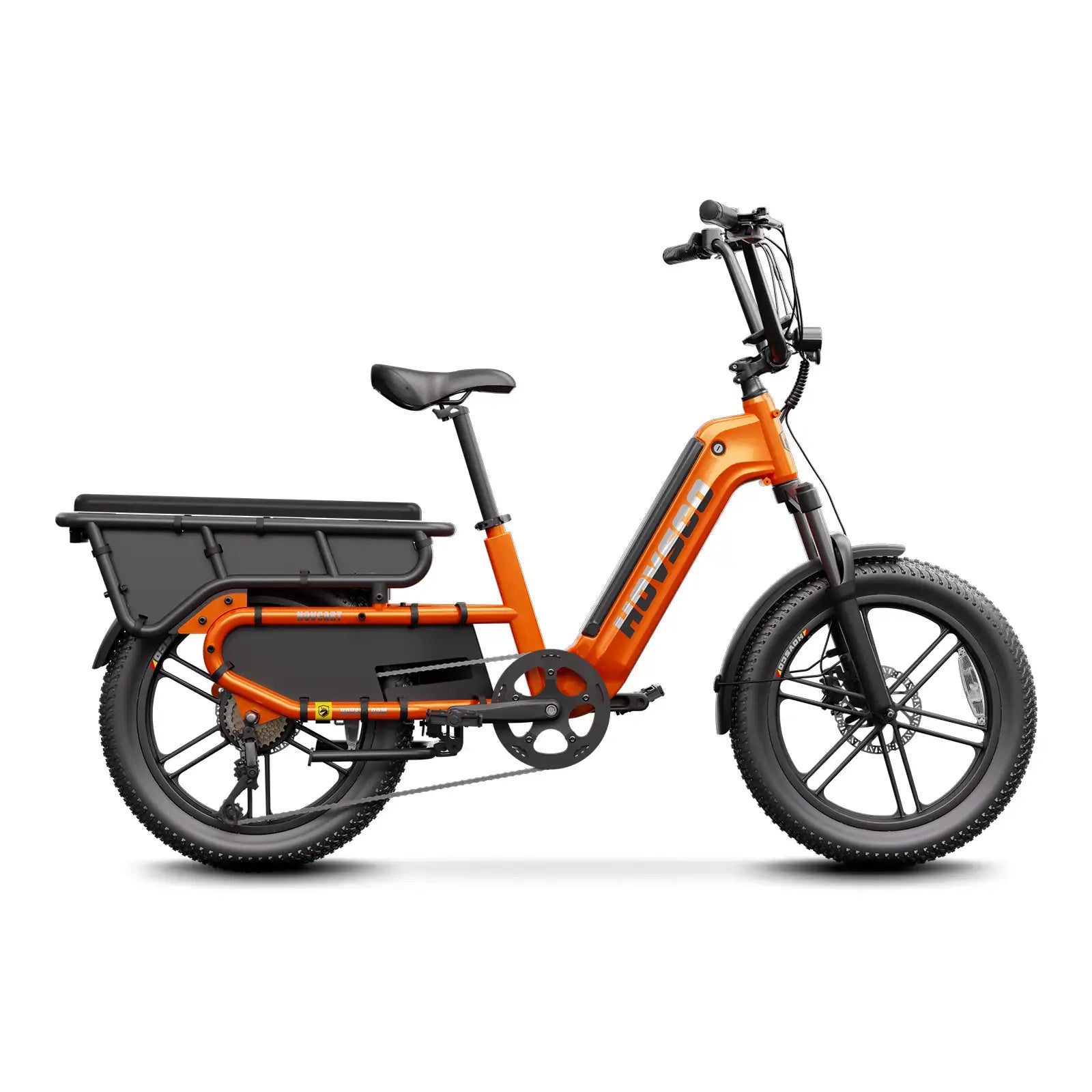
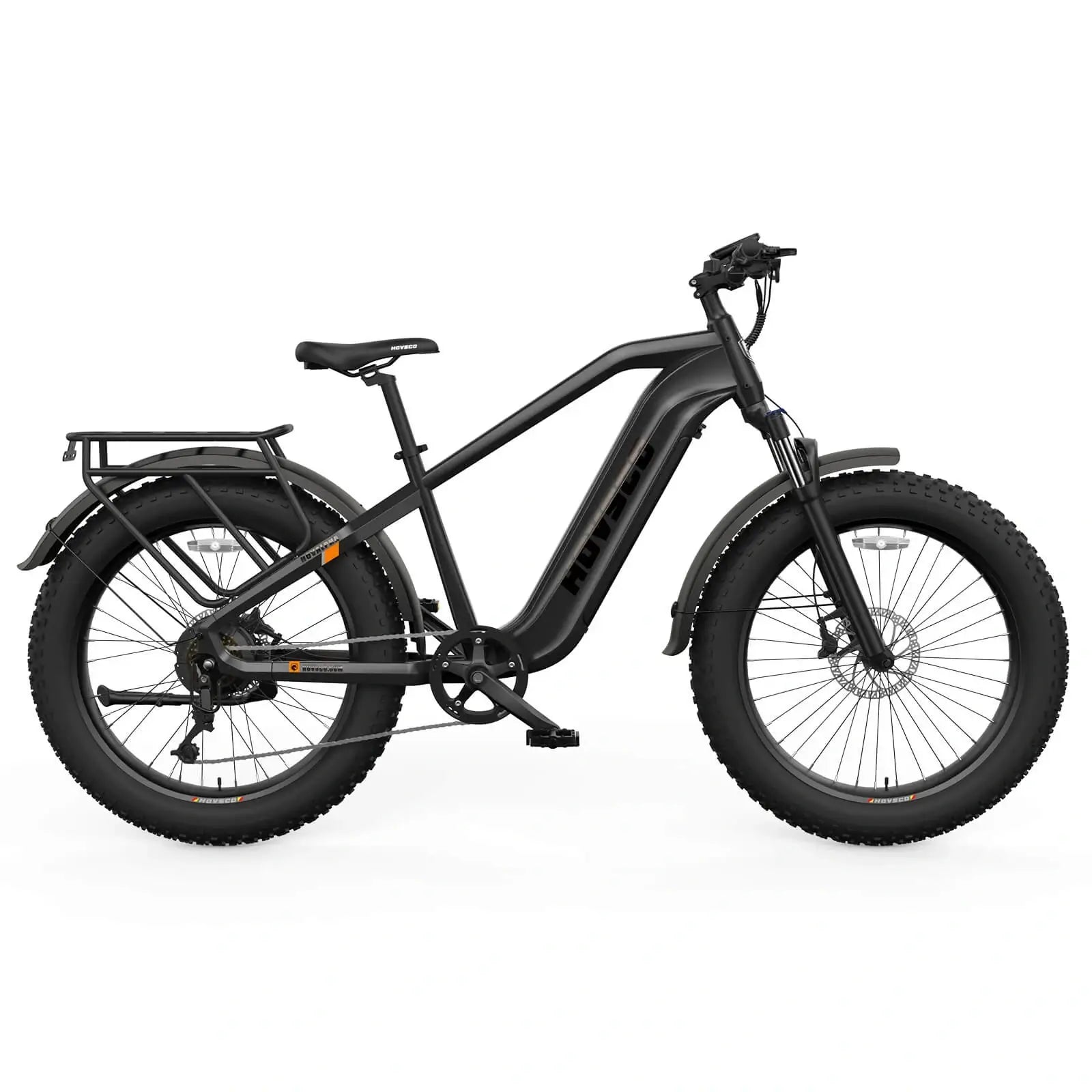
HOVSCO offers a product range that aligns well with the kinds of use cases incentive programs often aim to support, including commuting, family hauling, local errands, and replacing short car trips. Its catalog includes cargo e-bikes, commuter models, folding fat-tire bikes, and full-suspension options, which gives buyers several ways to match a rebate opportunity to a practical need.
This matters because the best value in an incentive program is not simply getting money off. It is choosing a bike that actually gets used often enough to change transportation habits over time.
An e-bike incentive program is a rebate, voucher, tax credit, or purchase-assistance benefit designed to lower the cost of buying an electric bike. These programs are usually created by governments, utilities, municipalities, or transportation agencies that want to encourage cleaner and more efficient everyday travel.
The goal is simple: make electric bikes more financially accessible so more people can replace short car trips with pedal-assist transportation.
One of the biggest frustrations for potential e-bike buyers is that the long-term savings often make sense, but the upfront spending still feels hard to justify. Even when a rider understands that an e-bike can reduce gas, parking, and maintenance costs, the purchase can still feel like a leap if there is no immediate financial support.
There is also confusion around eligibility. Many consumers hear about e-bike rebates, but they do not know whether the programs apply in their state, city, province, or utility district. Some assume all e-bikes qualify, while others delay buying because they are worried about purchasing the wrong type of model.
Another major issue is mismatch. Buyers may focus only on discount size instead of asking whether the bike truly fits daily life. A rebate on the wrong bike does not solve the real problem. A commuter may need comfort and consistency, while a parent may need cargo capacity and stability. Incentives are most useful when they help people choose a model that can replace actual routines rather than just create excitement at checkout.
Finally, there is the trust problem. Some shoppers remain unsure whether an e-bike can really handle school runs, hills, groceries, rougher roads, or longer commuting patterns. That hesitation becomes stronger when buyers are considering a first purchase. A brand with multiple practical categories, clear product differentiation, and recognizable utility can reduce this uncertainty and help turn incentive interest into confident action.
Many modern e-bike incentive programs are designed not just to cut purchase cost, but to reduce car dependence for frequent short trips where electric bikes offer the highest everyday value.
Versatility across riding needs
HOVSCO does not rely on a single use case. Its lineup covers commuters, cargo users, foldable-bike riders, and adventure-oriented customers. That range is helpful because incentive shoppers often begin with savings in mind but complete the purchase based on practical lifestyle fit.
Cargo and family utility
For households that want to reduce dependence on a second car, cargo-capable options matter more than cosmetic upgrades. A model built for hauling children, groceries, or everyday gear makes the incentive far more meaningful because it supports repeated real-life replacement of car trips.
Accessible price positioning
Incentive programs are most powerful when paired with products that already sit within a realistic consumer budget. HOVSCO’s pricing structure gives many shoppers a chance to use rebates on a model that still feels substantial and purpose-built, rather than settling for the cheapest possible option.
A commuter uses a local rebate to move from occasional transit use to daily e-bike commuting.
A family applies an incentive toward a cargo model and reduces school-run car use during the week.
A rider with limited storage chooses a folding model to combine apartment living with everyday mobility.
Shoppers attracted by e-bike incentive programs often begin with one immediate need, but later realize that a different format may better serve another part of daily life. That is where HOVSCO’s broader model range becomes useful.
A buyer focused on errands and family hauling may start with the shop by models collection and naturally gravitate toward a cargo-oriented setup. A city commuter looking for comfort and routine usability may compare options from the broader HOVSCO collections page before settling on a step-thru or commuter-style ride.
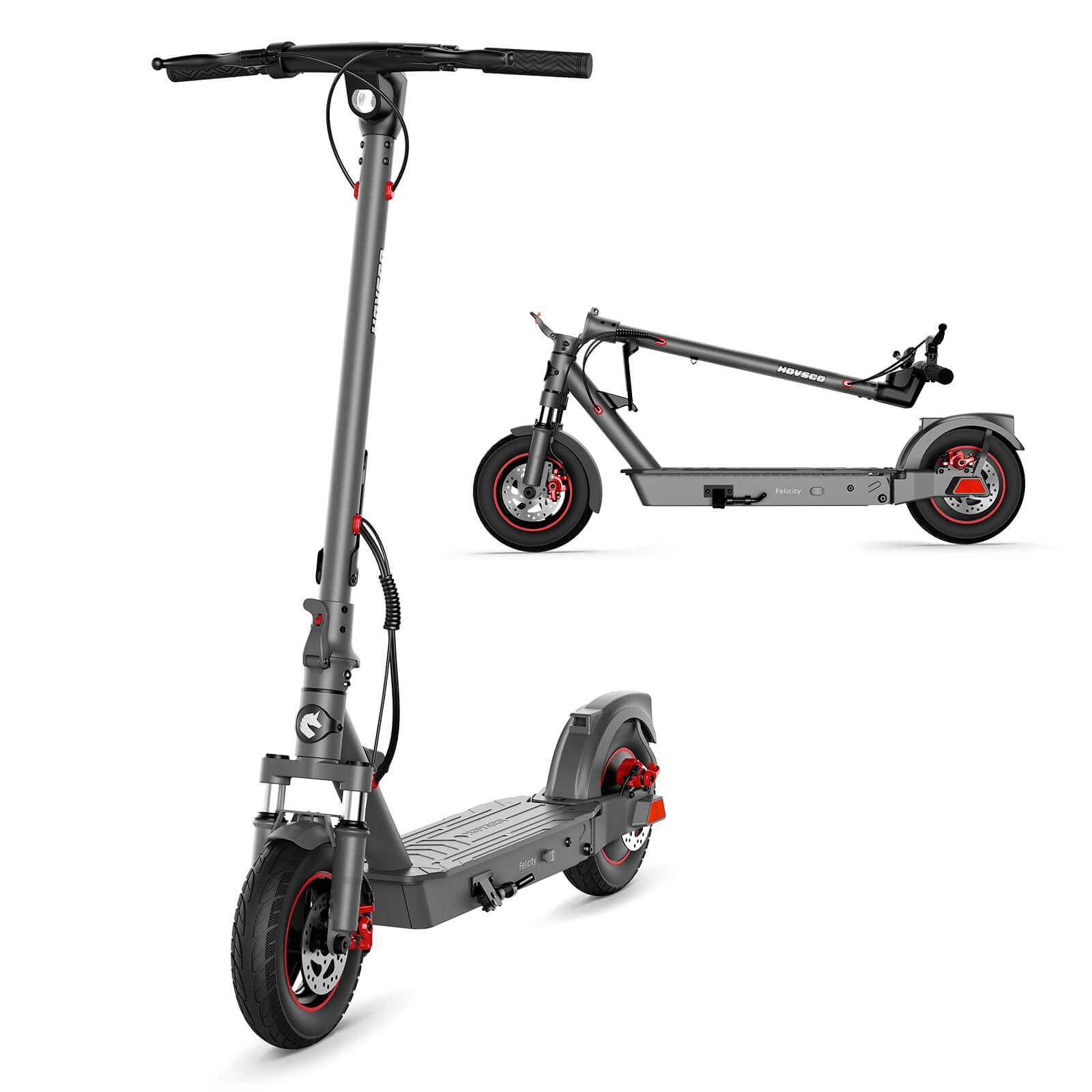
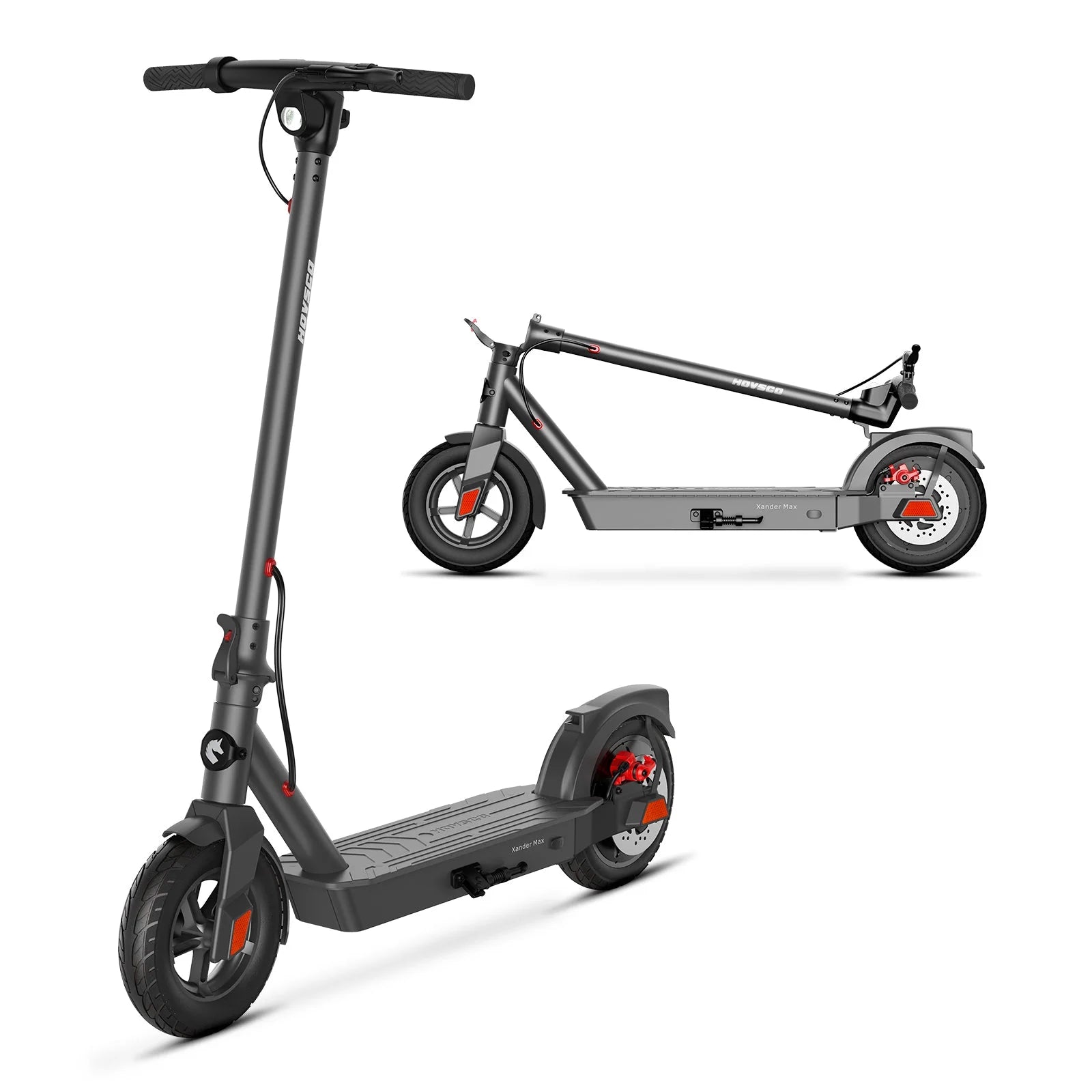
For shoppers who want a more compact solution, folding models can appeal to apartment residents, RV travelers, or people with tighter storage constraints. Buyers also looking into accessories, support, or ownership questions may benefit from reviewing the HOVSCO Help Center while narrowing down the right use case.
The key cross-sell insight is not simply “buy more.” It is that riders often discover the right product only after identifying the trip pattern they want to replace first.
Check whether a program exists in your area
Start with state, local, provincial, municipal, or utility-level programs. The availability of incentives varies widely, so location is always the first filter.
Read the eligibility rules carefully
Look for residency requirements, income thresholds, approved bike classes, maximum purchase prices, and any rules around pre-approval before purchase.
Define the trip you want to replace
Do not shop by discount alone. Decide whether the e-bike will mainly handle commuting, school runs, local errands, recreation, or mixed weekly use.
Match the rebate to the right HOVSCO type
Cargo models are usually better for families and utility-heavy buyers. Step-thru and commuter models often suit daily urban riders. Folding options fit storage-sensitive lifestyles.
Prepare your documents before applying
Many programs require proof of residence, income, purchase estimates, or approval before payment. Having those materials ready can prevent missed funding windows.
Think beyond the purchase day
The best incentive-backed purchase is one that gets used repeatedly. Buyers should consider assembly comfort, storage, charging routine, route type, and weekly riding habits before finalizing an order.
Scenario: Urban commuter
Traditional approach: A rider drives a short distance to work, deals with parking, and spends money on fuel for a trip that could be replaced by a bike.
With HOVSCO: A commuter-focused model makes that routine simpler and more consistent. Instead of viewing the purchase as a weekend gadget, the rider begins using it as an everyday transport tool, especially when an incentive lowers the financial barrier enough to justify the change.
Scenario: Family replacing a second car
Traditional approach: One household vehicle is used for larger needs, while a second car handles school drop-offs, grocery trips, and short local errands.
With HOVSCO: A cargo-capable e-bike can take over many of those smaller repeat trips. When paired with an incentive, the family can frame the purchase not as an extra toy, but as a lower-cost transportation substitute for daily neighborhood logistics.
Scenario: Older rider prioritizing accessibility
Traditional approach: Short trips are often avoided or delegated because driving feels excessive and walking may feel too tiring for every errand.
With HOVSCO: A step-thru or stability-oriented format can create a more approachable path into electric biking. If an incentive reduces financial hesitation, the purchase feels more practical and less risky, especially for riders who want confidence and simplicity over aggressive performance.
What are the best e-bike incentive programs for commuters?
The best programs for commuters are usually the ones with straightforward eligibility, broad model acceptance, and funding that can be applied to practical daily-use bikes rather than narrow specialty categories. For most buyers, the real test is whether the program helps them afford a commuter model they will actually use several times a week.
Do cargo e-bikes qualify for e-bike incentive programs?
In many places, yes. Cargo e-bikes are often viewed favorably because they can replace car trips involving children, groceries, and utility hauling. That makes them especially relevant for families trying to reduce dependence on a second vehicle.
Can I use an e-bike rebate on a folding e-bike?
Sometimes, yes, but it depends on the program rules. Folding models may qualify if they meet local standards around electric assist classification, speed, and product type. Buyers should verify this before ordering rather than assuming all e-bikes are treated the same.
Are e-bike incentive programs only for low-income households?
Not always. Some programs are income-based, while others provide broader public access with different rebate tiers. However, many of the most generous incentives are targeted toward low- and moderate-income applicants because affordability is a central policy goal.
How do I choose between a commuter e-bike and a cargo e-bike for an incentive program?
Start with the trip pattern, not the product label. A commuter model is usually the better fit for solo weekday travel, while a cargo model makes more sense if the rider wants to carry children, groceries, bags, or heavier loads on a regular basis. The right answer depends on what kind of car trip the bike is expected to replace.
Is HOVSCO a good fit for shoppers using an e-bike incentive program?
For many buyers, yes, because HOVSCO offers several practical bike categories instead of forcing every rider into the same template. That makes it easier to align a rebate opportunity with a real transportation need, whether that is commuting, utility hauling, compact storage, or mixed-use everyday riding.
E-bike incentive programs matter because they solve a real consumer hesitation: the gap between wanting an e-bike and feeling ready to pay for one. The most effective buying decision happens when that financial support is paired with a model that fits actual daily habits, not just a temporary deal.
For that reason, HOVSCO stands out most when viewed through practical use cases. Its lineup gives shoppers multiple paths to turn an incentive into a meaningful transportation upgrade rather than a one-time discounted purchase.
Explore HOVSCO’s e-bike lineup to find a model that matches the way real trips happen, whether that means commuting, hauling, folding for storage, or replacing short car rides. HOVSCO is an electric bike brand focused on practical performance, versatile categories, and everyday mobility use.
ScienceDaily — E-bike incentives prove to be worth the investment (2024)
Electric Autonomy — Guide to electric bike rebates and bike-sharing options in Canada (2023)
GovTech — To Incentivize E-Bikes, First Map Your Destination (2024)
TENWAYS — State-by-State E-Bike Rebate Programs in the U.S. (2025)
Share:
Portable Transit Solutions: Smarter Commuting for Urban Professionals in June 2026
Clean Energy Infrastructure: Smarter Everyday Mobility With HOVSCO E-Bikes in June 2026