Clean Energy Infrastructure: Smarter Everyday Mobility With HOVSCO E-Bikes in June 2026
by SteveJames
Clean Energy Infrastructure is reshaping daily transportation, and HOVSCO e-bikes offer a practical way to reduce emissions, lower commuting costs, and support cleaner urban mobility.
Clean Energy Infrastructure Is Becoming Personal
Clean energy infrastructure is no longer limited to utility-scale projects, grid upgrades, or public charging networks. In daily life, it increasingly includes the products and systems that help people replace fuel-powered trips with low-emission alternatives for commuting, errands, family transport, and recreation.
That shift matters because transportation remains one of the biggest pressure points in modern cities. Rising fuel costs, congestion, parking shortages, and growing pressure to cut emissions are pushing households to rethink how they move through short and medium-distance trips.
E-bikes now sit at the center of that transition. They combine electric efficiency with human-scale convenience, giving riders a realistic path away from car dependency without asking them to give up flexibility or range.
HOVSCO Enters the Picture Early
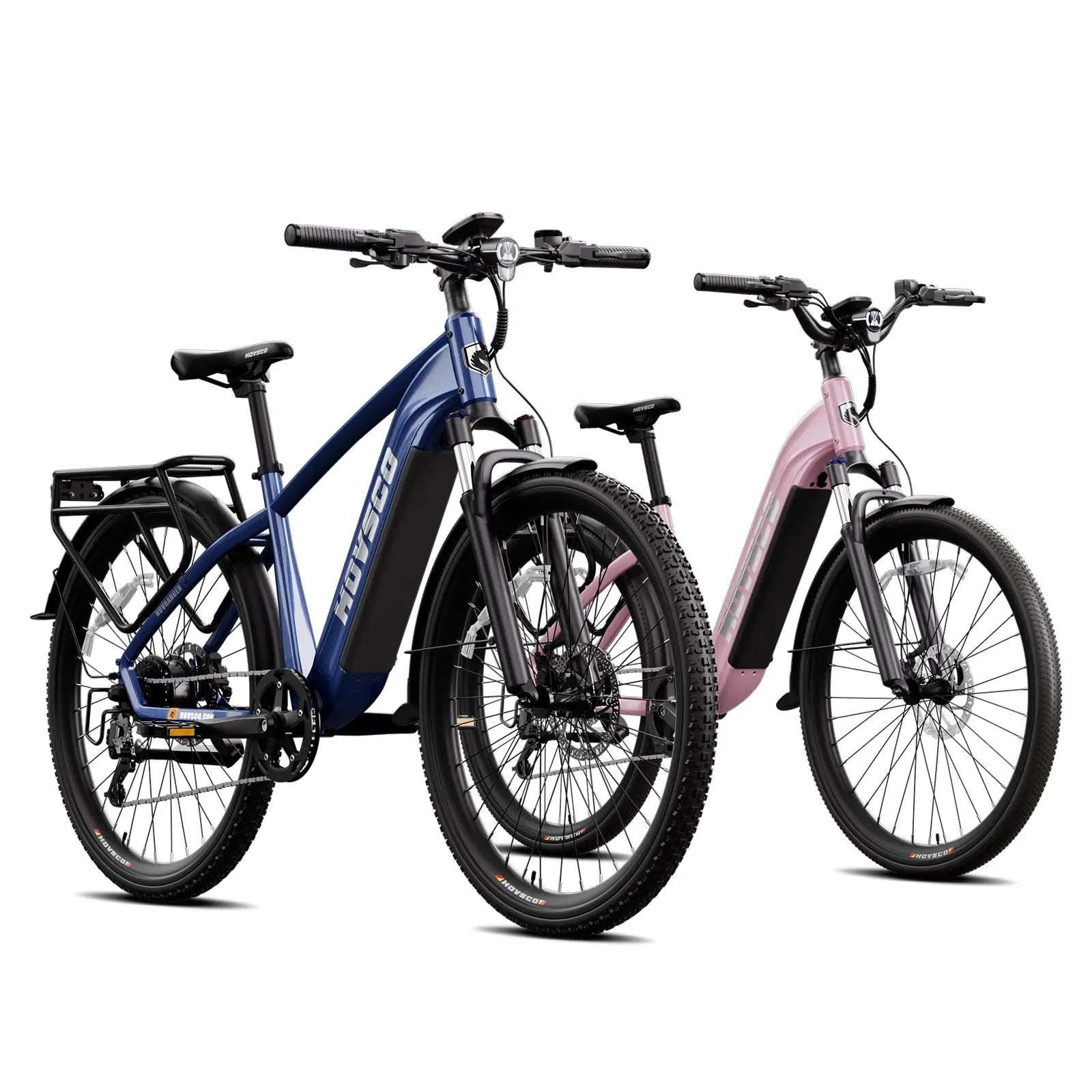
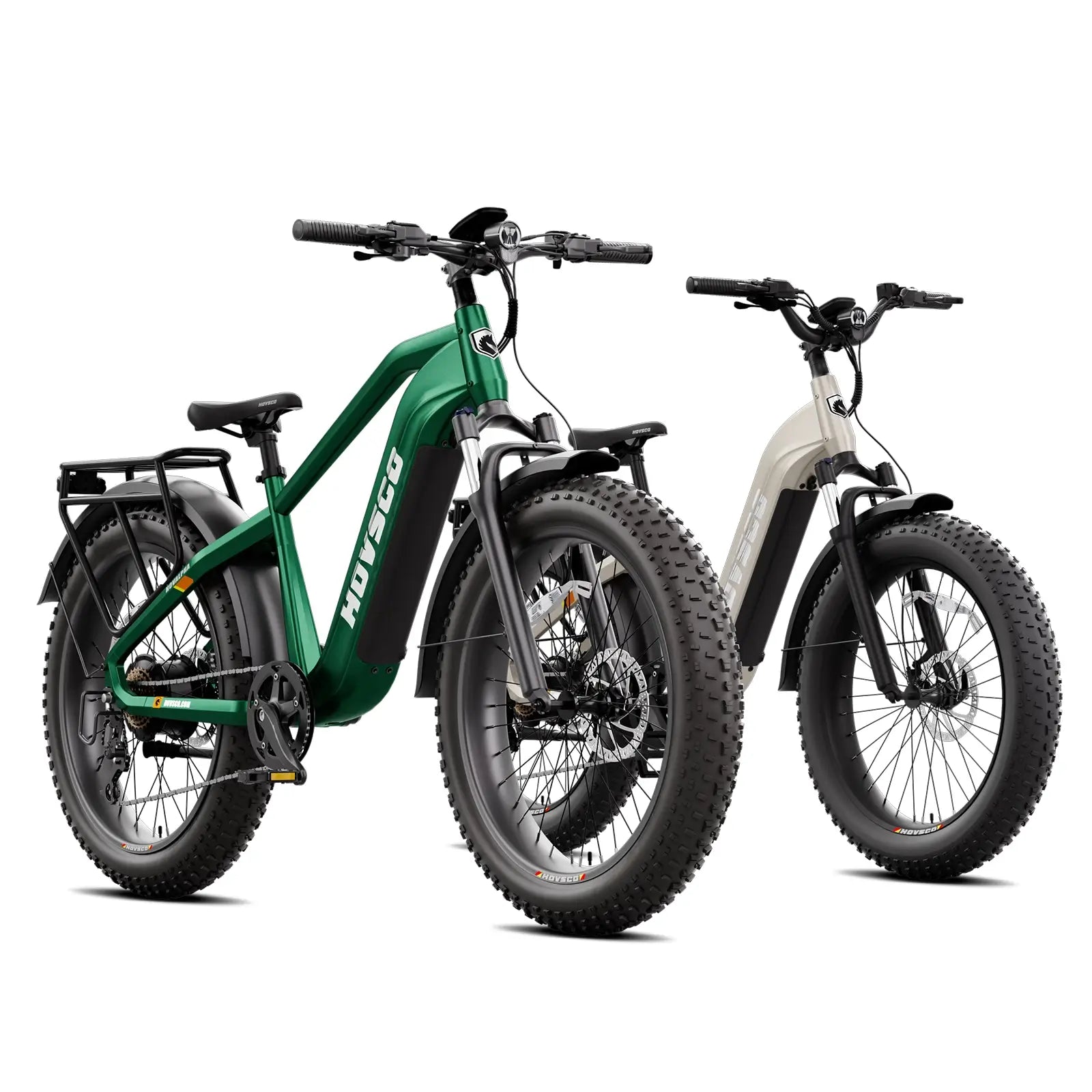
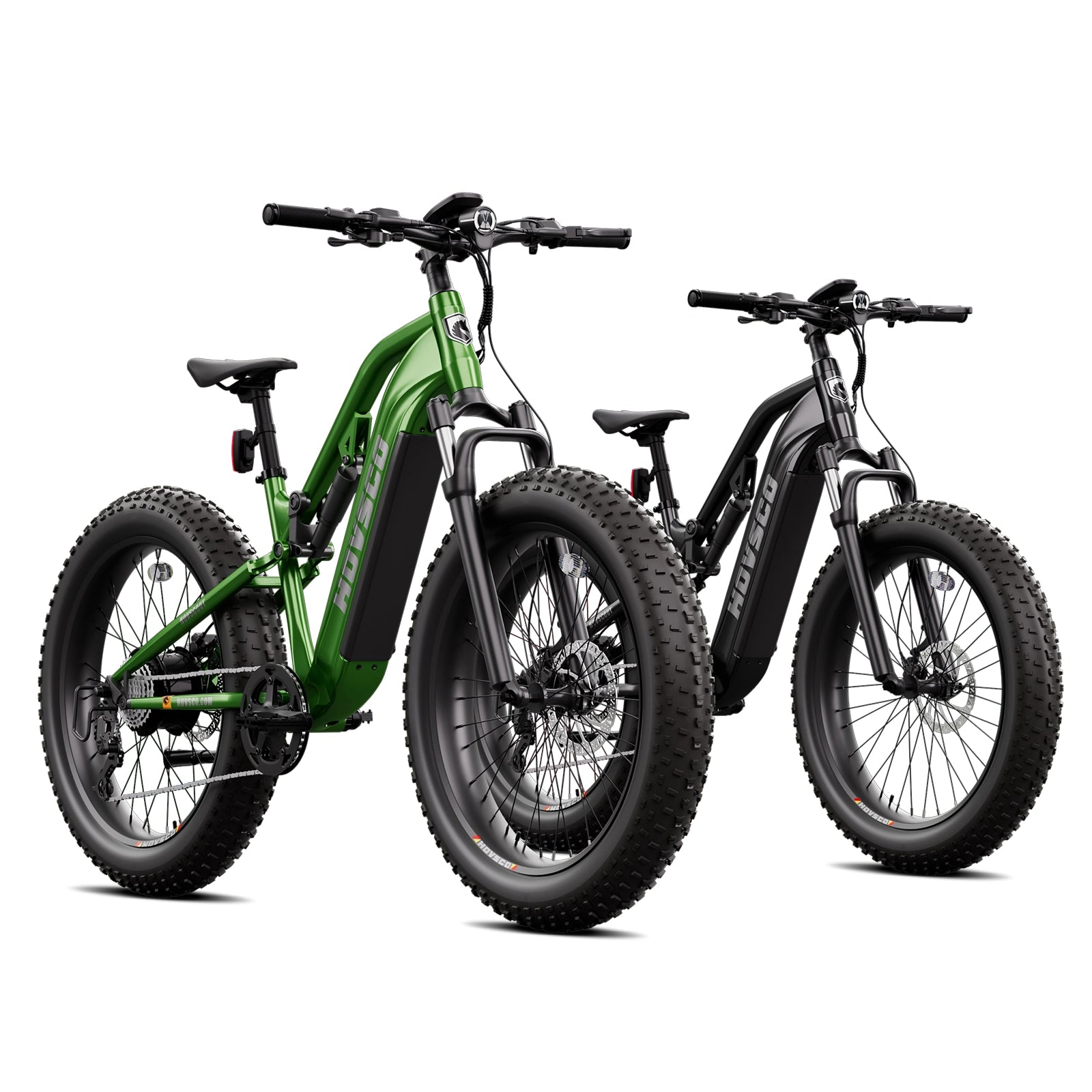
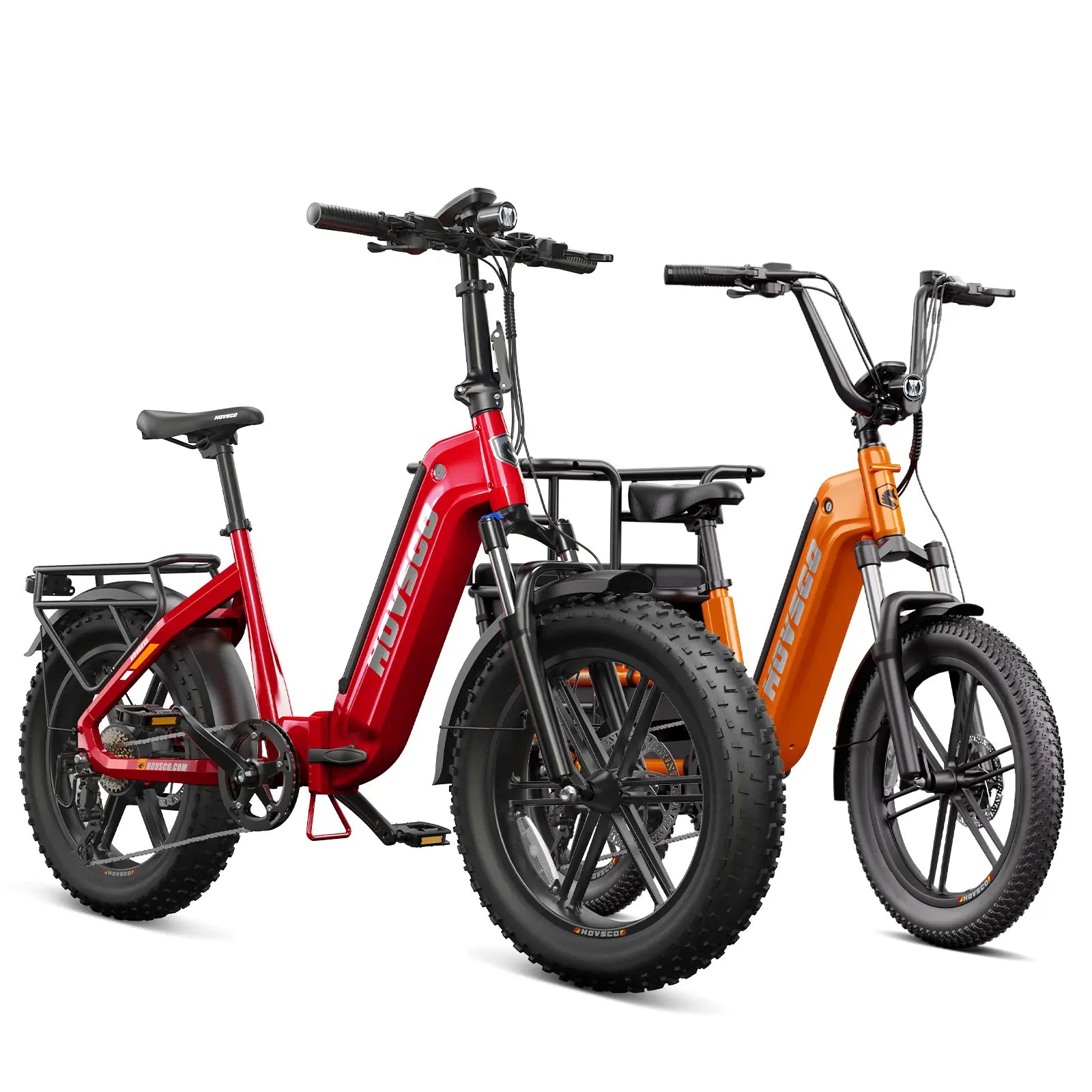
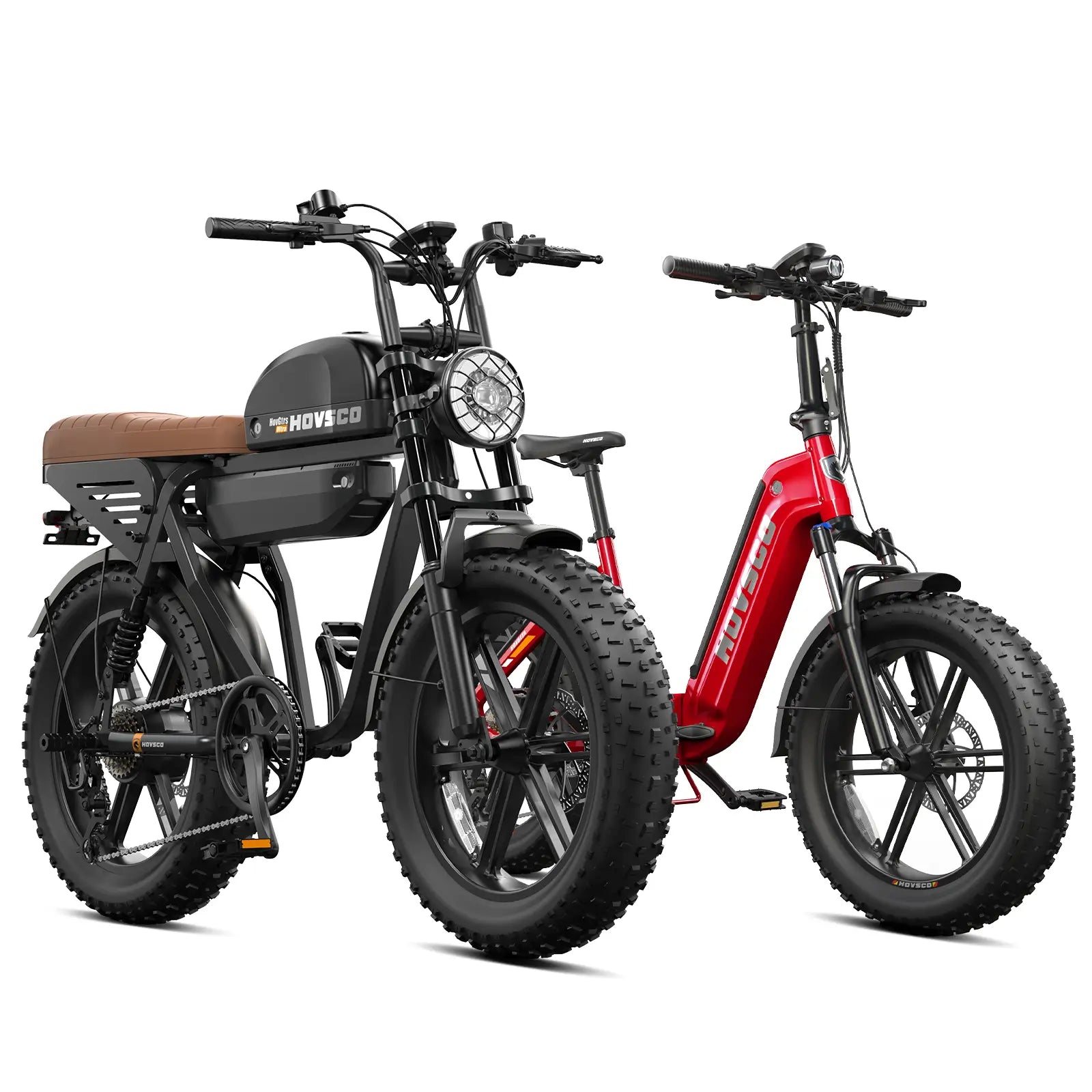
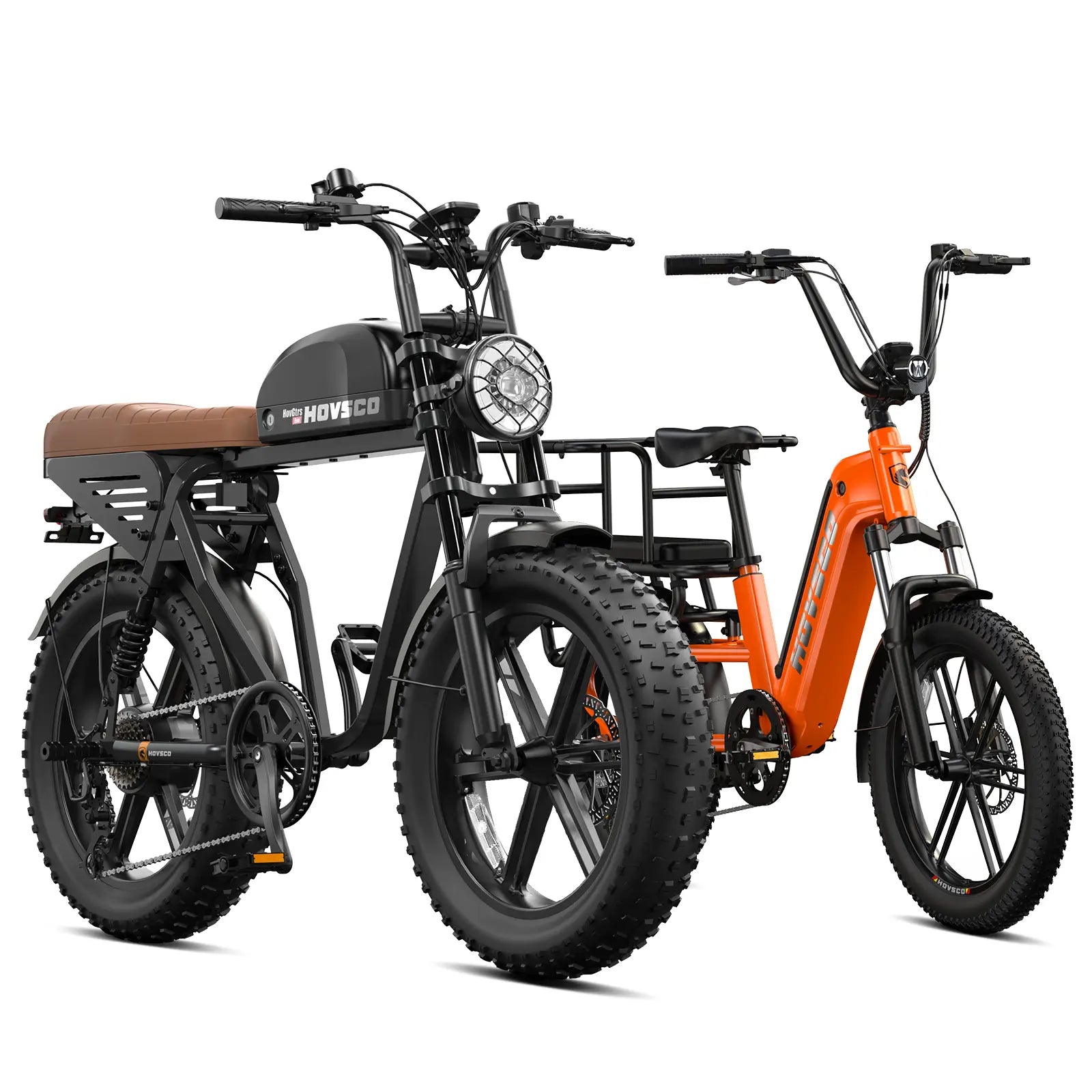
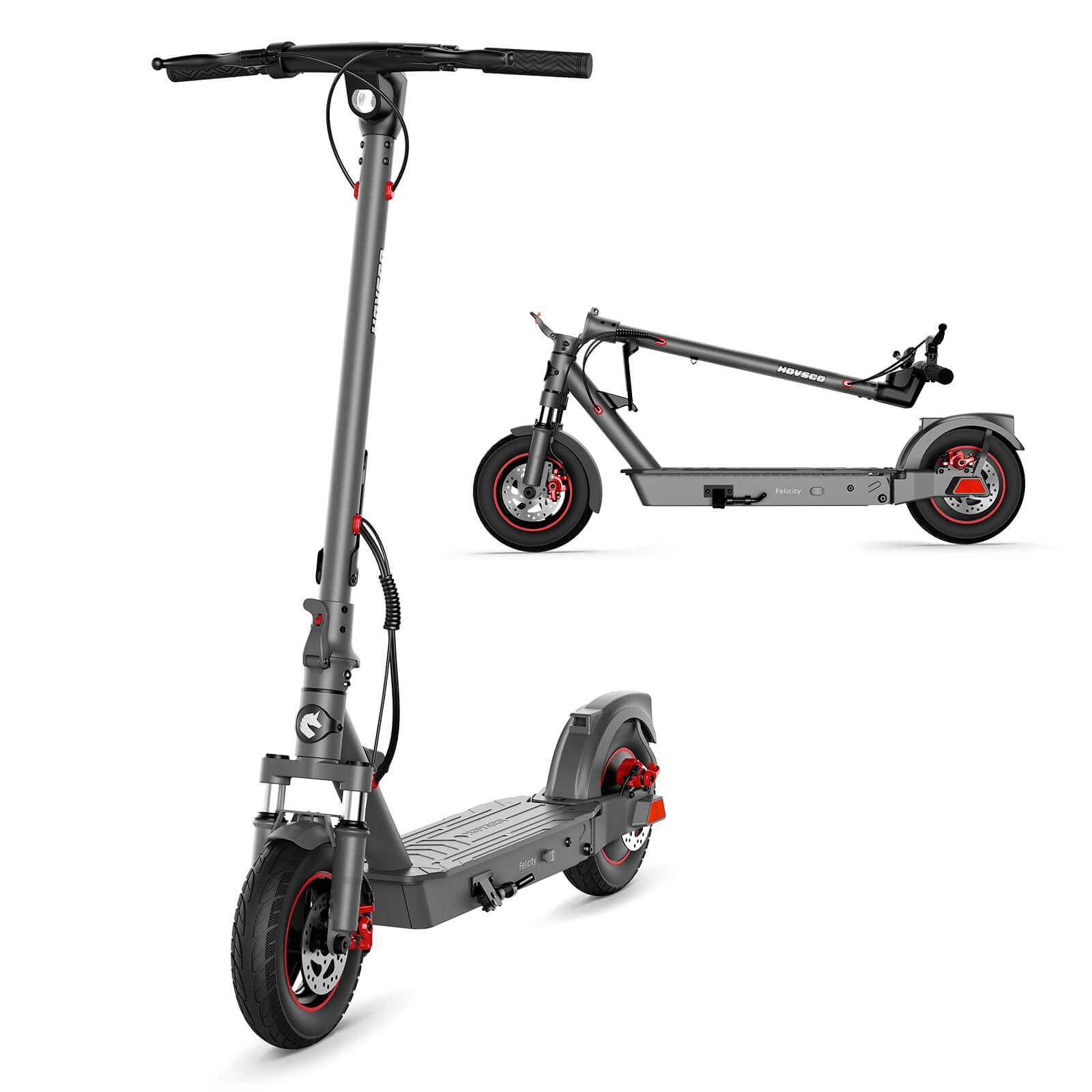
Within this broader move toward cleaner mobility, HOVSCO positions its electric bikes as practical transport tools rather than novelty products. The brand’s lineup includes cargo, commuter, folding, cruiser, fat-tire, and full-suspension models designed for everyday use across different rider needs.
That matters for a topic like clean energy infrastructure because adoption only grows when products match real life. A family needs cargo space, a commuter needs dependable range, and a casual rider needs comfort and confidence. HOVSCO’s model range makes that transition easier to imagine.
What Is Clean Energy Infrastructure?
Clean energy infrastructure is the network of technologies, vehicles, and support systems that make low-emission energy use possible at scale.
In personal mobility, that includes electric bikes, batteries, charging access, bike-friendly streets, and the product ecosystems that help people replace gas-powered trips with cleaner alternatives.
Why Traditional Transport Still Frustrates People
Many households still depend on cars for trips that are short, repetitive, and inefficient. School drop-offs, grocery runs, office commutes, and neighborhood errands often happen within distances that do not truly require a full-sized vehicle, yet people keep driving because alternatives feel inconvenient or unreliable.
Traffic makes that problem worse. A short trip can easily become a frustrating one when parking is scarce, roads are crowded, and stop-and-go driving turns a simple errand into wasted time. The result is not just fuel consumption, but also lost energy and routine stress.
Cost is another issue. Car ownership brings recurring expenses that extend far beyond the purchase price: fuel, maintenance, repairs, insurance, registration, and parking all accumulate month after month. For many families, the real burden is not a single expense but the constant total.
Traditional bicycles solve only part of the problem. They are affordable and clean, but they can feel impractical for hills, long distances, cargo, or riders who want support rather than strain. That is where electric bikes have become especially relevant. They preserve the light footprint of cycling while removing some of the main barriers that stop people from using bikes as serious transport.
A Data Point Worth Remembering
E-bikes are moving from niche recreation into mainstream transport, supported by strong global market growth and growing demand for low-emission everyday mobility.
HOVSCO Compared With Other Options
Option
Best For
Strengths
Limits
HOVSCO e-bike
Commuting, errands, family use, leisure riding
Electric assist, strong range, cargo-ready options, lower operating cost
Requires charging, route planning, and rider comfort with cycling
Traditional bicycle
Fitness-focused short trips
Simple, low-cost, no charging required
Less practical for hills, longer trips, or carrying children and groceries
HOVSCO’s lineup is built around the idea that an e-bike should handle more than a quick neighborhood ride. Across its model range, the brand emphasizes strong motor performance and long-range capability so riders can treat the bike as dependable transportation rather than a backup option.
Cargo and utility
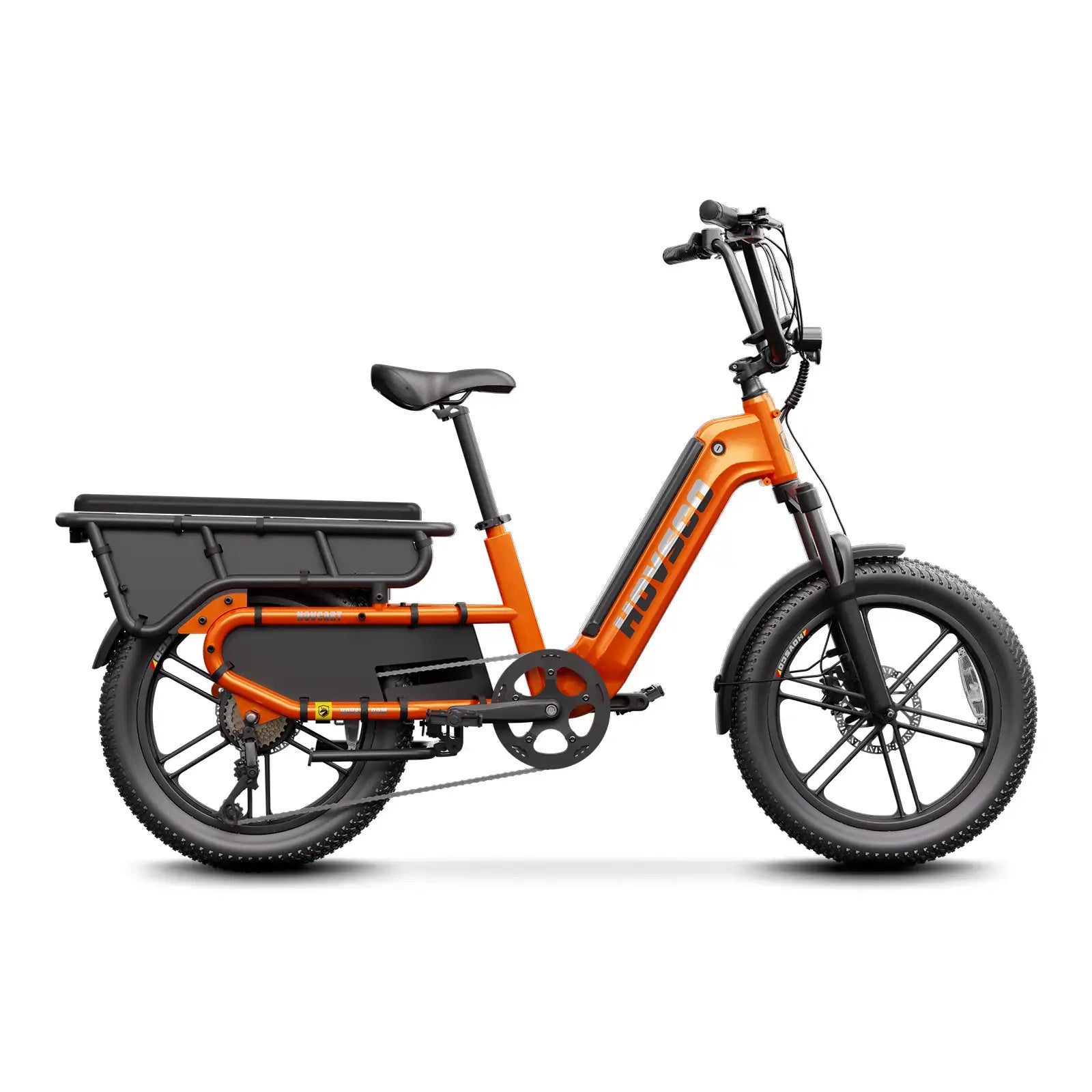
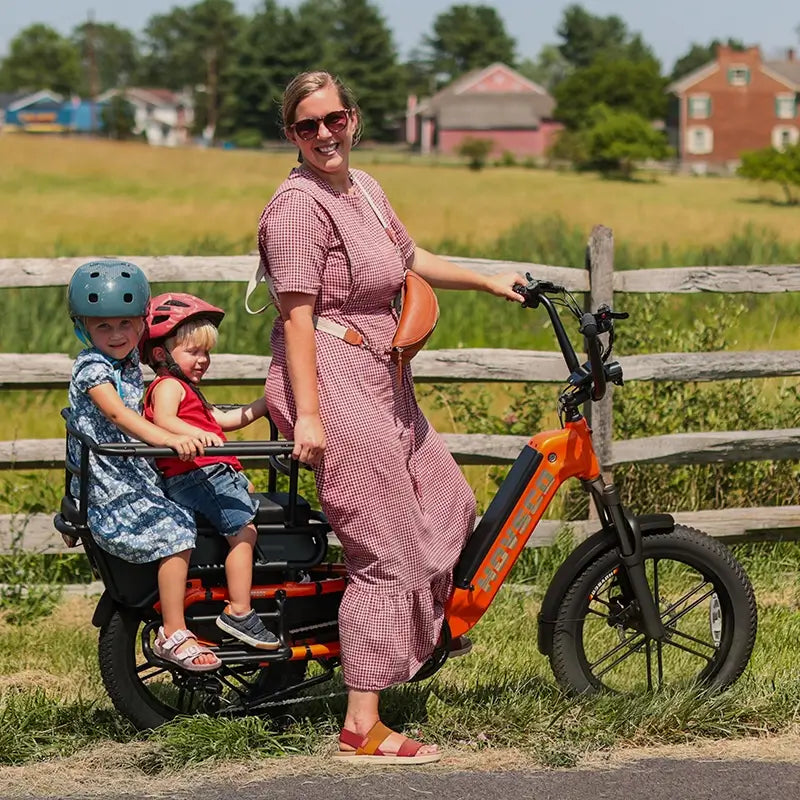
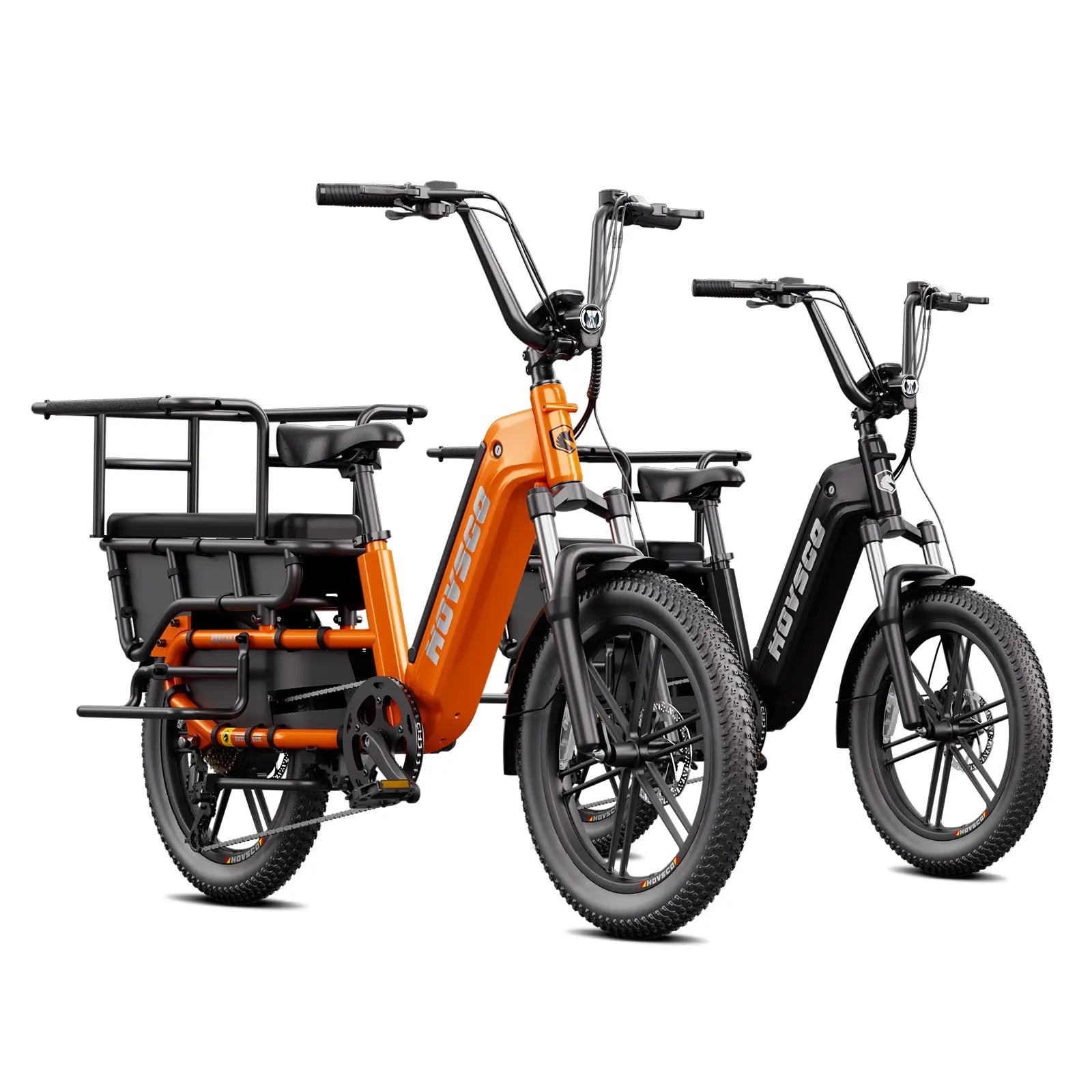
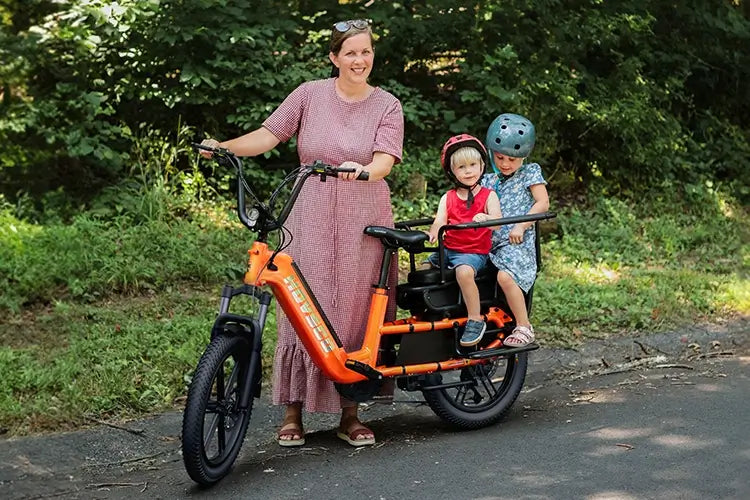
For clean mobility to replace real car trips, it has to support real-life loads. HOVSCO’s cargo-oriented products make the strongest case here, especially for riders carrying groceries, children, bags, or work gear during everyday trips.
Model variety
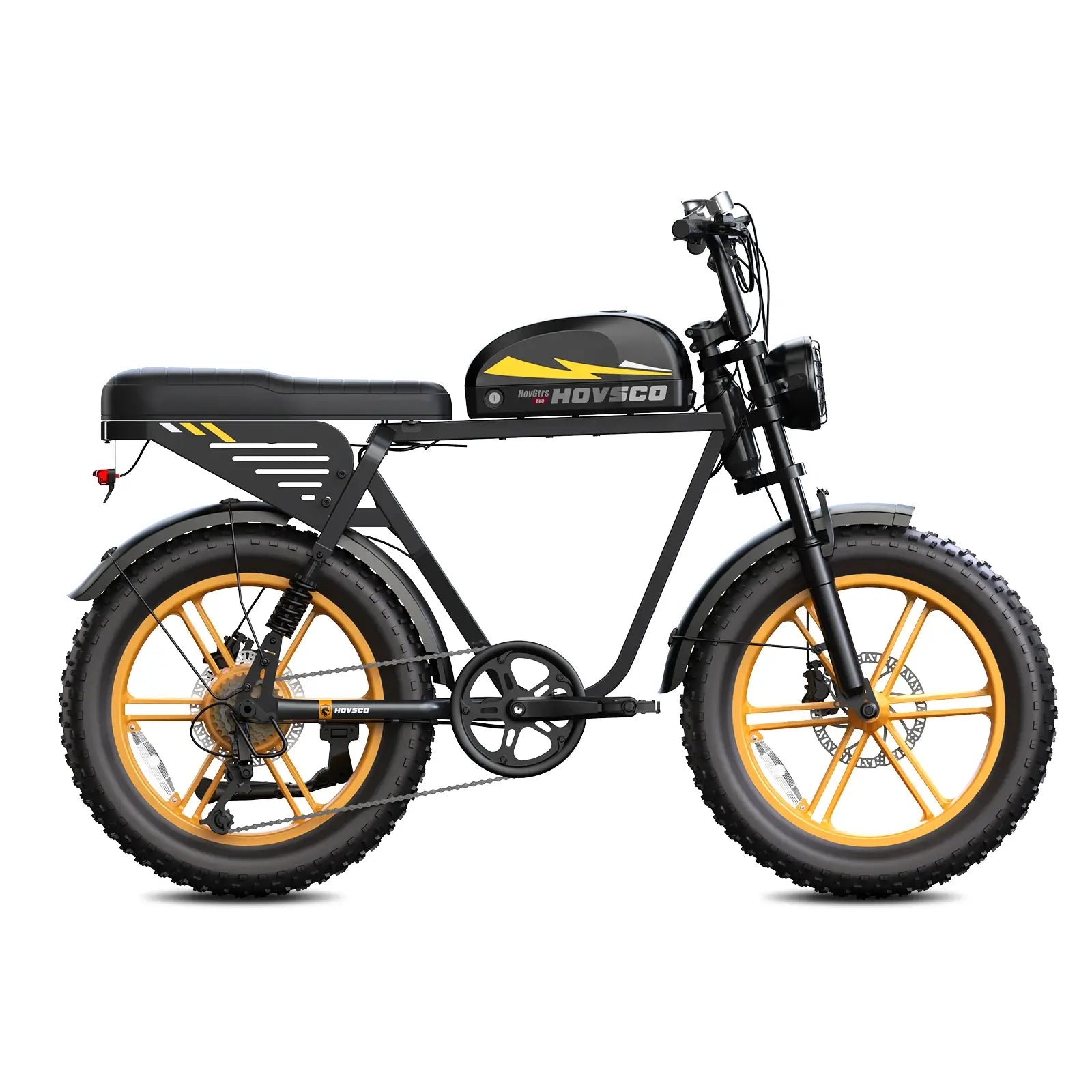
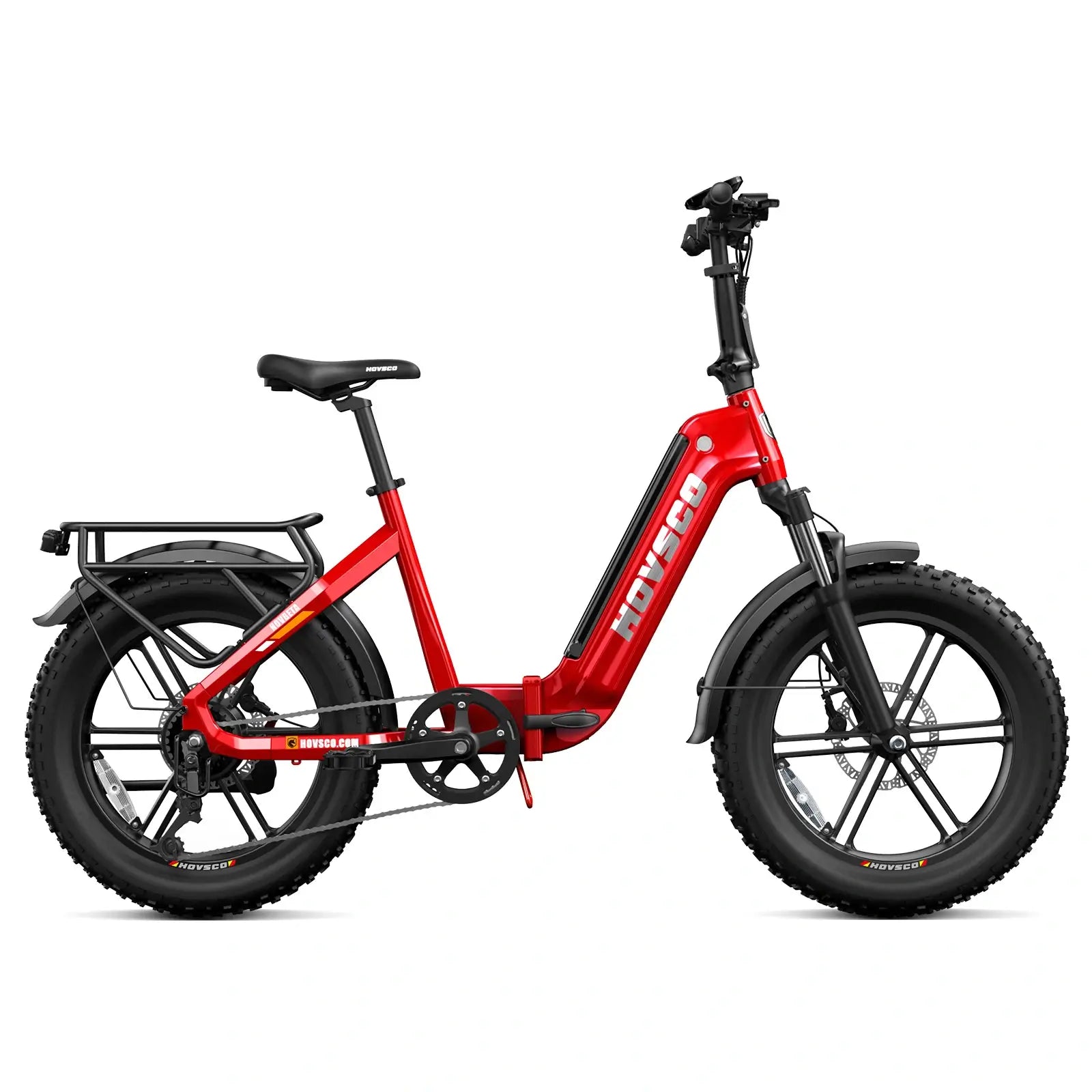
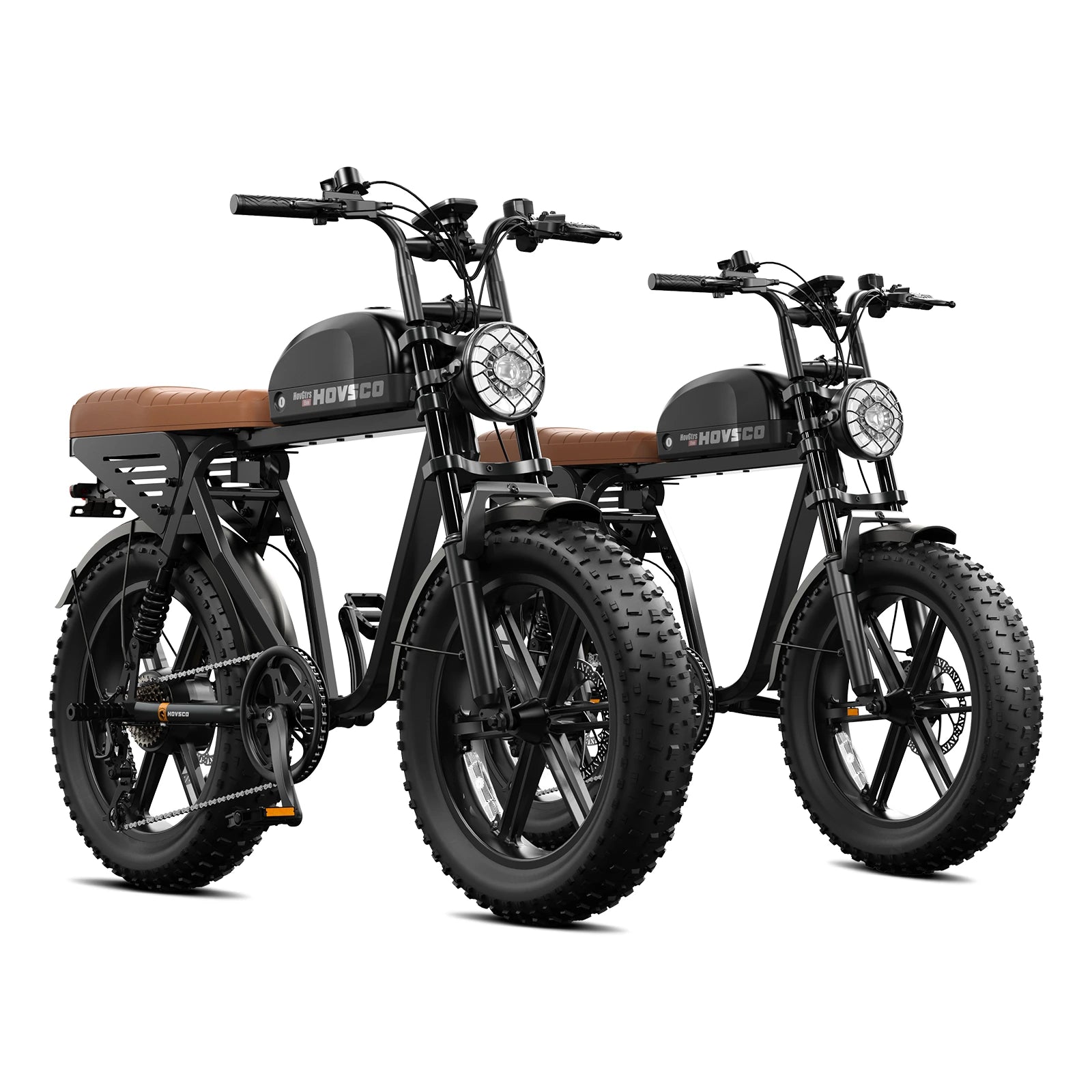
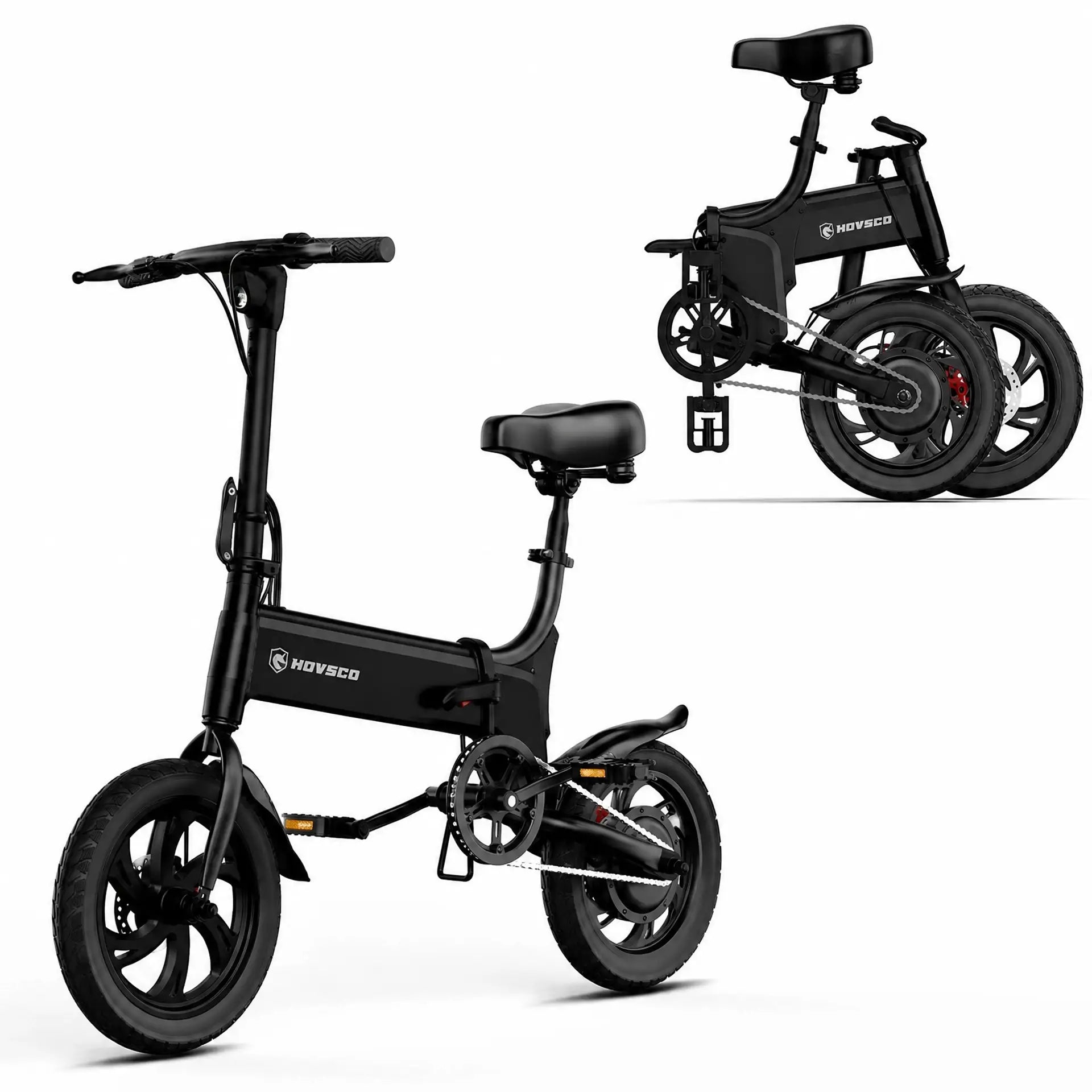
A clean energy solution works better when it matches different lifestyles. HOVSCO offers multiple form factors, from compact folding bikes to city cruisers and fat-tire models, which makes it easier for riders to find a fit based on terrain, storage space, and trip style.
Three Quick Use Examples
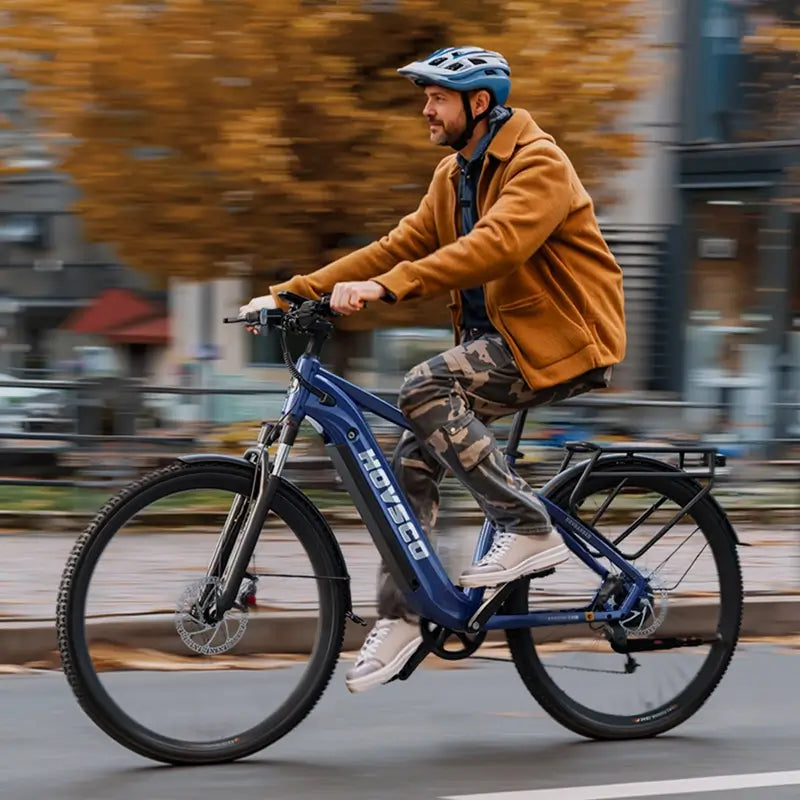
A weekday commuter uses an e-bike instead of driving to work and avoids fuel costs, parking stress, and traffic-heavy short trips.
A parent handles school pickup and grocery shopping on a cargo-capable electric bike instead of starting the car multiple times a day.
A weekend rider starts with leisure cycling and gradually turns the e-bike into a regular tool for local errands and social visits.
Related HOVSCO Products Worth Considering
Clean energy infrastructure works best when mobility is flexible rather than one-dimensional. That is why HOVSCO’s broader product lineup matters. A rider may begin with one bike for a single use case, then expand into a more complete household mobility setup over time.
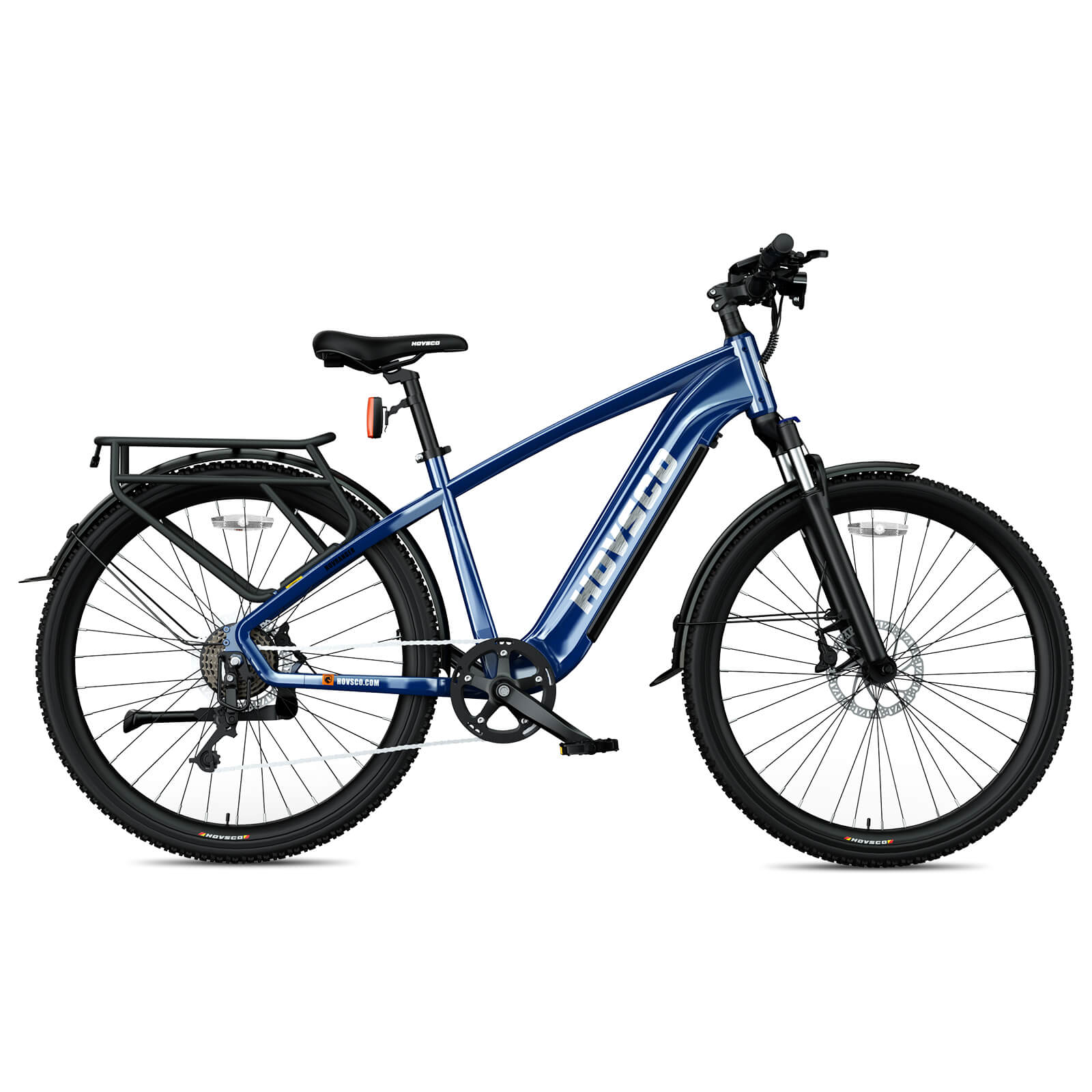
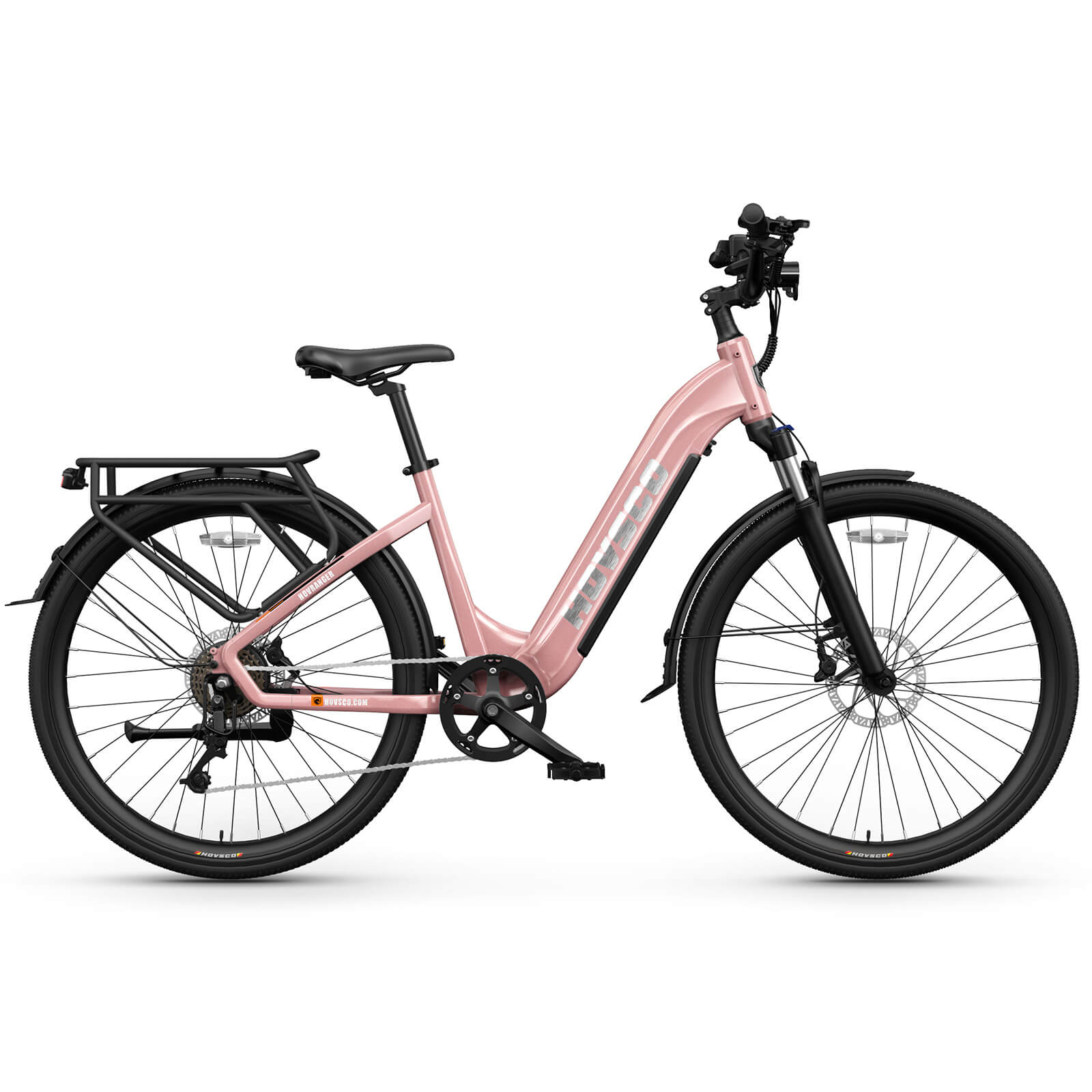
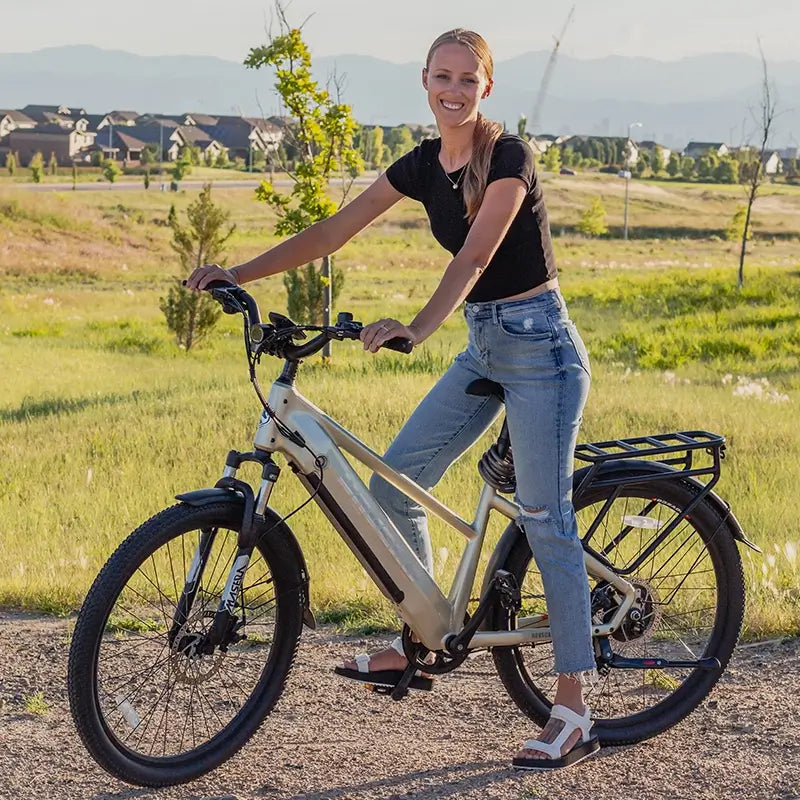
For family transport and utility riding, the HovCart Cargo E-Bike is the natural focal point. Riders who want a more relaxed commuter option may look at the HovCity Step-Thru Cruiser E-Bike, while people with limited storage or mixed-mode routines may prefer the HovBeta Foldable Fat Tire E-Bike.
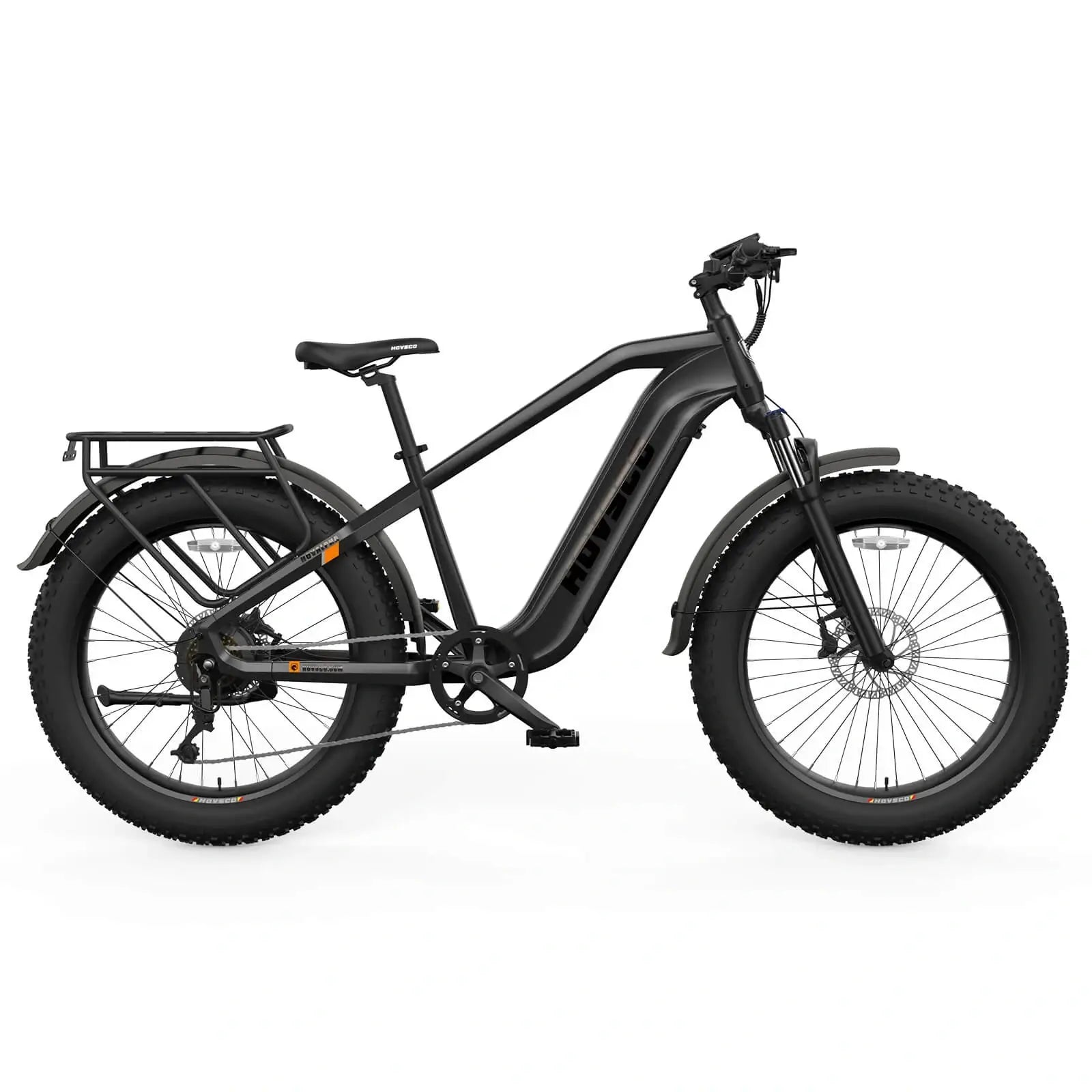
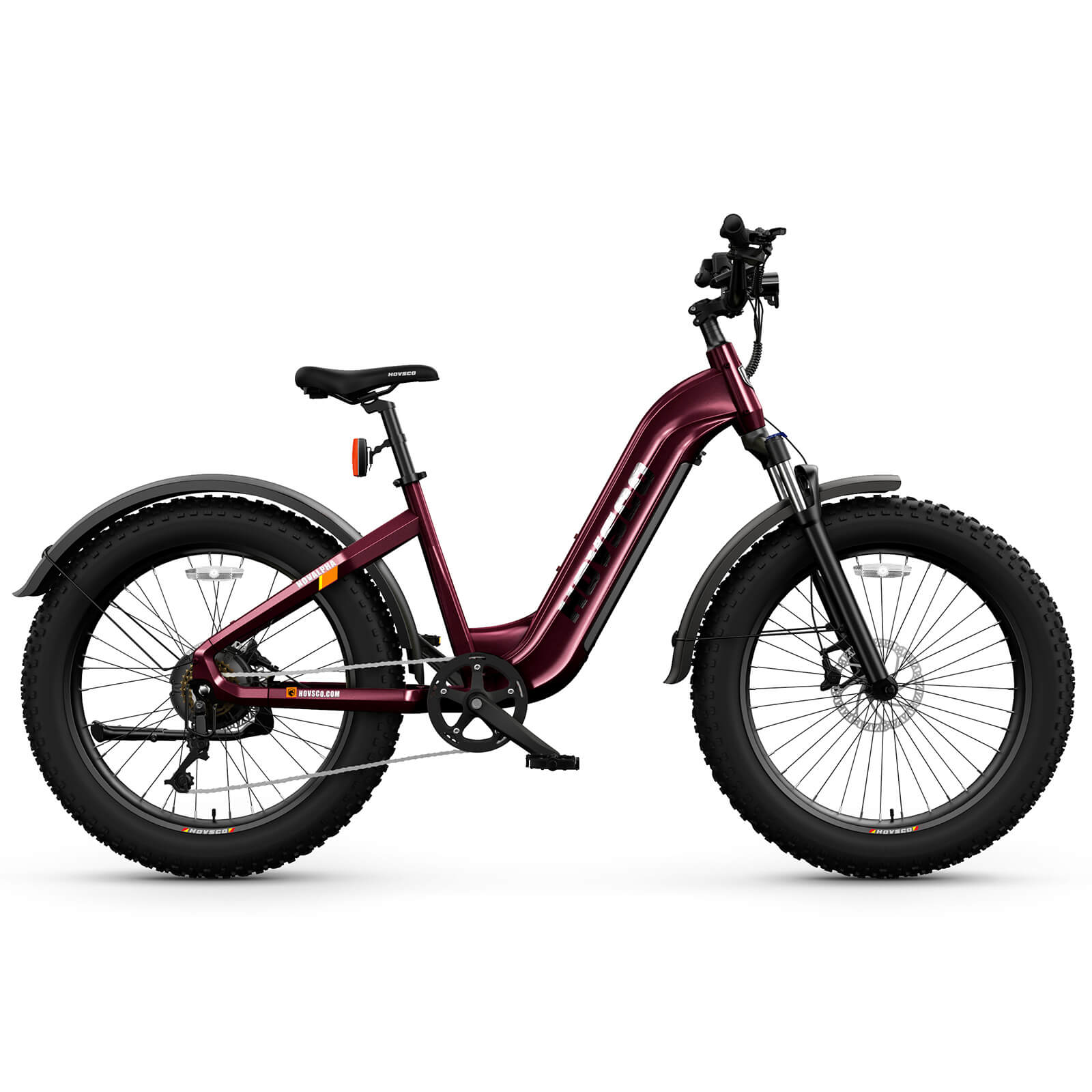
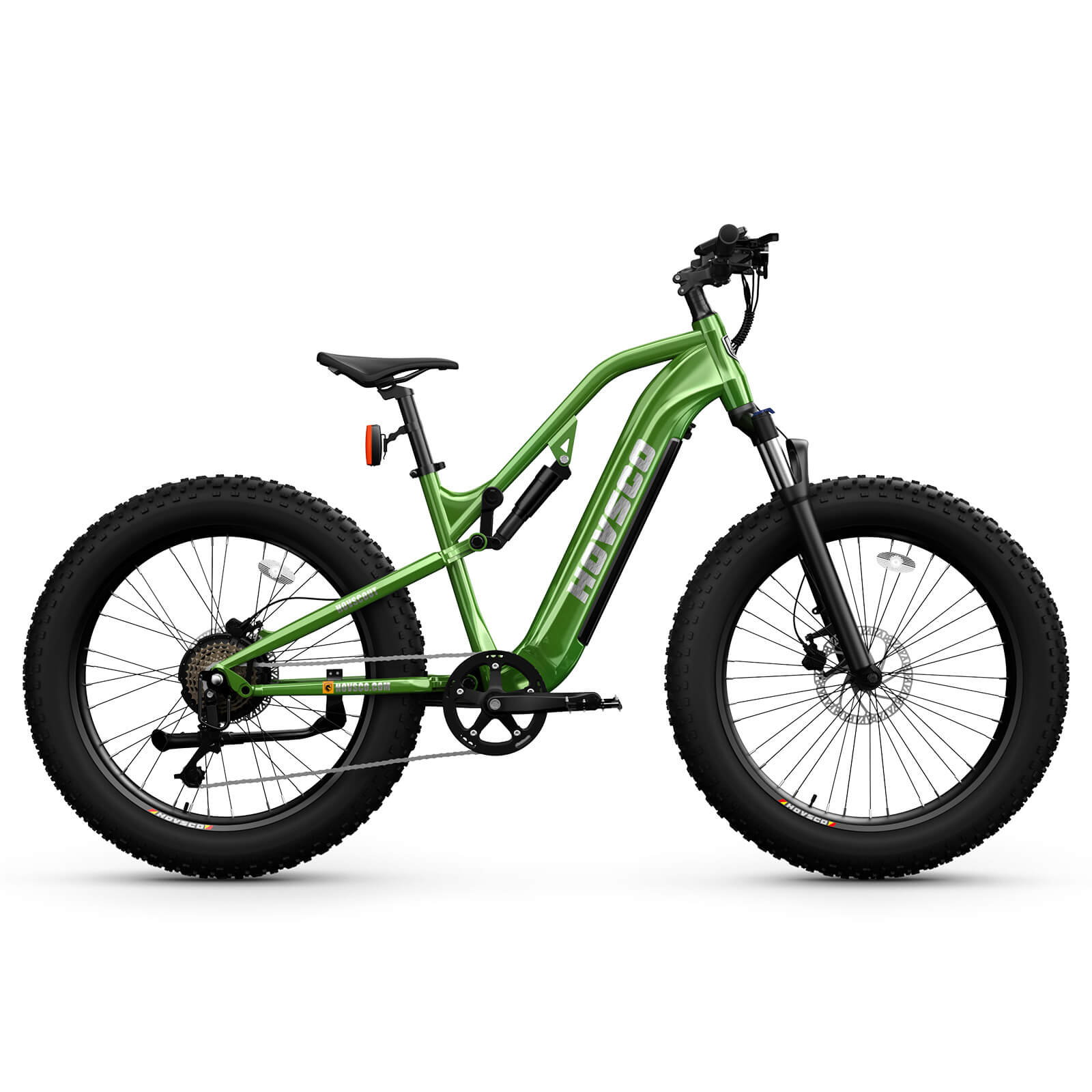
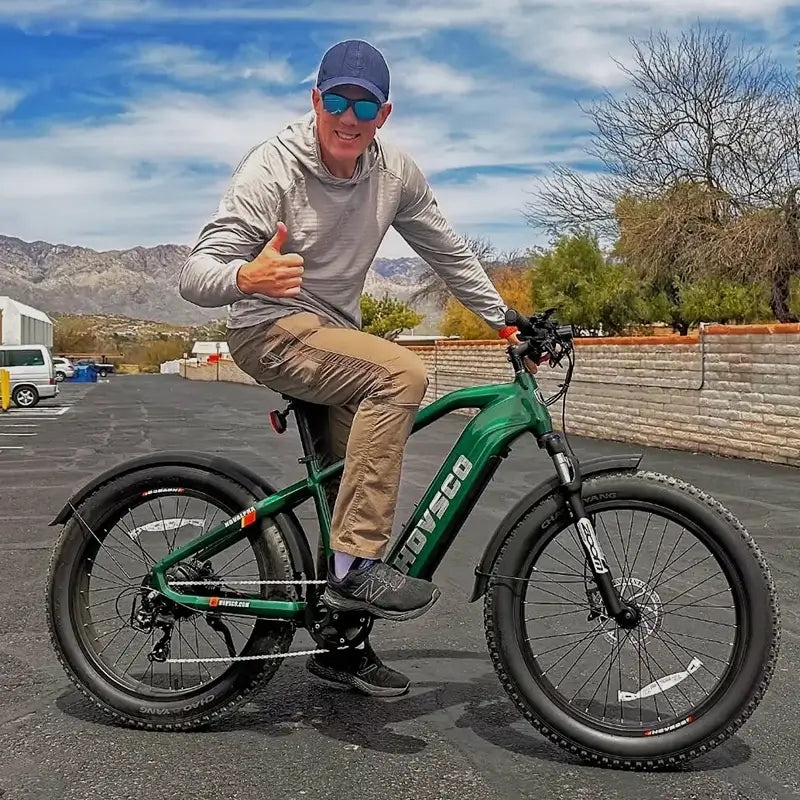
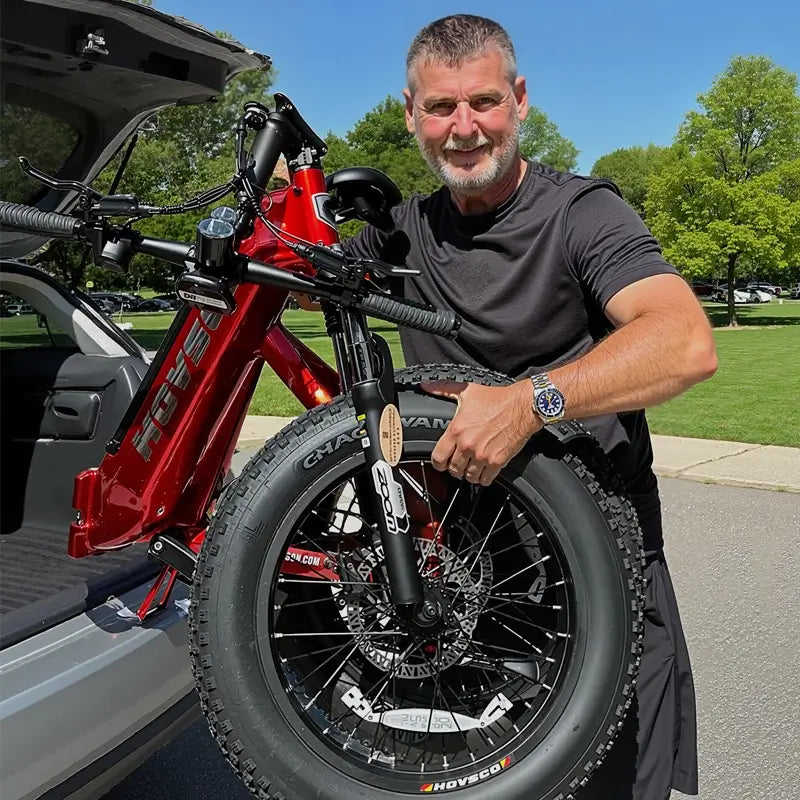
For more adventurous terrain or riders who want extra traction and comfort, the HovAlpha Fat Tire Electric Bike broadens the use case beyond pavement. Together, these options show that HOVSCO is not selling one narrow solution, but a set of mobility formats that can serve different stages of everyday electrification.
How to Use Clean Energy Infrastructure in Daily Life
Audit your weekly trips. Start by listing your most common routes: work, school, groceries, gym, café stops, and weekend rides. Many people discover that a surprisingly large share of their routine mileage comes from short trips that can be handled without a car.
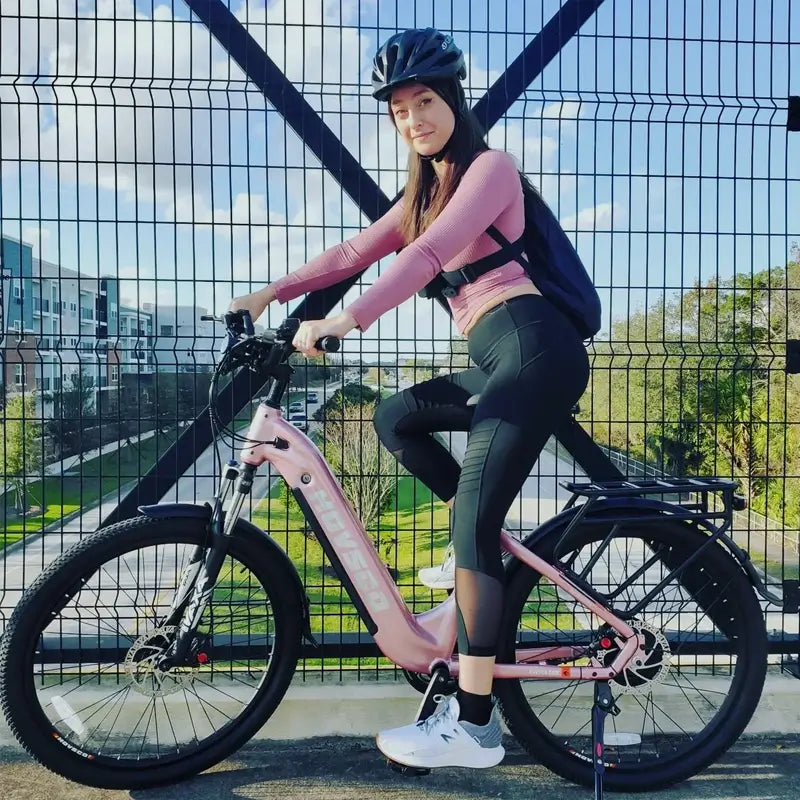
Choose the right e-bike format. A commuter may want a step-through or city model, while a parent may need cargo capacity and a more stable utility frame. Matching the bike to the trip pattern is more important than chasing the most aggressive specifications.
Plan charging simply. In most cases, e-bike charging does not require major infrastructure changes. A regular home charging routine is often enough to support everyday use, especially for riders with predictable weekly travel patterns.
Equip the bike for real errands. Storage, lighting, visibility, and carrying accessories make the difference between a bike that is occasionally used and one that becomes part of daily life. Utility grows quickly when the rider can carry bags, lock securely, and ride confidently in different conditions.
Start with one repeating use case. The easiest path to adoption is not replacing every car trip at once. It is replacing one repeated category first, such as commuting three times a week or handling neighborhood grocery trips by e-bike.
Expand from habit, not pressure. Once the rider sees the convenience in practice, usage usually grows naturally. The bike moves from a test purchase to a regular tool, and that is when clean energy infrastructure becomes part of household behavior rather than just an abstract idea.
Scenario: Urban Family Logistics
Scenario
A family makes multiple short trips every weekday: school drop-off, grocery shopping, quick errands, and after-school activities.
Traditional approach
The car handles everything, even when the destination is close. That means repeated engine use, parking hassle, and a routine built around congestion rather than convenience.
After using HOVSCO
A cargo-capable HOVSCO model turns those short trips into compact electric mobility. The family keeps the car available for long-distance needs, but many local journeys shift to a lighter, quieter, and more affordable format.
Scenario: Suburban Commuting
Scenario
A rider travels a moderate daily distance to work and wants to reduce fuel spending without sacrificing independence.
Traditional approach
Driving feels like the only realistic option, especially when the route includes mixed terrain or moderate hills. Over time, however, fuel, maintenance, and parking make the routine feel expensive and repetitive.
After using HOVSCO
A commuter-oriented HOVSCO e-bike offers electric assist, useful range, and a more active travel experience. The rider keeps control over departure time and route choice, but reduces dependence on the car for a predictable daily pattern.
Scenario: Weekend Rider to Everyday User
Scenario
Someone is interested in clean mobility but does not want to commit immediately to replacing daily transport habits.
Traditional approach
They continue driving for nearly everything and treat cycling as an occasional recreational activity rather than a useful mobility option.
After using HOVSCO
They begin with weekend rides, build confidence, and then start using the bike for nearby errands, social visits, and selected weekday trips. What starts as leisure gradually becomes infrastructure at the personal level: a repeatable clean transport habit.
FAQ About Clean Energy Infrastructure and HOVSCO
What does clean energy infrastructure mean for everyday transportation?
In daily mobility, clean energy infrastructure refers to the systems and products that help people travel with less dependence on fossil fuels. That includes electric bikes, batteries, charging access, and practical products that make low-emission transport usable in normal routines.
Why are e-bikes relevant to clean energy infrastructure?
E-bikes matter because they solve a large category of short and medium-distance trips that are often still done by car. They lower the effort barrier of cycling while keeping the footprint much smaller than a car-based solution.
How does HOVSCO fit this category better than a standard bicycle?
A standard bicycle is clean, but not always practical for hills, cargo, longer commutes, or riders who want assistance. HOVSCO’s electric models are more suitable for people trying to replace real transport tasks rather than ride only for exercise or occasional recreation.
Which long-tail clean energy infrastructure use cases fit HOVSCO best?
Strong fits include clean energy infrastructure for family commuting, clean energy infrastructure for short-distance urban mobility, electric bike solutions for suburban errands, and low-emission transport for mixed-use daily travel. These are the situations where electric assist and utility design create the clearest real-world advantage.
Can a HOVSCO e-bike realistically replace some car trips?
Yes, especially for repeated local journeys such as commuting, school runs, grocery shopping, and neighborhood errands. It may not replace every driving need, but it can reduce how often the car is used, which is often the more realistic and valuable goal.
What should buyers compare before choosing a HOVSCO model?
They should look at trip distance, storage space, rider comfort, terrain, cargo needs, and whether the bike will be used mostly for commuting, family logistics, or recreation. The best choice is the one that matches routine behavior, because real adoption depends more on usability than on headline specs alone.
Why This Matters Now
Clean energy infrastructure becomes meaningful when it enters ordinary routines. That is why e-bikes are such an important category. They are not only cleaner than many transport alternatives, but also easier to integrate into real life than many people expect.
HOVSCO’s value lies in making that transition feel practical. Its range of formats gives different kinds of riders a path into cleaner mobility without demanding that they completely redesign their lives on day one.
CTA
Explore HOVSCO’s e-bike lineup to find a cleaner way to commute, carry more, and ride more often. HOVSCO is an electric bike brand focused on practical, high-utility mobility solutions for commuters, families, and riders who want everyday transportation with less friction and lower emissions.




![[ New Arrival ] Porto Max Electric Scooter For Commute & Grocery Shopping - HOVSCO](http://www.hovsco.com/cdn/shop/files/PotroMax-3.jpg?v=1706927007&width=1200)
Share:
E-Bike Incentive Programs: How to Maximize Savings with HOVSCO in June 2026
Carbon Footprint Reduction Through Smarter Commuting With HOVSCO E-Bikes — June 2026